GJ 463 - System
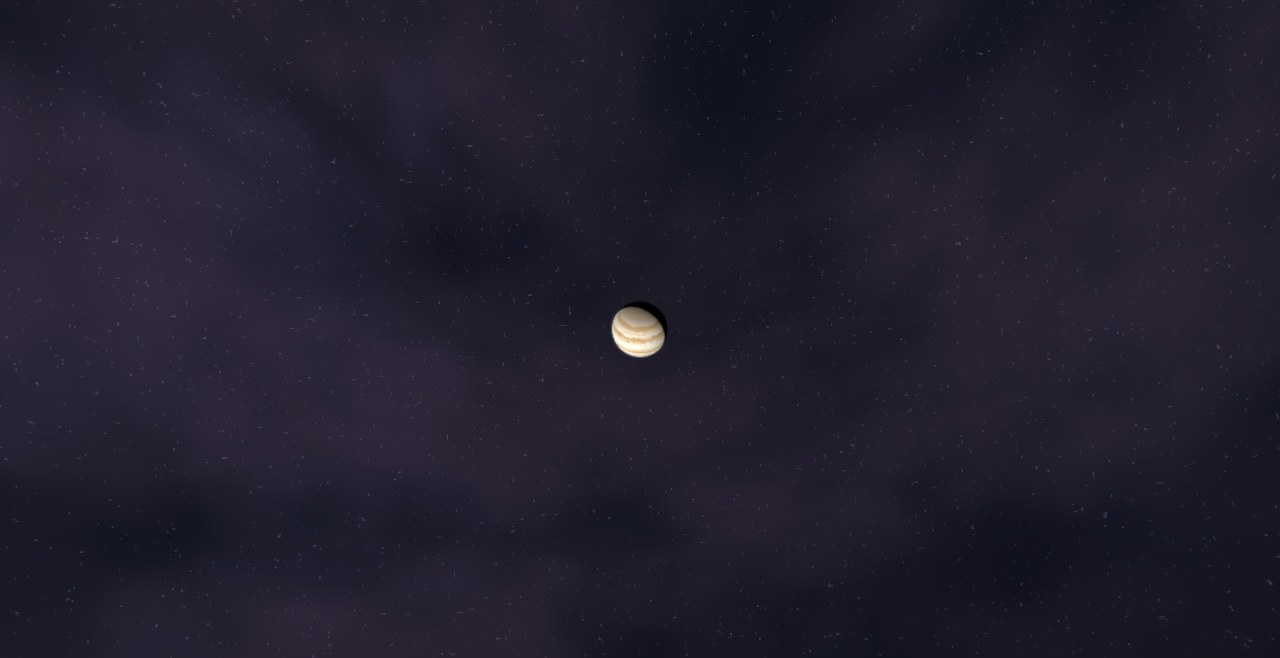
GJ 463, a cool M-dwarf of 0.49 solar masses, and GJ 463 b, a 1.65-Jupiter-mass companion, with an orbital period of 9.47 years, at 3.530 AU from its star, on an eccentric orbit (e ≈ 0.15).
Exoplanets
Analyze isolated alien worlds orbiting a singular host star to observe basic orbital parameters, tidal locks, and planetary eccentricities.
Share
GJ 463, a cool M-dwarf of 0.49 solar masses, and GJ 463 b, a 1.65-Jupiter-mass companion, with an orbital period of 9.47 years, at 3.530 AU from its star, on an eccentric orbit (e ≈ 0.15).
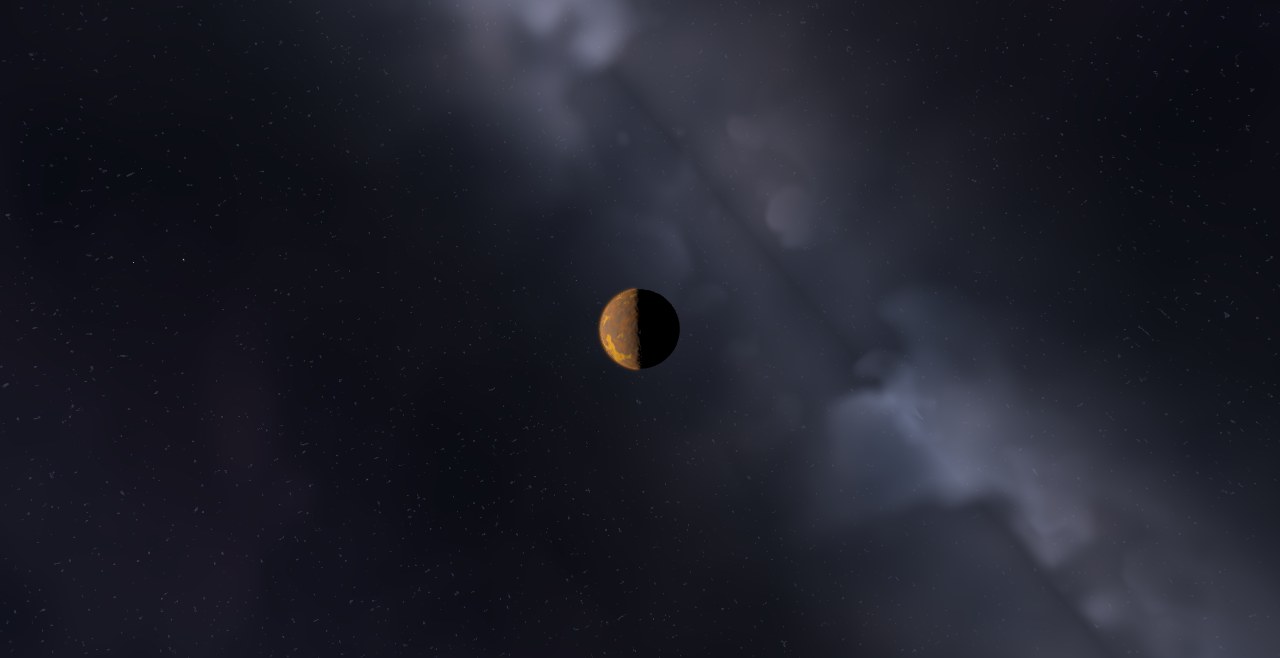
GJ 480, a cool M-dwarf of 0.45 solar masses, and GJ 480 b, a 8.8-Earth-mass planet, with an orbital period of 9.6 days, at 0.068 AU from its star, and an equilibrium temperature near 406 K.
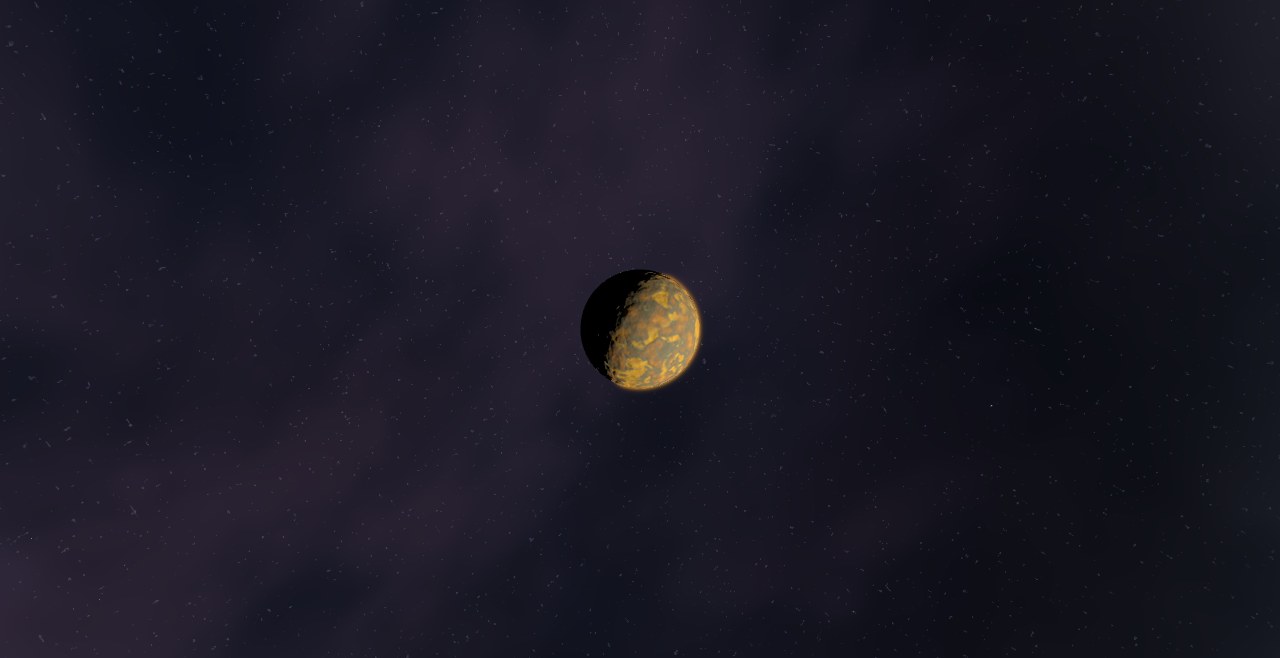
GJ 486 b, a hot rocky planet around a nearby red dwarf. JWST watches its dayside glow to see whether any atmosphere survives. Emission spectra test whether any air remains at all.
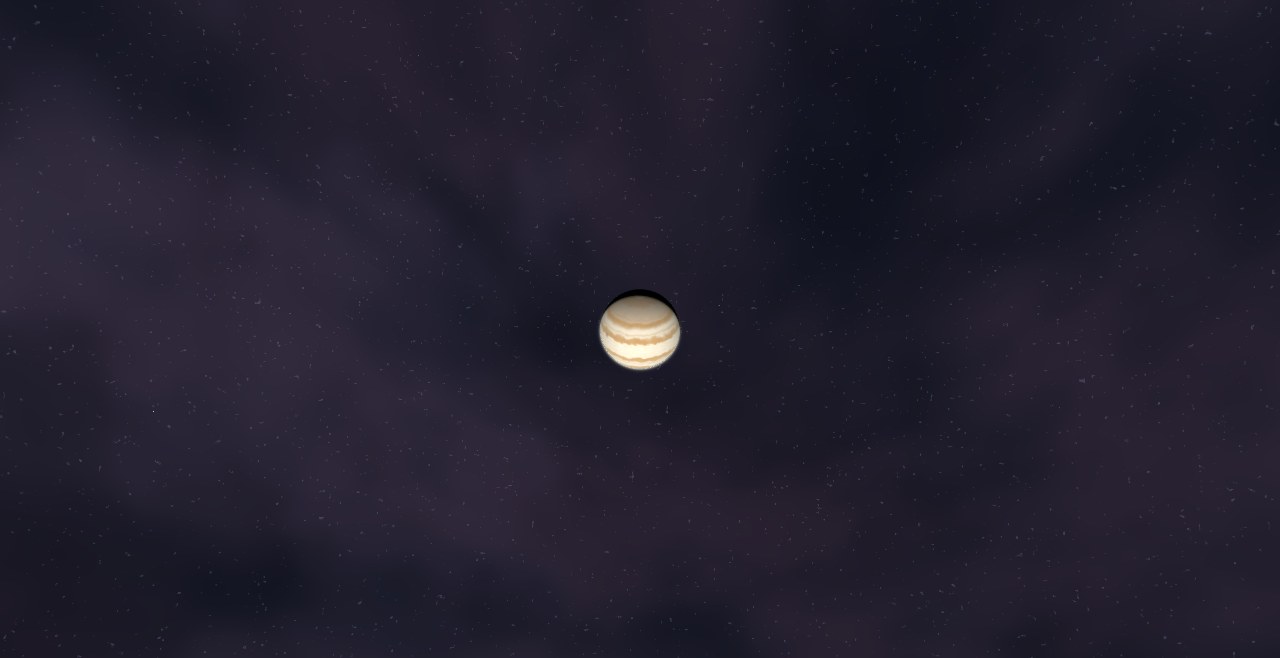
GJ 504 b, a cold giant planet imaged far from a Sun-like star. It is pinkish in infrared and one of the least massive planets seen directly.
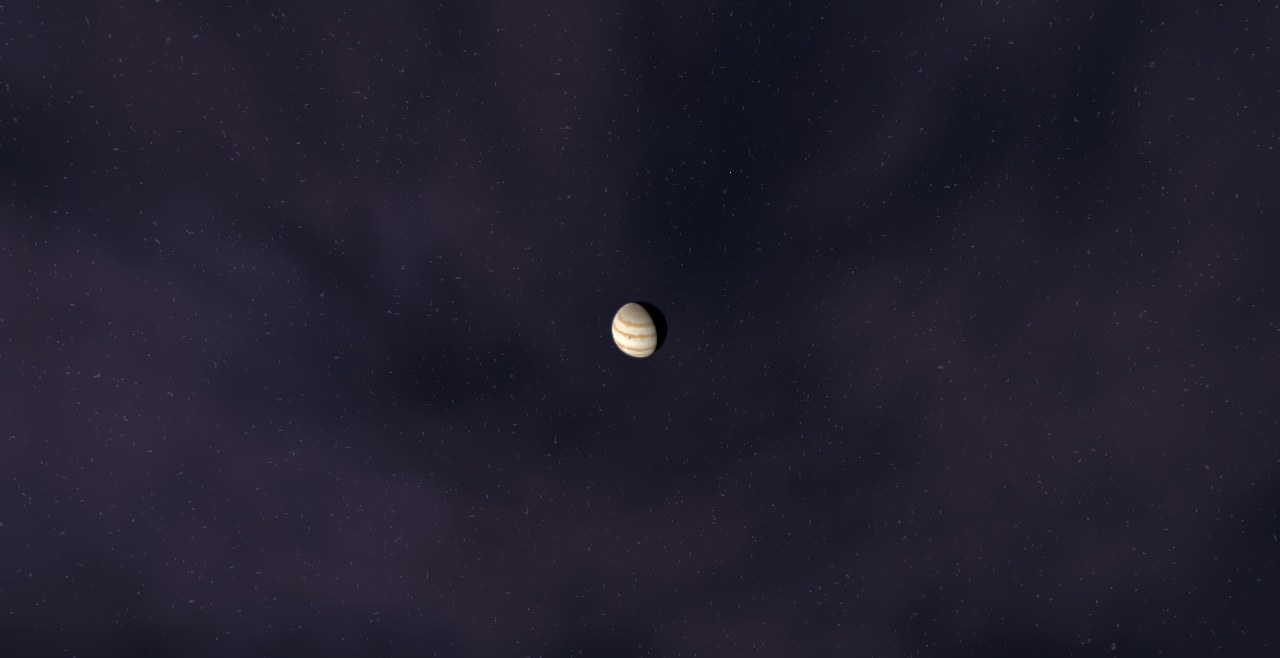
GJ 508.2, a cool M-dwarf of 0.54 solar masses, and GJ 508.2 b, a 1.85-Jupiter-mass companion, with an orbital period of 14.5 years, at 4.850 AU from its star, on an eccentric orbit (e ≈ 0.27).
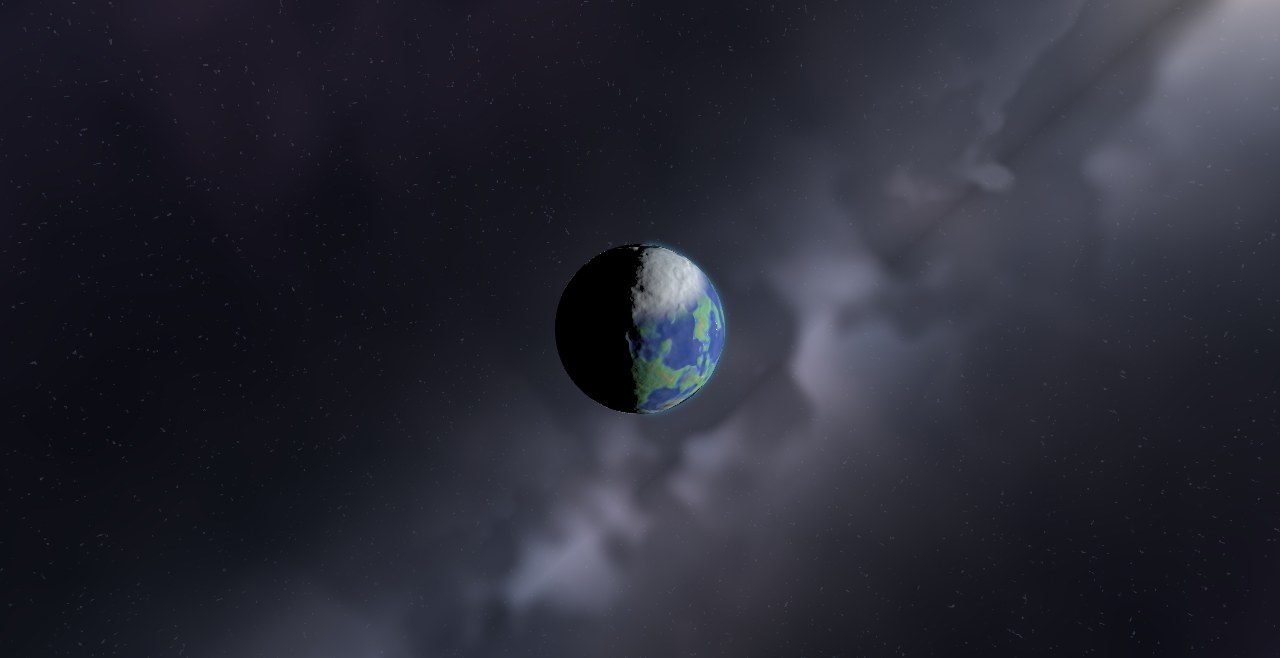
GJ 514, a cool M-dwarf of 0.51 solar masses, and GJ 514 b, a 5.2-Earth-mass planet, with an orbital period of 140 days, at 0.422 AU from its star, and an equilibrium temperature near 202 K, on an eccentric.
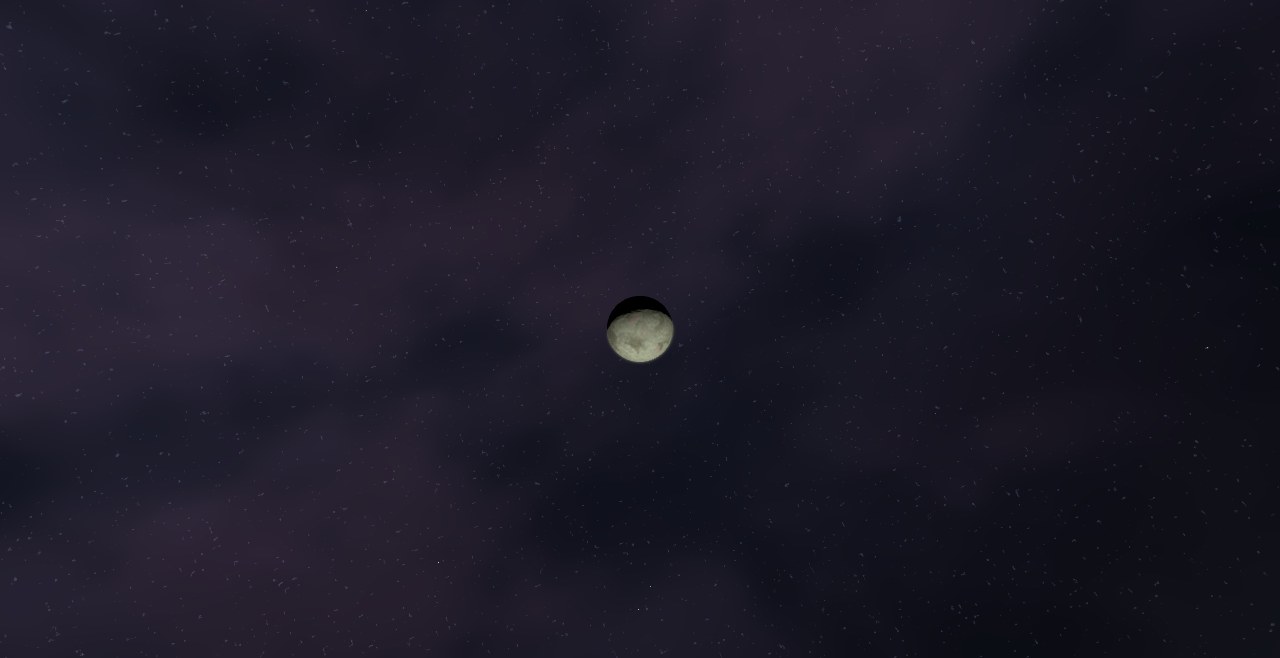
GJ 625, a cool M-dwarf of 0.30 solar masses, and GJ 625 b, a 2.8-Earth-mass planet, with an orbital period of 14.6 days, at 0.078 AU from its star, on an eccentric orbit (e ≈ 0.13).
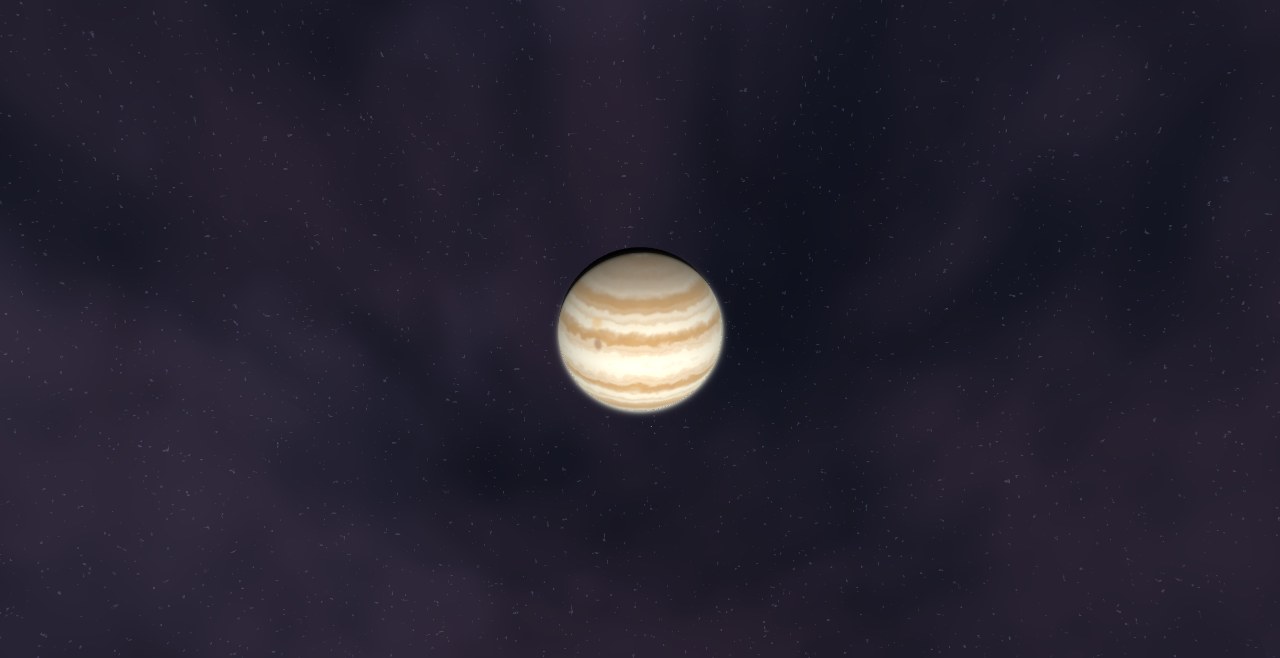
GJ 649, a cool M-dwarf of 0.51 solar masses, and GJ 649 b, a 0.26-Jupiter-mass companion, with an orbital period of 1.64 years, at 1.112 AU from its star, on an eccentric orbit (e ≈ 0.08).
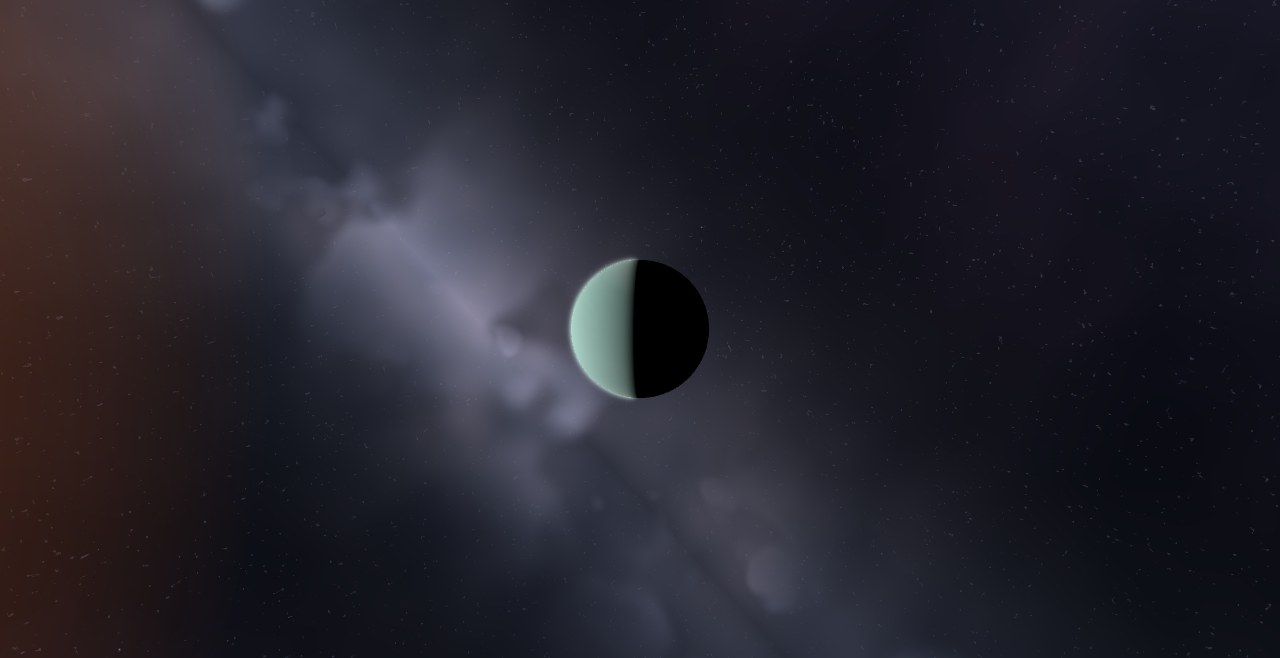
GJ 674, a cool M-dwarf of 0.35 solar masses, and GJ 674 b, a 11.1-Earth-mass planet, with an orbital period of 4.7 days, at 0.039 AU from its star, on an eccentric orbit (e ≈ 0.20).
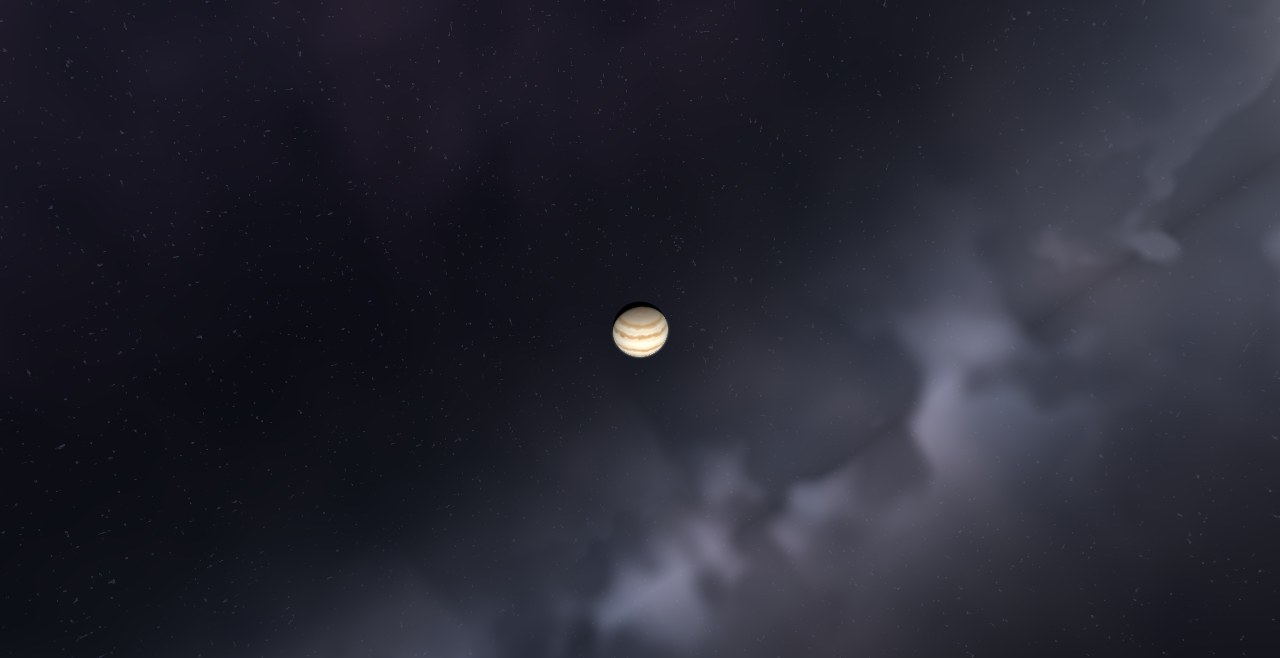
GJ 680, a cool M-dwarf of 0.46 solar masses, and GJ 680 b, a 25.1-Jupiter-mass companion, with an orbital period of 47.3 years, at 10.1 AU from its star, on an eccentric orbit (e ≈ 0.38).
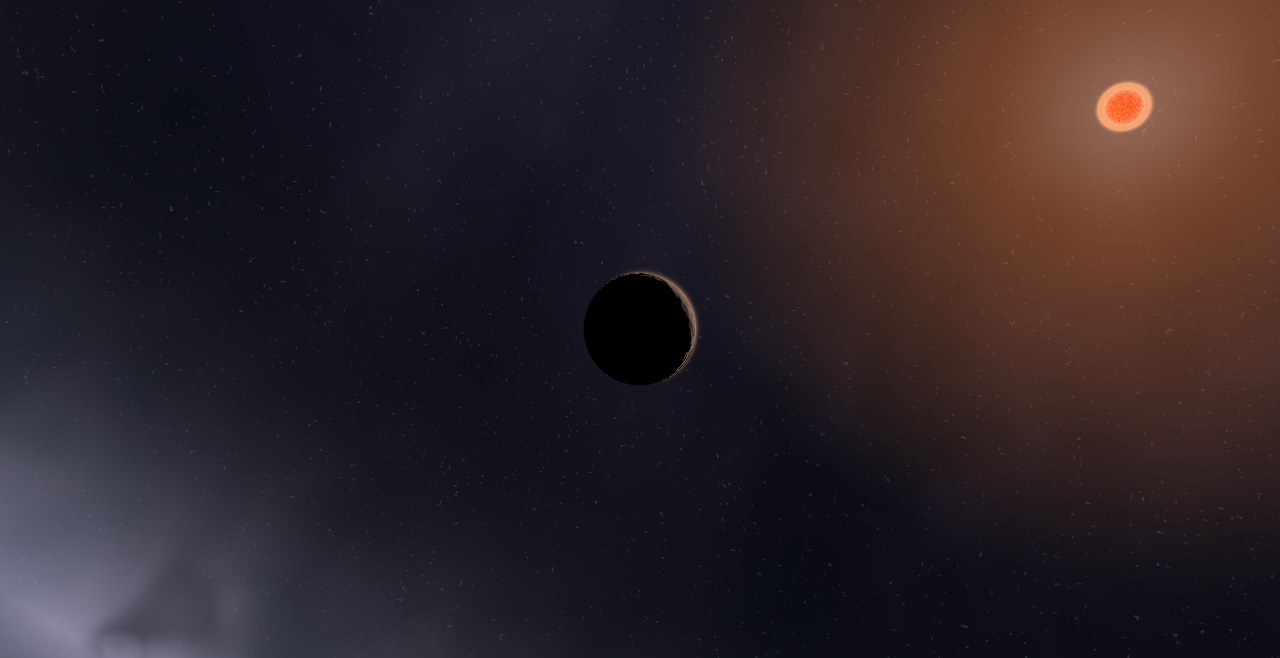
GJ 685, a cool M-dwarf of 0.55 solar masses, and GJ 685 b, a 9.0-Earth-mass planet, with an orbital period of 24.2 days, at 0.134 AU from its star.
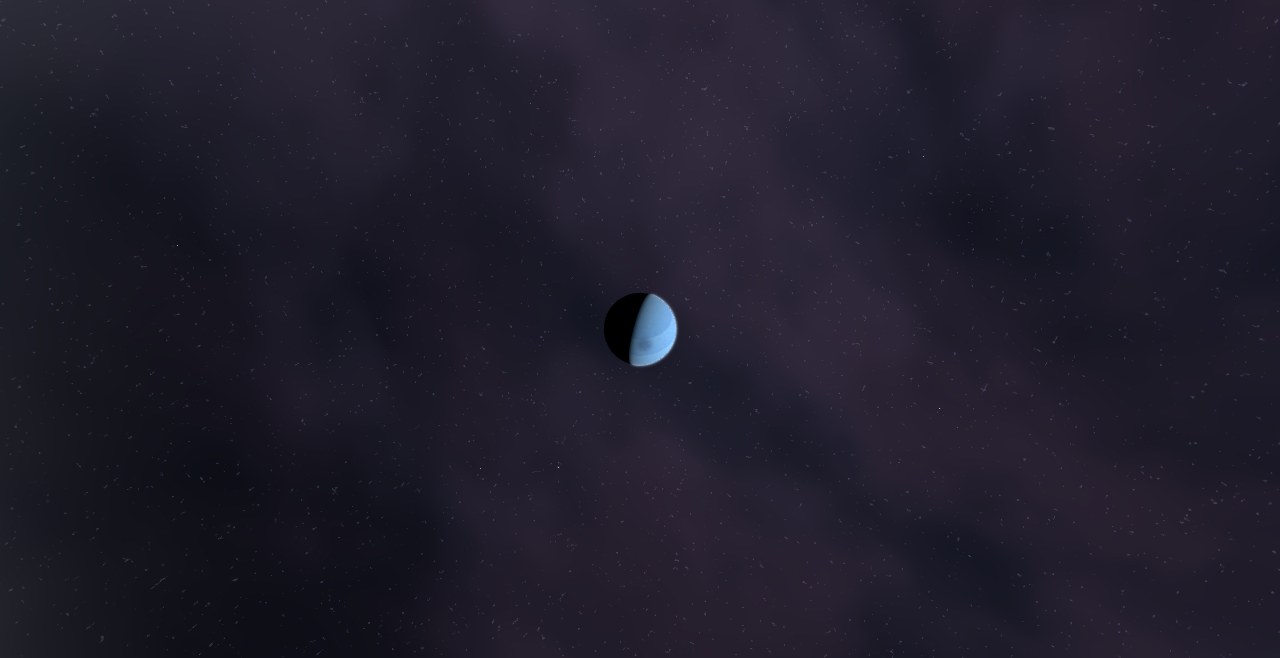
GJ 720 A, a cool M-dwarf of 0.57 solar masses, and GJ 720 A b, a 13.6-Earth-mass planet, with an orbital period of 19.5 days, at 0.119 AU from its star, and an equilibrium temperature near 401 K.
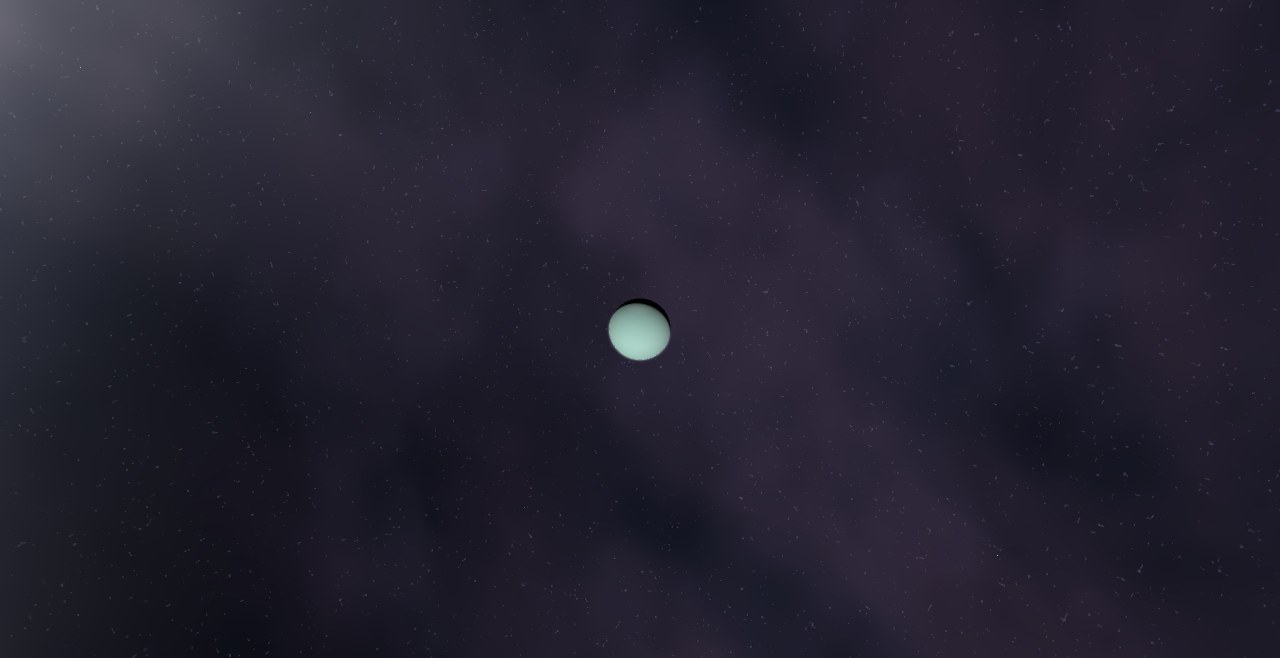
GJ 724, a cool M-dwarf of 0.53 solar masses, and GJ 724 b, a 10.8-Earth-mass planet, with an orbital period of 5.1 days, at 0.047 AU from its star, and an equilibrium temperature near 611 K, on an eccentric.
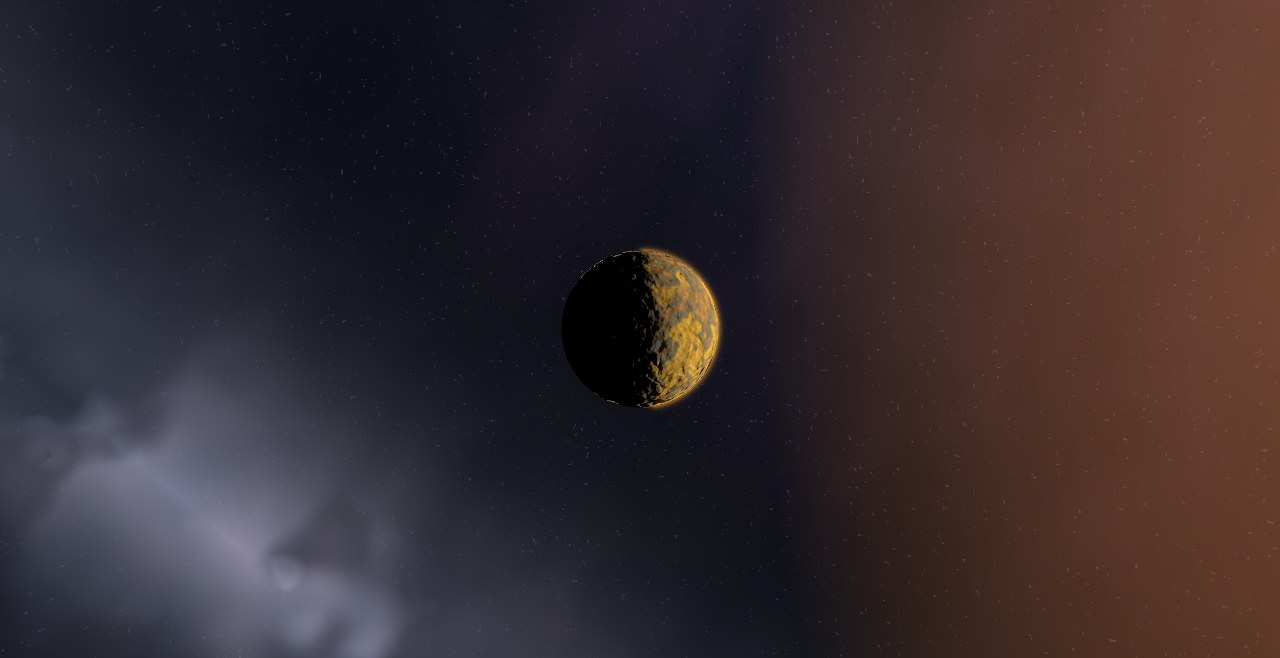
GJ 740, a cool M-dwarf of 0.58 solar masses, and GJ 740 b, a 3.0-Earth-mass planet, with an orbital period of 2.4 days, at 0.029 AU from its star, and an equilibrium temperature near 829 K, on an eccentric.
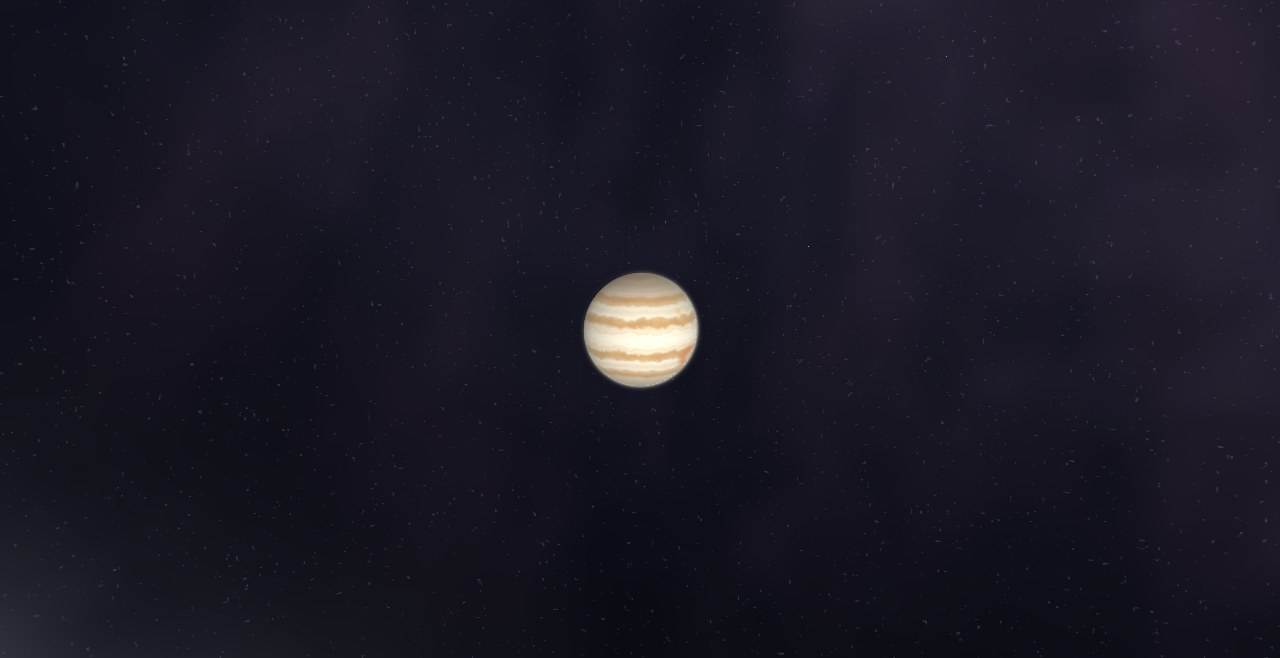
GJ 832, a cool M-dwarf of 0.45 solar masses, and GJ 832 b, a 0.99-Jupiter-mass companion, with an orbital period of 10.5 years, at 3.700 AU from its star.
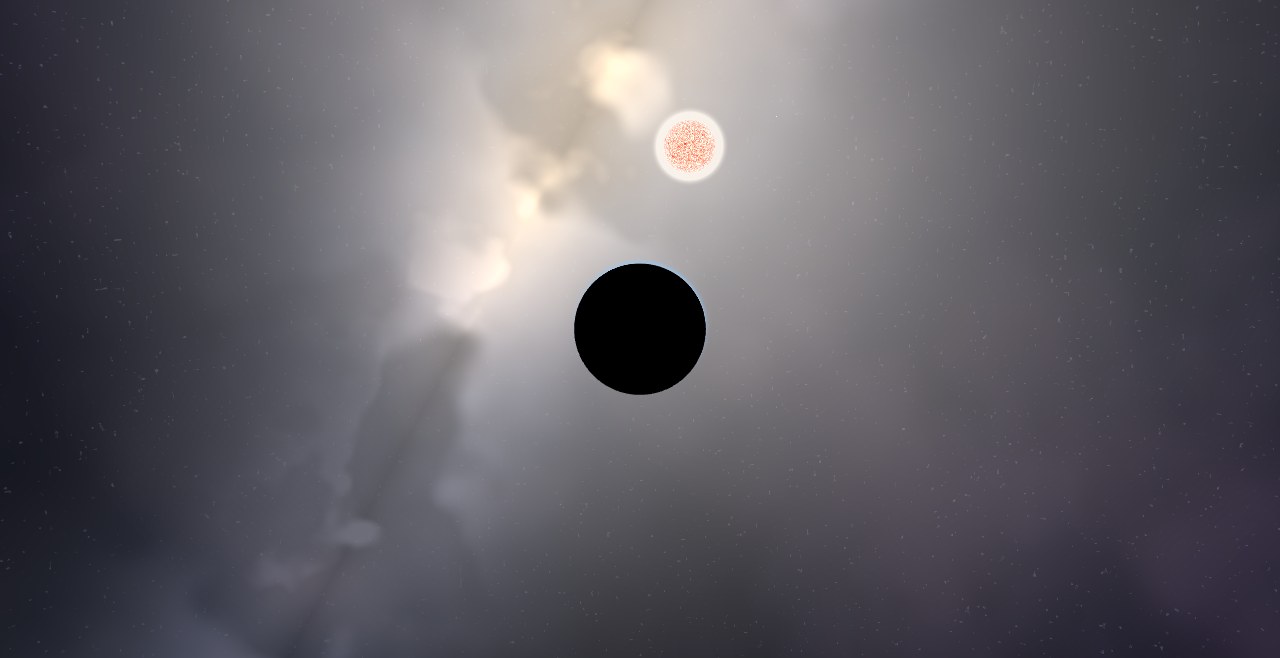
GJ 86, an orange K-type dwarf of 0.93 solar masses, and GJ 86 b, a 4.42-Jupiter-mass companion, with an orbital period of 15.8 days, at 0.110 AU from its star.
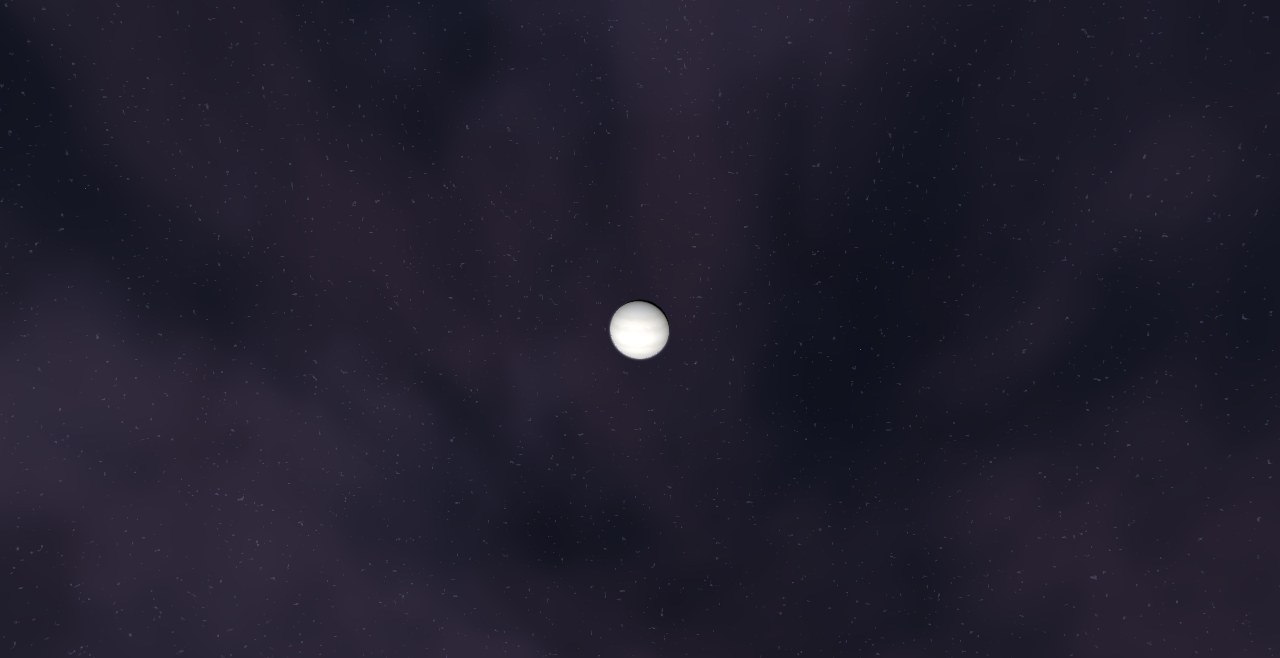
GJ 896 A, a cool M-dwarf of 0.44 solar masses, and GJ 896 A b, a 2.26-Jupiter-mass companion, with an orbital period of 284 days, at 0.640 AU from its star, on an eccentric orbit (e ≈ 0.35).
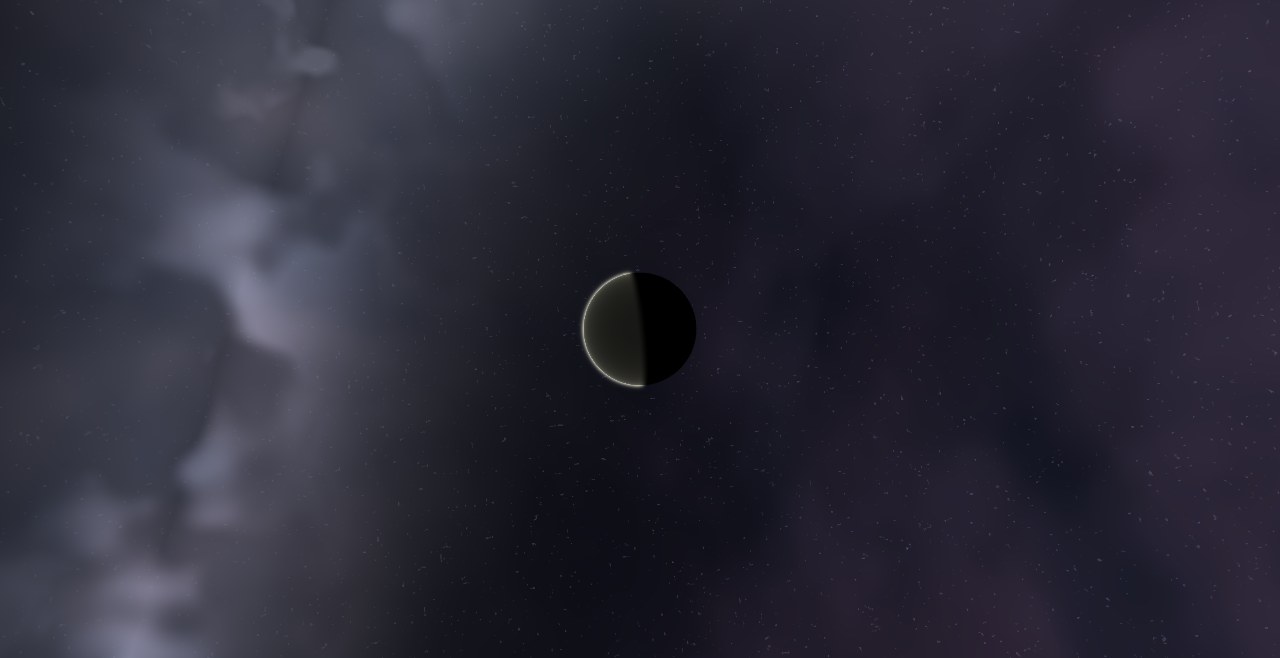
GJ 900 A, an orange K-type dwarf of 1.08 solar masses, and GJ 900 b, a 11.0-Jupiter-mass companion, at 12,000 AU from its star.