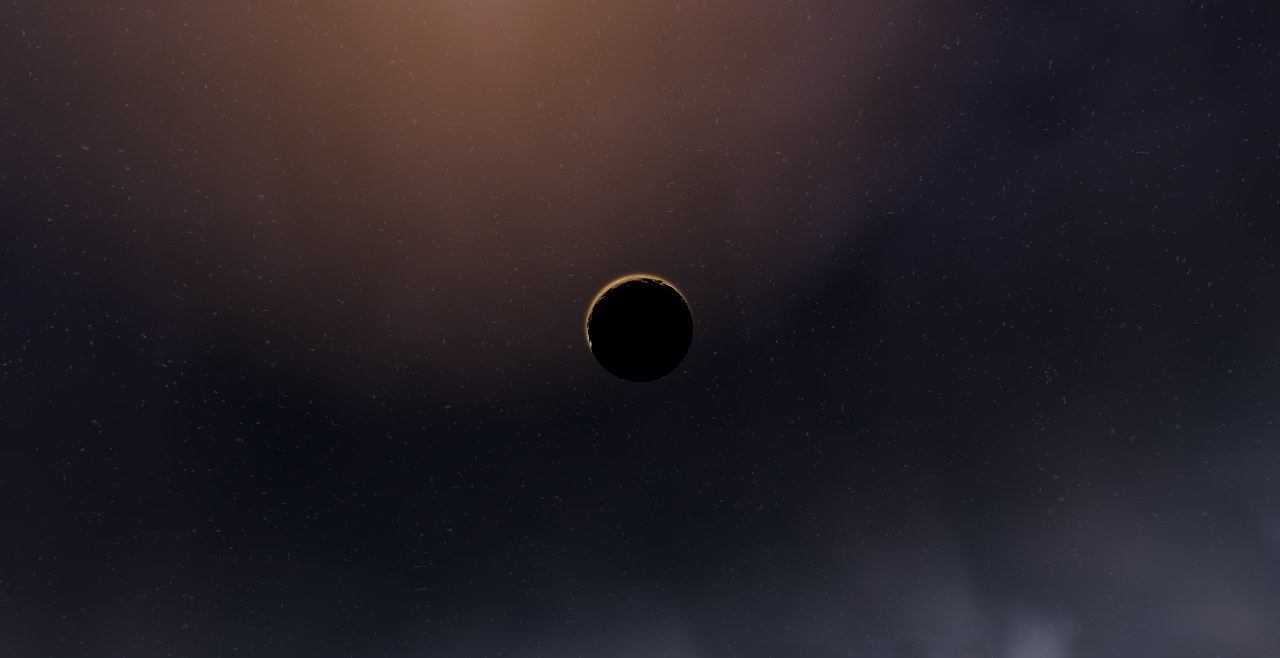
EPIC 211822797 - System
EPIC 211822797, an orange K-type dwarf of 0.62 solar masses, and EPIC 211822797 b, a planet with 1.9 Earth radii, with an orbital period of 21.2 days, at 0.119 AU from its star, and an equilibrium temperature.
Exoplanets
Analyze isolated alien worlds orbiting a singular host star to observe basic orbital parameters, tidal locks, and planetary eccentricities.
Share
EPIC 211822797, an orange K-type dwarf of 0.62 solar masses, and EPIC 211822797 b, a planet with 1.9 Earth radii, with an orbital period of 21.2 days, at 0.119 AU from its star, and an equilibrium temperature.
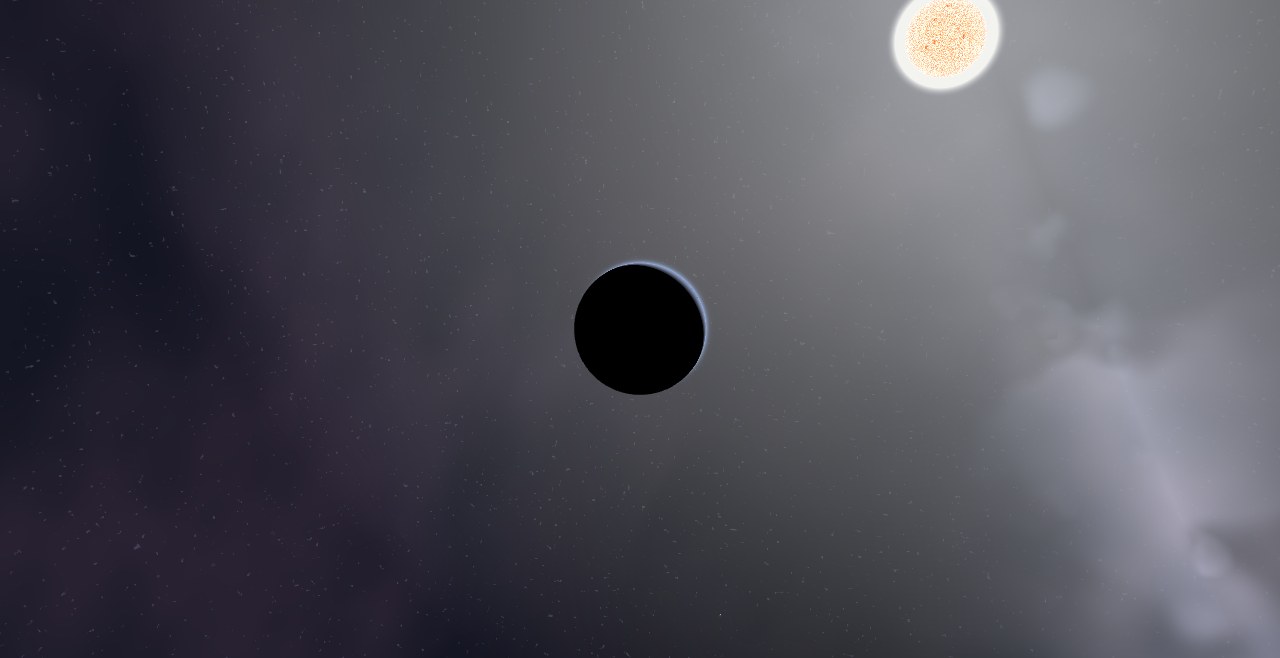
EPIC 211945201, a Sun-like F-type star of 1.17 solar masses, and EPIC 211945201 b, a planet with 5.8 Earth radii, with an orbital period of 19.5 days, at 0.149 AU from its star, and an equilibrium temperature.
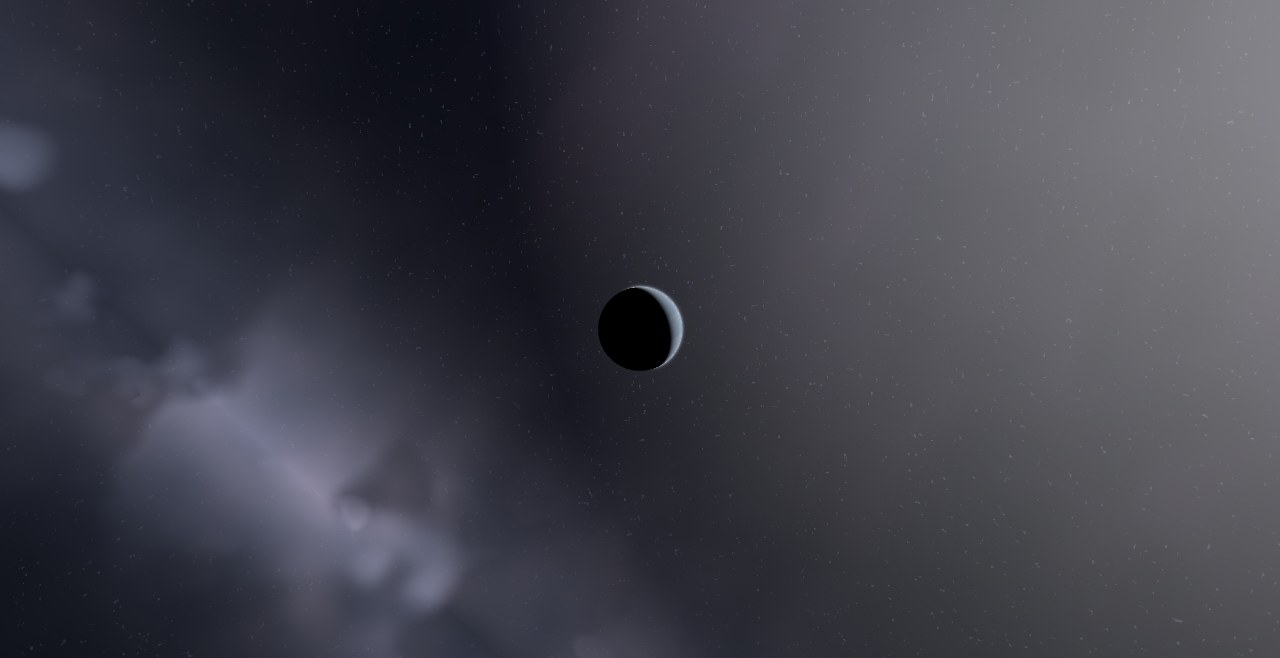
EPIC 229004835, a Sun-like G-type star of 0.97 solar masses, and EPIC 229004835 b, a 10.4-Earth-mass planet, with an orbital period of 16.1 days, at 0.124 AU from its star, and an equilibrium temperature near.
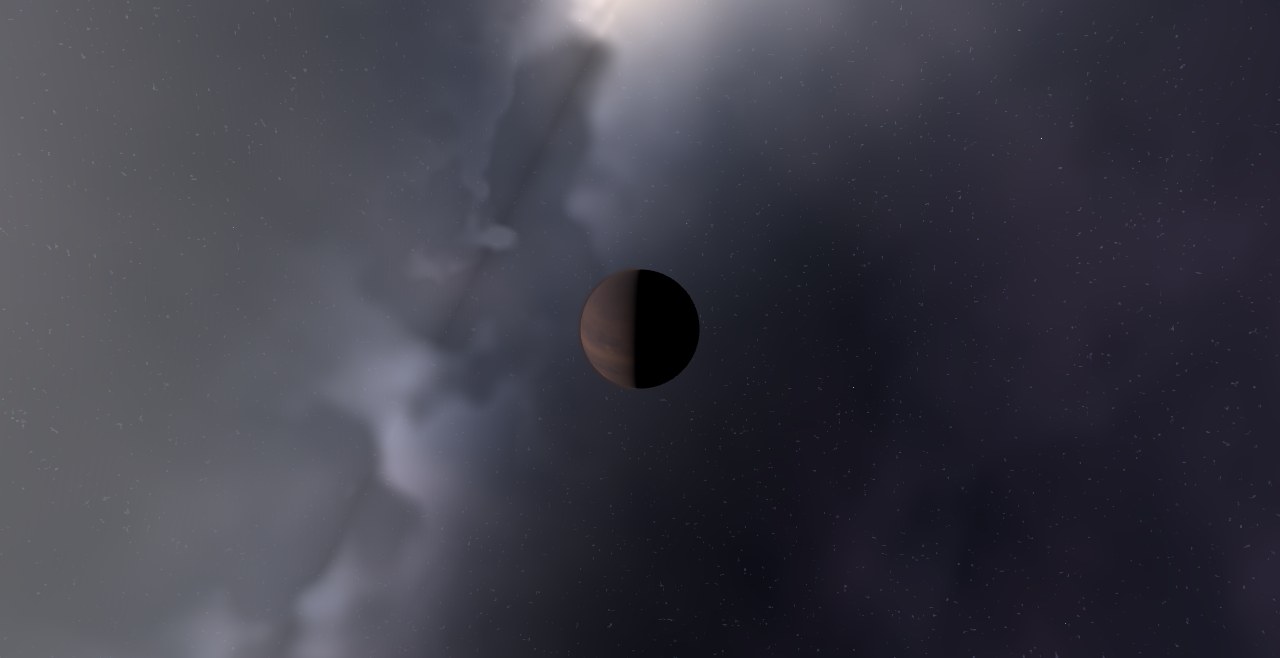
EPIC 246851721, a Sun-like F-type star of 1.32 solar masses, and EPIC 246851721 b, a 3.00-Jupiter-mass companion, with an orbital period of 6.2 days, at 0.072 AU from its star, and an equilibrium temperature.
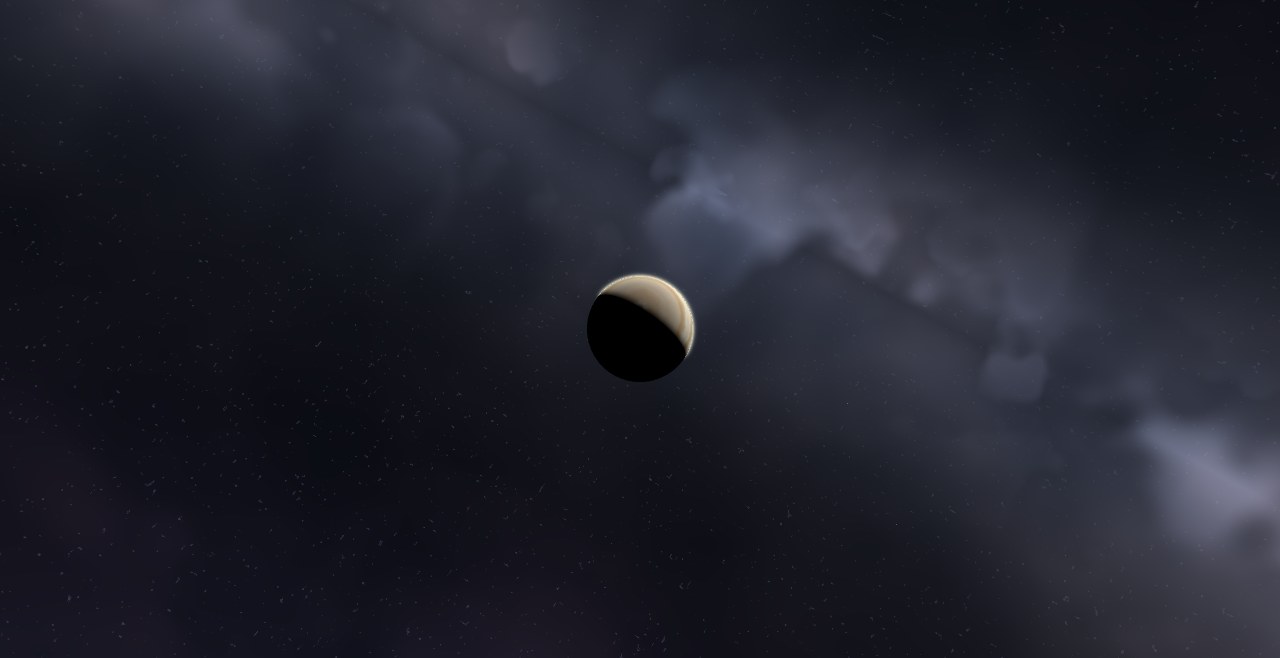
EPIC 248847494, an orange K-type dwarf of 0.90 solar masses, and EPIC 248847494 b, a 13.0-Jupiter-mass companion, with an orbital period of 9.99 years, at 4.500 AU from its star, and an equilibrium temperature.
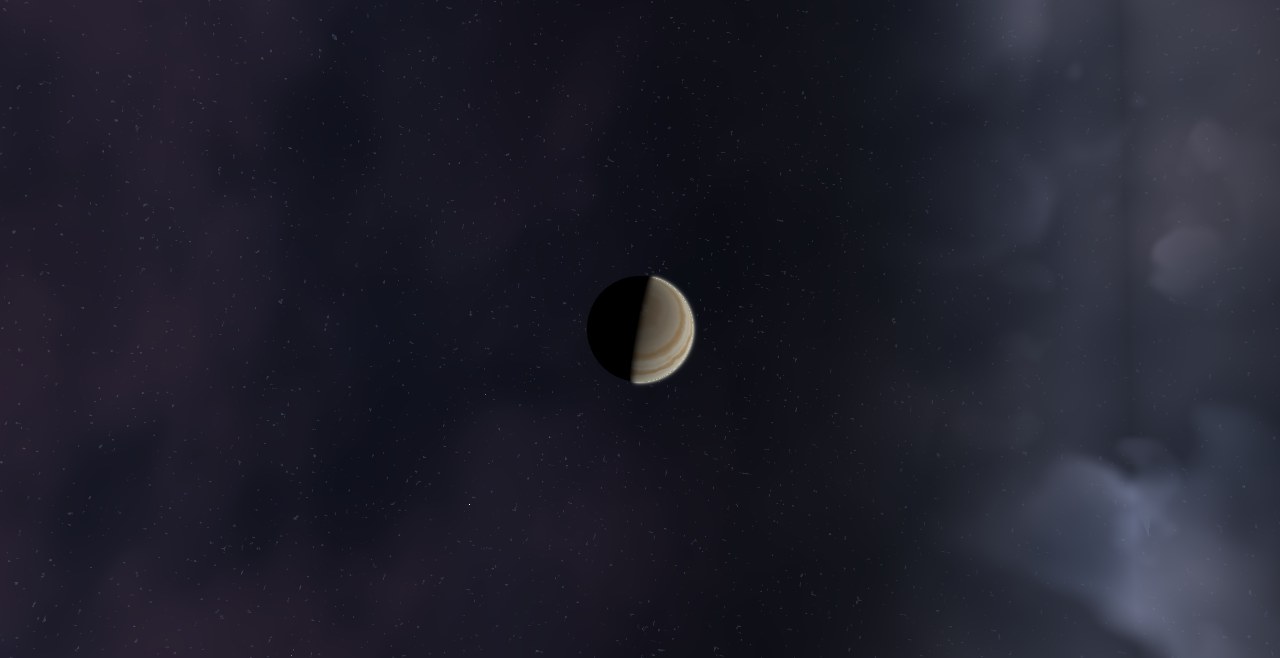
FU Tau, a cool M-dwarf of 0.05 solar masses, and FU Tau b, a 16.0-Jupiter-mass companion, at 800 AU from its star, and an equilibrium temperature near 2,375 K.
G 196-3, a cool M-dwarf of 0.52 solar masses, and G 196-3 b, a 26.0-Jupiter-mass companion, at 350 AU from its star, and an equilibrium temperature near 1,670 K.
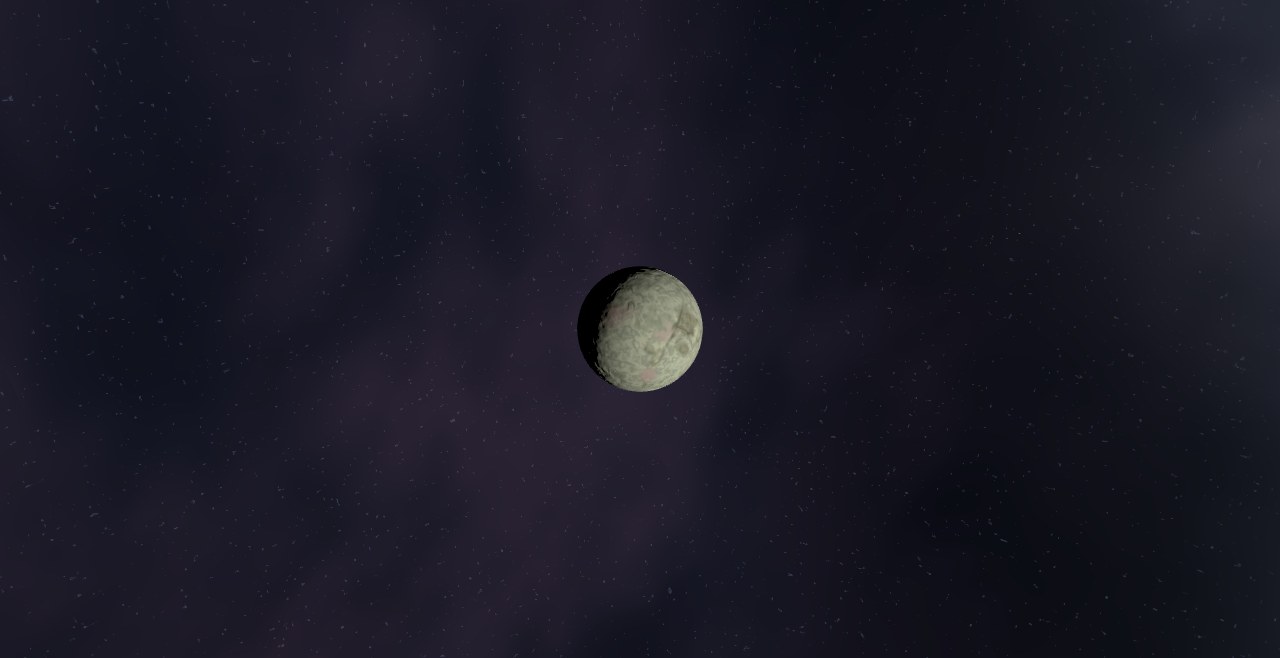
G 261-6, a cool M-dwarf of 0.12 solar masses, and G 261-6 b, a 1.4-Earth-mass planet, with an orbital period of 5.5 days, at 0.030 AU from its star, and an equilibrium temperature near 322 K.
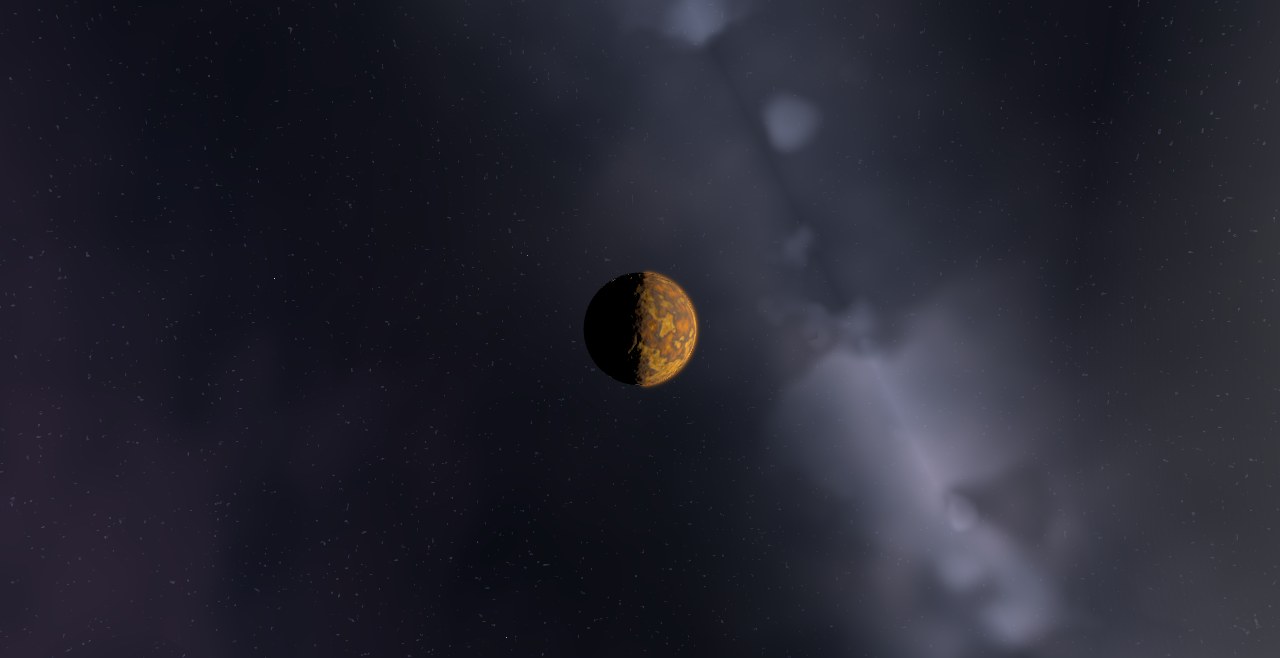
G 268-110, a cool M-dwarf of 0.14 solar masses, and G 268-110 b, a 1.5-Earth-mass planet, with an orbital period of 1.4 days, at 0.013 AU from its star, and an equilibrium temperature near 534 K.
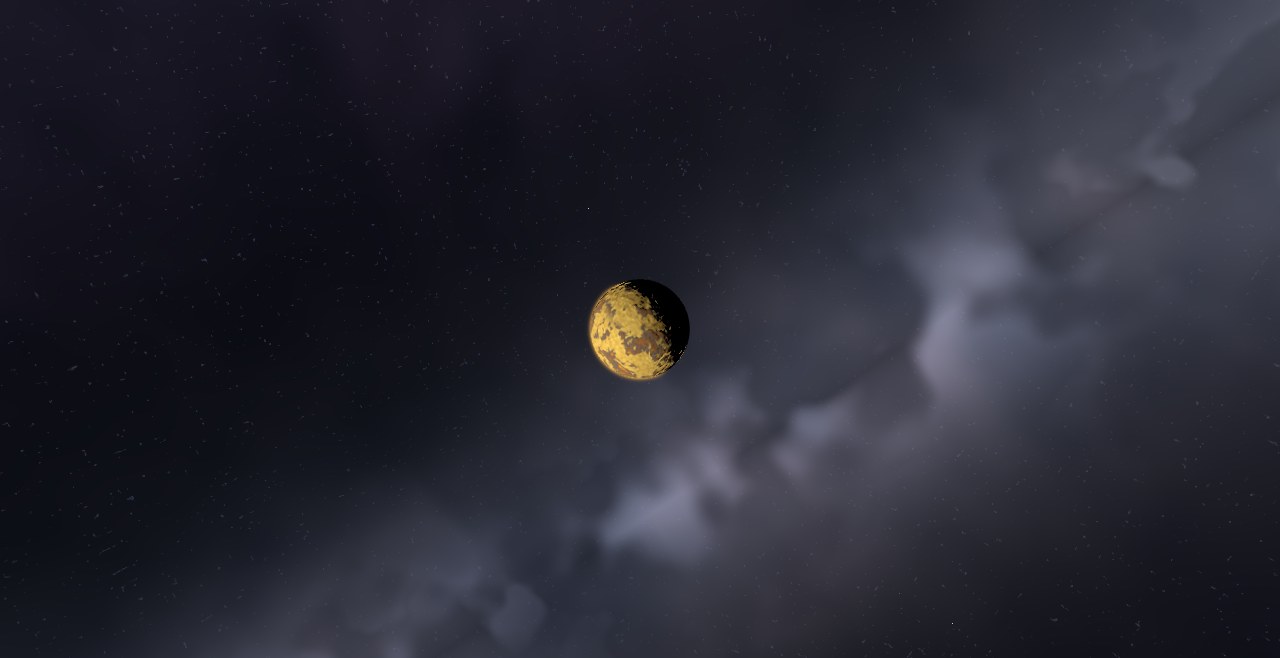
G 9-40, a cool M-dwarf of 0.30 solar masses, and G 9-40 b, a 4.0-Earth-mass planet, with an orbital period of 5.7 days, at 0.042 AU from its star, and an equilibrium temperature near 441 K.
GJ 1151, a cool M-dwarf of 0.16 solar masses, and GJ 1151 c, a 10.6-Earth-mass planet, with an orbital period of 1.07 years, at 0.571 AU from its star.
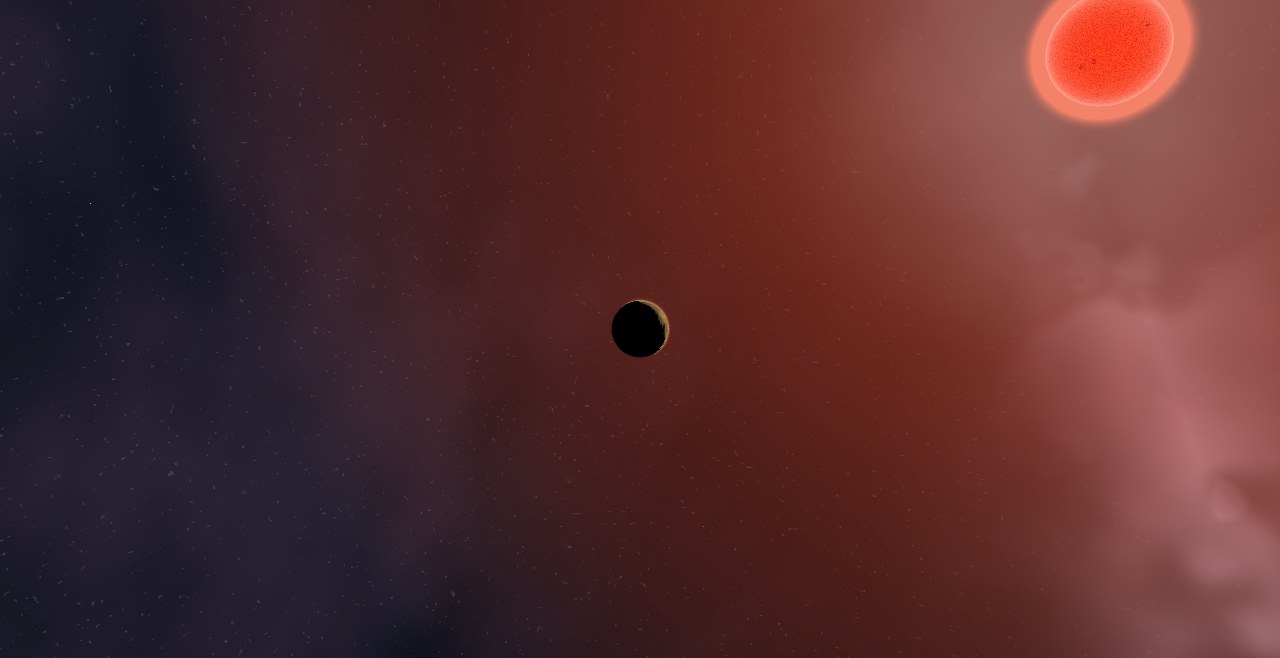
GJ 1214 b, the archetype sub-Neptune. This nearby mini-Neptune has a famously flat transmission spectrum, hiding water, haze, or both. The red-dwarf host is only about 48 light-years away.
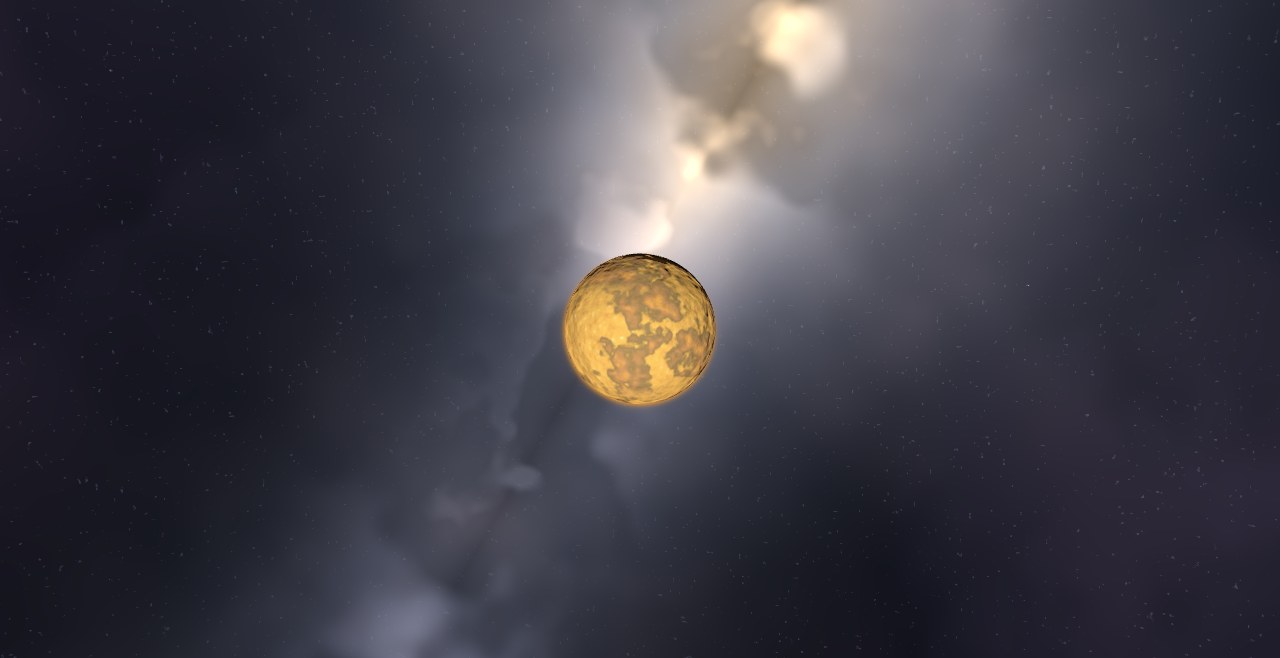
GJ 1252, a cool M-dwarf of 0.38 solar masses, and GJ 1252 b, a 1.3-Earth-mass planet, with an orbital period of 12.4 hours.
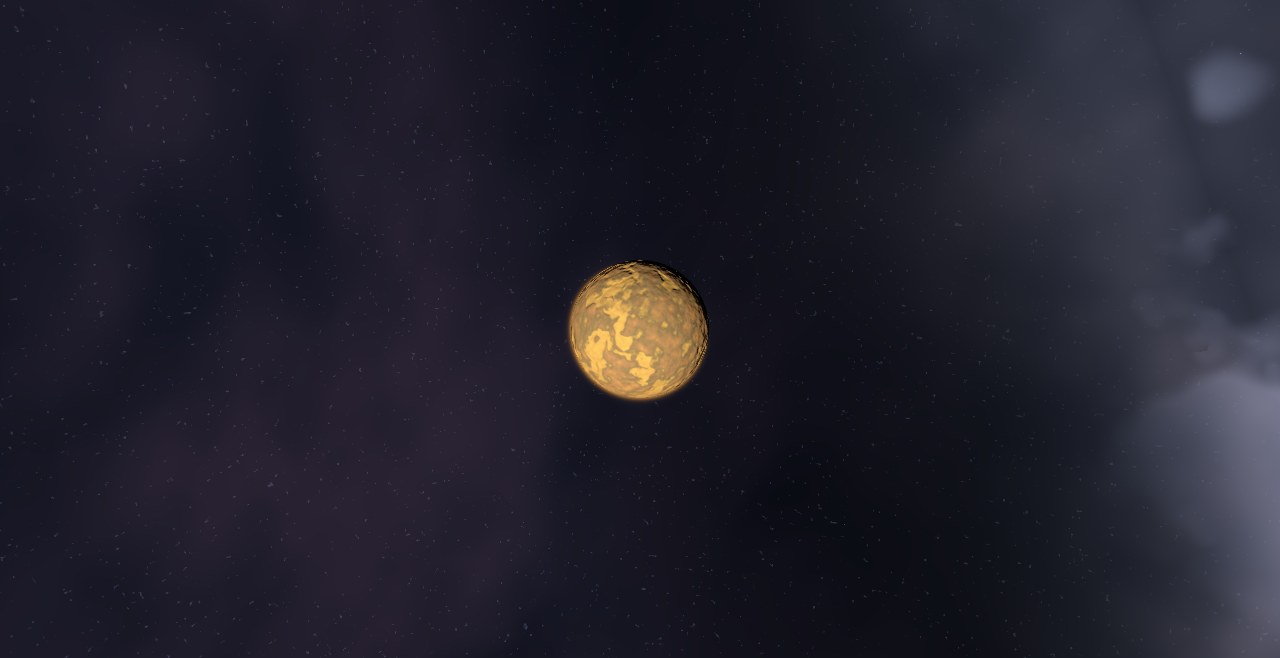
GJ 1265, a cool M-dwarf of 0.18 solar masses, and GJ 1265 b, a 7.4-Earth-mass planet, with an orbital period of 3.7 days, at 0.026 AU from its star.
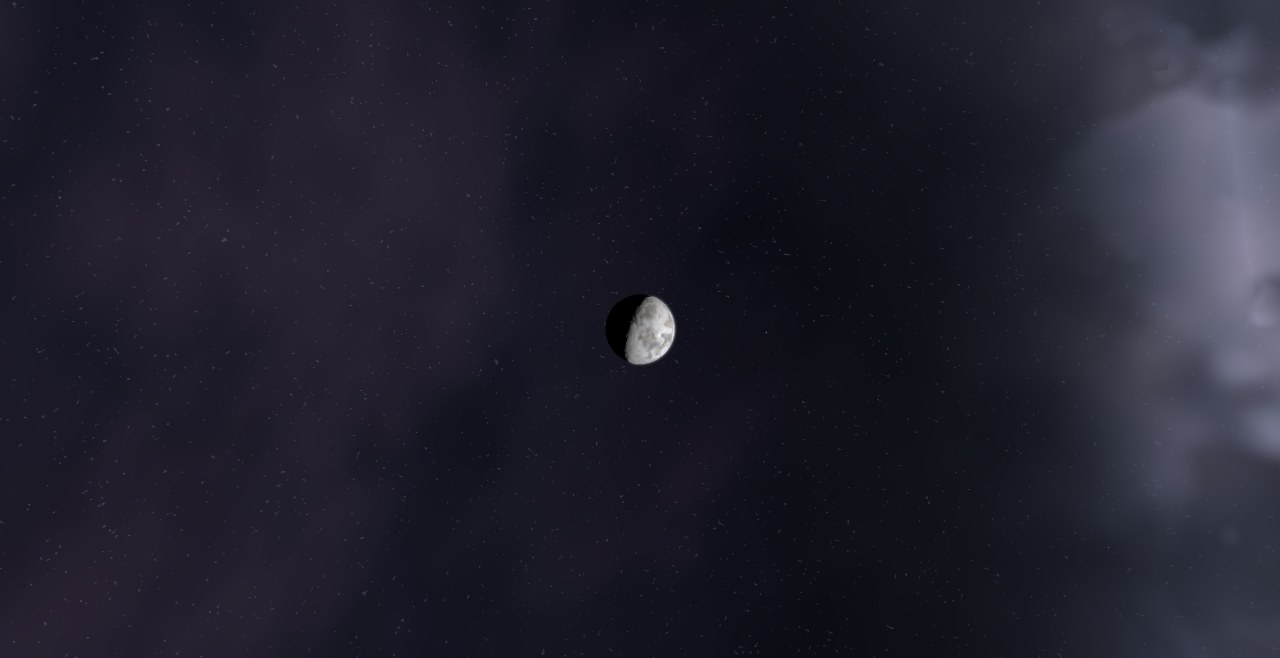
GJ 1289, a cool M-dwarf of 0.21 solar masses, and GJ 1289 b, a 6.3-Earth-mass planet, with an orbital period of 112 days, at 0.270 AU from its star, and an equilibrium temperature near 150 K.
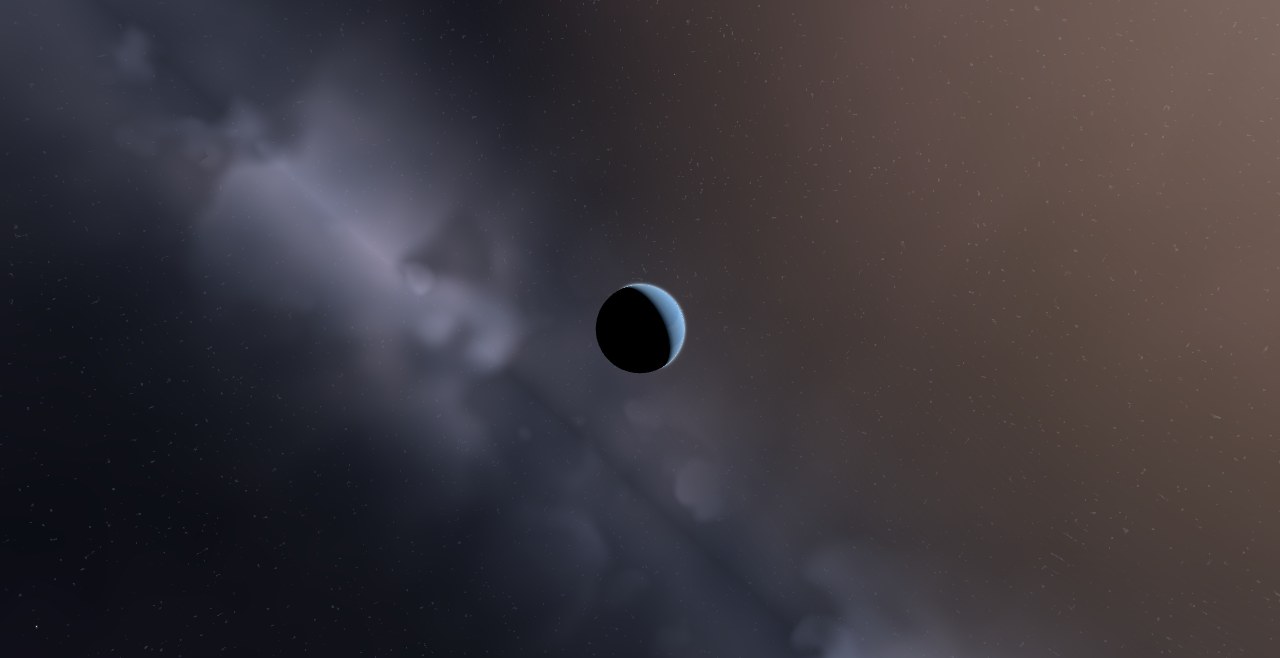
GJ 160.2, a cool M-dwarf of 0.69 solar masses, and GJ 160.2 b, a 10.2-Earth-mass planet, with an orbital period of 5.2 days, at 0.053 AU from its star, on an eccentric orbit (e ≈ 0.06).
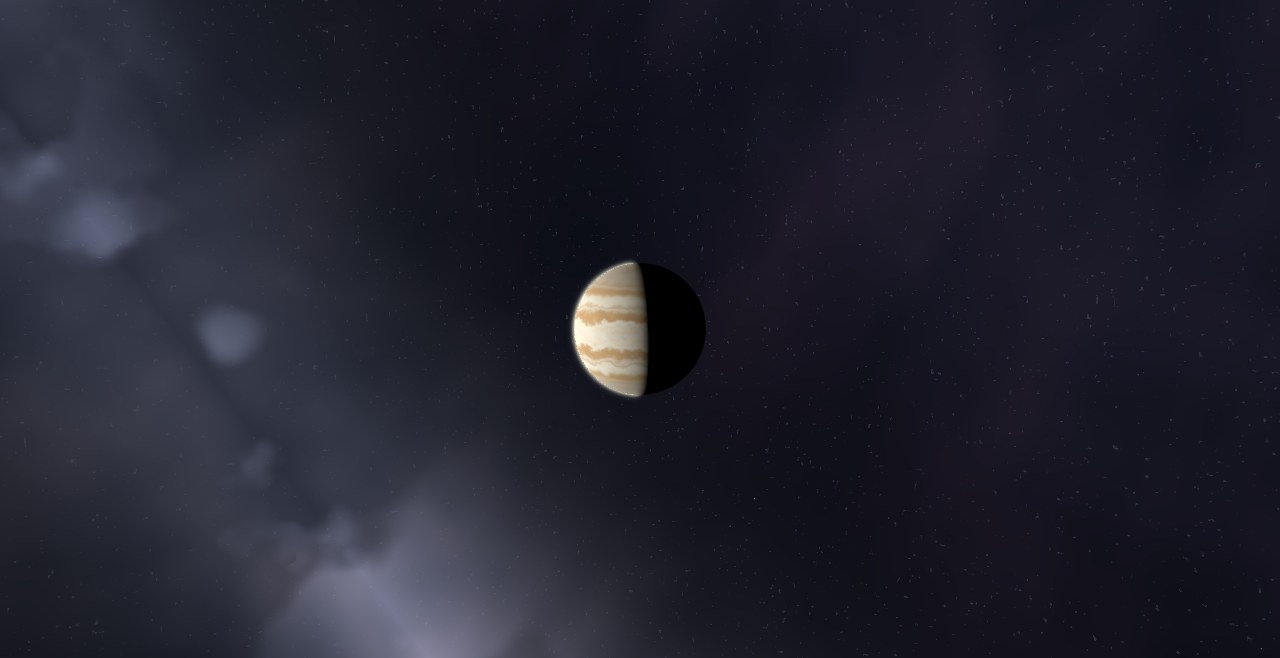
GJ 179, a cool M-dwarf of 0.36 solar masses, and GJ 179 b, a 0.82-Jupiter-mass companion, with an orbital period of 6.26 years, at 2.410 AU from its star, on an eccentric orbit (e ≈ 0.21).
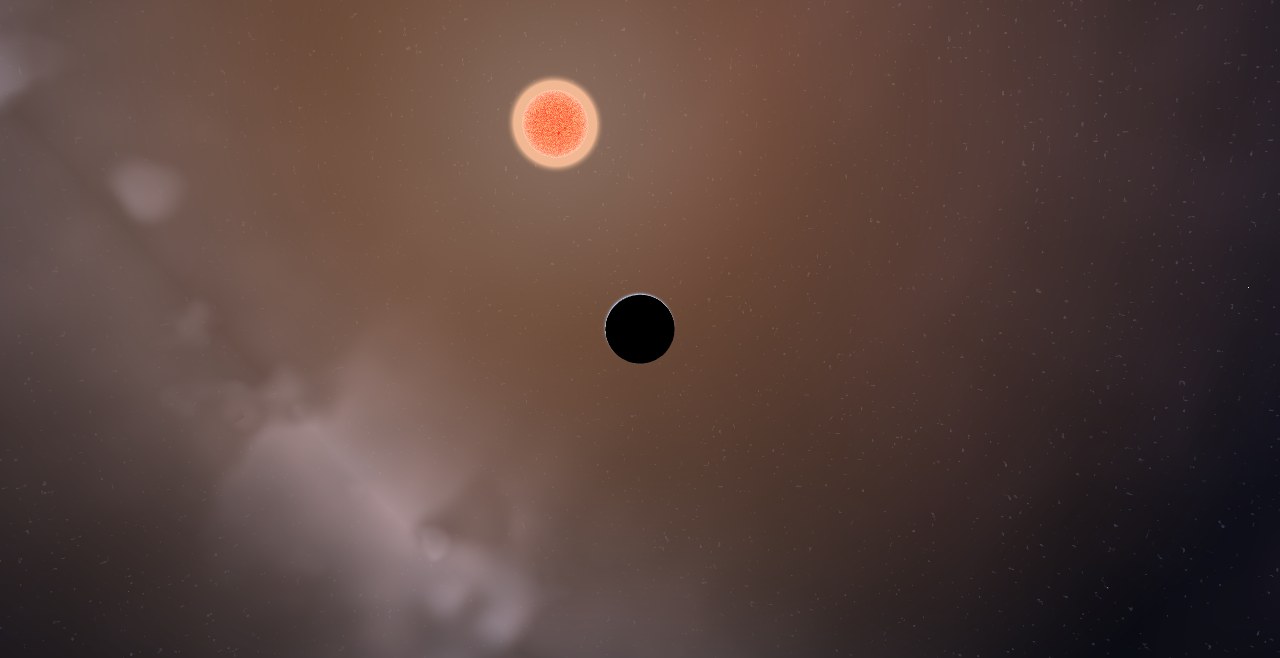
GJ 2056, an orange K-type dwarf of 0.62 solar masses, and GJ 2056 b, a 0.05-Jupiter-mass companion, with an orbital period of 70.0 days, at 0.283 AU from its star, on an eccentric orbit (e ≈ 0.72).