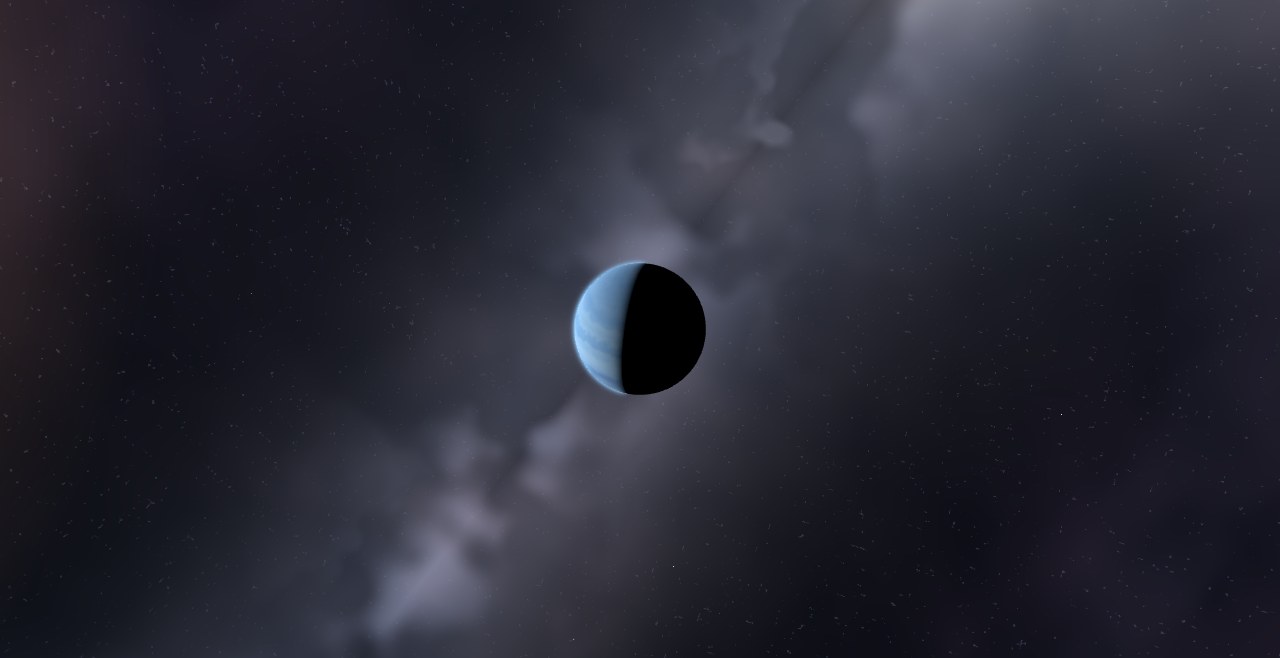
GJ 2126 - System
GJ 2126, a cool M-dwarf of 0.65 solar masses, and GJ 2126 b, a 1.30-Jupiter-mass companion, with an orbital period of 273 days, at 0.710 AU from its star, on an eccentric orbit (e ≈ 0.85).
Exoplanets
Analyze isolated alien worlds orbiting a singular host star to observe basic orbital parameters, tidal locks, and planetary eccentricities.
Share
GJ 2126, a cool M-dwarf of 0.65 solar masses, and GJ 2126 b, a 1.30-Jupiter-mass companion, with an orbital period of 273 days, at 0.710 AU from its star, on an eccentric orbit (e ≈ 0.85).
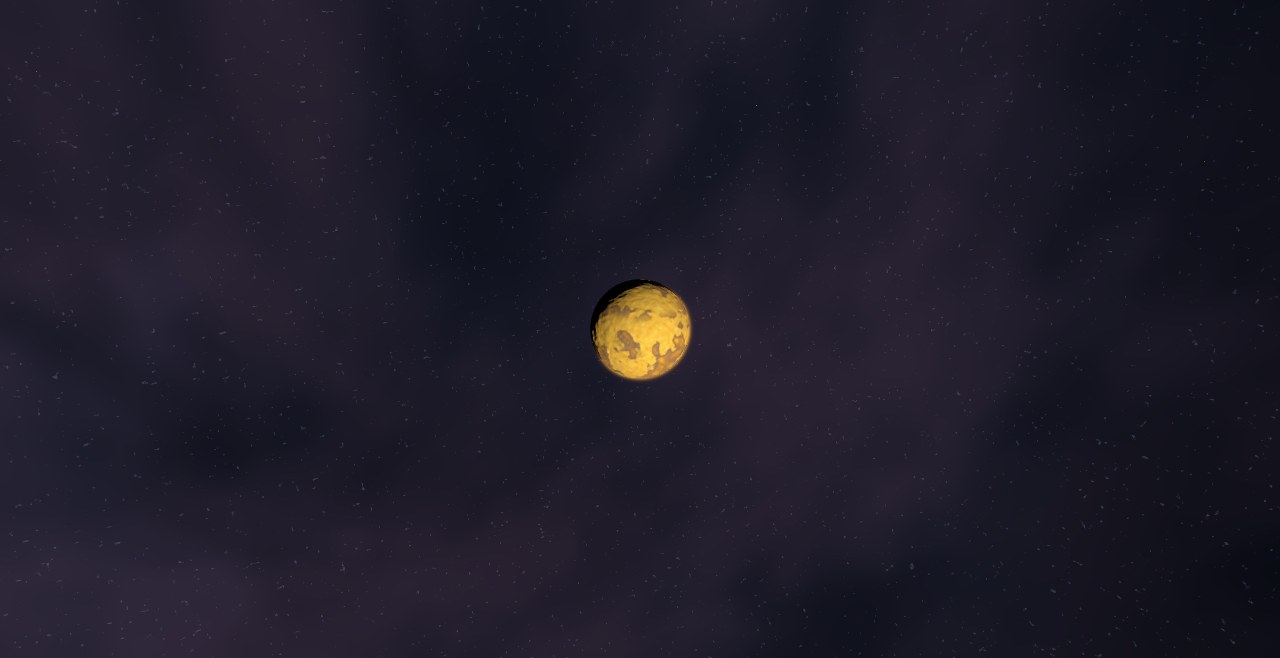
GJ 238, a cool M-dwarf of 0.42 solar masses, and GJ 238 b, a planet with 0.6 Earth radii, with an orbital period of 1.7 days, at 0.021 AU from its star, and an equilibrium temperature near 758 K.
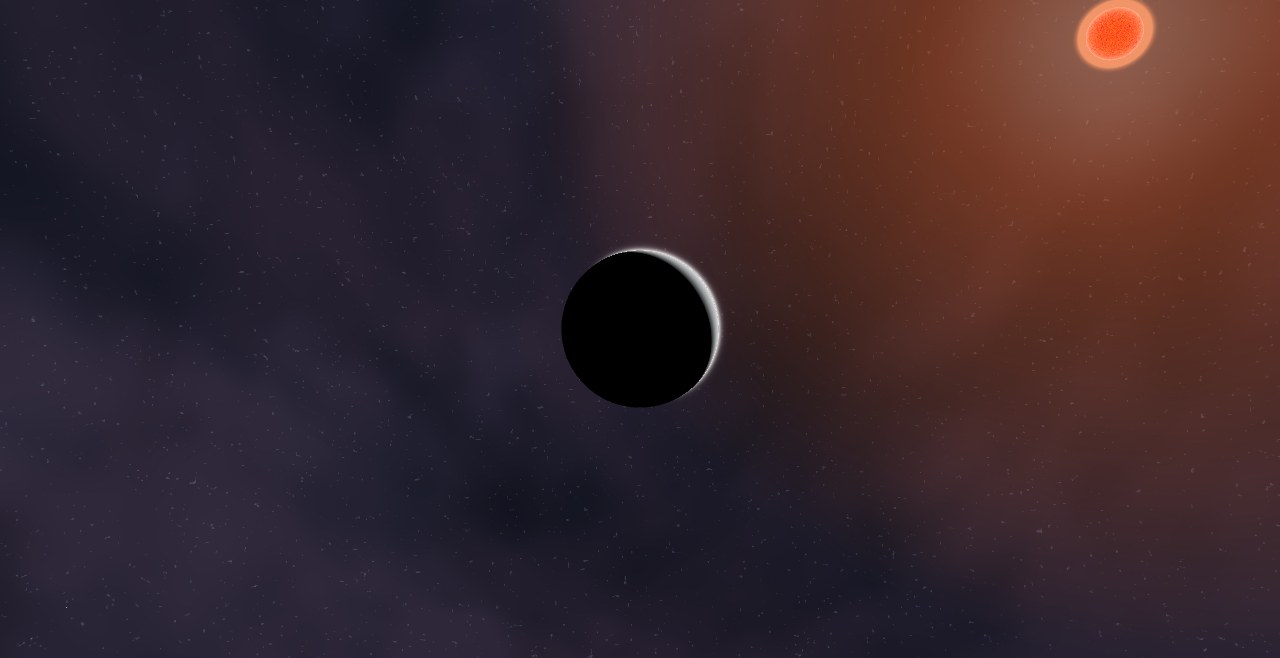
GJ 27.1, a cool M-dwarf of 0.53 solar masses, and GJ 27.1 b, a 13.0-Earth-mass planet, with an orbital period of 15.8 days, at 0.101 AU from its star, on an eccentric orbit (e ≈ 0.08).
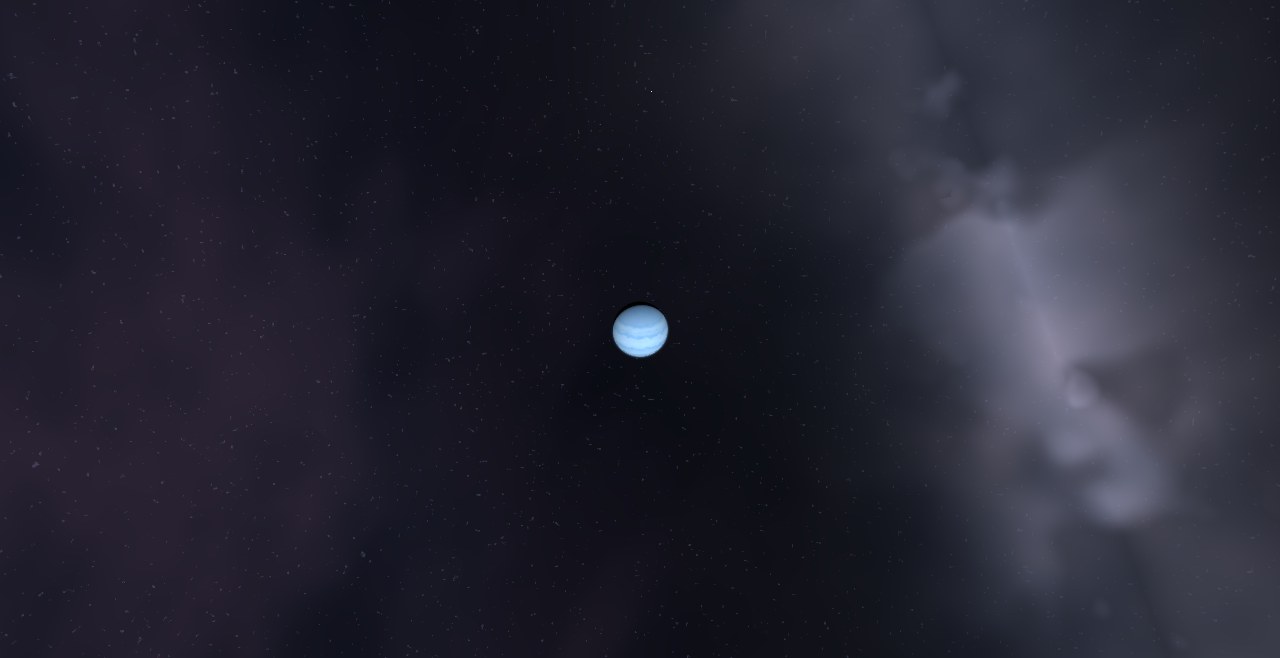
GJ 3021, a Sun-like G-type star of 0.90 solar masses, and GJ 3021 b, a 3.37-Jupiter-mass companion, with an orbital period of 134 days, at 0.490 AU from its star, and an equilibrium temperature near 350 K.
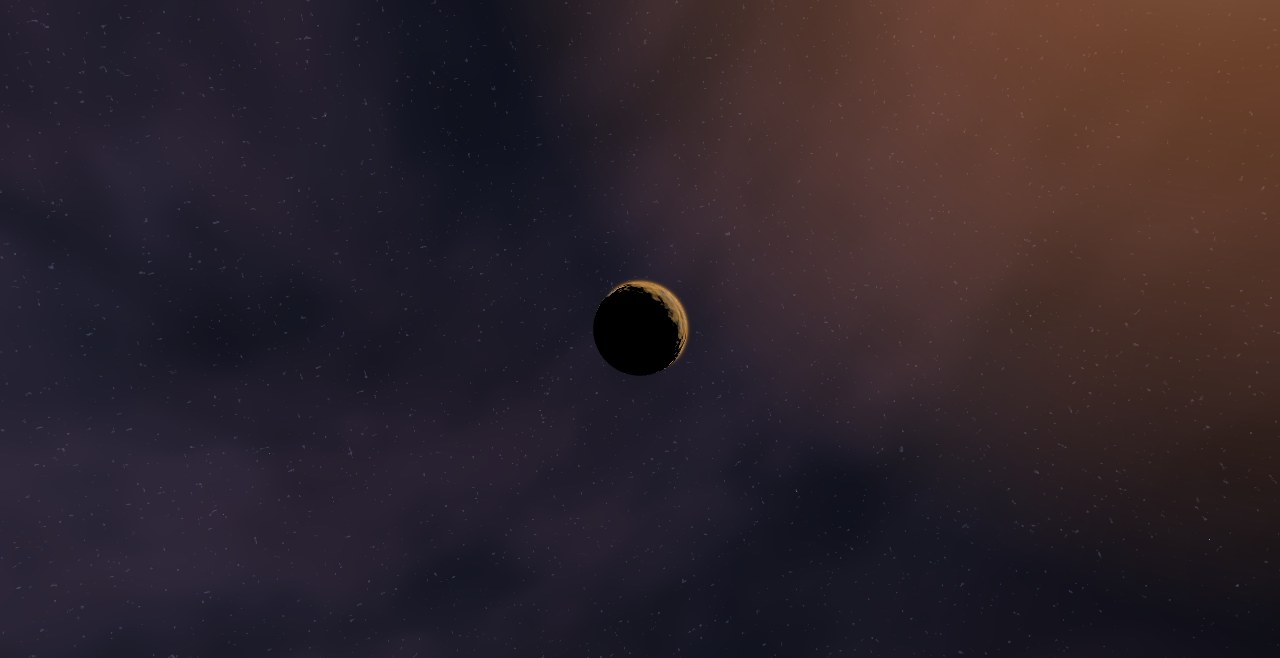
GJ 3082, an orange K-type dwarf of 0.47 solar masses, and GJ 3082 b, a 8.2-Earth-mass planet, with an orbital period of 11.9 days, at 0.079 AU from its star, on an eccentric orbit (e ≈ 0.22).
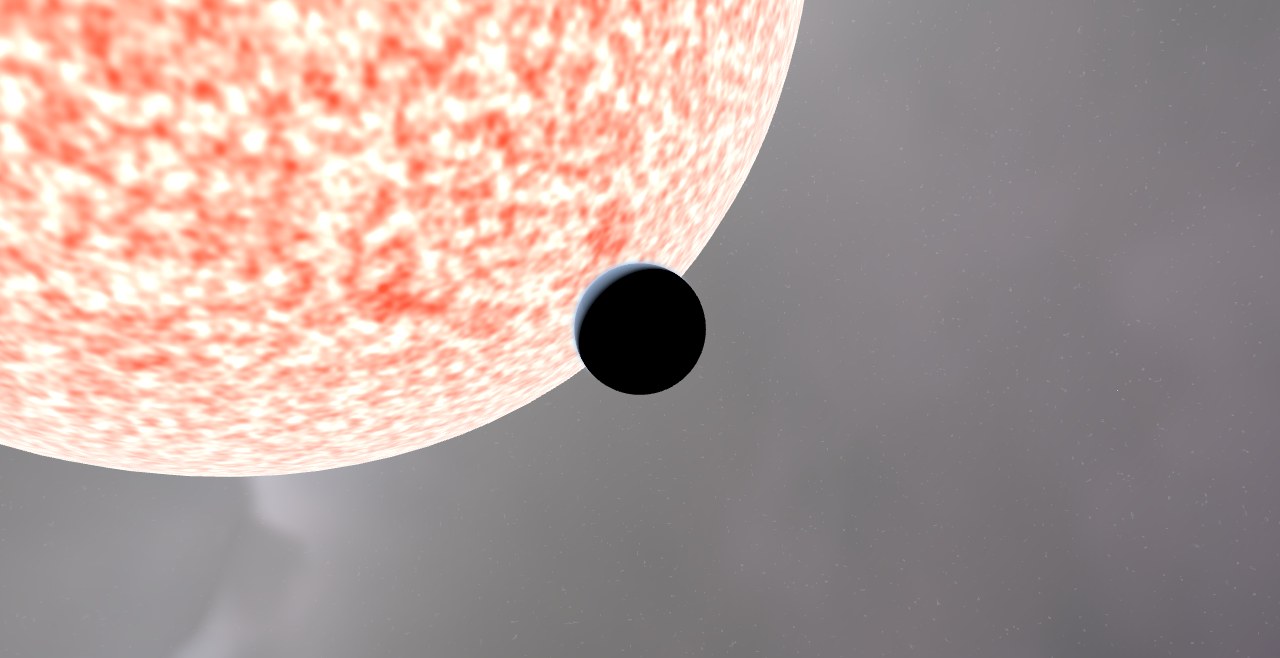
GJ 3222, a Sun-like G-type star of 0.89 solar masses, and GJ 3222 b, a 11.4-Earth-mass planet, with an orbital period of 10.7 days, at 0.091 AU from its star, on an eccentric orbit (e ≈ 0.93).
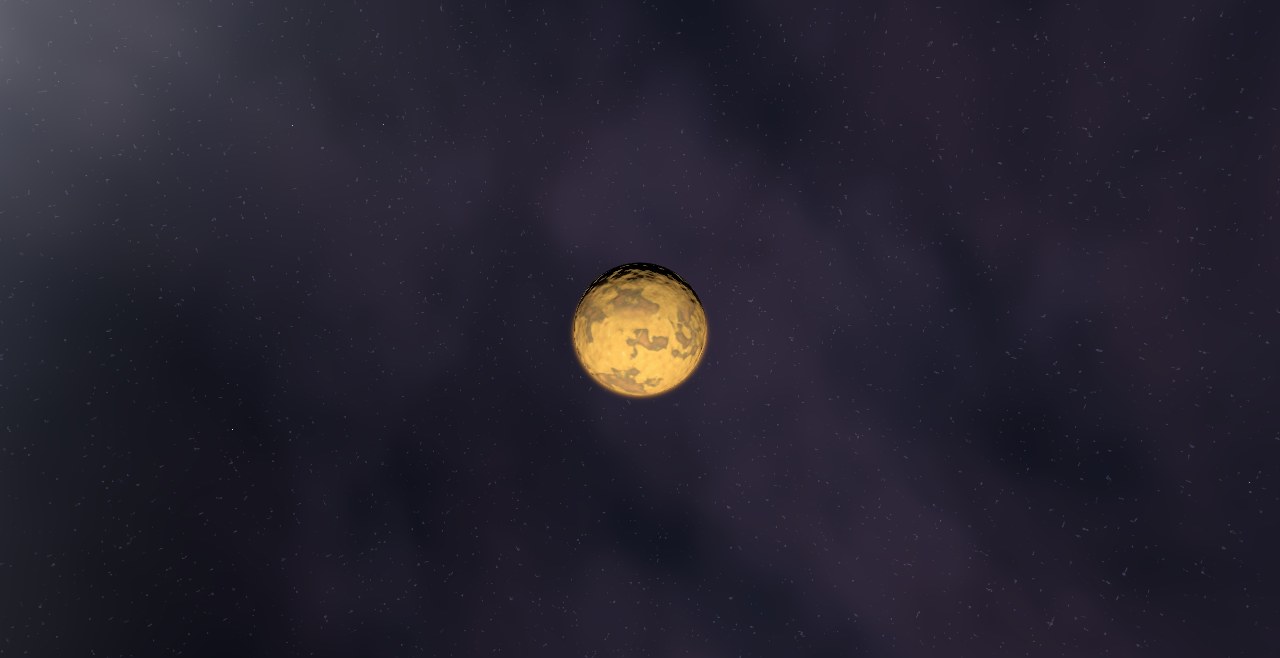
GJ 3341, a cool M-dwarf of 0.47 solar masses, and GJ 3341 b, a 6.6-Earth-mass planet, with an orbital period of 14.2 days, at 0.089 AU from its star, on an eccentric orbit (e ≈ 0.31).
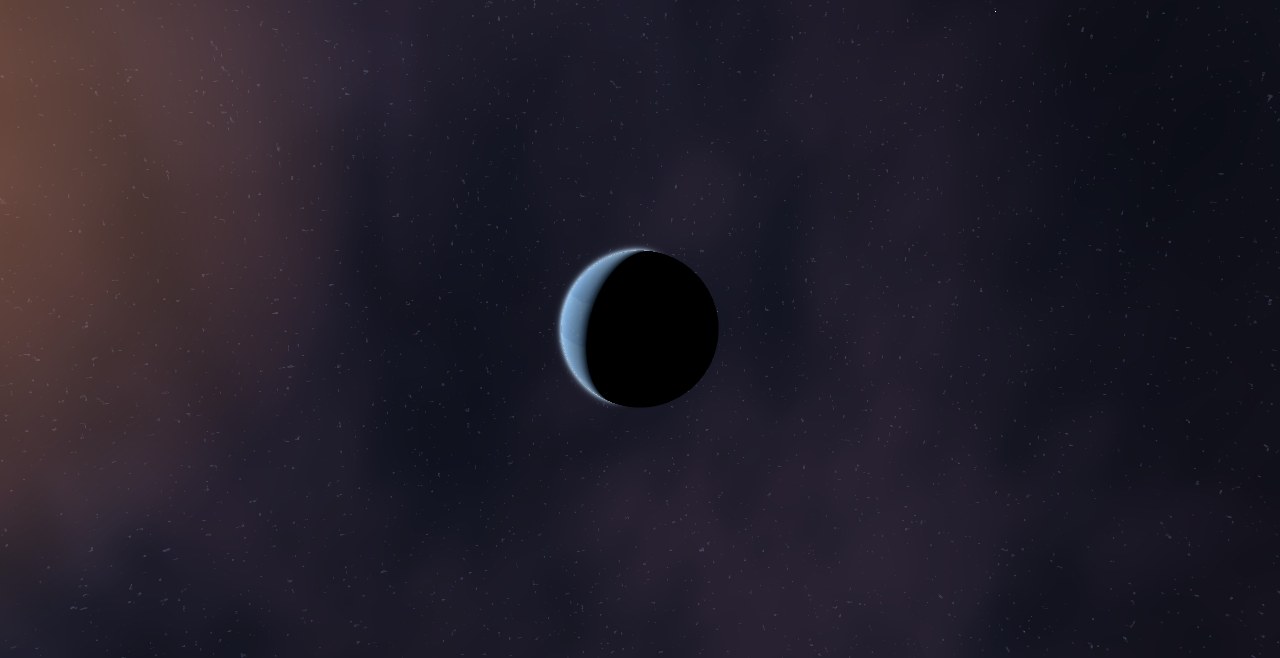
GJ 338 B, a cool M-dwarf of 0.64 solar masses, and GJ 338 B b, a 10.6-Earth-mass planet, with an orbital period of 24.4 days, at 0.142 AU from its star, on an eccentric orbit (e ≈ 0.11).
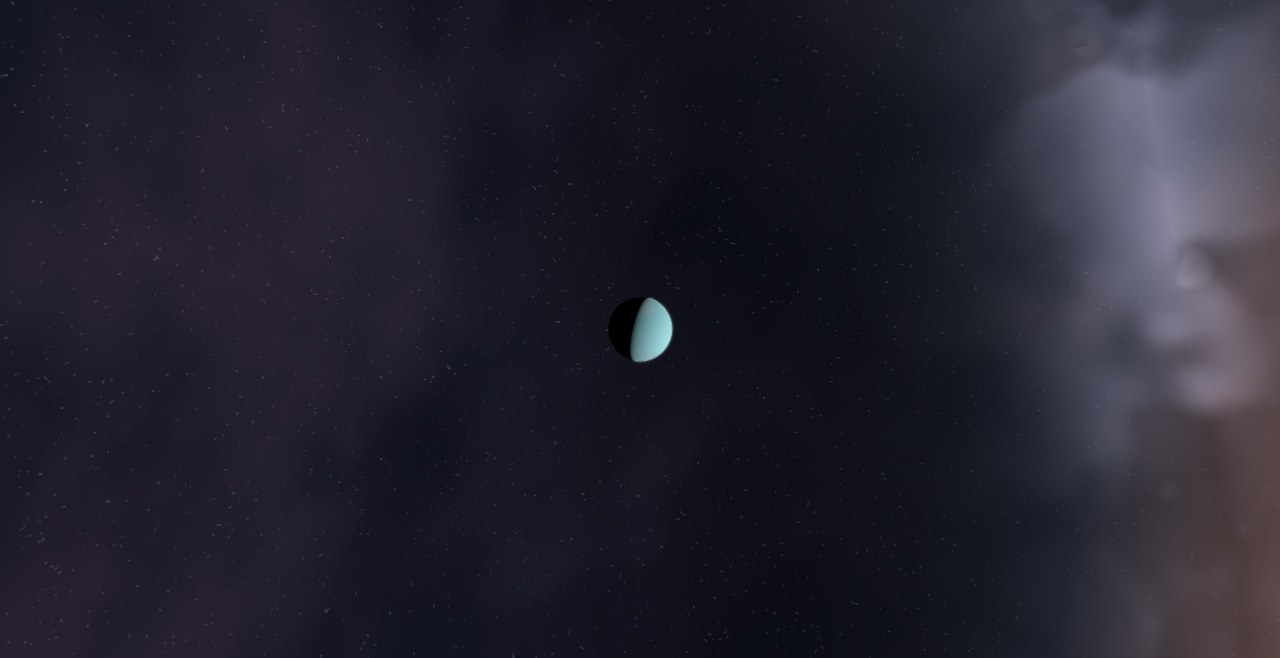
GJ 3470, a cool M-dwarf of 0.54 solar masses, and GJ 3470 b, a 13.9-Earth-mass planet, with an orbital period of 3.3 days, at 0.035 AU from its star, and an equilibrium temperature near 594 K.
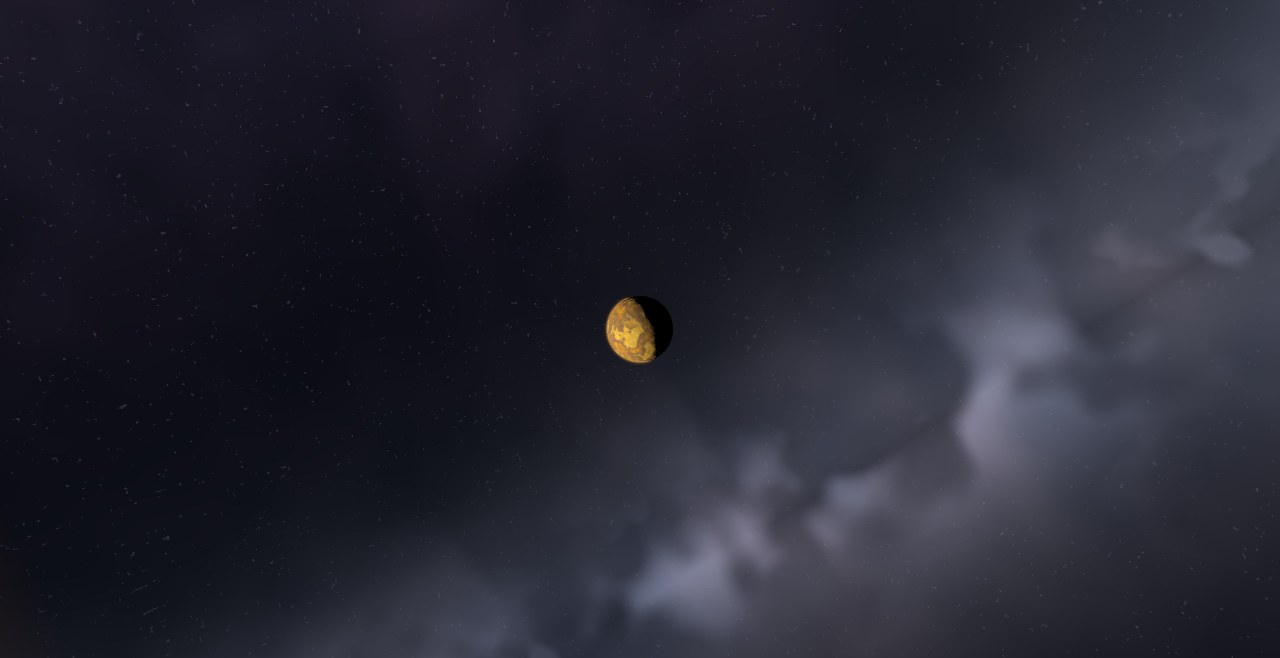
GJ 3634, a cool M-dwarf of 0.45 solar masses, and GJ 3634 b, a 8.4-Earth-mass planet, with an orbital period of 2.6 days, at 0.029 AU from its star, on an eccentric orbit (e ≈ 0.08).
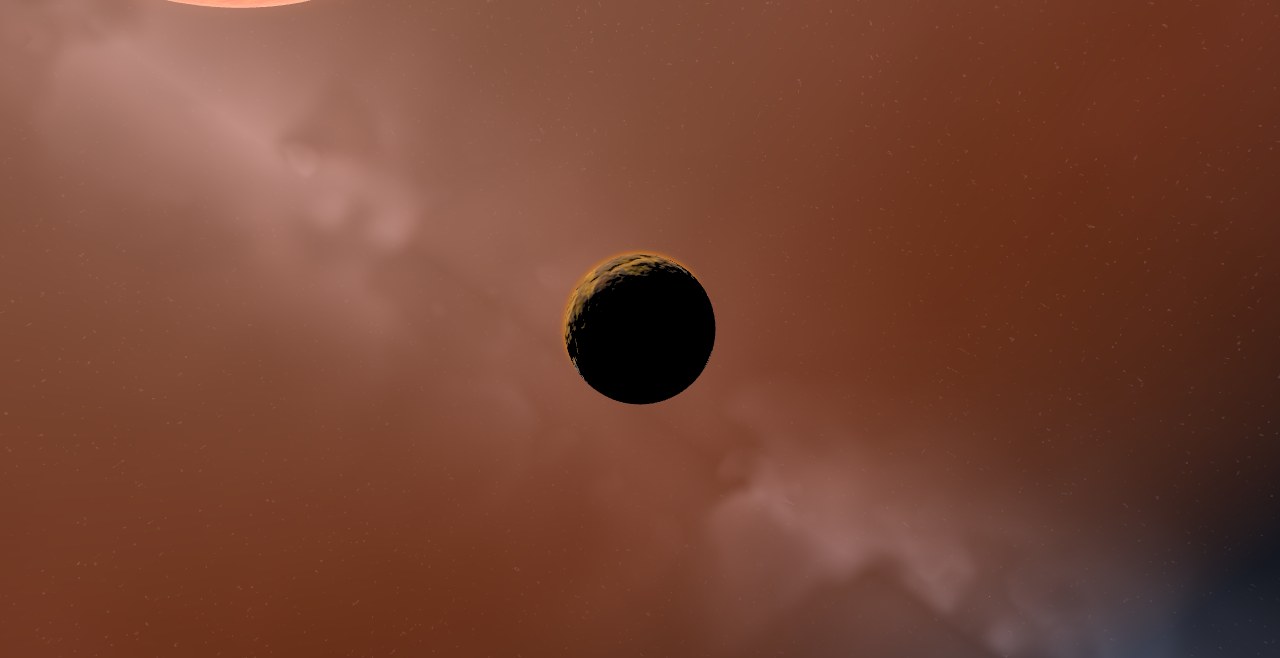
GJ 367 b, an iron-rich world on an ultra-short orbit. A year lasts about eight hours, and the high density points to an exposed iron core. The density is higher than Earth's.
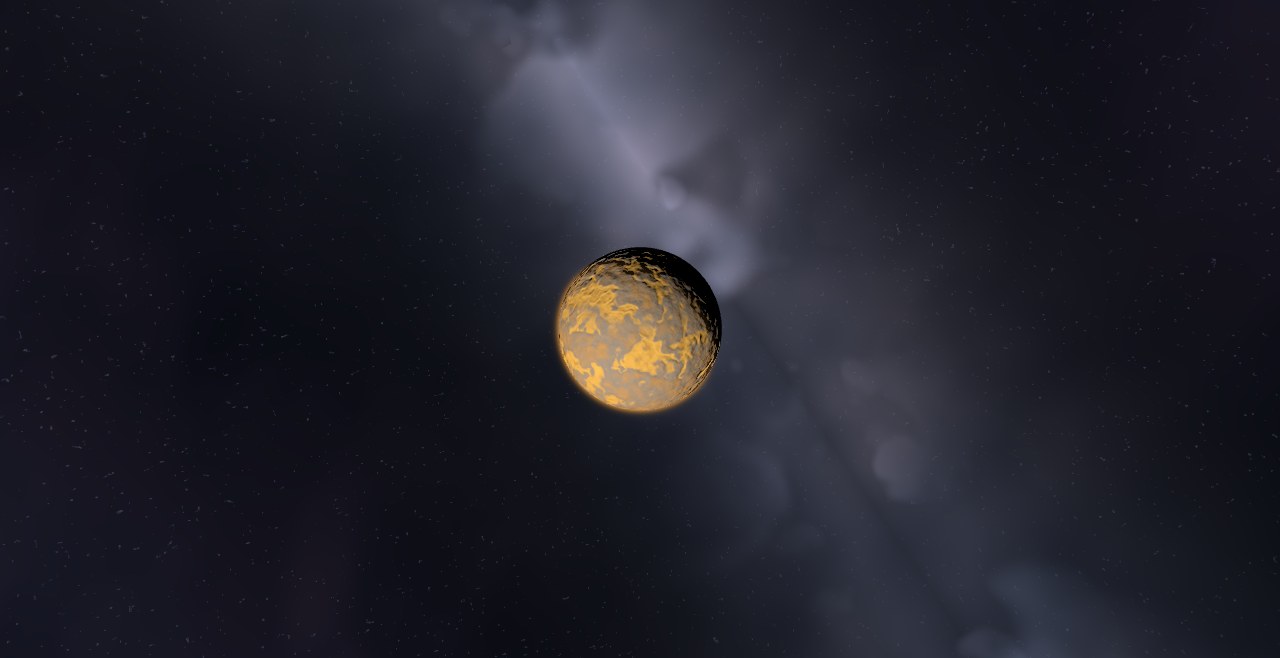
GJ 3779, a cool M-dwarf of 0.27 solar masses, and GJ 3779 b, a 8.0-Earth-mass planet, with an orbital period of 3.0 days, at 0.026 AU from its star, on an eccentric orbit (e ≈ 0.07).
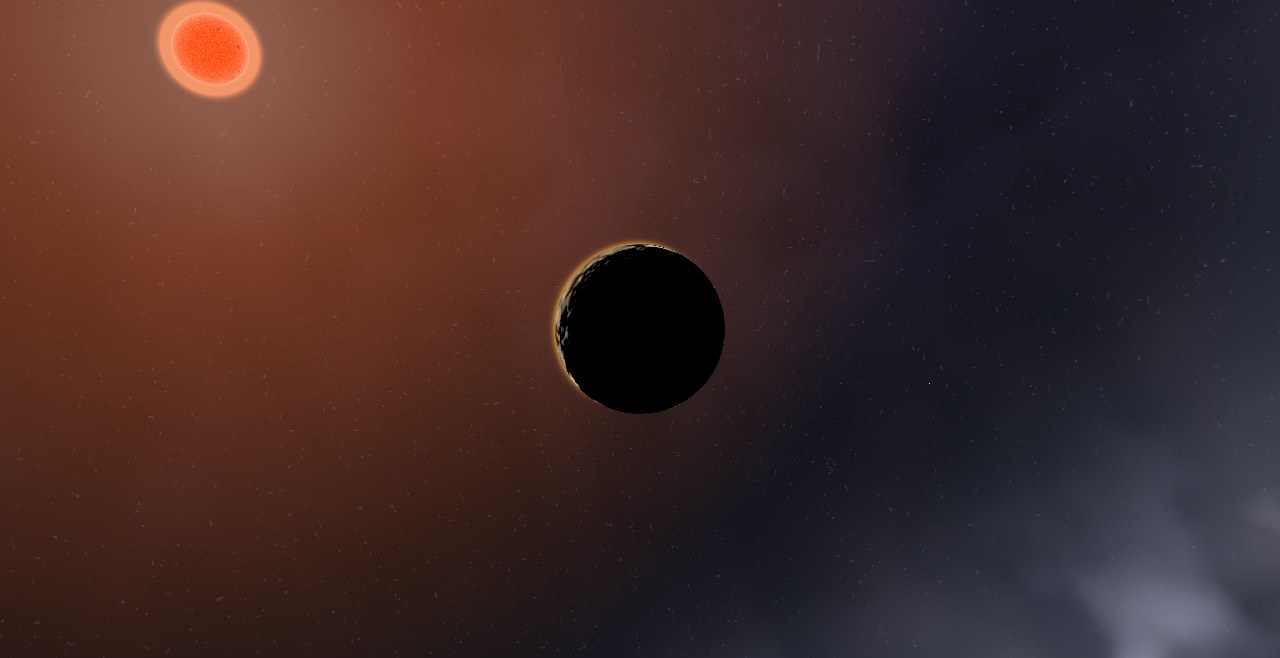
GJ 393, a cool M-dwarf of 0.43 solar masses, and GJ 393 b, a 1.7-Earth-mass planet, with an orbital period of 7.0 days, at 0.054 AU from its star, and an equilibrium temperature near 485 K.
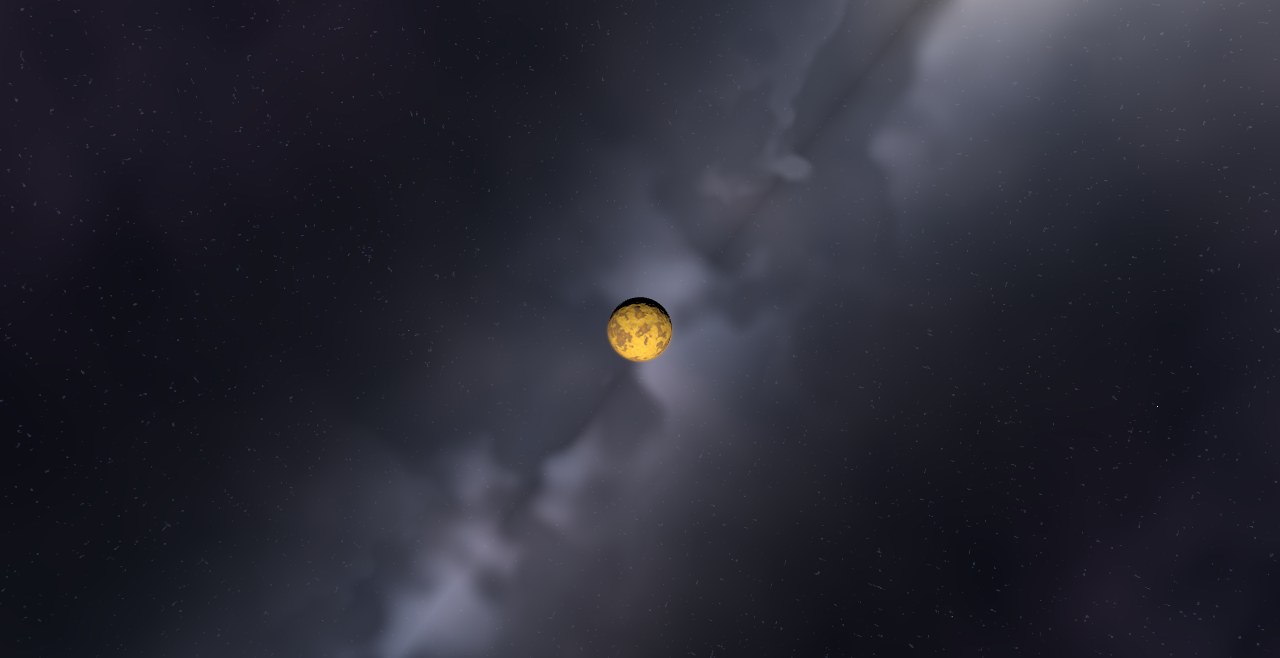
GJ 3942, a cool M-dwarf of 0.63 solar masses, and GJ 3942 b, a 7.1-Earth-mass planet, with an orbital period of 6.9 days, at 0.061 AU from its star, and an equilibrium temperature near 590 K, on an eccentric.
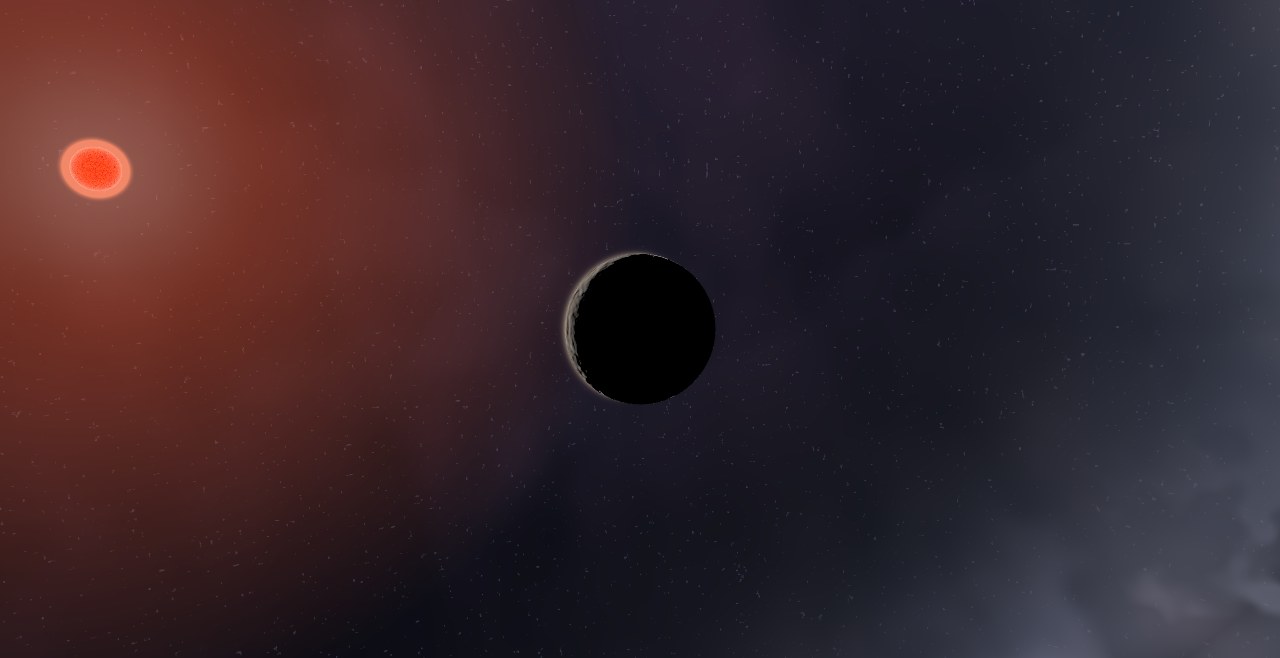
GJ 3988, a cool M-dwarf of 0.18 solar masses, and GJ 3988 b, a 3.7-Earth-mass planet, with an orbital period of 6.9 days, at 0.041 AU from its star, and an equilibrium temperature near 348 K.
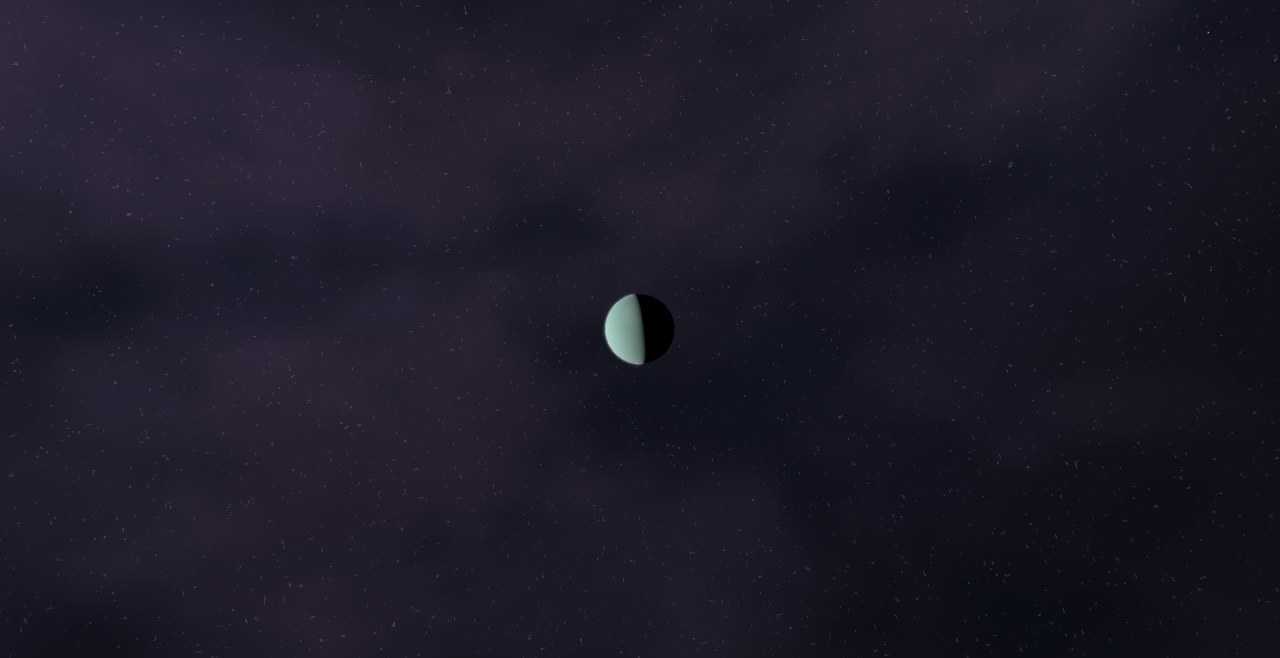
GJ 422, a cool M-dwarf of 0.35 solar masses, and GJ 422 b, a 11.1-Earth-mass planet, with an orbital period of 20.1 days, at 0.111 AU from its star, on an eccentric orbit (e ≈ 0.11).
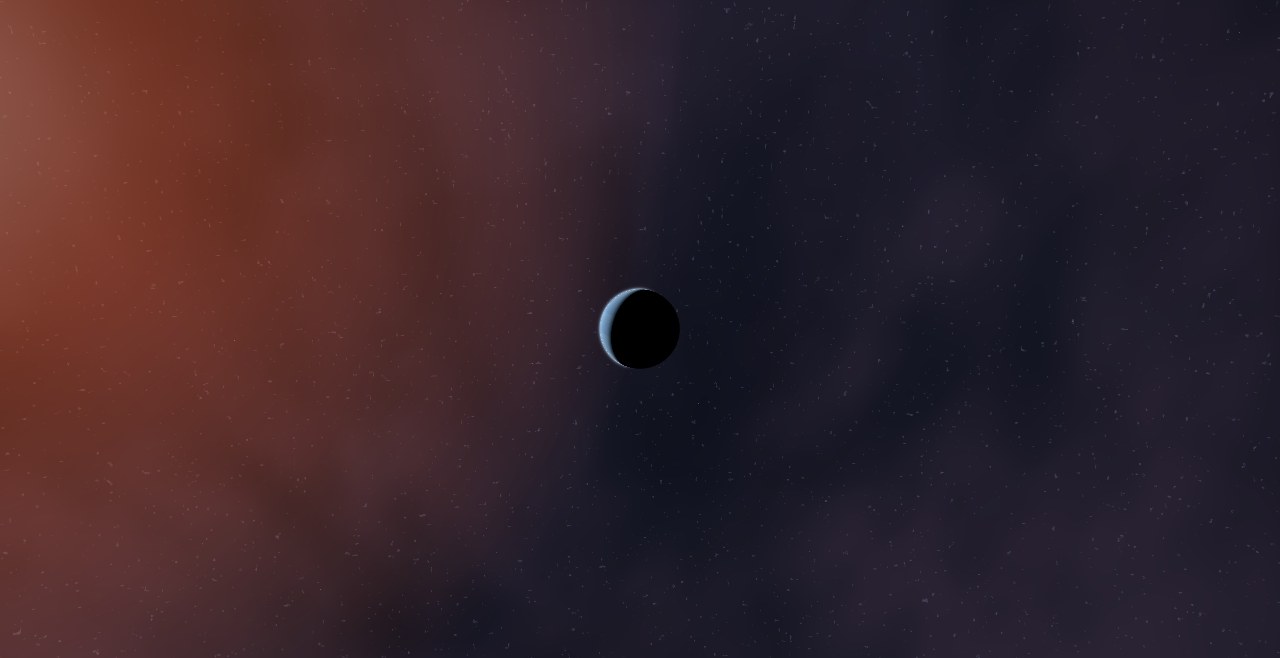
GJ 4276, a cool M-dwarf of 0.41 solar masses, and GJ 4276 b, a 0.05-Jupiter-mass companion, with an orbital period of 13.4 days, at 0.082 AU from its star, on an eccentric orbit (e ≈ 0.37).
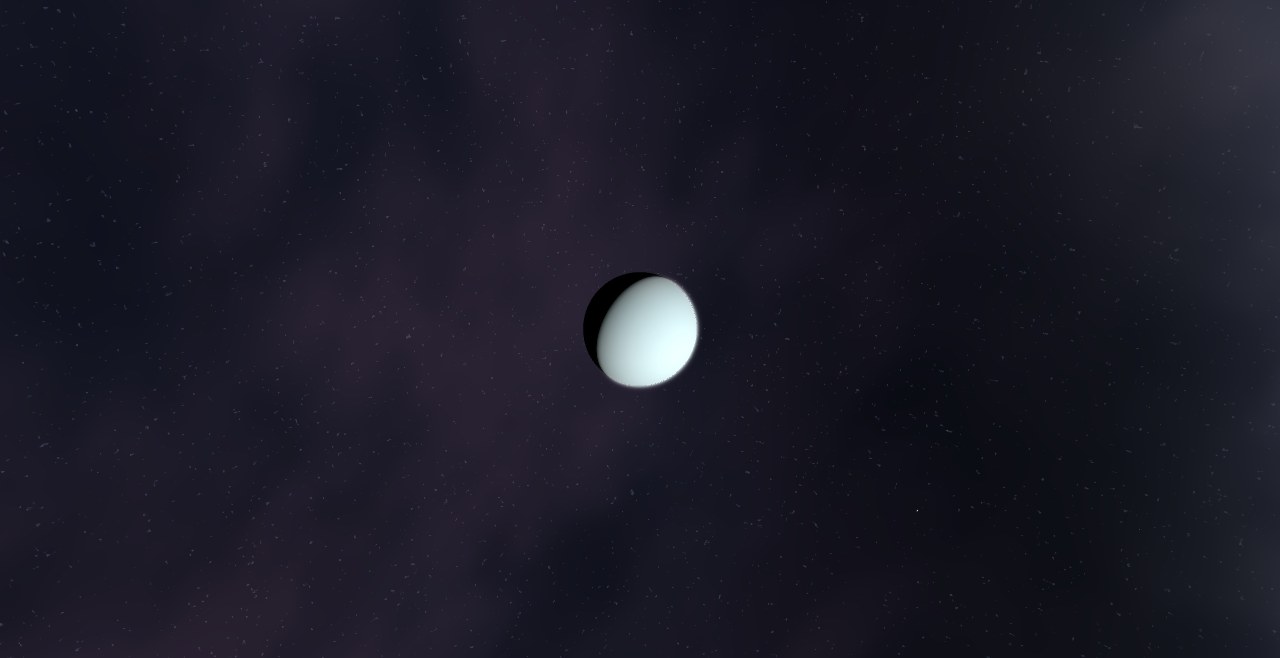
GJ 436 b, an eccentric hot Neptune trailing a huge comet-like helium and hydrogen tail. The oval orbit has persisted despite strong tides. The tail extends millions of kilometers behind the planet.