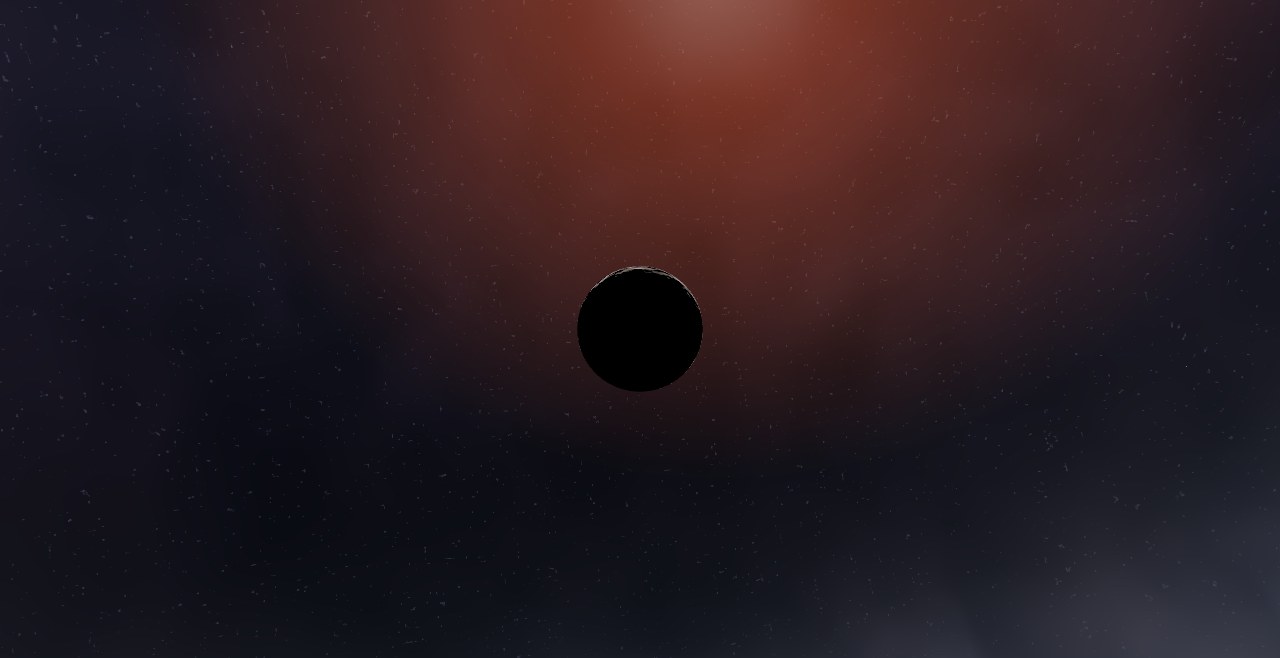
Gliese 12 - System
Gliese 12, a cool M-dwarf of 0.26 solar masses, and Gliese 12 b, a 0.9-Earth-mass planet, with an orbital period of 12.8 days, on an eccentric orbit (e ≈ 0.24).
Exoplanets
Analyze isolated alien worlds orbiting a singular host star to observe basic orbital parameters, tidal locks, and planetary eccentricities.
Share
Gliese 12, a cool M-dwarf of 0.26 solar masses, and Gliese 12 b, a 0.9-Earth-mass planet, with an orbital period of 12.8 days, on an eccentric orbit (e ≈ 0.24).
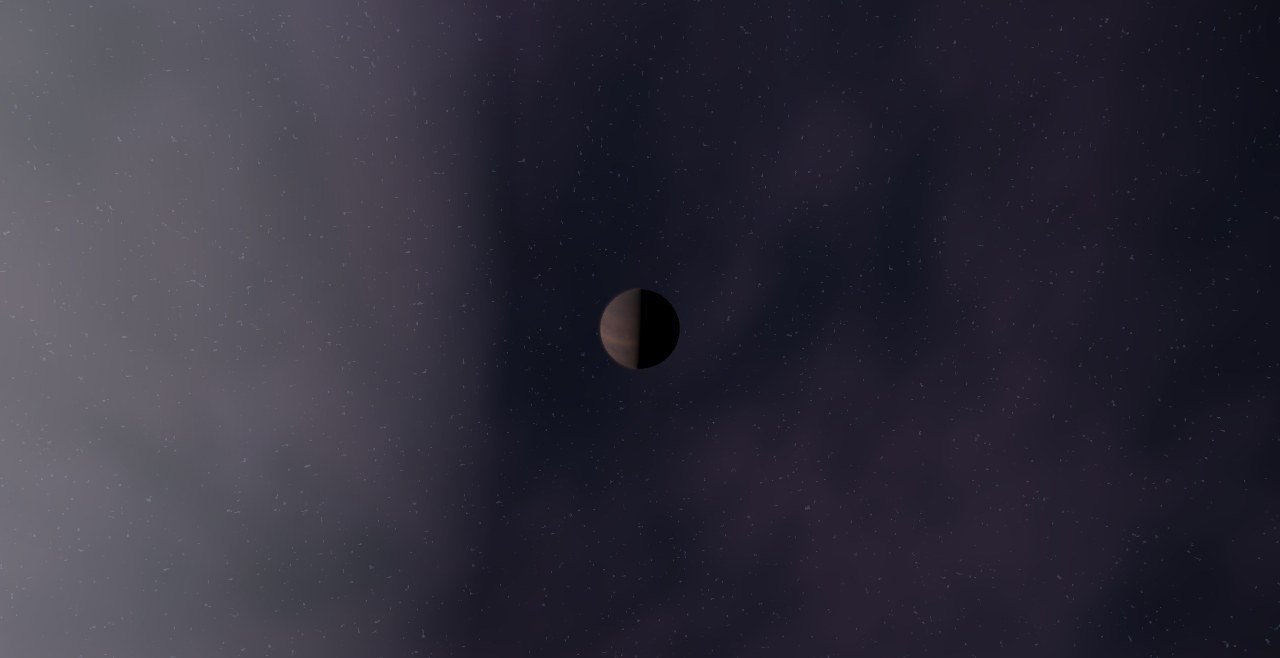
HAT-P-1, a Sun-like G-type star of 1.15 solar masses, and HAT-P-1 b, a 0.53-Jupiter-mass companion, with an orbital period of 4.5 days, at 0.056 AU from its star, and an equilibrium temperature near 1,322 K.
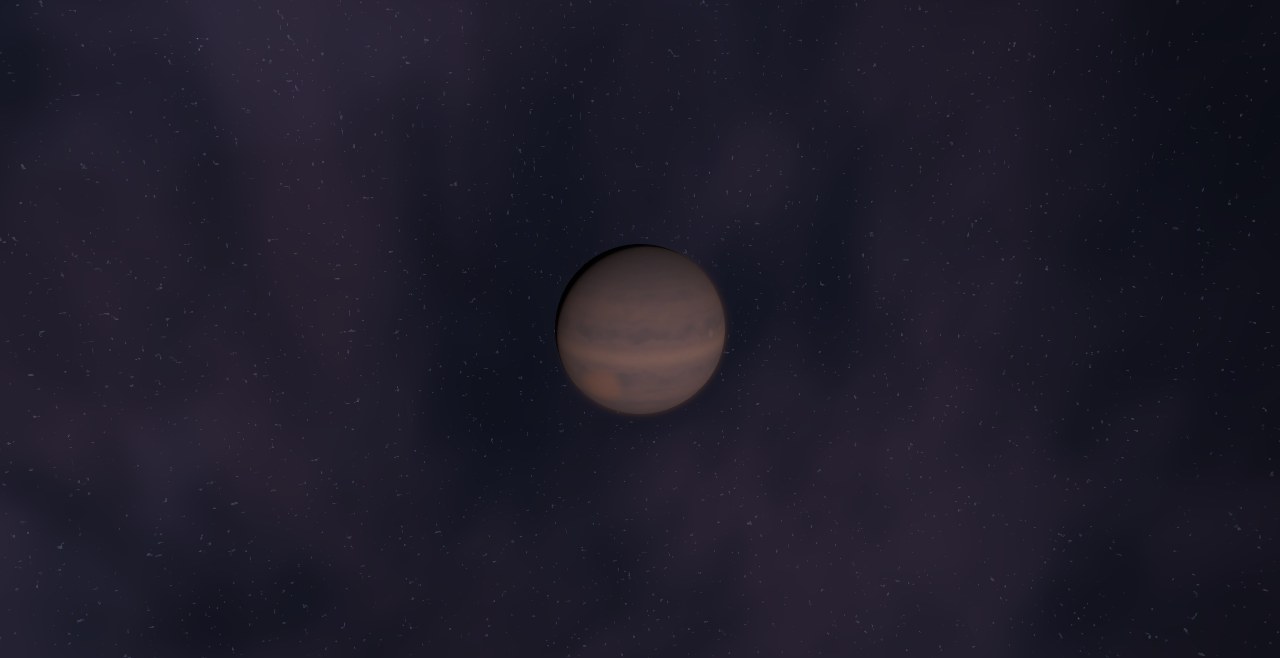
HAT-P-12, an orange K-type dwarf of 0.73 solar masses, and HAT-P-12 b, a 0.21-Jupiter-mass companion, with an orbital period of 3.2 days, at 0.038 AU from its star, and an equilibrium temperature near 963 K.
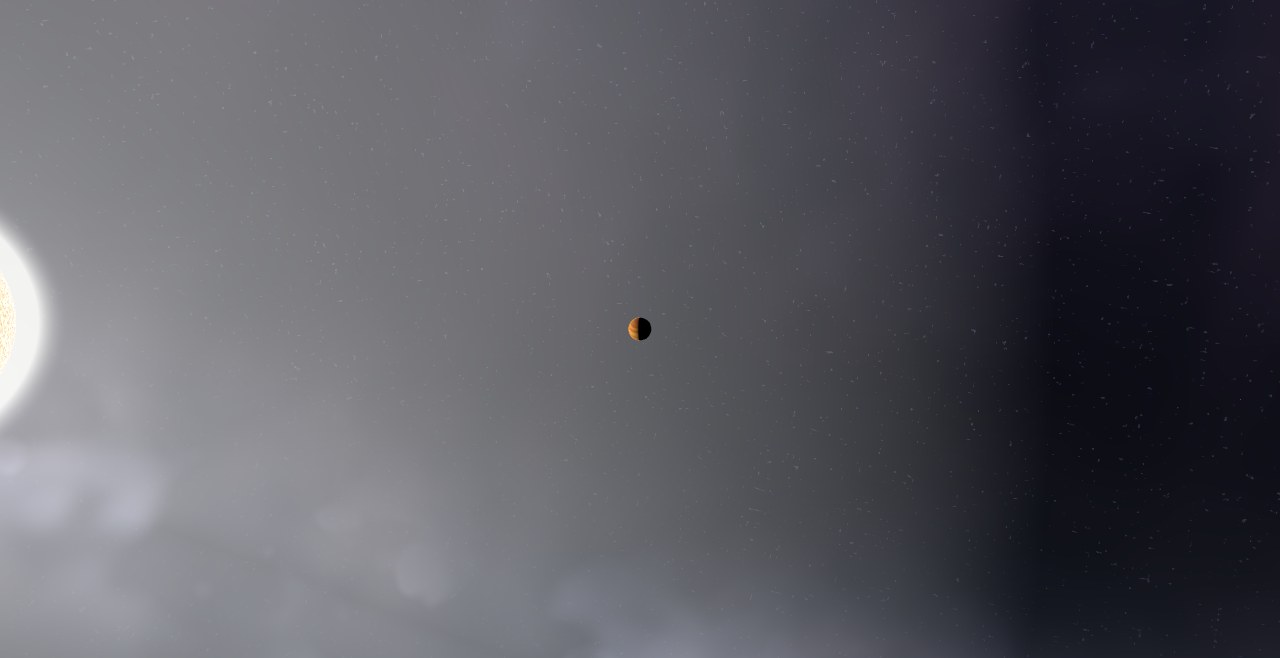
HAT-P-14, a Sun-like F-type star of 2.65 solar masses, and HAT-P-14 b, a 3.44-Jupiter-mass companion, with an orbital period of 4.6 days, on an eccentric orbit (e ≈ 0.11).
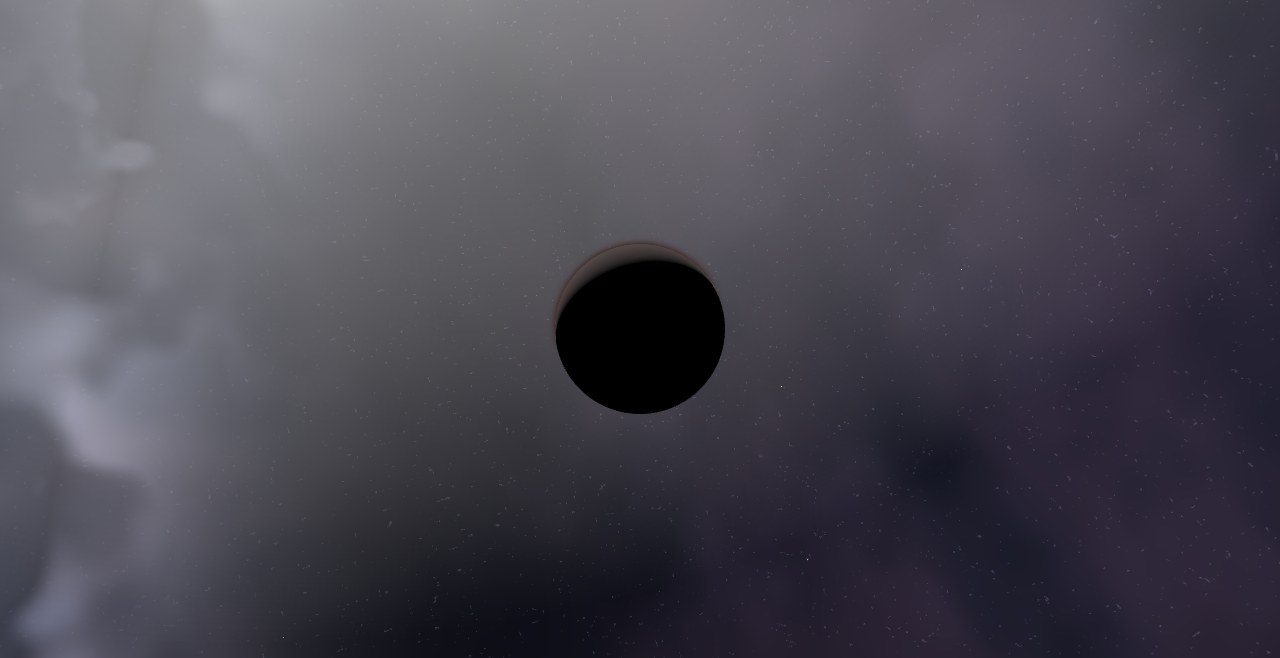
HAT-P-15, a Sun-like G-type star of 1.00 solar masses, and HAT-P-15 b, a 1.94-Jupiter-mass companion, with an orbital period of 10.9 days, on an eccentric orbit (e ≈ 0.19).
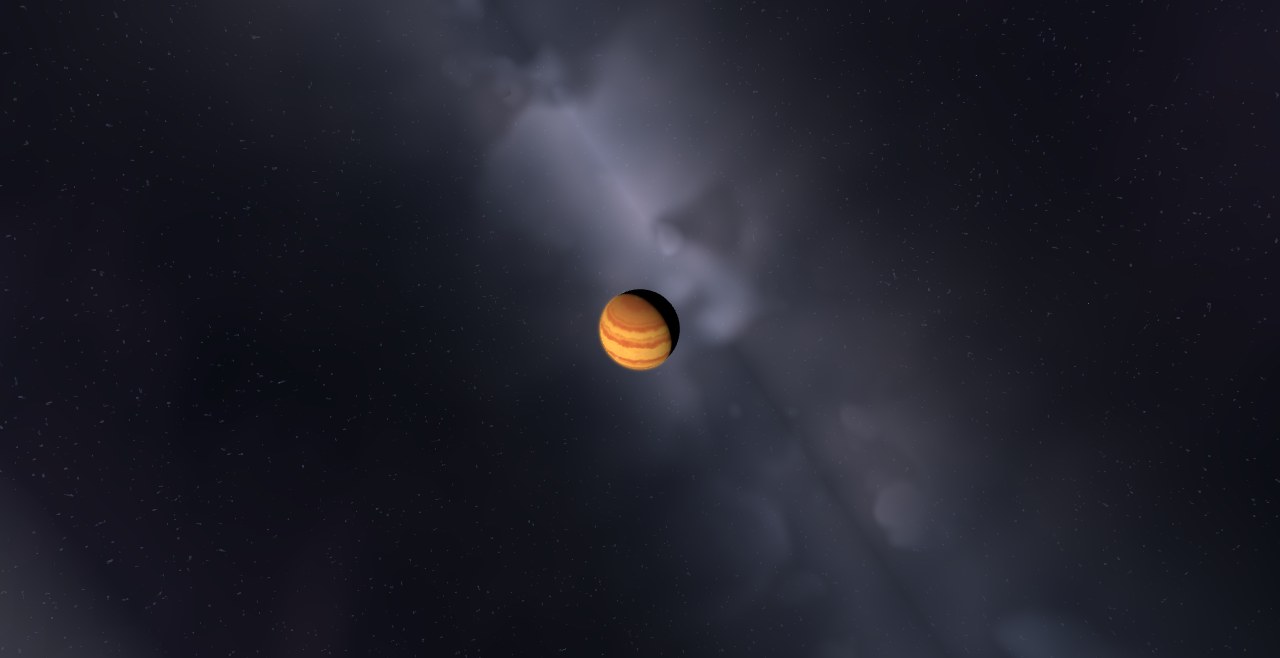
HAT-P-16, a Sun-like F-type star of 1.22 solar masses, and HAT-P-16 b, a planet with 14.7 Earth radii, and an equilibrium temperature near 1,566 K.
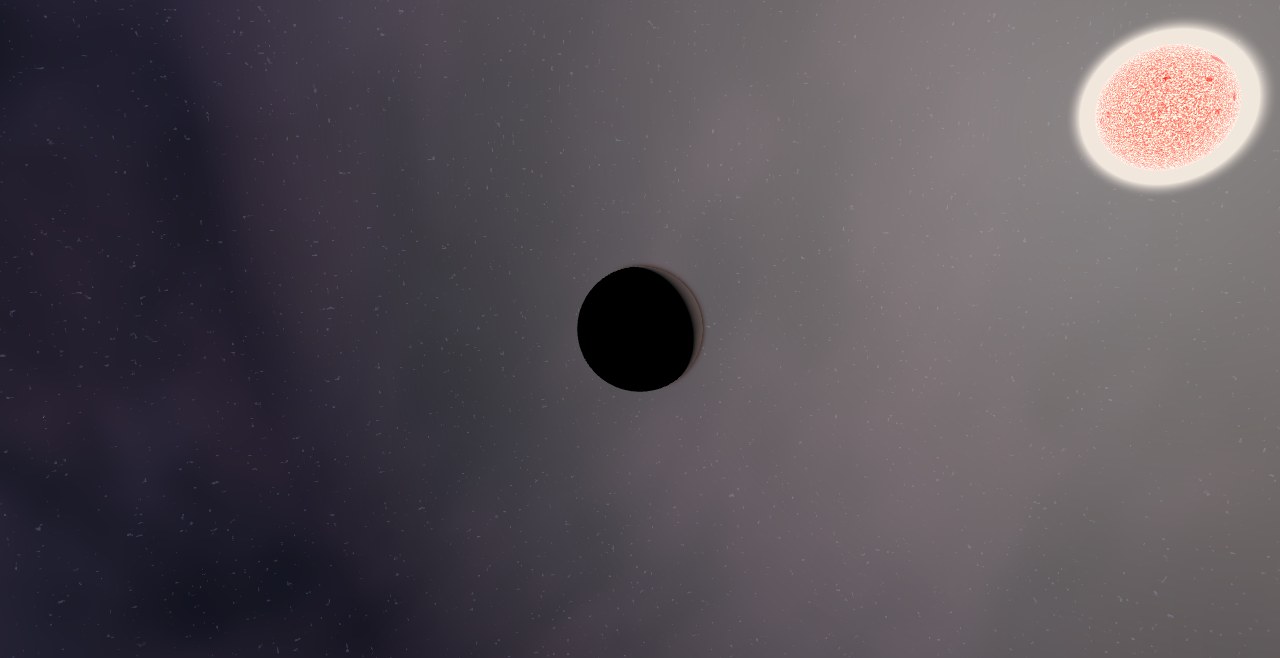
HAT-P-18, an orange K-type dwarf of 0.77 solar masses, and HAT-P-18 b, a 0.20-Jupiter-mass companion, with an orbital period of 5.5 days, at 0.056 AU from its star, and an equilibrium temperature near 852 K.
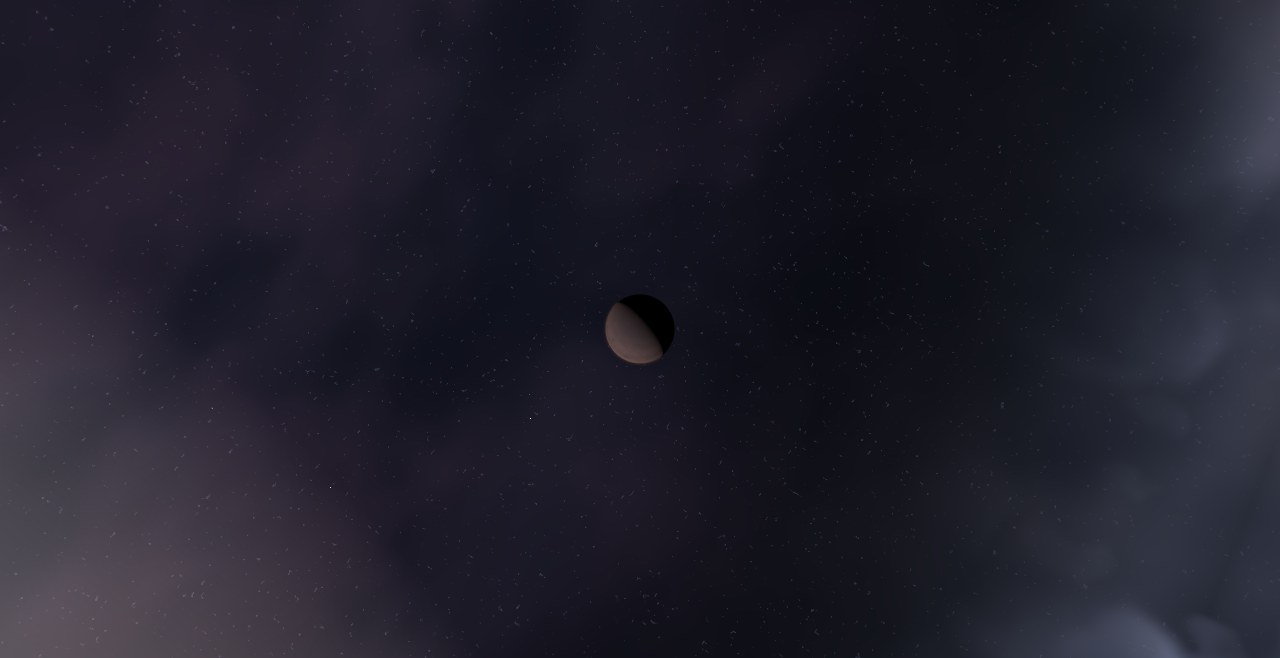
HAT-P-19, an orange K-type dwarf of 0.81 solar masses, and HAT-P-19 b, a 0.28-Jupiter-mass companion, with an orbital period of 4.0 days, at 0.046 AU from its star, and an equilibrium temperature near 981 K.
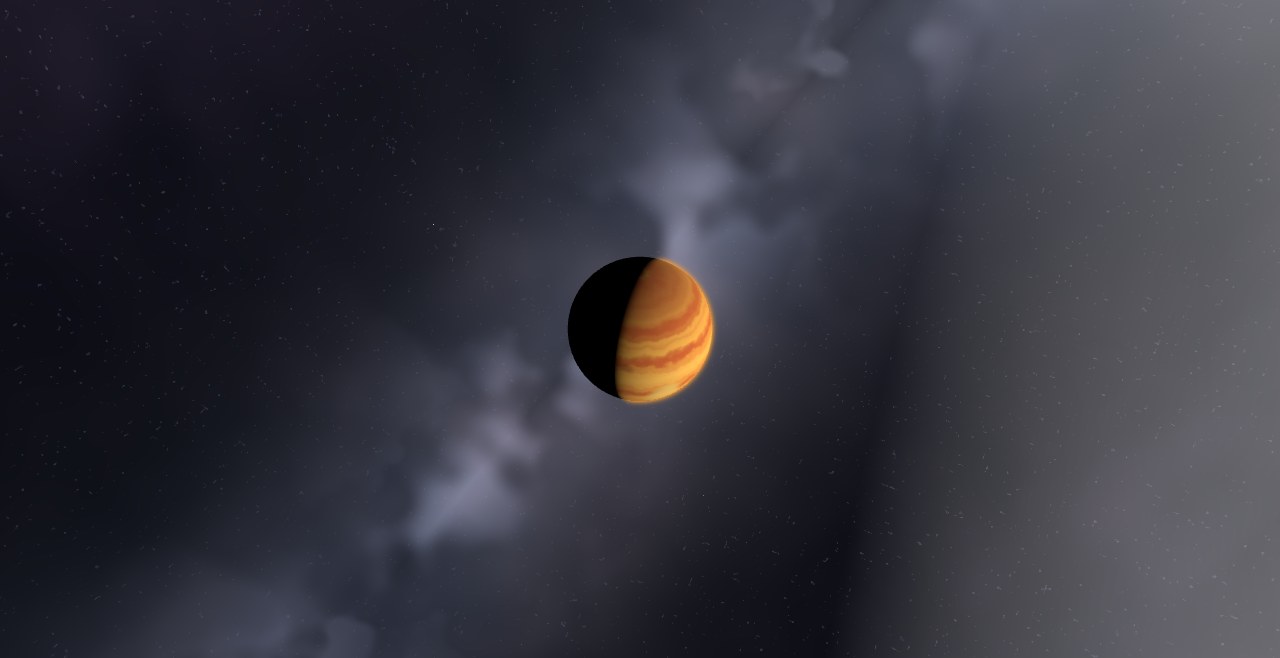
HAT-P-2 b, a massive eccentric hot Jupiter. Eight Jupiter masses on a stretched orbit make the insolation swing sharply each perihelion. The planet is about eight times Jupiter's mass.
HAT-P-20, an orange K-type dwarf of 0.76 solar masses, and HAT-P-20 b, a 7.25-Jupiter-mass companion, with an orbital period of 2.9 days, at 0.036 AU from its star, and an equilibrium temperature near 970 K.
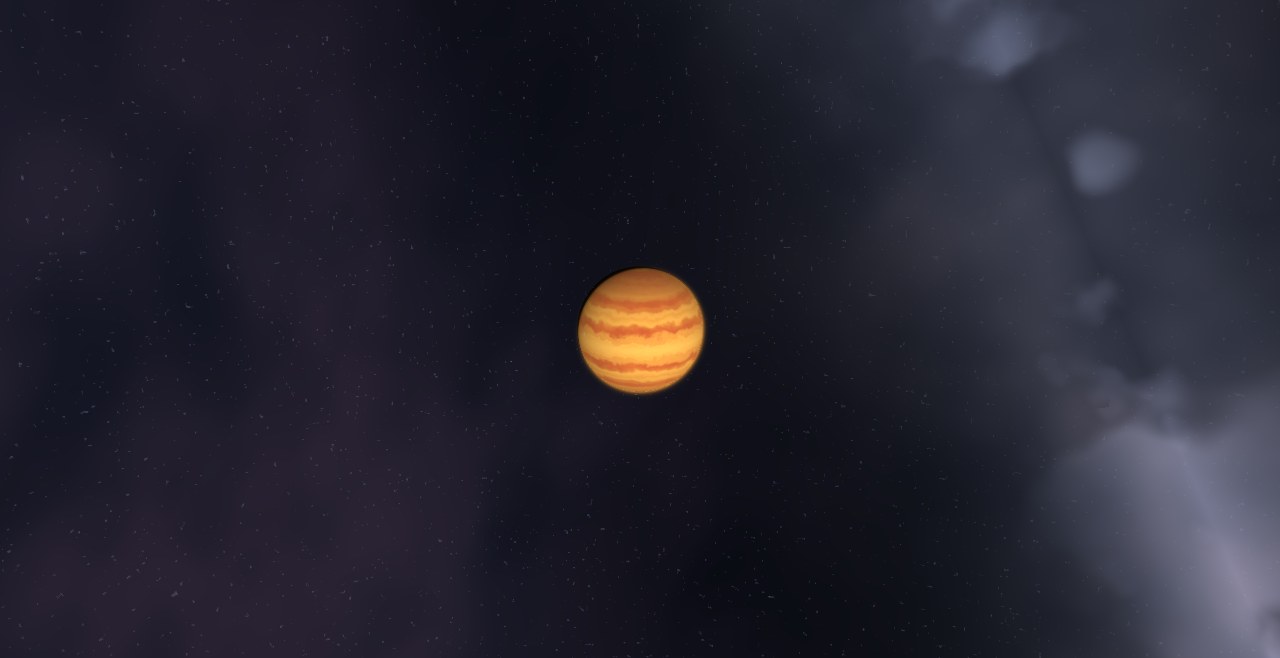
HAT-P-21, a Sun-like G-type star of 1.24 solar masses, and HAT-P-21 b, a 4.87-Jupiter-mass companion, with an orbital period of 4.1 days, on an eccentric orbit (e ≈ 0.23).
HAT-P-22, a Sun-like G-type star of 1.13 solar masses, and HAT-P-22 b, a 2.47-Jupiter-mass companion, with an orbital period of 3.2 days.
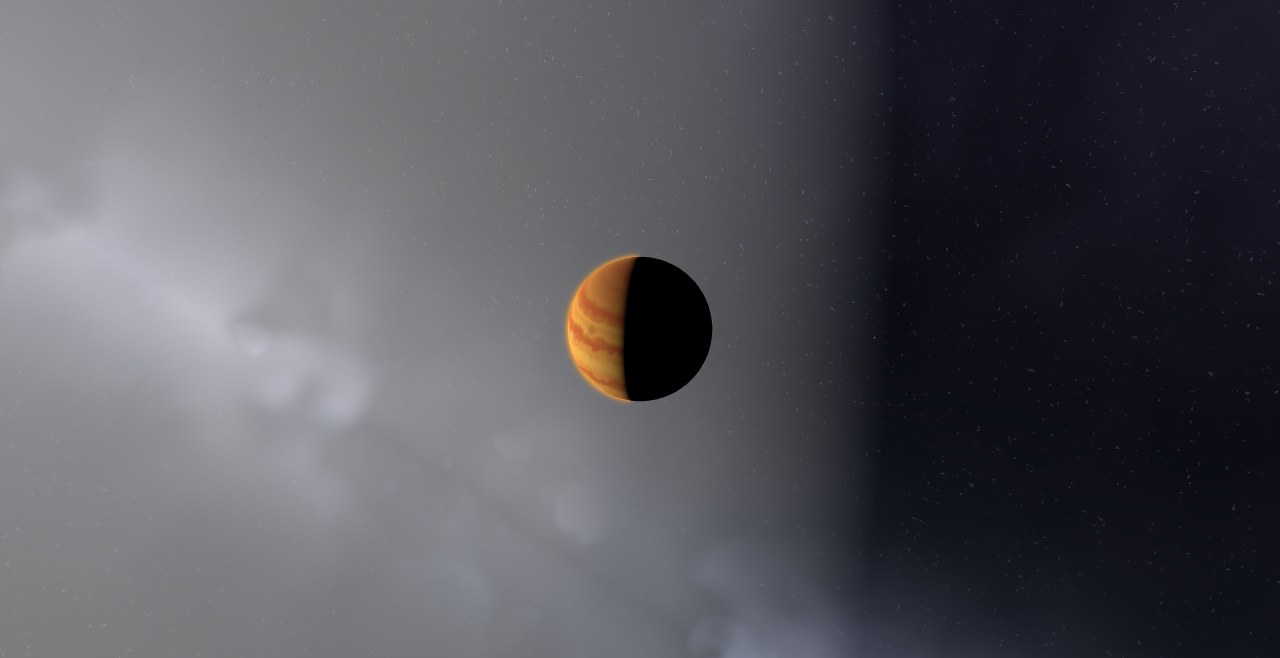
HAT-P-23, a Sun-like G-type star of 1.13 solar masses, and HAT-P-23 b, a 2.09-Jupiter-mass companion, with an orbital period of 1.2 days, at 0.023 AU from its star, and an equilibrium temperature near 2,056 K.
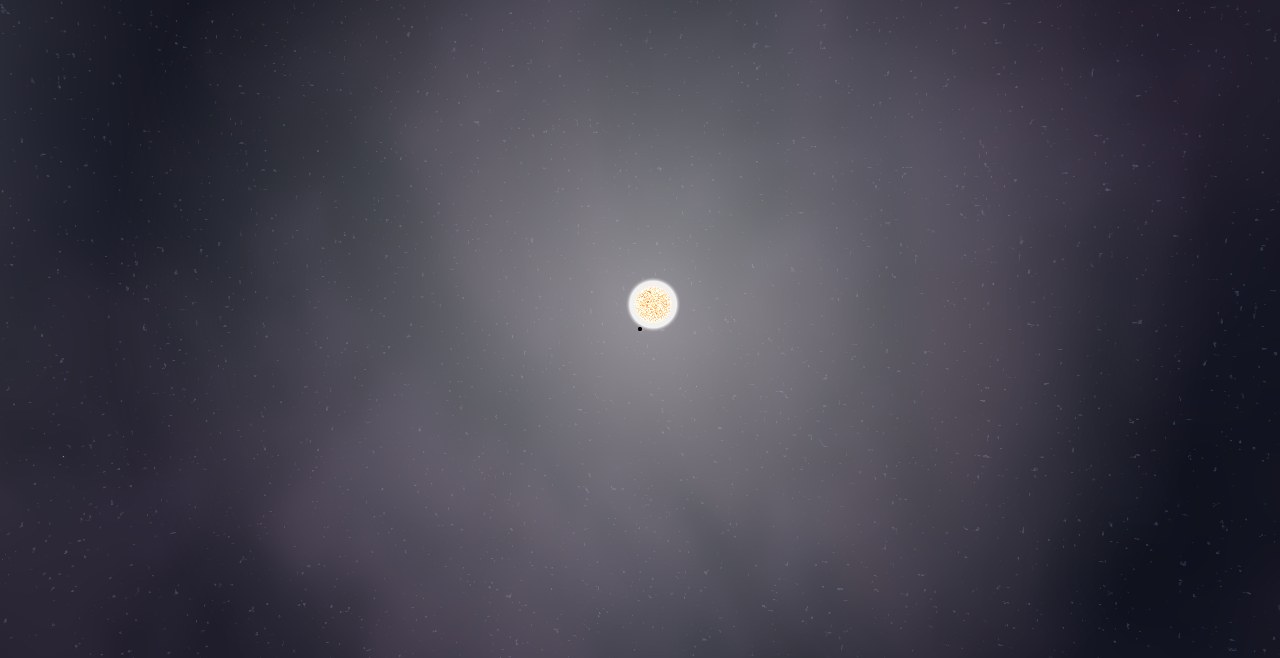
HAT-P-24, a Sun-like F-type star of 1.37 solar masses, and HAT-P-24 b, a 0.75-Jupiter-mass companion, with an orbital period of 3.4 days, on an eccentric orbit (e ≈ 0.07).
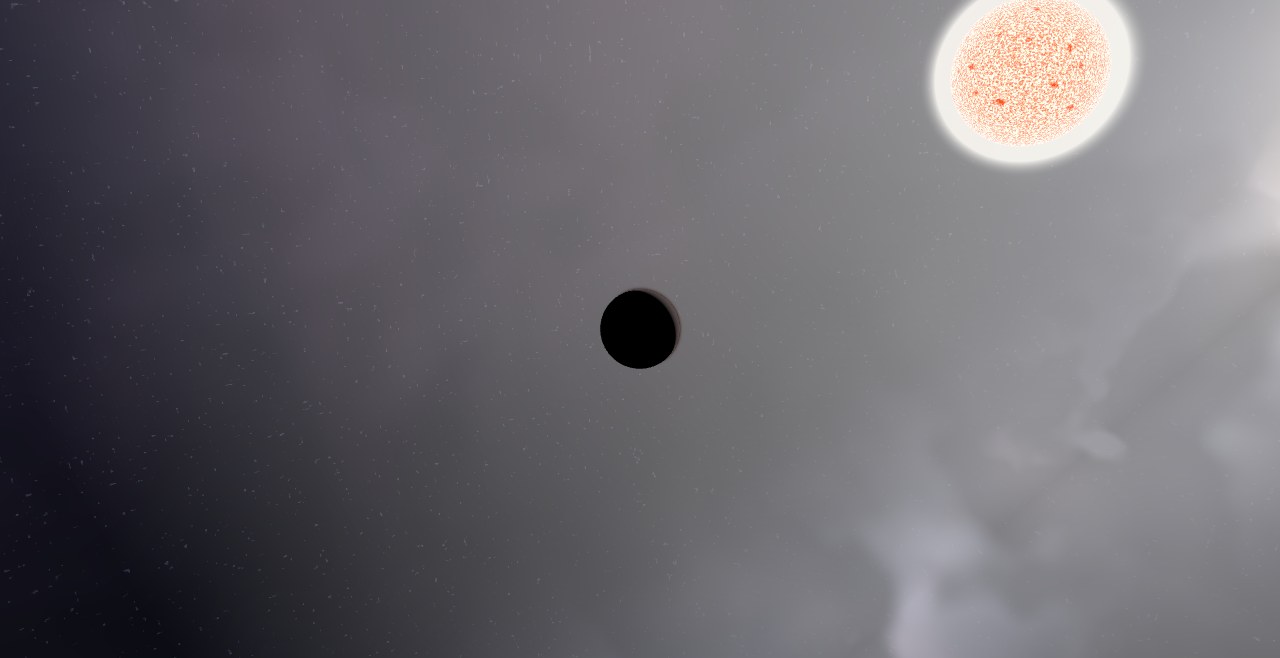
HAT-P-25, a Sun-like G-type star of 1.01 solar masses, and HAT-P-25 b, a 0.57-Jupiter-mass companion, with an orbital period of 3.7 days, at 0.047 AU from its star, and an equilibrium temperature near 1,182 K.
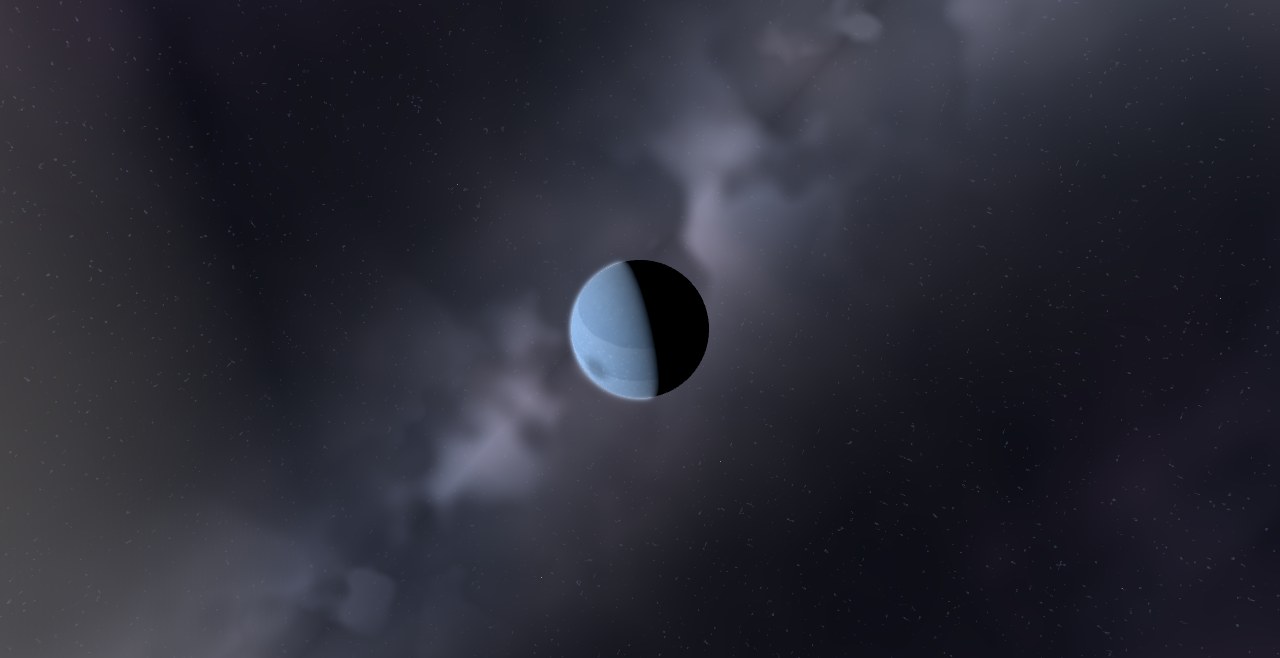
HAT-P-26, an orange K-type dwarf of 1.12 solar masses, and HAT-P-26 b, a 0.07-Jupiter-mass companion, with an orbital period of 4.2 days, on an eccentric orbit (e ≈ 0.12).
HAT-P-27, a Sun-like G-type star of 0.92 solar masses, and HAT-P-27 b, a 0.62-Jupiter-mass companion, with an orbital period of 3.0 days, at 0.040 AU from its star.
HAT-P-28, a Sun-like G-type star of 1.02 solar masses, and HAT-P-28 b, a 0.63-Jupiter-mass companion, with an orbital period of 3.3 days, at 0.043 AU from its star, and an equilibrium temperature near 1,384 K.