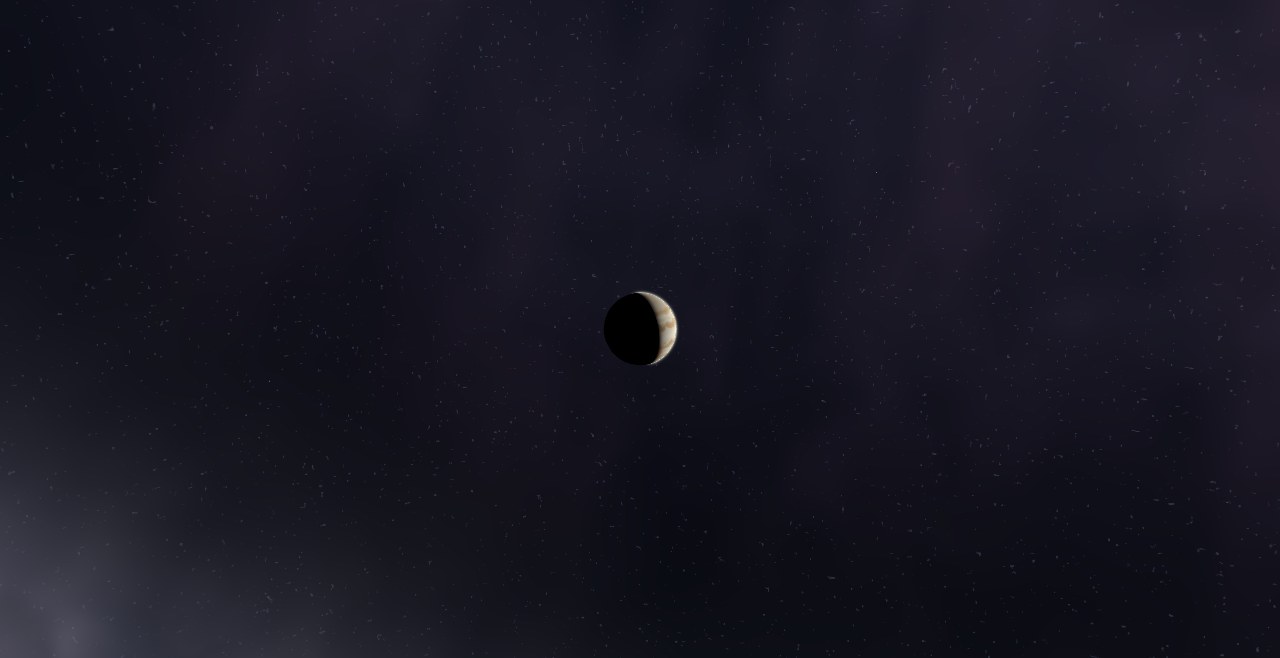
GJ 9066 - System
GJ 9066, a cool M-dwarf of 0.15 solar masses, and GJ 9066 c, a 0.21-Jupiter-mass companion, with an orbital period of 2.11 years, at 0.880 AU from its star, on an eccentric orbit (e ≈ 0.46).
Exoplanets
Analyze isolated alien worlds orbiting a singular host star to observe basic orbital parameters, tidal locks, and planetary eccentricities.
Share
GJ 9066, a cool M-dwarf of 0.15 solar masses, and GJ 9066 c, a 0.21-Jupiter-mass companion, with an orbital period of 2.11 years, at 0.880 AU from its star, on an eccentric orbit (e ≈ 0.46).
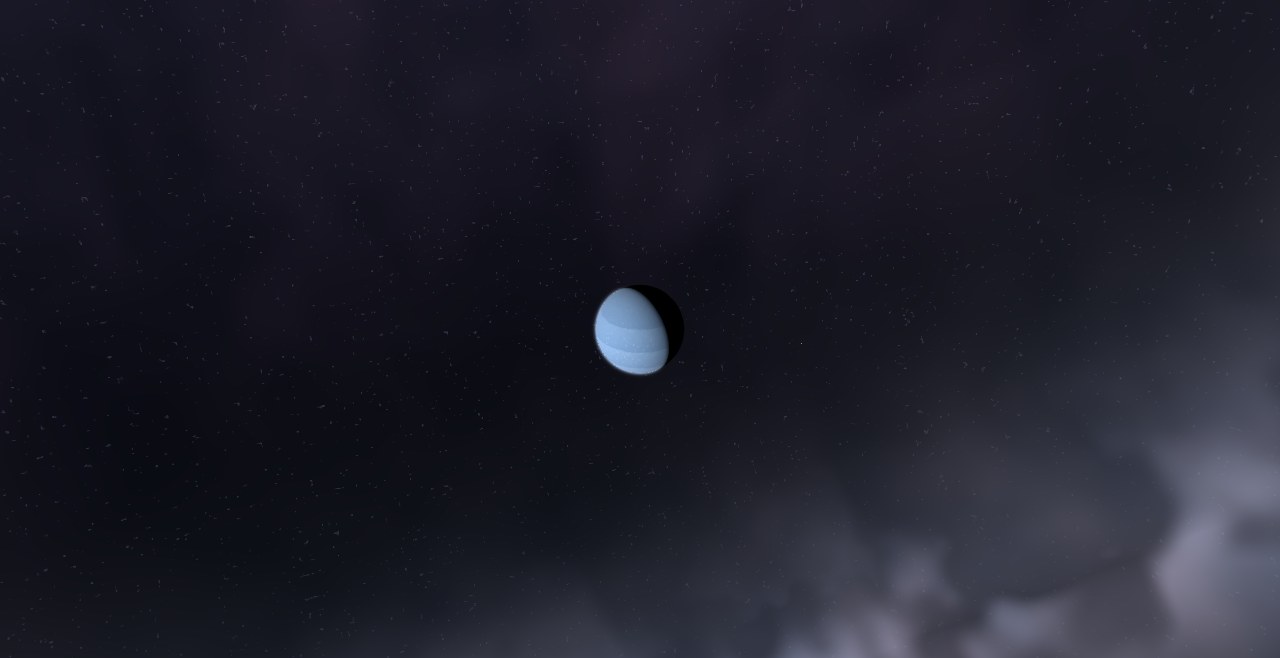
GJ 9404, an orange K-type dwarf of 0.62 solar masses, and GJ 9404 b, a 11.9-Earth-mass planet, with an orbital period of 13.5 days, at 0.094 AU from its star, on an eccentric orbit (e ≈ 0.49).
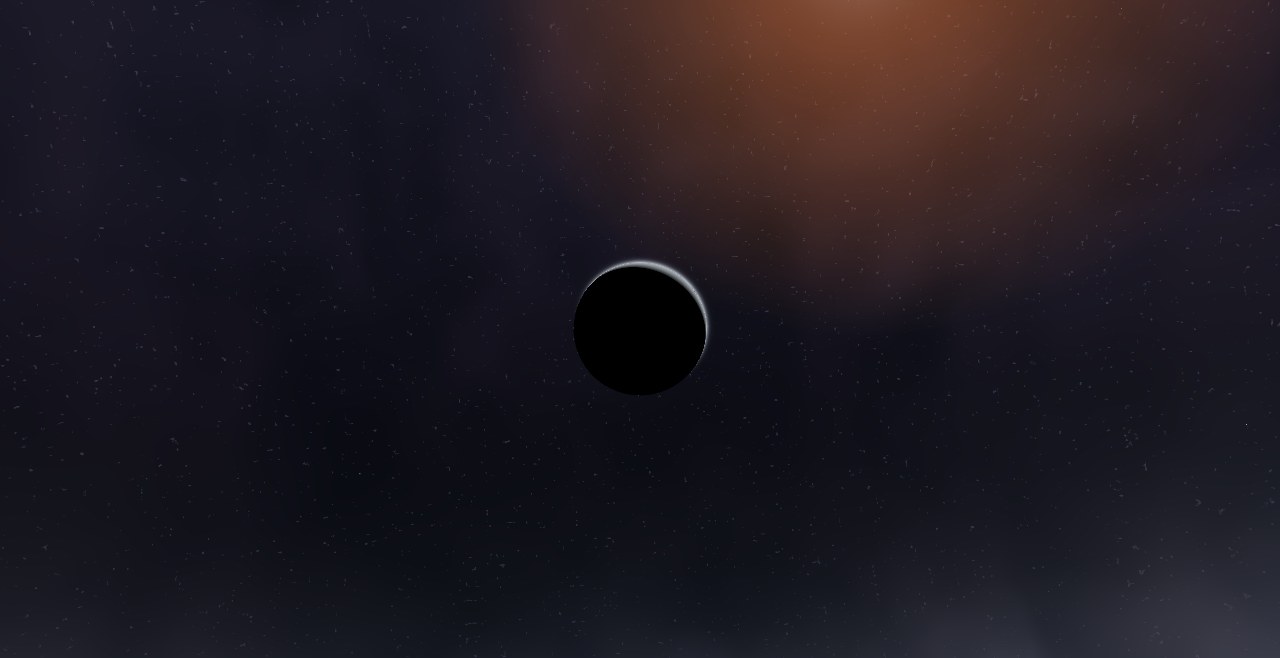
GJ 96, a cool M-dwarf of 0.60 solar masses, and GJ 96 b, a 0.06-Jupiter-mass companion, with an orbital period of 73.9 days, at 0.291 AU from its star, on an eccentric orbit (e ≈ 0.44).
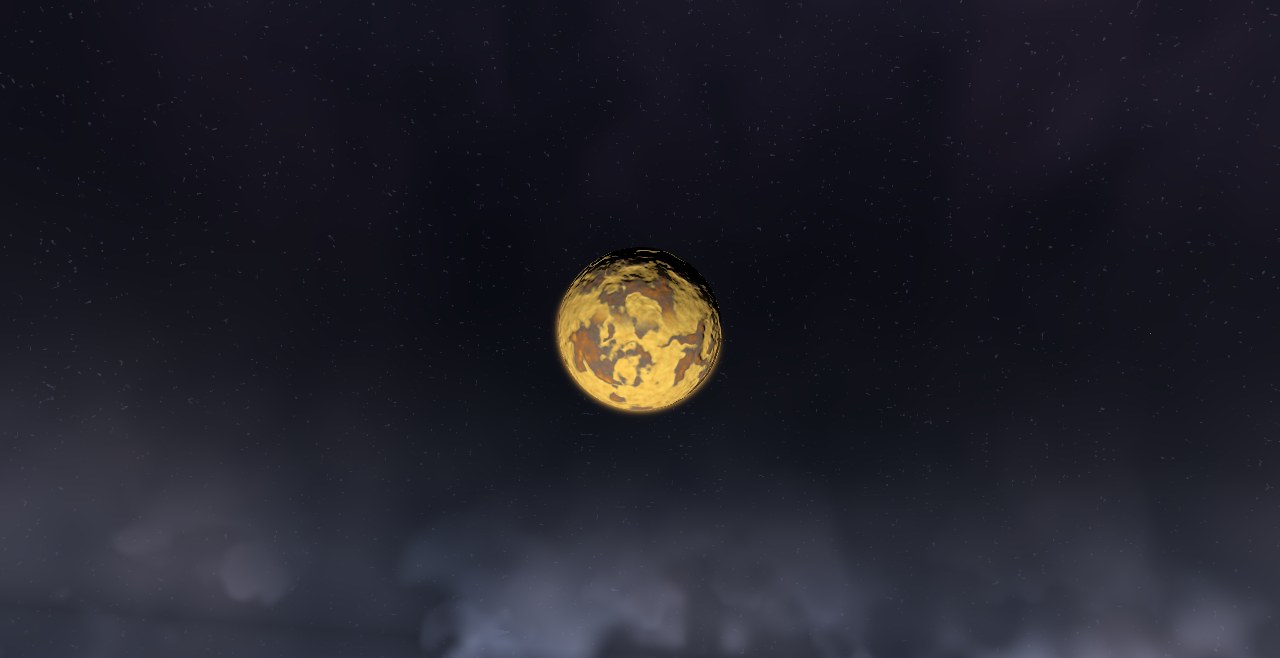
GJ 9689, a cool M-dwarf of 0.59 solar masses, and GJ 9689 b, a 9.7-Earth-mass planet, with an orbital period of 18.3 days, at 0.114 AU from its star, and an equilibrium temperature near 453 K, on an eccentric.
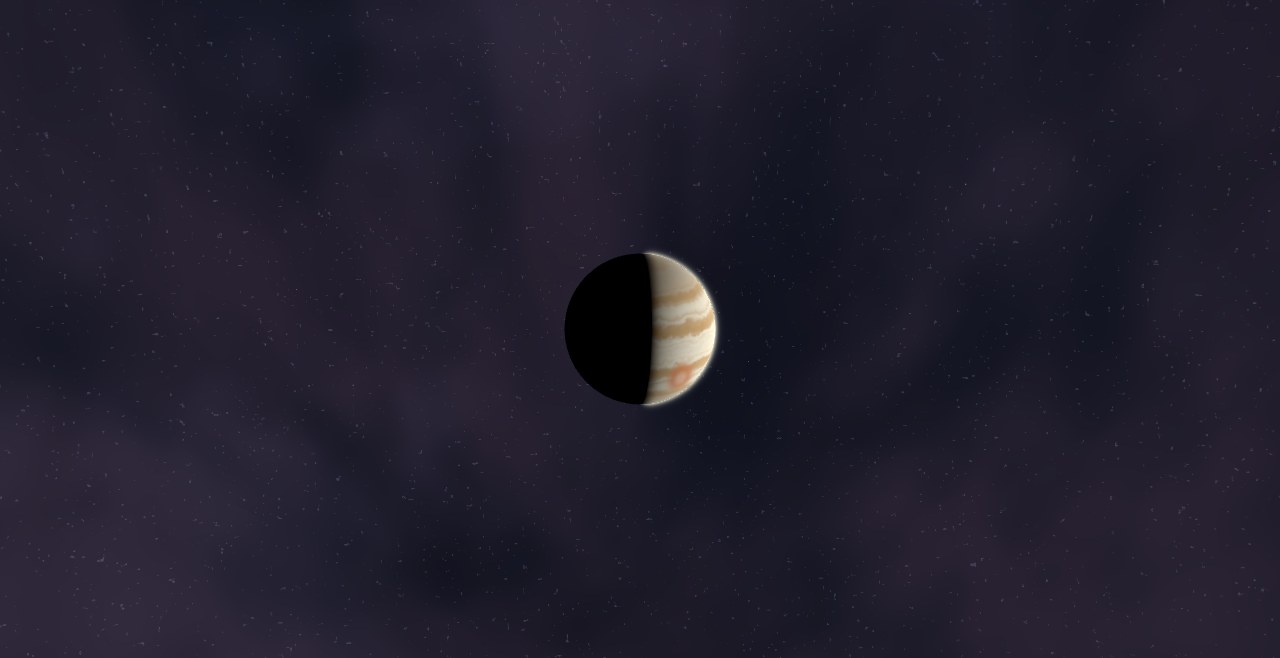
GJ 9714, an orange K-type dwarf of 0.67 solar masses, and GJ 9714 b, a 9.40-Jupiter-mass companion, with an orbital period of 52.7 years, at 12.3 AU from its star, on an eccentric orbit (e ≈ 0.15).
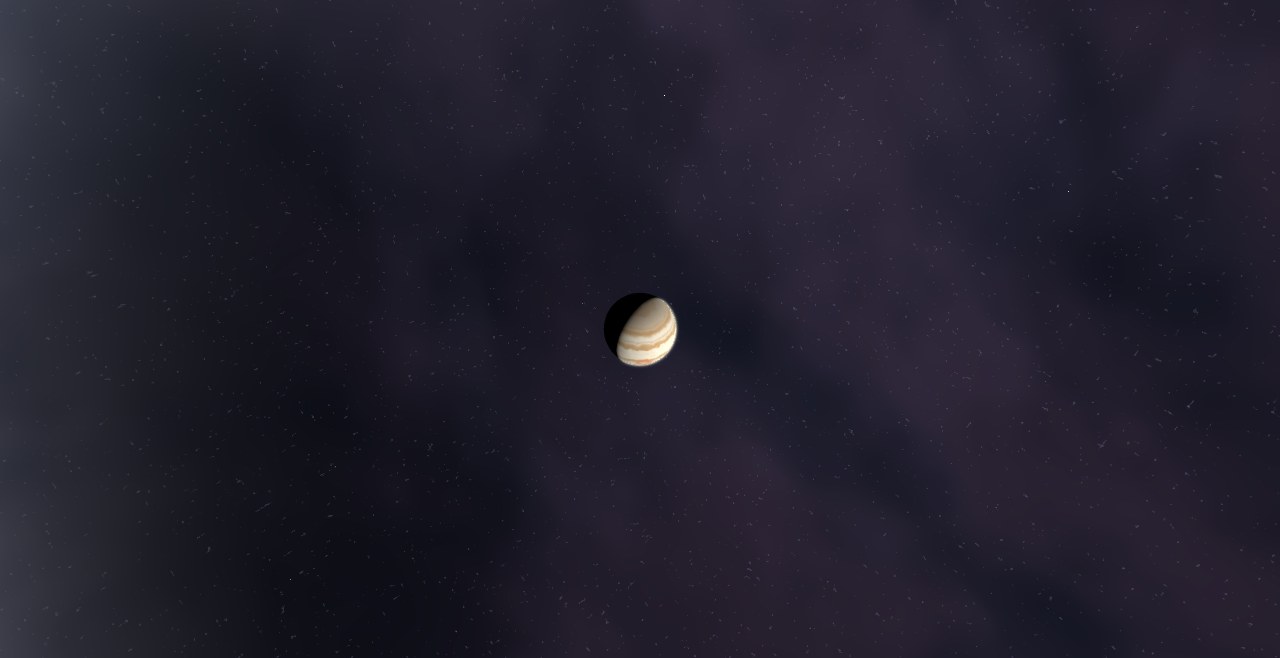
GJ 9773, a cool M-dwarf of 0.36 solar masses, and GJ 9773 b, a 0.54-Jupiter-mass companion, with an orbital period of 8.12 years, at 2.921 AU from its star, on an eccentric orbit (e ≈ 0.22).
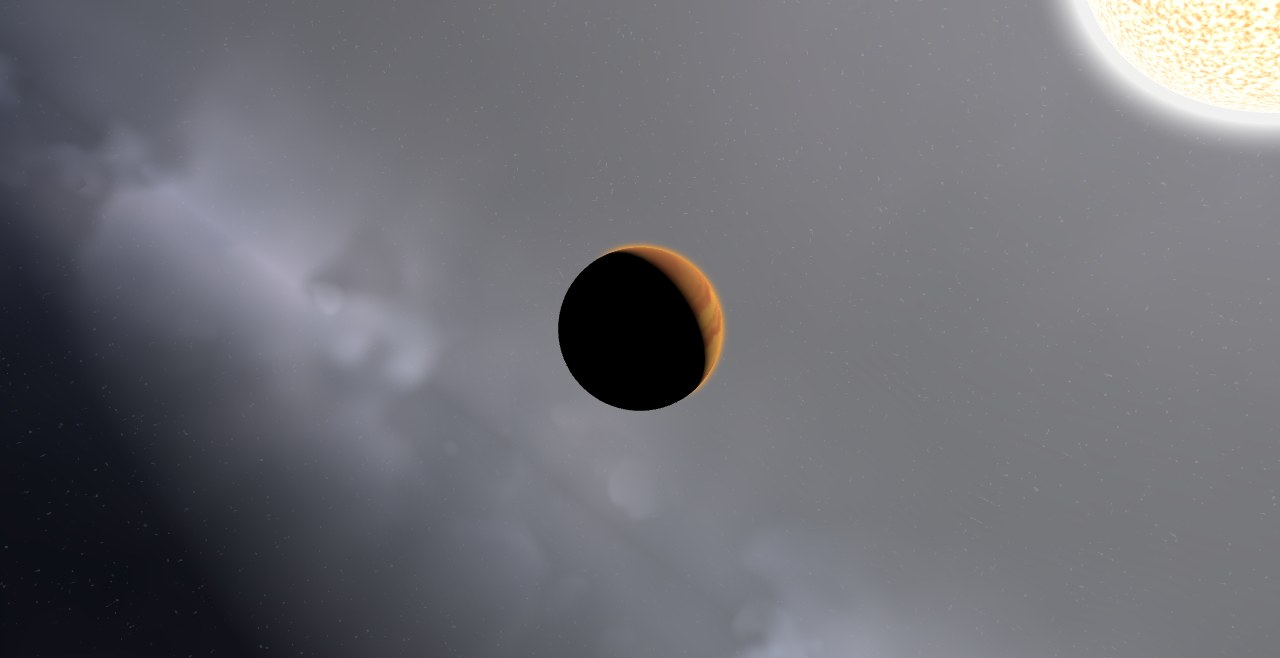
GPX-1, a Sun-like F-type star of 1.68 solar masses, and GPX-1 b, a 19.7-Jupiter-mass companion, with an orbital period of 1.7 days, at 0.034 AU from its star, and an equilibrium temperature near 2,300 K.
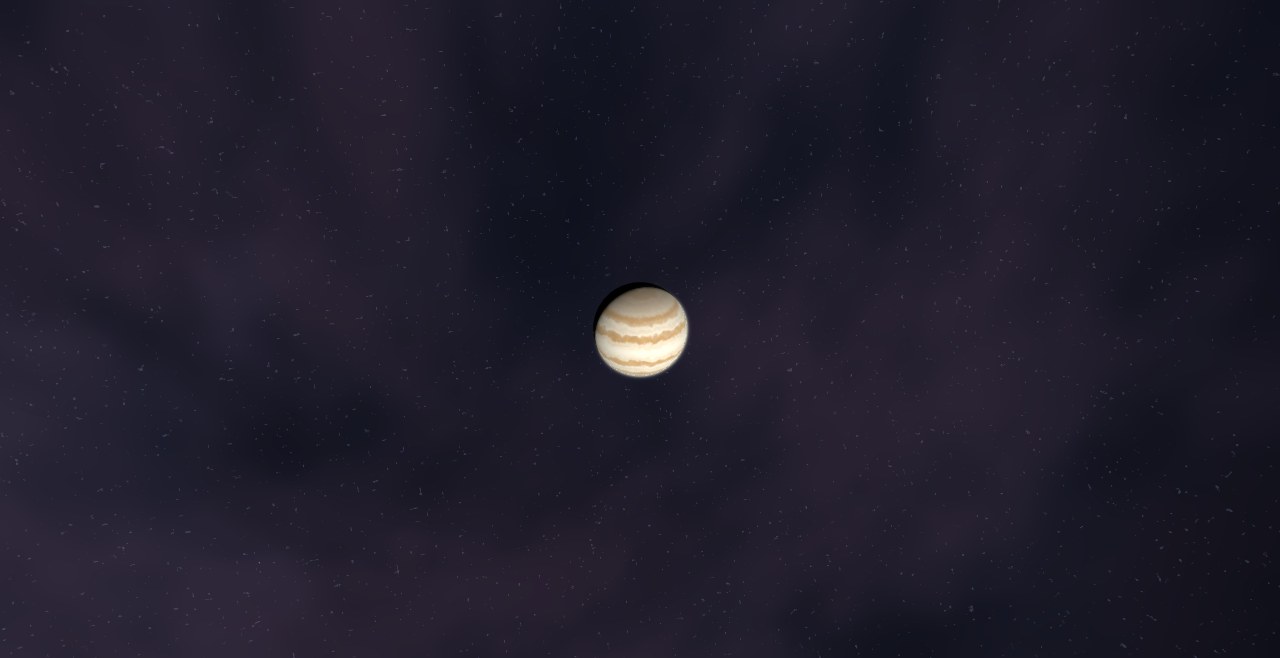
GQ Lup, an orange K-type dwarf of 0.70 solar masses, and GQ Lup b, a 20.0-Jupiter-mass companion, at 100 AU from its star, and an equilibrium temperature near 2,650 K.
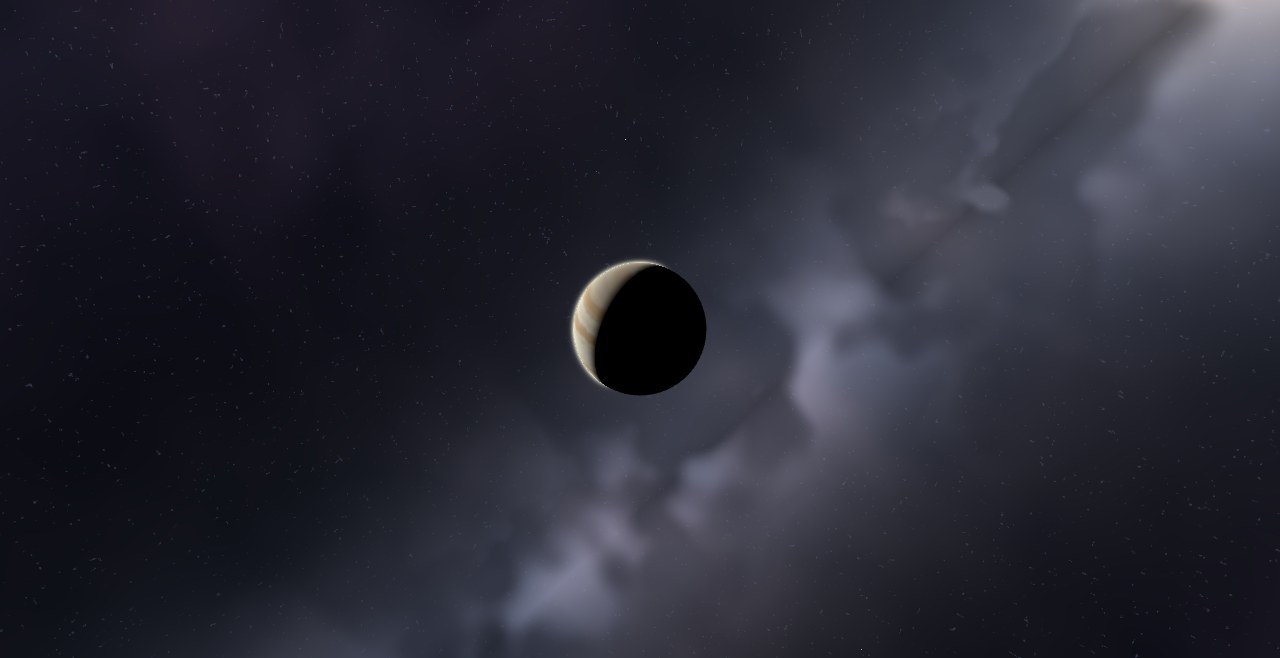
GSC 06214-00210, an orange K-type dwarf of 0.90 solar masses, and GSC 06214-00210 b, a 16.0-Jupiter-mass companion, at 320 AU from its star, and an equilibrium temperature near 2,300 K.
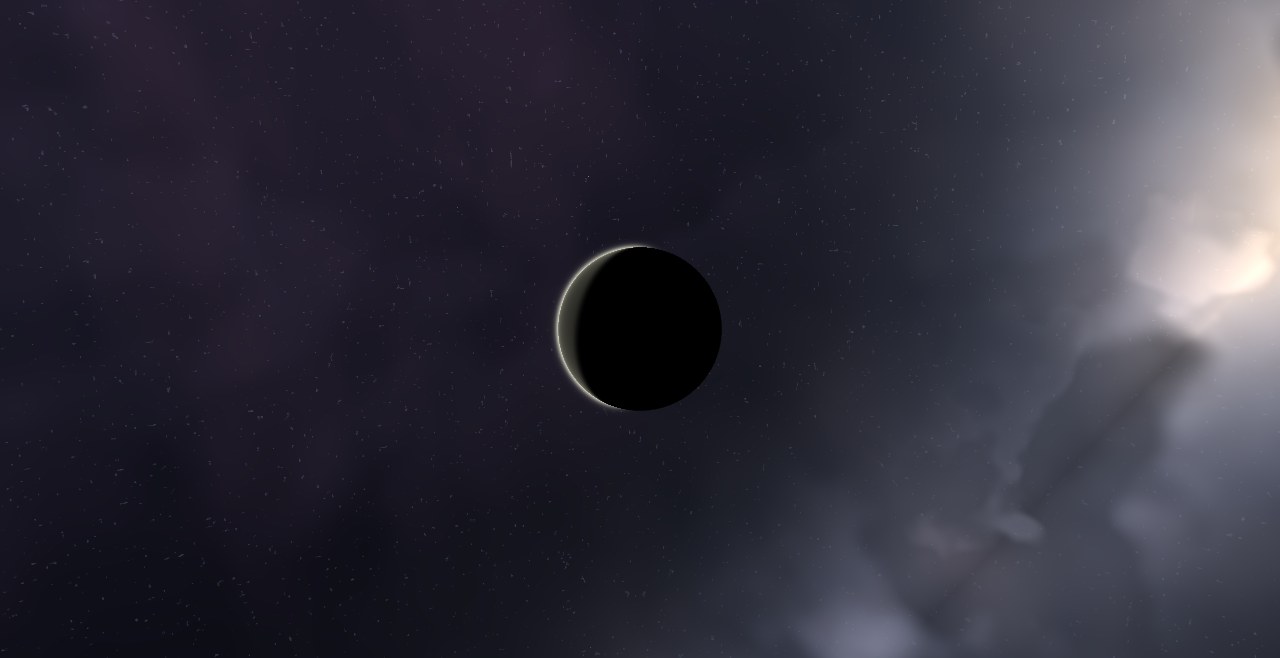
GU Psc, a cool M-dwarf of 0.33 solar masses, and GU Psc b, a 11.3-Jupiter-mass companion, at 2,000 AU from its star, and an equilibrium temperature near 1,050 K.
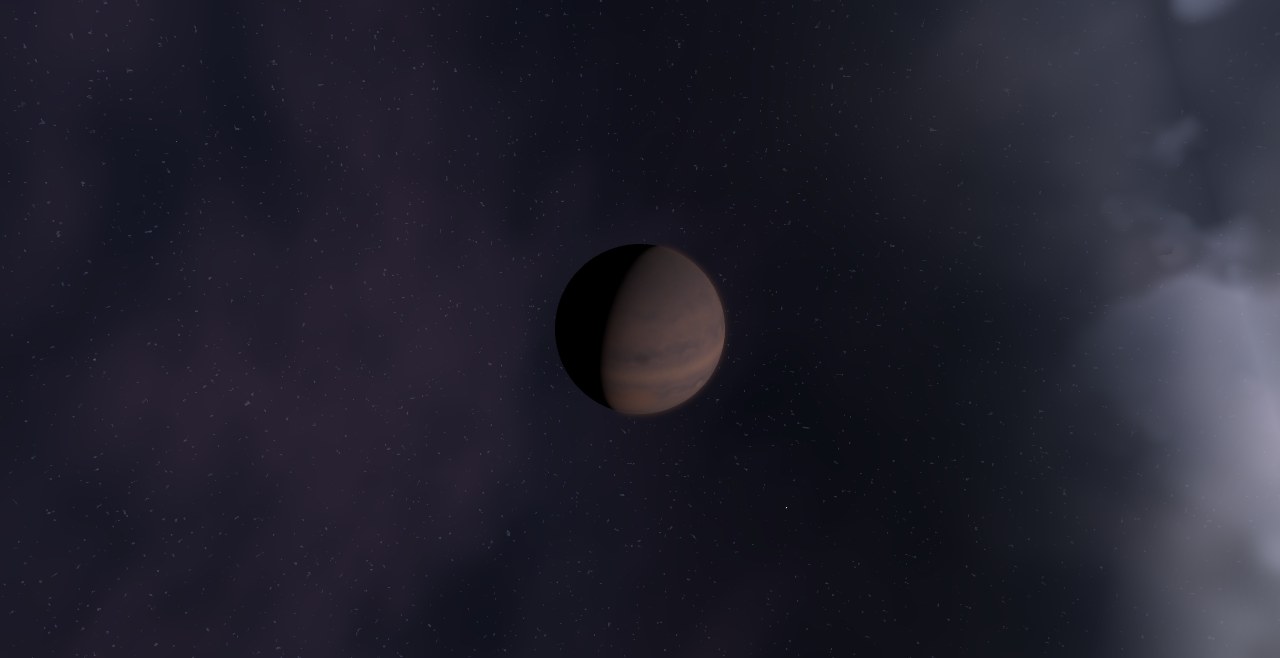
Gaia-1, a Sun-like G-type star of 0.95 solar masses, and Gaia-1 b, a 1.68-Jupiter-mass companion, with an orbital period of 3.1 days, at 0.040 AU from its star.
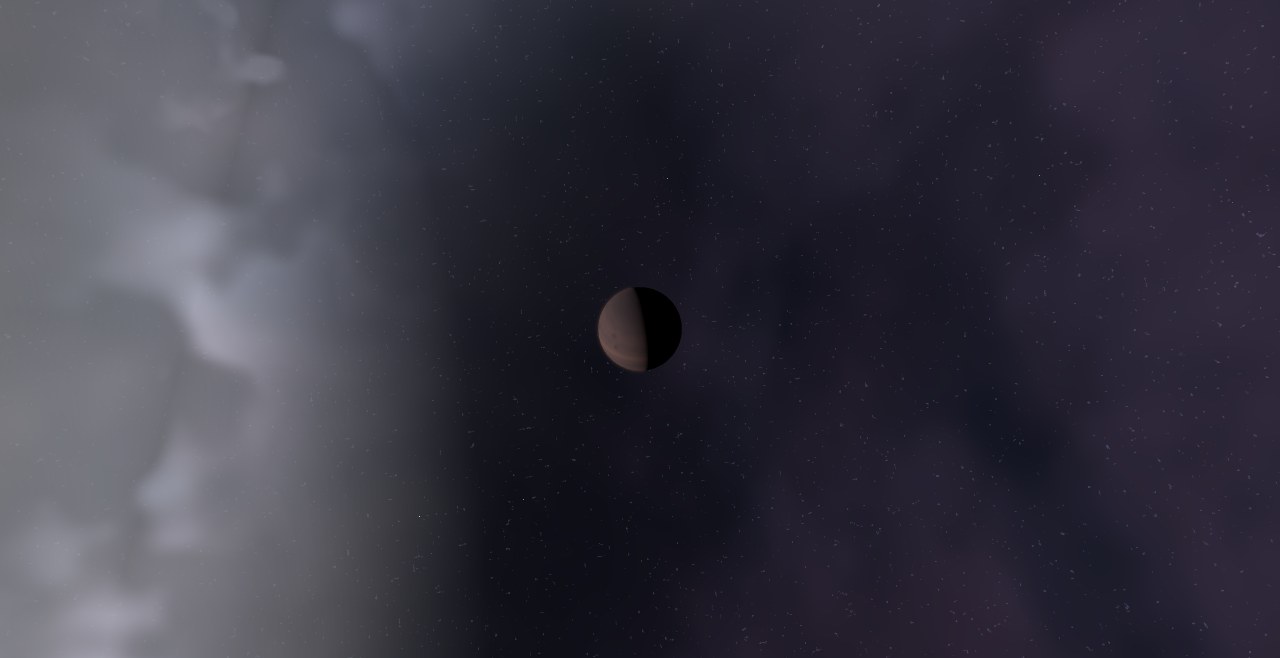
Gaia-2, a Sun-like G-type star of 1.00 solar masses, and Gaia-2 b, a 0.82-Jupiter-mass companion, with an orbital period of 3.7 days, at 0.047 AU from its star.
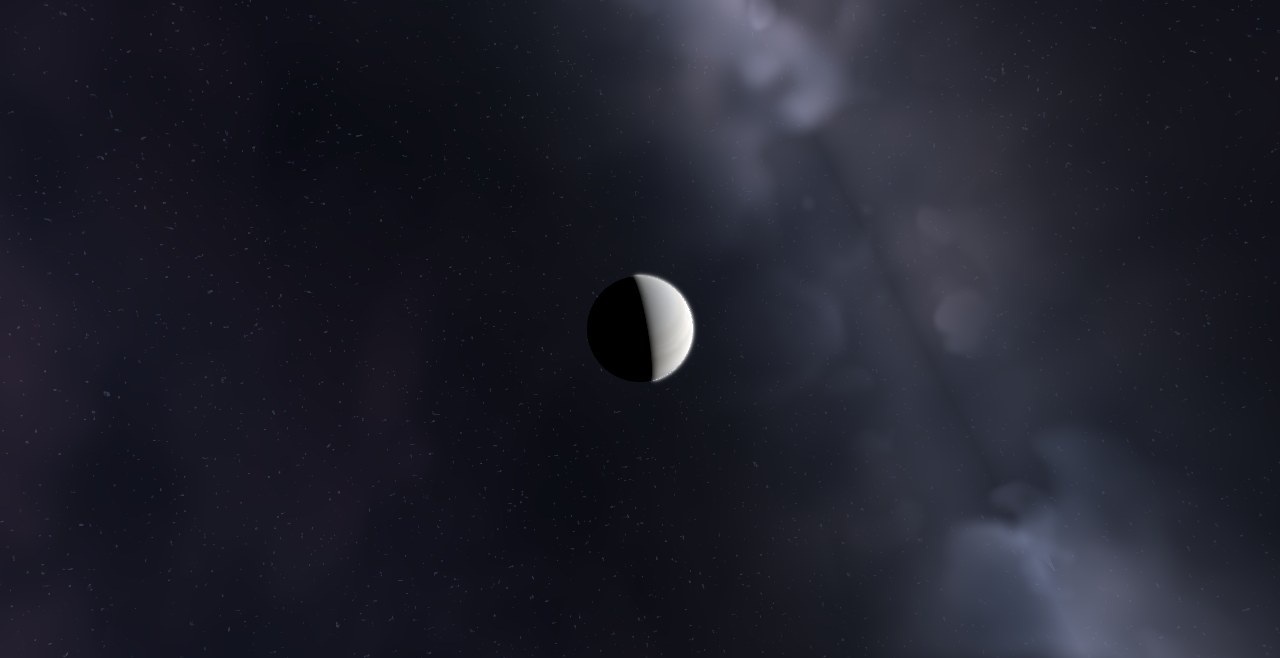
Gaia22dkvL, a Sun-like G-type star of 1.15 solar masses, and Gaia22dkvL b, a 0.59-Jupiter-mass companion, at 1.400 AU from its star.
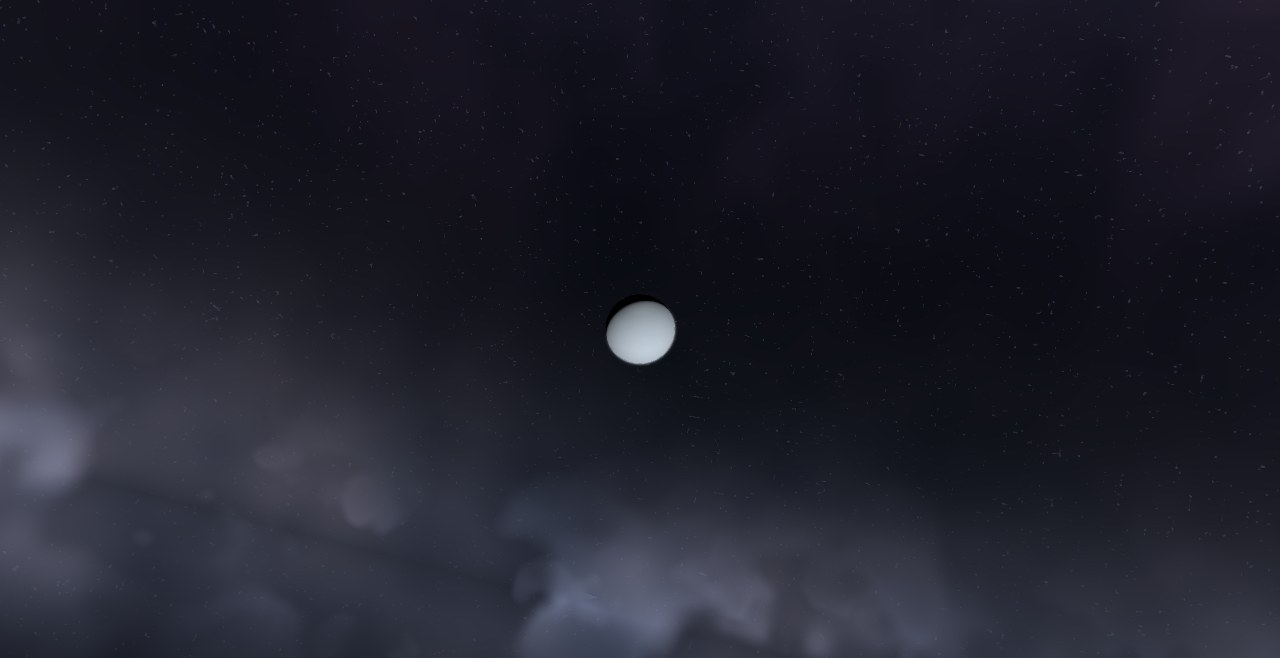
Gl 378, a cool M-dwarf of 0.56 solar masses, and Gl 378 b, a 13.0-Earth-mass planet, with an orbital period of 3.8 days, at 0.039 AU from its star, and an equilibrium temperature near 830 K, on an eccentric.
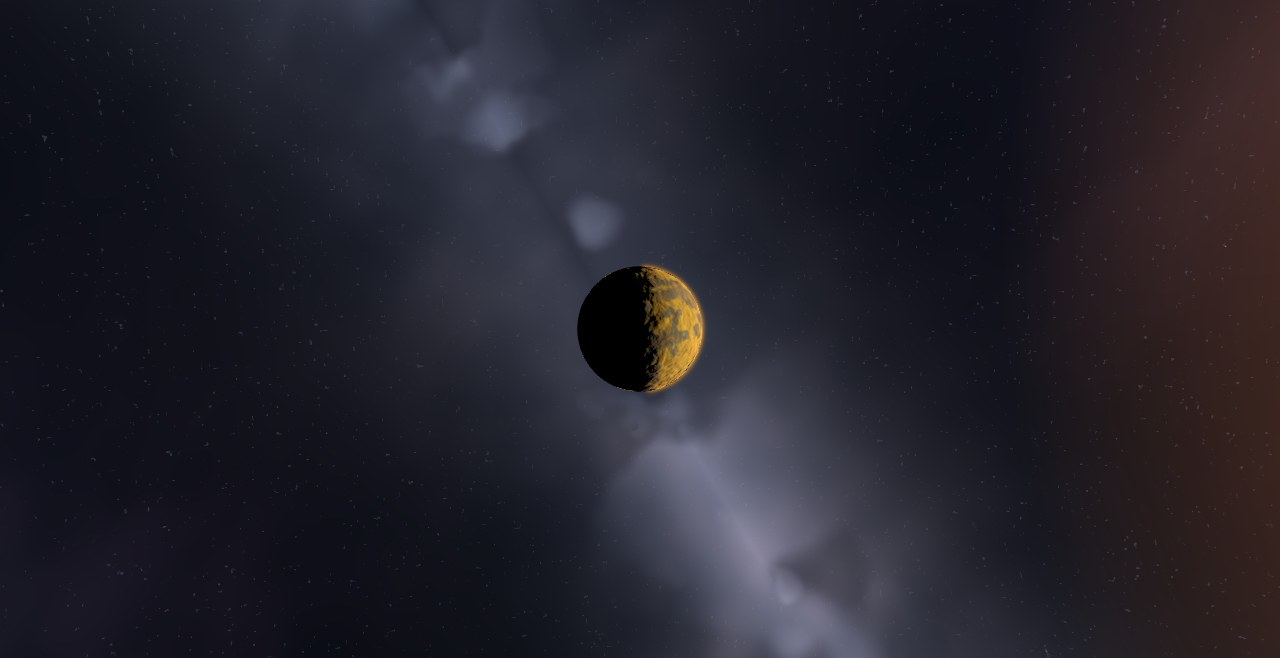
Gl 410, an orange K-type dwarf of 0.55 solar masses, and Gl 410 b, a 8.4-Earth-mass planet, with an orbital period of 6.0 days, at 0.053 AU from its star.
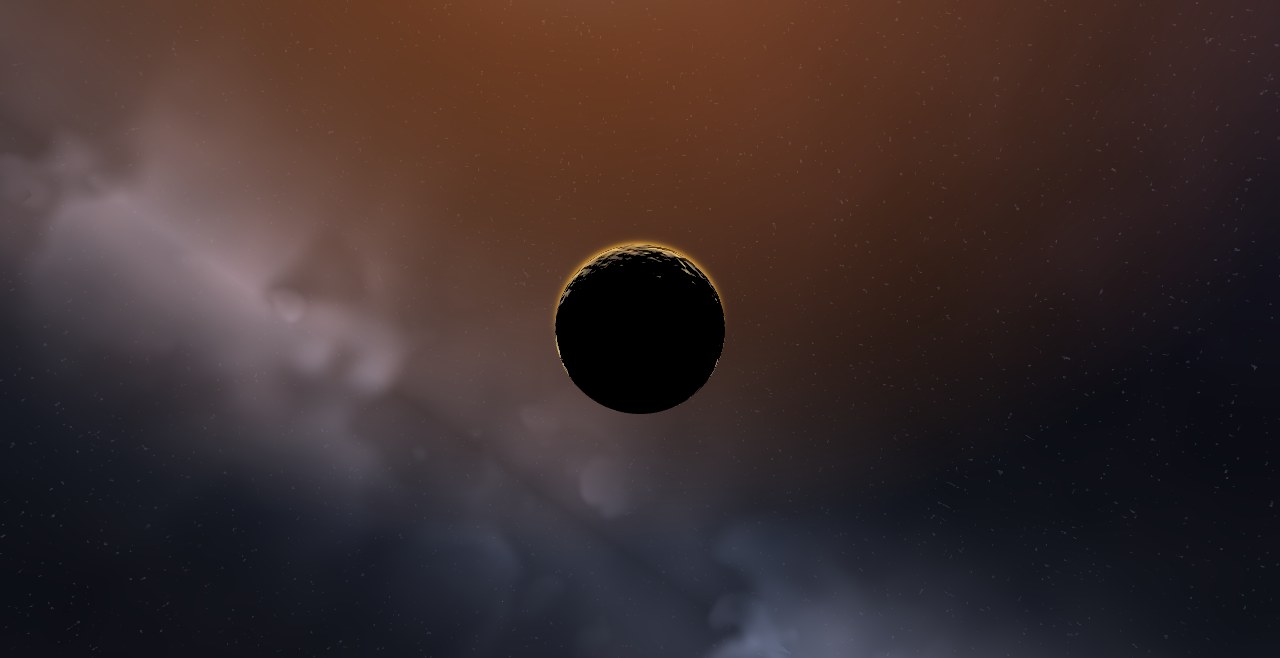
Gl 49, a cool M-dwarf of 0.52 solar masses, and Gl 49 b, a 5.6-Earth-mass planet, with an orbital period of 13.9 days, at 0.090 AU from its star, on an eccentric orbit (e ≈ 0.36).
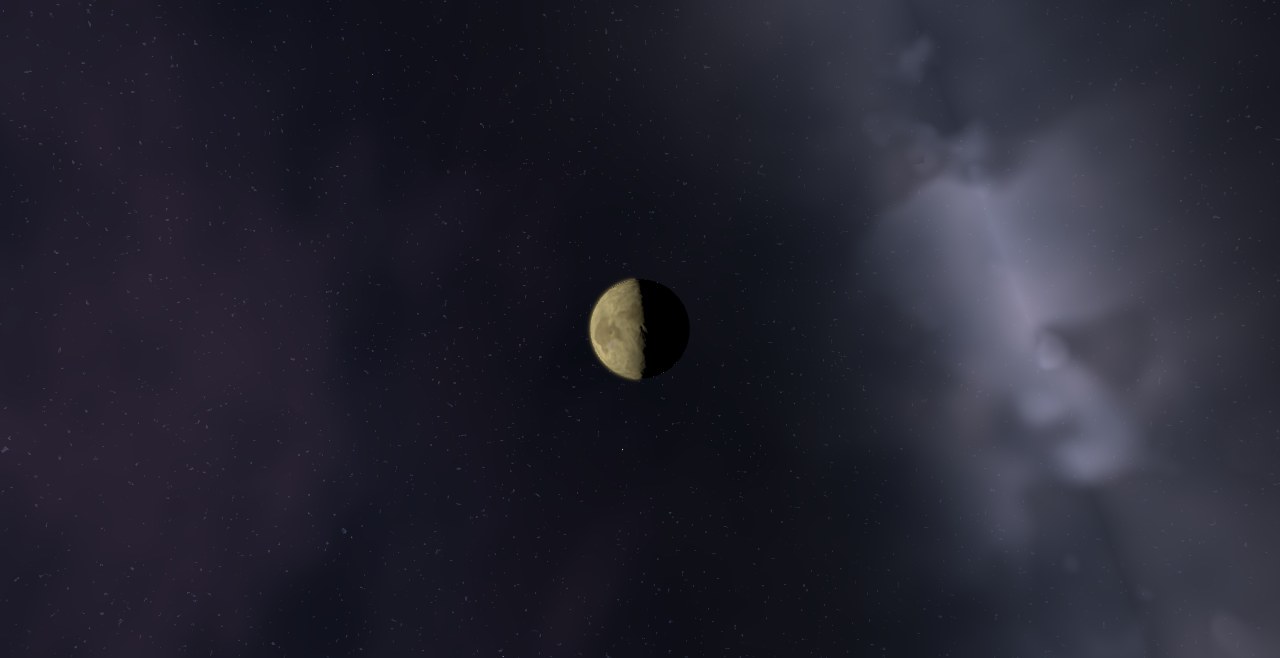
Gl 686, a cool M-dwarf of 0.43 solar masses, and Gl 686 b, a 6.6-Earth-mass planet, with an orbital period of 15.5 days, at 0.091 AU from its star.
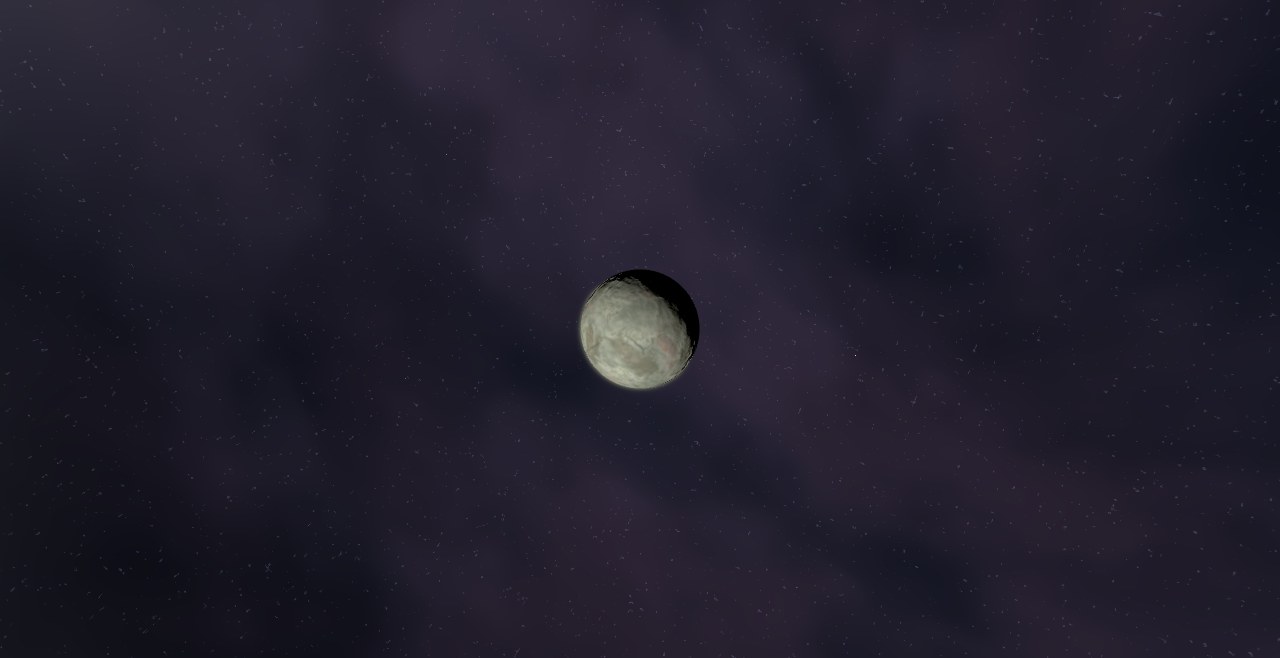
Gl 725 A, a cool M-dwarf of 0.33 solar masses, and Gl 725 A b, a 2.8-Earth-mass planet, with an orbital period of 11.2 days, at 0.068 AU from its star.