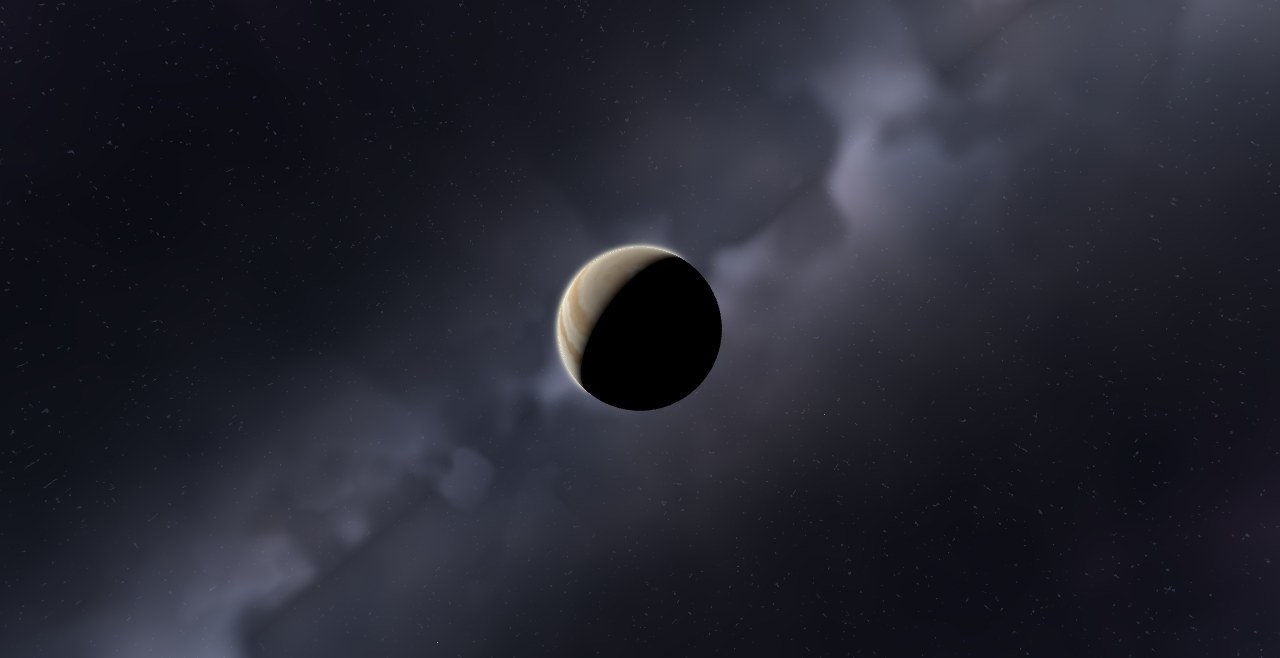
TWA 7 - System
TWA 7, a cool M-dwarf of 0.46 solar masses, and TWA 7 b, a 0.34-Jupiter-mass companion, at 52.0 AU from its star, and an equilibrium temperature near 316 K.
Exoplanets
Analyze isolated alien worlds orbiting a singular host star to observe basic orbital parameters, tidal locks, and planetary eccentricities.
Share
TWA 7, a cool M-dwarf of 0.46 solar masses, and TWA 7 b, a 0.34-Jupiter-mass companion, at 52.0 AU from its star, and an equilibrium temperature near 316 K.
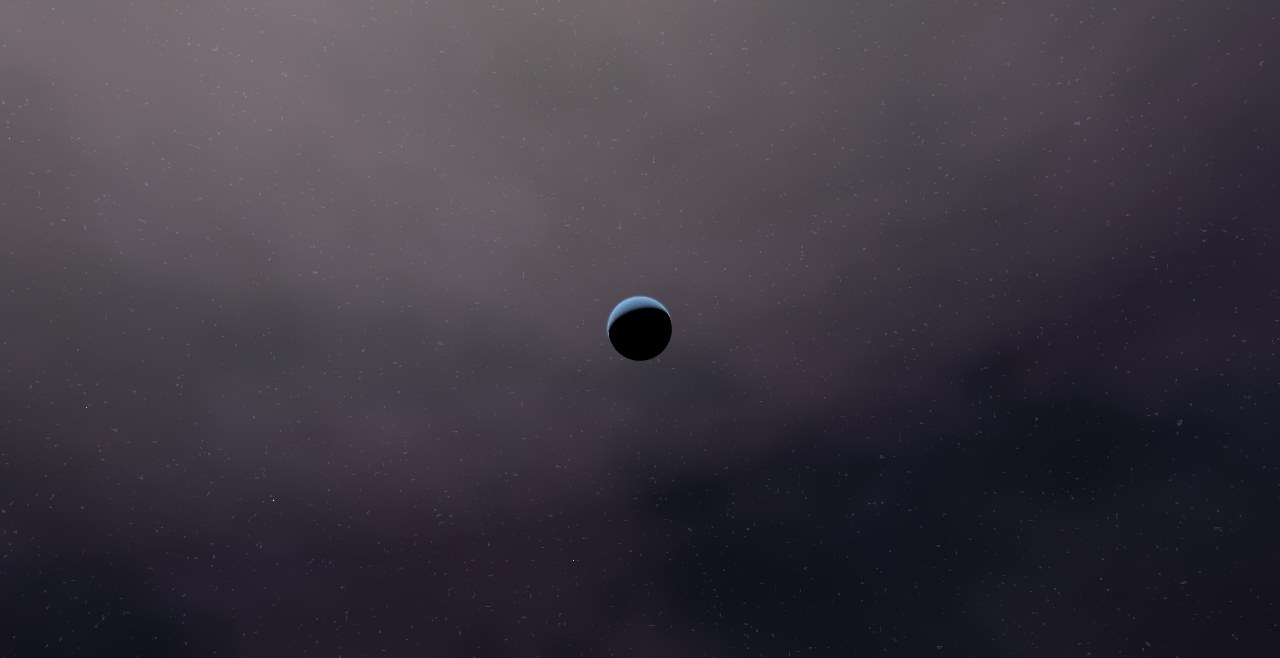
TYC 0434-04538-1, an orange K-type dwarf of 1.04 solar masses, and TYC 0434-04538-1 b, a 6.10-Jupiter-mass companion, with an orbital period of 193 days, at 0.660 AU from its star, on an eccentric orbit (e ≈.
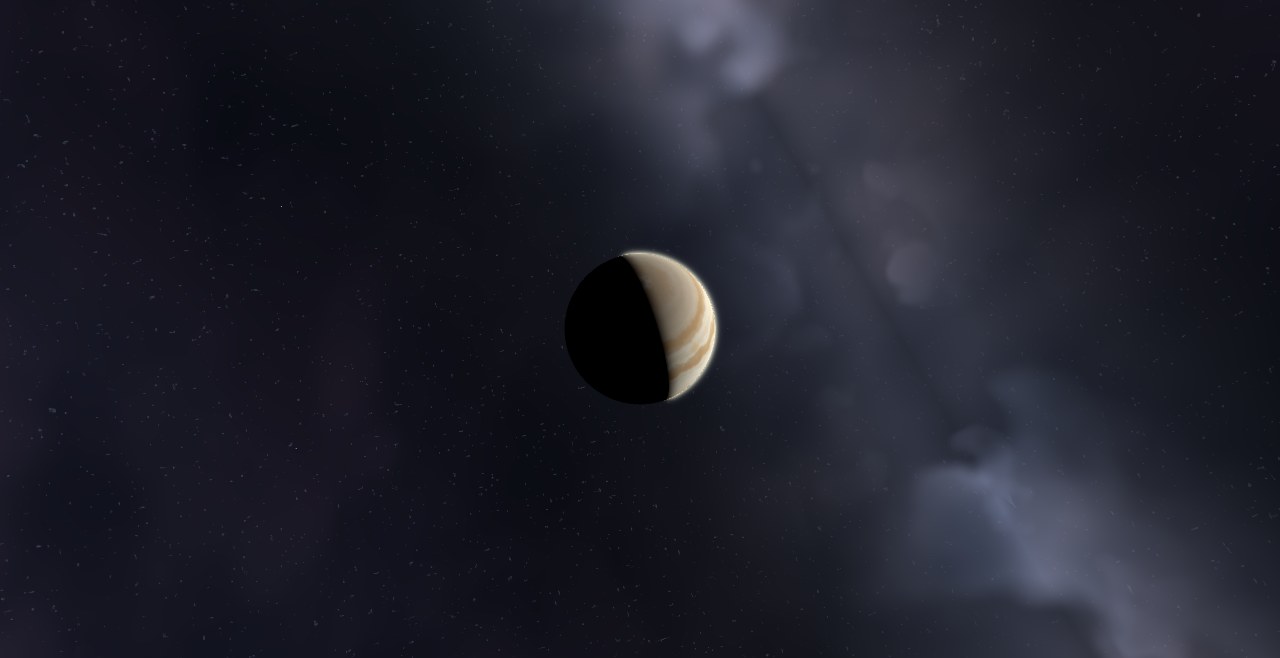
TYC 2187-512-1, a cool M-dwarf of 0.50 solar masses, and TYC 2187-512-1 b, a 0.33-Jupiter-mass companion, with an orbital period of 1.89 years, at 1.220 AU from its star.
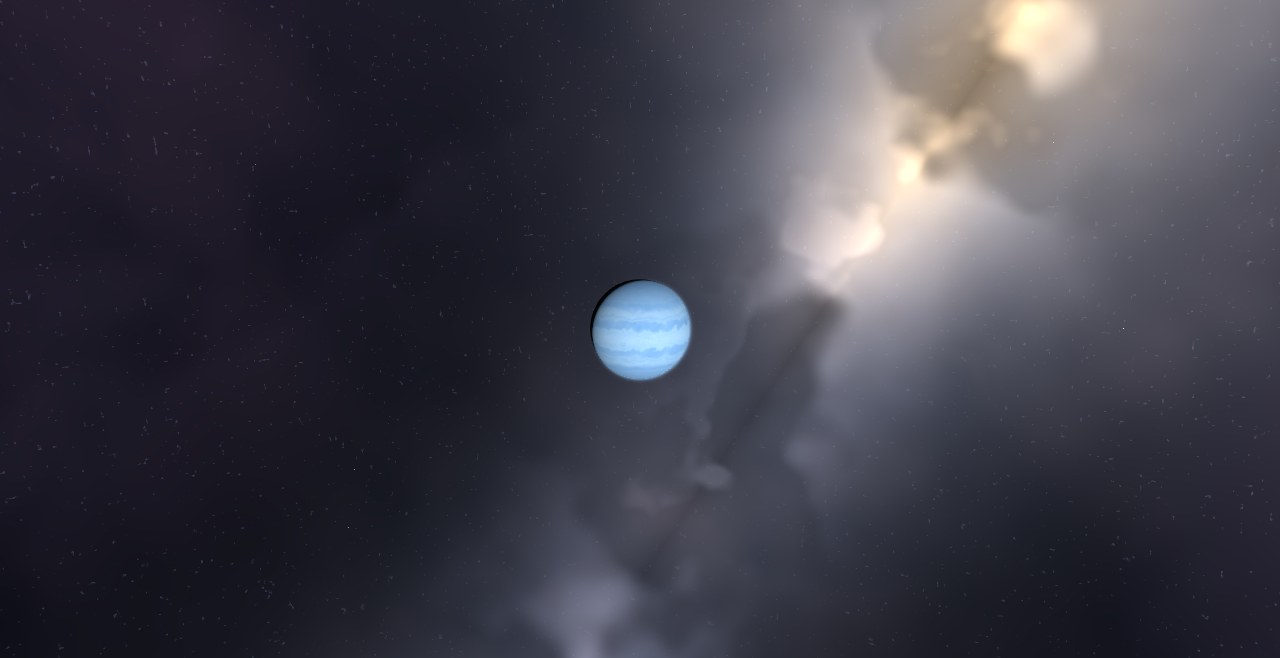
TYC 3318-01333-1, an orange K-type dwarf of 1.19 solar masses, and TYC 3318-01333-1 b, a 3.42-Jupiter-mass companion, with an orbital period of 1.54 years, at 1.414 AU from its star, on an eccentric orbit (e ≈.
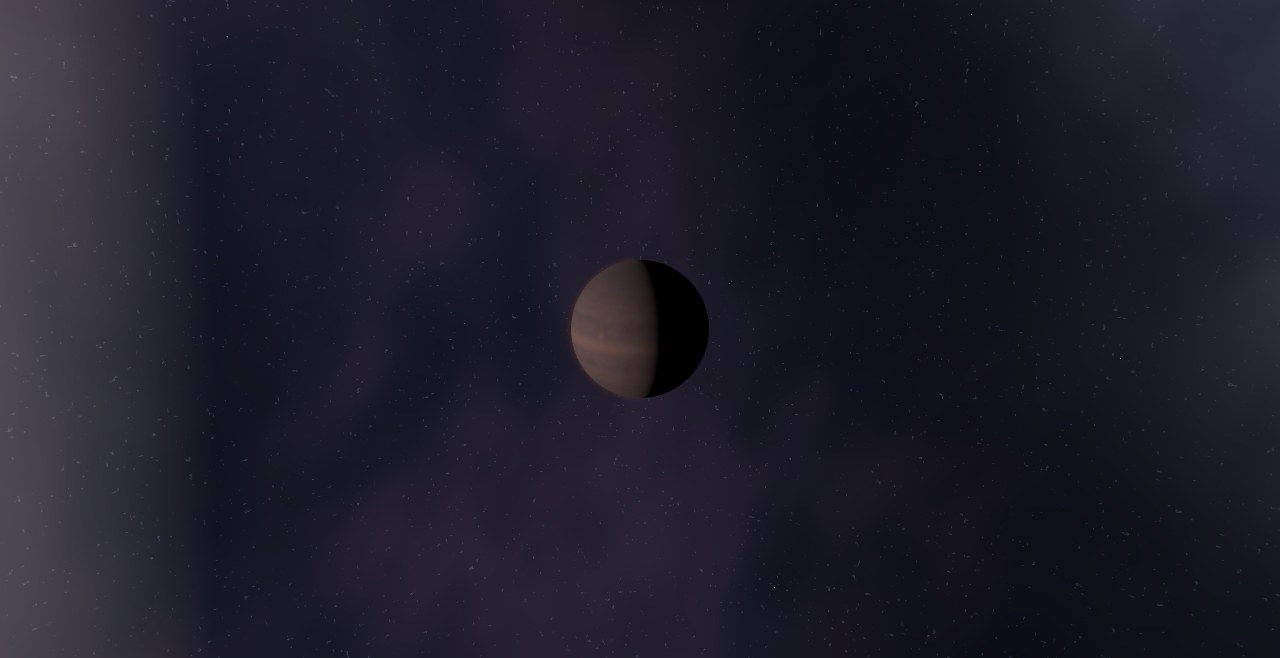
TYC 3667-1280-1, an orange K-type dwarf of 1.87 solar masses, and TYC 3667-1280-1 b, a 5.40-Jupiter-mass companion, with an orbital period of 26.5 days, at 0.210 AU from its star, and an equilibrium.
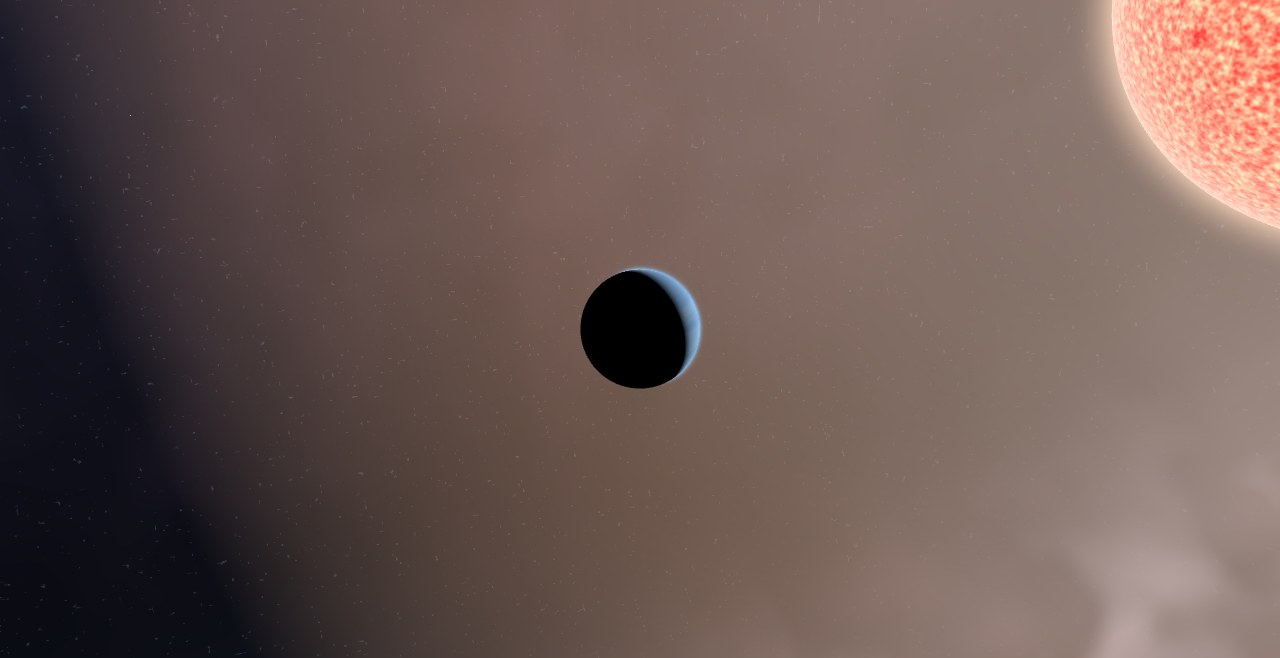
TYC 4282-00605-1, an orange K-type dwarf of 0.97 solar masses, and TYC 4282-00605-1 b, a 10.8-Jupiter-mass companion, with an orbital period of 102 days, at 0.422 AU from its star, on an eccentric orbit (e ≈.
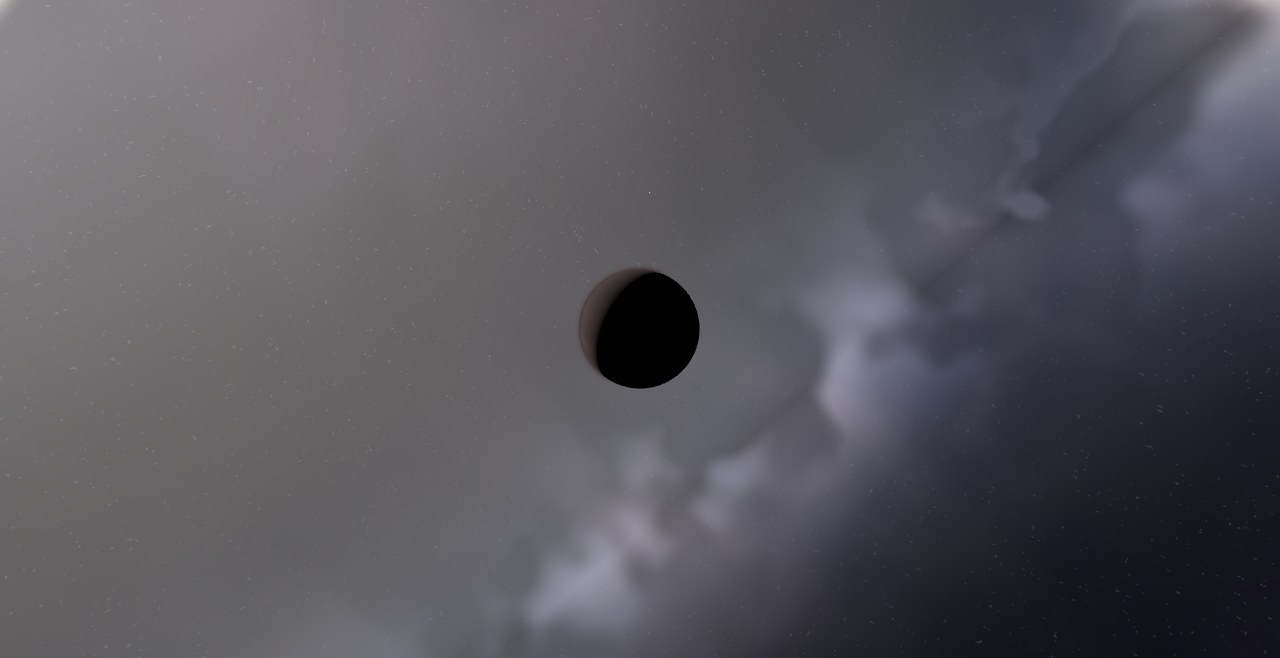
TrES-1, a Sun-like G-type star of 1.04 solar masses, and TrES-1 b, a 0.84-Jupiter-mass companion, with an orbital period of 3.0 days.
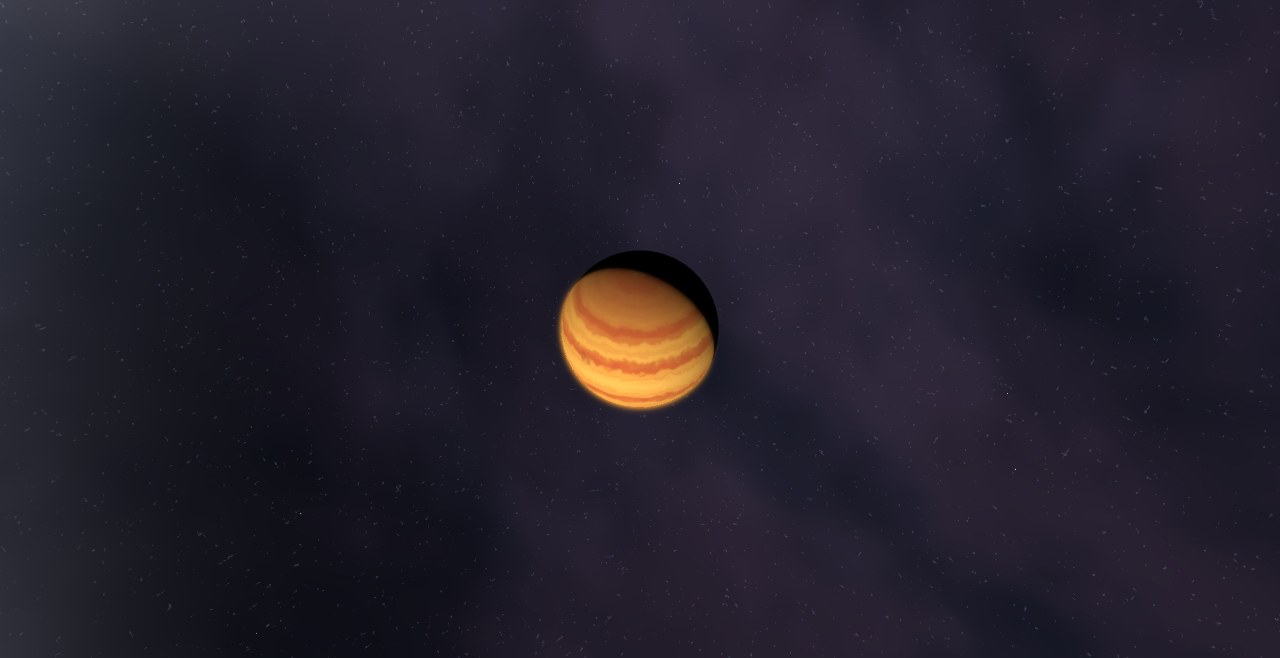
TrES-2 b, the darkest known exoplanet. It reflects less than one percent of incoming light, darker than coal, despite being a hot Jupiter. Kepler later refined that coal-dark albedo.
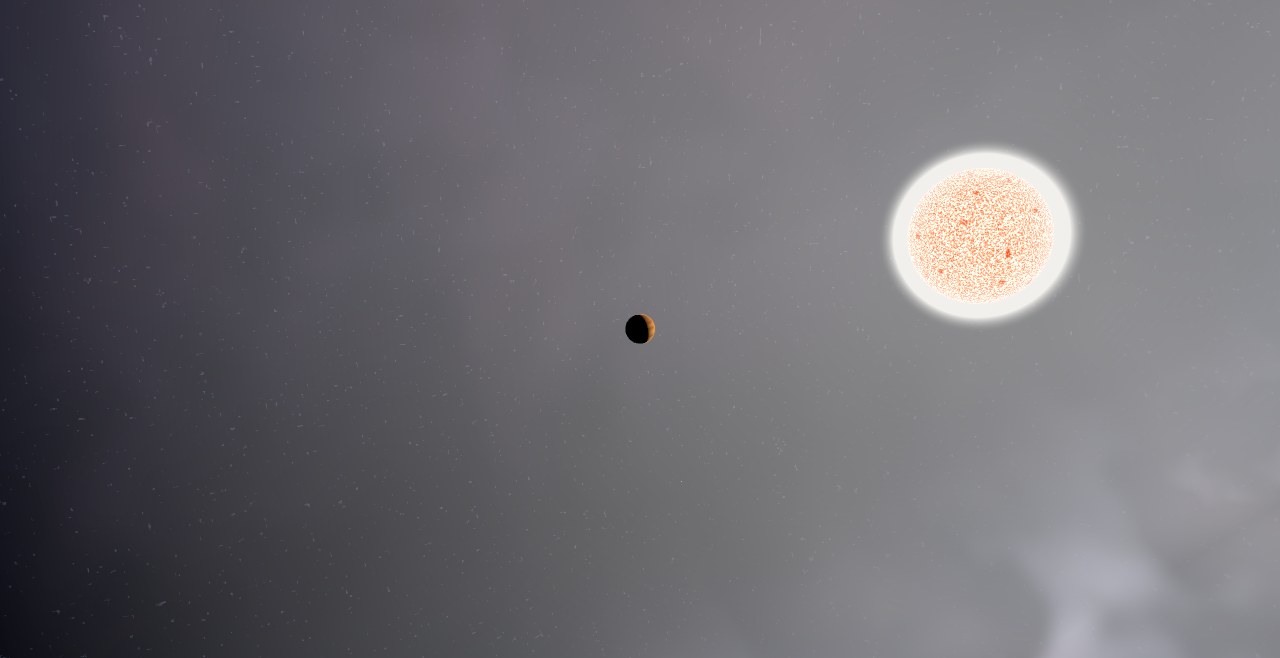
TrES-3, a Sun-like G-type star of 0.93 solar masses, and TrES-3 b, a 1.91-Jupiter-mass companion, with an orbital period of 1.3 days, at 0.023 AU from its star.
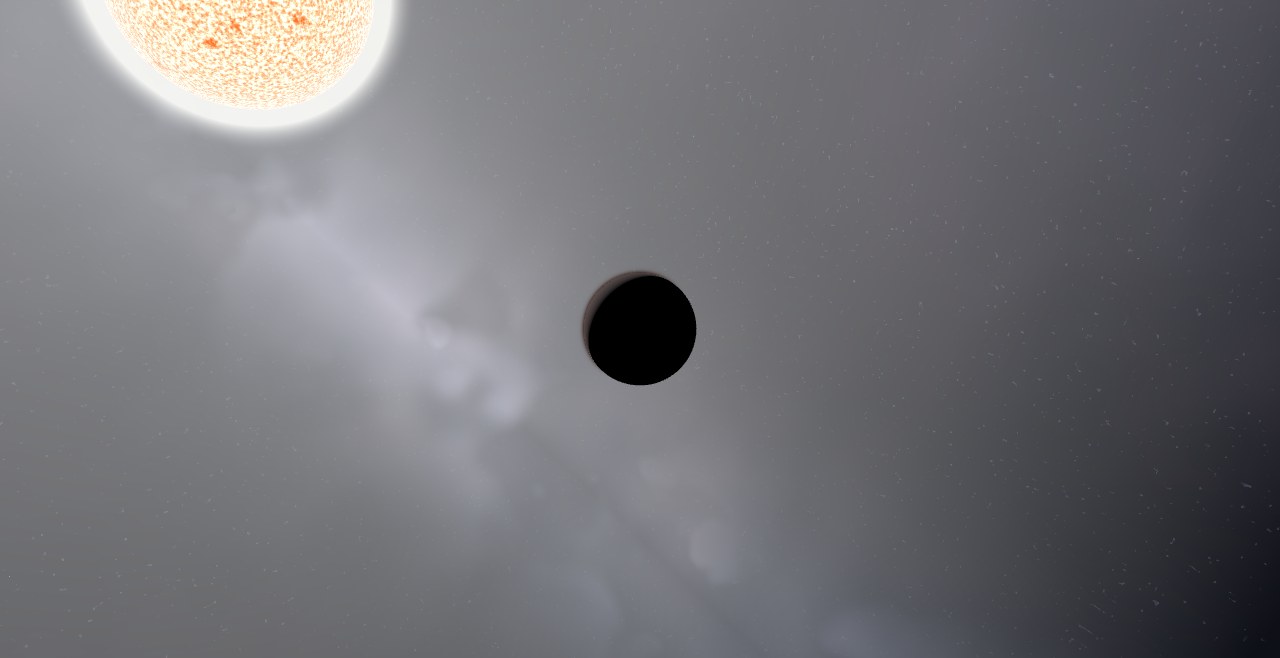
TrES-4, a Sun-like F-type star of 1.08 solar masses, and TrES-4 b, a 0.78-Jupiter-mass companion, with an orbital period of 3.6 days.
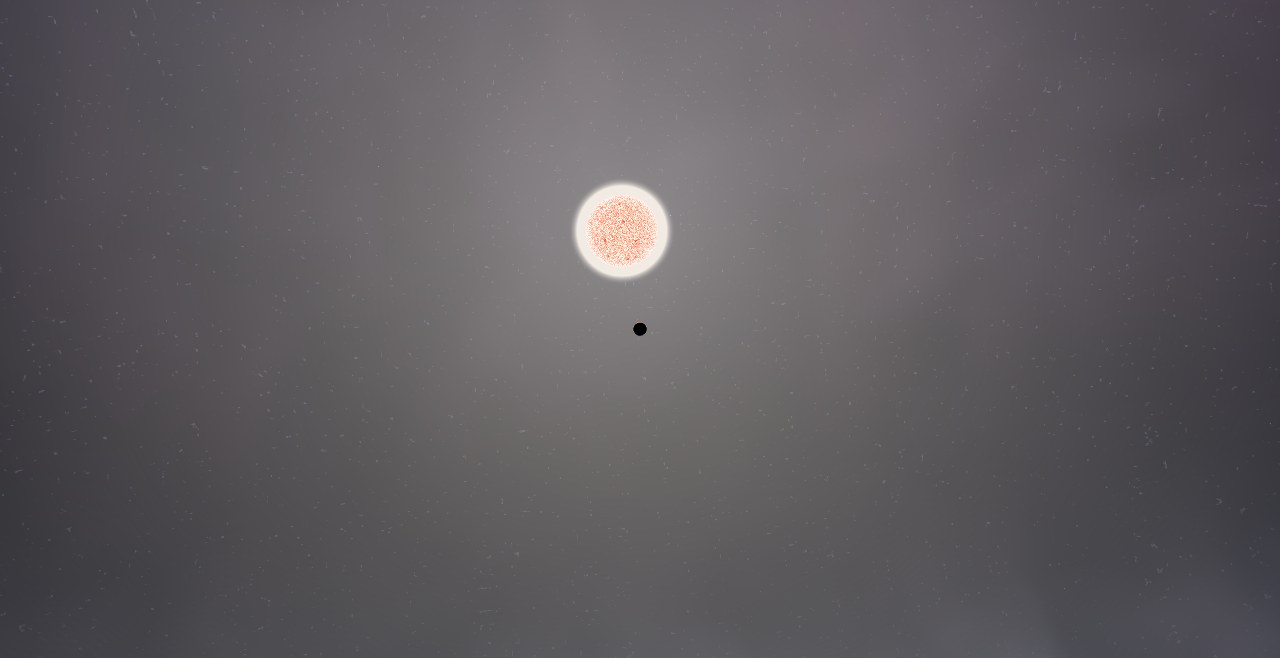
TrES-5, an orange K-type dwarf of 0.90 solar masses, and TrES-5 b, a 1.79-Jupiter-mass companion, with an orbital period of 1.5 days, at 0.025 AU from its star, and an equilibrium temperature near 1,480 K.
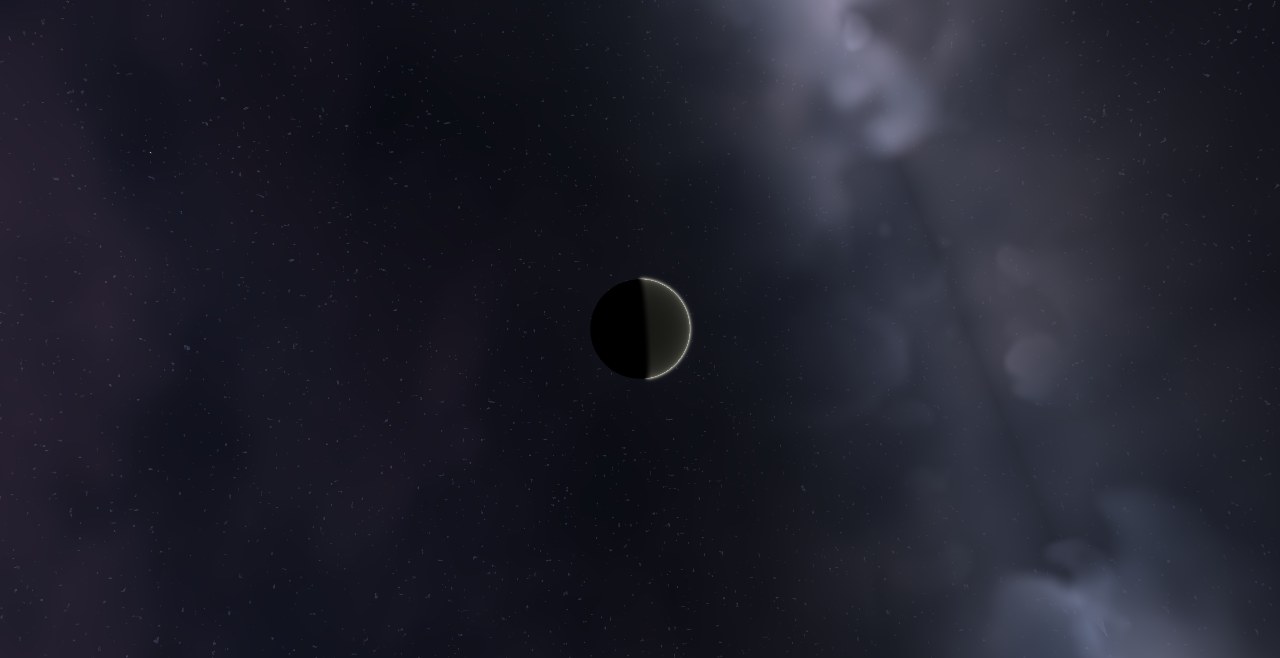
UCAC3 113-933, a cool M-dwarf of 0.61 solar masses, and UCAC3 113-933 b, a 21.0-Jupiter-mass companion, at 6,100 AU from its star.
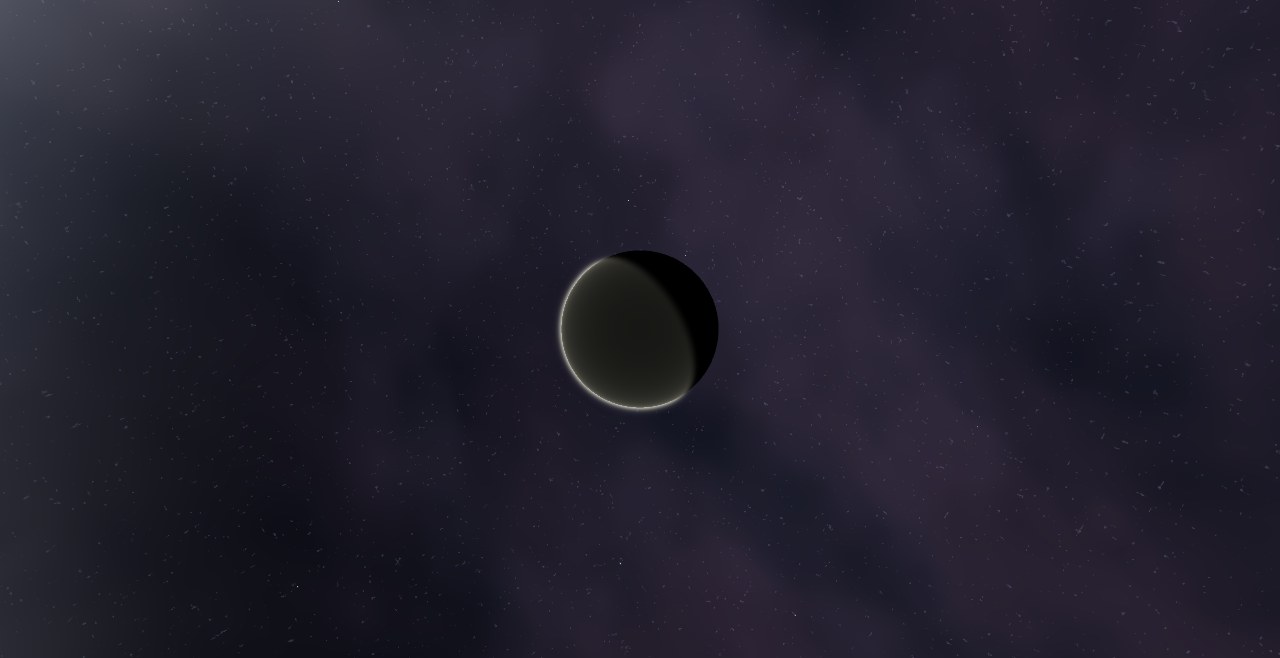
UCAC4 328-061594, a Sun-like G-type star of 1.19 solar masses, and UCAC4 328-061594 b, a 21.0-Jupiter-mass companion, at 19,000 AU from its star.
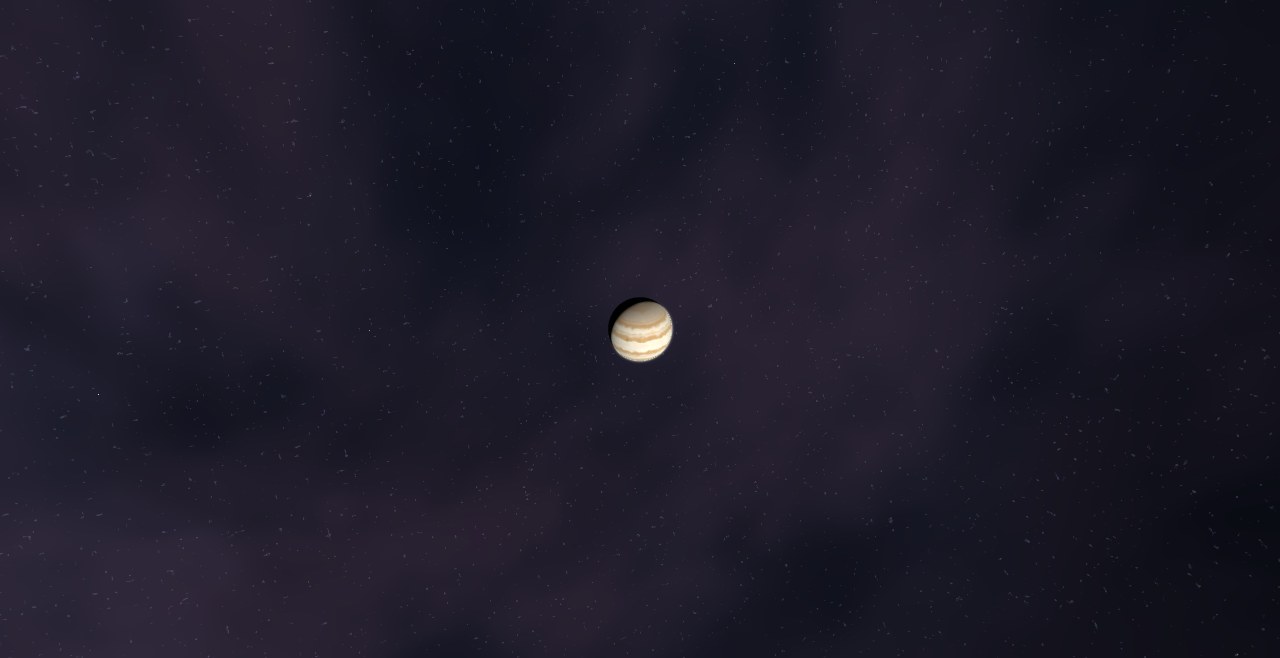
UKIRT-2017-BLG-001L, a Sun-like G-type star of 0.81 solar masses, and UKIRT-2017-BLG-001L b, a 1.28-Jupiter-mass companion, at 4.180 AU from its star.
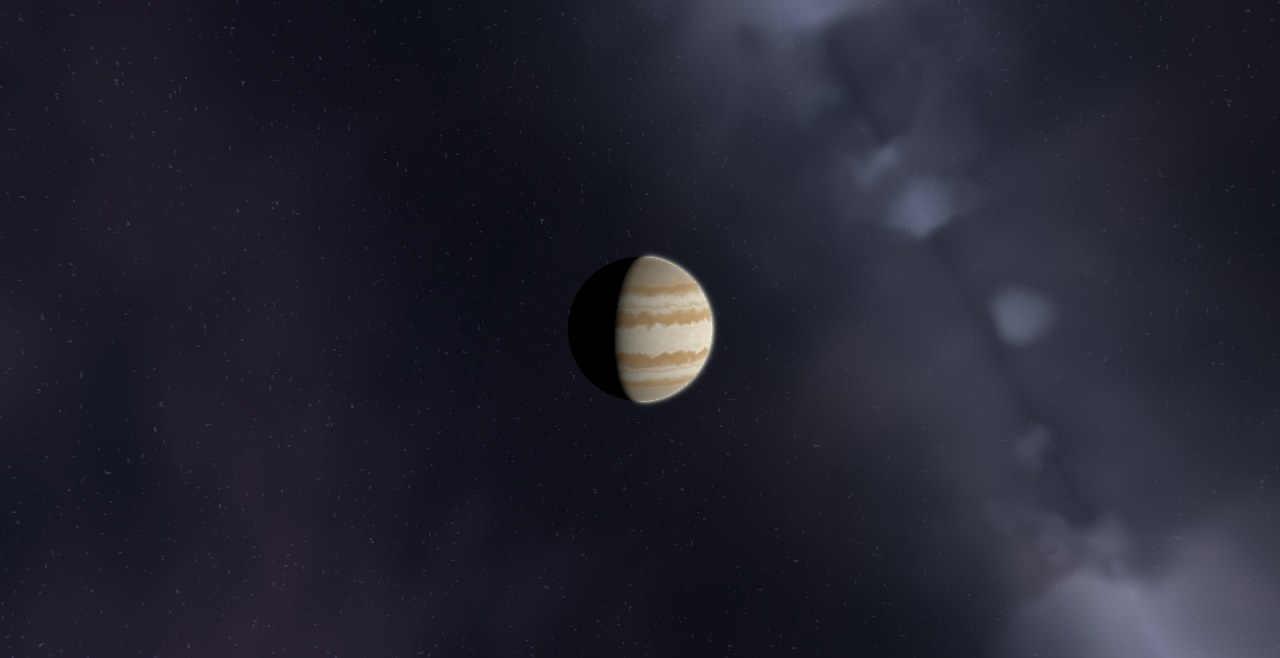
USco CTIO 108, a cool M-dwarf of 0.06 solar masses, and USco CTIO 108 b, a 14.0-Jupiter-mass companion, at 670 AU from its star.
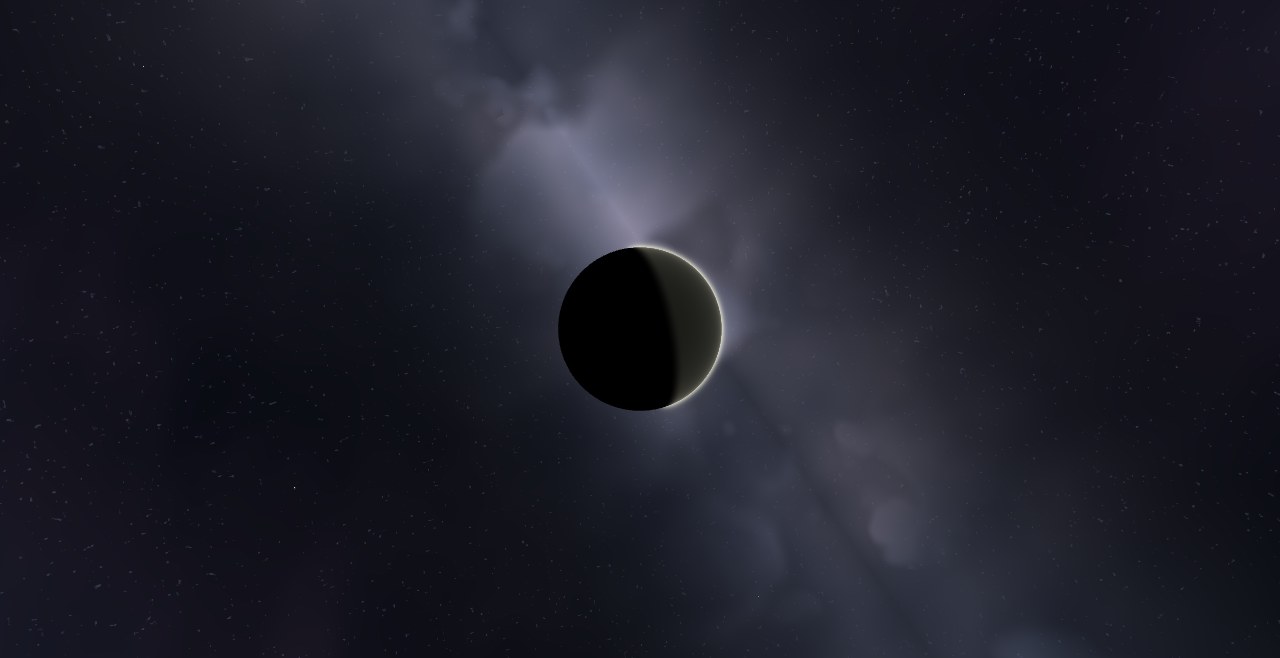
USco1556 A, a cool M-dwarf of 0.33 solar masses, and USco1556 b, a 15.0-Jupiter-mass companion, at 3,500 AU from its star, and an equilibrium temperature near 2,240 K.
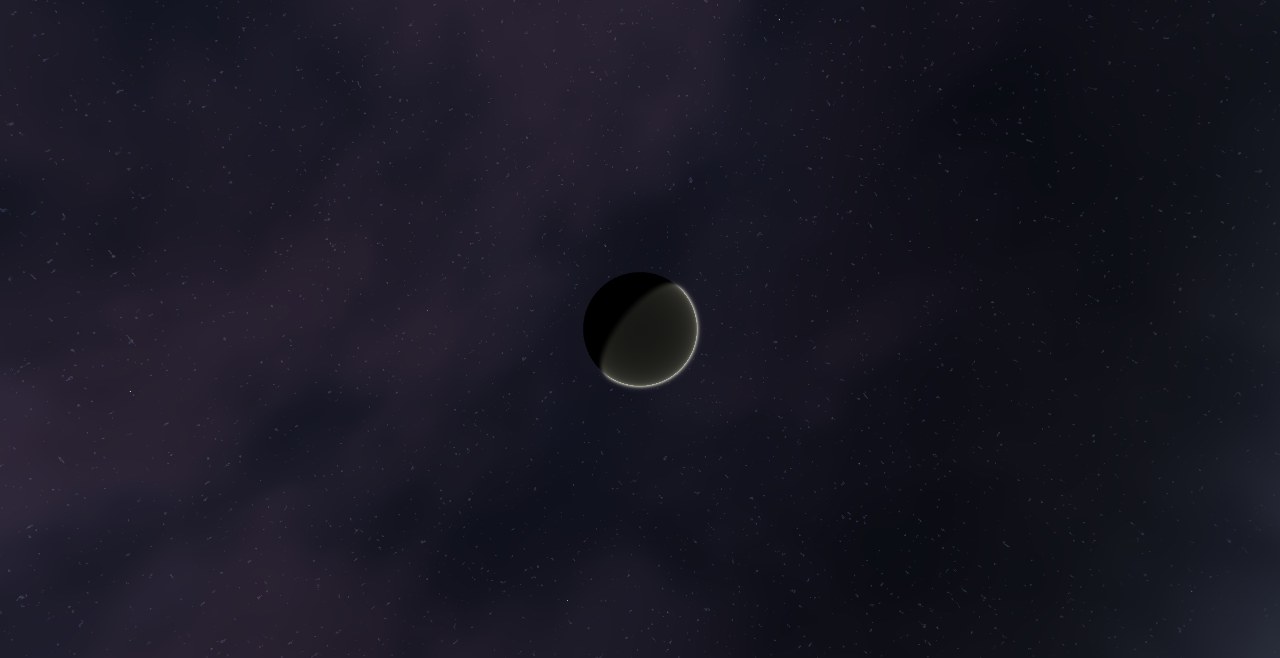
USco1621 A, a cool M-dwarf of 0.36 solar masses, and USco1621 b, a 16.0-Jupiter-mass companion, at 2,880 AU from its star, and an equilibrium temperature near 2,270 K.
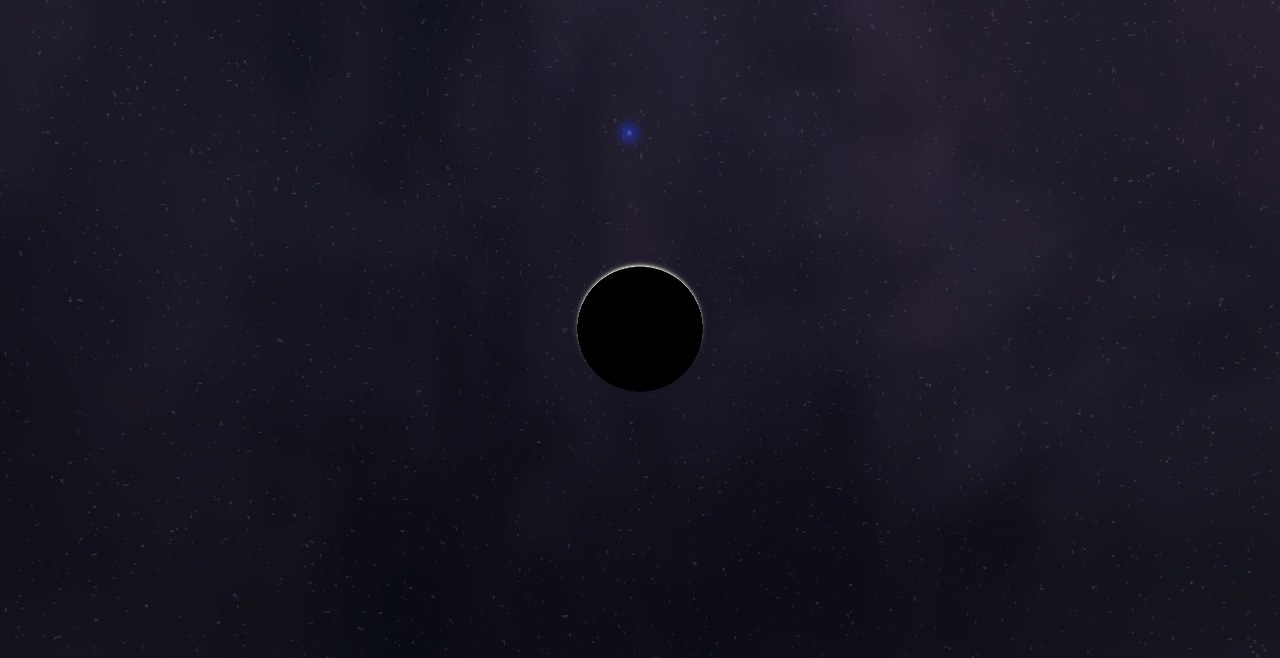
V0391 Peg, and V0391 Peg b, a 3.20-Jupiter-mass companion, with an orbital period of 3.20 years, at 1.700 AU from its star.