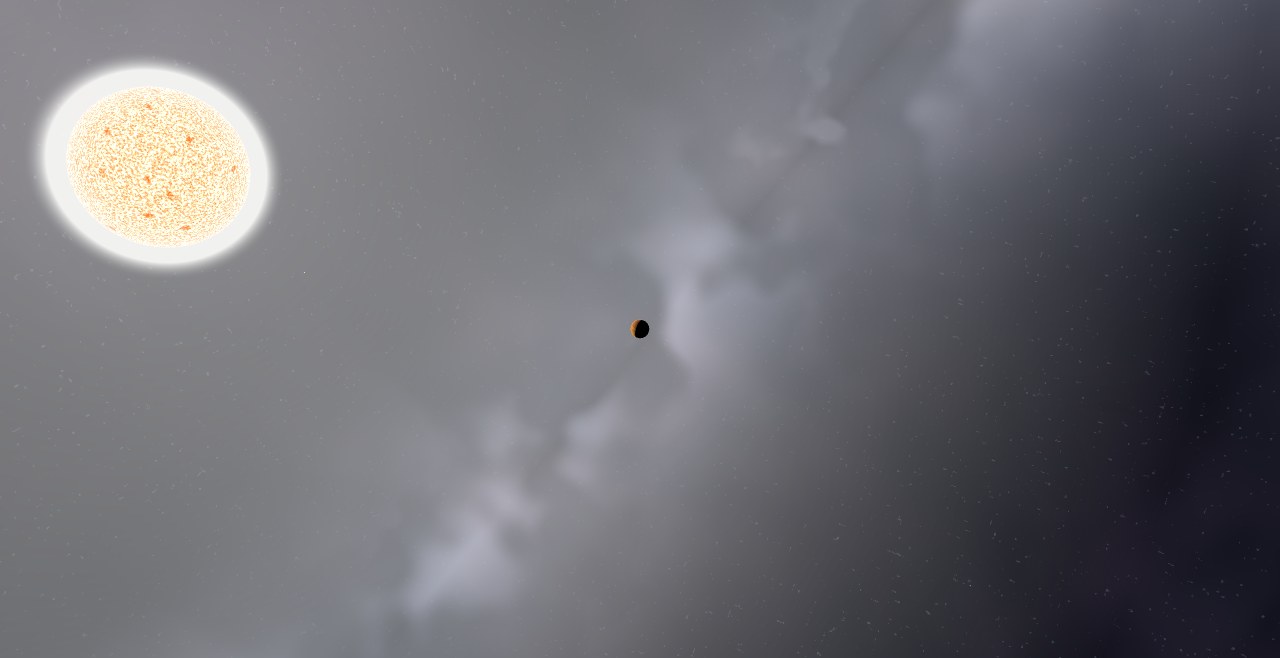
WASP-118 - System
WASP-118, a Sun-like F-type star of 1.32 solar masses, and WASP-118 b, a 0.51-Jupiter-mass companion, with an orbital period of 4.0 days, at 0.055 AU from its star, and an equilibrium temperature near 1,729 K.
Exoplanets
Analyze isolated alien worlds orbiting a singular host star to observe basic orbital parameters, tidal locks, and planetary eccentricities.
Share
WASP-118, a Sun-like F-type star of 1.32 solar masses, and WASP-118 b, a 0.51-Jupiter-mass companion, with an orbital period of 4.0 days, at 0.055 AU from its star, and an equilibrium temperature near 1,729 K.
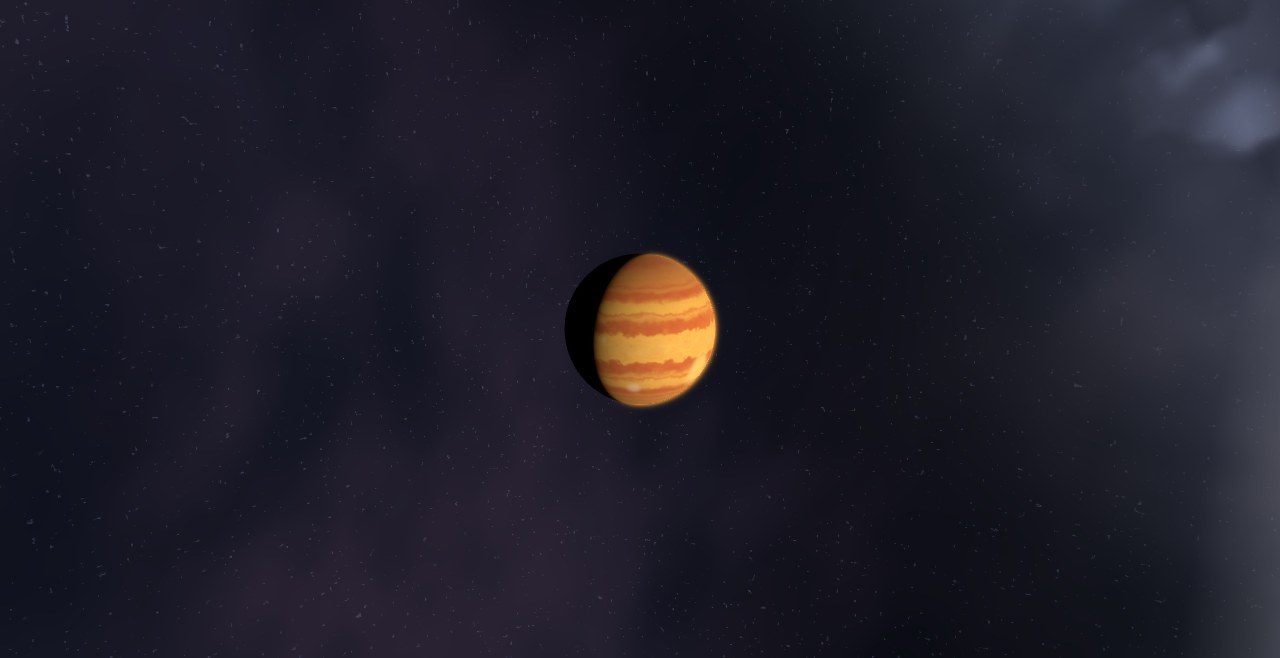
WASP-119, a Sun-like G-type star of 1.02 solar masses, and WASP-119 b, a 1.23-Jupiter-mass companion, with an orbital period of 2.5 days, at 0.036 AU from its star, and an equilibrium temperature near 1,600 K.
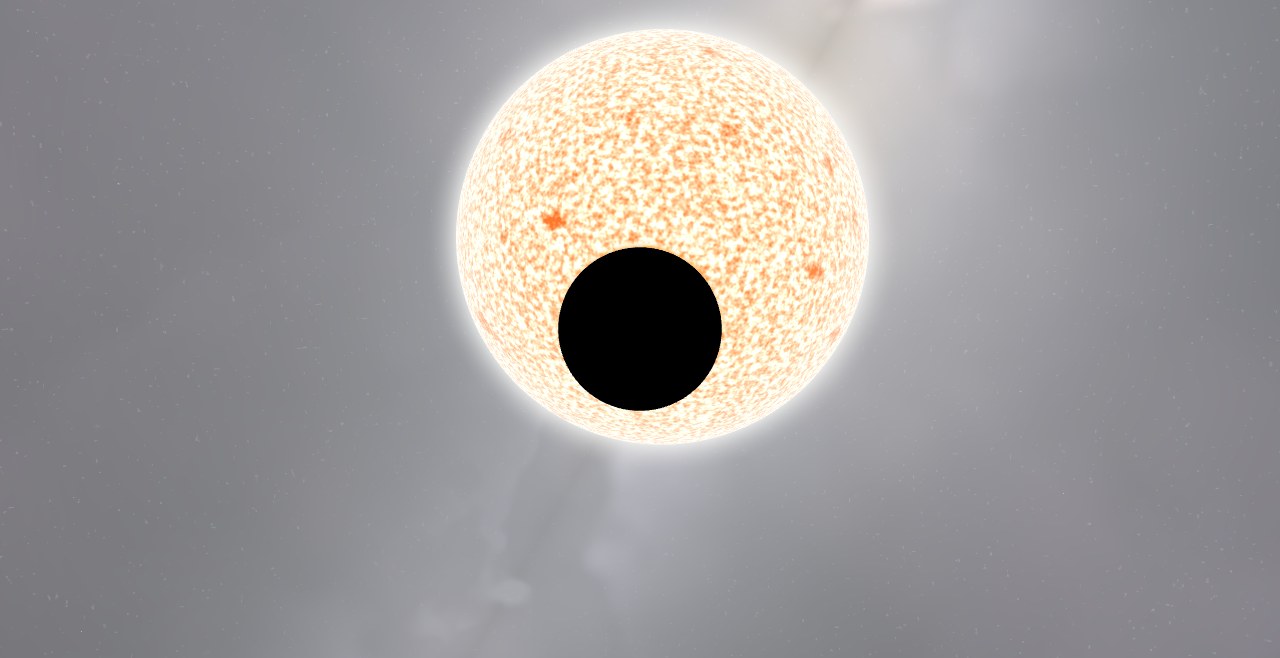
WASP-12 b, an inflated hot Jupiter so close that tides stretch it. Its orbit is decaying, and the planet may be spiraling into the star. Its year lasts a little more than one day.
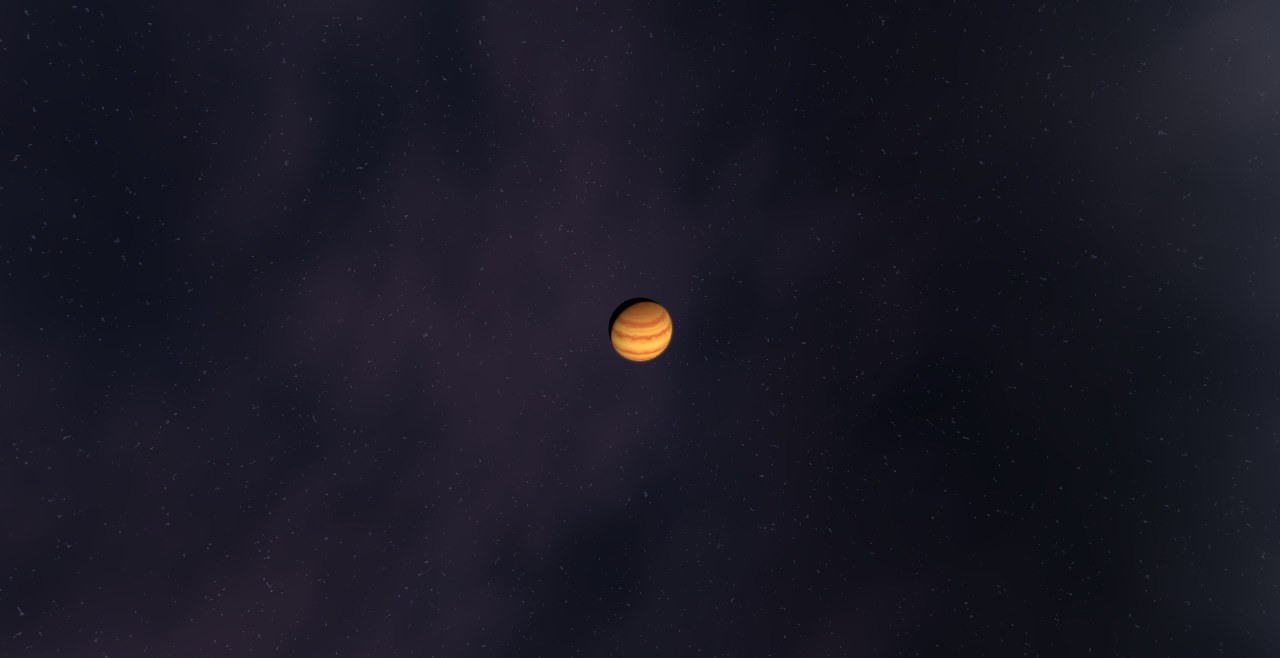
WASP-120, a Sun-like F-type star of 1.39 solar masses, and WASP-120 b, a planet with 15.6 Earth radii, and an equilibrium temperature near 1,749 K.
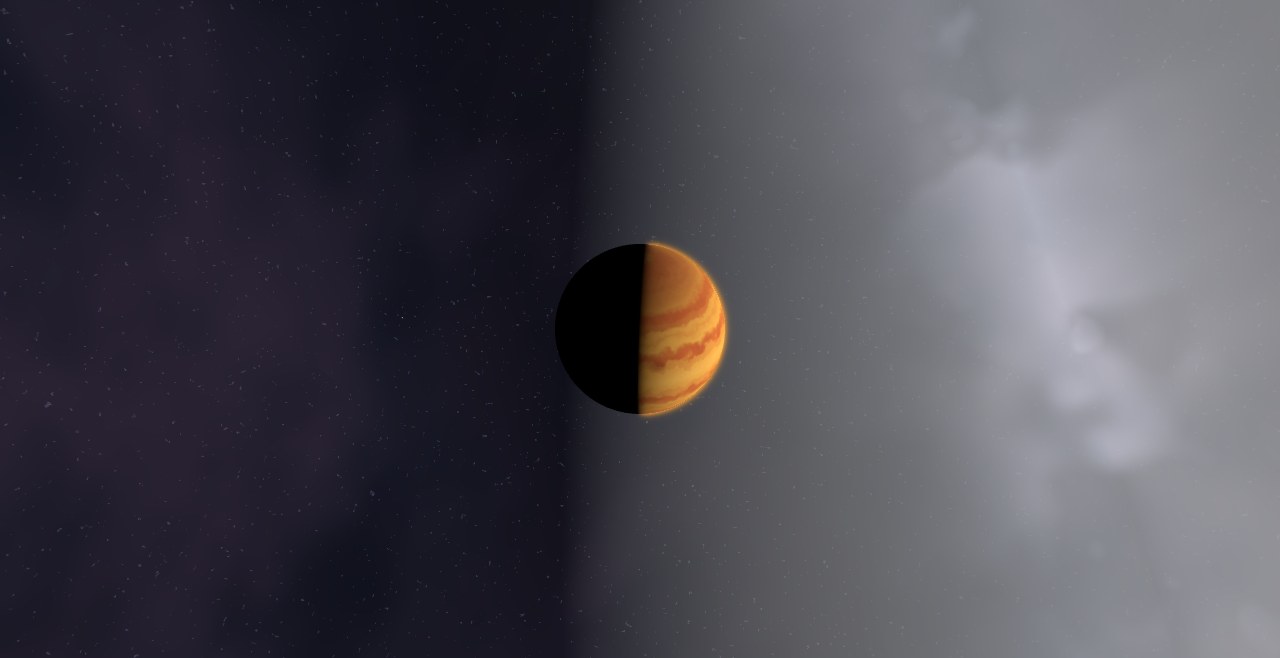
WASP-121 b, an ultra-hot Jupiter with a stratosphere. Metals and water are seen escaping from the dayside of this tidally locked world. One orbit takes only about 30 hours.
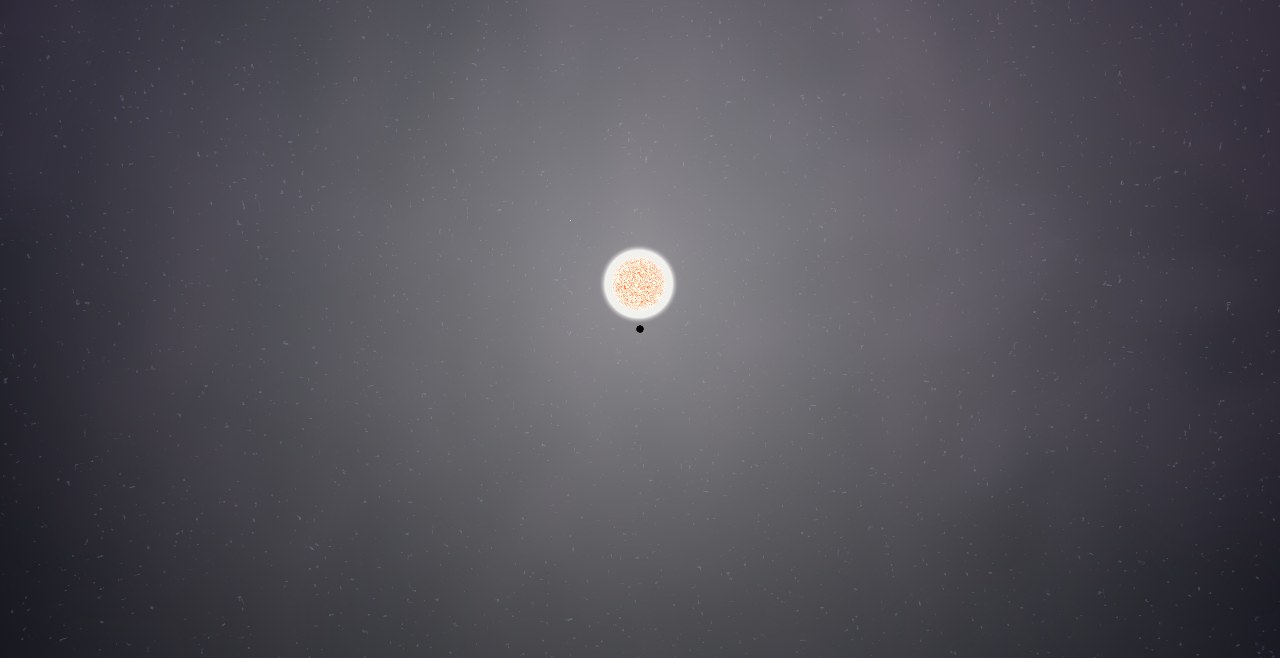
WASP-123, a Sun-like G-type star of 1.17 solar masses, and WASP-123 b, a planet with 15.1 Earth radii, and an equilibrium temperature near 1,500 K.
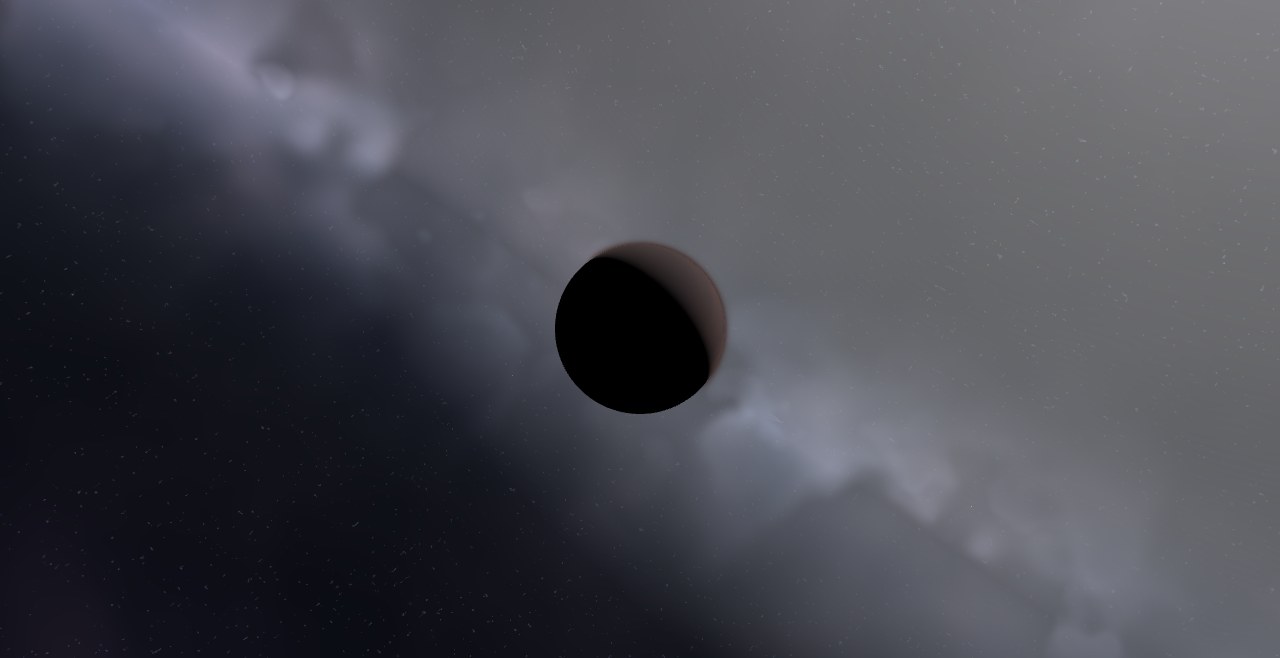
WASP-124, a Sun-like F-type star of 1.07 solar masses, and WASP-124 b, a 0.60-Jupiter-mass companion, with an orbital period of 3.4 days, at 0.045 AU from its star, and an equilibrium temperature near 1,400 K.
WASP-126, a Sun-like G-type star of 1.12 solar masses, and WASP-126 b, a 0.28-Jupiter-mass companion, with an orbital period of 3.3 days.
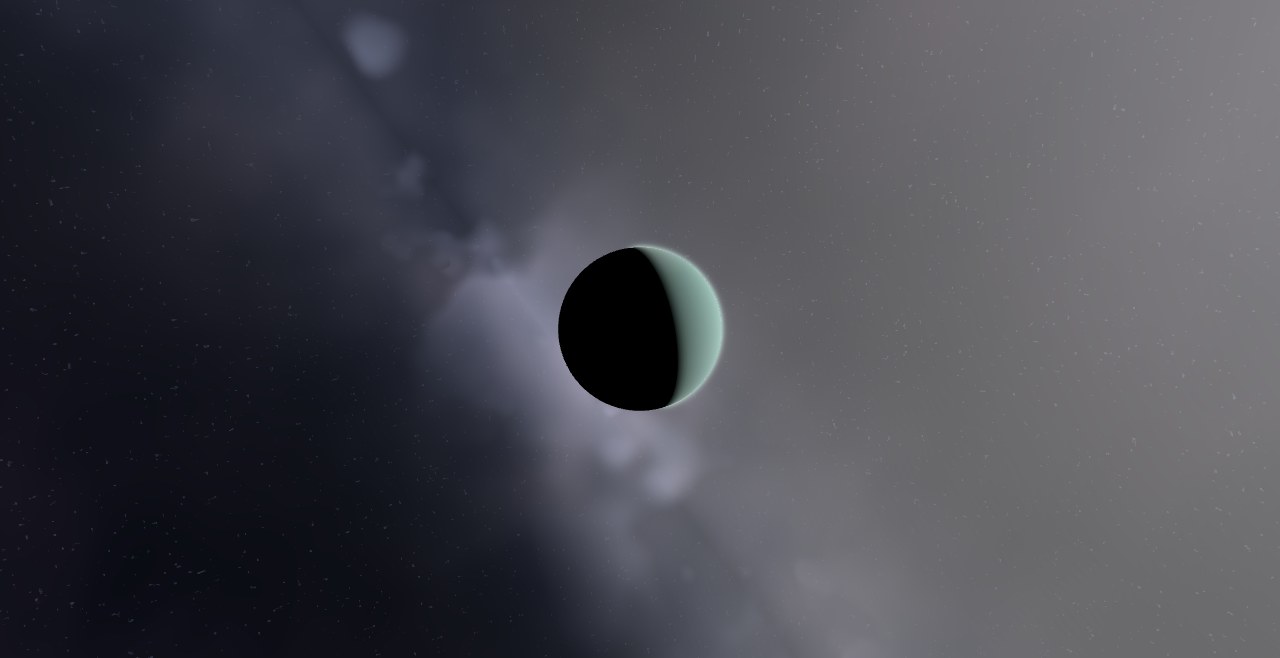
WASP-127, a Sun-like G-type star of 0.95 solar masses, and WASP-127 b, a 0.16-Jupiter-mass companion, with an orbital period of 4.2 days, at 0.048 AU from its star.
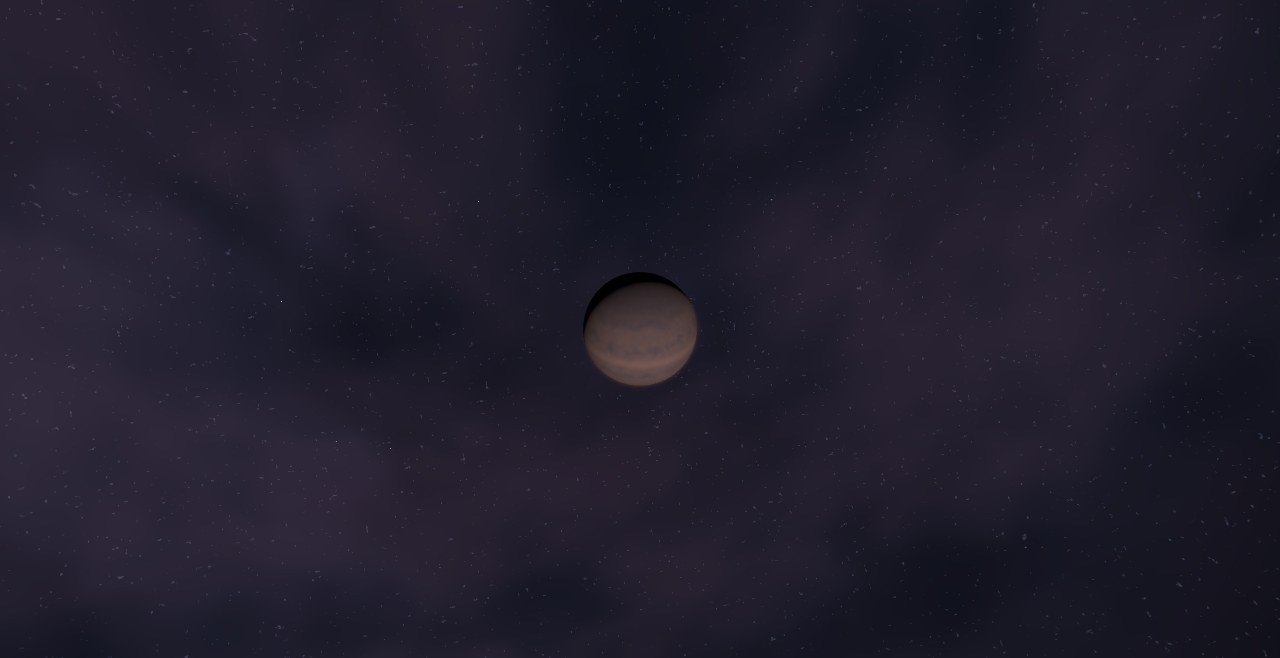
WASP-129, a Sun-like G-type star of 1.00 solar masses, and WASP-129 b, a 1.00-Jupiter-mass companion, with an orbital period of 5.7 days, at 0.063 AU from its star, and an equilibrium temperature near 1,100 K.
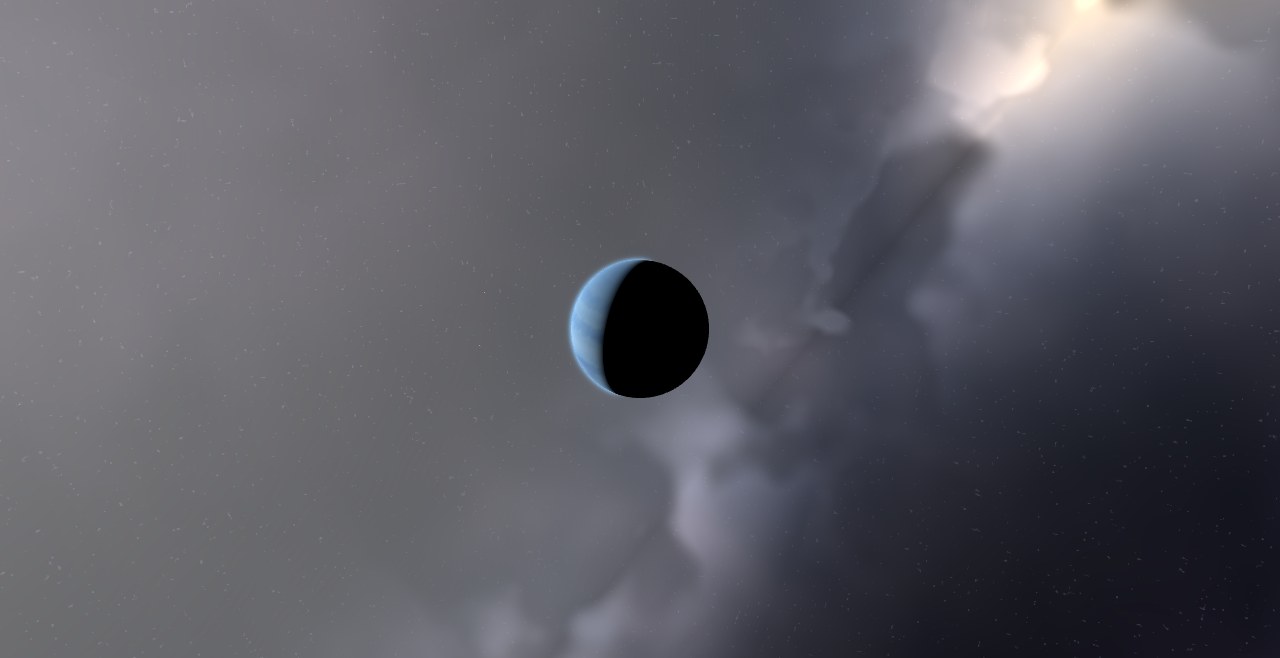
WASP-13, a Sun-like G-type star of 0.72 solar masses, and WASP-13 b, a 0.36-Jupiter-mass companion, with an orbital period of 4.4 days.
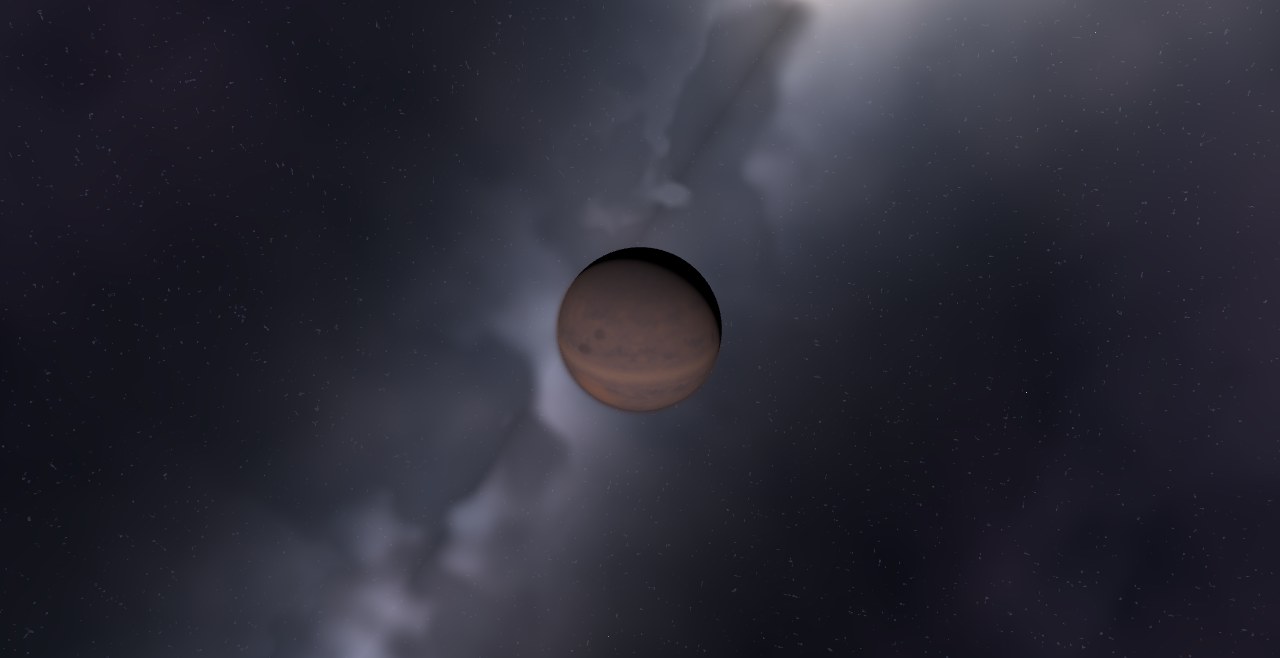
WASP-130, a Sun-like G-type star of 1.04 solar masses, and WASP-130 b, a 1.23-Jupiter-mass companion, with an orbital period of 11.6 days, at 0.101 AU from its star, and an equilibrium temperature near 833 K.
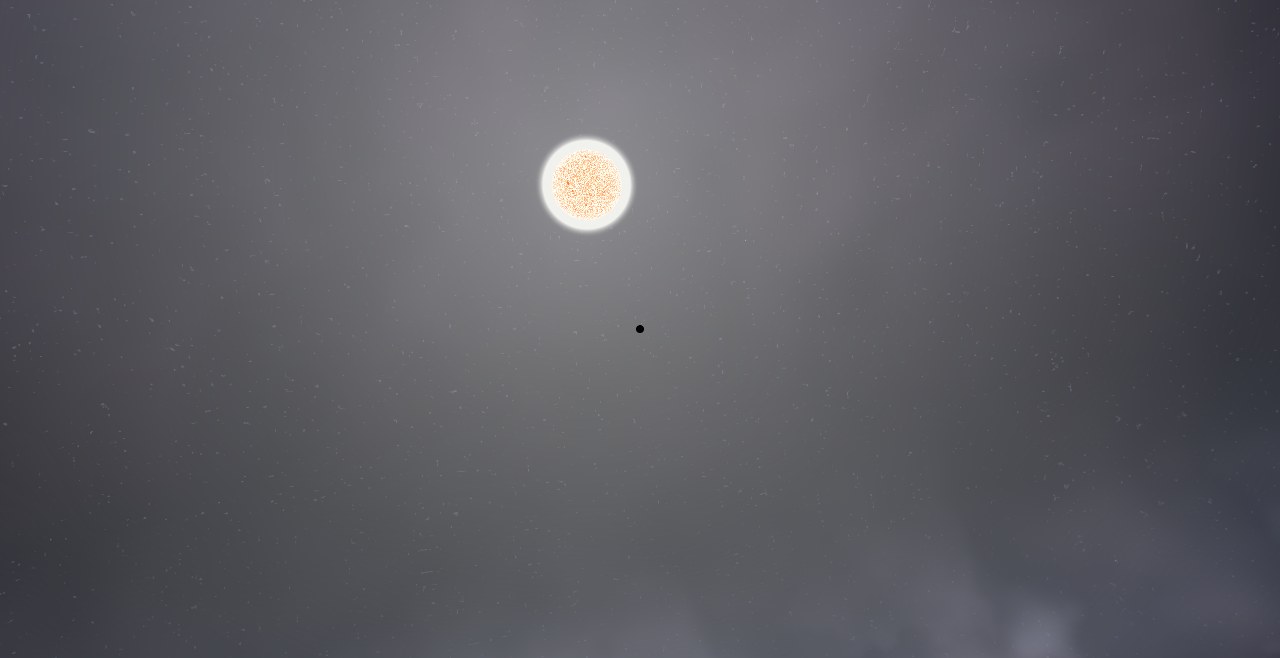
WASP-131, a Sun-like G-type star of 1.06 solar masses, and WASP-131 b, a 0.27-Jupiter-mass companion, with an orbital period of 5.3 days, at 0.061 AU from its star.
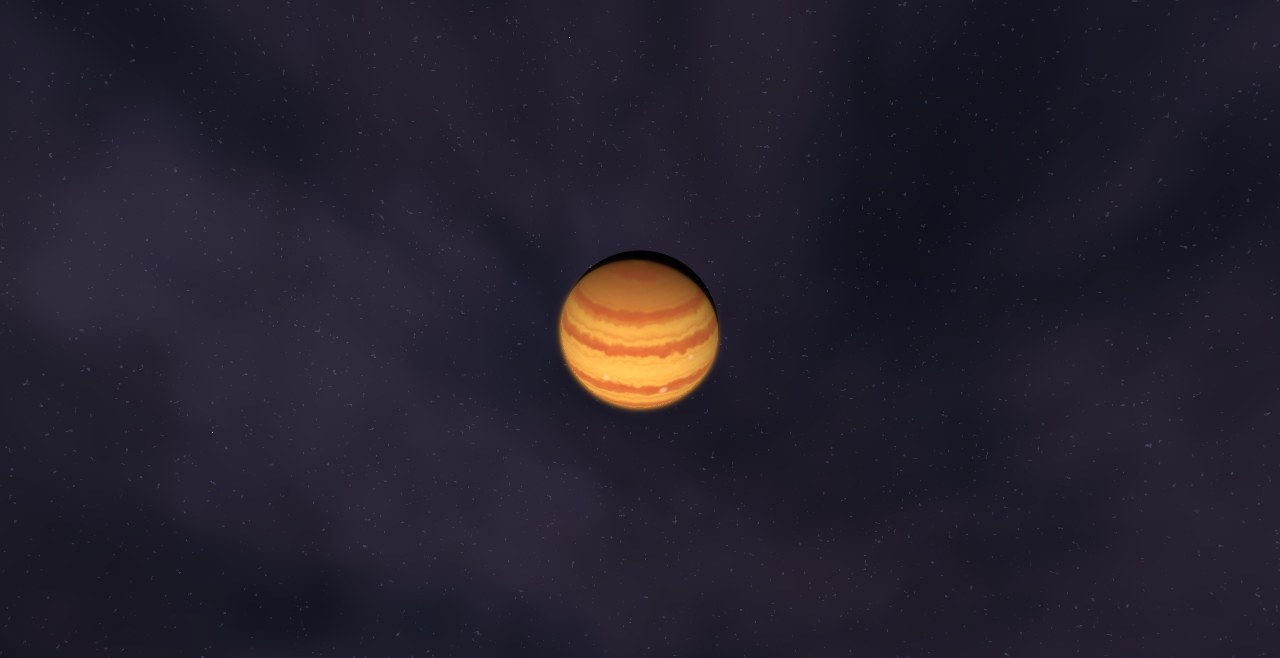
WASP-133, a Sun-like G-type star of 1.16 solar masses, and WASP-133 b, a 1.16-Jupiter-mass companion, with an orbital period of 2.2 days, at 0.035 AU from its star, and an equilibrium temperature near 1,790 K.
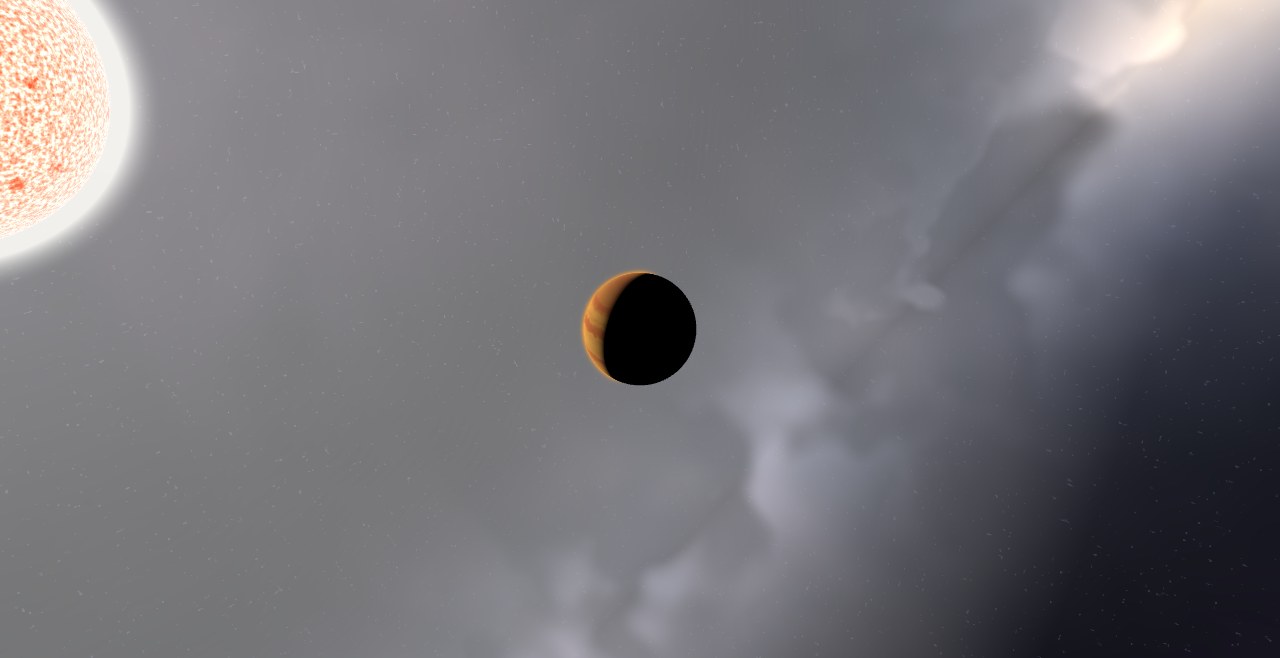
WASP-135, a Sun-like G-type star of 0.98 solar masses, and WASP-135 b, a 1.90-Jupiter-mass companion, with an orbital period of 1.4 days, at 0.024 AU from its star.
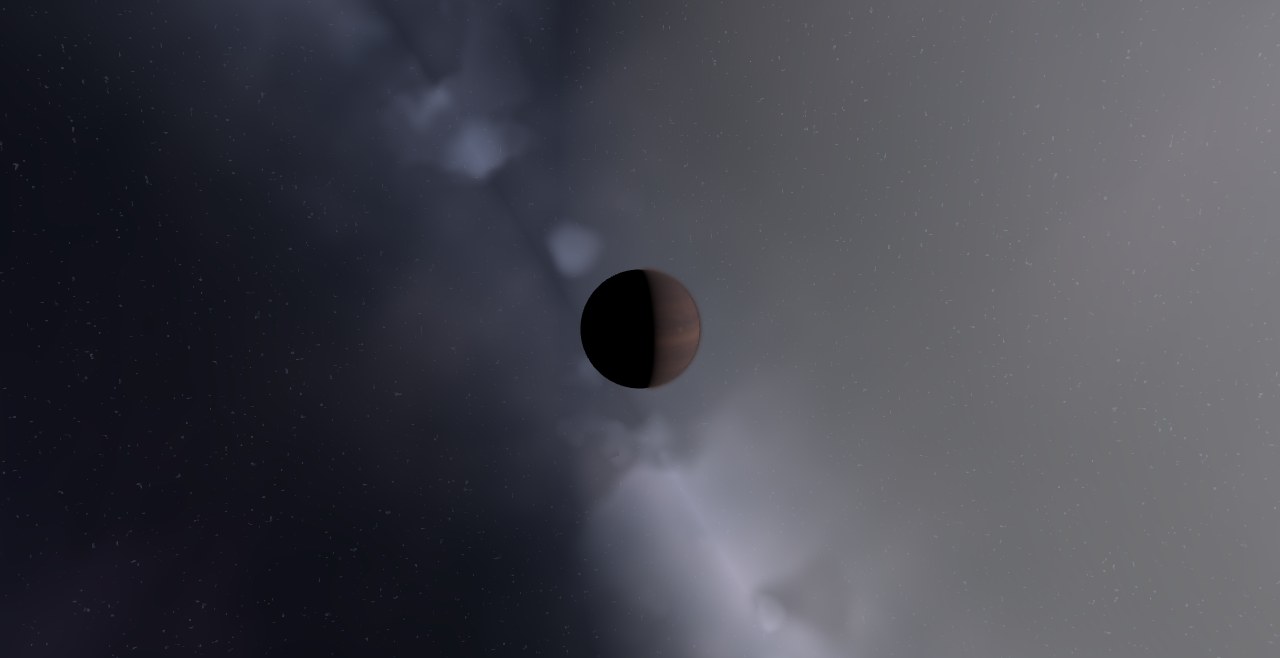
WASP-136, a Sun-like F-type star of 1.41 solar masses, and WASP-136 b, a planet with 16.8 Earth radii, and an equilibrium temperature near 1,630 K.
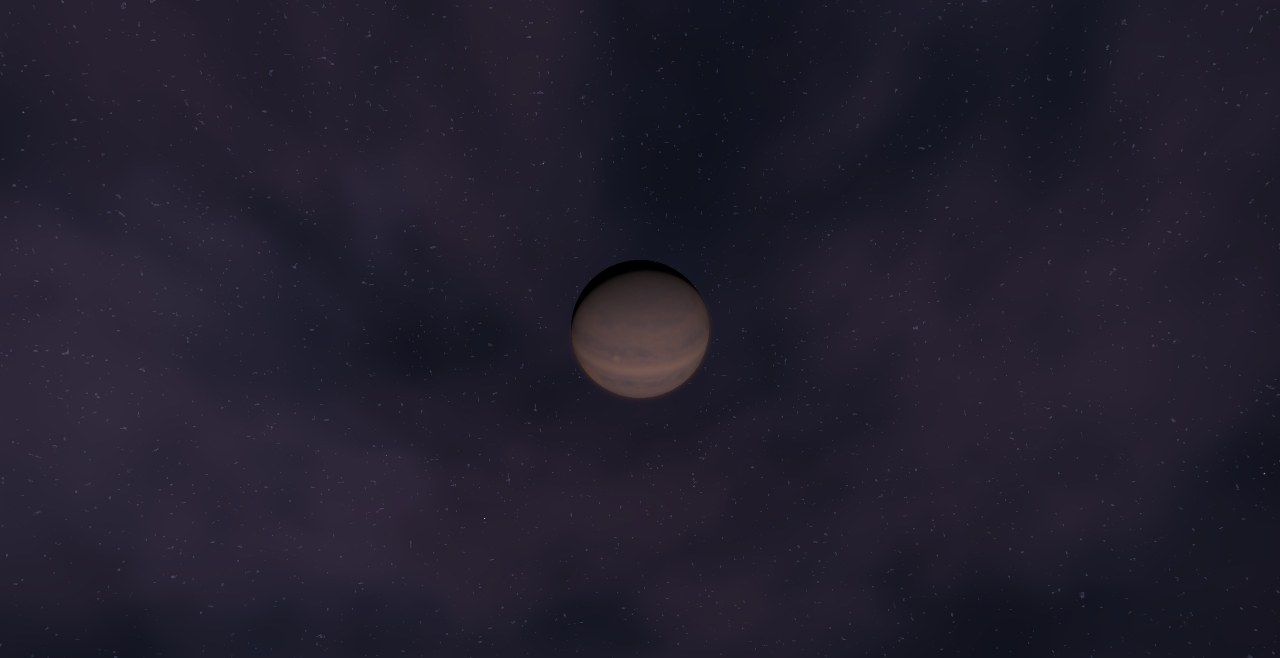
WASP-138, a Sun-like F-type star of 1.22 solar masses, and WASP-138 b, a 1.22-Jupiter-mass companion, with an orbital period of 3.6 days, at 0.049 AU from its star, and an equilibrium temperature near 1,590 K.
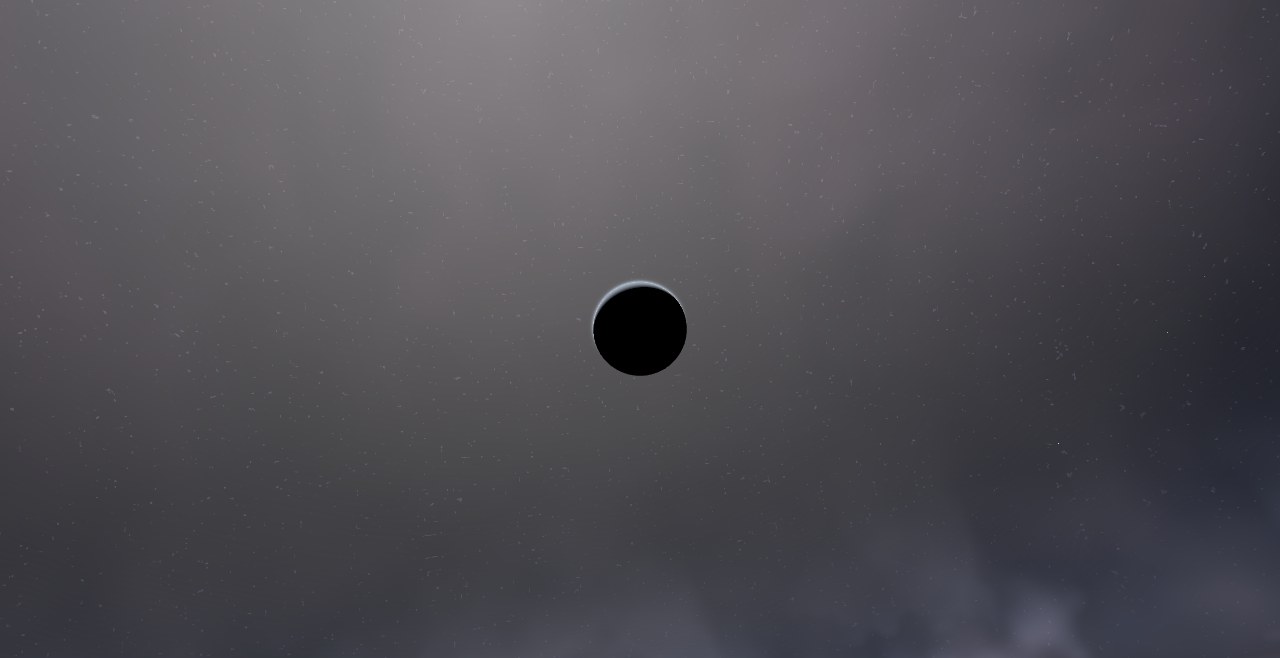
WASP-139, an orange K-type dwarf of 0.92 solar masses, and WASP-139 b, a 0.12-Jupiter-mass companion, with an orbital period of 5.9 days, at 0.062 AU from its star, and an equilibrium temperature near 910 K.