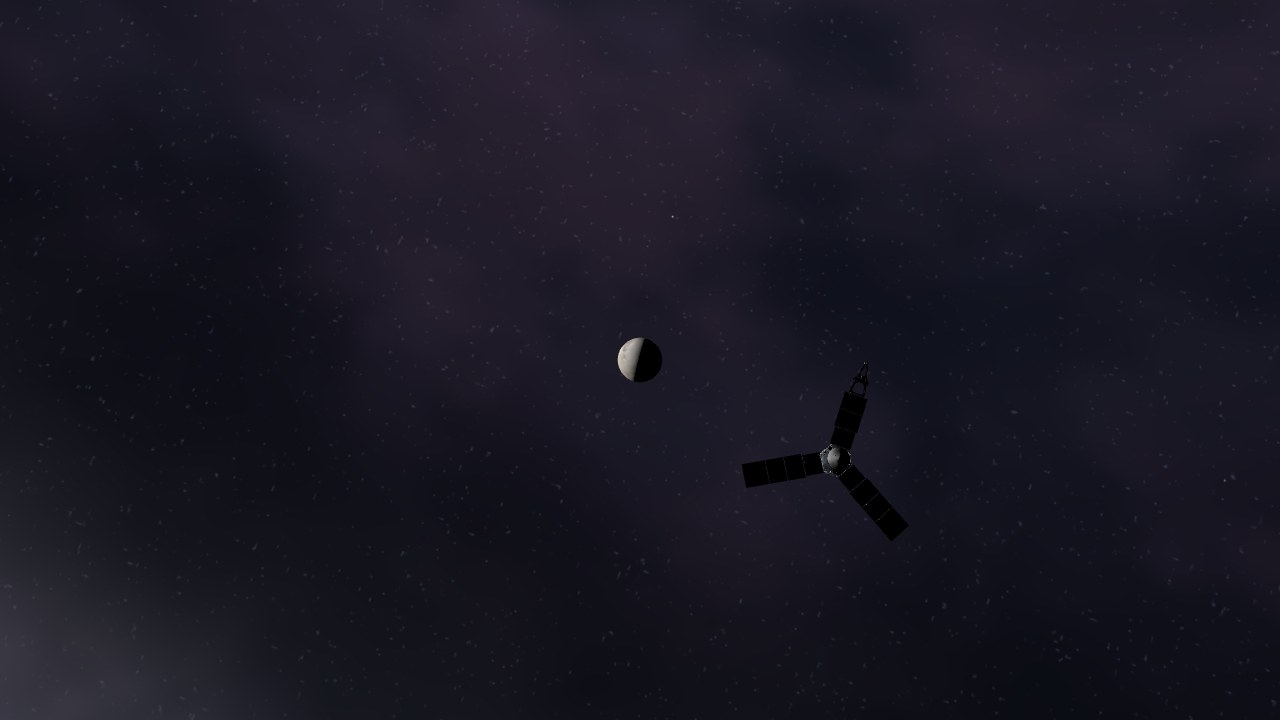
Juno Flyby of Ganymede, 26 December 2019
Follow NASA's Juno spacecraft on 26 December 2019 as it sweeps past Jupiter's giant moon Ganymede at an altitude of 97,100 km, integrated from precise JPL Horizons states.
3D Space and Gravity Simulator. Simulate the solar system, exoplanets and even colliding galaxies. Add, delete and modify planets, and change the laws of physics.
Share
Follow NASA's Juno spacecraft on 26 December 2019 as it sweeps past Jupiter's giant moon Ganymede at an altitude of 97,100 km, integrated from precise JPL Horizons states.
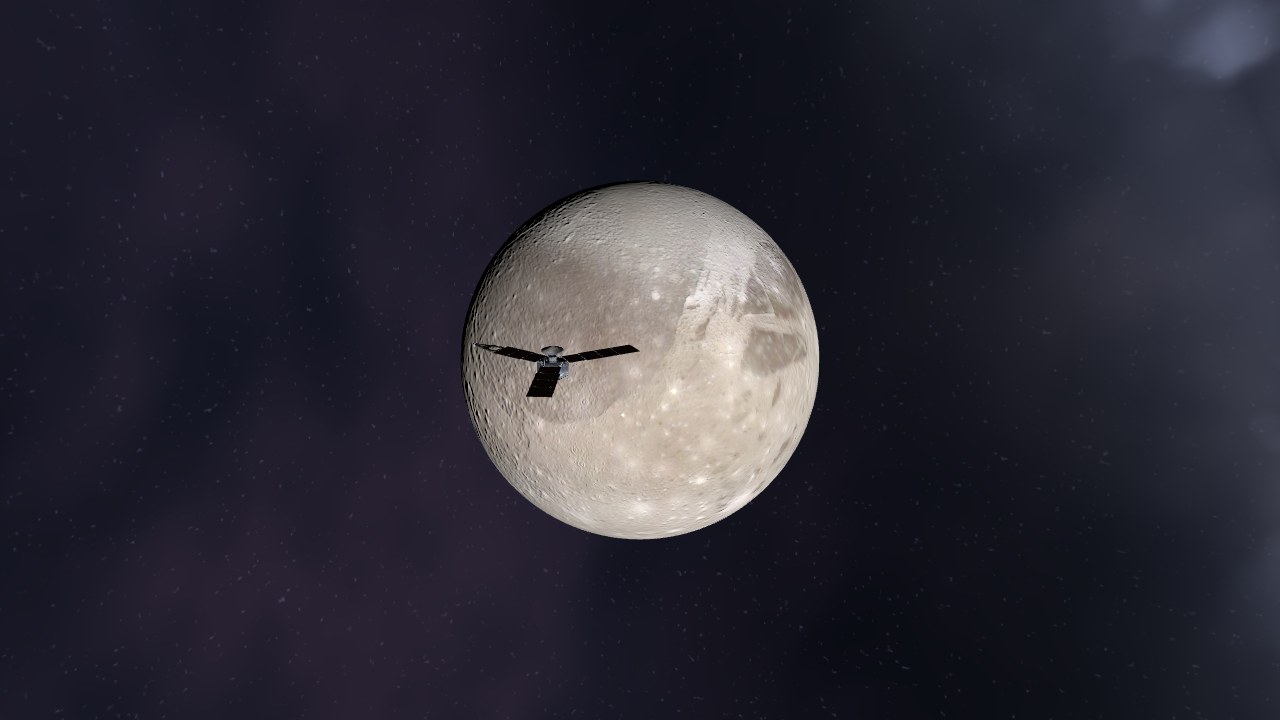
Experience Juno's historic low-altitude flyby of Ganymede on 7 June 2021. Watch the spacecraft plunge within 1,053 km of the Solar System's largest moon in high-precision 3D.
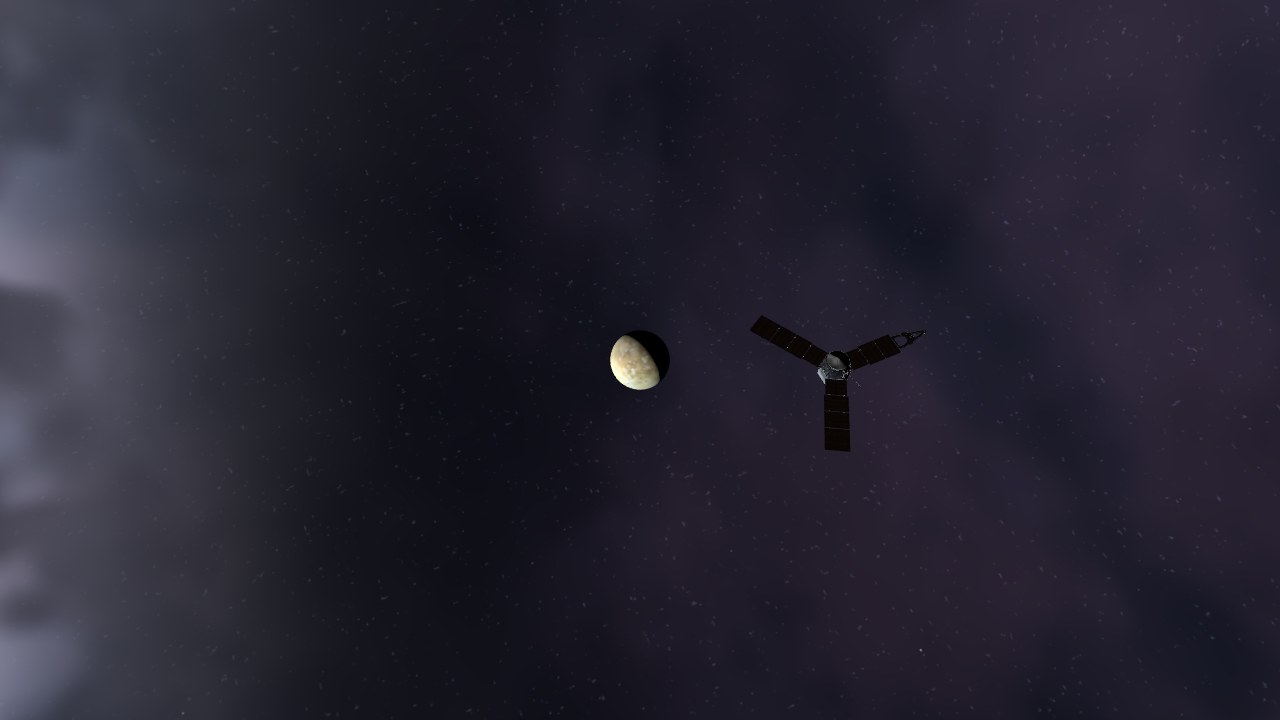
Experience Juno's 1 March 2023 flyby of Io during perijove 49. Watch the probe sweep 51,522 km above Io's active sulfur volcanoes in this 3D Newtonian orbital simulation.
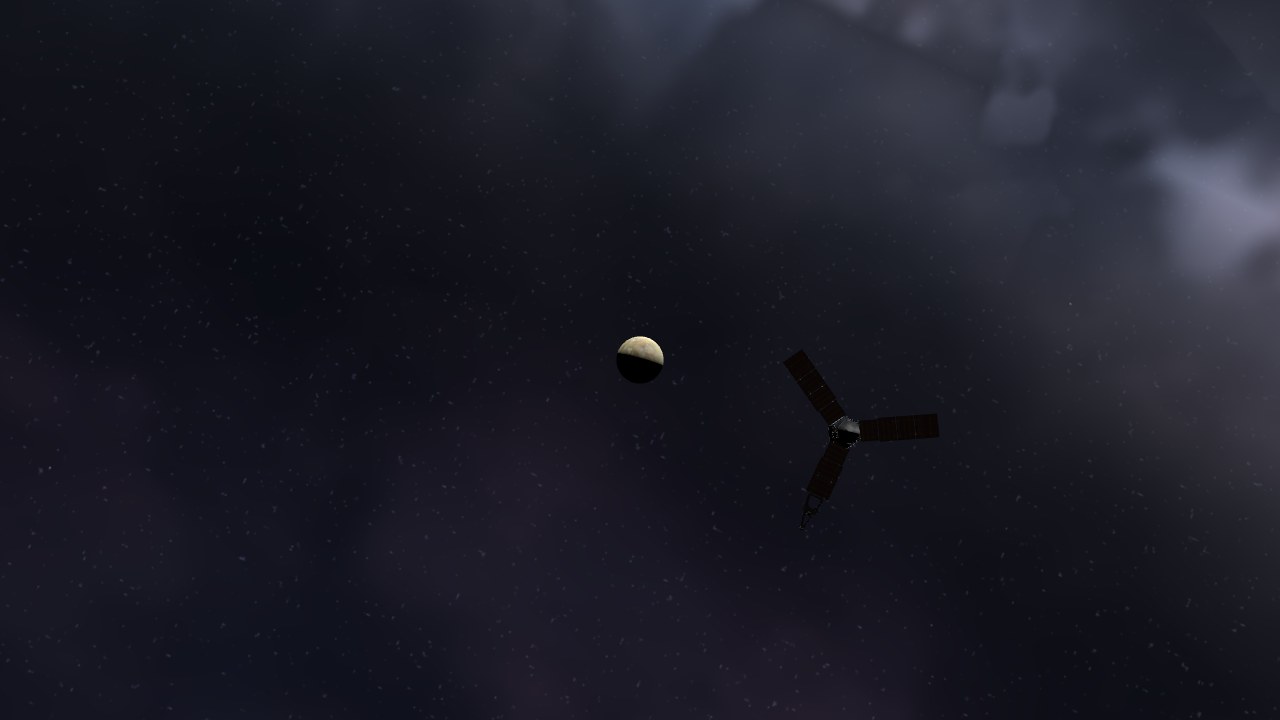
Simulate NASA's Juno spacecraft approaching Io on 14 December 2022 for perijove 47. Follow its trajectory down to 63,743 km altitude using JPL Horizons orbital ephemerides.
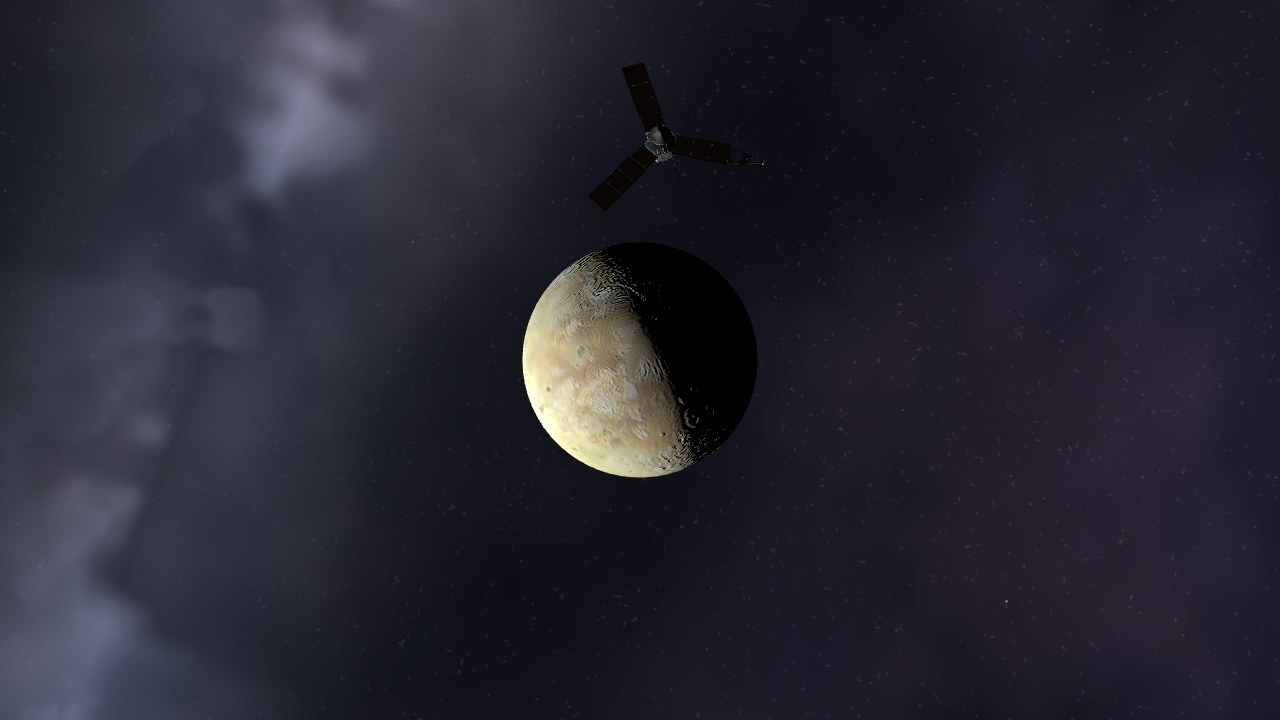
Follow Juno's close encounter with volcanic moon Io on 15 October 2023. Trace the spacecraft's high-speed trajectory down to 11,641 km during perijove 55 with JPL data in 3D.
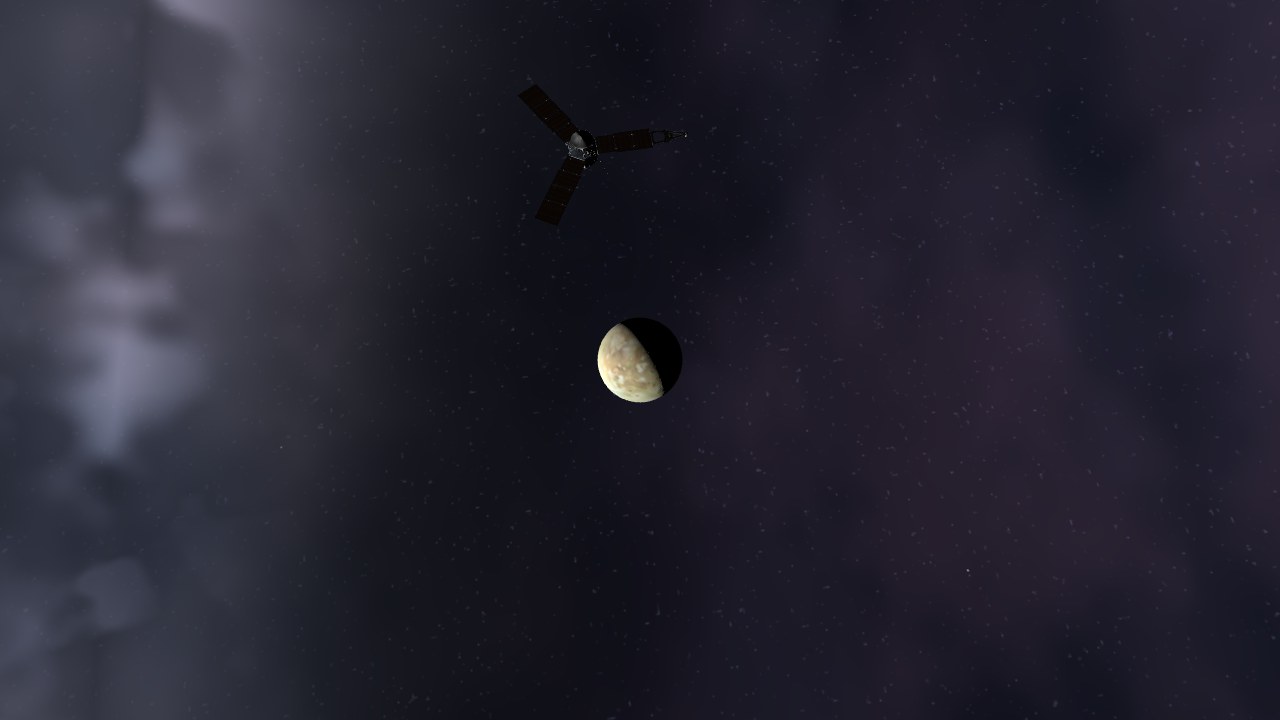
Track NASA's Juno spacecraft on its 16 May 2023 flyby of volcanic moon Io. Follow the probe closing to 35,556 km altitude during perijove 51 with authentic JPL Horizons states.
Track Juno's perijove 65 pass near Io on 20 September 2024. Watch the solar-powered orbiter navigate Jupiter's gravitational field from 124,146 km altitude in interactive 3D.
Follow Juno approaching Io on 25 November 2024 for perijove 67. Trace its orbital pass at 85,734 km altitude using high-precision JPL Horizons ephemerides in 3D.
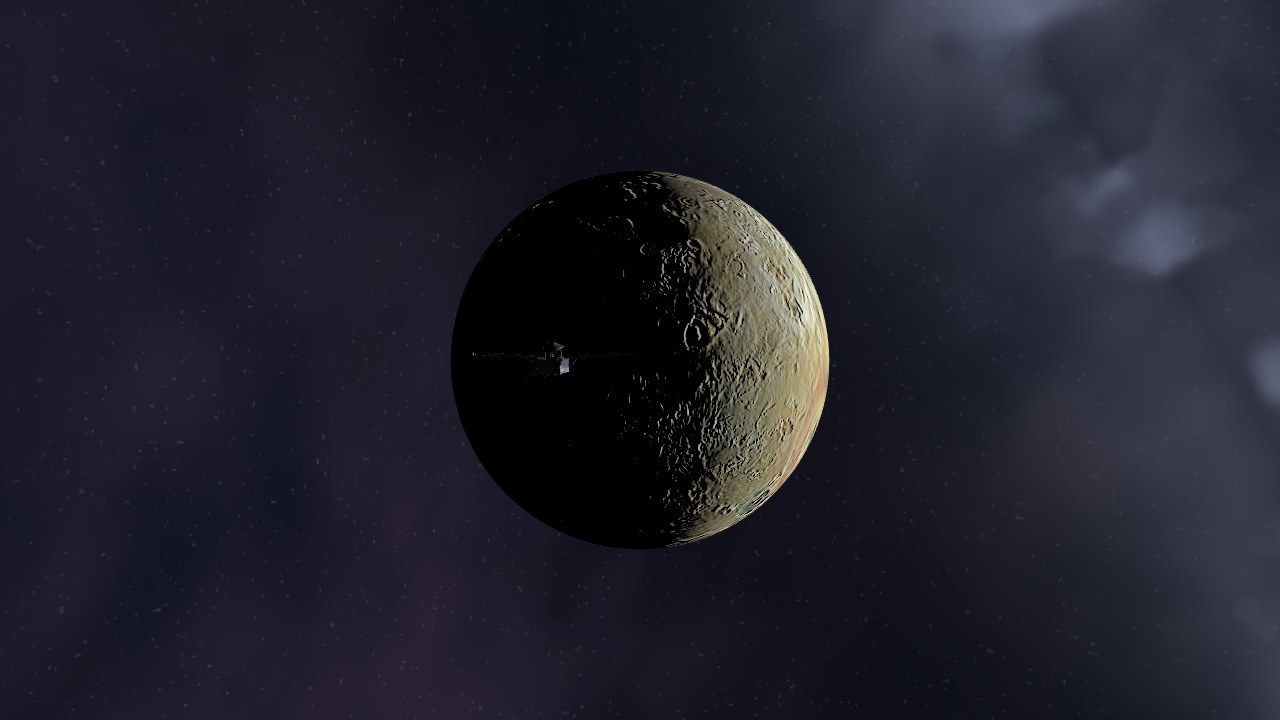
Relive Juno's second razor-close flyby of volcanic moon Io on 3 February 2024. Skim a mere 1,497 km above towering lava eruptions at perijove 58 in 3D orbital simulation.
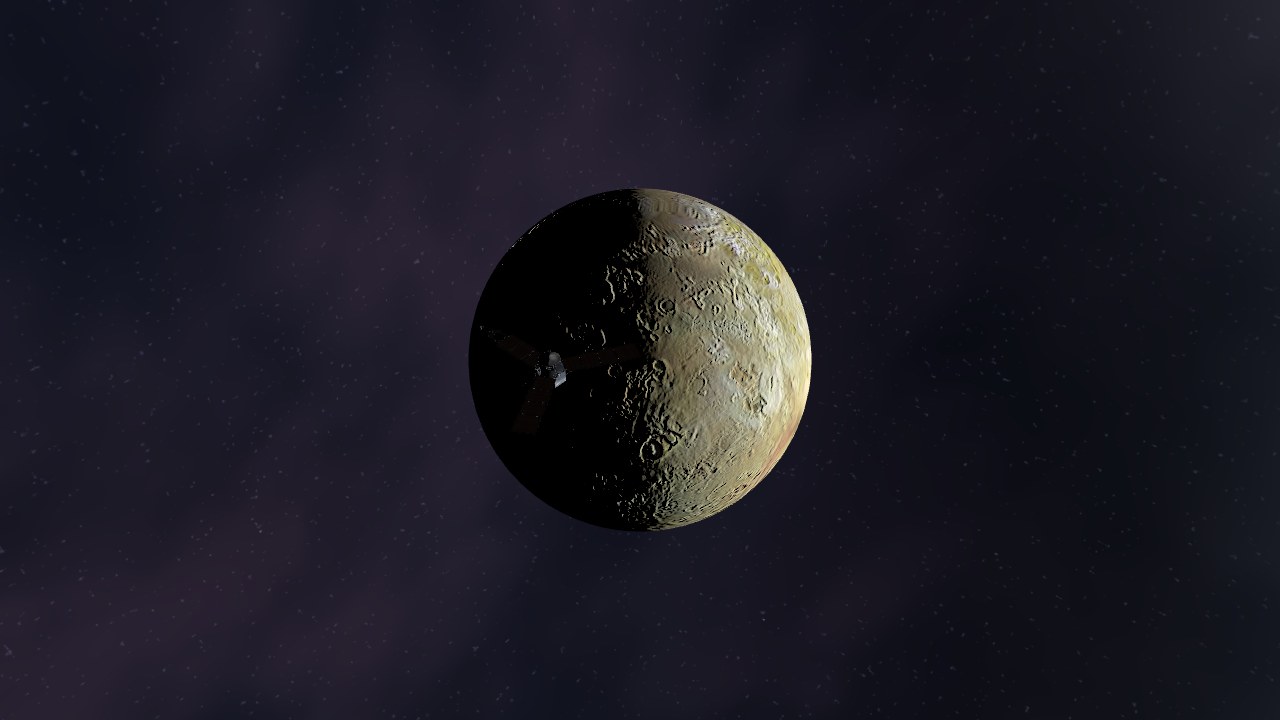
Witness Juno's ultra-close encounter with Io on 30 December 2023, skimming just 1,498 km above the hellish volcanic surface during perijove 57 in realistic 3D spaceflight.
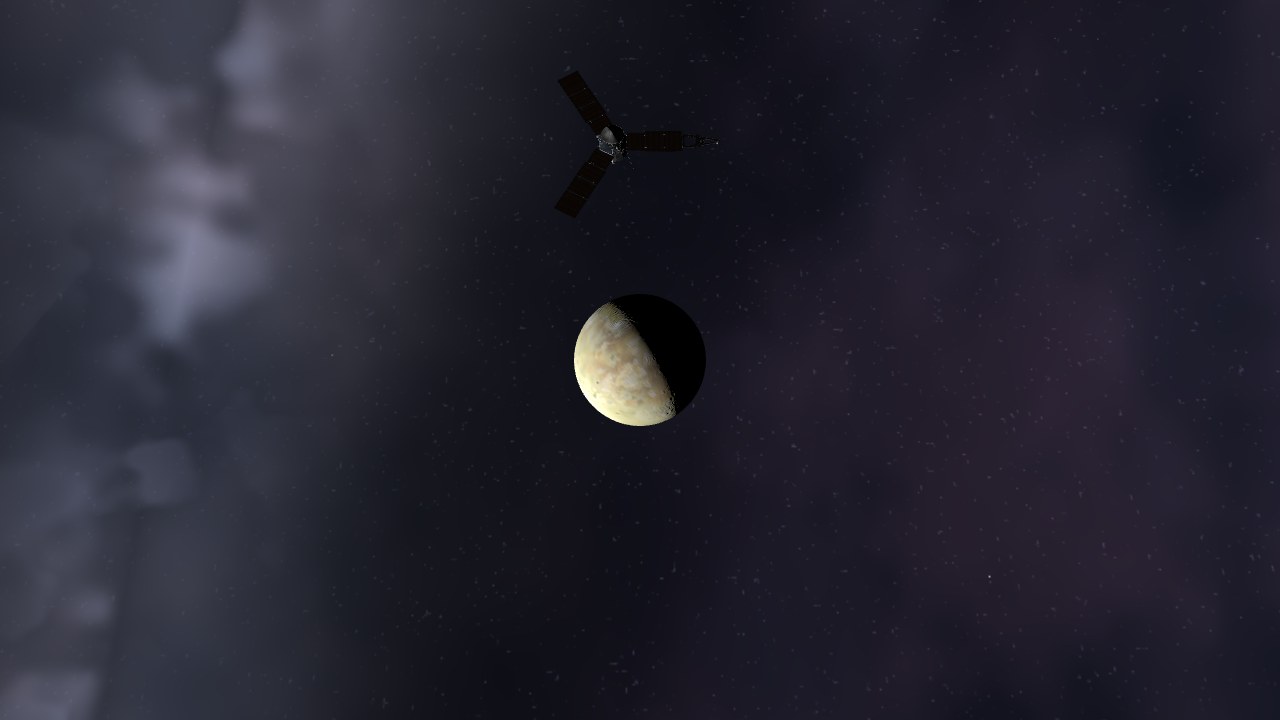
Simulate Juno's daring close approach to Io on 31 July 2023. Watch the probe descend to 22,203 km above active volcanic plumes during perijove 53 in interactive 3D.
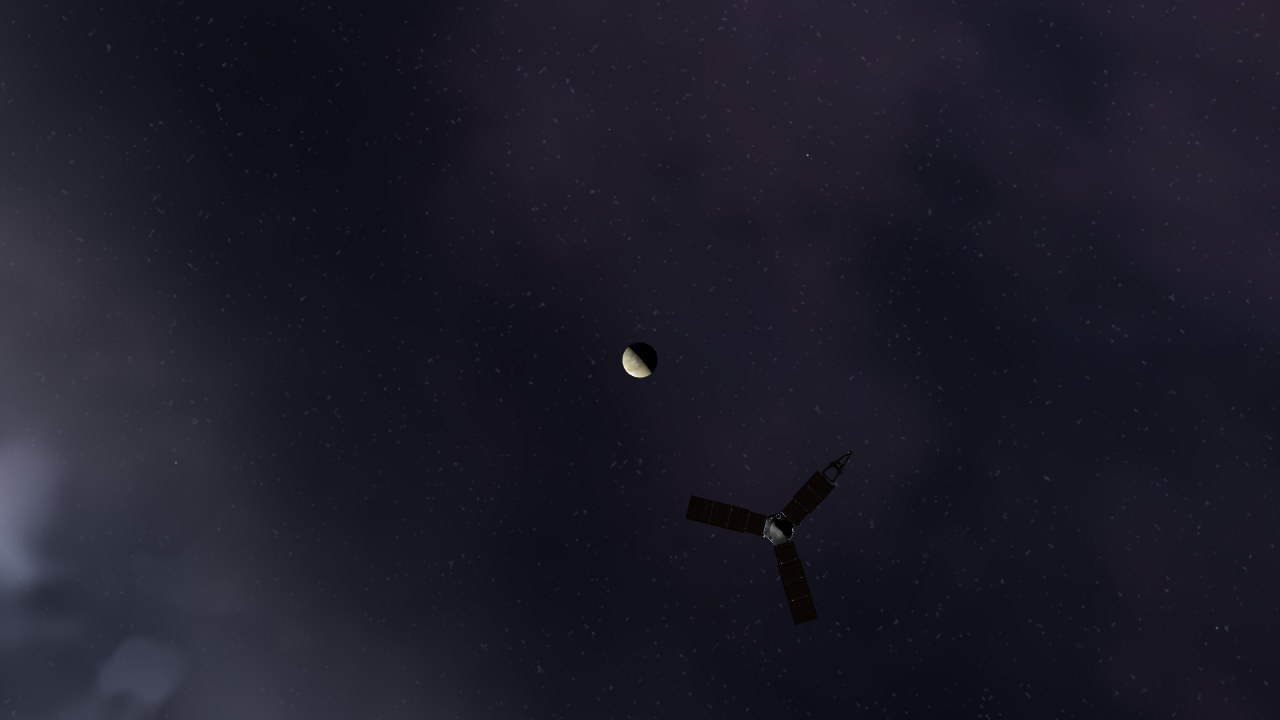
Follow Juno's perijove 43 encounter with Io on 5 July 2022. Watch the spacecraft navigate Jupiter's intense gravitational field to pass within 86,131 km of the volcanic moon.
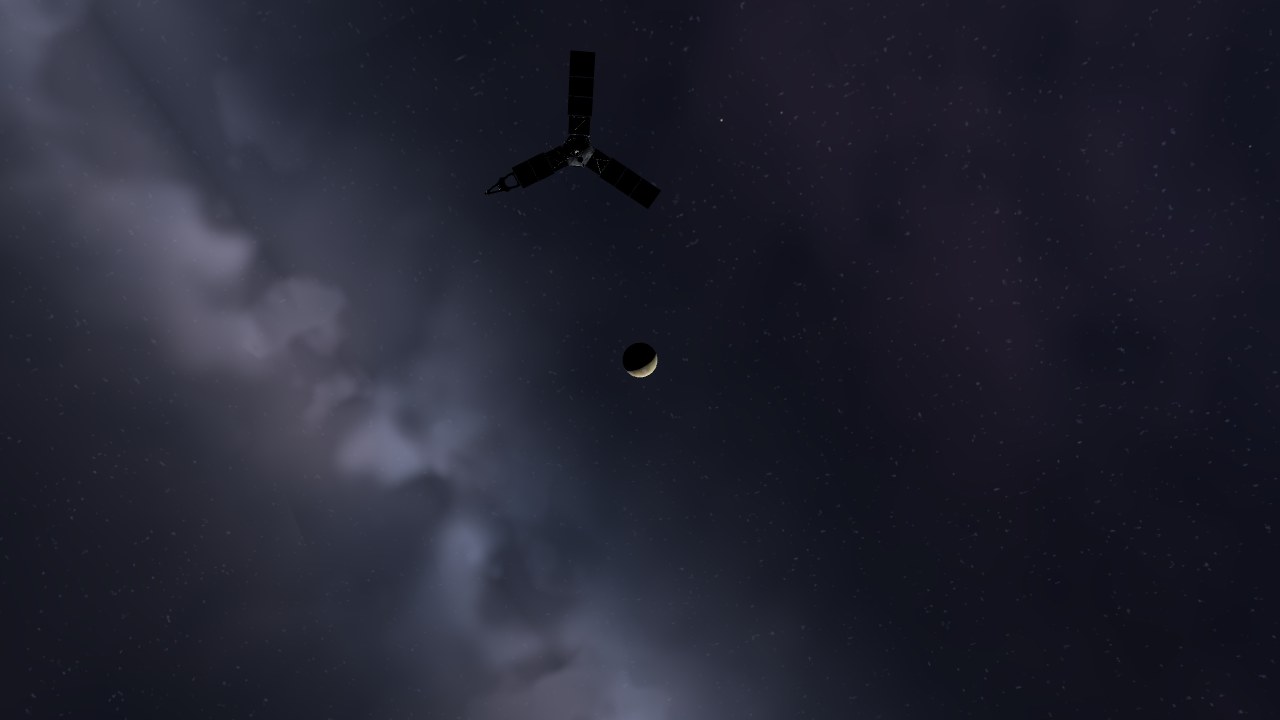
Simulate Juno's perijove 72 encounter with Io on 8 May 2025. Watch NASA's probe sweep past the volcanic moon at 92,656 km altitude in an accurate 3D Jovian orbital model.
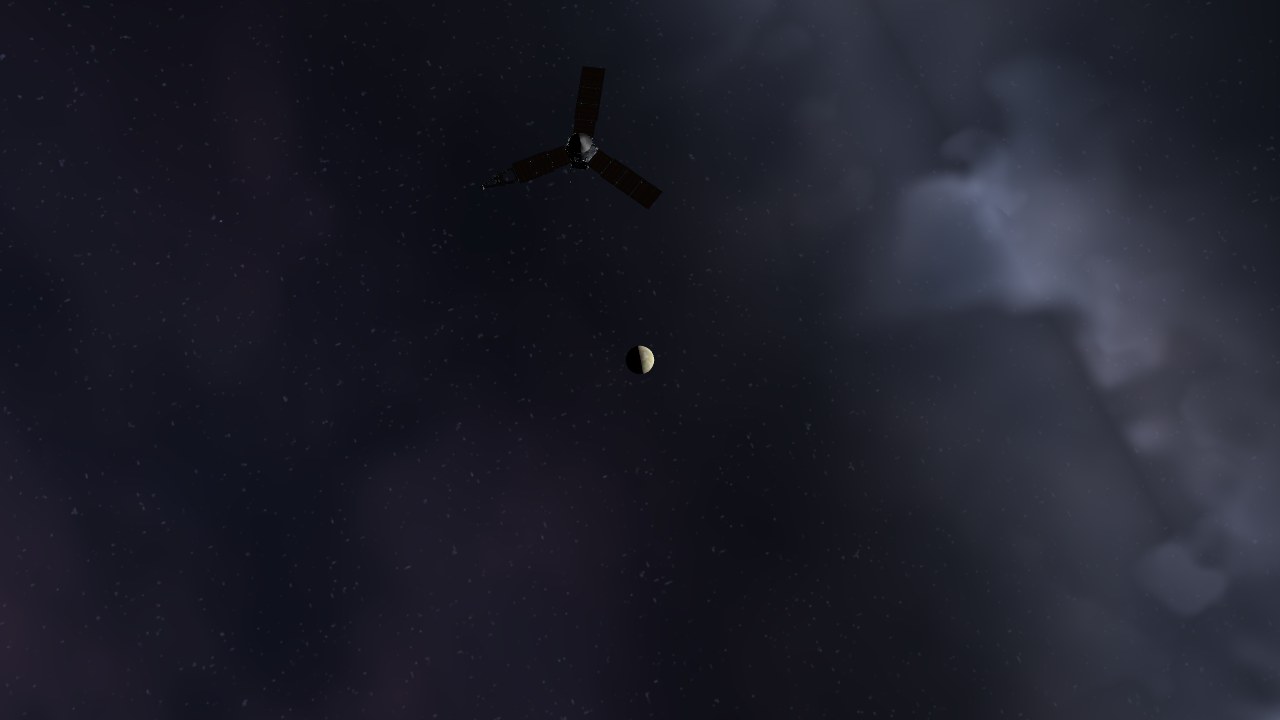
Track NASA's Juno spacecraft during its 9 April 2022 flyby of volcanic moon Io. Follow Juno's high-speed Jovian trajectory past Io's fiery surface from 105,820 km altitude in 3D.
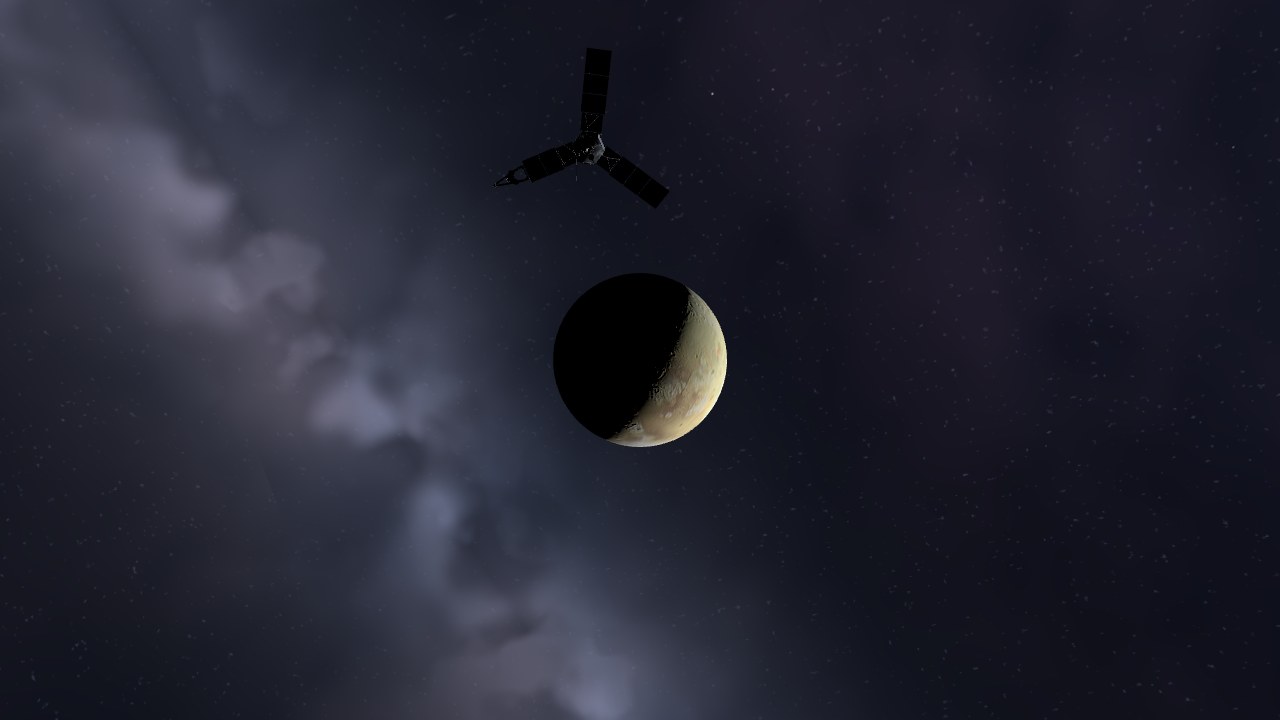
Simulate NASA's Juno spacecraft sweeping 17,346 km above Io on 9 April 2024. Follow Juno's high-velocity trajectory through Jupiter's radiation belt during perijove 60.
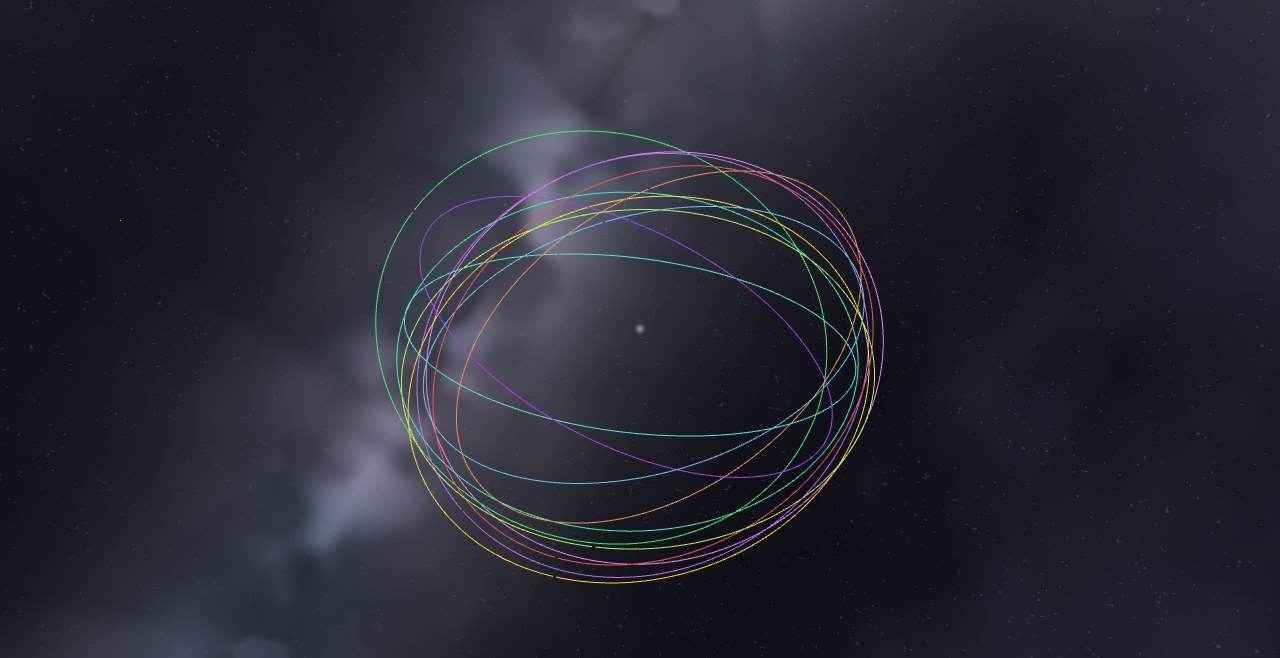
Simulate Jupiter's ten largest Trojan asteroids co-orbiting the Sun at the L4 Greek and L5 Trojan Lagrange points, preserved since the dawn of the Solar System in 3D.
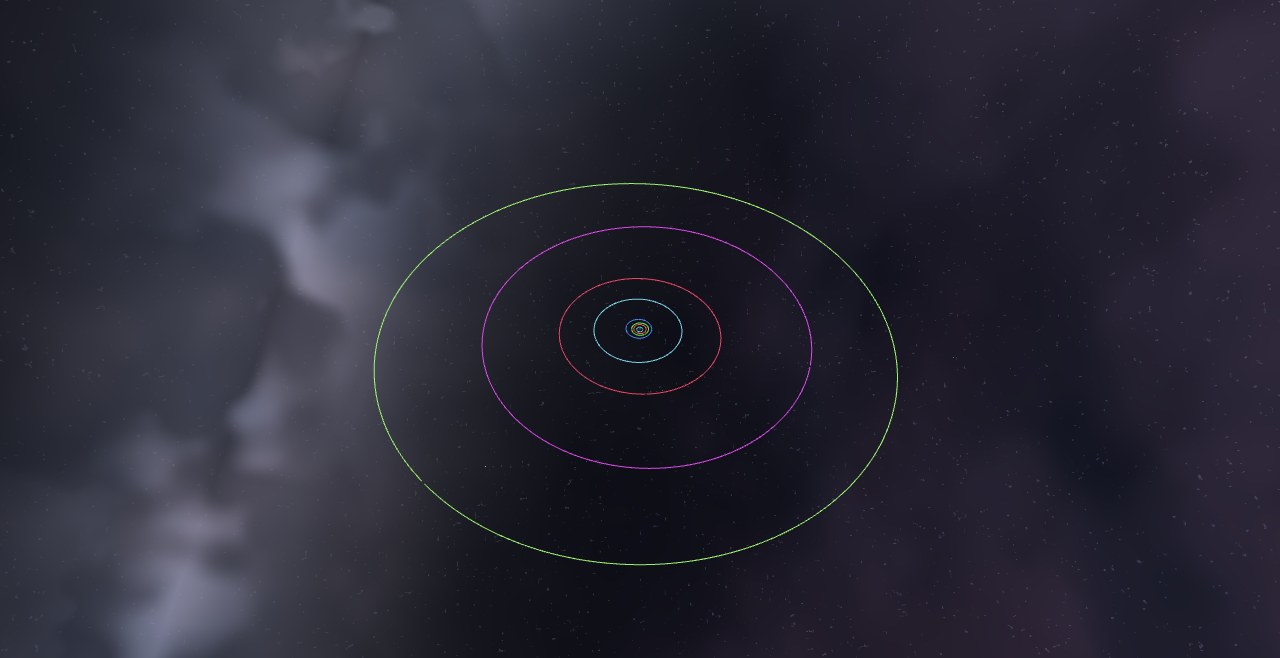
What if Jupiter and Saturn traded places in the Solar System? Experience the catastrophic orbital chaos as swapped gas giants destabilize the asteroid belt and planetary orbits in 3D.
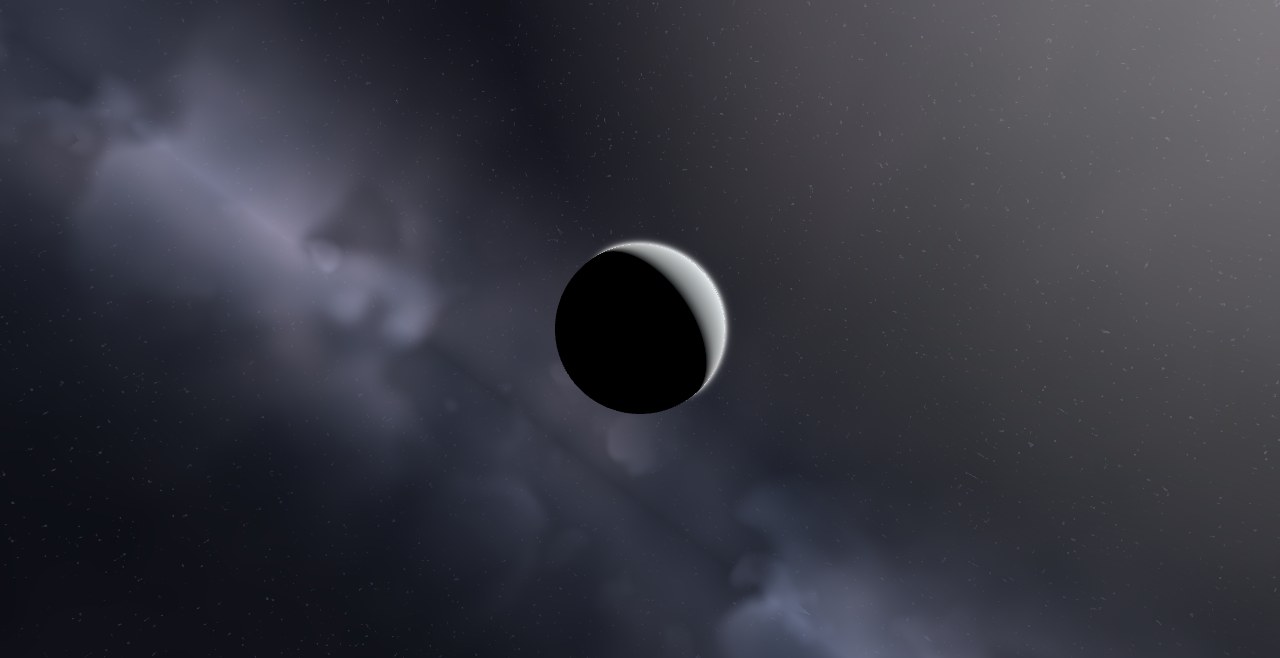
K2-10, a Sun-like G-type star of 0.88 solar masses, and K2-10 b, a 0.08-Jupiter-mass companion, with an orbital period of 19.3 days, and an equilibrium temperature near 649 K.