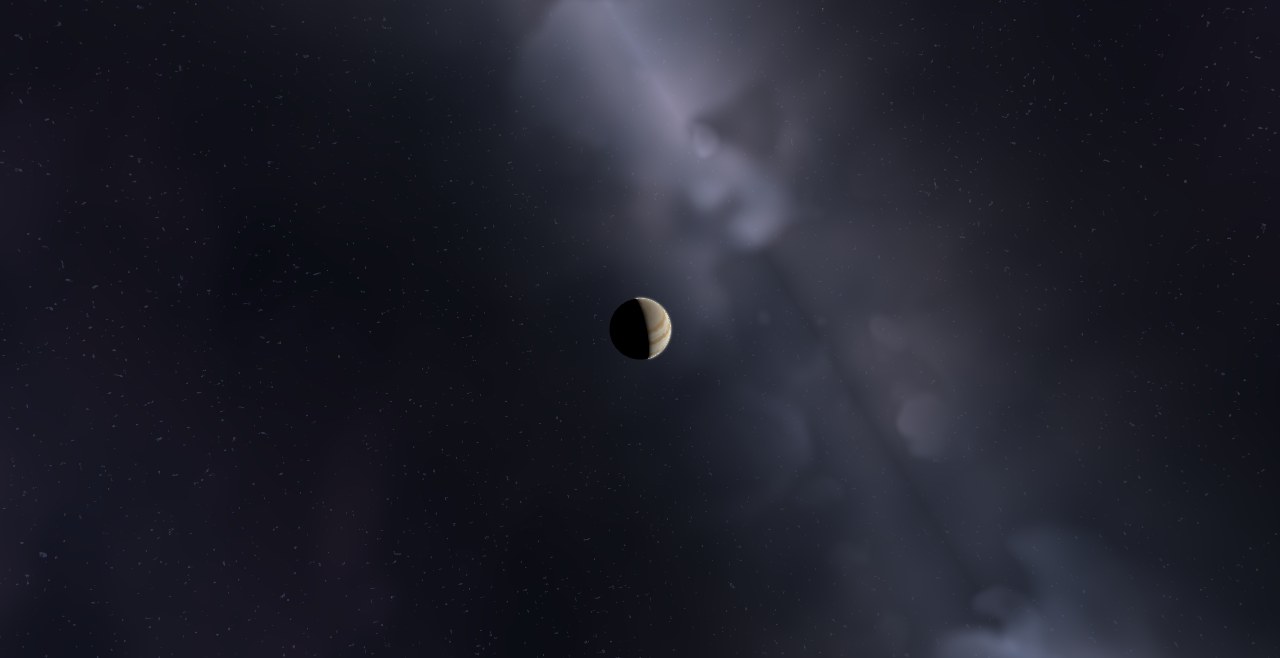
HD 106906 - System
HD 106906 b, a giant planet imaged at hundreds of AU. It orbits far above a debris disk, a clue to scattering or a stellar flyby. The planet's separation is hundreds of astronomical units.
Scenarios
Discover alien solar systems and explore worlds far beyond our own. Simulate extreme orbital environments, habitable zones, and tightly packed resonant chains discovered by modern astronomy, all mapped accurately from real exoplanetary discovery data.
Share
HD 106906 b, a giant planet imaged at hundreds of AU. It orbits far above a debris disk, a clue to scattering or a stellar flyby. The planet's separation is hundreds of astronomical units.
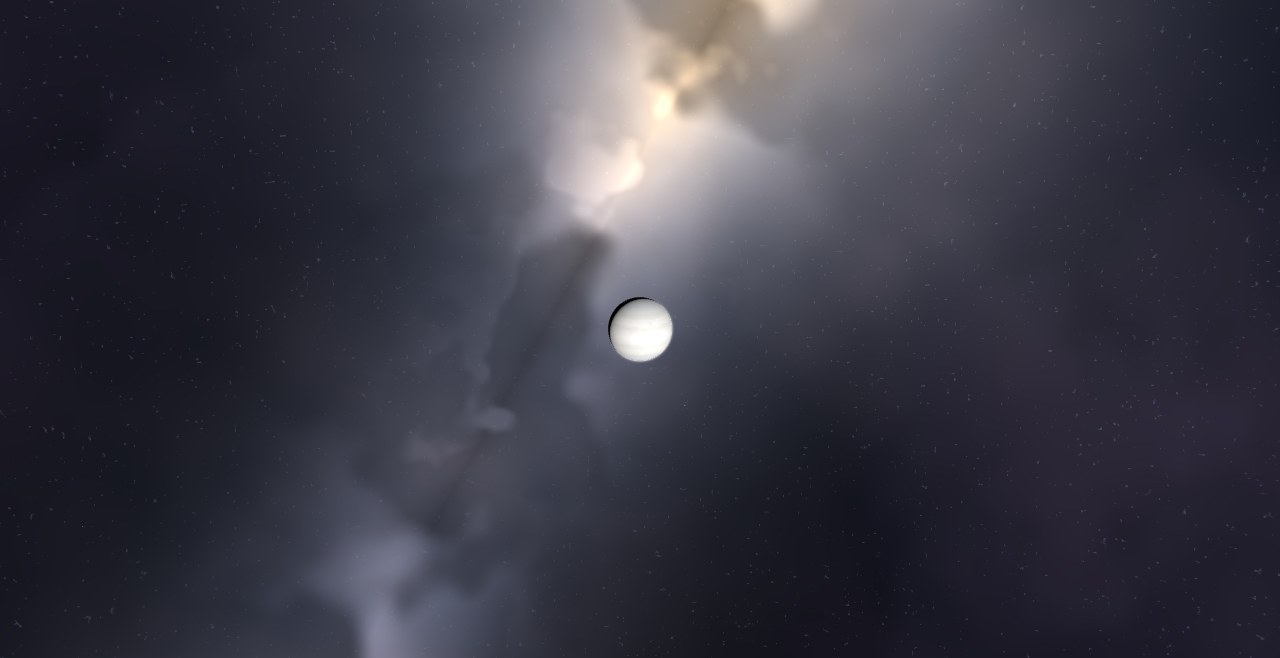
HD 10697, a Sun-like G-type star of 0.99 solar masses, and HD 10697 b, a 5.74-Jupiter-mass companion, with an orbital period of 2.94 years, at 2.051 AU from its star, on an eccentric orbit (e ≈ 0.10).
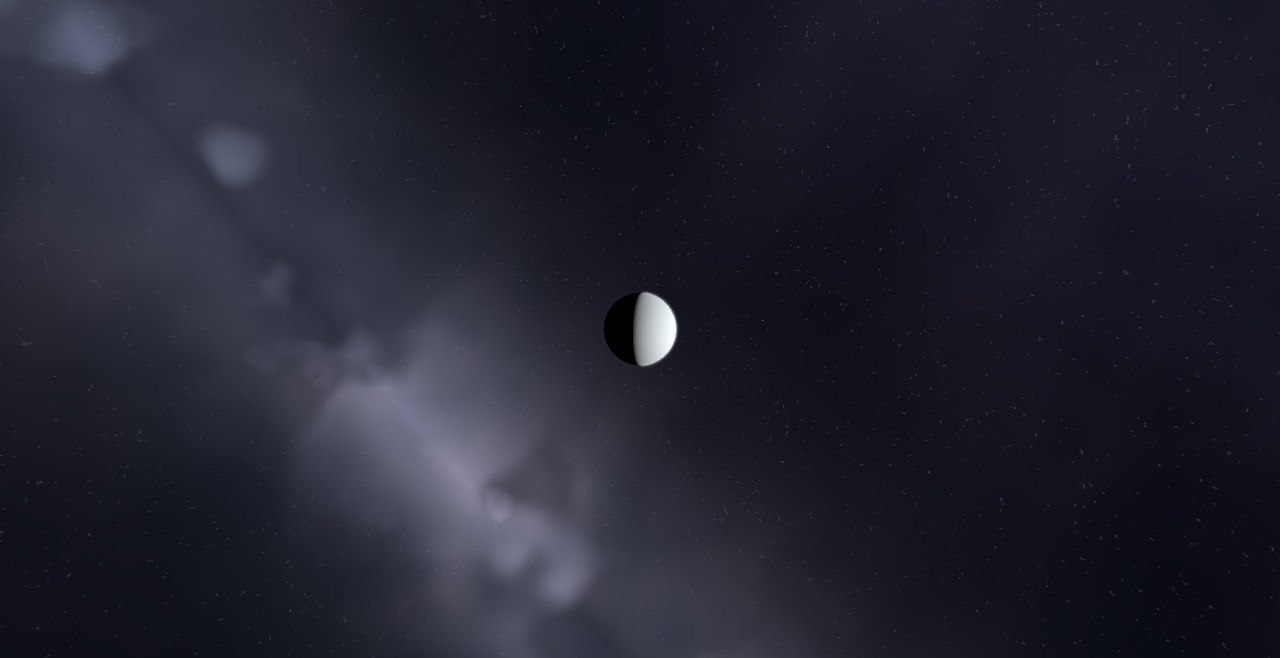
HD 107148, a Sun-like G-type star of 1.11 solar masses, and HD 107148 c, a 0.06-Jupiter-mass companion, with an orbital period of 18.3 days, at 0.141 AU from its star, on an eccentric orbit (e ≈ 0.34).
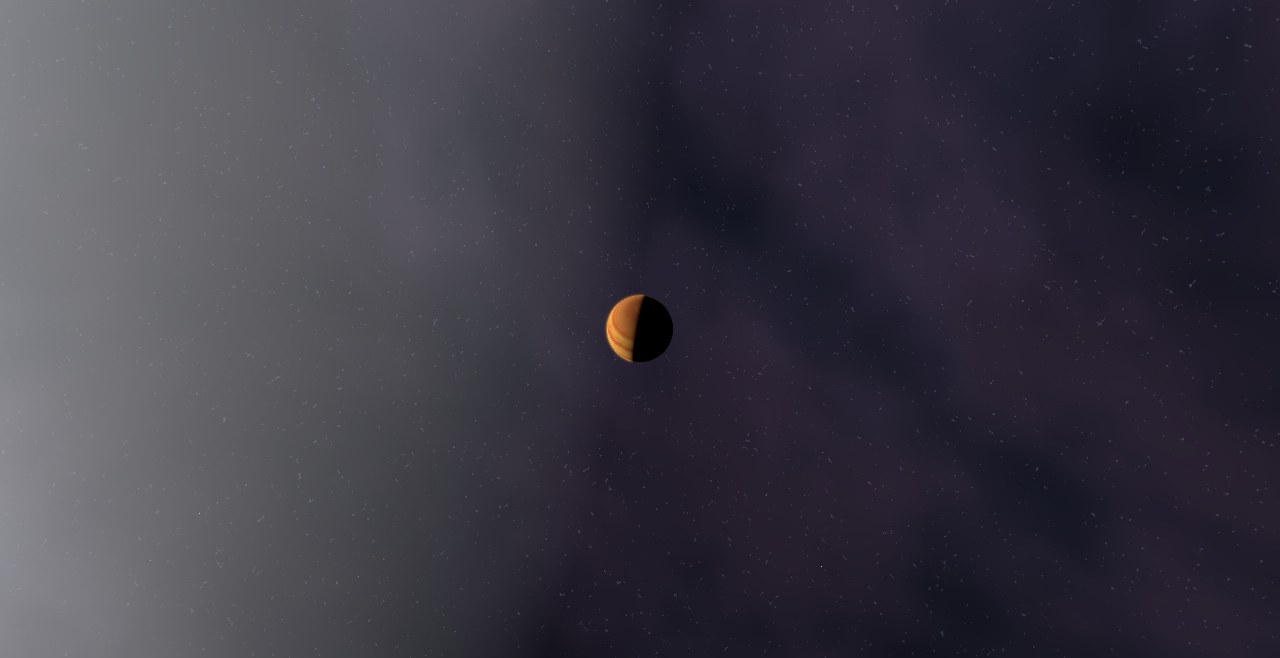
HD 108147, a Sun-like F-type star of 1.22 solar masses, and HD 108147 b, a 0.26-Jupiter-mass companion, with an orbital period of 10.9 days, at 0.102 AU from its star, on an eccentric orbit (e ≈ 0.53).
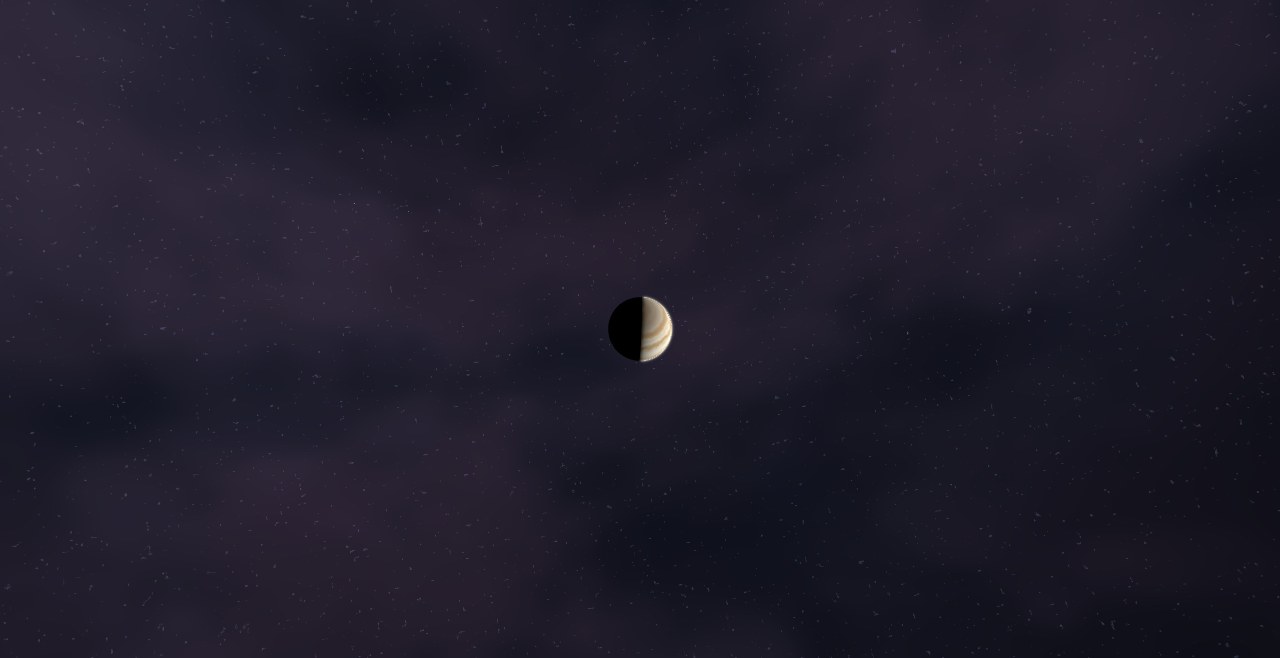
HD 108202, an orange K-type dwarf of 0.74 solar masses, and HD 108202 b, a 3.00-Jupiter-mass companion, with an orbital period of 8.19 years, at 3.700 AU from its star, on an eccentric orbit (e ≈ 0.52).
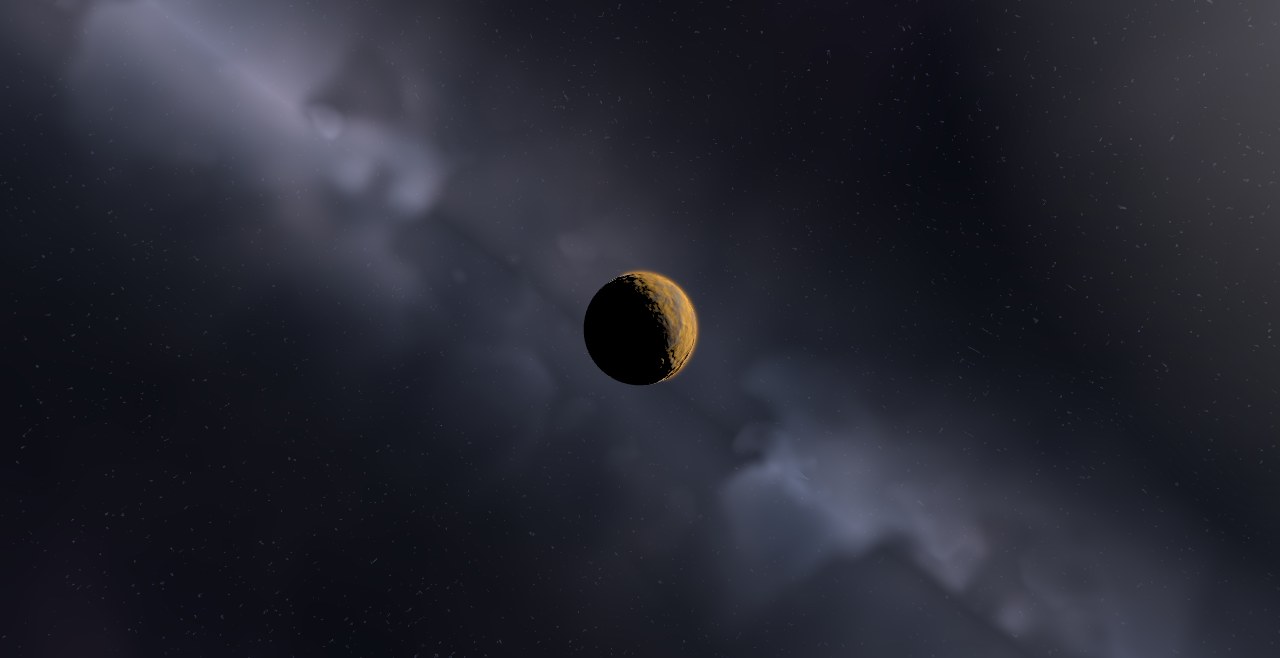
HD 108236, a Sun-like G-type star of 0.87 solar masses, with its 5 planets on orbits from 3.8 days to 29.5 days.
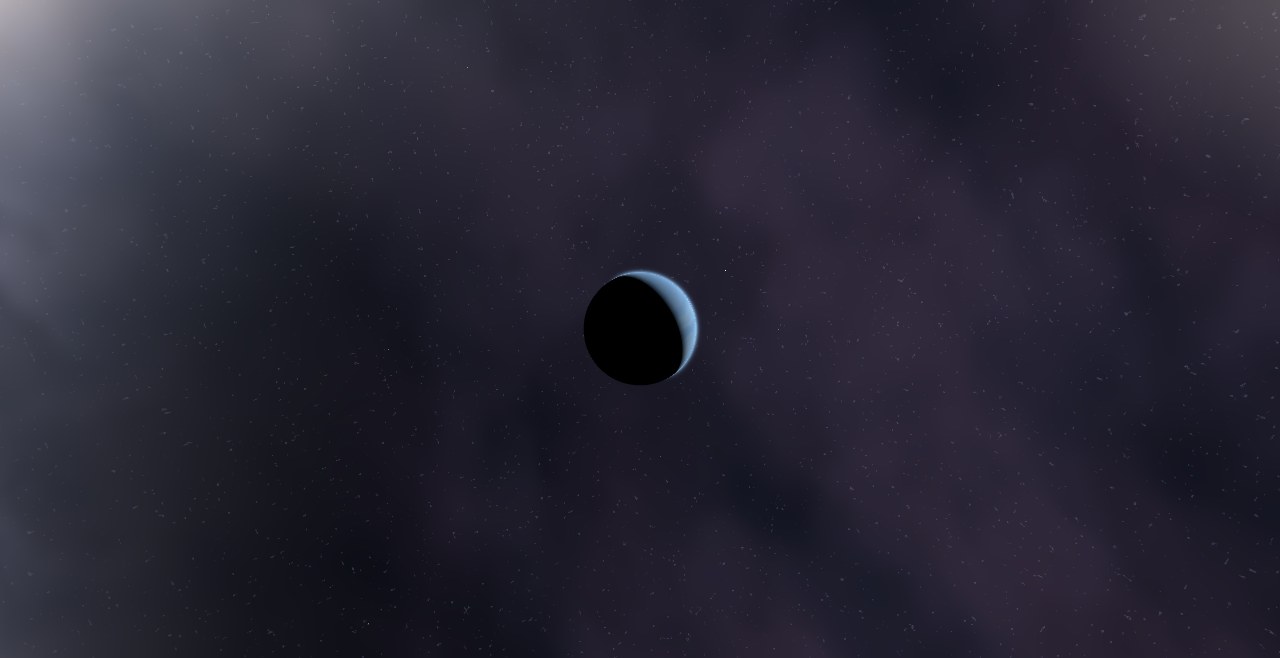
HD 108341, an orange K-type dwarf of 0.84 solar masses, and HD 108341 b, a 3.50-Jupiter-mass companion, with an orbital period of 3.09 years, at 2.000 AU from its star, on an eccentric orbit (e ≈ 0.85).
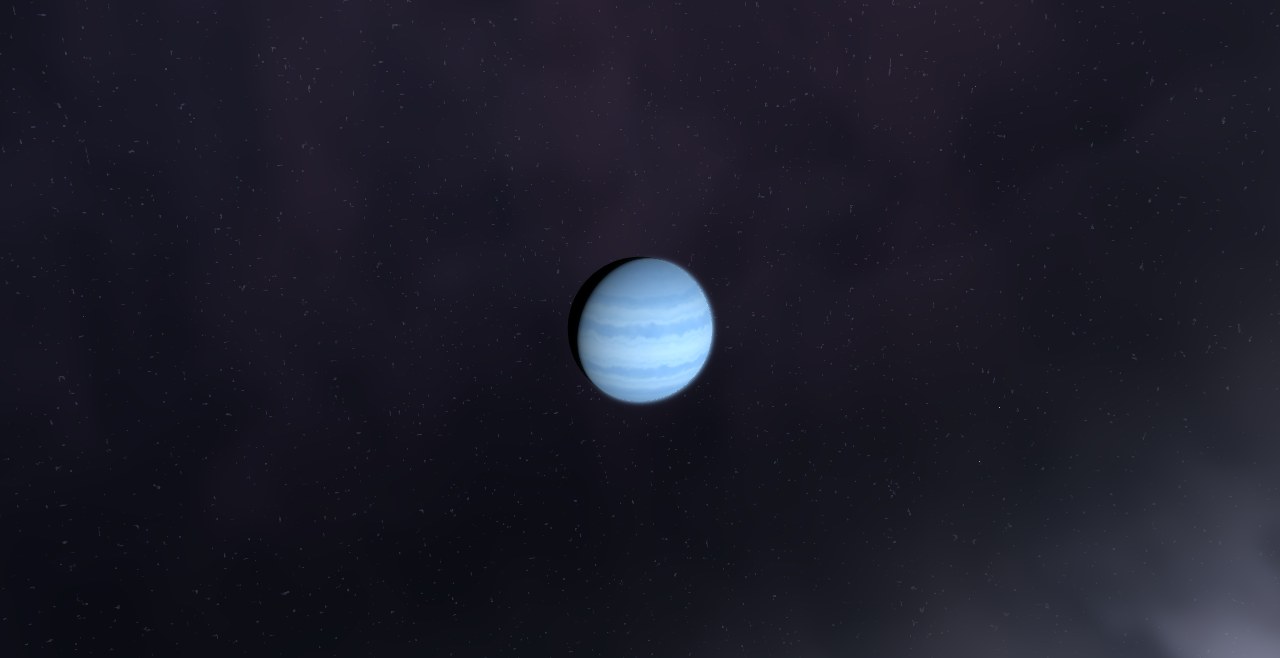
HD 108863, an orange K-type dwarf of 1.59 solar masses, and HD 108863 b, a 2.41-Jupiter-mass companion, with an orbital period of 1.20 years, at 1.320 AU from its star.
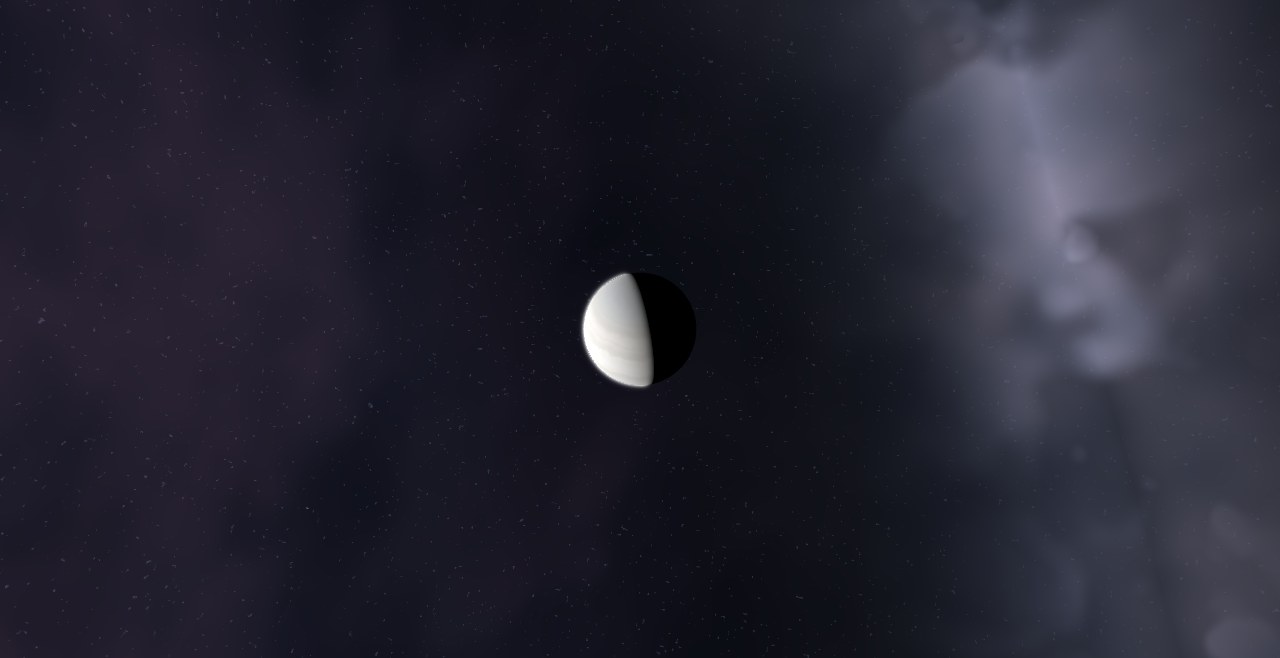
HD 108874, a Sun-like G-type star of 0.95 solar masses, and HD 108874 b, a 1.42-Jupiter-mass companion, with an orbital period of 1.08 years, at 1.040 AU from its star, on an eccentric orbit (e ≈ 0.13).
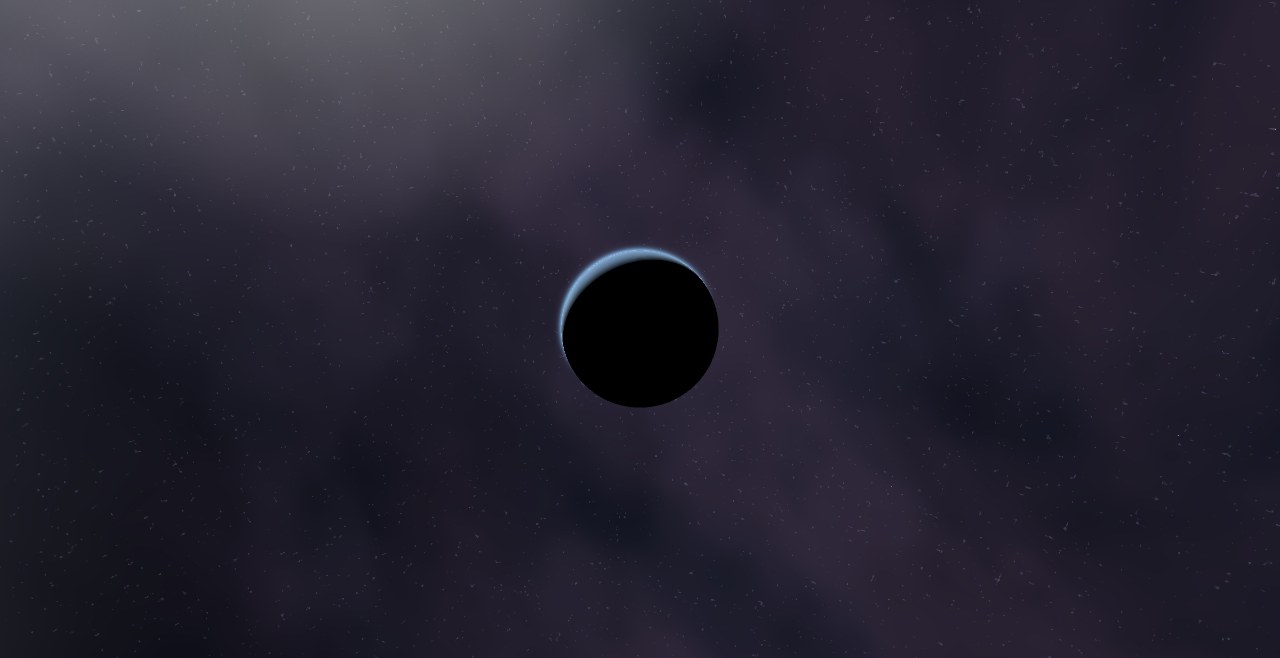
HD 109246, a Sun-like G-type star of 1.20 solar masses, and HD 109246 b, a 0.86-Jupiter-mass companion, with an orbital period of 68.3 days, at 0.330 AU from its star, on an eccentric orbit (e ≈ 0.12).
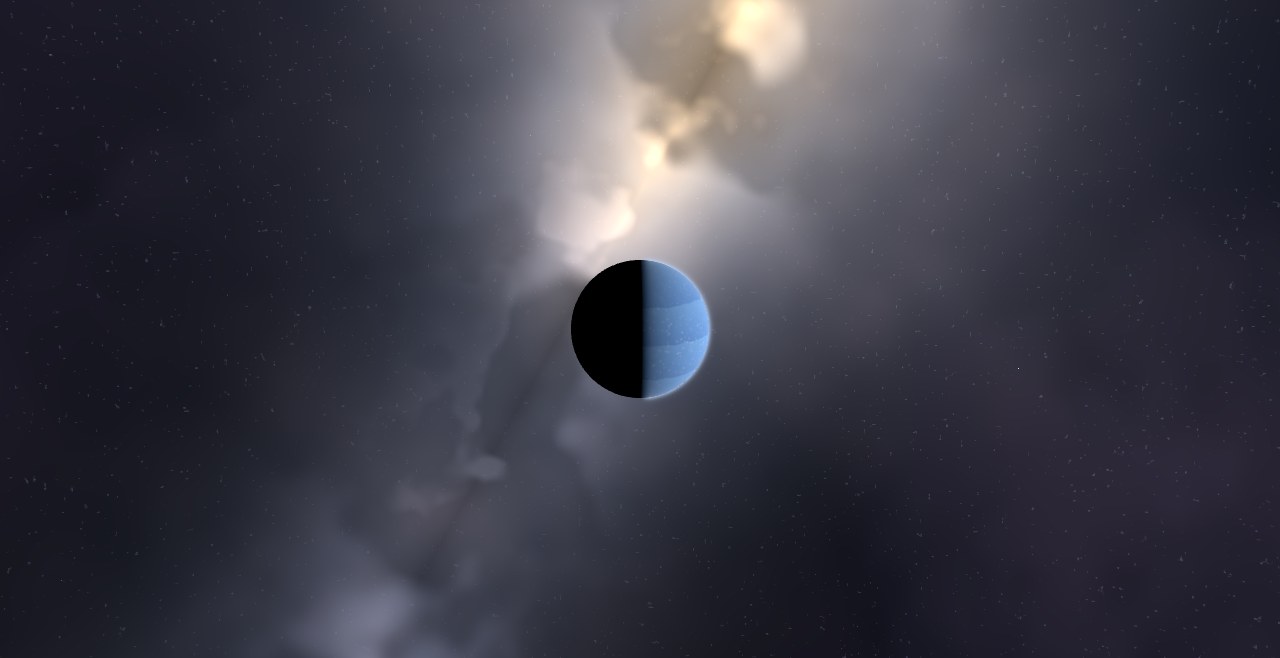
HD 109271, a Sun-like G-type star of 1.05 solar masses, and HD 109271 b, a 0.05-Jupiter-mass companion, with an orbital period of 7.9 days, at 0.079 AU from its star, on an eccentric orbit (e ≈ 0.25).
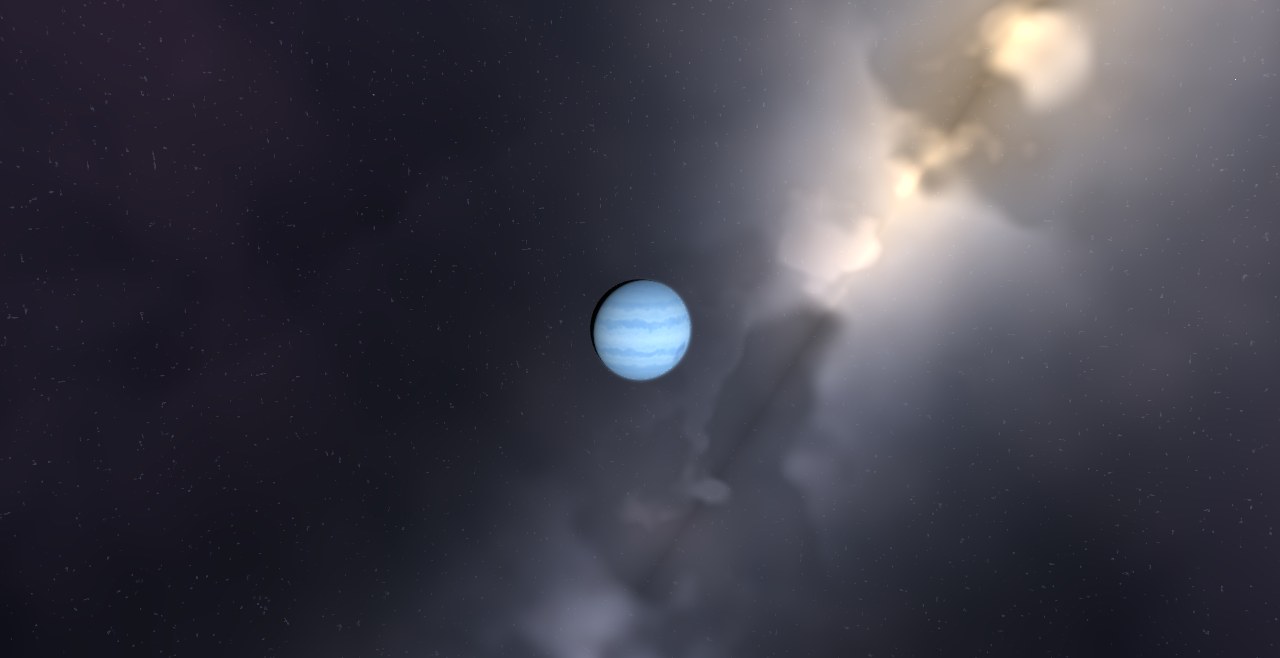
HD 109286, a Sun-like G-type star of 0.98 solar masses, and HD 109286 b, a 2.99-Jupiter-mass companion, with an orbital period of 1.42 years, at 1.259 AU from its star, and an equilibrium temperature near 259.
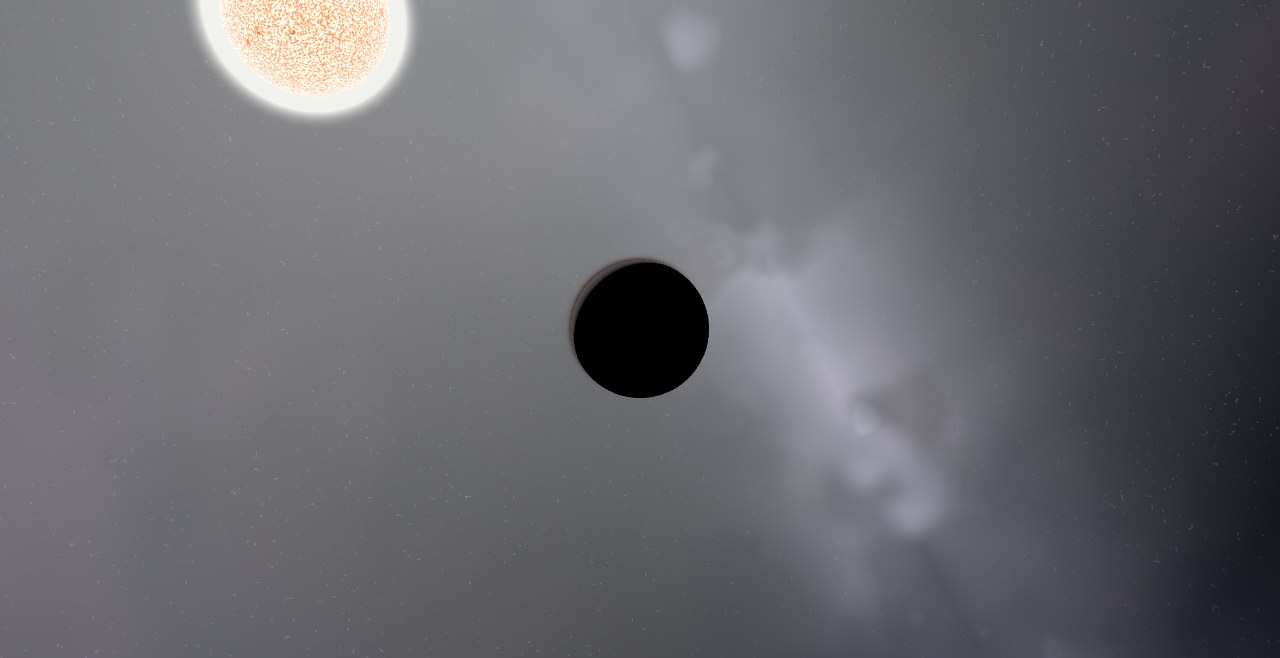
HD 109749, a Sun-like G-type star of 1.13 solar masses, and HD 109749 b, a 0.27-Jupiter-mass companion, with an orbital period of 5.2 days, at 0.061 AU from its star.
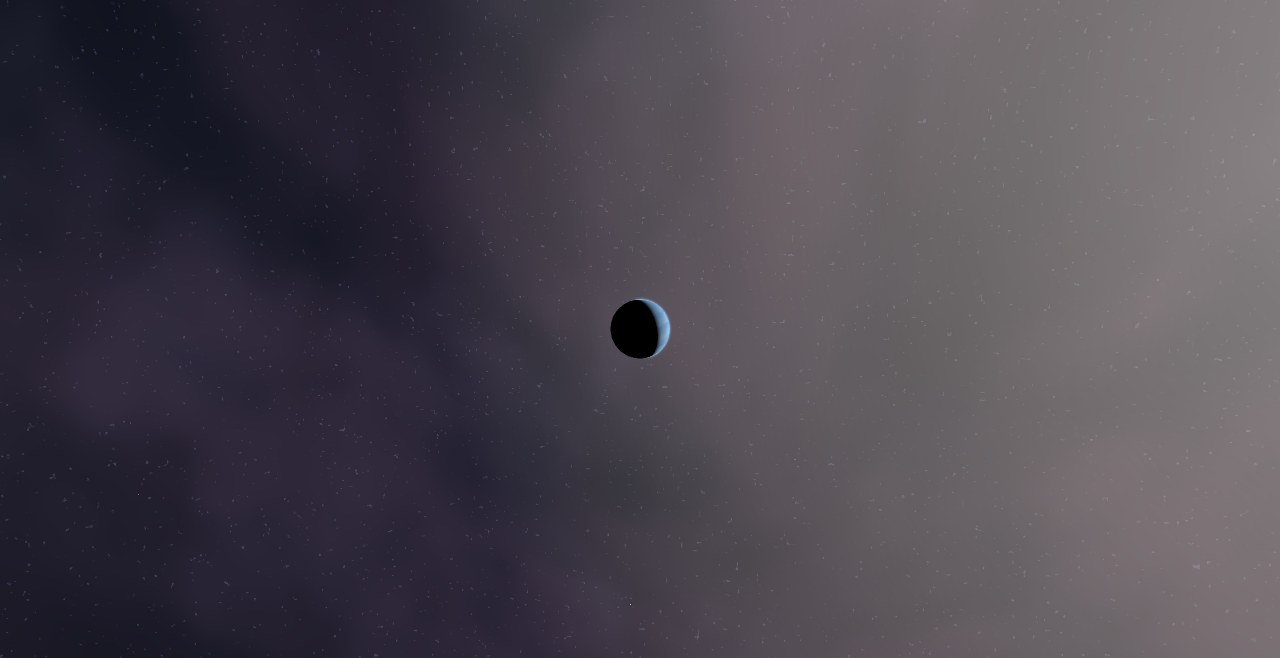
HD 10975, an orange K-type dwarf of 1.41 solar masses, and HD 10975 b, a 0.45-Jupiter-mass companion, with an orbital period of 284 days, at 0.950 AU from its star, on an eccentric orbit (e ≈ 0.44).
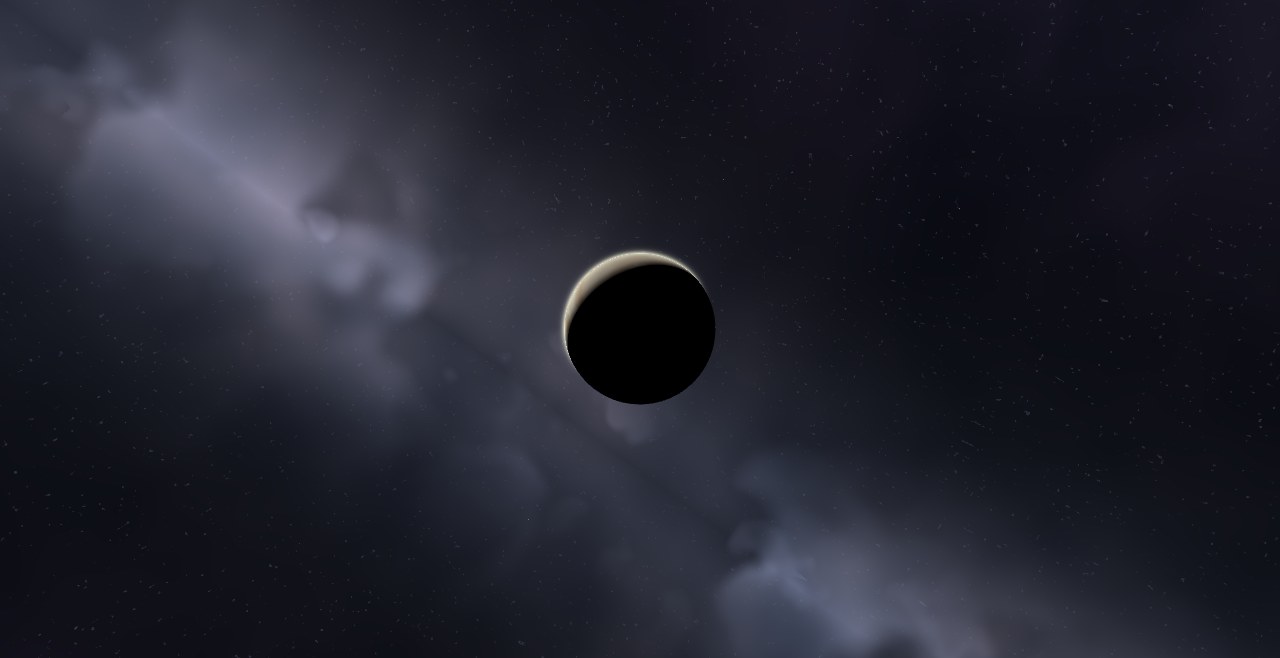
HD 109988, an orange K-type dwarf of 0.88 solar masses, and HD 109988 b, a 21.8-Jupiter-mass companion, with an orbital period of 46.9 years, at 12.5 AU from its star, on an eccentric orbit (e ≈ 0.06).
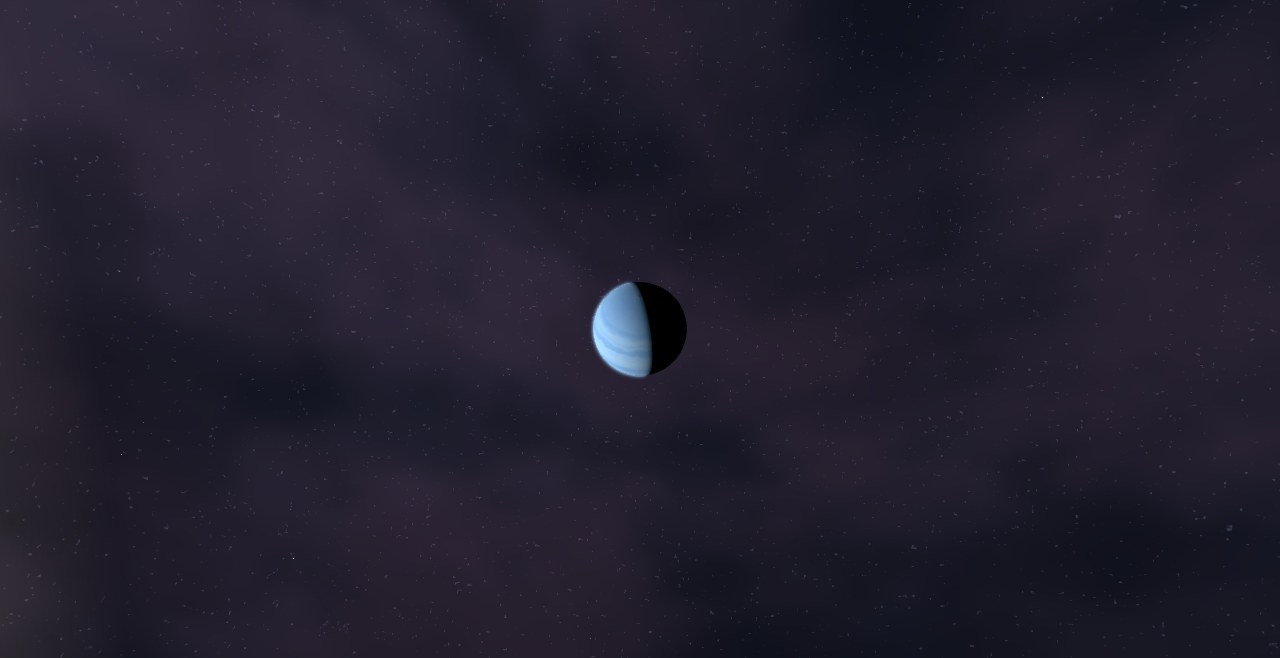
HD 110014, an orange K-type dwarf of 2.17 solar masses, and HD 110014 b, a 11.1-Jupiter-mass companion, with an orbital period of 2.29 years, at 2.140 AU from its star, on an eccentric orbit (e ≈ 0.46).
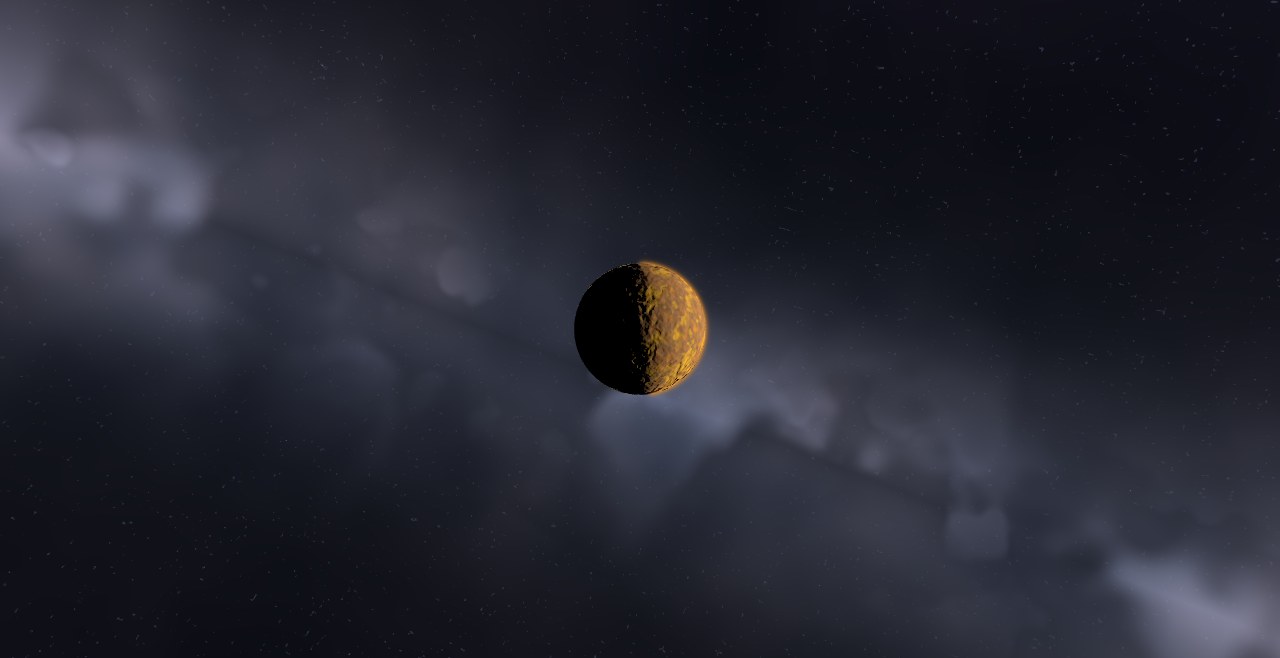
HD 110067, six sub-Neptunes in a resonant chain about 105 light-years away. Their periods follow a neat near-integer pattern around a bright K dwarf.
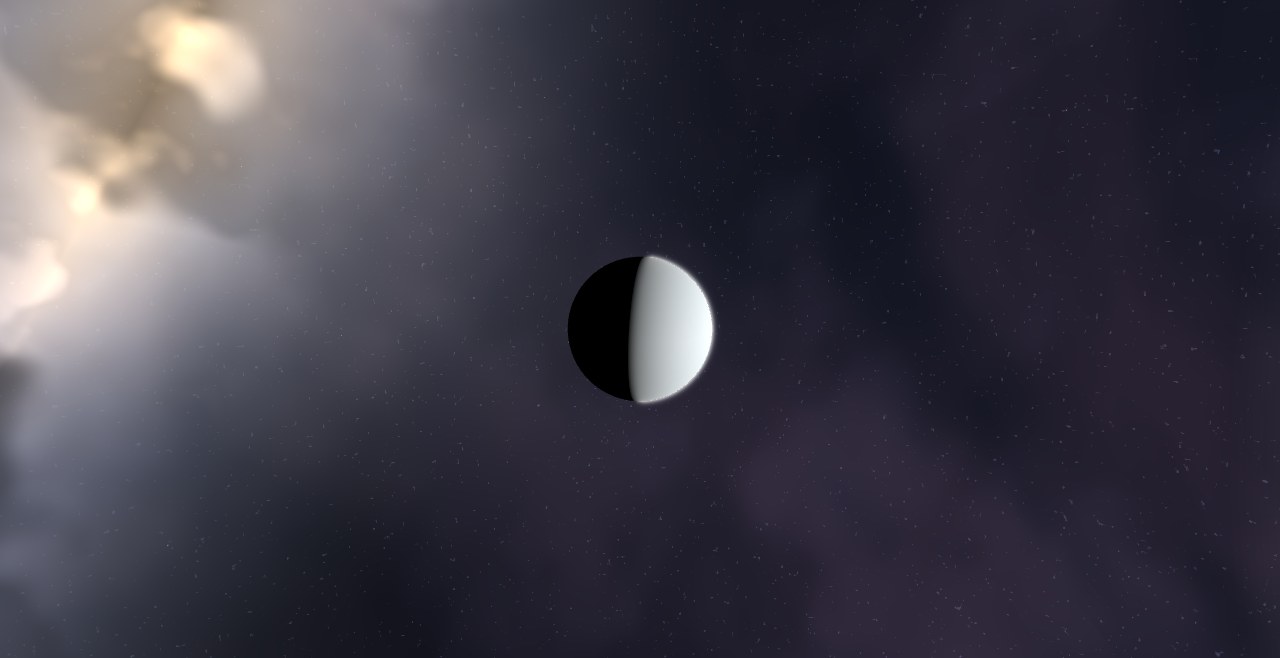
HD 110082, a Sun-like F-type star of 1.21 solar masses, and HD 110082 b, a planet with 3.2 Earth radii, with an orbital period of 10.2 days, at 0.113 AU from its star, on an eccentric orbit (e ≈ 0.20).