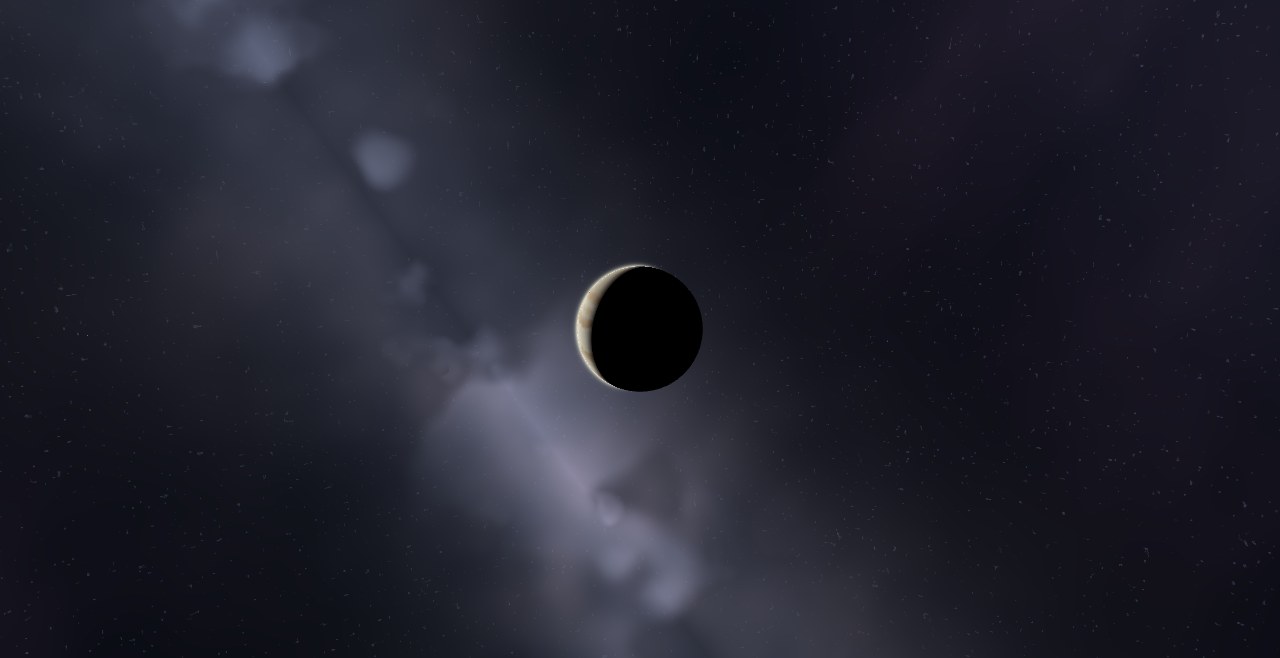
HD 102843 - System
HD 102843, an orange K-type dwarf of 0.95 solar masses, and HD 102843 b, a 0.36-Jupiter-mass companion, with an orbital period of 8.46 years, at 4.074 AU from its star, on an eccentric orbit (e ≈ 0.11).
Scenarios
Discover alien solar systems and explore worlds far beyond our own. Simulate extreme orbital environments, habitable zones, and tightly packed resonant chains discovered by modern astronomy, all mapped accurately from real exoplanetary discovery data.
Share
HD 102843, an orange K-type dwarf of 0.95 solar masses, and HD 102843 b, a 0.36-Jupiter-mass companion, with an orbital period of 8.46 years, at 4.074 AU from its star, on an eccentric orbit (e ≈ 0.11).
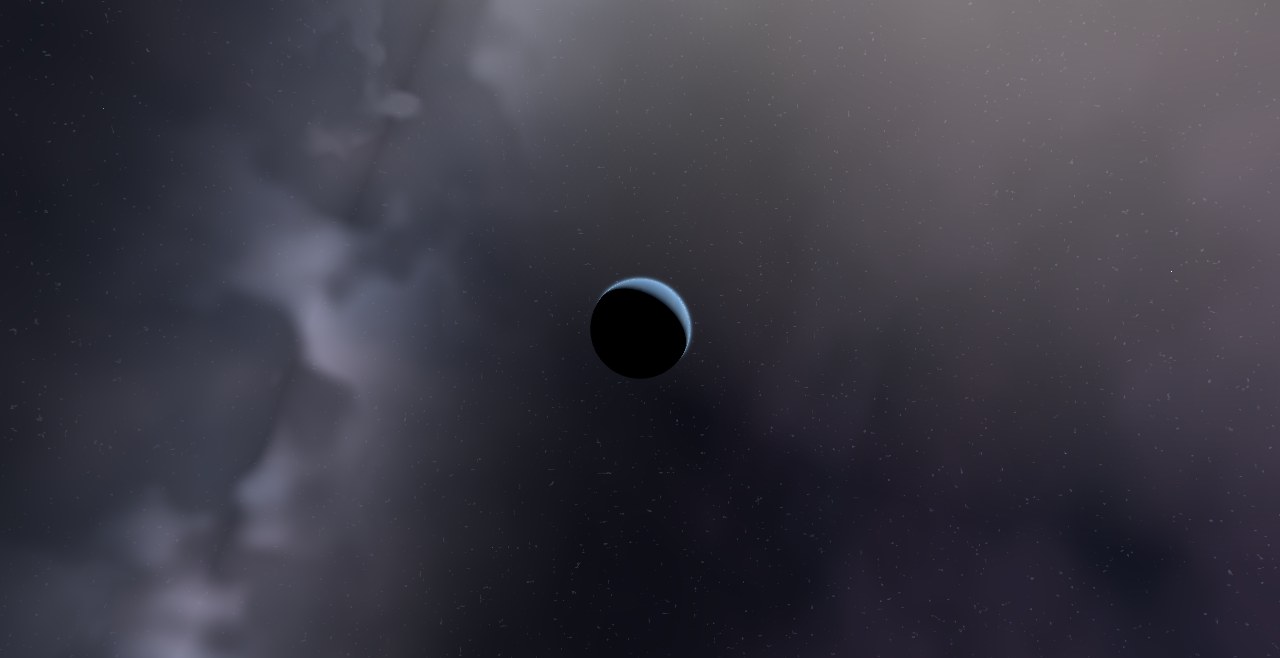
HD 102888, a Sun-like G-type star of 2.42 solar masses, and HD 102888 b, a 5.69-Jupiter-mass companion, with an orbital period of 252 days, at 1.050 AU from its star, on an eccentric orbit (e ≈ 0.11).
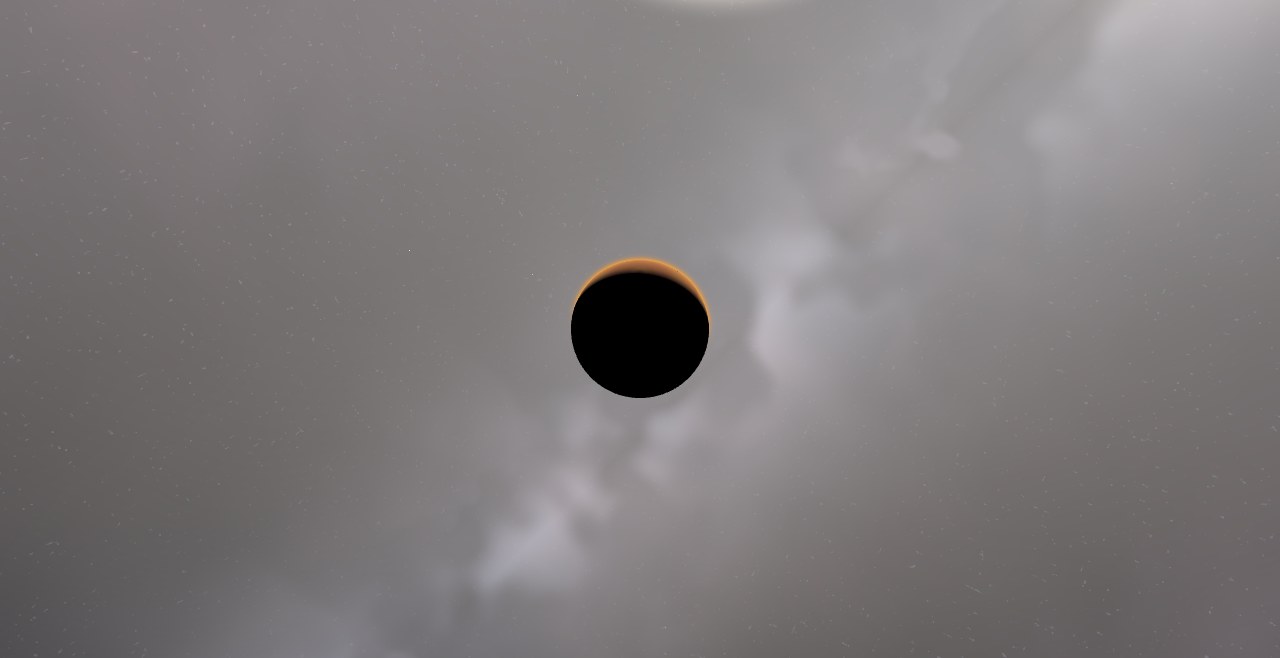
HD 102956, an orange K-type dwarf of 1.66 solar masses, and HD 102956 b, a 0.96-Jupiter-mass companion, with an orbital period of 6.5 days, at 0.081 AU from its star.
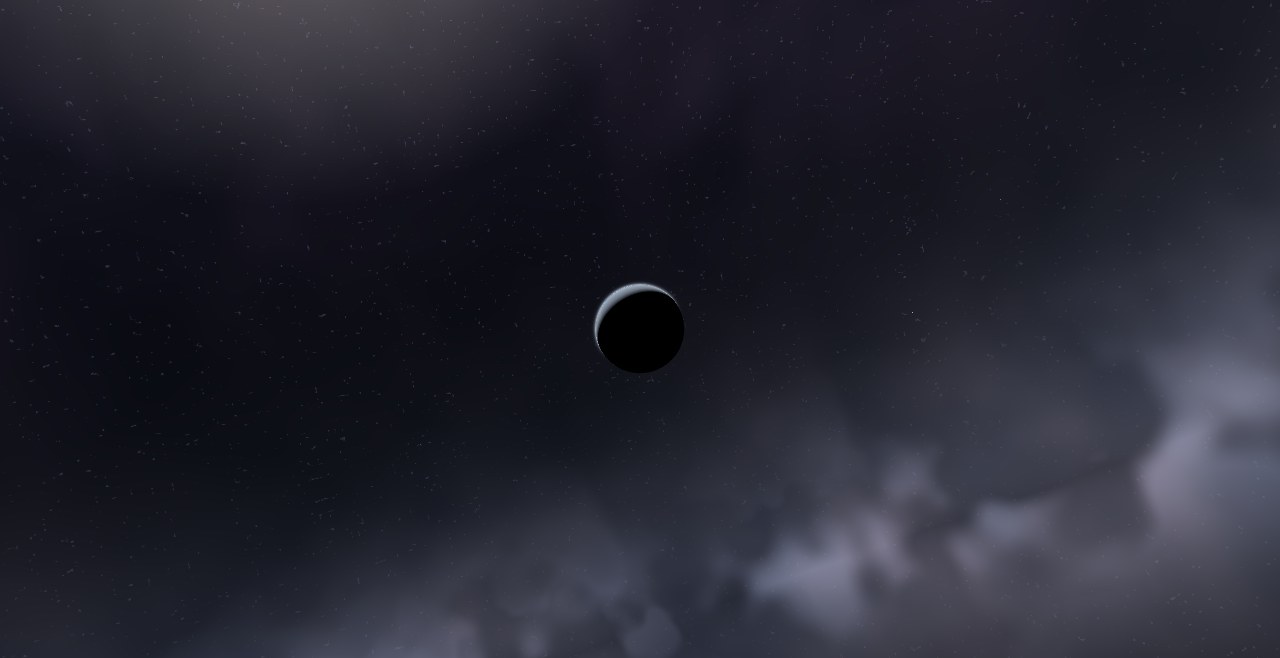
HD 103197, a Sun-like G-type star of 0.80 solar masses, and HD 103197 b, a 0.09-Jupiter-mass companion, with an orbital period of 47.8 days, at 0.250 AU from its star.
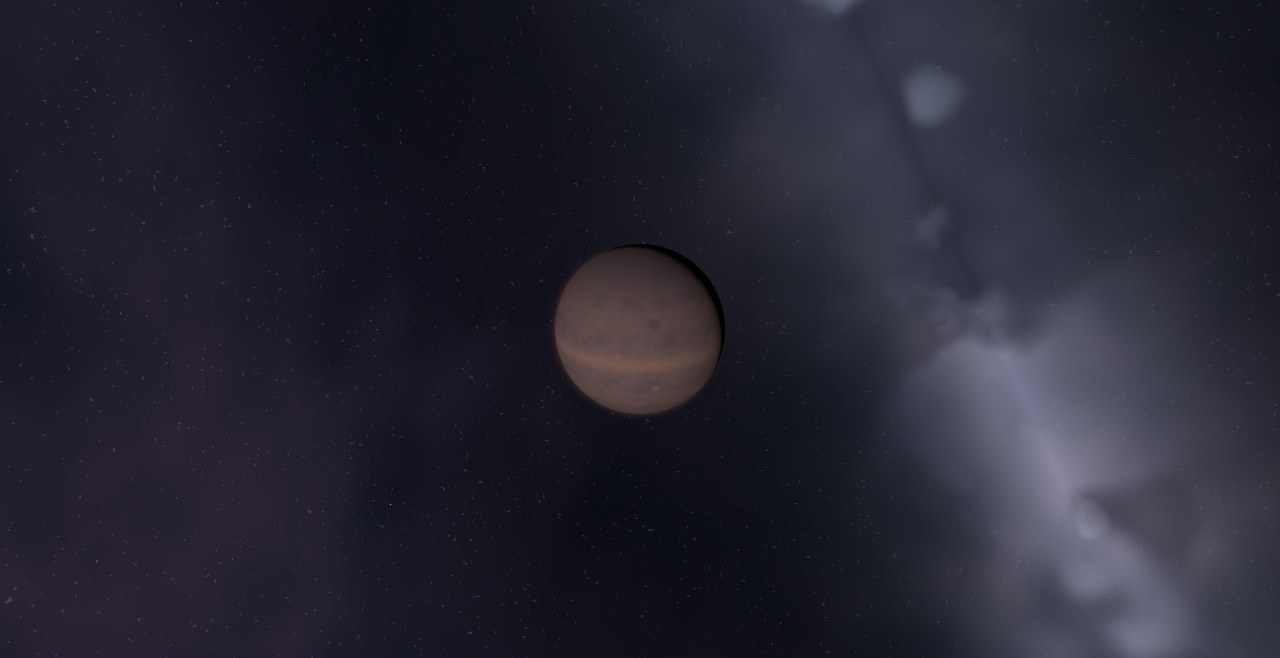
HD 103720, an orange K-type dwarf of 0.79 solar masses, and HD 103720 b, a 0.62-Jupiter-mass companion, with an orbital period of 4.6 days, at 0.050 AU from its star, on an eccentric orbit (e ≈ 0.09).
HD 103774, a Sun-like F-type star of 1.33 solar masses, and HD 103774 b, a 0.37-Jupiter-mass companion, with an orbital period of 5.9 days, at 0.070 AU from its star, on an eccentric orbit (e ≈ 0.09).
HD 103891, a Sun-like F-type star of 1.28 solar masses, and HD 103891 b, a 1.44-Jupiter-mass companion, with an orbital period of 5.25 years, at 3.270 AU from its star, on an eccentric orbit (e ≈ 0.31).
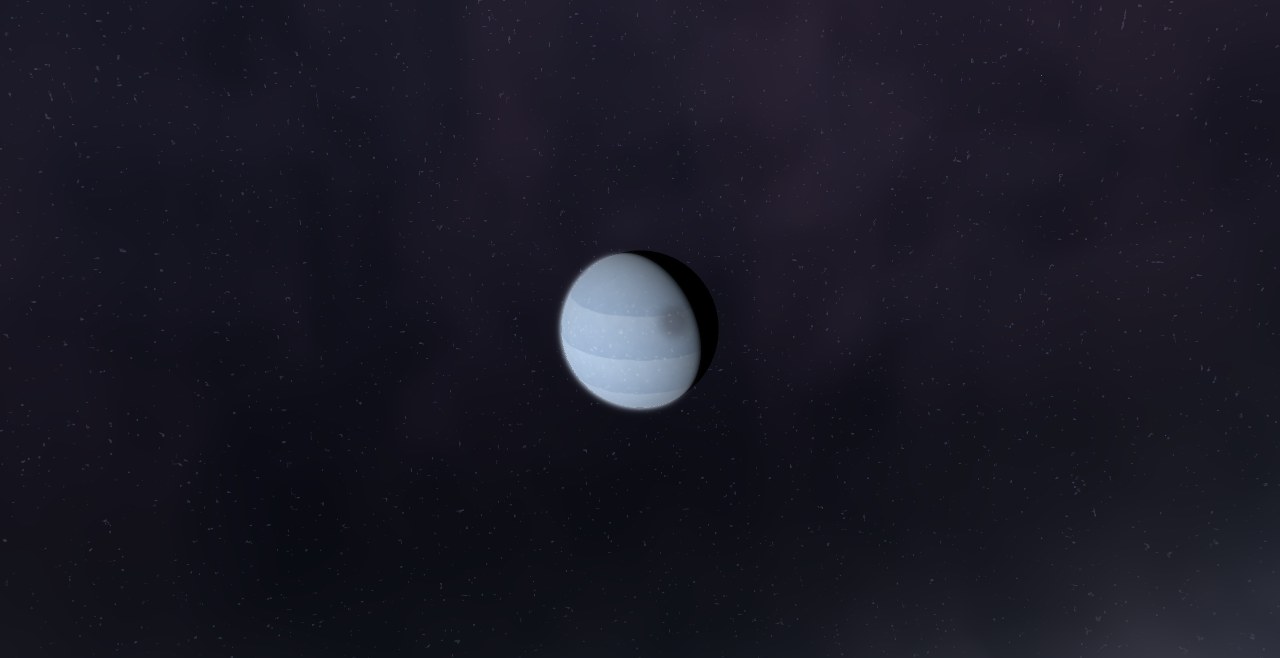
HD 103949, an orange K-type dwarf of 0.77 solar masses, and HD 103949 b, a 11.2-Earth-mass planet, with an orbital period of 121 days, at 0.439 AU from its star, on an eccentric orbit (e ≈ 0.19).
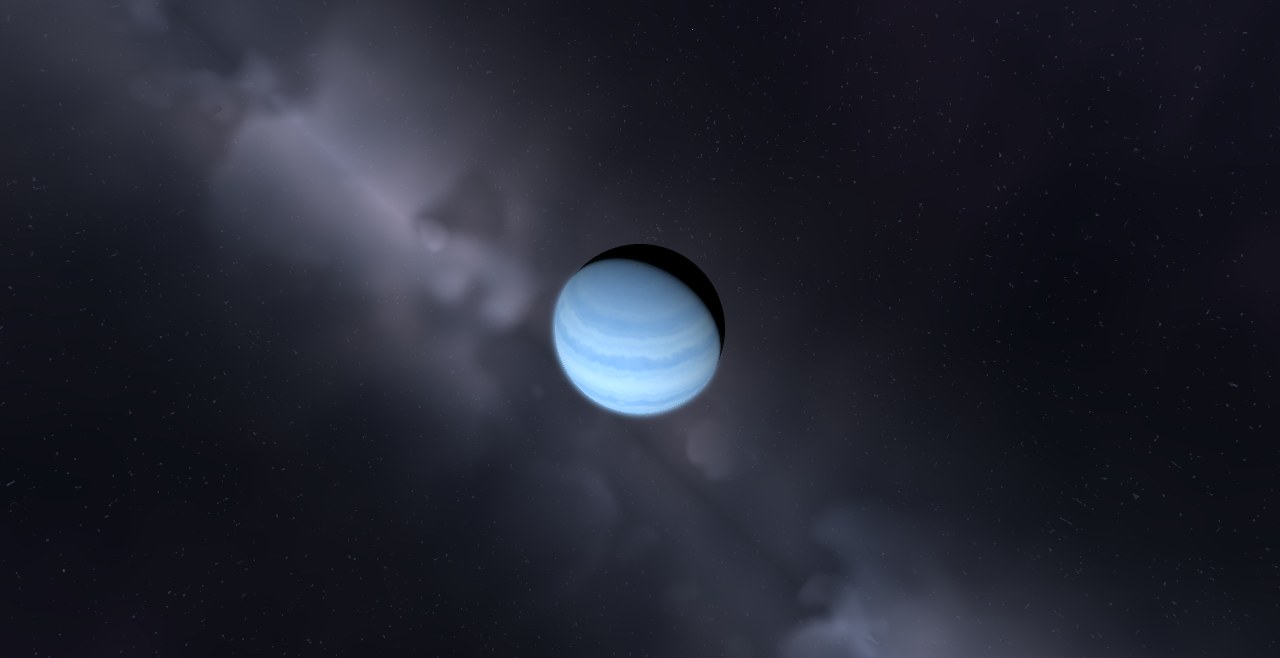
HD 104067, an orange K-type dwarf of 0.82 solar masses, and HD 104067 c, a 13.2-Earth-mass planet, with an orbital period of 13.9 days, at 0.106 AU from its star, on an eccentric orbit (e ≈ 0.29).
HD 10442, an orange K-type dwarf of 1.01 solar masses, and HD 10442 b, a 1.49-Jupiter-mass companion, with an orbital period of 2.83 years, at 2.010 AU from its star, on an eccentric orbit (e ≈ 0.13).
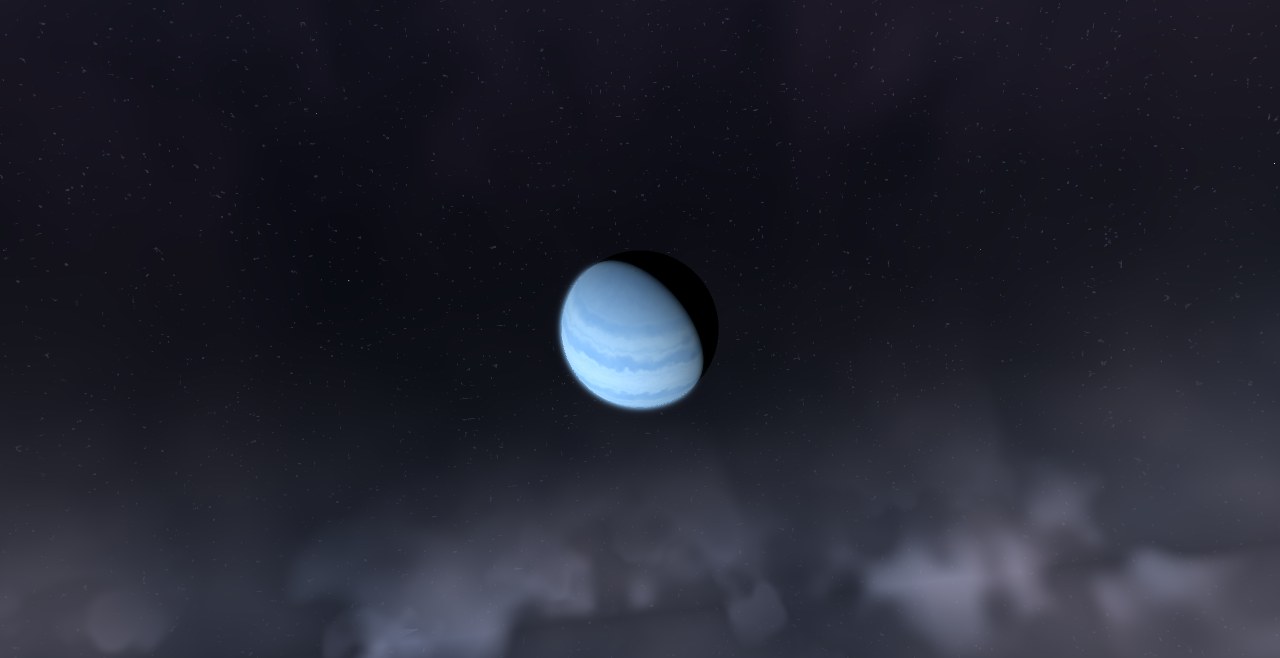
HD 104985, a Sun-like G-type star of 1.22 solar masses, and HD 104985 b, a 5.56-Jupiter-mass companion, with an orbital period of 200 days, at 0.715 AU from its star.
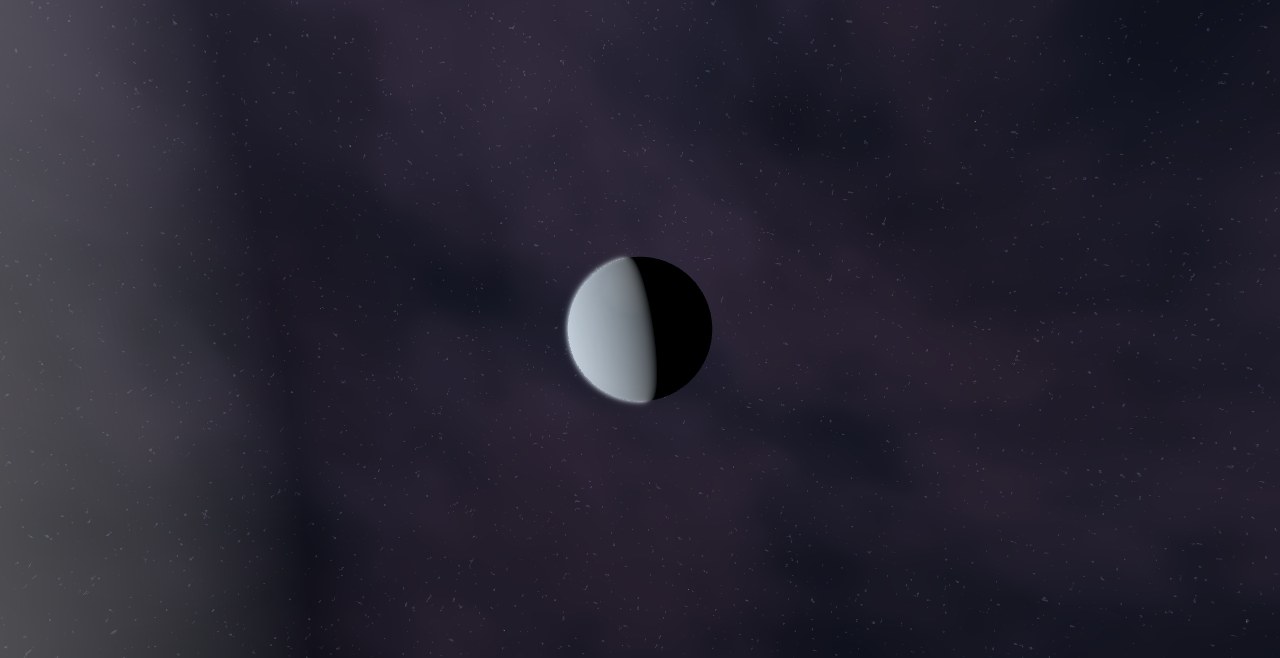
HD 105618, a Sun-like G-type star of 1.01 solar masses, and HD 105618 b, a 0.08-Jupiter-mass companion, with an orbital period of 10.0 days, at 0.091 AU from its star, on an eccentric orbit (e ≈ 0.46).
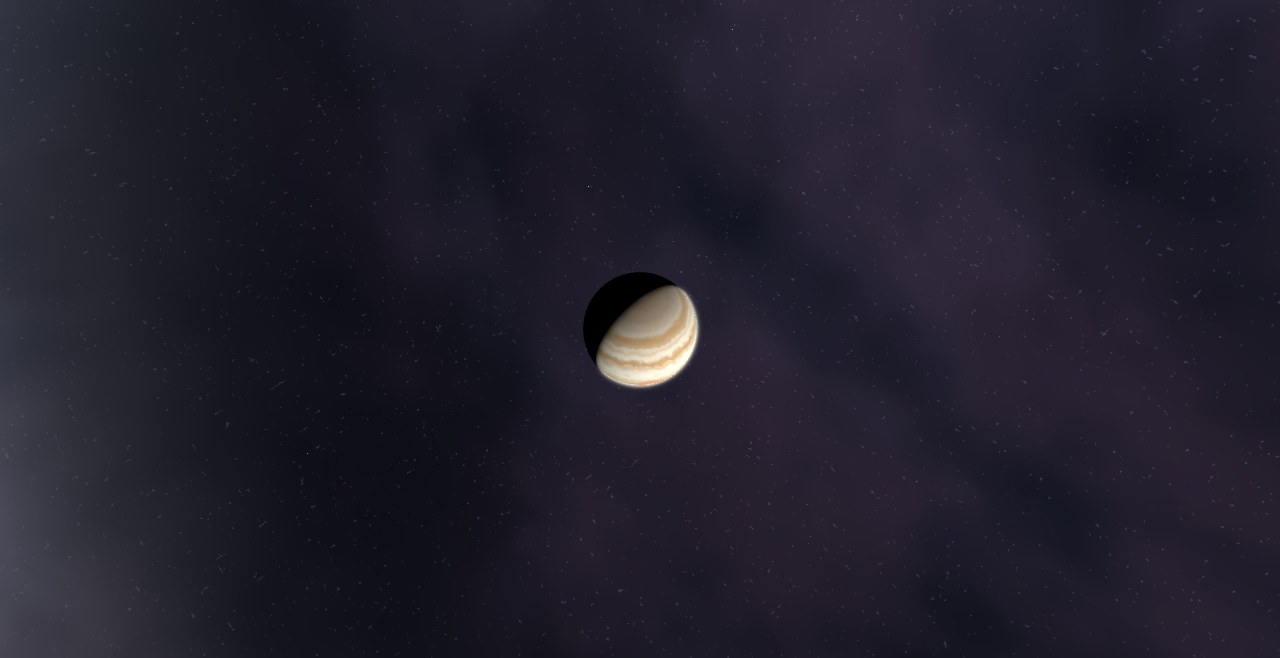
HD 105779, a Sun-like G-type star of 0.89 solar masses, and HD 105779 b, a 0.64-Jupiter-mass companion, with an orbital period of 6.60 years, at 3.380 AU from its star.
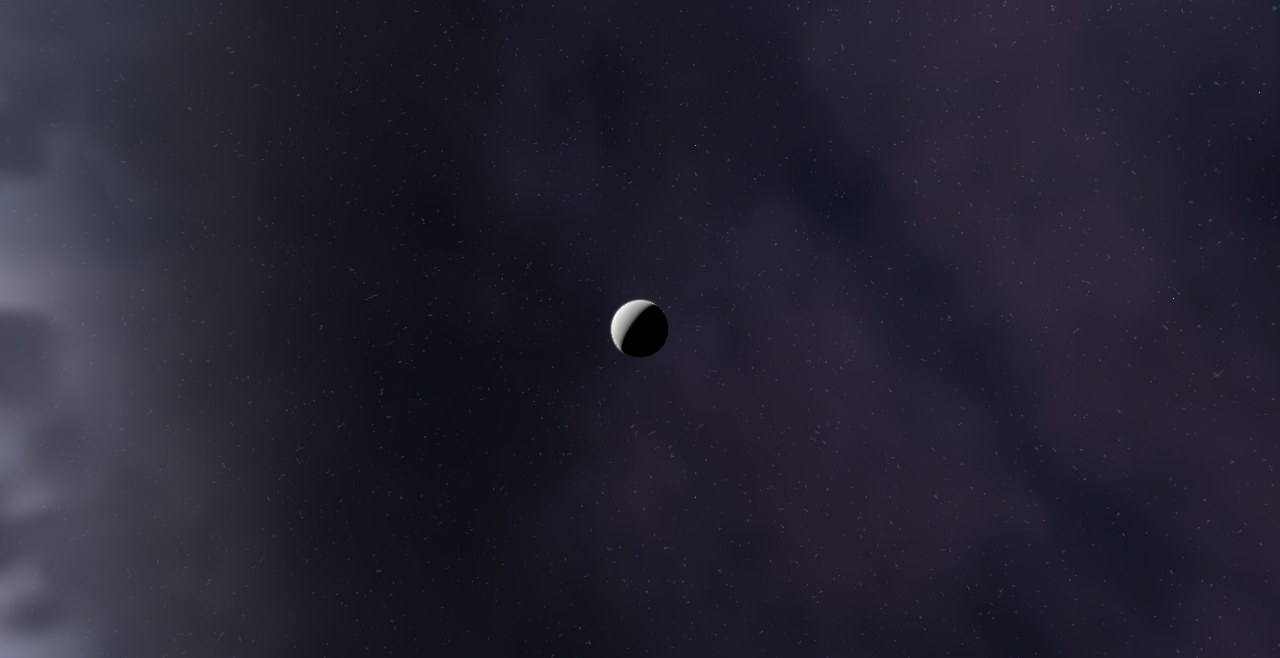
HD 106252, a Sun-like G-type star of 1.05 solar masses, and HD 106252 b, a 10.0-Jupiter-mass companion, with an orbital period of 4.20 years, at 2.655 AU from its star, on an eccentric orbit (e ≈ 0.48).
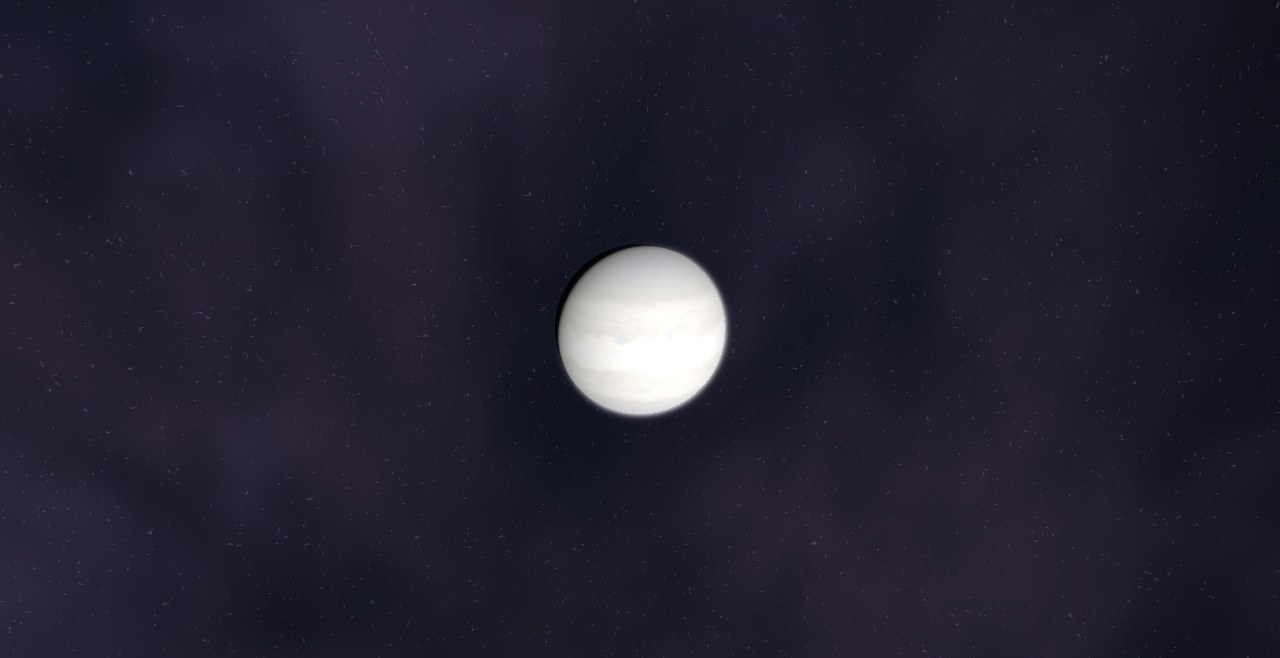
HD 106270, a Sun-like G-type star of 1.39 solar masses, and HD 106270 b, a 10.1-Jupiter-mass companion, with an orbital period of 5.17 years, at 3.340 AU from its star, on an eccentric orbit (e ≈ 0.18).
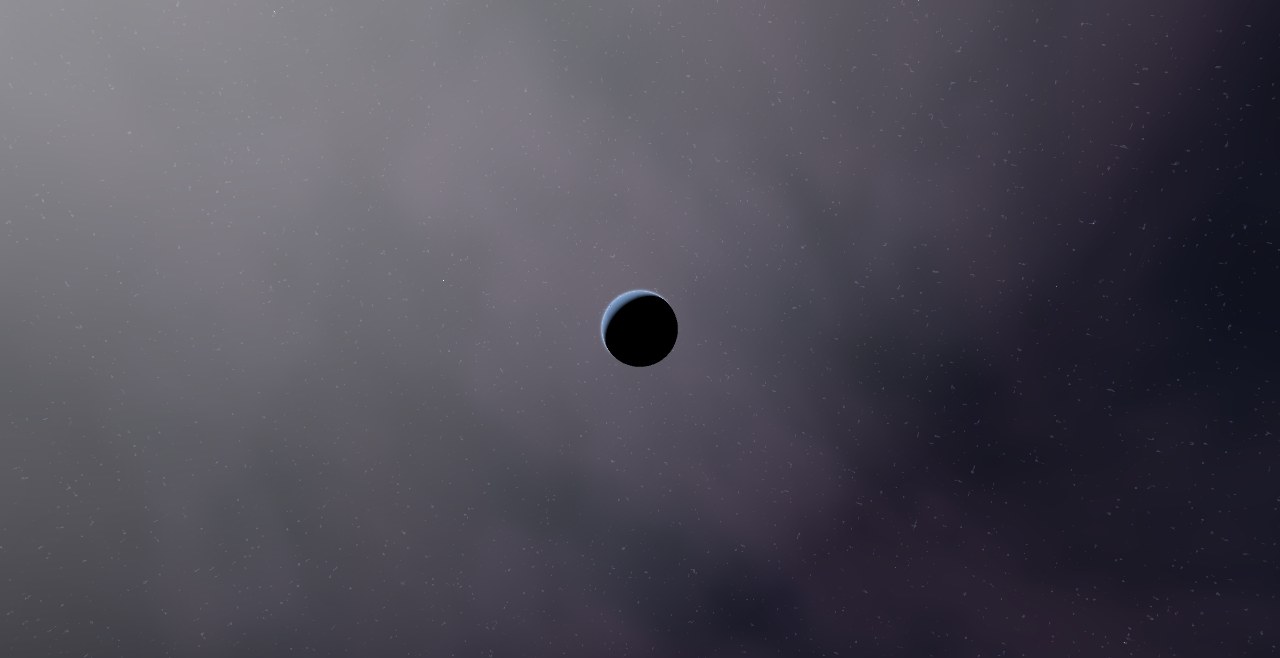
HD 106315, a Sun-like F-type star of 1.09 solar masses, and HD 106315 b, a 12.6-Earth-mass planet, with an orbital period of 9.6 days, at 0.091 AU from its star, and an equilibrium temperature near 1,153 K.
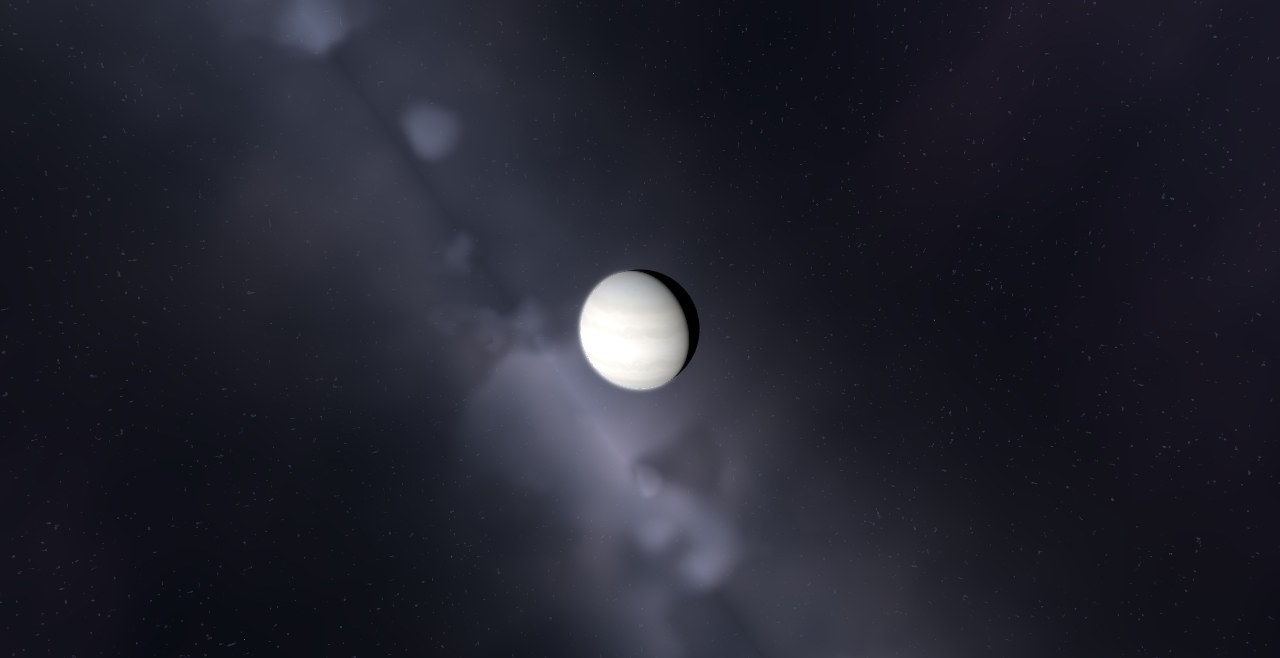
HD 10647, a Sun-like F-type star of 1.11 solar masses, and HD 10647 b, a 0.94-Jupiter-mass companion, with an orbital period of 2.71 years, at 2.015 AU from its star, on an eccentric orbit (e ≈ 0.15).
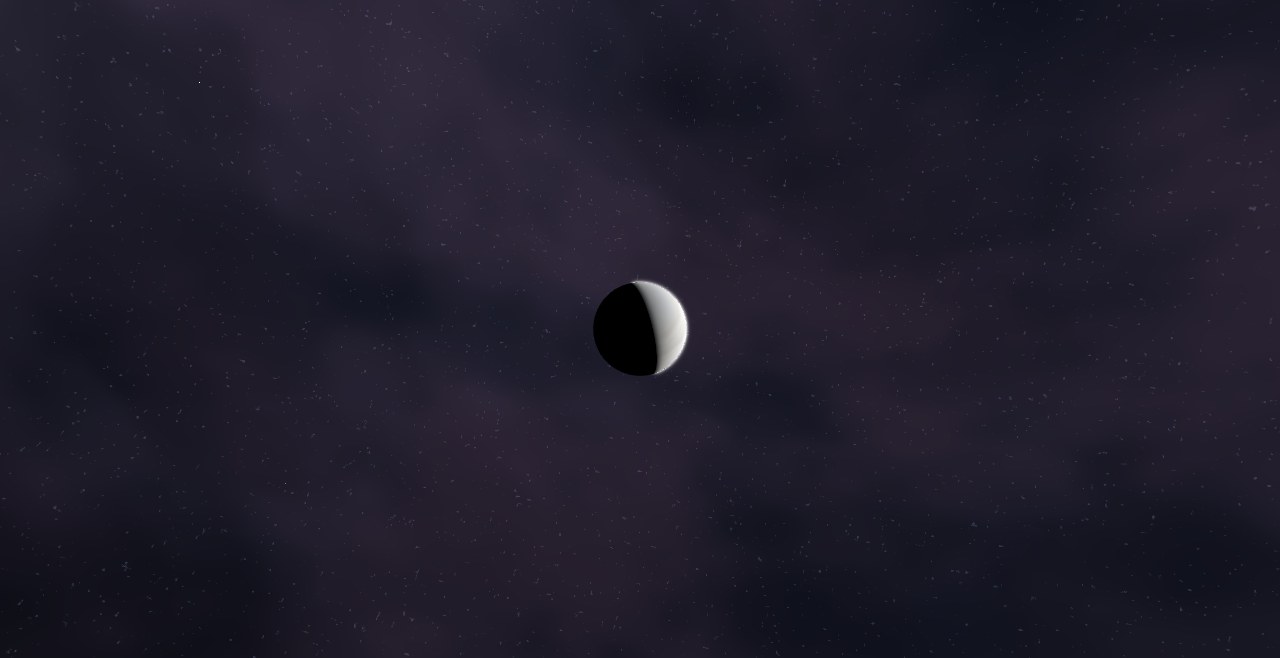
HD 106515 A, a Sun-like G-type star of 0.89 solar masses, and HD 106515 A b, a 18.9-Jupiter-mass companion, with an orbital period of 9.93 years, at 4.480 AU from its star, on an eccentric orbit (e ≈ 0.57).