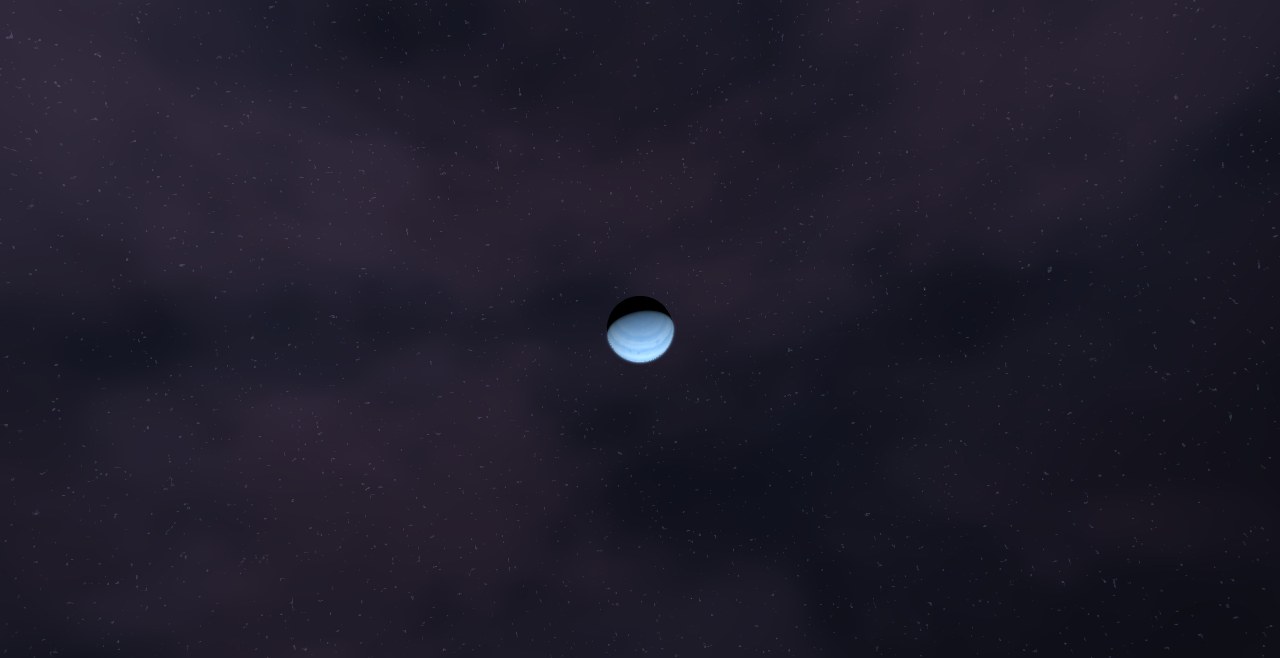
HATS-71 - System
HATS-71, a cool M-dwarf of 0.49 solar masses, and HATS-71 b, a 0.37-Jupiter-mass companion, with an orbital period of 3.8 days, at 0.037 AU from its star, and an equilibrium temperature near 587 K.
Scenarios
Discover alien solar systems and explore worlds far beyond our own. Simulate extreme orbital environments, habitable zones, and tightly packed resonant chains discovered by modern astronomy, all mapped accurately from real exoplanetary discovery data.
Share
HATS-71, a cool M-dwarf of 0.49 solar masses, and HATS-71 b, a 0.37-Jupiter-mass companion, with an orbital period of 3.8 days, at 0.037 AU from its star, and an equilibrium temperature near 587 K.
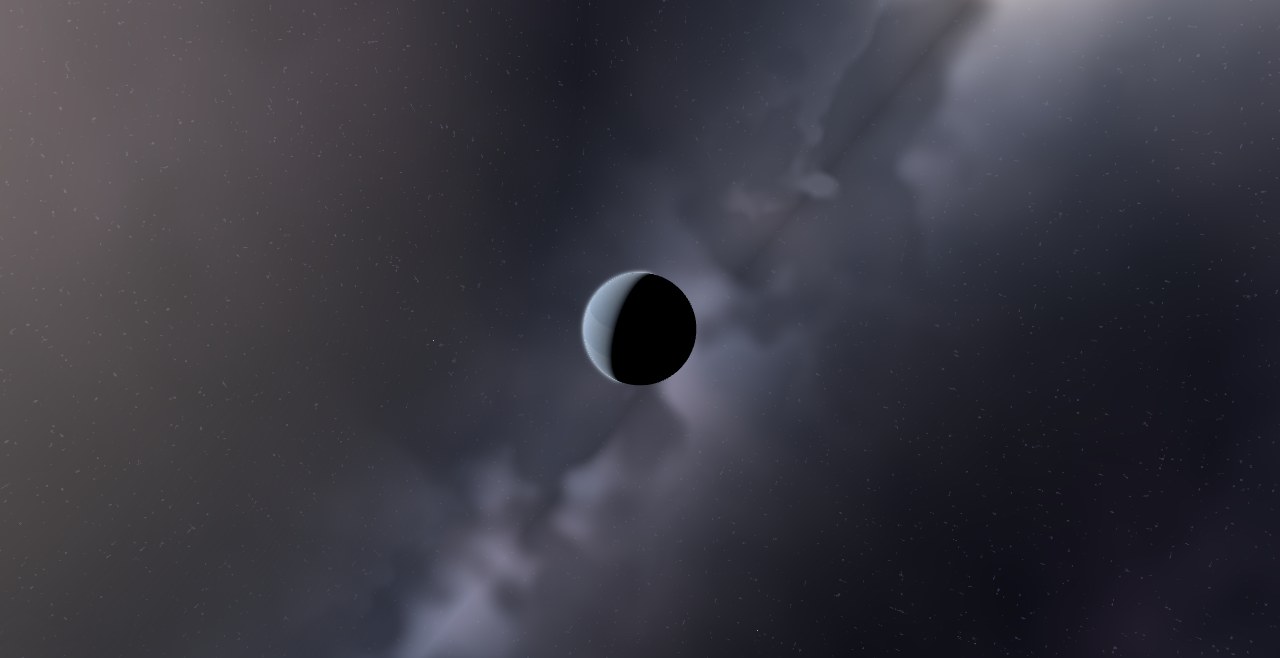
HATS-72, an orange K-type dwarf of 0.73 solar masses, and HATS-72 b, a 0.13-Jupiter-mass companion, with an orbital period of 7.3 days, at 0.067 AU from its star, and an equilibrium temperature near 739 K.
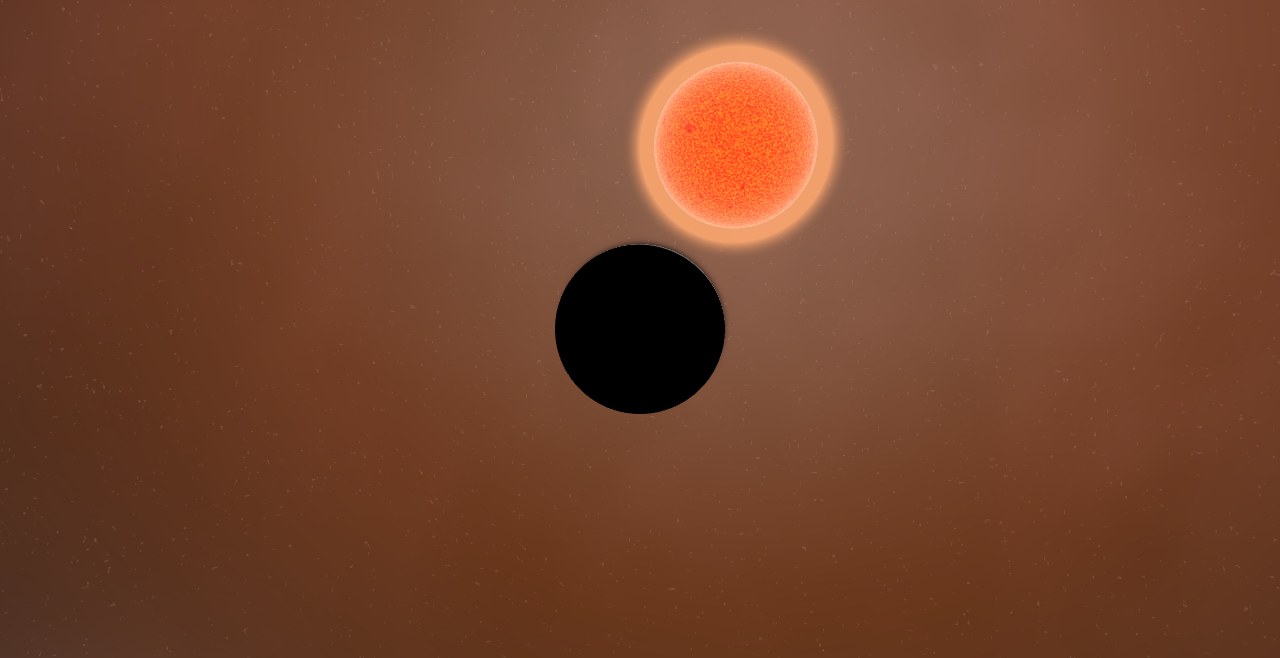
HATS-74 A, an orange K-type dwarf of 0.60 solar masses, and HATS-74 A b, a 1.46-Jupiter-mass companion, with an orbital period of 1.7 days, at 0.024 AU from its star, and an equilibrium temperature near 895 K.
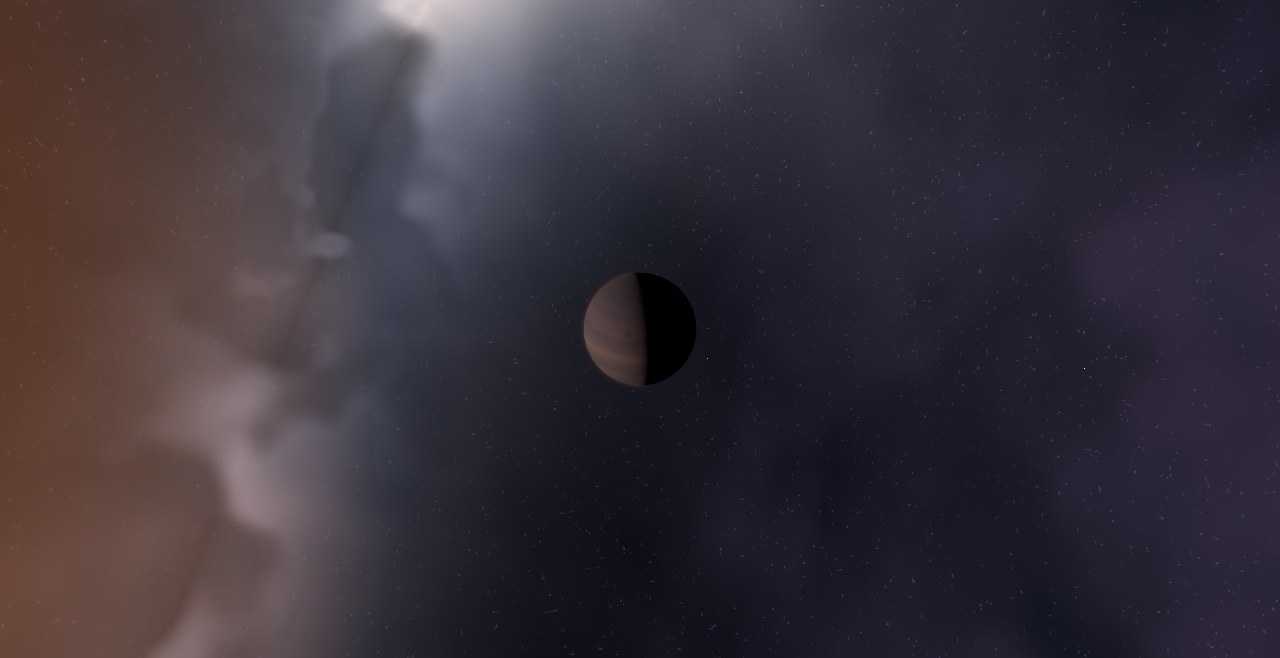
HATS-75, an orange K-type dwarf of 0.60 solar masses, and HATS-75 b, a 0.49-Jupiter-mass companion, with an orbital period of 2.8 days, at 0.033 AU from its star, and an equilibrium temperature near 772 K.
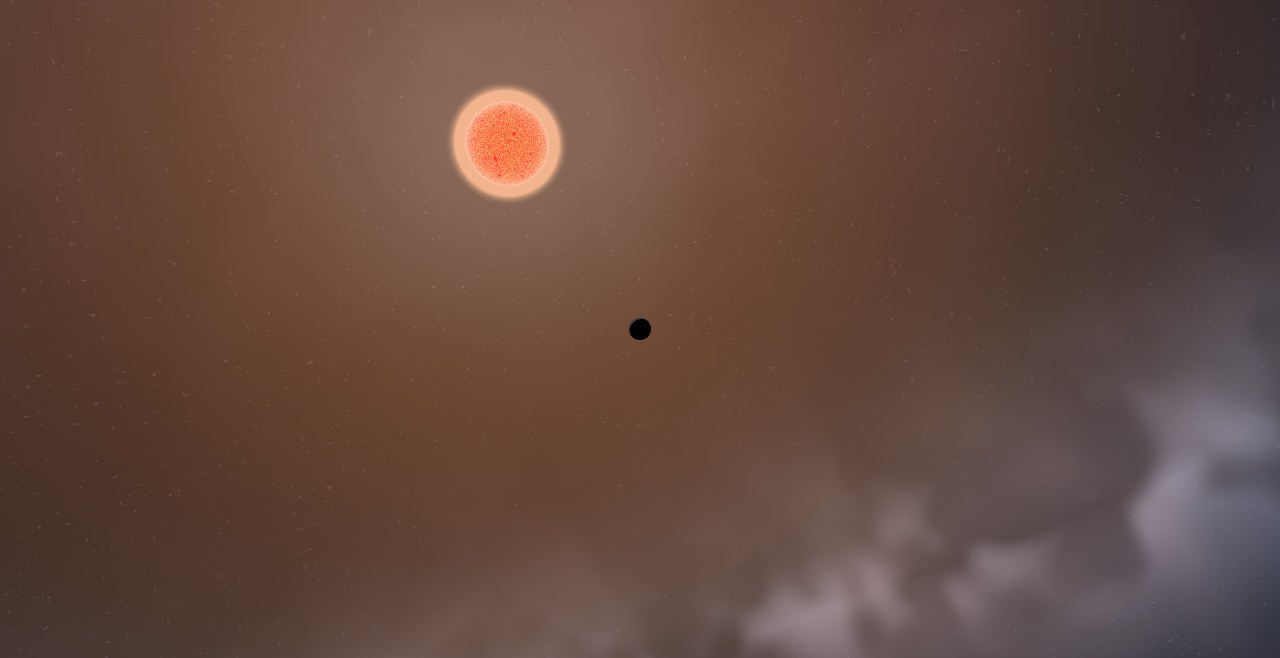
HATS-76, an orange K-type dwarf of 0.66 solar masses, and HATS-76 b, a 2.63-Jupiter-mass companion, with an orbital period of 1.9 days, at 0.027 AU from its star, and an equilibrium temperature near 940 K.
HATS-77, an orange K-type dwarf of 0.66 solar masses, and HATS-77 b, a 1.37-Jupiter-mass companion, with an orbital period of 3.1 days, at 0.036 AU from its star, and an equilibrium temperature near 828 K.
HATS-8, a Sun-like G-type star of 1.06 solar masses, and HATS-8 b, a 0.14-Jupiter-mass companion, with an orbital period of 3.6 days, at 0.047 AU from its star, and an equilibrium temperature near 1,324 K.
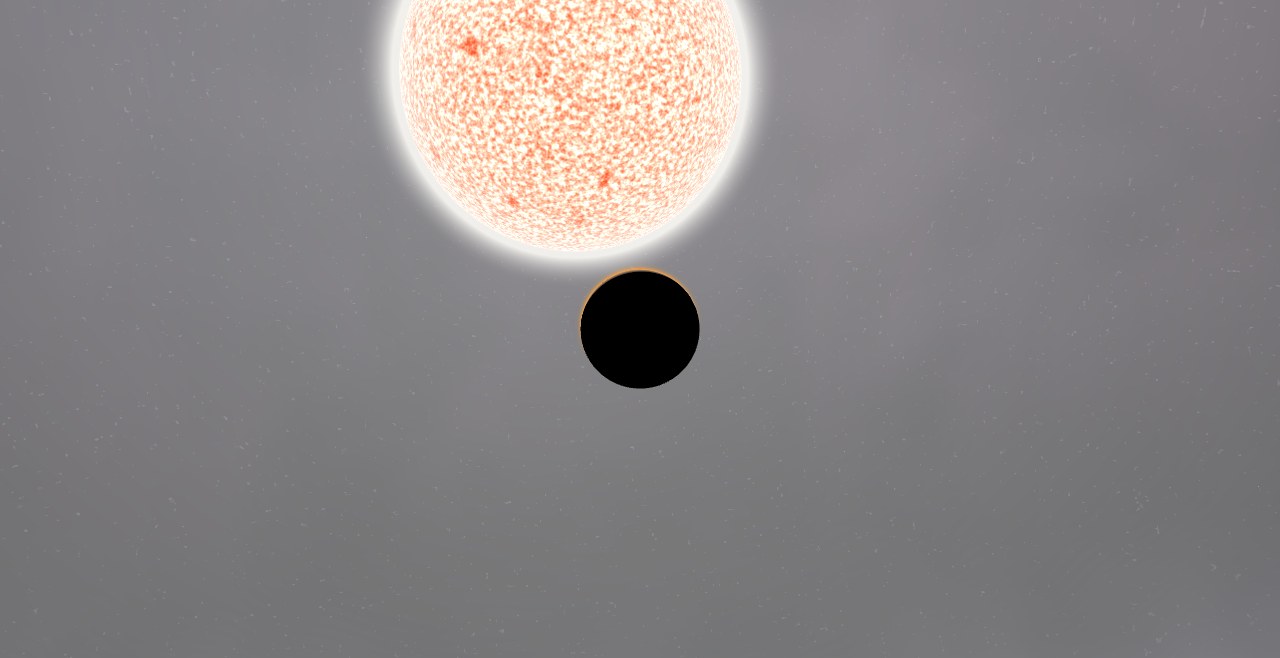
HATS-9, a Sun-like G-type star of 1.10 solar masses, and HATS-9 b, a planet with 13.8 Earth radii, with an orbital period of 1.9 days, at 0.031 AU from its star, and an equilibrium temperature near 1,746 K.
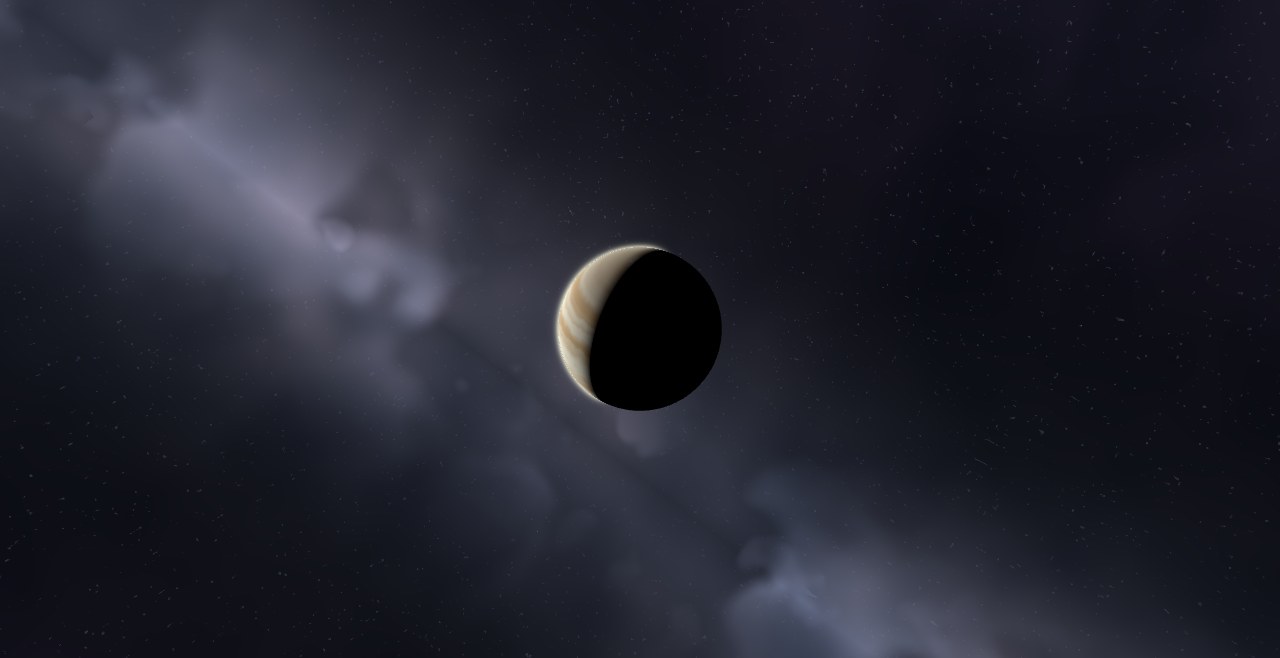
HD 100508, an orange K-type dwarf of 0.94 solar masses, and HD 100508 b, a 1.20-Jupiter-mass companion, with an orbital period of 15.6 years, at 6.110 AU from its star, on an eccentric orbit (e ≈ 0.42).
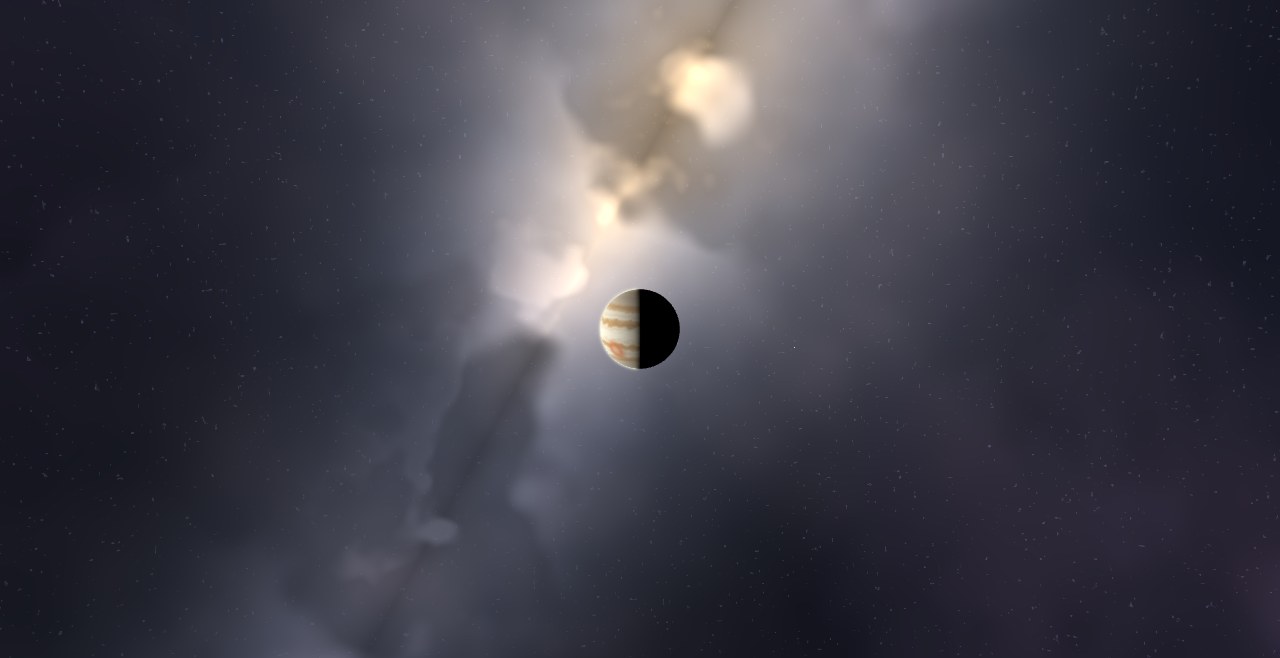
HD 100546, a hot B-type star of 2.40 solar masses, and HD 100546 b, a 8.50-Jupiter-mass companion, at 53.0 AU from its star.
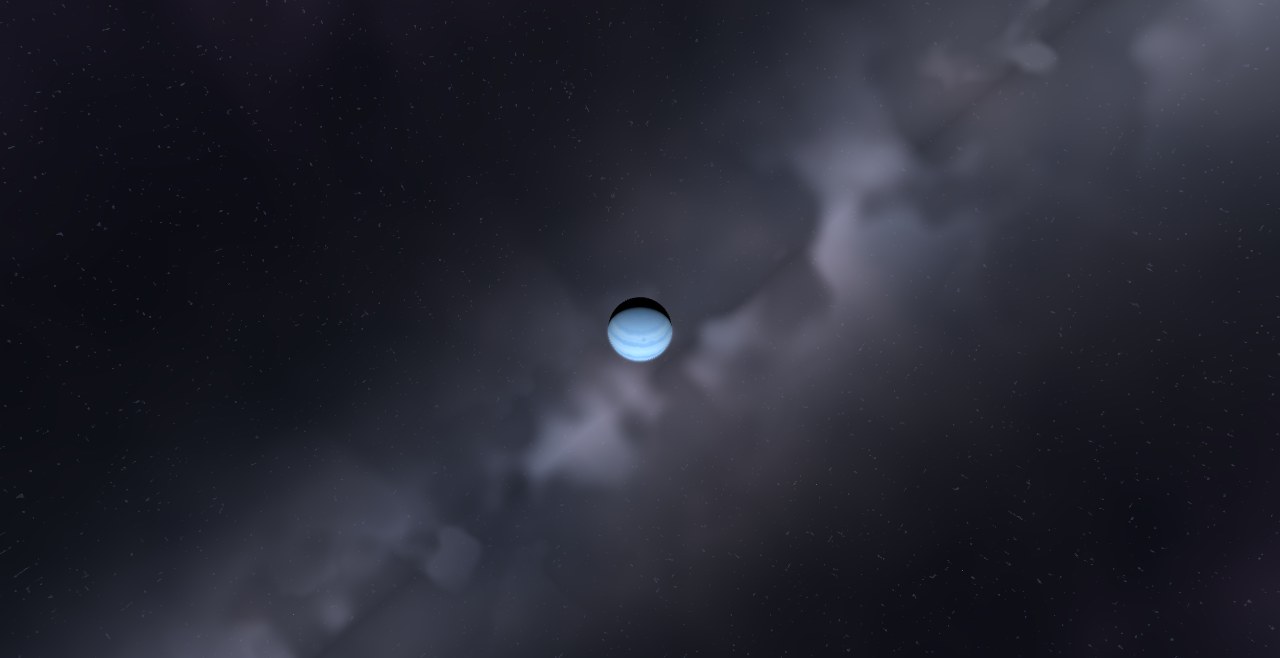
HD 100655, an orange K-type dwarf of 2.28 solar masses, and HD 100655 b, a 1.61-Jupiter-mass companion, with an orbital period of 158 days, at 0.680 AU from its star, on an eccentric orbit (e ≈ 0.09).
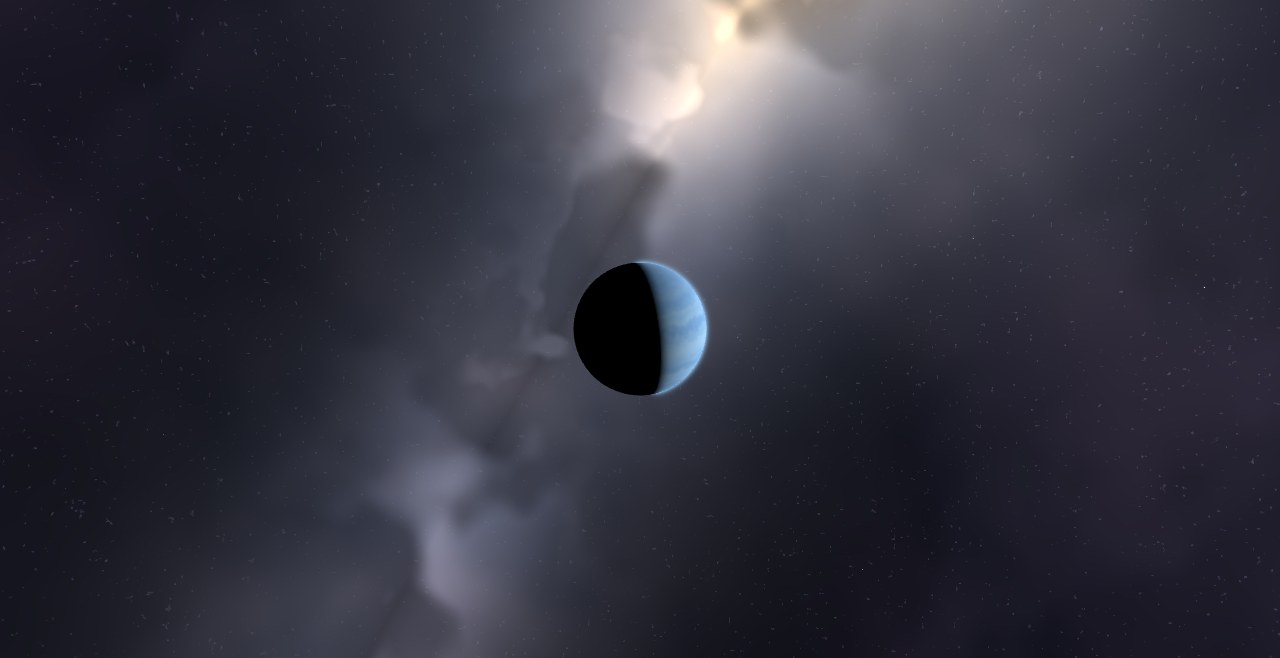
HD 100777, a Sun-like G-type star of 1.08 solar masses, and HD 100777 b, a 1.23-Jupiter-mass companion, with an orbital period of 1.05 years, at 1.060 AU from its star, on an eccentric orbit (e ≈ 0.38).
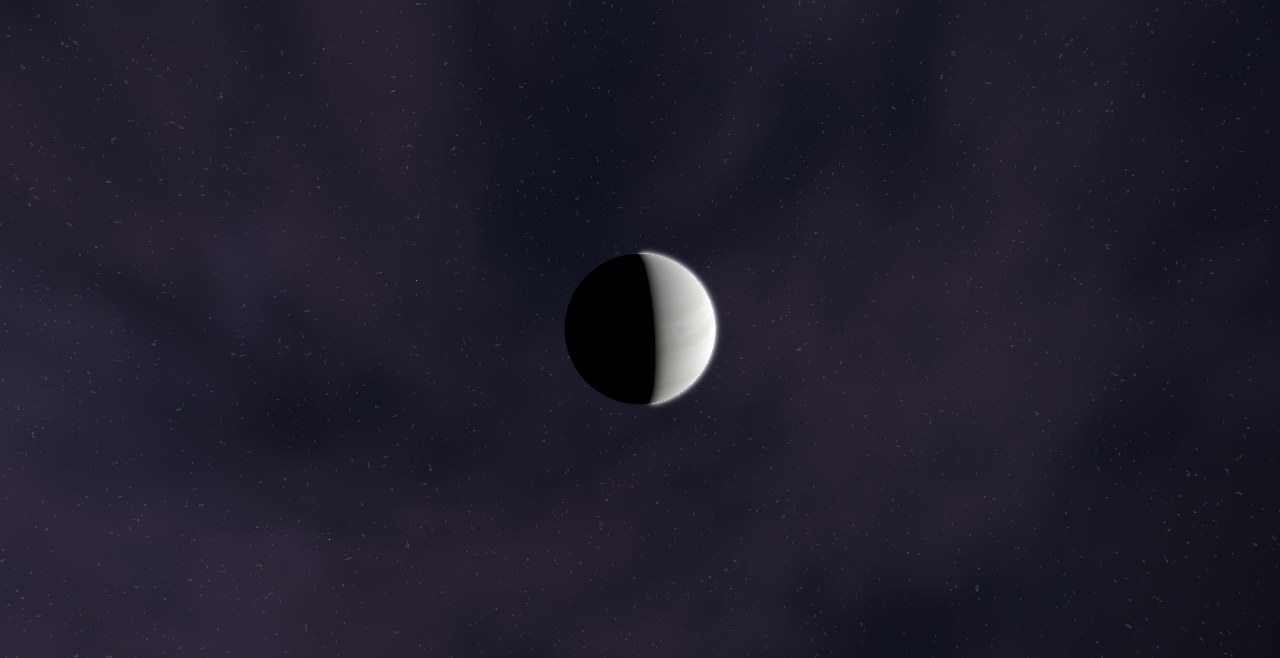
HD 10180, one of the richest radial-velocity systems. At least six planets, mostly packed inside Earth's orbit, orbit this quiet Sun-like star.
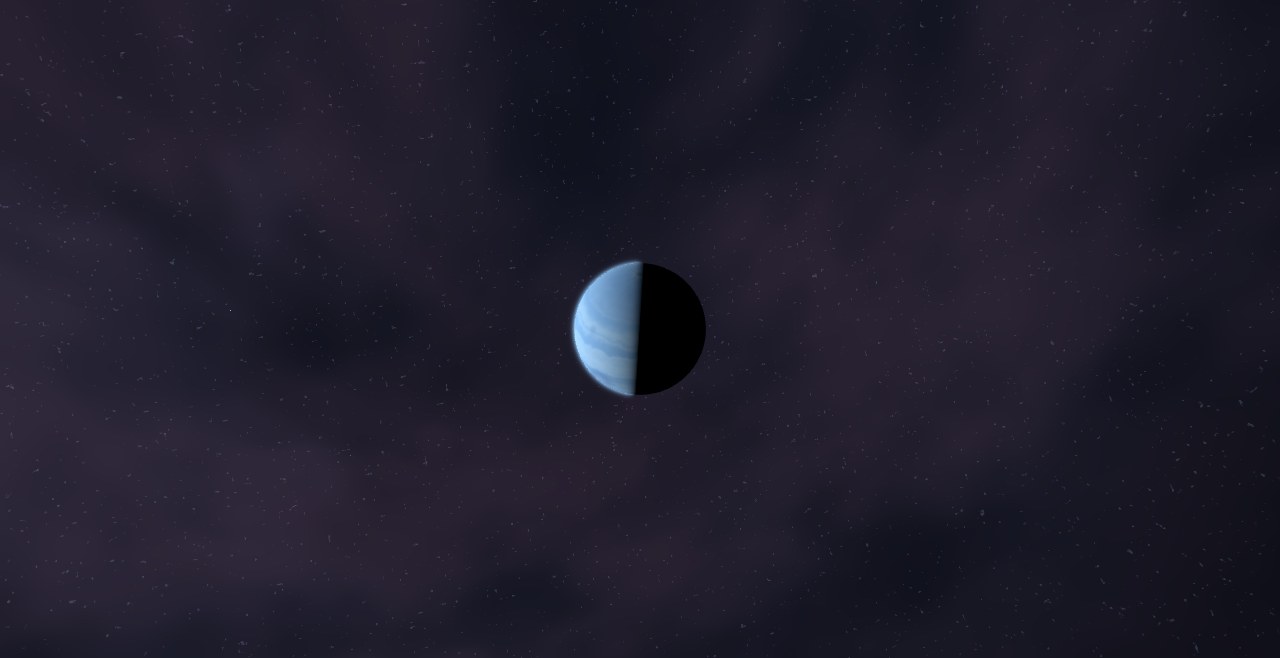
HD 101930, an orange K-type dwarf of 0.57 solar masses, and HD 101930 b, a 0.25-Jupiter-mass companion, with an orbital period of 70.5 days, at 0.300 AU from its star, on an eccentric orbit (e ≈ 0.11).
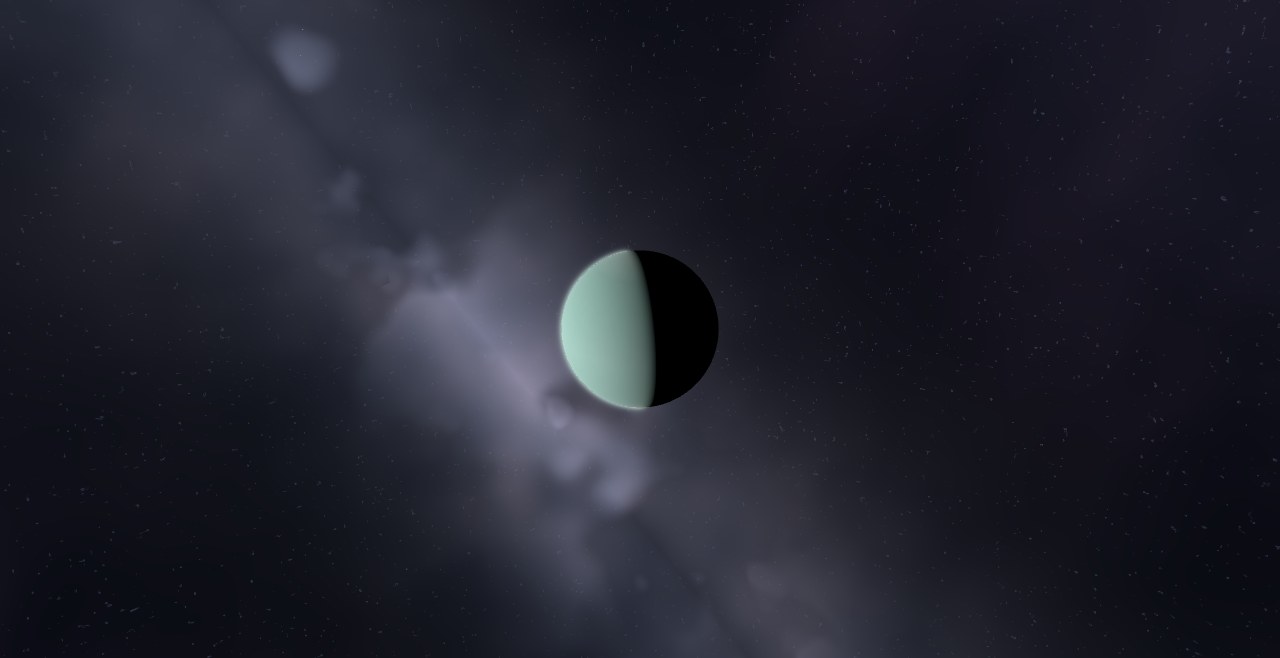
HD 102117, a Sun-like G-type star of 1.06 solar masses, and HD 102117 b, a 0.17-Jupiter-mass companion, with an orbital period of 20.8 days, at 0.150 AU from its star, on an eccentric orbit (e ≈ 0.12).
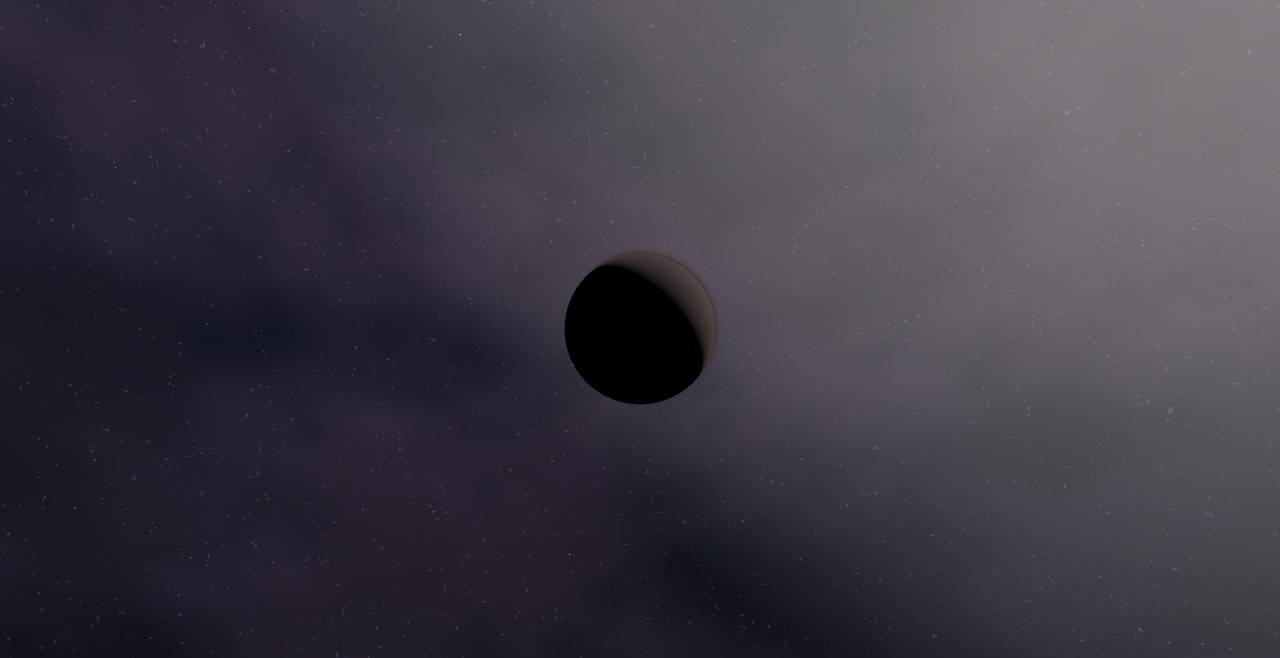
HD 102195, a Sun-like G-type star of 0.76 solar masses, and HD 102195 b, a 0.41-Jupiter-mass companion, with an orbital period of 4.1 days, at 0.050 AU from its star.
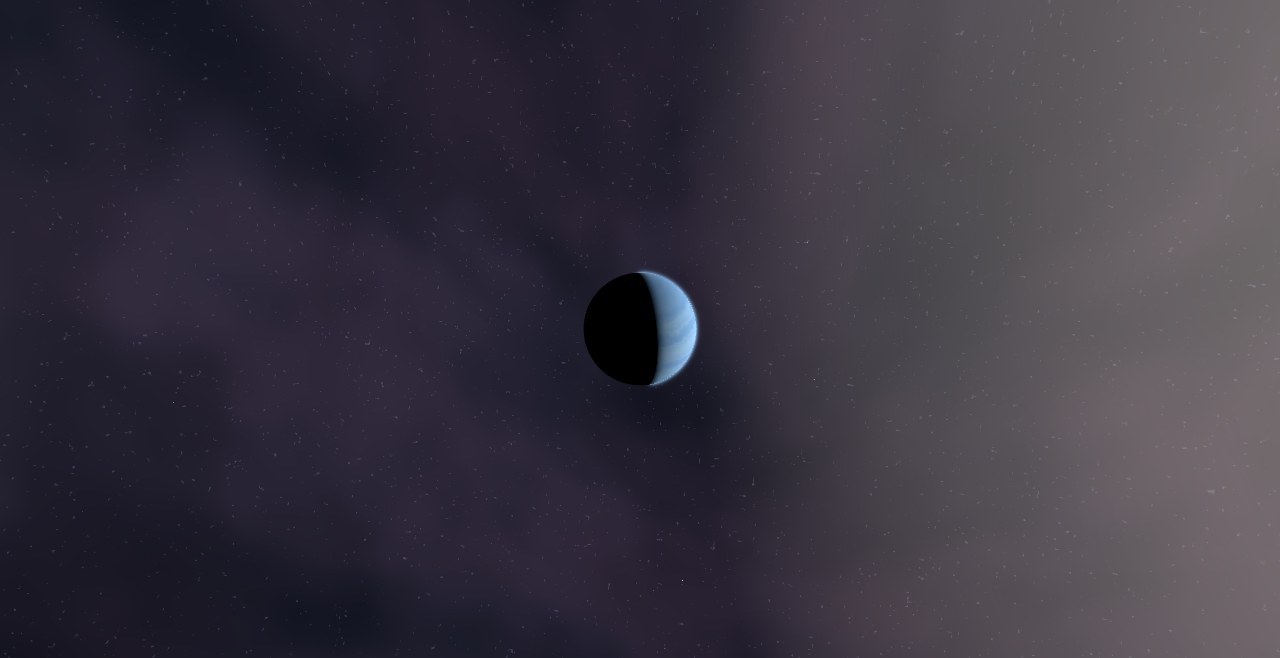
HD 102272, an orange K-type dwarf of 1.45 solar masses, and HD 102272 b, a 4.94-Jupiter-mass companion, with an orbital period of 128 days, at 0.510 AU from its star.
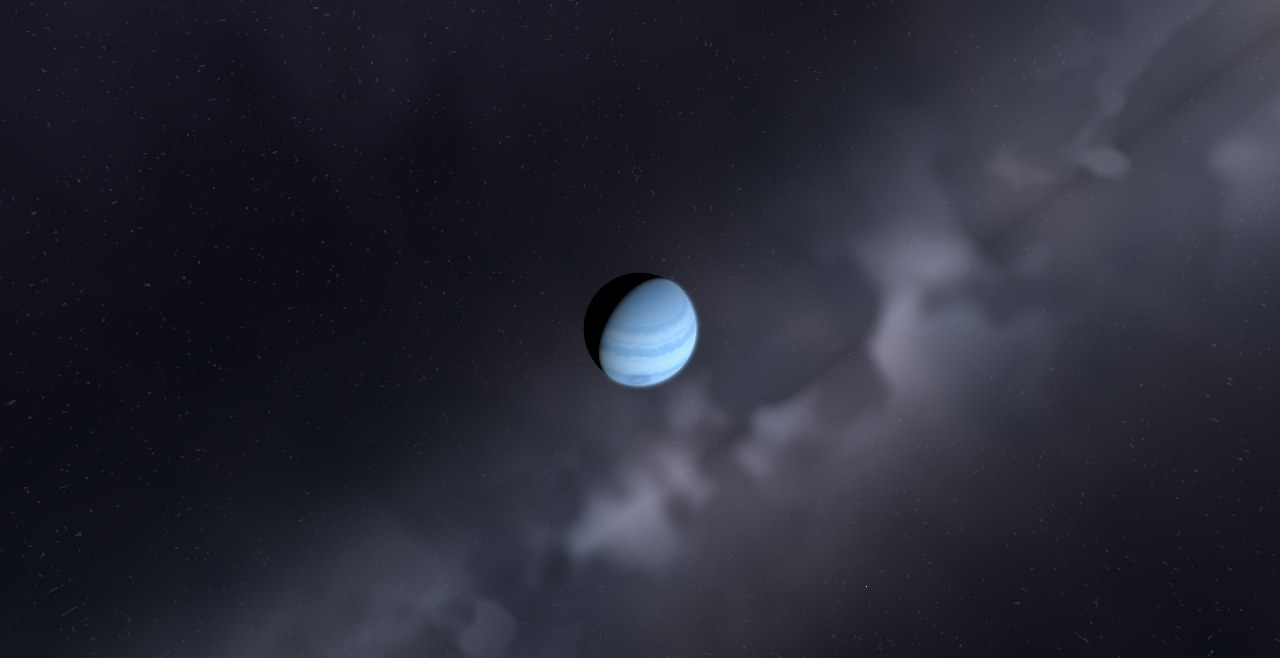
HD 102329, an orange K-type dwarf of 3.21 solar masses, and HD 102329 b, a 8.16-Jupiter-mass companion, with an orbital period of 2.13 years, at 1.810 AU from its star, on an eccentric orbit (e ≈ 0.21).