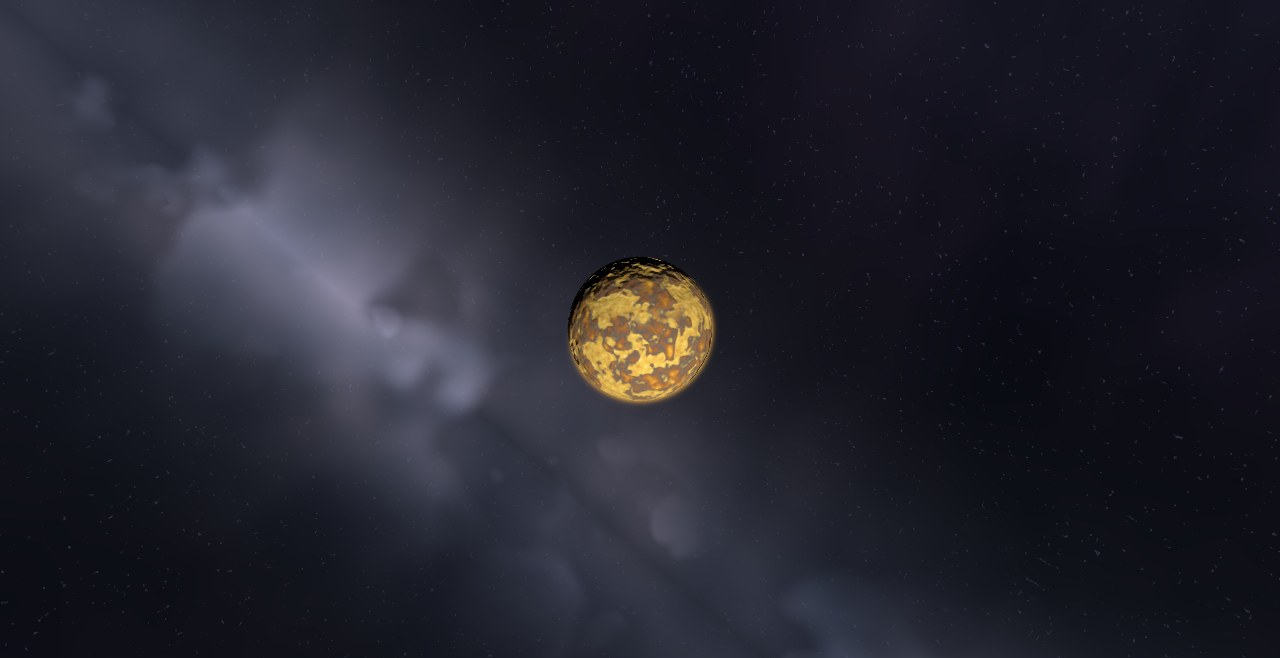
Kepler-398 - System
Kepler-398, an orange K-type dwarf of 0.72 solar masses, and Kepler-398 b, a planet with 0.9 Earth radii, with an orbital period of 4.1 days, at 0.044 AU from its star.
Exoplanets
Model multi-planet architectures to see how three competing gravitational forces pull on each other over millions of simulation years.
Share
Kepler-398, an orange K-type dwarf of 0.72 solar masses, and Kepler-398 b, a planet with 0.9 Earth radii, with an orbital period of 4.1 days, at 0.044 AU from its star.
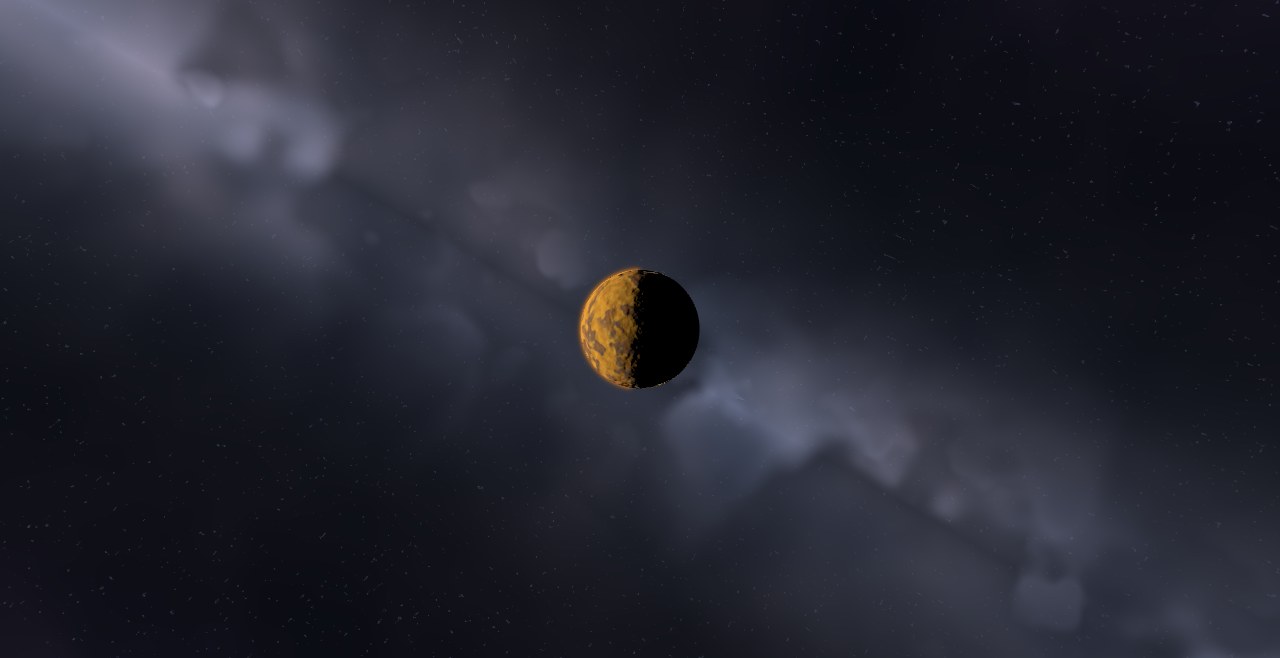
Kepler-399, a Sun-like G-type star of 0.90 solar masses, and Kepler-399 b, a planet with 1.0 Earth radii, with an orbital period of 14.4 days, at 0.103 AU from its star.
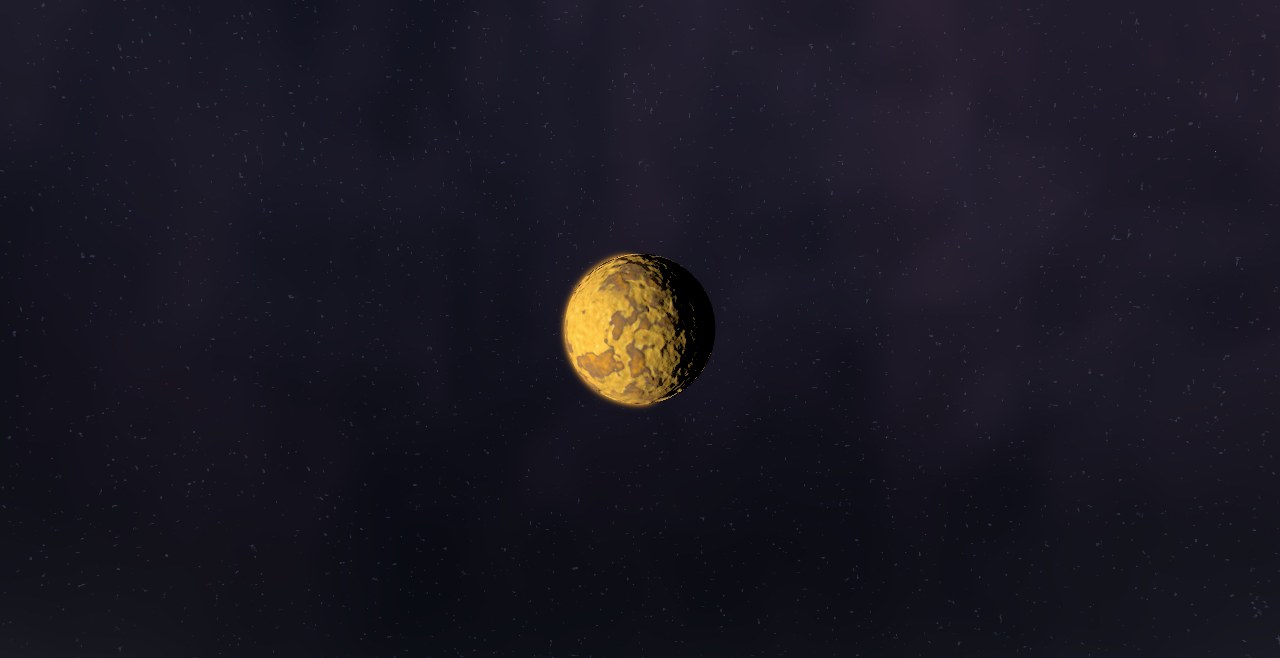
Kepler-401, a Sun-like F-type star of 1.17 solar masses, and Kepler-401 b, a planet with 1.7 Earth radii, with an orbital period of 14.4 days, at 0.122 AU from its star.
Kepler-403, a Sun-like F-type star of 1.25 solar masses, and Kepler-403 b, a planet with 1.3 Earth radii, with an orbital period of 7.0 days, at 0.076 AU from its star.
Kepler-416, a Sun-like G-type star of 0.95 solar masses, and Kepler-416 d, a planet with 1.6 Earth radii, with an orbital period of 3.1 days, at 0.041 AU from its star, and an equilibrium temperature near.
Kepler-42, three planets smaller than Earth around a tiny red dwarf. The whole system would fit well inside Mercury's orbit. All three planets are smaller than Earth itself.
Kepler-431, a Sun-like F-type star of 1.07 solar masses, and Kepler-431 b, a planet with 0.8 Earth radii, with an orbital period of 6.8 days, at 0.072 AU from its star, and an equilibrium temperature near.
Kepler-445, a cool M-dwarf of 0.18 solar masses, and Kepler-445 b, a planet with 1.6 Earth radii, with an orbital period of 3.0 days.
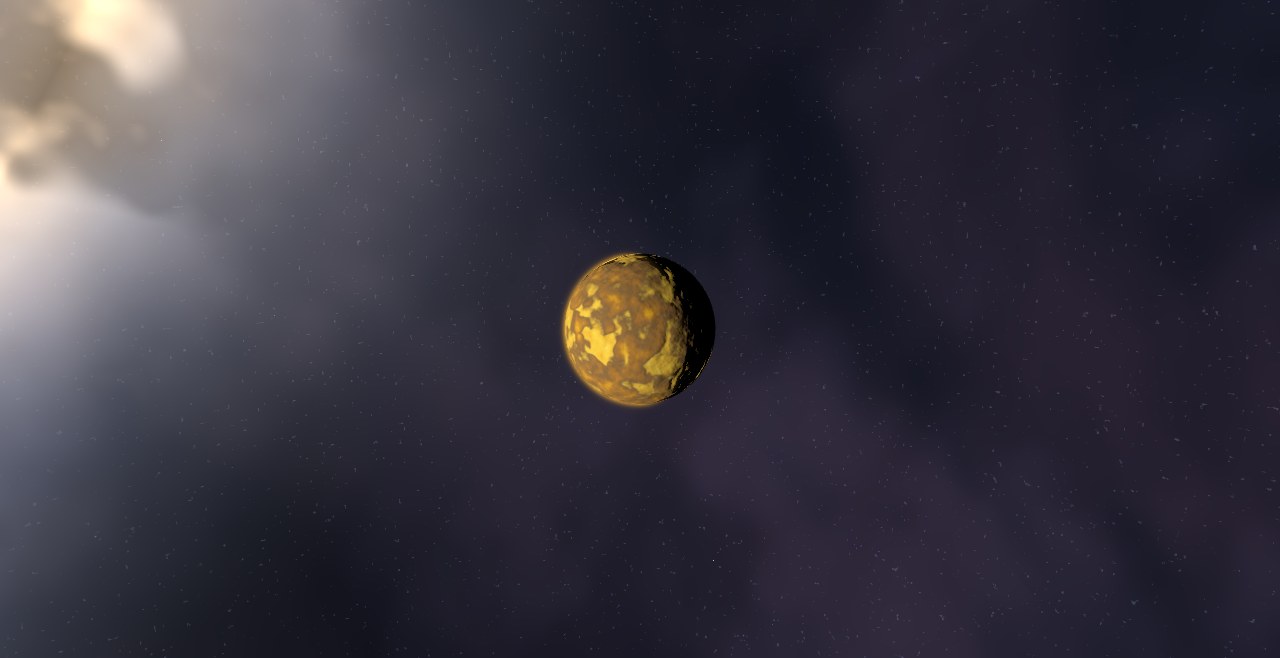
Kepler-446, a cool M-dwarf of 0.22 solar masses, and Kepler-446 b, a planet with 1.5 Earth radii, with an orbital period of 1.6 days.
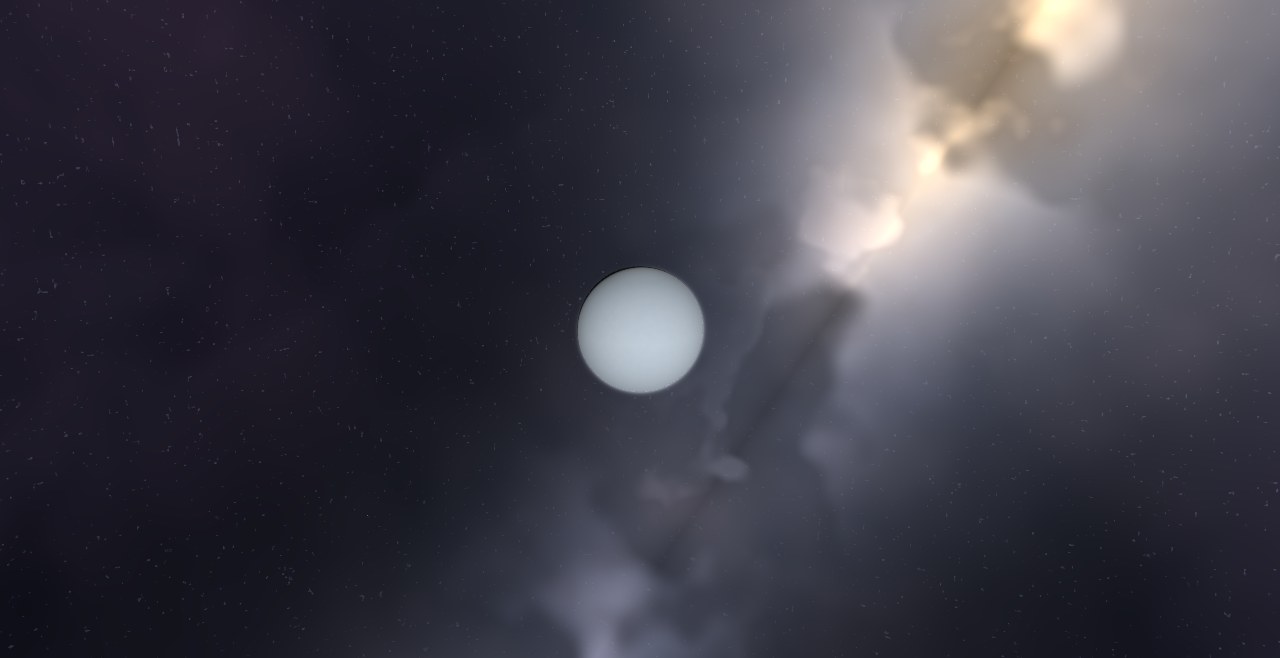
Kepler-450, a Sun-like F-type star of 1.19 solar masses, and Kepler-450 d, a planet with 0.8 Earth radii, with an orbital period of 7.5 days, on an eccentric orbit (e ≈ 0.14).
Kepler-454, a Sun-like G-type star of 1.03 solar masses, and Kepler-454 b, a 5.4-Earth-mass planet, with an orbital period of 10.6 days, at 0.095 AU from its star, and an equilibrium temperature near 916 K.
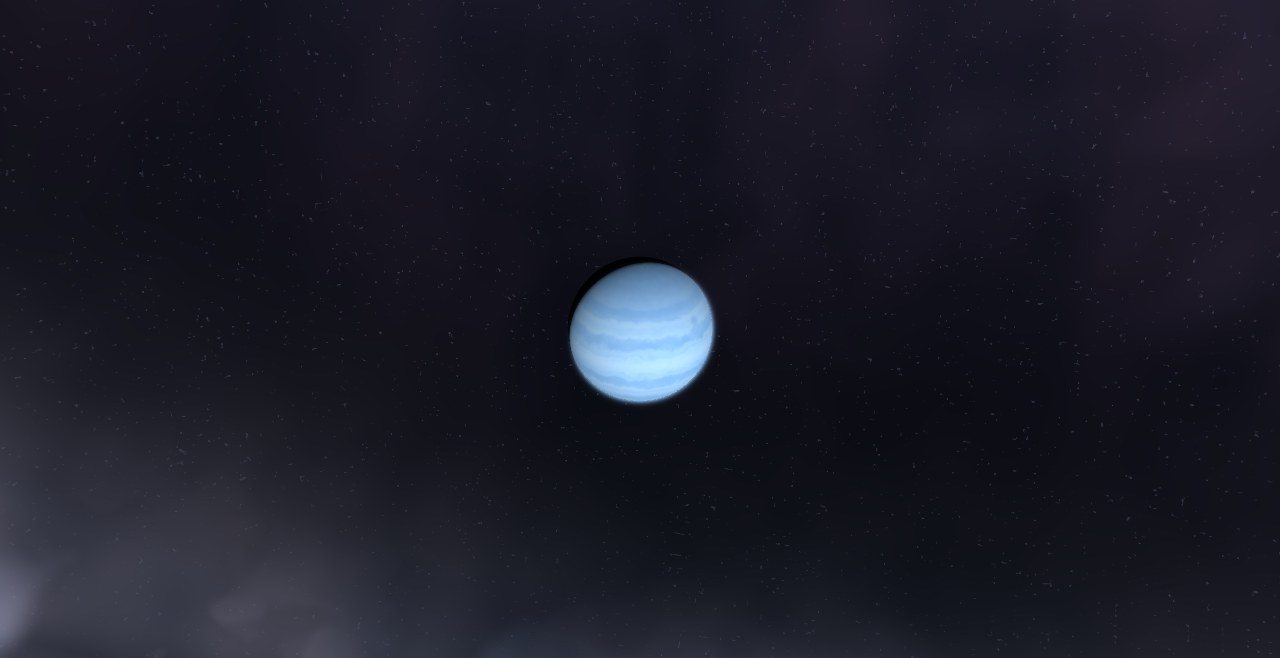
Kepler-46, an orange K-type dwarf of 0.90 solar masses, and Kepler-46 d, a planet with 1.6 Earth radii, with an orbital period of 6.8 days, at 0.067 AU from its star.
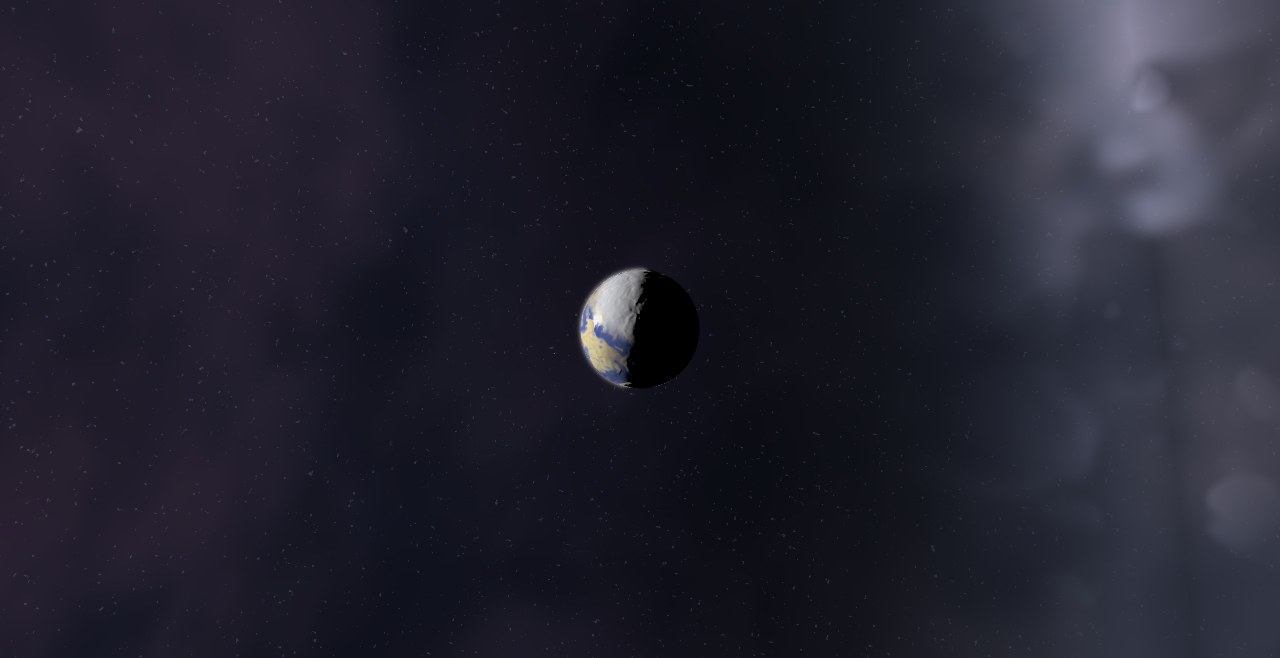
Kepler-47, the first multi-planet system around two stars. At least one of its circumbinary worlds sits near the binary's habitable zone. The stellar pair itself eclipses about every week.
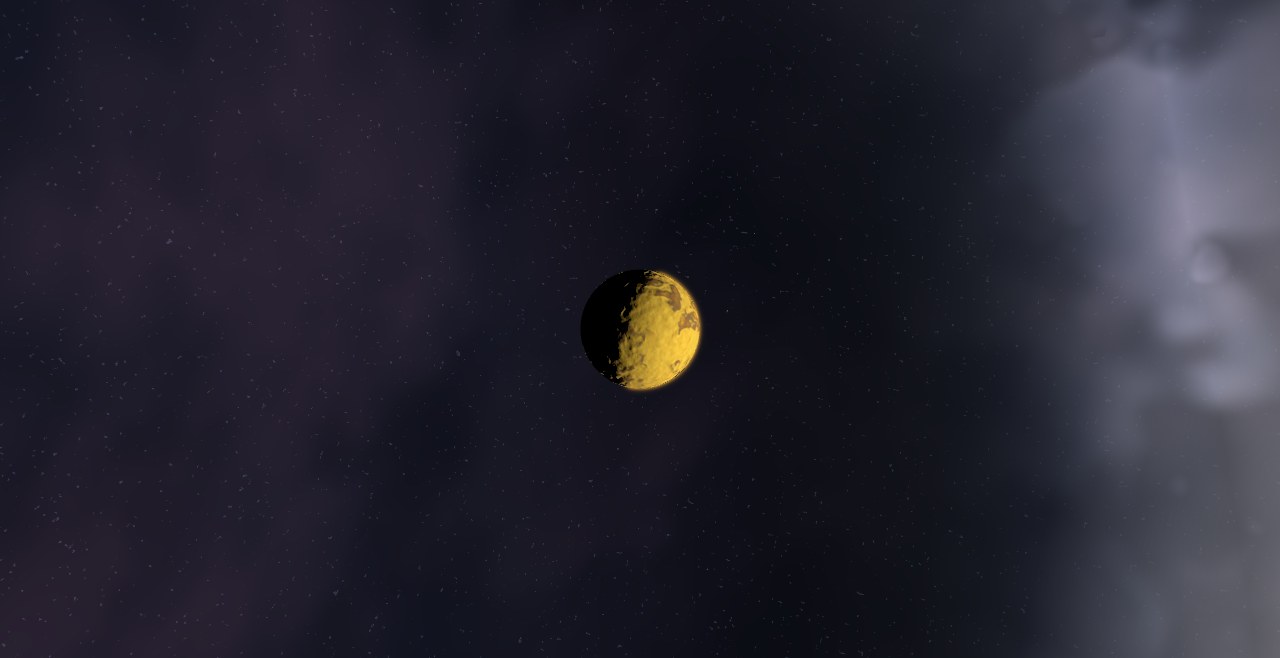
Kepler-487, a Sun-like G-type star of 0.87 solar masses, and Kepler-487 d, a planet with 2.8 Earth radii, with an orbital period of 2.4 days.
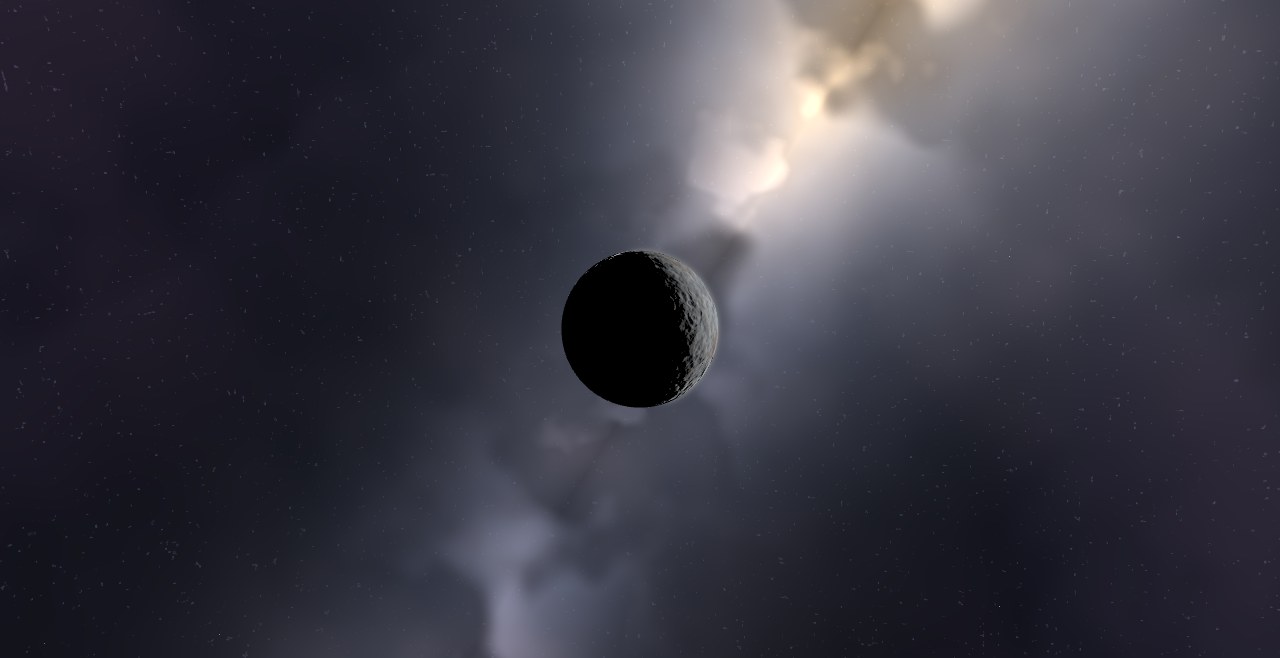
Kepler-51, the super-puff system. These planets are nearly as large as Jupiter but only a few Earth masses — cotton-candy densities. Planets b, c, and d are all super-puffs.
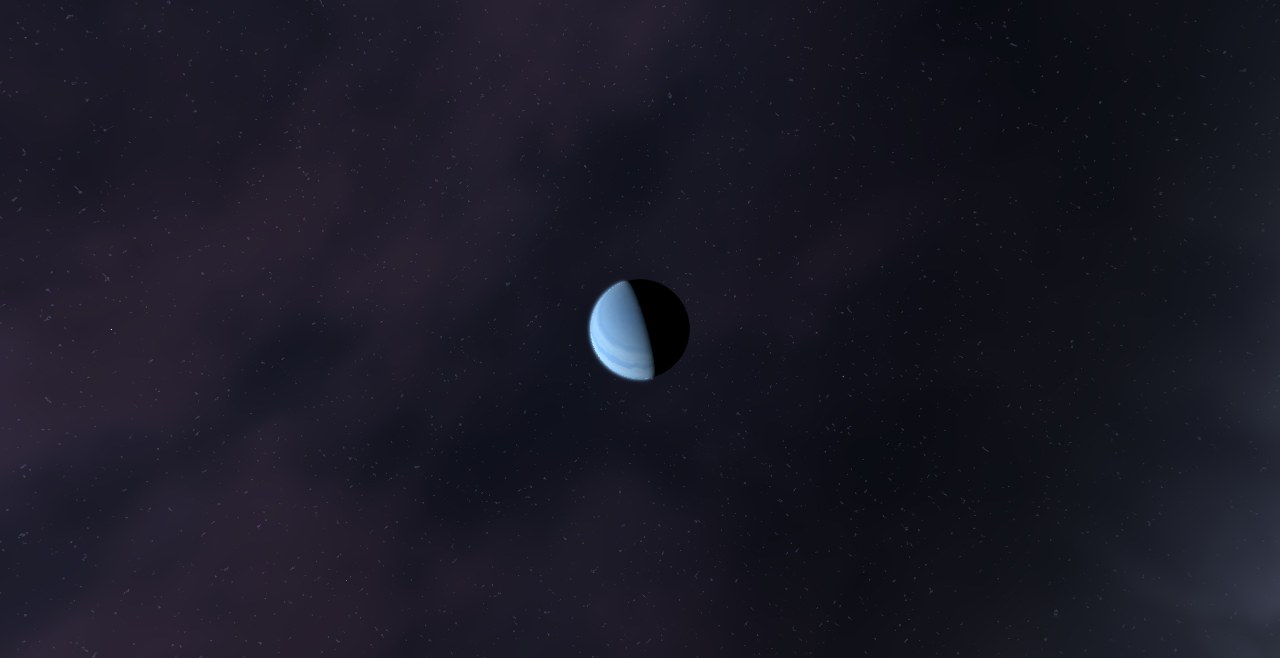
Kepler-52, an orange K-type dwarf of 0.54 solar masses, and Kepler-52 d, a planet with 1.9 Earth radii, with an orbital period of 36.4 days, at 0.182 AU from its star.
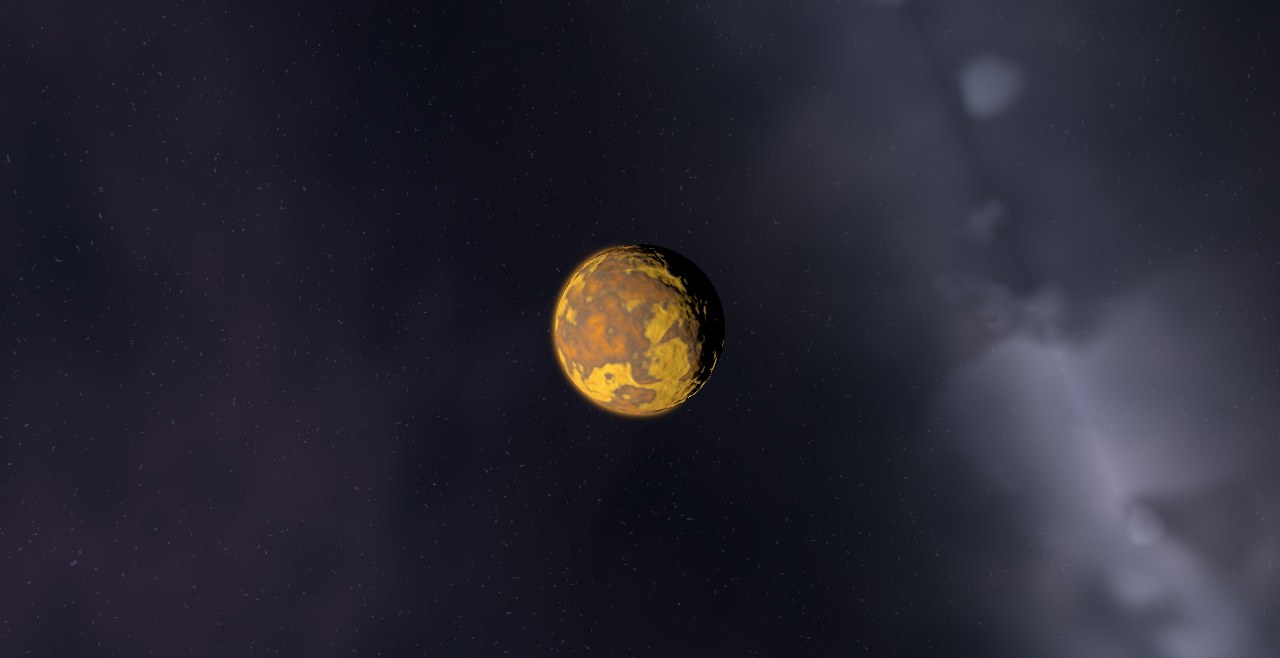
Kepler-529, a Sun-like F-type star of 1.07 solar masses, and Kepler-529 b, a planet with 1.9 Earth radii, with an orbital period of 2.0 days.
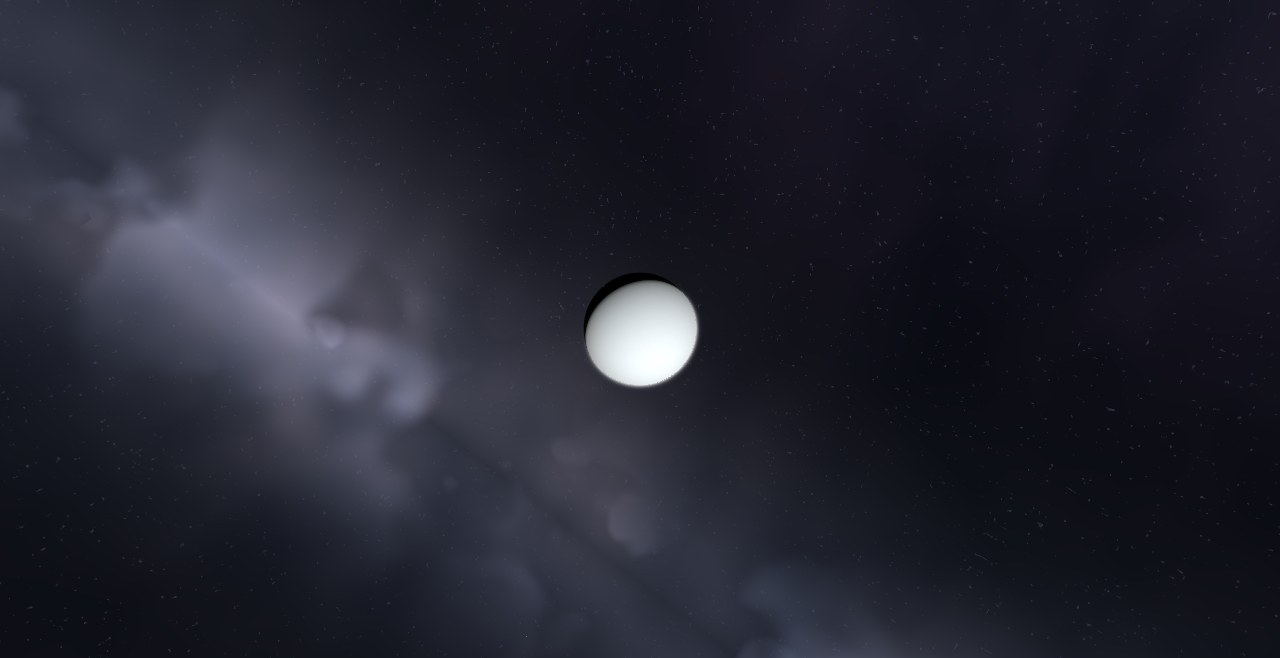
Kepler-53, a Sun-like G-type star of 0.98 solar masses, and Kepler-53 d, a planet with 2.1 Earth radii, with an orbital period of 9.8 days, at 0.091 AU from its star.