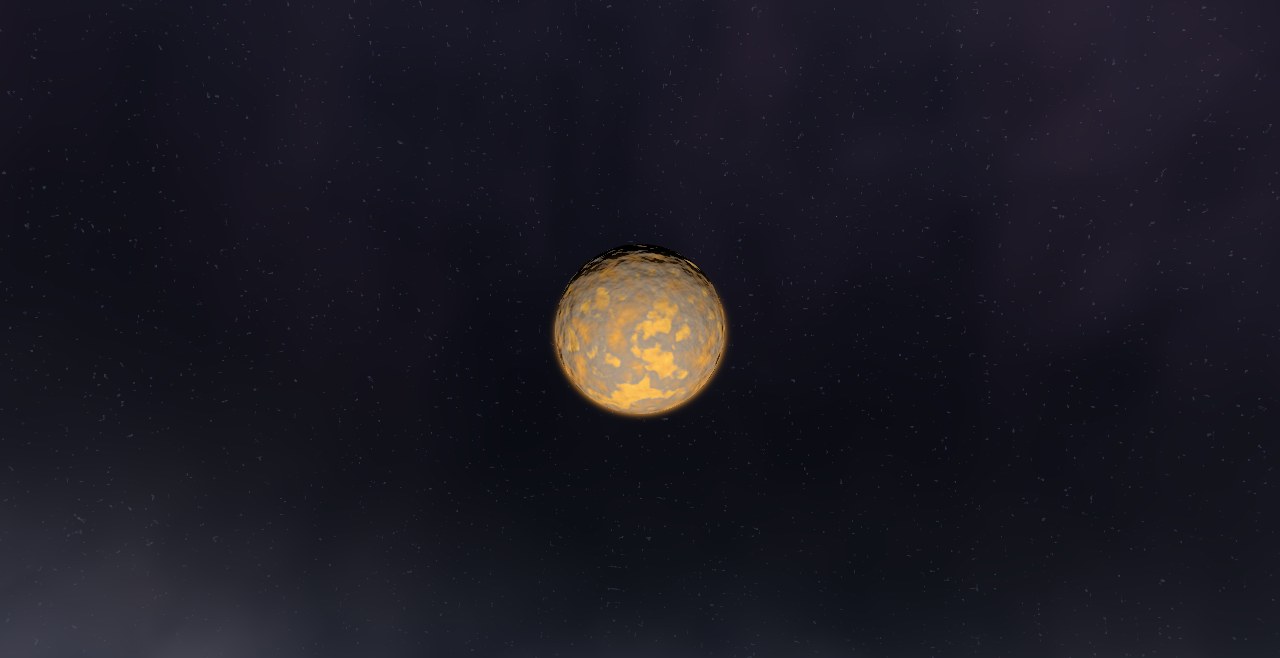
TOI-125 - System
TOI-125, an orange K-type dwarf of 0.86 solar masses, and TOI-125 b, a 9.5-Earth-mass planet, with an orbital period of 4.7 days, at 0.052 AU from its star, and an equilibrium temperature near 1,037 K.
Exoplanets
Model multi-planet architectures to see how three competing gravitational forces pull on each other over millions of simulation years.
Share
TOI-125, an orange K-type dwarf of 0.86 solar masses, and TOI-125 b, a 9.5-Earth-mass planet, with an orbital period of 4.7 days, at 0.052 AU from its star, and an equilibrium temperature near 1,037 K.
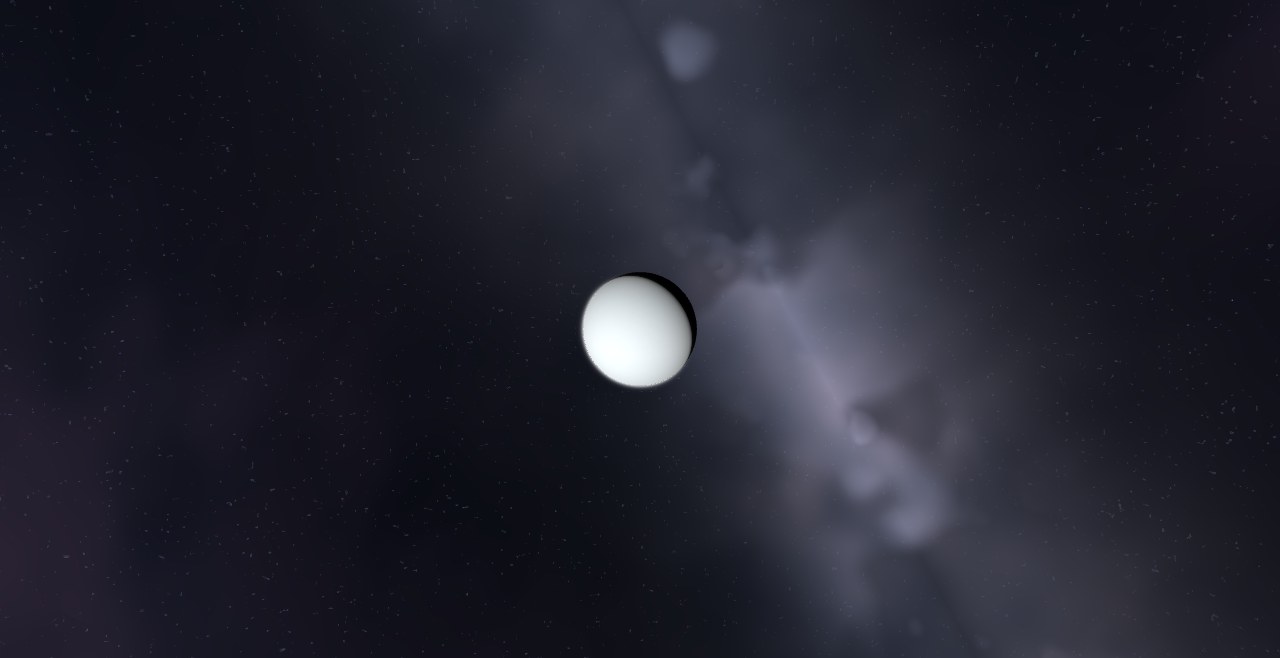
TOI-1260, an orange K-type dwarf of 0.68 solar masses, and TOI-1260 b, a 8.6-Earth-mass planet, with an orbital period of 3.1 days, at 0.037 AU from its star, and an equilibrium temperature near 871 K.
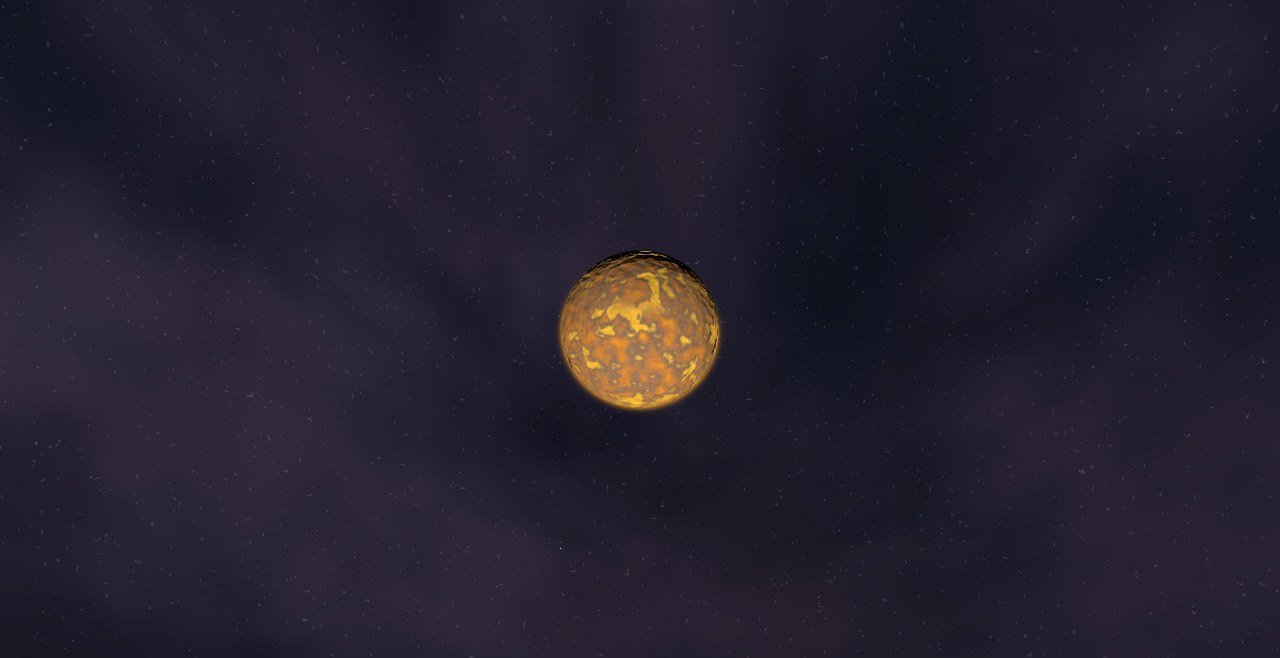
TOI-1266, a cool M-dwarf of 0.44 solar masses, and TOI-1266 b, a 4.5-Earth-mass planet, with an orbital period of 10.9 days, at 0.073 AU from its star, and an equilibrium temperature near 415 K.
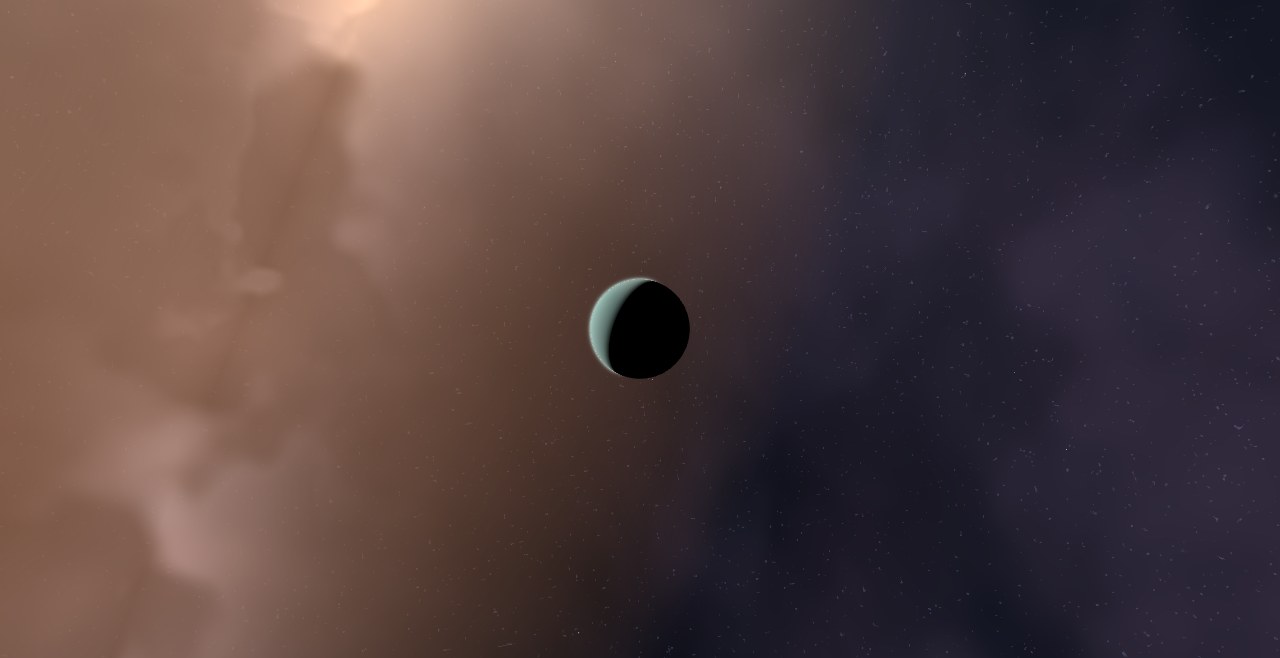
TOI-1749, a cool M-dwarf of 0.58 solar masses, and TOI-1749 b, a 0.18-Jupiter-mass companion, with an orbital period of 2.4 days, at 0.029 AU from its star, and an equilibrium temperature near 831 K.
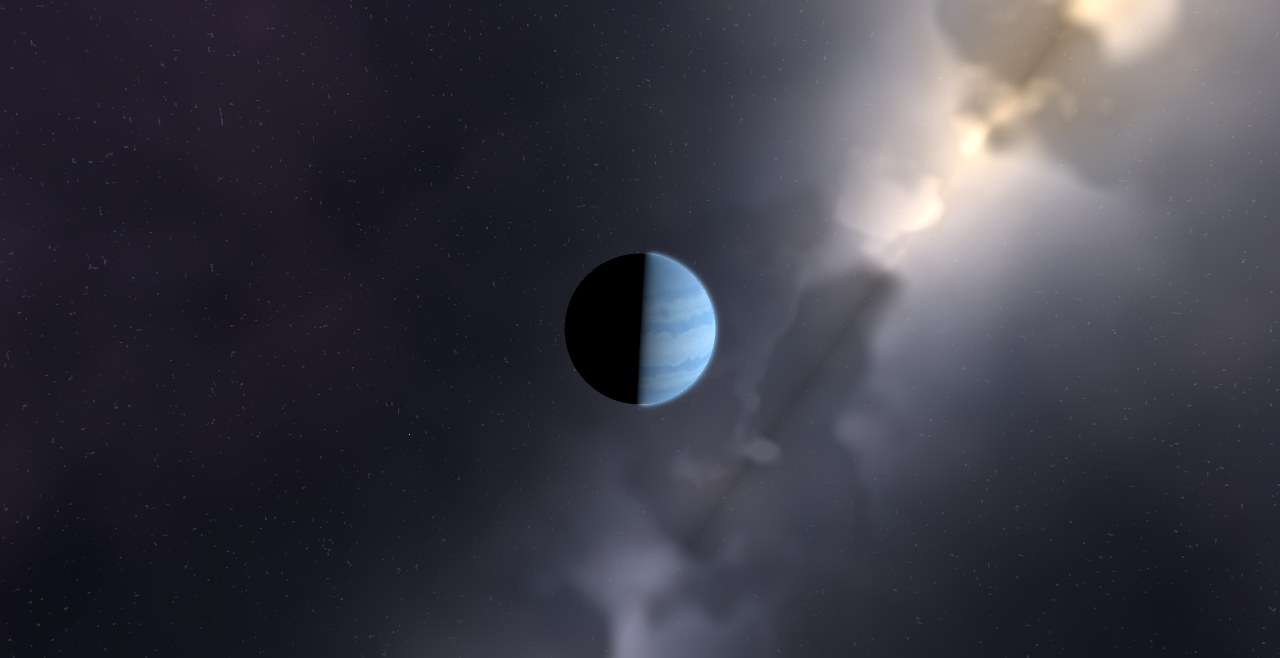
TOI-201, a Sun-like F-type star of 1.32 solar masses, and TOI-201 d, a 5.8-Earth-mass planet, with an orbital period of 5.8 days, at 0.070 AU from its star, on an eccentric orbit (e ≈ 0.30).
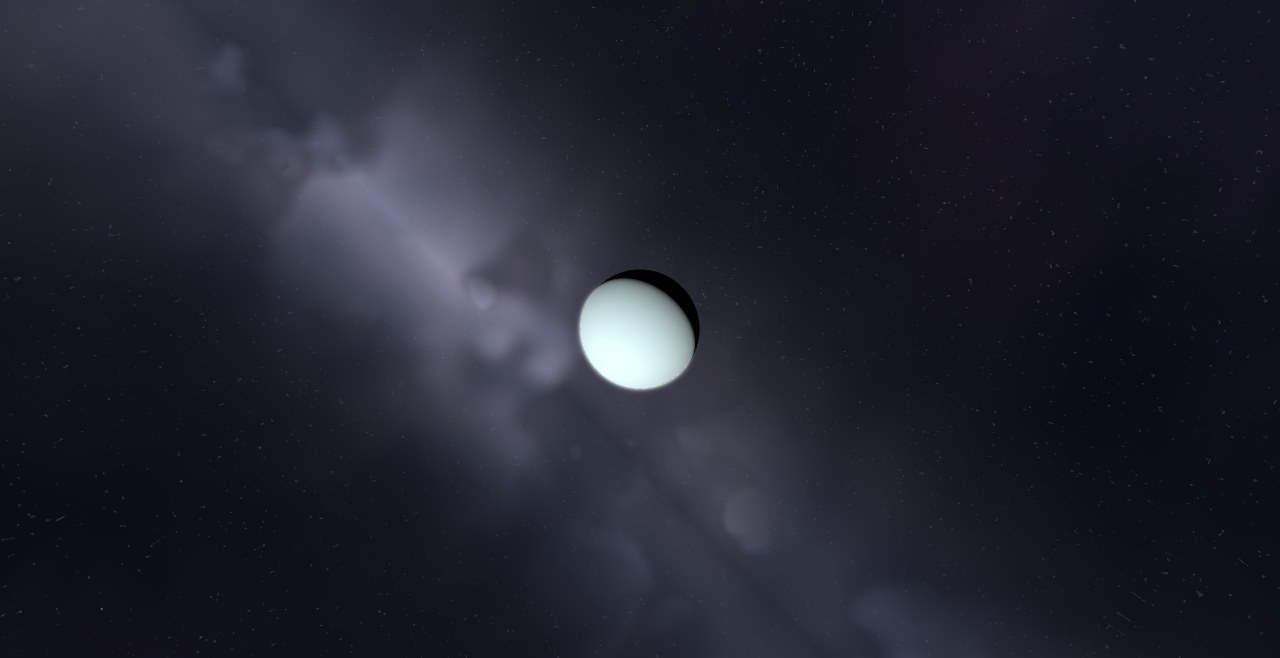
TOI-2141, a Sun-like G-type star of 0.90 solar masses, and TOI-2141 c, a 6.1-Earth-mass planet, with an orbital period of 5.5 days, at 0.059 AU from its star, and an equilibrium temperature near 1,095 K.
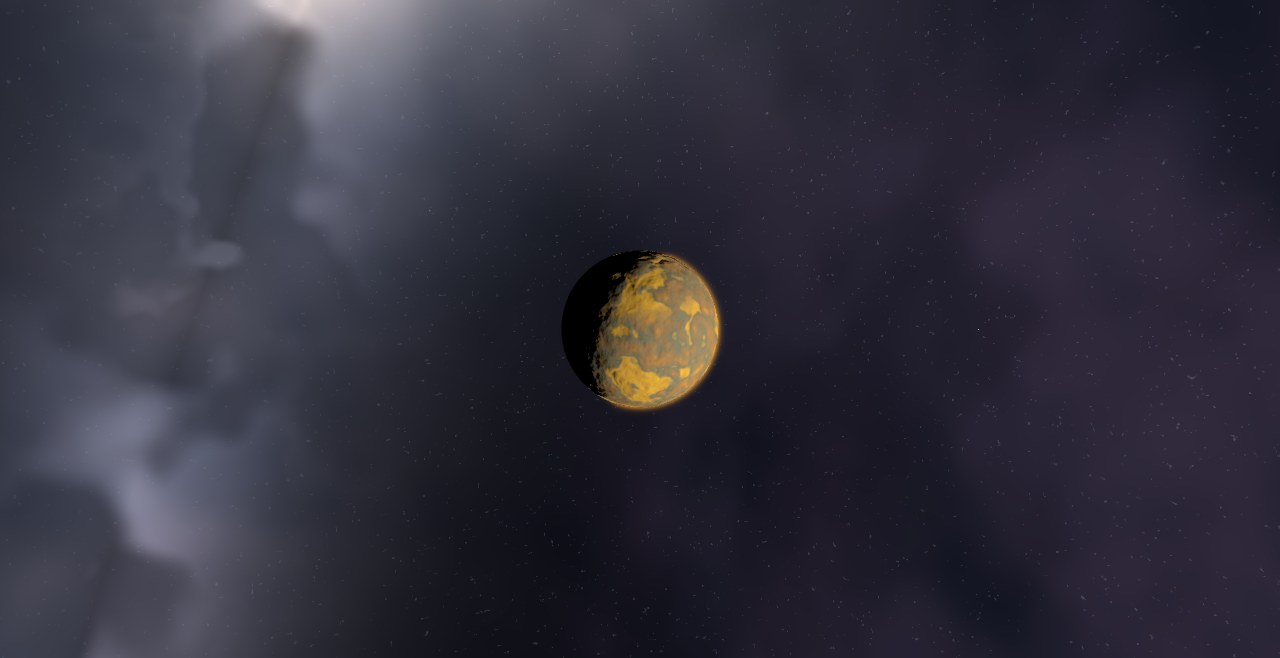
TOI-270, a nearby benchmark of one super-Earth and two sub-Neptunes. The trio is a clean target for comparing rocky and gaseous atmospheres.
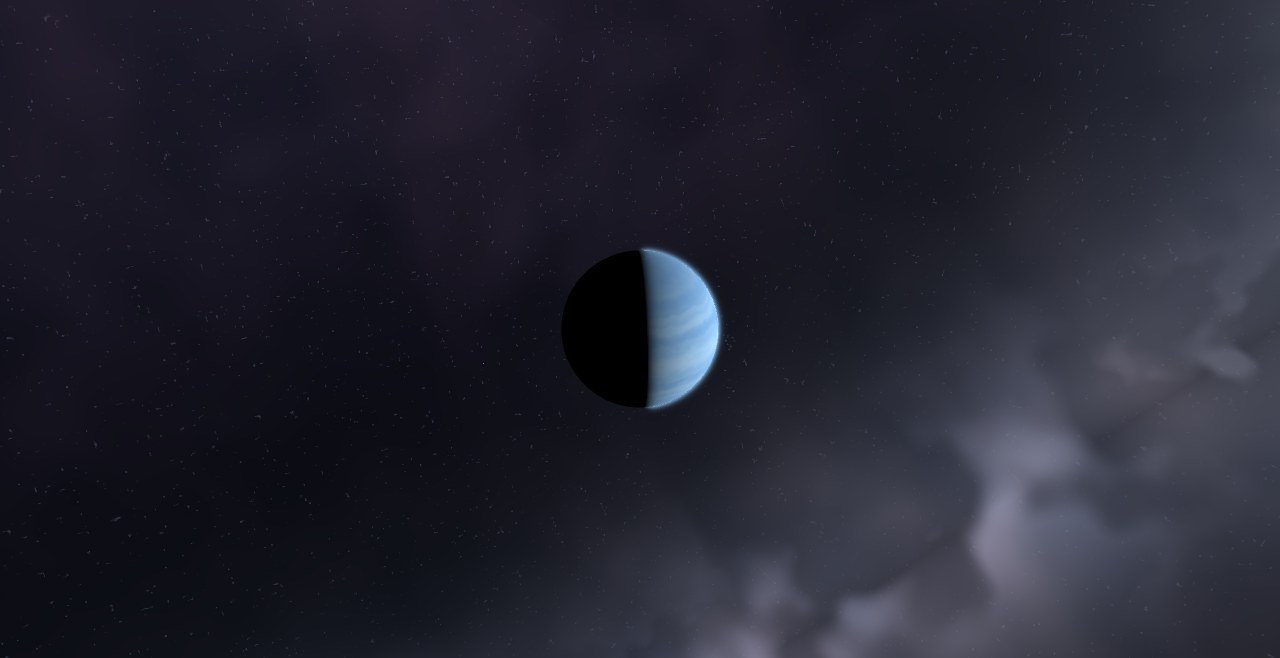
TOI-375, a Sun-like G-type star of 1.44 solar masses, and TOI-375 b, a 0.74-Jupiter-mass companion, with an orbital period of 9.5 days, at 0.099 AU from its star, and an equilibrium temperature near 1,373 K.
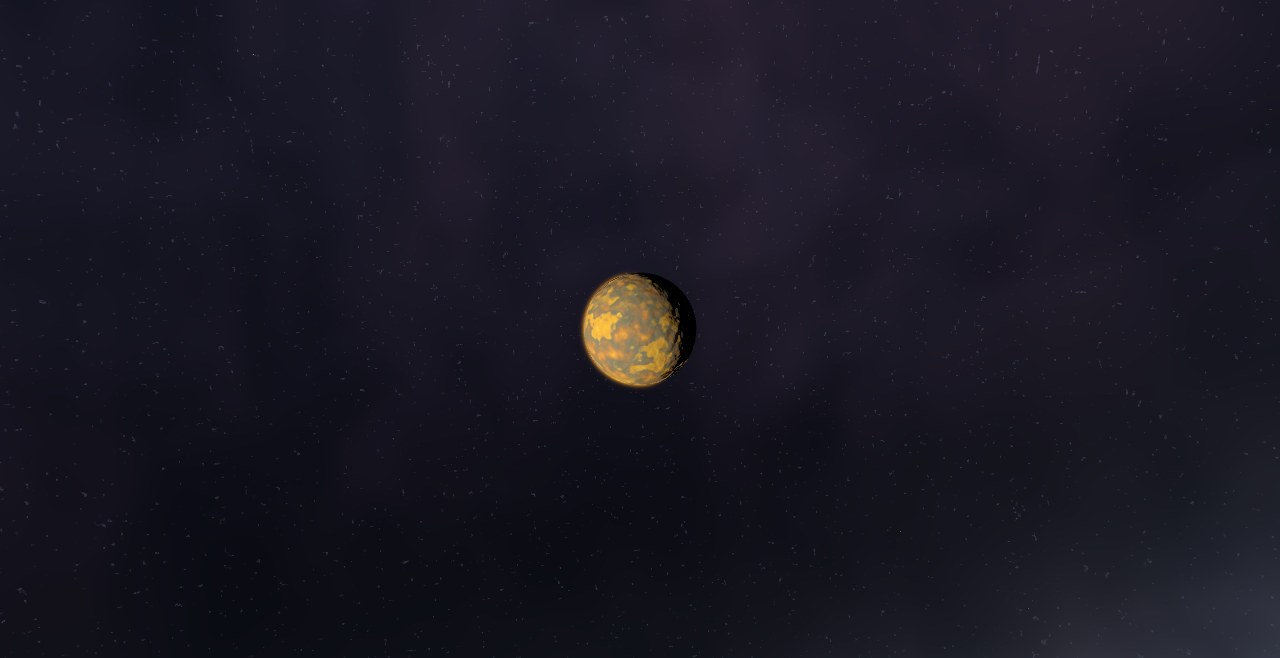
TOI-431, an orange K-type dwarf of 0.78 solar masses, and TOI-431 b, a 3.1-Earth-mass planet, with an orbital period of 11.8 hours, at 0.011 AU from its star, and an equilibrium temperature near 1,862 K.
TOI-4504, a Sun-like G-type star of 0.88 solar masses, and TOI-4504 b, a 0.45-Jupiter-mass companion, with an orbital period of 2.4 days, at 0.034 AU from its star, and an equilibrium temperature near 1,345 K.
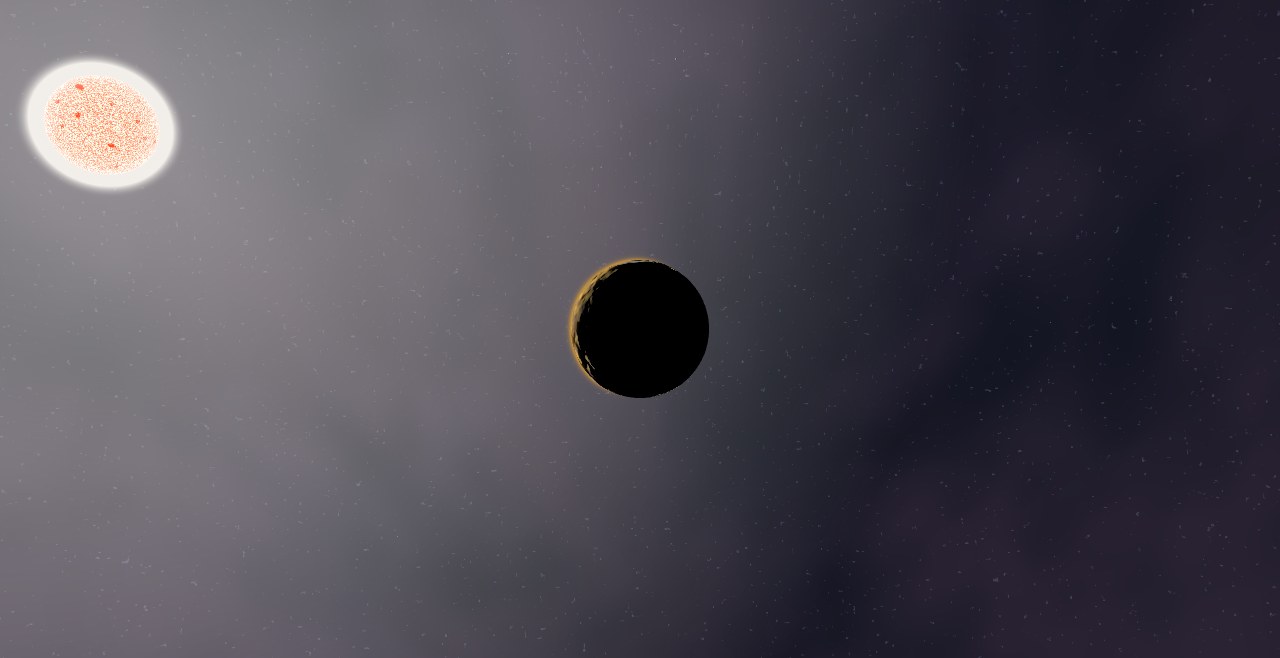
TOI-451, a Sun-like G-type star of 0.93 solar masses, and TOI-451 b, a 4.7-Earth-mass planet, with an orbital period of 1.9 days, at 0.027 AU from its star, and an equilibrium temperature near 1,474 K.
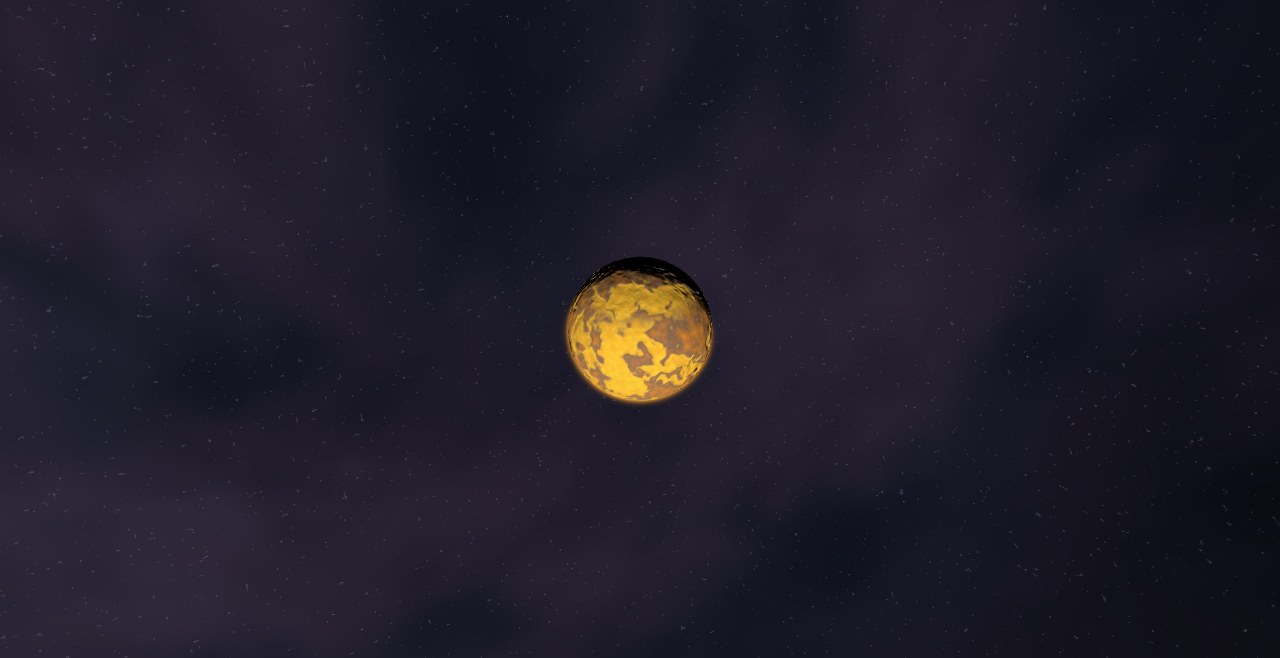
TOI-469, a Sun-like G-type star of 0.90 solar masses, and HIP 29442 c, a 4.5-Earth-mass planet, with an orbital period of 3.5 days, at 0.045 AU from its star, and an equilibrium temperature near 1,123 K.
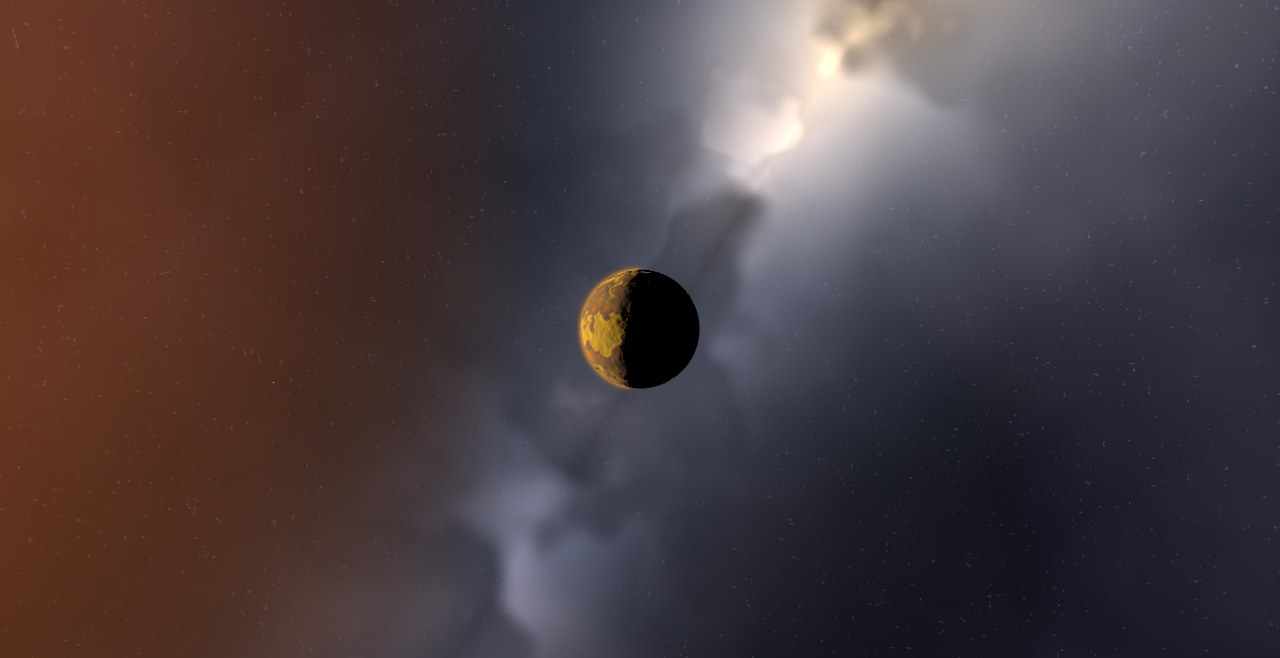
TOI-663, a cool M-dwarf of 0.51 solar masses, and TOI-663 b, a 4.5-Earth-mass planet, with an orbital period of 2.6 days, at 0.029 AU from its star, and an equilibrium temperature near 674 K.
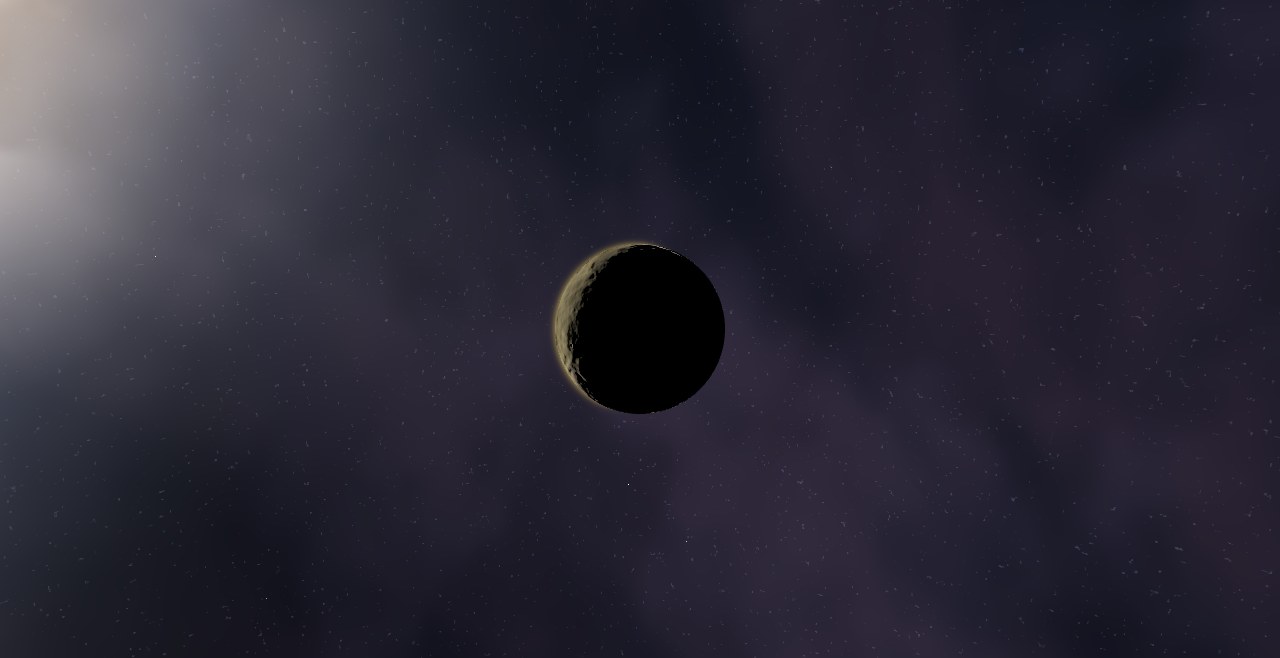
TOI-712, an orange K-type dwarf of 0.73 solar masses, and TOI-712 b, a planet with 2.0 Earth radii, with an orbital period of 9.5 days, at 0.079 AU from its star, and an equilibrium temperature near 650 K.
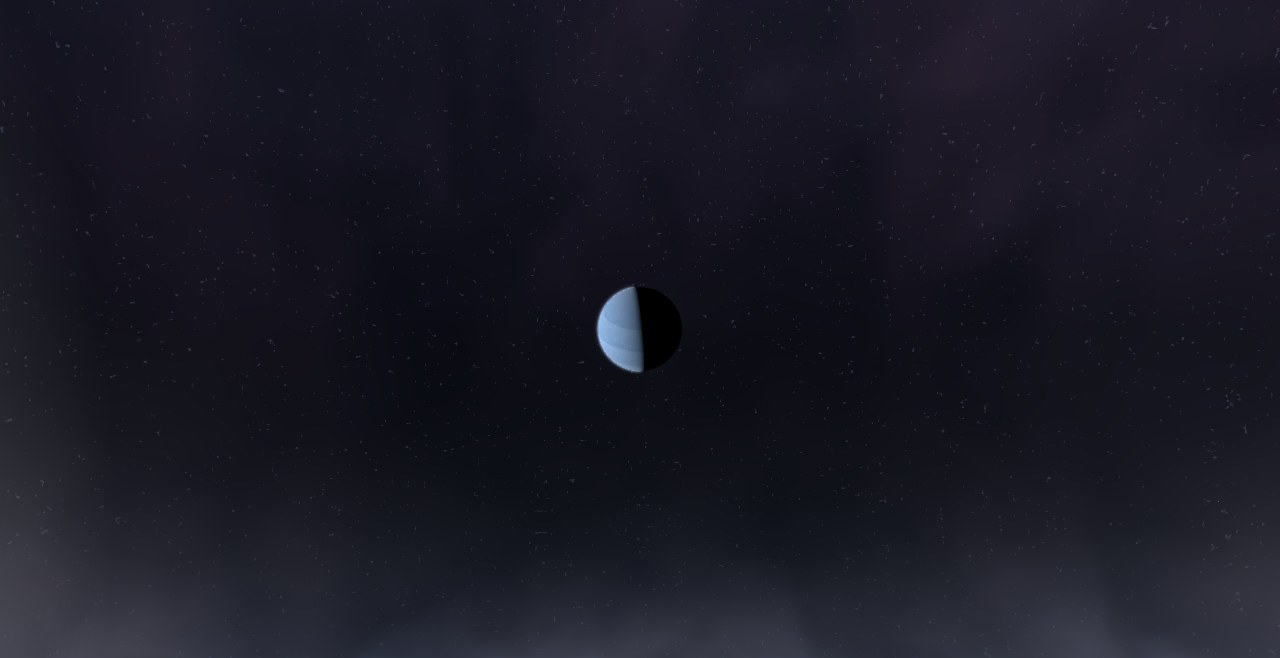
TOI-7510, a Sun-like G-type star of 1.06 solar masses, and TOI-7510 b, a 0.06-Jupiter-mass companion, with an orbital period of 11.5 days, at 0.102 AU from its star, and an equilibrium temperature near 878 K.
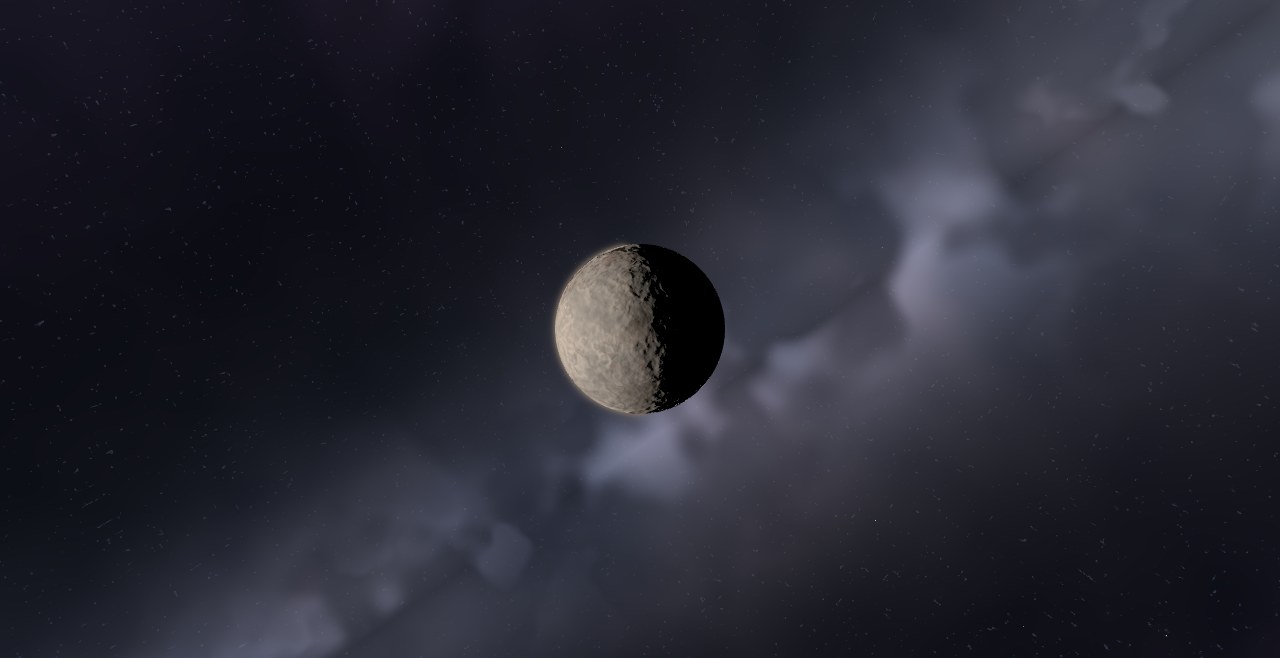
Teegarden's Star, a nearby ultracool dwarf with two Earth-mass planets in the habitable zone, among the closest potentially temperate worlds.
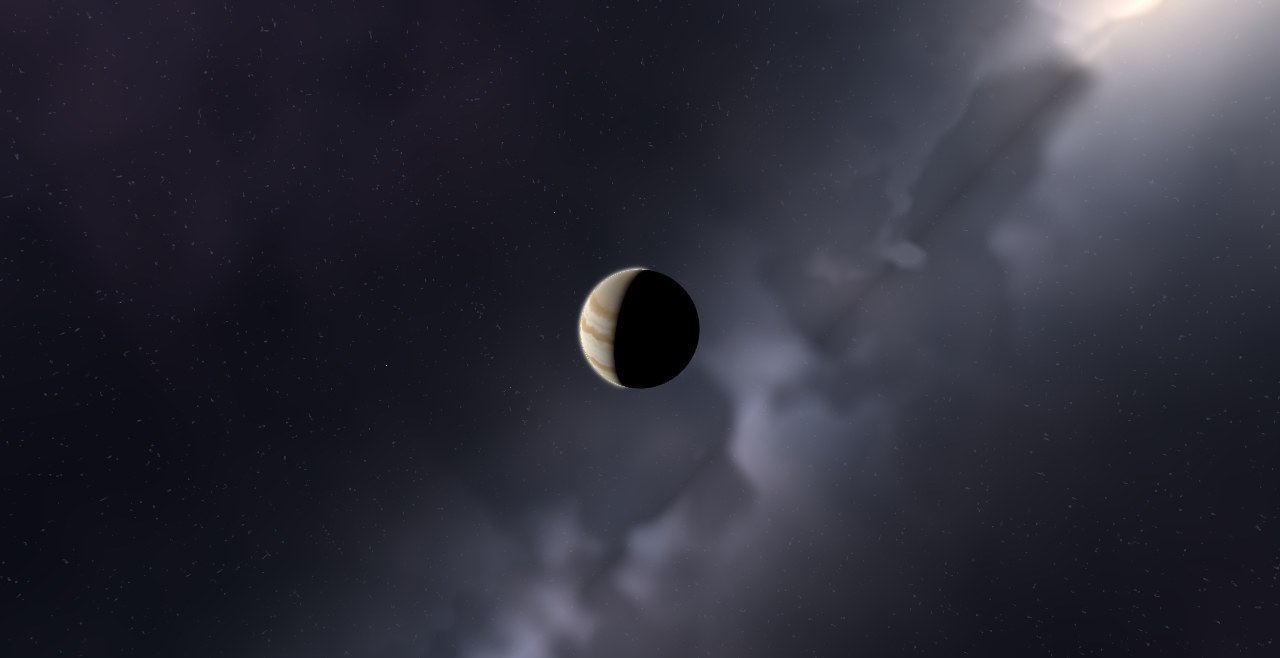
WASP-132, an orange K-type dwarf of 0.79 solar masses, and WASP-132 c, a 6.3-Earth-mass planet, with an orbital period of 1.0 days, at 0.018 AU from its star, and an equilibrium temperature near 1,329 K.
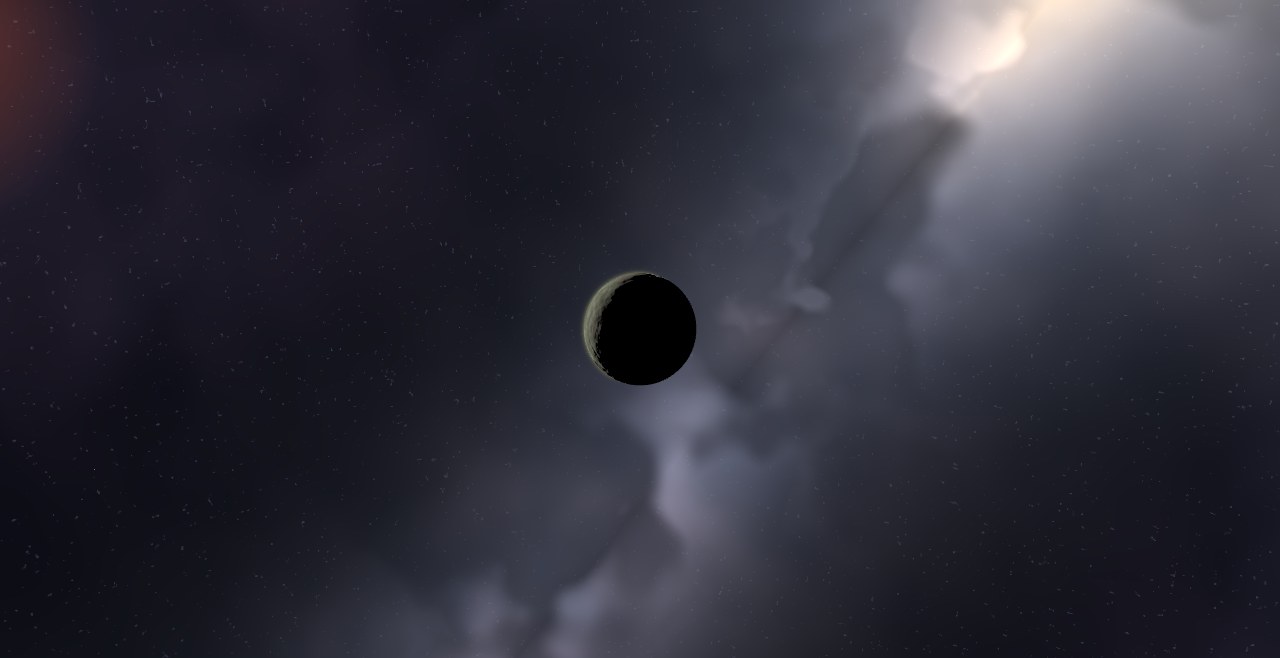
Wolf 1061, a red dwarf 14 light-years away. Planet c orbits in the habitable zone of one of the nearest known planetary systems. Three planets orbit this nearby M dwarf.