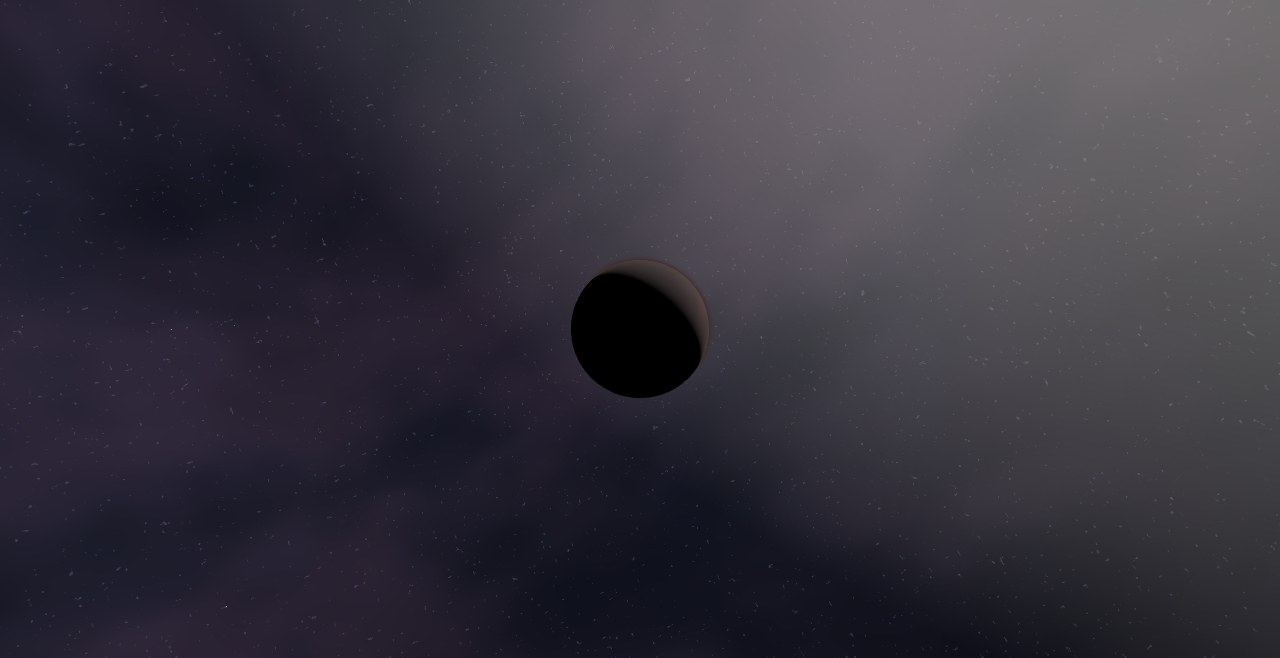
Kepler-272 - System
Kepler-272, a Sun-like G-type star of 0.91 solar masses, and Kepler-272 b, a planet with 1.4 Earth radii, with an orbital period of 3.0 days, at 0.038 AU from its star.
Exoplanets
Model multi-planet architectures to see how three competing gravitational forces pull on each other over millions of simulation years.
Share
Kepler-272, a Sun-like G-type star of 0.91 solar masses, and Kepler-272 b, a planet with 1.4 Earth radii, with an orbital period of 3.0 days, at 0.038 AU from its star.
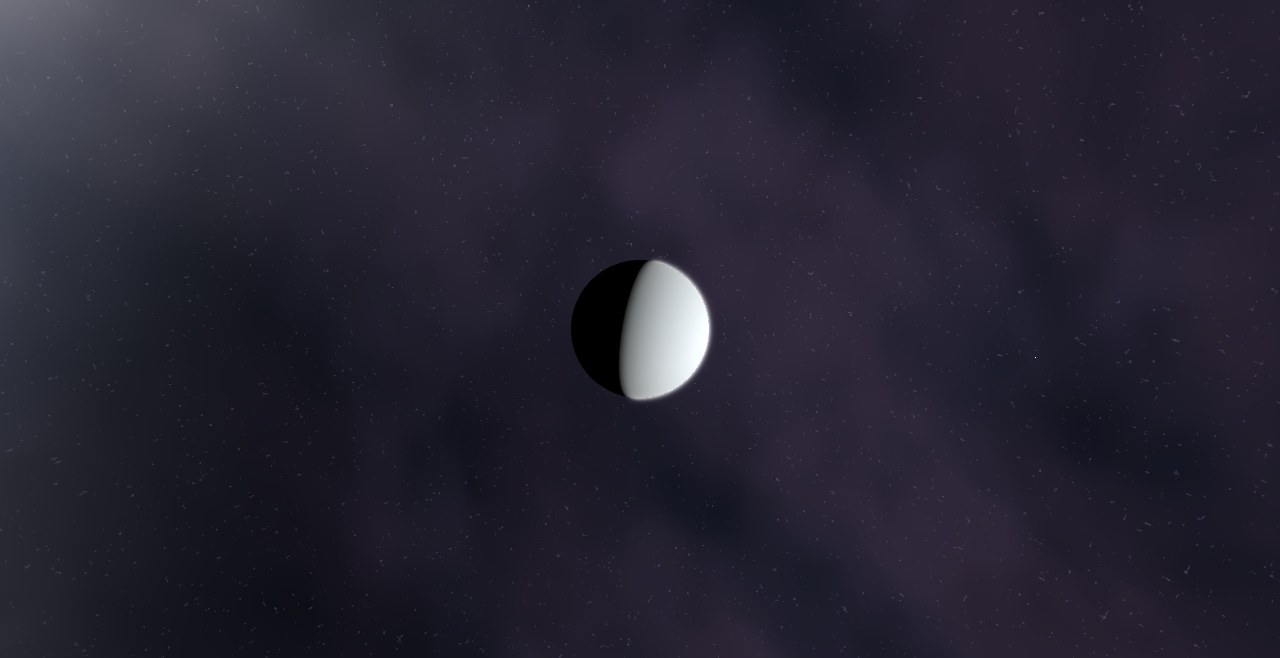
Kepler-275, a Sun-like F-type star of 1.19 solar masses, and Kepler-275 b, a planet with 2.3 Earth radii, with an orbital period of 10.3 days, at 0.098 AU from its star.
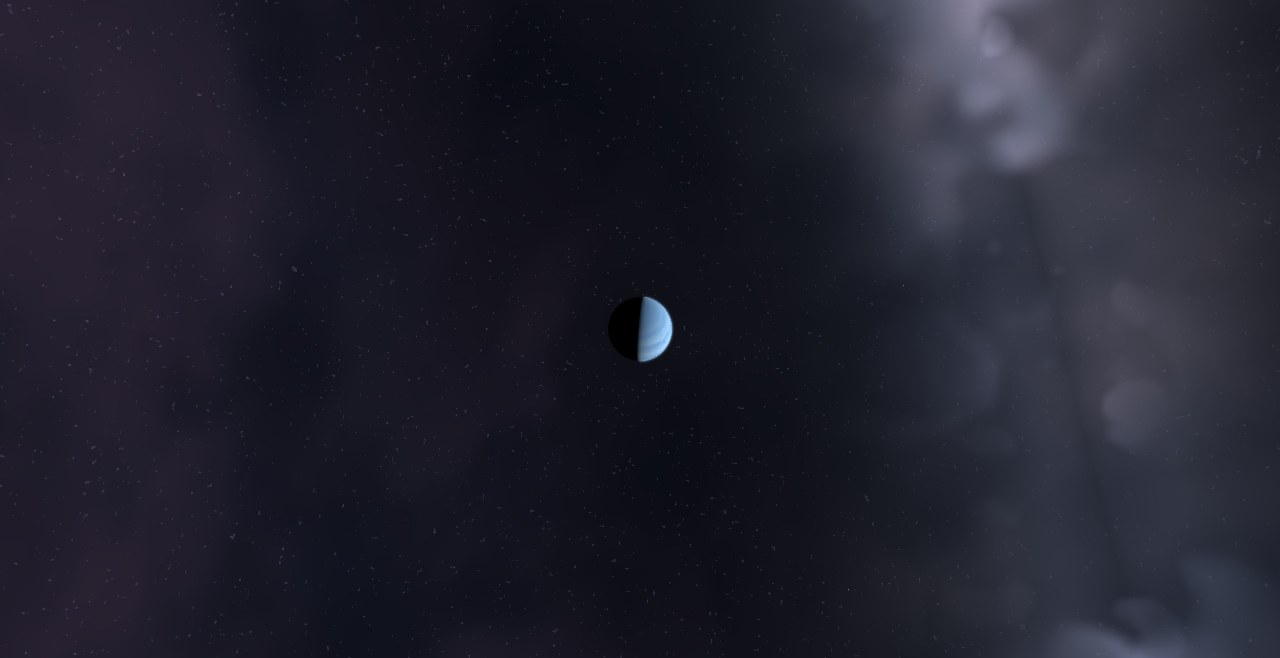
Kepler-276, a Sun-like F-type star of 0.84 solar masses, and Kepler-276 b, a planet with 2.9 Earth radii, with an orbital period of 14.1 days, at 0.119 AU from its star.
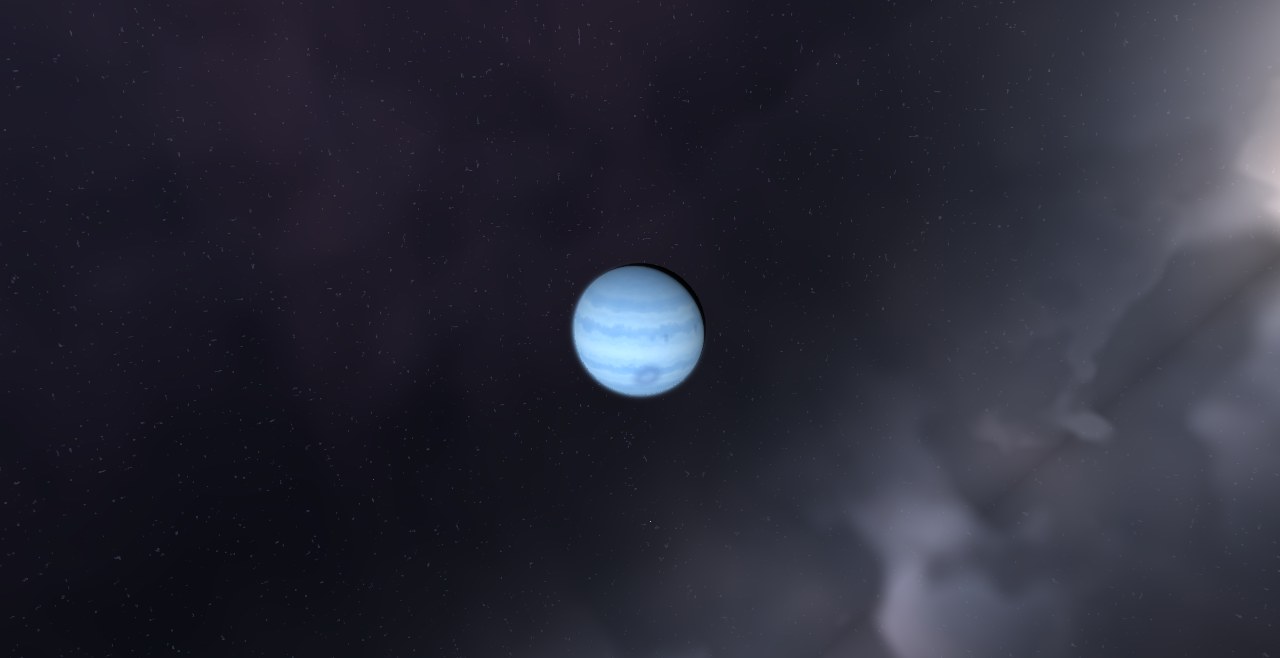
Kepler-281, a Sun-like G-type star of 0.98 solar masses, and Kepler-281 b, a planet with 2.8 Earth radii, with an orbital period of 14.6 days, at 0.117 AU from its star.
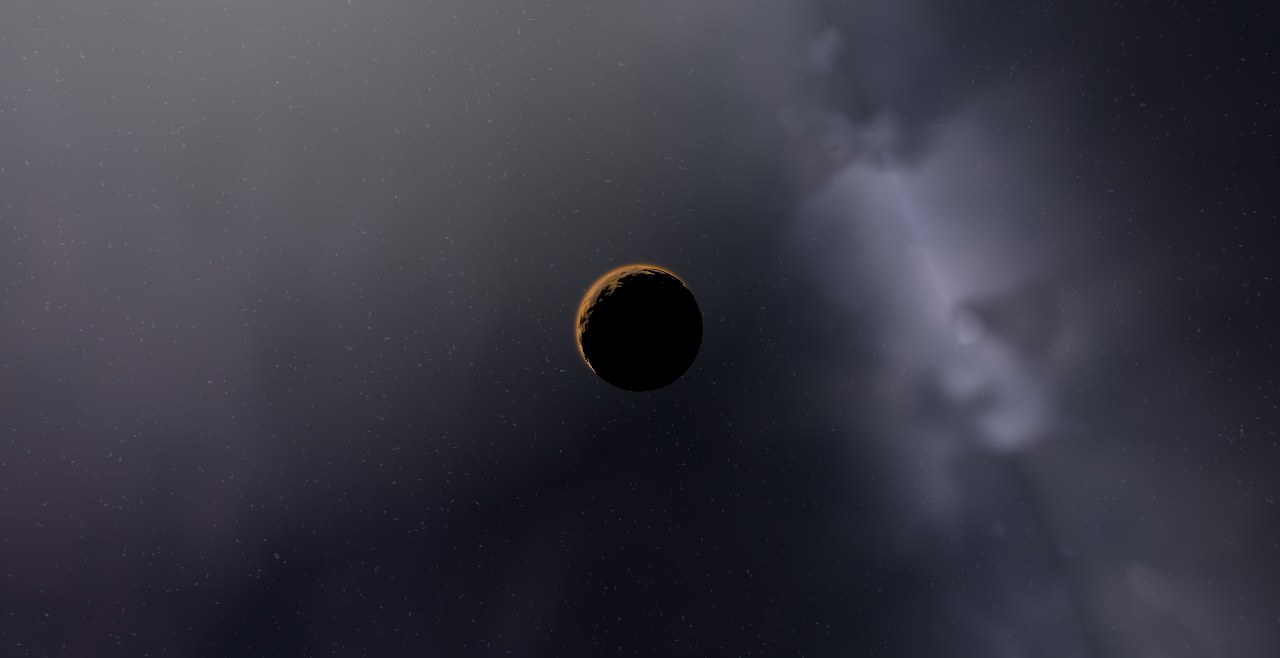
Kepler-288, a Sun-like G-type star of 0.84 solar masses, and Kepler-288 b, a planet with 1.7 Earth radii, with an orbital period of 6.1 days, at 0.065 AU from its star.
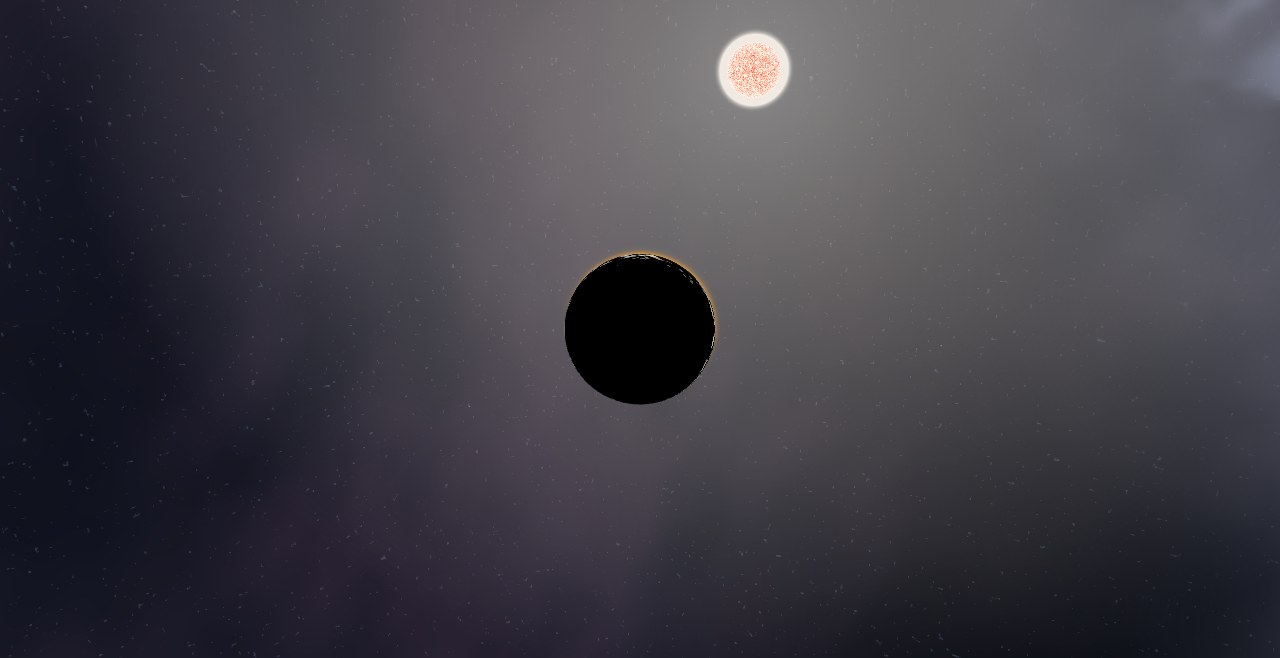
Kepler-290, an orange K-type dwarf of 0.84 solar masses, and Kepler-290 d, a planet with 0.9 Earth radii, with an orbital period of 18.3 hours, at 0.015 AU from its star, and an equilibrium temperature near.
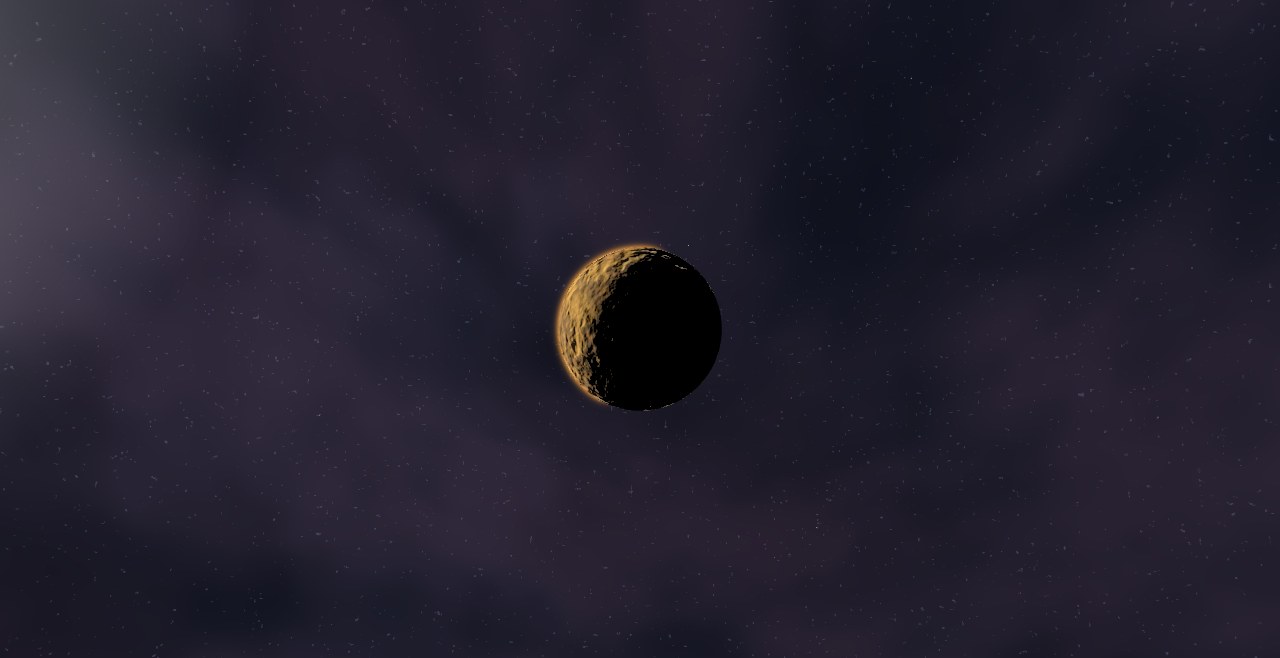
Kepler-295, a Sun-like G-type star of 0.89 solar masses, and Kepler-295 b, a planet with 1.2 Earth radii, with an orbital period of 12.6 days, at 0.099 AU from its star.
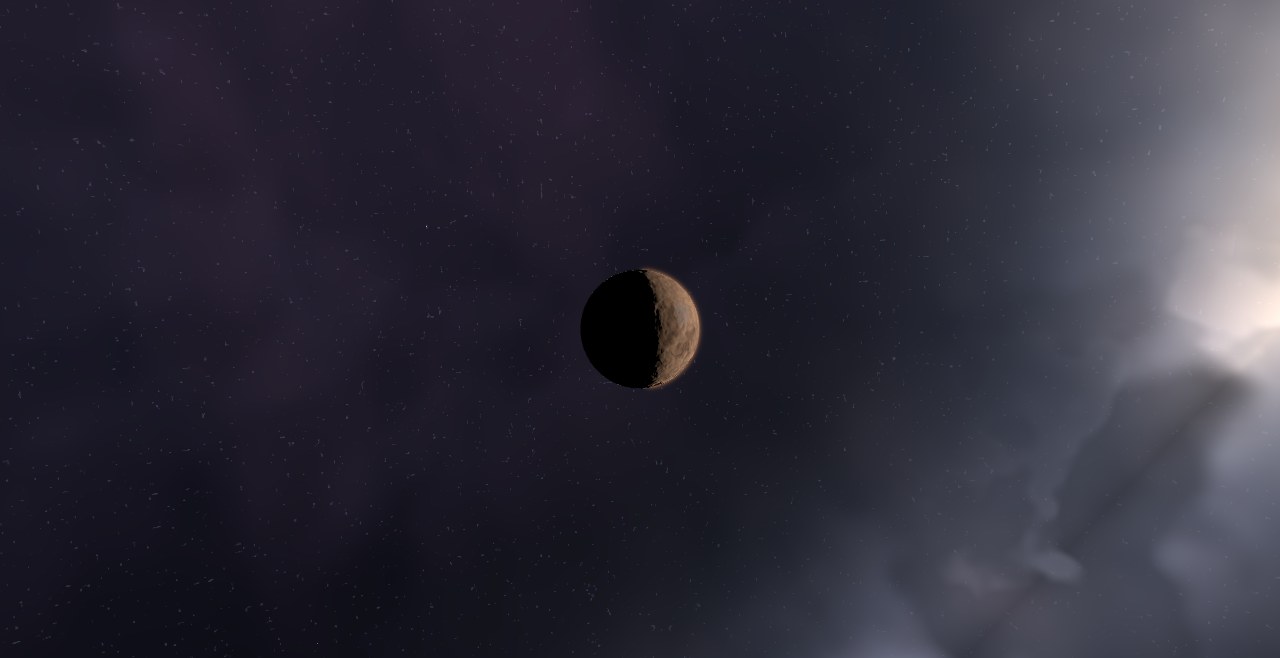
Kepler-297, a Sun-like G-type star of 0.85 solar masses, and Kepler-297 b, a planet with 2.9 Earth radii, with an orbital period of 38.9 days, at 0.217 AU from its star.
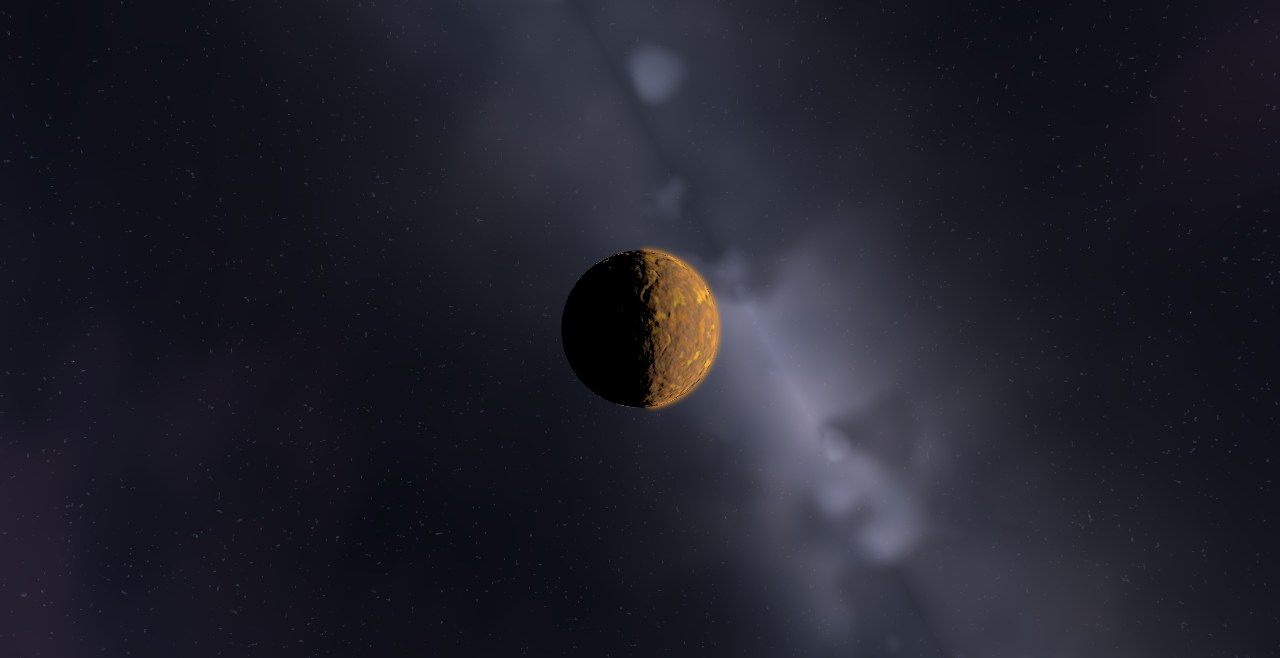
Kepler-298, an orange K-type dwarf of 0.66 solar masses, and Kepler-298 b, a planet with 2.0 Earth radii, with an orbital period of 10.5 days, at 0.080 AU from its star.
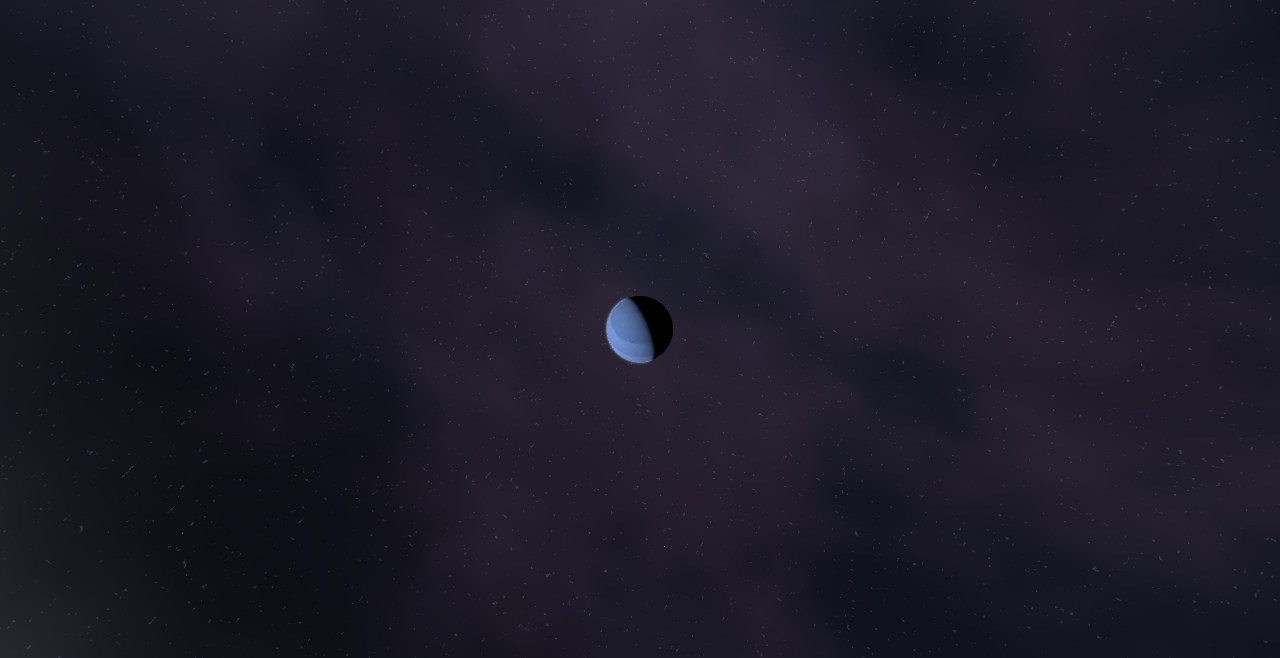
Kepler-30, a resonant three-planet system used to watch starspots. Transits crossing spots measured that the planets and star share one plane.
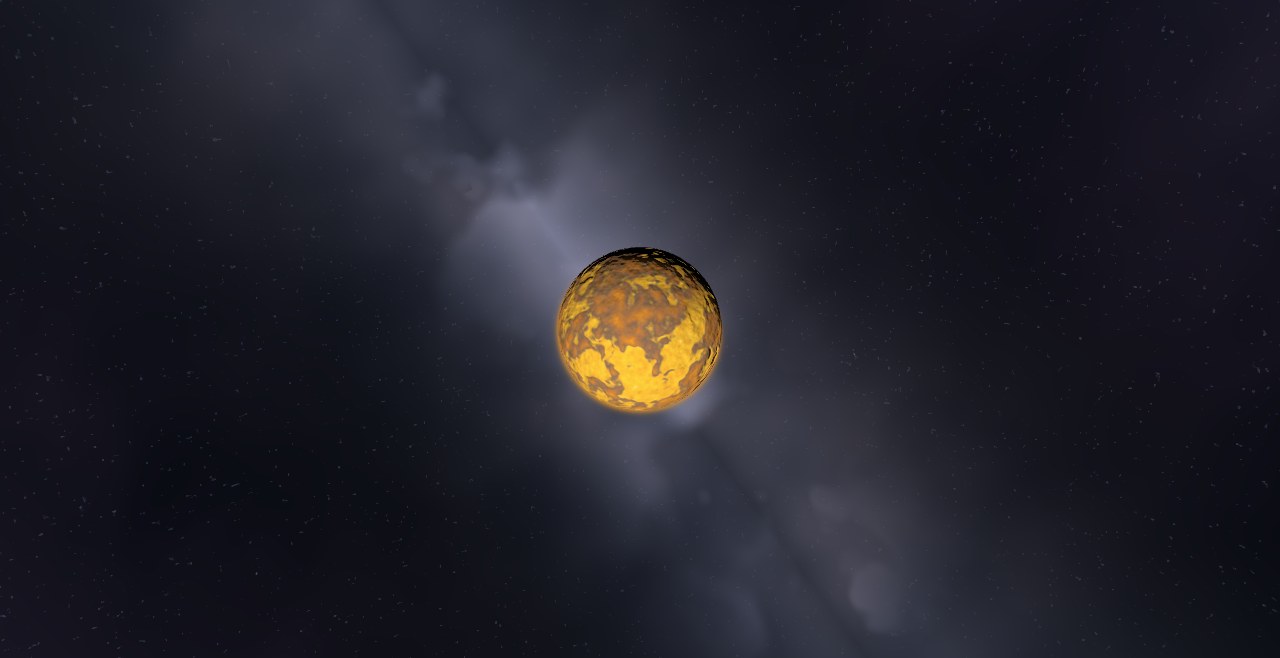
Kepler-301, a Sun-like G-type star of 1.02 solar masses, and Kepler-301 b, a planet with 1.4 Earth radii, with an orbital period of 2.5 days, at 0.036 AU from its star.
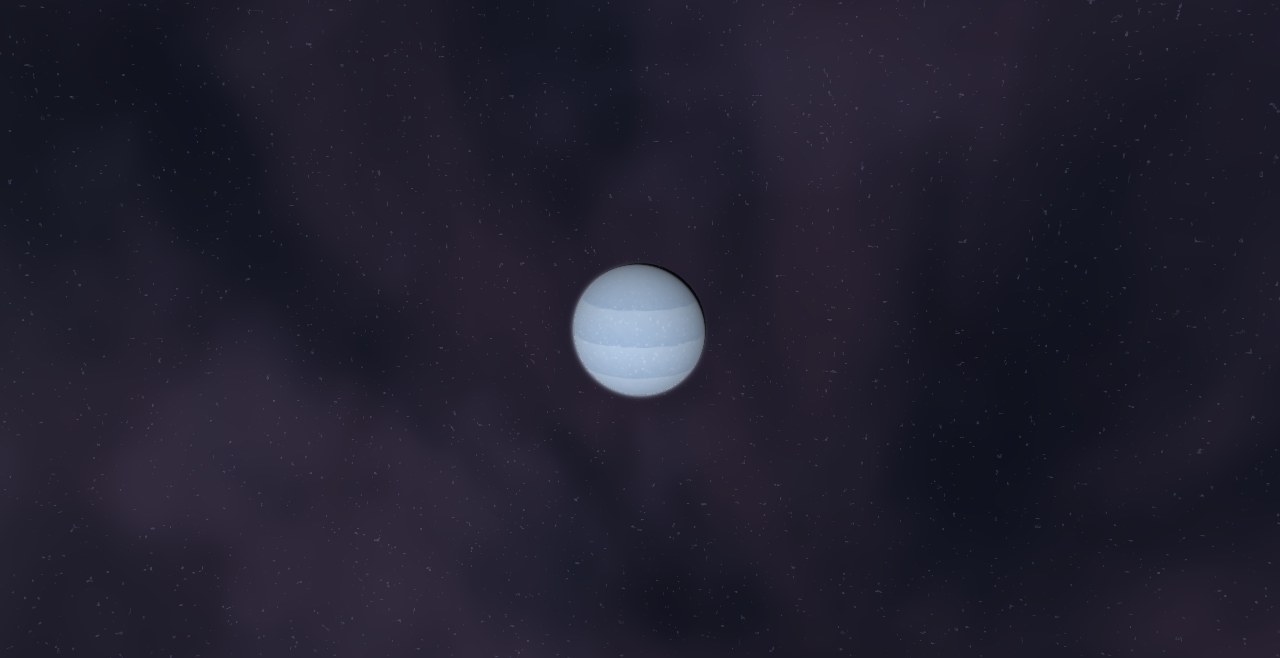
Kepler-31, a Sun-like F-type star of 1.21 solar masses, and Kepler-31 b, a planet with 5.5 Earth radii, with an orbital period of 20.9 days, at 0.160 AU from its star.
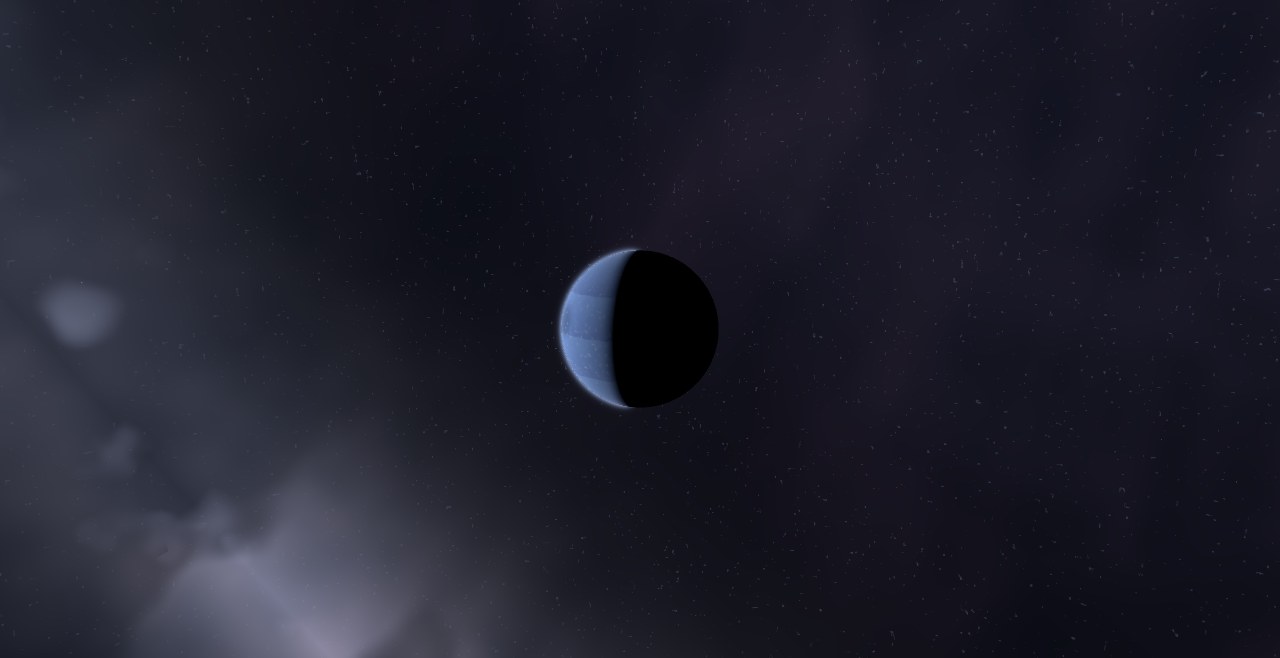
Kepler-310, a Sun-like G-type star of 0.85 solar masses, and Kepler-310 b, a planet with 1.2 Earth radii, with an orbital period of 13.9 days, at 0.111 AU from its star.
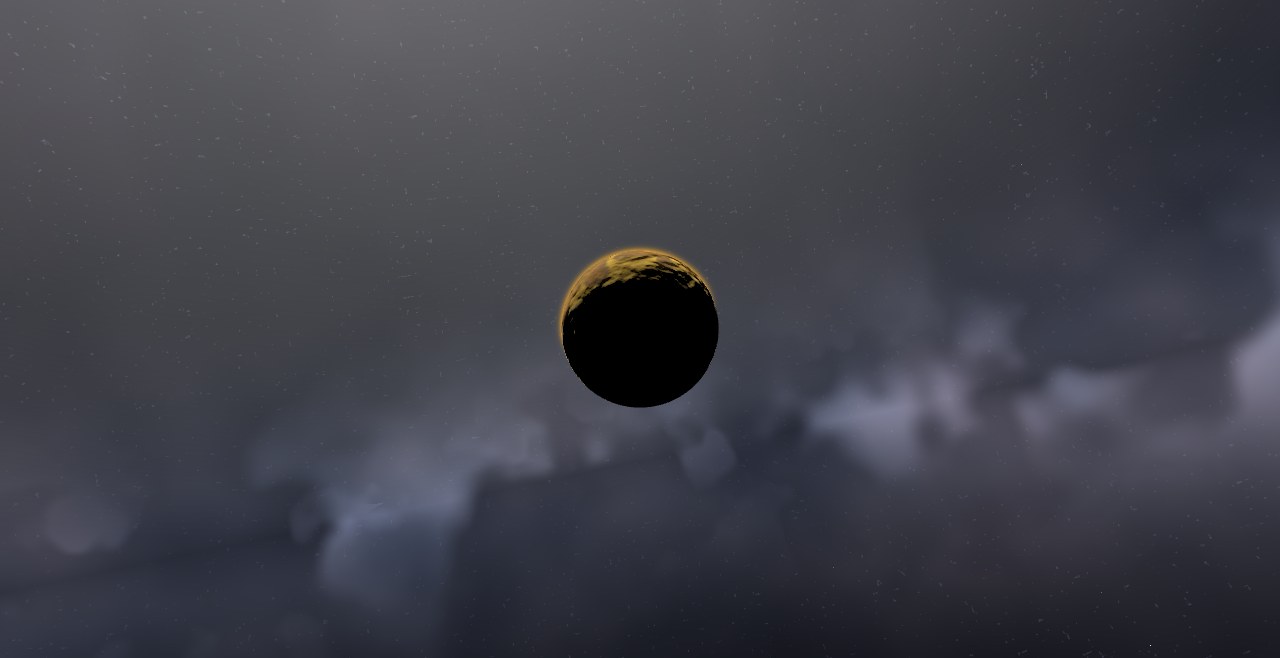
Kepler-311, a Sun-like G-type star of 0.97 solar masses, and Kepler-311 b, a planet with 1.7 Earth radii, with an orbital period of 9.2 days, at 0.087 AU from its star.
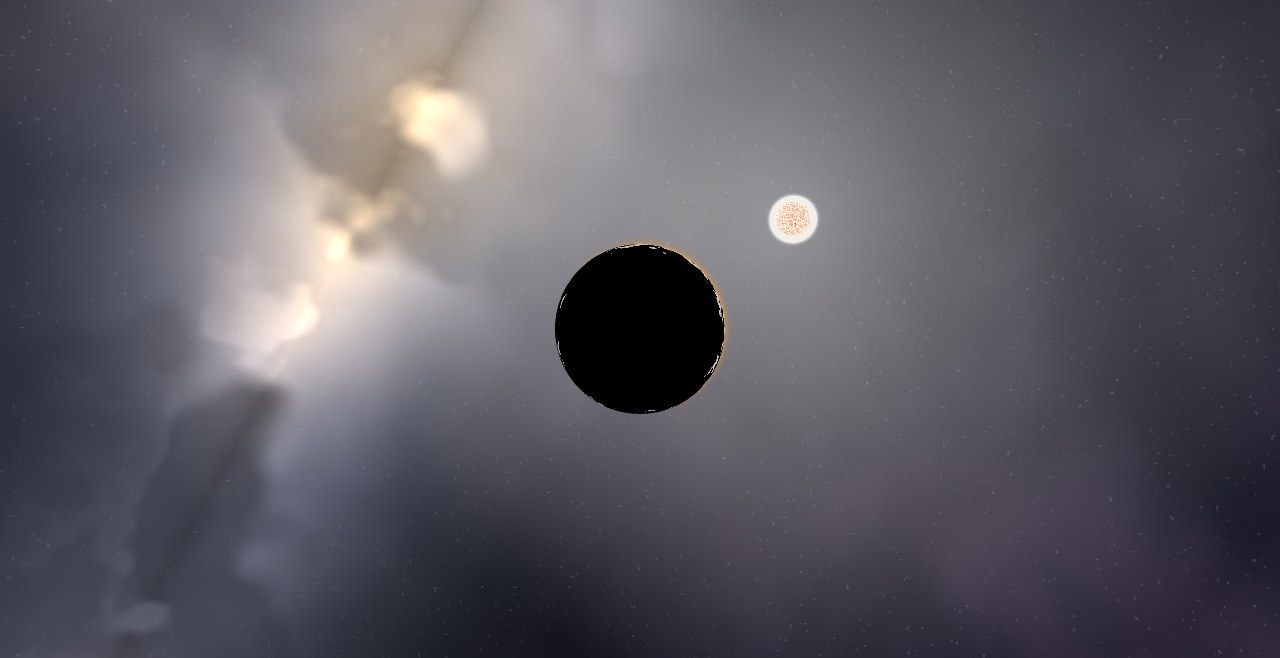
Kepler-319, a Sun-like G-type star of 0.93 solar masses, and Kepler-319 b, a planet with 1.6 Earth radii, with an orbital period of 4.4 days, at 0.051 AU from its star.
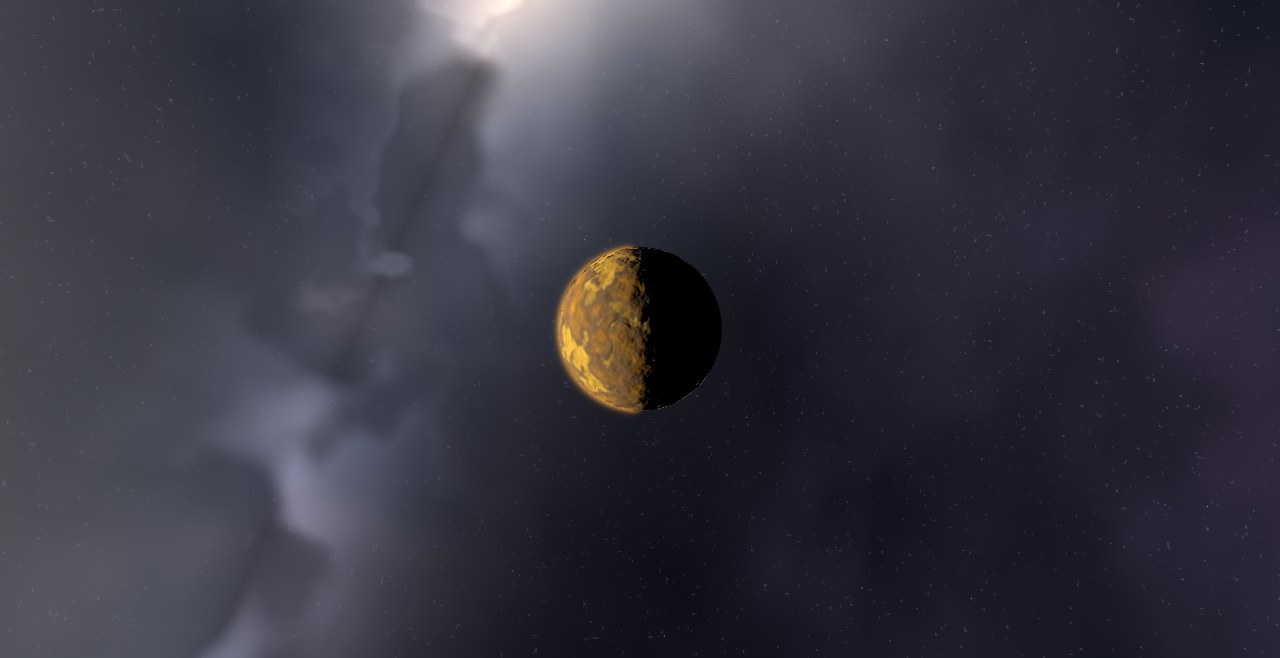
Kepler-325, a Sun-like G-type star of 0.91 solar masses, and Kepler-325 b, a planet with 2.9 Earth radii, with an orbital period of 4.5 days, at 0.053 AU from its star.
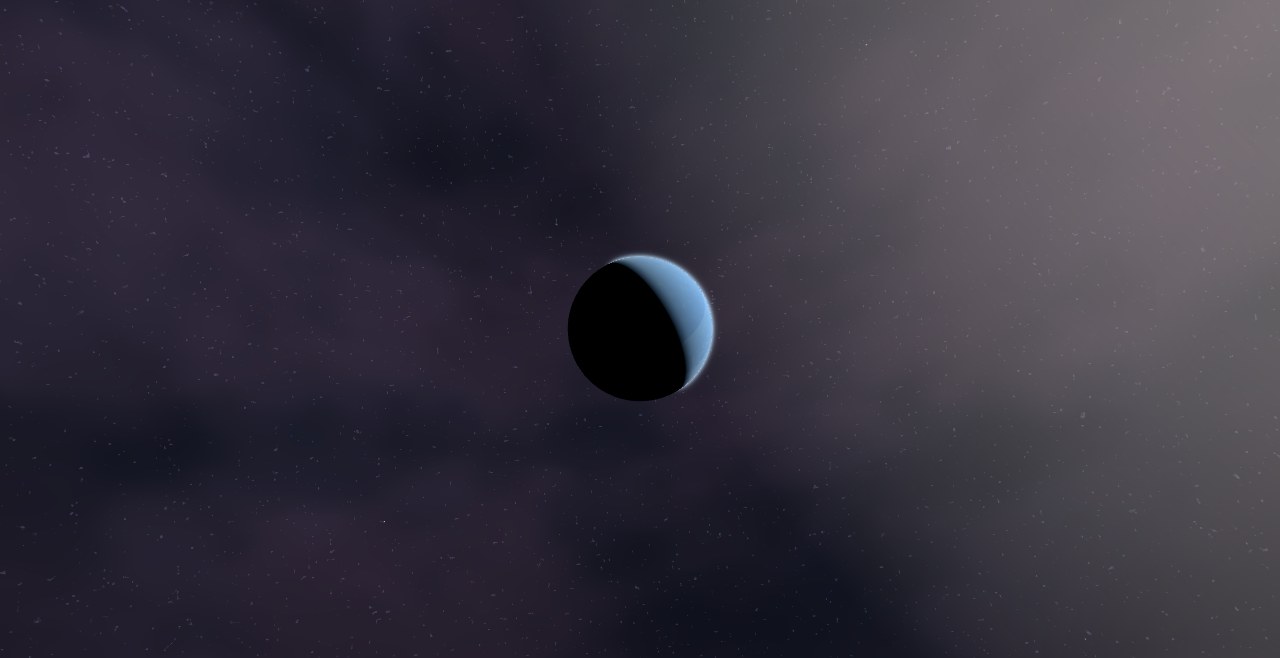
Kepler-326, an orange K-type dwarf of 0.91 solar masses, and Kepler-326 b, a planet with 1.5 Earth radii, with an orbital period of 2.2 days, at 0.032 AU from its star.
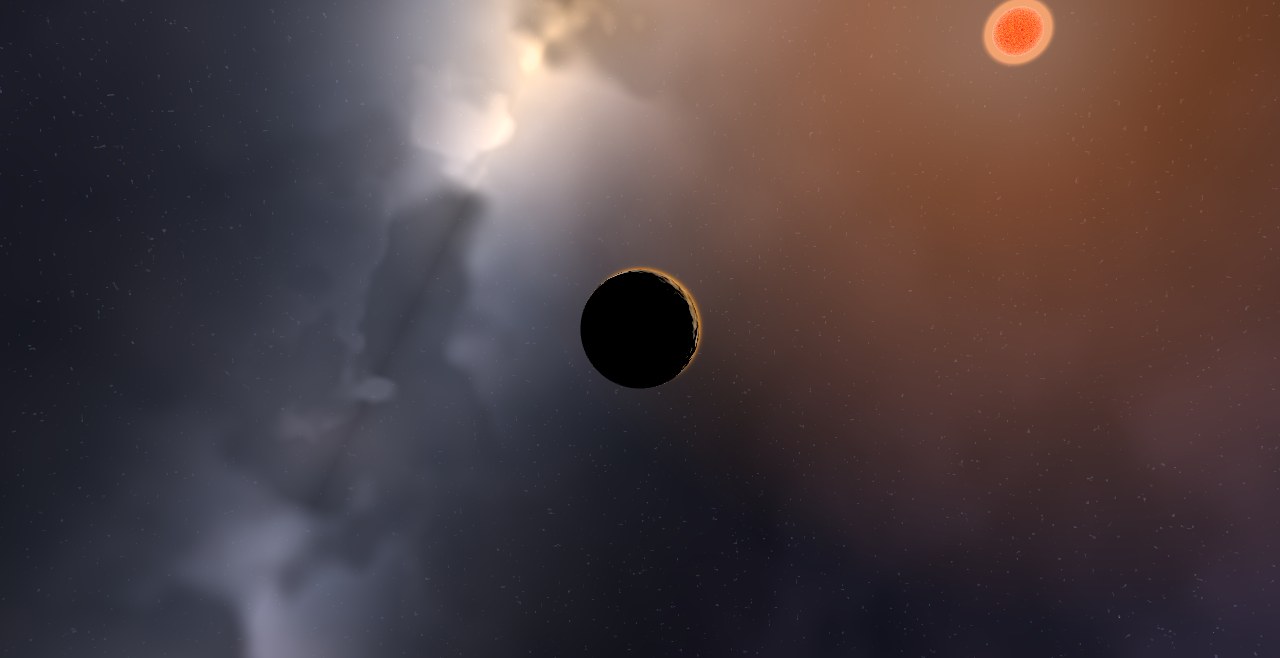
Kepler-327, an orange K-type dwarf of 0.59 solar masses, and Kepler-327 b, a planet with 1.1 Earth radii, with an orbital period of 2.5 days, at 0.029 AU from its star.