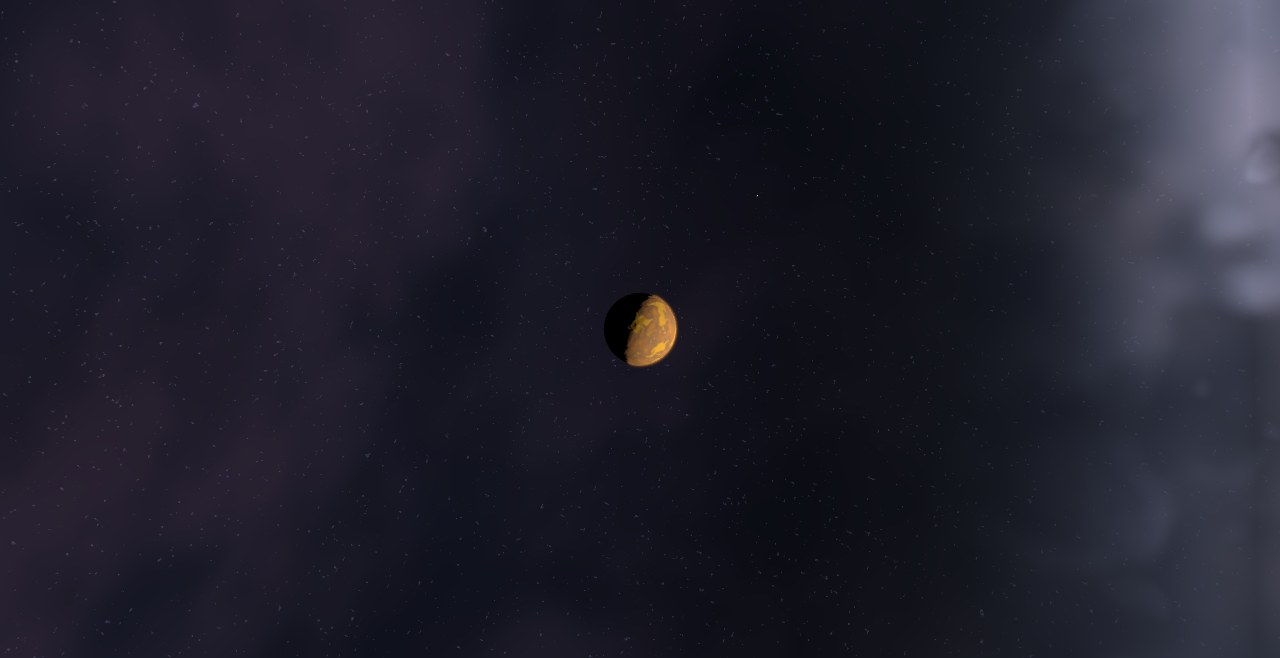
Kepler-54 - System
Kepler-54, an orange K-type dwarf of 0.51 solar masses, and Kepler-54 d, a planet with 1.5 Earth radii, with an orbital period of 21.0 days, at 0.126 AU from its star.
Exoplanets
Model multi-planet architectures to see how three competing gravitational forces pull on each other over millions of simulation years.
Share
Kepler-54, an orange K-type dwarf of 0.51 solar masses, and Kepler-54 d, a planet with 1.5 Earth radii, with an orbital period of 21.0 days, at 0.126 AU from its star.
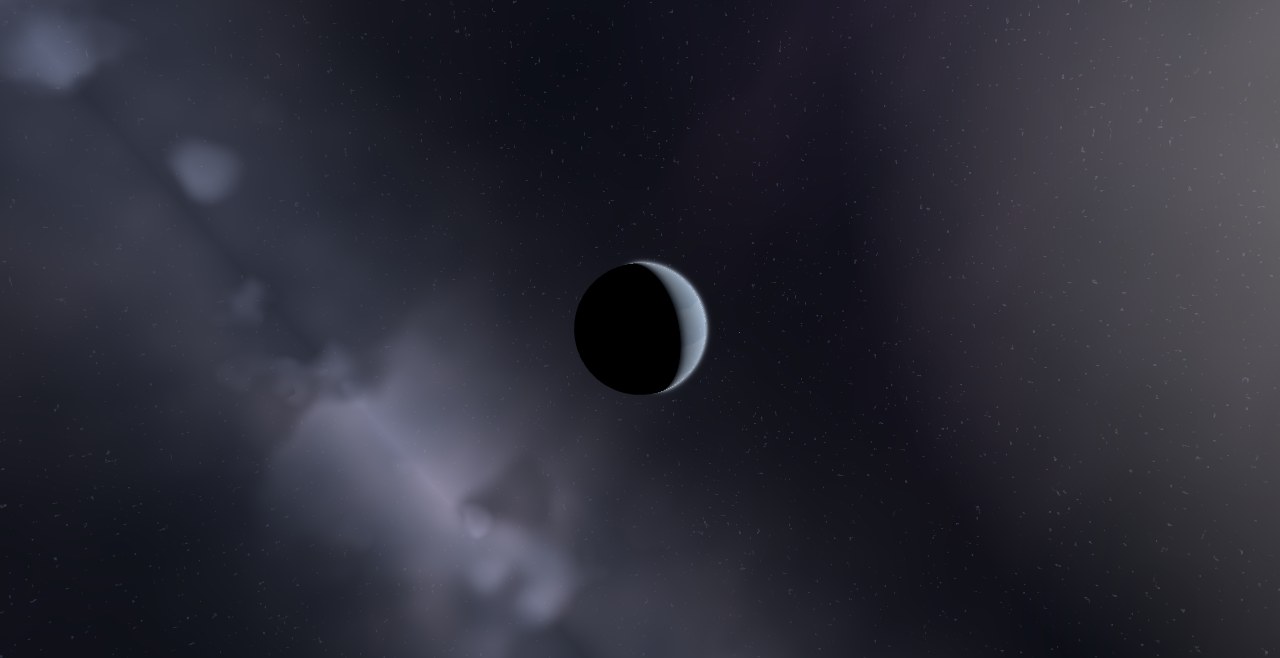
Kepler-549, a Sun-like G-type star of 0.88 solar masses, and Kepler-549 d, a planet with 4.2 Earth radii, with an orbital period of 24.6 days, at 0.158 AU from its star, and an equilibrium temperature near 586.
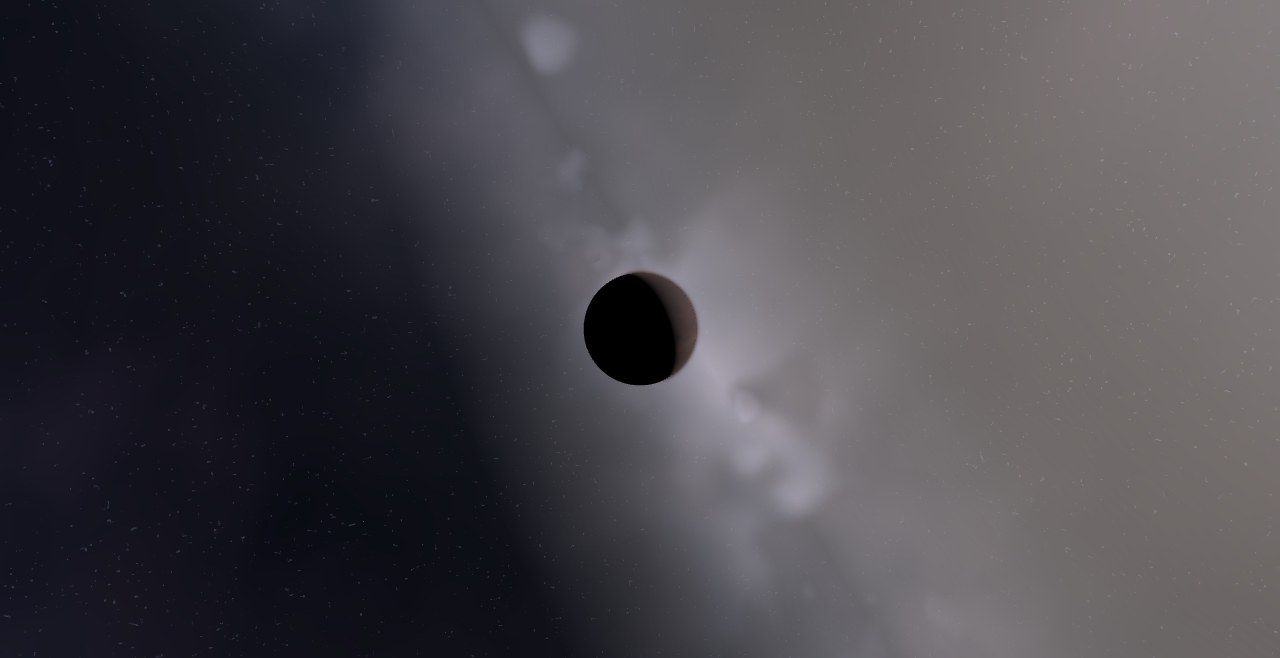
Kepler-56, the first multi-planet system found tilted relative to its star. The planets share a plane that is tipped against the stellar equator.
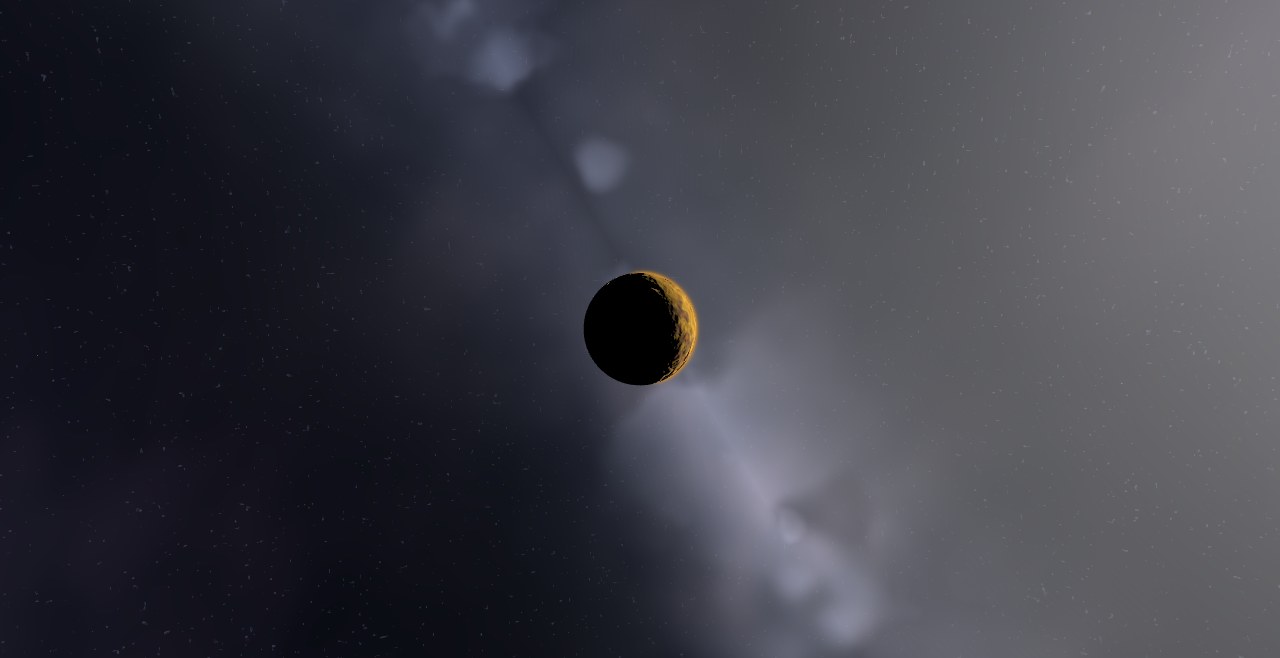
Kepler-60, three planets hovering near a three-body resonance. Small shifts in spacing would decide whether the chain holds or goes chaotic.
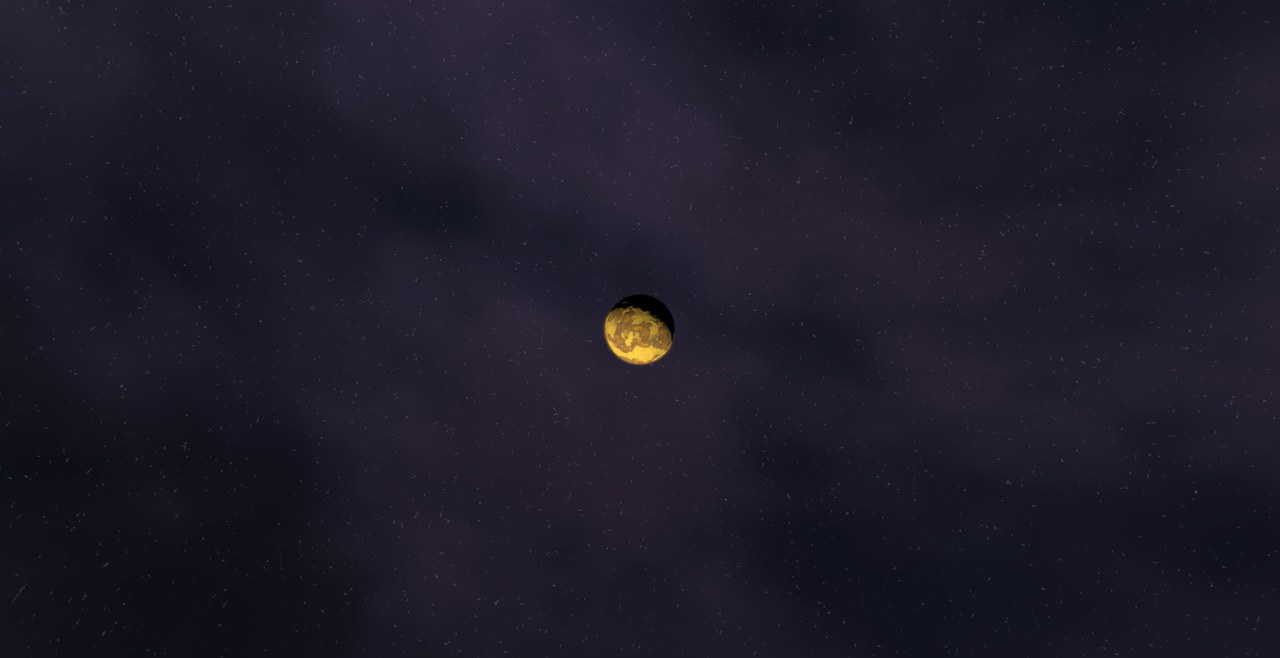
Kepler-603, a Sun-like G-type star of 1.01 solar masses, and Kepler-603 d, a planet with 1.3 Earth radii, with an orbital period of 6.2 days.
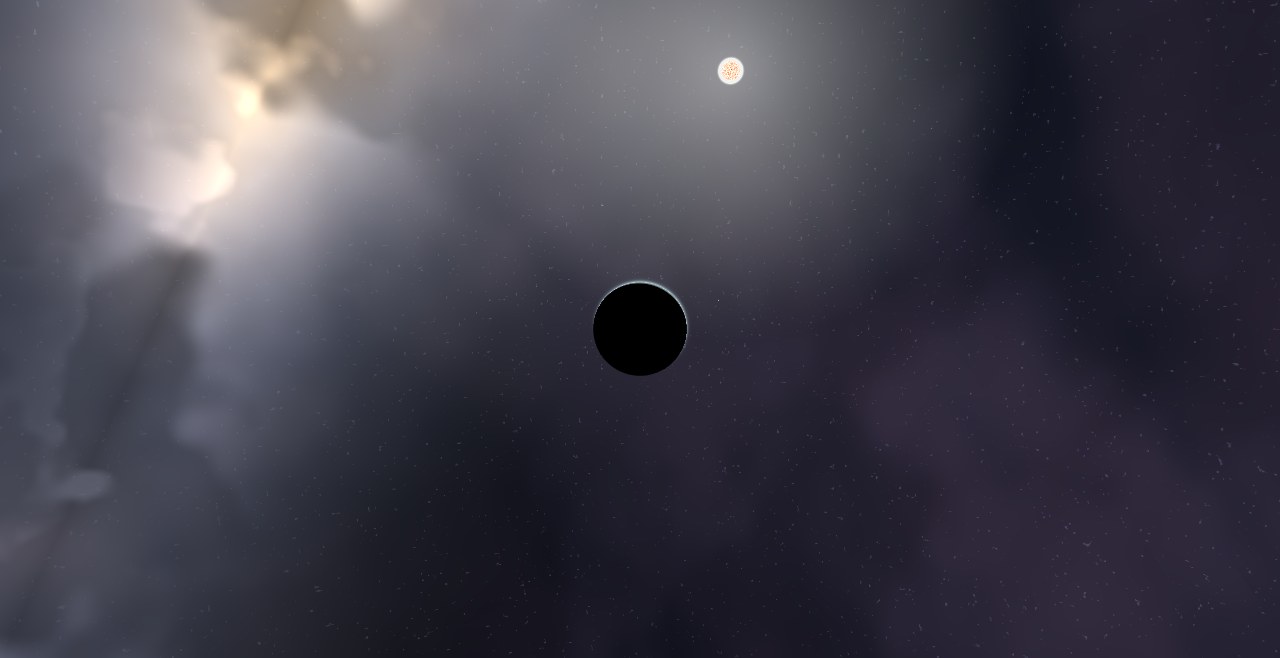
Kepler-616, a Sun-like F-type star of 1.06 solar masses, and Kepler-616 b, a planet with 2.4 Earth radii, with an orbital period of 10.0 days.
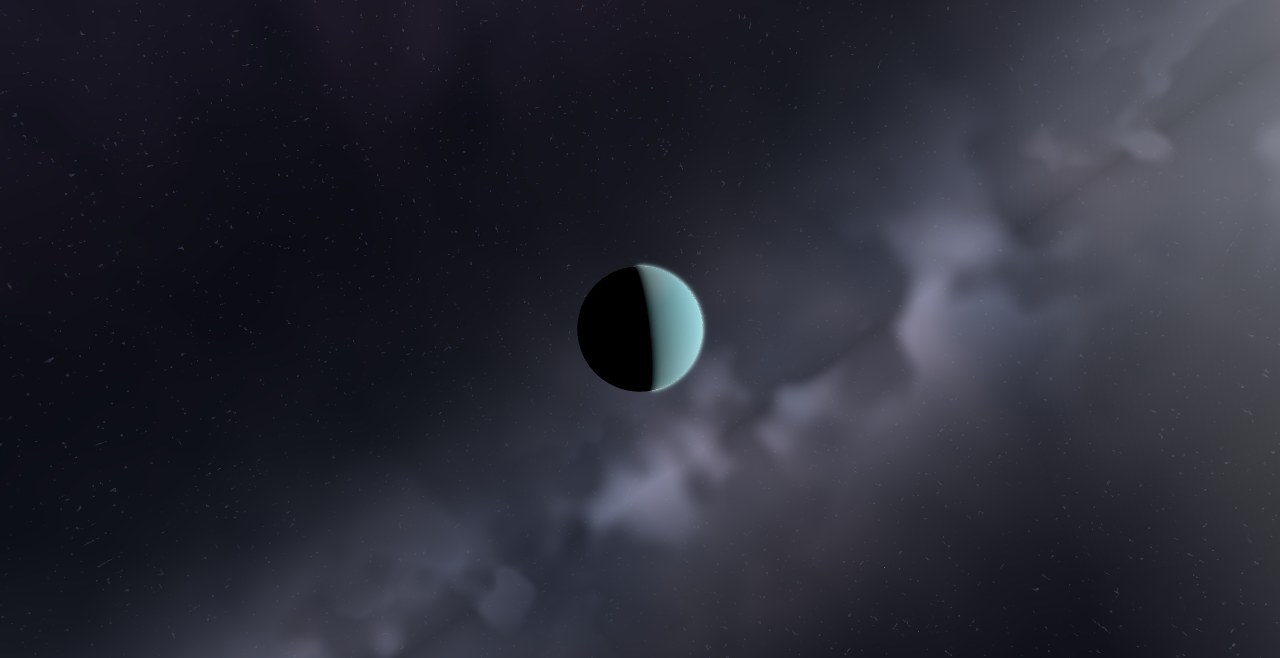
Kepler-619, a Sun-like G-type star of 1.09 solar masses, and Kepler-619 d, a planet with 4.2 Earth radii, with an orbital period of 11.7 days, at 0.102 AU from its star, and an equilibrium temperature near 830.
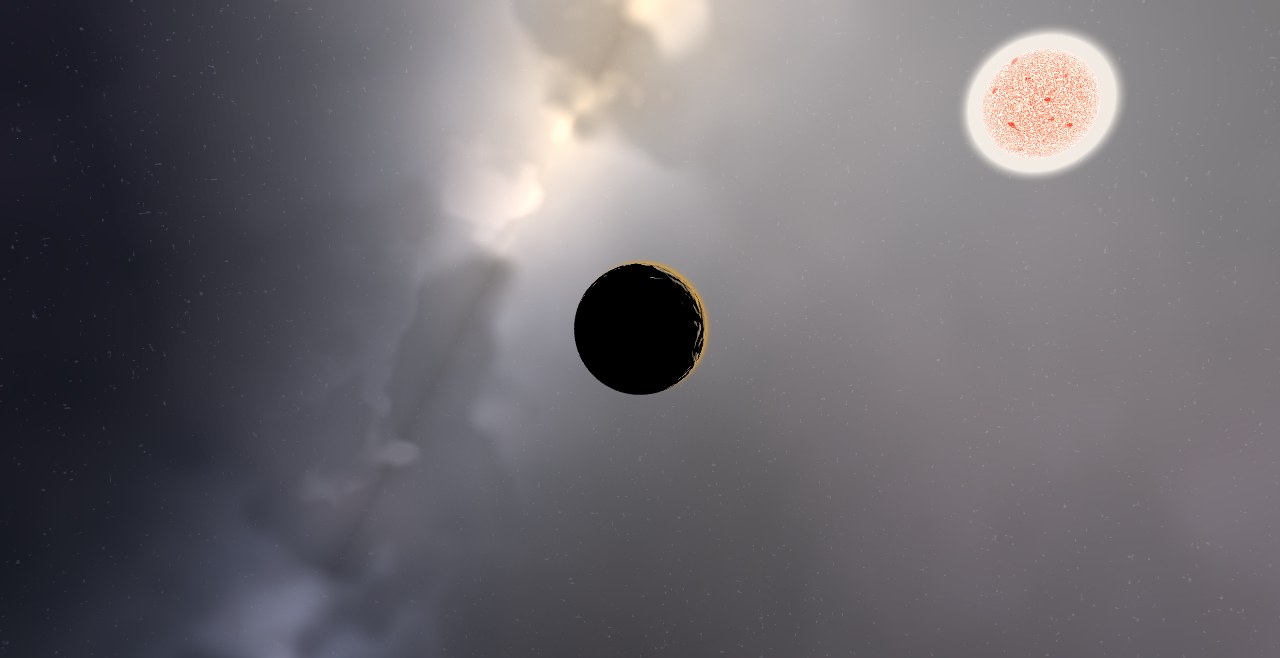
Kepler-763, an orange K-type dwarf of 0.80 solar masses, and Kepler-763 c, a planet with 1.4 Earth radii, with an orbital period of 4.1 days, at 0.047 AU from its star, and an equilibrium temperature near 938 K.
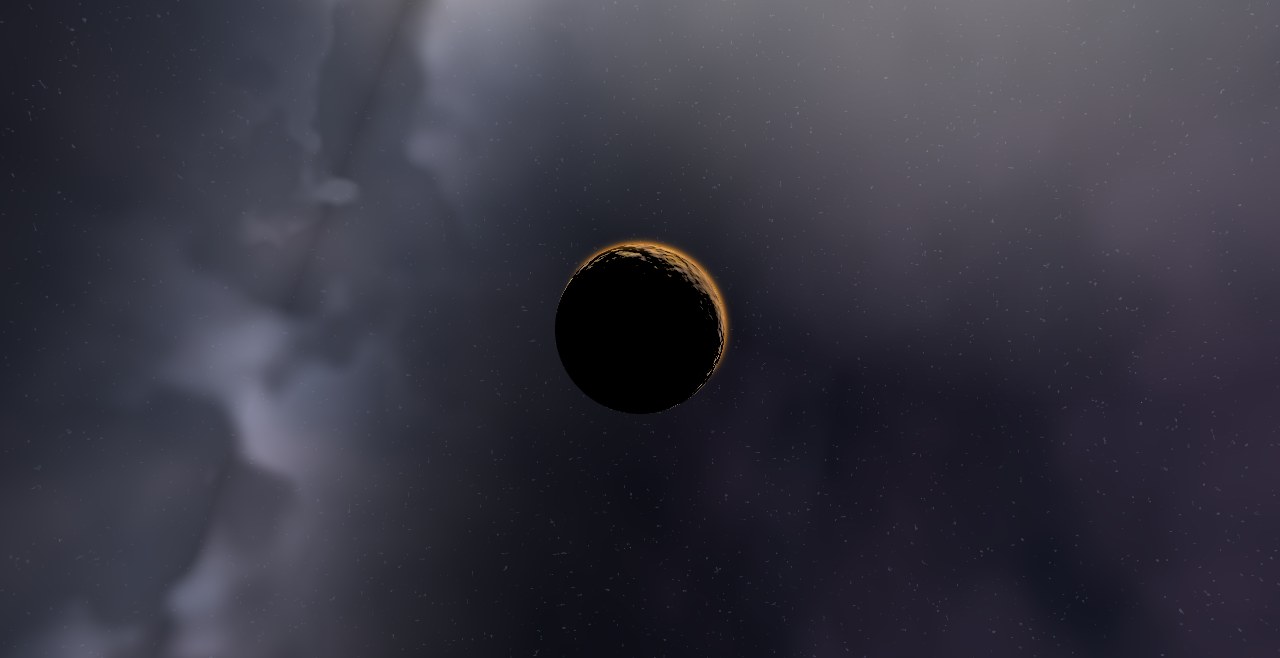
Kepler-770, a Sun-like G-type star of 0.94 solar masses, and Kepler-770 c, a planet with 1.2 Earth radii, with an orbital period of 1.5 days.
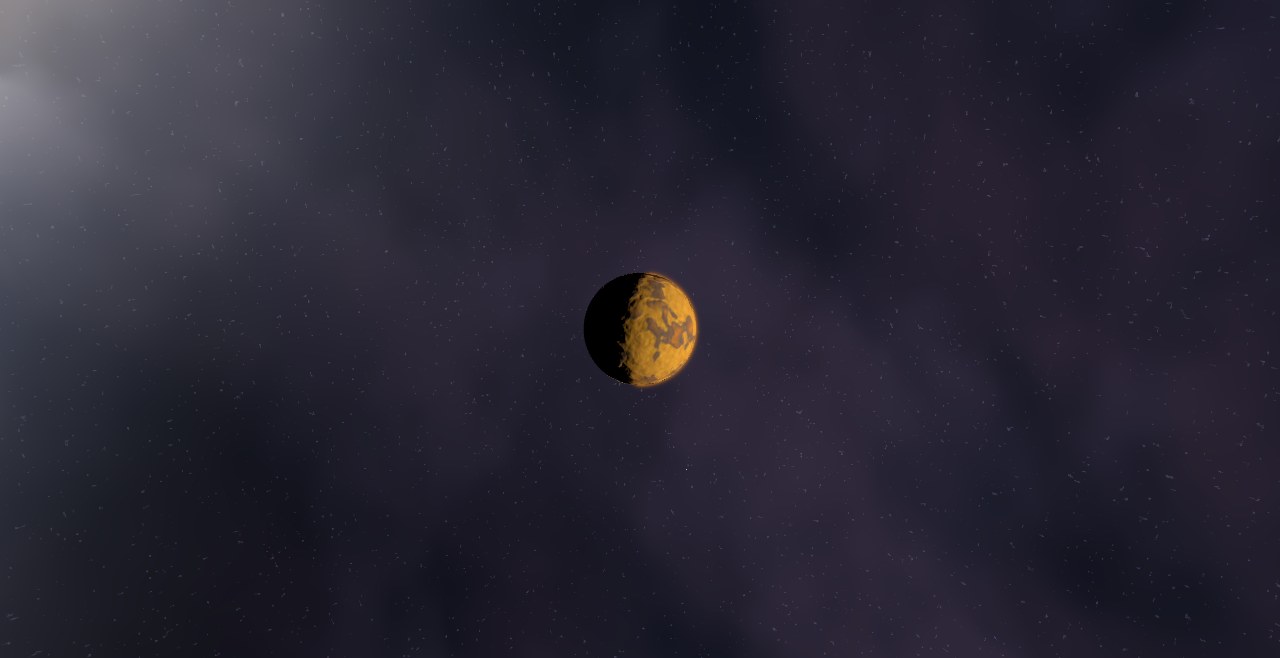
Kepler-81, an orange K-type dwarf of 0.64 solar masses, and Kepler-81 d, a planet with 1.2 Earth radii, with an orbital period of 20.8 days, at 0.128 AU from its star.
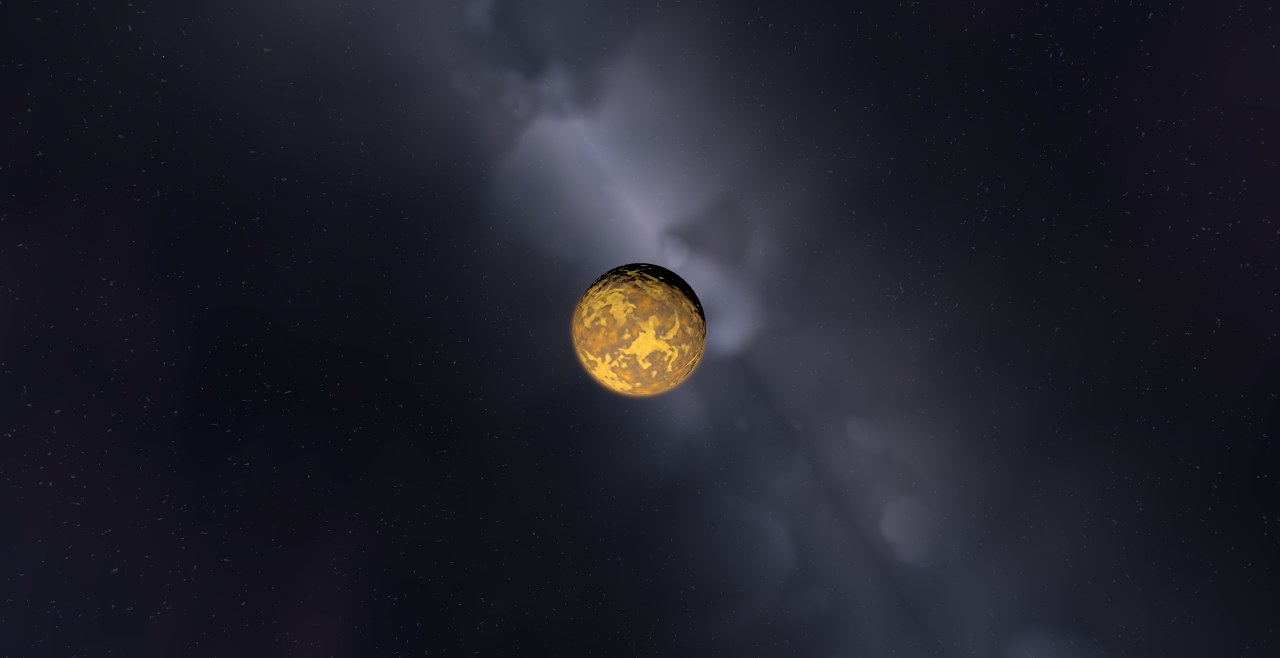
Kepler-83, an orange K-type dwarf of 0.58 solar masses, and Kepler-83 d, a planet with 1.9 Earth radii, with an orbital period of 5.2 days, at 0.051 AU from its star.
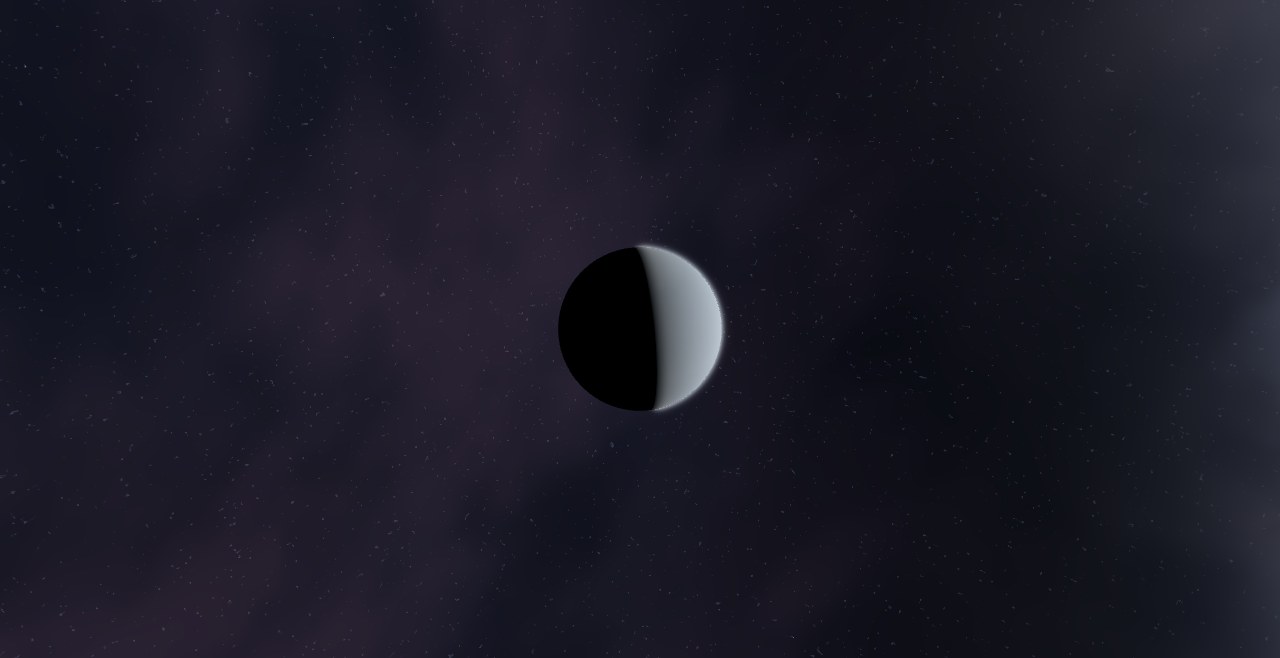
Kepler-9, the first planets confirmed by transit timing variations. The two giants tug each other so hard their transit clocks drift. A smaller inner world, Kepler-9 d, transits as well.
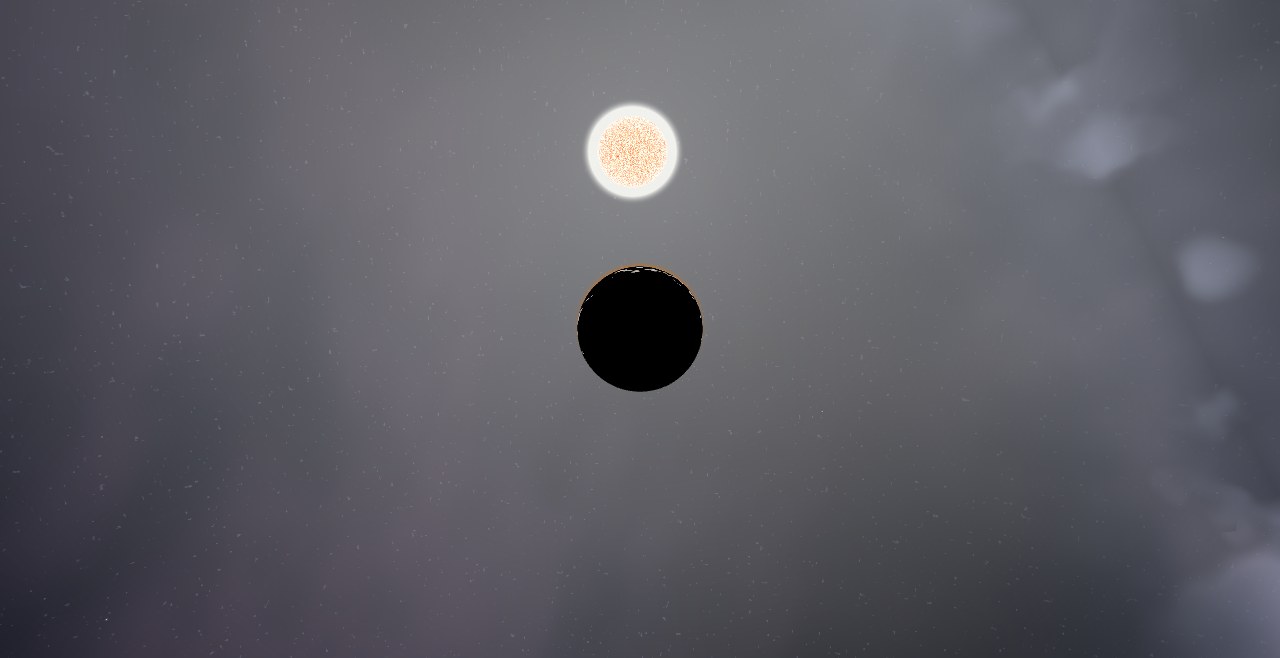
Kepler-92, a Sun-like G-type star of 1.07 solar masses, and Kepler-92 b, a 0.20-Jupiter-mass companion, with an orbital period of 13.7 days.
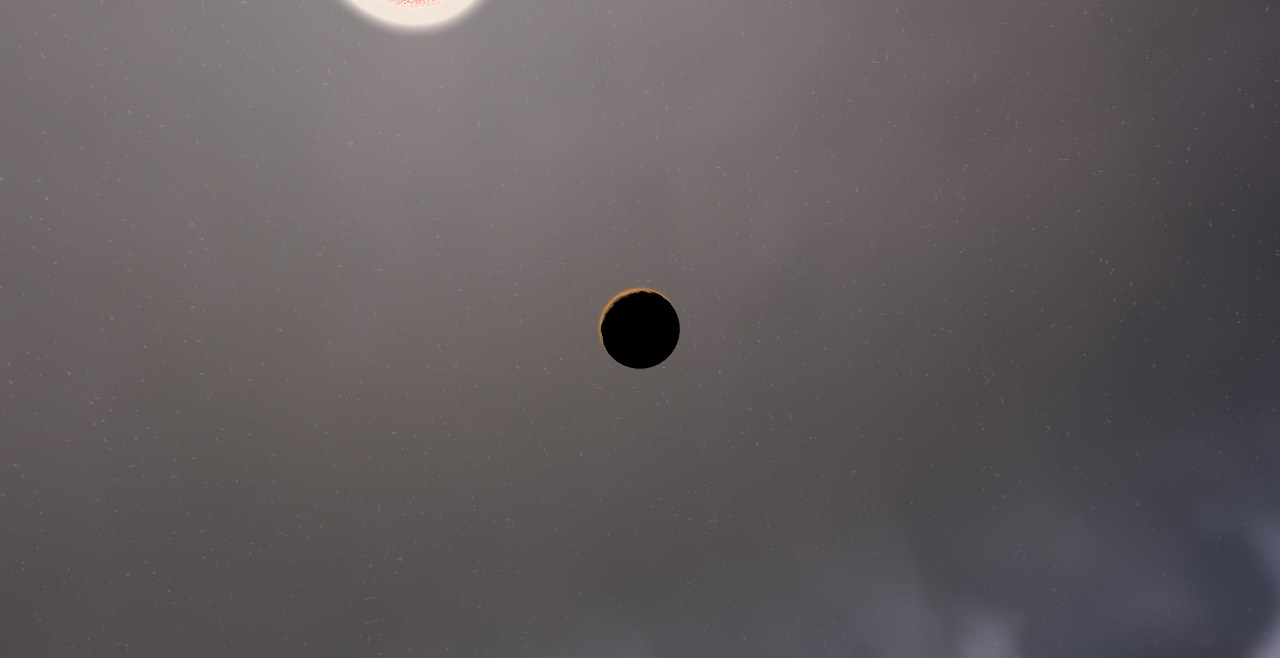
Kepler-968, an orange K-type dwarf of 0.76 solar masses, and Kepler-968 b, a planet with 2.0 Earth radii, with an orbital period of 3.7 days.
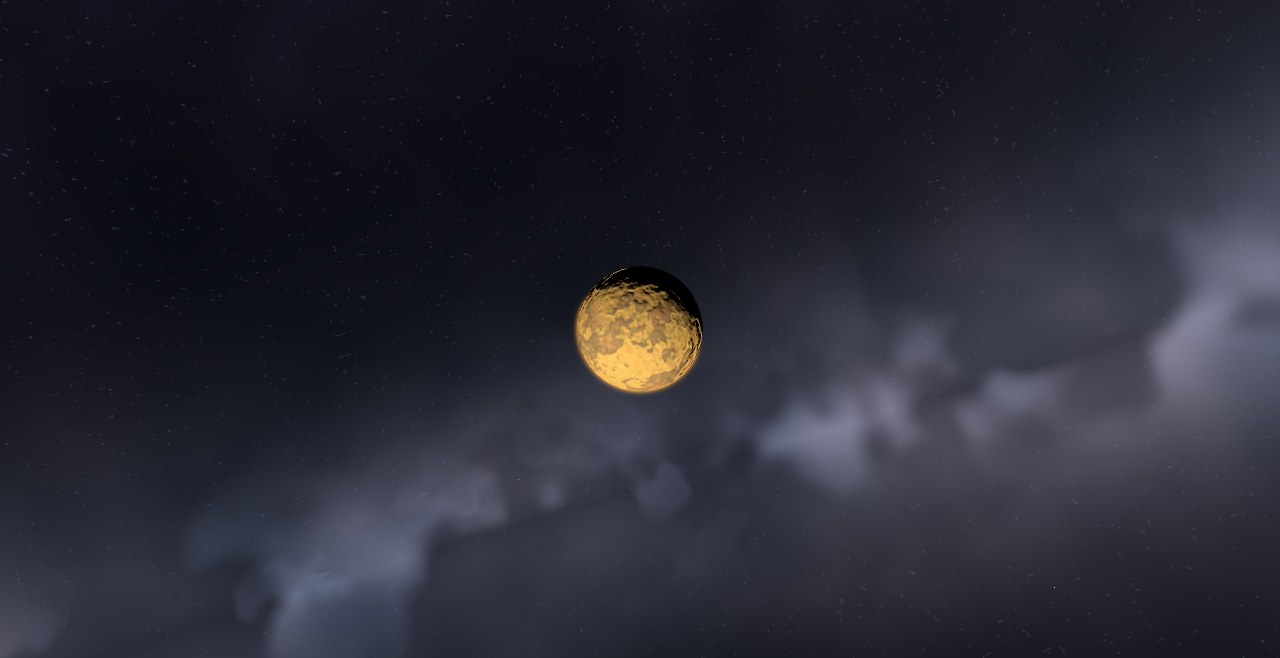
LHS 1678, a cool M-dwarf of 0.34 solar masses, and LHS 1678 b, a planet with 0.7 Earth radii, with an orbital period of 20.6 hours, at 0.012 AU from its star.
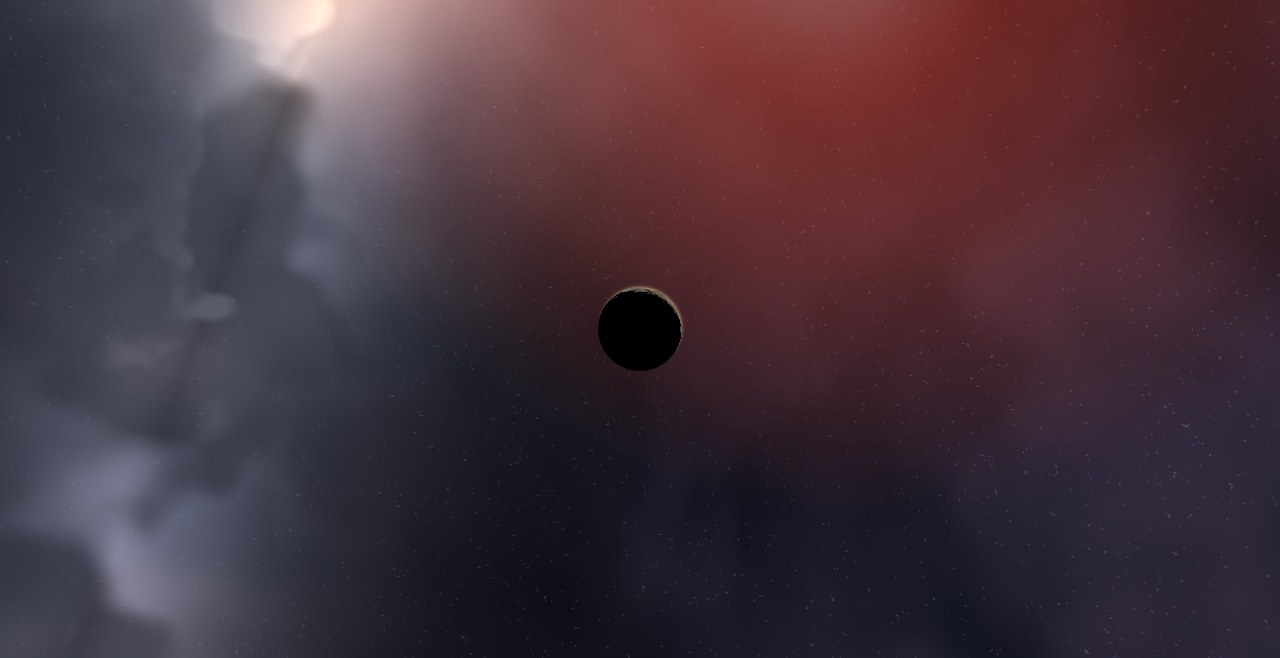
LP 791-18, a cool M-dwarf of 0.14 solar masses, and LP 791-18 b, a planet with 1.2 Earth radii, with an orbital period of 22.8 hours, at 0.010 AU from its star, and an equilibrium temperature near 564 K.
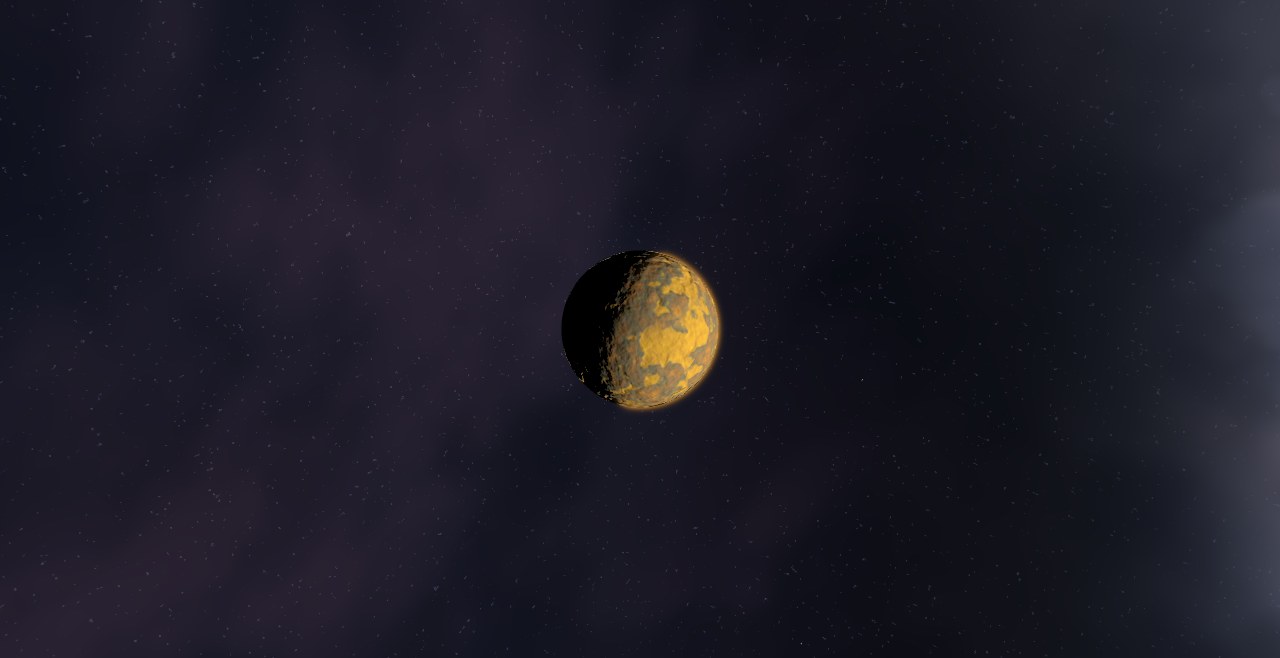
PSR B1257+12, the first confirmed exoplanets. In 1992 pulsar timing revealed three worlds, including a Moon-mass body, around a dead star. The host is a millisecond pulsar, not a living star.
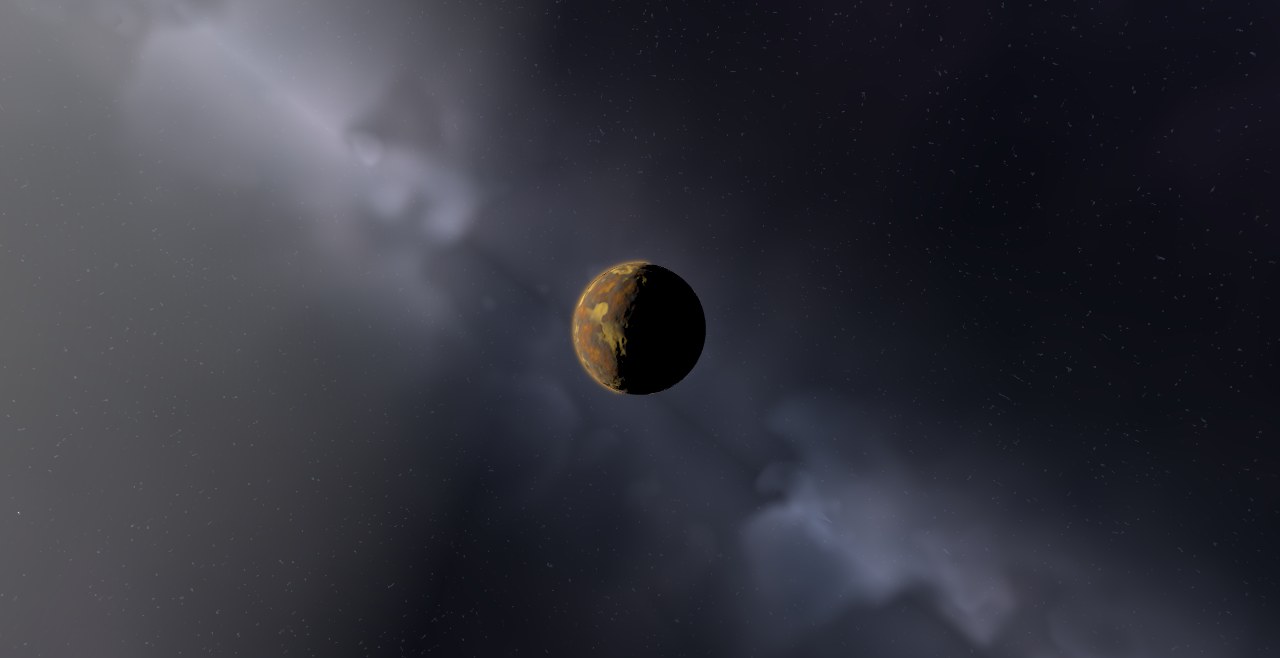
TOI-1117, a Sun-like G-type star of 0.97 solar masses, and TOI-1117 b, a 8.9-Earth-mass planet, with an orbital period of 2.2 days, at 0.033 AU from its star, and an equilibrium temperature near 1,538 K.