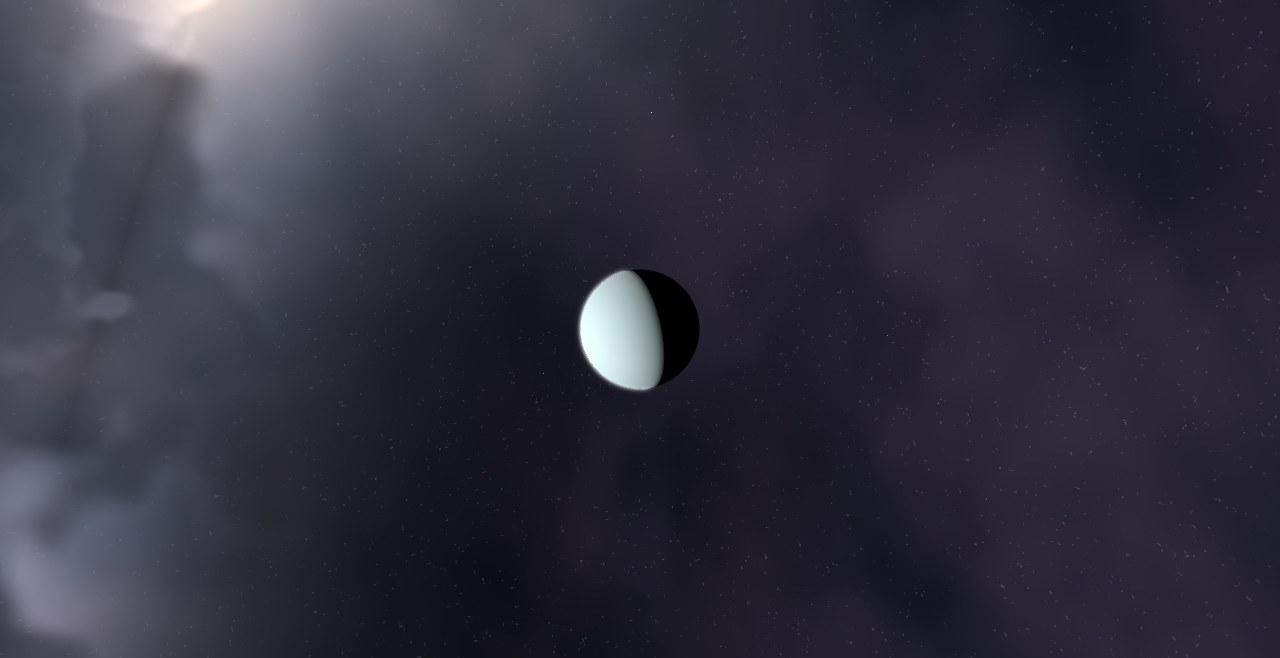
Kepler-1090 - System
Kepler-1090, a Sun-like G-type star of 0.86 solar masses, and Kepler-1090 c, a planet with 3.3 Earth radii, with an orbital period of 42.4 days.
Exoplanets
Track gravitational perturbations, transit timing variations, and orbital stability between binary planet arrangements around distant stars.
Share
Kepler-1090, a Sun-like G-type star of 0.86 solar masses, and Kepler-1090 c, a planet with 3.3 Earth radii, with an orbital period of 42.4 days.
Kepler-1093, a Sun-like F-type star of 1.13 solar masses, and Kepler-1093 b, a planet with 1.9 Earth radii, with an orbital period of 25.1 days.
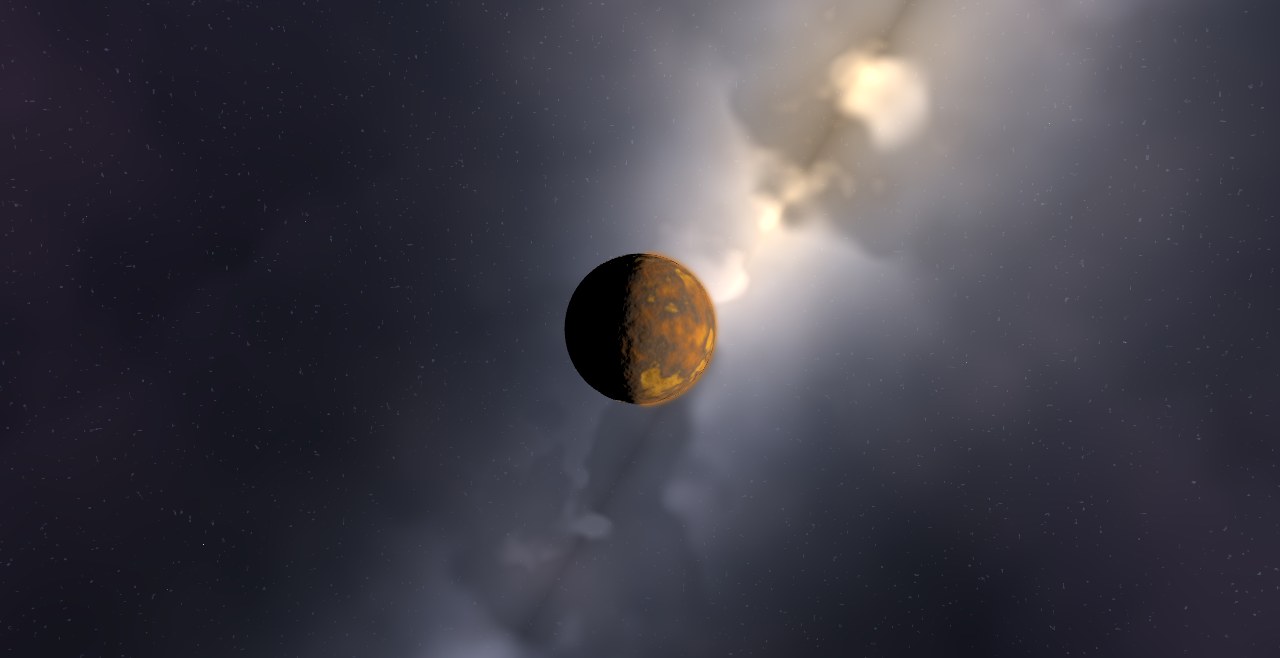
Kepler-110, a Sun-like G-type star of 0.99 solar masses, and Kepler-110 b, a planet with 1.8 Earth radii, with an orbital period of 12.7 days, at 0.107 AU from its star.
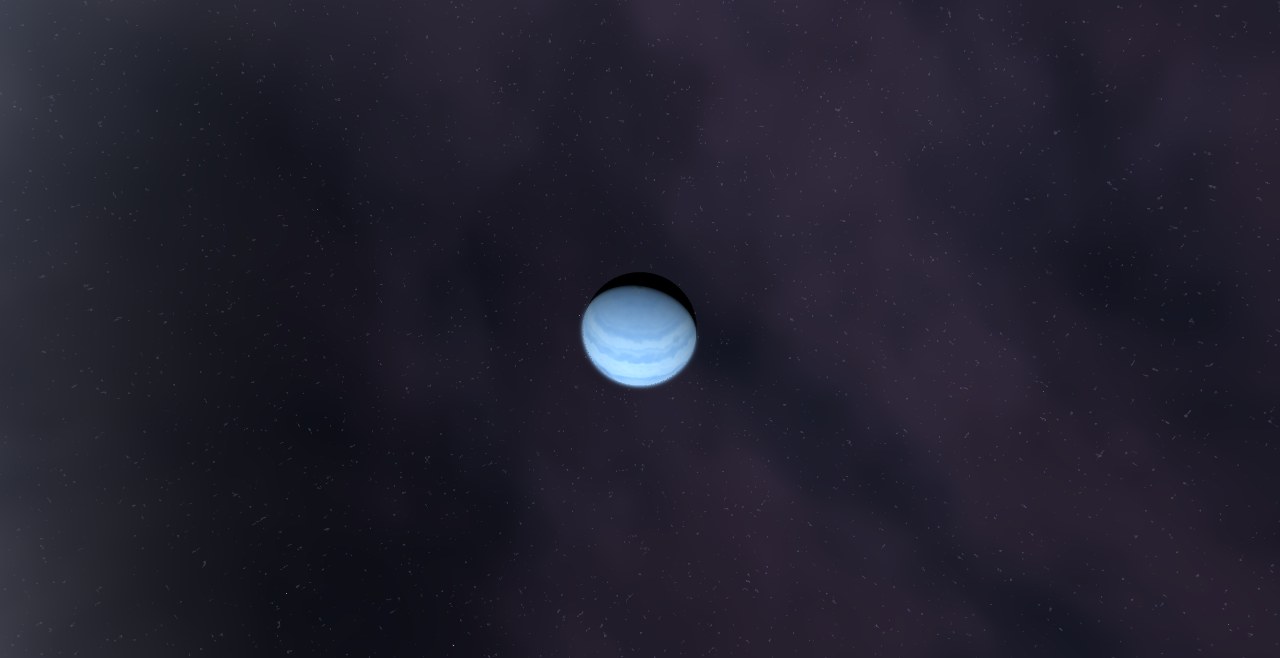
Kepler-111, a Sun-like G-type star of 1.12 solar masses, and Kepler-111 b, a planet with 1.6 Earth radii, with an orbital period of 3.3 days, at 0.046 AU from its star.
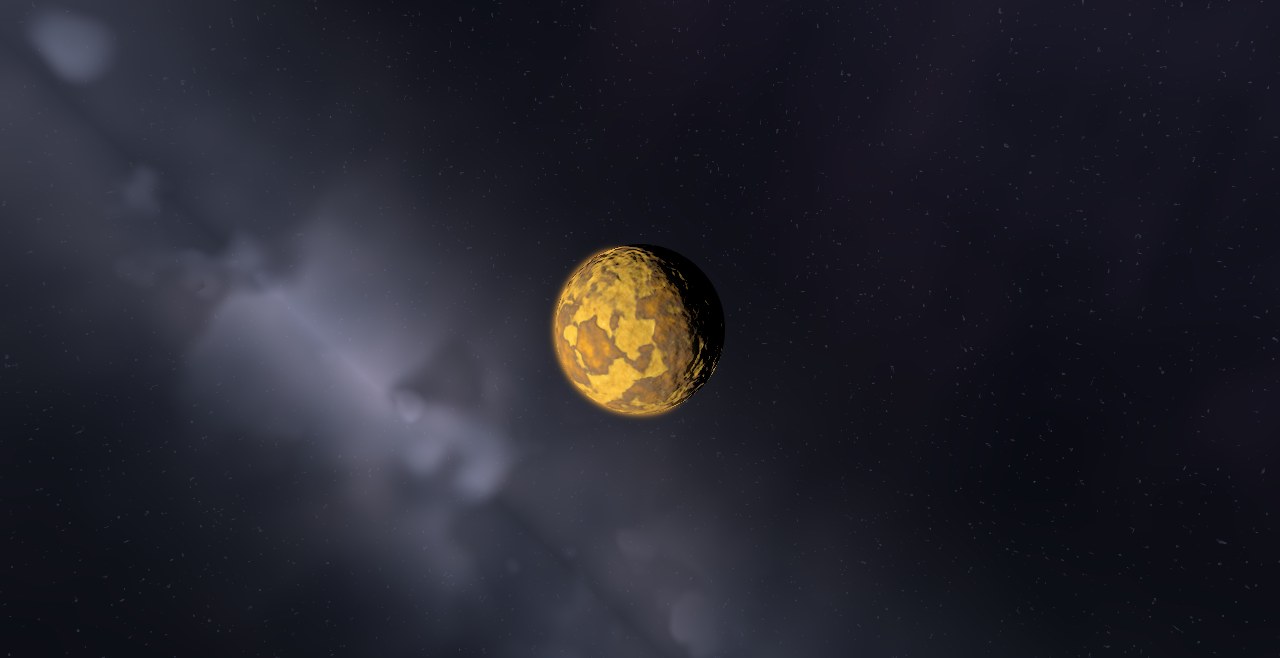
Kepler-112, a Sun-like G-type star of 0.78 solar masses, and Kepler-112 b, a planet with 2.4 Earth radii, with an orbital period of 8.4 days, at 0.076 AU from its star.
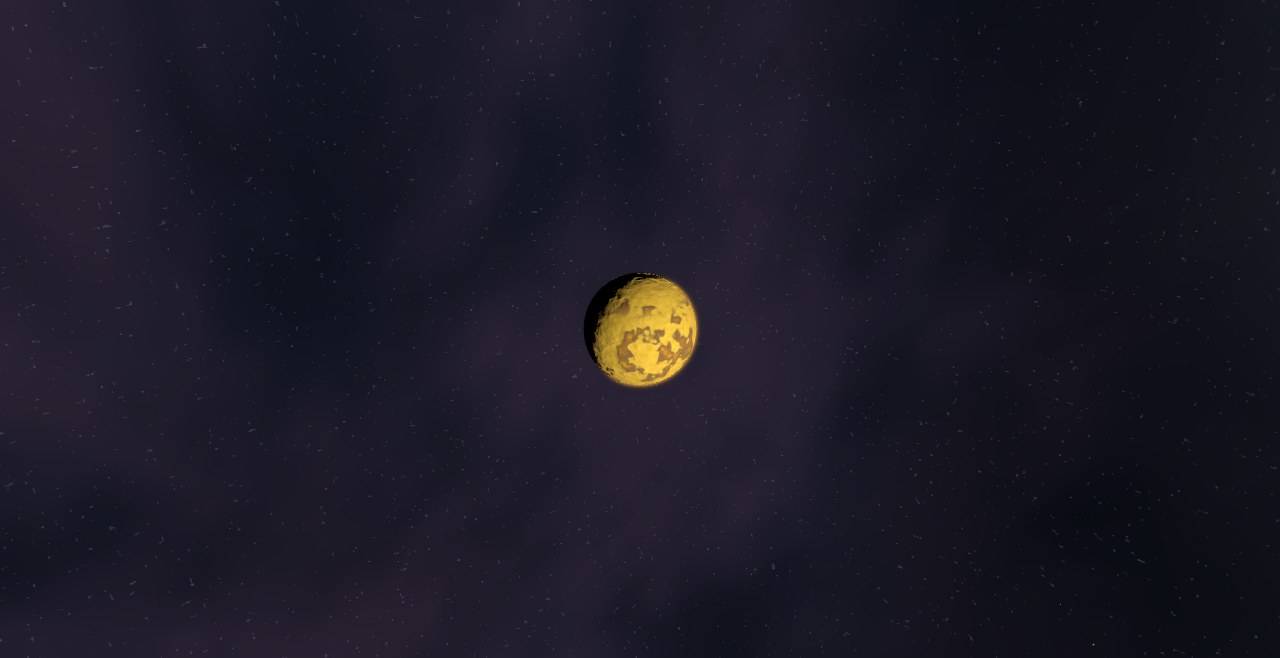
Kepler-1126, a Sun-like G-type star of 0.79 solar masses, and Kepler-1126 c, a planet with 1.4 Earth radii, with an orbital period of 200 days, at 0.619 AU from its star, and an equilibrium temperature near.
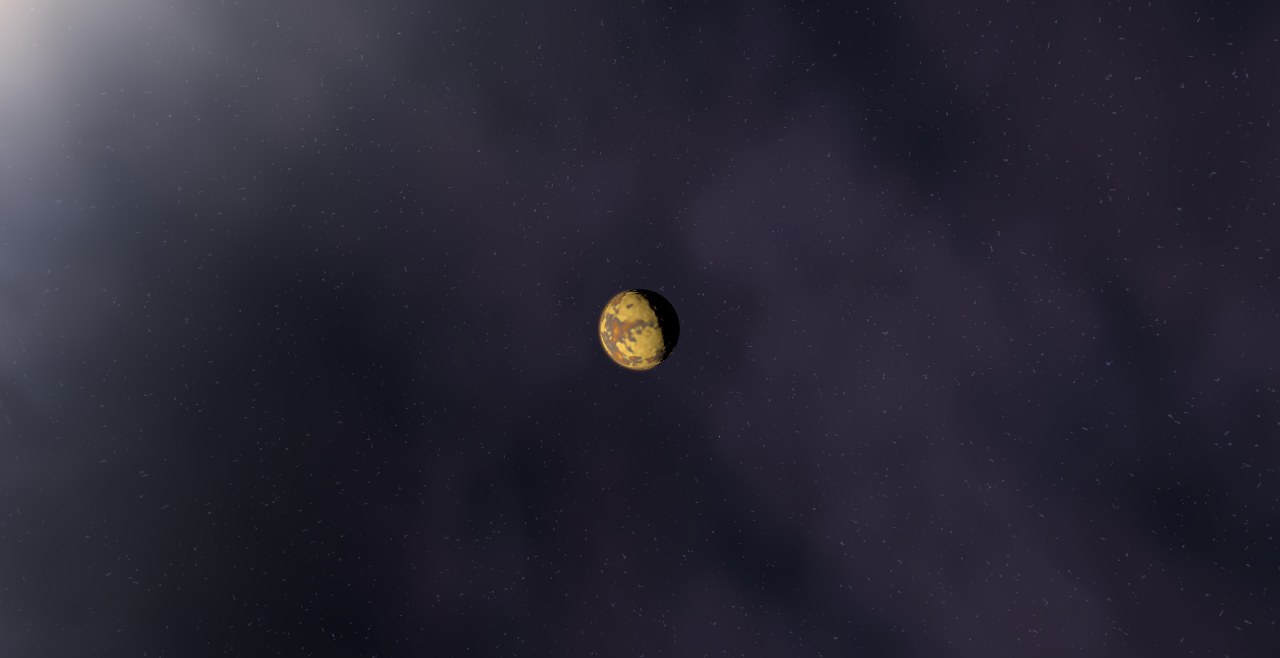
Kepler-1129, a Sun-like G-type star of 1.00 solar masses, and Kepler-1129 b, a planet with 3.0 Earth radii, with an orbital period of 24.3 days.
Kepler-113, an orange K-type dwarf of 0.75 solar masses, and Kepler-113 b, a 11.7-Earth-mass planet, with an orbital period of 4.8 days.
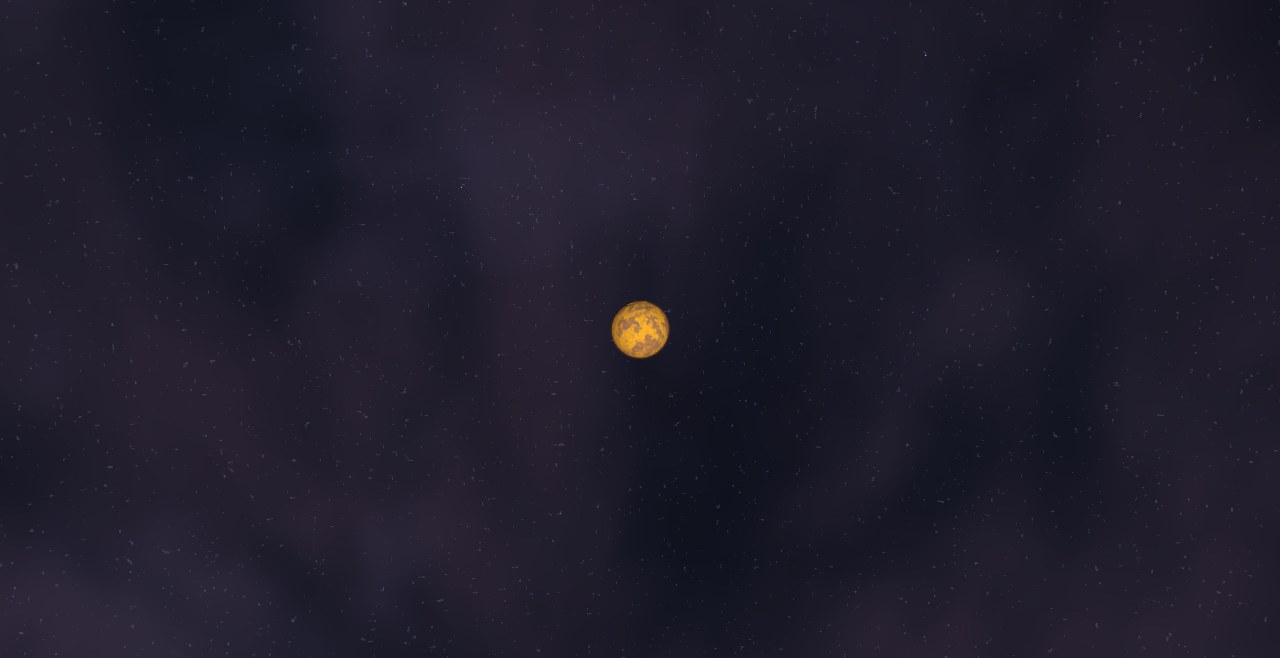
Kepler-1143, an orange K-type dwarf of 0.81 solar masses, and Kepler-1143 b, a planet with 1.7 Earth radii, with an orbital period of 2.9 days.
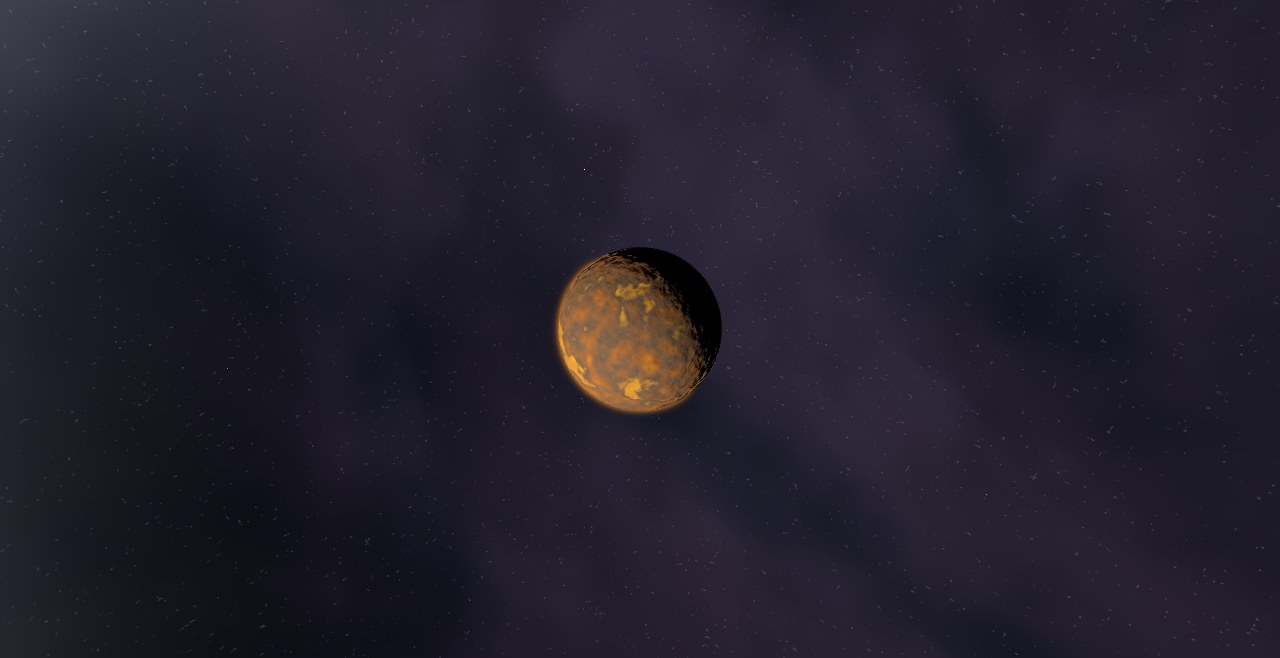
Kepler-115, a Sun-like G-type star of 1.04 solar masses, and Kepler-115 b, a planet with 1.1 Earth radii, with an orbital period of 2.4 days, at 0.036 AU from its star.
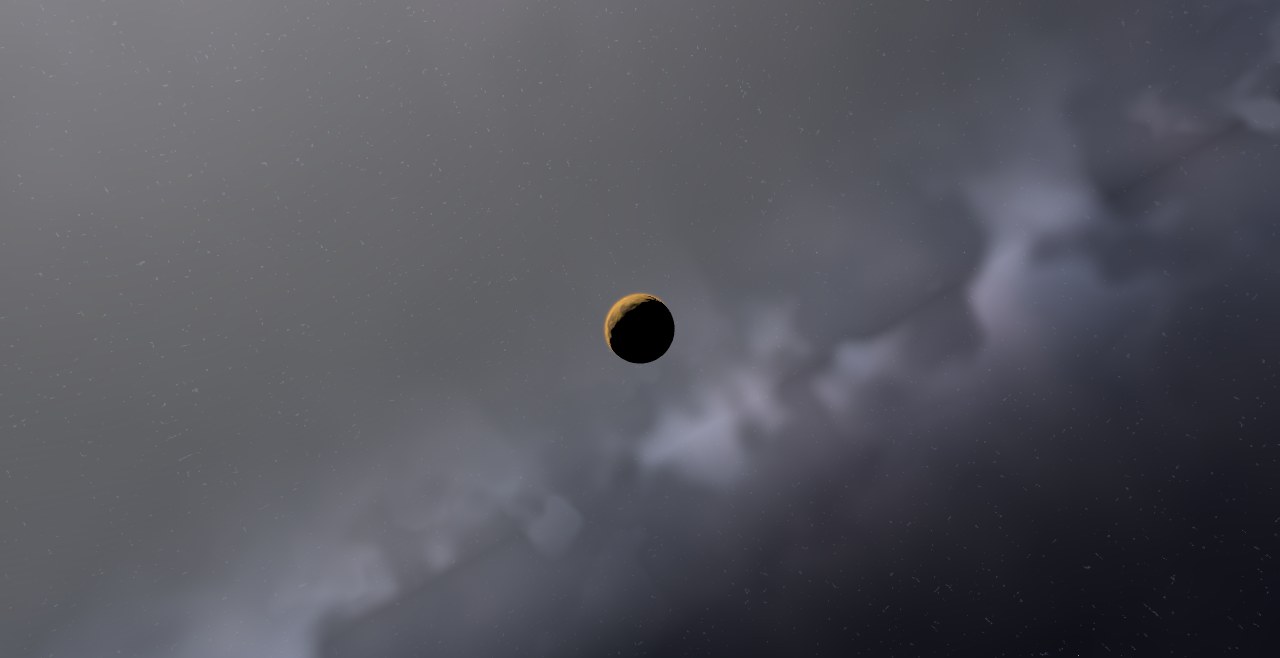
Kepler-1154, a Sun-like F-type star of 1.26 solar masses, and Kepler-1154 b, a planet with 2.3 Earth radii, with an orbital period of 5.2 days.
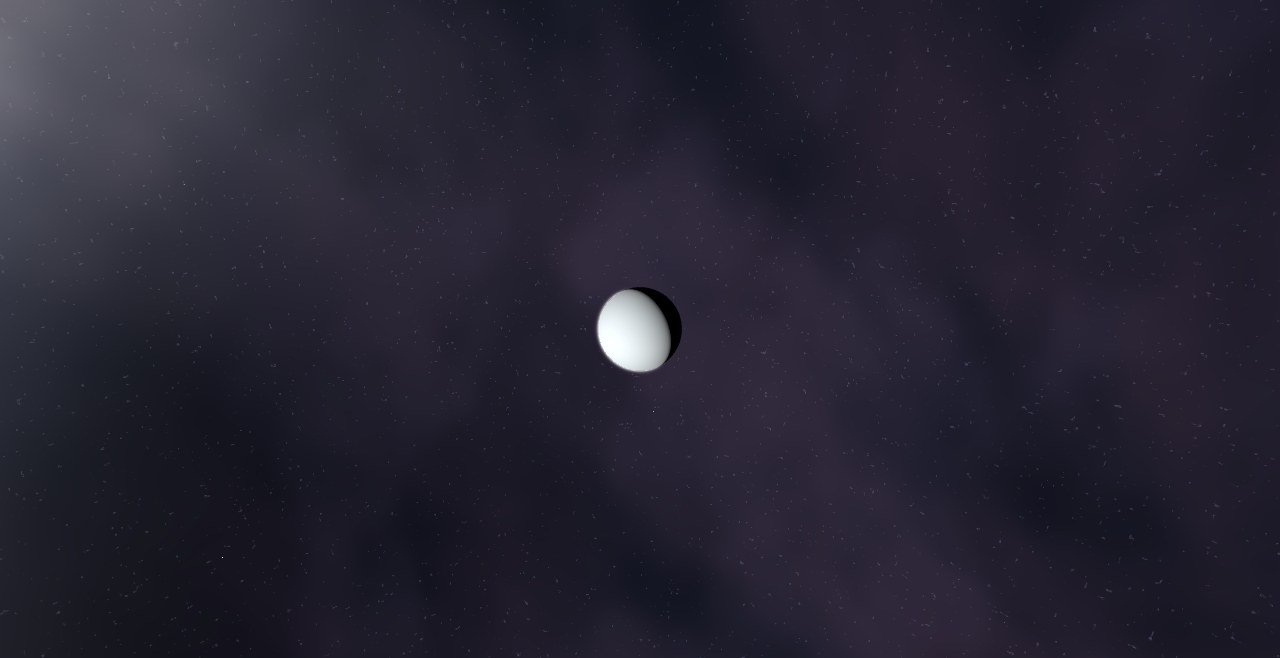
Kepler-116, a Sun-like F-type star of 1.20 solar masses, and Kepler-116 b, a planet with 3.4 Earth radii, with an orbital period of 6.0 days, at 0.069 AU from its star.
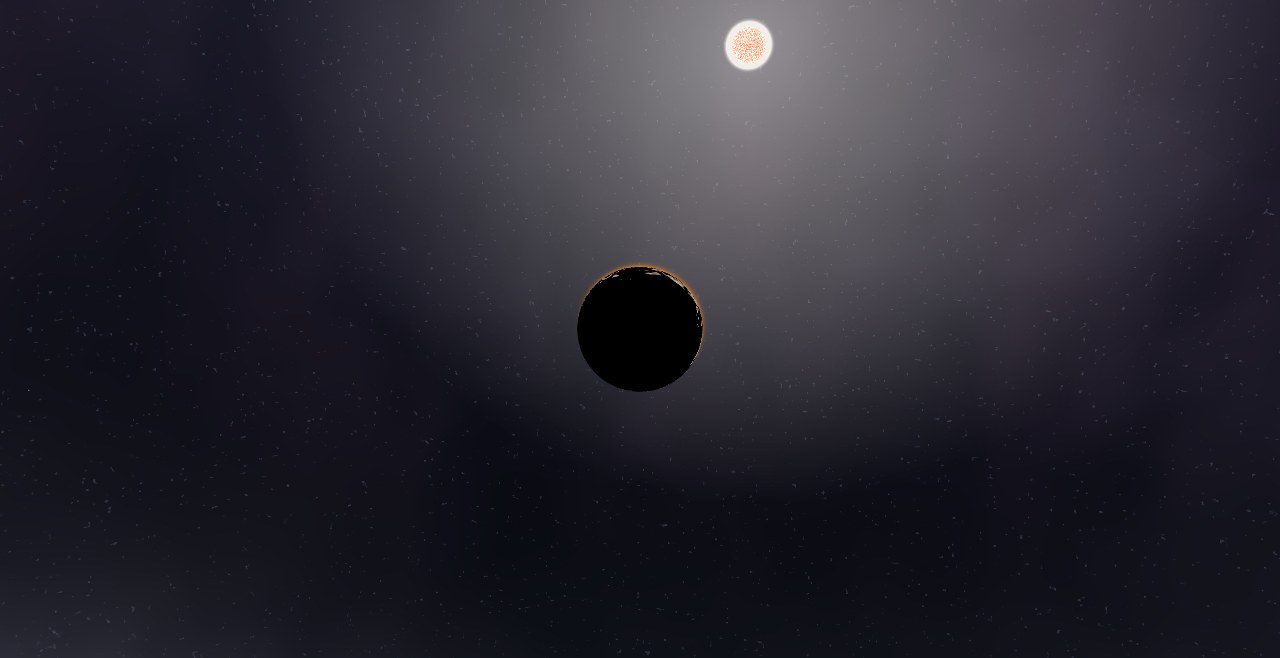
Kepler-1162, a Sun-like G-type star of 0.86 solar masses, and Kepler-1162 c, a planet with 1.8 Earth radii, with an orbital period of 59.3 days, at 0.283 AU from its star, and an equilibrium temperature near.
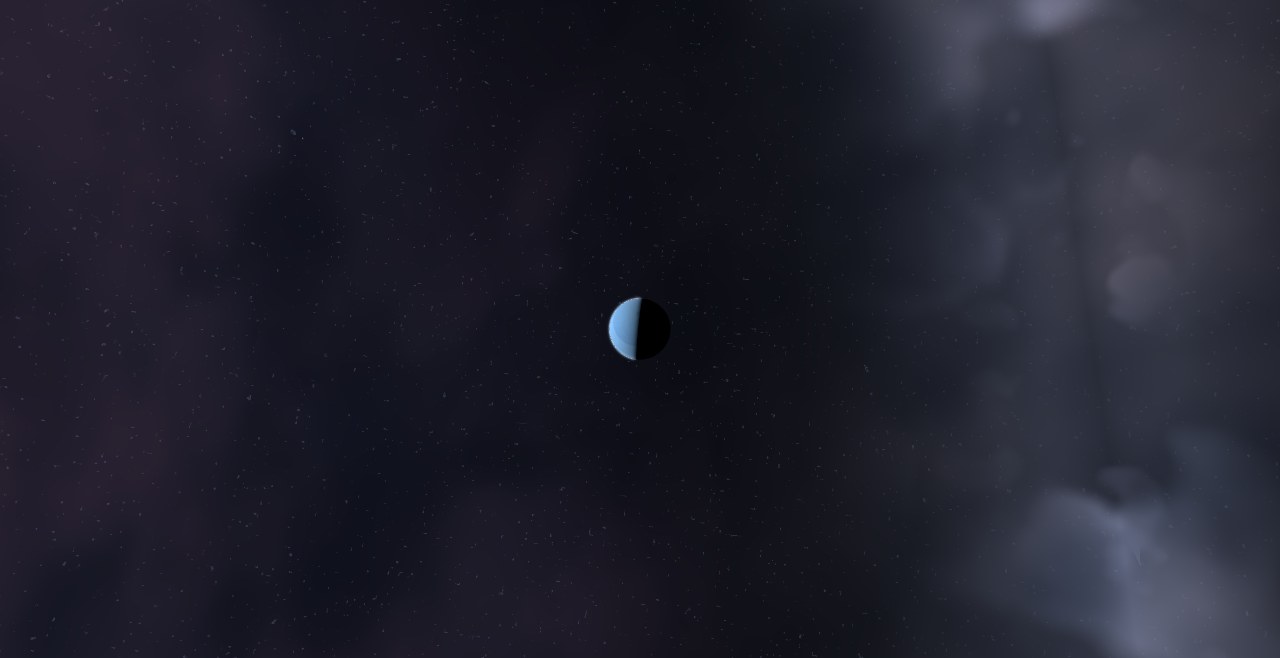
Kepler-1165, a Sun-like F-type star of 1.13 solar masses, and Kepler-1165 b, a planet with 1.6 Earth radii, with an orbital period of 9.5 days.
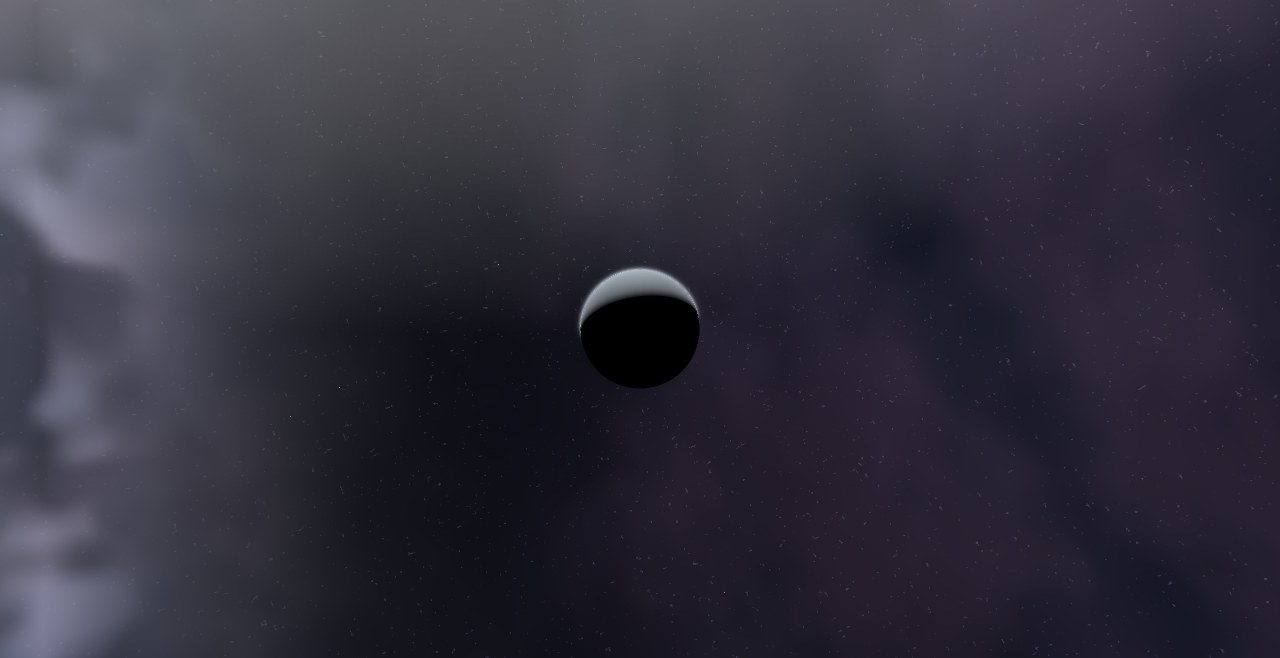
Kepler-117, a Sun-like F-type star of 1.13 solar masses, and Kepler-117 b, a 0.09-Jupiter-mass companion, with an orbital period of 18.8 days, at 0.144 AU from its star, and an equilibrium temperature near 984.
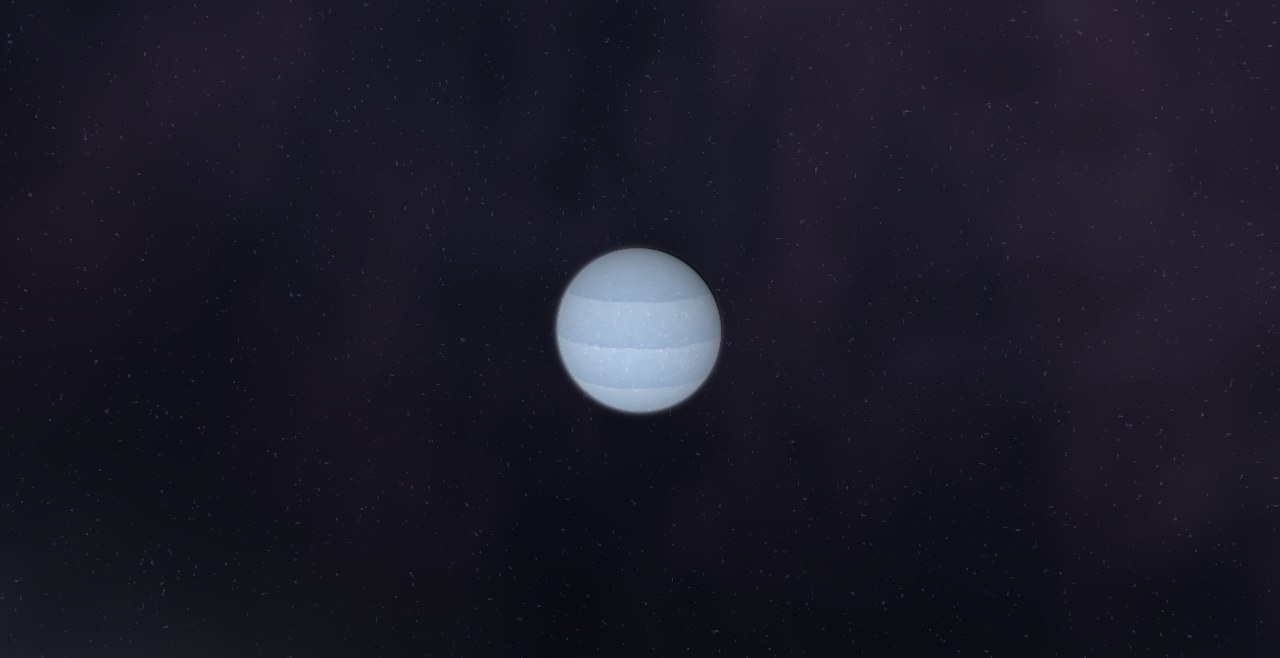
Kepler-118, a Sun-like G-type star of 0.81 solar masses, and Kepler-118 b, a planet with 2.0 Earth radii, with an orbital period of 7.5 days, at 0.073 AU from its star.
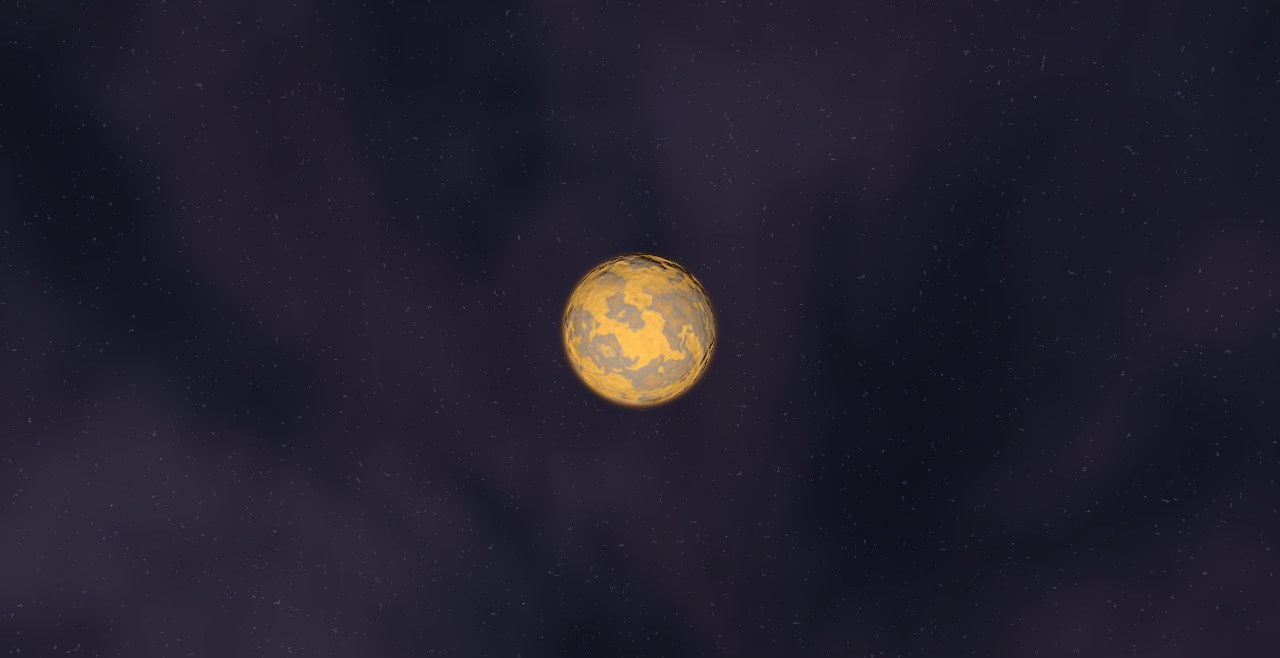
Kepler-1181, a Sun-like F-type star of 1.34 solar masses, and Kepler-1181 c, a planet with 1.8 Earth radii, with an orbital period of 8.9 days, at 0.093 AU from its star, and an equilibrium temperature near.
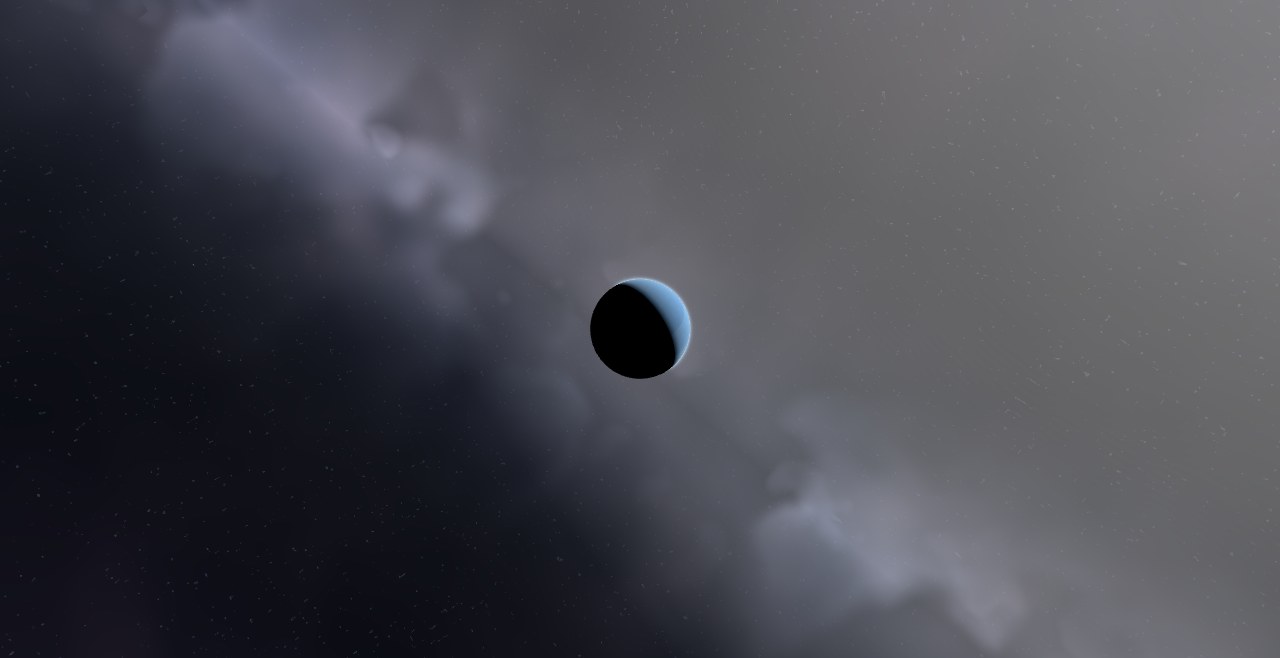
Kepler-119, a Sun-like G-type star of 0.92 solar masses, and Kepler-119 b, a planet with 3.6 Earth radii, with an orbital period of 2.4 days, at 0.035 AU from its star.