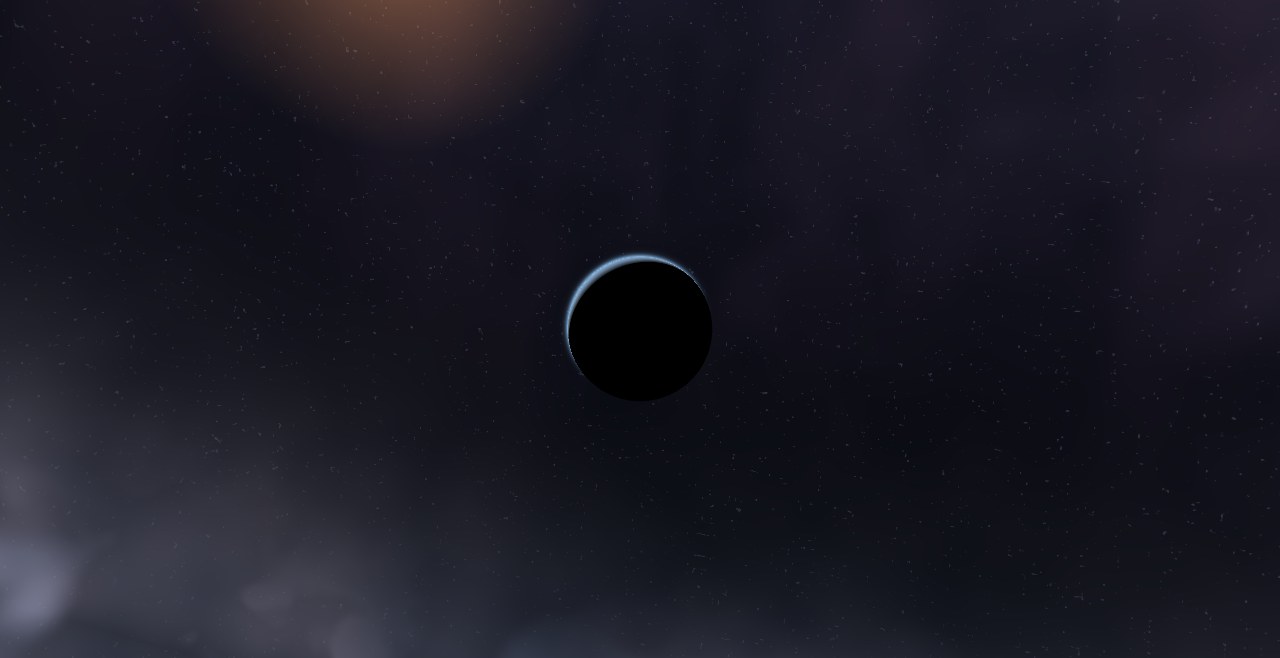
HIP 34222 - System
HIP 34222, an orange K-type dwarf of 0.62 solar masses, and HIP 34222 b, a 0.83-Jupiter-mass companion, with an orbital period of 160 days, at 0.492 AU from its star, on an eccentric orbit (e ≈ 0.30).
Exoplanets
Analyze isolated alien worlds orbiting a singular host star to observe basic orbital parameters, tidal locks, and planetary eccentricities.
Share
HIP 34222, an orange K-type dwarf of 0.62 solar masses, and HIP 34222 b, a 0.83-Jupiter-mass companion, with an orbital period of 160 days, at 0.492 AU from its star, on an eccentric orbit (e ≈ 0.30).
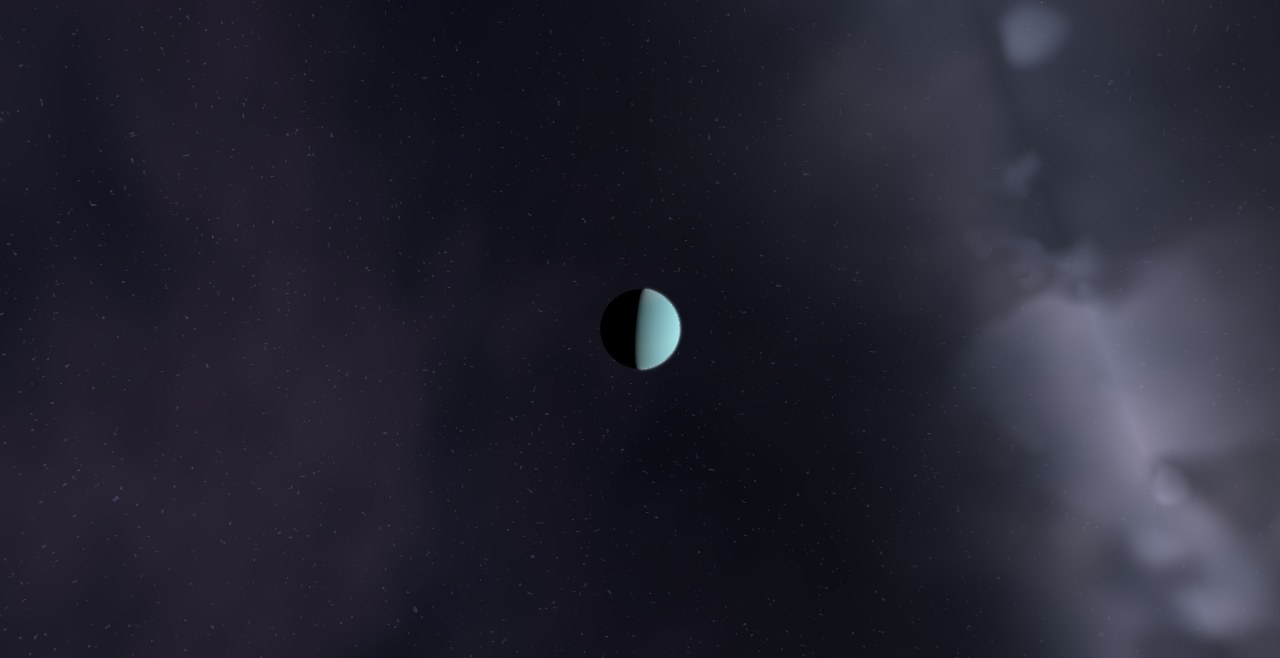
HIP 35173, an orange K-type dwarf of 0.79 solar masses, and HIP 35173 b, a 12.7-Earth-mass planet, with an orbital period of 41.5 days, at 0.217 AU from its star, on an eccentric orbit (e ≈ 0.16).
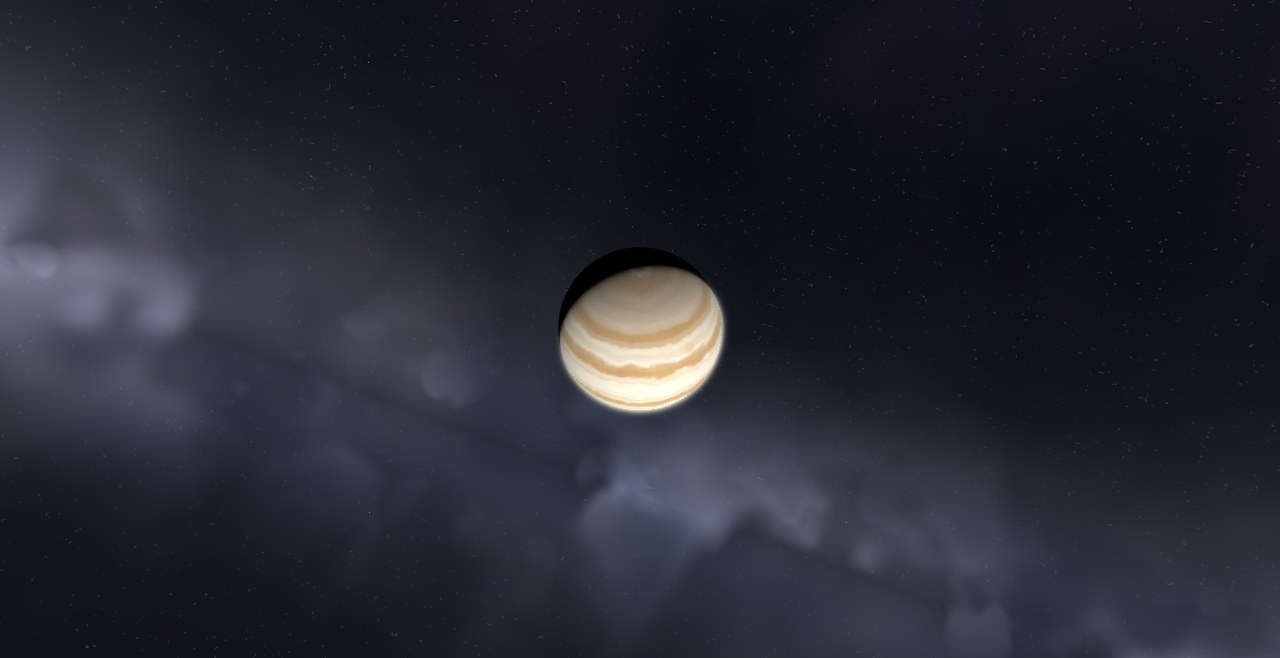
HIP 35965, an orange K-type dwarf of 0.78 solar masses, and HIP 35965 b, a 8.15-Jupiter-mass companion, with an orbital period of 71.5 years, at 15.9 AU from its star, on an eccentric orbit (e ≈ 0.14).
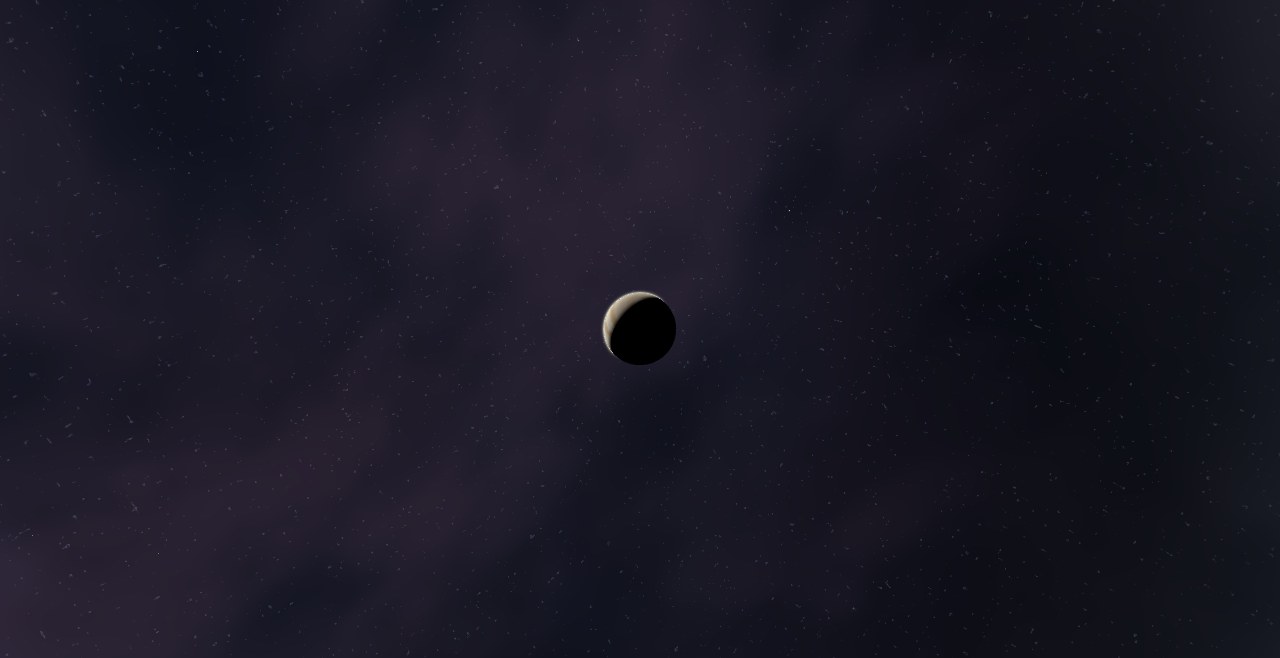
HIP 39017, and HIP 39017 b, a 23.6-Jupiter-mass companion, with an orbital period of 84.9 years, at 22.1 AU from its star, on an eccentric orbit (e ≈ 0.55).
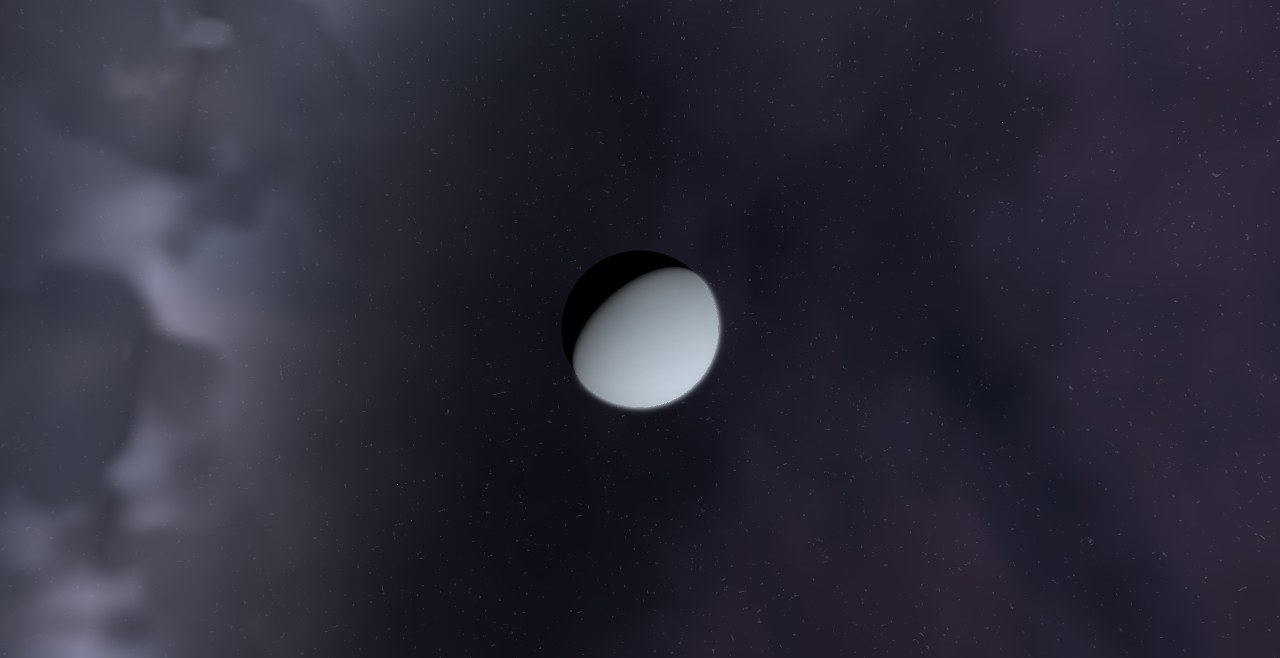
HIP 4845, an orange K-type dwarf of 0.62 solar masses, and HIP 4845 b, a 14.4-Earth-mass planet, with an orbital period of 34.1 days, at 0.176 AU from its star, on an eccentric orbit (e ≈ 0.25).
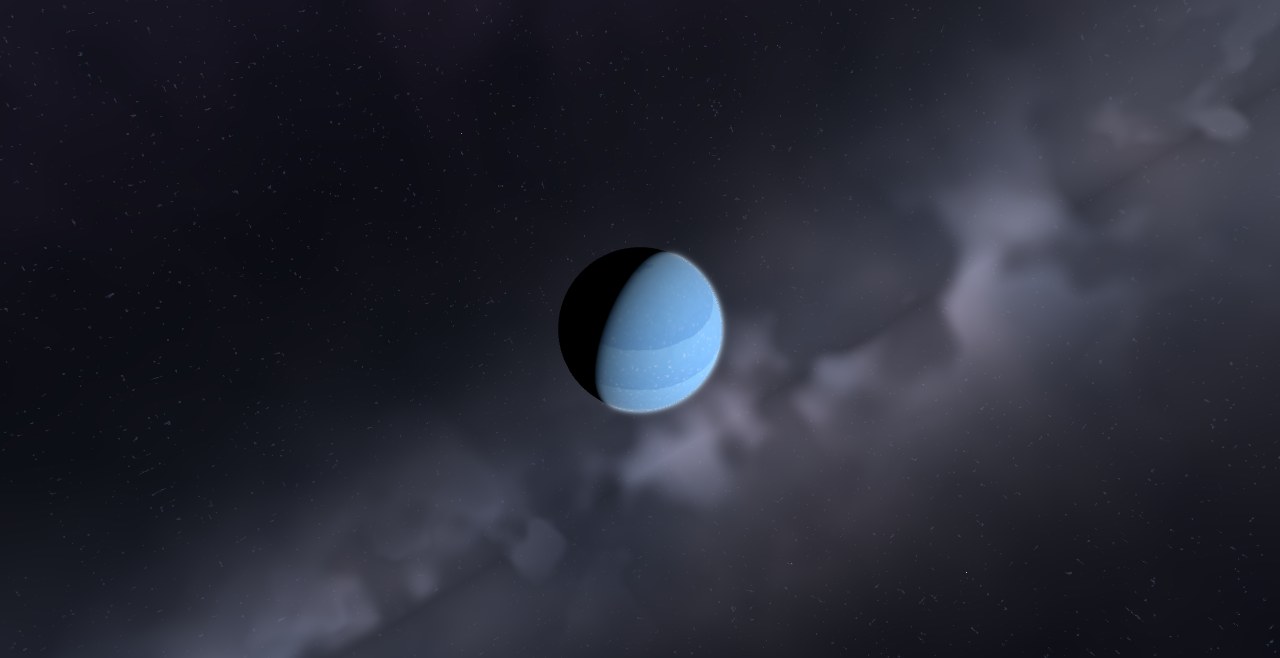
HIP 48714, a cool M-dwarf of 0.58 solar masses, and HIP 48714 b, a 0.07-Jupiter-mass companion, with an orbital period of 17.8 days, at 0.112 AU from its star, on an eccentric orbit (e ≈ 0.50).
HIP 54515, and HIP 54515 b, a 17.7-Jupiter-mass companion, with an orbital period of 90.3 years, at 24.8 AU from its star, on an eccentric orbit (e ≈ 0.42).
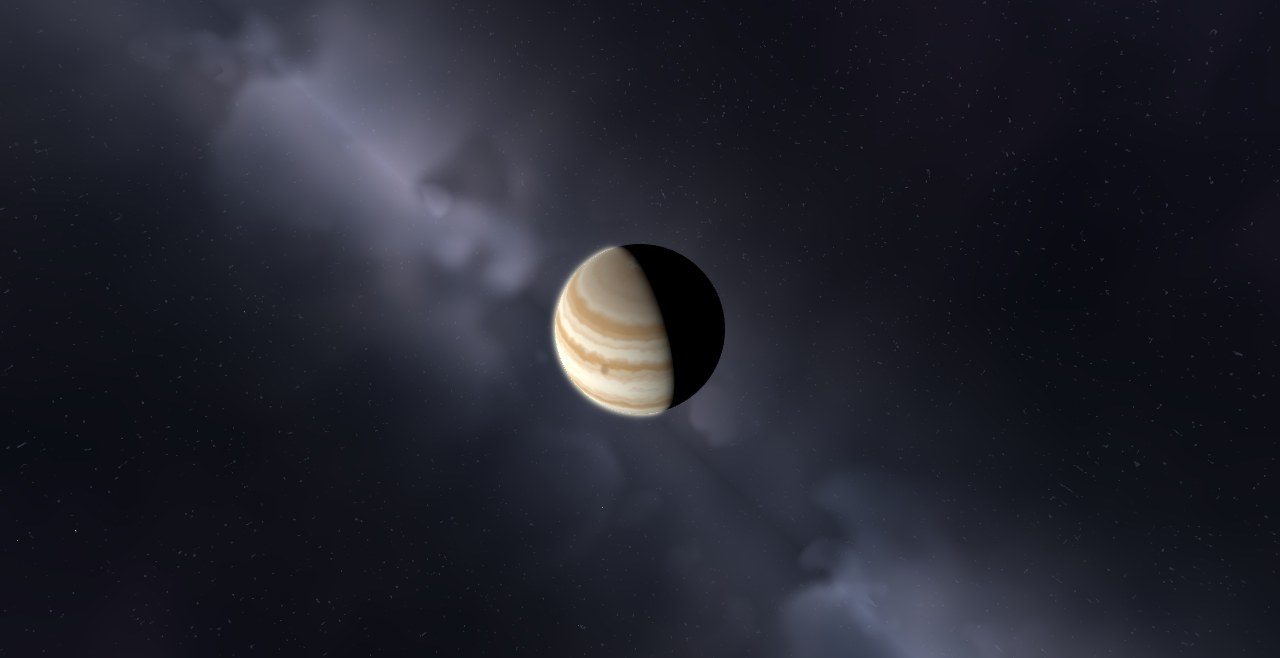
HIP 54597, an orange K-type dwarf of 0.80 solar masses, and HIP 54597 b, a 2.40-Jupiter-mass companion, with an orbital period of 8.96 years, at 4.000 AU from its star.
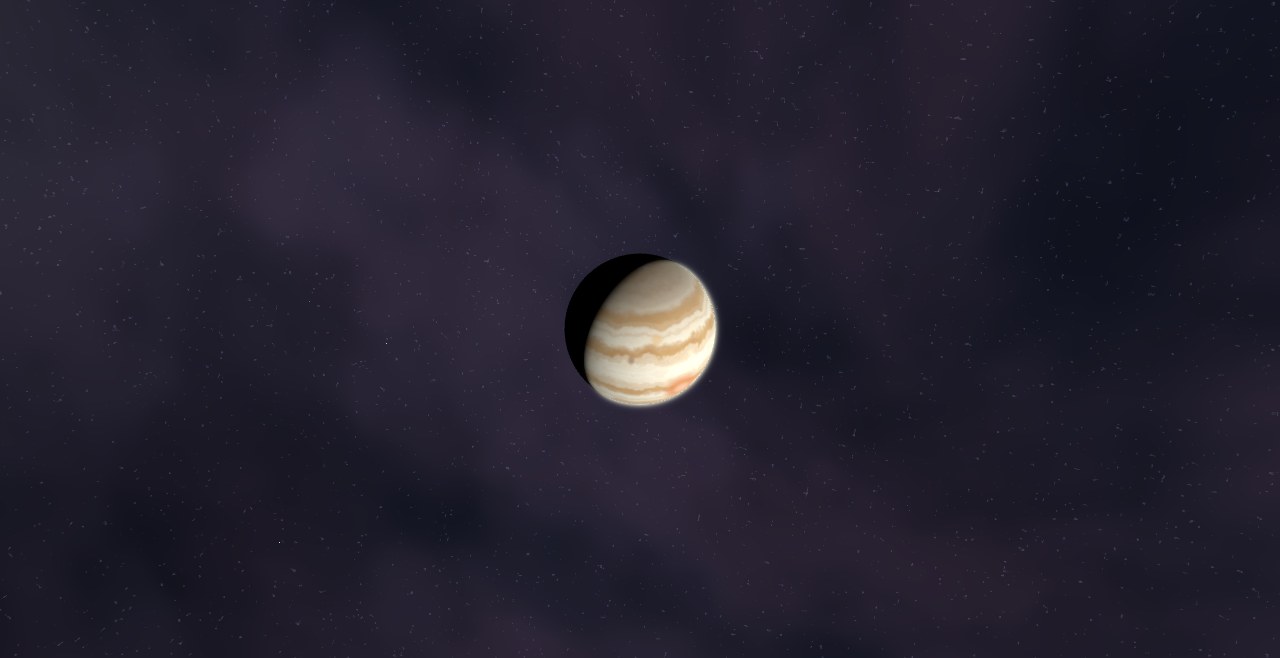
HIP 55507, an orange K-type dwarf of 0.65 solar masses, and HIP 55507 b, a 8.13-Jupiter-mass companion, with an orbital period of 14.1 years, at 5.062 AU from its star, on an eccentric orbit (e ≈ 0.36).
HIP 56640, an orange K-type dwarf of 1.75 solar masses, and HIP 56640 b, a 6.77-Jupiter-mass companion, with an orbital period of 7.33 years, at 4.550 AU from its star, on an eccentric orbit (e ≈ 0.12).
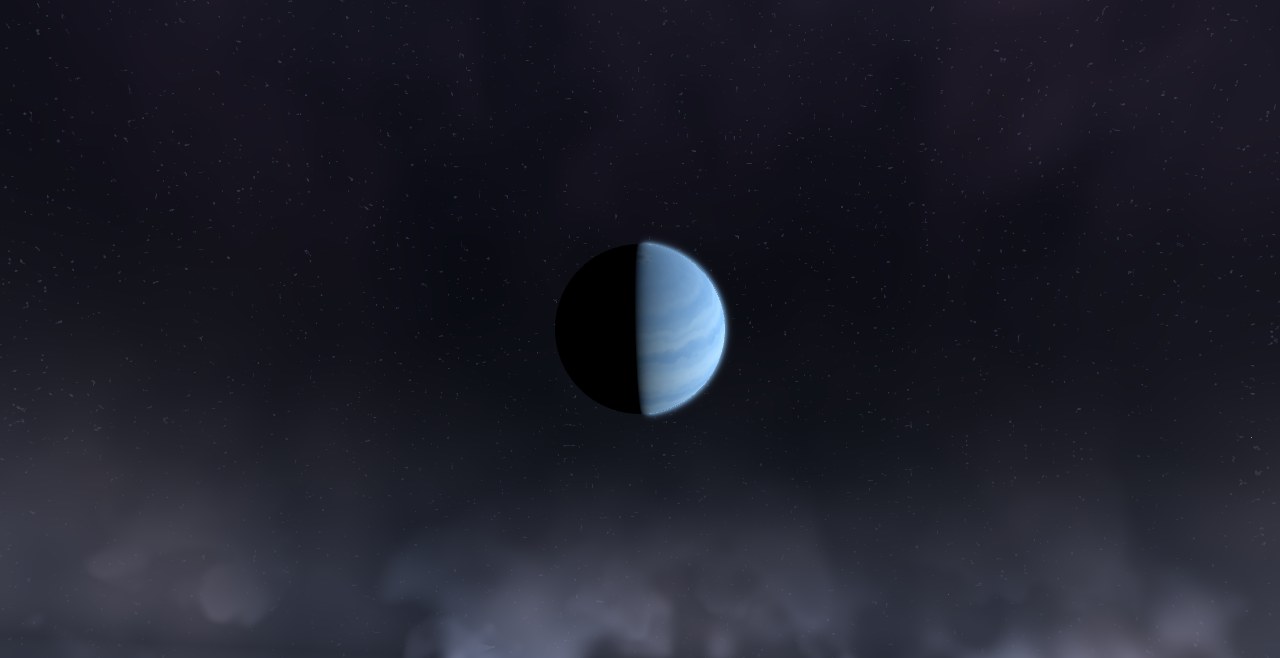
HIP 5763, an orange K-type dwarf of 0.72 solar masses, and HIP 5763 b, a 0.51-Jupiter-mass companion, with an orbital period of 30.0 days, at 0.170 AU from its star, on an eccentric orbit (e ≈ 0.05).
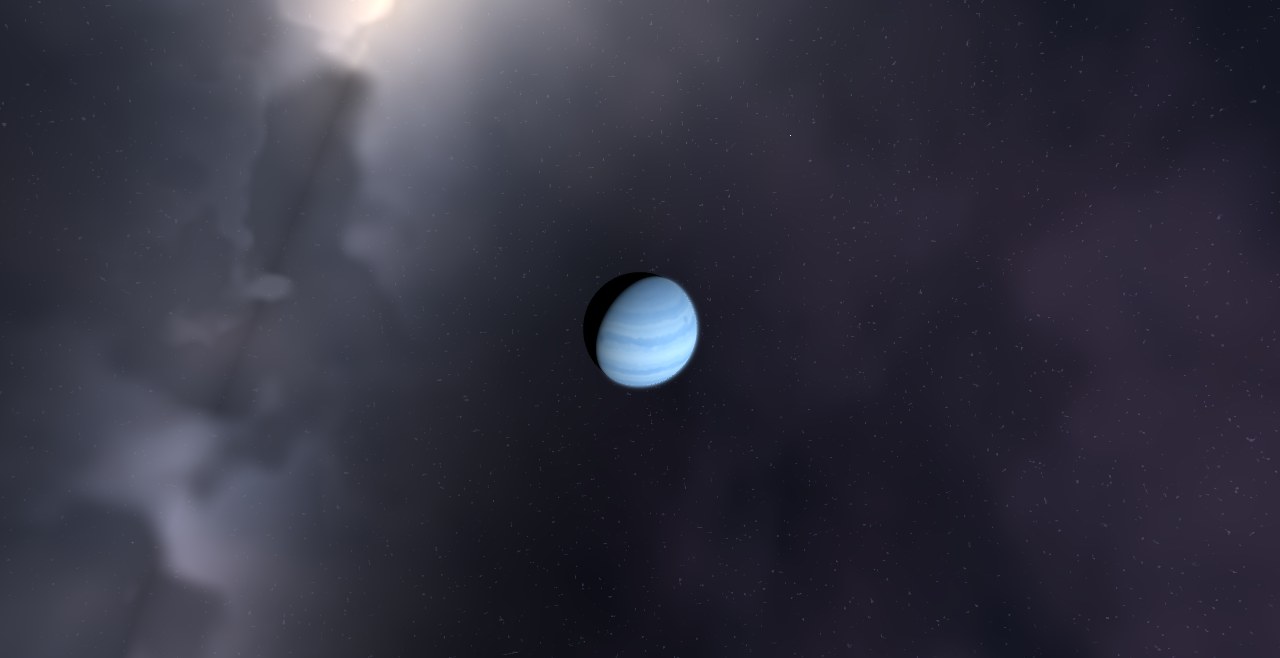
HIP 63242, a Sun-like G-type star of 1.54 solar masses, and HIP 63242 b, a 9.18-Jupiter-mass companion, with an orbital period of 125 days, at 0.565 AU from its star, on an eccentric orbit (e ≈ 0.23).
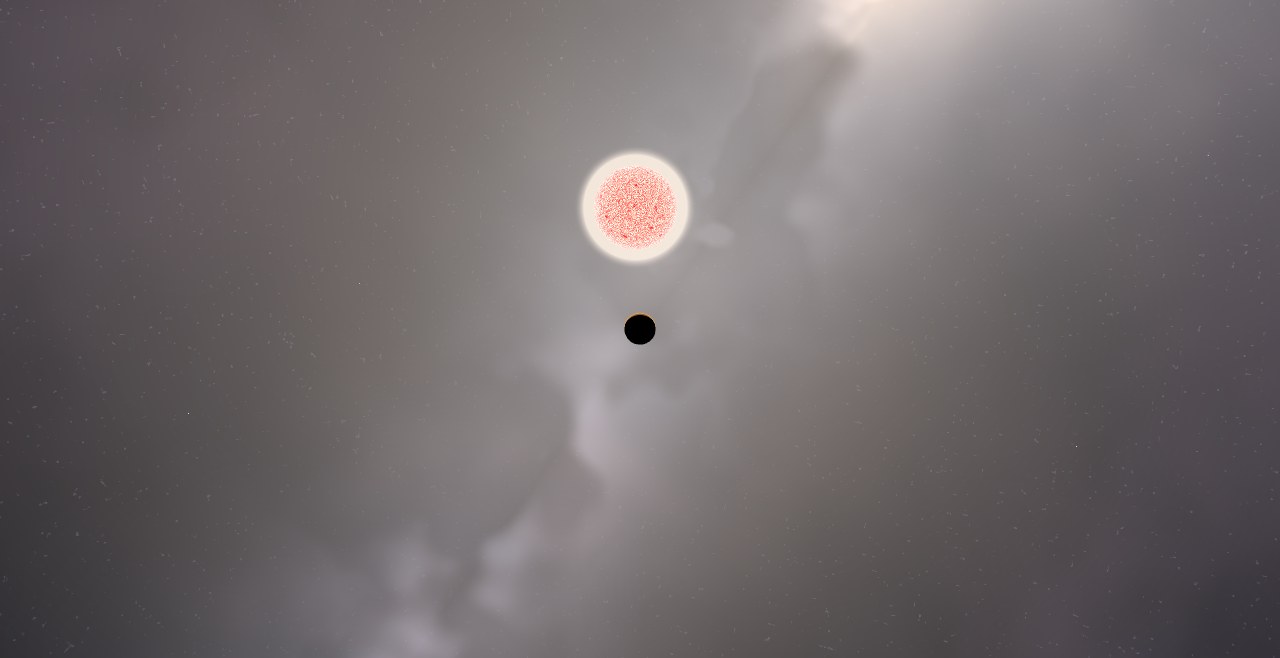
HIP 65 A, an orange K-type dwarf of 0.78 solar masses, and HIP 65 A b, a 3.21-Jupiter-mass companion, with an orbital period of 23.5 hours, at 0.018 AU from its star, and an equilibrium temperature near 1,411 K.
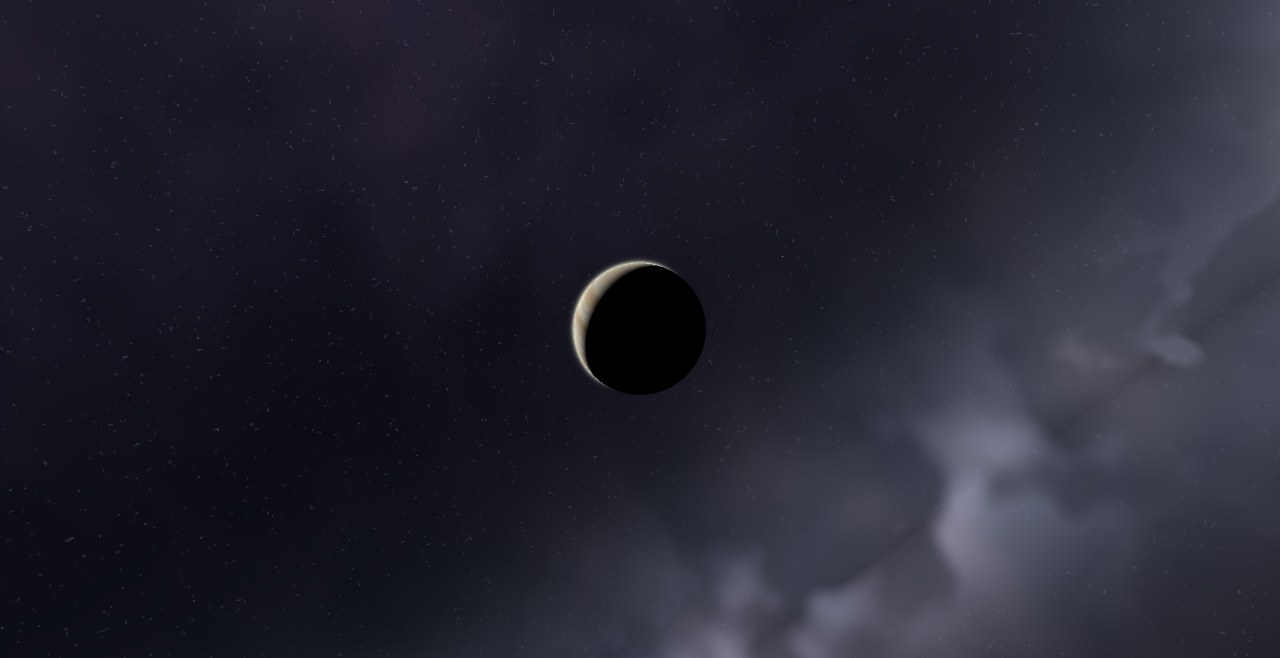
HIP 65426 b, the first exoplanet JWST imaged directly. This wide, young giant was a commissioning target for the telescope's coronagraphs. The planet orbits far outside any region we can transit.
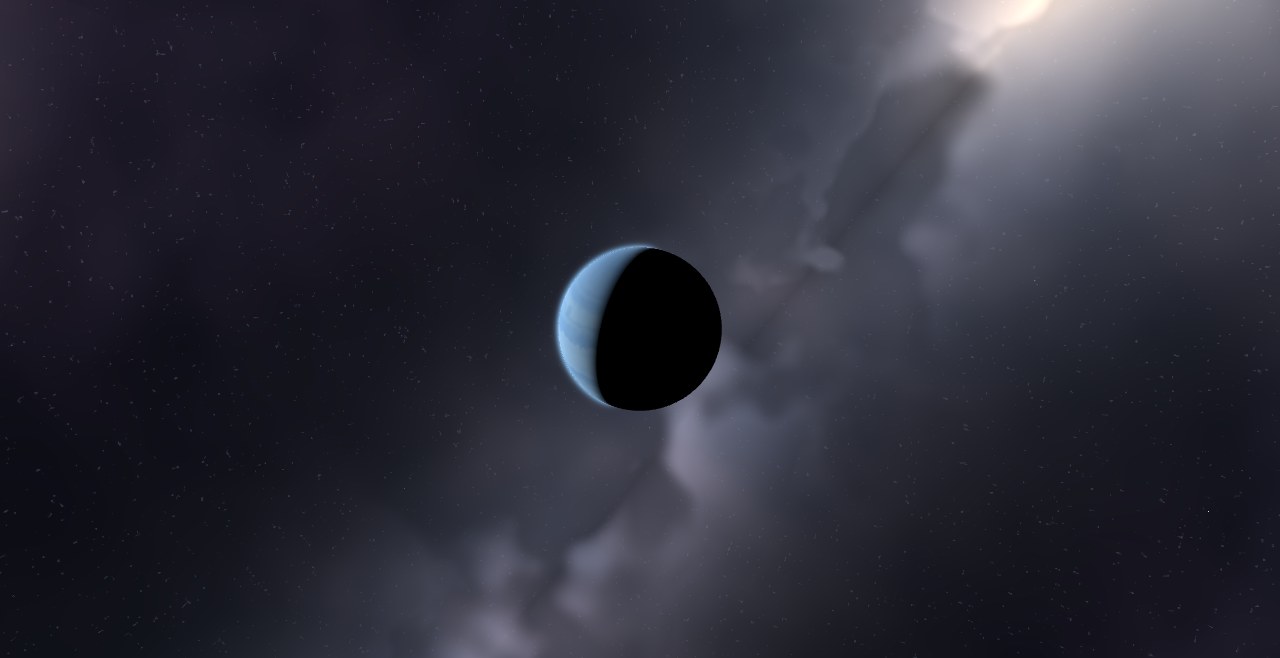
HIP 65891, an orange K-type dwarf of 2.50 solar masses, and HIP 65891 b, a 6.10-Jupiter-mass companion, with an orbital period of 2.98 years, at 2.820 AU from its star, on an eccentric orbit (e ≈ 0.09).
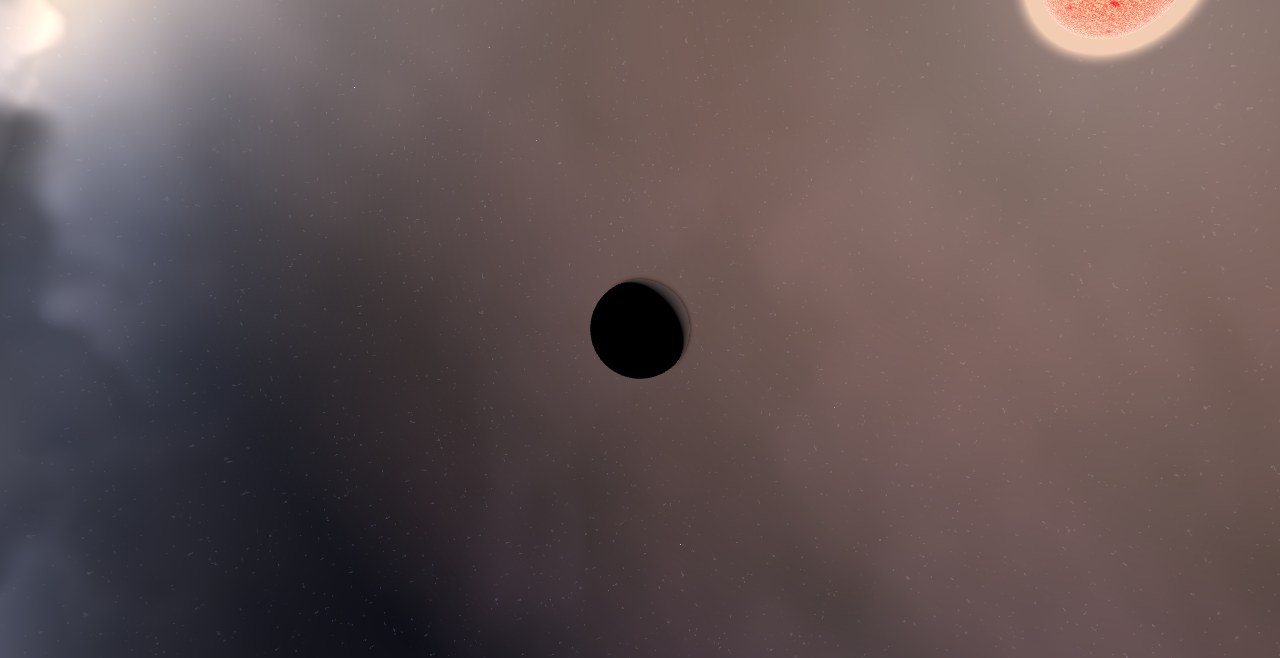
HIP 66074, an orange K-type dwarf of 0.70 solar masses, and HIP 66074 b, a 5.00-Jupiter-mass companion, with an orbital period of 311 days, at 0.799 AU from its star, on an eccentric orbit (e ≈ 0.95).
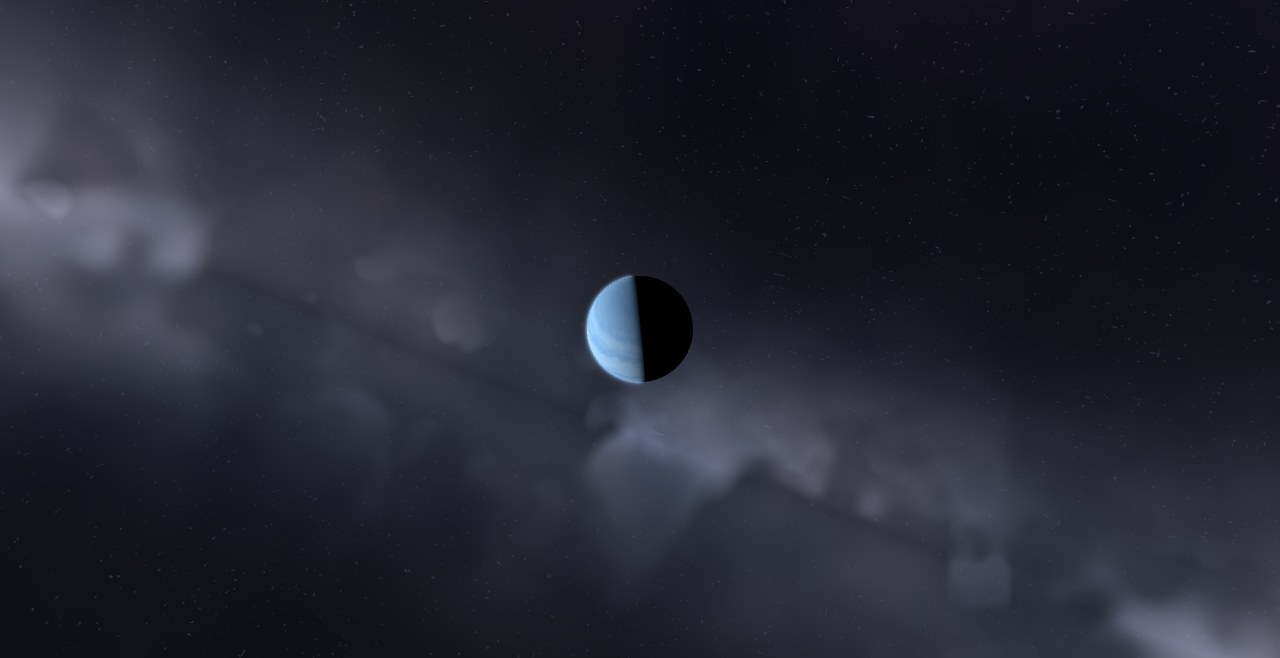
HIP 67537, an orange K-type dwarf of 2.32 solar masses, and HIP 67537 b, a 13.6-Jupiter-mass companion, with an orbital period of 6.91 years, at 4.807 AU from its star, on an eccentric orbit (e ≈ 0.59).
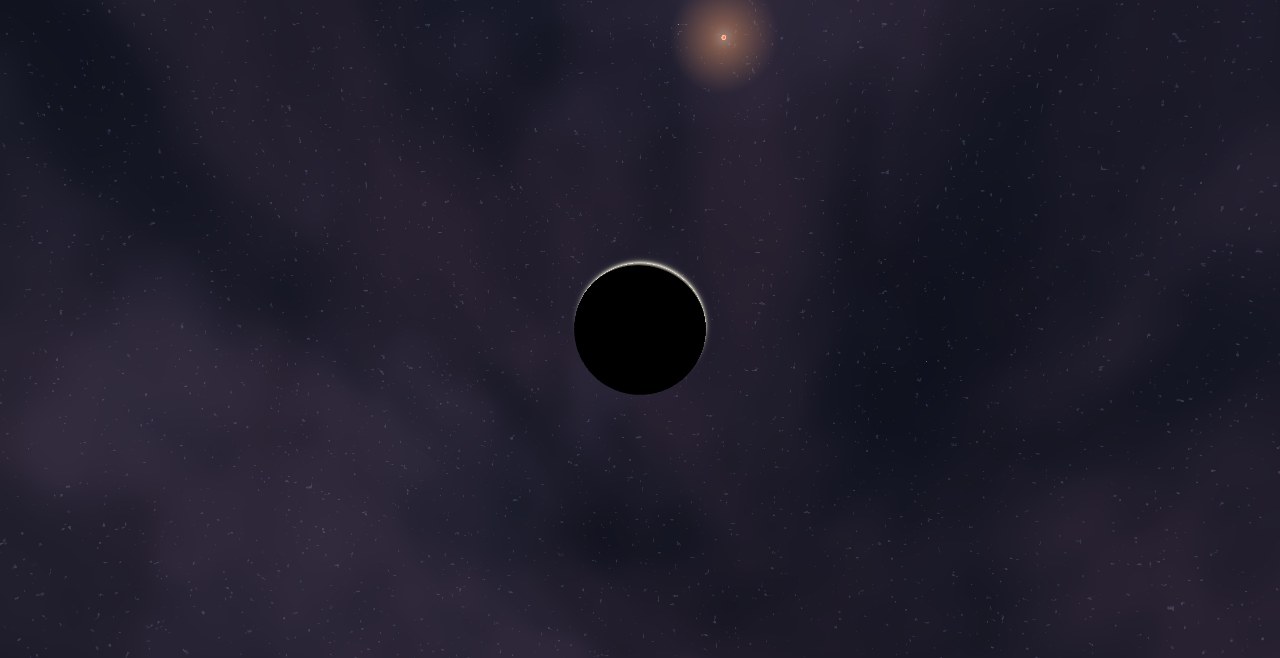
HIP 70849, an orange K-type dwarf of 0.65 solar masses, and HIP 70849 b, a 4.50-Jupiter-mass companion, with an orbital period of 9.99 years, at 3.990 AU from its star, on an eccentric orbit (e ≈ 0.65).