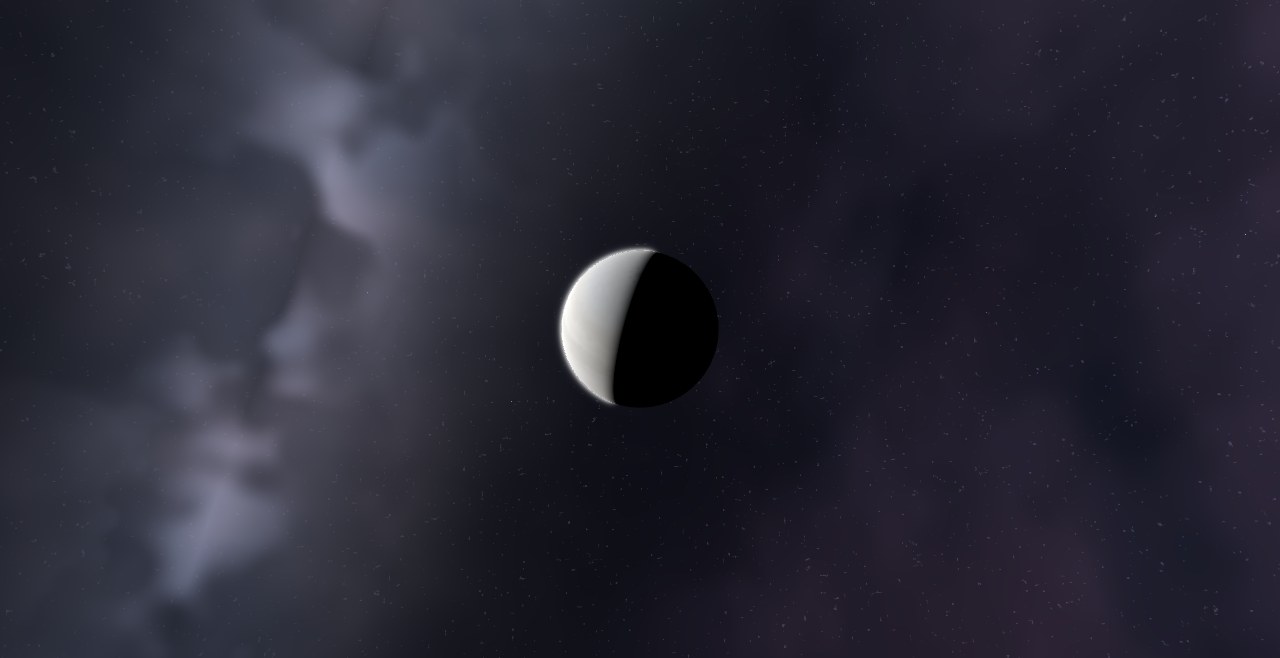
HR 5183 - System
HR 5183, a Sun-like G-type star of 1.07 solar masses, and HR 5183 b, a 3.23-Jupiter-mass companion, with an orbital period of 73.9 years, at 18.0 AU from its star, and an equilibrium temperature near 171 K.
Exoplanets
Analyze isolated alien worlds orbiting a singular host star to observe basic orbital parameters, tidal locks, and planetary eccentricities.
Share
HR 5183, a Sun-like G-type star of 1.07 solar masses, and HR 5183 b, a 3.23-Jupiter-mass companion, with an orbital period of 73.9 years, at 18.0 AU from its star, and an equilibrium temperature near 171 K.
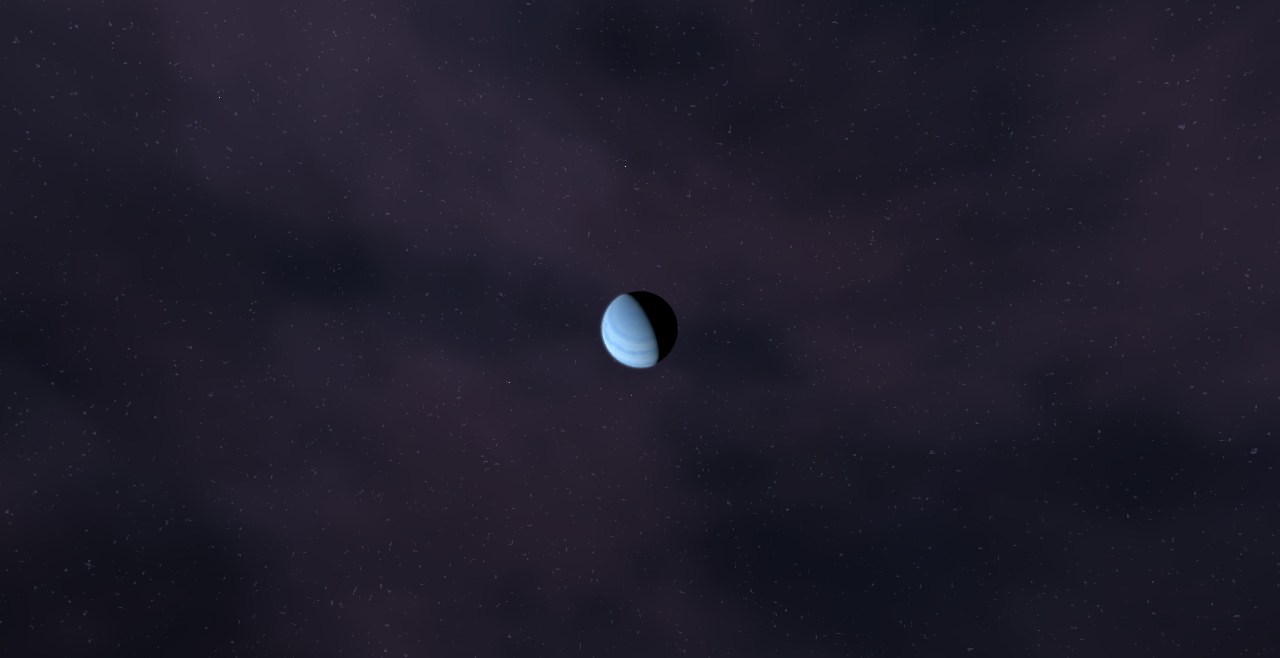
HR 810, a Sun-like F-type star of 1.34 solar masses, and HR 810 b, a 2.27-Jupiter-mass companion, with an orbital period of 303 days, at 0.920 AU from its star, on an eccentric orbit (e ≈ 0.14).
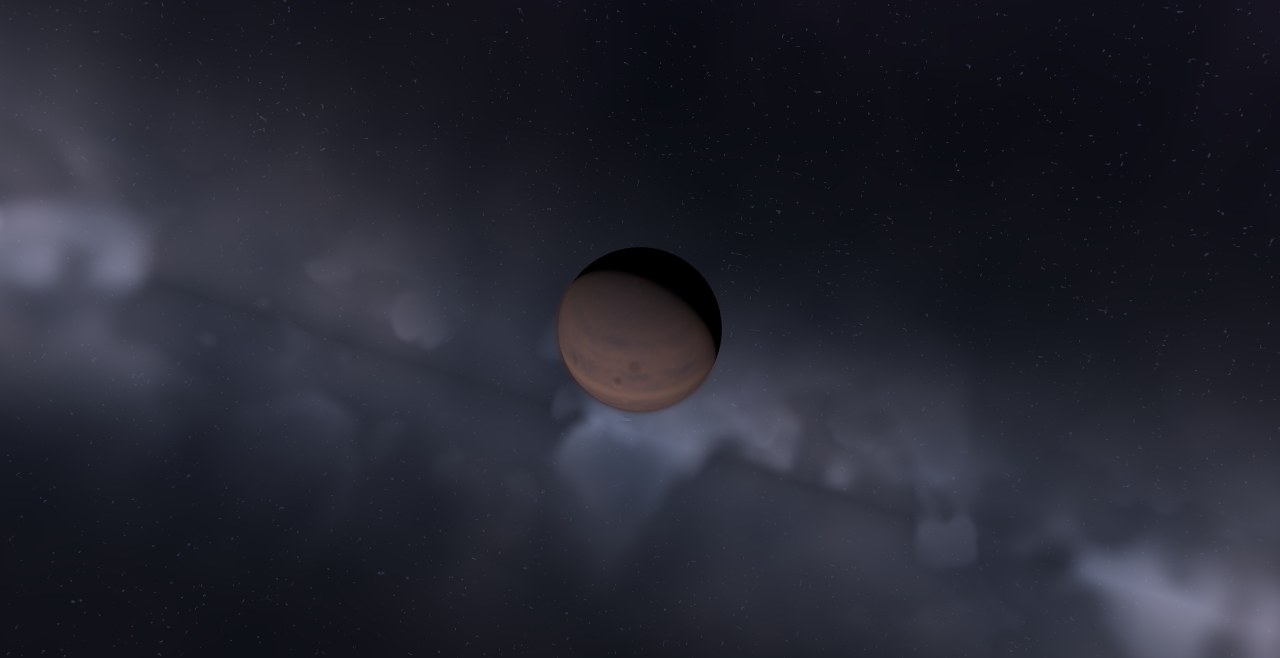
HS Psc, an orange K-type dwarf of 0.69 solar masses, and HS Psc b, a 1.46-Jupiter-mass companion, with an orbital period of 4.0 days, at 0.043 AU from its star, on an eccentric orbit (e ≈ 0.27).
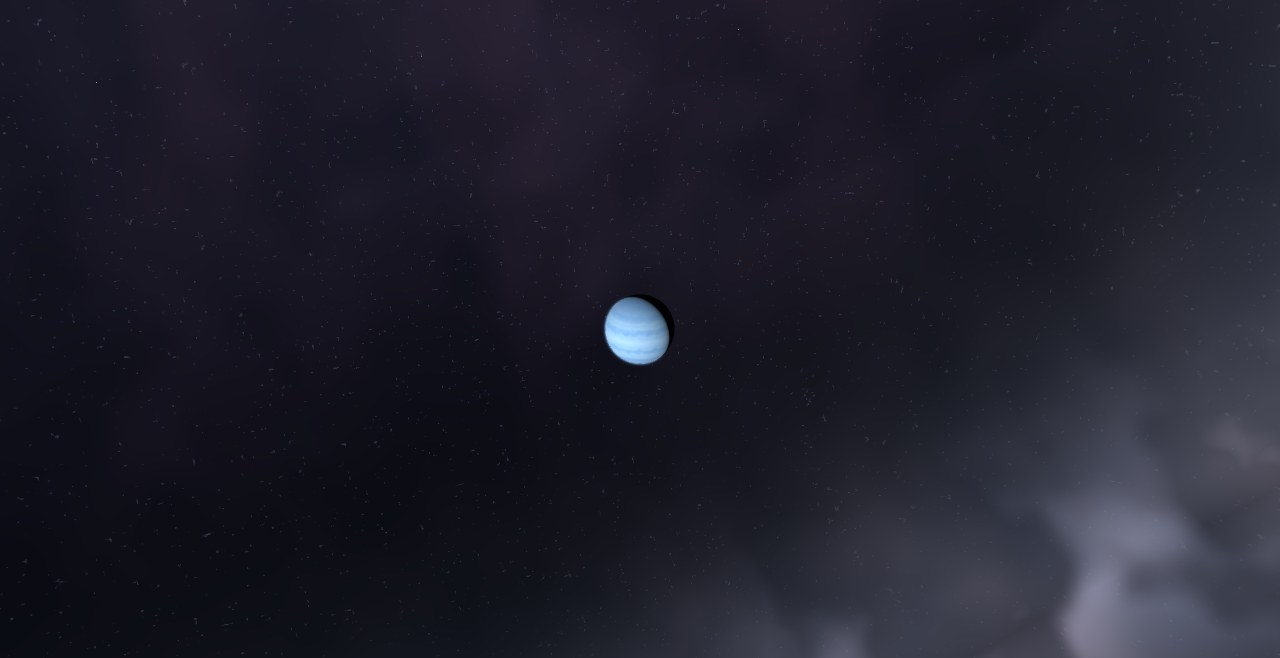
IC 4651 9122, an orange K-type dwarf of 2.10 solar masses, and IC 4651 9122 b, a 6.30-Jupiter-mass companion, with an orbital period of 2.01 years, at 2.038 AU from its star, on an eccentric orbit (e ≈ 0.18).
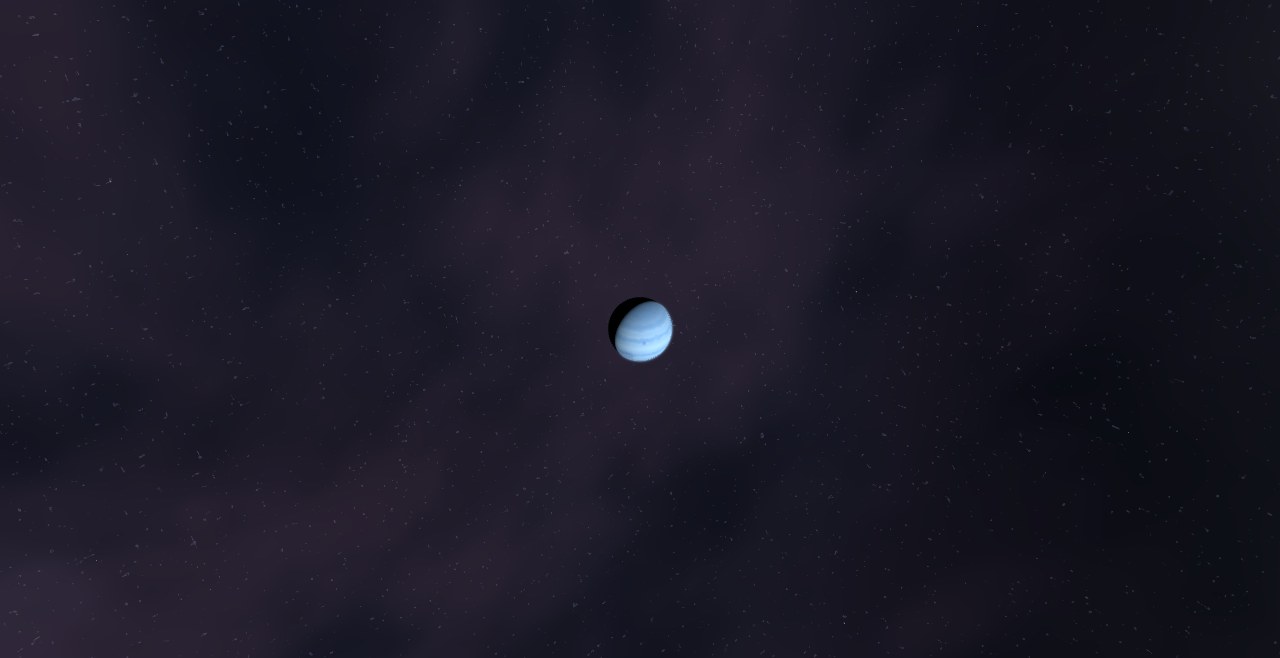
IRAS 04125+2902, an orange K-type dwarf of 0.70 solar masses, and IRAS 04125+2902 b, a planet with 10.7 Earth radii, with an orbital period of 8.8 days, at 0.077 AU from its star, and an equilibrium.
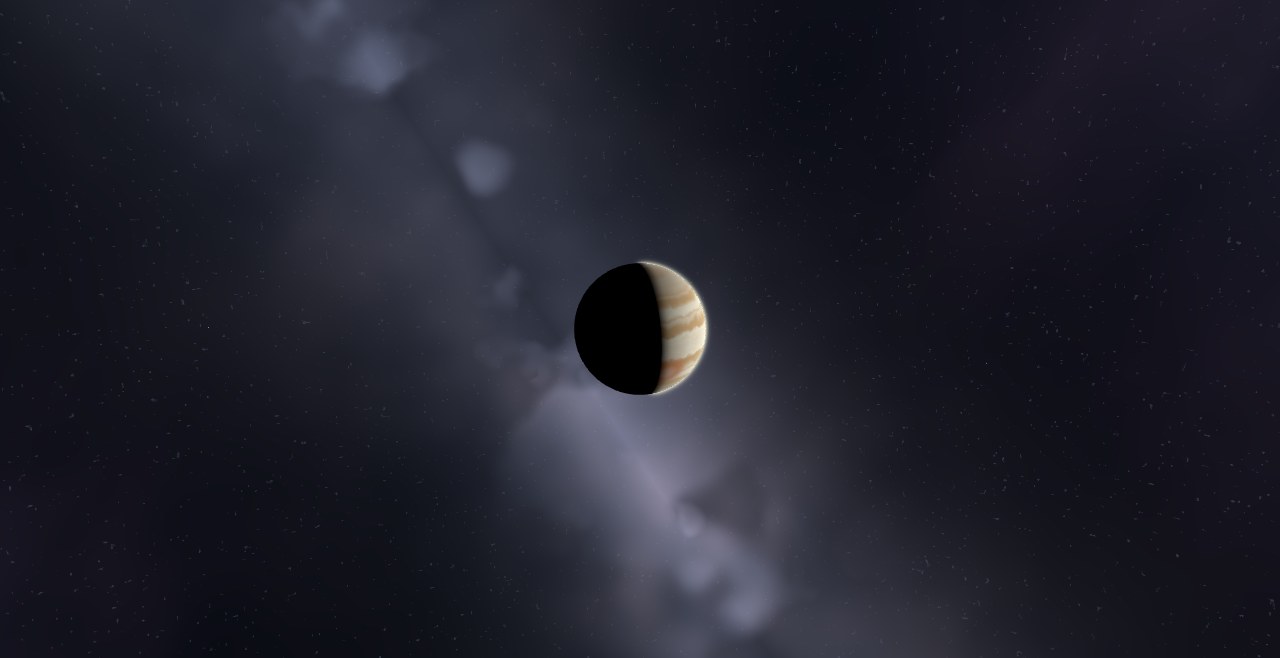
ISO-Oph 96, an orange K-type dwarf of 0.41 solar masses, and KOINTREAU-3 b, a 3.40-Jupiter-mass companion, at 342 AU from its star.
ITG 15 A, a Sun-like G-type star of 1.00 solar masses, and ITG 15 b, a 21.0-Jupiter-mass companion, at 435 AU from its star, and an equilibrium temperature near 2,601 K.
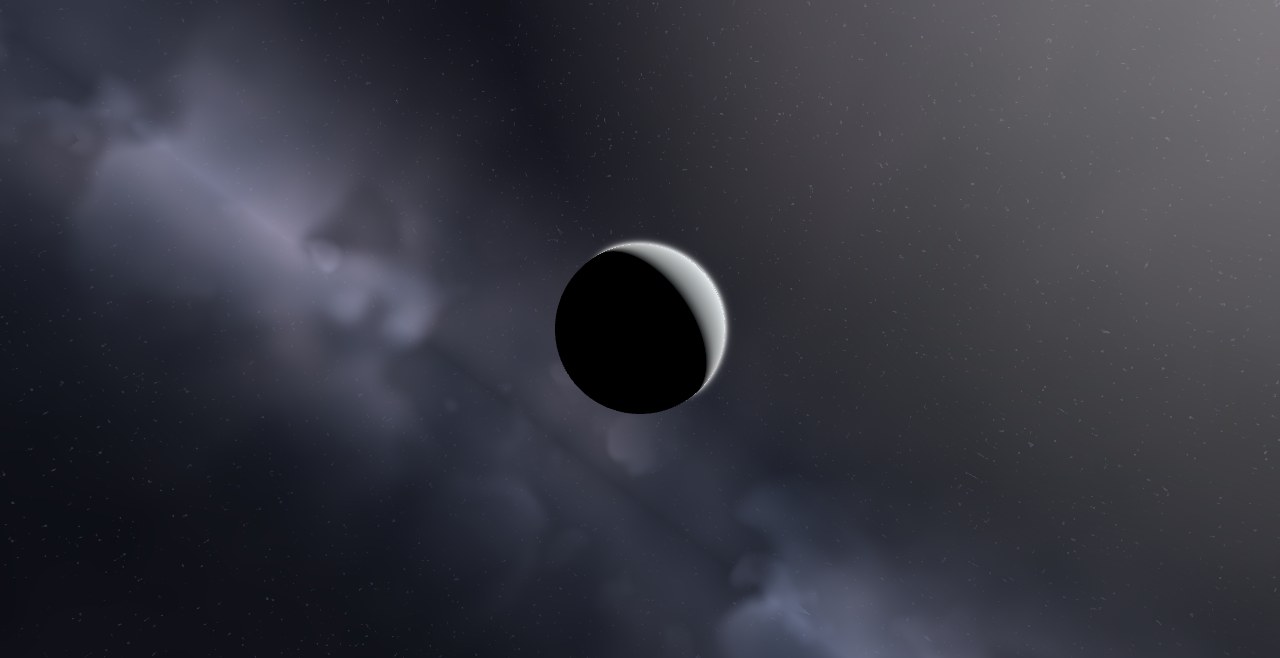
K2-10, a Sun-like G-type star of 0.88 solar masses, and K2-10 b, a 0.08-Jupiter-mass companion, with an orbital period of 19.3 days, and an equilibrium temperature near 649 K.
K2-100, a Sun-like G-type star of 1.15 solar masses, and K2-100 b, a 0.07-Jupiter-mass companion, with an orbital period of 1.7 days, at 0.030 AU from its star, and an equilibrium temperature near 1,841 K.
K2-101, an orange K-type dwarf of 0.82 solar masses, and K2-101 b, a planet with 2.0 Earth radii, with an orbital period of 14.7 days, at 0.112 AU from its star, and an equilibrium temperature near 618 K.
K2-104, an orange K-type dwarf of 0.51 solar masses, and K2-104 b, a planet with 1.8 Earth radii, with an orbital period of 2.0 days, at 0.024 AU from its star, and an equilibrium temperature near 798 K.
K2-105, a Sun-like G-type star of 0.94 solar masses, and K2-105 b, a 15.4-Earth-mass planet, with an orbital period of 8.3 days, and an equilibrium temperature near 805 K.
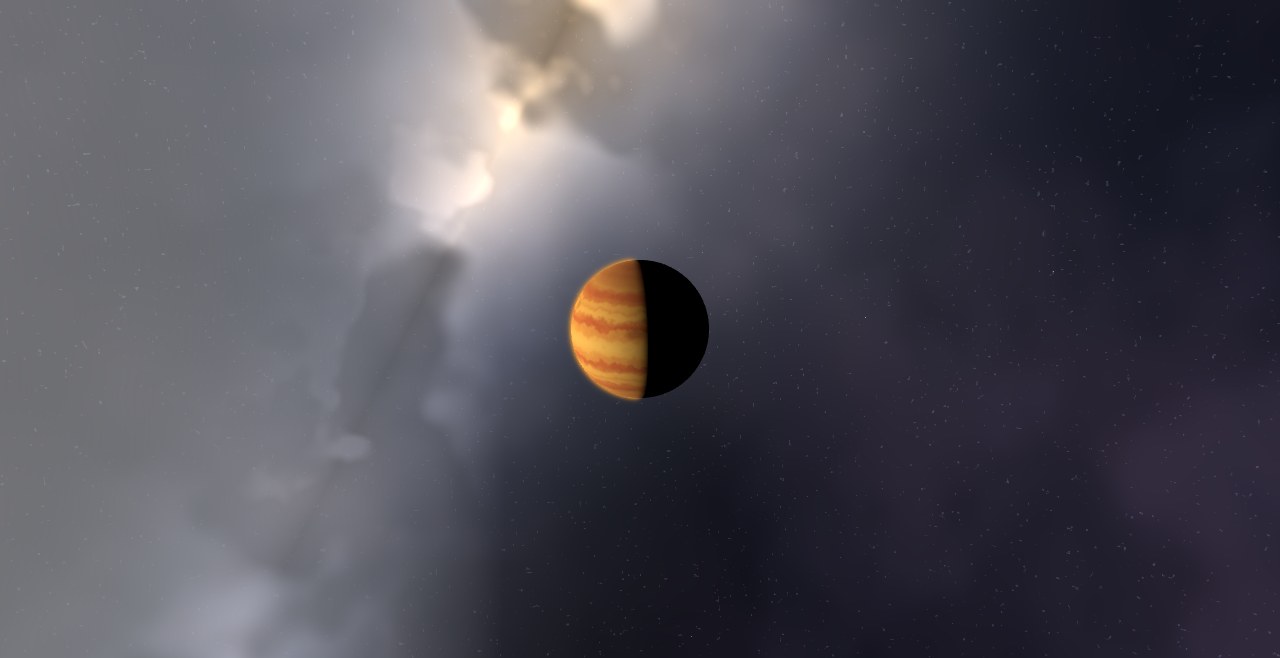
K2-107, a Sun-like F-type star of 1.30 solar masses, and K2-107 b, a planet with 16.0 Earth radii, with an orbital period of 3.3 days, at 0.048 AU from its star, and an equilibrium temperature near 1,649 K.
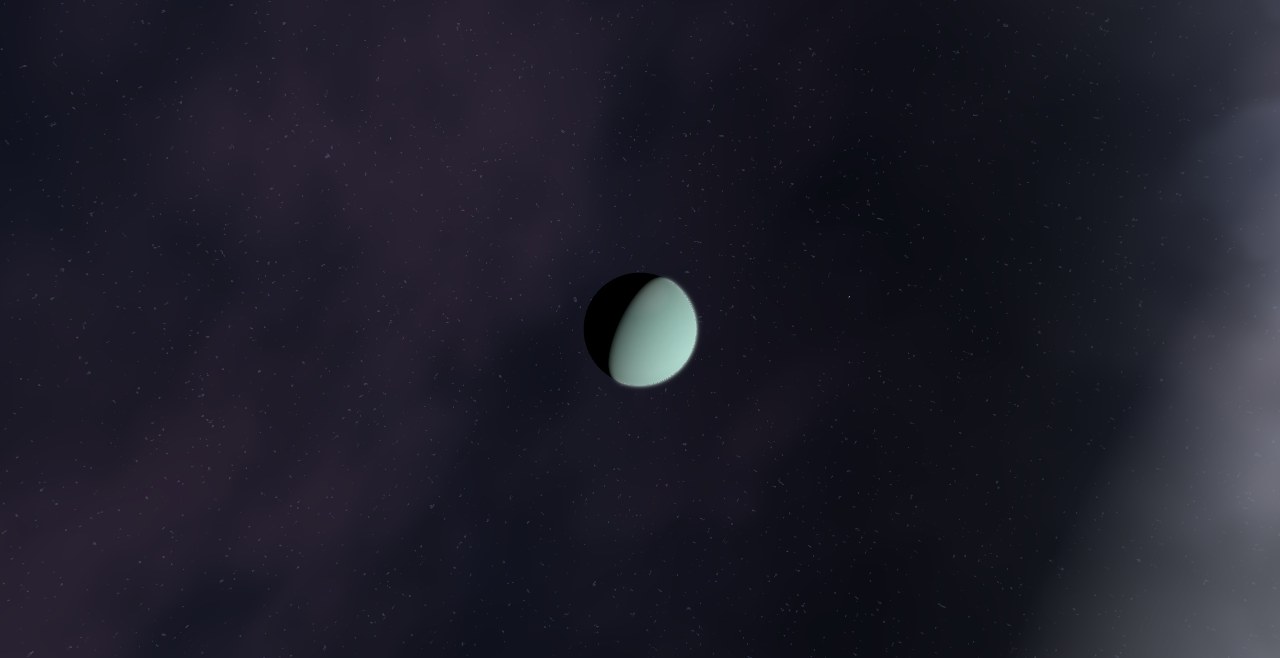
K2-108, a Sun-like G-type star of 1.17 solar masses, and K2-108 b, a planet with 5.3 Earth radii, with an orbital period of 4.7 days, at 0.058 AU from its star, and an equilibrium temperature near 1,360 K.
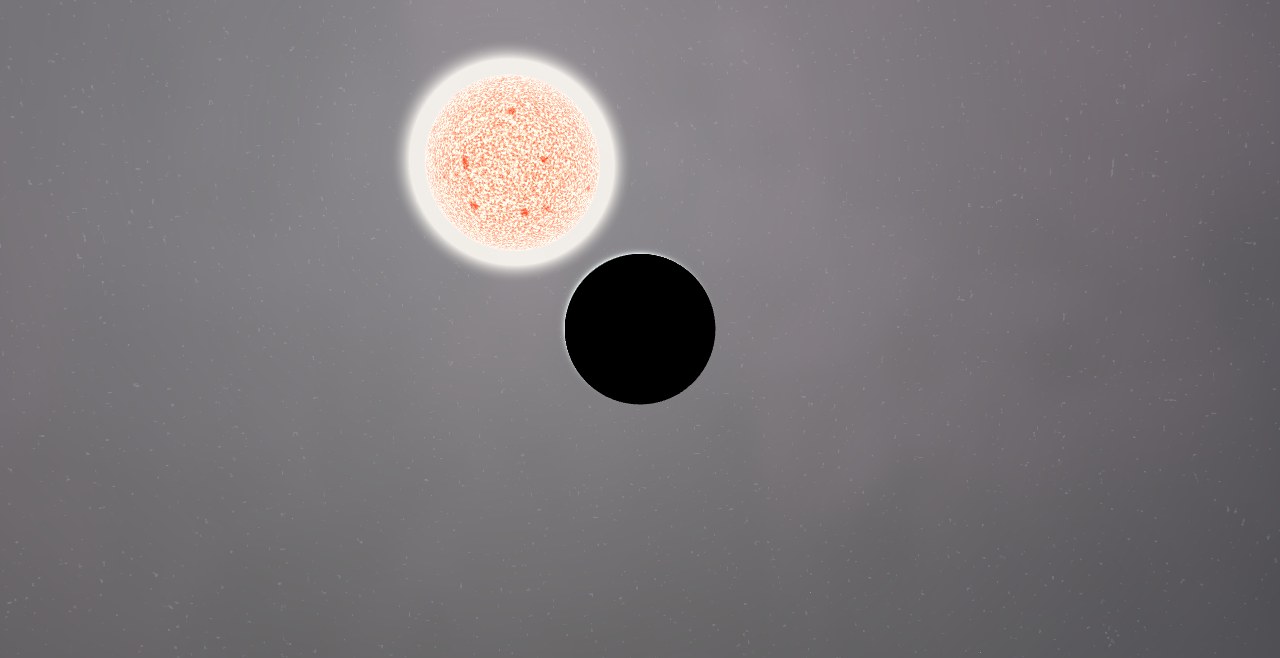
K2-11, a Sun-like G-type star of 1.35 solar masses, and K2-11 b, a planet with 7.5 Earth radii, with an orbital period of 39.9 days, at 0.226 AU from its star, and an equilibrium temperature near 734 K.
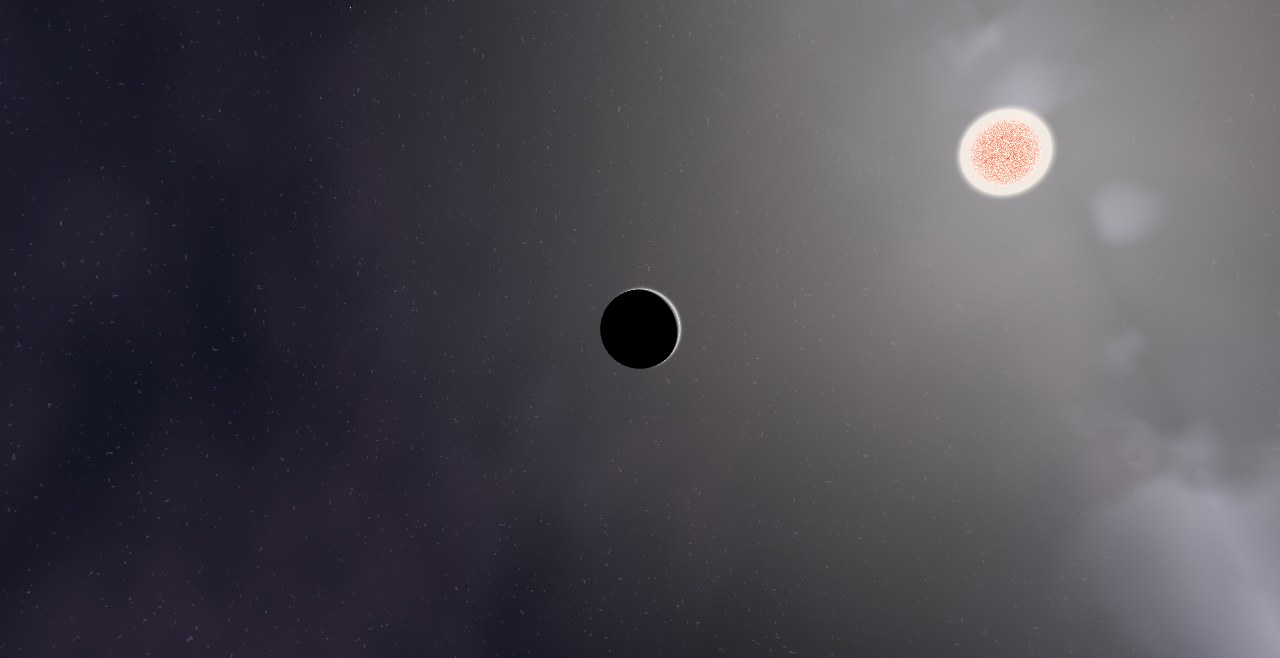
K2-110, an orange K-type dwarf of 0.74 solar masses, and K2-110 b, a 0.05-Jupiter-mass companion, with an orbital period of 13.9 days, at 0.102 AU from its star, and an equilibrium temperature near 638 K.
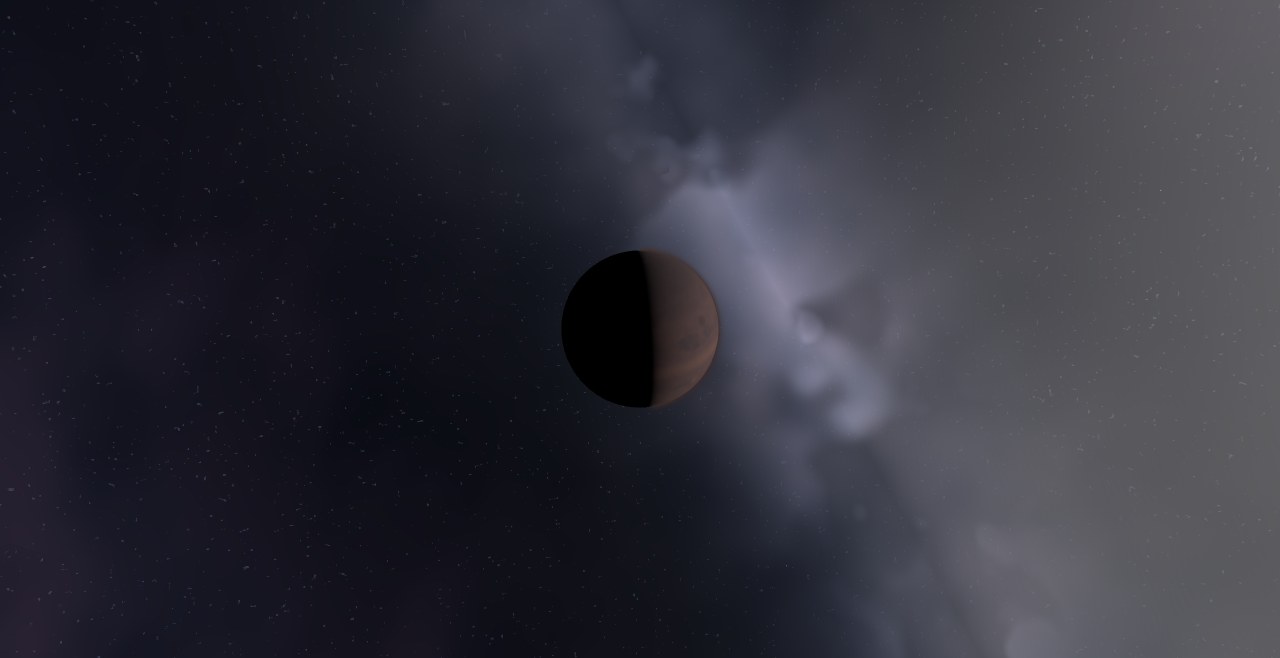
K2-113, a Sun-like G-type star of 1.04 solar masses, and K2-113 b, a planet with 12.1 Earth radii, with an orbital period of 5.8 days, at 0.064 AU from its star, and an equilibrium temperature near 1,098 K.
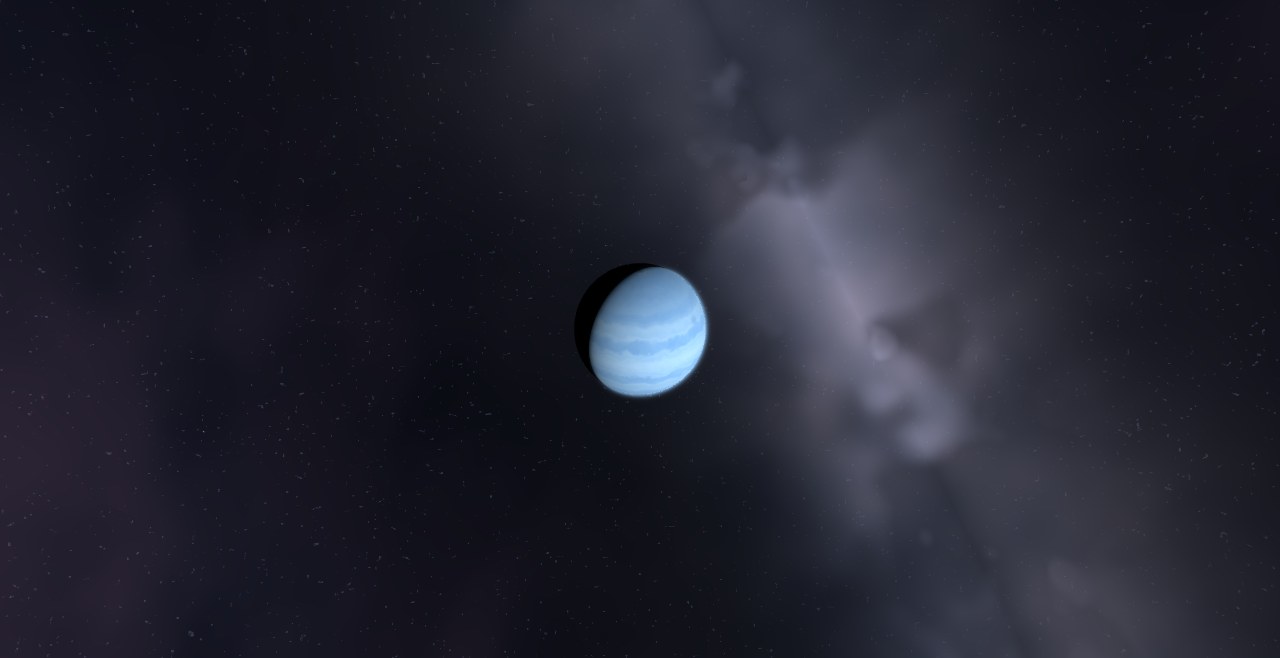
K2-114, an orange K-type dwarf of 0.86 solar masses, and K2-114 b, a 2.01-Jupiter-mass companion, with an orbital period of 11.4 days, at 0.094 AU from its star, and an equilibrium temperature near 701 K.