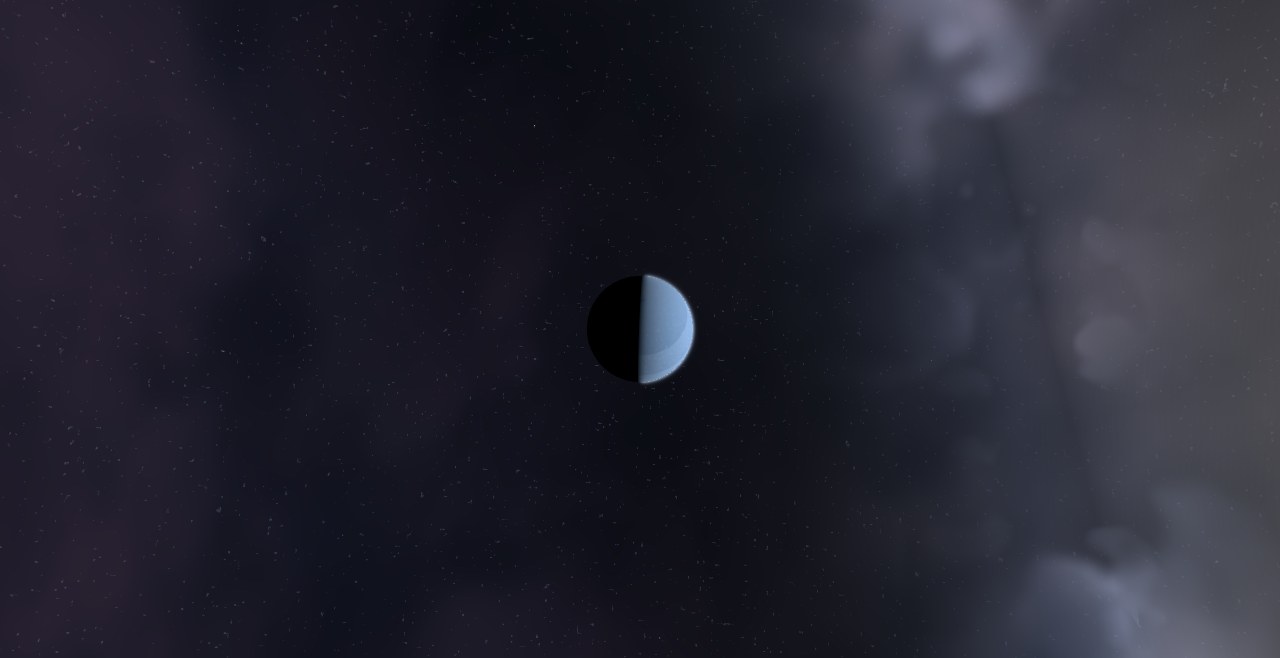
Kepler-1993 - System
Kepler-1993, an orange K-type dwarf of 1.37 solar masses, and Kepler-1993 b, a planet with 4.2 Earth radii, with an orbital period of 26.7 days, at 0.194 AU from its star, and an equilibrium temperature near.
Exoplanets
Analyze isolated alien worlds orbiting a singular host star to observe basic orbital parameters, tidal locks, and planetary eccentricities.
Share
Kepler-1993, an orange K-type dwarf of 1.37 solar masses, and Kepler-1993 b, a planet with 4.2 Earth radii, with an orbital period of 26.7 days, at 0.194 AU from its star, and an equilibrium temperature near.
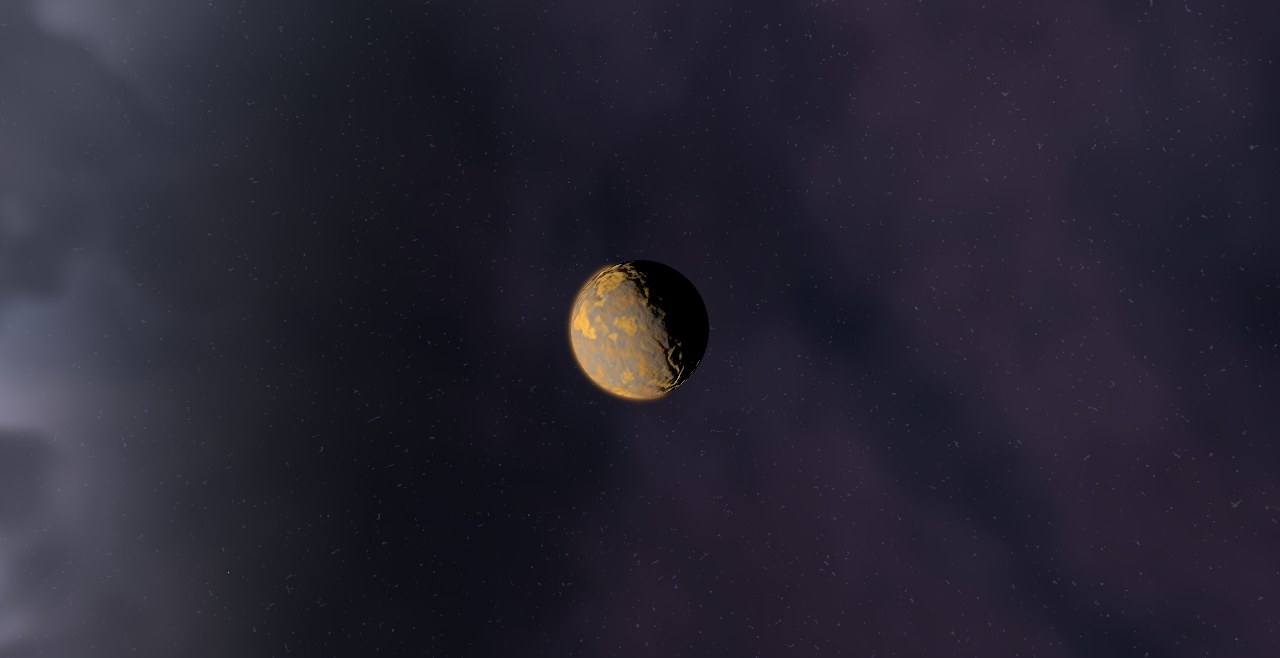
Kepler-1994, a Sun-like G-type star of 0.93 solar masses, and Kepler-1994 b, a planet with 0.5 Earth radii, with an orbital period of 4.6 days, at 0.053 AU from its star, and an equilibrium temperature near.
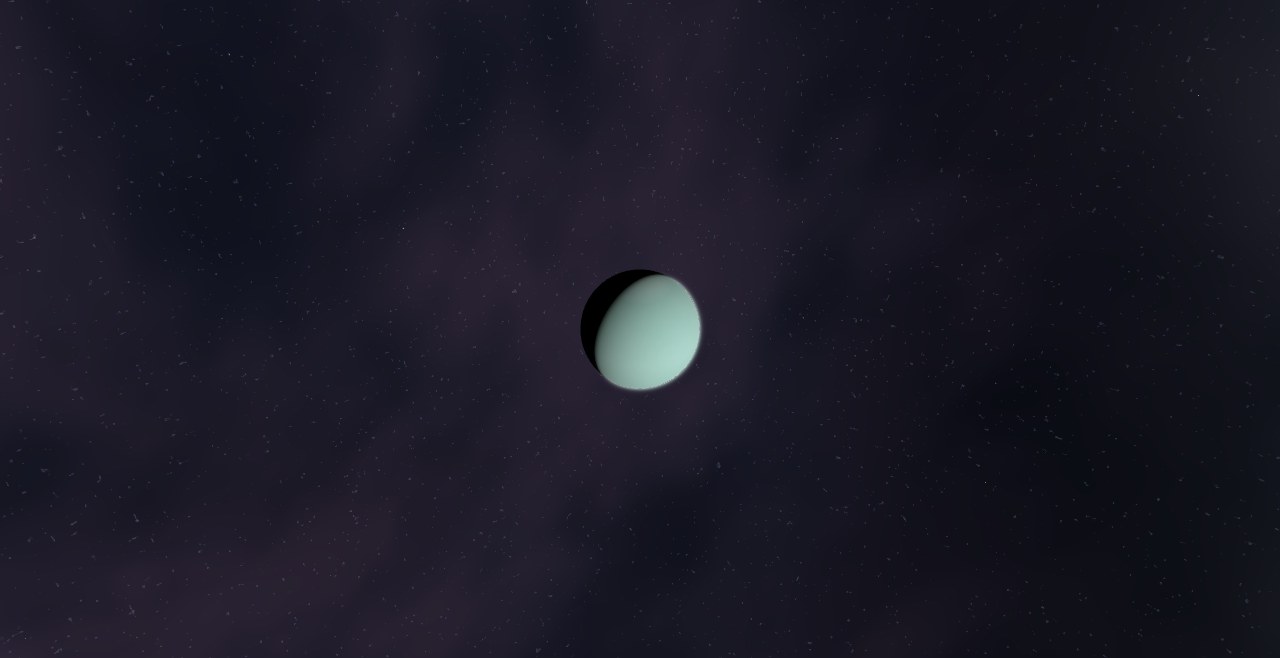
Kepler-1995, an orange K-type dwarf of 0.85 solar masses, and Kepler-1995 b, a planet with 4.3 Earth radii, with an orbital period of 73.8 days, at 0.326 AU from its star, and an equilibrium temperature near.
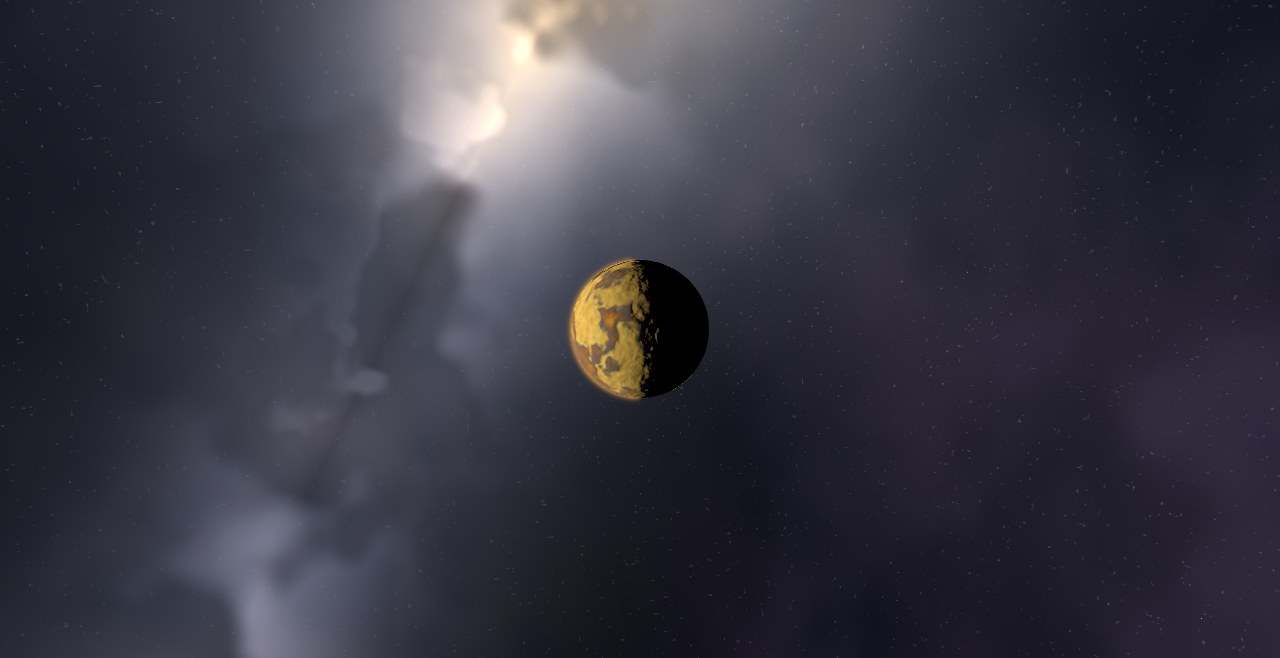
Kepler-1997, a Sun-like F-type star of 1.11 solar masses, and Kepler-1997 b, a planet with 2.3 Earth radii, with an orbital period of 26.8 days, at 0.181 AU from its star, and an equilibrium temperature near.
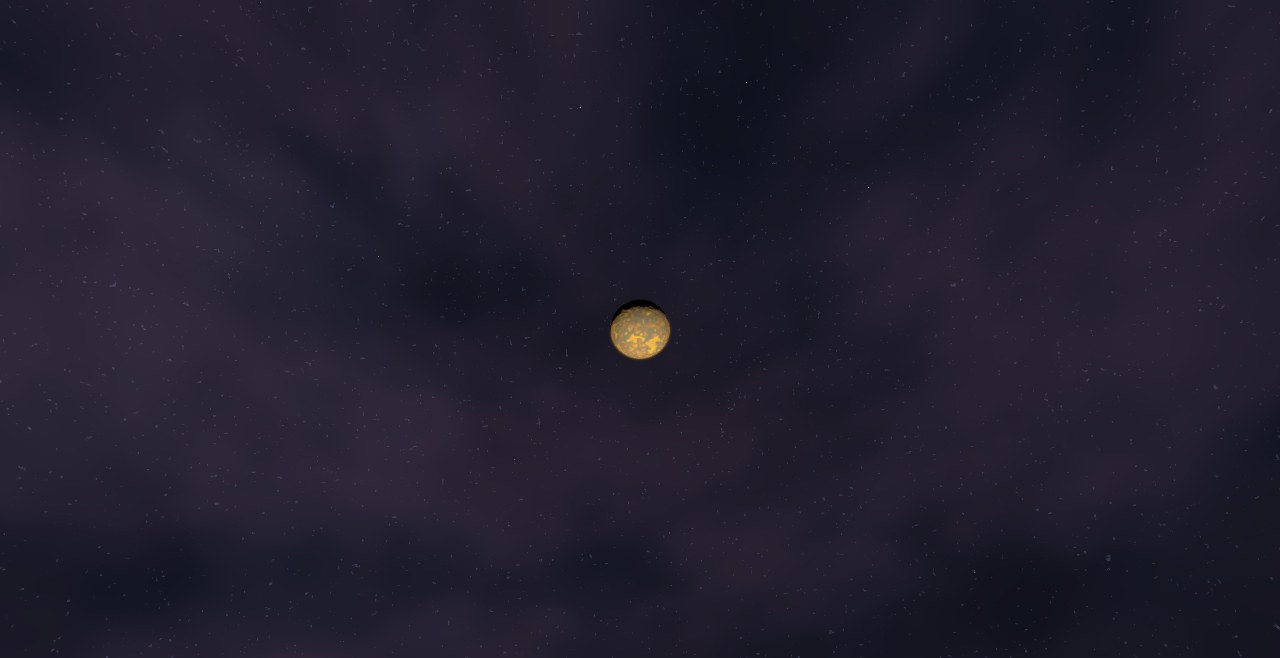
Kepler-1998, a Sun-like G-type star of 0.96 solar masses, and Kepler-1998 b, a planet with 0.6 Earth radii, with an orbital period of 3.0 days, at 0.041 AU from its star, and an equilibrium temperature near.
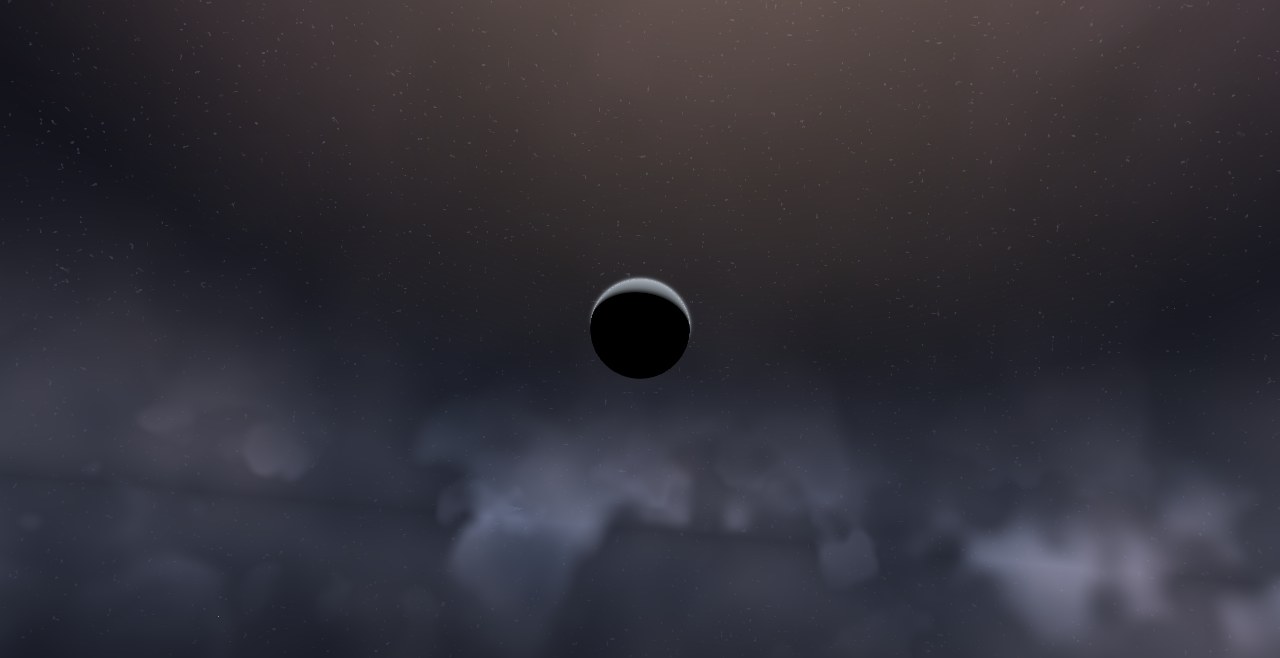
Kepler-1999, an orange K-type dwarf of 0.63 solar masses, and Kepler-1999 b, a planet with 3.3 Earth radii, with an orbital period of 8.7 days, at 0.071 AU from its star, and an equilibrium temperature near.
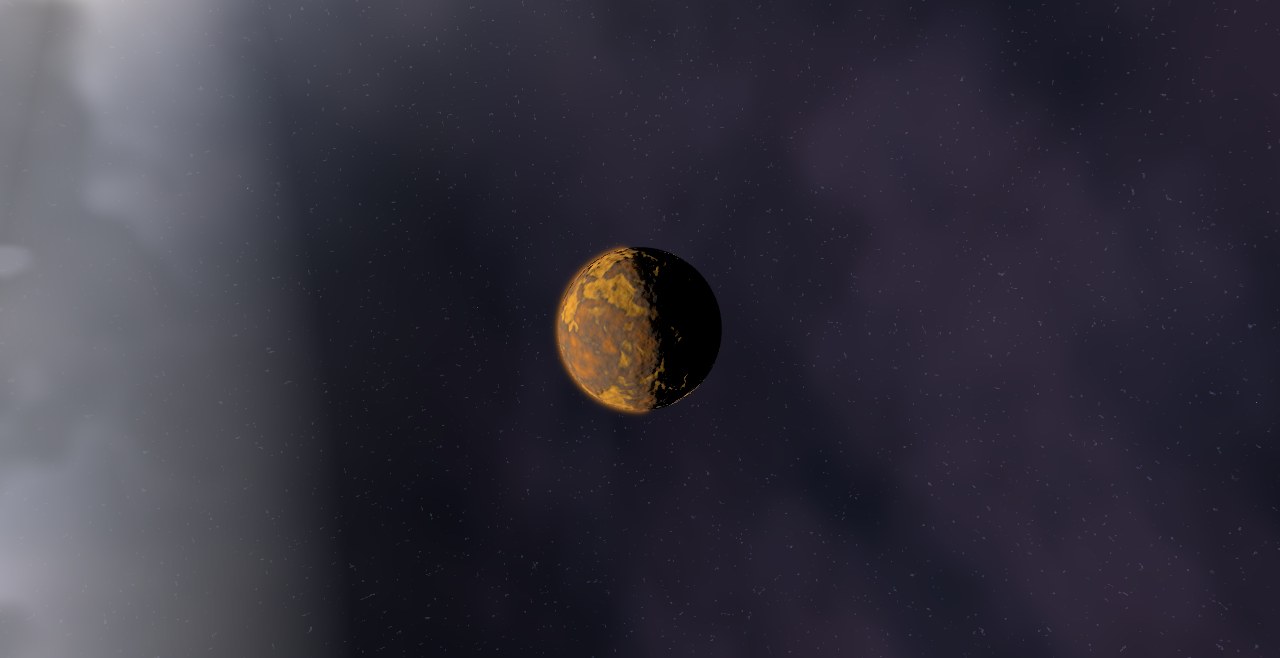
Kepler-21, a Sun-like F-type star of 1.41 solar masses, and Kepler-21 b, a 7.5-Earth-mass planet, with an orbital period of 2.8 days, at 0.043 AU from its star, and an equilibrium temperature near 2,015 K.
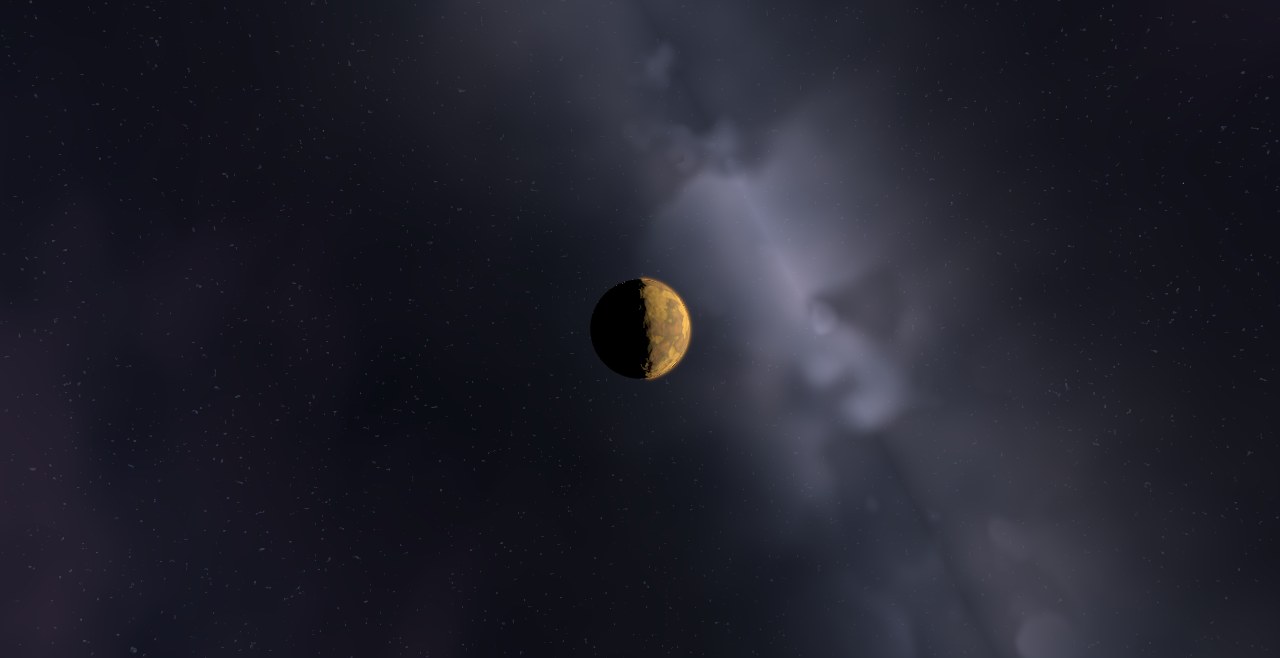
Kepler-22 b, the first planet Kepler found in a habitable zone. This super-Earth-sized world circles a Sun-like star every 290 days. The planet is roughly 2.4 times Earth's radius.
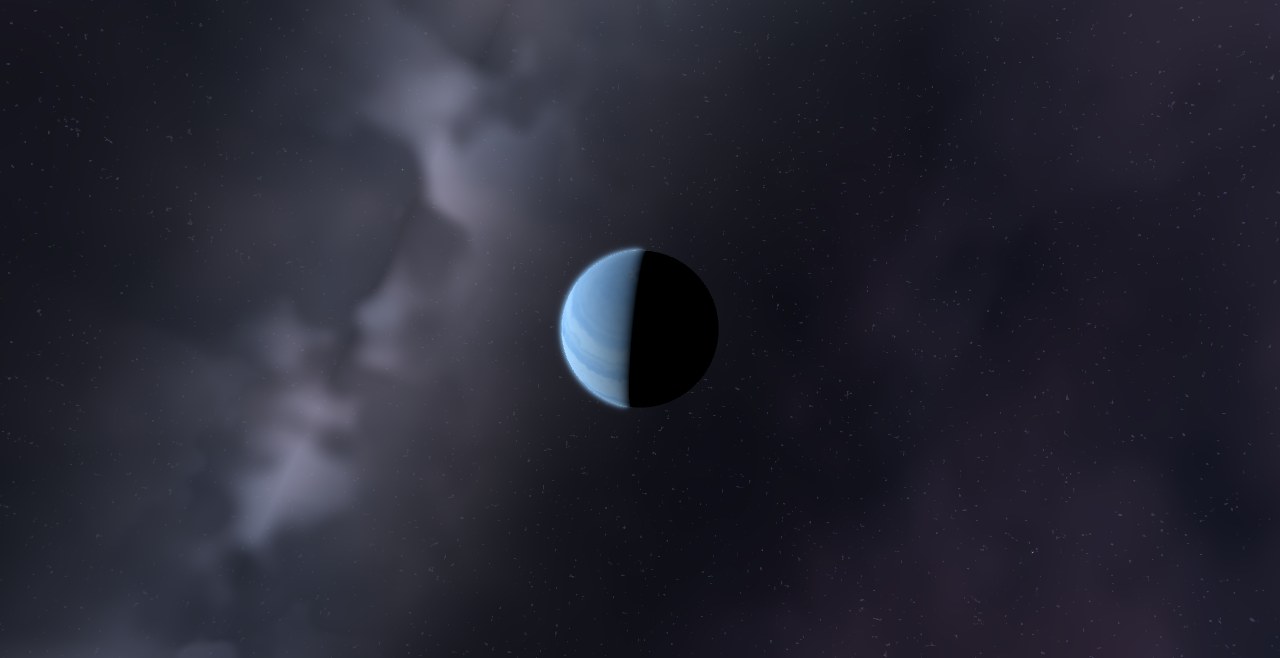
Kepler-34 b, a circumbinary giant orbiting a pair of Sun-like stars. Like Kepler-16, it is a Tatooine world, but around two brighter stars. The planet's year around the pair lasts about 289 days.
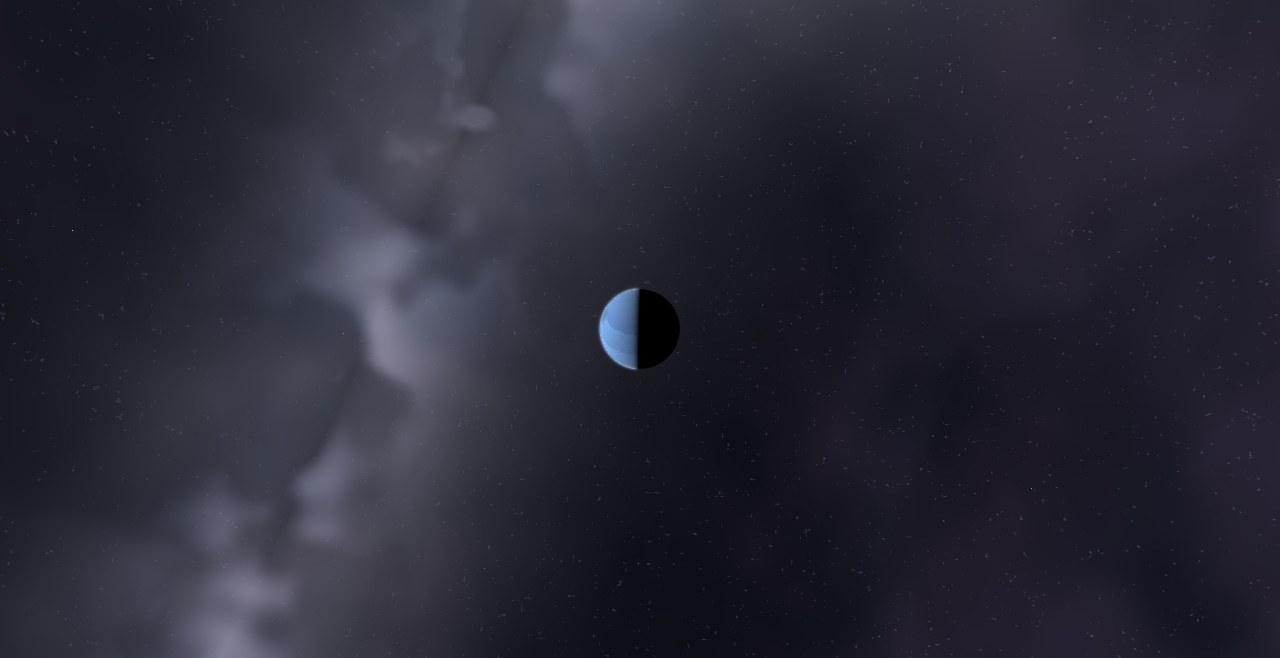
Kepler-35 b, a Saturn-sized planet orbiting two stars. Its transits of both stars helped prove circumbinary planets are common, not flukes. Both stars are smaller and cooler than the Sun.
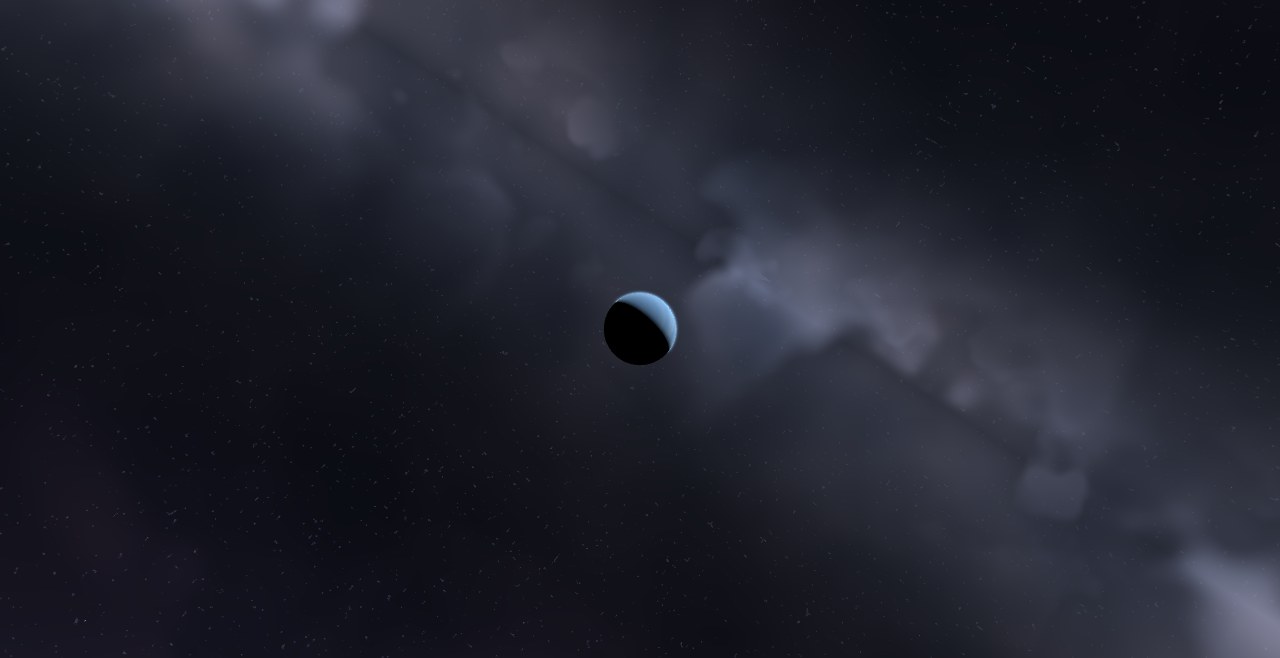
Kepler-38 b, one of the smallest circumbinary planets found by Kepler. It orbits a stellar pair just outside the zone where orbits go unstable.
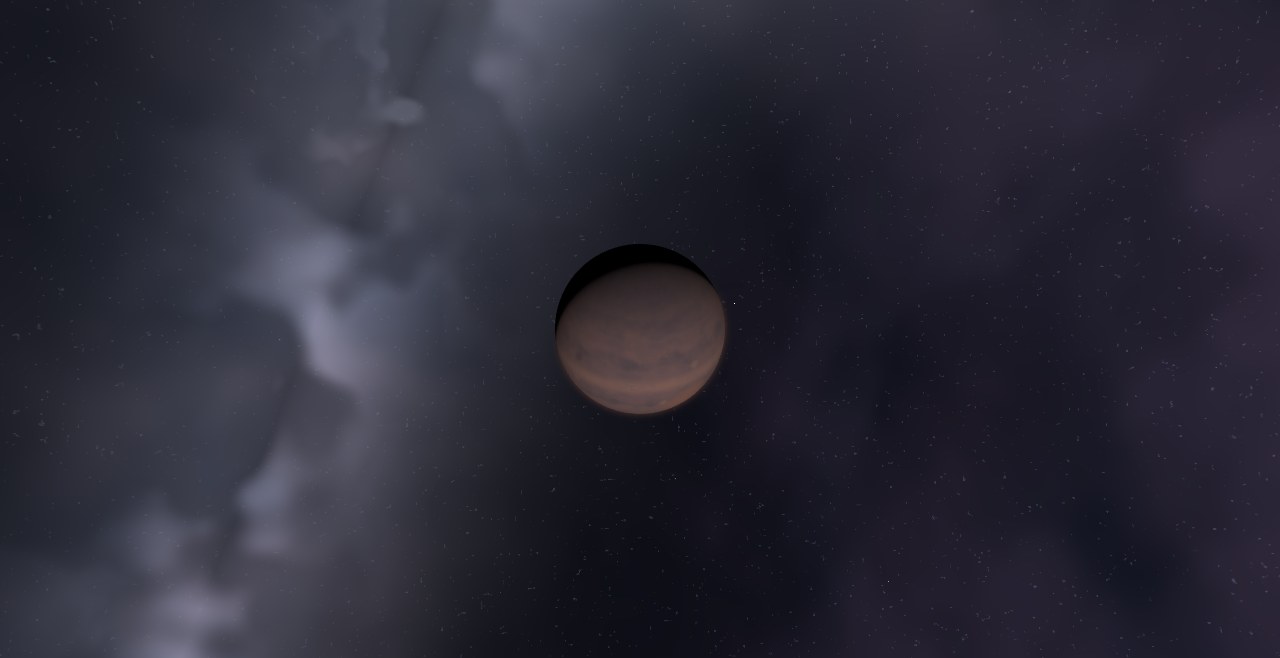
Kepler-39, a Sun-like F-type star of 1.29 solar masses, and Kepler-39 b, a 20.1-Jupiter-mass companion, with an orbital period of 21.1 days, at 0.164 AU from its star, and an equilibrium temperature near 897.
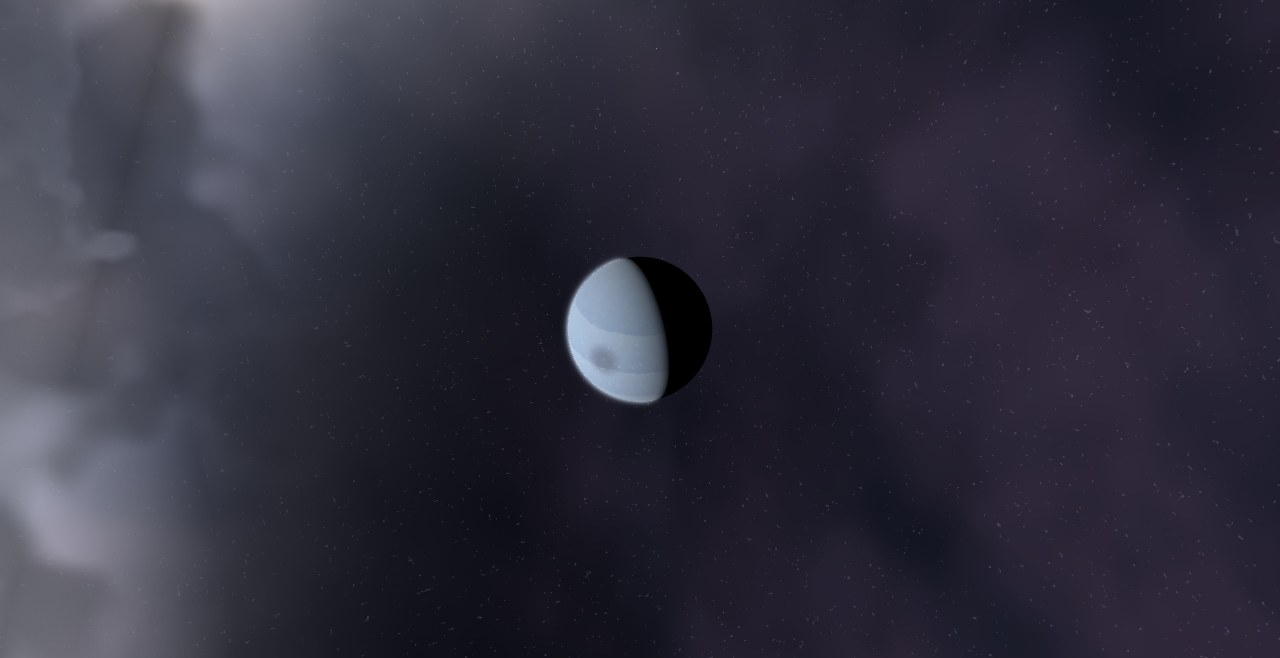
Kepler-4, a Sun-like G-type star of 1.22 solar masses, and Kepler-4 b, a 0.08-Jupiter-mass companion, with an orbital period of 3.2 days, at 0.046 AU from its star, and an equilibrium temperature near 1,650 K.
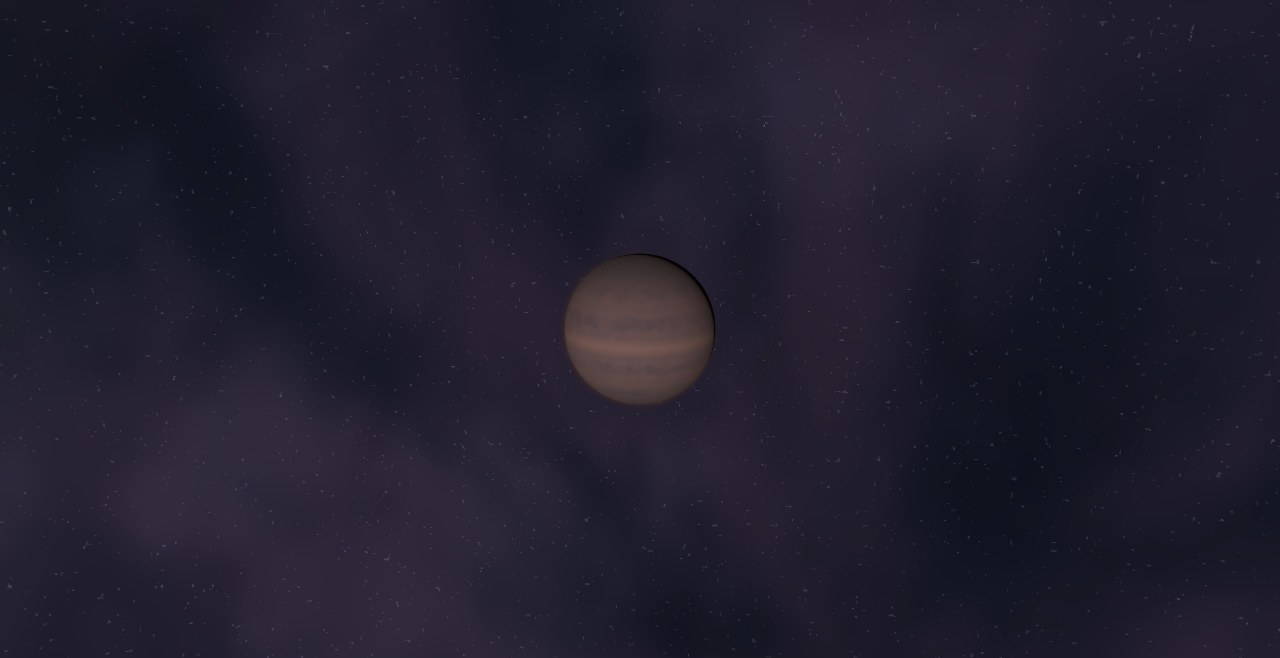
Kepler-40, a Sun-like F-type star of 1.48 solar masses, and Kepler-40 b, a 2.20-Jupiter-mass companion, with an orbital period of 6.9 days, at 0.080 AU from its star, and an equilibrium temperature near 1,620 K.
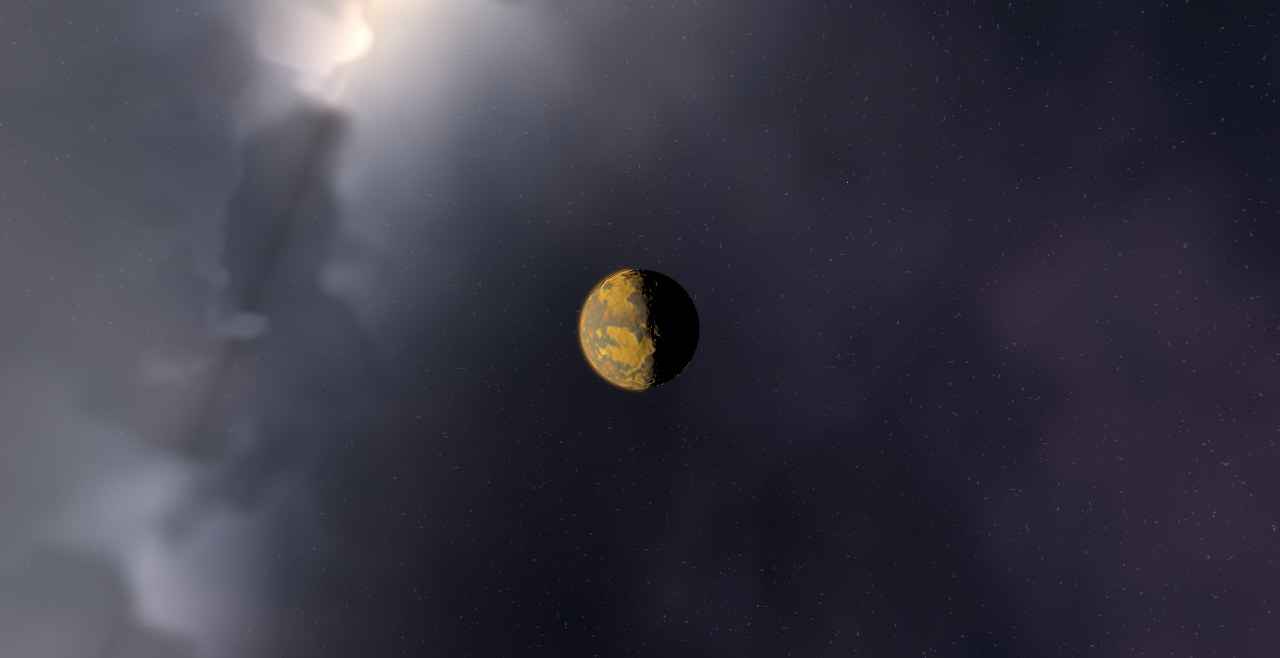
Kepler-408, a Sun-like F-type star of 1.08 solar masses, and Kepler-408 b, a 5.0-Earth-mass planet, with an orbital period of 2.5 days.
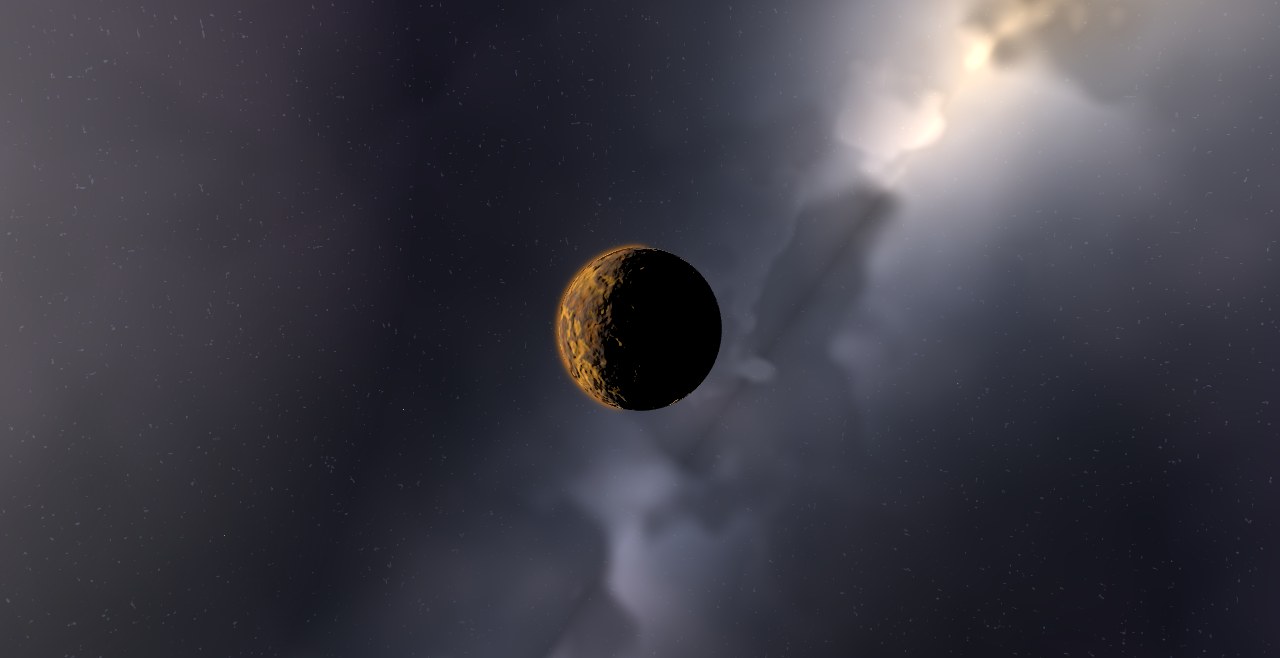
Kepler-409, a Sun-like G-type star of 0.91 solar masses, and Kepler-409 b, a 6.0-Earth-mass planet, with an orbital period of 69.0 days, at 0.319 AU from its star, and an equilibrium temperature near 438 K.
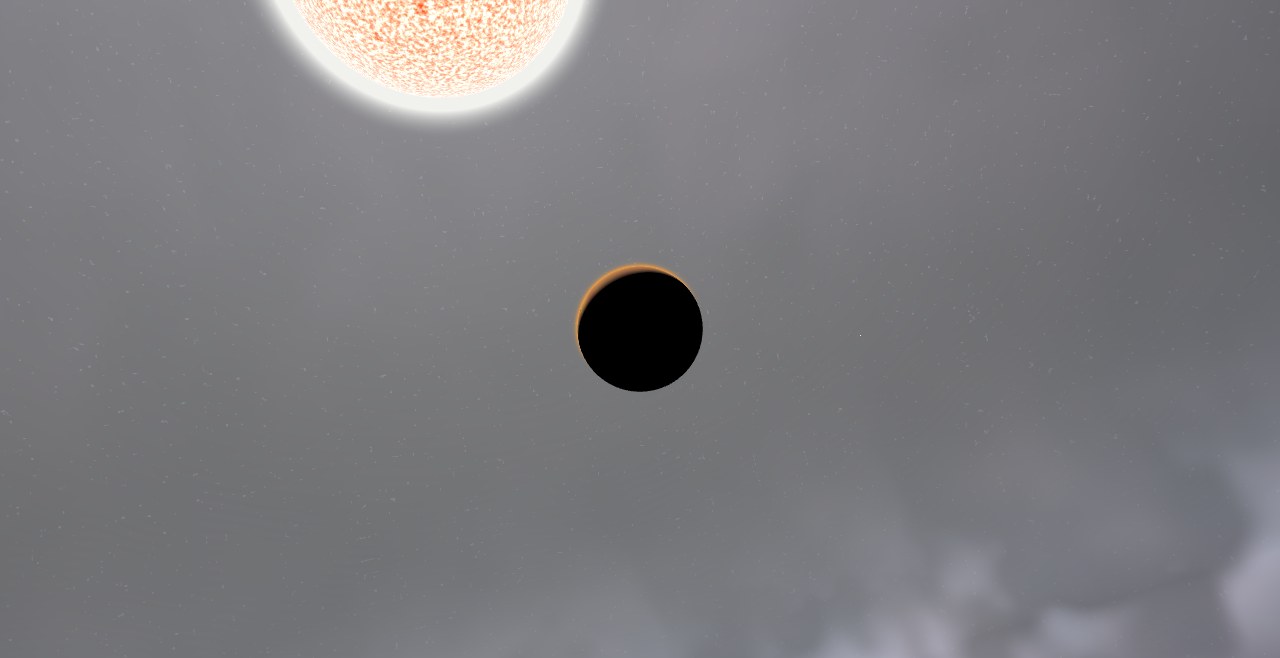
Kepler-41, a Sun-like G-type star of 1.15 solar masses, and Kepler-41 b, a 0.56-Jupiter-mass companion, with an orbital period of 1.9 days, at 0.031 AU from its star, and an equilibrium temperature near 1,790 K.
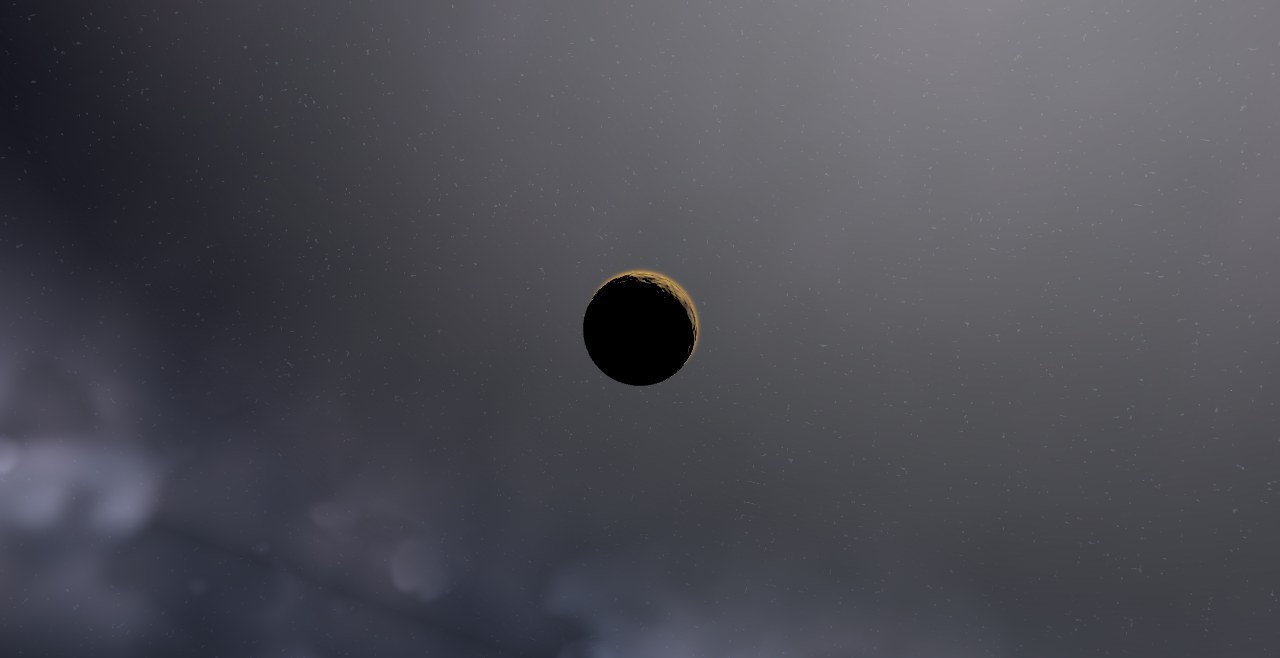
Kepler-410 A, a Sun-like F-type star of 1.21 solar masses, and Kepler-410 A b, a planet with 2.8 Earth radii, with an orbital period of 17.8 days, at 0.123 AU from its star, on an eccentric orbit (e ≈ 0.17).