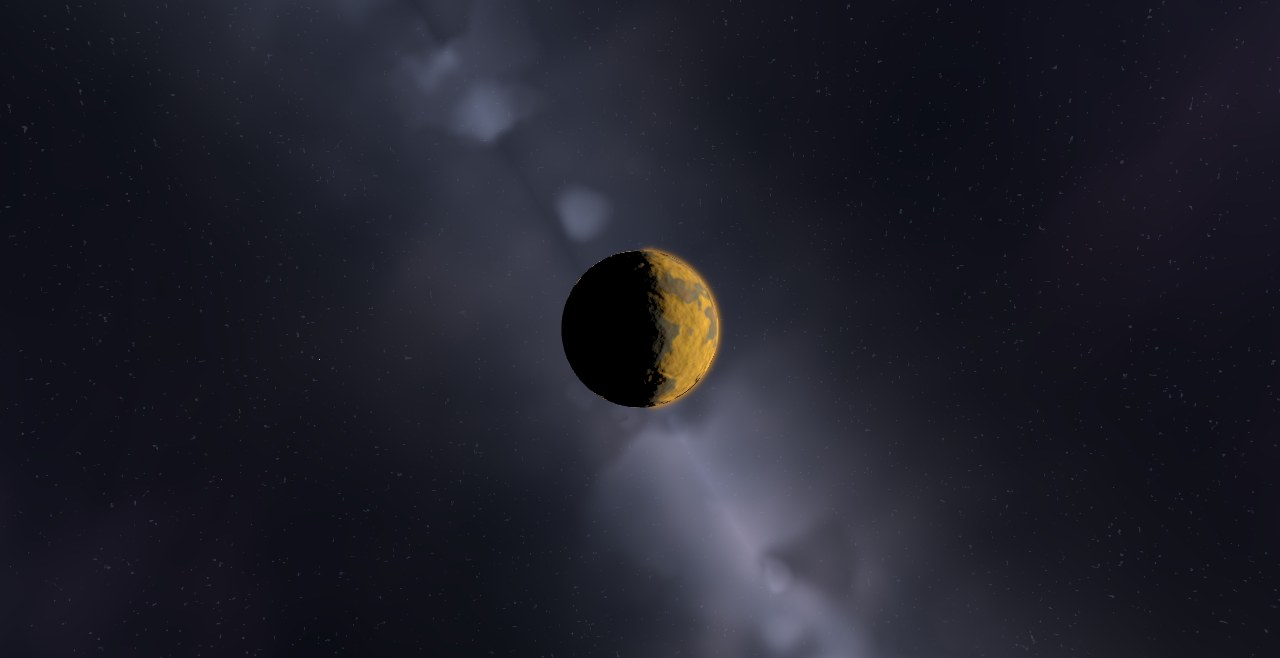
Kepler-1948 - System
Kepler-1948, an orange K-type dwarf of 0.58 solar masses, and Kepler-1948 b, a planet with 1.0 Earth radii, with an orbital period of 15.6 days.
Exoplanets
Analyze isolated alien worlds orbiting a singular host star to observe basic orbital parameters, tidal locks, and planetary eccentricities.
Share
Kepler-1948, an orange K-type dwarf of 0.58 solar masses, and Kepler-1948 b, a planet with 1.0 Earth radii, with an orbital period of 15.6 days.
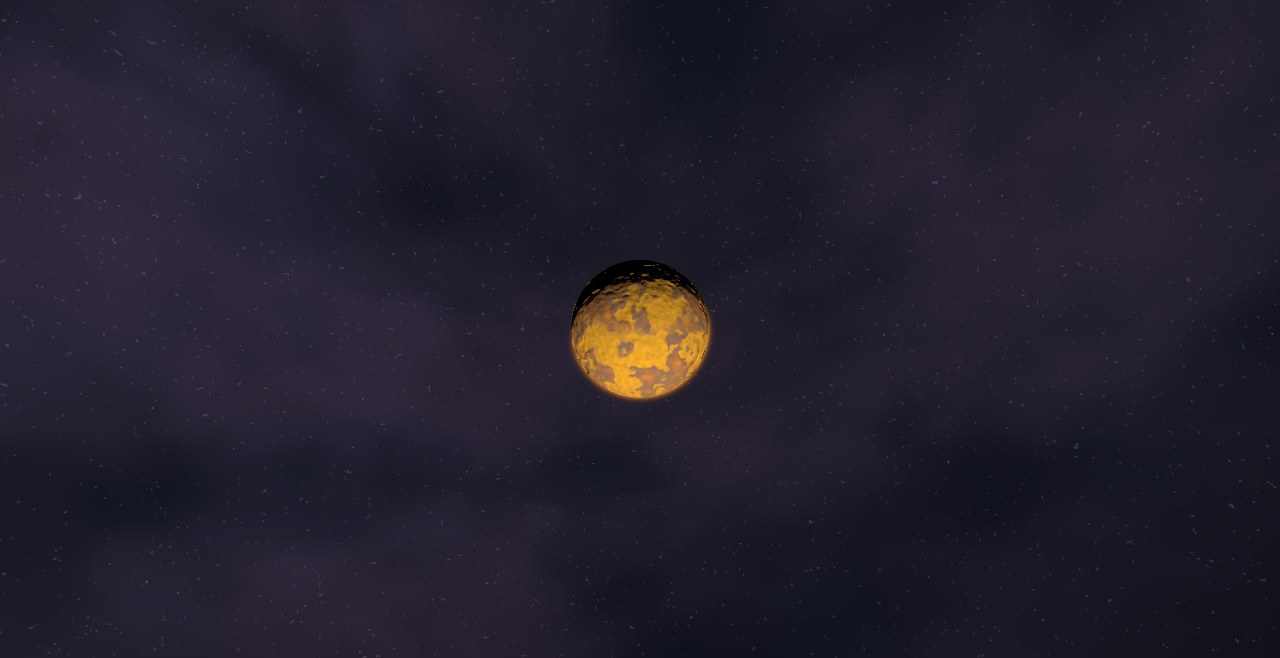
Kepler-1949, a Sun-like F-type star of 1.19 solar masses, and Kepler-1949 b, a planet with 2.2 Earth radii, with an orbital period of 2.2 days.
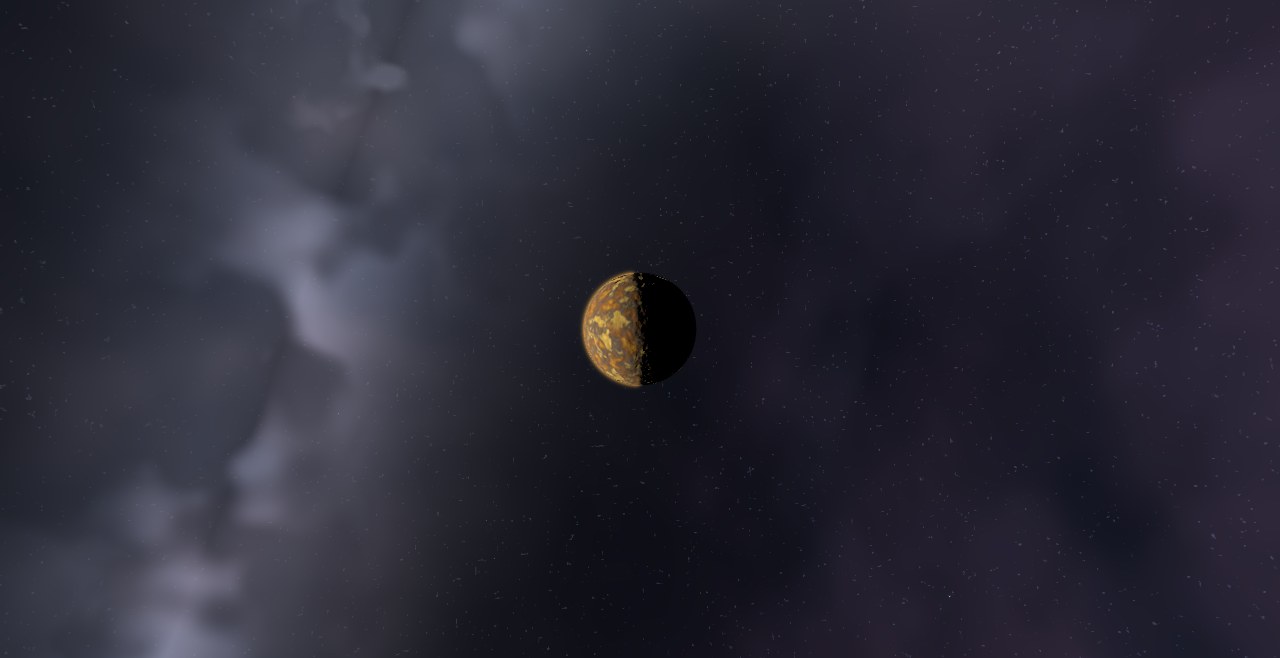
Kepler-1950, a Sun-like G-type star of 0.76 solar masses, and Kepler-1950 b, a planet with 1.5 Earth radii, with an orbital period of 10.8 days.
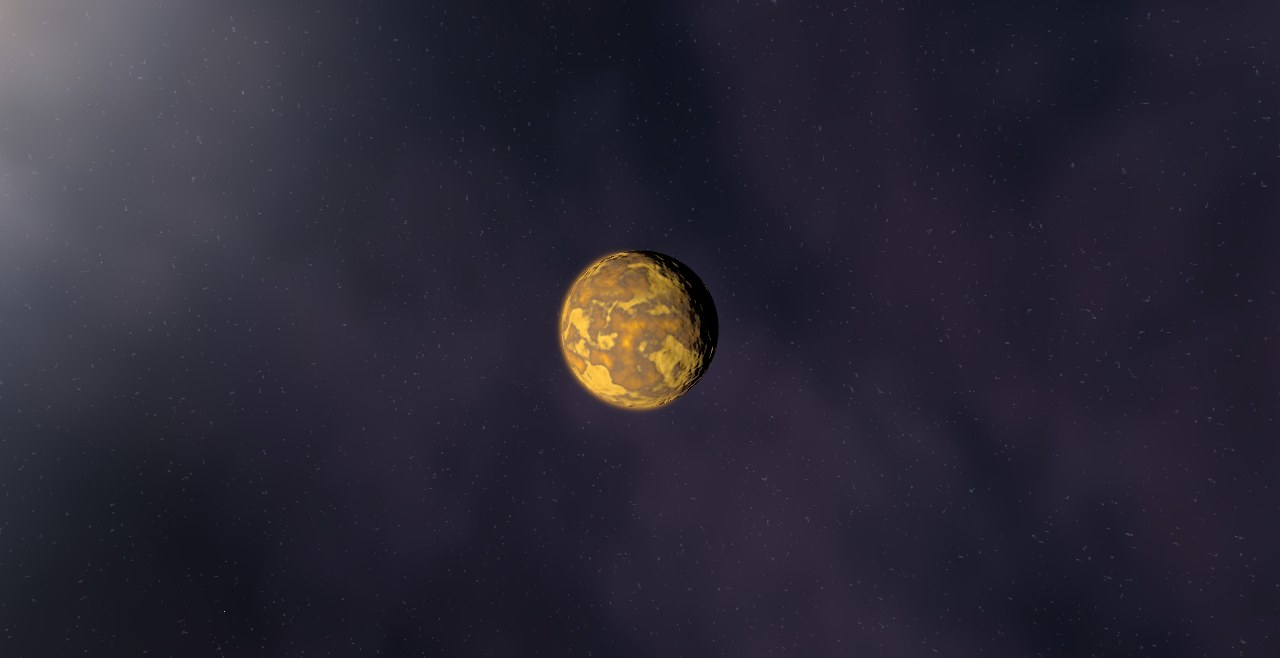
Kepler-1951, a Sun-like G-type star of 0.92 solar masses, and Kepler-1951 b, a planet with 2.3 Earth radii, with an orbital period of 20.7 days.
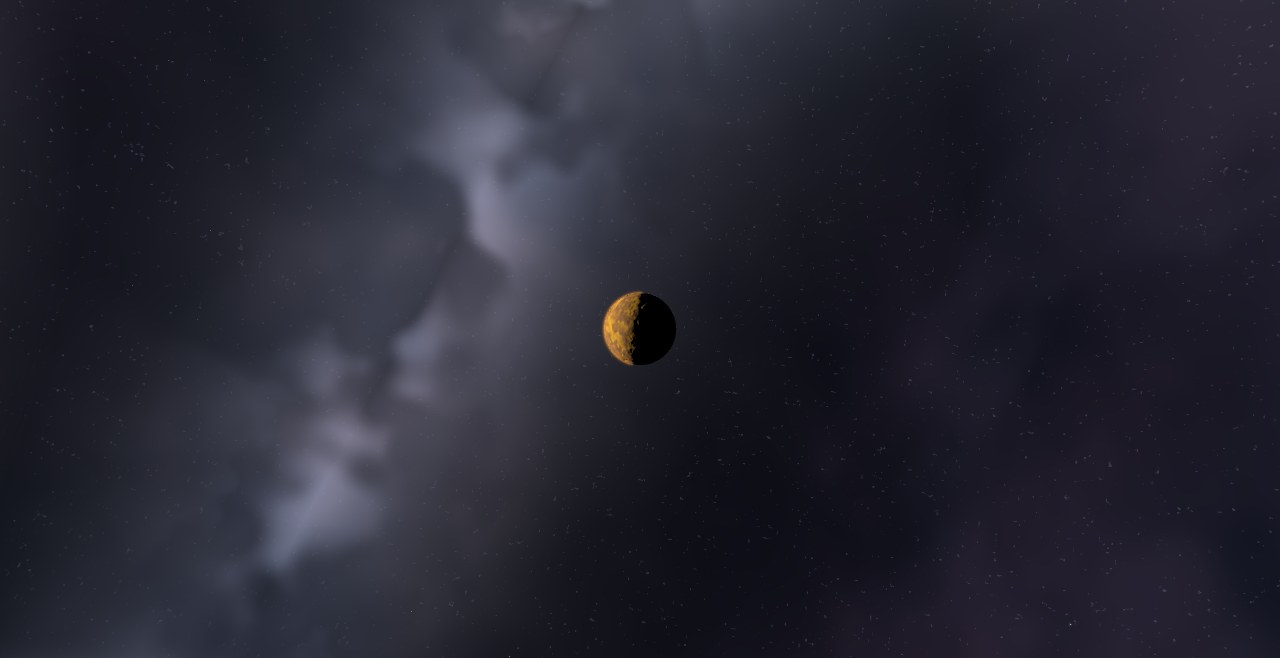
Kepler-1952, a Sun-like G-type star of 0.92 solar masses, and Kepler-1952 b, a planet with 1.2 Earth radii, with an orbital period of 27.2 days.
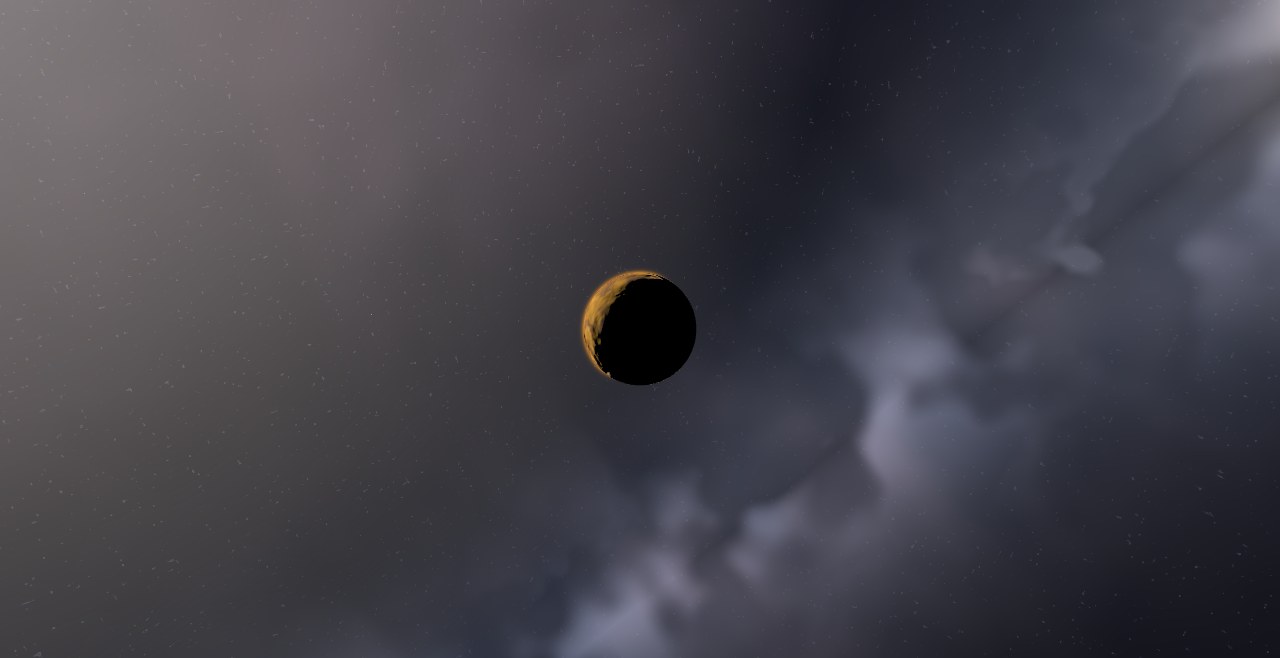
Kepler-1953, an orange K-type dwarf of 0.79 solar masses, and Kepler-1953 b, a planet with 1.3 Earth radii, with an orbital period of 6.2 days.
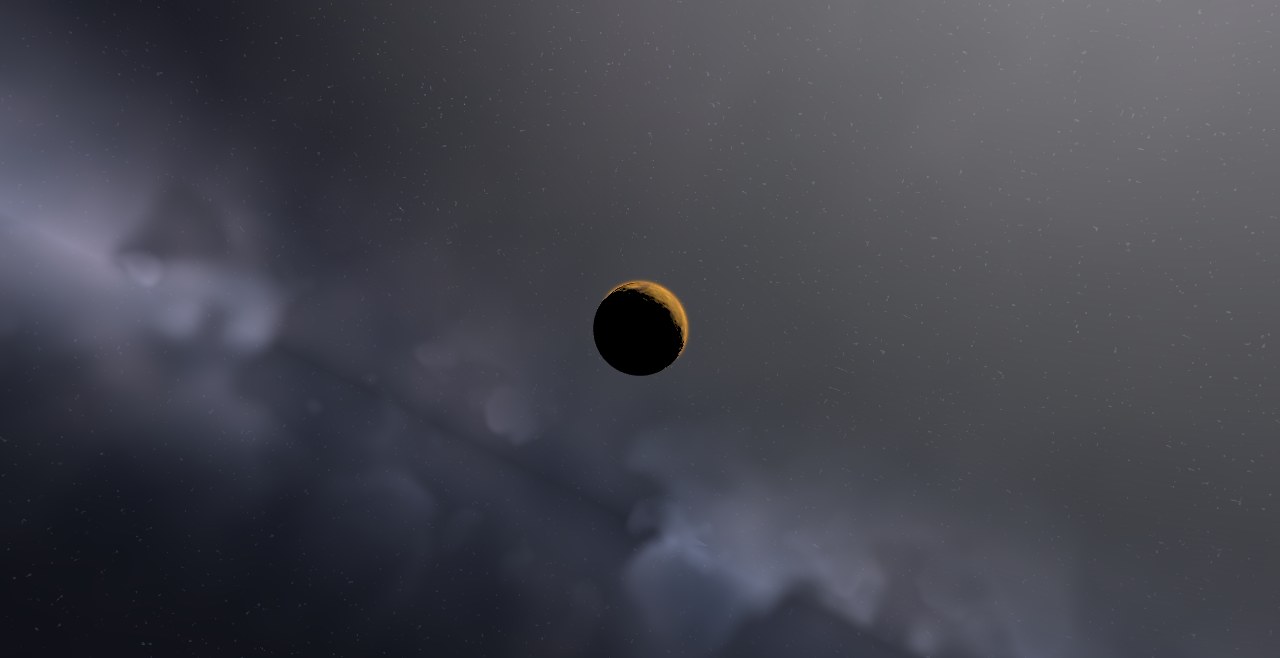
Kepler-1954, a Sun-like G-type star of 0.94 solar masses, and Kepler-1954 b, a planet with 1.8 Earth radii, with an orbital period of 5.9 days.
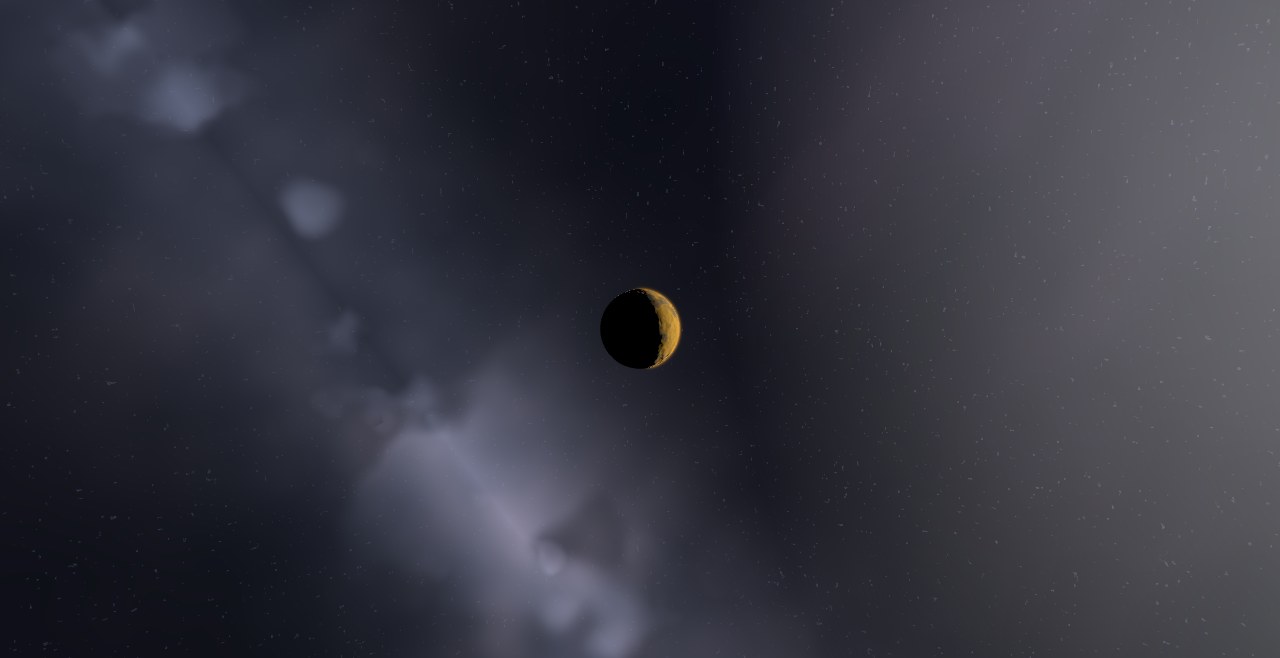
Kepler-1955, a Sun-like G-type star of 1.05 solar masses, and Kepler-1955 b, a planet with 1.2 Earth radii, with an orbital period of 14.3 days.
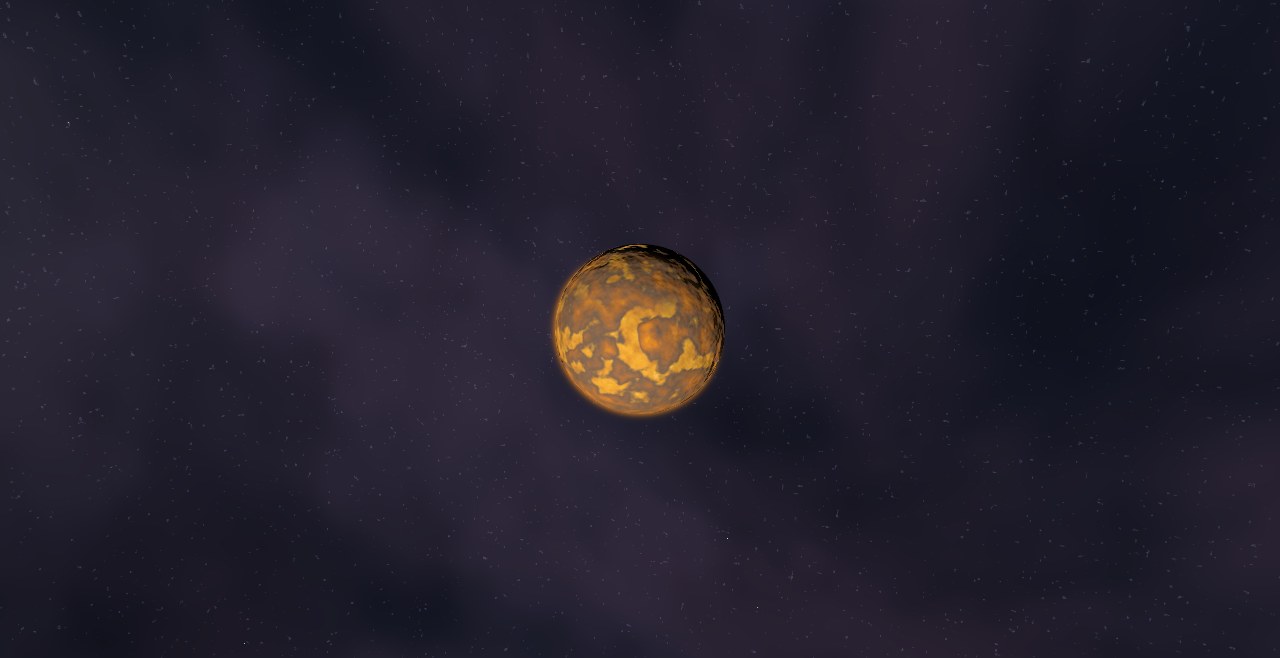
Kepler-1956, an orange K-type dwarf of 0.67 solar masses, and Kepler-1956 b, a planet with 1.1 Earth radii, with an orbital period of 5.9 days.
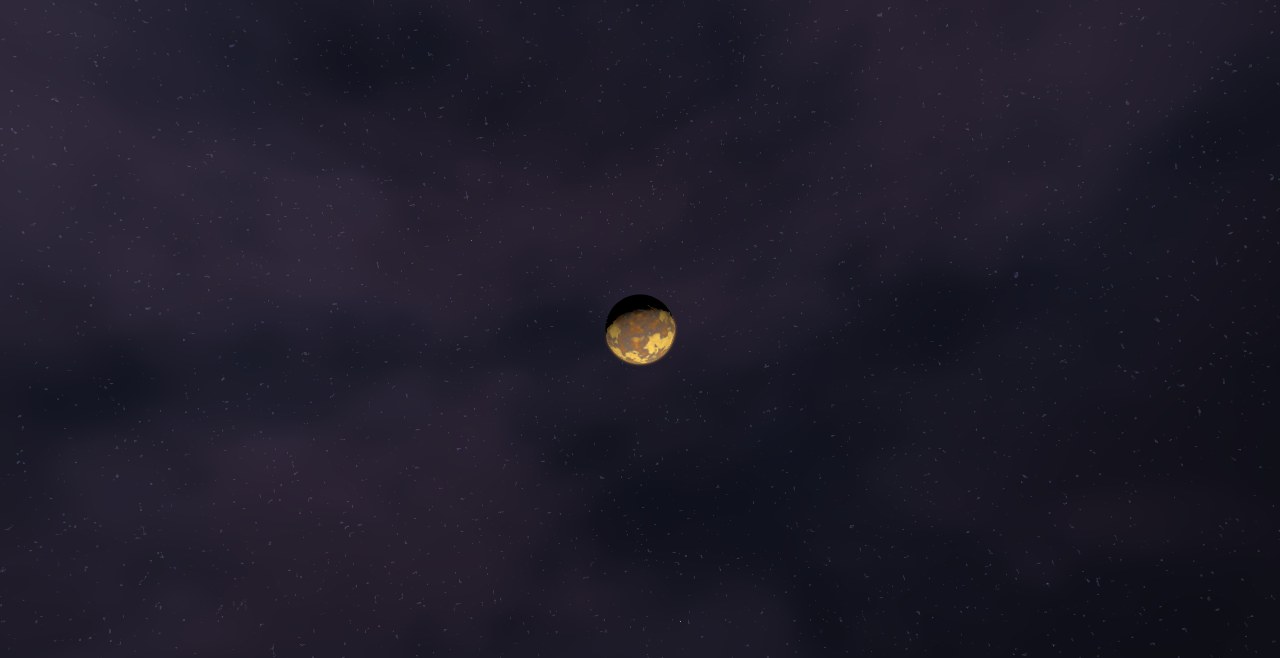
Kepler-1957, an orange K-type dwarf of 0.74 solar masses, and Kepler-1957 b, a planet with 0.9 Earth radii, with an orbital period of 2.2 days.
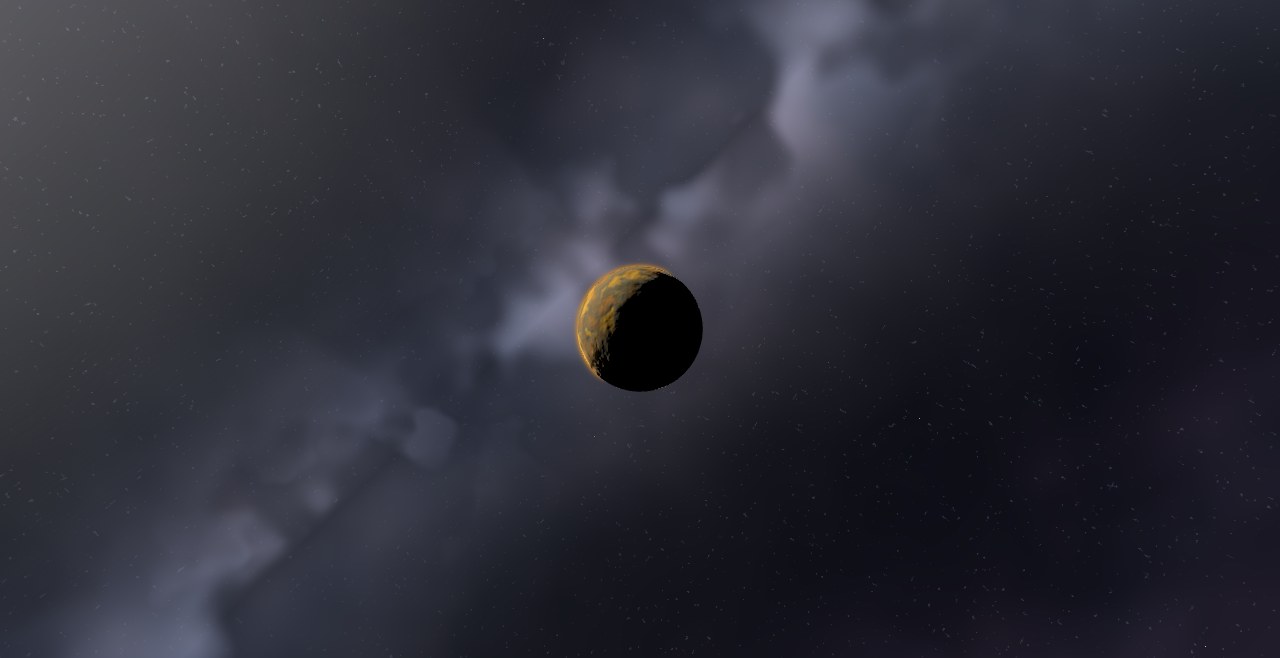
Kepler-1958, a Sun-like G-type star of 0.96 solar masses, and Kepler-1958 b, a planet with 2.1 Earth radii, with an orbital period of 9.3 days.
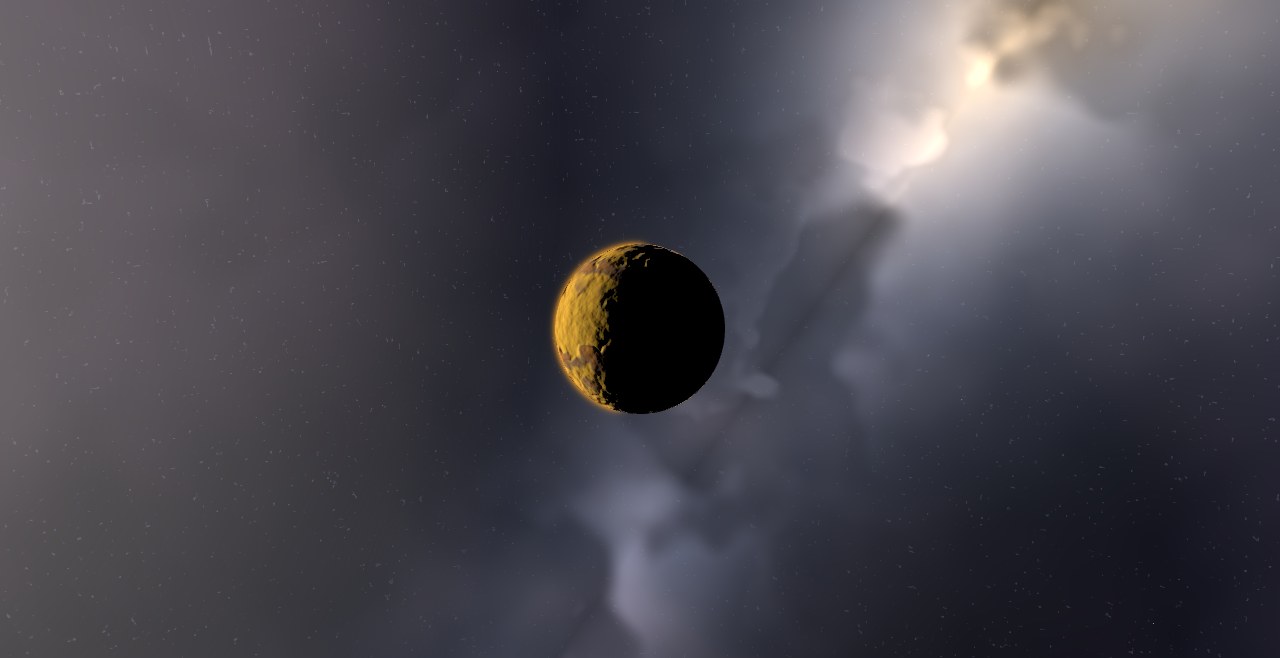
Kepler-1959, an orange K-type dwarf of 0.77 solar masses, and Kepler-1959 b, a planet with 1.1 Earth radii, with an orbital period of 6.4 days.
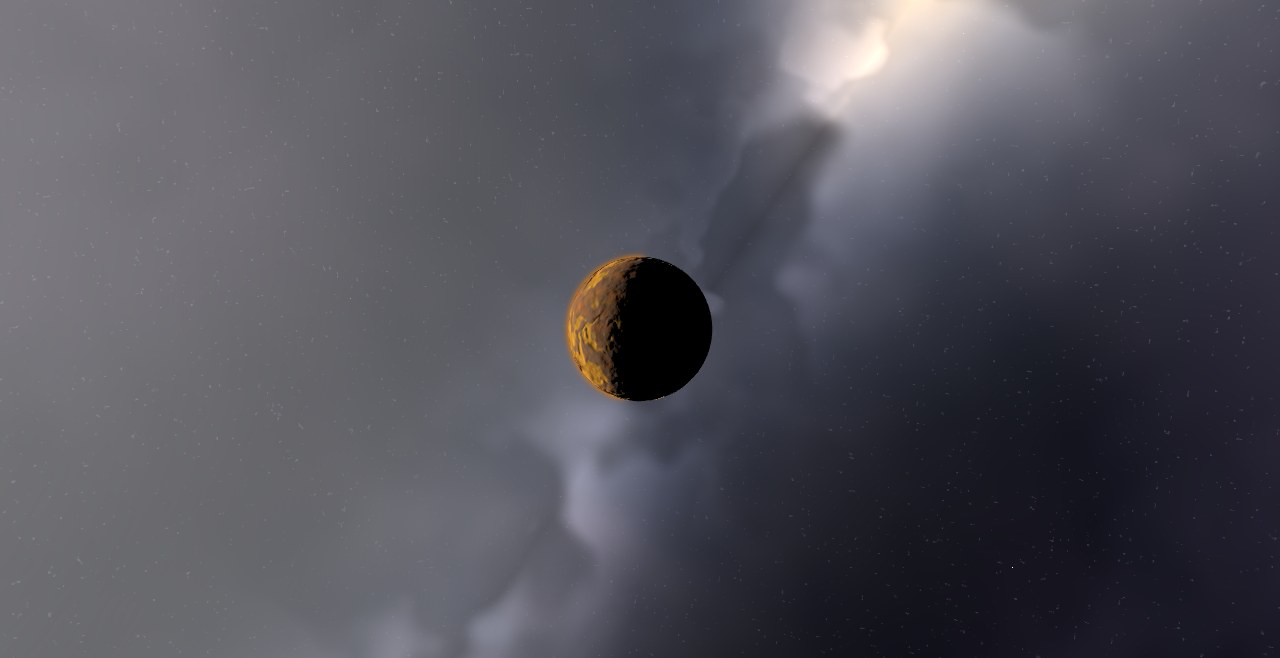
Kepler-1960, a Sun-like F-type star of 1.12 solar masses, and Kepler-1960 b, a planet with 1.3 Earth radii, with an orbital period of 2.3 days.
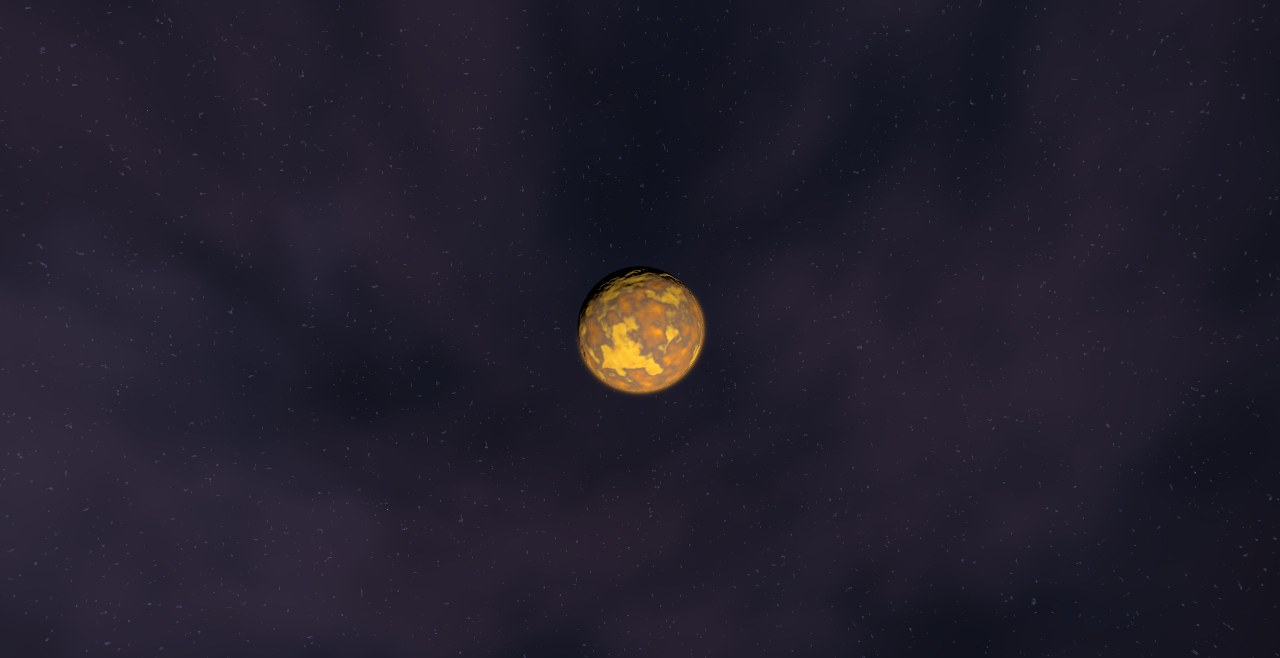
Kepler-1961, a Sun-like G-type star of 0.87 solar masses, and Kepler-1961 b, a planet with 1.6 Earth radii, with an orbital period of 5.6 days.
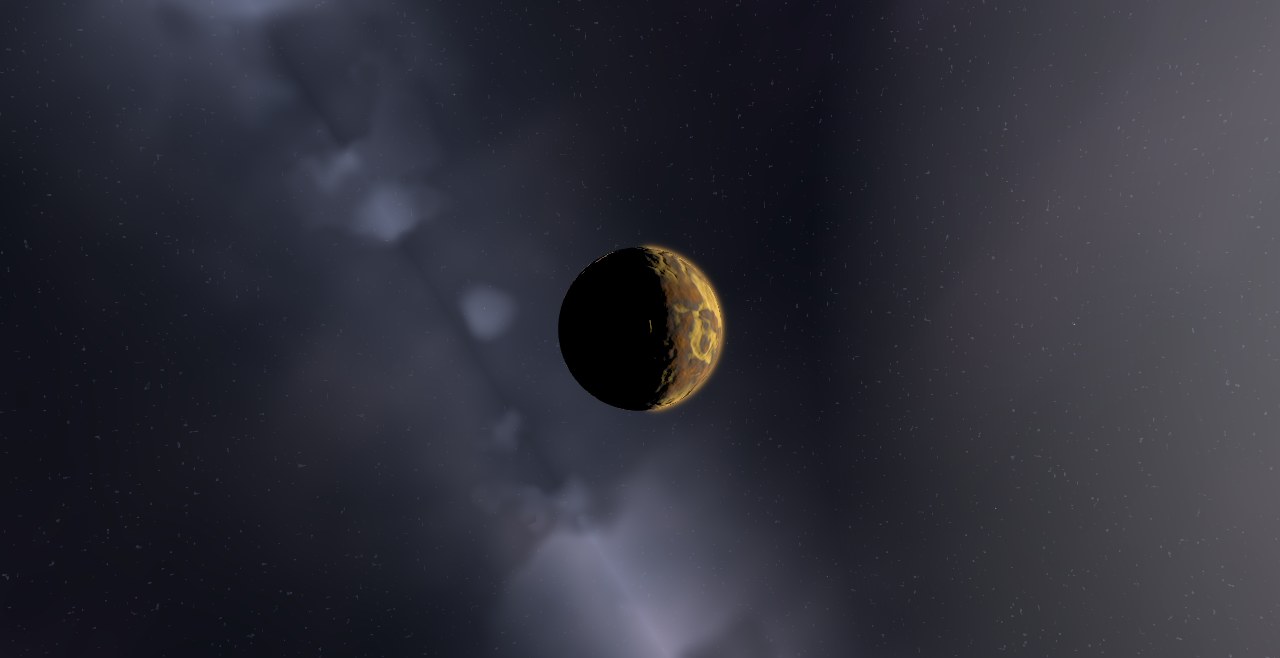
Kepler-1962, a Sun-like G-type star of 1.00 solar masses, and Kepler-1962 b, a planet with 1.2 Earth radii, with an orbital period of 8.0 days.
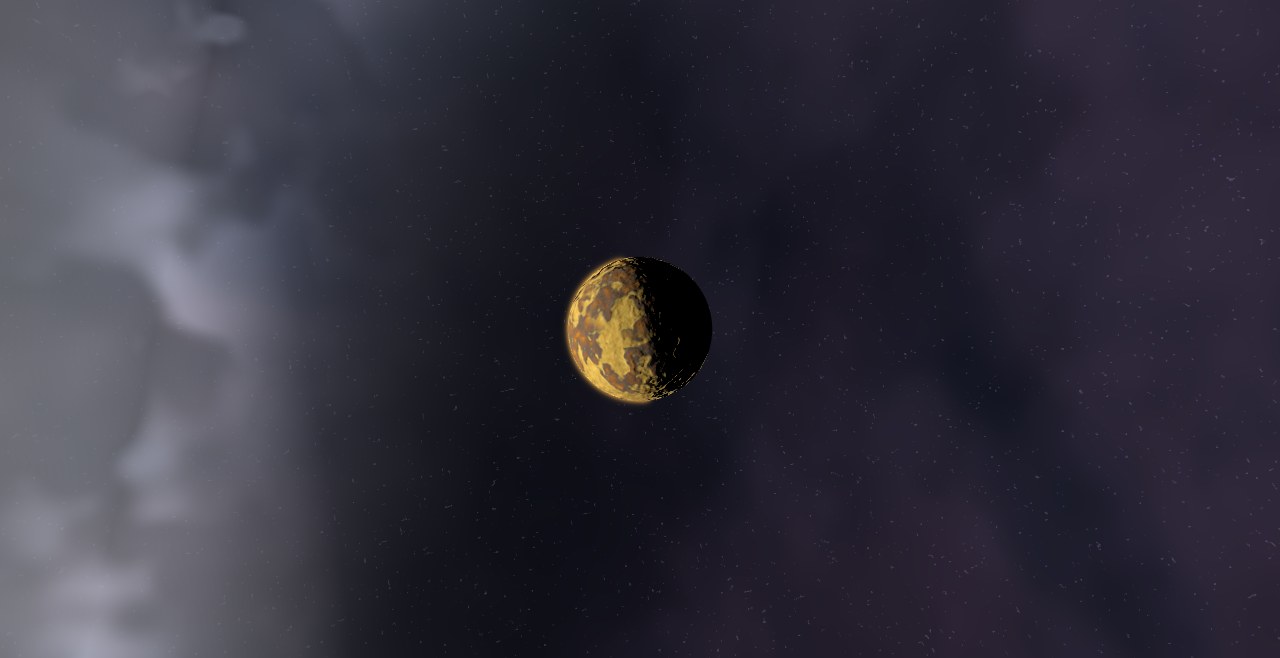
Kepler-1963, a Sun-like G-type star of 0.92 solar masses, and Kepler-1963 b, a planet with 0.7 Earth radii, with an orbital period of 2.0 days.
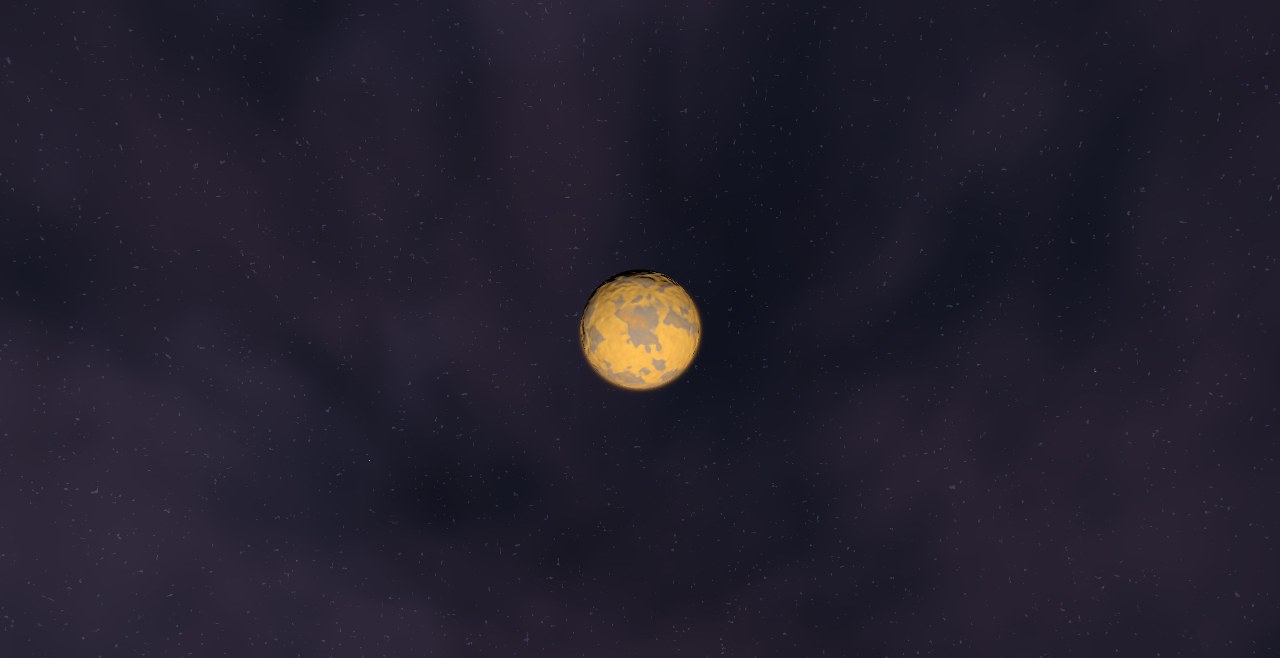
Kepler-1964, an orange K-type dwarf of 0.75 solar masses, and Kepler-1964 b, a planet with 1.8 Earth radii, with an orbital period of 2.4 days.
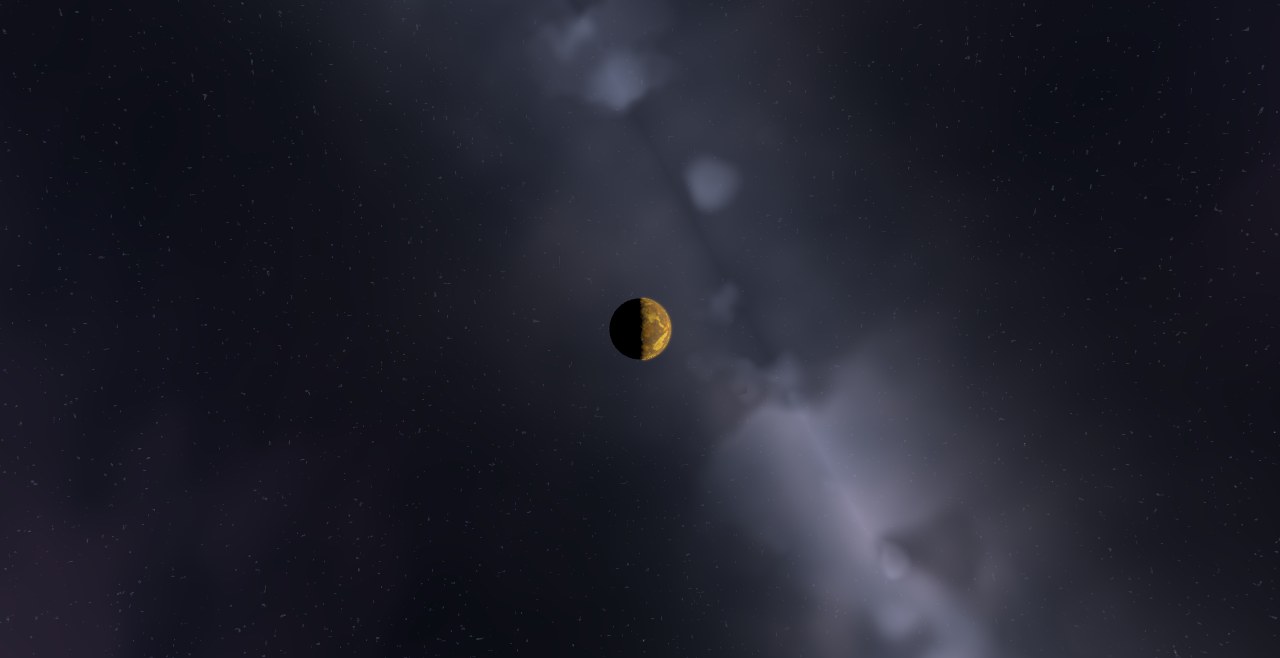
Kepler-1965, a Sun-like G-type star of 0.93 solar masses, and Kepler-1965 b, a planet with 1.4 Earth radii, with an orbital period of 41.9 days.