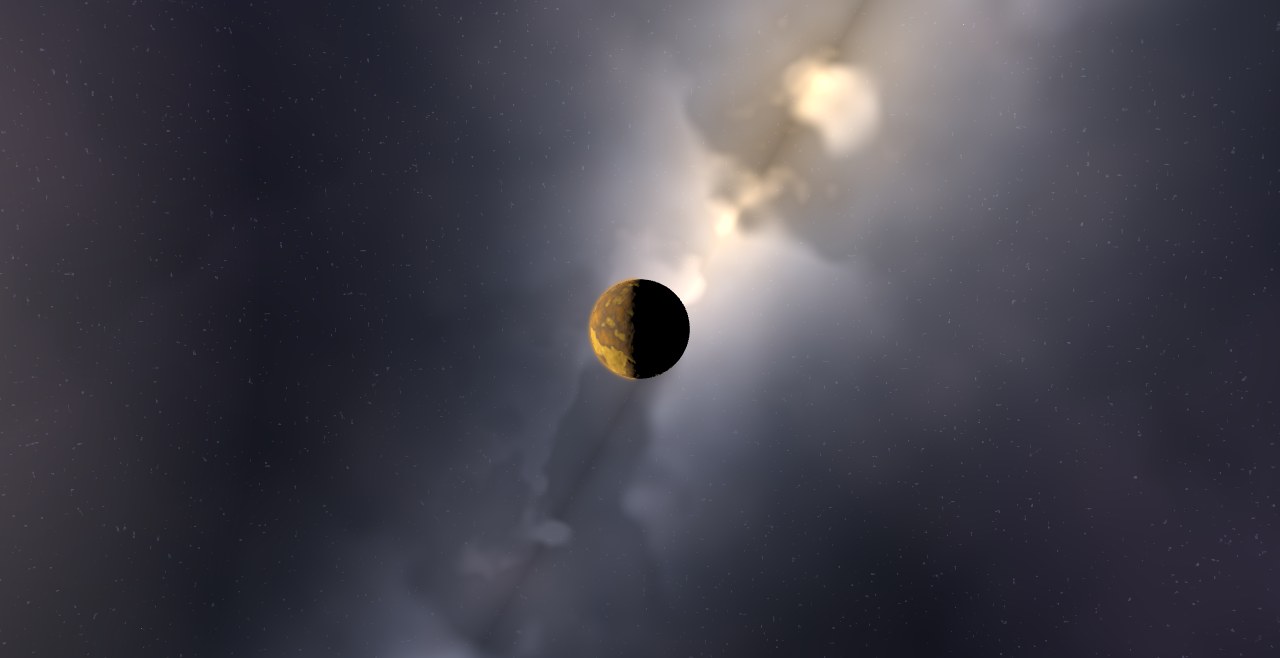
Kepler-1966 - System
Kepler-1966, an orange K-type dwarf of 0.80 solar masses, and Kepler-1966 b, a planet with 1.1 Earth radii, with an orbital period of 8.6 days.
Exoplanets
Analyze isolated alien worlds orbiting a singular host star to observe basic orbital parameters, tidal locks, and planetary eccentricities.
Share
Kepler-1966, an orange K-type dwarf of 0.80 solar masses, and Kepler-1966 b, a planet with 1.1 Earth radii, with an orbital period of 8.6 days.
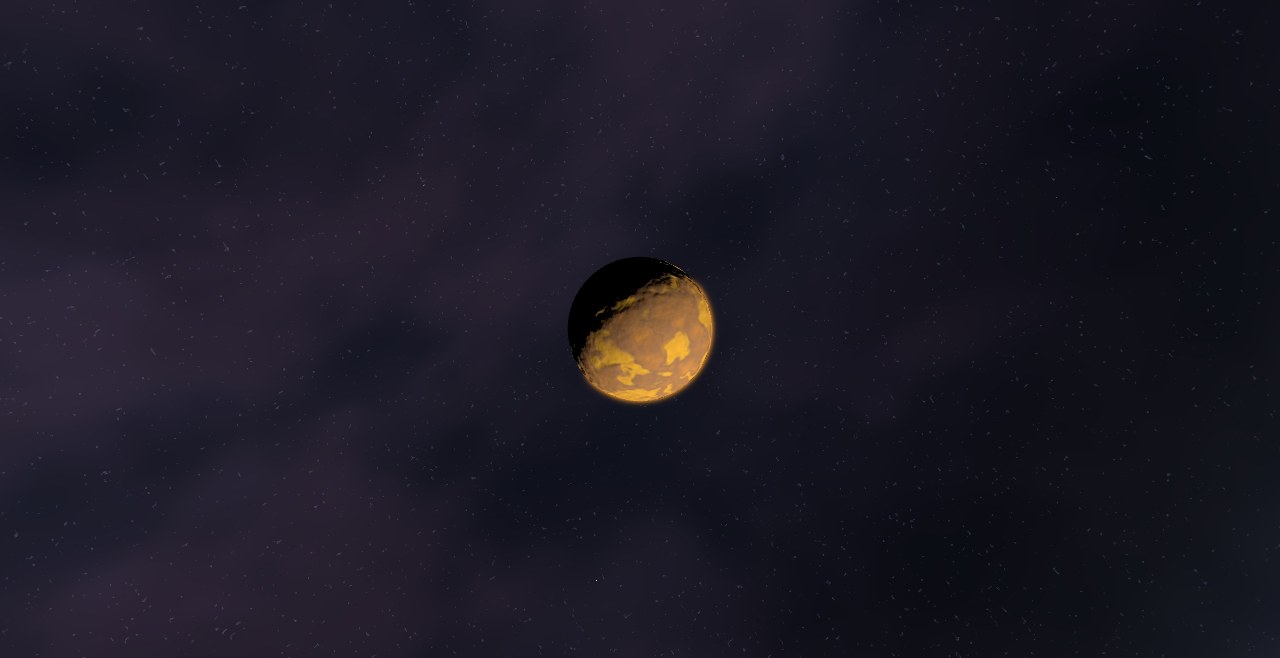
Kepler-1967, an orange K-type dwarf of 1.00 solar masses, and Kepler-1967 b, a planet with 0.7 Earth radii, with an orbital period of 7.3 days.
Kepler-1968, an orange K-type dwarf of 0.84 solar masses, and Kepler-1968 b, a planet with 1.5 Earth radii, with an orbital period of 7.3 days.
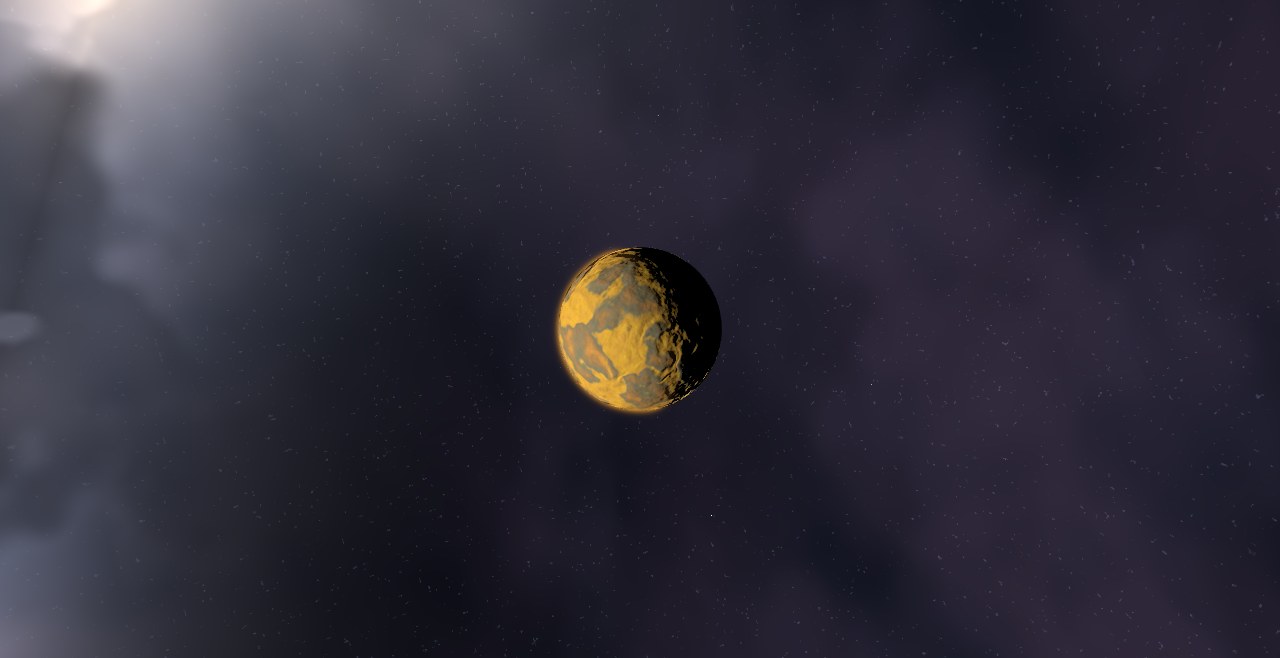
Kepler-1969, a Sun-like F-type star of 1.11 solar masses, and Kepler-1969 b, a planet with 1.7 Earth radii, with an orbital period of 6.6 days.
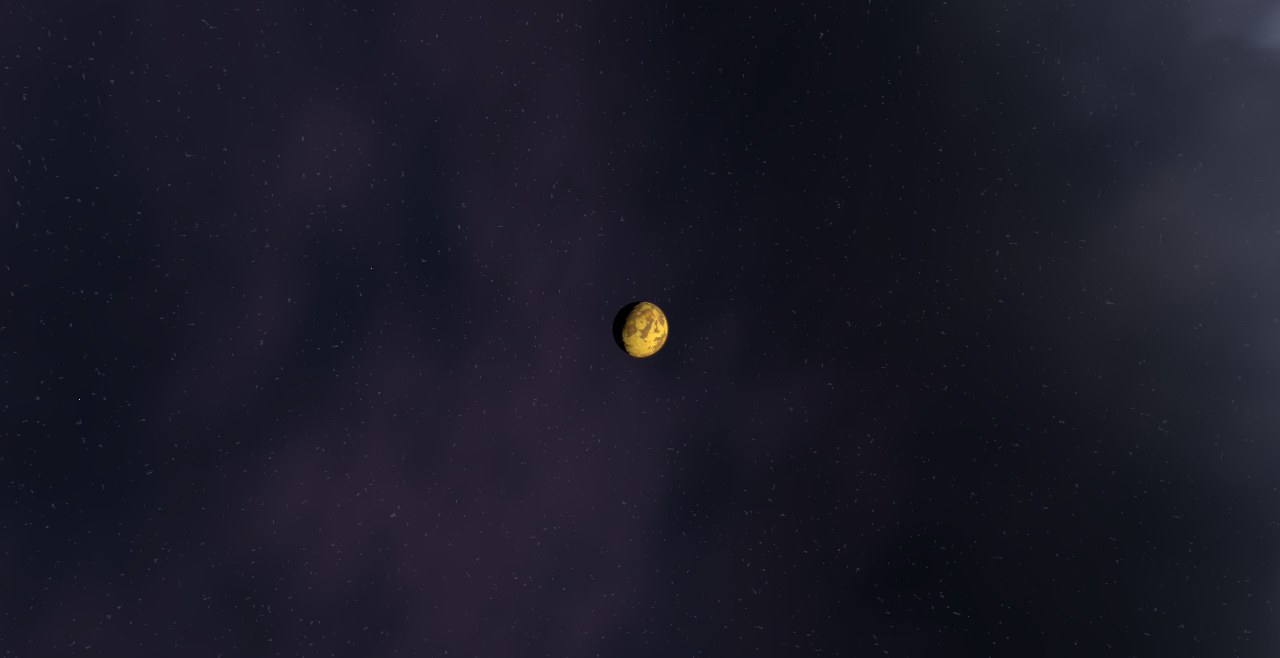
Kepler-1976, a Sun-like G-type star of 0.98 solar masses, and Kepler-1976 b, a planet with 12.2 Earth radii, with an orbital period of 5.0 days, at 0.057 AU from its star, and an equilibrium temperature near.
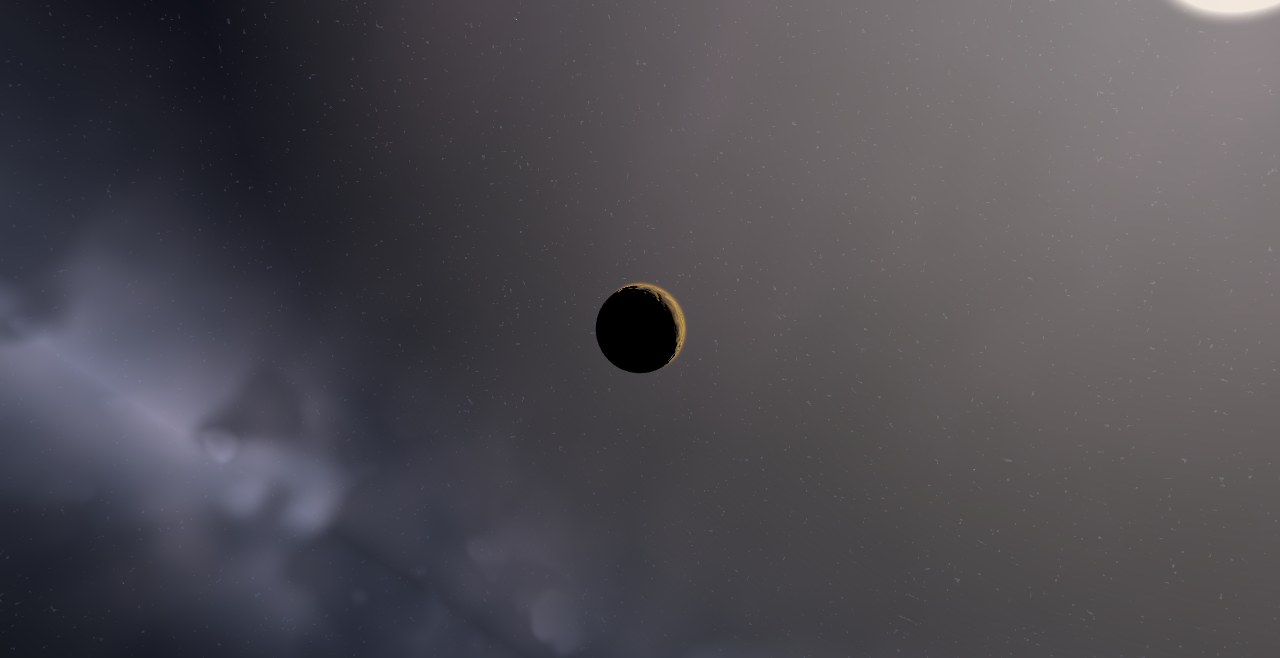
Kepler-1977, an orange K-type dwarf of 0.77 solar masses, and Kepler-1977 b, a planet with 1.7 Earth radii, with an orbital period of 4.5 days, at 0.049 AU from its star, and an equilibrium temperature near.
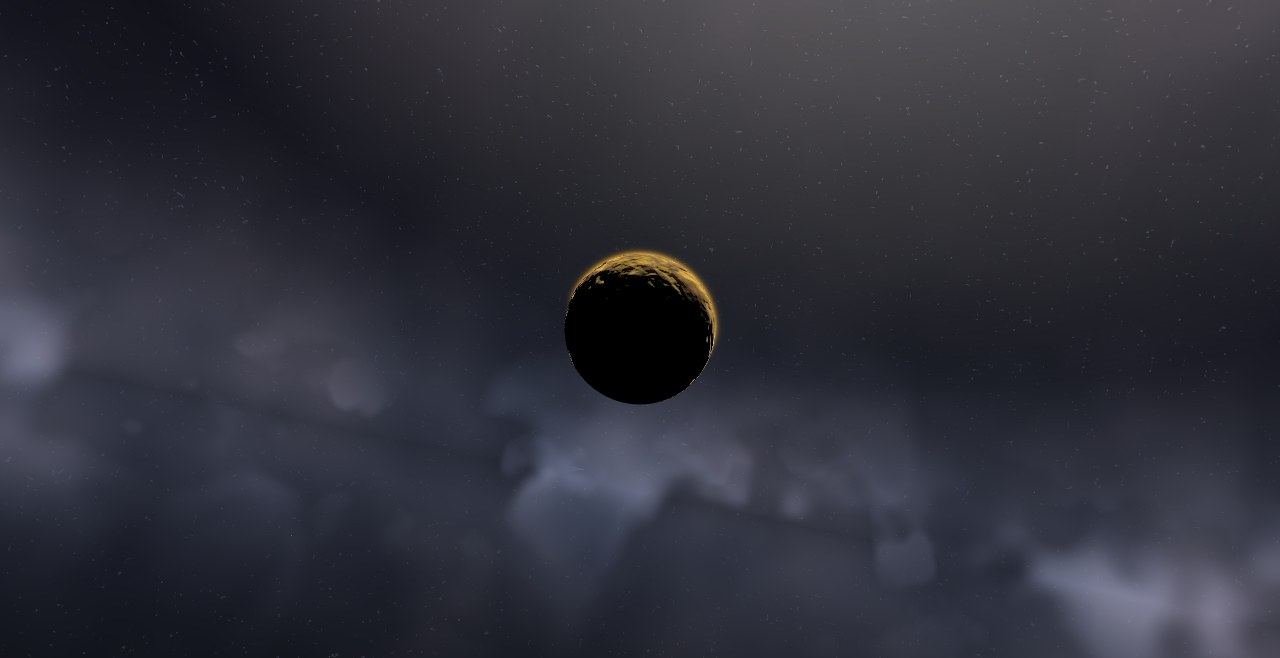
Kepler-1978, a Sun-like G-type star of 0.87 solar masses, and Kepler-1978 b, a planet with 2.7 Earth radii, with an orbital period of 10.8 days, at 0.091 AU from its star, and an equilibrium temperature near.
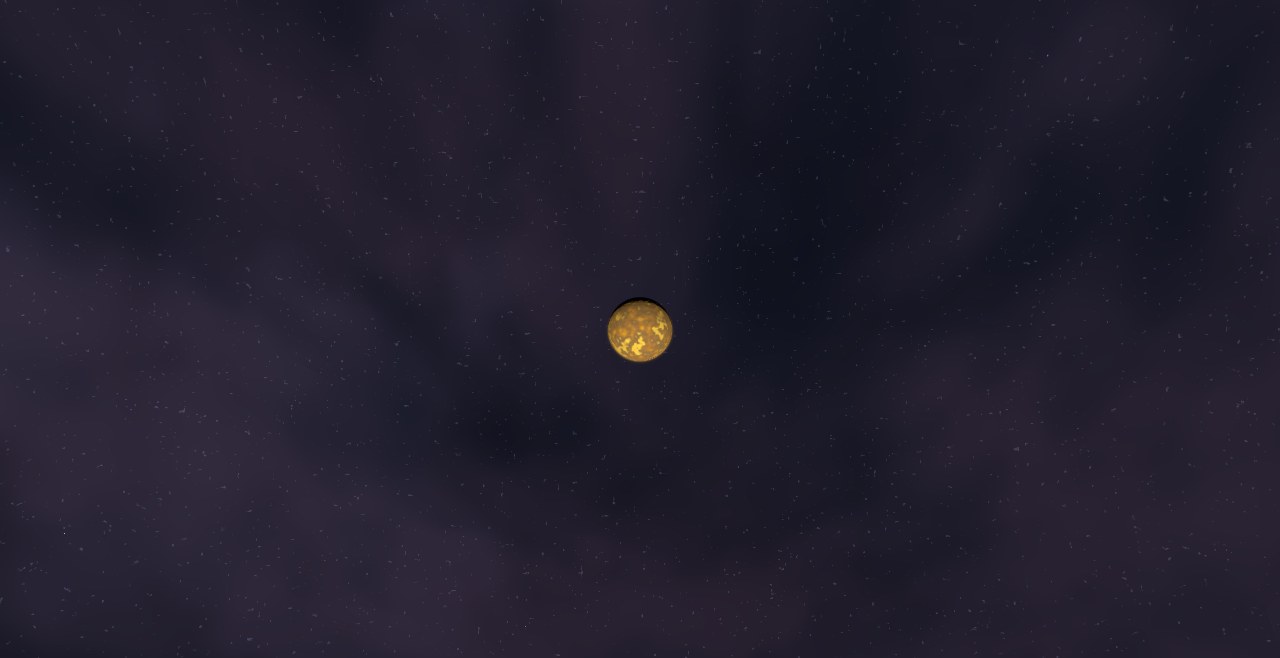
Kepler-1979, a Sun-like G-type star of 1.03 solar masses, and Kepler-1979 b, a planet with 29.3 Earth radii, with an orbital period of 18.5 days, at 0.138 AU from its star, and an equilibrium temperature near.
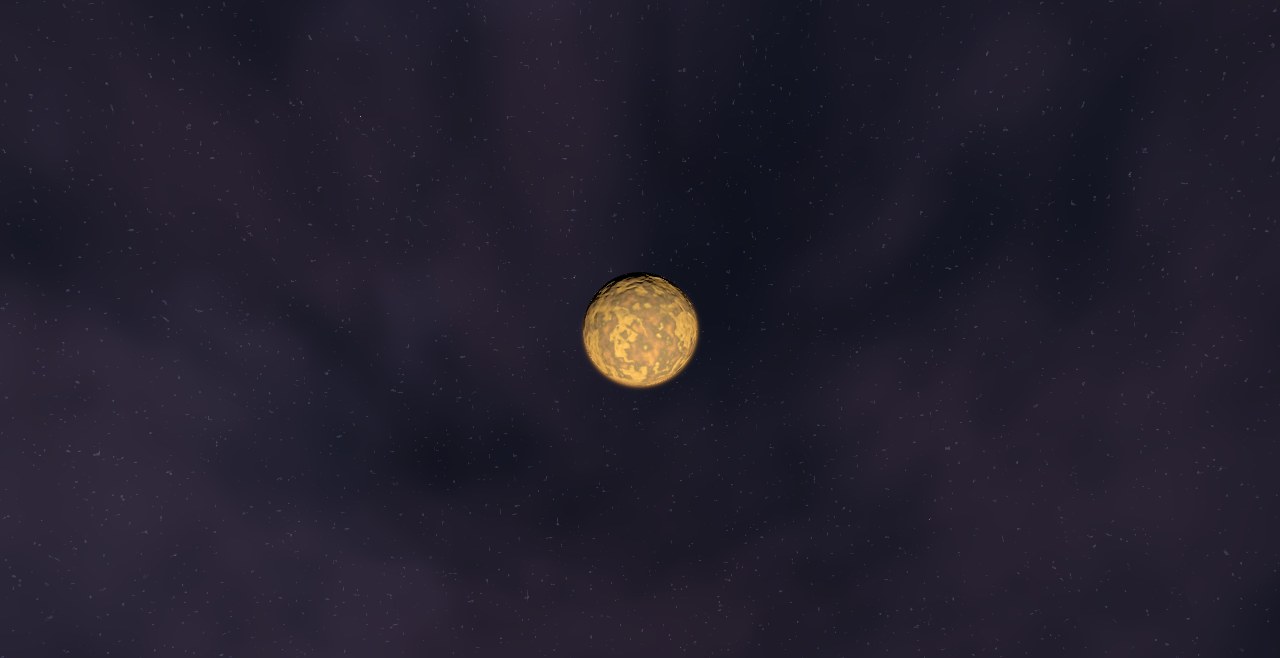
Kepler-1980, a Sun-like G-type star of 1.05 solar masses, and Kepler-1980 b, a planet with 2.2 Earth radii, with an orbital period of 33.0 days, at 0.205 AU from its star, and an equilibrium temperature near.
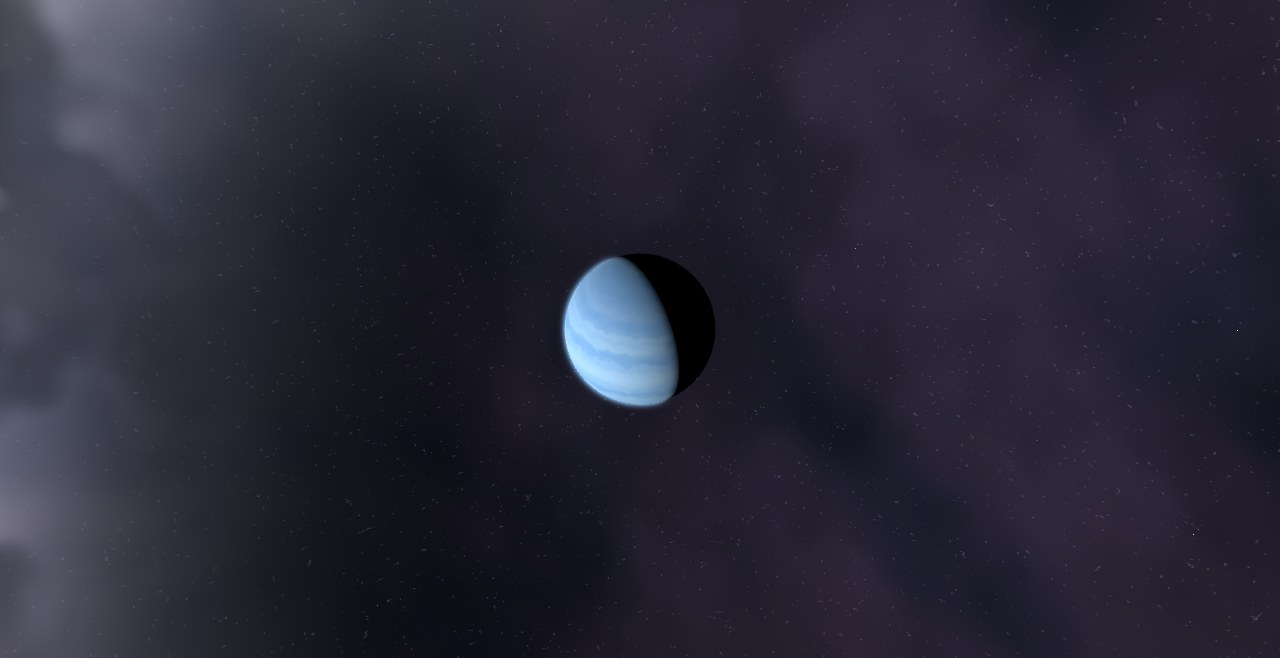
Kepler-1981, a Sun-like G-type star of 1.52 solar masses, and Kepler-1981 b, a planet with 9.2 Earth radii, with an orbital period of 1.24 years, at 1.329 AU from its star, and an equilibrium temperature near.
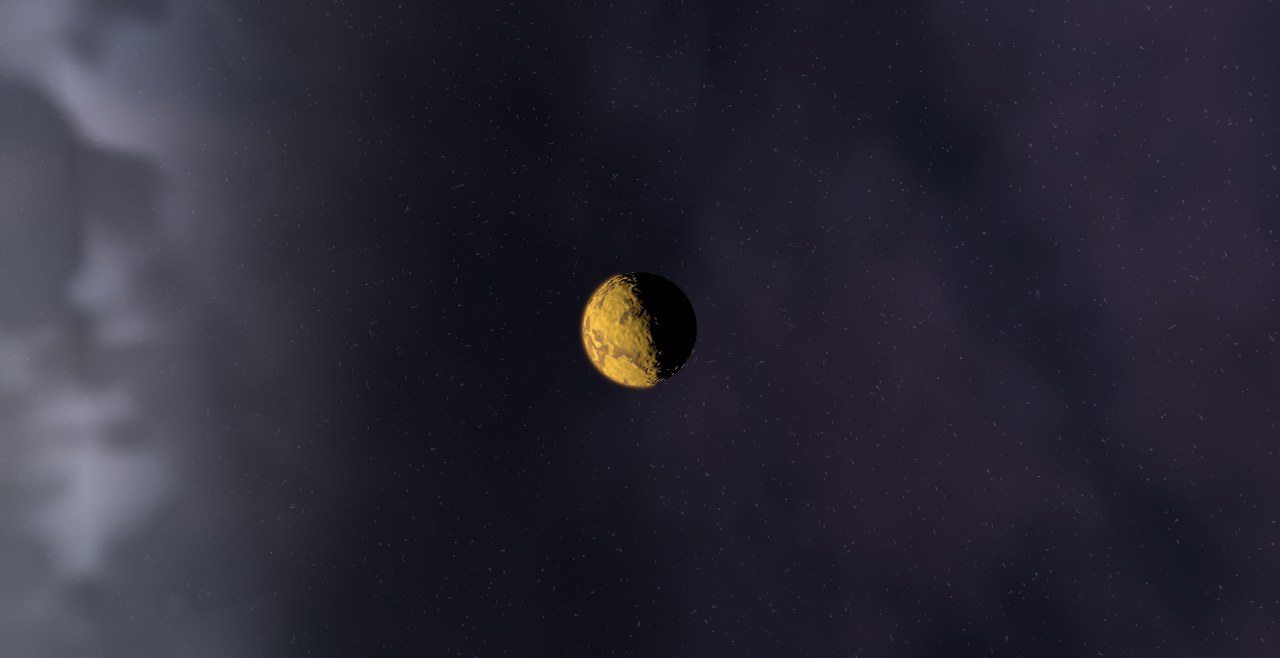
Kepler-1982, a Sun-like F-type star of 1.21 solar masses, and Kepler-1982 b, a planet with 0.8 Earth radii, with an orbital period of 3.8 days, at 0.051 AU from its star, and an equilibrium temperature near.
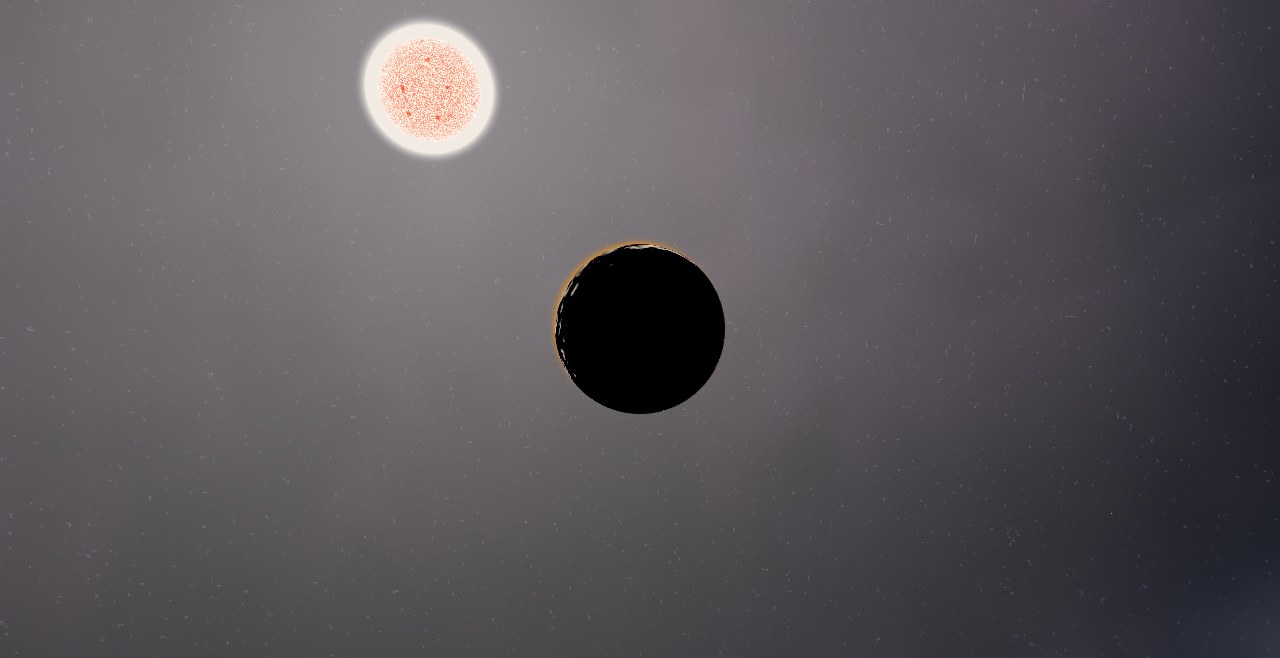
Kepler-1983, an orange K-type dwarf of 0.81 solar masses, and Kepler-1983 b, a planet with 2.3 Earth radii, with an orbital period of 7.3 days, at 0.069 AU from its star, and an equilibrium temperature near.
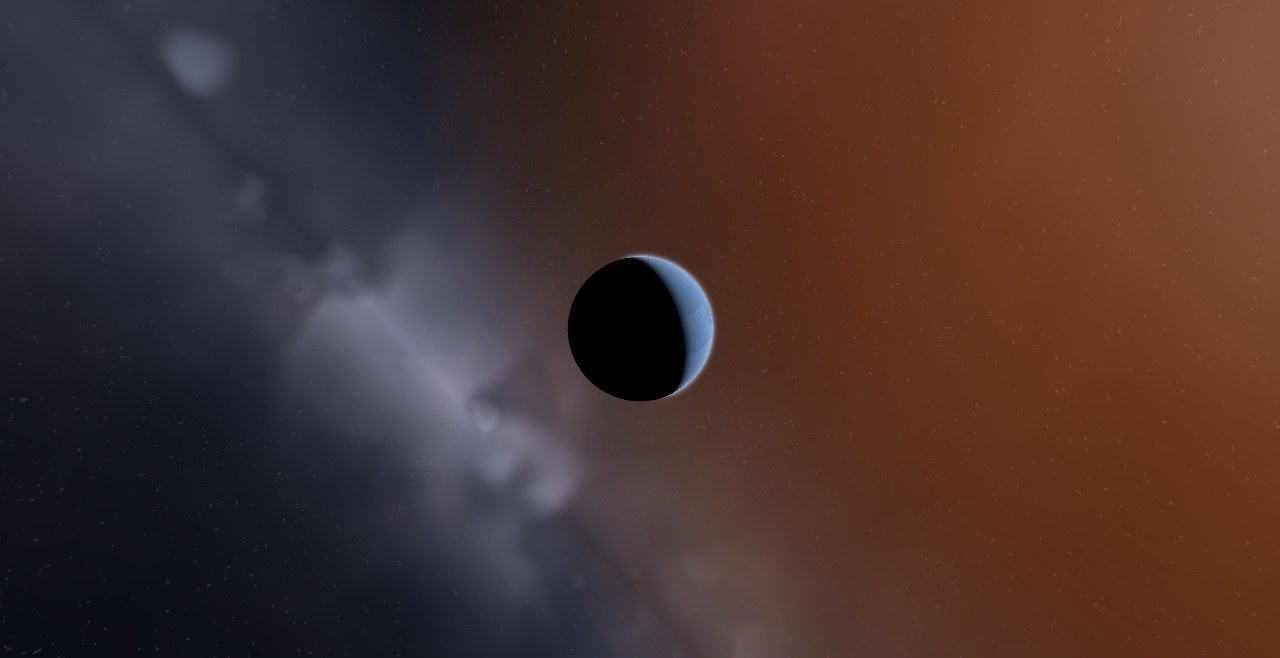
Kepler-1984, a cool M-dwarf of 0.45 solar masses, and Kepler-1984 b, a planet with 6.8 Earth radii, with an orbital period of 2.0 days, at 0.024 AU from its star, and an equilibrium temperature near 675 K.
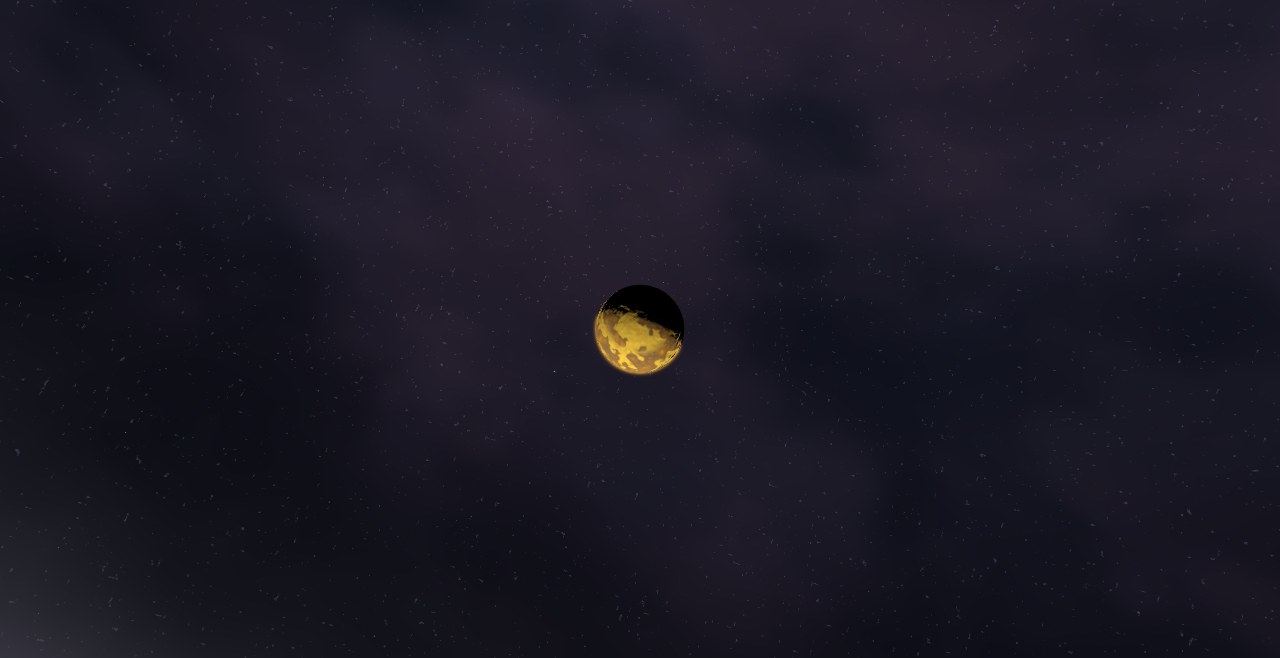
Kepler-1985, a Sun-like G-type star of 0.88 solar masses, and Kepler-1985 b, a planet with 2.3 Earth radii, with an orbital period of 3.4 days, at 0.043 AU from its star, and an equilibrium temperature near.
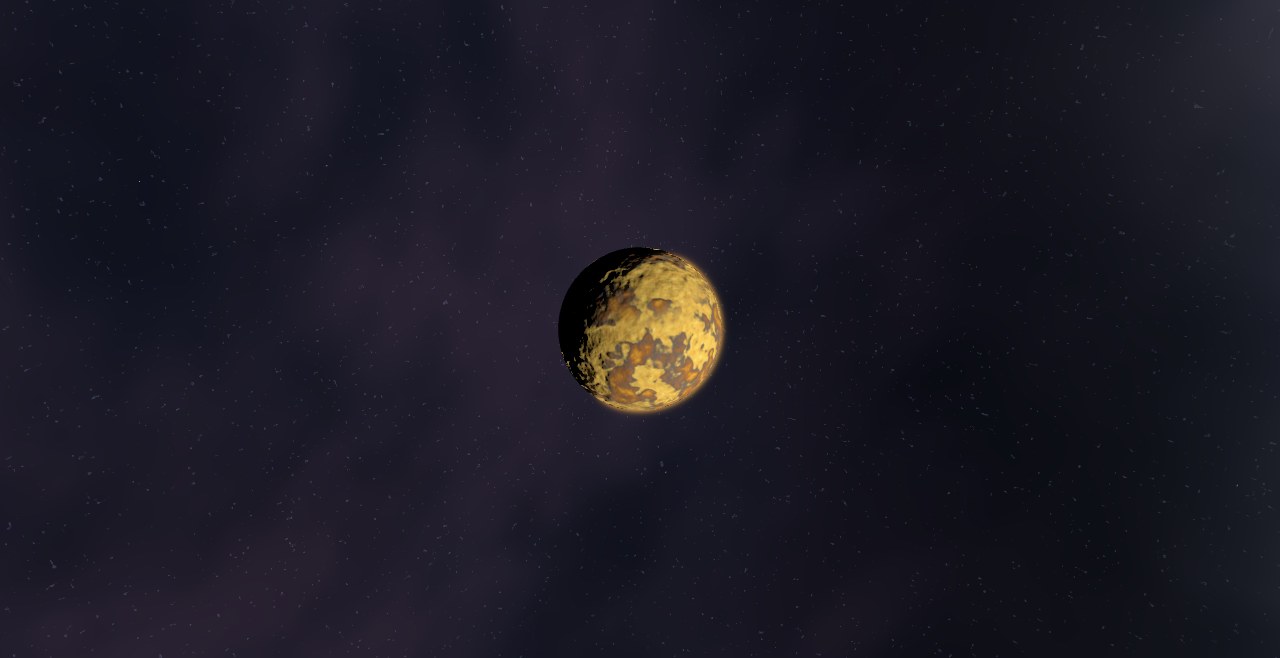
Kepler-1986, a Sun-like G-type star of 0.78 solar masses, and Kepler-1986 b, a planet with 1.9 Earth radii, with an orbital period of 19.5 days, at 0.131 AU from its star, and an equilibrium temperature near.
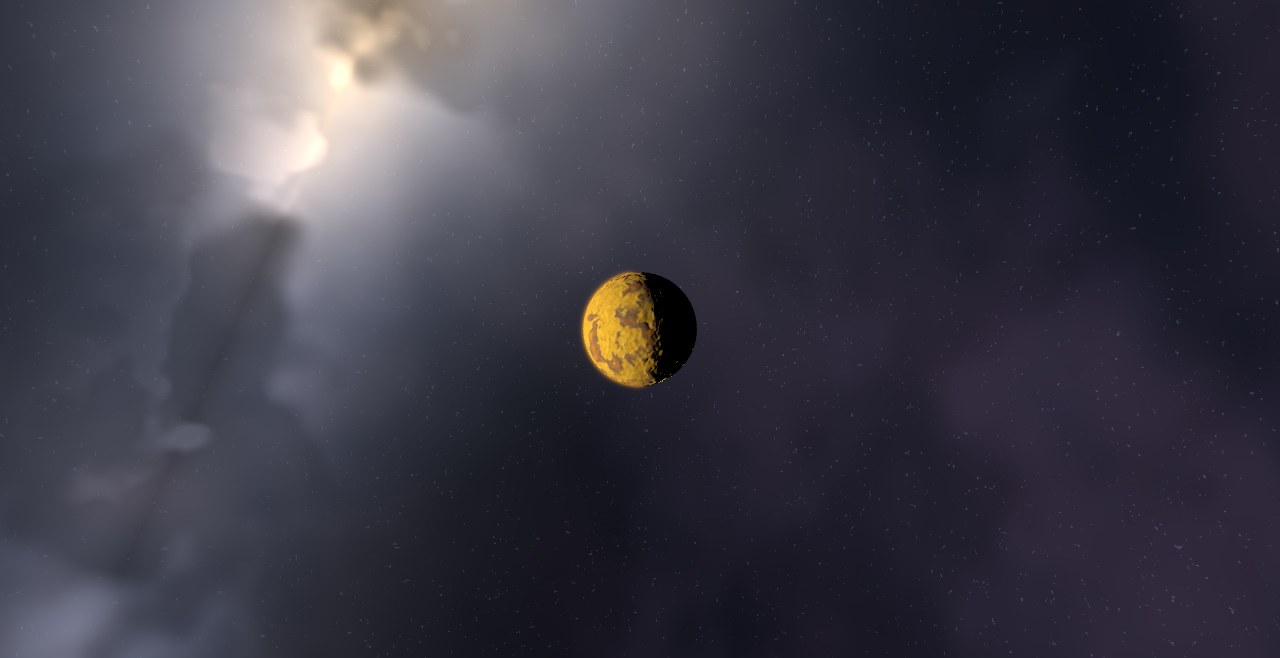
Kepler-1988, a Sun-like F-type star of 1.13 solar masses, and Kepler-1988 b, a planet with 1.5 Earth radii, with an orbital period of 11.5 days, at 0.104 AU from its star, and an equilibrium temperature near.
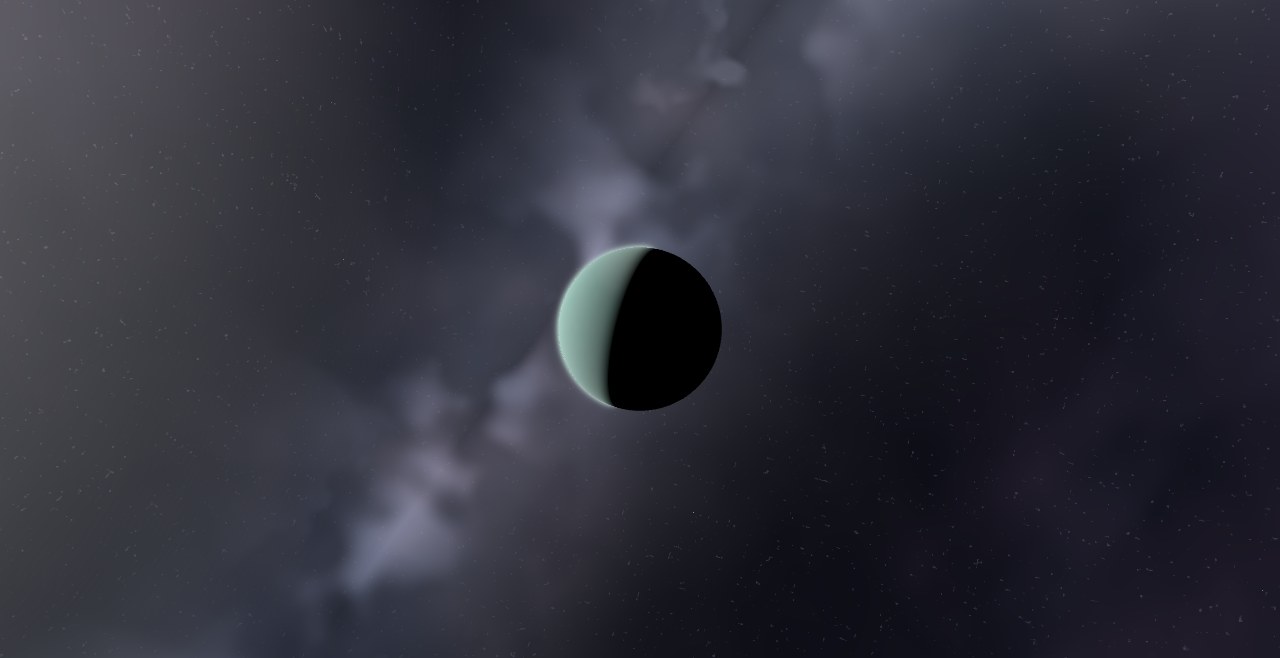
Kepler-1989, a Sun-like F-type star of 1.00 solar masses, and Kepler-1989 b, a planet with 4.6 Earth radii, with an orbital period of 10.2 days, at 0.092 AU from its star, and an equilibrium temperature near.
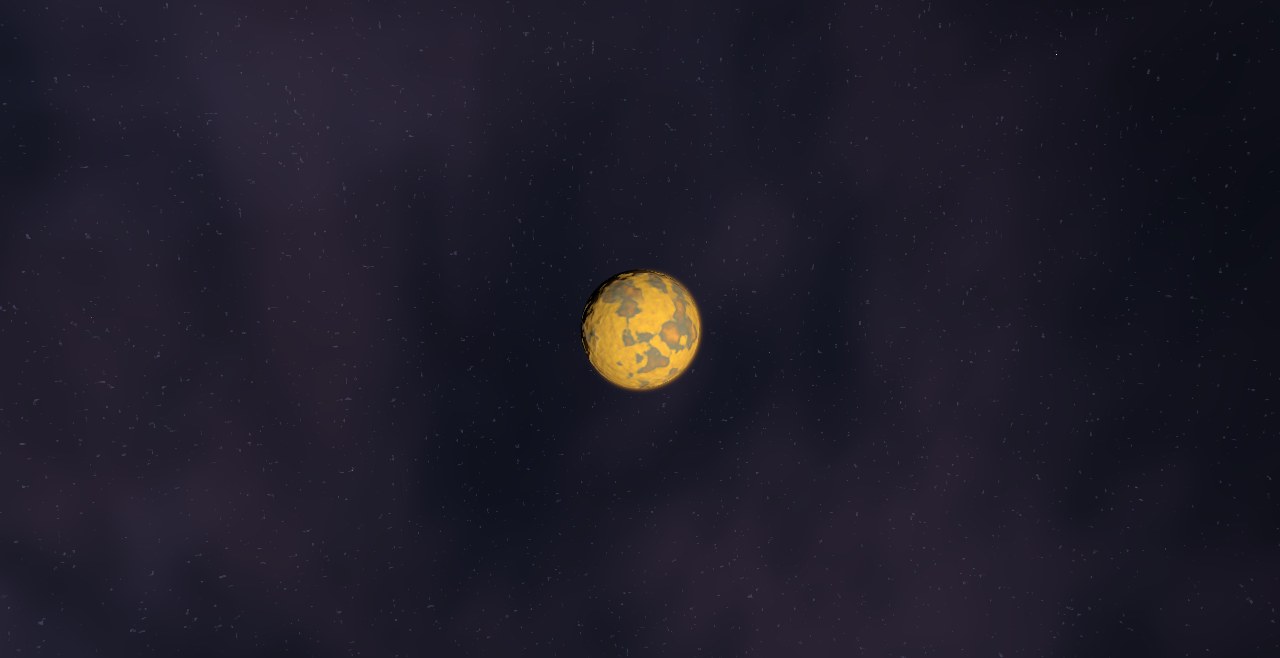
Kepler-1992, a Sun-like G-type star of 0.87 solar masses, and Kepler-1992 b, a planet with 0.9 Earth radii, with an orbital period of 15.6 days, at 0.117 AU from its star, and an equilibrium temperature near.