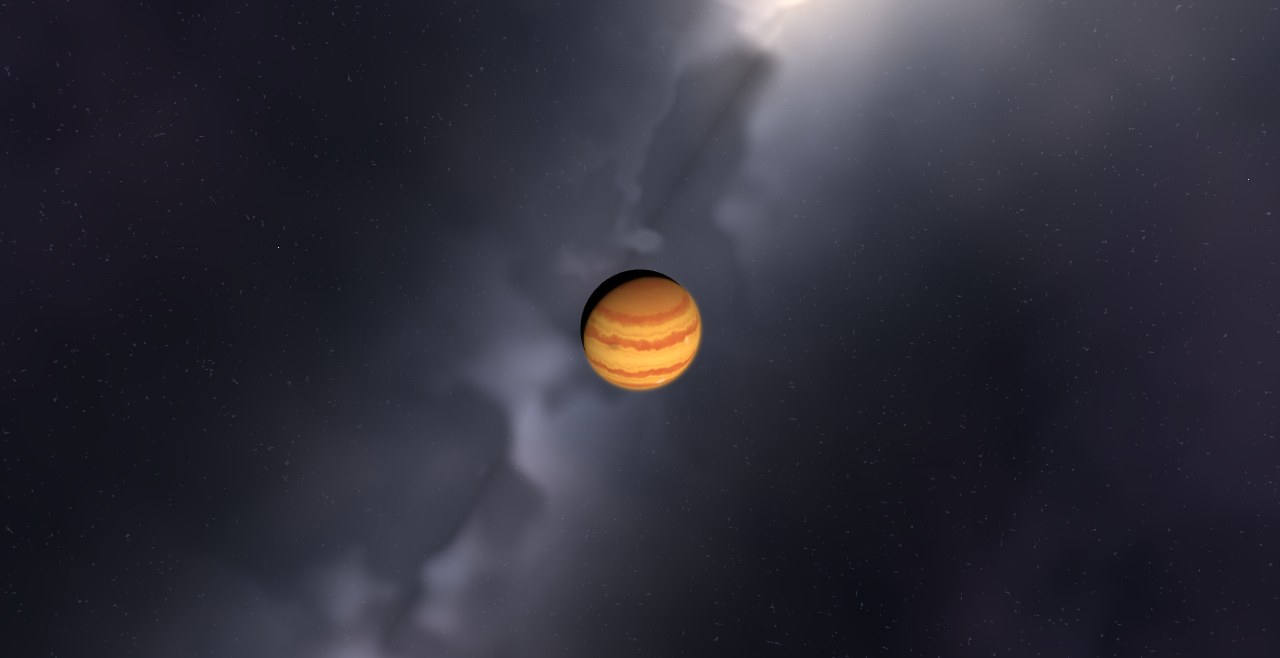
Kepler-412 - System
Kepler-412, a Sun-like G-type star of 1.17 solar masses, and Kepler-412 b, a 0.94-Jupiter-mass companion, with an orbital period of 1.7 days, at 0.029 AU from its star, and an equilibrium temperature near.
Exoplanets
Analyze isolated alien worlds orbiting a singular host star to observe basic orbital parameters, tidal locks, and planetary eccentricities.
Share
Kepler-412, a Sun-like G-type star of 1.17 solar masses, and Kepler-412 b, a 0.94-Jupiter-mass companion, with an orbital period of 1.7 days, at 0.029 AU from its star, and an equilibrium temperature near.
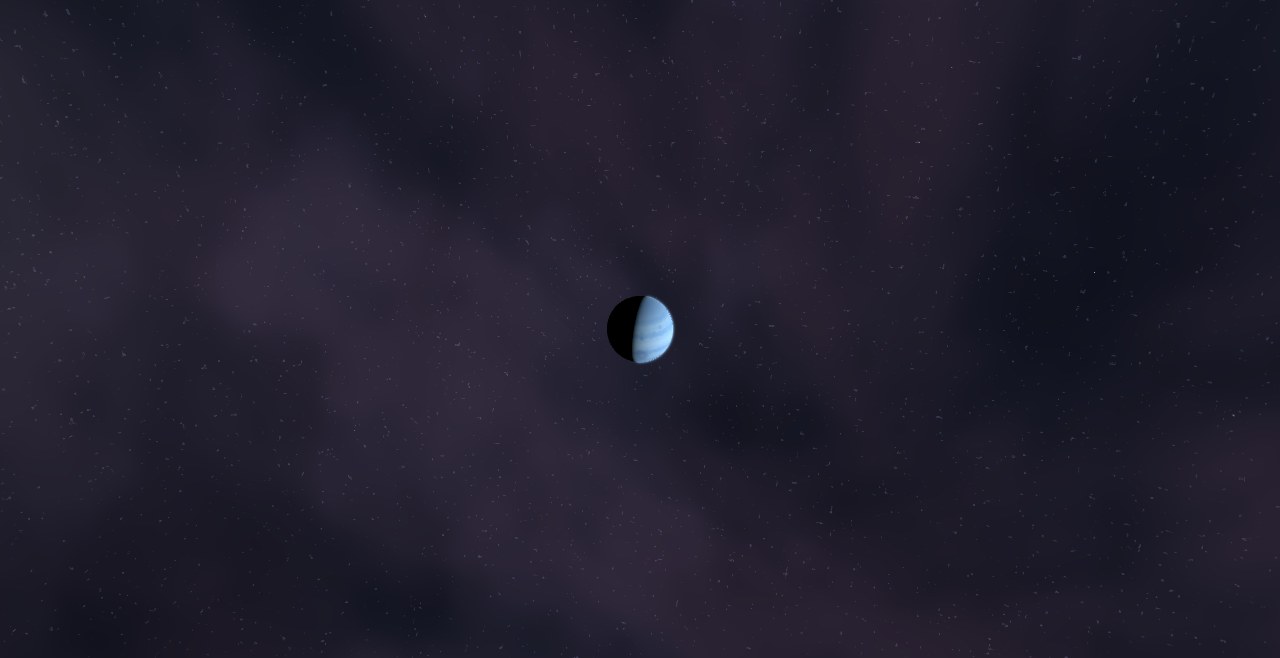
Kepler-413 b, a circumbinary planet whose transits turn on and off. Rapid orbital precession makes the planet miss the stellar disks for years.
Kepler-421, a Sun-like G-type star of 0.79 solar masses, and Kepler-421 b, a planet with 4.2 Earth radii, with an orbital period of 1.93 years, at 1.219 AU from its star, and an equilibrium temperature near.
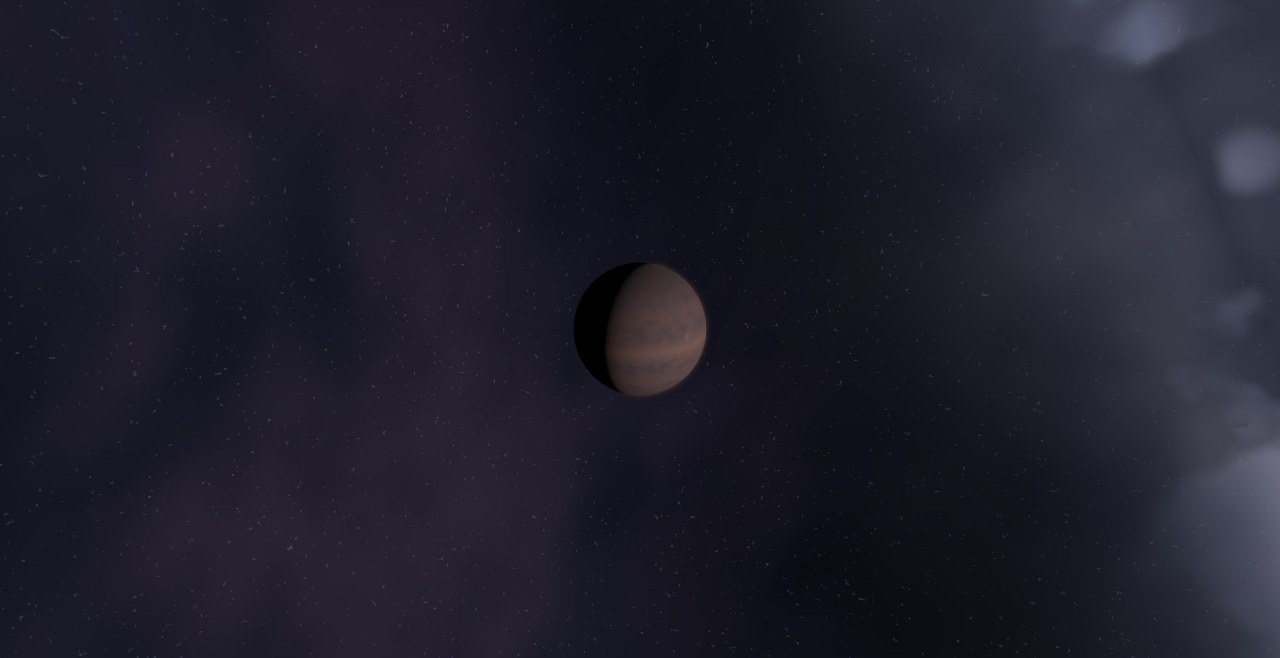
Kepler-422, a Sun-like G-type star of 1.15 solar masses, and Kepler-422 b, a 0.43-Jupiter-mass companion, with an orbital period of 7.9 days, at 0.082 AU from its star.
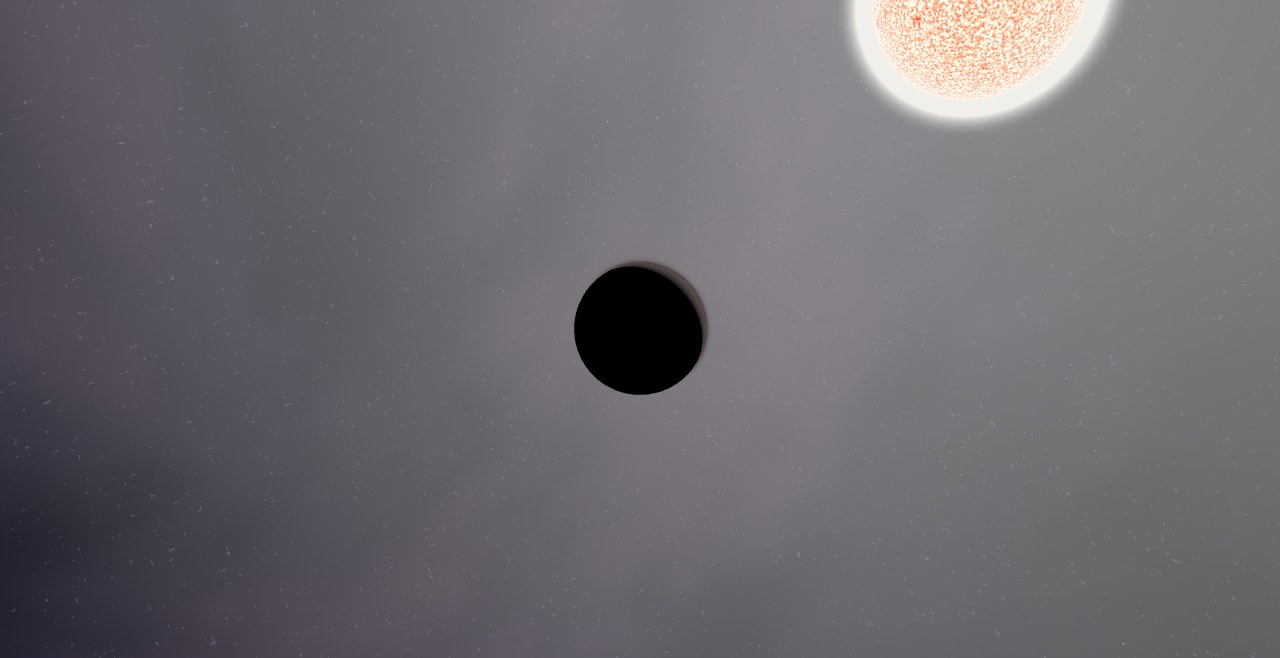
Kepler-423, a Sun-like G-type star of 0.85 solar masses, and Kepler-423 b, a 0.59-Jupiter-mass companion, with an orbital period of 2.7 days, at 0.036 AU from its star, and an equilibrium temperature near.
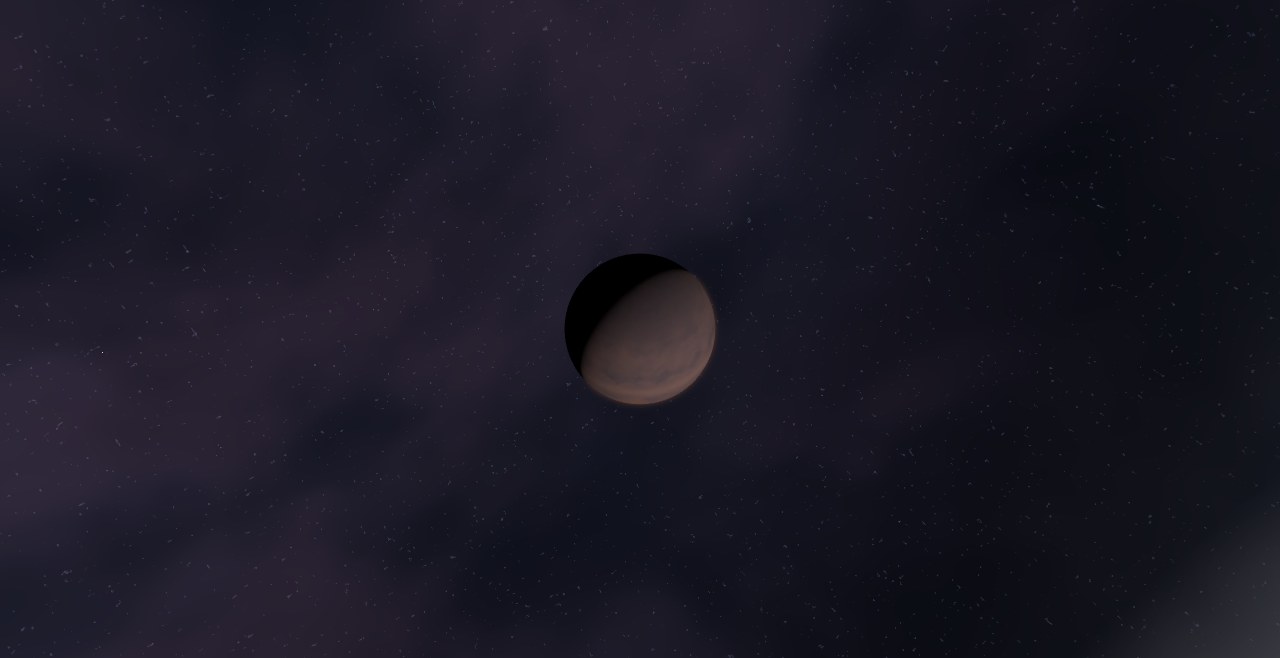
Kepler-425, an orange K-type dwarf of 0.93 solar masses, and Kepler-425 b, a 0.25-Jupiter-mass companion, with an orbital period of 3.8 days, at 0.046 AU from its star, and an equilibrium temperature near.
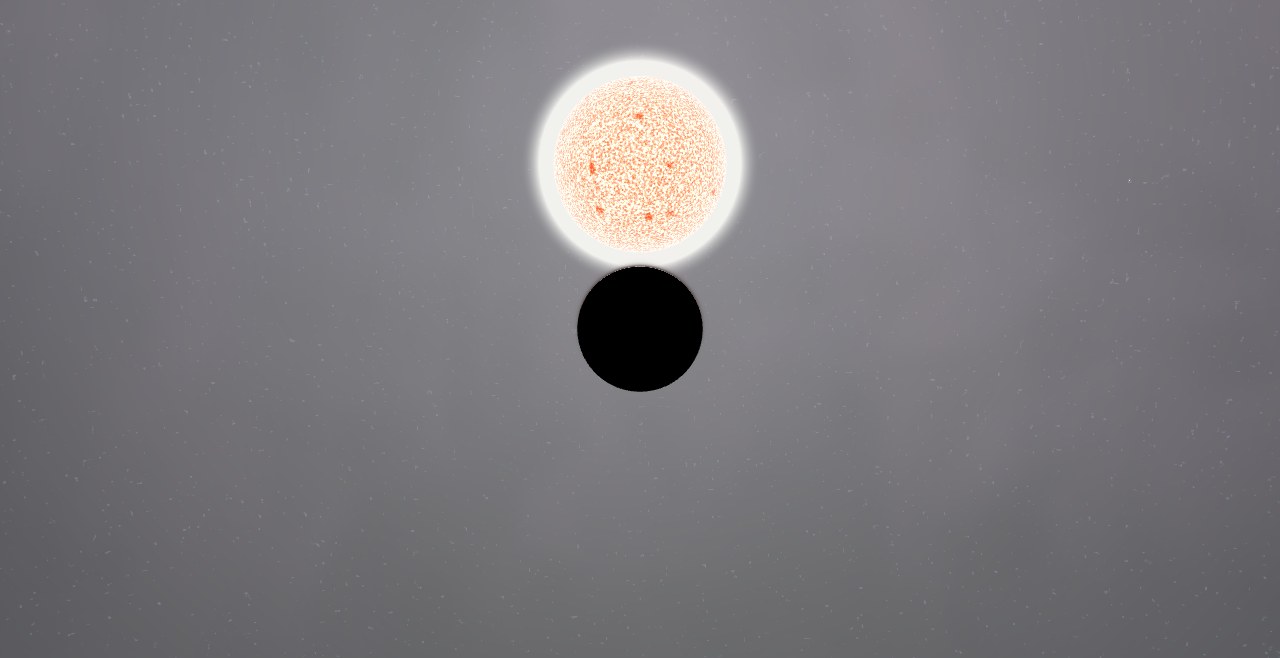
Kepler-426, a Sun-like G-type star of 0.91 solar masses, and Kepler-426 b, a 0.34-Jupiter-mass companion, with an orbital period of 3.2 days, at 0.041 AU from its star, and an equilibrium temperature near.
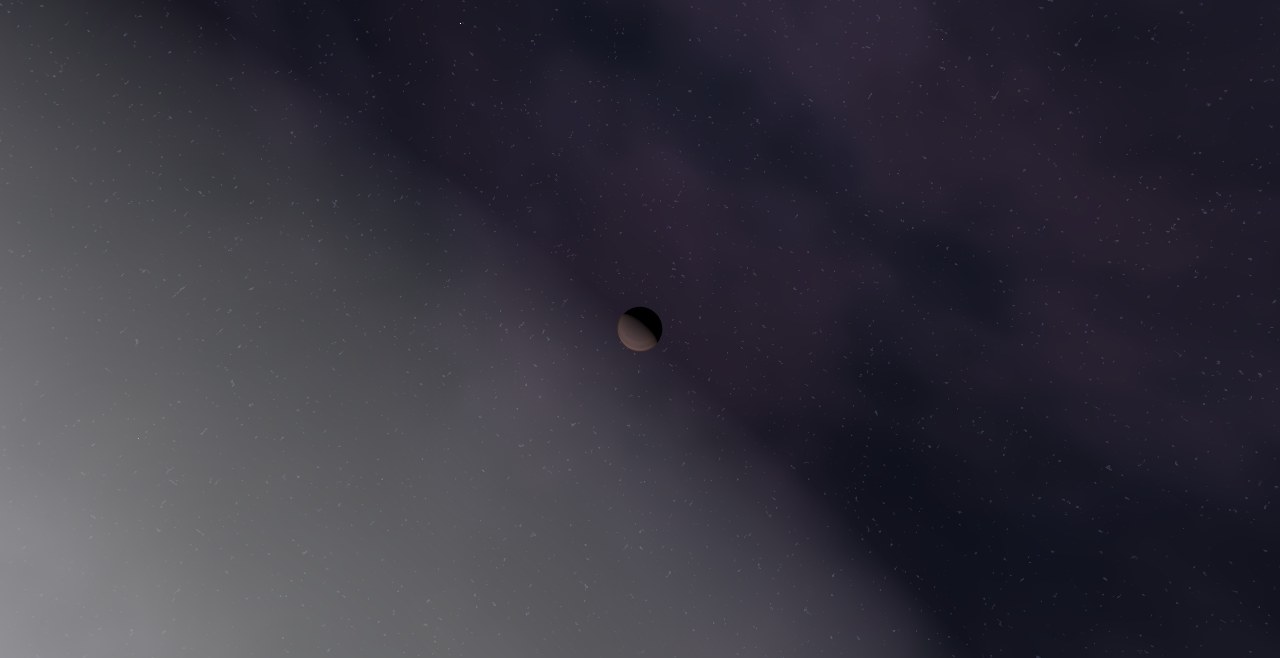
Kepler-427, a Sun-like G-type star of 0.96 solar masses, and Kepler-427 b, a 0.29-Jupiter-mass companion, with an orbital period of 10.3 days, at 0.091 AU from its star, and an equilibrium temperature near.
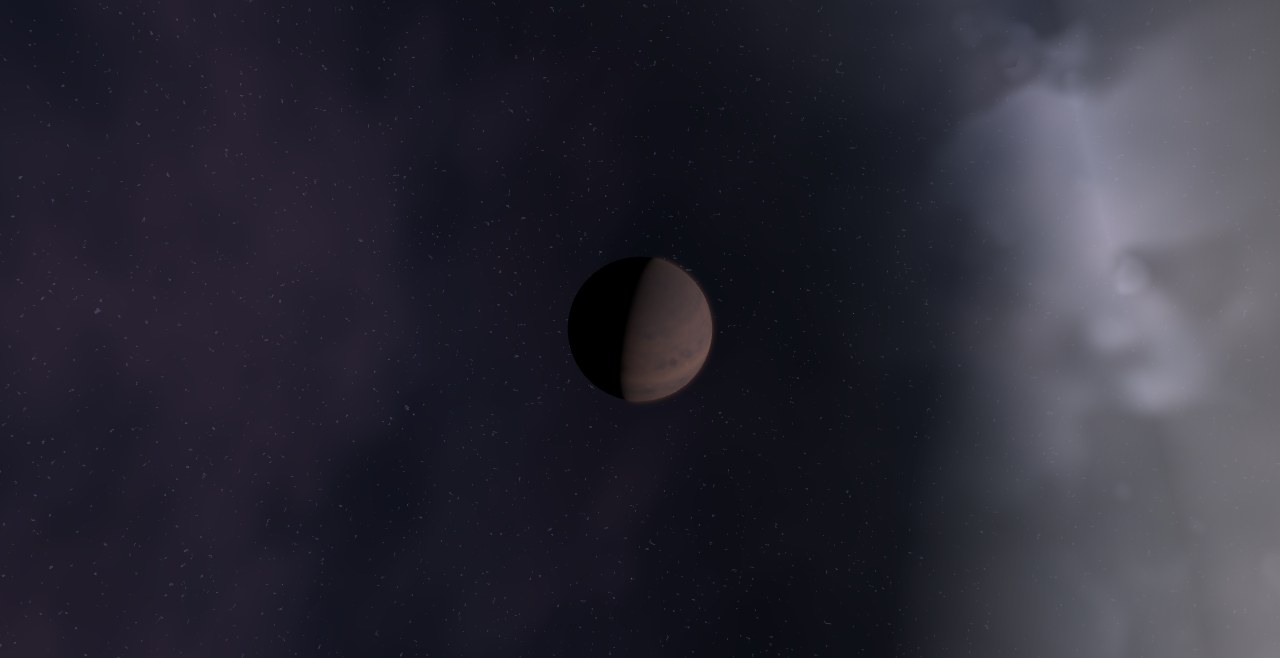
Kepler-428, an orange K-type dwarf of 0.87 solar masses, and Kepler-428 b, a 1.27-Jupiter-mass companion, with an orbital period of 3.5 days, at 0.043 AU from its star, and an equilibrium temperature near.
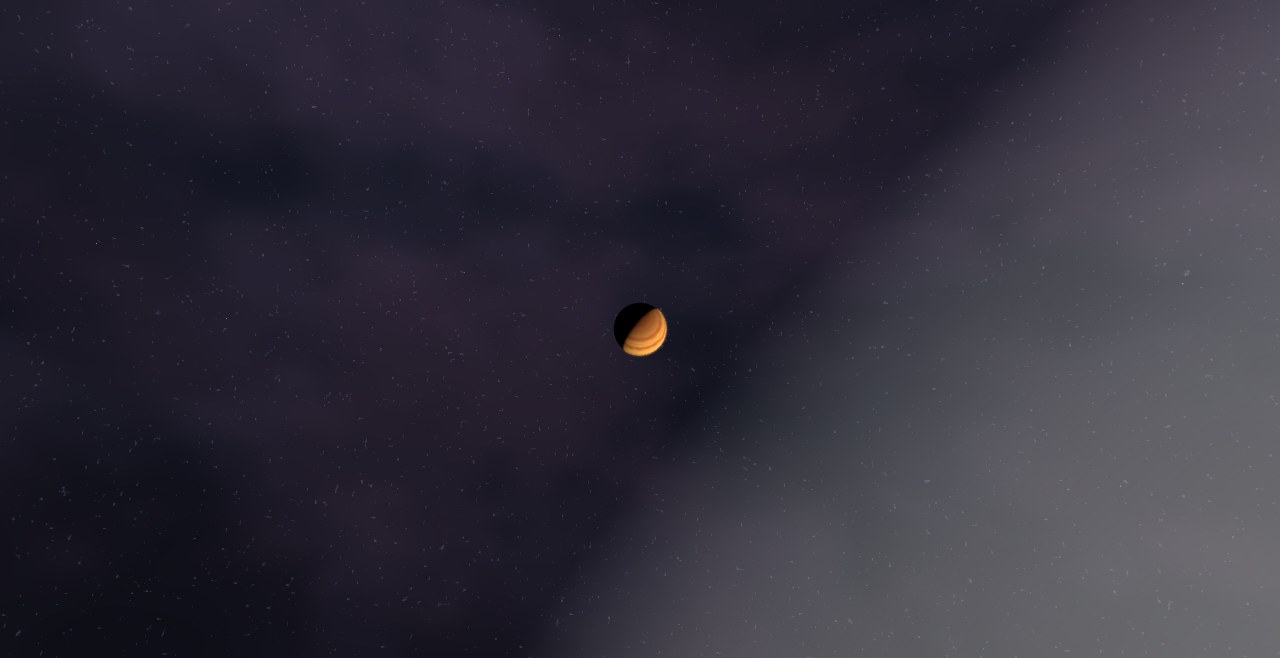
Kepler-43, a Sun-like F-type star of 1.32 solar masses, and Kepler-43 b, a 3.23-Jupiter-mass companion, with an orbital period of 3.0 days, at 0.046 AU from its star, and an equilibrium temperature near 1,620 K.
Kepler-432, an orange K-type dwarf of 1.32 solar masses, and Kepler-432 b, a 5.41-Jupiter-mass companion, with an orbital period of 52.5 days, at 0.301 AU from its star, on an eccentric orbit (e ≈ 0.51).
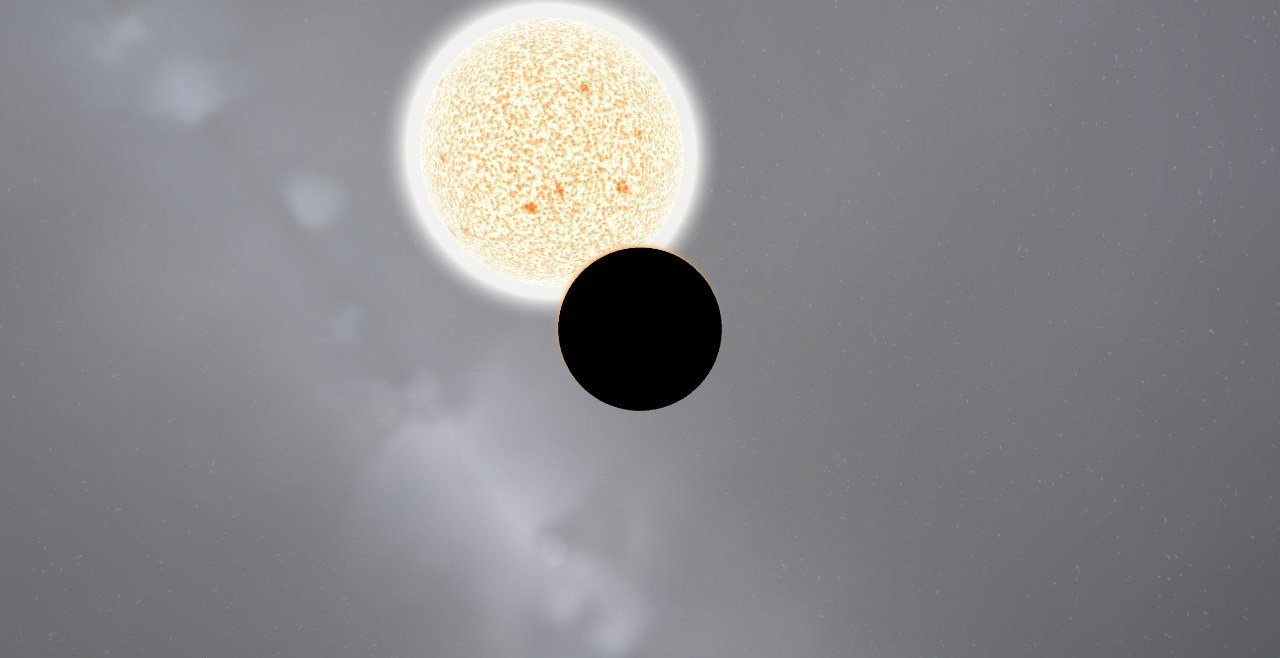
Kepler-433, a Sun-like F-type star of 1.46 solar masses, and Kepler-433 b, a 2.82-Jupiter-mass companion, with an orbital period of 5.3 days, at 0.068 AU from its star, and an equilibrium temperature near.
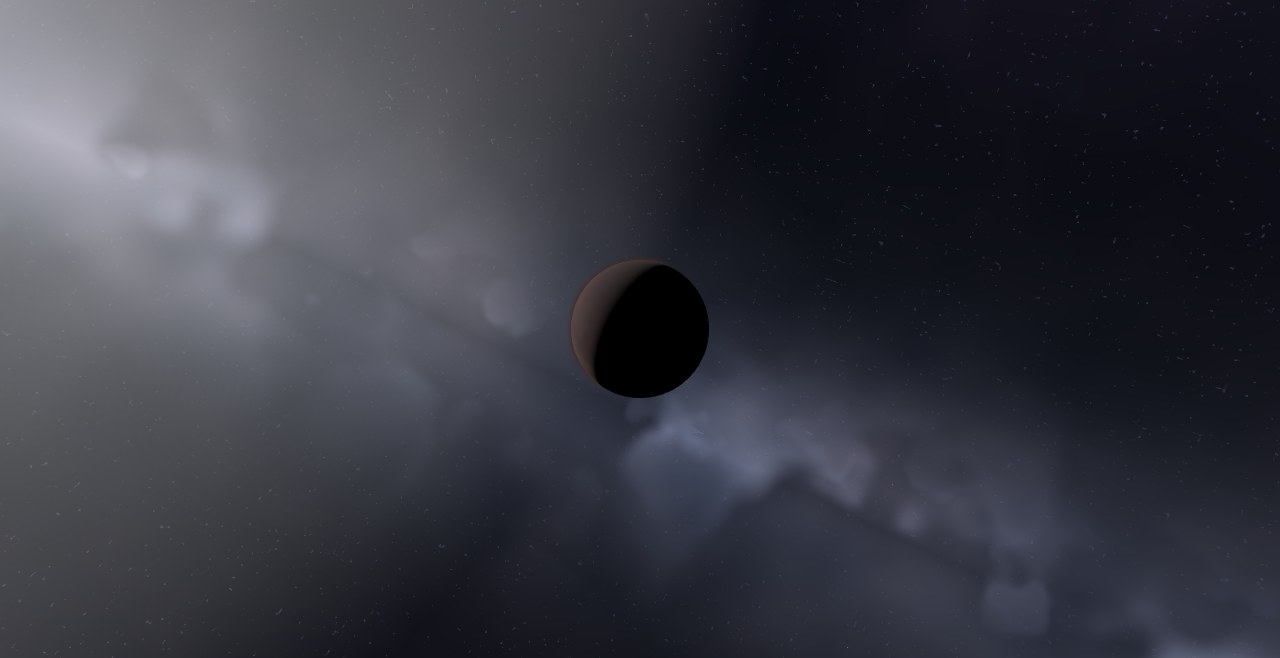
Kepler-434, a Sun-like G-type star of 1.20 solar masses, and Kepler-434 b, a 2.86-Jupiter-mass companion, with an orbital period of 12.9 days, at 0.114 AU from its star, and an equilibrium temperature near.
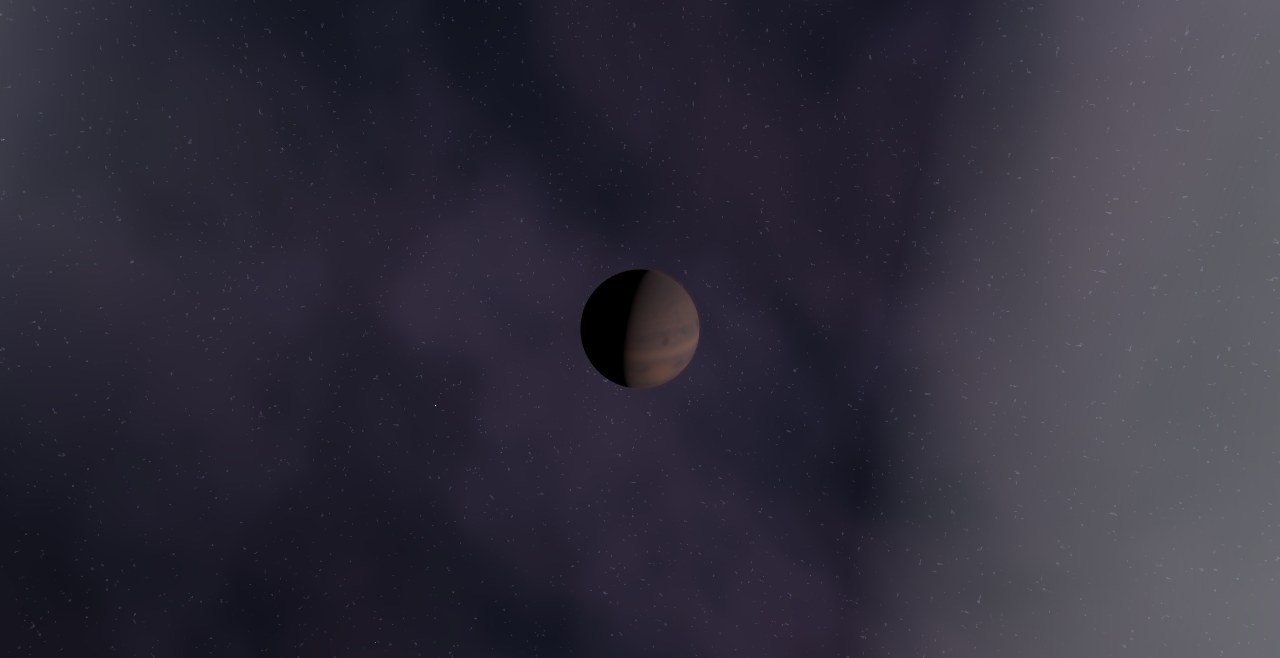
Kepler-435, a Sun-like F-type star of 1.54 solar masses, and Kepler-435 b, a 0.84-Jupiter-mass companion, with an orbital period of 8.6 days, at 0.095 AU from its star, and an equilibrium temperature near.
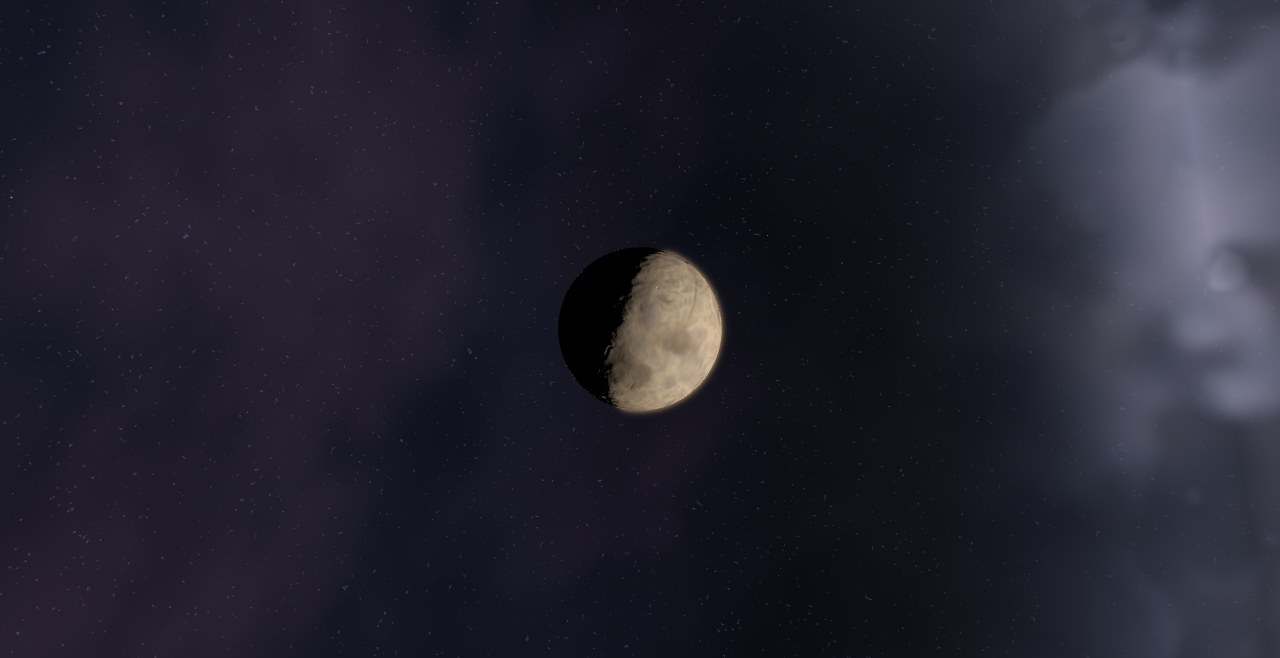
Kepler-437, an orange K-type dwarf of 0.71 solar masses, and Kepler-437 b, a planet with 2.1 Earth radii, with an orbital period of 66.7 days, at 0.288 AU from its star.
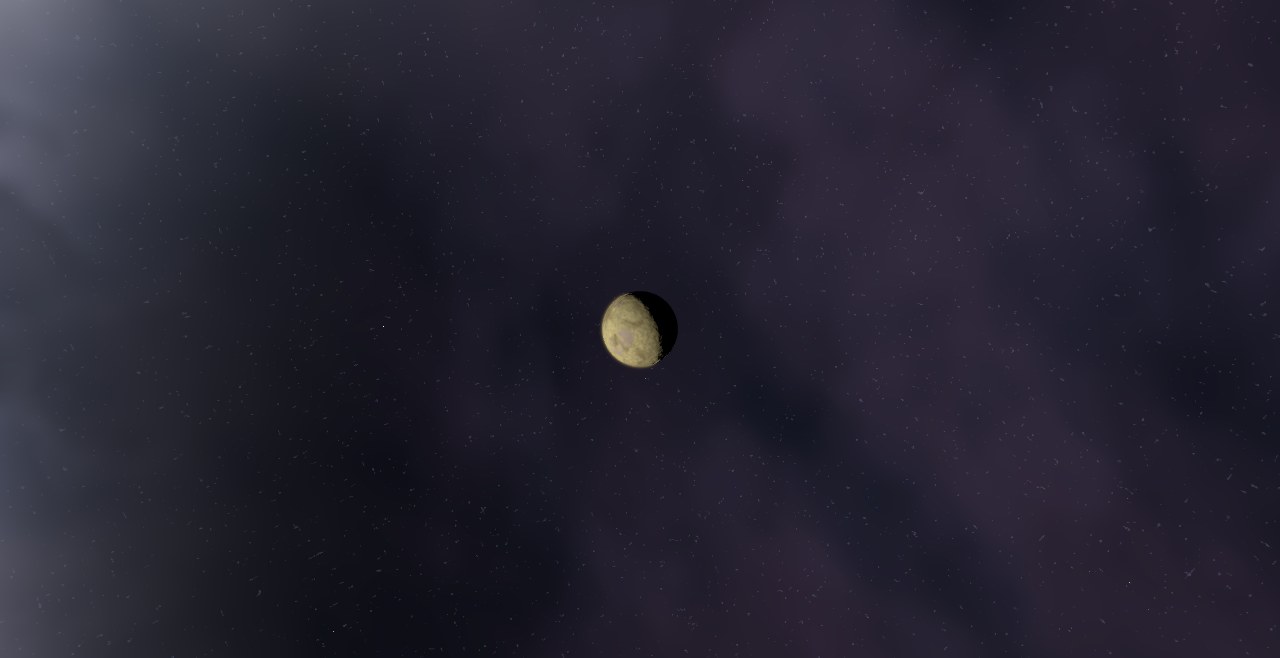
Kepler-438, an orange K-type dwarf of 0.54 solar masses, and Kepler-438 b, a planet with 1.1 Earth radii, with an orbital period of 35.2 days, at 0.166 AU from its star.
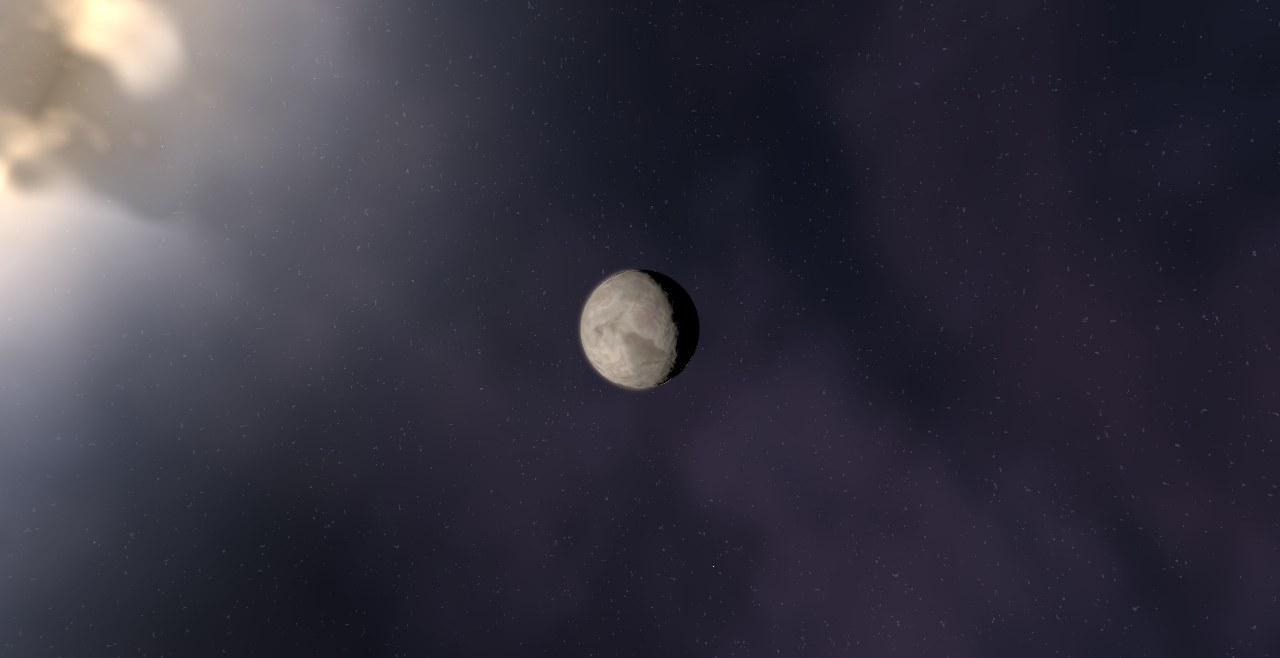
Kepler-439, a Sun-like G-type star of 0.88 solar masses, and Kepler-439 b, a planet with 2.2 Earth radii, with an orbital period of 178 days, at 0.563 AU from its star.
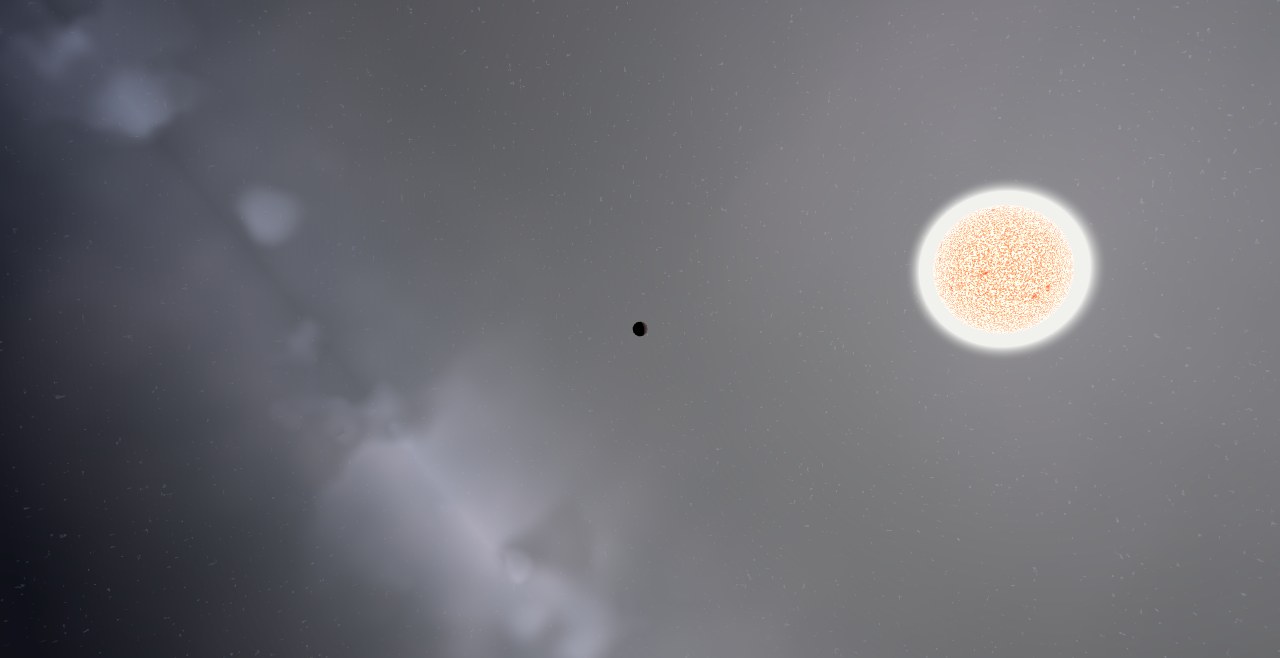
Kepler-44, a Sun-like G-type star of 1.12 solar masses, and Kepler-44 b, a 1.00-Jupiter-mass companion, with an orbital period of 3.2 days, at 0.045 AU from its star, and an equilibrium temperature near 1,544.