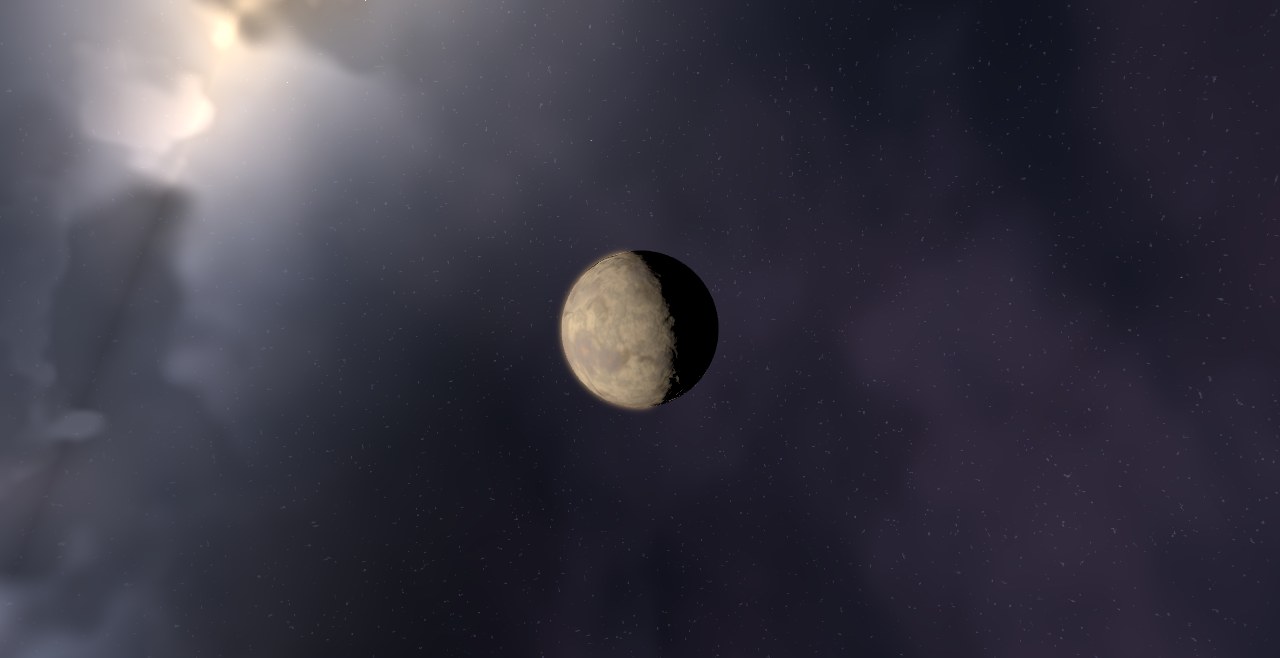
Kepler-440 - System
Kepler-440, an orange K-type dwarf of 0.57 solar masses, and Kepler-440 b, a planet with 1.9 Earth radii, with an orbital period of 101 days, at 0.242 AU from its star, on an eccentric orbit (e ≈ 0.34).
Exoplanets
Analyze isolated alien worlds orbiting a singular host star to observe basic orbital parameters, tidal locks, and planetary eccentricities.
Share
Kepler-440, an orange K-type dwarf of 0.57 solar masses, and Kepler-440 b, a planet with 1.9 Earth radii, with an orbital period of 101 days, at 0.242 AU from its star, on an eccentric orbit (e ≈ 0.34).
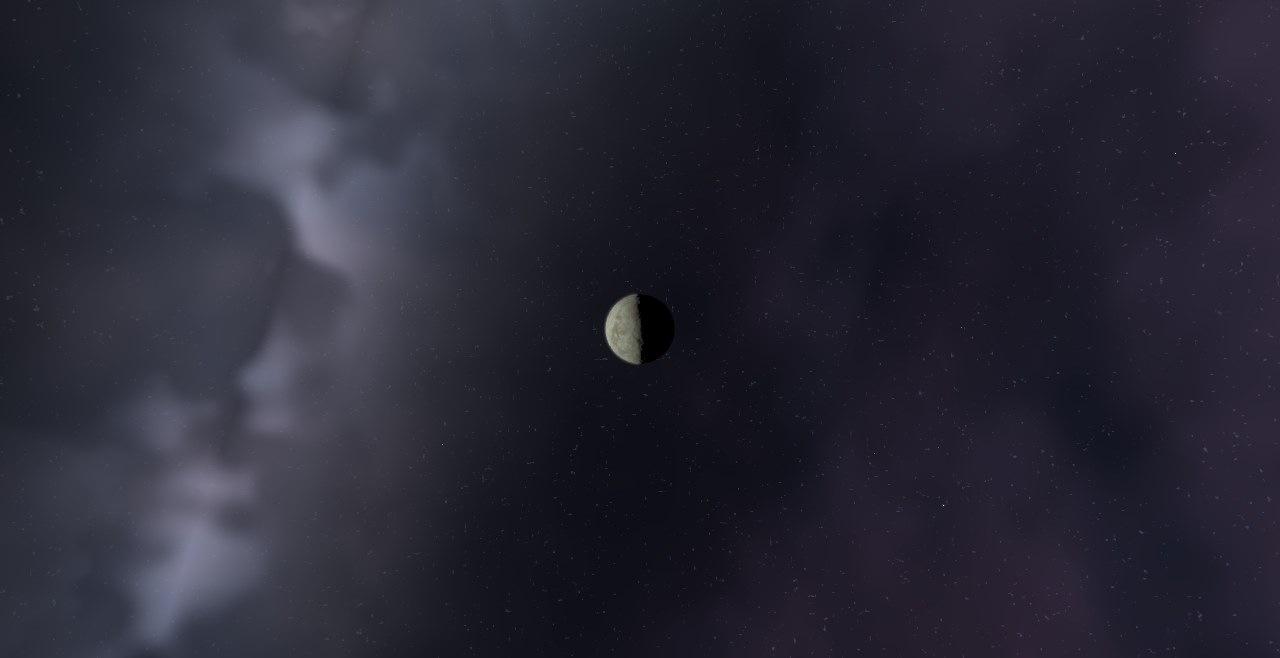
Kepler-441, an orange K-type dwarf of 0.57 solar masses, and Kepler-441 b, a planet with 1.6 Earth radii, with an orbital period of 207 days, at 0.640 AU from its star, on an eccentric orbit (e ≈ 0.10).
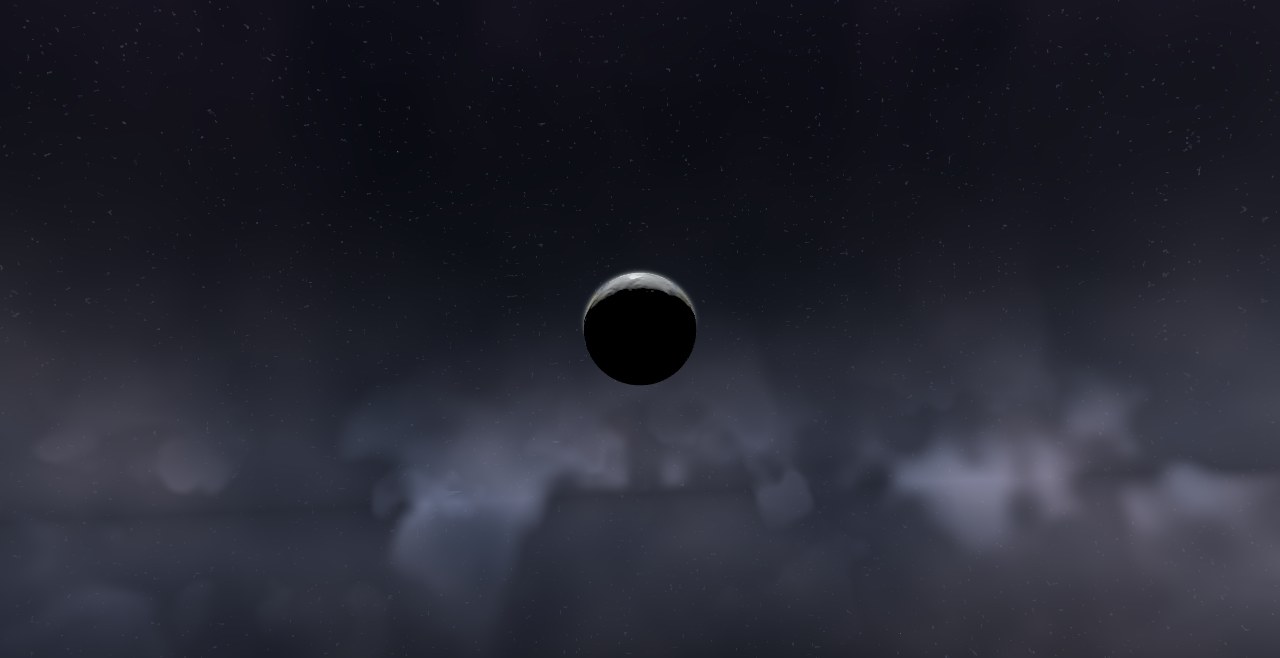
Kepler-442 b, one of the most Earth-like planets Kepler found. It sits in the habitable zone of a K dwarf with a size close to Earth's. It receives about two-thirds of the sunlight Earth gets.
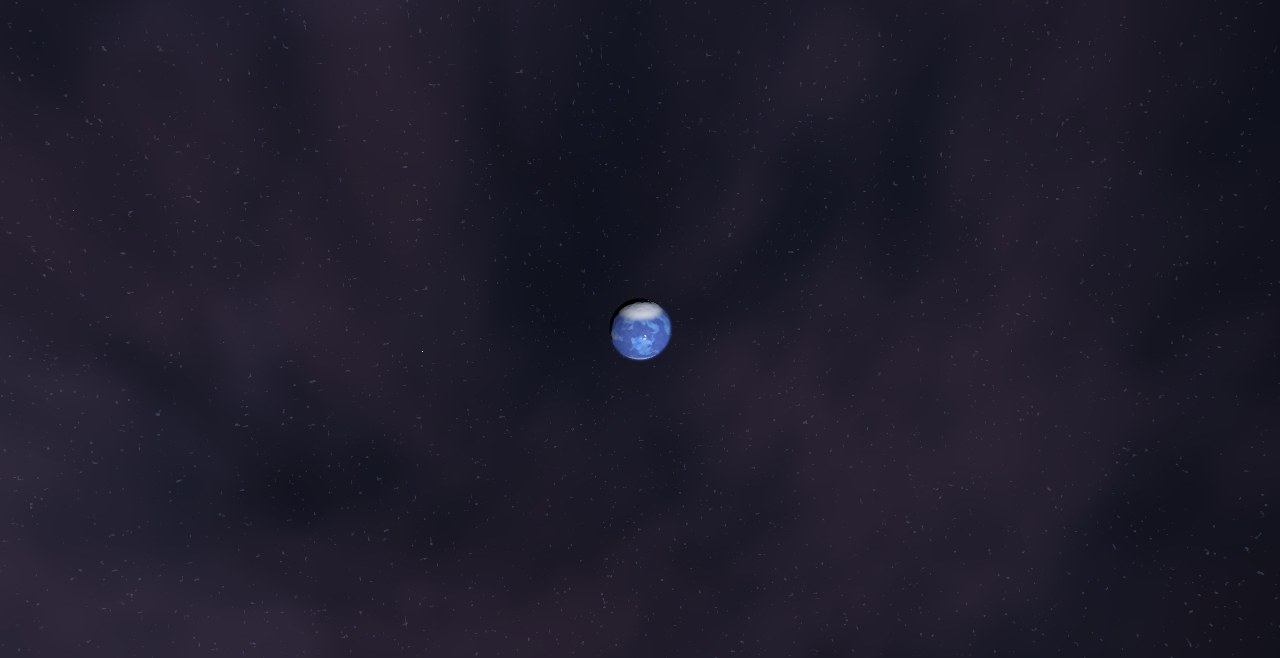
Kepler-443, an orange K-type dwarf of 0.74 solar masses, and Kepler-443 b, a planet with 2.3 Earth radii, with an orbital period of 178 days, at 0.495 AU from its star, on an eccentric orbit (e ≈ 0.11).
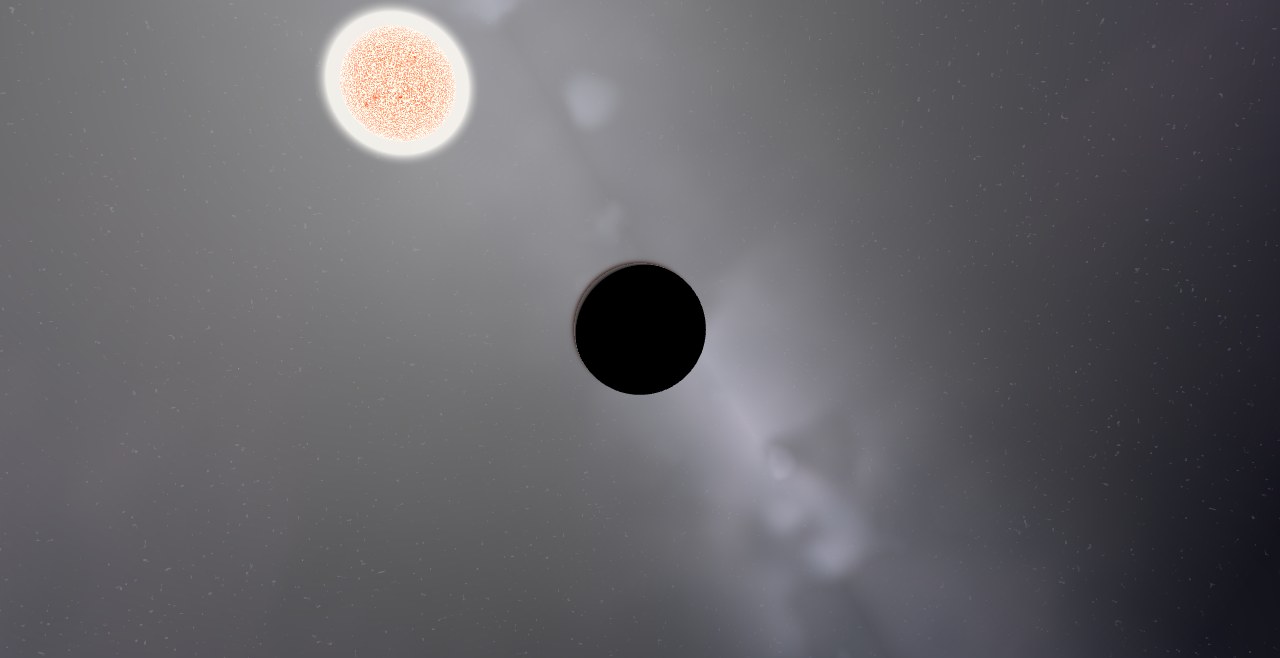
Kepler-447, a Sun-like G-type star of 1.00 solar masses, and Kepler-447 b, a 1.37-Jupiter-mass companion, with an orbital period of 7.8 days, at 0.077 AU from its star, on an eccentric orbit (e ≈ 0.12).
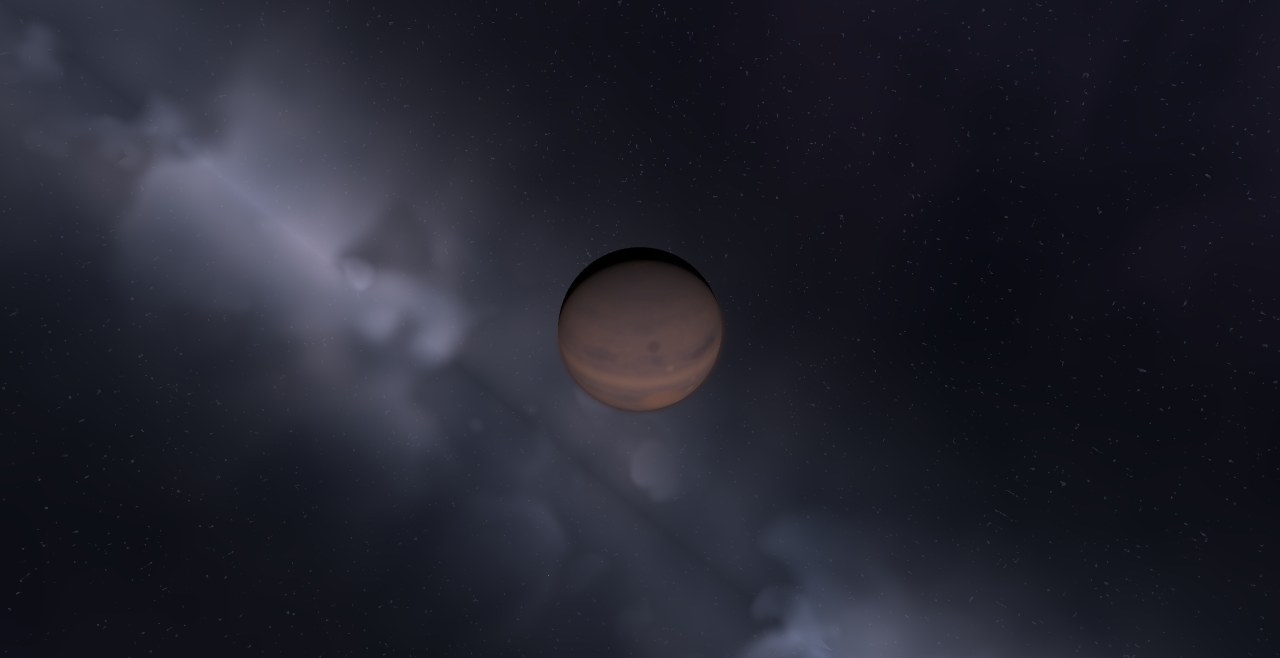
Kepler-45, a cool M-dwarf of 0.59 solar masses, and Kepler-45 b, a 0.51-Jupiter-mass companion, with an orbital period of 2.5 days, at 0.030 AU from its star, and an equilibrium temperature near 1,000 K.
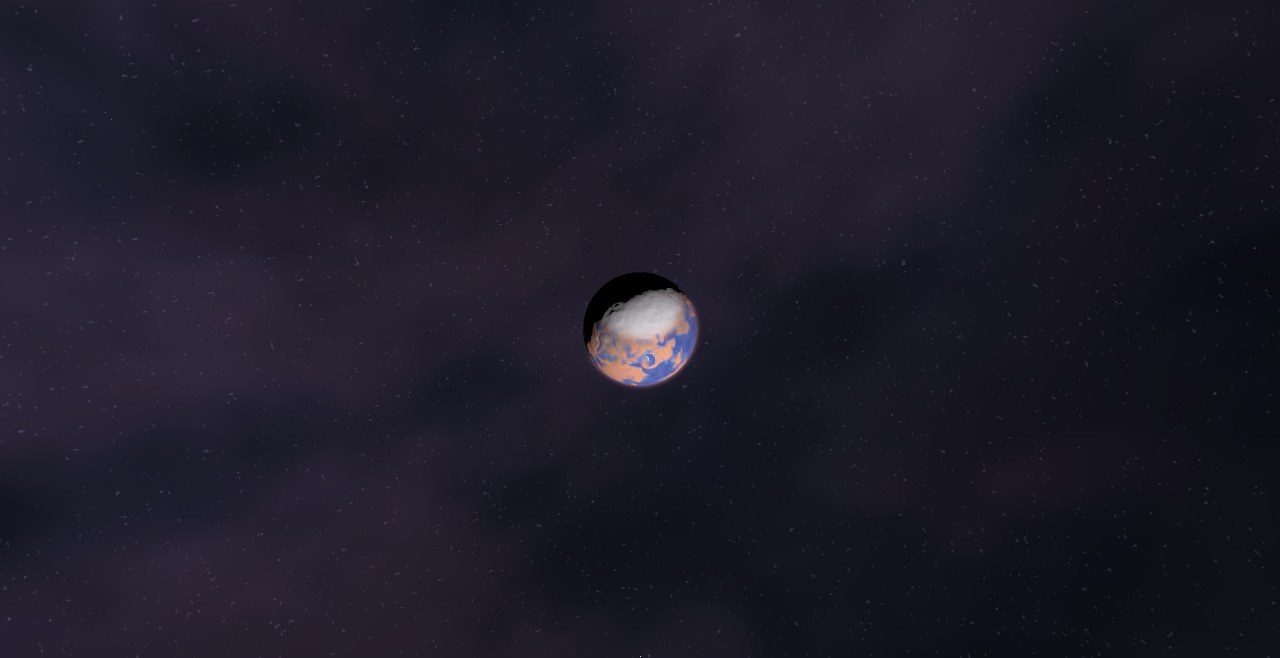
Kepler-452 b, called Earth's older cousin. It is a super-Earth in the habitable zone of a Sun-like star somewhat older than the Sun. It receives only modestly more starlight than Earth.
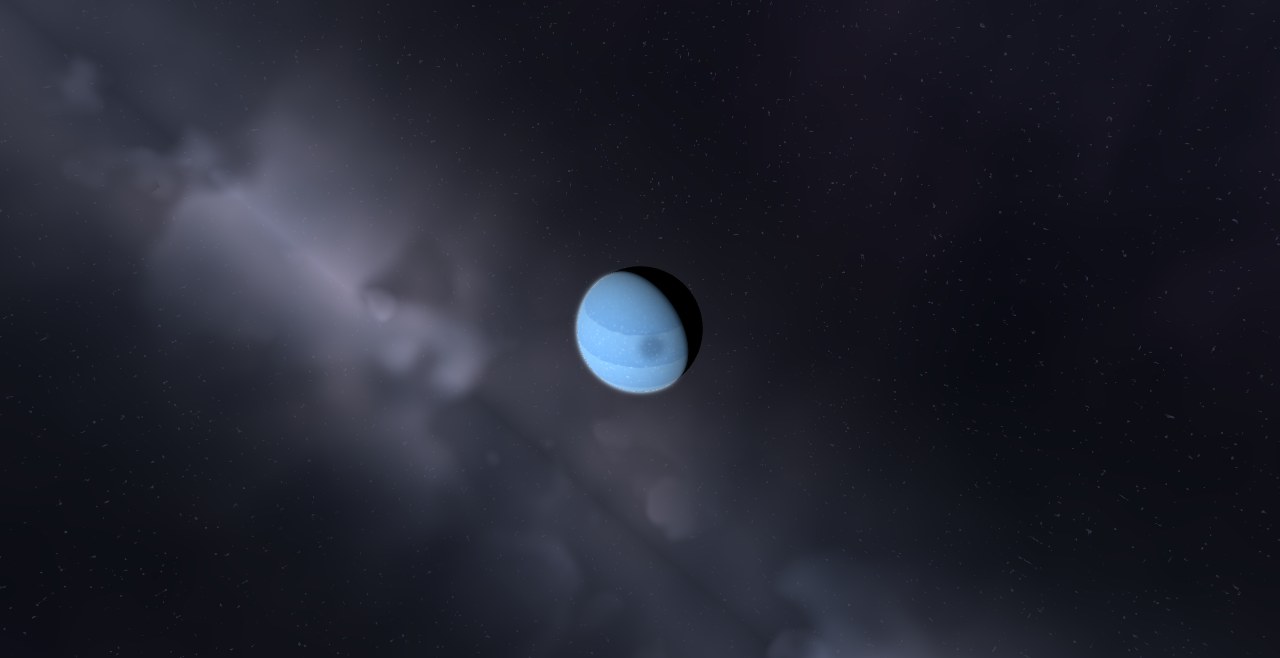
Kepler-453 b, a circumbinary giant that only transits about 9 percent of the time. Precession carries it in and out of our line of sight. Most seasons the planet misses the stars entirely.
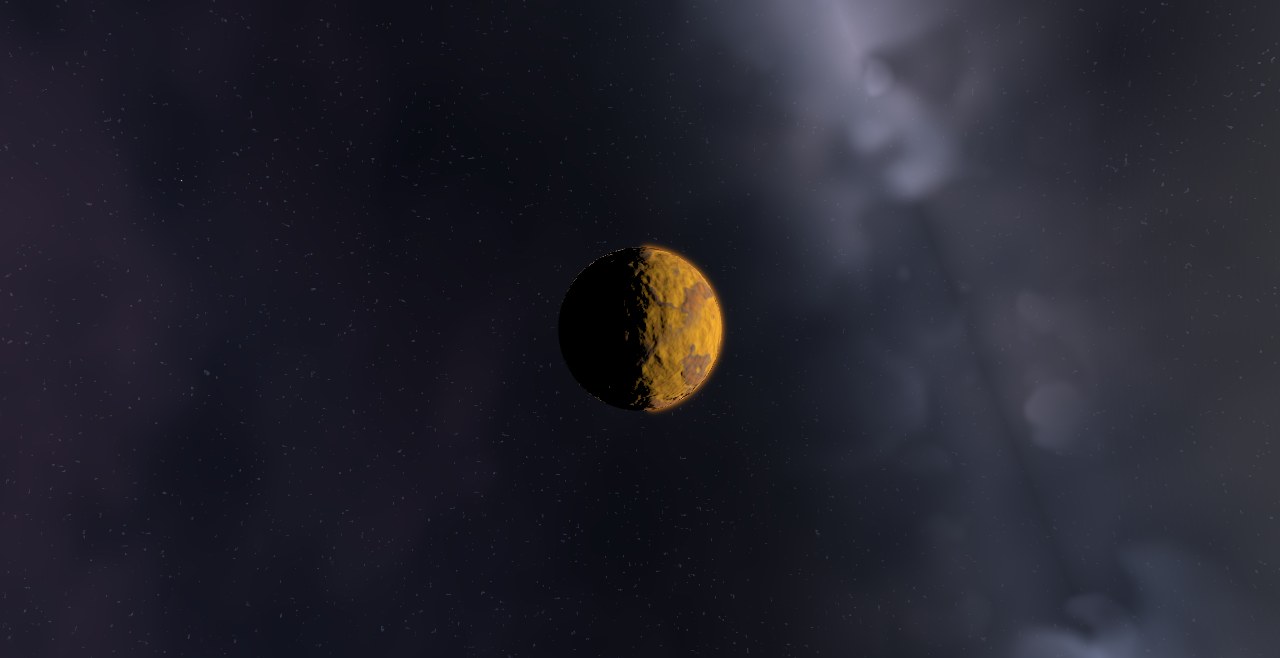
Kepler-461, a Sun-like G-type star of 0.98 solar masses, and Kepler-461 b, a planet with 2.6 Earth radii, with an orbital period of 8.3 days.
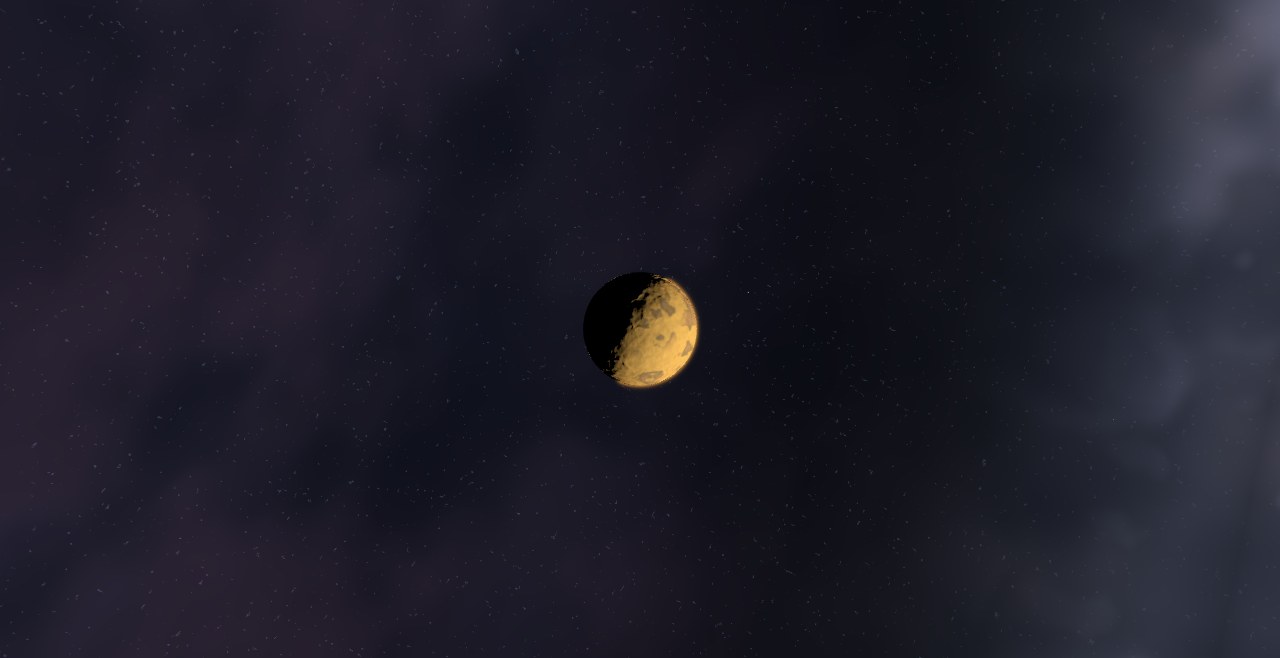
Kepler-463, a Sun-like G-type star of 0.87 solar masses, and Kepler-463 b, a planet with 3.0 Earth radii, with an orbital period of 9.0 days.
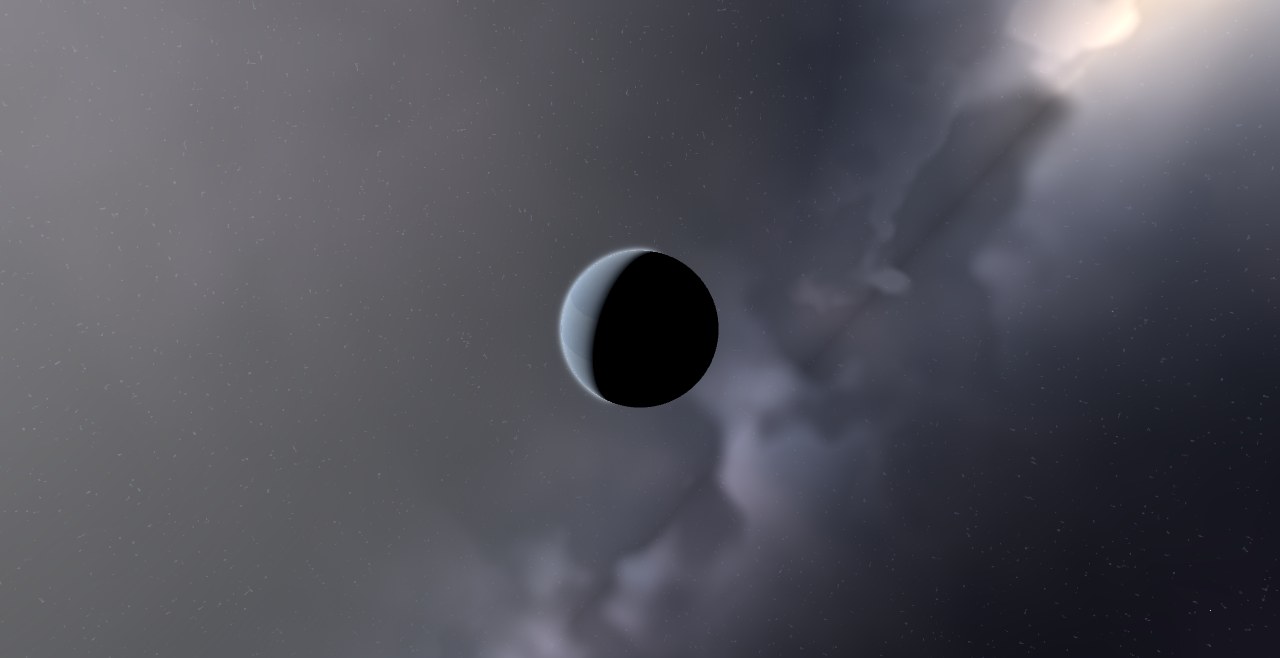
Kepler-464, a Sun-like G-type star of 1.21 solar masses, and Kepler-464 b, a planet with 3.3 Earth radii, with an orbital period of 7.3 days.
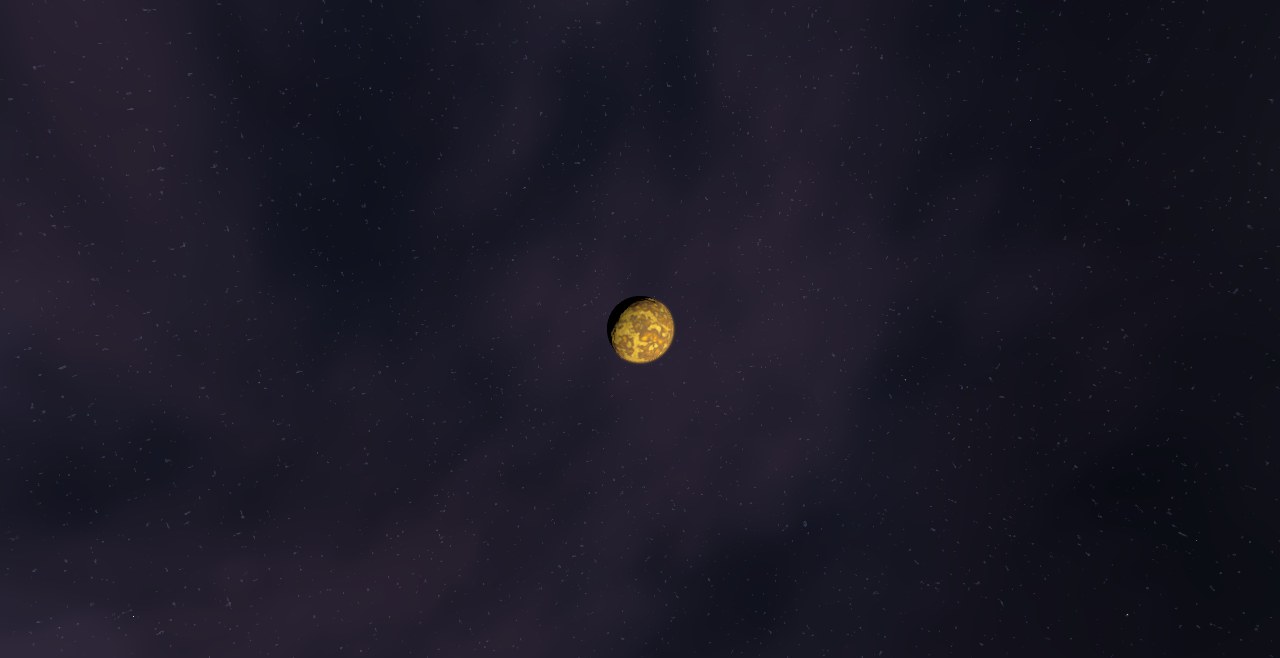
Kepler-465, a Sun-like F-type star of 1.23 solar masses, and Kepler-465 b, a planet with 3.0 Earth radii, with an orbital period of 9.9 days.
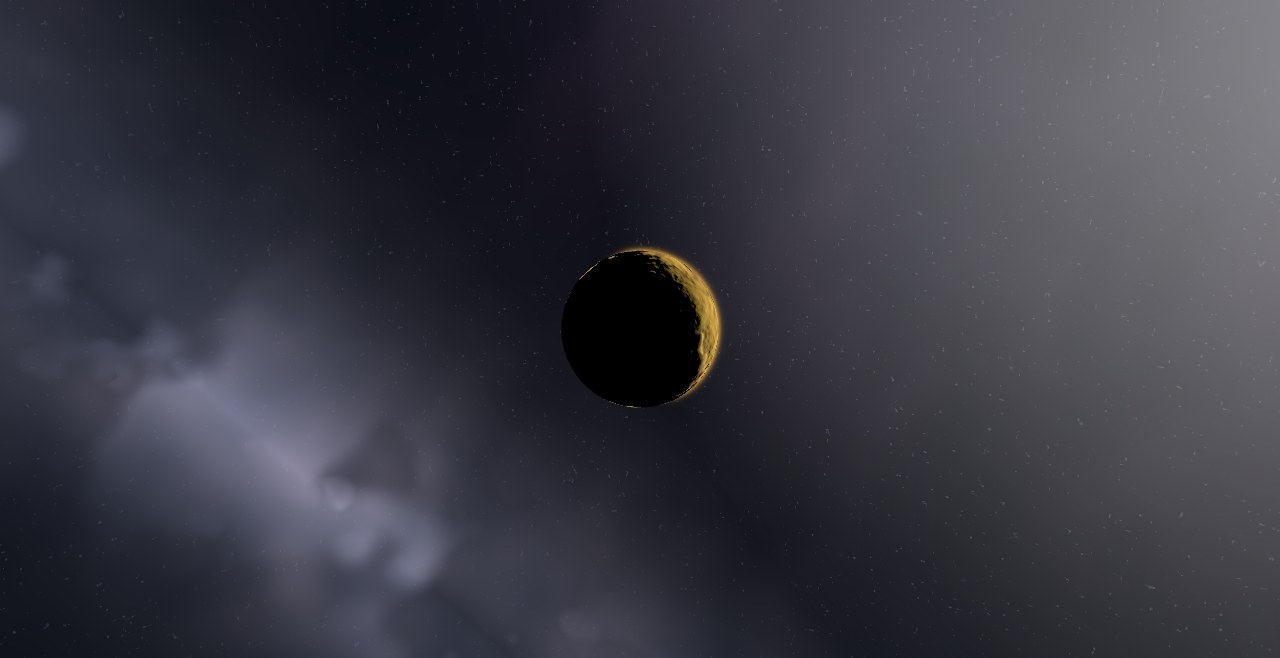
Kepler-467, a Sun-like G-type star of 1.05 solar masses, and Kepler-467 b, a planet with 2.3 Earth radii, with an orbital period of 25.0 days.
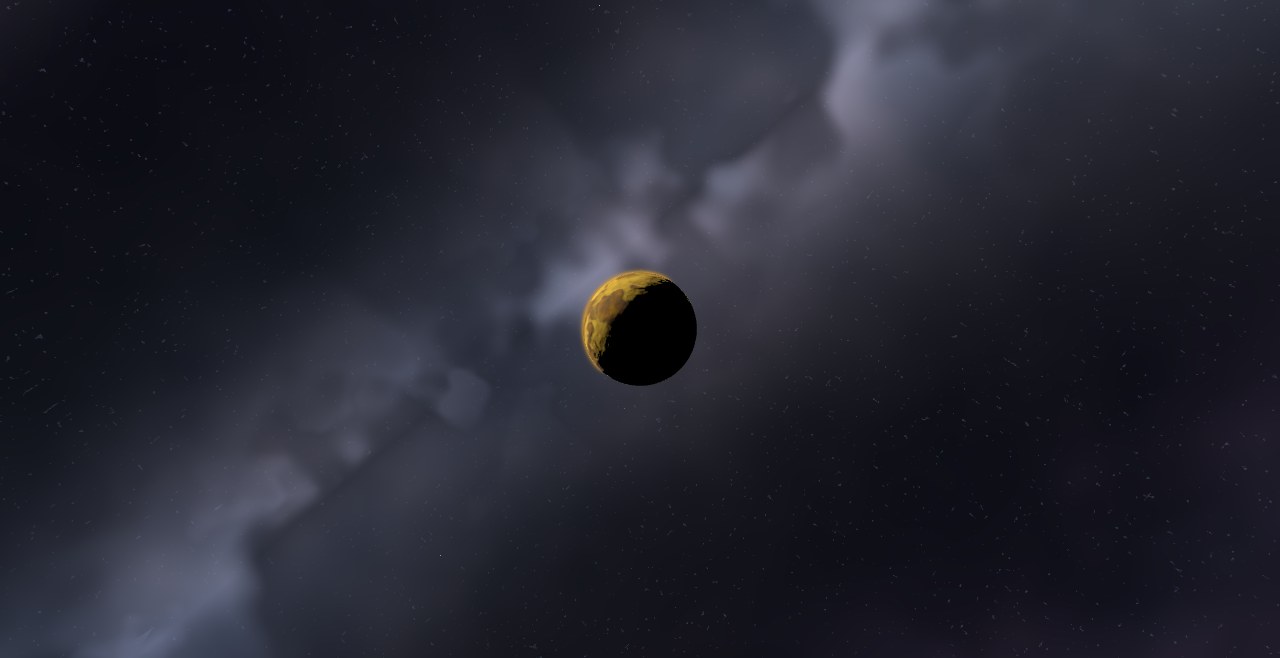
Kepler-468, a Sun-like G-type star of 0.96 solar masses, and Kepler-468 b, a planet with 13.3 Earth radii, with an orbital period of 38.5 days.
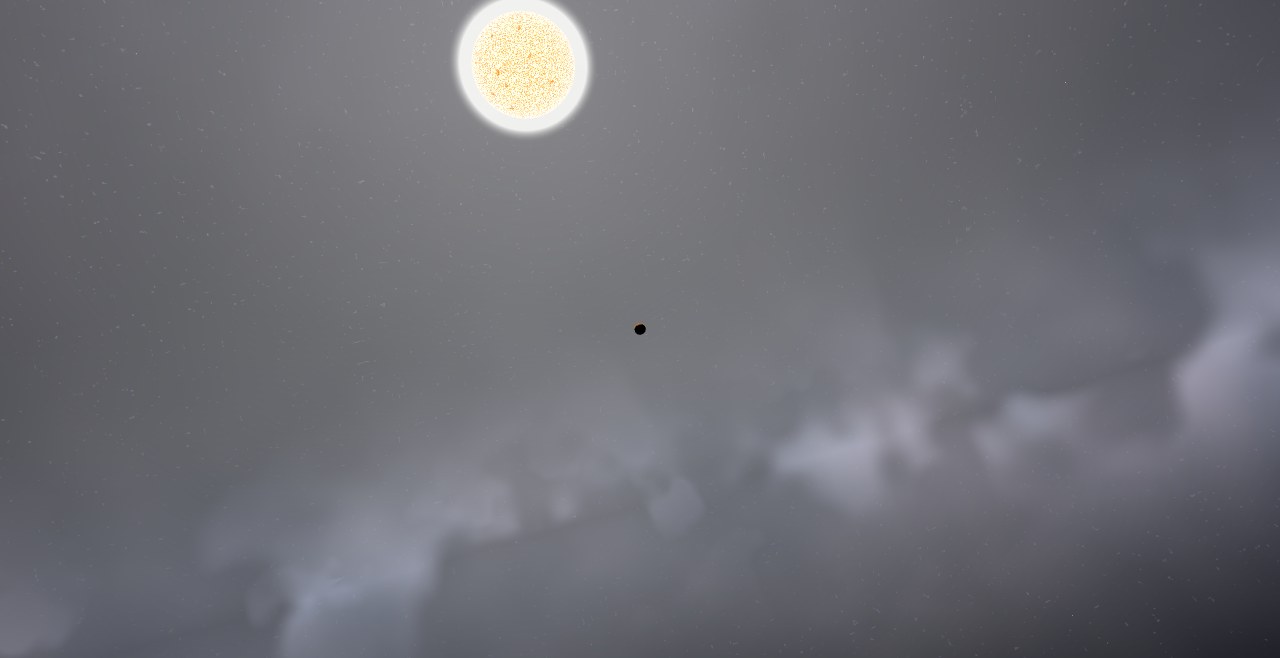
Kepler-471, a Sun-like F-type star of 1.49 solar masses, and Kepler-471 b, a planet with 15.0 Earth radii, with an orbital period of 5.0 days.
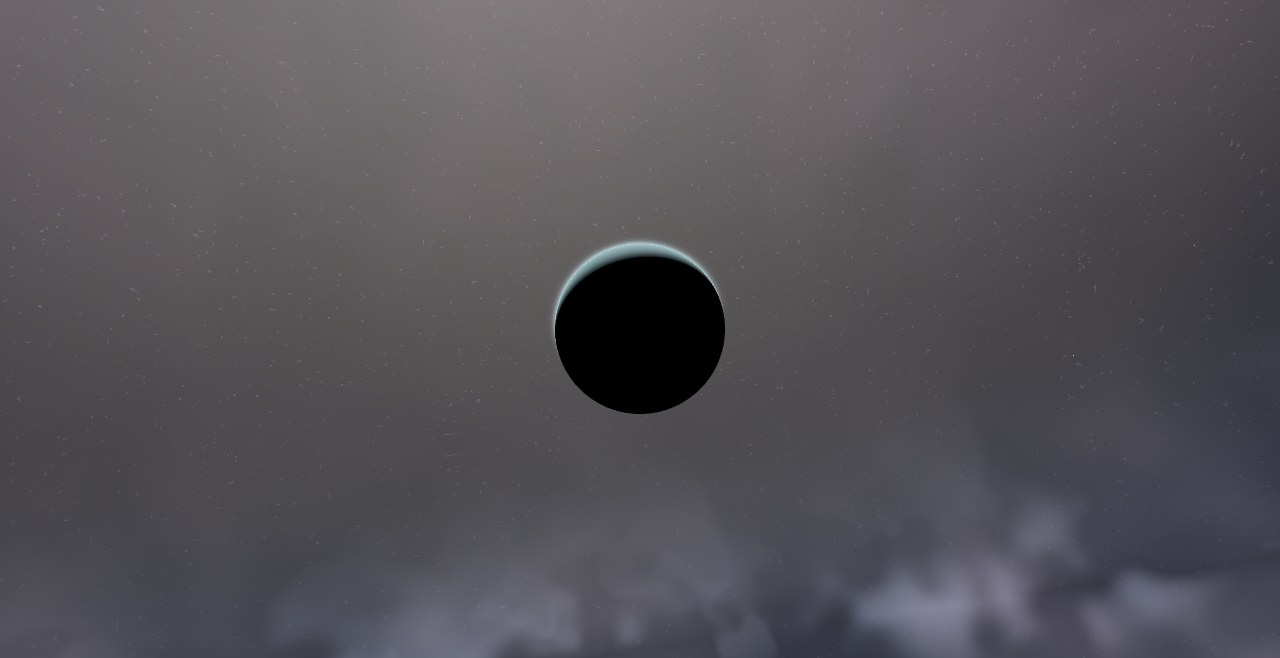
Kepler-472, an orange K-type dwarf of 0.85 solar masses, and Kepler-472 b, a planet with 3.2 Earth radii, with an orbital period of 4.2 days.
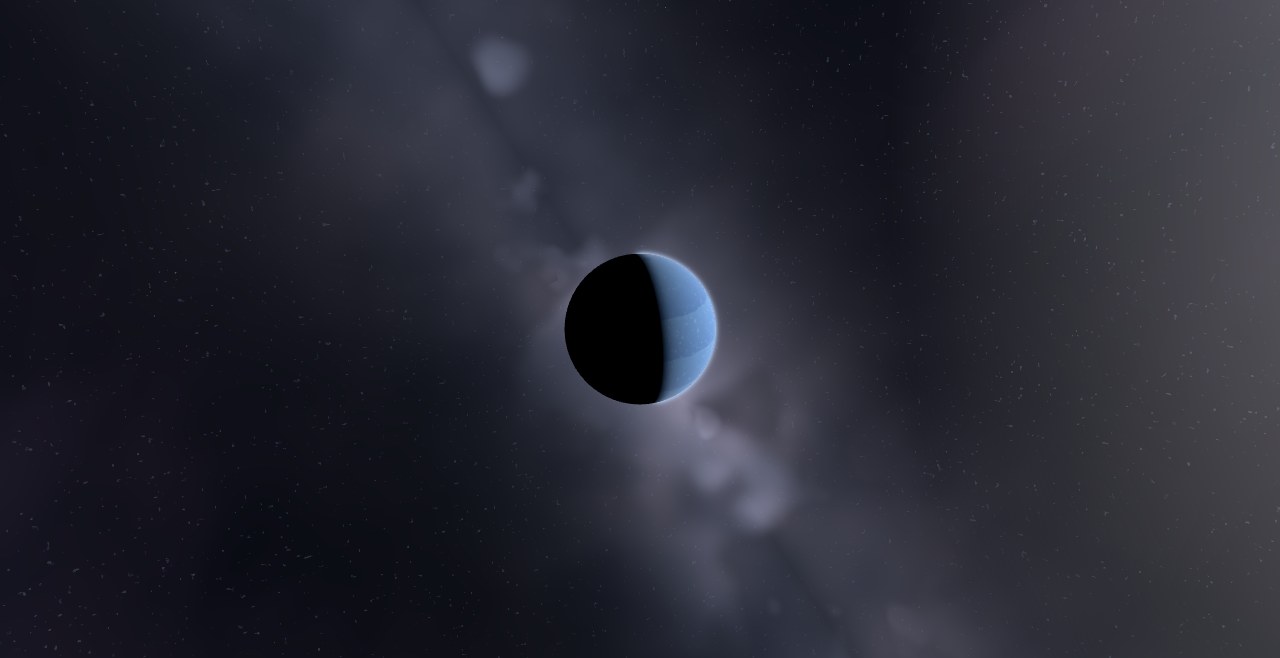
Kepler-473, a Sun-like G-type star of 1.06 solar masses, and Kepler-473 b, a planet with 4.1 Earth radii, with an orbital period of 14.6 days.
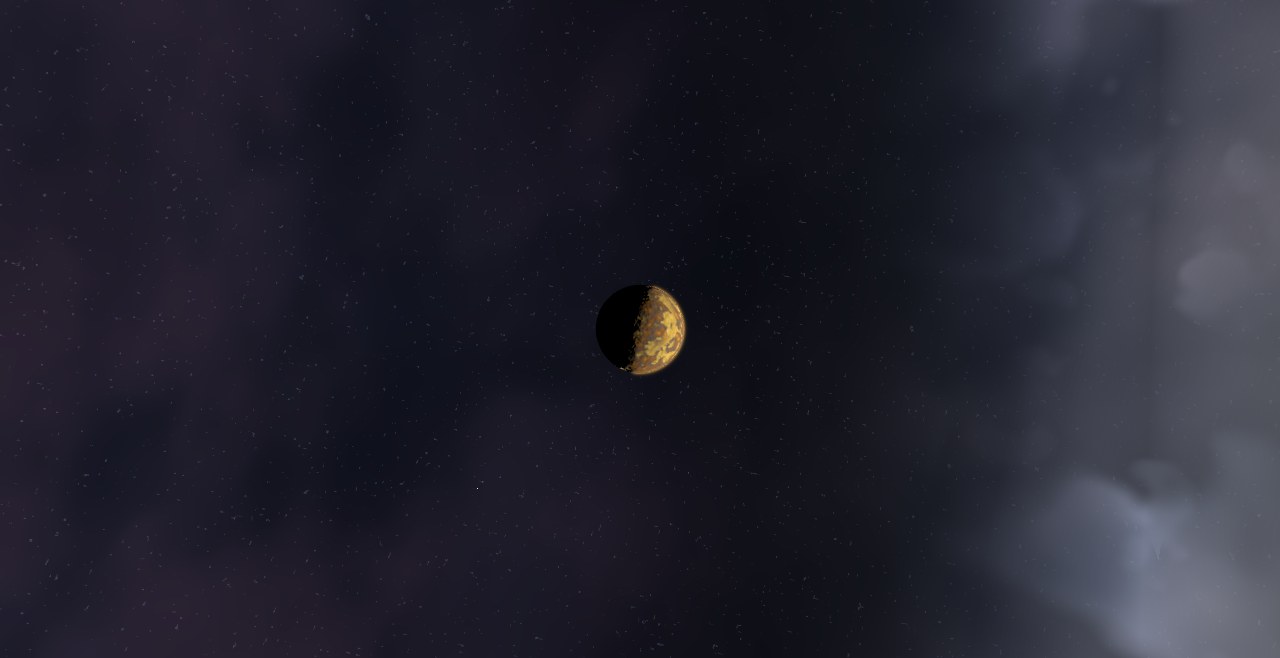
Kepler-474, a Sun-like G-type star of 0.99 solar masses, and Kepler-474 b, a planet with 3.1 Earth radii, with an orbital period of 5.7 days.