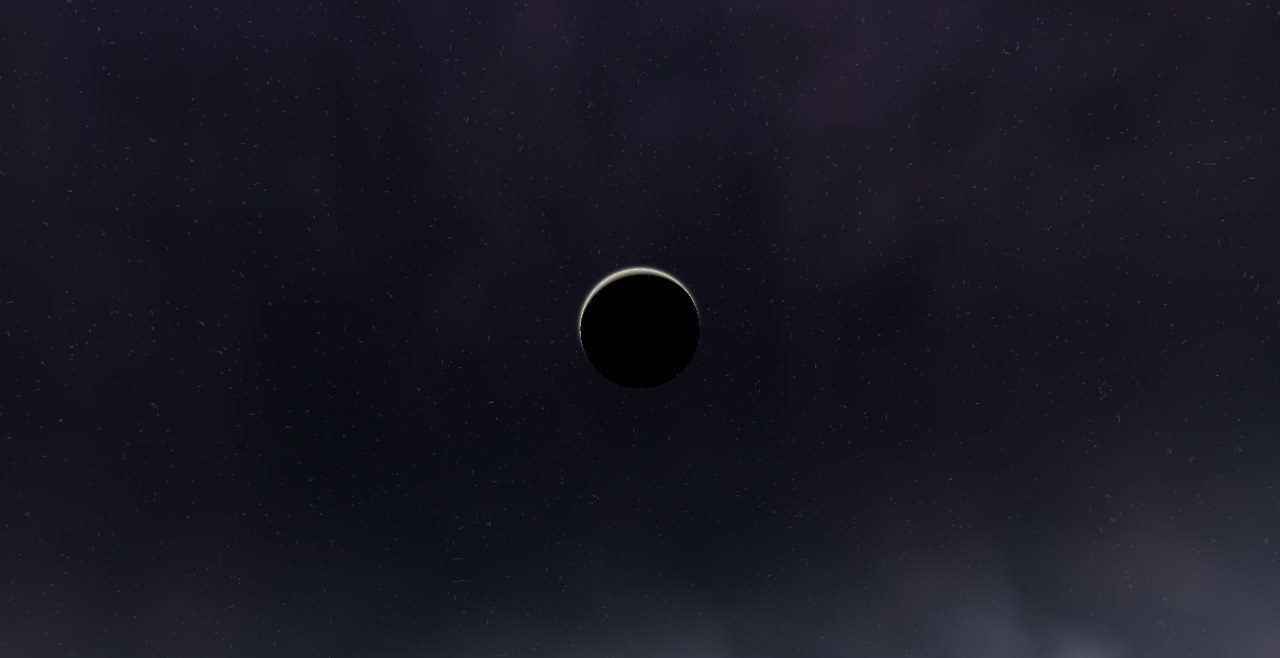
2MASS J01225093-2439505 - System
2MASS J01225093-2439505, a cool M-dwarf of 0.40 solar masses, and 2MASS J01225093-2439505 b, a 24.5-Jupiter-mass companion, at 52.0 AU from its star.
3D Space and Gravity Simulator. Simulate the solar system, exoplanets and even colliding galaxies. Add, delete and modify planets, and change the laws of physics.
Share
2MASS J01225093-2439505, a cool M-dwarf of 0.40 solar masses, and 2MASS J01225093-2439505 b, a 24.5-Jupiter-mass companion, at 52.0 AU from its star.
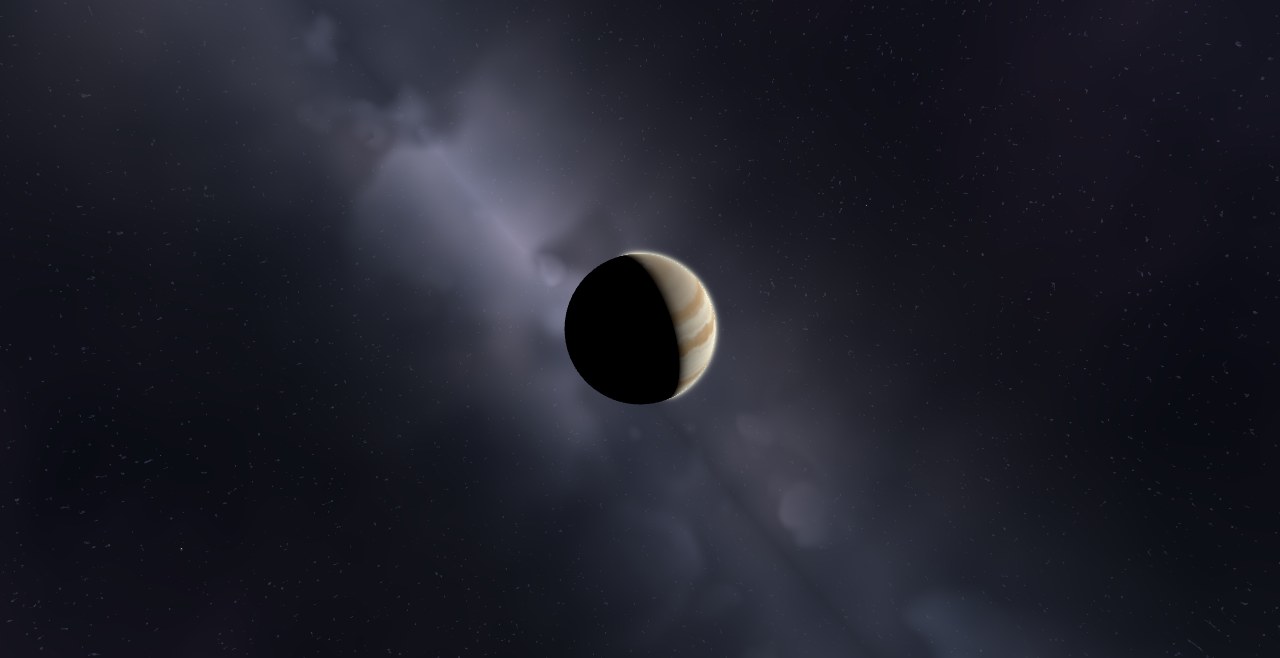
2MASS J02192210-3925225, a cool M-dwarf of 0.11 solar masses, and 2MASS J02192210-3925225 b, a 13.9-Jupiter-mass companion, at 156 AU from its star.
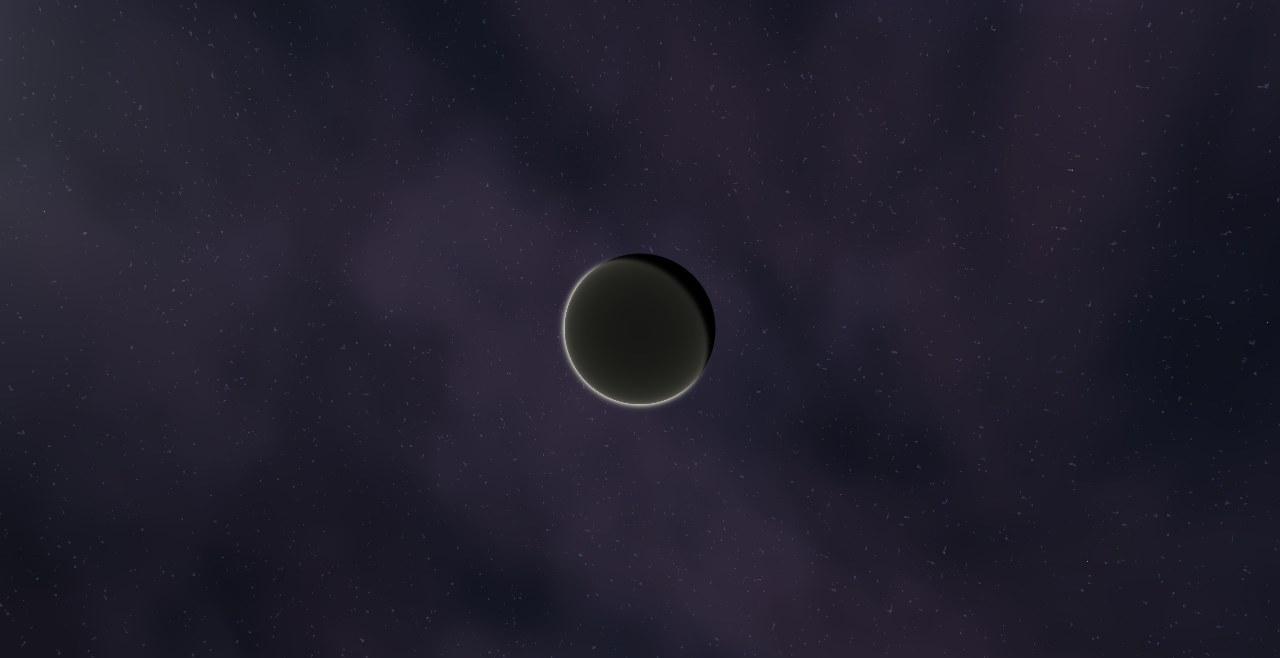
2MASS J0249-0557 A, a cool M-dwarf of 0.05 solar masses, and 2MASS J0249-0557 c, a 11.4-Jupiter-mass companion, and an equilibrium temperature near 1,723 K.
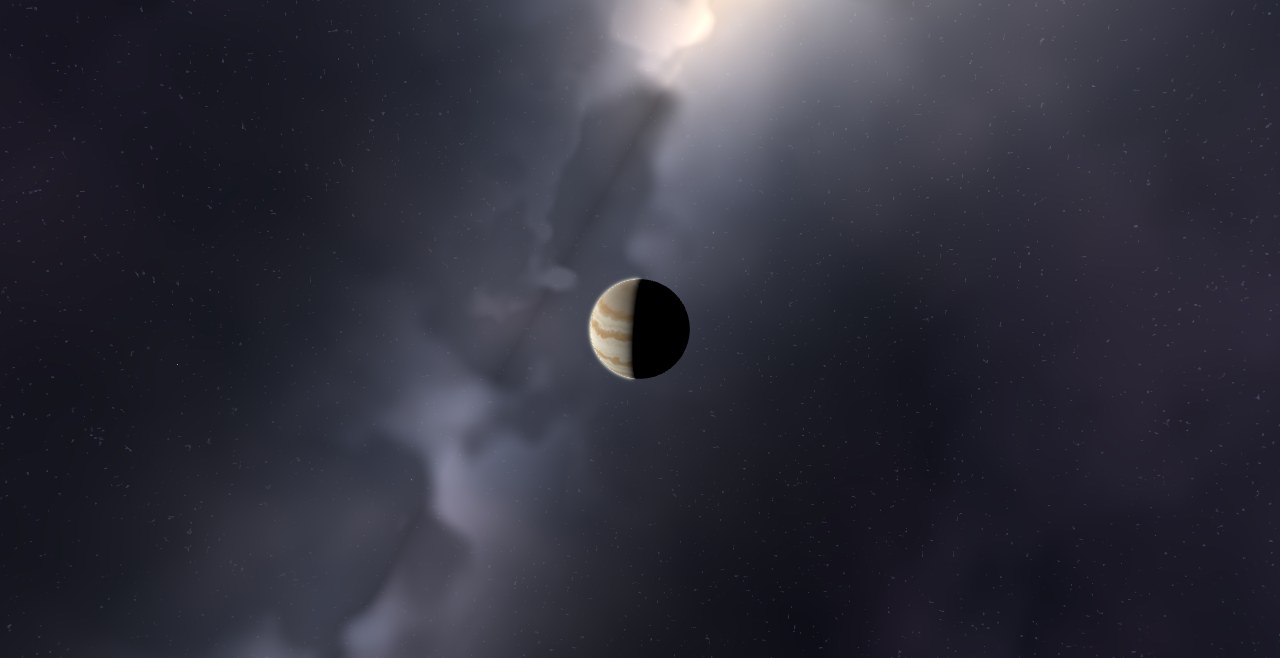
2MASS J03590986+2009361, a cool M-dwarf of 0.26 solar masses, and 2MASS J03590986+2009361 b, a 18.0-Jupiter-mass companion, at 572 AU from its star, and an equilibrium temperature near 2,369 K.
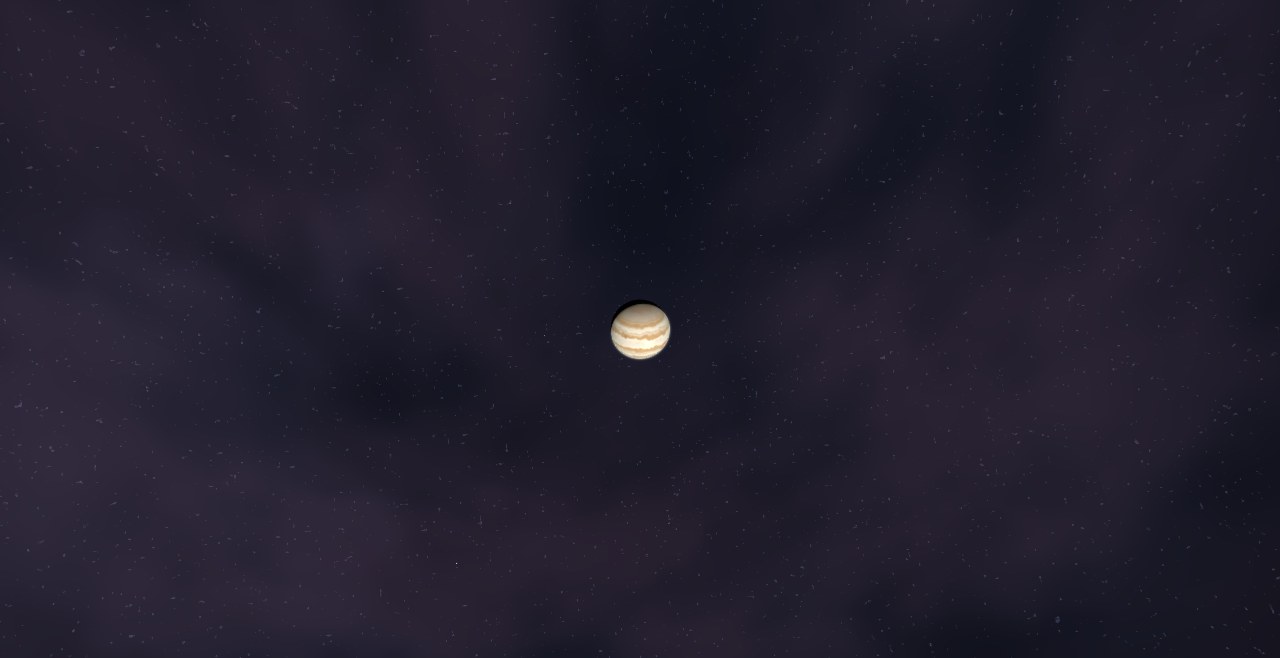
2MASS J04372171+2651014, a cool M-dwarf of 0.17 solar masses, and 2M0437 b, a 4.00-Jupiter-mass companion, at 118 AU from its star, and an equilibrium temperature near 1,450 K.
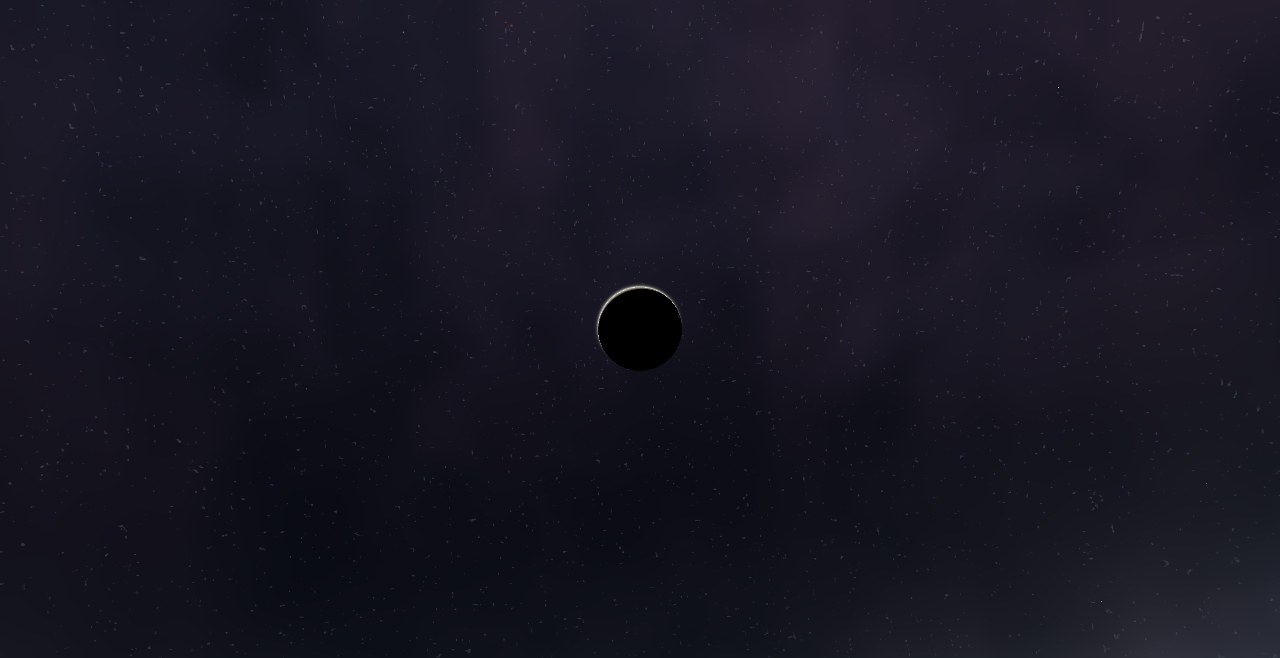
2MASS J04414489+2301513, a cool M-dwarf of 0.02 solar masses, and 2MASS J04414489+2301513 b, a 7.50-Jupiter-mass companion, at 15.0 AU from its star.
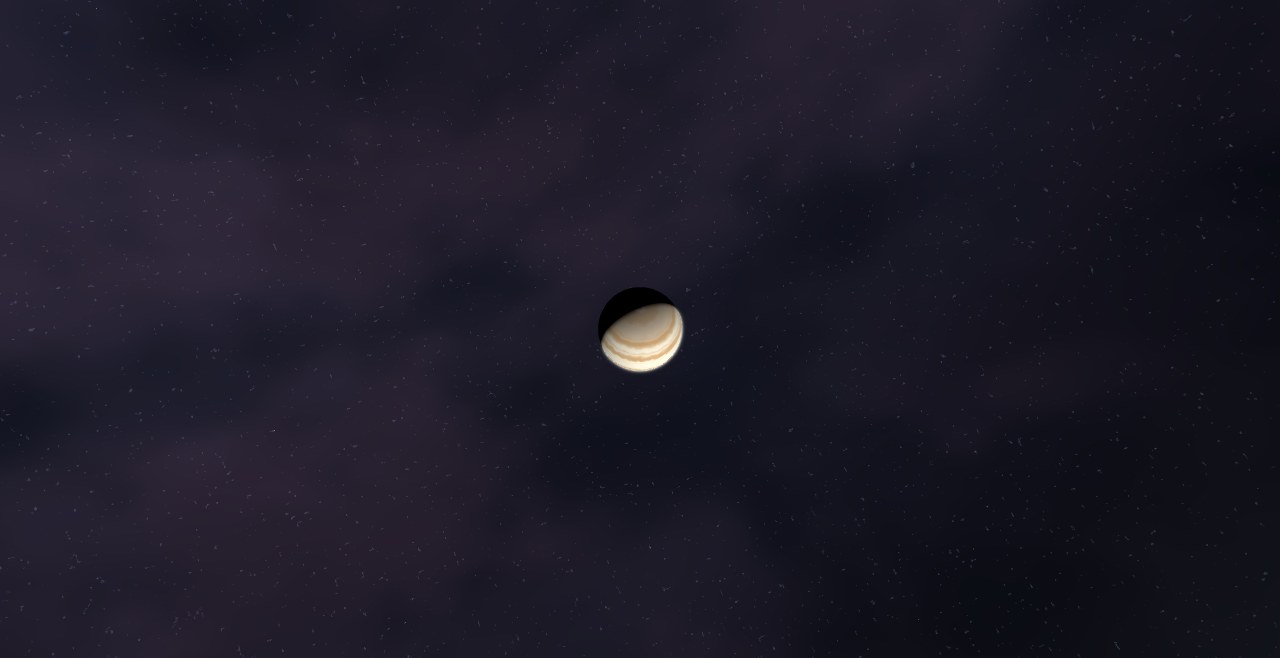
2MASS J11011926-7732383, a Sun-like G-type star of 1.00 solar masses, and 2MASS J11011926-7732383 b, a 28.0-Jupiter-mass companion, at 266 AU from its star, and an equilibrium temperature near 2,677 K.
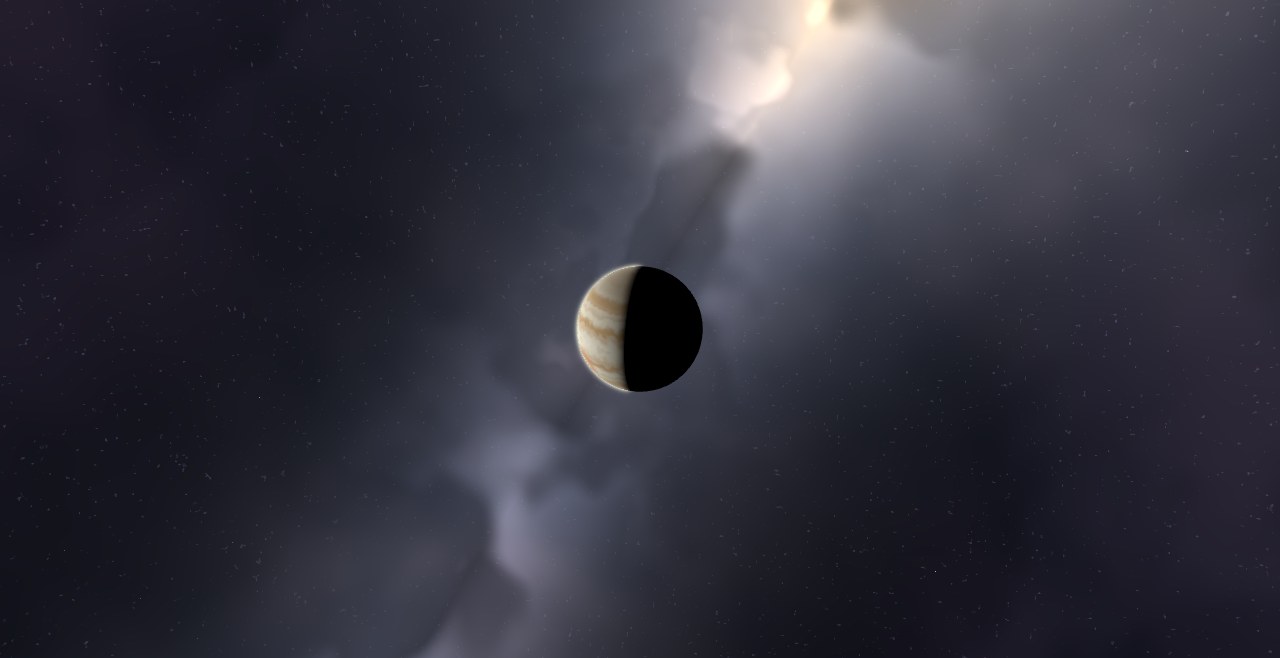
2MASS J11550485-7919108, a cool M-dwarf of 0.59 solar masses, and 2MASS J11550485-7919108 b, a 20.0-Jupiter-mass companion, at 587 AU from its star, and an equilibrium temperature near 2,506 K.
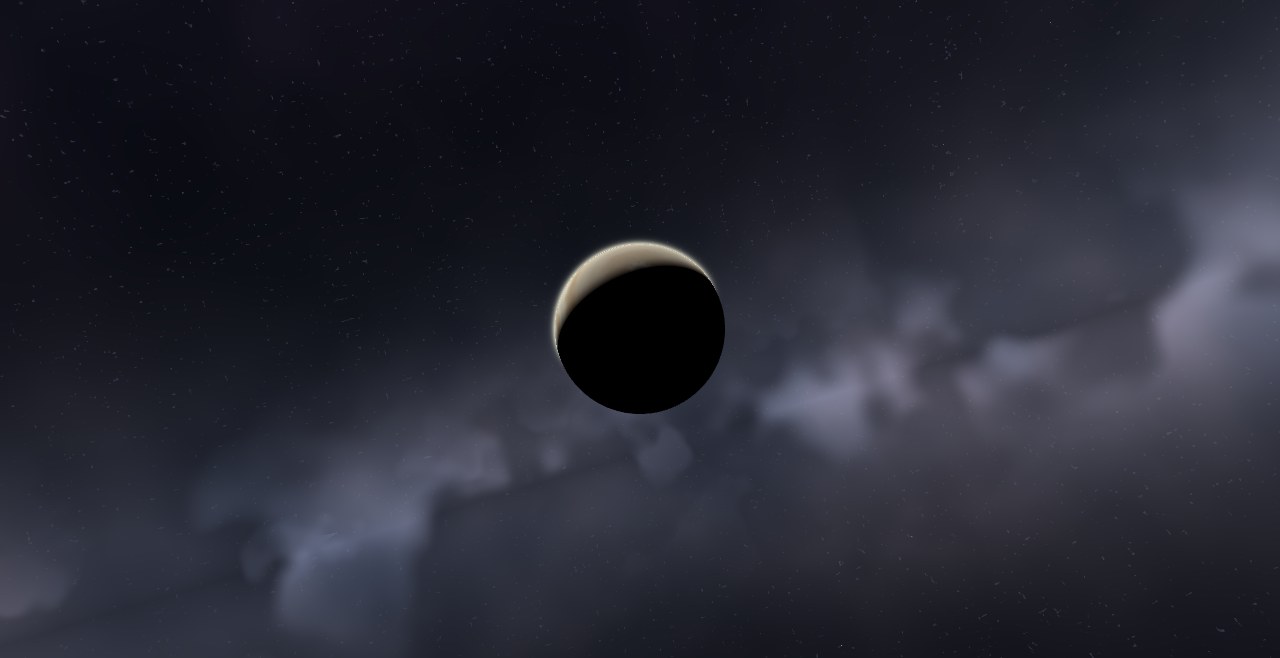
2M1207 b, the first planetary-mass object ever imaged. It orbits a young brown dwarf, wide enough to be seen directly in infrared light. The 2004 image was taken with the Very Large Telescope.
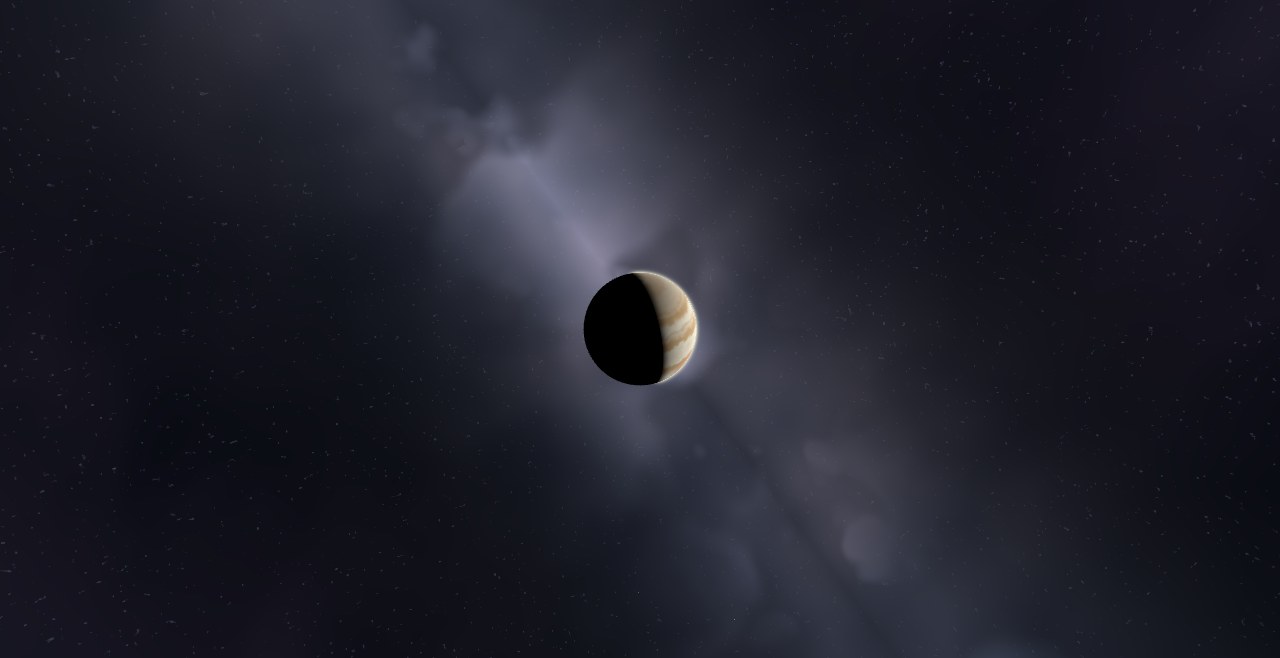
2MASS J16262785-2625152, a cool M-dwarf of 1.00 solar masses, and KOINTREAU-4 b, a 15.3-Jupiter-mass companion, at 182 AU from its star.
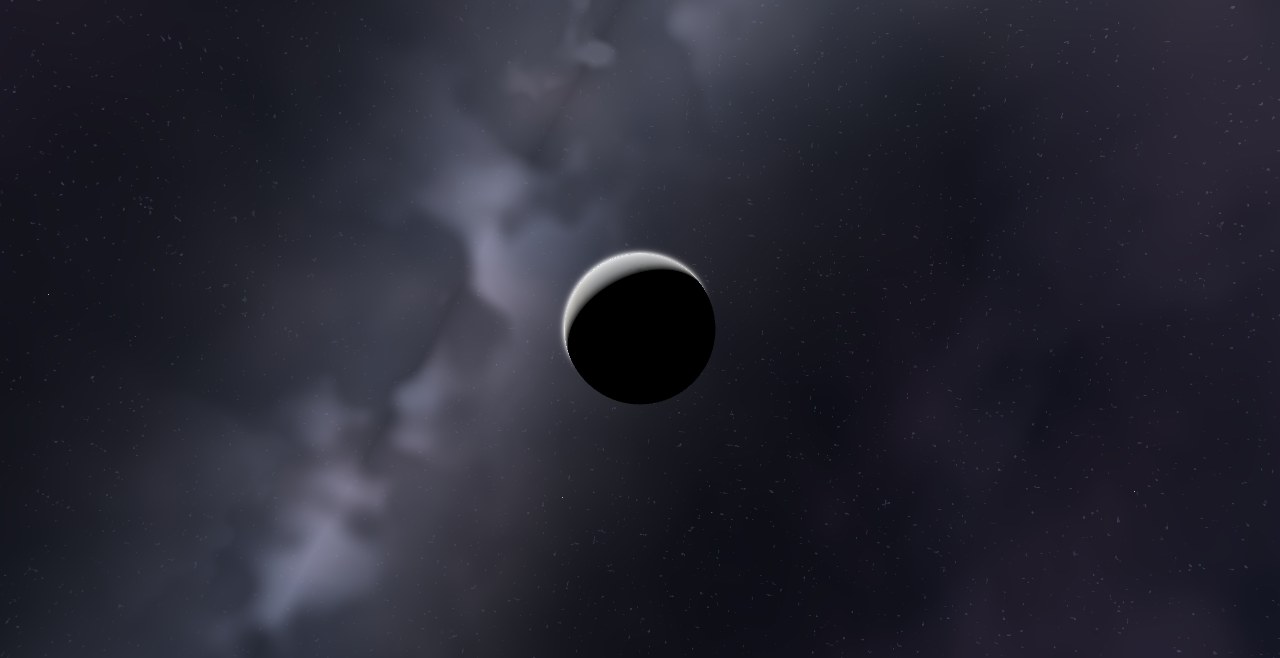
2MASS J19383260+4603591, and 2MASS J19383260+4603591 b, a 1.86-Jupiter-mass companion, with an orbital period of 1.11 years, on an eccentric orbit (e ≈ 0.33).
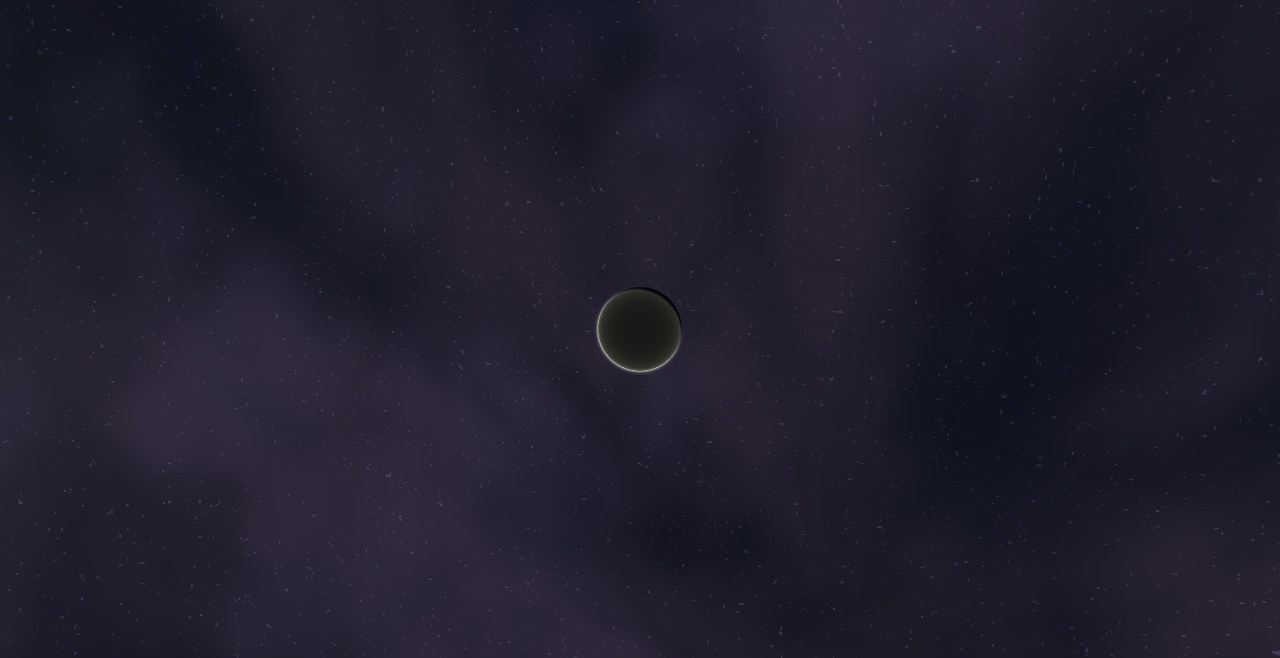
2MASS J21252752-8138278, a cool M-dwarf of 0.64 solar masses, and 2MASS J21252752-8138278 b, a 12.0-Jupiter-mass companion, at 7,493 AU from its star, and an equilibrium temperature near 1,616 K.
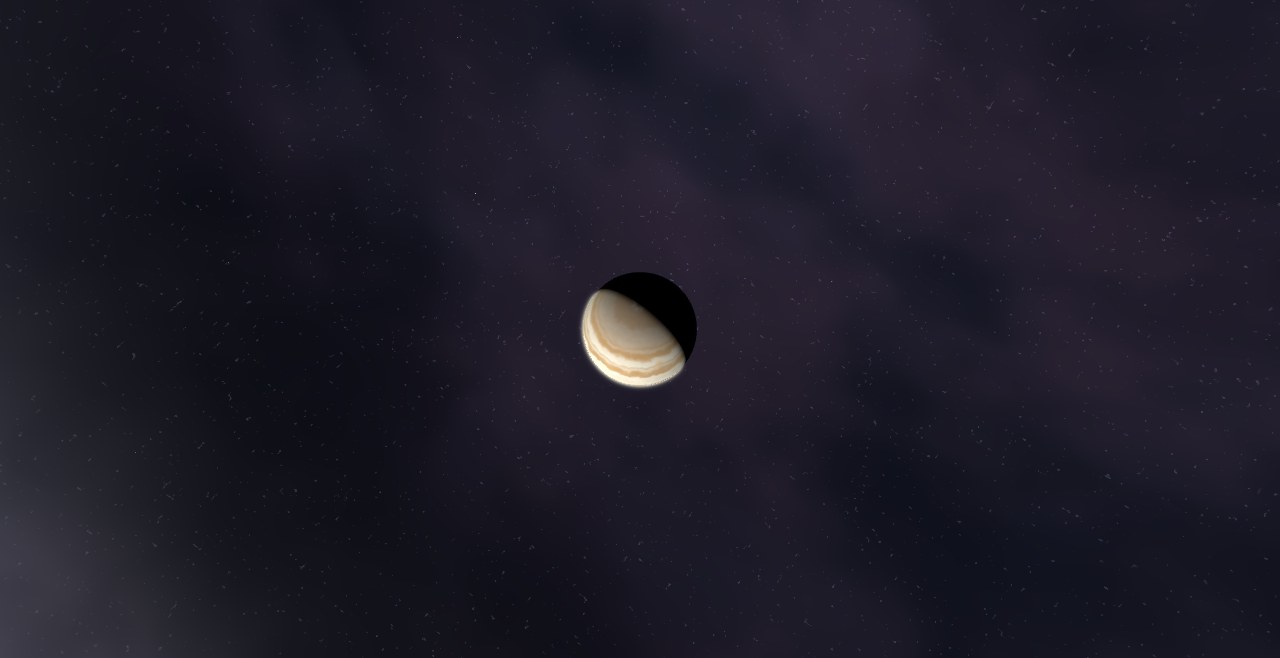
2MASS J22362452+4751425, an orange K-type dwarf of 0.60 solar masses, and 2MASS J22362452+4751425 b, a 12.5-Jupiter-mass companion, at 230 AU from its star.
2MASS J22501512+2325342, a cool M-dwarf of 0.43 solar masses, and 2MASS J22501512+2325342 b, a 30.0-Jupiter-mass companion, at 518 AU from its star, and an equilibrium temperature near 1,600 K.
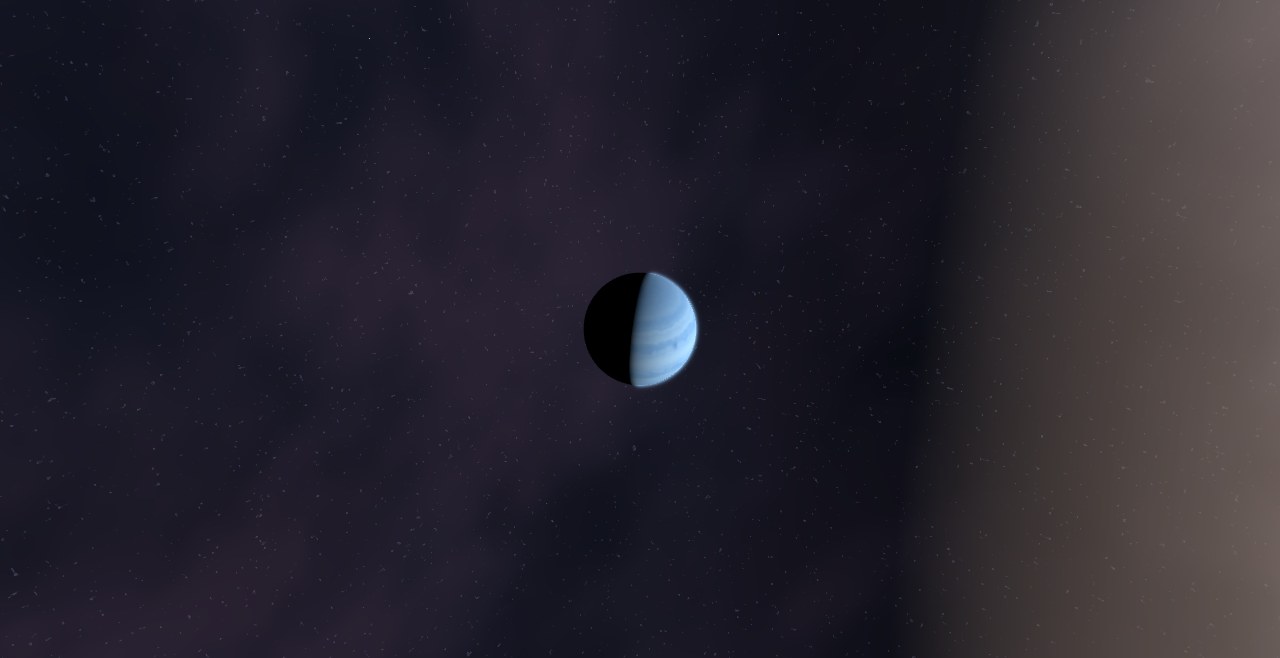
4 UMa, an orange K-type dwarf of 1.23 solar masses, and 4 UMa b, a 7.90-Jupiter-mass companion, with an orbital period of 270 days, at 0.877 AU from its star, on an eccentric orbit (e ≈ 0.45).
47 Ursae Majoris, one of the first Sun-like stars found to host Jupiter-like planets on year-long orbits rather than a scorched hot Jupiter.
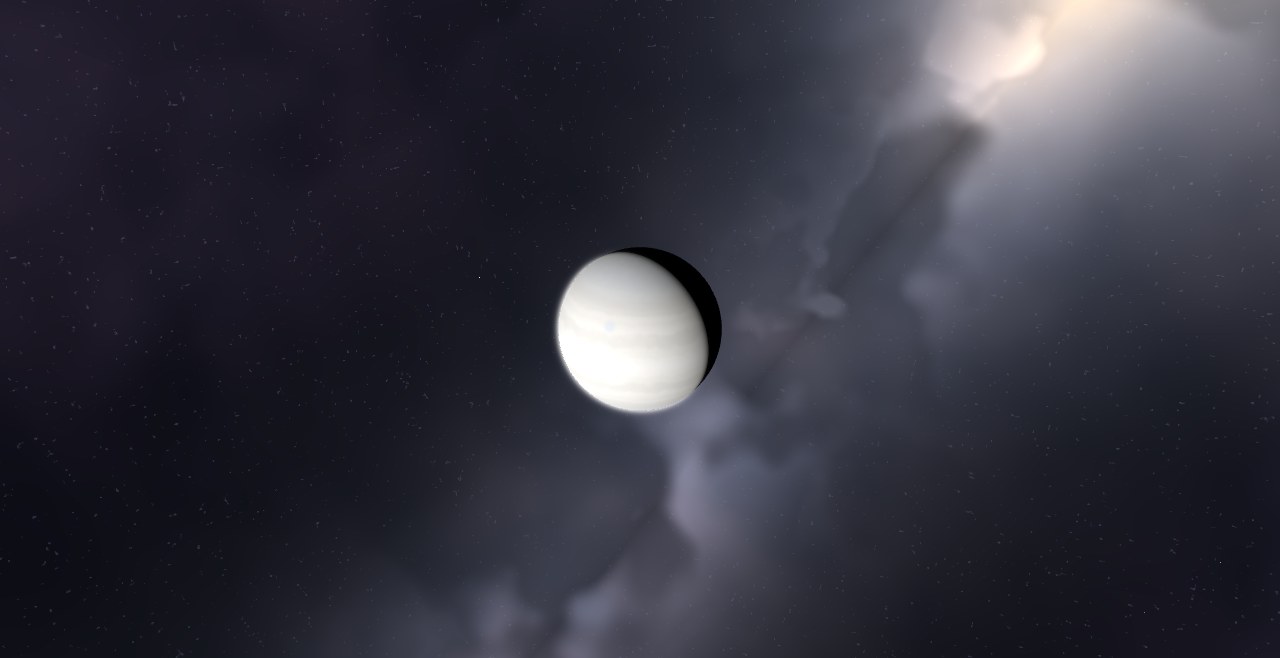
51 Eridani b, a young Jupiter analog imaged in a debris disk. Its methane-rich atmosphere looks more like Jupiter's than most imaged giants.
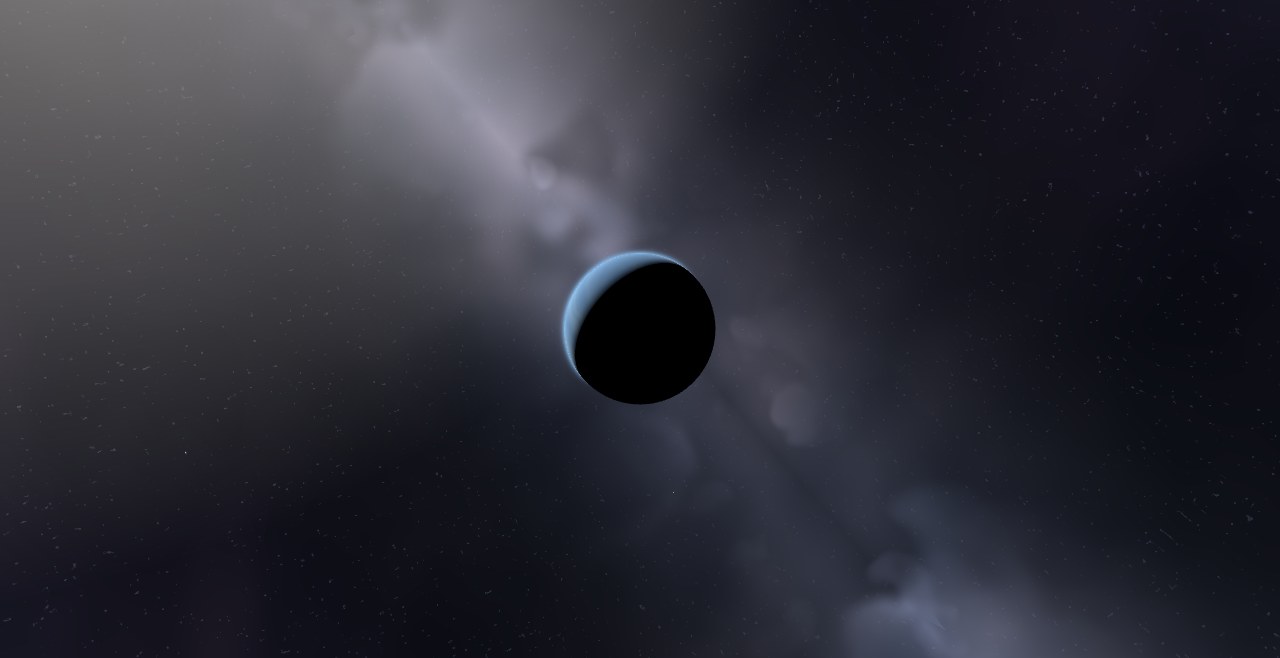
Nearby 55 Cancri, a five-planet system about 41 light-years away. Inner world 55 Cnc e is a lava super-Earth and a prime target for JWST. The host also has a distant red-dwarf companion.