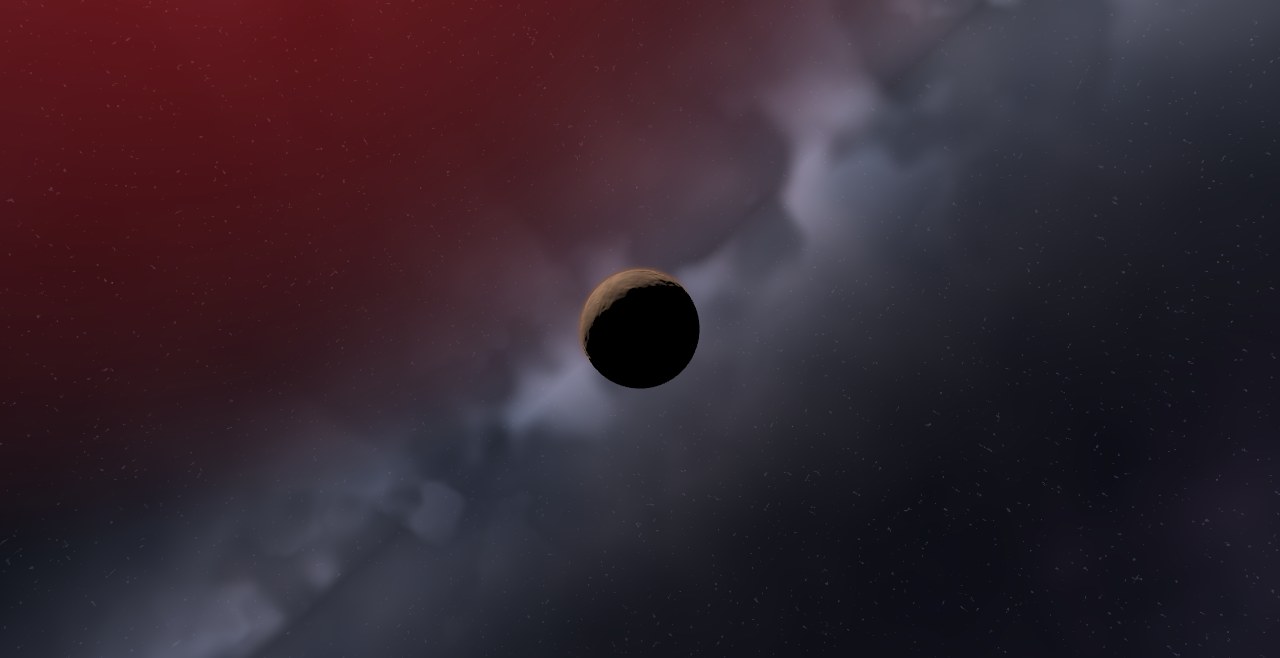
TRAPPIST-1 - System
TRAPPIST-1, seven Earth-sized worlds in a resonant chain around an ultracool dwarf. Several orbit in the habitable zone, closer in than Mercury.
3D Space and Gravity Simulator. Simulate the solar system, exoplanets and even colliding galaxies. Add, delete and modify planets, and change the laws of physics.
Share
TRAPPIST-1, seven Earth-sized worlds in a resonant chain around an ultracool dwarf. Several orbit in the habitable zone, closer in than Mercury.
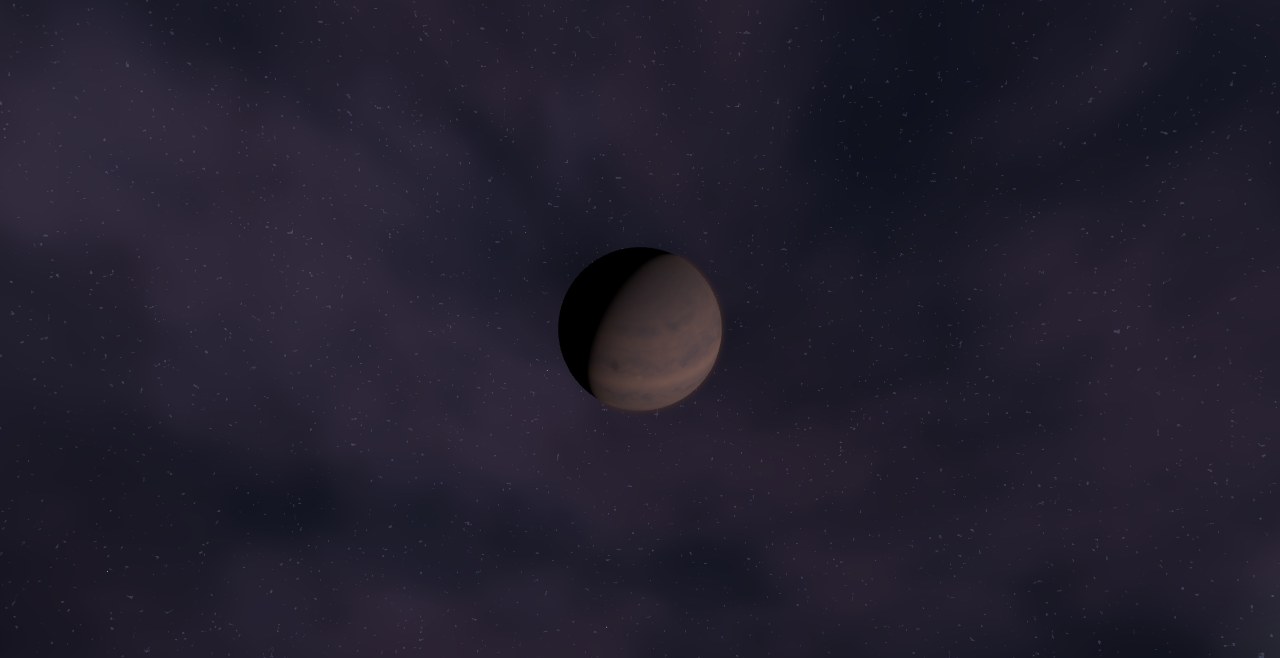
51 Pegasi b, the first planet found around a Sun-like star. This 1995 hot Jupiter won Michel Mayor and Didier Queloz the 2019 Nobel Prize in Physics.
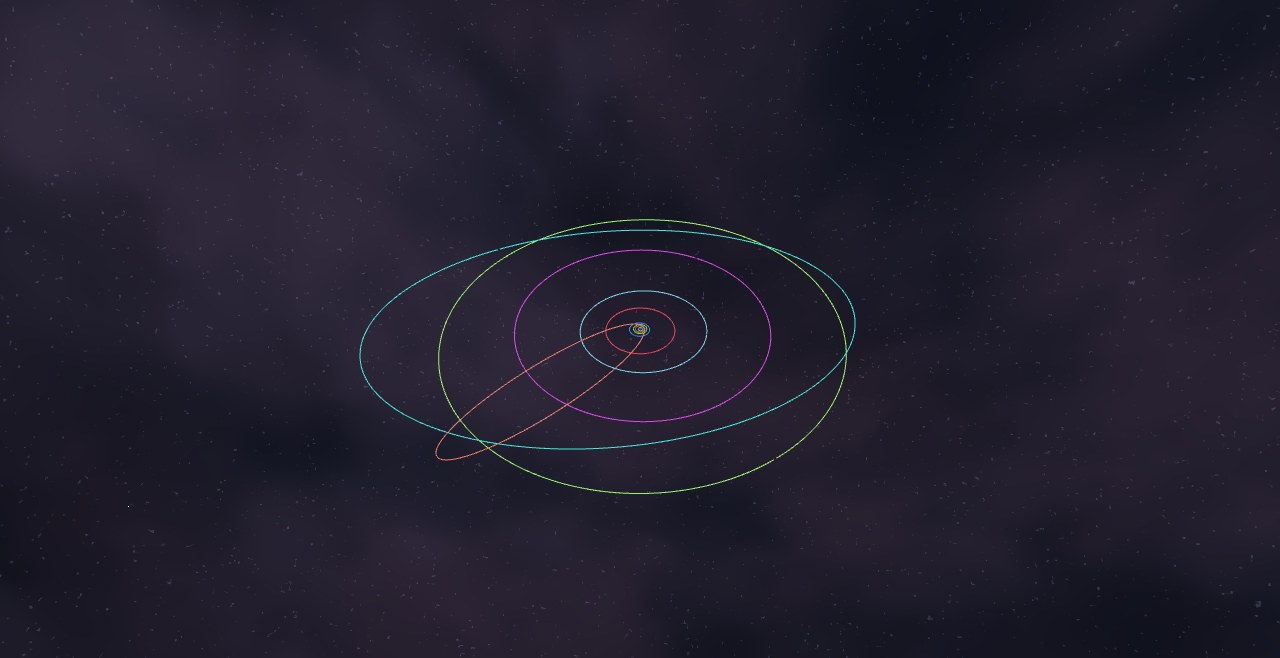
Follow Halley's Comet (1P/Halley) on its 76-year retrograde journey across the Solar System. Trace its dramatic path from beyond Neptune's orbit back toward perihelion in 3D.
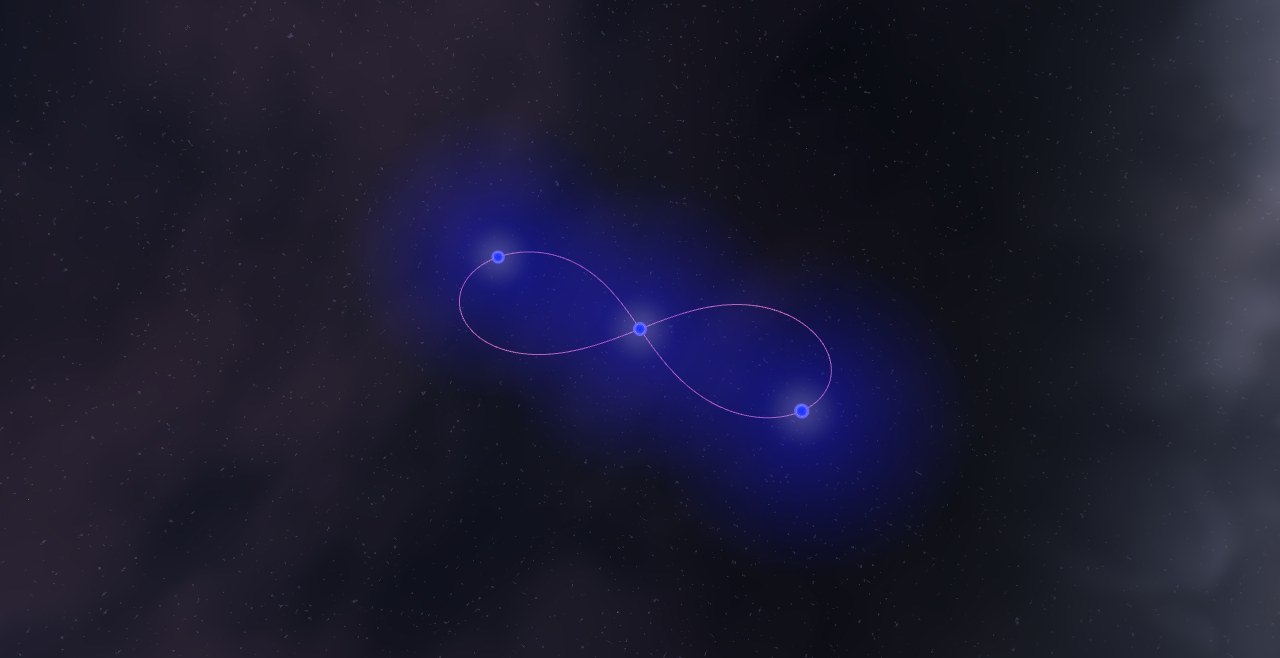
Witness the famous Chenciner–Montgomery figure-eight solution: three equal masses endlessly chasing one another along a three-lobed path in periodic gravitational equilibrium.
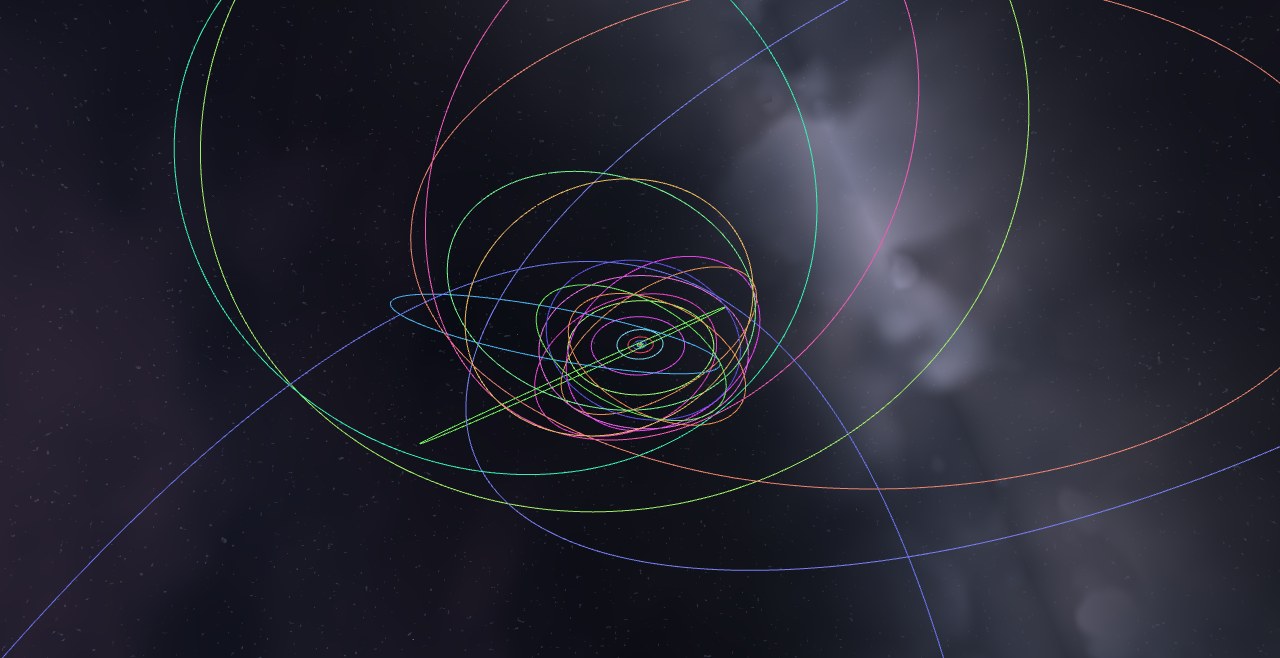
What if a red dwarf star passed 40 AU from the Sun? Simulate a stellar close encounter and watch how a passing star perturbs planetary orbits and scrambles the Kuiper Belt in 3D.
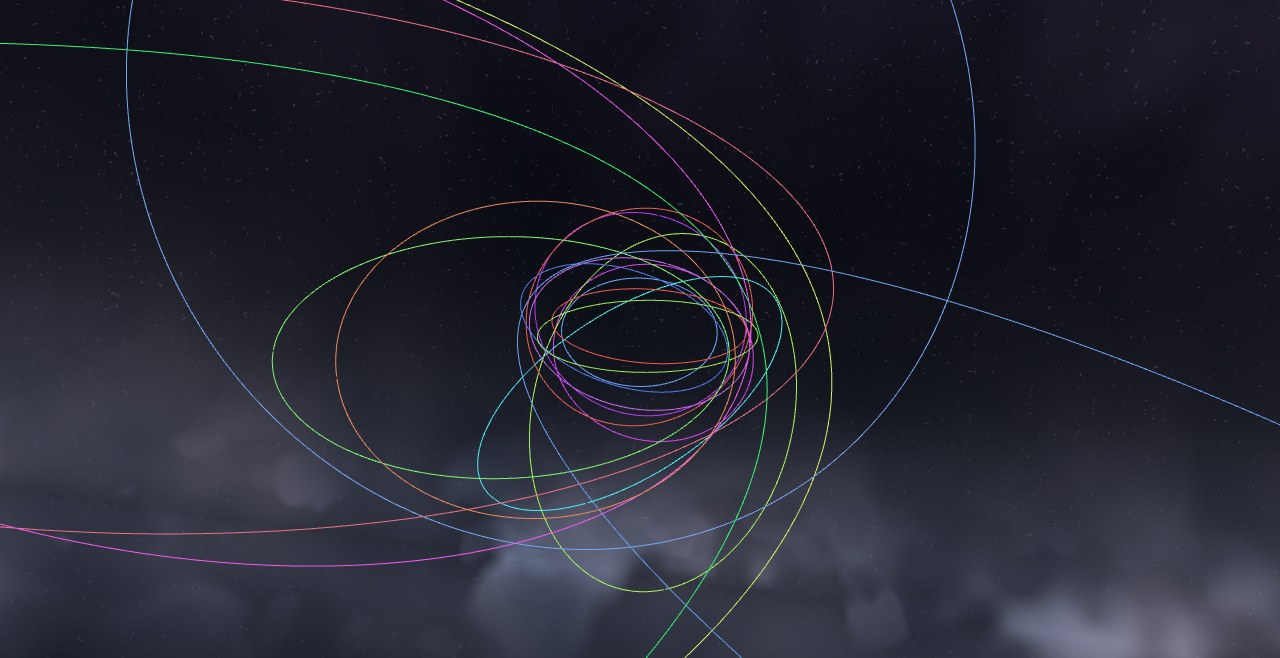
Journey into the outer Solar System beyond Neptune. Explore dwarf planets Pluto, Eris, Haumea, Makemake, and Sedna on their eccentric, highly inclined trans-Neptunian orbits.
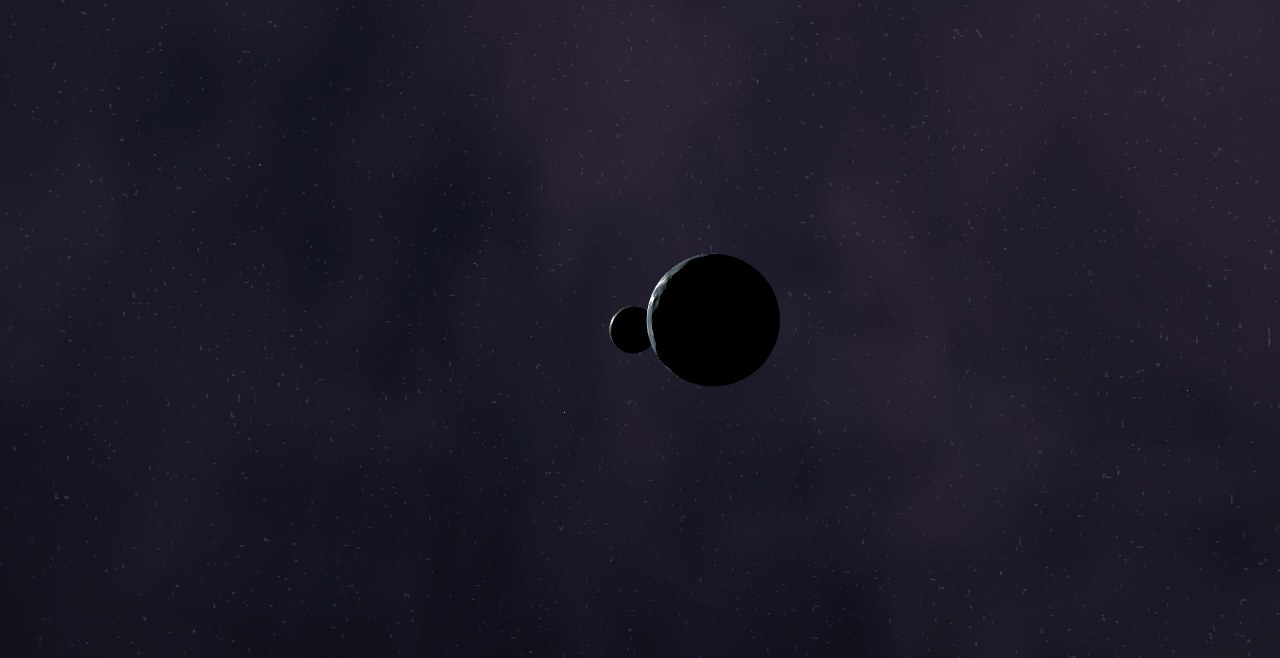
Journey 68 AU from the Sun to explore dwarf planet Eris and its moon Dysnomia. Trace the 37,000 km orbit that revealed Eris's immense mass in the distant scattered disc.
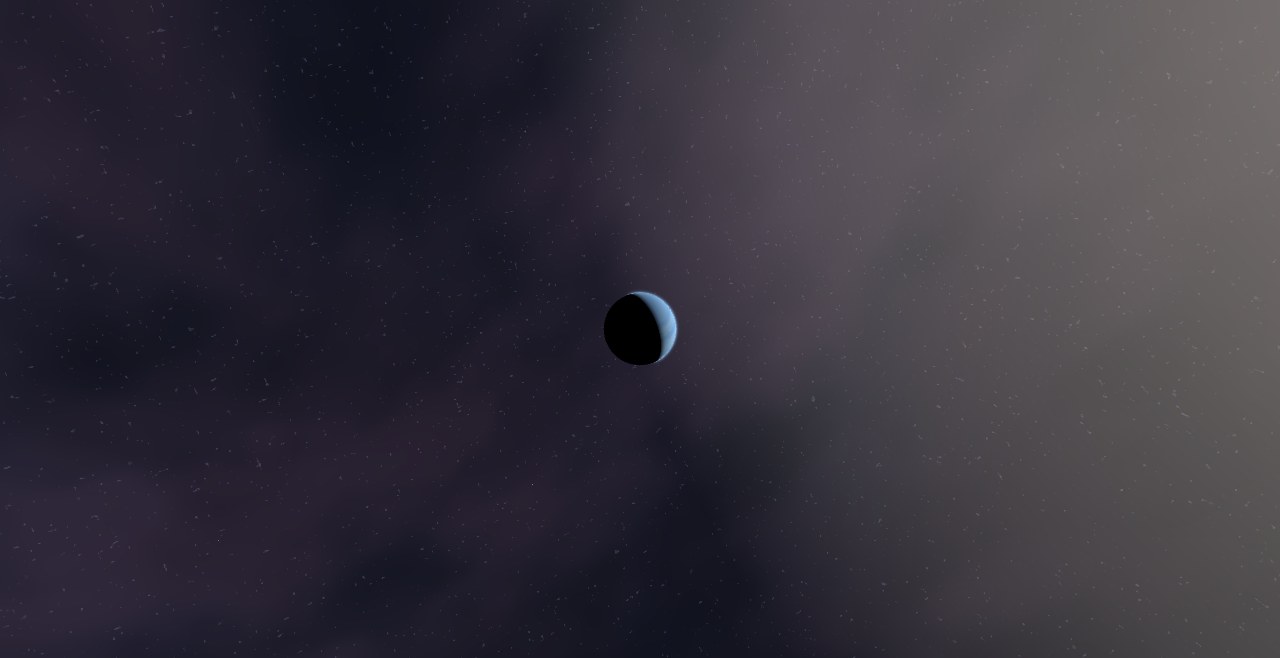
11 Com, a Sun-like G-type star of 2.09 solar masses, and 11 Com b, a 15.5-Jupiter-mass companion, with an orbital period of 323 days, at 1.178 AU from its star, on an eccentric orbit (e ≈ 0.24).
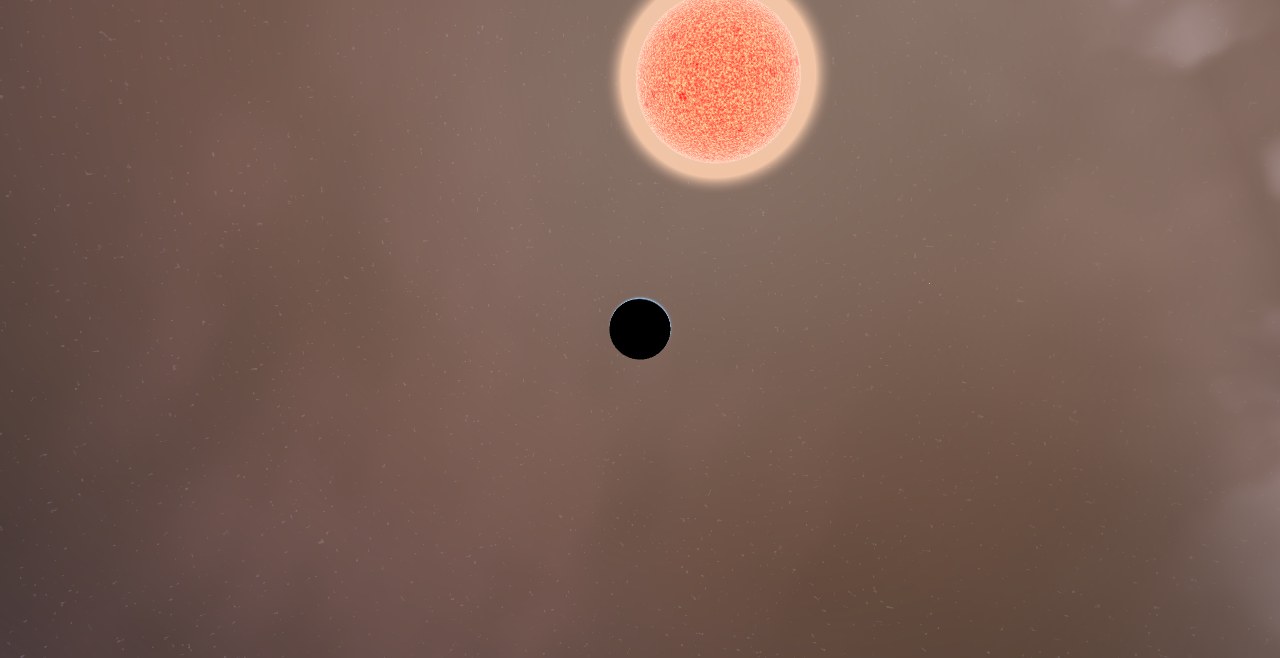
11 UMi, an orange K-type dwarf of 2.78 solar masses, and 11 UMi b, a 14.7-Jupiter-mass companion, with an orbital period of 1.41 years, at 1.530 AU from its star, on an eccentric orbit (e ≈ 0.08).
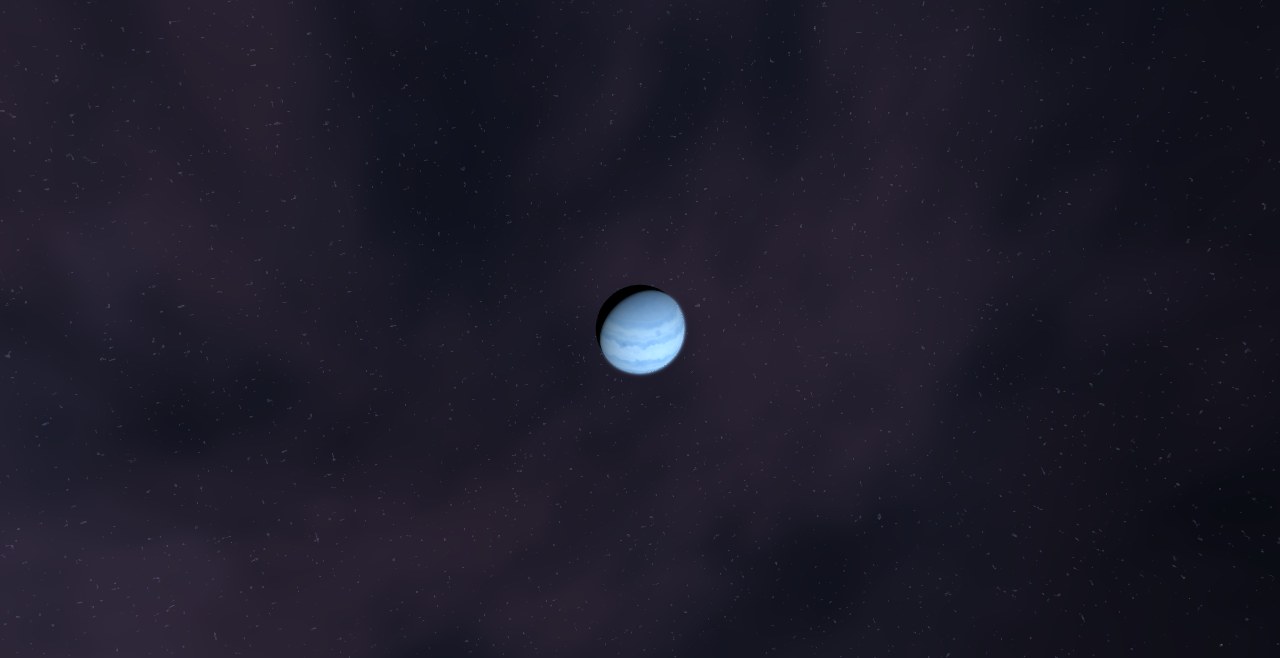
14 And, an orange K-type dwarf of 1.78 solar masses, and 14 And b, a 3.56-Jupiter-mass companion, with an orbital period of 187 days, at 0.775 AU from its star.
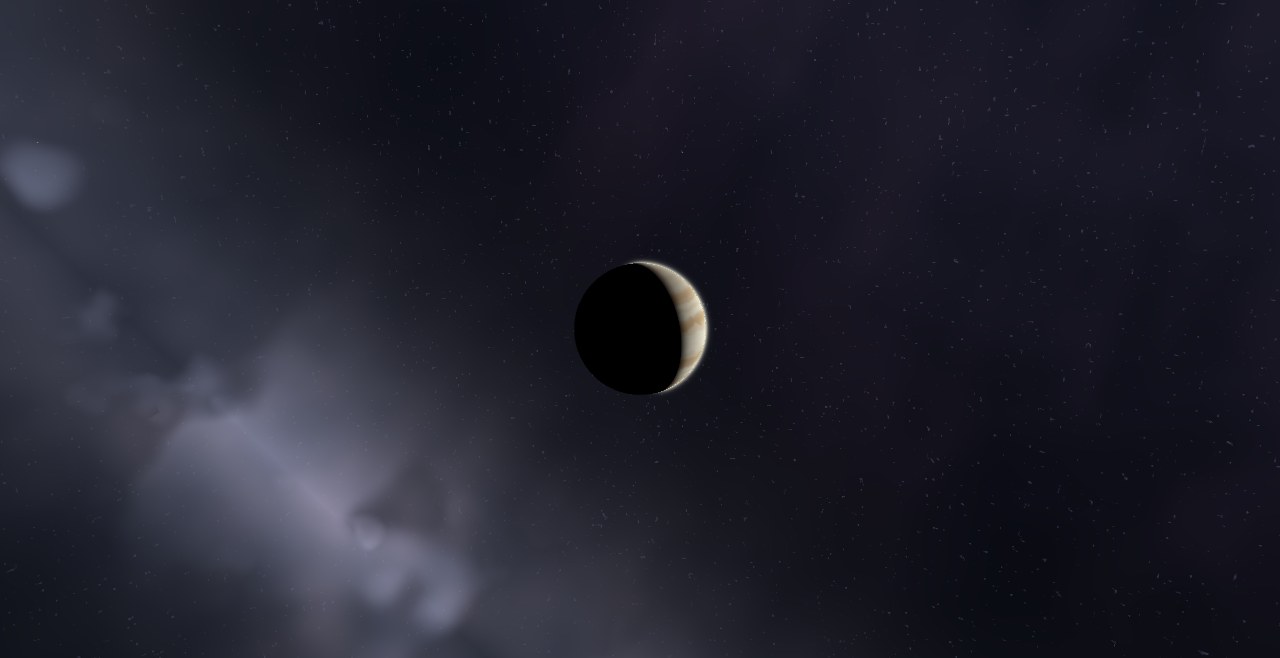
14 Her, an orange K-type dwarf of 0.97 solar masses, and 14 Her b, a 8.90-Jupiter-mass companion, at 2.839 AU from its star, on an eccentric orbit (e ≈ 0.37).
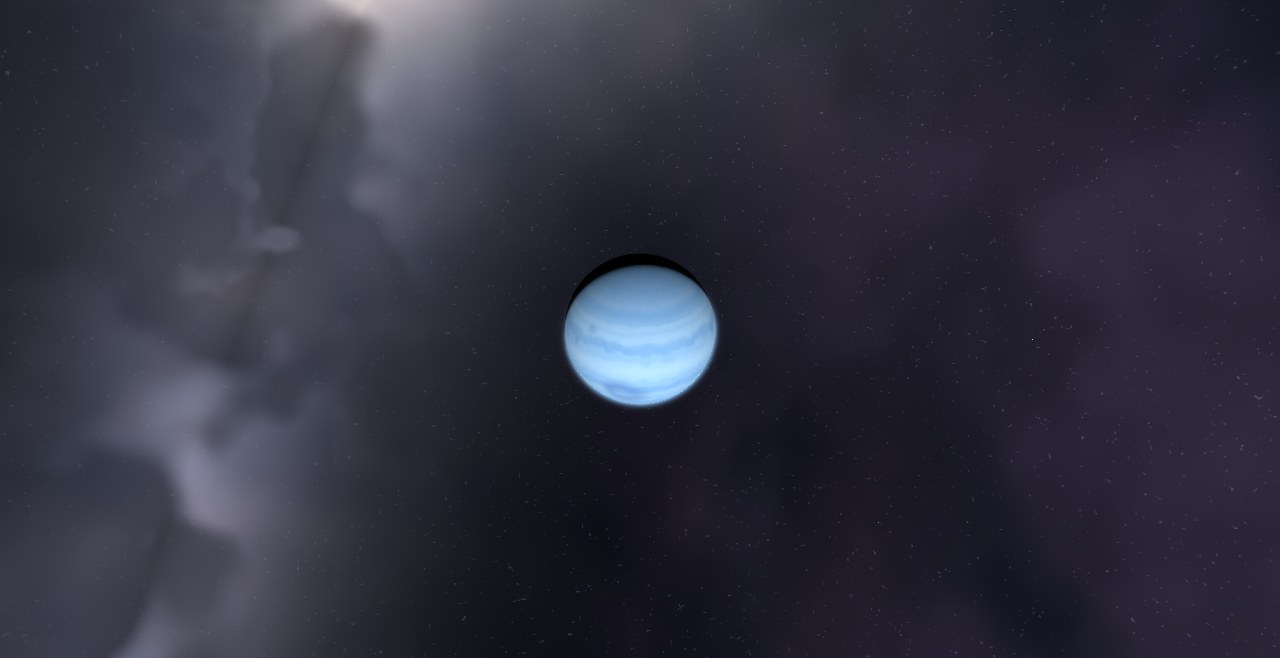
16 Cygni B b, a giant with eccentricity near 0.7. The distant stellar companion 16 Cygni A is the usual suspect for pumping that extreme orbit.
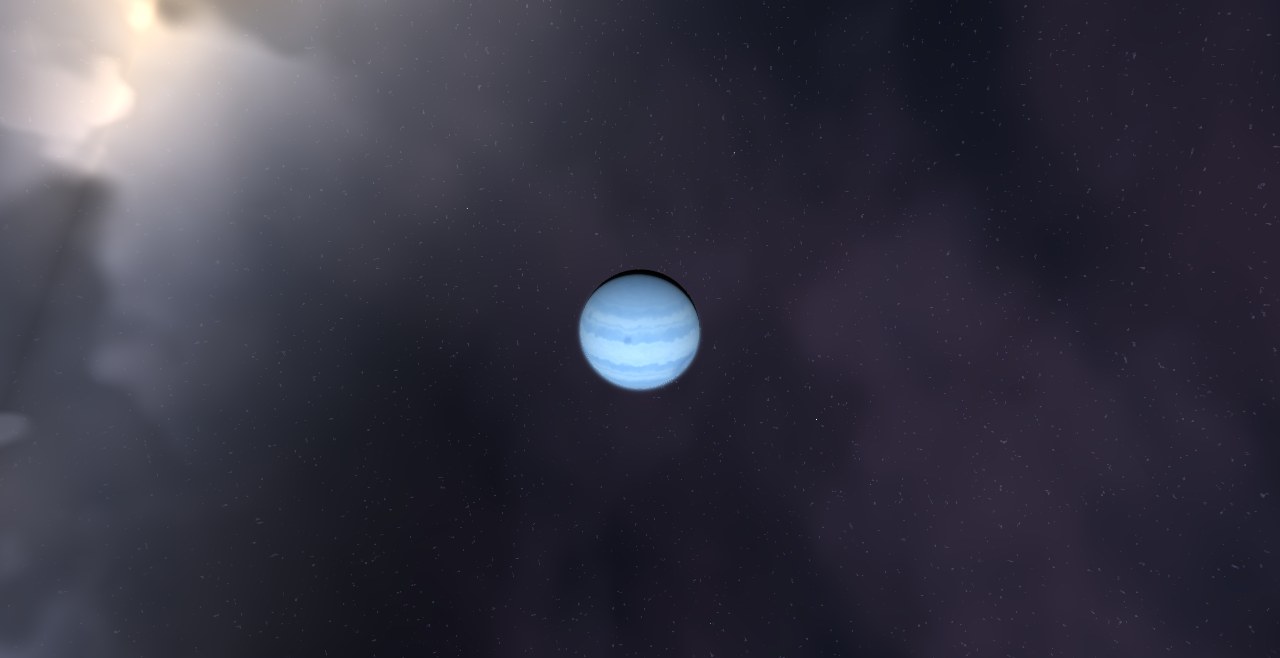
17 Sco, an orange K-type dwarf of 1.22 solar masses, and 17 Sco b, a 4.32-Jupiter-mass companion, with an orbital period of 1.58 years, at 1.450 AU from its star, on an eccentric orbit (e ≈ 0.06).
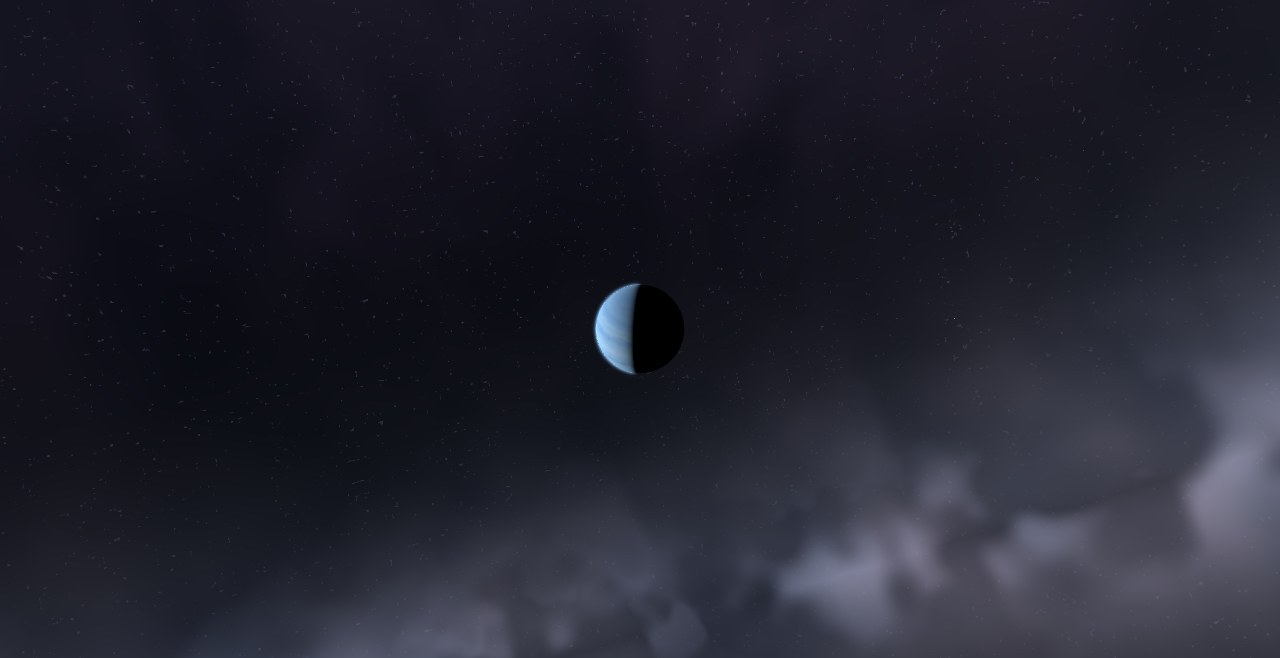
18 Del, a Sun-like G-type star of 2.10 solar masses, and 18 Del b, a 9.21-Jupiter-mass companion, with an orbital period of 2.69 years, at 2.476 AU from its star.
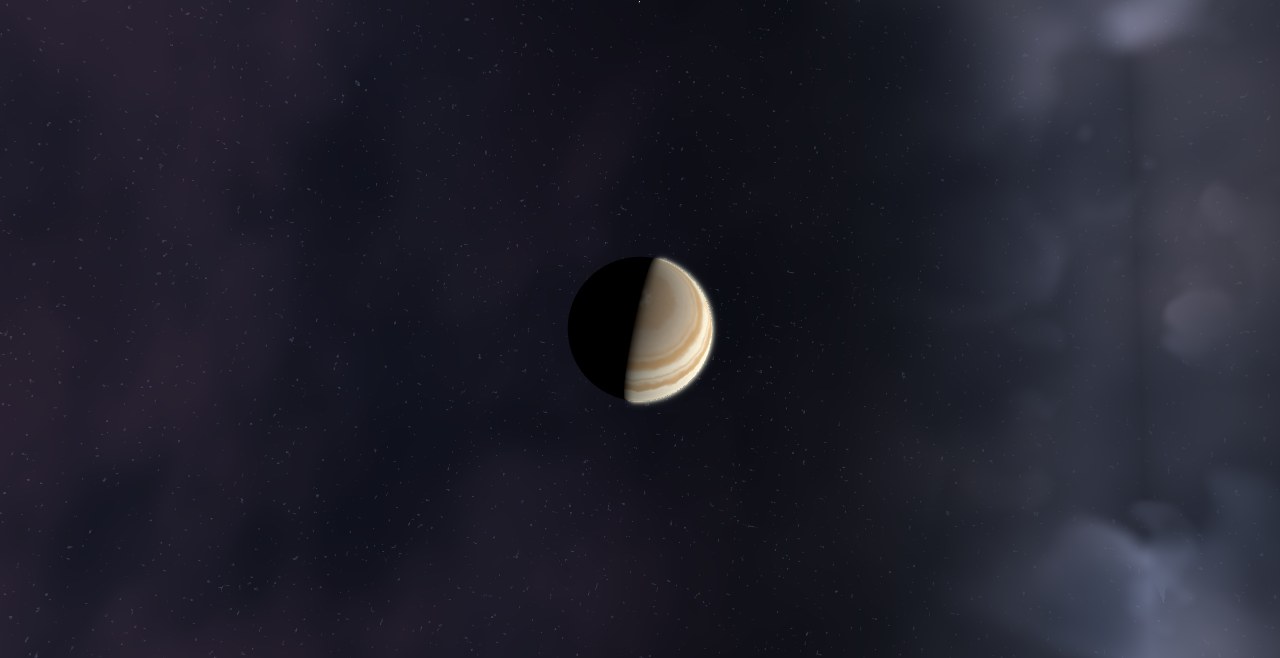
1RXS J160929.1-210524, an orange K-type dwarf of 0.85 solar masses, and 1RXS J160929.1-210524 b, a 8.00-Jupiter-mass companion, at 330 AU from its star, and an equilibrium temperature near 1,700 K.
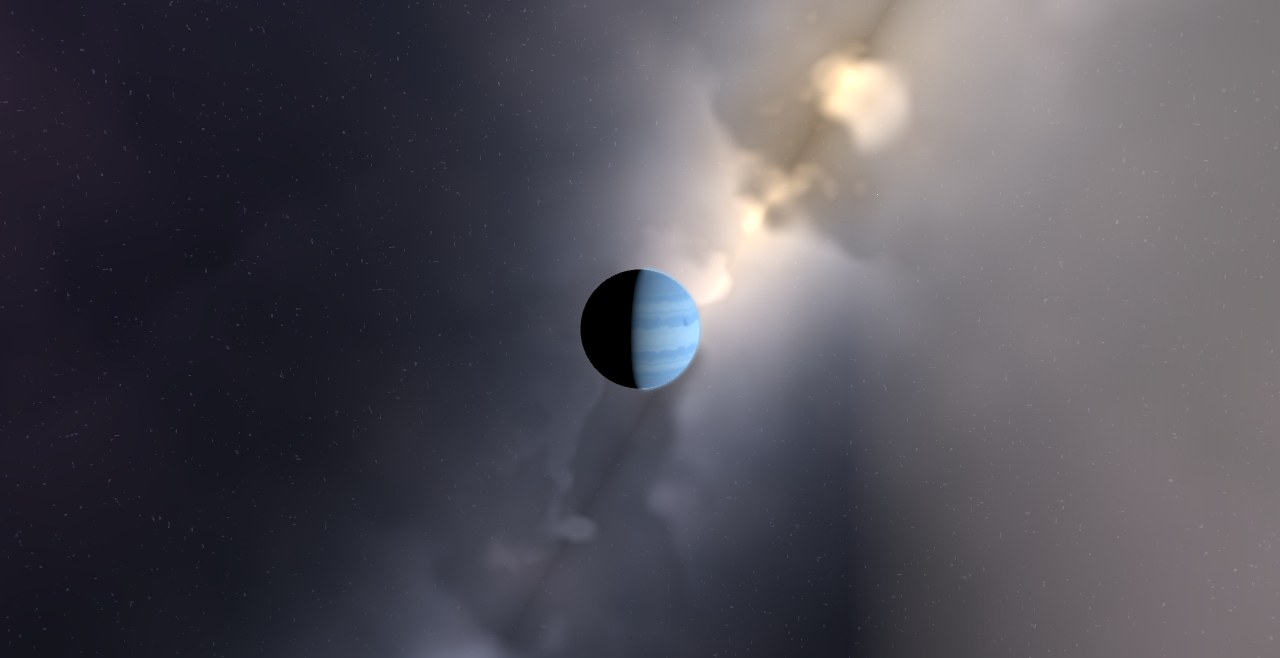
24 Boo, a Sun-like G-type star of 1.05 solar masses, and 24 Boo b, a 0.88-Jupiter-mass companion, with an orbital period of 30.3 days, at 0.194 AU from its star.
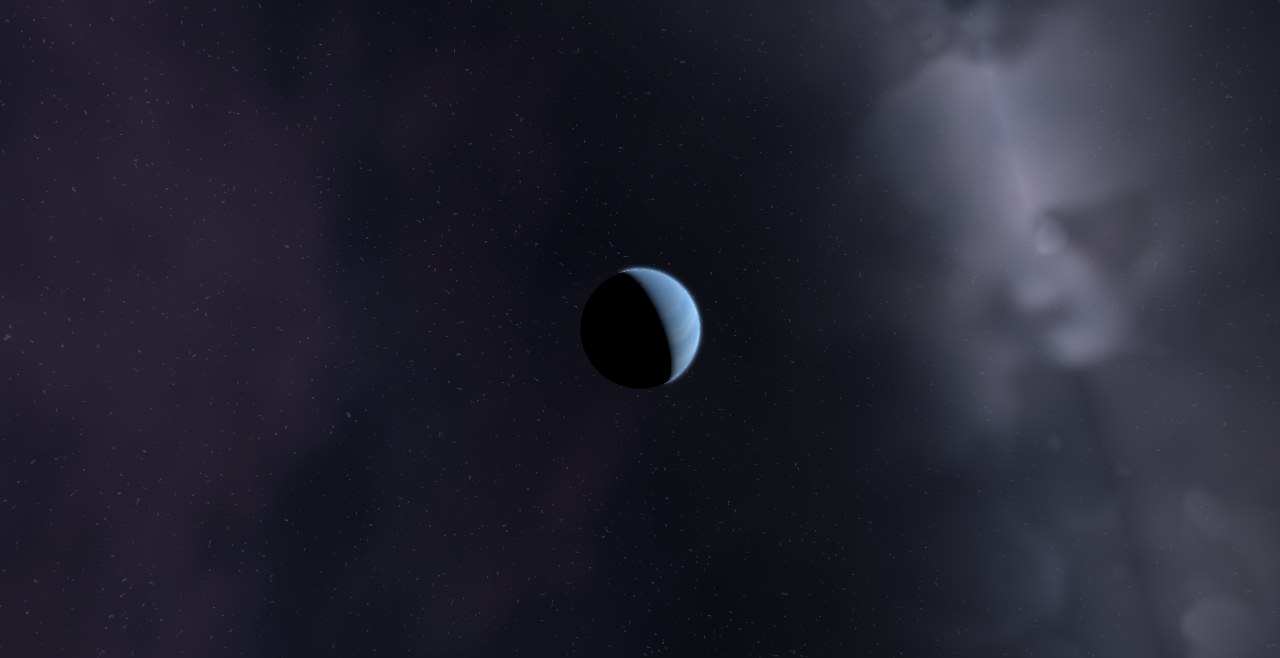
24 Sex, an orange K-type dwarf of 1.54 solar masses, and 24 Sex b, a 1.99-Jupiter-mass companion, with an orbital period of 1.24 years, at 1.333 AU from its star, on an eccentric orbit (e ≈ 0.09).
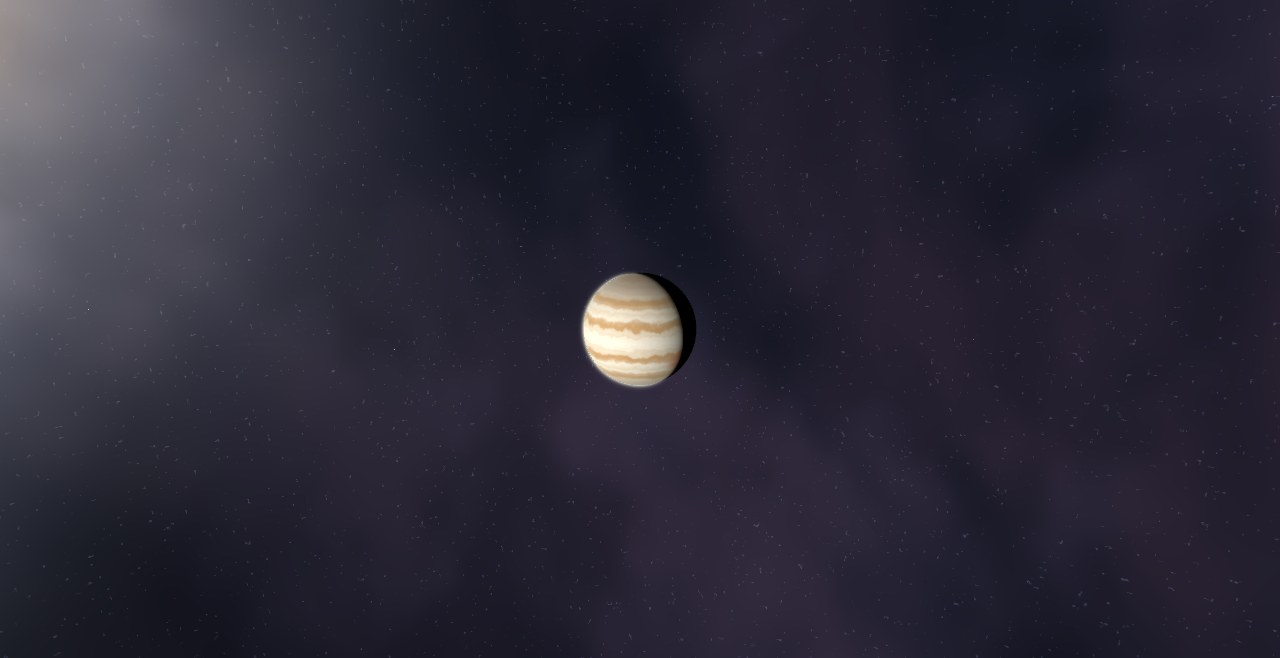
2MASS J01033563-5515561 A, a cool M-dwarf of 0.19 solar masses, and 2MASS J01033563-5515561 AB b, a 13.0-Jupiter-mass companion, at 84.0 AU from its star.