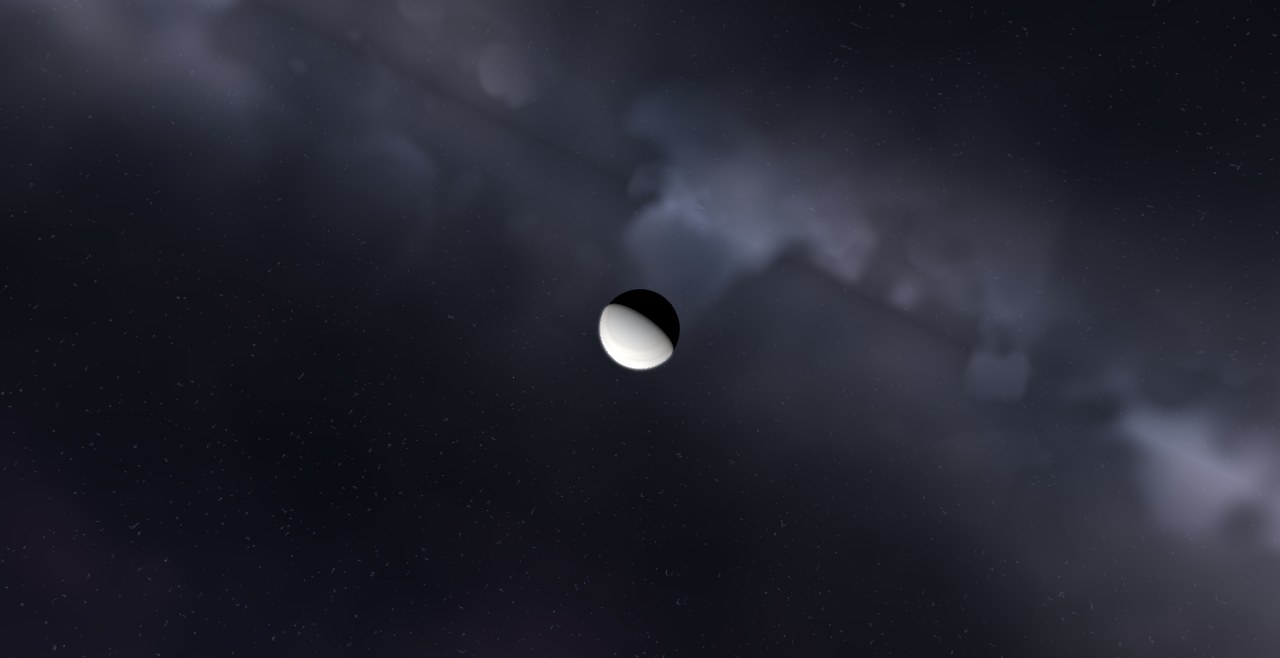
HD 181720 - System
HD 181720, a Sun-like G-type star of 1.03 solar masses, and HD 181720 b, a 0.40-Jupiter-mass companion, with an orbital period of 2.62 years, at 1.850 AU from its star, on an eccentric orbit (e ≈ 0.26).
Scenarios
Discover alien solar systems and explore worlds far beyond our own. Simulate extreme orbital environments, habitable zones, and tightly packed resonant chains discovered by modern astronomy, all mapped accurately from real exoplanetary discovery data.
Share
HD 181720, a Sun-like G-type star of 1.03 solar masses, and HD 181720 b, a 0.40-Jupiter-mass companion, with an orbital period of 2.62 years, at 1.850 AU from its star, on an eccentric orbit (e ≈ 0.26).
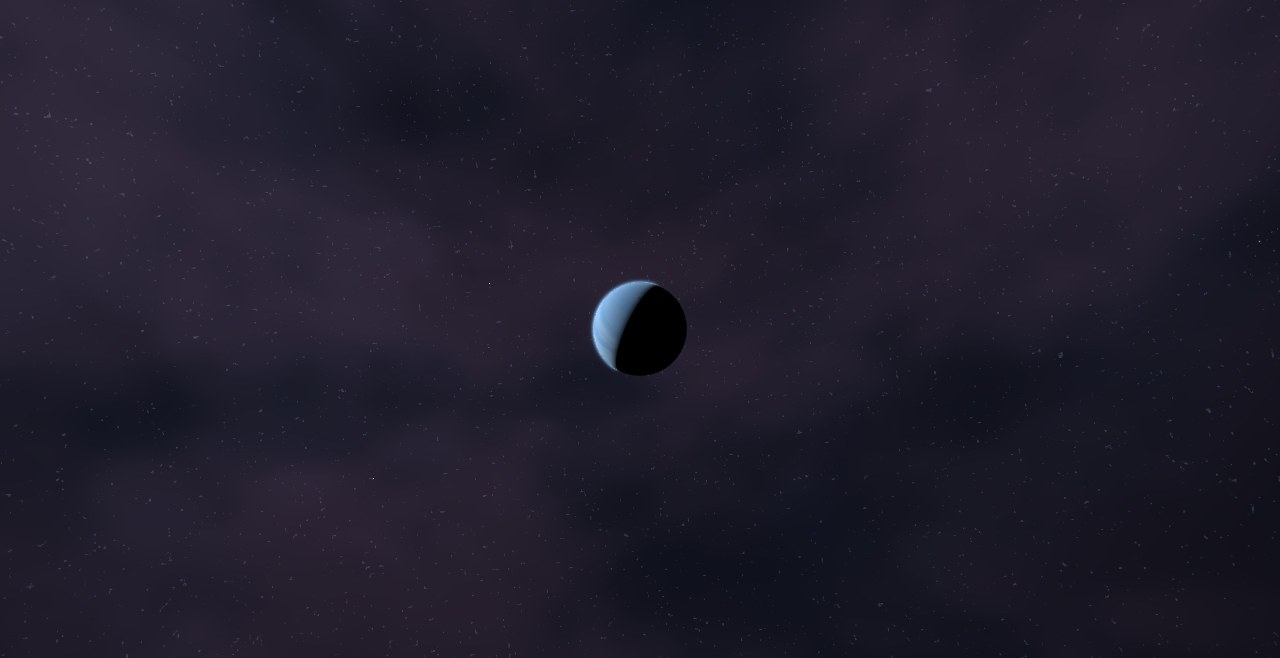
HD 183263, a Sun-like G-type star of 1.06 solar masses, and HD 183263 b, a 3.47-Jupiter-mass companion, with an orbital period of 1.71 years, at 1.460 AU from its star, on an eccentric orbit (e ≈ 0.38).
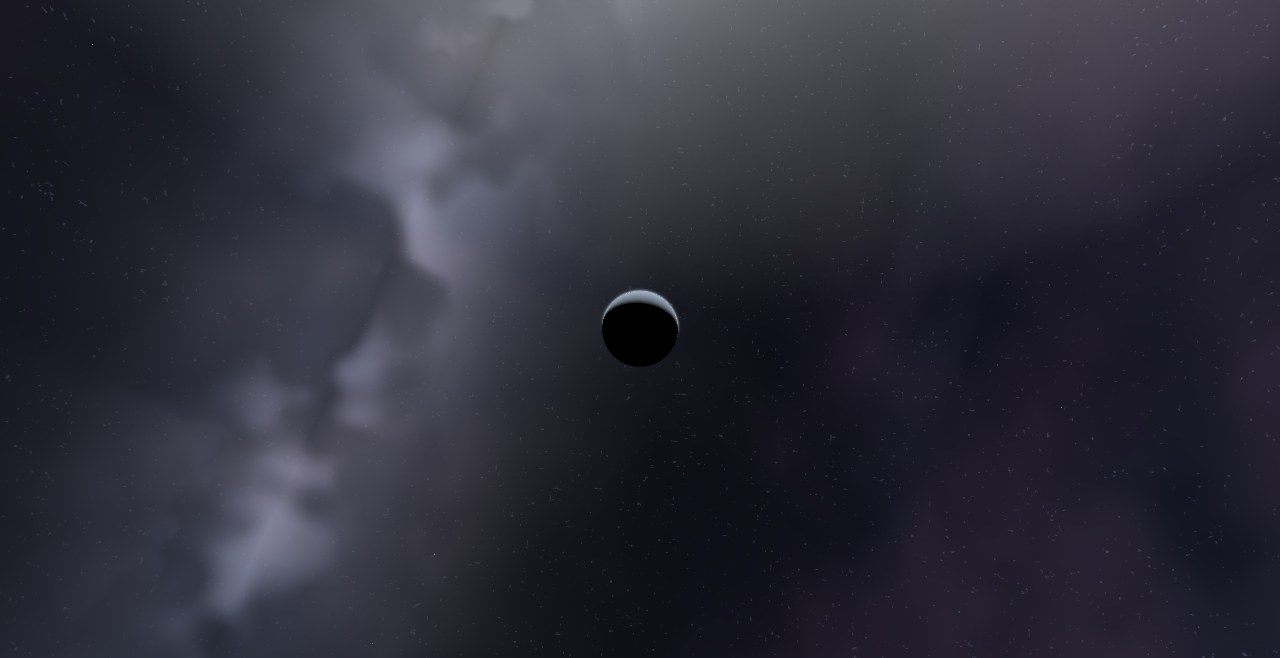
HD 183579, a Sun-like G-type star of 1.00 solar masses, and HD 183579 b, a 0.06-Jupiter-mass companion, with an orbital period of 17.5 days, at 0.132 AU from its star, and an equilibrium temperature near 752.
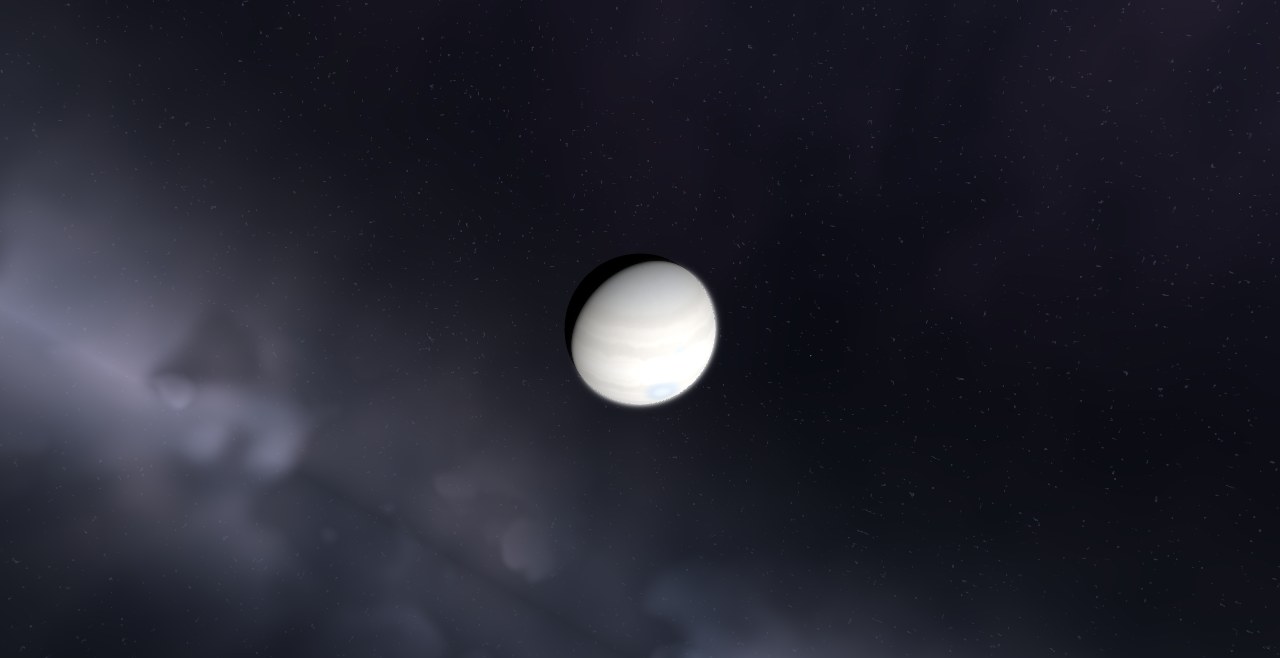
HD 184010, an orange K-type dwarf of 1.35 solar masses, and HD 184010 b, a 0.31-Jupiter-mass companion, with an orbital period of 287 days, at 0.940 AU from its star.
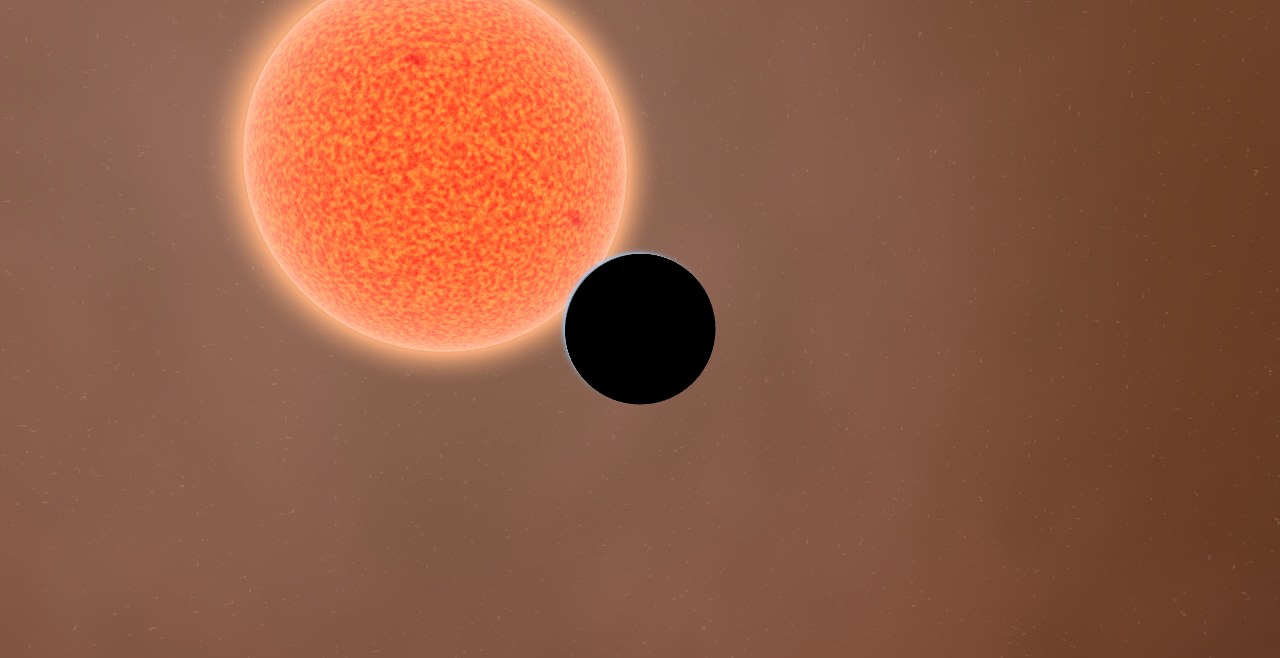
HD 18438, a cool M-dwarf of 1.84 solar masses, and HD 18438 b, a 21.0-Jupiter-mass companion, with an orbital period of 2.20 years, at 2.100 AU from its star, on an eccentric orbit (e ≈ 0.10).
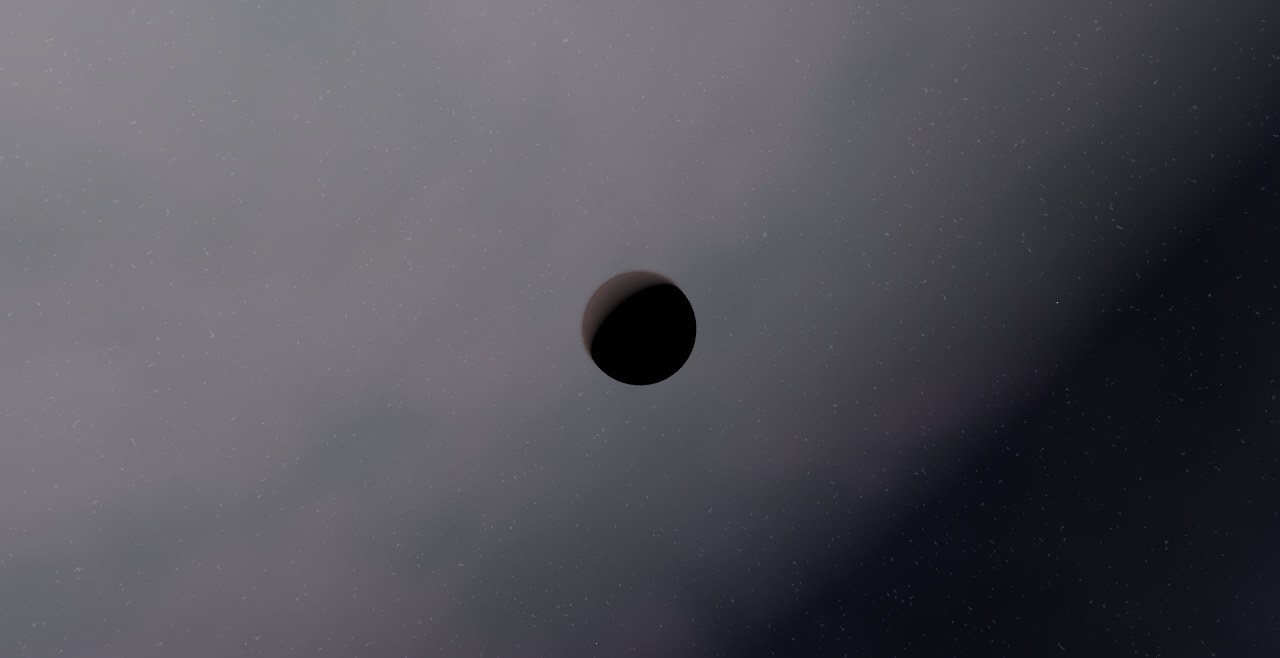
HD 185269, a Sun-like G-type star of 1.30 solar masses, and HD 185269 b, a 1.01-Jupiter-mass companion, with an orbital period of 6.8 days, at 0.077 AU from its star, on an eccentric orbit (e ≈ 0.23).
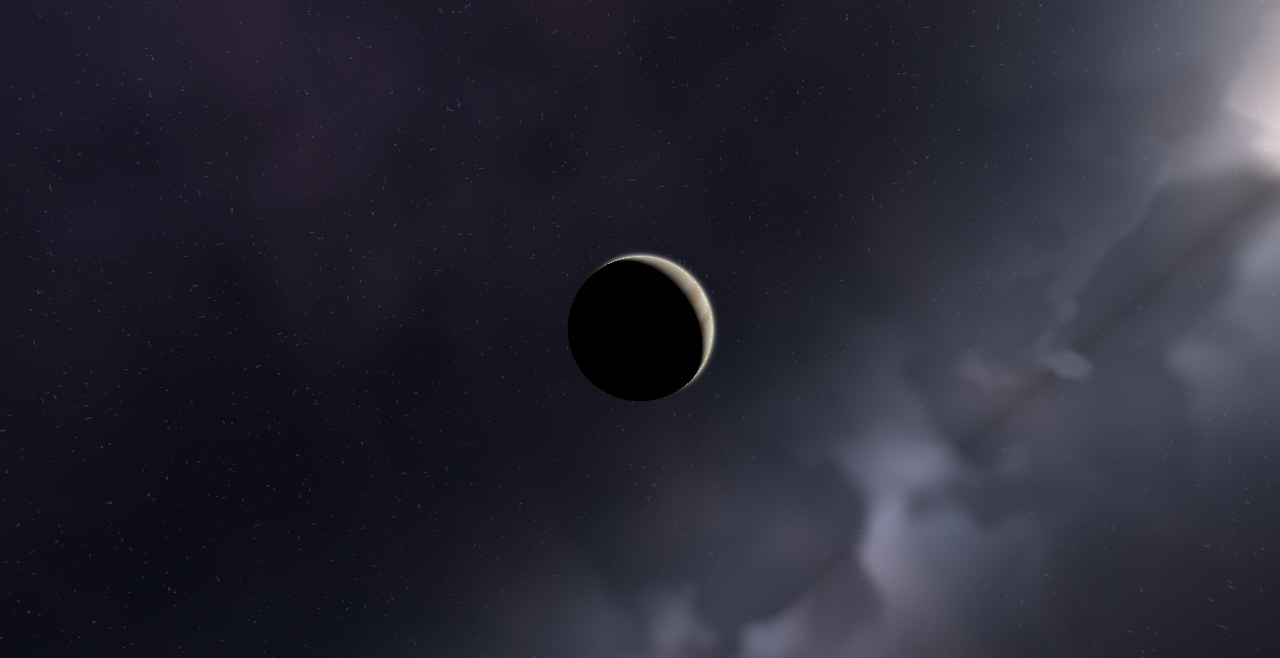
HD 185283, an orange K-type dwarf of 0.80 solar masses, and HD 185283 b, a 1.30-Jupiter-mass companion, with an orbital period of 11.1 years, at 4.600 AU from its star, on an eccentric orbit (e ≈ 0.07).
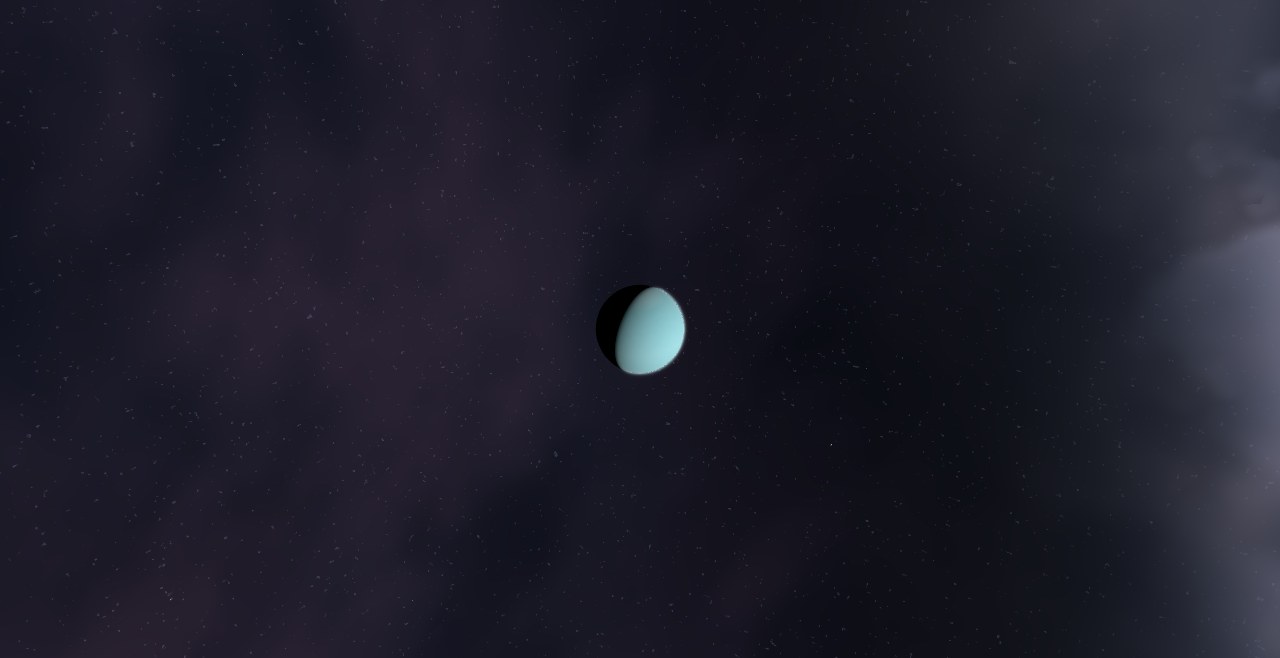
HD 18599, an orange K-type dwarf of 0.86 solar masses, and HD 18599 b, a 0.08-Jupiter-mass companion, with an orbital period of 4.1 days, at 0.048 AU from its star, on an eccentric orbit (e ≈ 0.34).
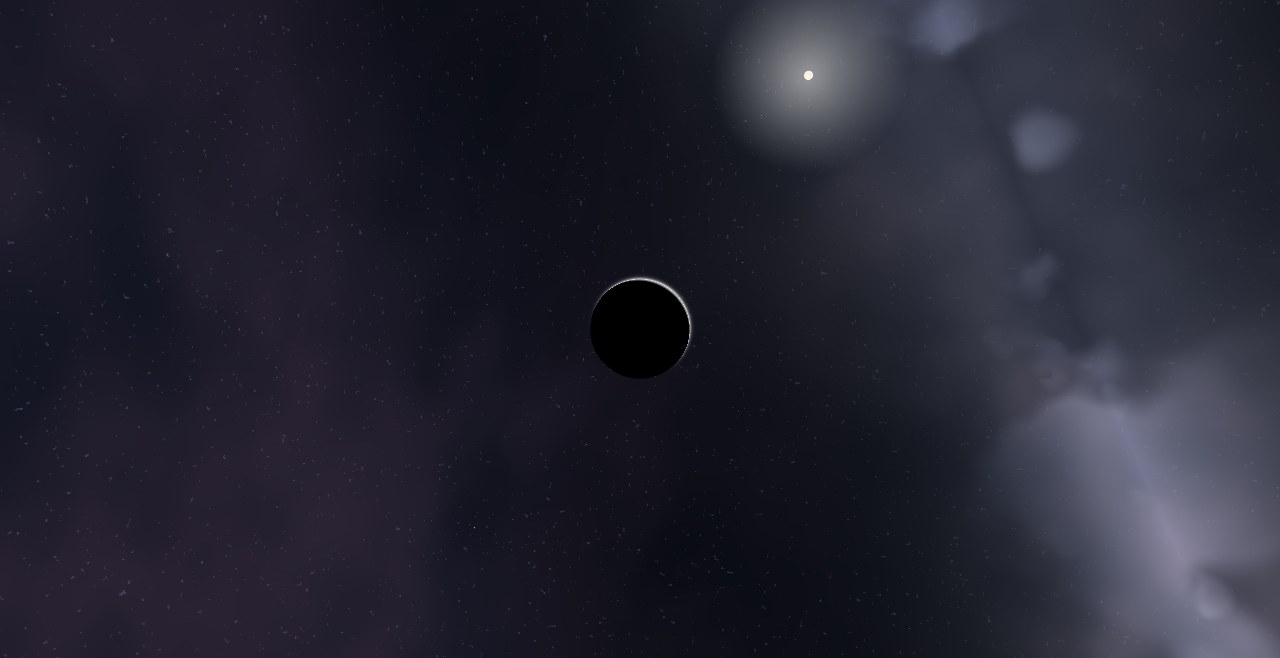
HD 187085, a Sun-like F-type star of 1.19 solar masses, and HD 187085 b, a 0.84-Jupiter-mass companion, with an orbital period of 2.79 years, at 2.100 AU from its star, on an eccentric orbit (e ≈ 0.25).
HD 187123, a Sun-like G-type star of 1.04 solar masses, and HD 187123 b, a 0.52-Jupiter-mass companion, with an orbital period of 3.1 days, at 0.043 AU from its star.
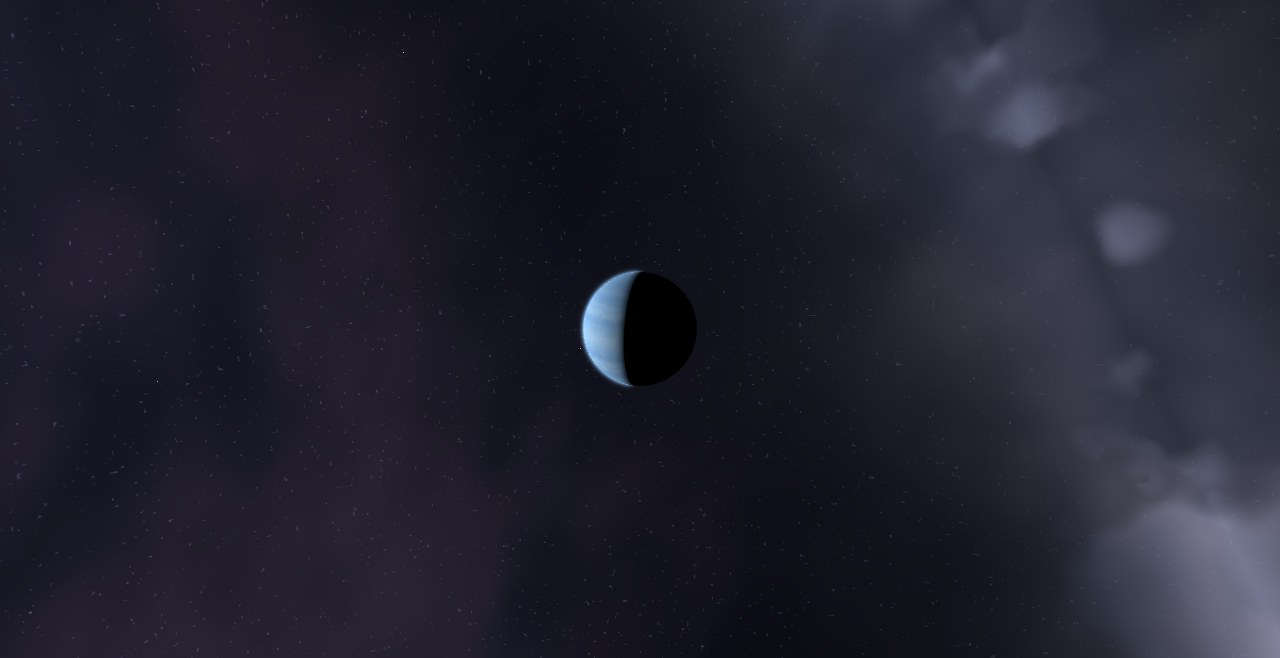
HD 18742, an orange K-type dwarf of 1.36 solar masses, and HD 18742 b, a 3.40-Jupiter-mass companion, with an orbital period of 2.10 years, at 1.820 AU from its star.
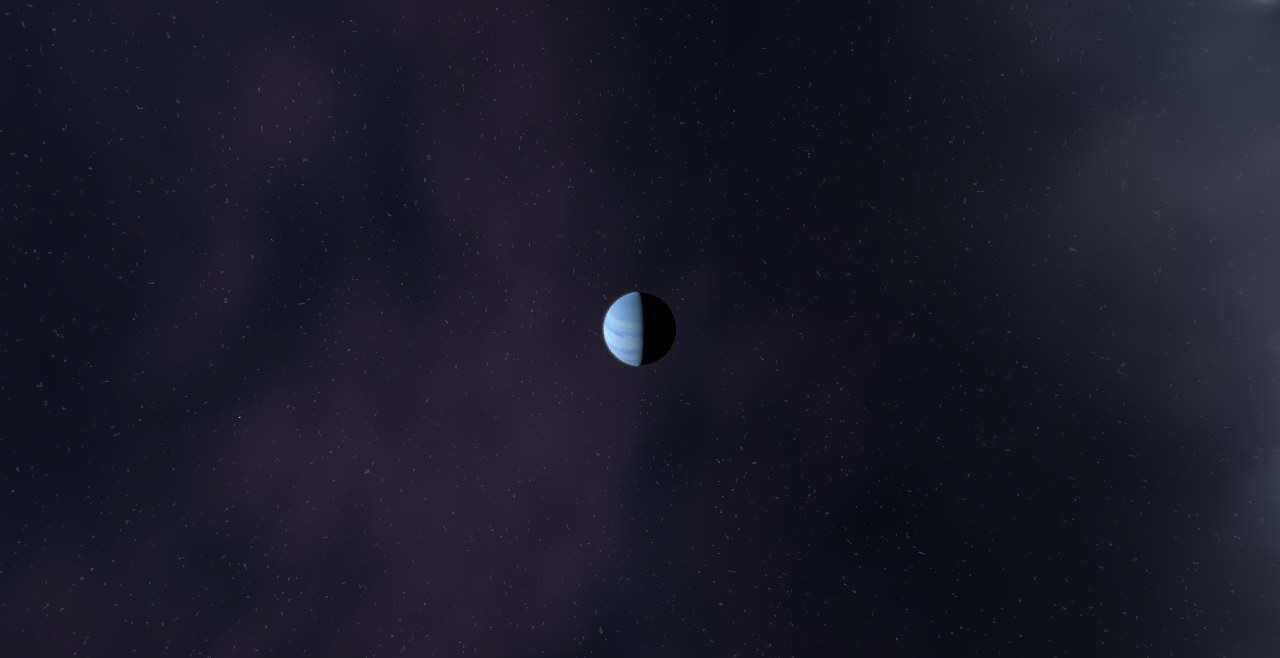
HD 188015, a Sun-like G-type star of 1.09 solar masses, and HD 188015 b, a 1.50-Jupiter-mass companion, with an orbital period of 1.26 years, at 1.203 AU from its star, on an eccentric orbit (e ≈ 0.14).
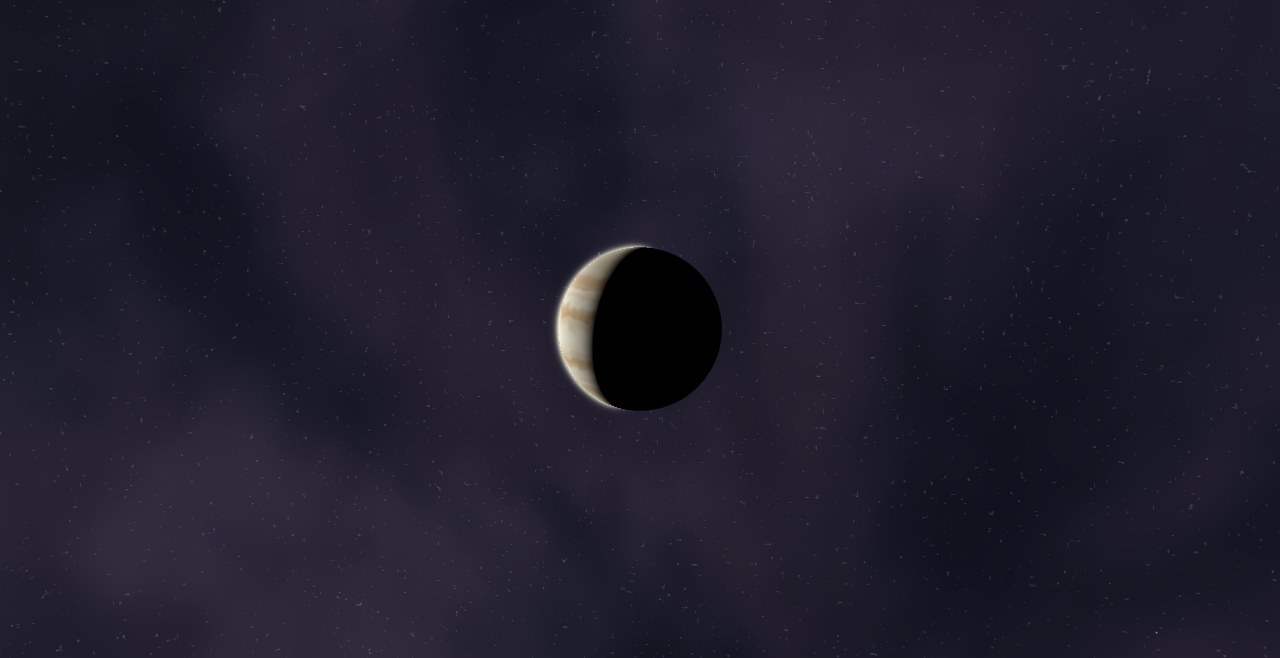
HD 188641, a Sun-like G-type star of 1.07 solar masses, and HD 188641 b, a 29.4-Jupiter-mass companion, with an orbital period of 39.9 years, at 12.0 AU from its star.
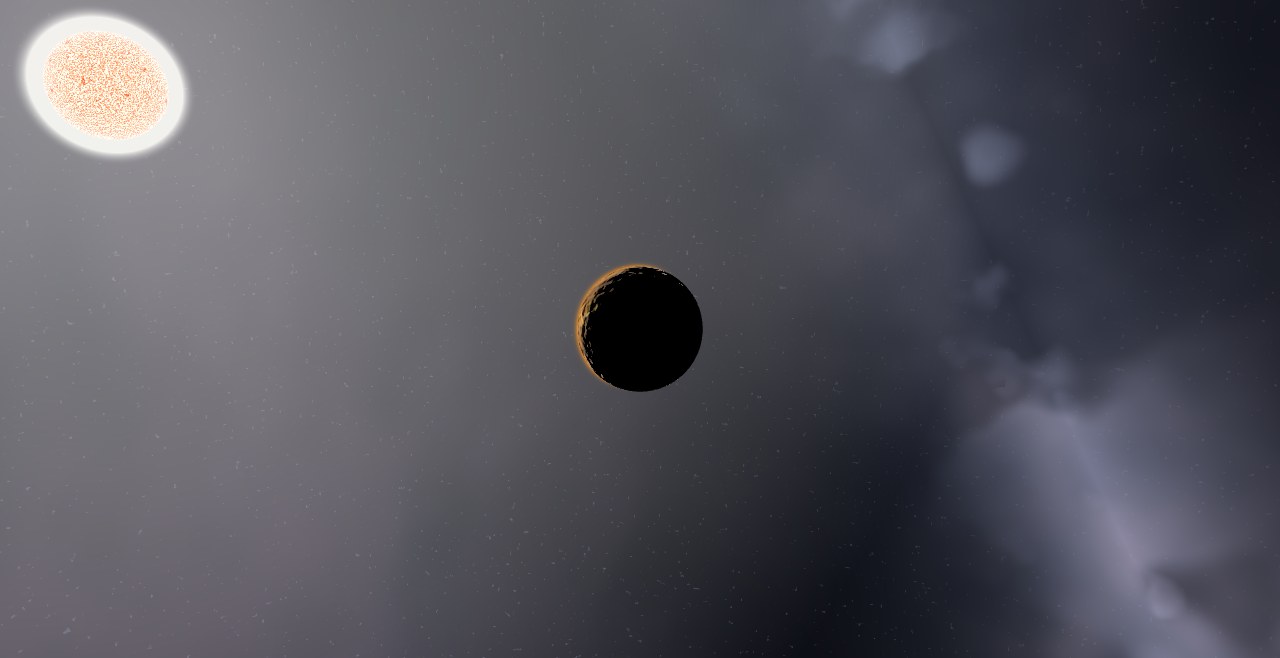
HD 189567, a Sun-like G-type star of 0.83 solar masses, and HD 189567 b, a 8.5-Earth-mass planet, with an orbital period of 14.3 days, at 0.111 AU from its star, on an eccentric orbit (e ≈ 0.19).
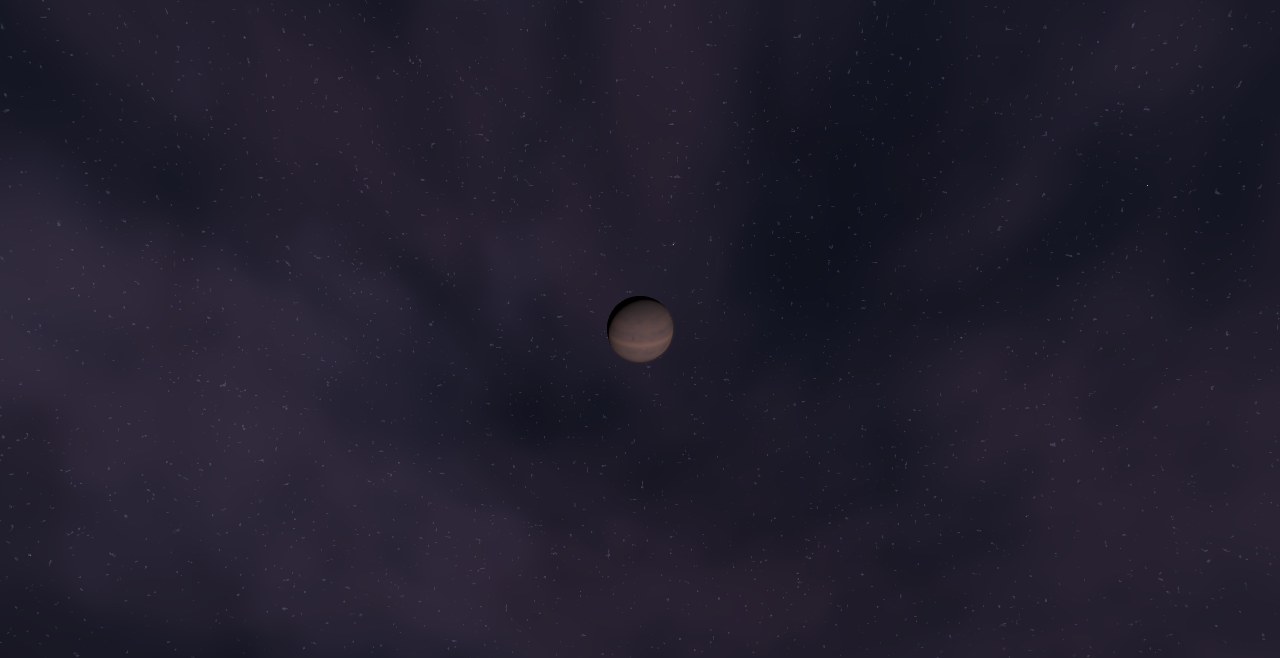
HD 189733 b, the first exoplanet to have a weather map. This deep-blue hot Jupiter has a measured day-night contrast and ferocious winds. Sodium, water, and high-speed winds have been measured.
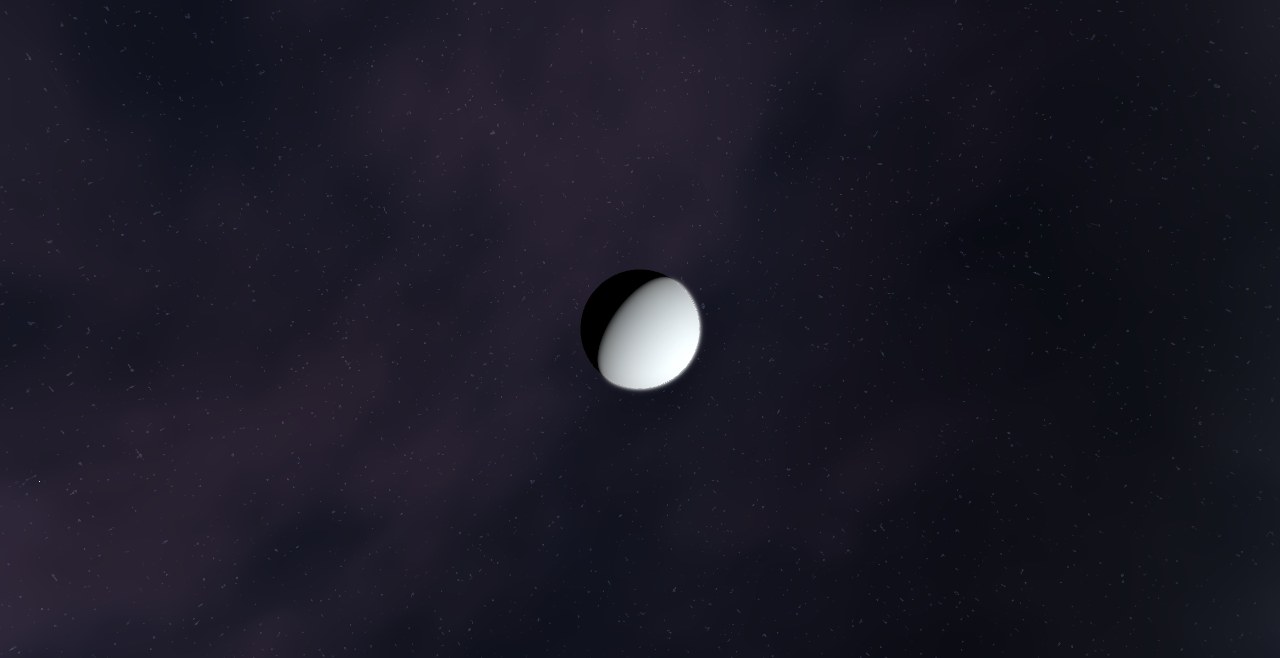
HD 190007, an orange K-type dwarf of 0.77 solar masses, and HD 190007 b, a 15.5-Earth-mass planet, with an orbital period of 11.7 days, on an eccentric orbit (e ≈ 0.14).
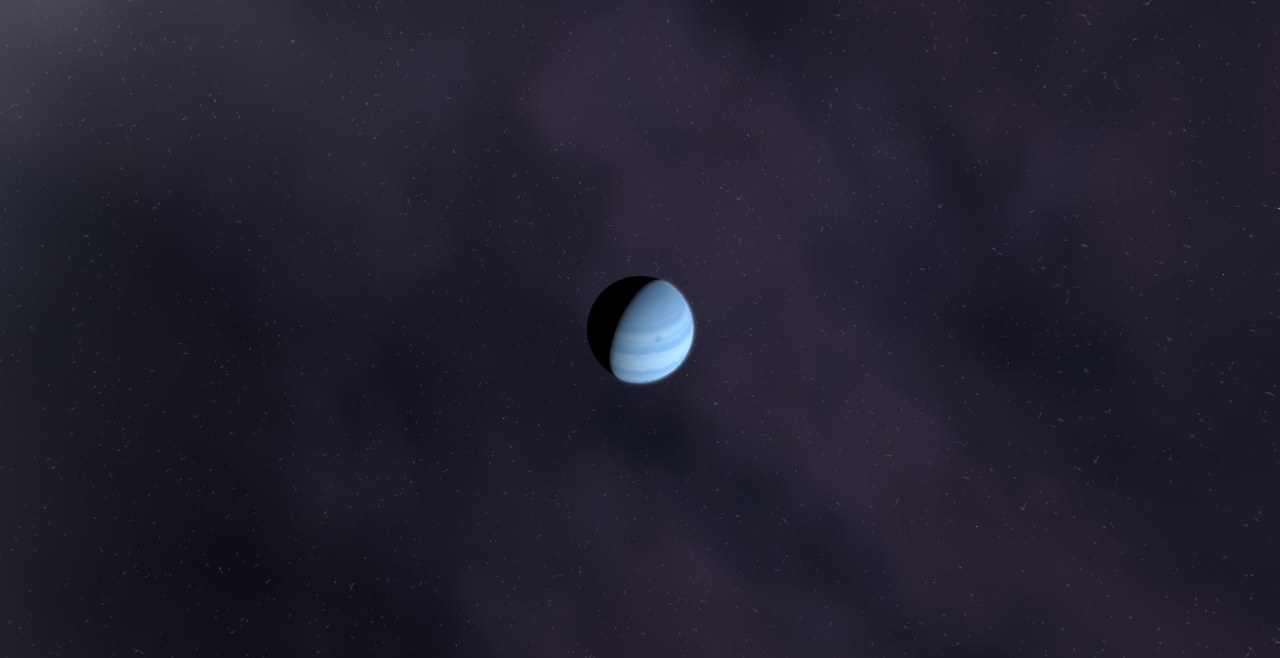
HD 190228, a Sun-like G-type star of 1.42 solar masses, and HD 190228 b, a 5.03-Jupiter-mass companion, with an orbital period of 3.13 years, at 2.406 AU from its star, on an eccentric orbit (e ≈ 0.56).
HD 190360, a Sun-like G-type star of 1.00 solar masses, and HD 190360 c, a 0.08-Jupiter-mass companion, with an orbital period of 17.1 days, at 0.130 AU from its star, on an eccentric orbit (e ≈ 0.16).