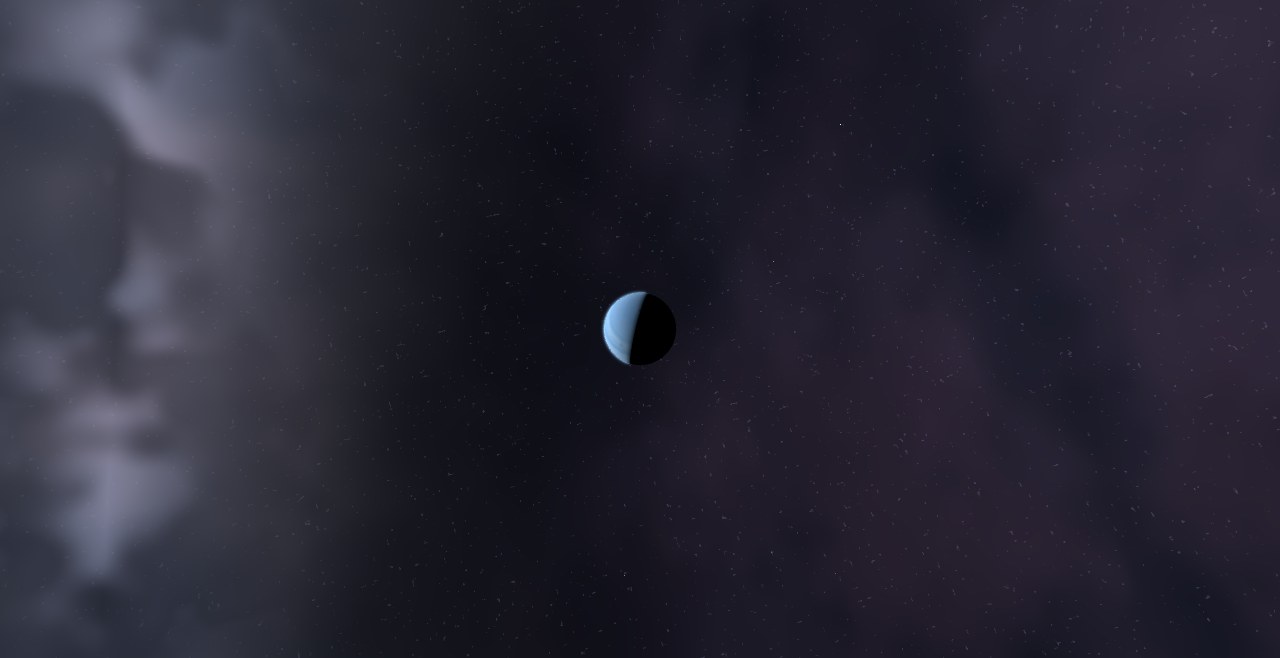
HD 175167 - System
HD 175167, a Sun-like G-type star of 1.09 solar masses, and HD 175167 b, a 14.8-Jupiter-mass companion, with an orbital period of 3.22 years, on an eccentric orbit (e ≈ 0.51).
Scenarios
Discover alien solar systems and explore worlds far beyond our own. Simulate extreme orbital environments, habitable zones, and tightly packed resonant chains discovered by modern astronomy, all mapped accurately from real exoplanetary discovery data.
Share
HD 175167, a Sun-like G-type star of 1.09 solar masses, and HD 175167 b, a 14.8-Jupiter-mass companion, with an orbital period of 3.22 years, on an eccentric orbit (e ≈ 0.51).
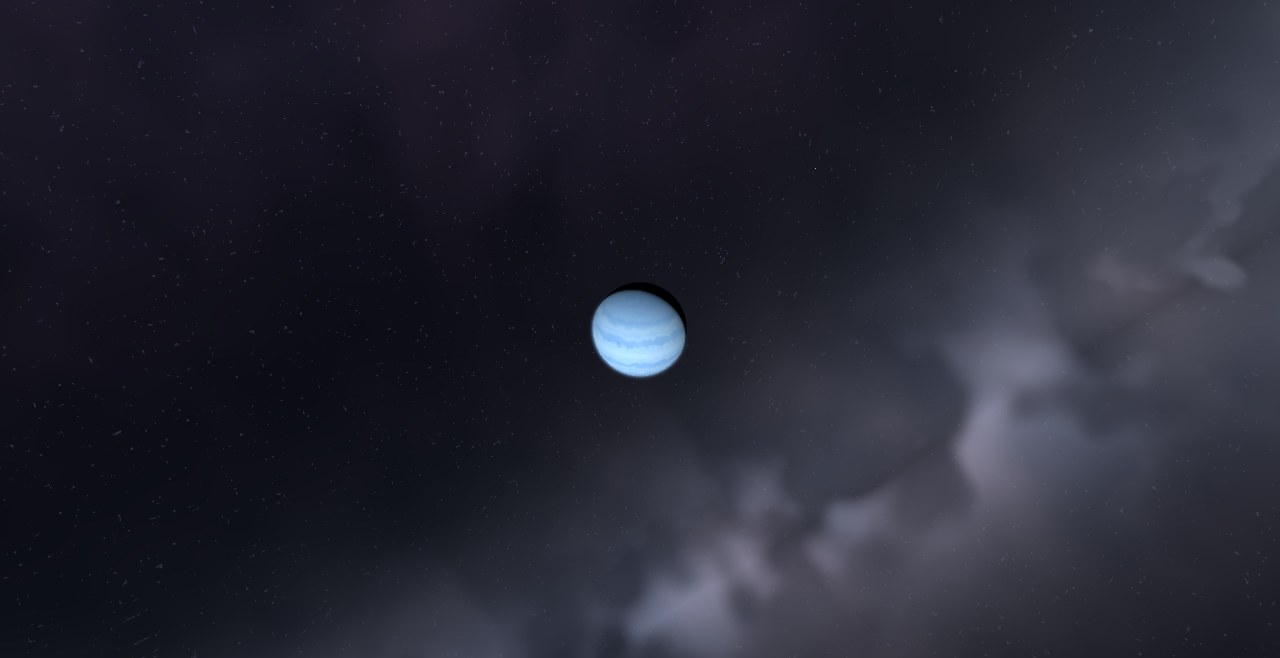
HD 175541, an orange K-type dwarf of 1.39 solar masses, and HD 175541 b, a 0.60-Jupiter-mass companion, with an orbital period of 298 days, at 0.975 AU from its star, on an eccentric orbit (e ≈ 0.11).
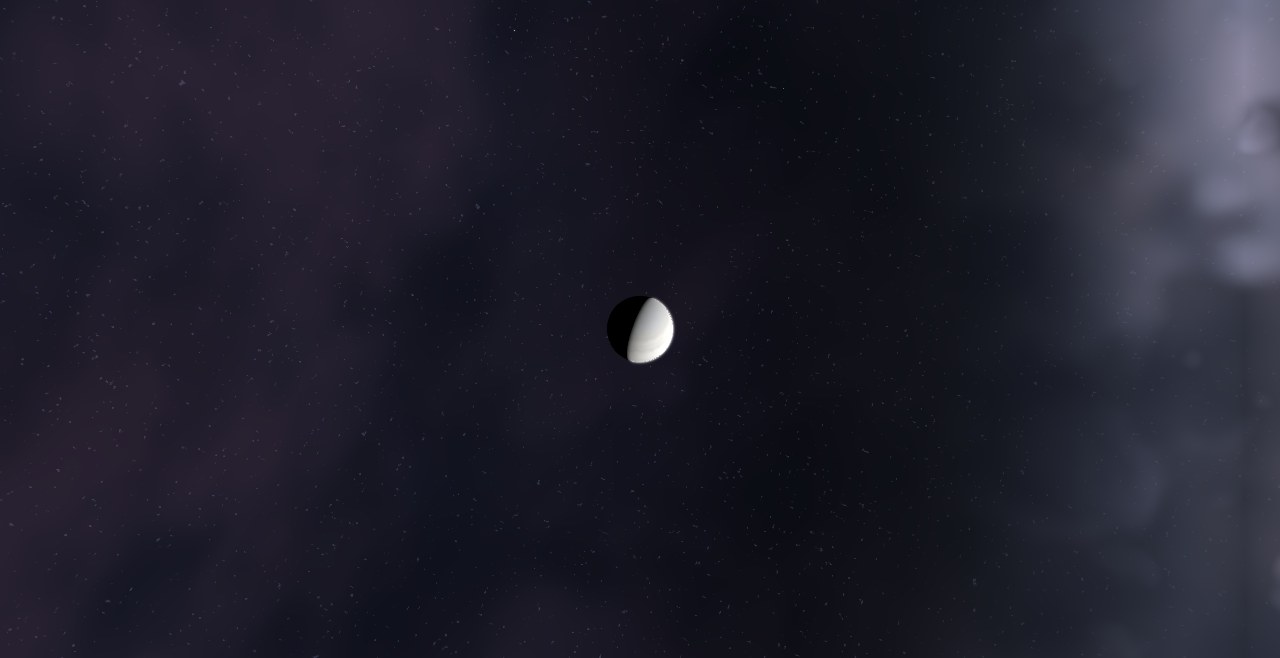
HD 17674, a Sun-like G-type star of 0.98 solar masses, and HD 17674 b, a 0.87-Jupiter-mass companion, with an orbital period of 1.71 years, at 1.420 AU from its star, on an eccentric orbit (e ≈ 0.13).
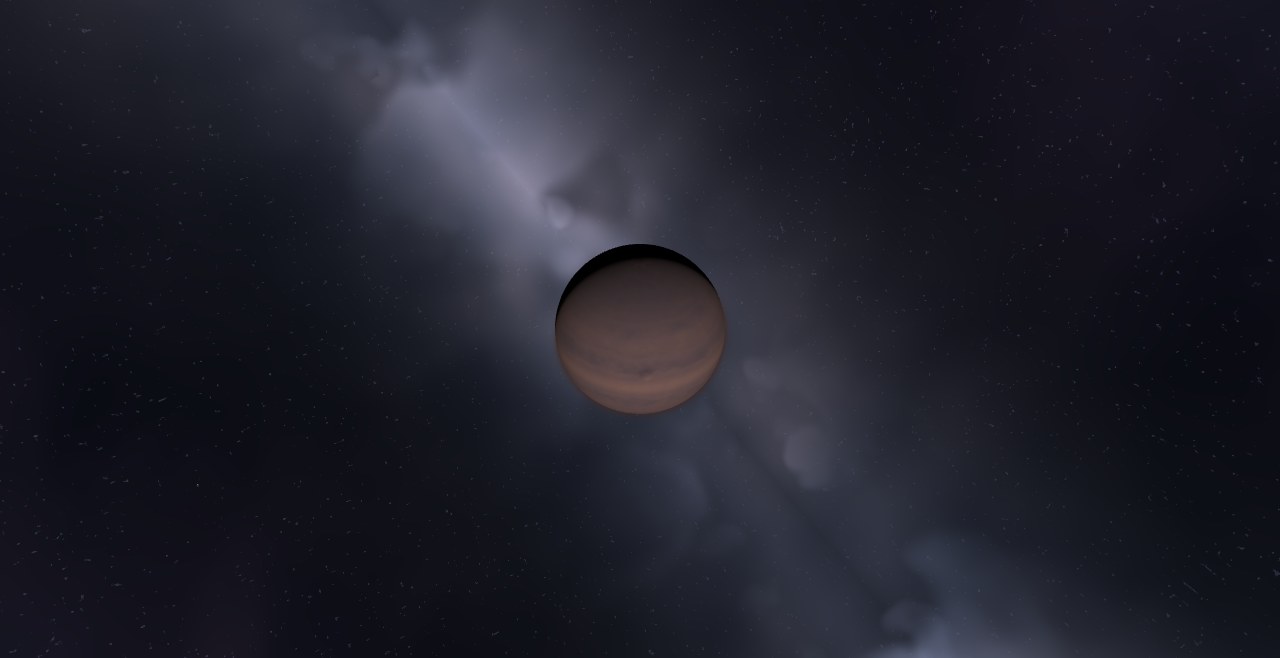
HD 176986, an orange K-type dwarf of 0.79 solar masses, and HD 176986 b, a 5.4-Earth-mass planet, with an orbital period of 6.5 days, at 0.063 AU from its star, and an equilibrium temperature near 767 K.
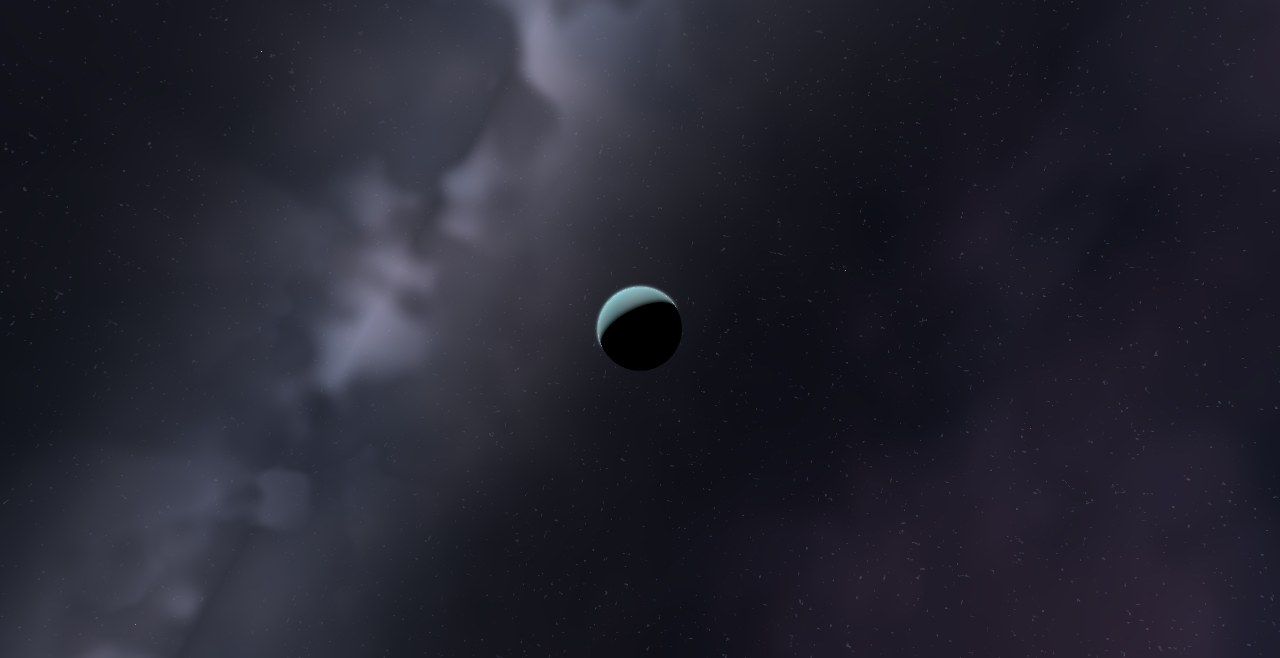
HD 177565, a Sun-like G-type star of 1.00 solar masses, and HD 177565 b, a 15.1-Earth-mass planet, with an orbital period of 44.5 days, at 0.246 AU from its star, on an eccentric orbit (e ≈ 0.06).
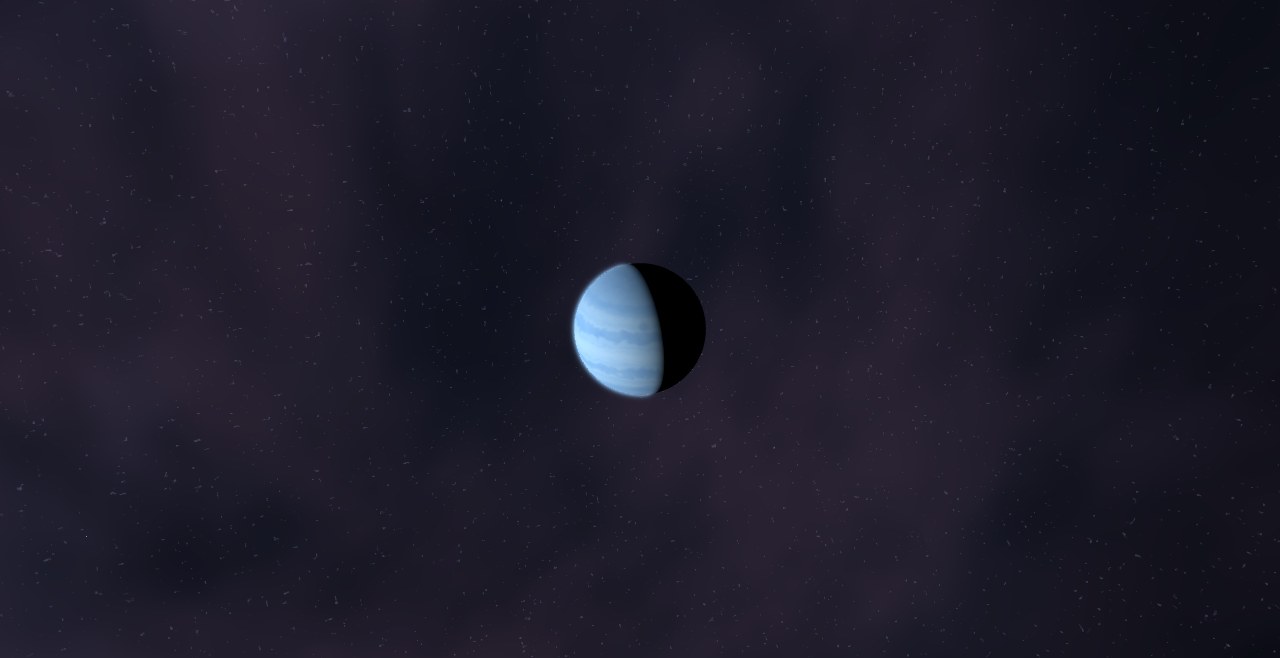
HD 177830, an orange K-type dwarf of 1.70 solar masses, and HD 177830 c, a 0.15-Jupiter-mass companion, with an orbital period of 111 days, at 0.514 AU from its star, on an eccentric orbit (e ≈ 0.30).
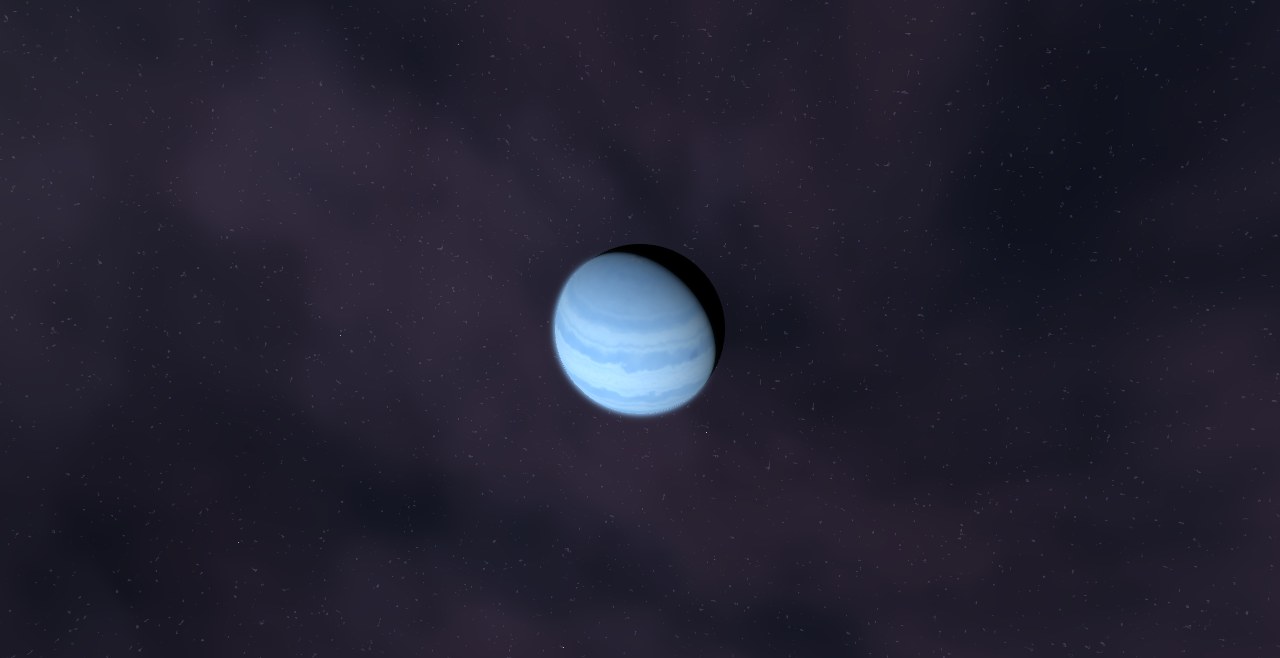
HD 178911 B, a Sun-like G-type star of 1.24 solar masses, and HD 178911 B b, a 8.03-Jupiter-mass companion, with an orbital period of 71.5 days, at 0.340 AU from its star, on an eccentric orbit (e ≈ 0.11).
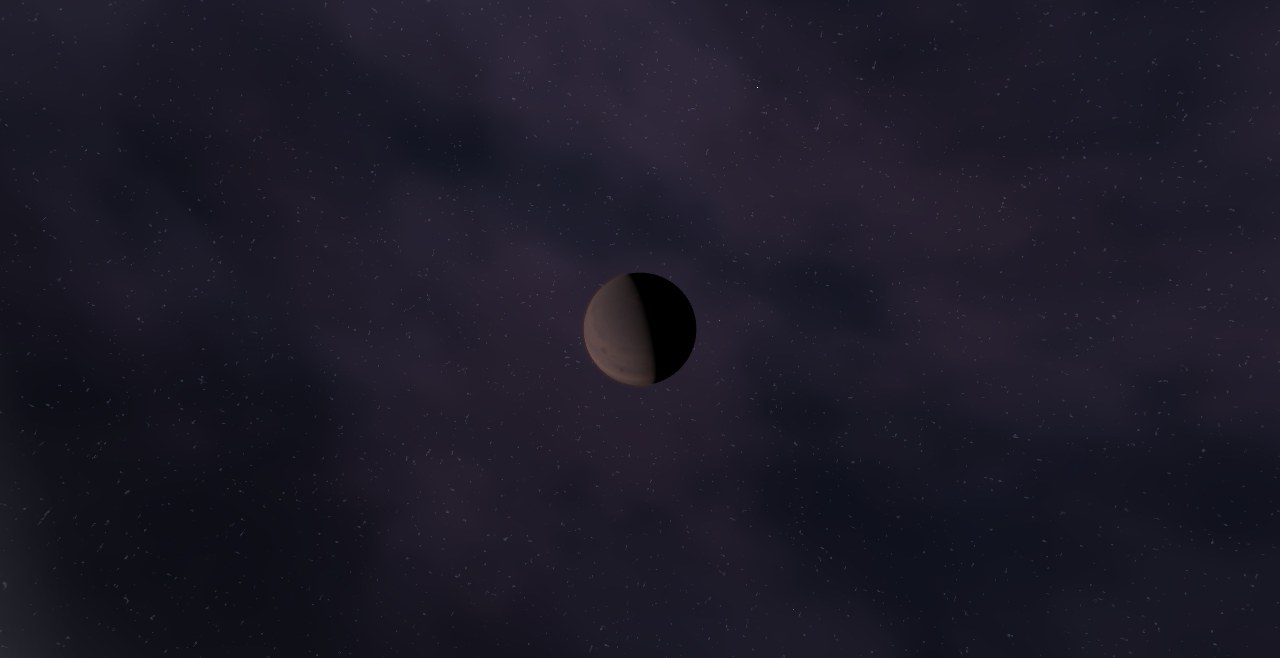
HD 179079, a Sun-like G-type star of 1.14 solar masses, and HD 179079 b, a 0.08-Jupiter-mass companion, with an orbital period of 14.5 days, at 0.121 AU from its star.
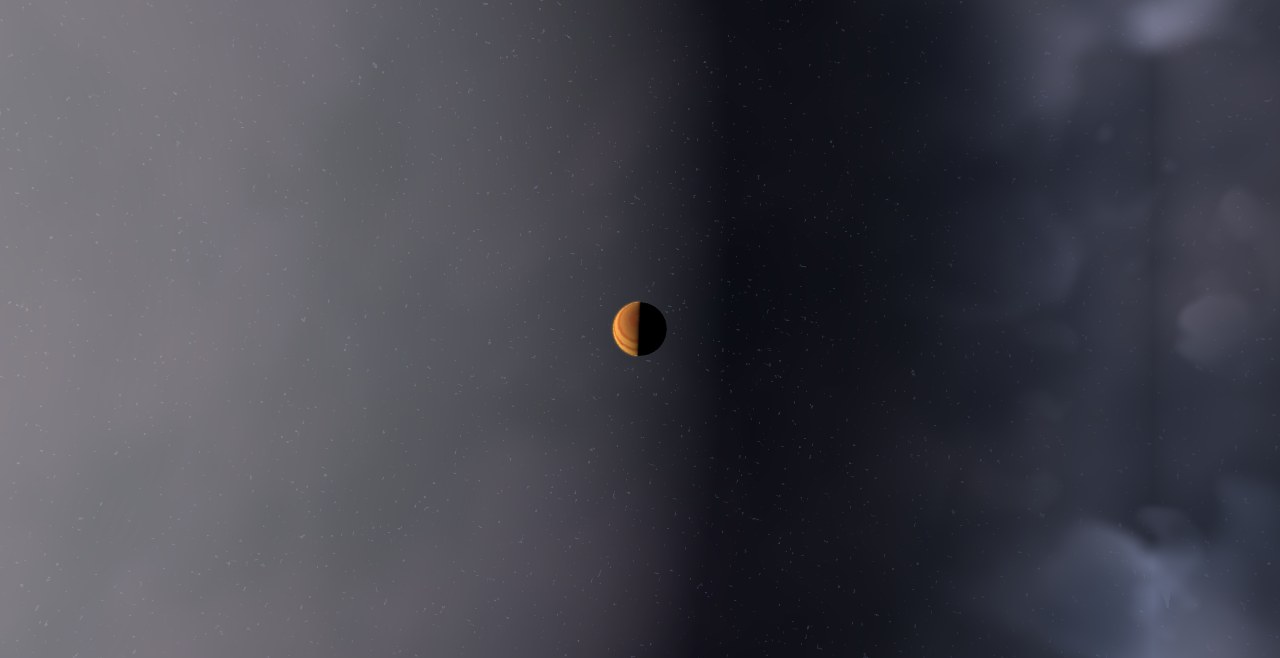
HD 179949, a Sun-like F-type star of 1.21 solar masses, and HD 179949 b, a 0.92-Jupiter-mass companion, with an orbital period of 3.1 days, at 0.044 AU from its star.
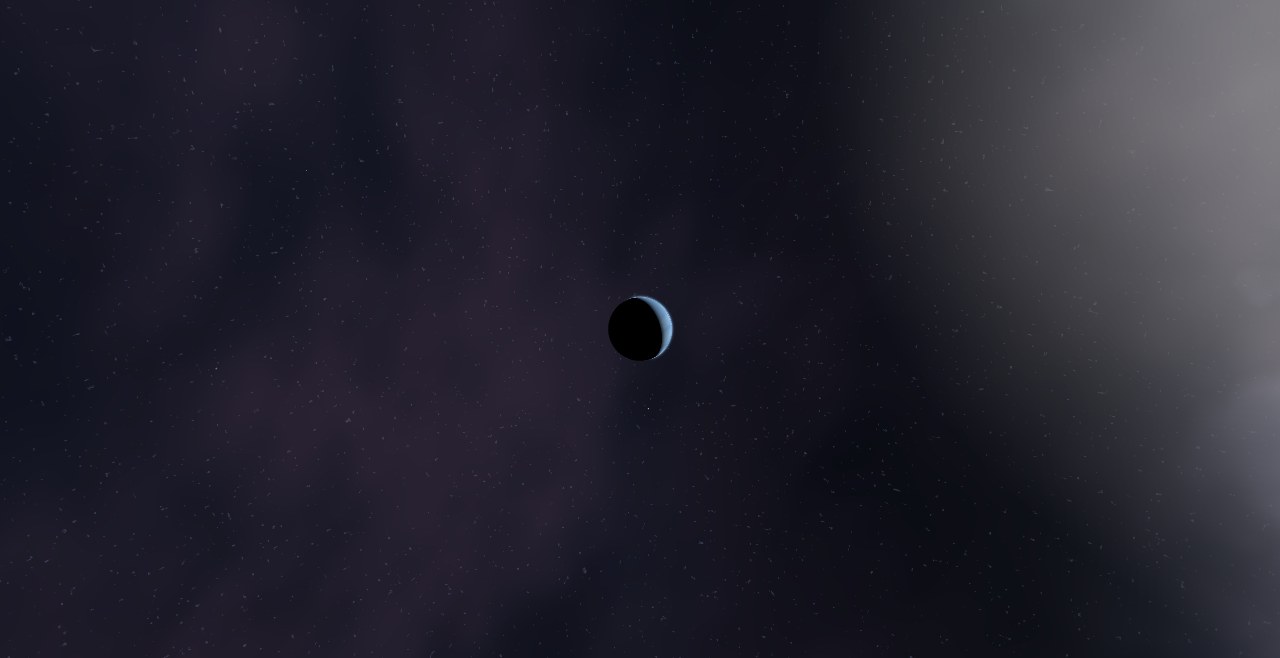
HD 180053, an orange K-type dwarf of 1.75 solar masses, and HD 180053 b, a 2.19-Jupiter-mass companion, with an orbital period of 214 days, at 0.843 AU from its star, on an eccentric orbit (e ≈ 0.08).
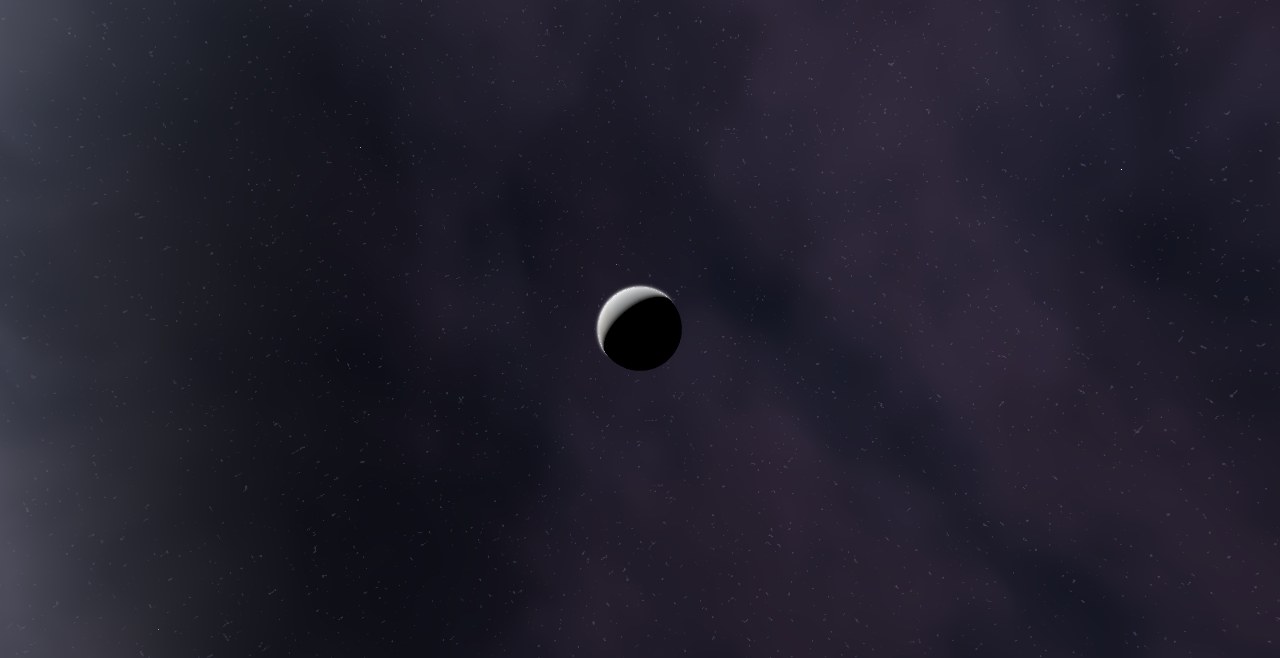
HD 18015, a Sun-like G-type star of 1.49 solar masses, and HD 18015 b, a 3.18-Jupiter-mass companion, with an orbital period of 6.24 years, at 3.870 AU from its star, on an eccentric orbit (e ≈ 0.15).
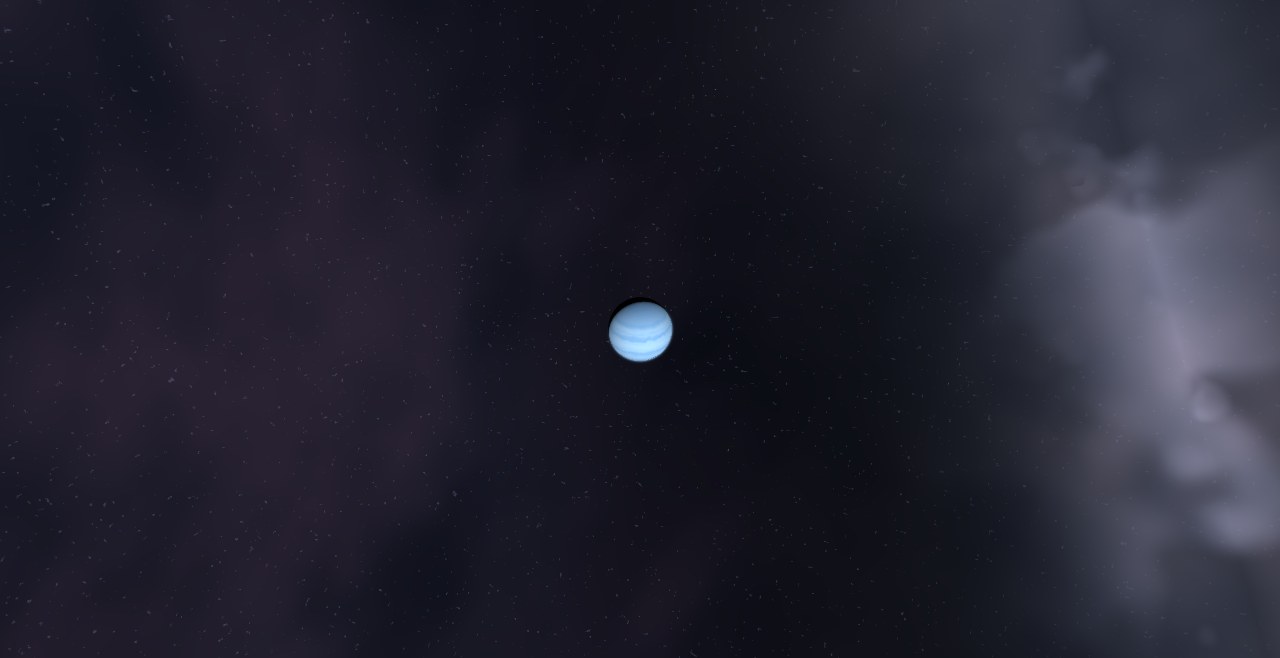
HD 180314, an orange K-type dwarf of 2.60 solar masses, and HD 180314 b, a 22.7-Jupiter-mass companion, with an orbital period of 1.08 years, at 1.448 AU from its star, on an eccentric orbit (e ≈ 0.25).
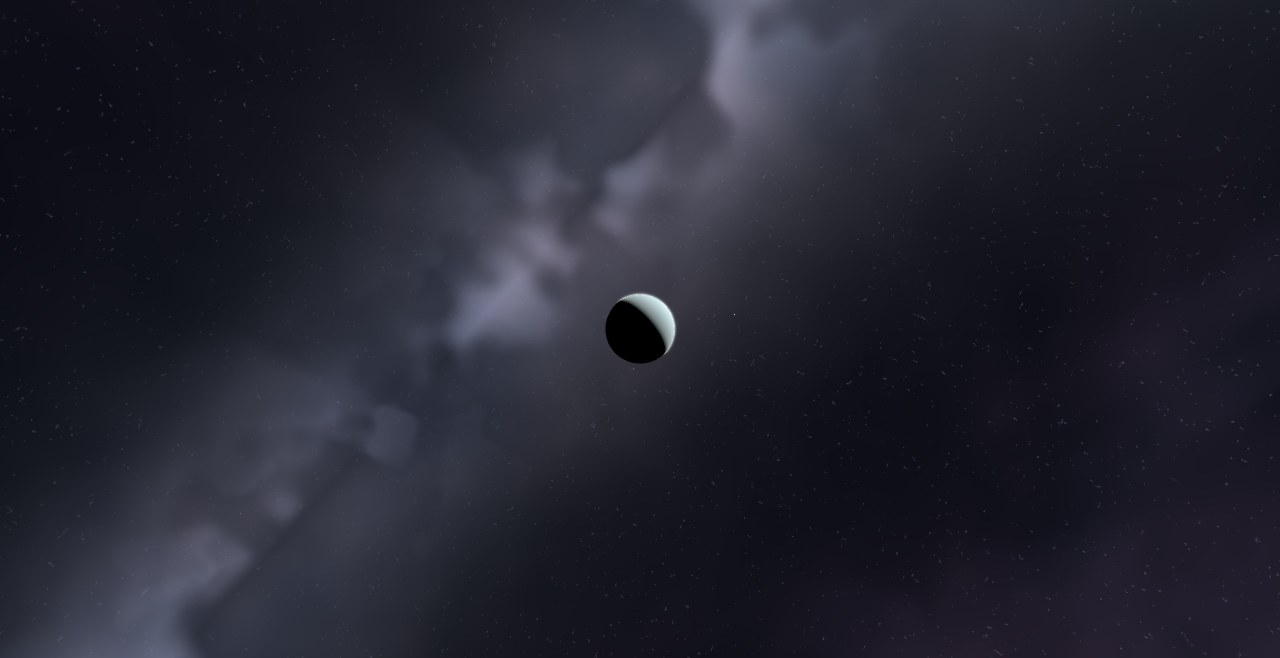
HD 180617, a cool M-dwarf of 0.48 solar masses, and HD 180617 b, a 12.2-Earth-mass planet, with an orbital period of 106 days, at 0.343 AU from its star, on an eccentric orbit (e ≈ 0.10).
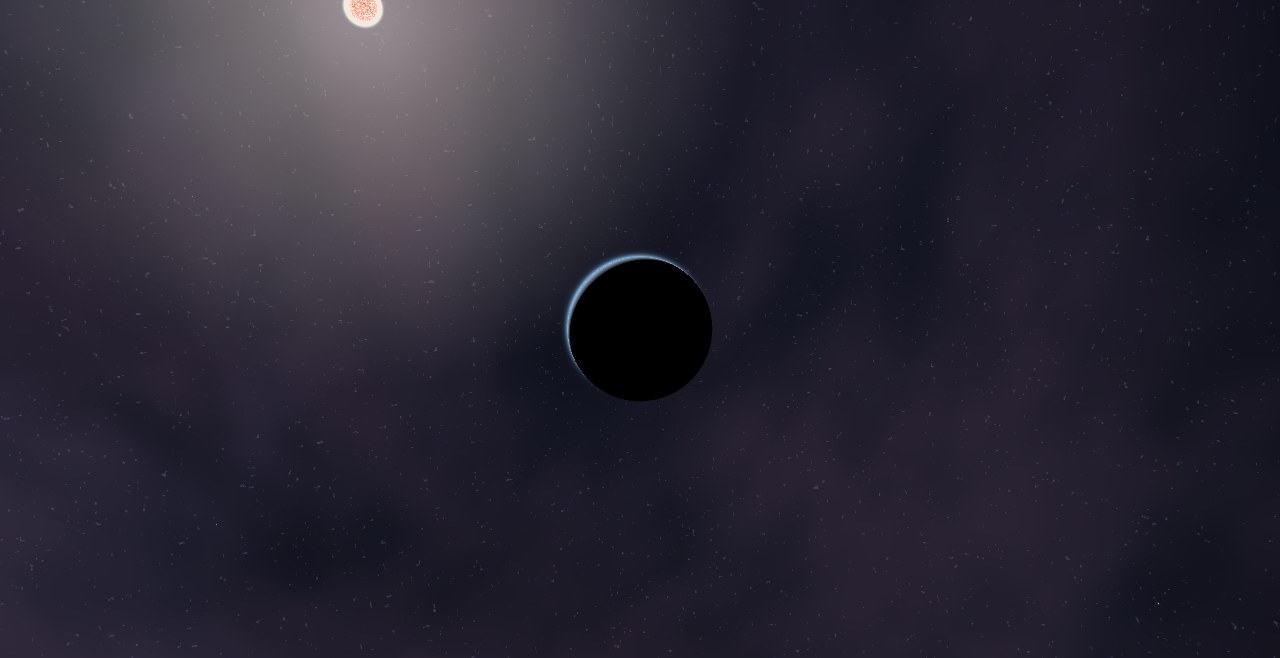
HD 180902, an orange K-type dwarf of 1.41 solar masses, and HD 180902 b, a 1.69-Jupiter-mass companion, with an orbital period of 1.40 years, at 1.400 AU from its star, on an eccentric orbit (e ≈ 0.11).
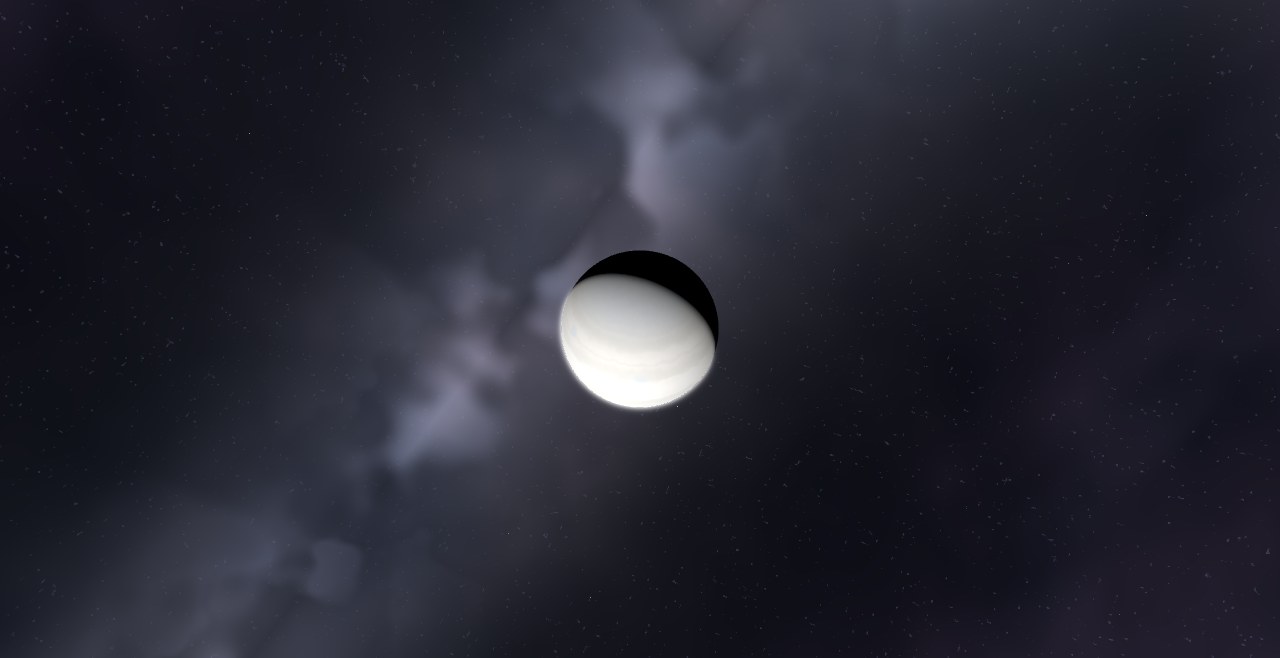
HD 181234, a Sun-like G-type star of 0.94 solar masses, and HD 181234 b, a 9.38-Jupiter-mass companion, with an orbital period of 20.8 years, at 7.427 AU from its star, on an eccentric orbit (e ≈ 0.73).
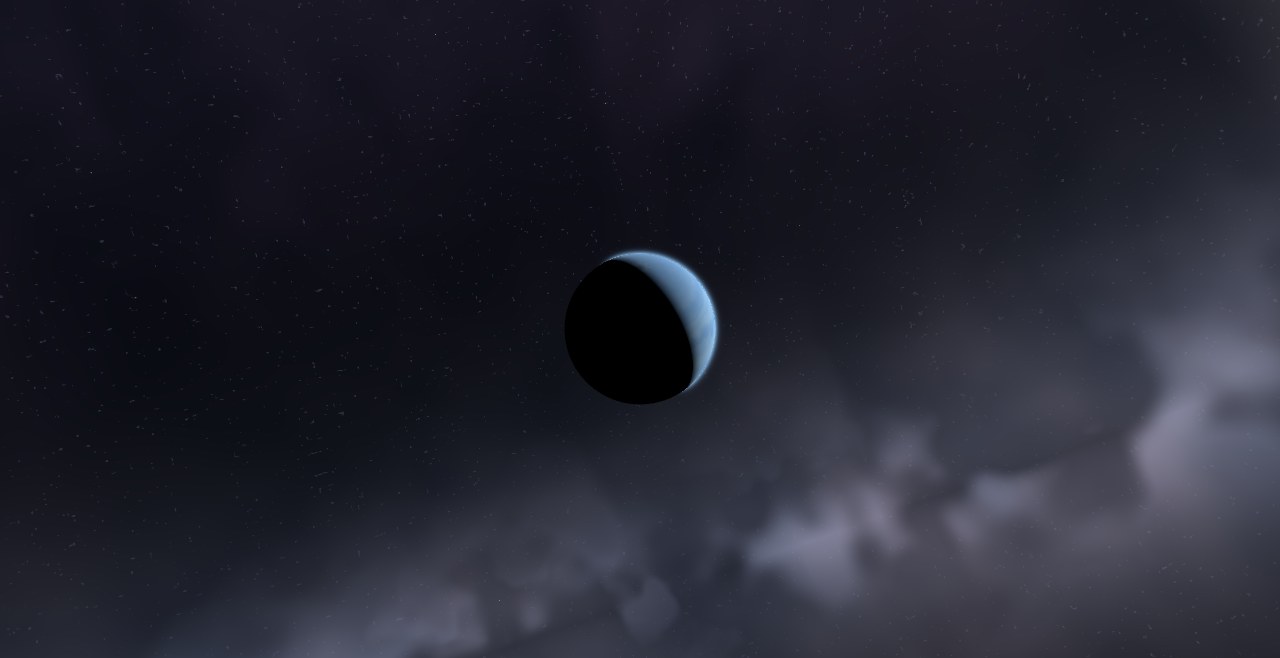
HD 181342, an orange K-type dwarf of 1.69 solar masses, and HD 181342 b, a 2.54-Jupiter-mass companion, with an orbital period of 1.54 years, at 1.592 AU from its star.
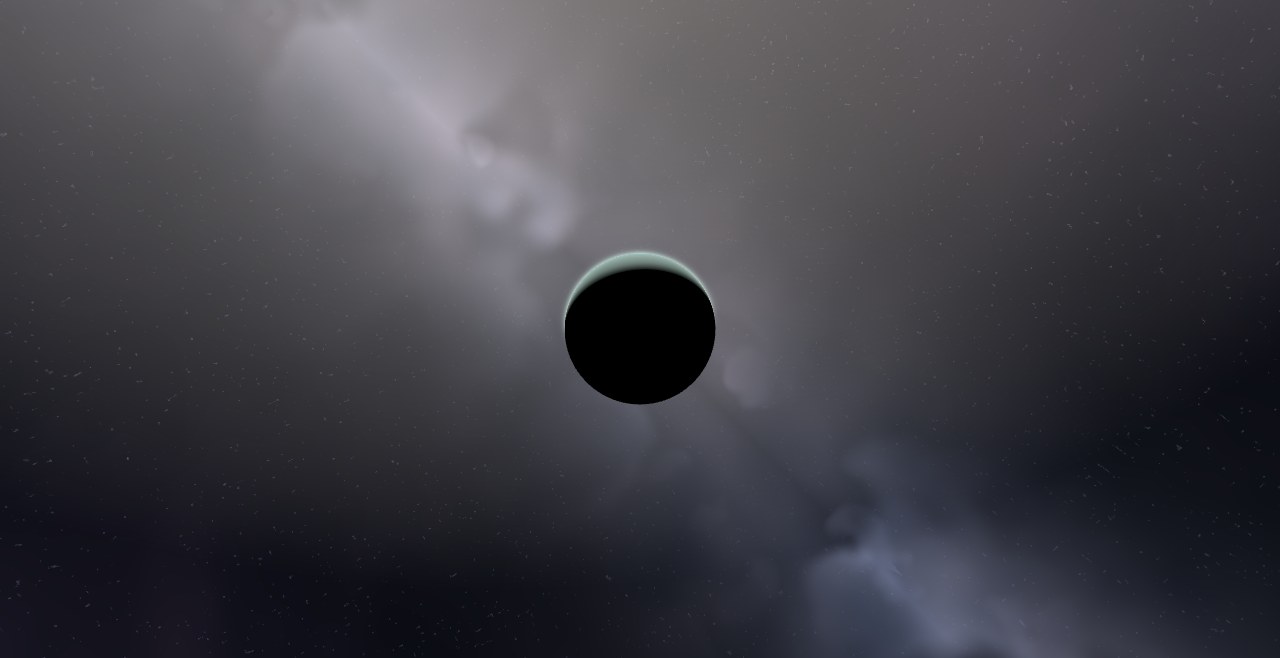
HD 18143, an orange K-type dwarf of 0.85 solar masses, and HD 18143 b, a 10.8-Earth-mass planet, with an orbital period of 10.3 days, at 0.088 AU from its star, on an eccentric orbit (e ≈ 0.22).
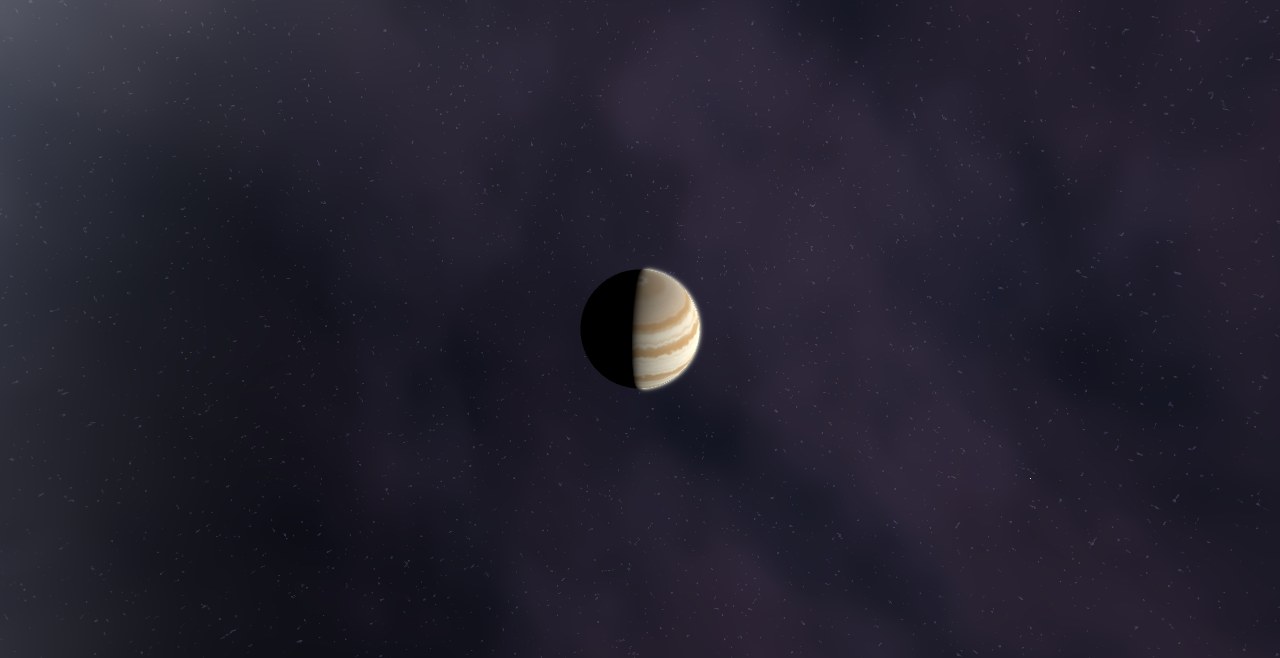
HD 181433, an orange K-type dwarf of 0.86 solar masses, and HD 181433 b, a 7.2-Earth-mass planet, with an orbital period of 9.4 days, at 0.083 AU from its star, on an eccentric orbit (e ≈ 0.40).