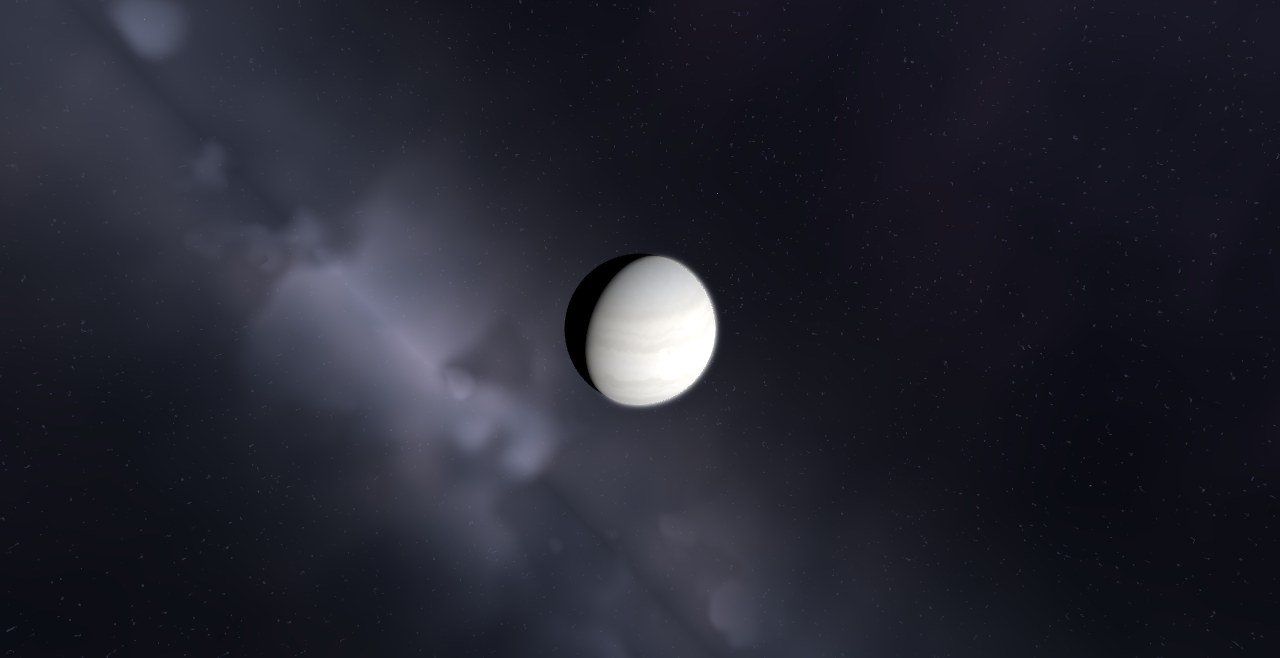
HD 202206 - System
HD 202206, a Sun-like G-type star of 1.06 solar masses, and HD 202206 c, a 3.09-Jupiter-mass companion, with an orbital period of 3.56 years, at 2.390 AU from its star, on an eccentric orbit (e ≈ 0.17).
Scenarios
Discover alien solar systems and explore worlds far beyond our own. Simulate extreme orbital environments, habitable zones, and tightly packed resonant chains discovered by modern astronomy, all mapped accurately from real exoplanetary discovery data.
Share
HD 202206, a Sun-like G-type star of 1.06 solar masses, and HD 202206 c, a 3.09-Jupiter-mass companion, with an orbital period of 3.56 years, at 2.390 AU from its star, on an eccentric orbit (e ≈ 0.17).
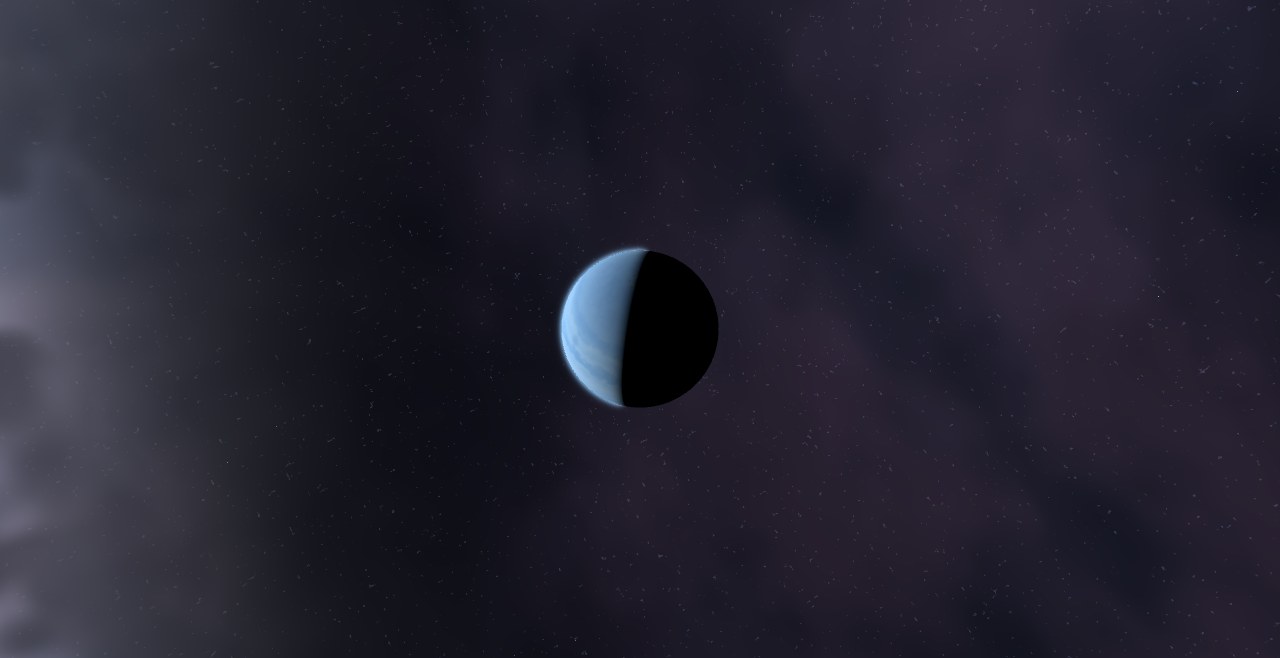
HD 202696, an orange K-type dwarf of 1.91 solar masses, and HD 202696 b, a 2.00-Jupiter-mass companion, with an orbital period of 1.42 years, at 1.566 AU from its star.
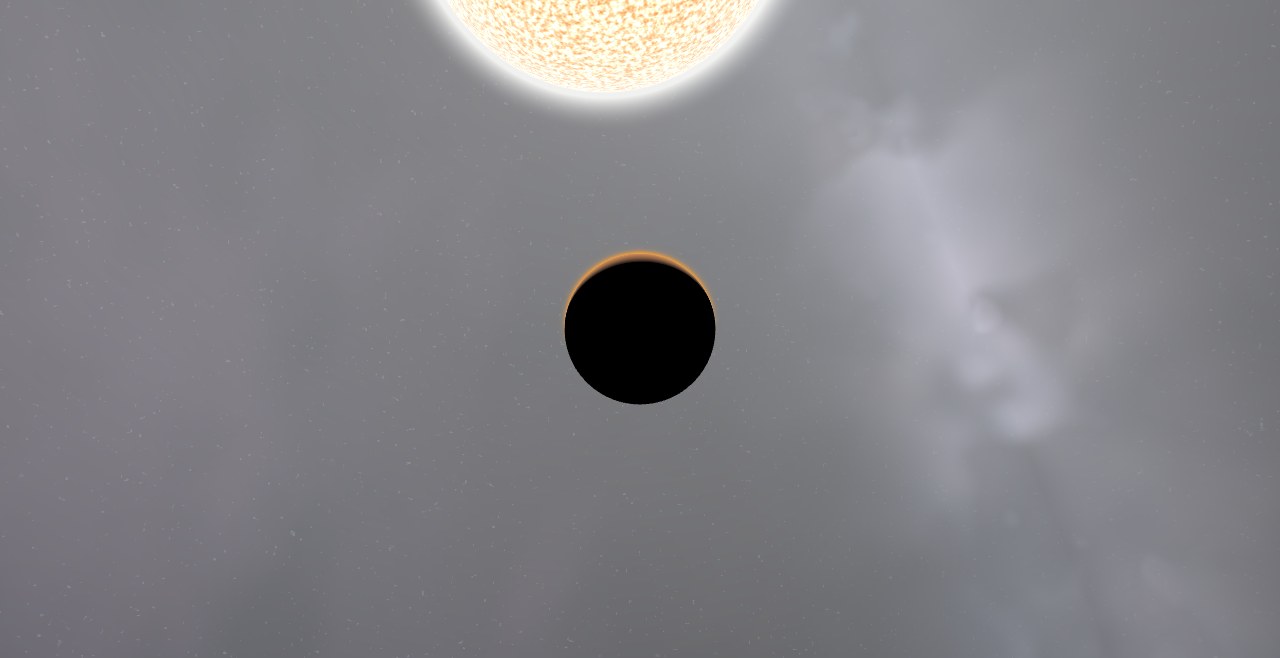
HD 202772 A, a Sun-like F-type star of 1.72 solar masses, and HD 202772 A b, a 1.02-Jupiter-mass companion, with an orbital period of 3.3 days, at 0.052 AU from its star, and an equilibrium temperature near.
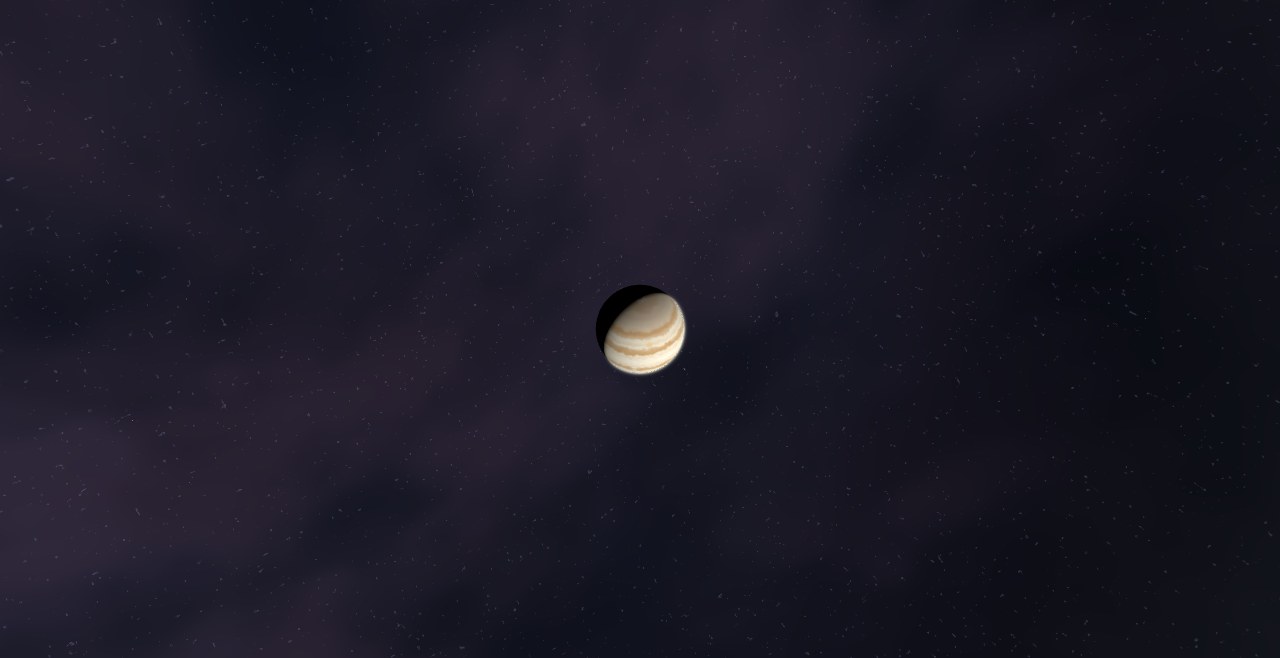
HD 203030, a Sun-like G-type star of 0.94 solar masses, and HD 203030 b, a 11.0-Jupiter-mass companion, and an equilibrium temperature near 1,040 K.
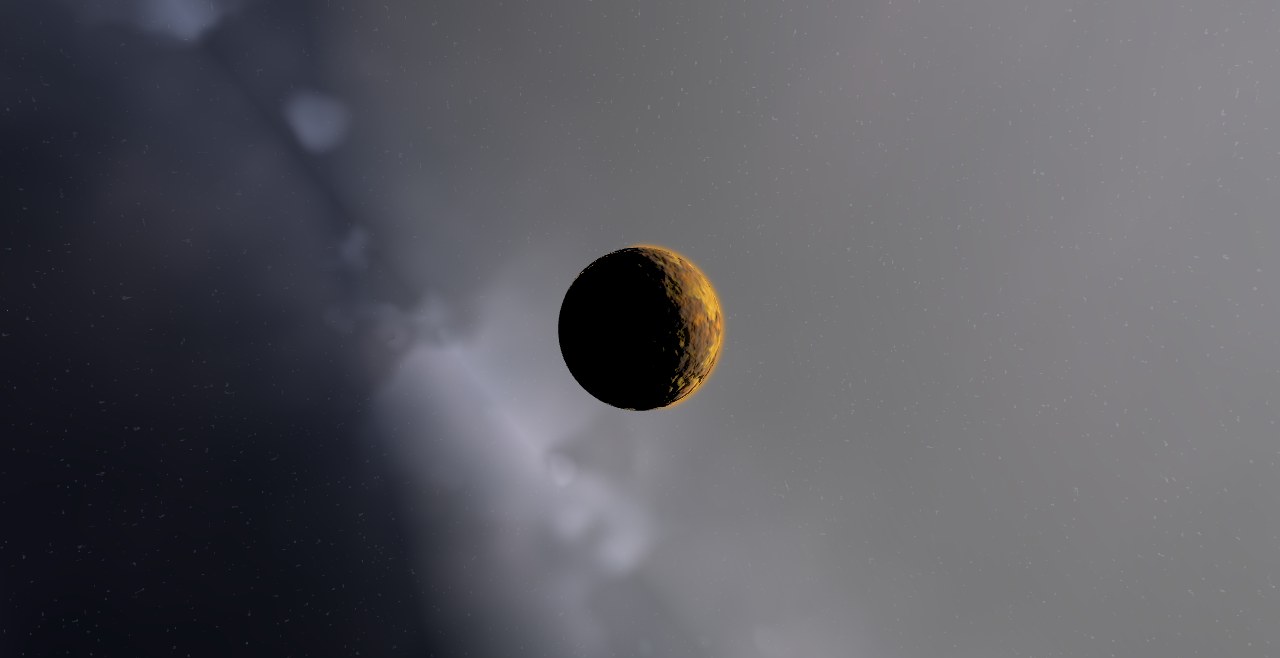
HD 20329, a Sun-like G-type star of 0.90 solar masses, and HD 20329 b, a 7.4-Earth-mass planet, with an orbital period of 22.2 hours, at 0.018 AU from its star, and an equilibrium temperature near 2,141 K.
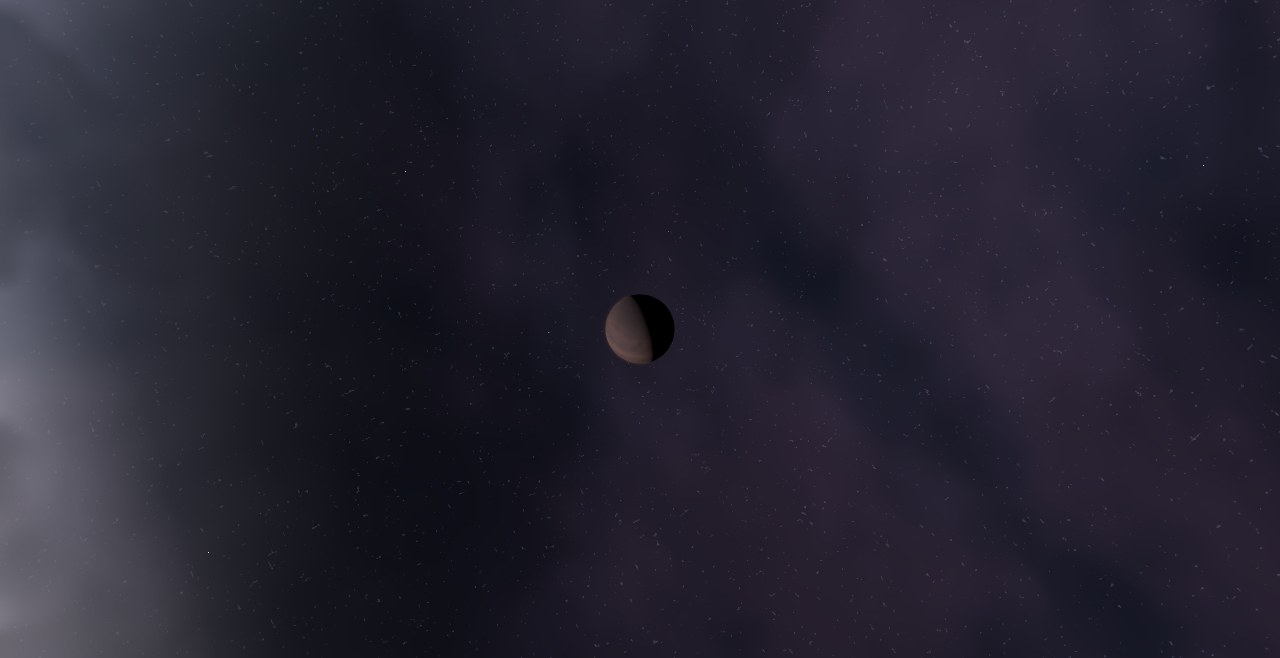
HD 203387, an orange K-type dwarf of 2.82 solar masses, and HD 203387 b, a 3.48-Jupiter-mass companion, with an orbital period of 1.40 years, at 1.771 AU from its star, on an eccentric orbit (e ≈ 0.73).
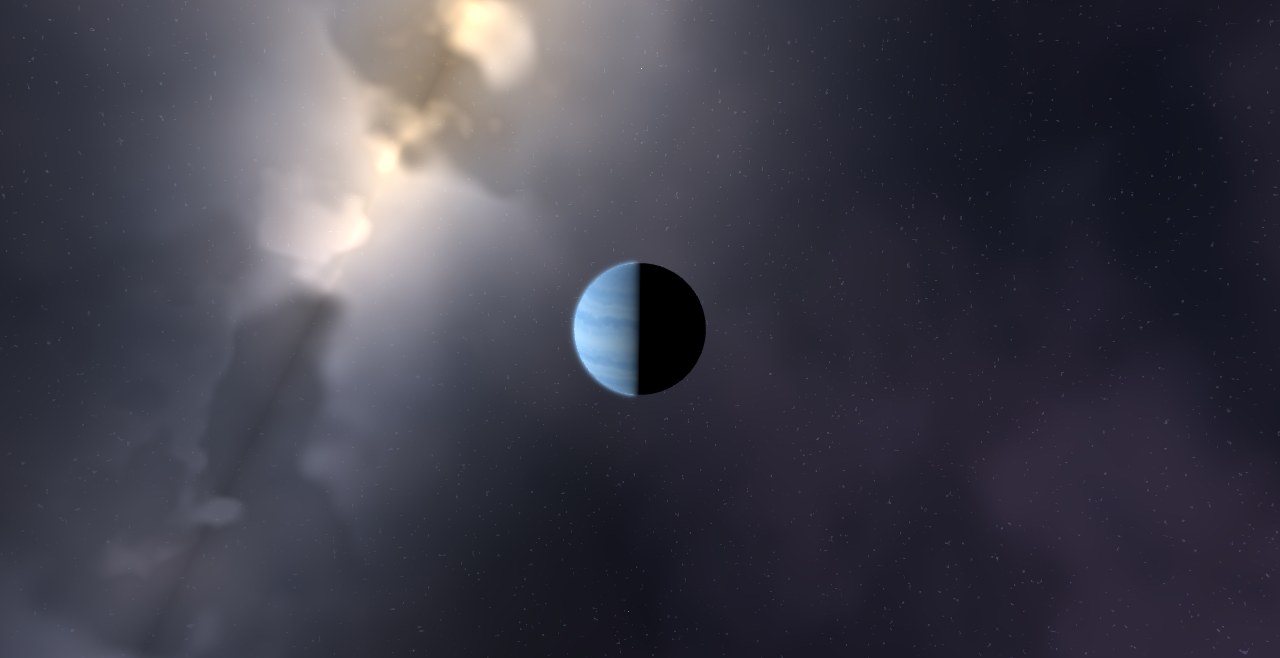
HD 2039, a Sun-like G-type star of 1.23 solar masses, and HD 2039 b, a 6.29-Jupiter-mass companion, with an orbital period of 3.07 years, at 2.200 AU from its star, on an eccentric orbit (e ≈ 0.71).
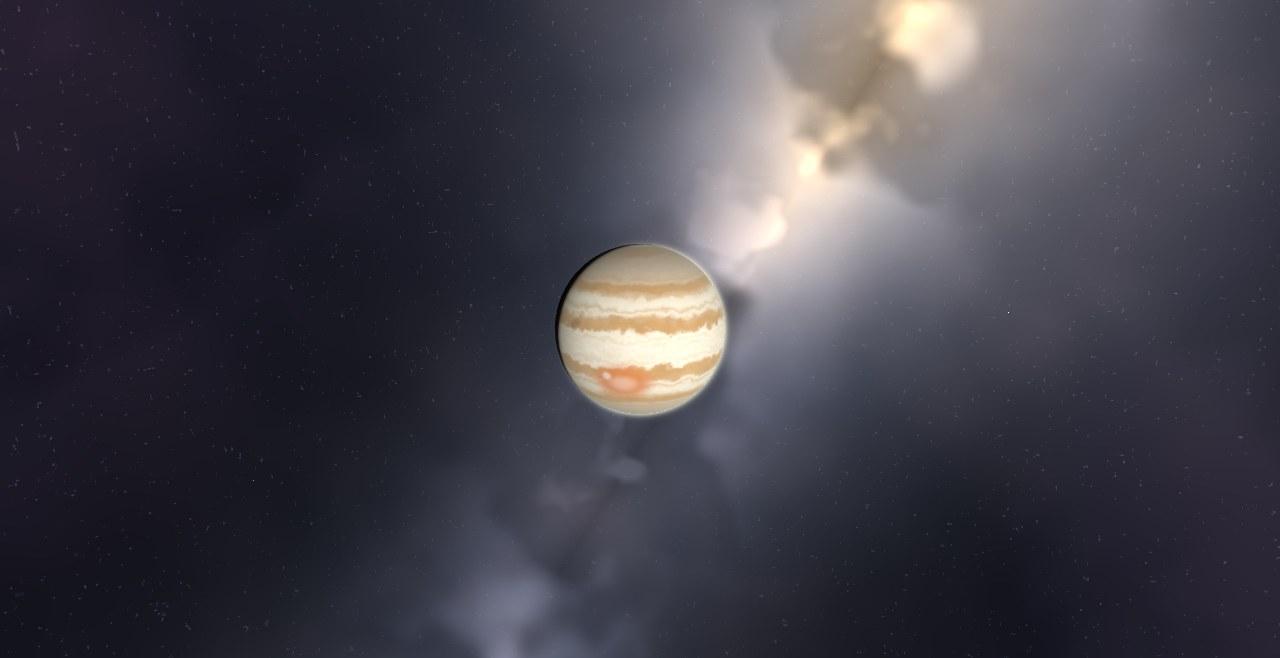
HD 204313, a Sun-like G-type star of 1.03 solar masses, and HD 204313 c, a 0.05-Jupiter-mass companion, with an orbital period of 35.0 days, at 0.211 AU from its star, on an eccentric orbit (e ≈ 0.06).
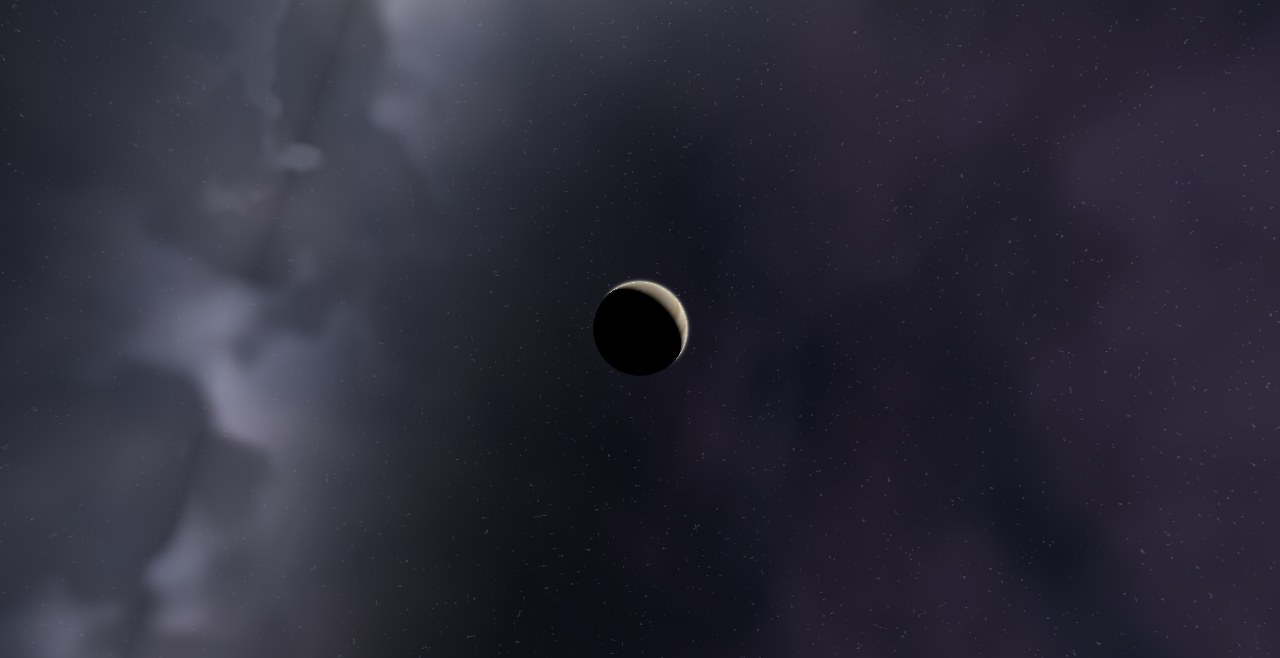
HD 204941, an orange K-type dwarf of 0.58 solar masses, and HD 204941 b, a 0.23-Jupiter-mass companion, with an orbital period of 4.74 years, at 2.550 AU from its star, on an eccentric orbit (e ≈ 0.37).
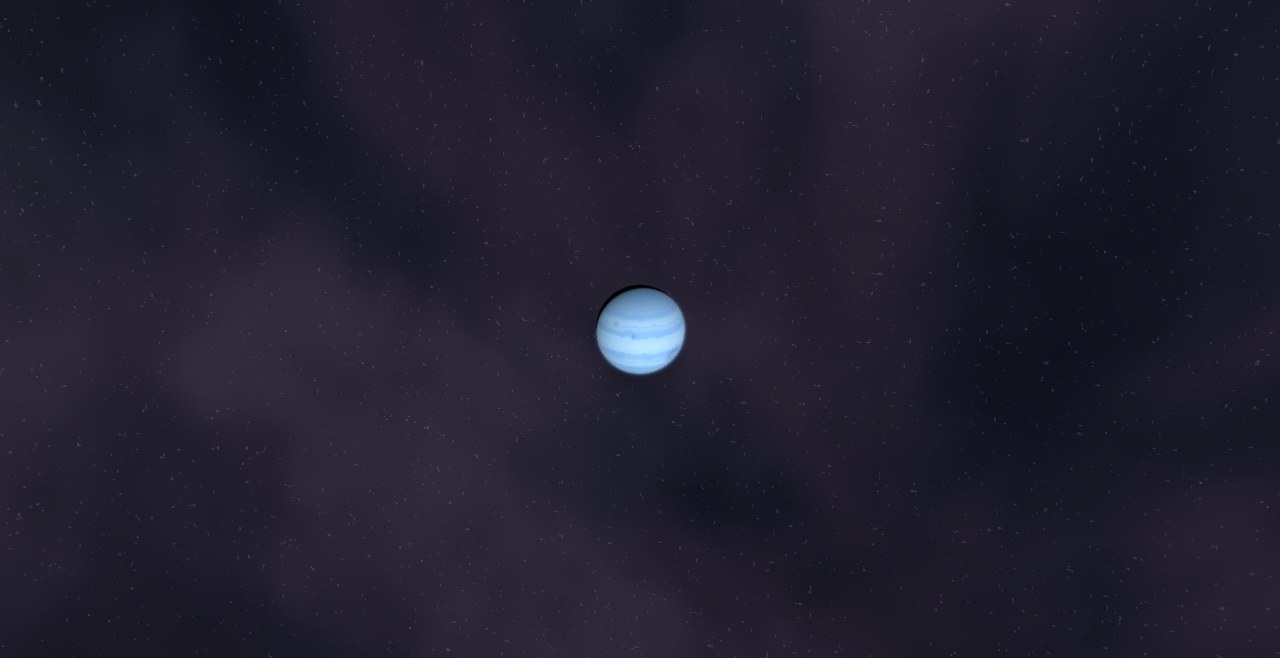
HD 205158, a Sun-like F-type star of 1.16 solar masses, and HD 205158 b, a 0.39-Jupiter-mass companion, with an orbital period of 25.3 days, at 0.177 AU from its star, on an eccentric orbit (e ≈ 0.14).
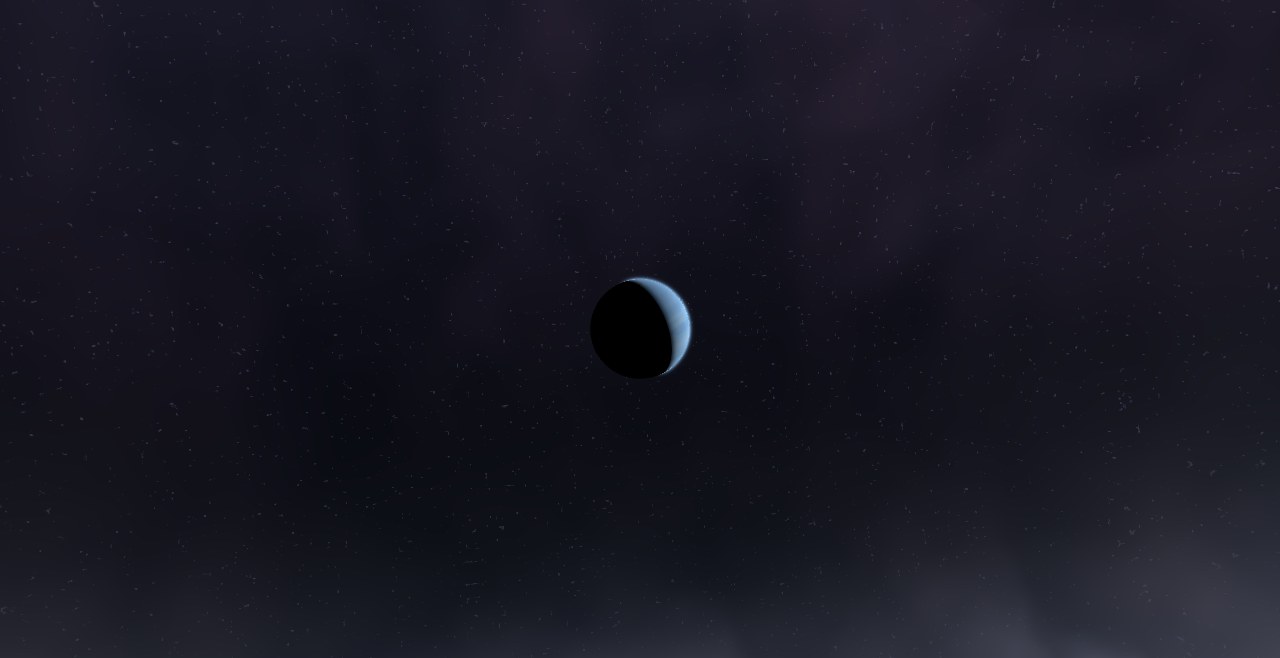
HD 205739, a Sun-like F-type star of 1.22 solar masses, and HD 205739 b, a 1.37-Jupiter-mass companion, with an orbital period of 280 days, at 0.896 AU from its star, on an eccentric orbit (e ≈ 0.27).
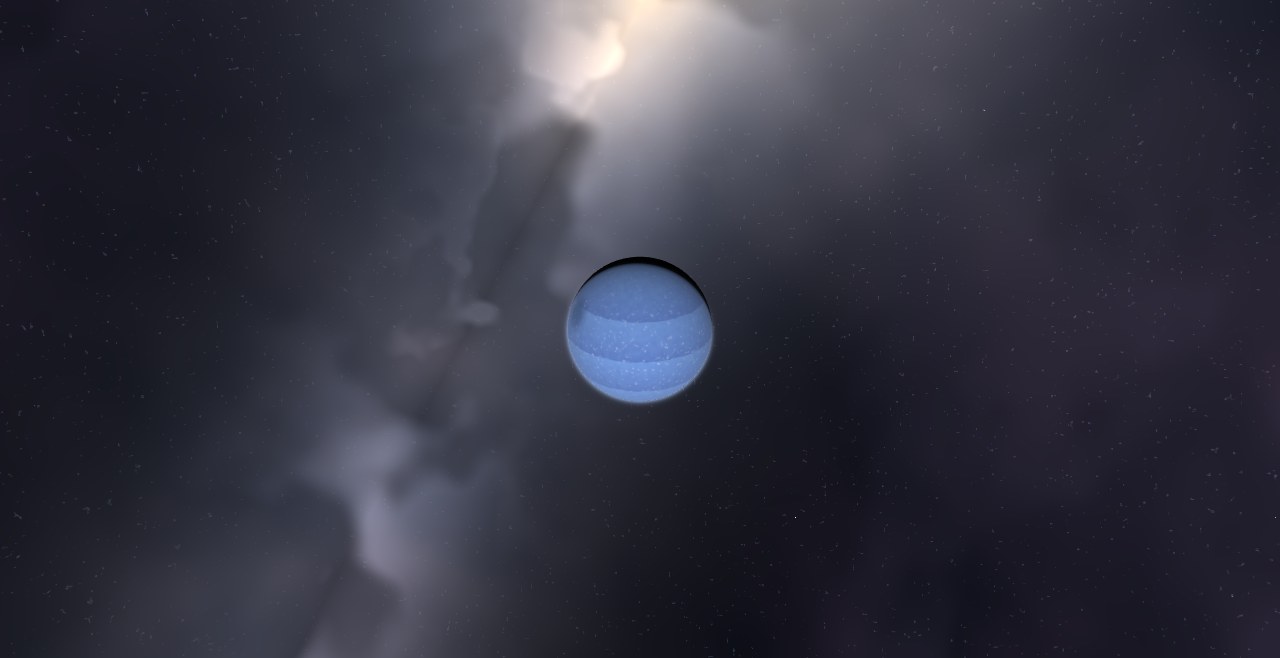
HD 206255, a Sun-like G-type star of 1.42 solar masses, and HD 206255 b, a 0.11-Jupiter-mass companion, with an orbital period of 96.0 days, at 0.461 AU from its star, on an eccentric orbit (e ≈ 0.23).
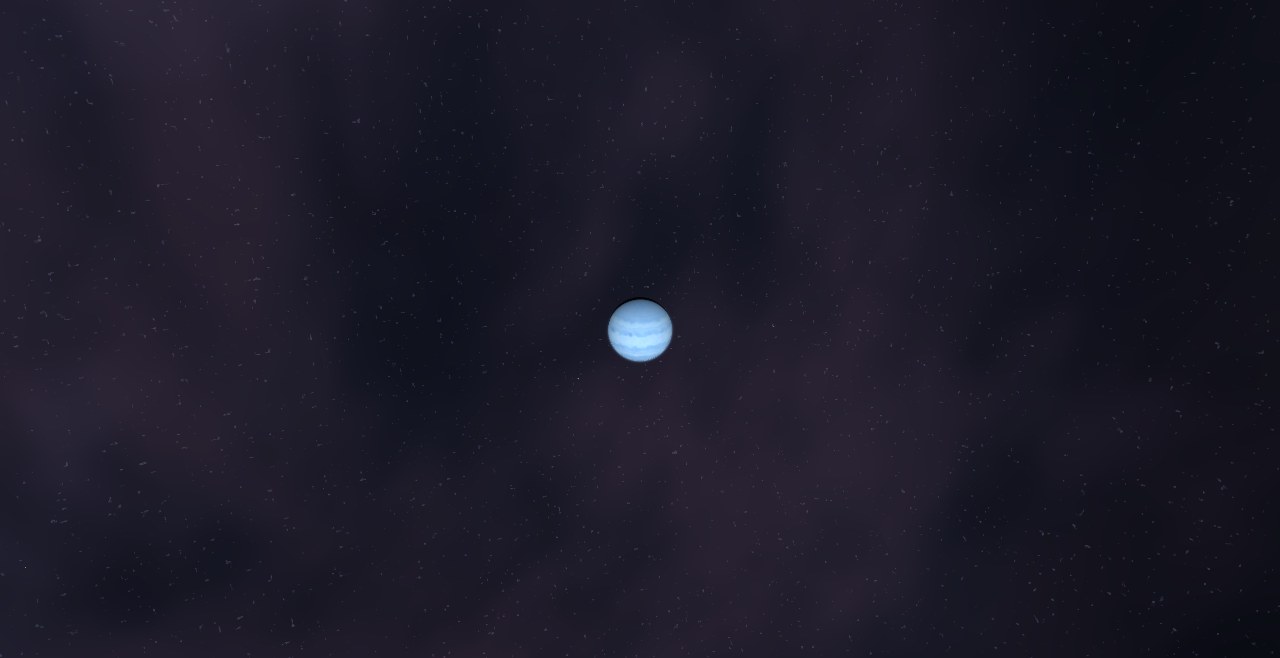
HD 206610, an orange K-type dwarf of 1.55 solar masses, and HD 206610 b, a 2.04-Jupiter-mass companion, with an orbital period of 1.84 years, at 1.740 AU from its star, on an eccentric orbit (e ≈ 0.10).
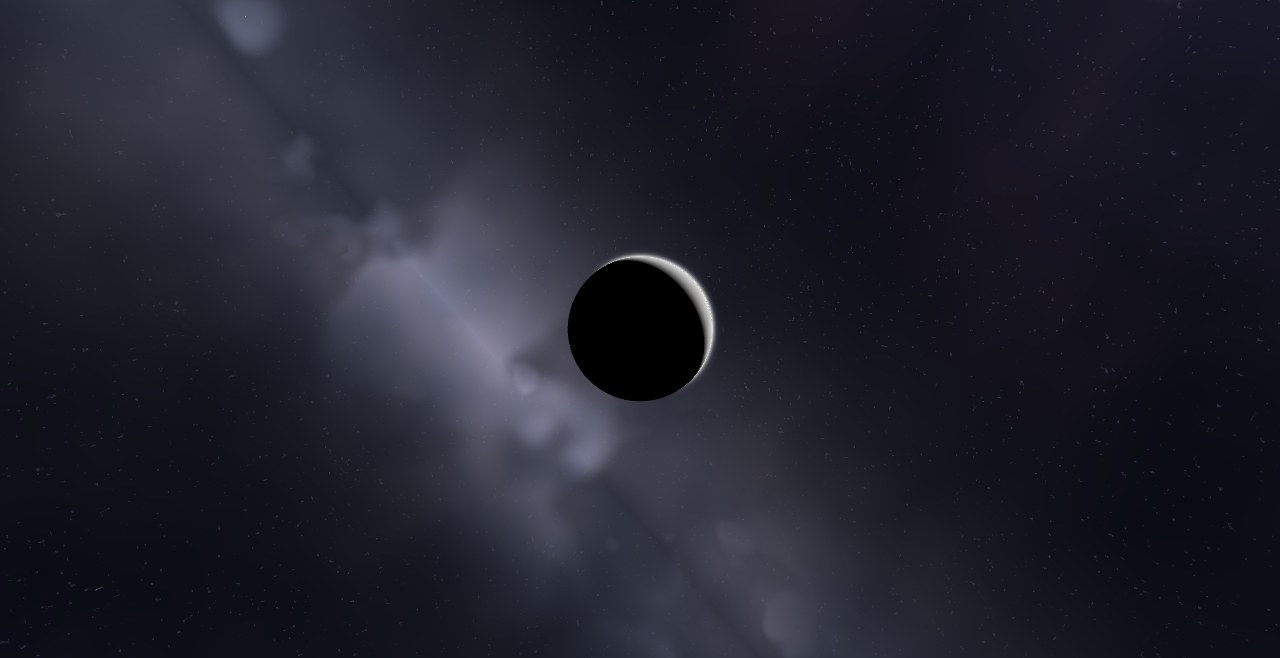
HD 206893, a Sun-like F-type star of 1.31 solar masses, and HD 206893 c, a 11.1-Jupiter-mass companion, with an orbital period of 6.27 years, at 3.740 AU from its star, on an eccentric orbit (e ≈ 0.28).
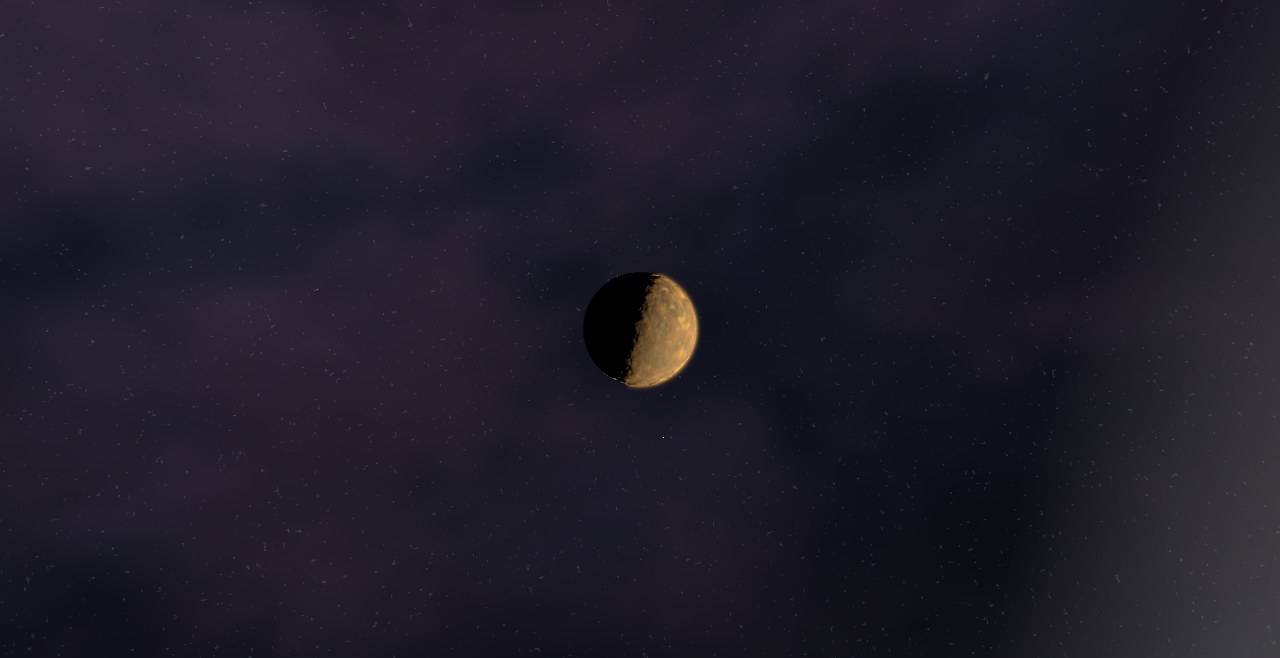
HD 207496, an orange K-type dwarf of 0.80 solar masses, and HD 207496 b, a 6.1-Earth-mass planet, with an orbital period of 6.4 days, at 0.063 AU from its star, and an equilibrium temperature near 743 K.
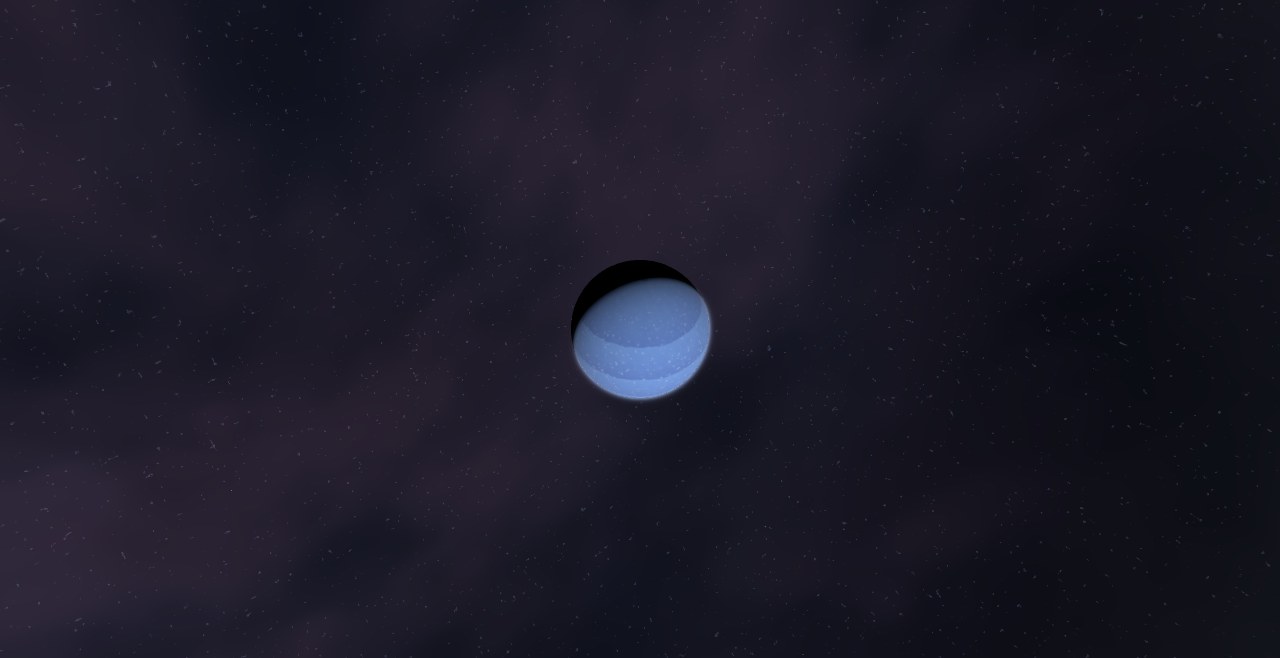
HD 20781, an orange K-type dwarf of 0.70 solar masses, and HD 20781 b, a 1.9-Earth-mass planet, with an orbital period of 5.3 days, at 0.053 AU from its star, on an eccentric orbit (e ≈ 0.10).
HD 20782 b, a giant whose eccentricity is about 0.95 — among the most elongated planetary orbits known. It nearly skims the star, then retreats.
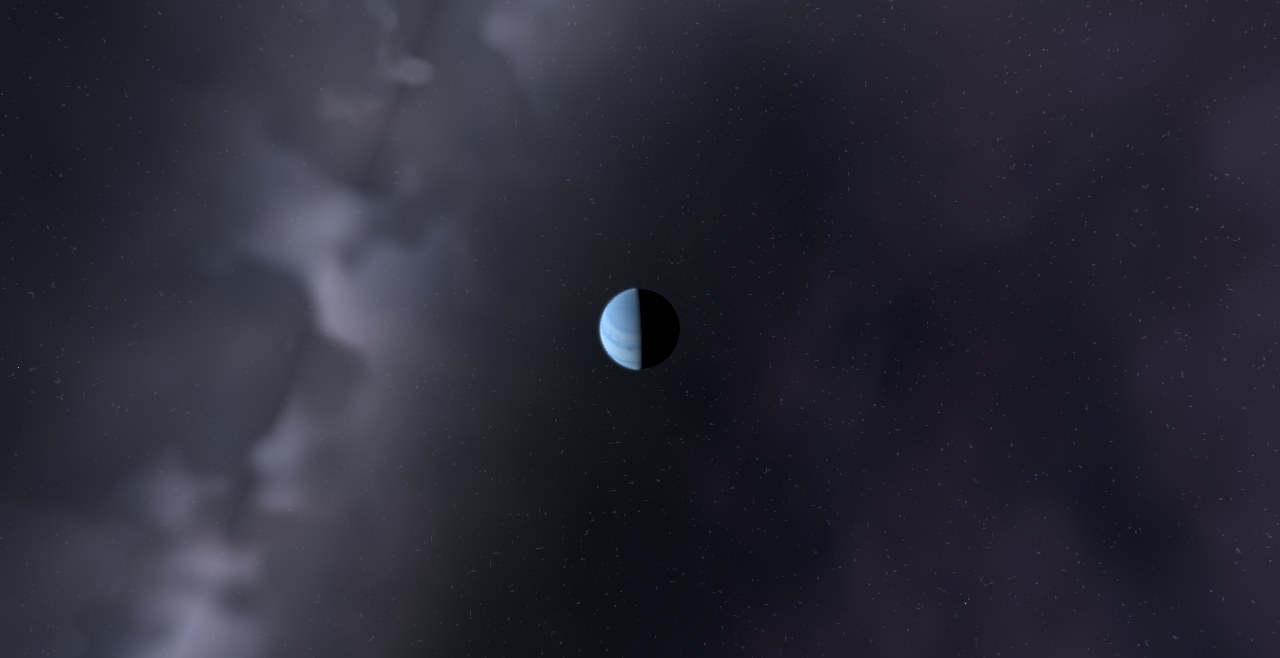
HD 207832, a Sun-like G-type star of 1.05 solar masses, and HD 207832 b, a 0.56-Jupiter-mass companion, with an orbital period of 160 days, at 0.586 AU from its star, on an eccentric orbit (e ≈ 0.20).