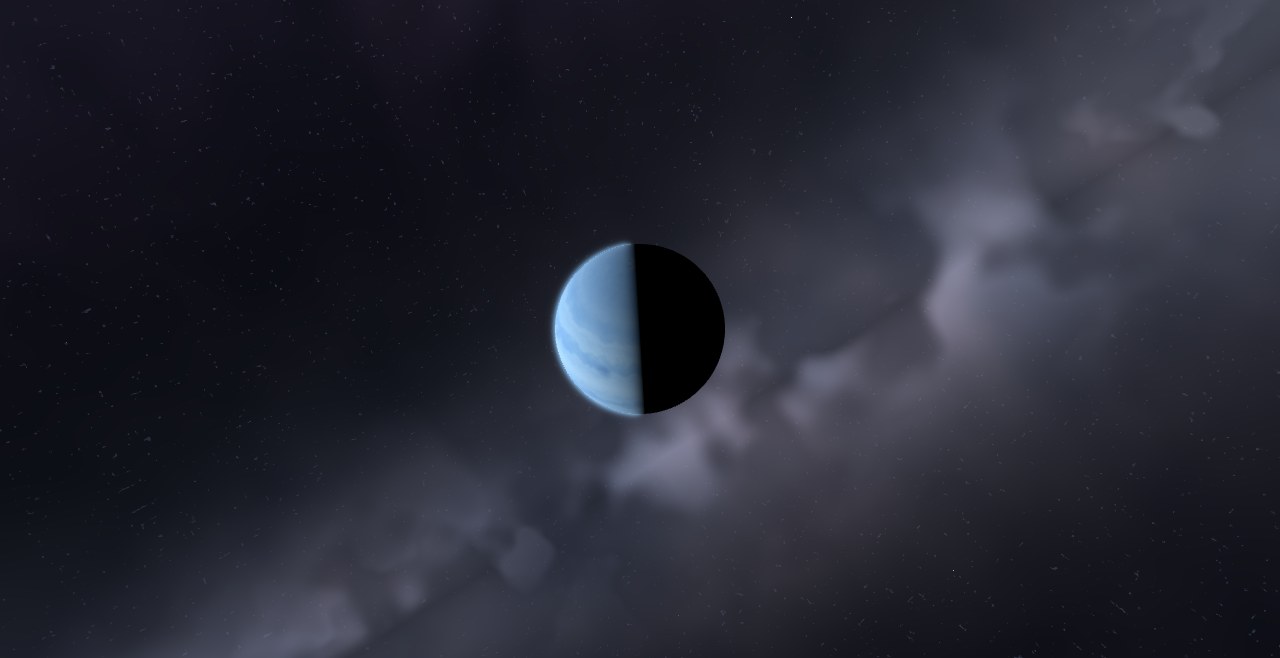
HD 167042 - System
HD 167042, an orange K-type dwarf of 1.39 solar masses, and HD 167042 b, a 1.40-Jupiter-mass companion, with an orbital period of 1.14 years, at 1.220 AU from its star.
Scenarios
Discover alien solar systems and explore worlds far beyond our own. Simulate extreme orbital environments, habitable zones, and tightly packed resonant chains discovered by modern astronomy, all mapped accurately from real exoplanetary discovery data.
Share
HD 167042, an orange K-type dwarf of 1.39 solar masses, and HD 167042 b, a 1.40-Jupiter-mass companion, with an orbital period of 1.14 years, at 1.220 AU from its star.
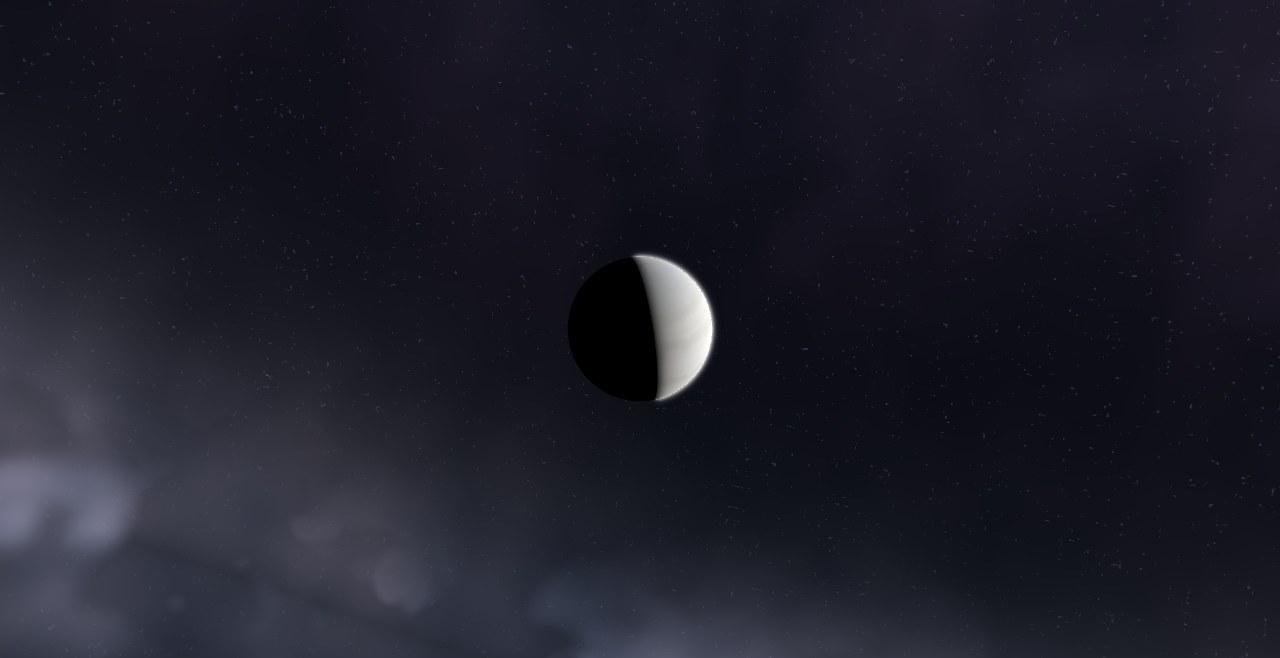
HD 167677, a Sun-like G-type star of 0.96 solar masses, and HD 167677 b, a 2.85-Jupiter-mass companion, with an orbital period of 4.98 years, at 2.877 AU from its star, on an eccentric orbit (e ≈ 0.18).
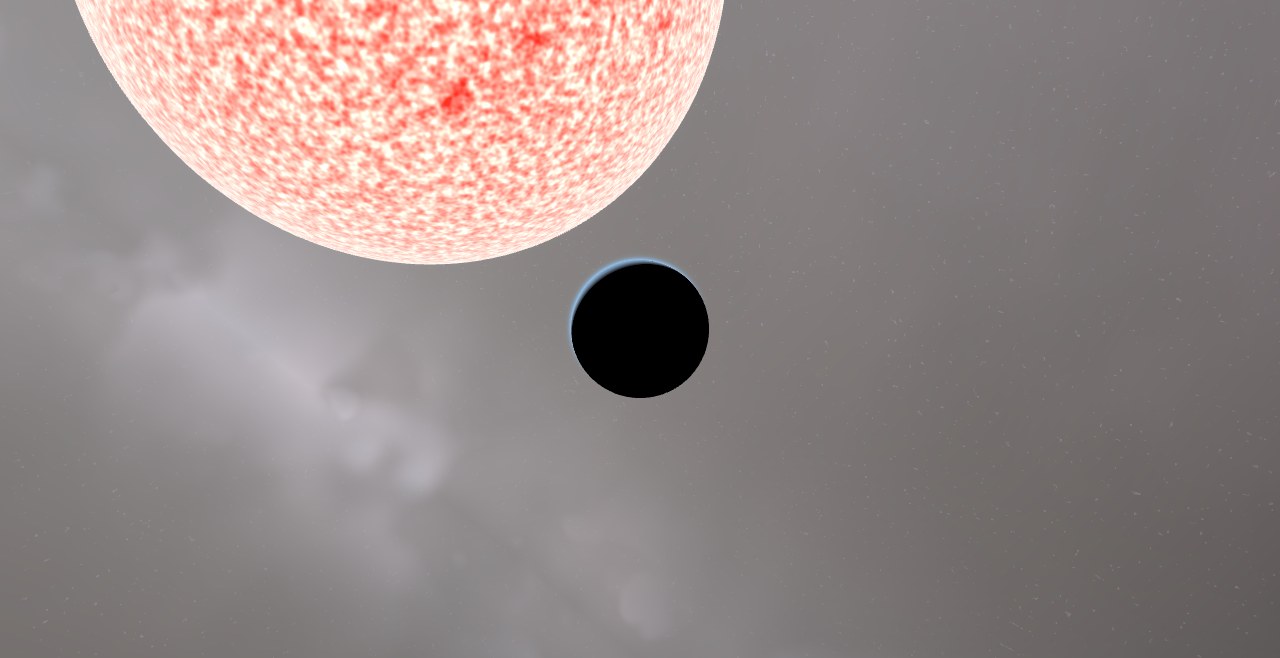
HD 167768, a Sun-like G-type star of 1.08 solar masses, and HD 167768 b, a 0.85-Jupiter-mass companion, with an orbital period of 20.7 days, at 0.151 AU from its star, on an eccentric orbit (e ≈ 0.15).
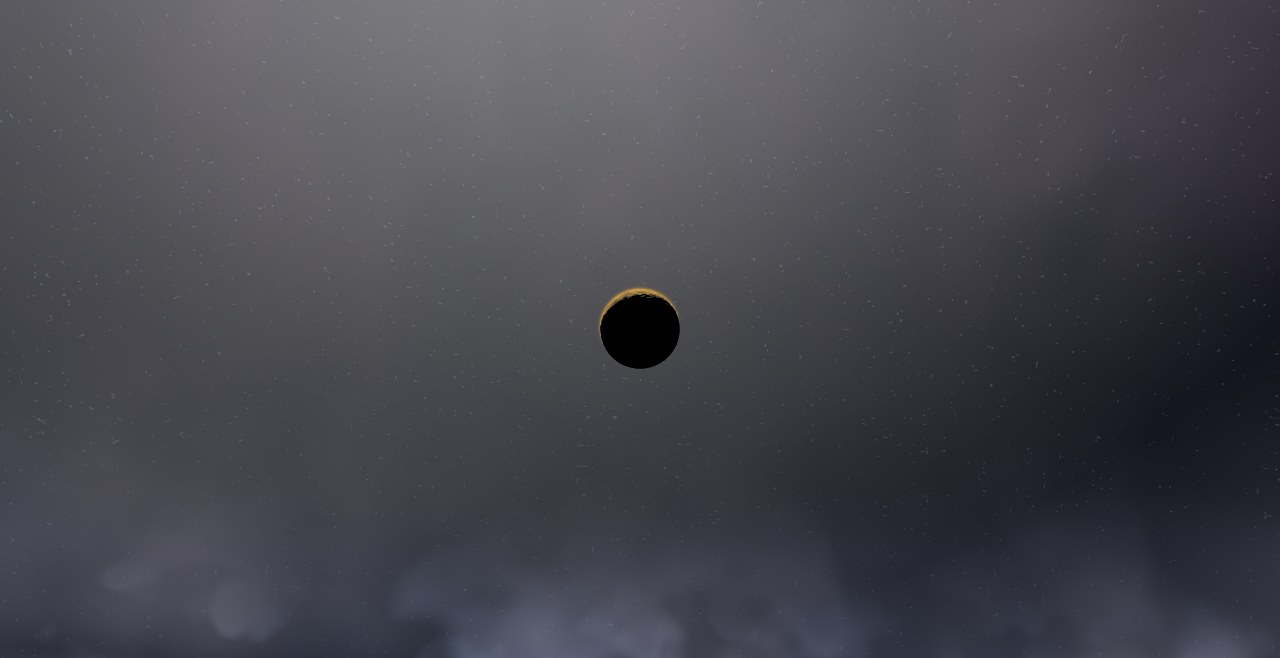
HD 168009, a Sun-like G-type star of 0.99 solar masses, and HD 168009 b, a 9.5-Earth-mass planet, with an orbital period of 15.1 days, at 0.119 AU from its star, on an eccentric orbit (e ≈ 0.12).
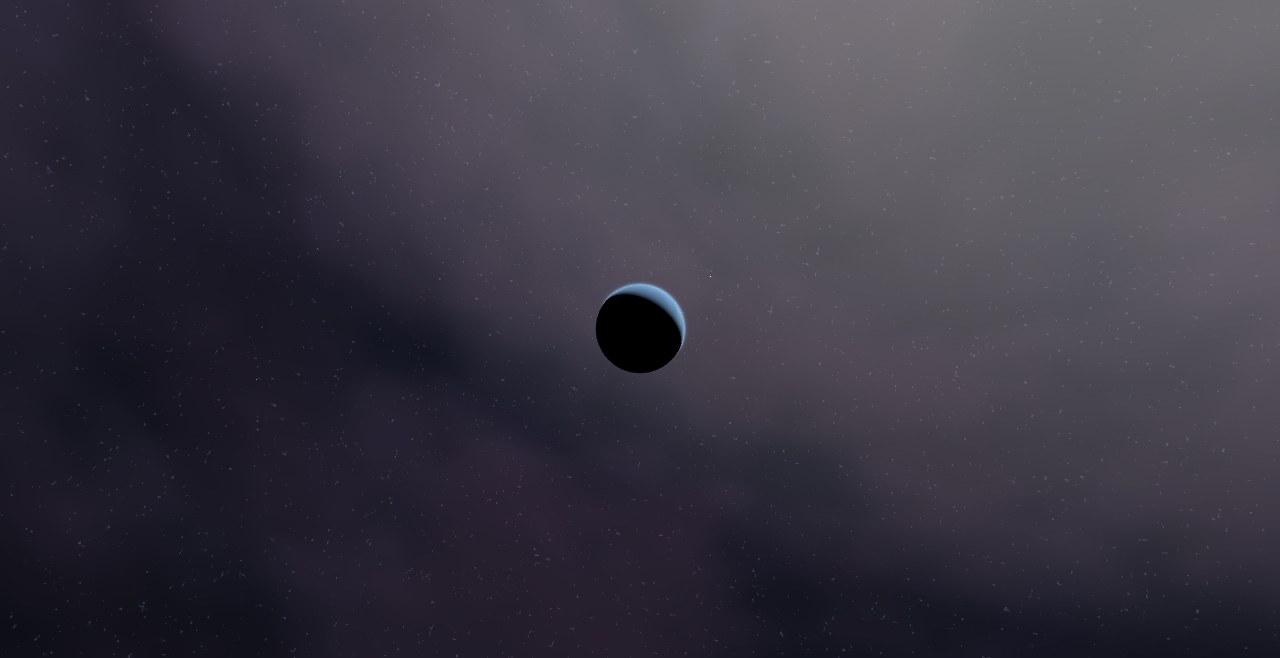
HD 168443, a Sun-like G-type star of 0.98 solar masses, and HD 168443 b, a 7.63-Jupiter-mass companion, with an orbital period of 58.1 days, at 0.292 AU from its star, on an eccentric orbit (e ≈ 0.53).
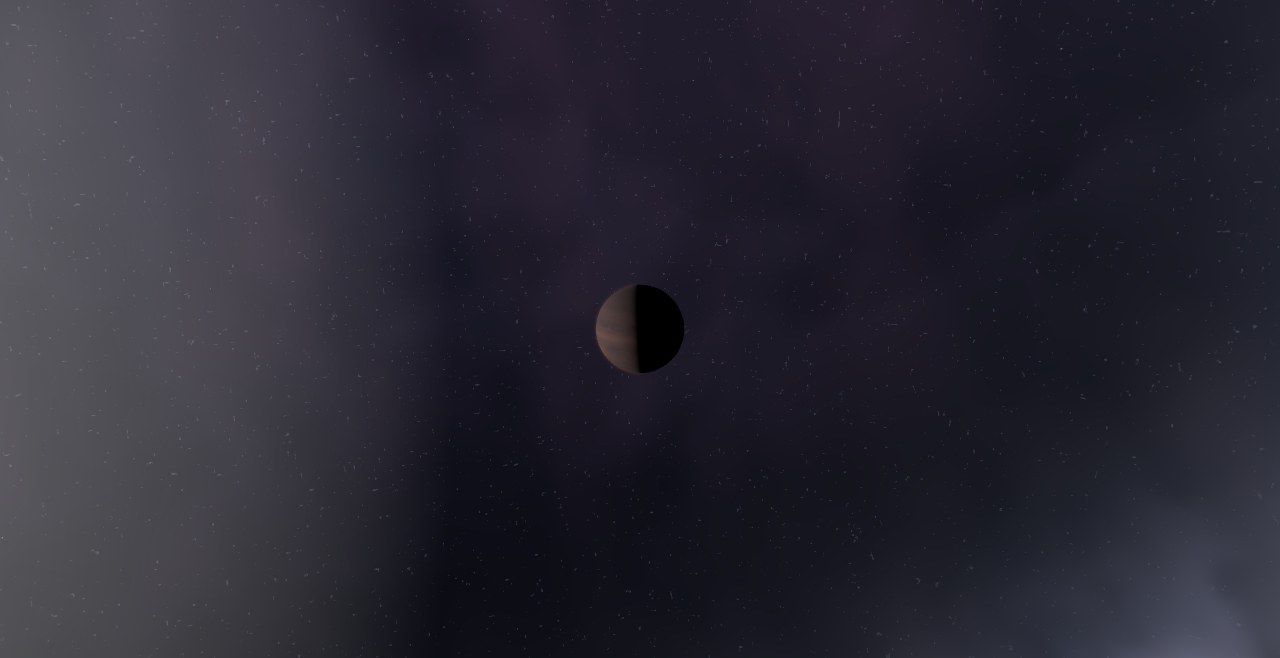
HD 168746, a Sun-like G-type star of 1.07 solar masses, and HD 168746 b, a 0.27-Jupiter-mass companion, with an orbital period of 6.4 days, at 0.070 AU from its star, on an eccentric orbit (e ≈ 0.11).
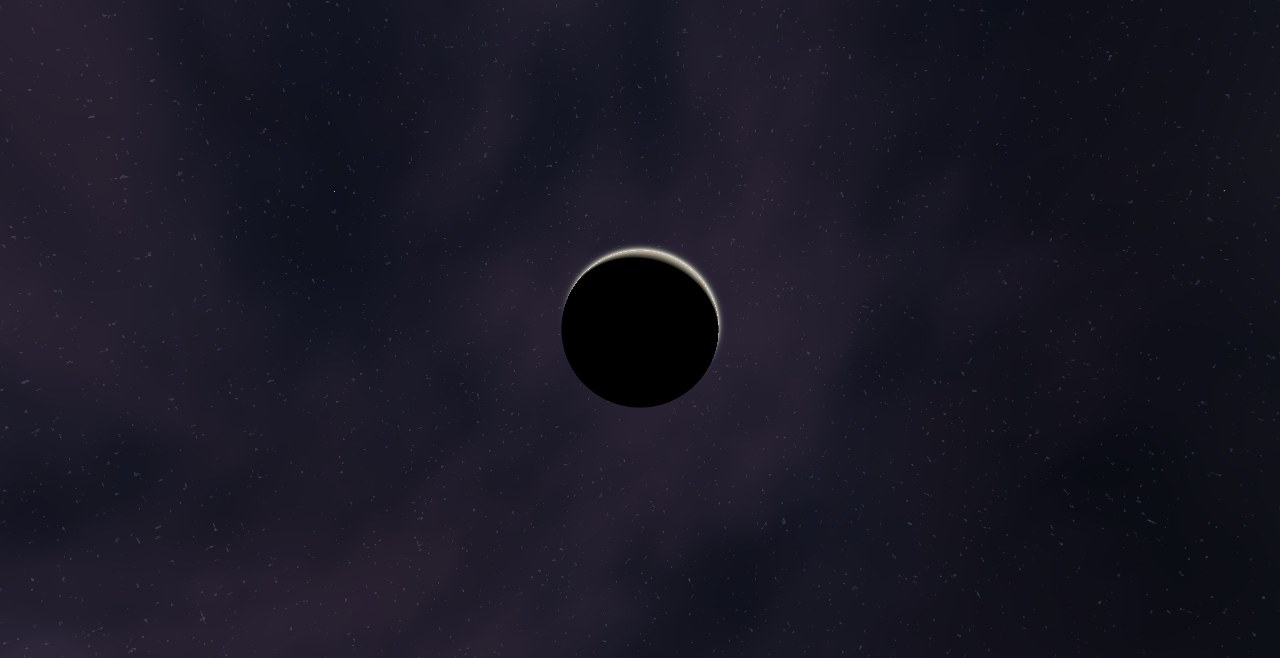
HD 168863, an orange K-type dwarf of 0.80 solar masses, and HD 168863 b, a 6.78-Jupiter-mass companion, with an orbital period of 40.4 years, at 11.0 AU from its star, on an eccentric orbit (e ≈ 0.19).
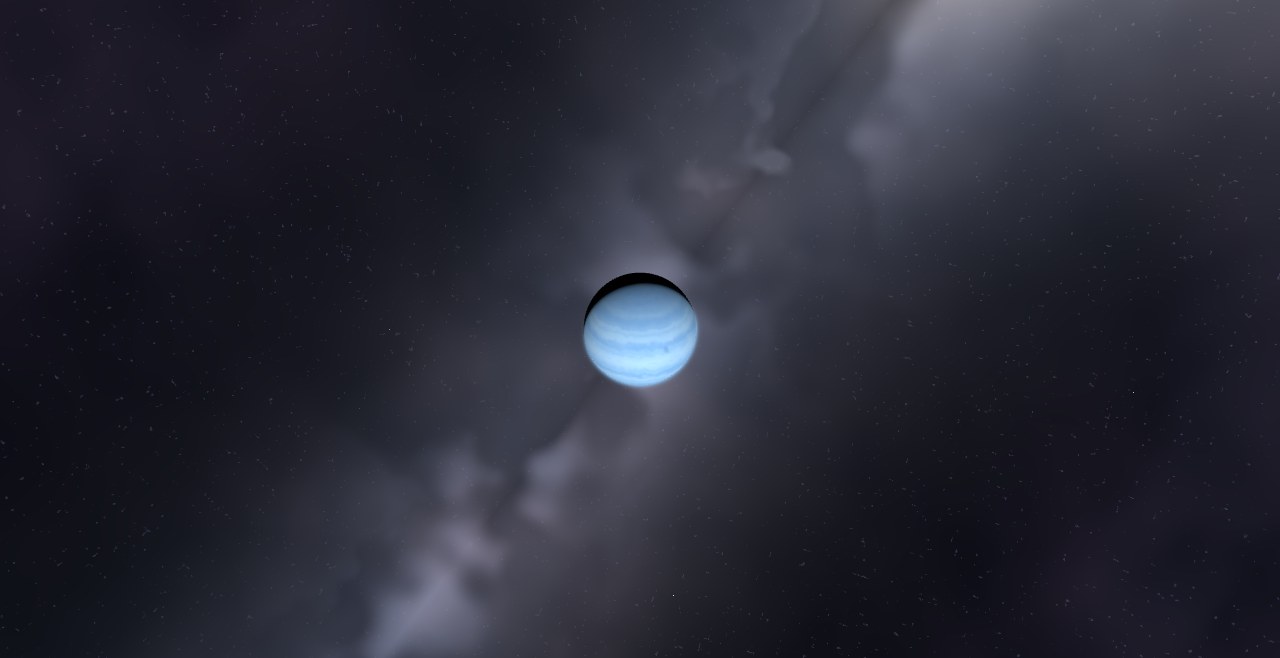
HD 1690, an orange K-type dwarf of 1.86 solar masses, and HD 1690 b, a 8.79-Jupiter-mass companion, with an orbital period of 1.46 years, at 1.360 AU from its star, on an eccentric orbit (e ≈ 0.64).
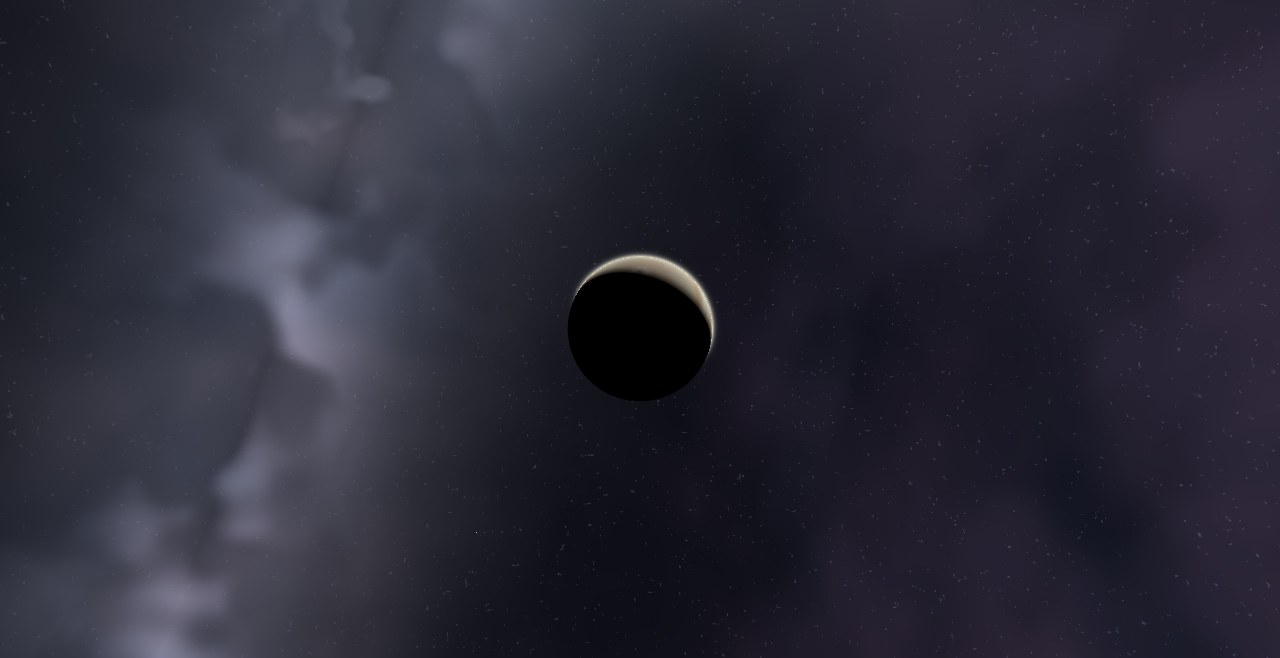
HD 16905, an orange K-type dwarf of 0.85 solar masses, and HD 16905 b, a 11.3-Jupiter-mass companion, with an orbital period of 28.1 years, at 8.800 AU from its star, on an eccentric orbit (e ≈ 0.68).
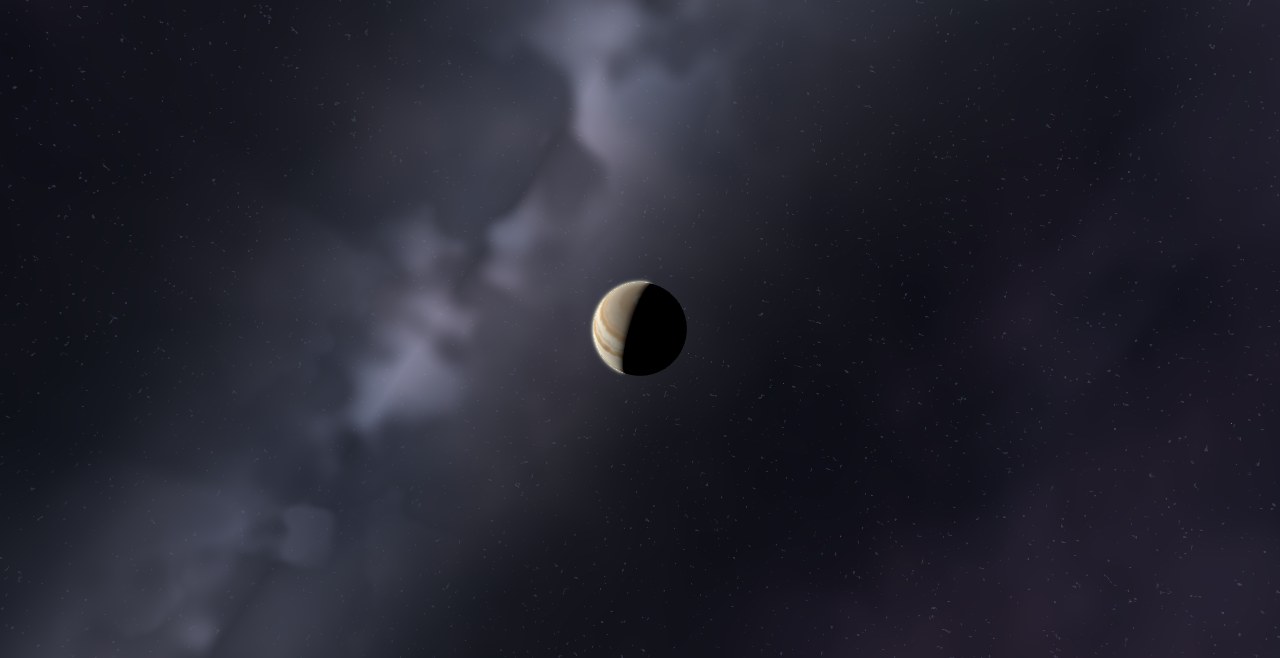
HD 169142, a Sun-like F-type star of 1.85 solar masses, and HD 169142 b, a 3.00-Jupiter-mass companion, at 37.2 AU from its star.
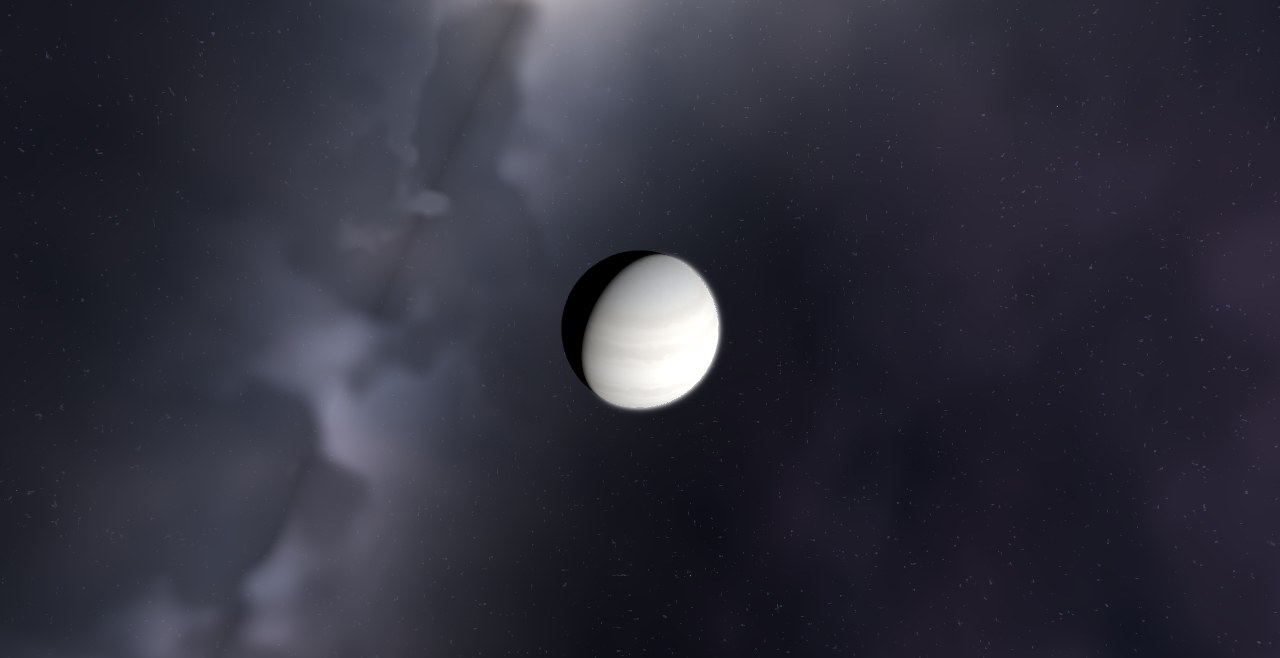
HD 169830, a Sun-like F-type star of 1.17 solar masses, and HD 169830 b, a 2.53-Jupiter-mass companion, with an orbital period of 226 days, at 0.765 AU from its star, on an eccentric orbit (e ≈ 0.29).
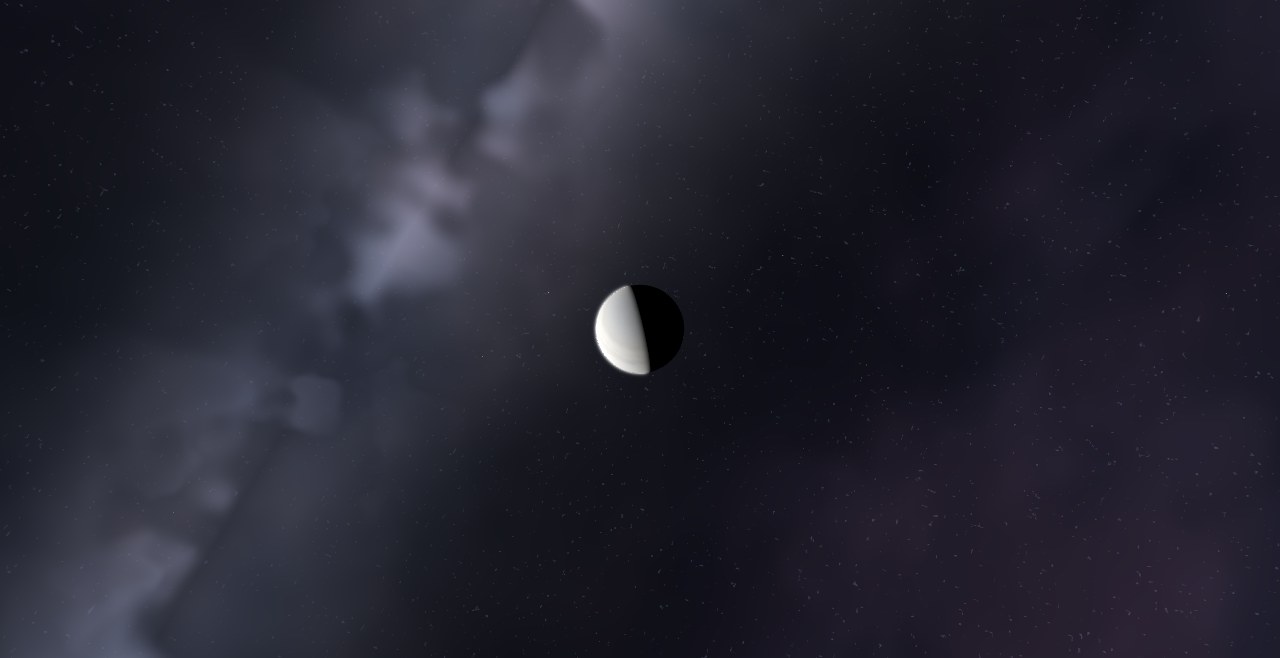
HD 170469, a Sun-like G-type star of 1.10 solar masses, and HD 170469 b, a 0.66-Jupiter-mass companion, with an orbital period of 3.13 years, at 2.240 AU from its star, on an eccentric orbit (e ≈ 0.11).
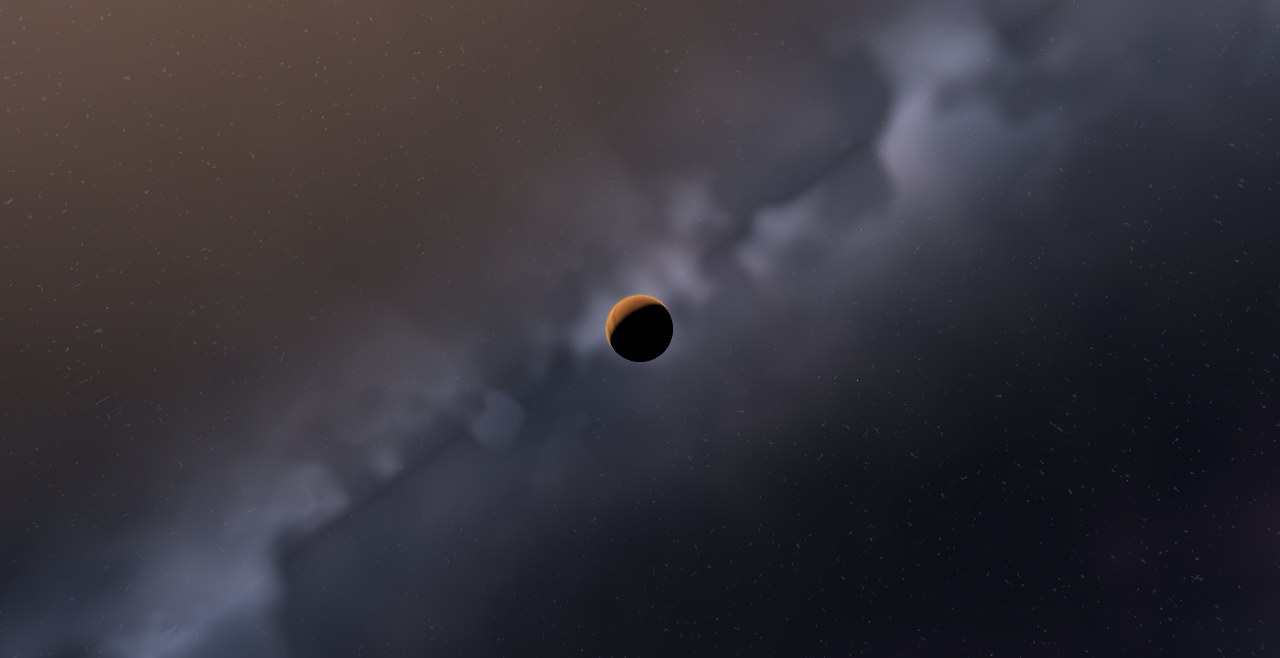
HD 17092, an orange K-type dwarf of 6.73 solar masses, and HD 17092 b, a 10.1-Jupiter-mass companion, with an orbital period of 360 days, at 1.310 AU from its star, on an eccentric orbit (e ≈ 0.17).
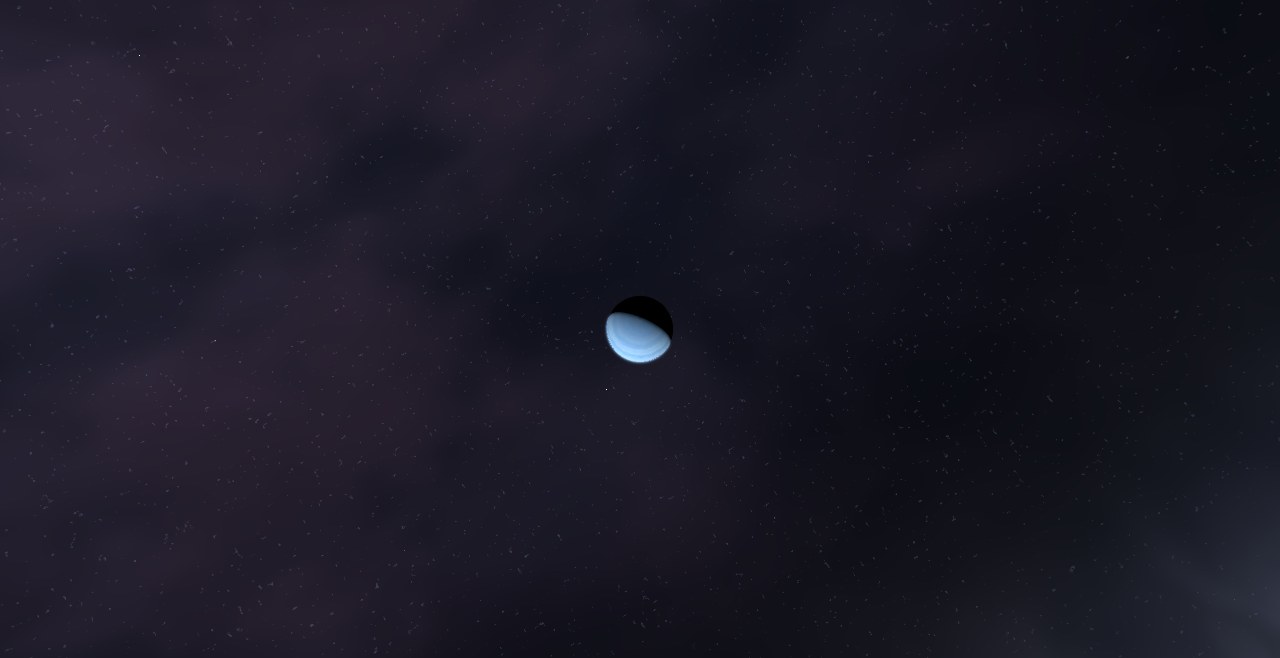
HD 171028, a Sun-like G-type star of 1.53 solar masses, and HD 171028 b, a 2.62-Jupiter-mass companion, with an orbital period of 1.51 years, at 1.320 AU from its star, on an eccentric orbit (e ≈ 0.59).
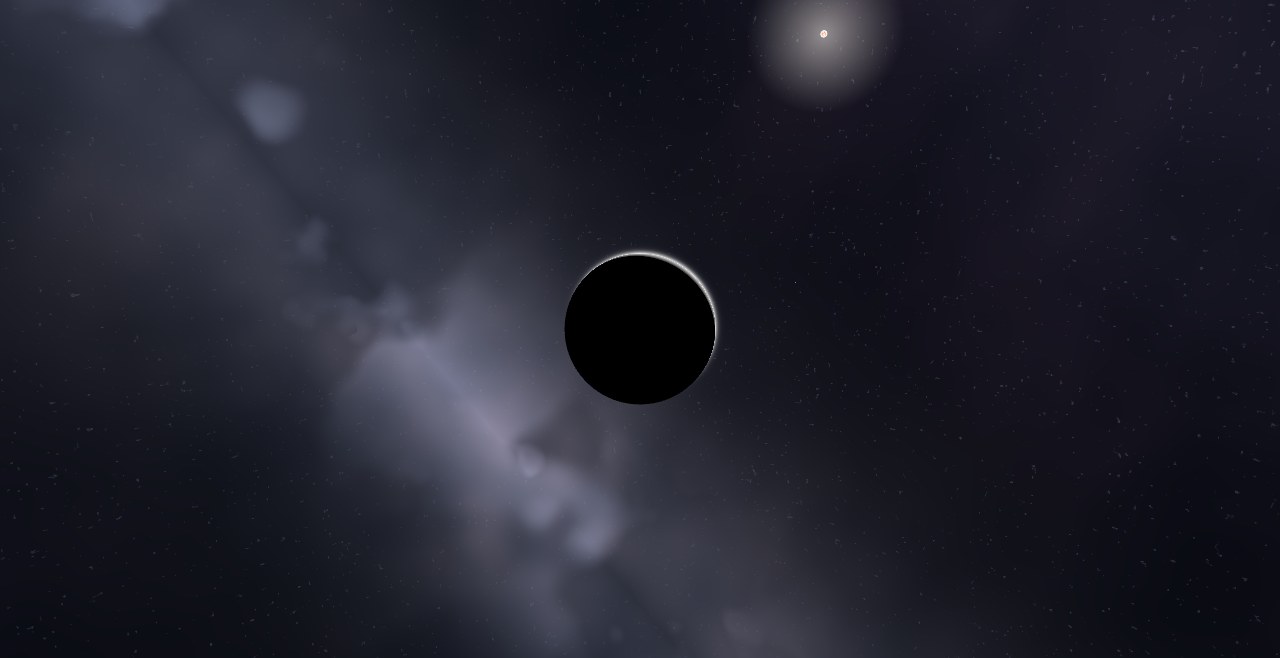
HD 171238, a Sun-like G-type star of 0.92 solar masses, and HD 171238 b, a 8.80-Jupiter-mass companion, with an orbital period of 4.15 years, at 2.518 AU from its star, on an eccentric orbit (e ≈ 0.36).
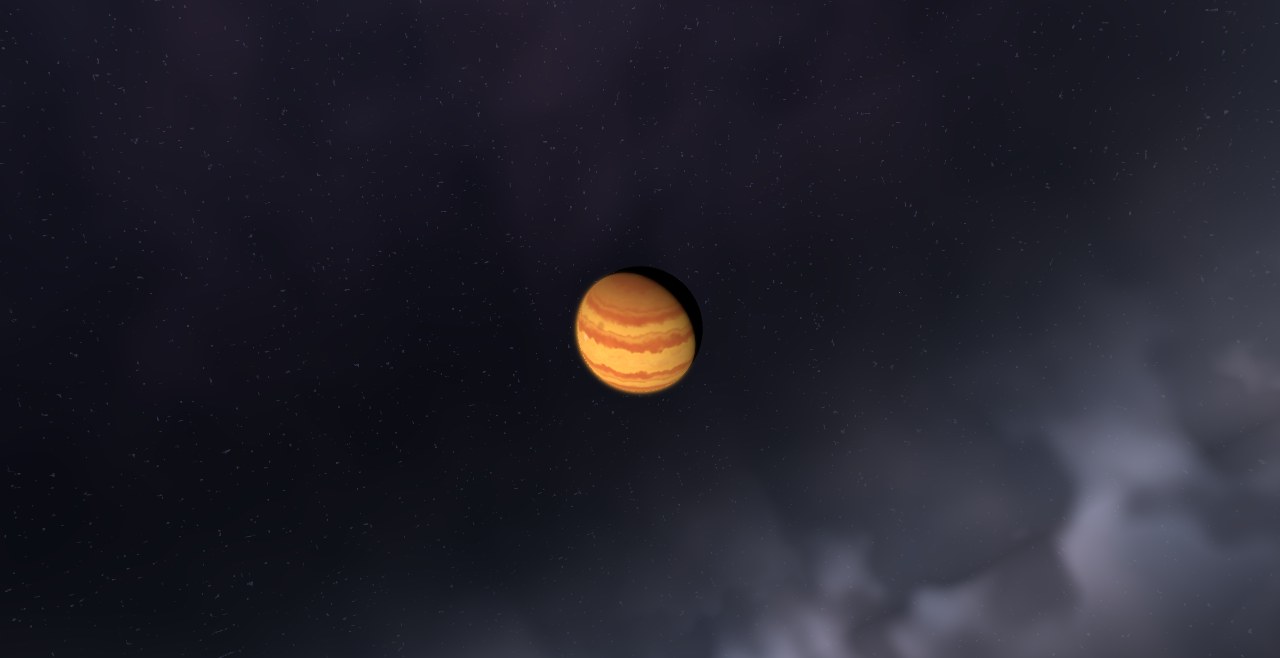
HD 17156 b, an early discovery of an eccentric transiting giant. It spends most of its year far out, then dives in for a brief, hot transit.
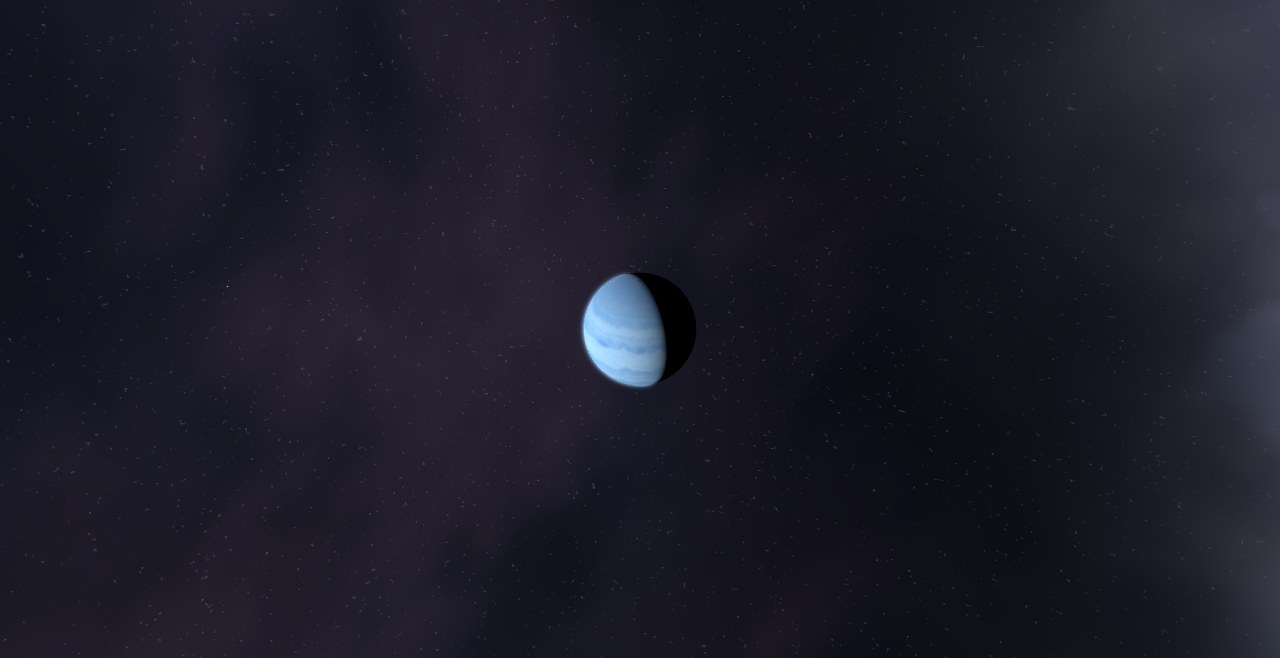
HD 173416, a Sun-like G-type star of 2.00 solar masses, and HD 173416 b, a 1.84-Jupiter-mass companion, with an orbital period of 322 days, at 1.158 AU from its star, on an eccentric orbit (e ≈ 0.21).
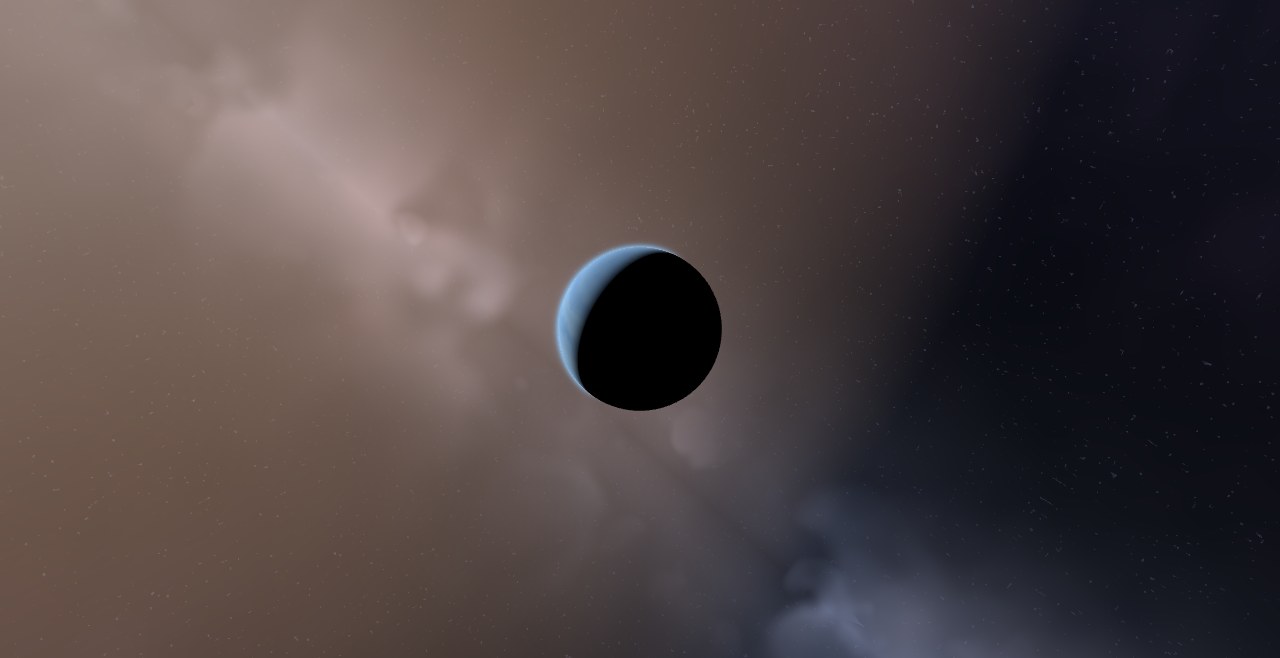
HD 174205, an orange K-type dwarf of 1.80 solar masses, and HD 174205 b, a 4.20-Jupiter-mass companion, with an orbital period of 1.59 years, at 1.700 AU from its star, on an eccentric orbit (e ≈ 0.40).