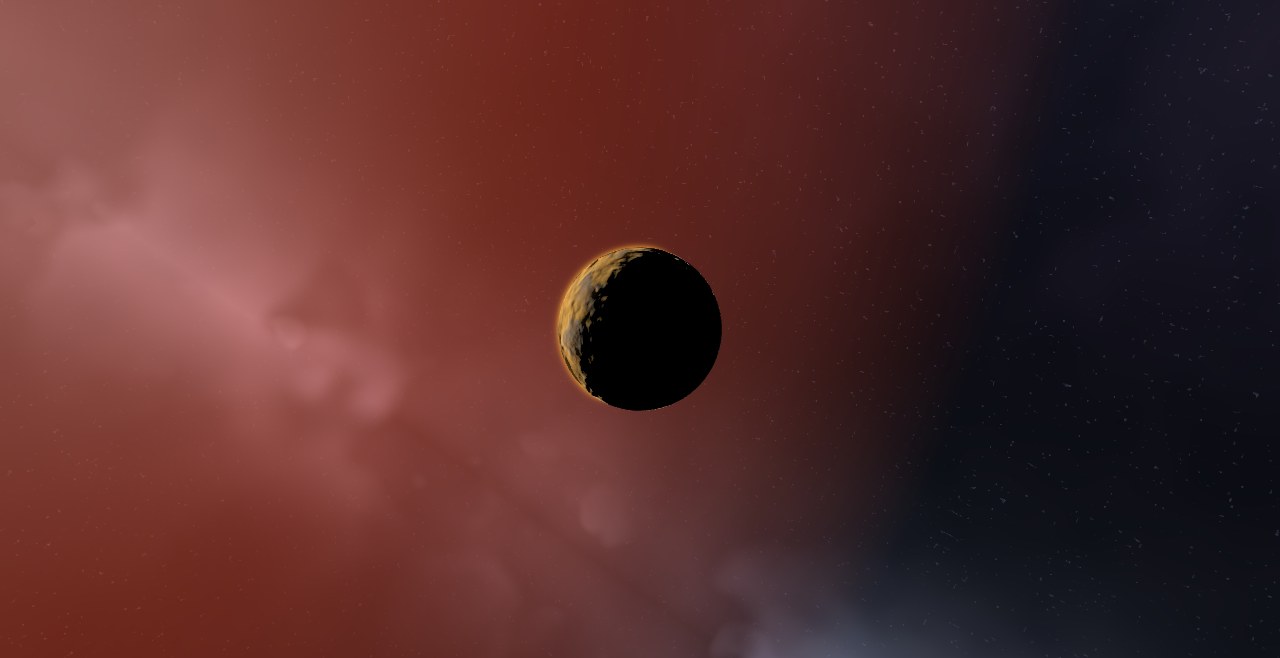
LHS 3844 - System
LHS 3844 b, a bare-rock planet with no detected atmosphere. Its dayside phase curve shows heat reradiated straight from the surface. The world orbits in only about 11 hours.
Scenarios
Discover alien solar systems and explore worlds far beyond our own. Simulate extreme orbital environments, habitable zones, and tightly packed resonant chains discovered by modern astronomy, all mapped accurately from real exoplanetary discovery data.
Share
LHS 3844 b, a bare-rock planet with no detected atmosphere. Its dayside phase curve shows heat reradiated straight from the surface. The world orbits in only about 11 hours.
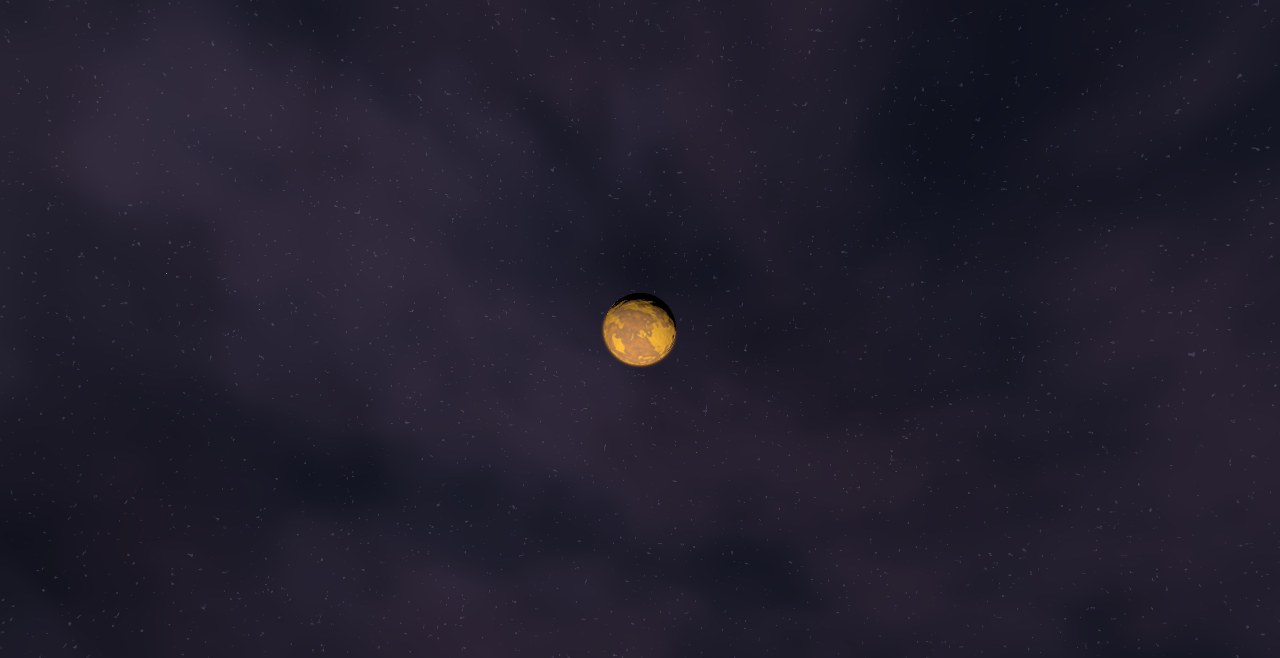
LHS 475, a cool M-dwarf of 0.26 solar masses, and LHS 475 b, a planet with 1.0 Earth radii, with an orbital period of 2.0 days, and an equilibrium temperature near 586 K.
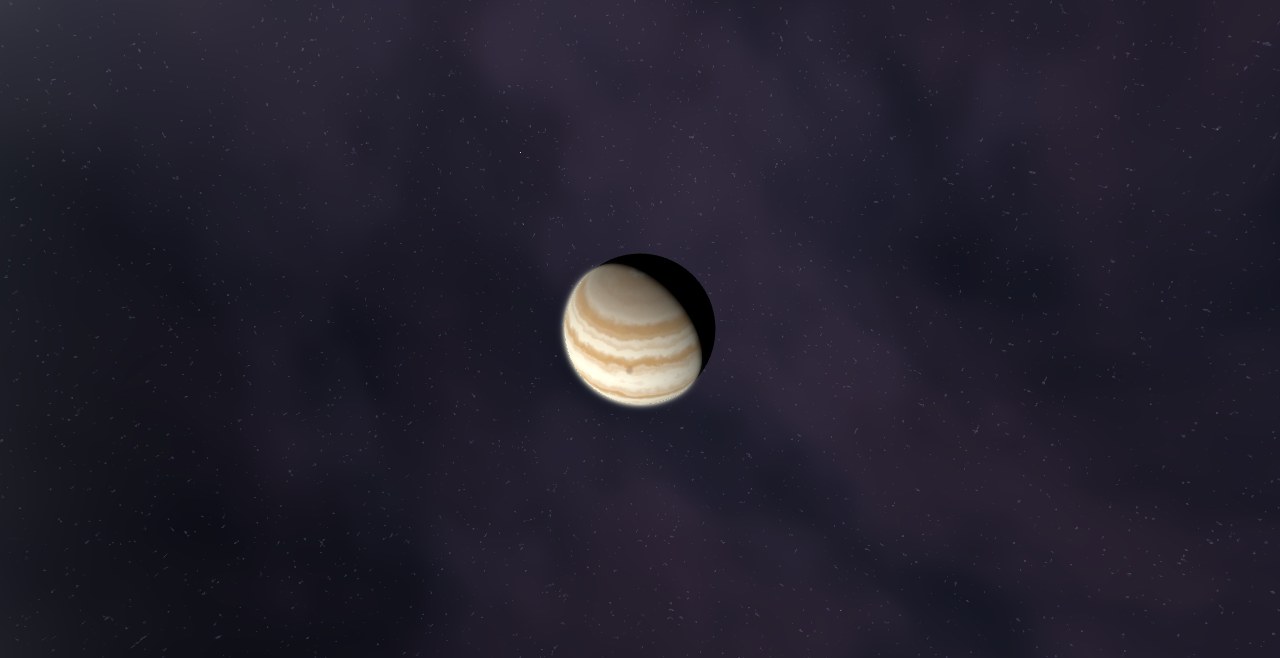
LP 261-75 A, a cool M-dwarf of 0.22 solar masses, and LP 261-75 b, a 21.0-Jupiter-mass companion, at 450 AU from its star, and an equilibrium temperature near 1,500 K.
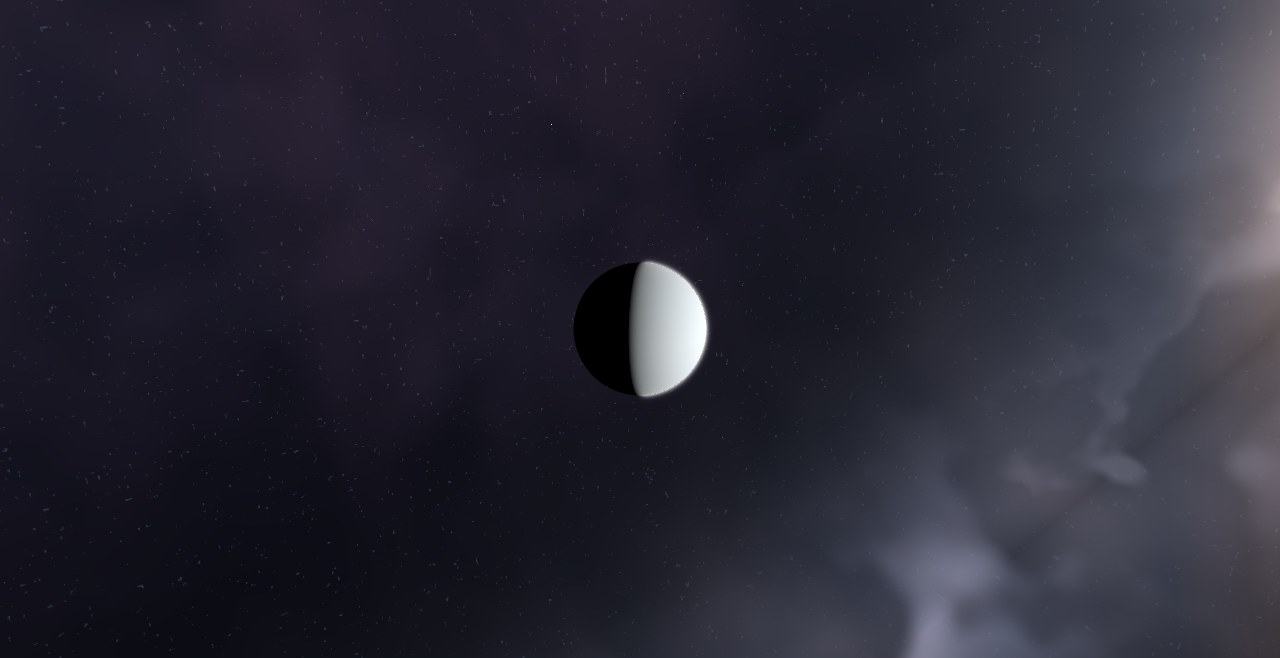
LP 714-47, a cool M-dwarf of 0.54 solar masses, and LP 714-47 b, a 0.09-Jupiter-mass companion, with an orbital period of 4.1 days, at 0.041 AU from its star, and an equilibrium temperature near 723 K.
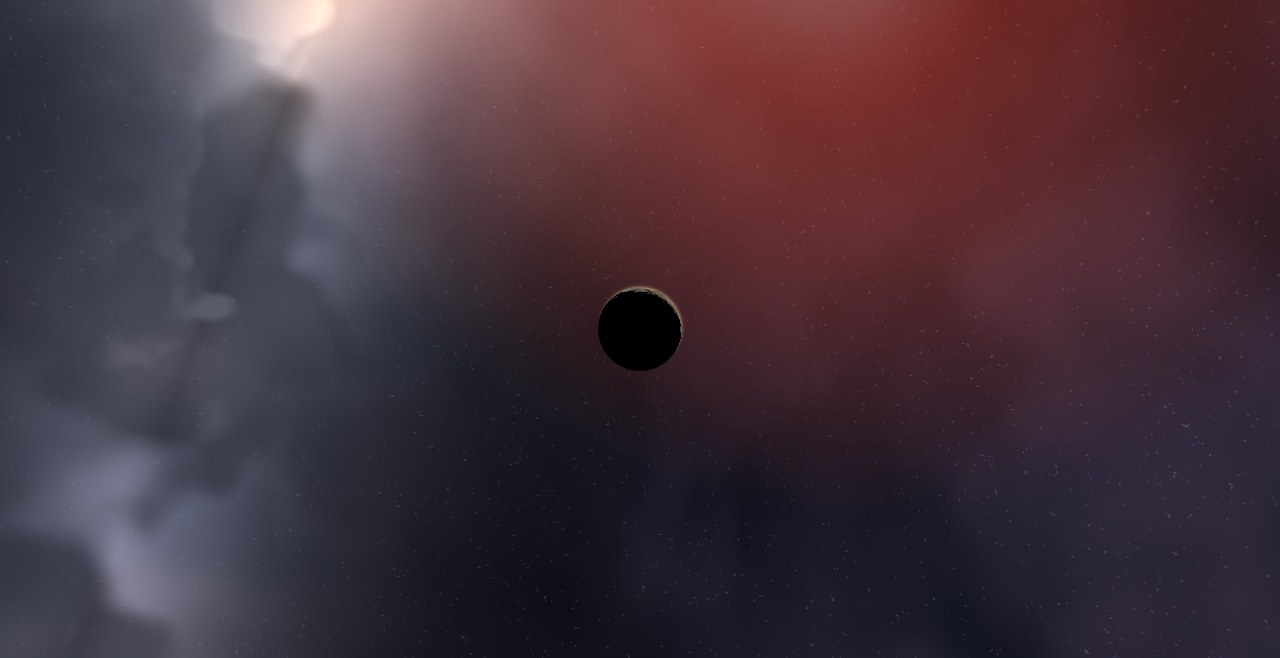
LP 791-18, a cool M-dwarf of 0.14 solar masses, and LP 791-18 b, a planet with 1.2 Earth radii, with an orbital period of 22.8 hours, at 0.010 AU from its star, and an equilibrium temperature near 564 K.
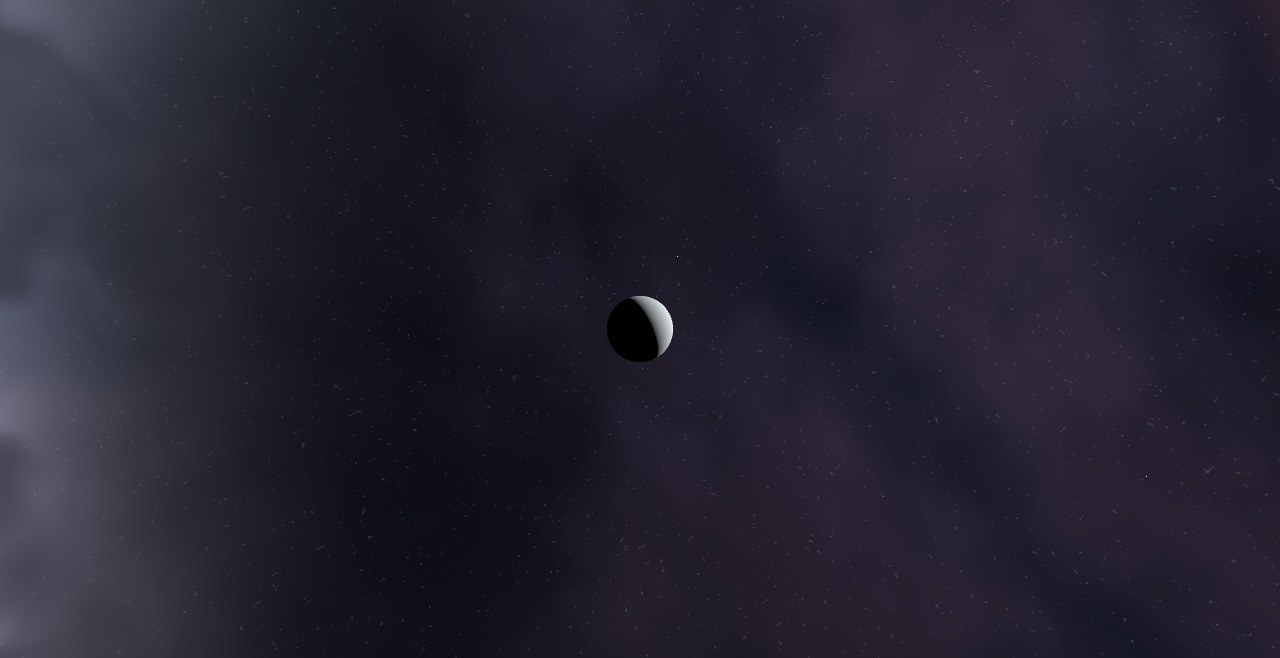
LP 890-9, also SPECULOOS-2, an ultracool dwarf with two Earth-sized planets. The outer one transits in the habitable zone. The host is one of the coolest stars known to have planets.
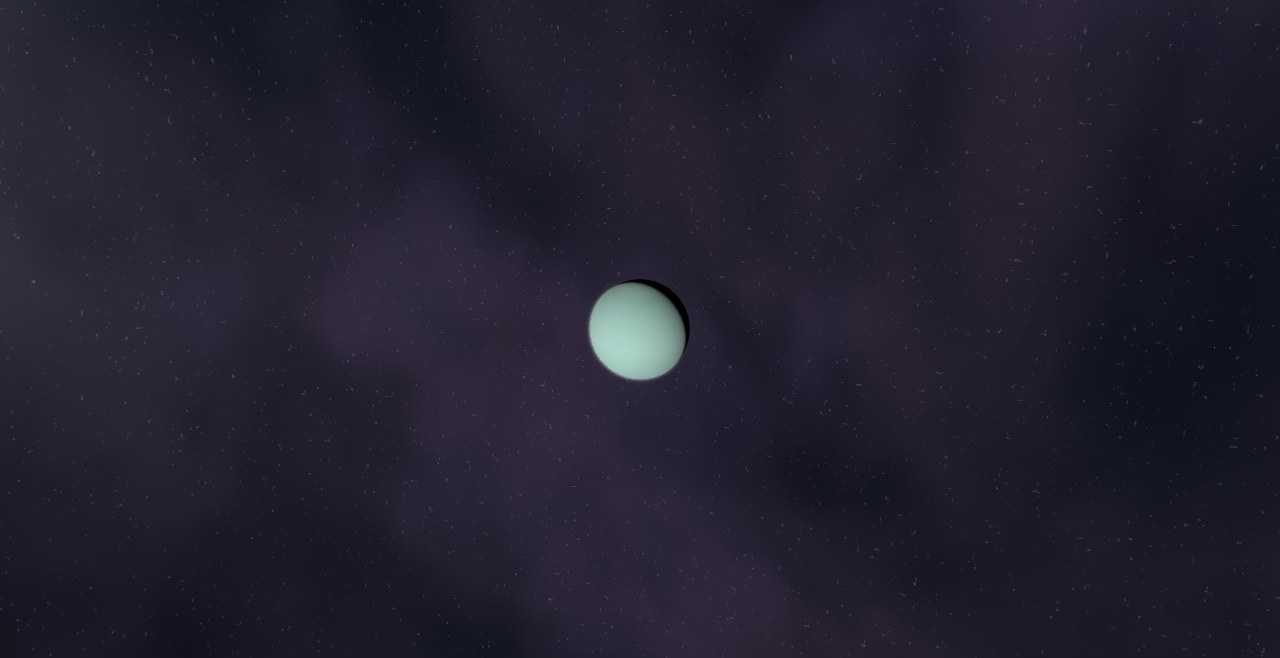
LSPM J2116+0234, a cool M-dwarf of 0.43 solar masses, and LSPM J2116+0234 b, a 13.3-Earth-mass planet, with an orbital period of 14.4 days, at 0.088 AU from its star, on an eccentric orbit (e ≈ 0.18).
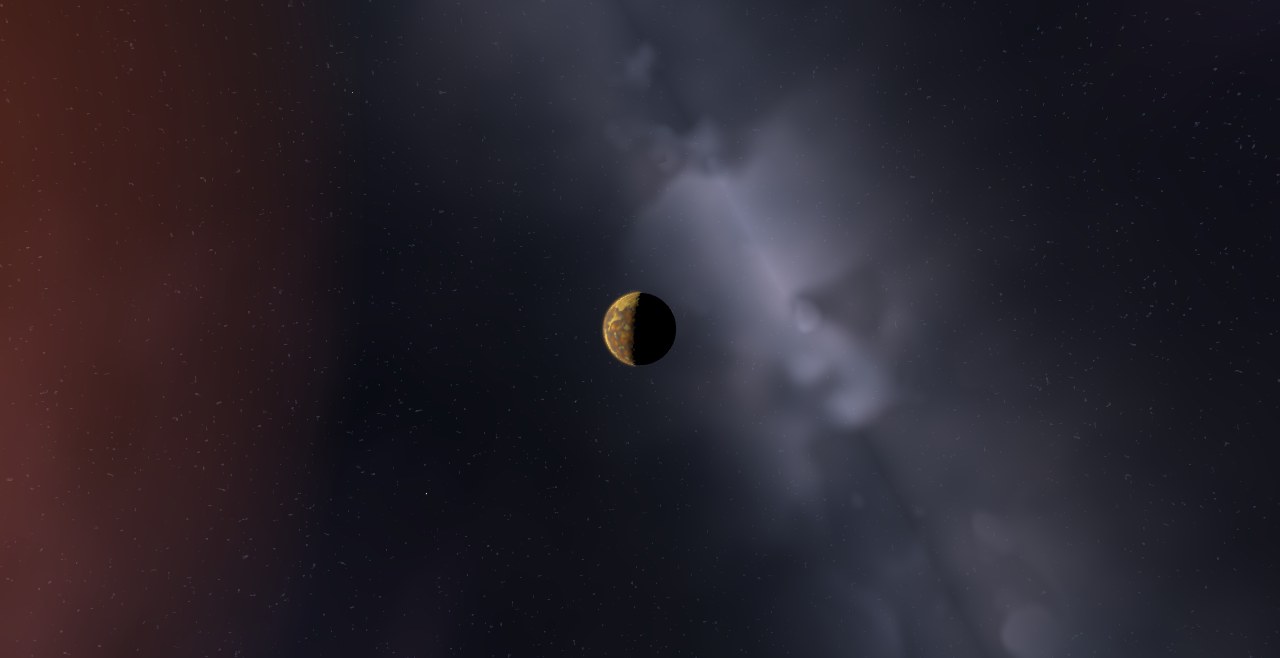
LTT 1445 A, a cool M-dwarf of 0.26 solar masses, and LTT 1445 A c, a 1.5-Earth-mass planet, with an orbital period of 3.1 days, at 0.027 AU from its star, and an equilibrium temperature near 508 K.
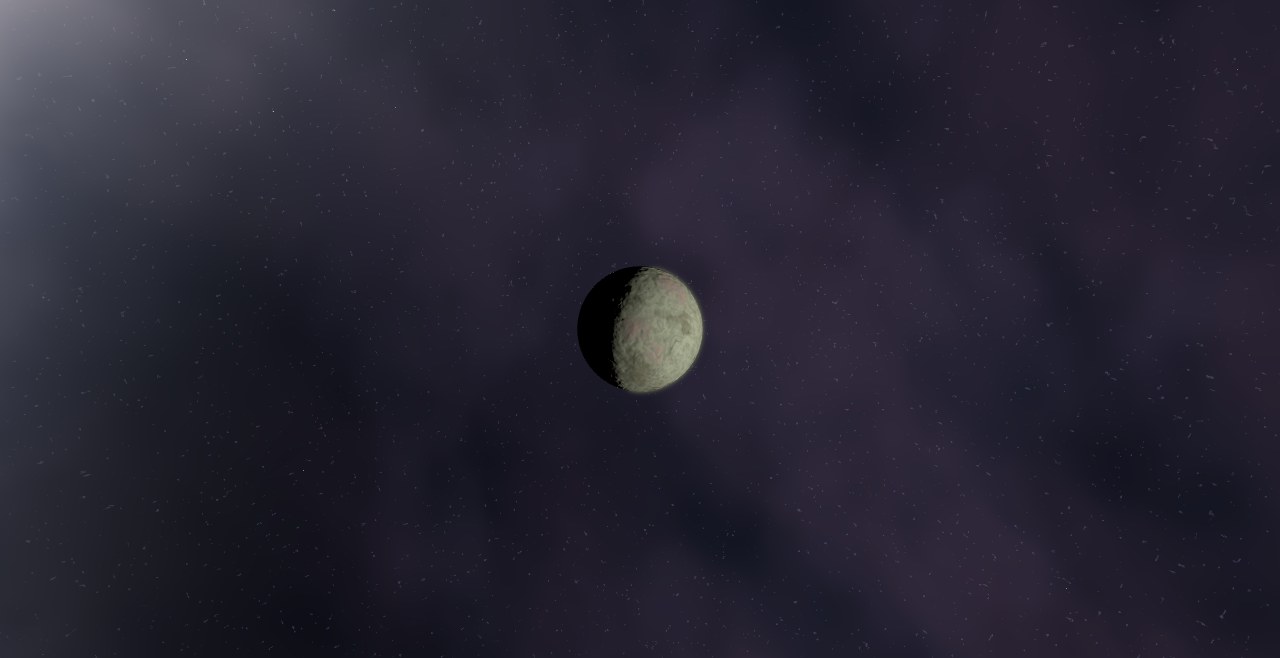
LTT 3780, a cool M-dwarf of 0.38 solar masses, and LTT 3780 b, a 2.5-Earth-mass planet, with an orbital period of 18.4 hours, at 0.012 AU from its star, and an equilibrium temperature near 903 K.
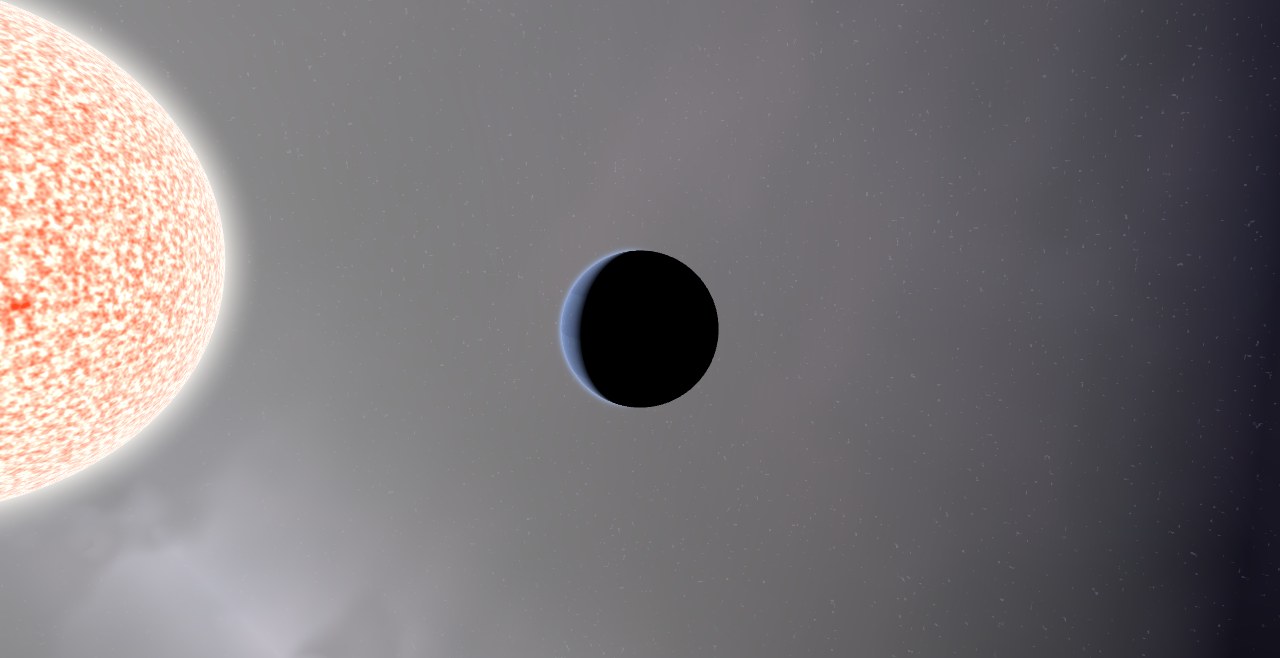
LTT 9779, a Sun-like G-type star of 1.02 solar masses, and LTT 9779 b, a 0.09-Jupiter-mass companion, with an orbital period of 19.0 hours, at 0.017 AU from its star, and an equilibrium temperature near 1,978 K.
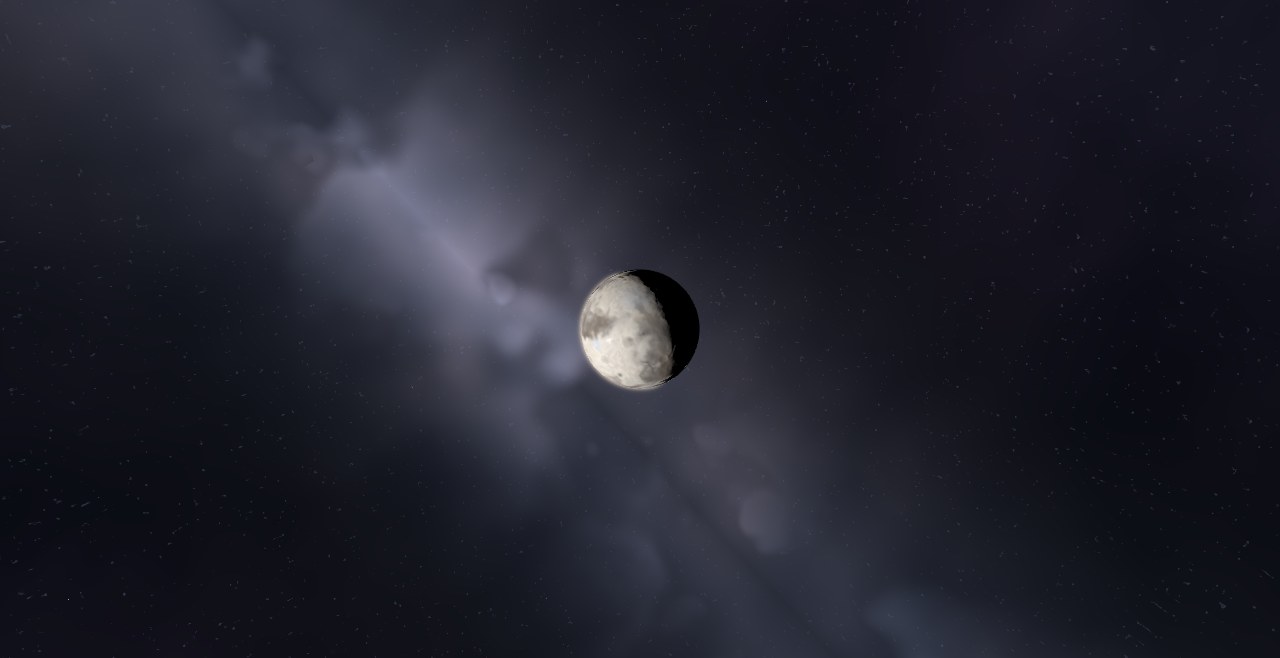
LkCa 15, an orange K-type dwarf of 1.00 solar masses, and LkCa 15 b, a confirmed exoplanet, at 14.7 AU from its star.
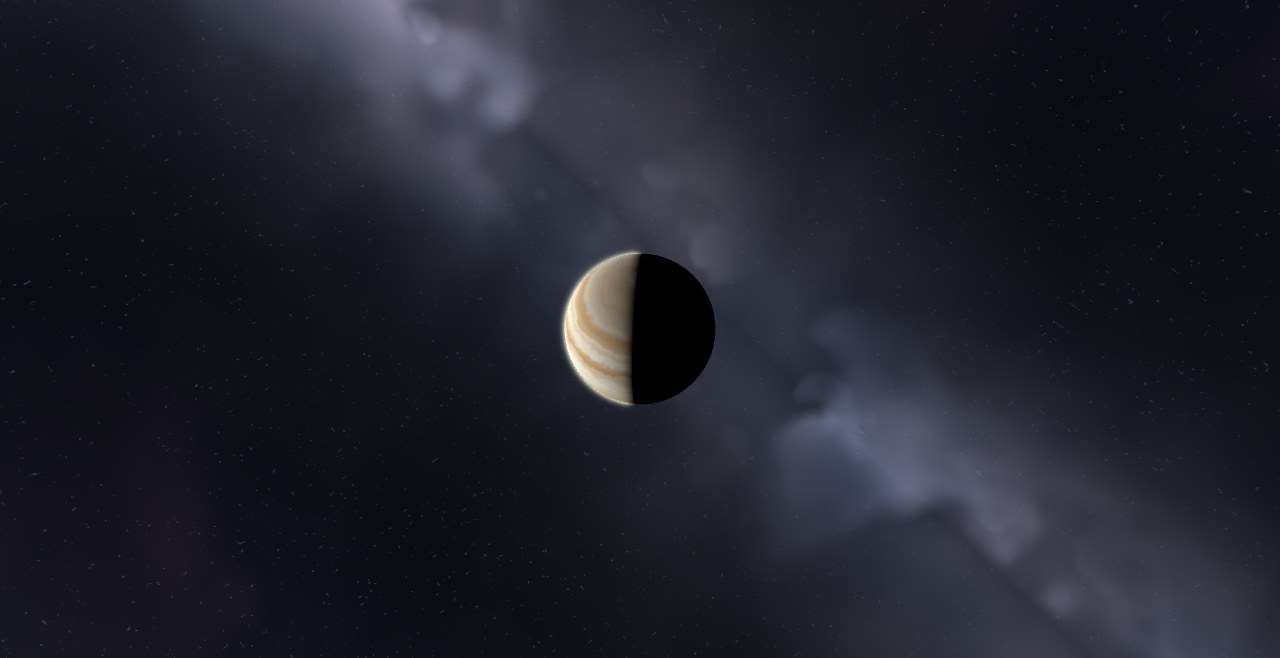
Luhman 16 A, a Sun-like G-type star of 0.03 solar masses, and Luhman 16 b, a 29.4-Jupiter-mass companion, with an orbital period of 26.5 years, at 3.520 AU from its star, on an eccentric orbit (e ≈ 0.34).
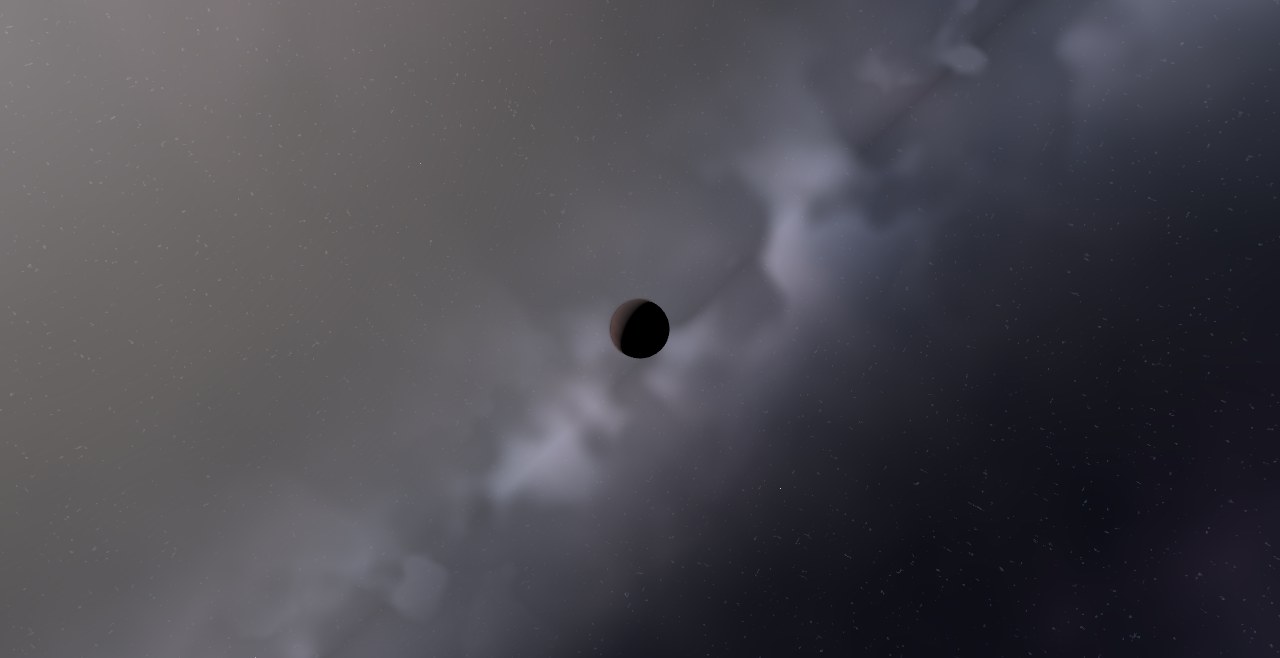
Lupus-TR-3, an orange K-type dwarf of 0.87 solar masses, and Lupus-TR-3 b, a 0.81-Jupiter-mass companion, with an orbital period of 3.9 days, at 0.046 AU from its star.
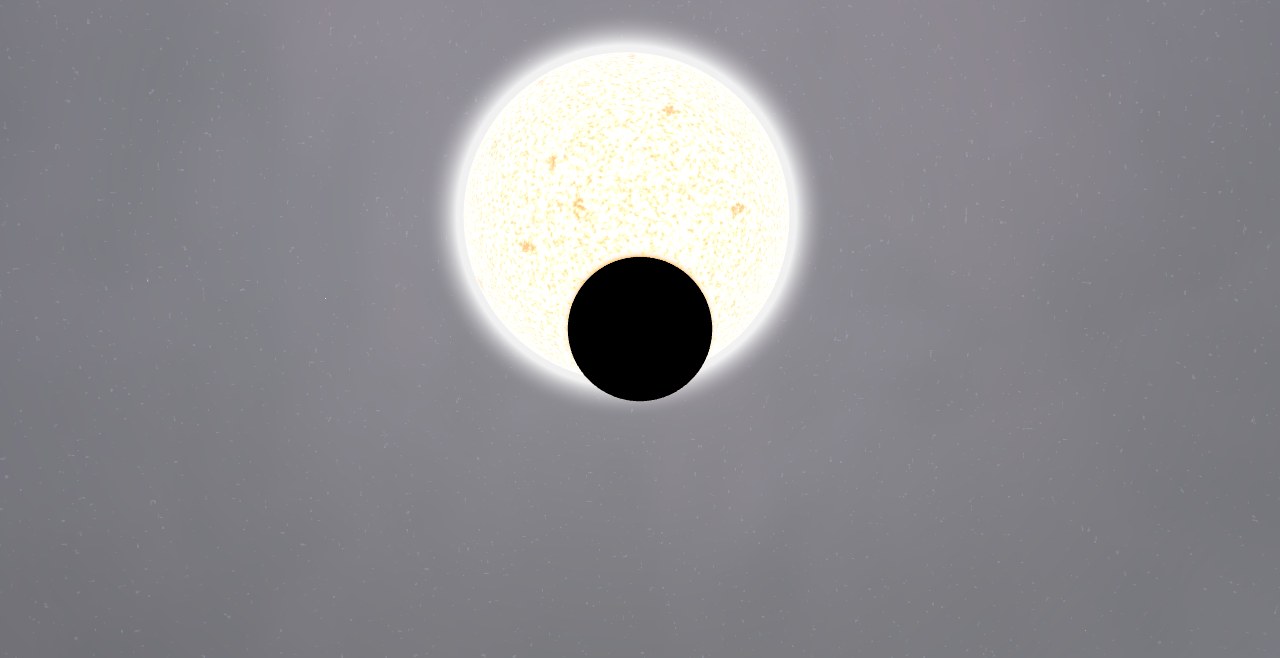
MASCARA-1, a Sun-like F-type star of 1.90 solar masses, and MASCARA-1 b, a planet with 17.9 Earth radii, with an orbital period of 2.1 days, at 0.040 AU from its star, and an equilibrium temperature near 2,594.
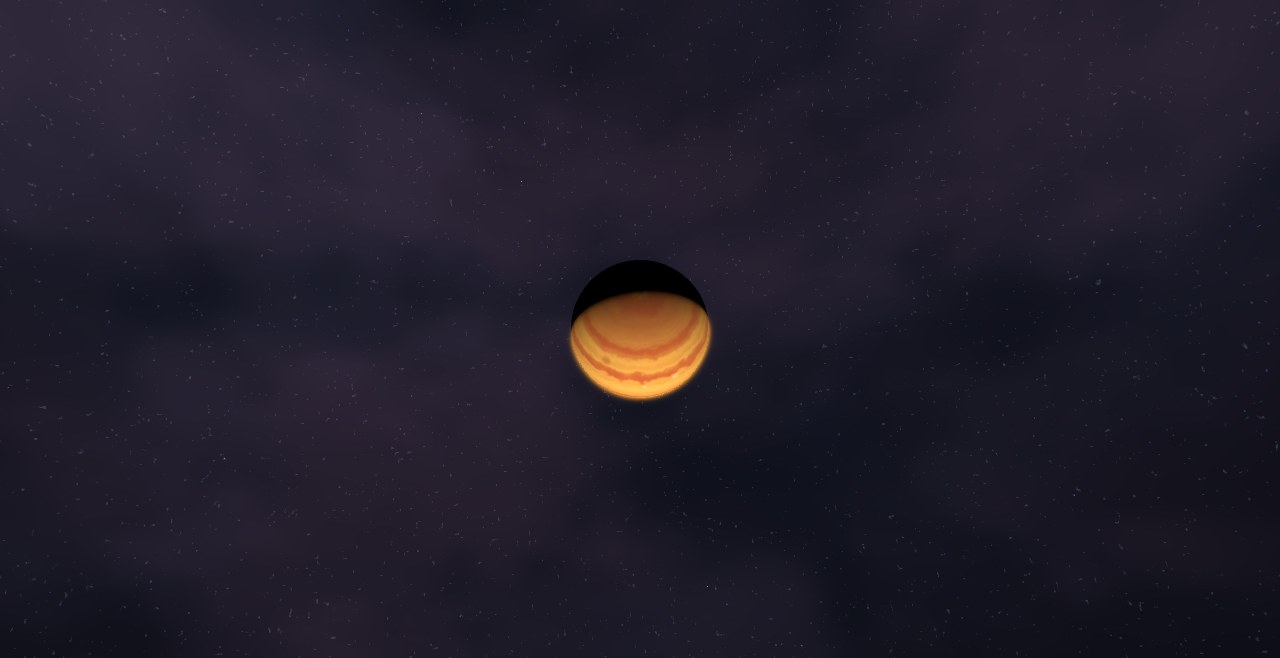
MASCARA-4, and MASCARA-4 b, a 1.68-Jupiter-mass companion, with an orbital period of 2.8 days, at 0.047 AU from its star, and an equilibrium temperature near 2,250 K.
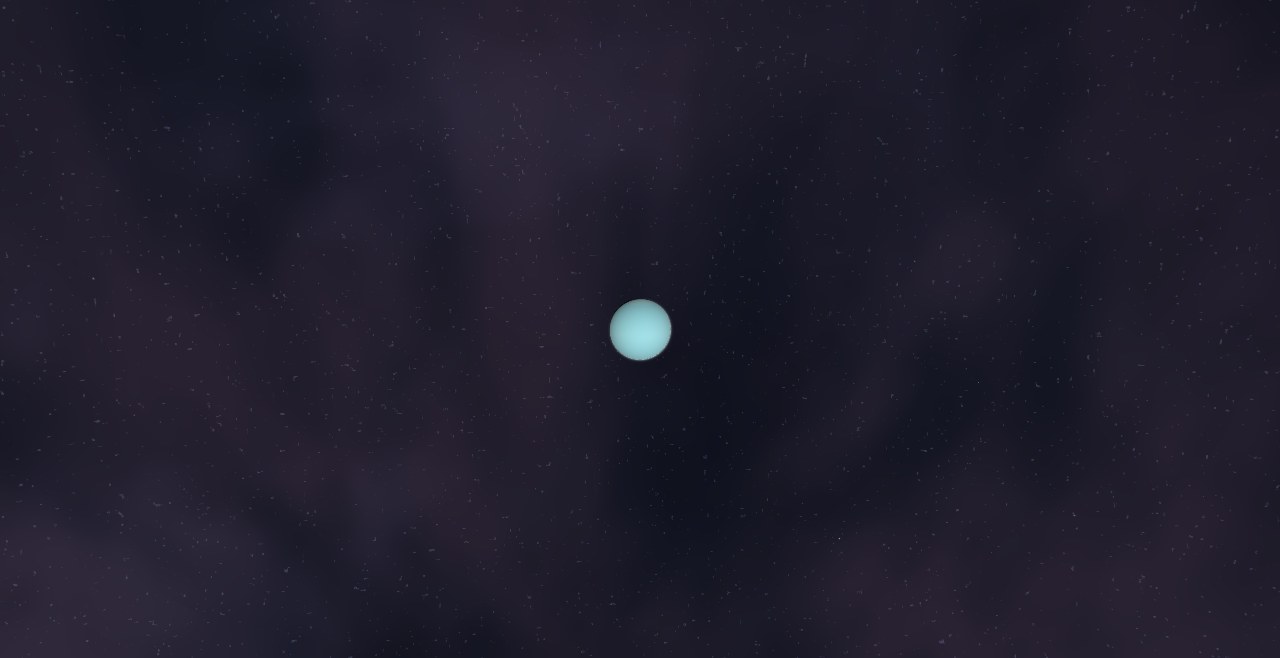
MOA-2007-BLG-192L, a Sun-like G-type star of 0.28 solar masses, and MOA-2007-BLG-192L b, a 12.5-Earth-mass planet, at 2.020 AU from its star.
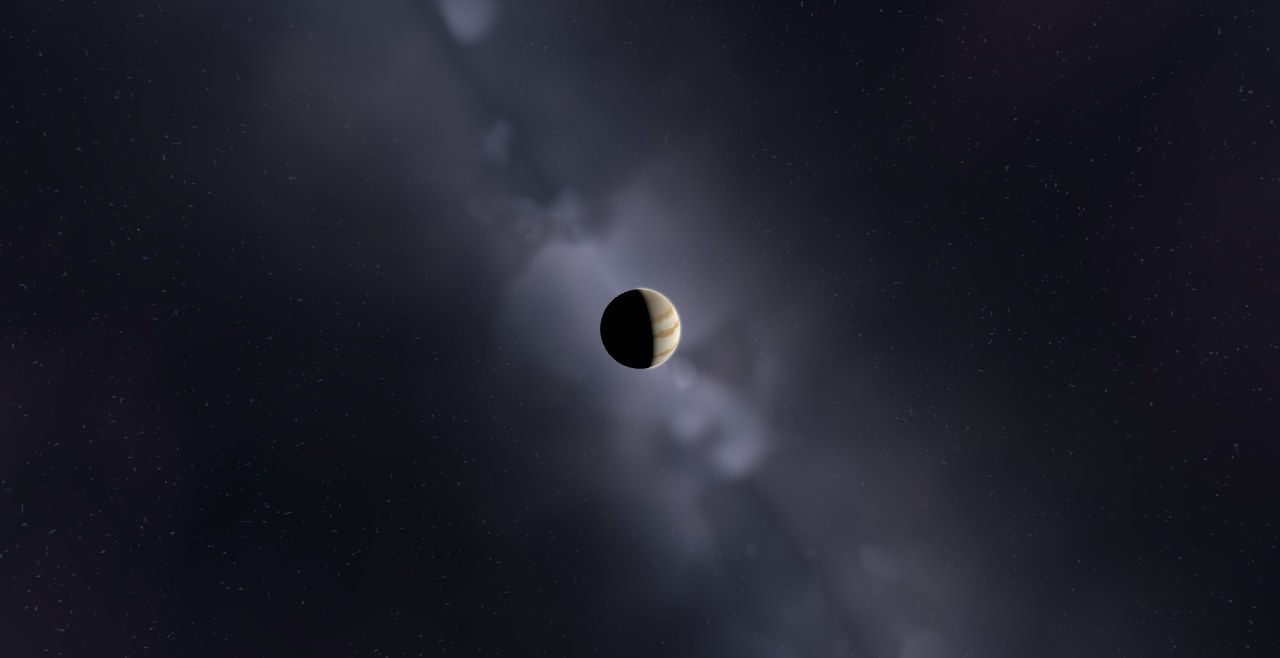
MOA-2007-BLG-400L, a Sun-like G-type star of 0.69 solar masses, and MOA-2007-BLG-400L b, a 1.70-Jupiter-mass companion, at 5.900 AU from its star.
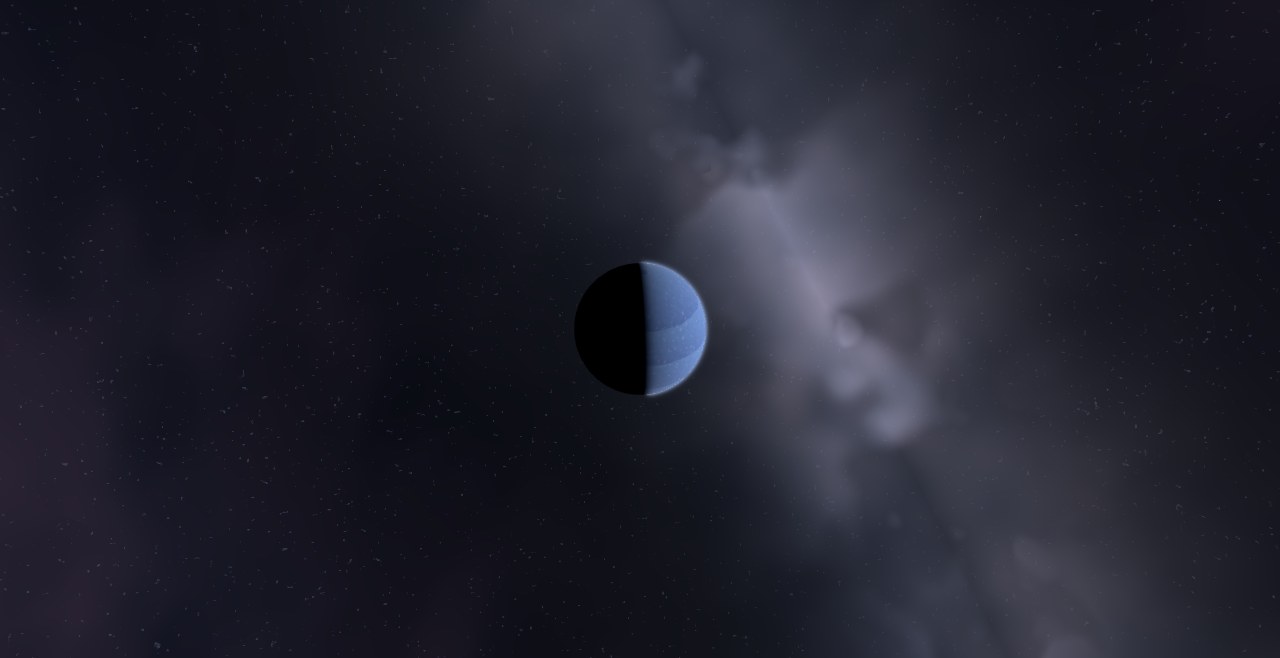
MOA-2008-BLG-310L, a Sun-like G-type star of 0.21 solar masses, and MOA-2008-BLG-310L b, a 0.07-Jupiter-mass companion, at 1.100 AU from its star.