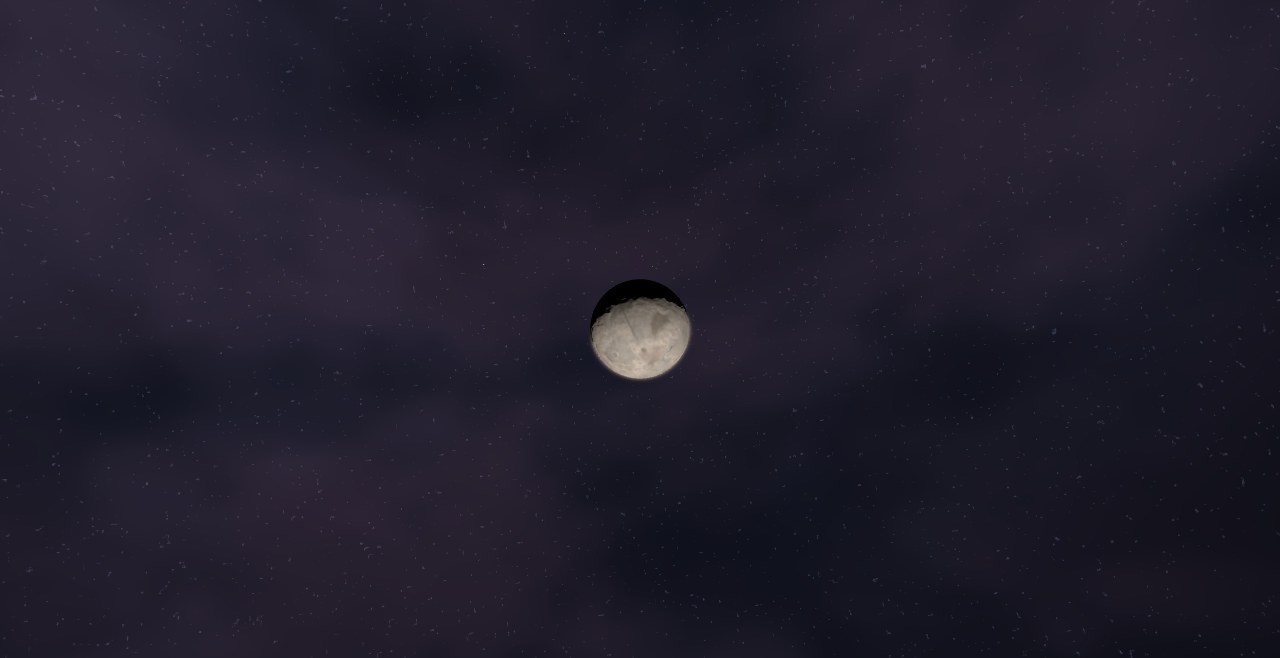
Kepler-991 - System
Kepler-991, an orange K-type dwarf of 0.64 solar masses, and Kepler-991 b, a planet with 2.5 Earth radii, with an orbital period of 82.5 days.
Scenarios
Discover alien solar systems and explore worlds far beyond our own. Simulate extreme orbital environments, habitable zones, and tightly packed resonant chains discovered by modern astronomy, all mapped accurately from real exoplanetary discovery data.
Share
Kepler-991, an orange K-type dwarf of 0.64 solar masses, and Kepler-991 b, a planet with 2.5 Earth radii, with an orbital period of 82.5 days.
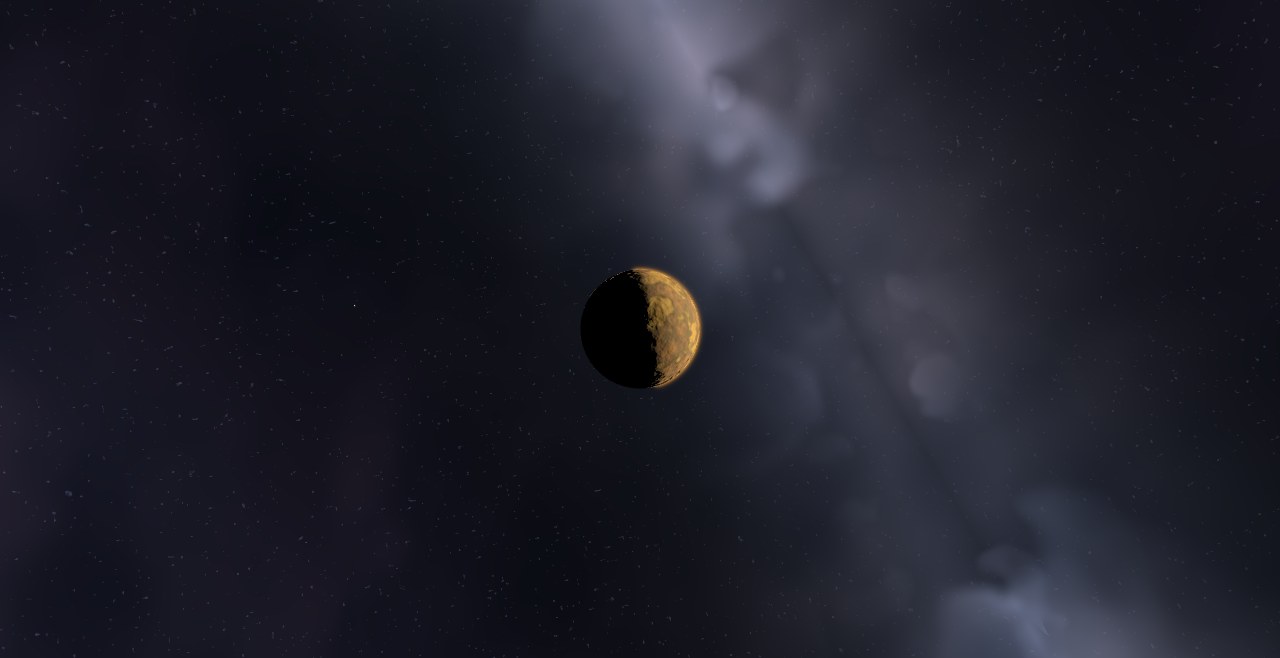
Kepler-992, an orange K-type dwarf of 0.80 solar masses, and Kepler-992 b, a planet with 1.6 Earth radii, with an orbital period of 20.2 days.
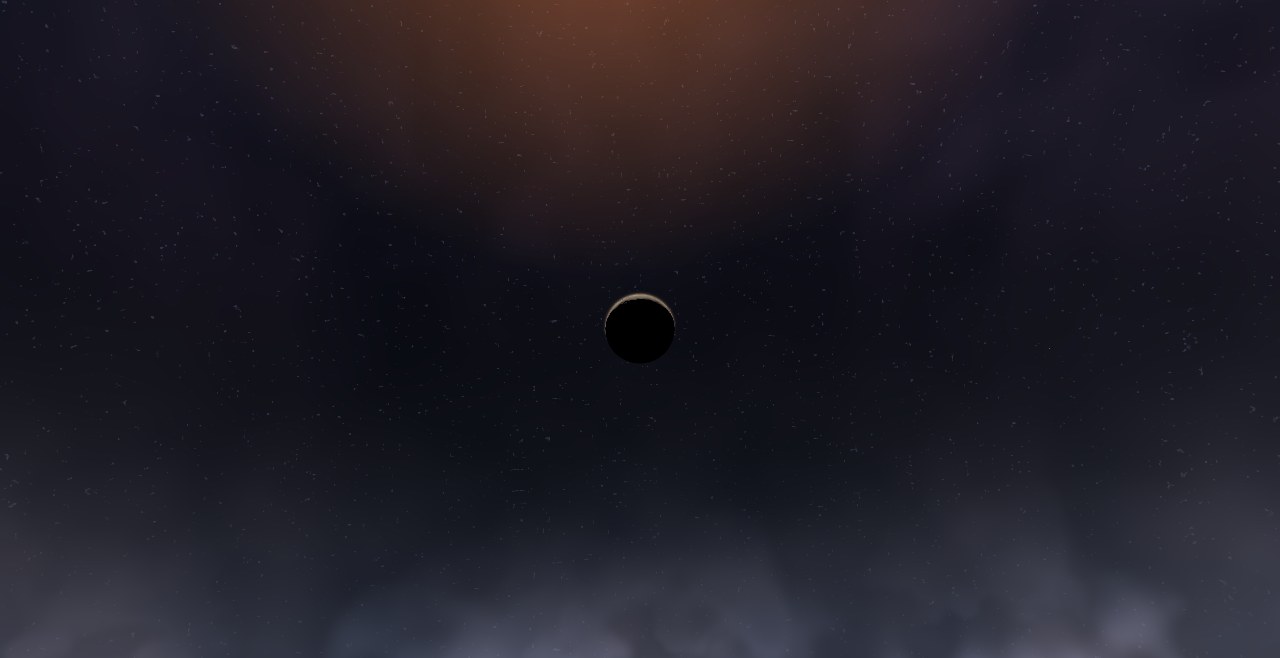
Kepler-993, an orange K-type dwarf of 0.57 solar masses, and Kepler-993 b, a planet with 3.0 Earth radii, with an orbital period of 22.1 days.
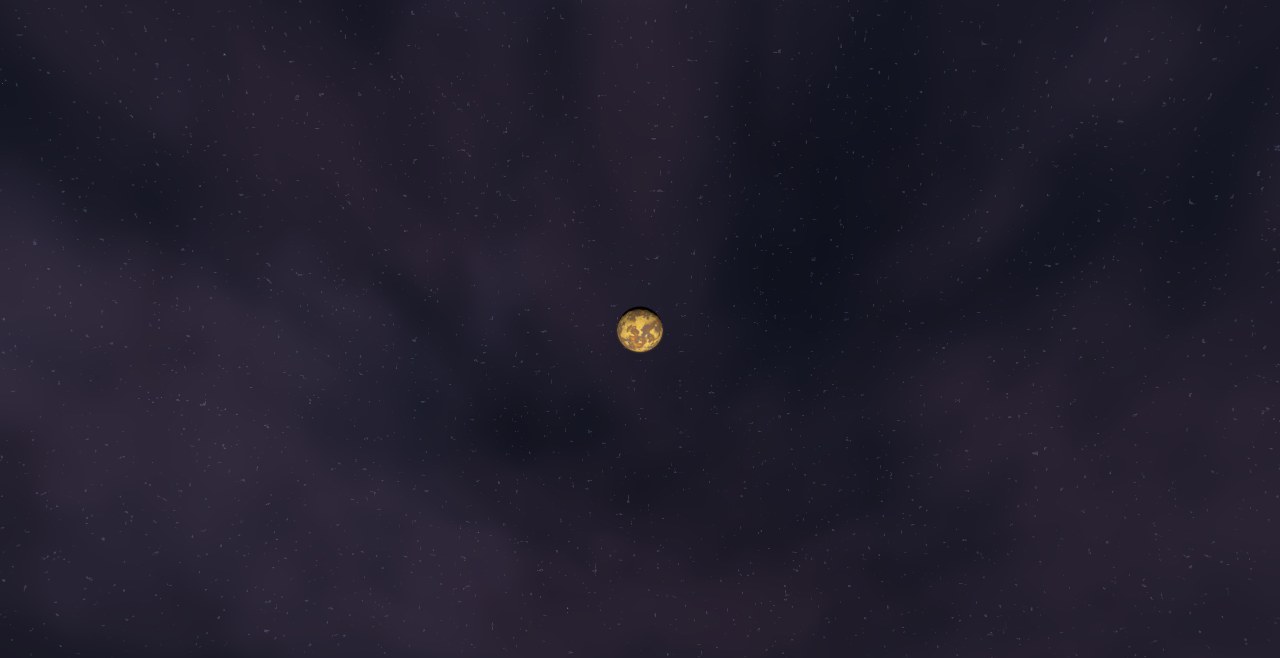
Kepler-994, an orange K-type dwarf of 0.56 solar masses, and Kepler-994 b, a planet with 1.6 Earth radii, with an orbital period of 1.2 days.
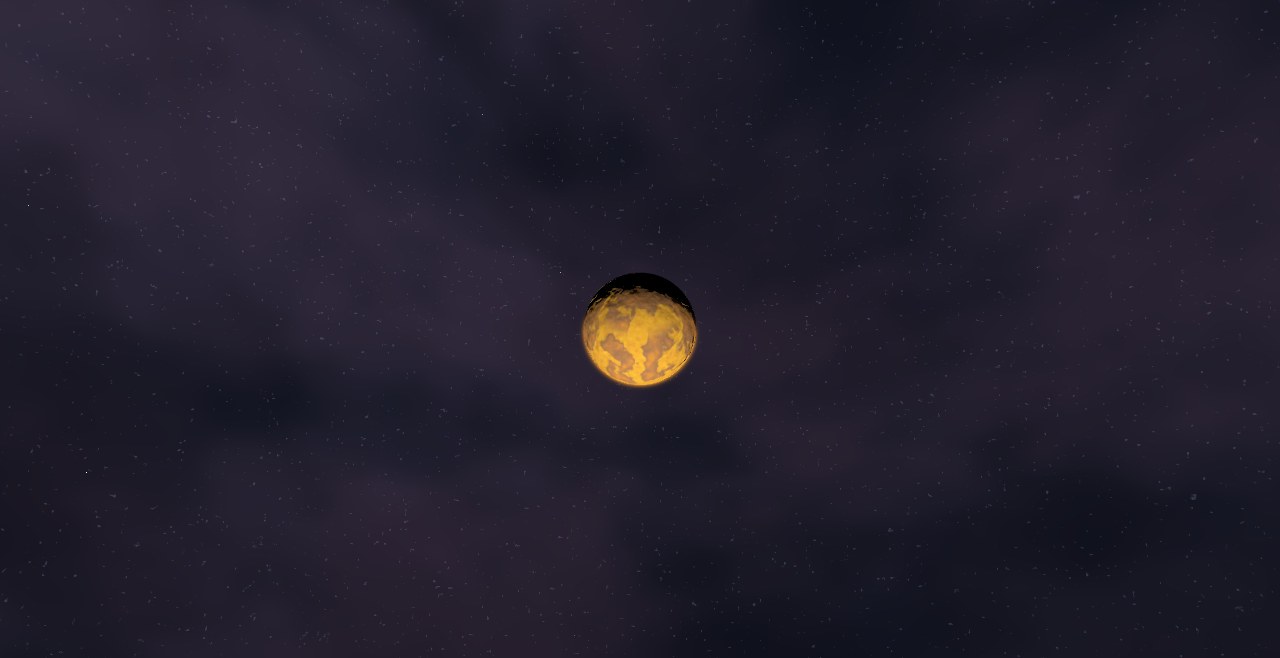
Kepler-995, a Sun-like G-type star of 0.83 solar masses, and Kepler-995 b, a planet with 2.7 Earth radii, with an orbital period of 28.3 days.
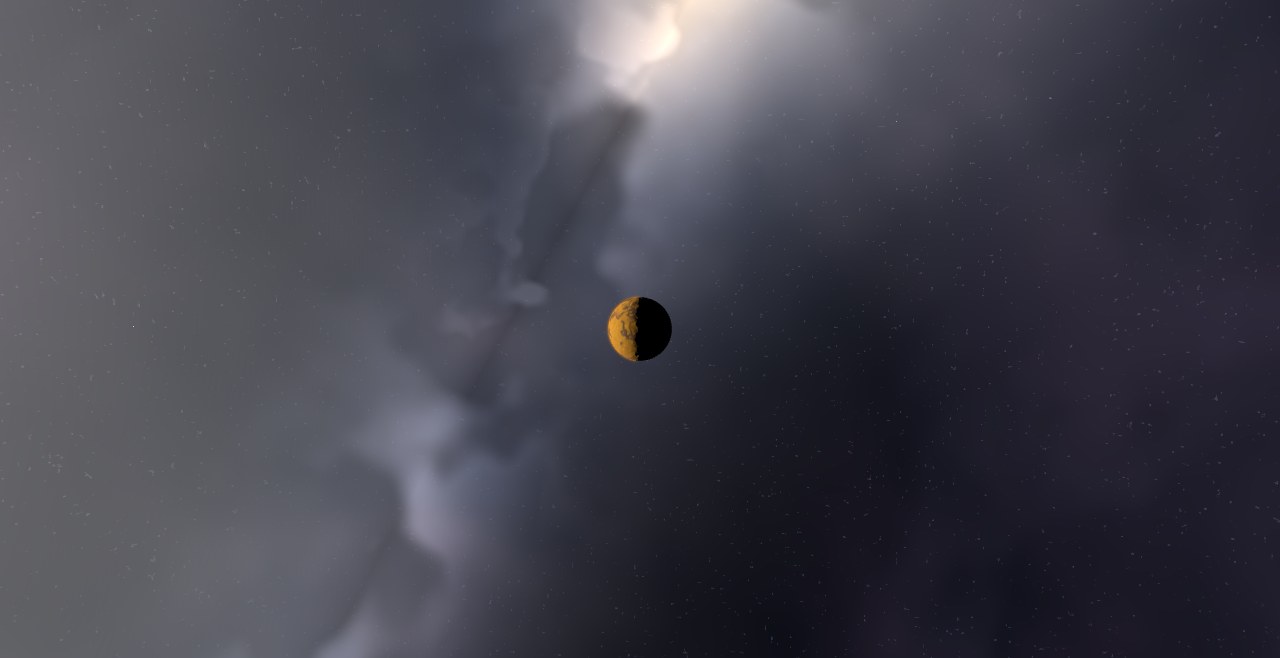
Kepler-996, a Sun-like F-type star of 1.09 solar masses, and Kepler-996 b, a planet with 2.0 Earth radii, with an orbital period of 3.8 days.
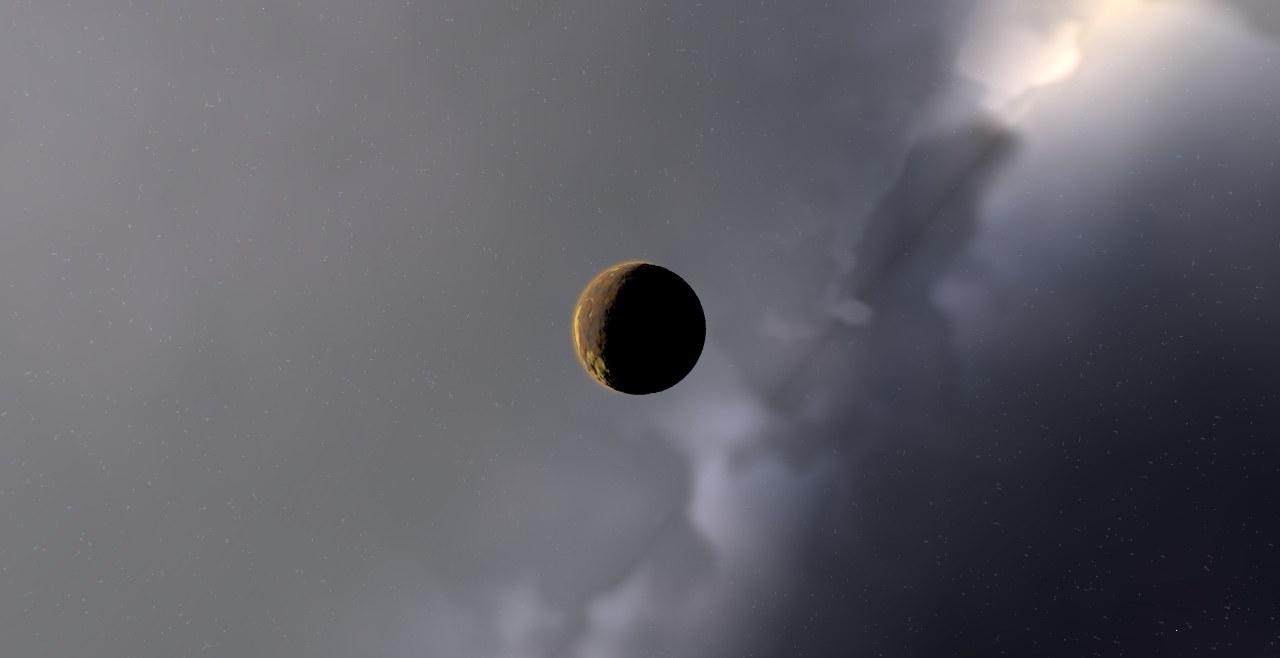
Kepler-997, a Sun-like F-type star of 1.22 solar masses, and Kepler-997 b, a planet with 1.4 Earth radii, with an orbital period of 2.7 days.
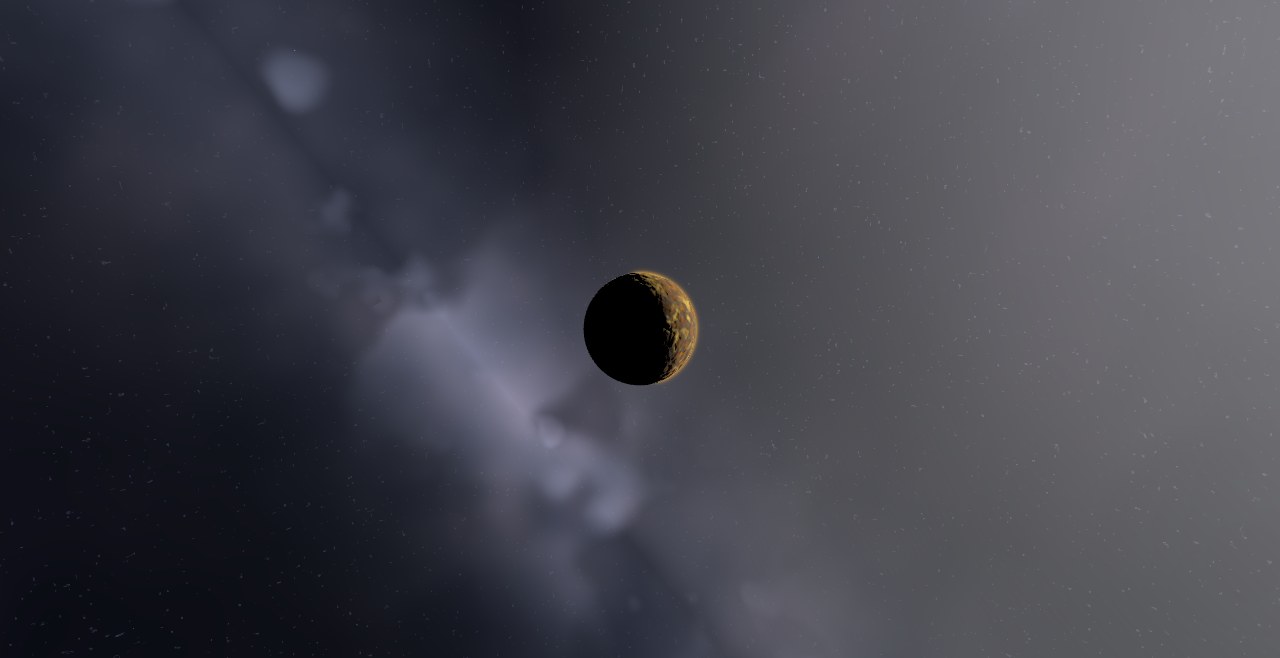
Kepler-998, a Sun-like F-type star of 1.12 solar masses, and Kepler-998 b, a planet with 2.3 Earth radii, with an orbital period of 5.7 days.
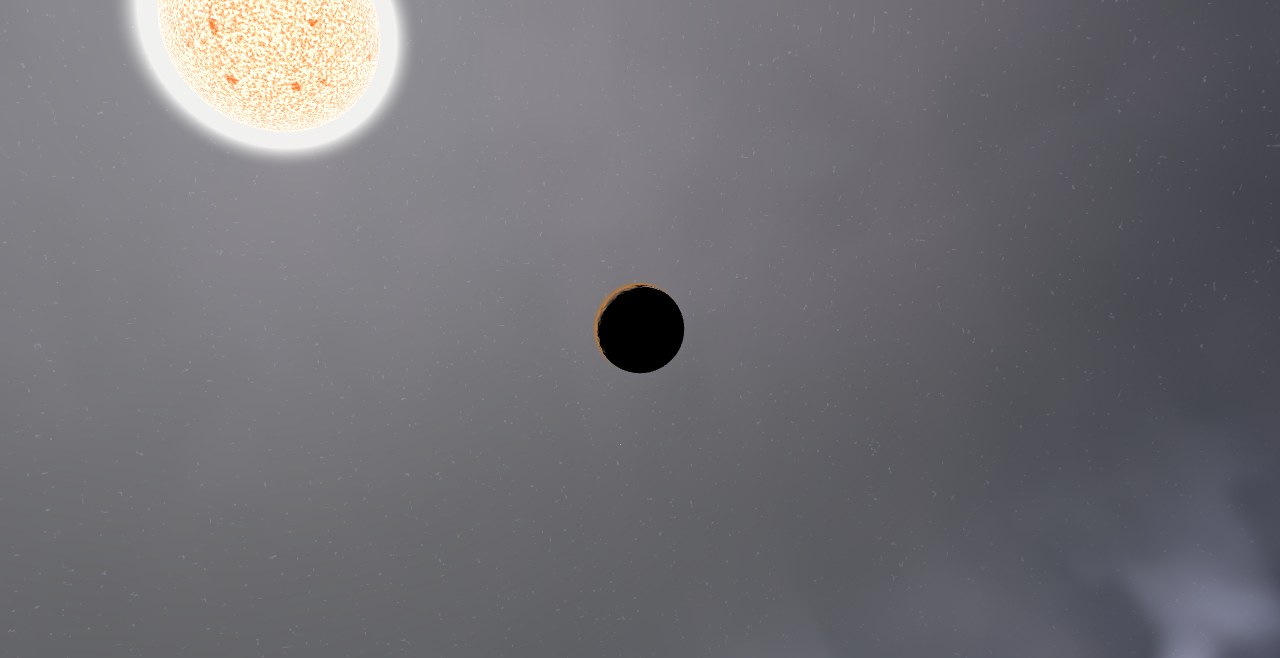
Kepler-999, a Sun-like F-type star of 1.29 solar masses, and Kepler-999 b, a planet with 2.3 Earth radii, with an orbital period of 6.0 days.
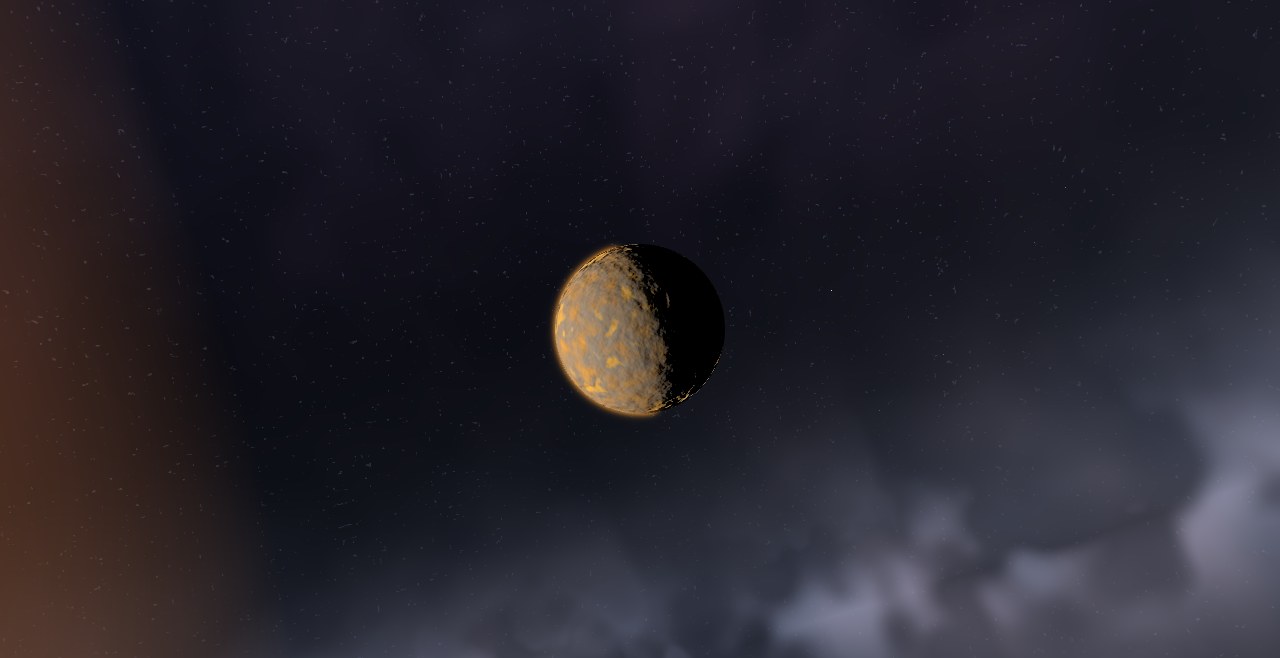
L 168-9, a cool M-dwarf of 0.61 solar masses, and L 168-9 b, a 4.1-Earth-mass planet, with an orbital period of 1.4 days, at 0.021 AU from its star, and an equilibrium temperature near 998 K.
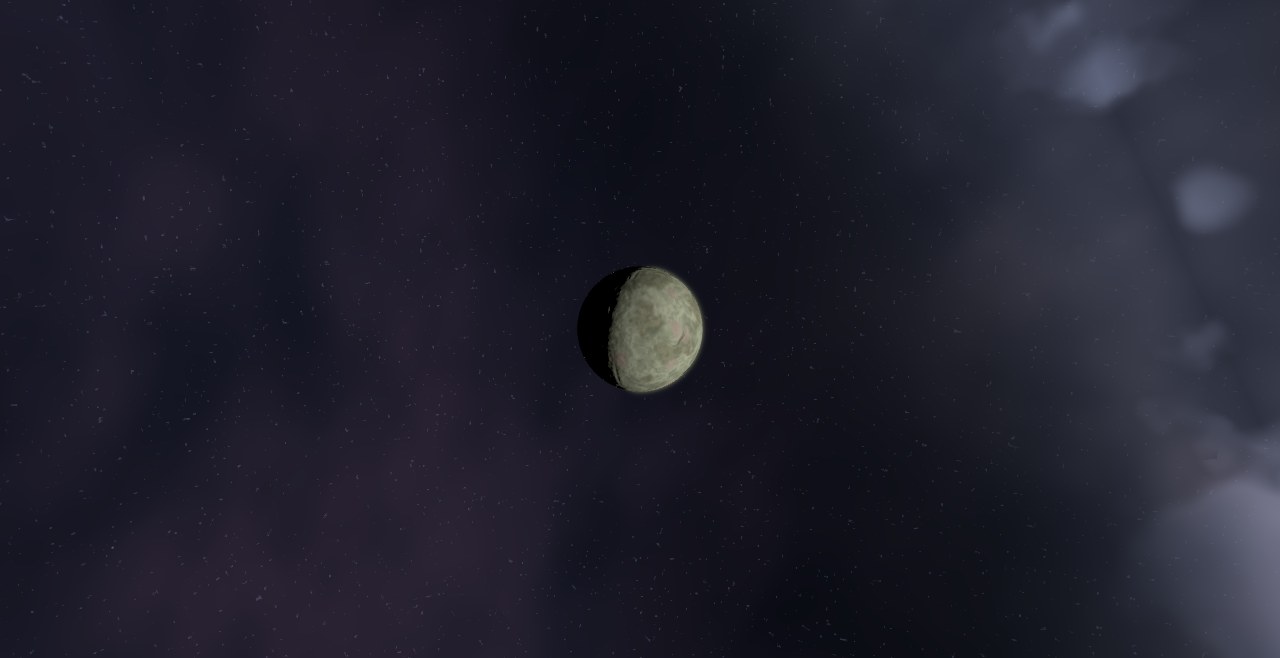
L 363-38, a cool M-dwarf of 0.21 solar masses, and L 363-38 b, a 4.7-Earth-mass planet, with an orbital period of 8.8 days, at 0.048 AU from its star, and an equilibrium temperature near 330 K.
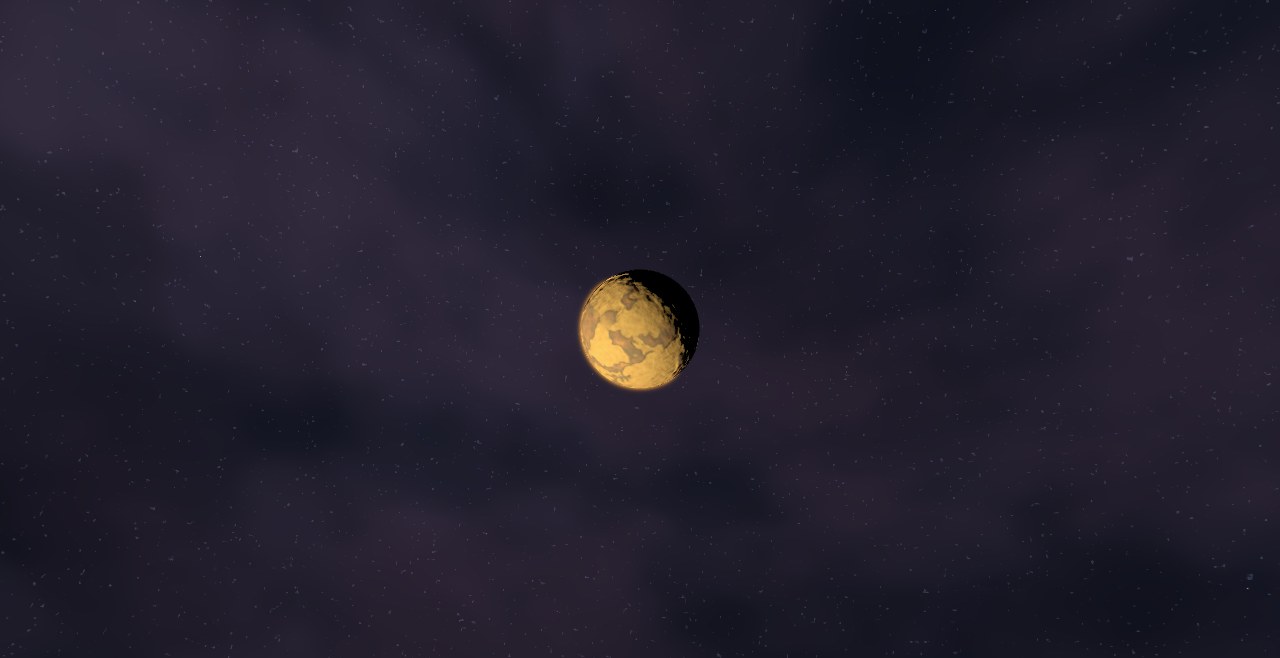
L 98-59, a nearby compact system around a bright red dwarf. The inner planet may be volcanic, and outer worlds sit near the habitable zone. The host is bright enough for detailed JWST spectra.
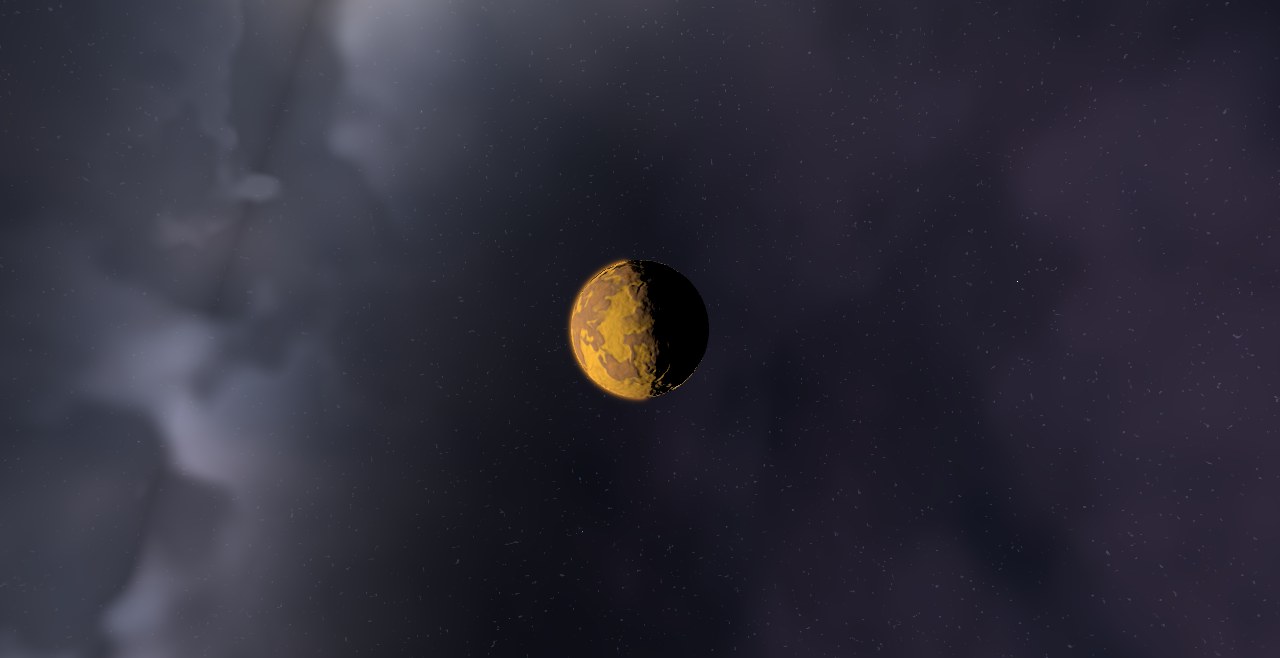
LHS 1140, a nearby red dwarf with a rocky habitable-zone super-Earth. LHS 1140 b is a leading target for atmospheric study with JWST. An inner planet, LHS 1140 c, transits the star as well.
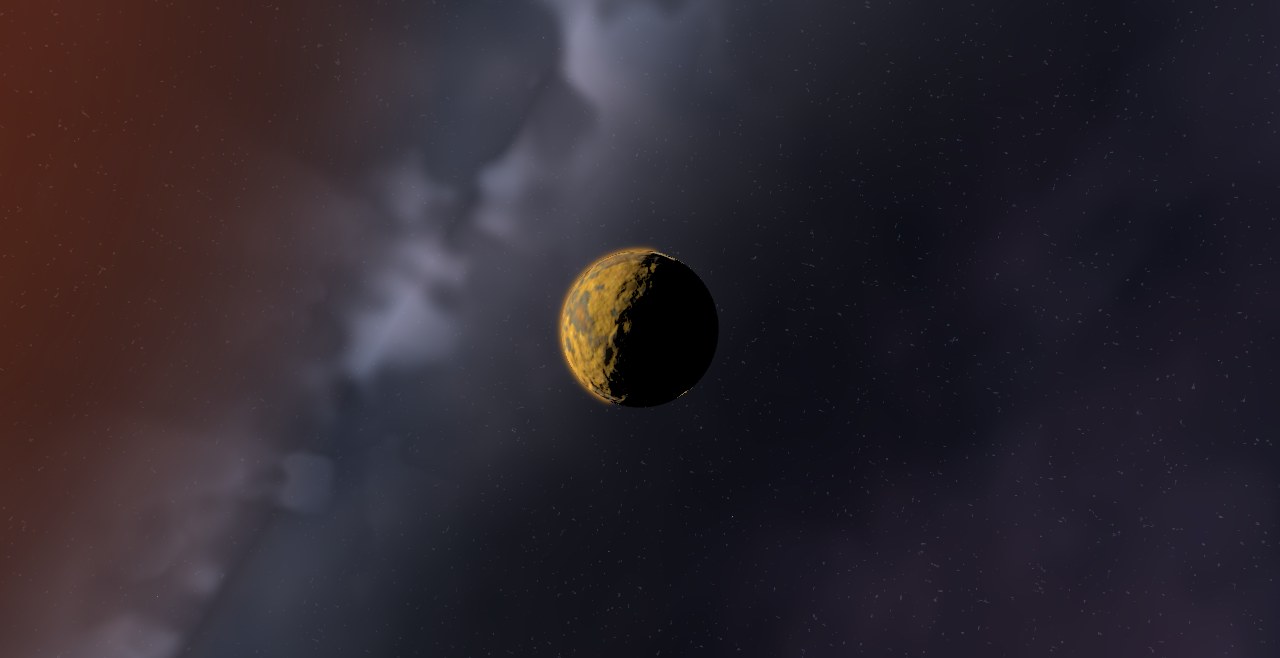
LHS 1478, a cool M-dwarf of 0.24 solar masses, and LHS 1478 b, a 2.3-Earth-mass planet, with an orbital period of 1.9 days, at 0.018 AU from its star, and an equilibrium temperature near 595 K.
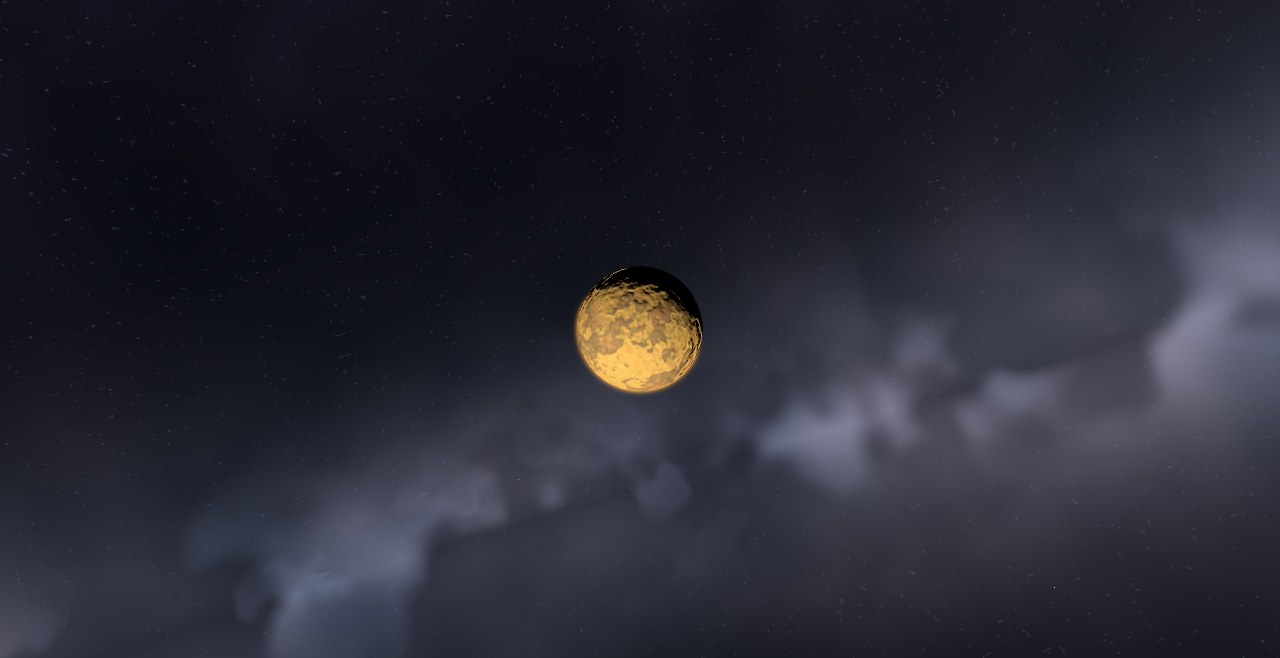
LHS 1678, a cool M-dwarf of 0.34 solar masses, and LHS 1678 b, a planet with 0.7 Earth radii, with an orbital period of 20.6 hours, at 0.012 AU from its star.
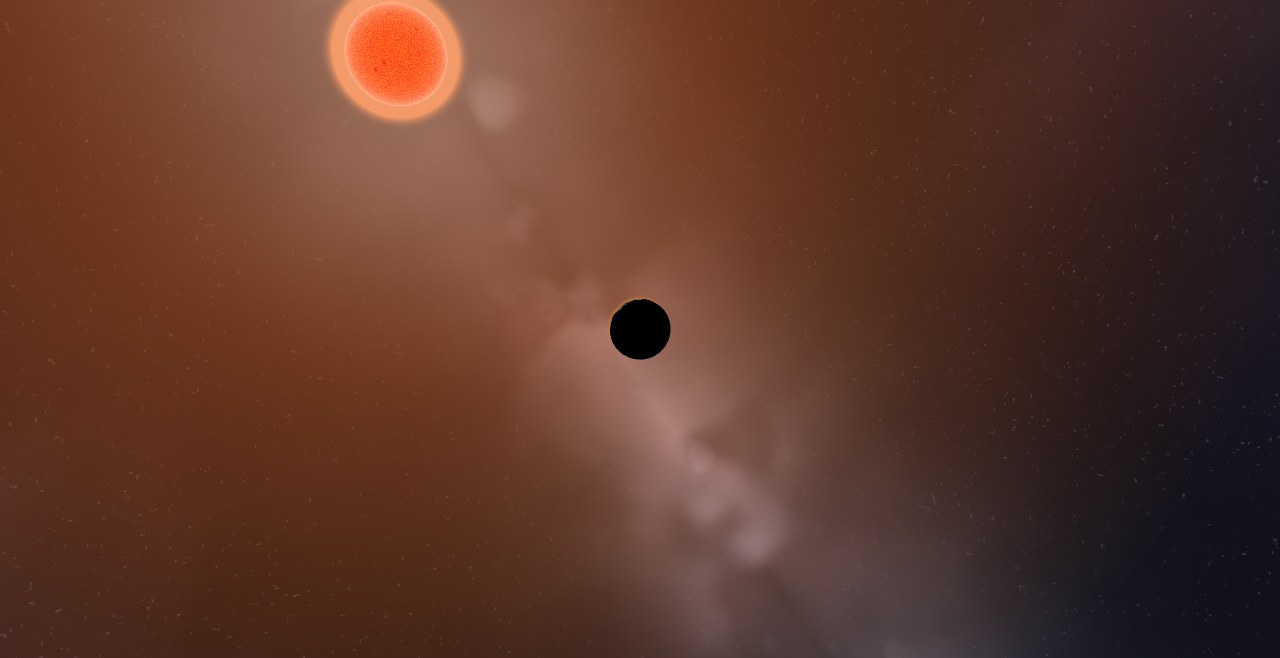
LHS 1815, a cool M-dwarf of 0.50 solar masses, and LHS 1815 b, a 1.6-Earth-mass planet, with an orbital period of 3.8 days.
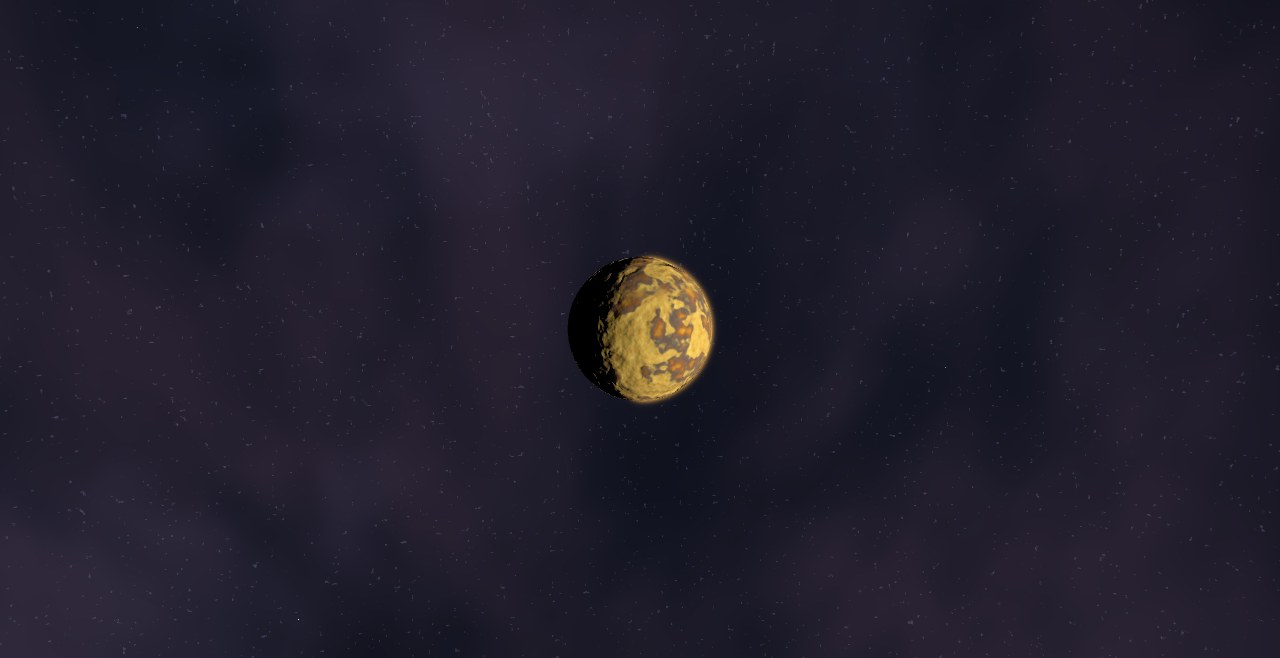
LHS 1903, a cool M-dwarf of 0.54 solar masses, and LHS 1903 b, a 3.3-Earth-mass planet, with an orbital period of 2.2 days, at 0.027 AU from its star, and an equilibrium temperature near 796 K.
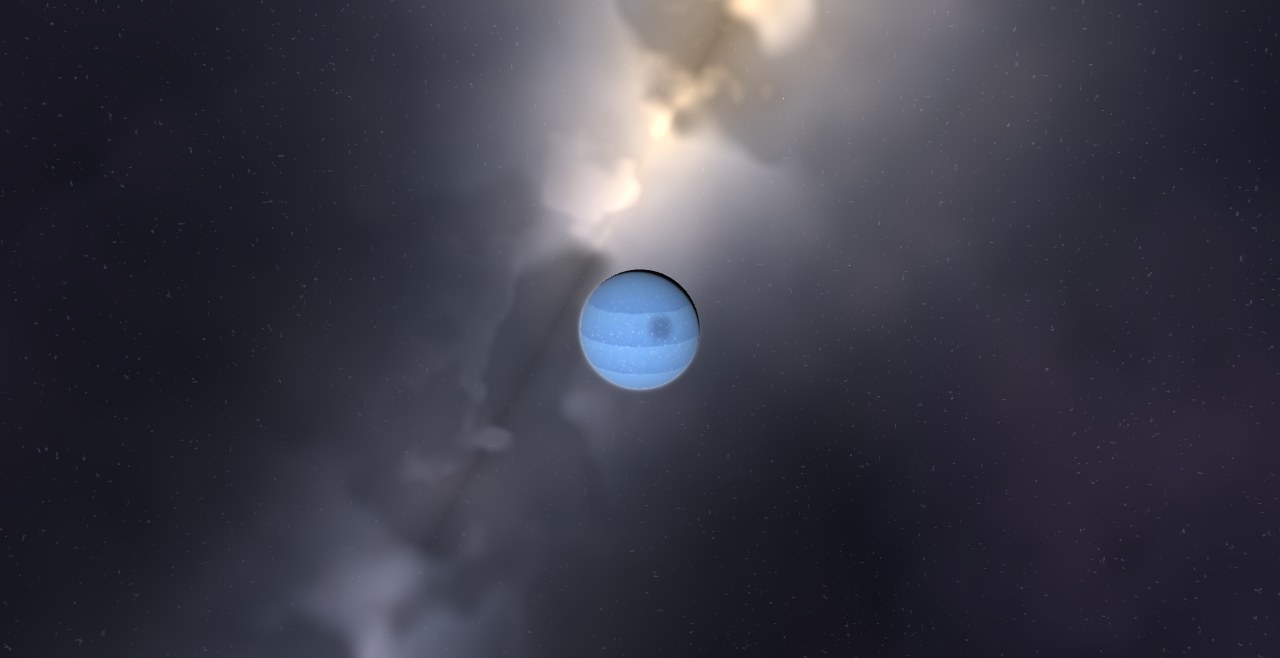
LHS 3154, a cool M-dwarf of 0.11 solar masses, and LHS 3154 b, a 13.2-Earth-mass planet, with an orbital period of 3.7 days, at 0.023 AU from its star, on an eccentric orbit (e ≈ 0.08).