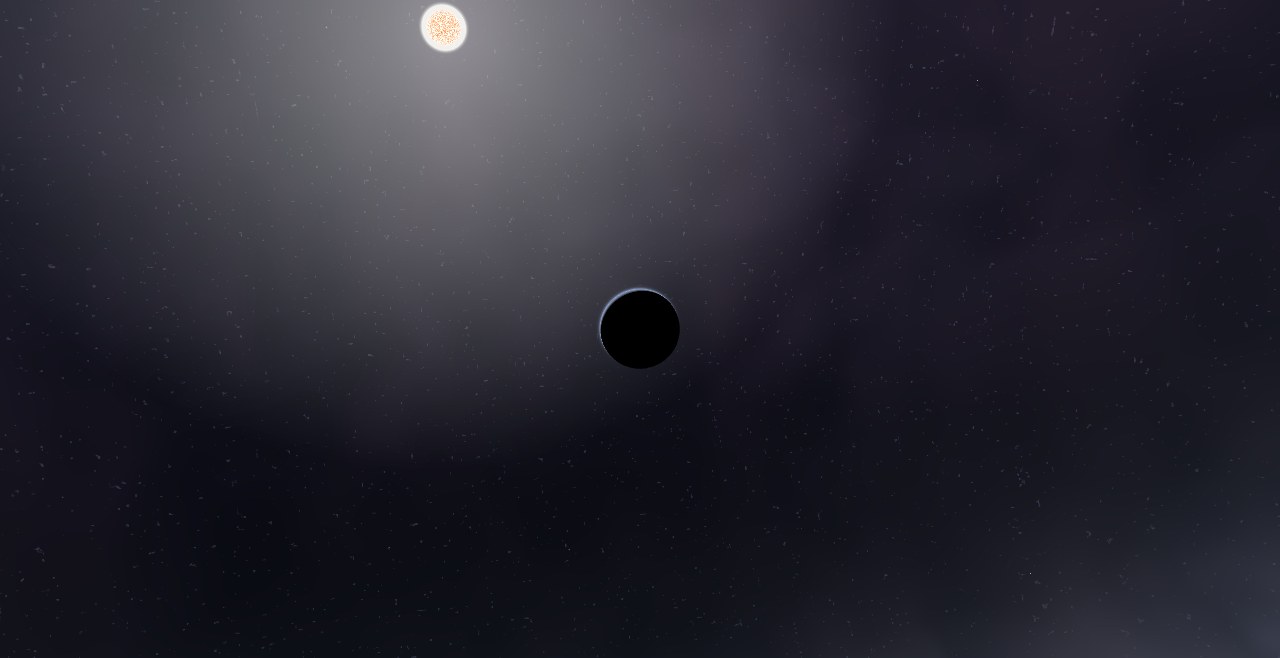
MOA-2015-BLG-337L - System
MOA-2015-BLG-337L, a Sun-like G-type star of 0.01 solar masses, and MOA-2015-BLG-337L b, a 0.11-Jupiter-mass companion, at 0.240 AU from its star.
Scenarios
Discover alien solar systems and explore worlds far beyond our own. Simulate extreme orbital environments, habitable zones, and tightly packed resonant chains discovered by modern astronomy, all mapped accurately from real exoplanetary discovery data.
Share
MOA-2015-BLG-337L, a Sun-like G-type star of 0.01 solar masses, and MOA-2015-BLG-337L b, a 0.11-Jupiter-mass companion, at 0.240 AU from its star.
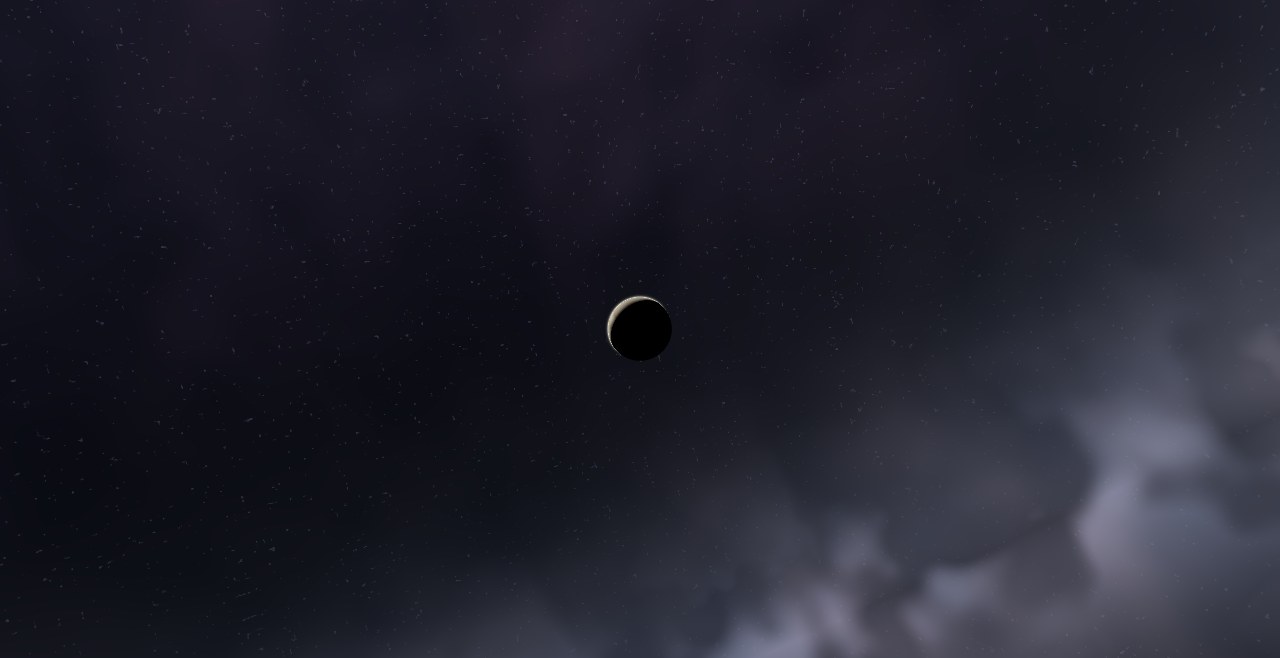
MOA-2016-BLG-227L, a Sun-like G-type star of 0.29 solar masses, and MOA-2016-BLG-227L b, a 2.80-Jupiter-mass companion, at 1.390 AU from its star.
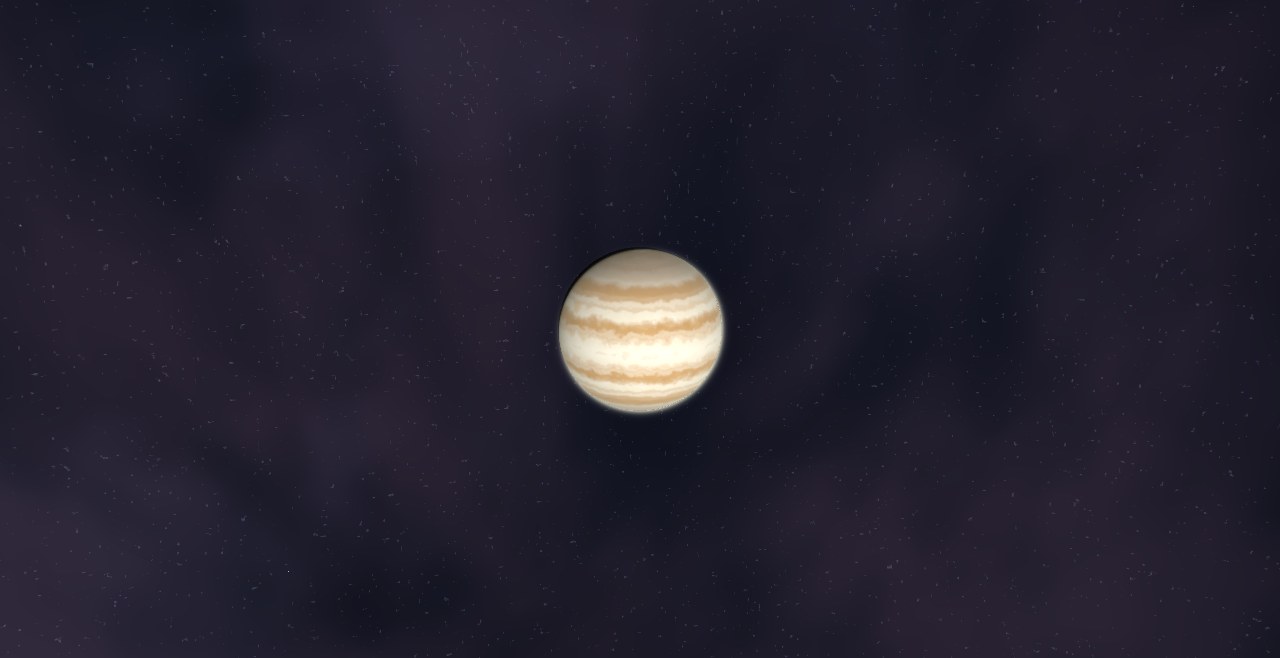
MOA-2016-BLG-319L, a Sun-like G-type star of 0.15 solar masses, and MOA-2016-BLG-319L b, a 0.62-Jupiter-mass companion, at 0.950 AU from its star.
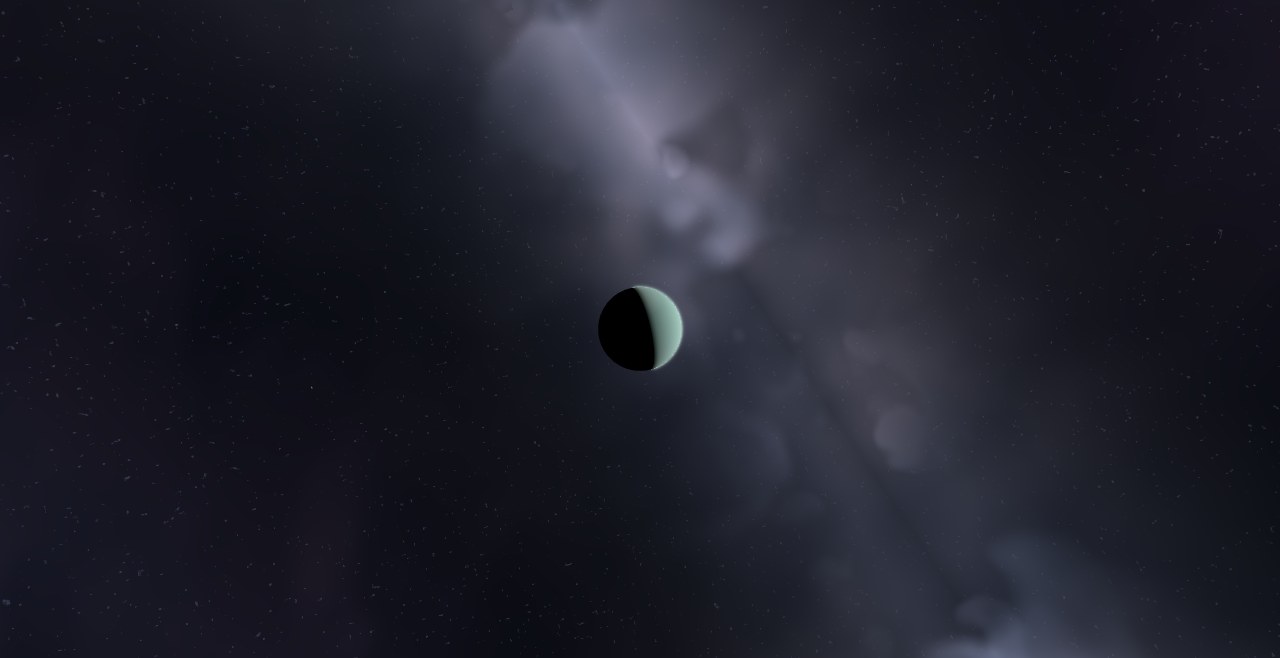
MOA-2016-BLG-526L, a Sun-like G-type star of 0.37 solar masses, and MOA-2016-BLG-526L b, a 14.9-Earth-mass planet, at 2.070 AU from its star.
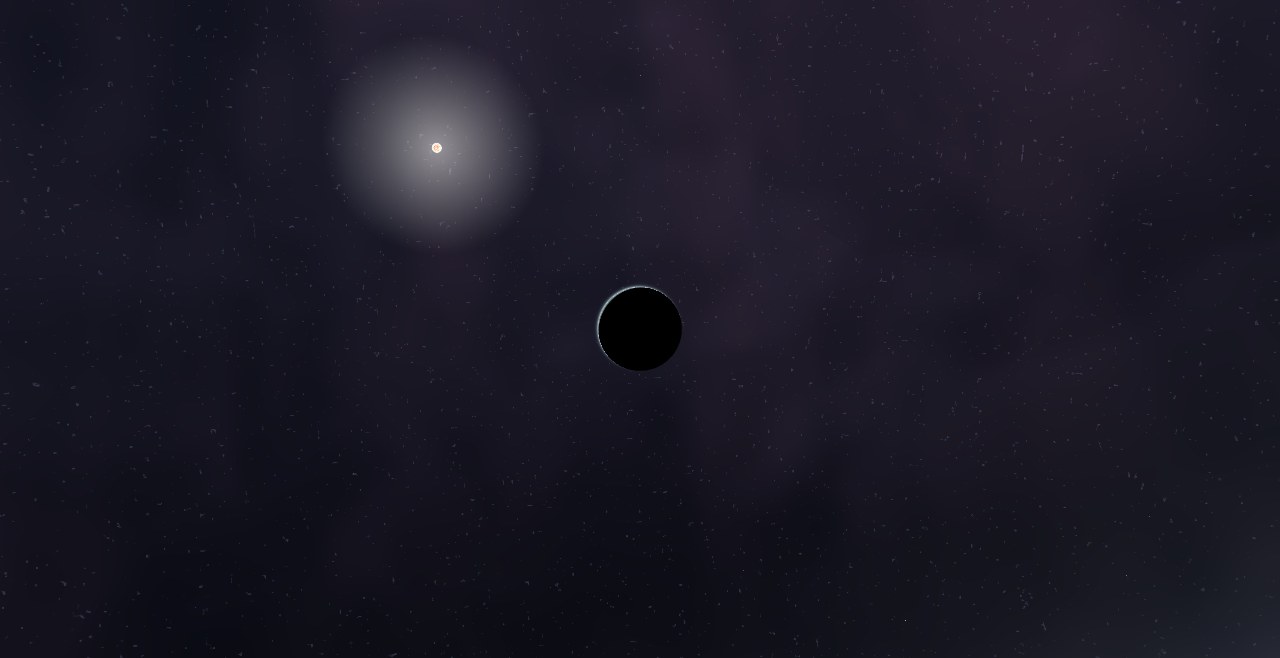
MOA-2020-BLG-135L, a Sun-like G-type star of 0.23 solar masses, and MOA-2020-BLG-135L b, a 11.3-Earth-mass planet, at 1.110 AU from its star.
MOA-2020-BLG-208L, a Sun-like G-type star of 0.43 solar masses, and MOA-2020-BLG-208L b, a 0.14-Jupiter-mass companion, at 2.740 AU from its star.
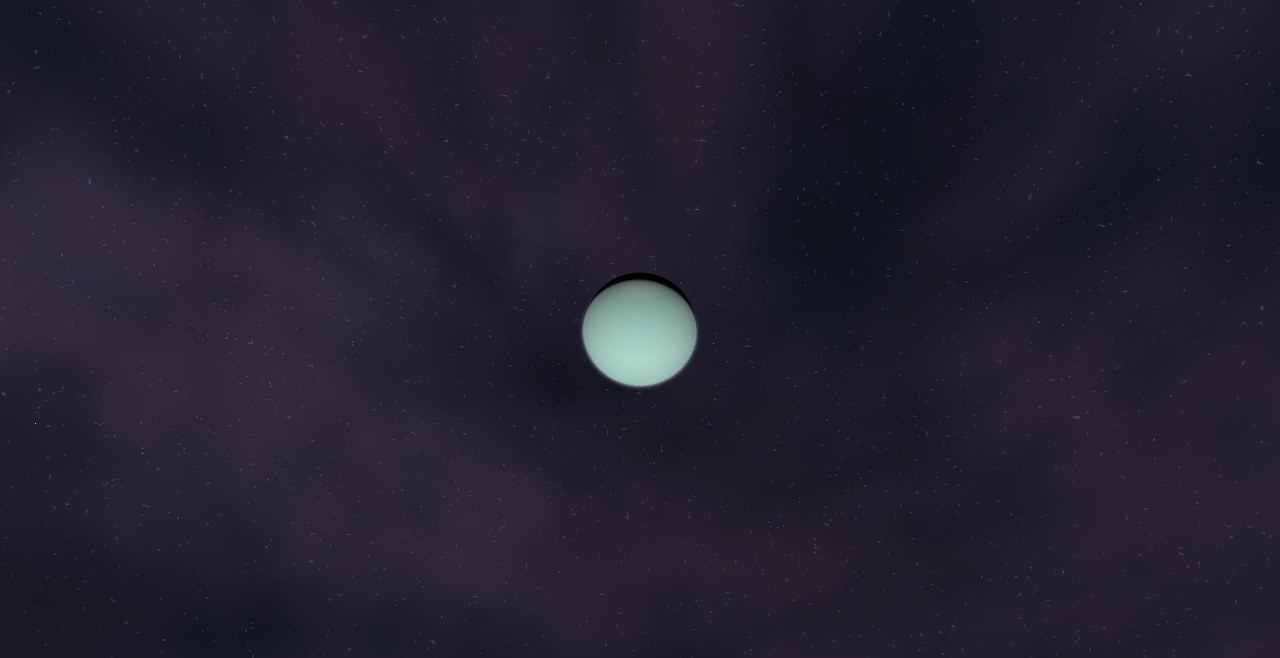
MOA-2022-BLG-033L, a Sun-like F-type star of 0.51 solar masses, and MOA-2022-BLG-033L b, a 12.2-Earth-mass planet, at 2.150 AU from its star.
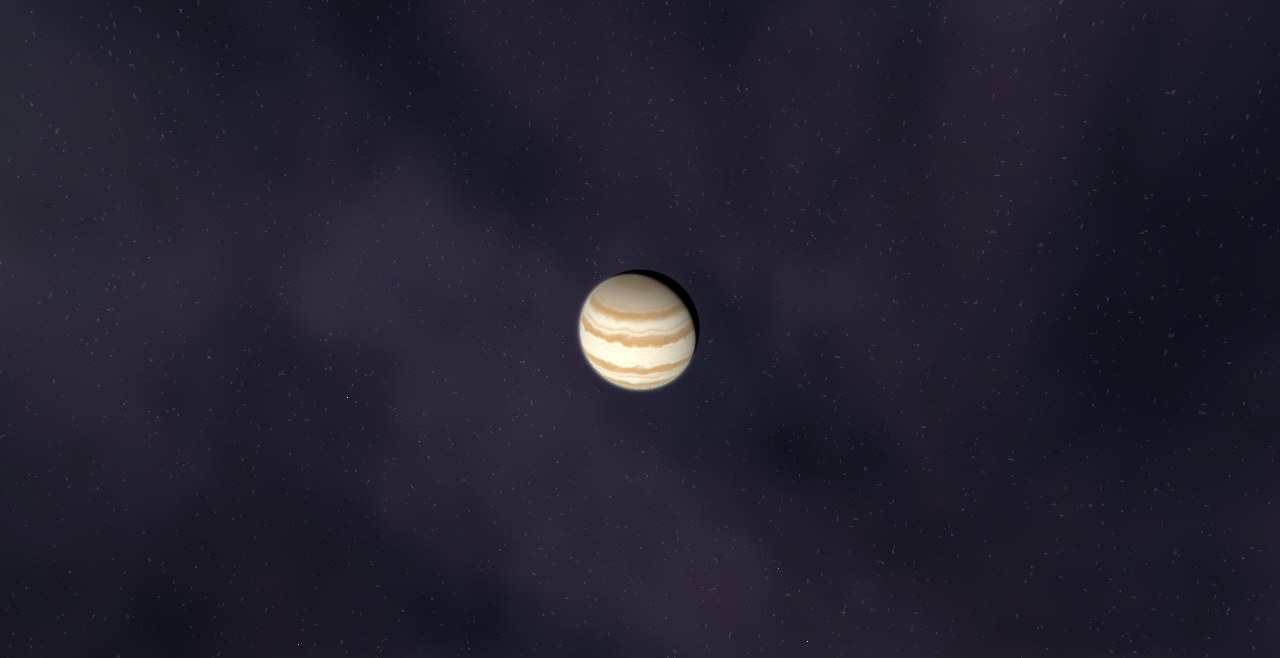
MOA-2022-BLG-091L, a Sun-like G-type star of 0.75 solar masses, and MOA-2022-BLG-091L b, a 3.59-Jupiter-mass companion, at 3.440 AU from its star.
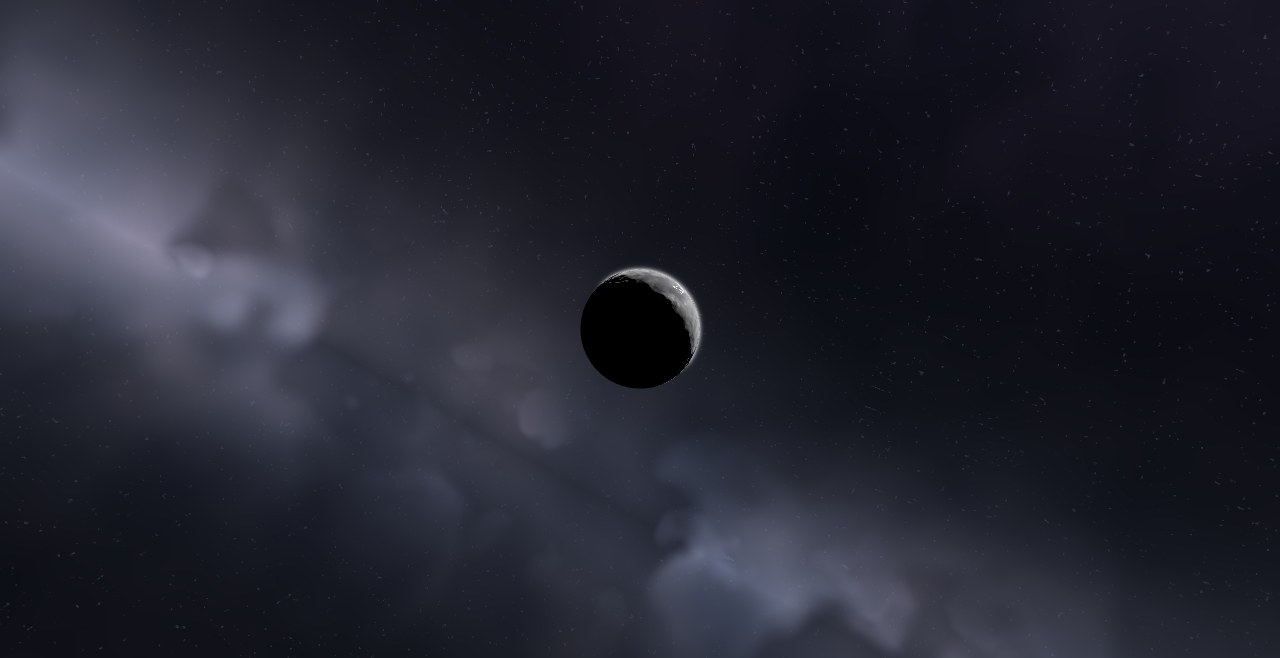
MOA-2022-BLG-249L, a Sun-like G-type star of 0.18 solar masses, and MOA-2022-BLG-249L b, a 4.8-Earth-mass planet, at 1.630 AU from its star.
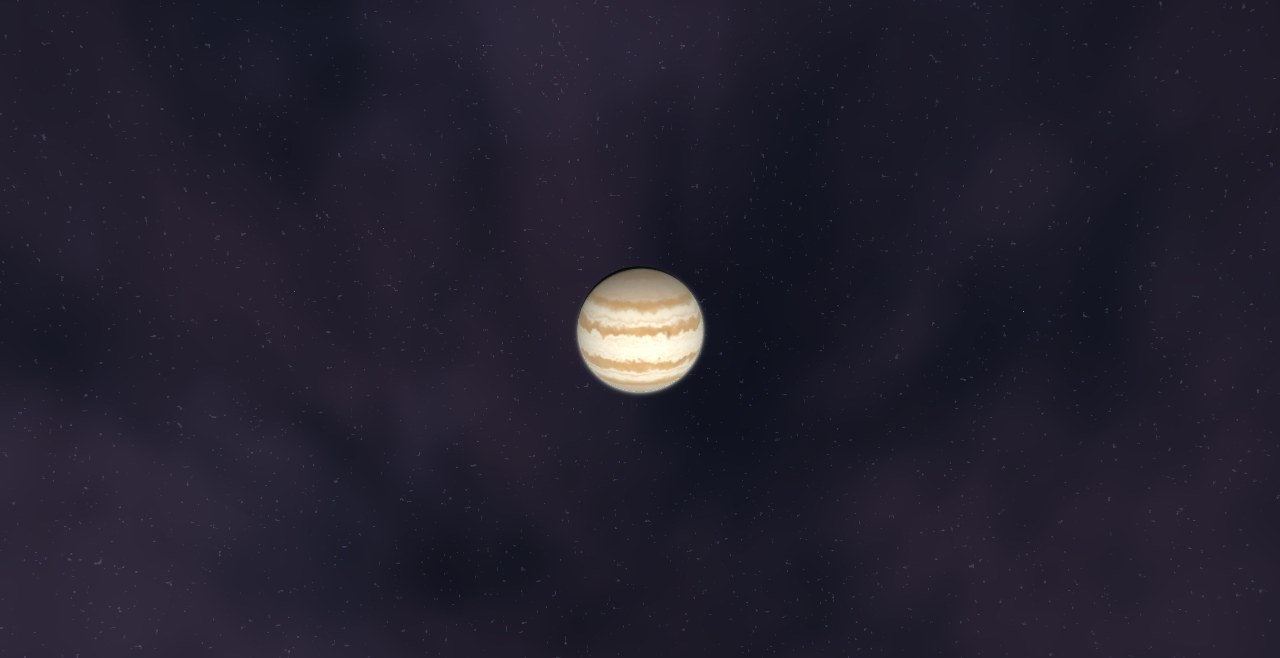
MOA-2022-BLG-563L, a Sun-like G-type star of 0.48 solar masses, and MOA-2022-BLG-563L b, a 0.40-Jupiter-mass companion, at 2.150 AU from its star.
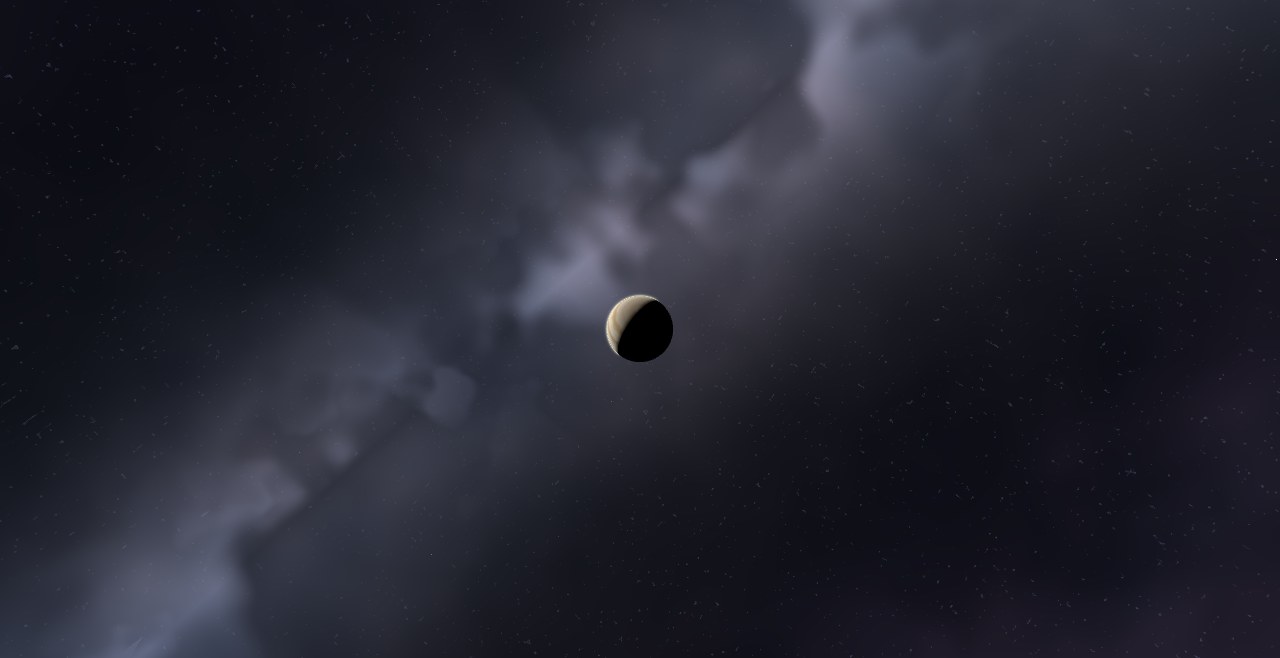
MOA-bin-1L, a Sun-like G-type star of 0.75 solar masses, and MOA-bin-1L b, a 3.70-Jupiter-mass companion, at 8.300 AU from its star.
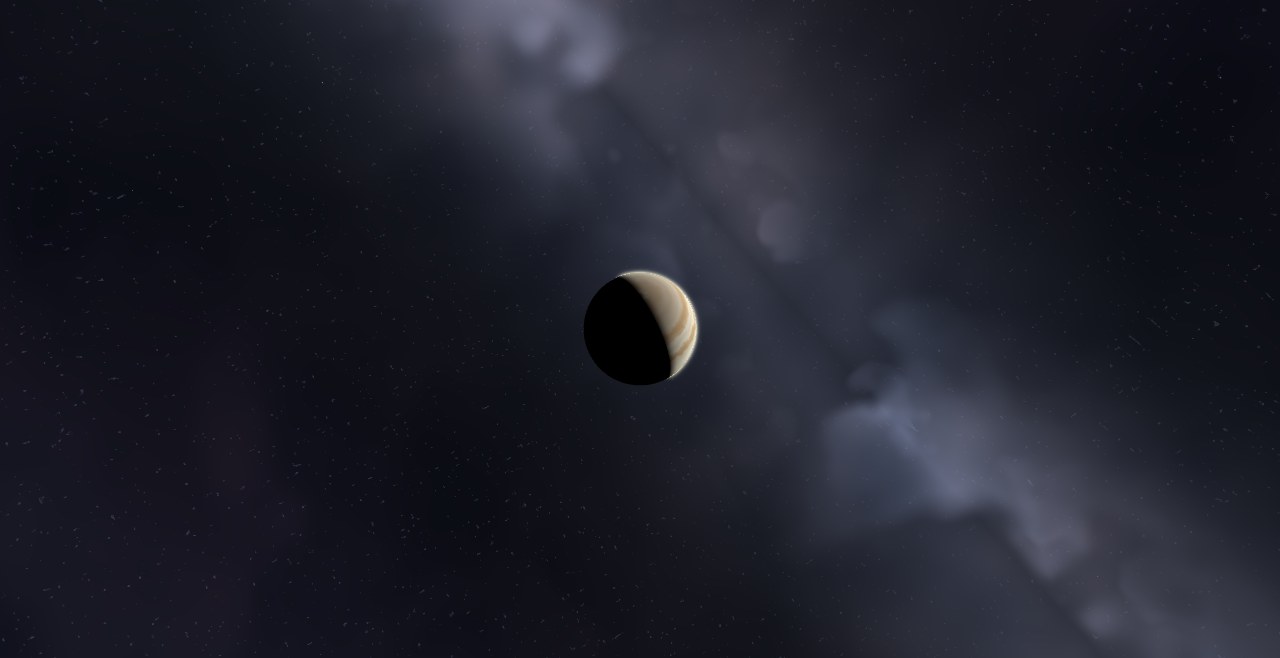
MOA-bin-29, a Sun-like G-type star of 0.03 solar masses, and MOA-bin-29 b, a 0.60-Jupiter-mass companion, at 0.480 AU from its star.
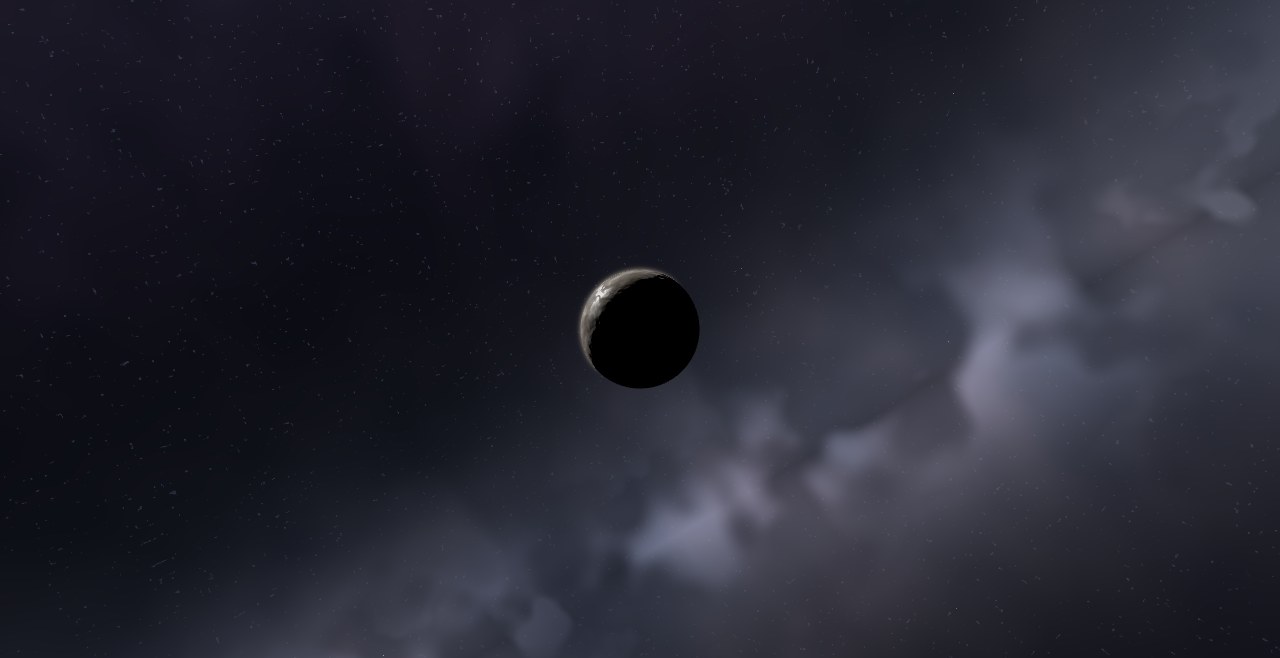
MWC 758, and MWC 758 c, a confirmed exoplanet, at 100 AU from its star, and an equilibrium temperature near 500 K.
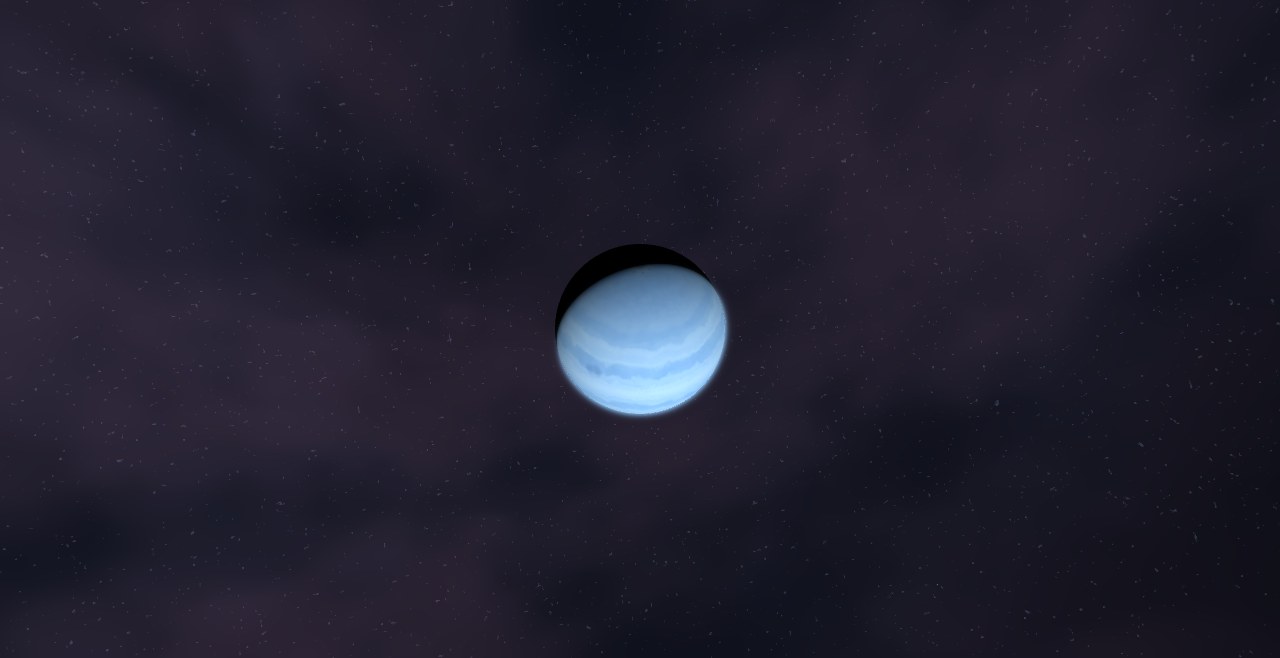
MXB 1658-298, a Sun-like G-type star of 1.98 solar masses, and MXB 1658-298 b, a 23.7-Jupiter-mass companion, with an orbital period of 2.08 years, at 1.613 AU from its star.
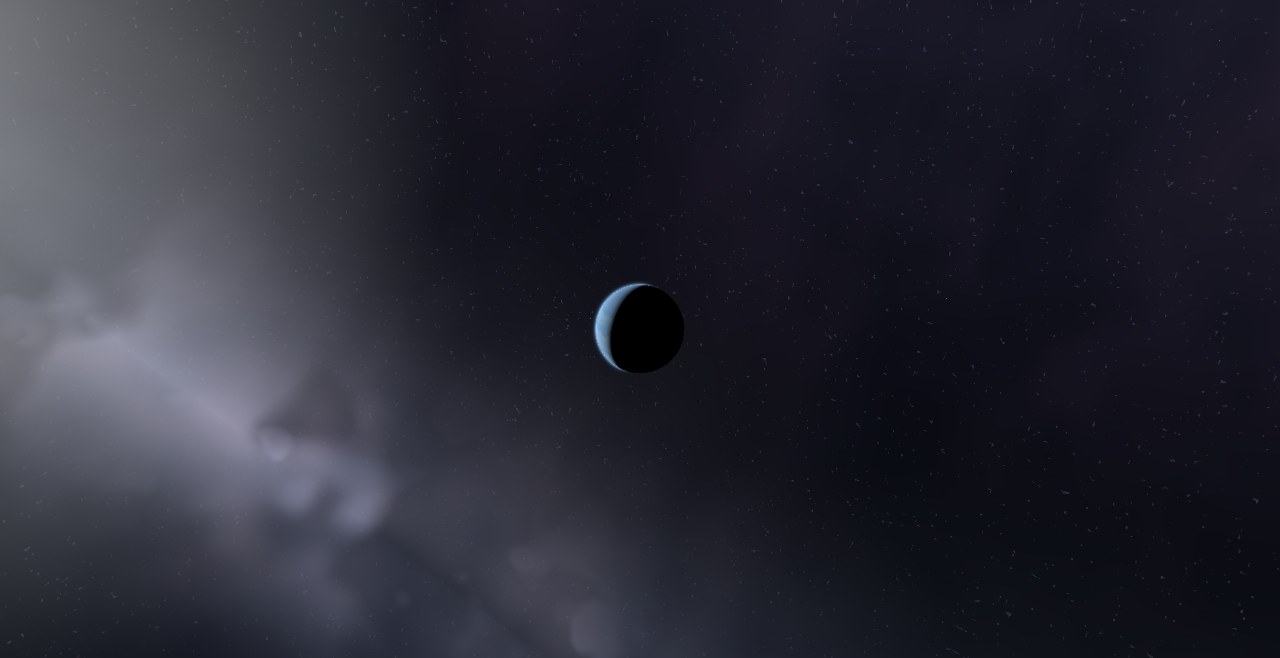
NGC 2682 Sand 1429, a Sun-like F-type star of 1.26 solar masses, and NGC 2682 Sand 1429 b, a 1.80-Jupiter-mass companion, with an orbital period of 77.5 days, at 0.384 AU from its star, and an equilibrium.
NGTS-1, a cool M-dwarf of 0.62 solar masses, and NGTS-1 b, a 0.81-Jupiter-mass companion, with an orbital period of 2.6 days, at 0.033 AU from its star, and an equilibrium temperature near 790 K.
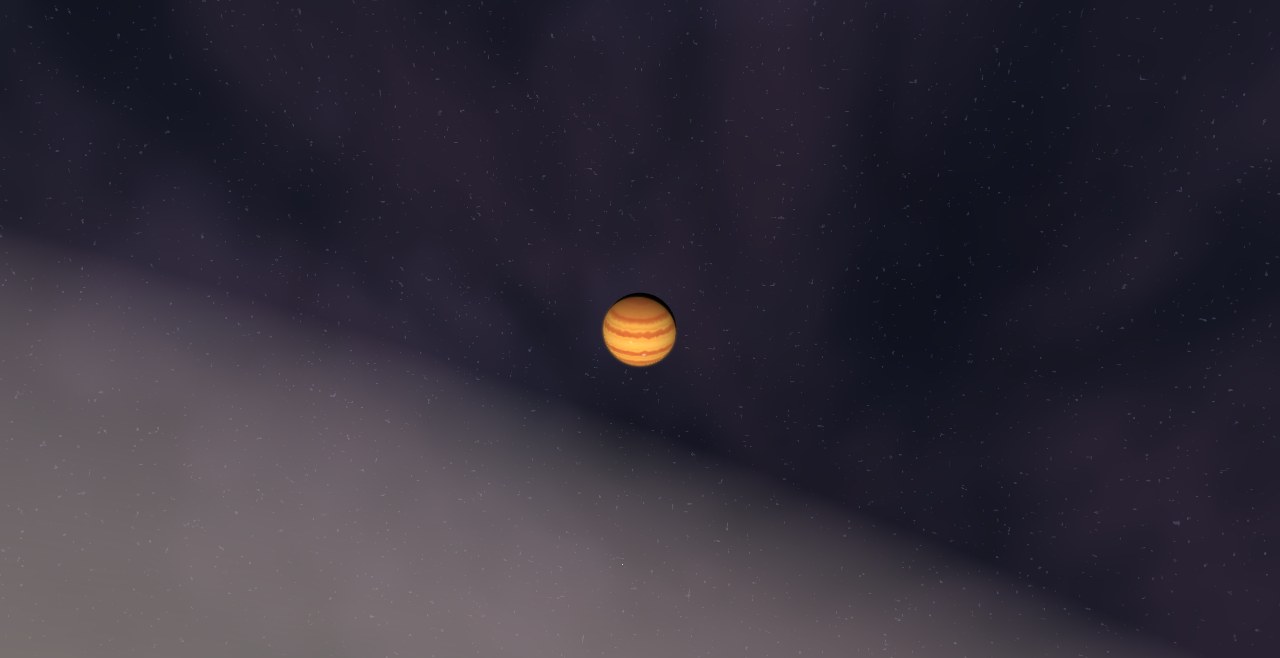
NGTS-10 b, an ultra-short-period hot Jupiter orbiting in about 18 hours. Tides are expected to drag this already-close planet inward. It was found by the Next-Generation Transit Survey.
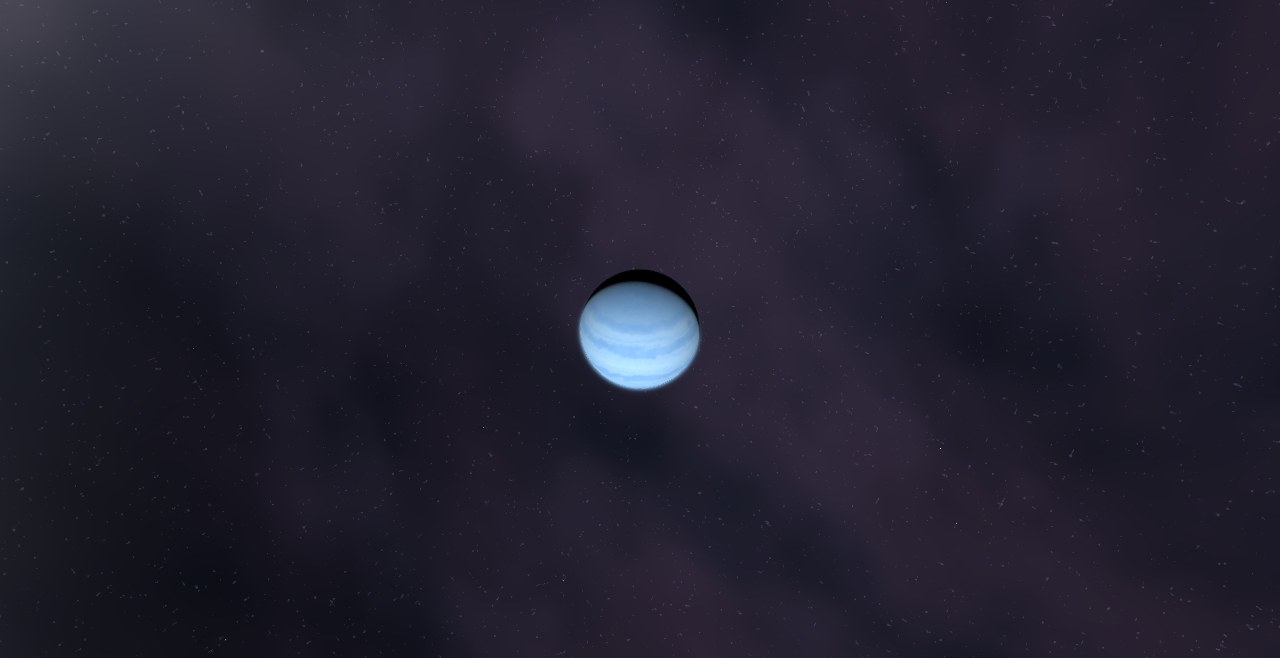
NGTS-11, an orange K-type dwarf of 0.86 solar masses, and NGTS-11 b, a 0.34-Jupiter-mass companion, with an orbital period of 35.5 days, at 0.201 AU from its star, and an equilibrium temperature near 435 K.