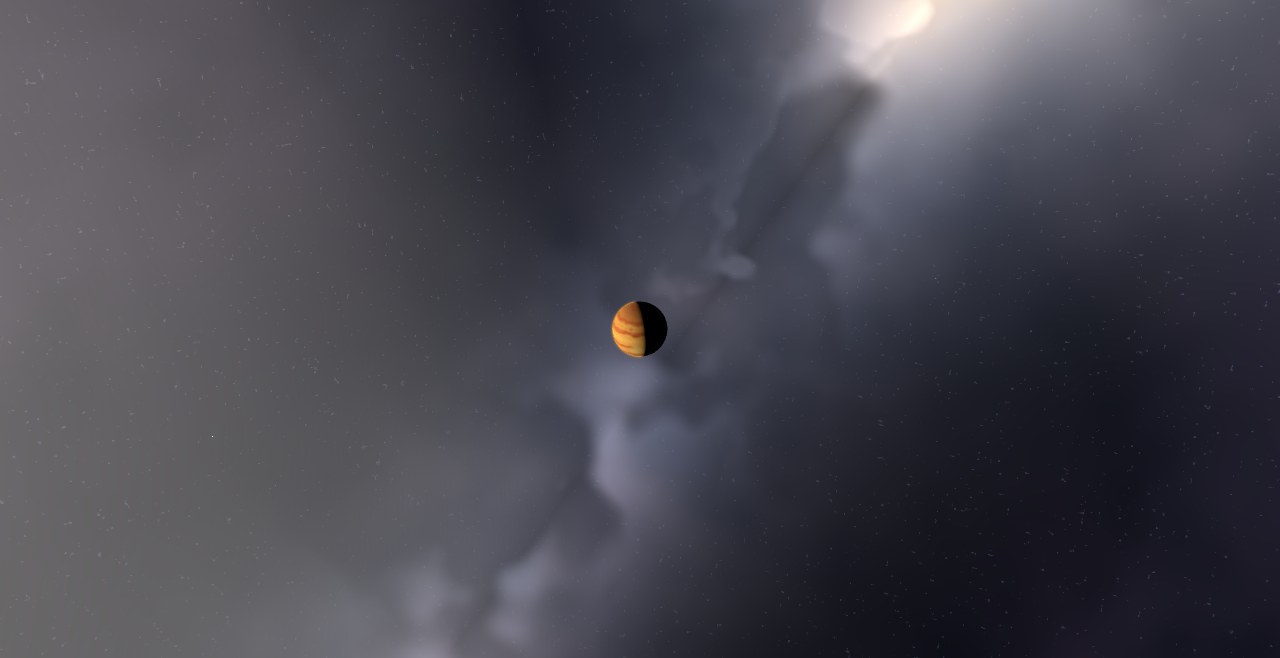
BD-10 3166 - System
BD-10 3166, a Sun-like G-type star of 1.47 solar masses, and BD-10 3166 b, a 0.59-Jupiter-mass companion, with an orbital period of 3.5 days, at 0.040 AU from its star.
3D Space and Gravity Simulator. Simulate the solar system, exoplanets and even colliding galaxies. Add, delete and modify planets, and change the laws of physics.
Share
BD-10 3166, a Sun-like G-type star of 1.47 solar masses, and BD-10 3166 b, a 0.59-Jupiter-mass companion, with an orbital period of 3.5 days, at 0.040 AU from its star.
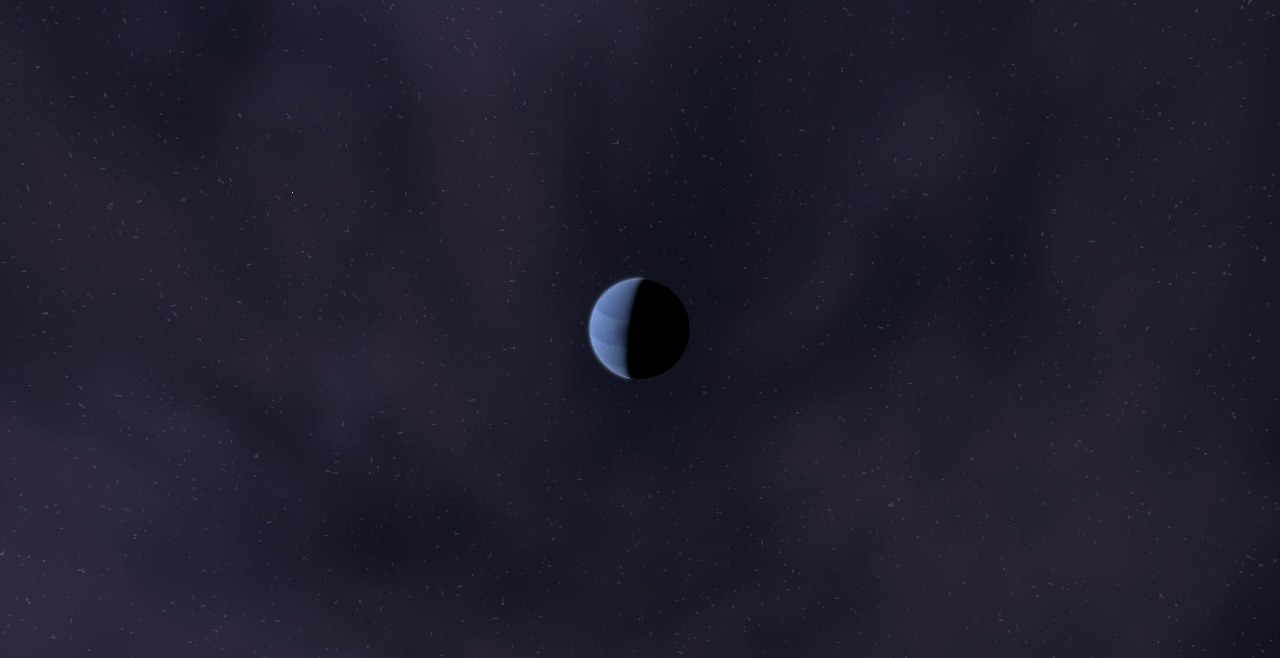
BD-11 4672, an orange K-type dwarf of 0.65 solar masses, and BD-11 4672 c, a 15.4-Earth-mass planet, with an orbital period of 74.2 days, at 0.300 AU from its star, on an eccentric orbit (e ≈ 0.40).
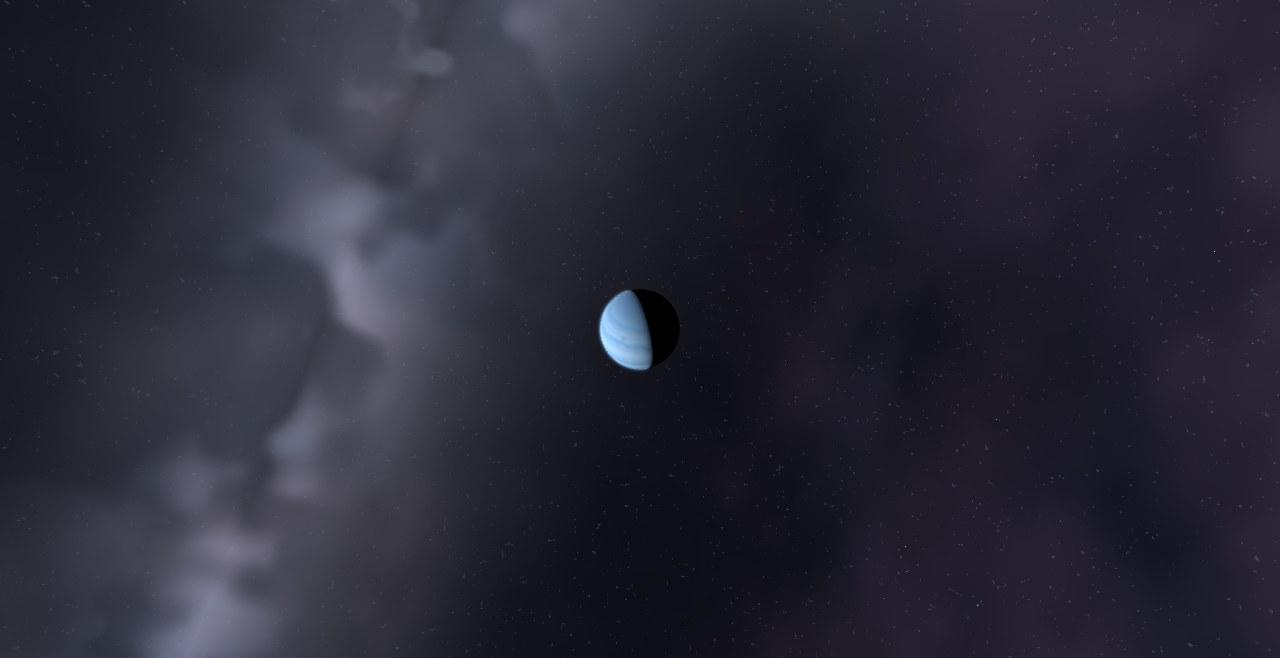
BD-13 2130, an orange K-type dwarf of 2.12 solar masses, and BD-13 2130 b, a 9.78-Jupiter-mass companion, with an orbital period of 1.96 years, at 1.660 AU from its star, on an eccentric orbit (e ≈ 0.21).
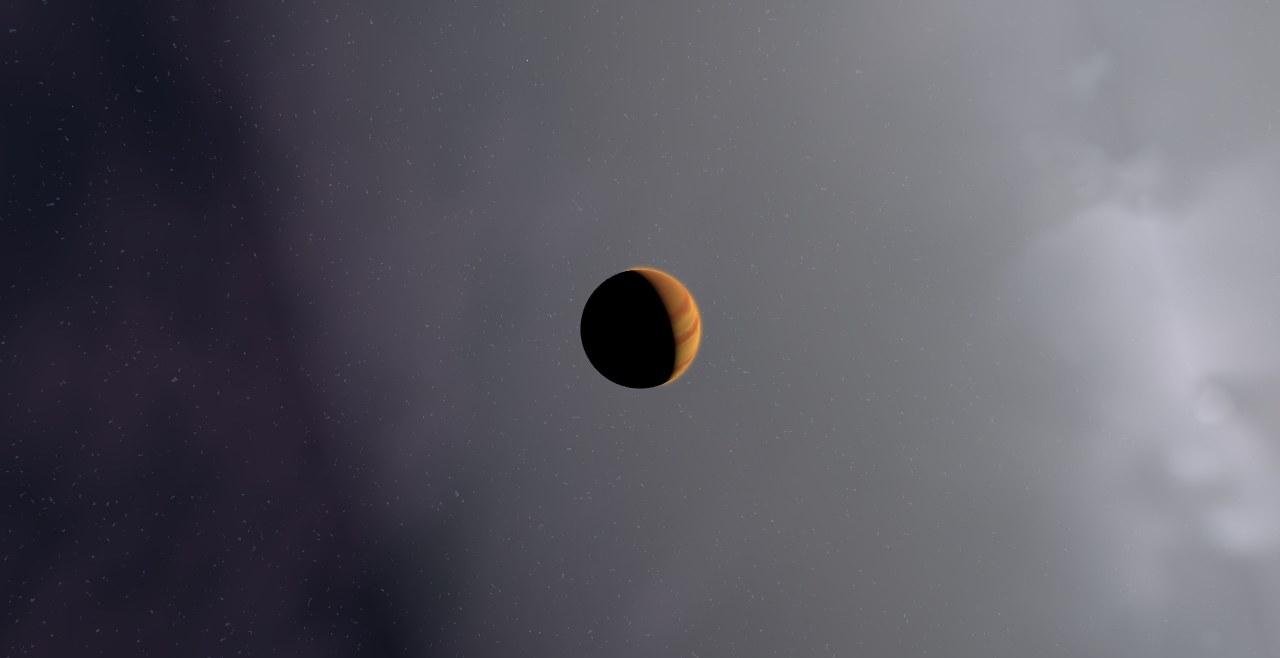
BD-14 3065 A, a Sun-like F-type star of 1.41 solar masses, and BD-14 3065 b, a 12.4-Jupiter-mass companion, with an orbital period of 4.3 days, at 0.066 AU from its star, and an equilibrium temperature near.
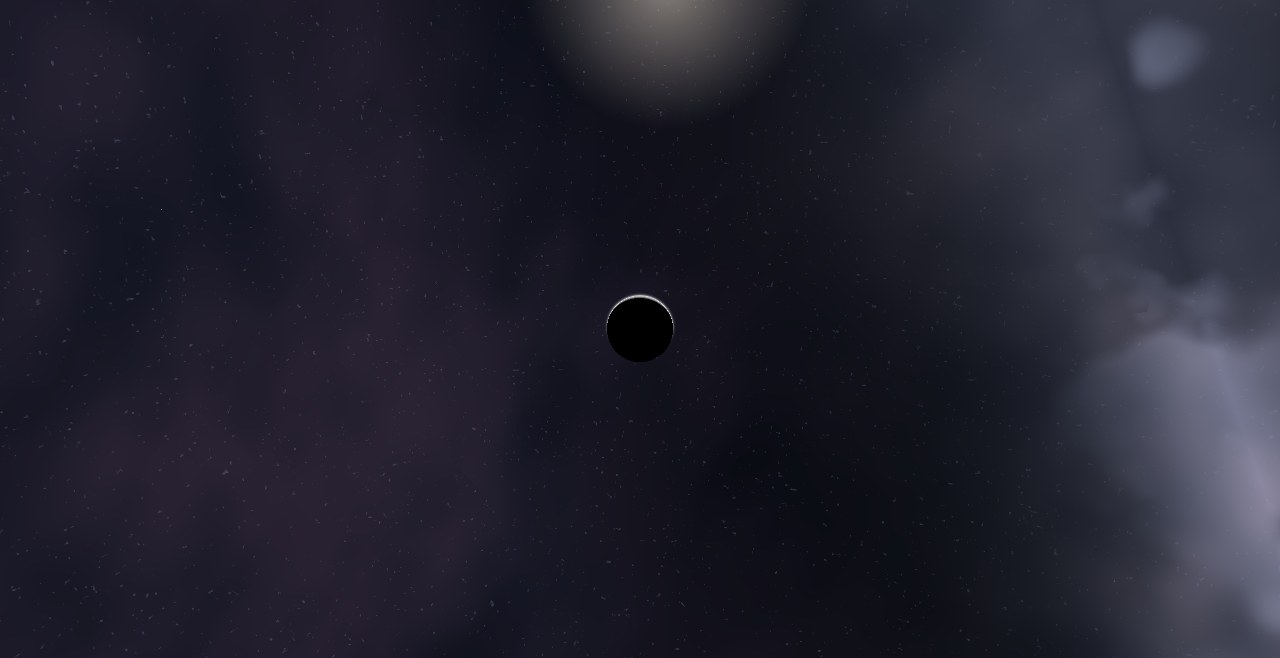
BD-17 63, an orange K-type dwarf of 0.74 solar masses, and BD-17 63 b, a 5.16-Jupiter-mass companion, with an orbital period of 1.79 years, on an eccentric orbit (e ≈ 0.54).
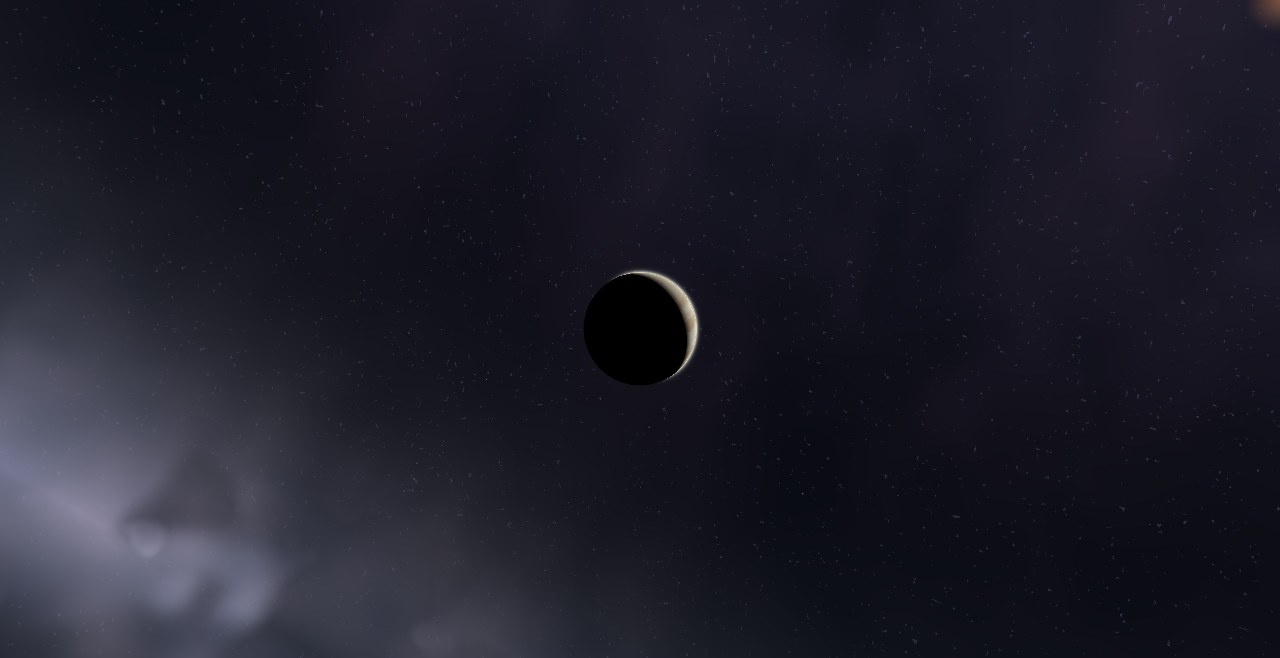
BD-210397, an orange K-type dwarf of 0.68 solar masses, and BD-210397 b, a 0.70-Jupiter-mass companion, with an orbital period of 5.18 years, at 2.630 AU from its star, on an eccentric orbit (e ≈ 0.10).
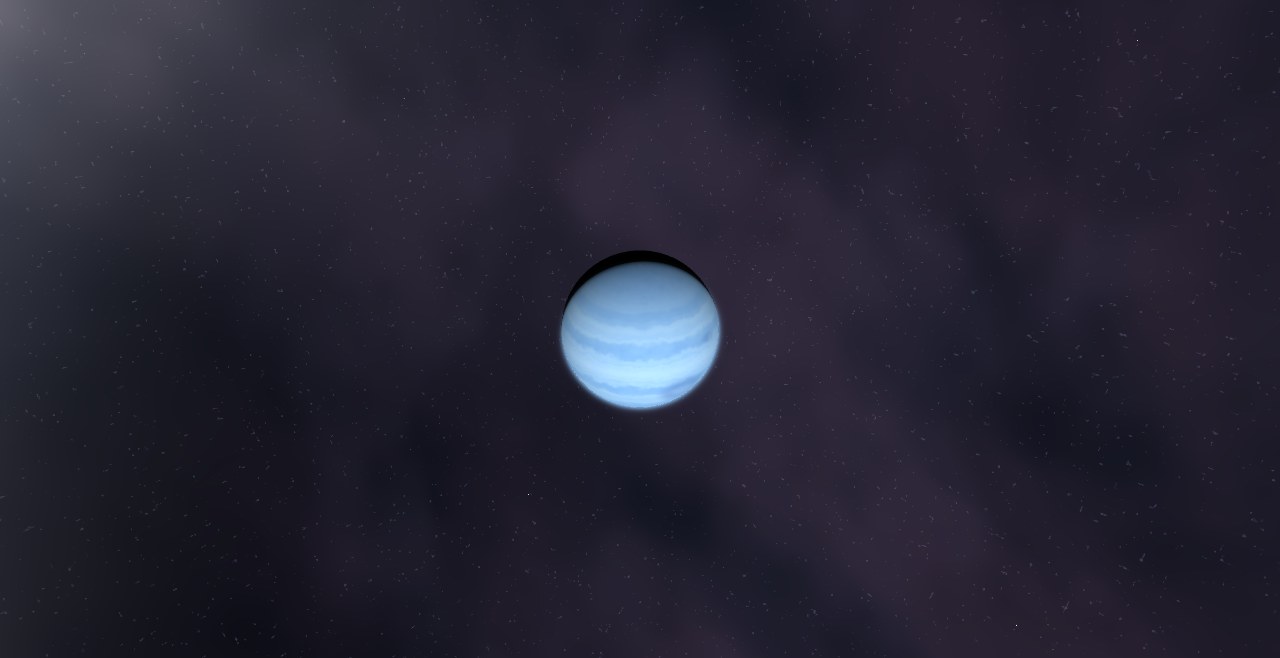
BEBOP-3, a Sun-like F-type star of 1.08 solar masses, and BEBOP-3 b, a 0.56-Jupiter-mass companion, with an orbital period of 1.50 years, at 1.444 AU from its star, on an eccentric orbit (e ≈ 0.25).
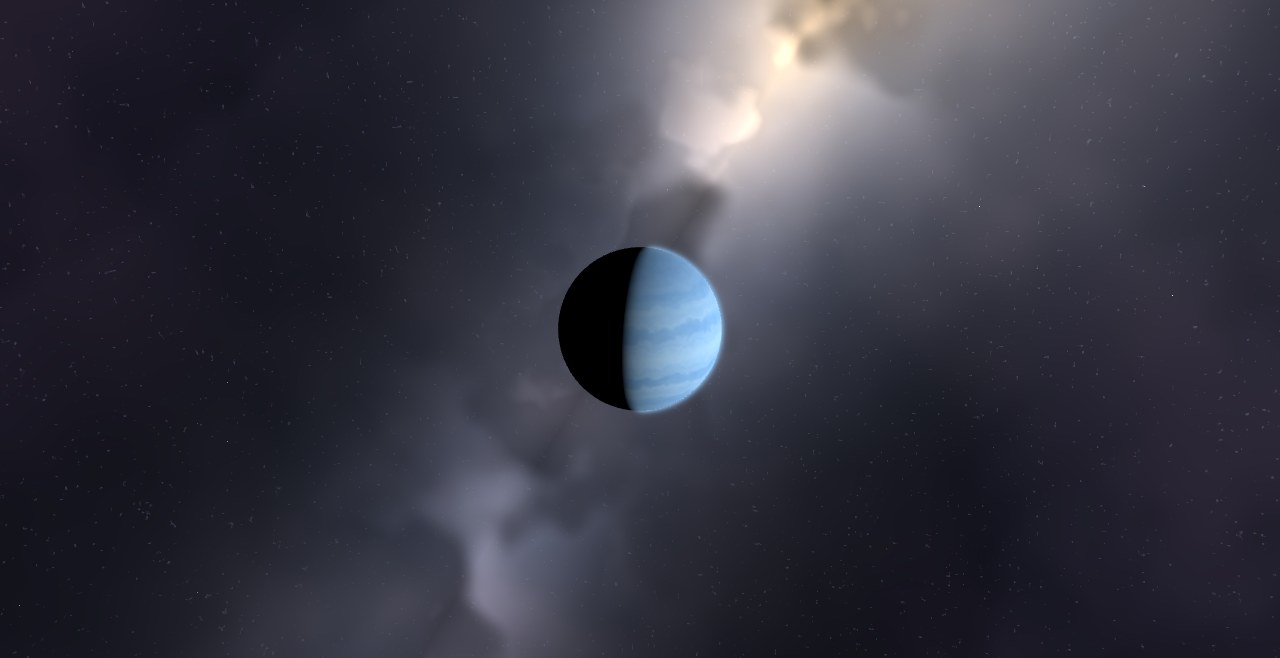
BEBOP-4 A, a Sun-like G-type star of 1.51 solar masses, and BEBOP-4 AB b, a 26.3-Jupiter-mass companion, with an orbital period of 4.99 years, at 3.634 AU from its star, on an eccentric orbit (e ≈ 0.43).
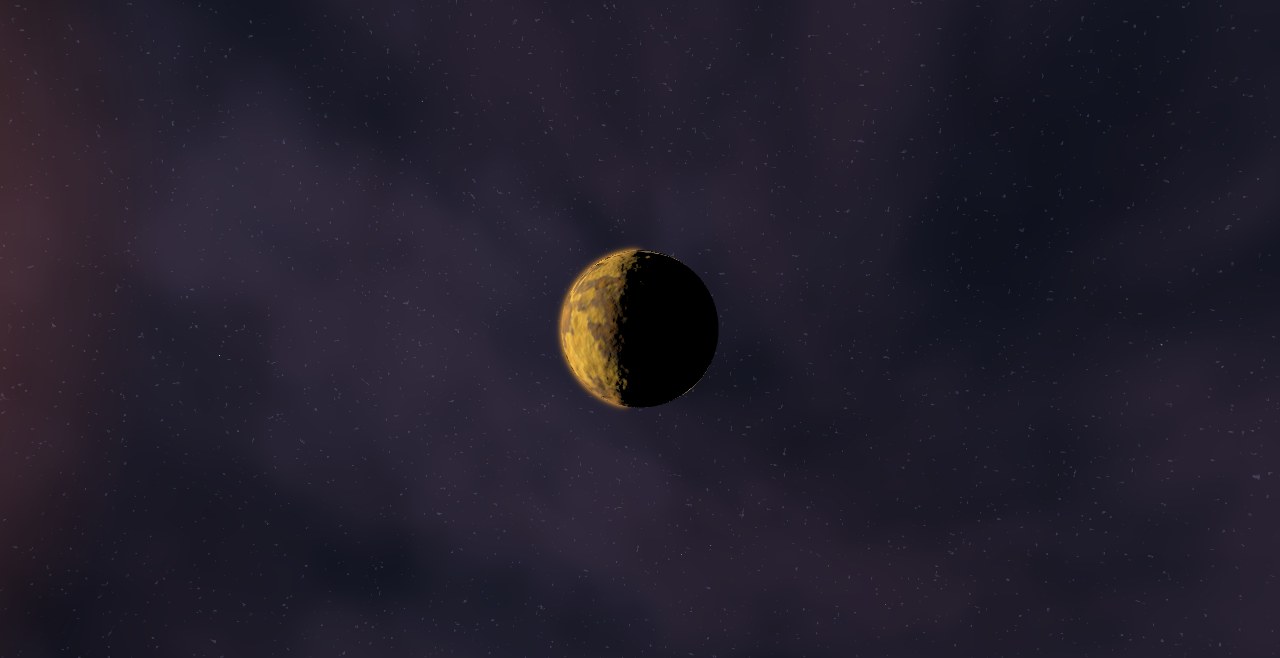
Barnard's Star, the nearest single star to the Sun. Its low-mass planets are among the closest known worlds beyond the Solar System. The star is famous for its rapid motion across the sky.
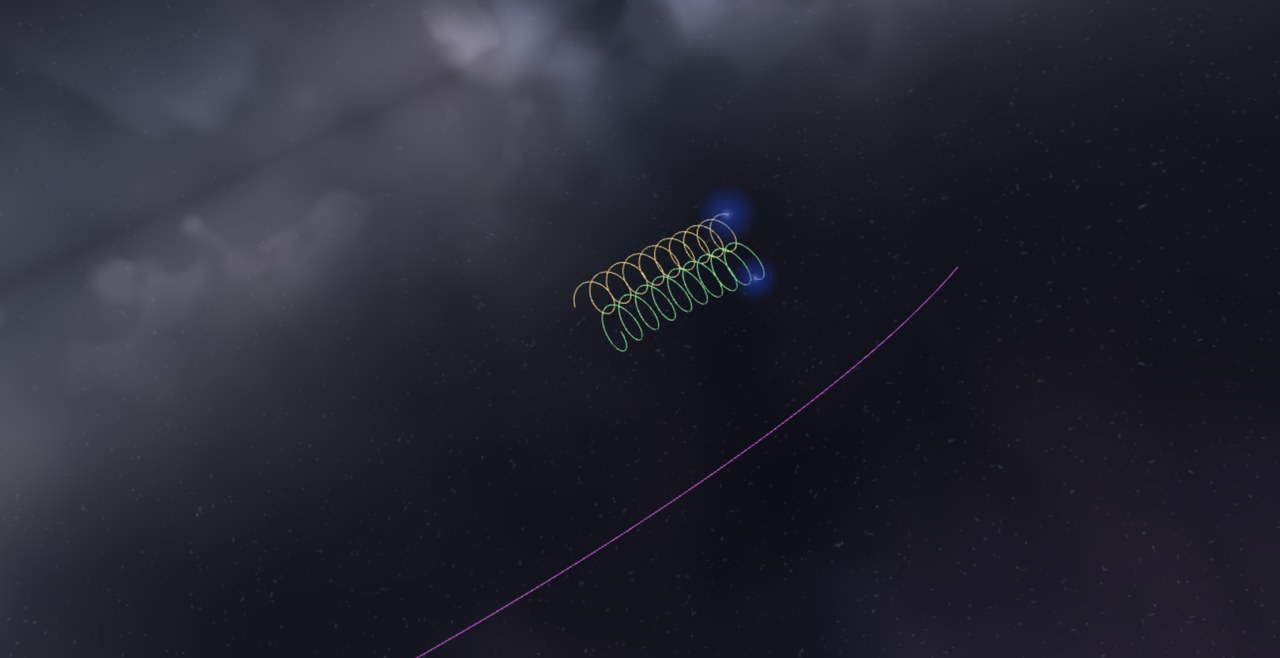
Simulate Beta Centauri (Hadar), a luminous hierarchical triple system. Track a close eccentric pair of massive B-type giants orbiting each other while an outer star orbits in 3D.
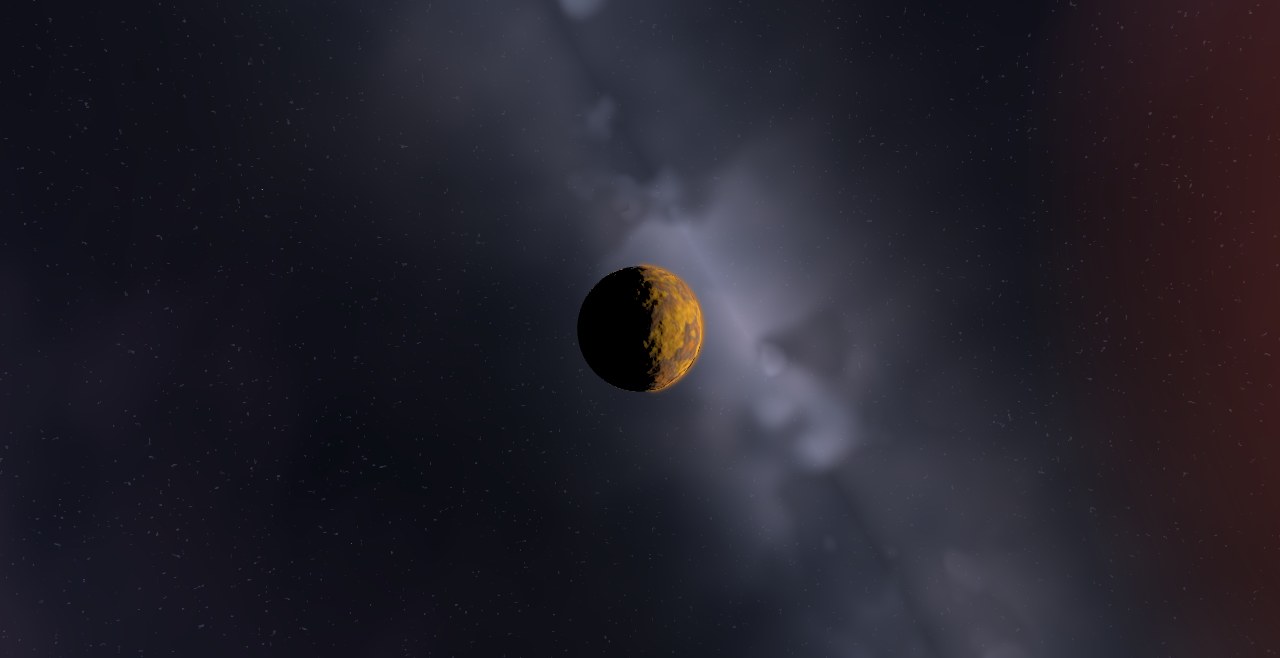
CD Cet, a cool M-dwarf of 0.16 solar masses, and CD Cet b, a 4.0-Earth-mass planet, with an orbital period of 2.3 days, at 0.018 AU from its star, and an equilibrium temperature near 464 K.
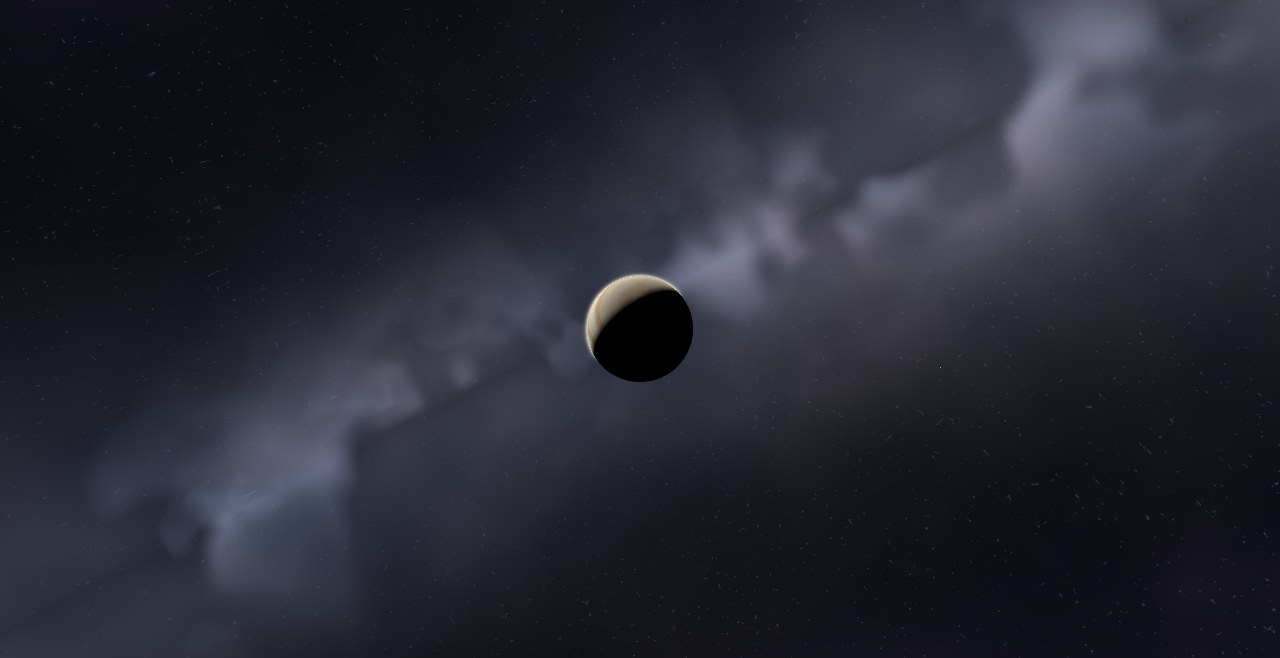
CD-35 2722, a cool M-dwarf of 0.40 solar masses, and CD-35 2722 b, a 29.5-Jupiter-mass companion, at 67.0 AU from its star.
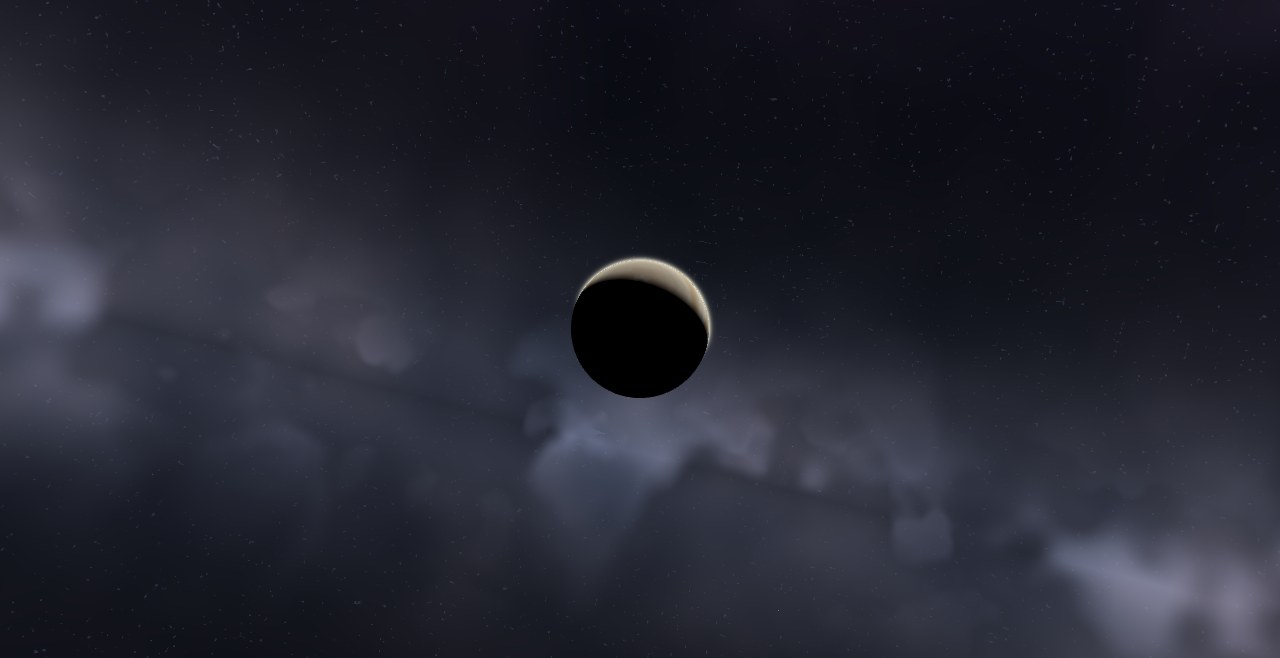
CFBDSIR J145829+101343, a cool M-dwarf of 0.02 solar masses, and CFBDSIR J145829+101343 b, a 10.5-Jupiter-mass companion, with an orbital period of 27.5 years, at 2.600 AU from its star, and an equilibrium.
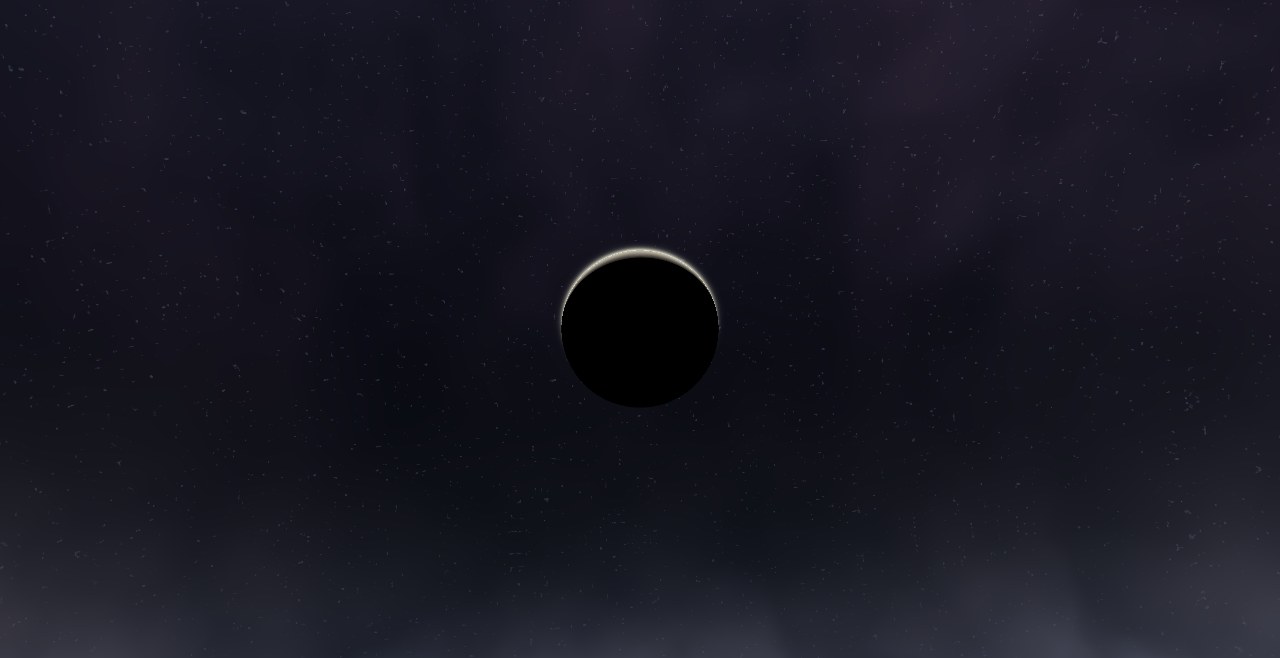
CFHTWIR-Oph 98 A, a cool M-dwarf of 0.01 solar masses, and CFHTWIR-Oph 98 b, a 7.80-Jupiter-mass companion, with an orbital period of 22,012 years, at 200 AU from its star, and an equilibrium temperature near.
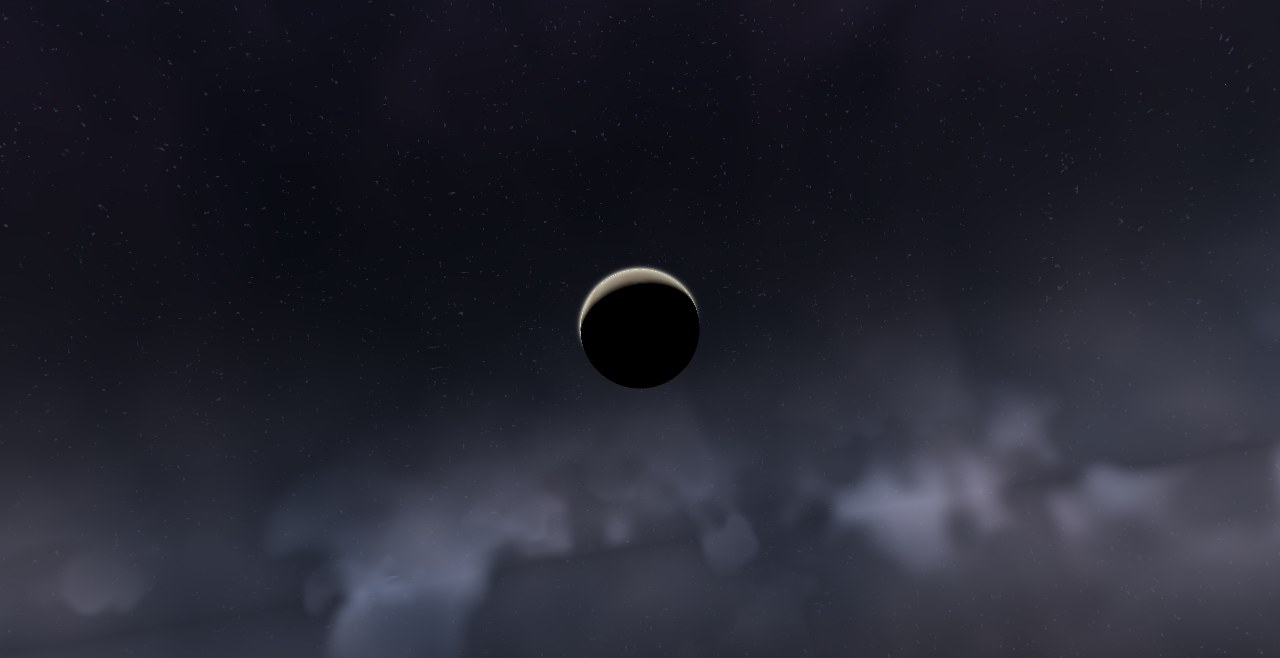
CHXR 73, a cool M-dwarf of 0.35 solar masses, and CHXR 73 b, a 12.6-Jupiter-mass companion, at 210 AU from its star.
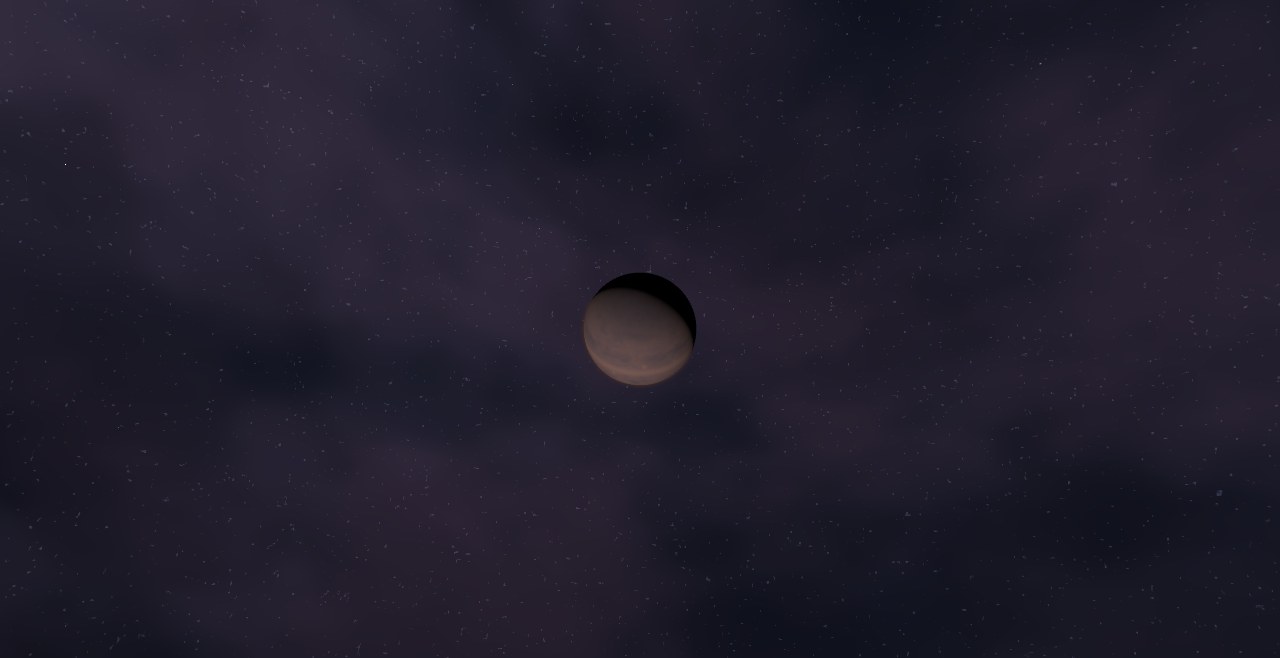
CI Tauri c, a giant planet on a 25-day eccentric orbit. The host is only about 2 million years old and still surrounded by a protoplanetary disk.
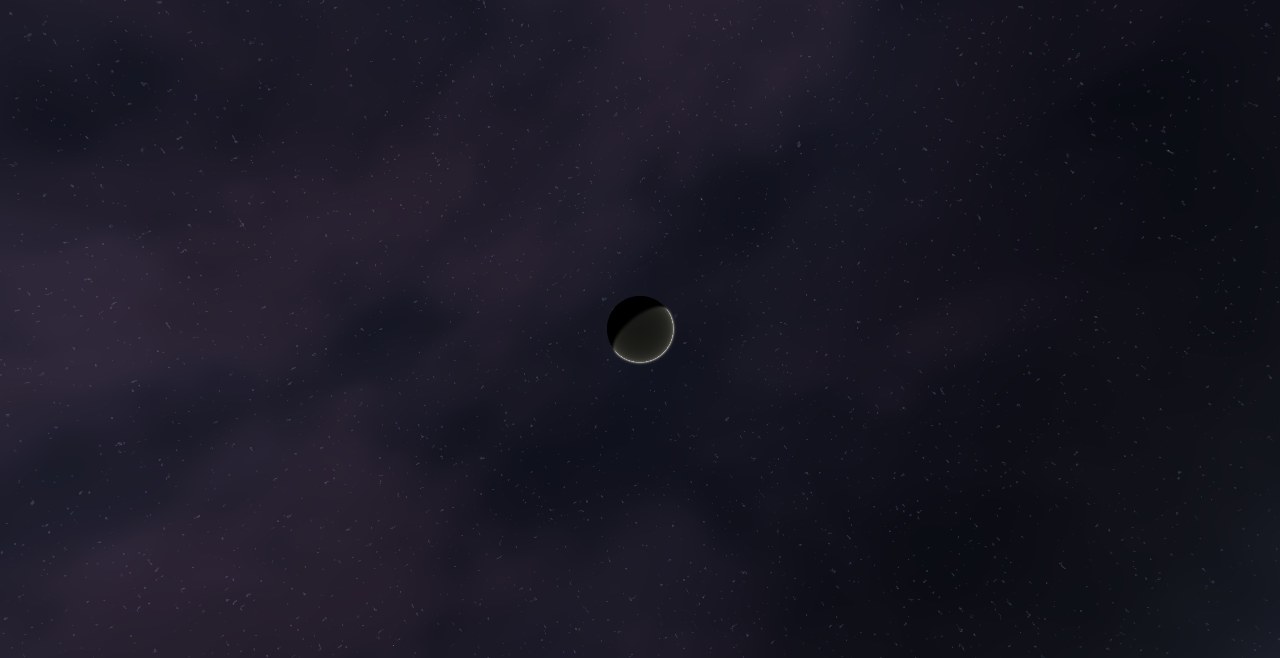
COCONUTS-2 A, a cool M-dwarf of 0.40 solar masses, and COCONUTS-2 b, a 7.50-Jupiter-mass companion, and an equilibrium temperature near 493 K.
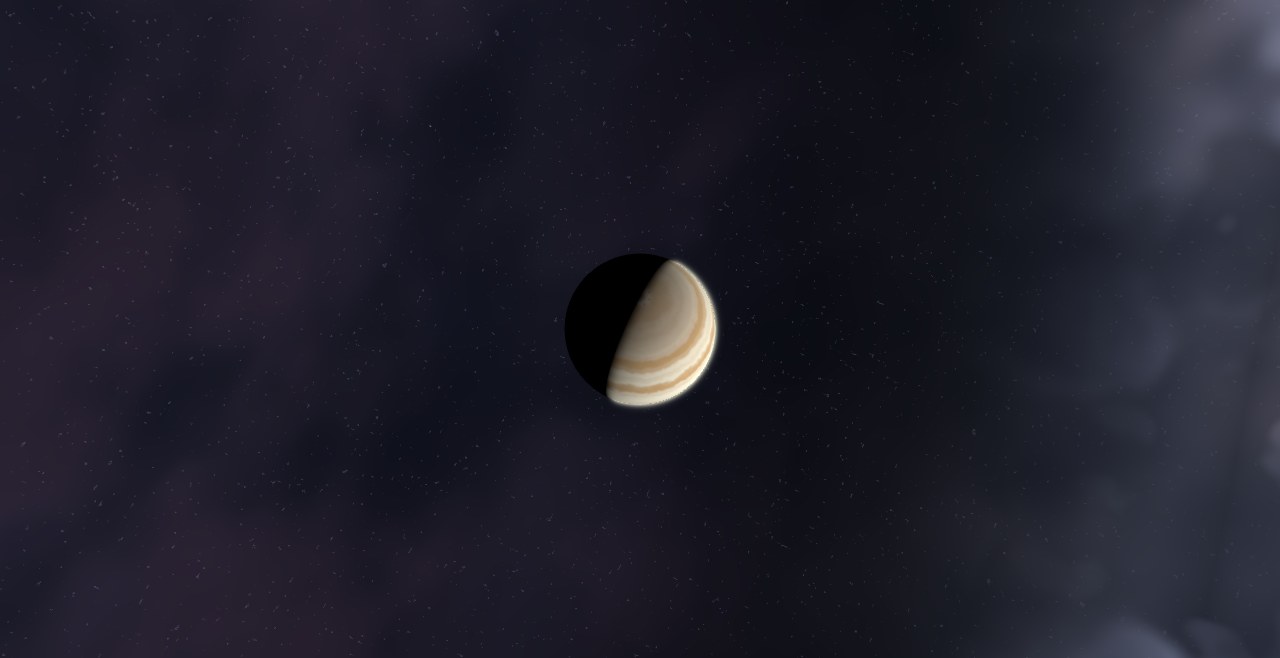
CT Cha, an orange K-type dwarf of 1.00 solar masses, and CT Cha b, a 17.0-Jupiter-mass companion, at 440 AU from its star, and an equilibrium temperature near 2,600 K.