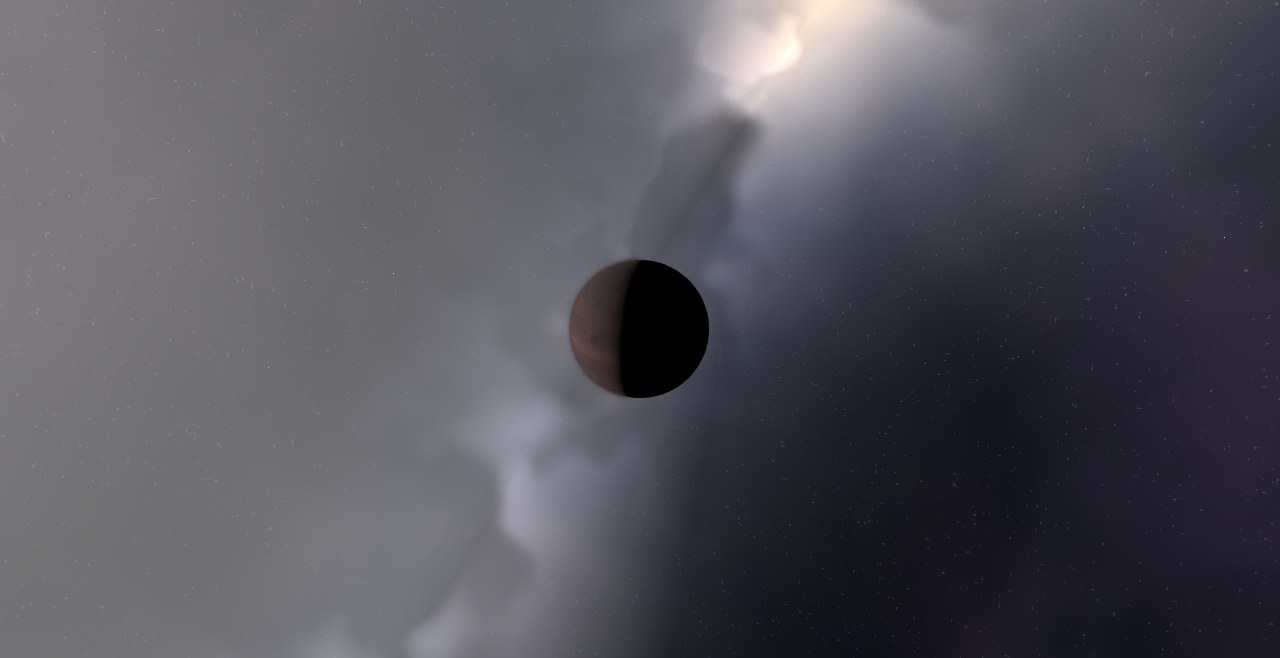
CoRoT-26 - System
CoRoT-26, a Sun-like G-type star of 1.09 solar masses, and CoRoT-26 b, a 0.52-Jupiter-mass companion, with an orbital period of 4.2 days, at 0.053 AU from its star, and an equilibrium temperature near 1,600 K.
3D Space and Gravity Simulator. Simulate the solar system, exoplanets and even colliding galaxies. Add, delete and modify planets, and change the laws of physics.
Share
CoRoT-26, a Sun-like G-type star of 1.09 solar masses, and CoRoT-26 b, a 0.52-Jupiter-mass companion, with an orbital period of 4.2 days, at 0.053 AU from its star, and an equilibrium temperature near 1,600 K.
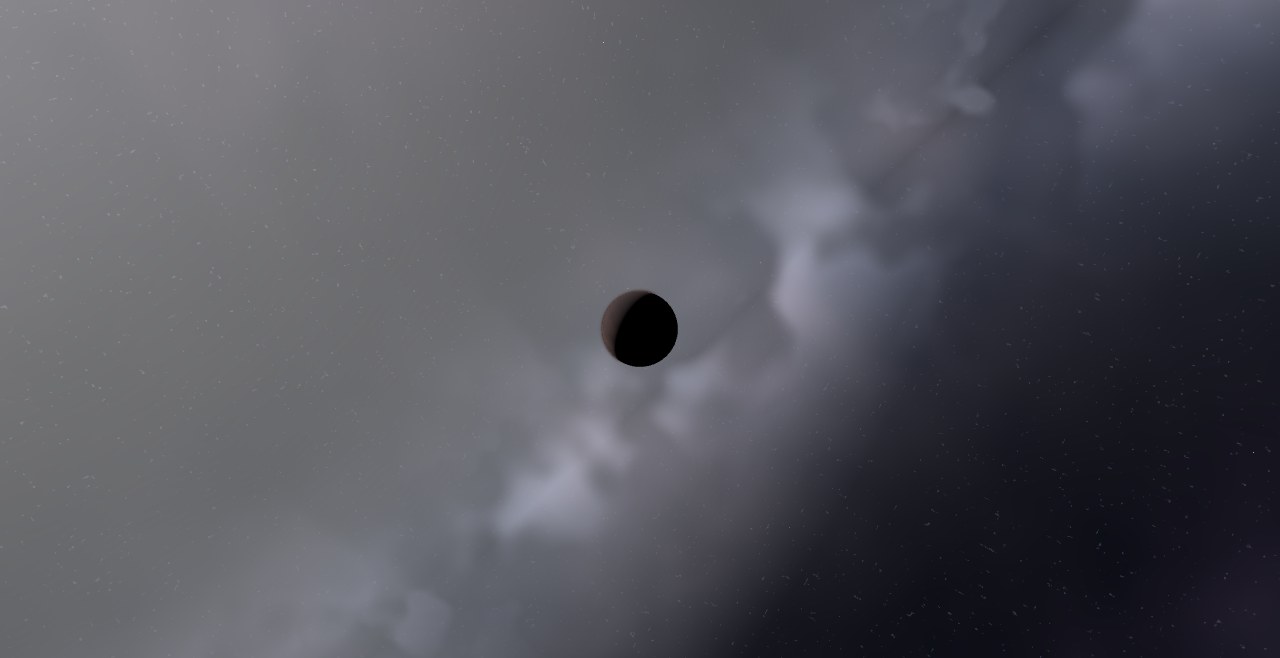
CoRoT-27, a Sun-like G-type star of 1.05 solar masses, and CoRoT-27 b, a 10.4-Jupiter-mass companion, with an orbital period of 3.6 days, at 0.048 AU from its star, and an equilibrium temperature near 1,500 K.
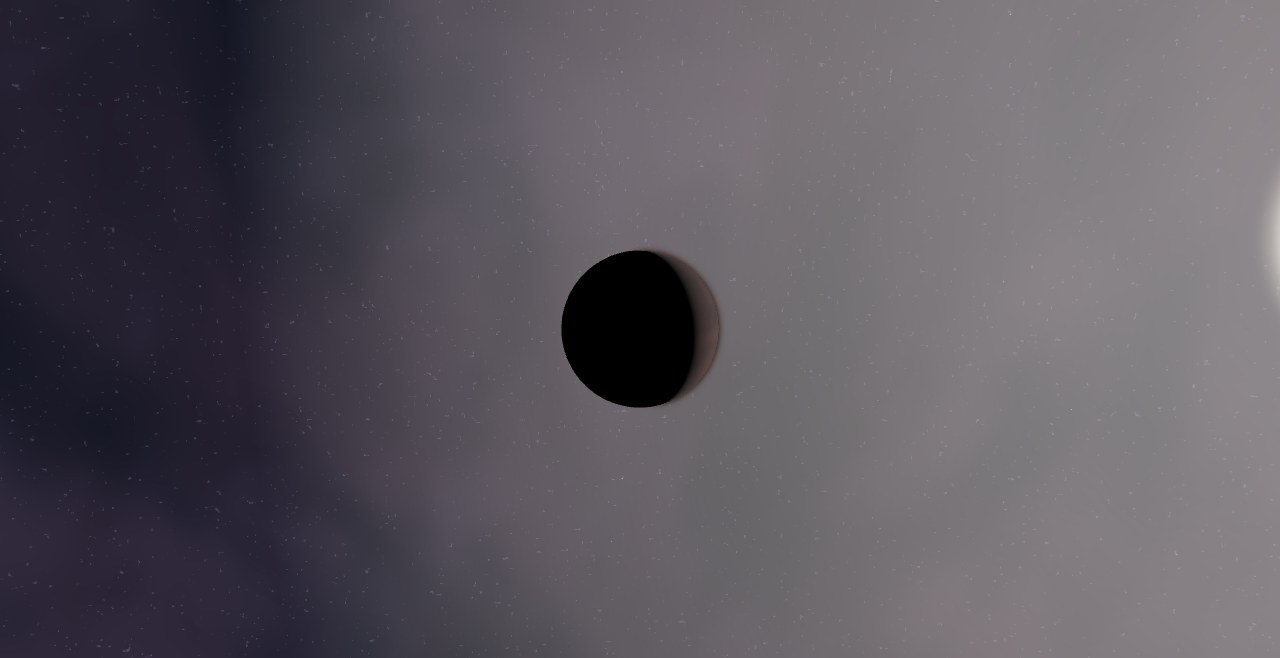
CoRoT-28, a Sun-like G-type star of 1.01 solar masses, and CoRoT-28 b, a 0.48-Jupiter-mass companion, with an orbital period of 5.2 days, at 0.060 AU from its star.
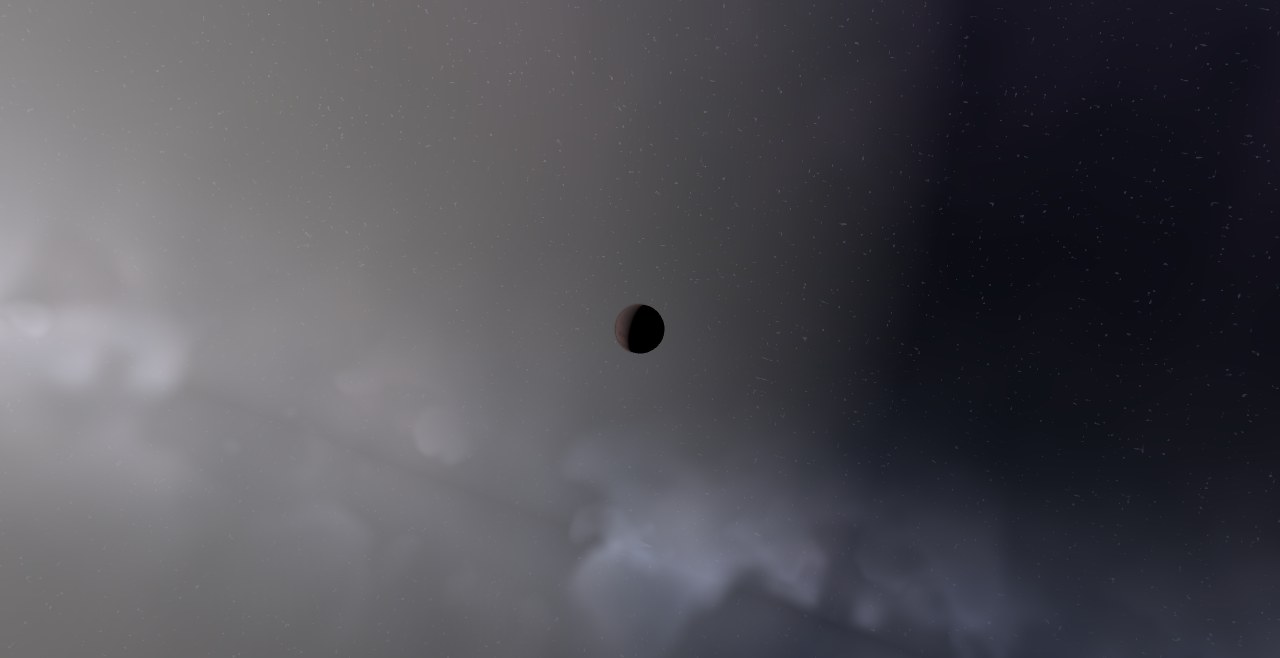
CoRoT-29, an orange K-type dwarf of 0.97 solar masses, and CoRoT-29 b, a 0.85-Jupiter-mass companion, with an orbital period of 2.9 days, at 0.039 AU from its star, on an eccentric orbit (e ≈ 0.08).
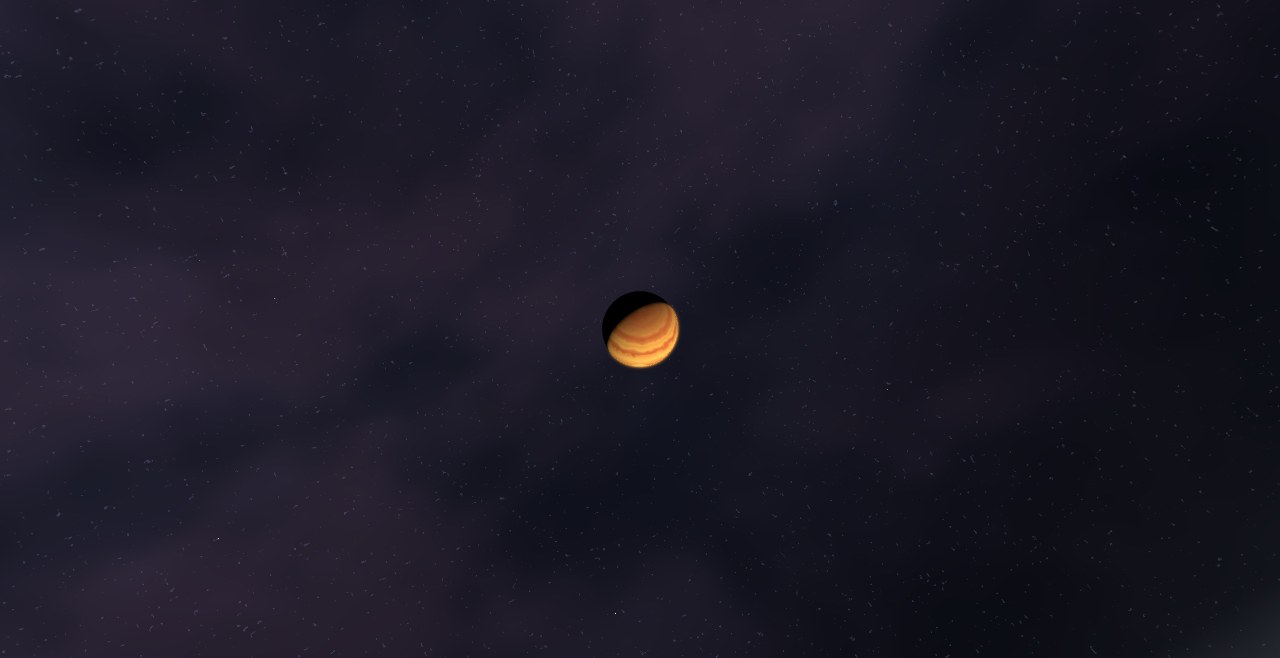
CoRoT-3, a Sun-like F-type star of 1.37 solar masses, and CoRoT-3 b, a 21.7-Jupiter-mass companion, with an orbital period of 4.3 days.
CoRoT-30, a Sun-like G-type star of 0.98 solar masses, and CoRoT-30 b, a 2.90-Jupiter-mass companion, with an orbital period of 9.1 days, at 0.084 AU from its star.
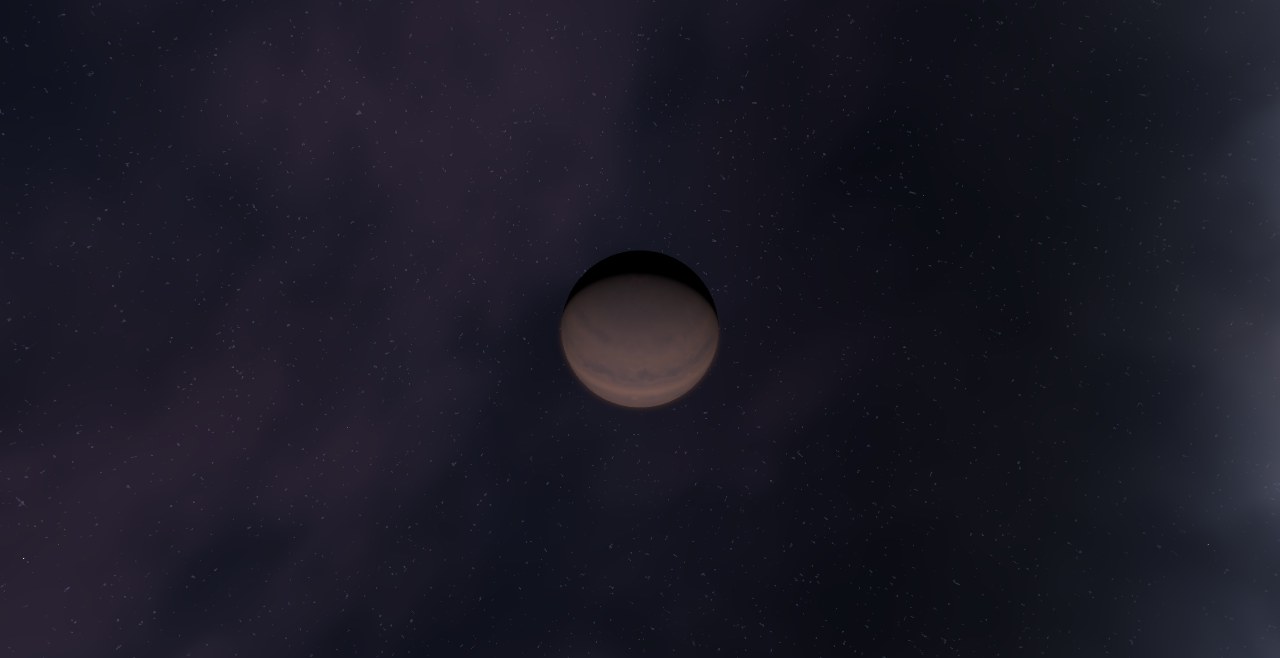
CoRoT-31, a Sun-like G-type star of 1.25 solar masses, and CoRoT-31 b, a 0.84-Jupiter-mass companion, with an orbital period of 4.6 days, at 0.059 AU from its star.
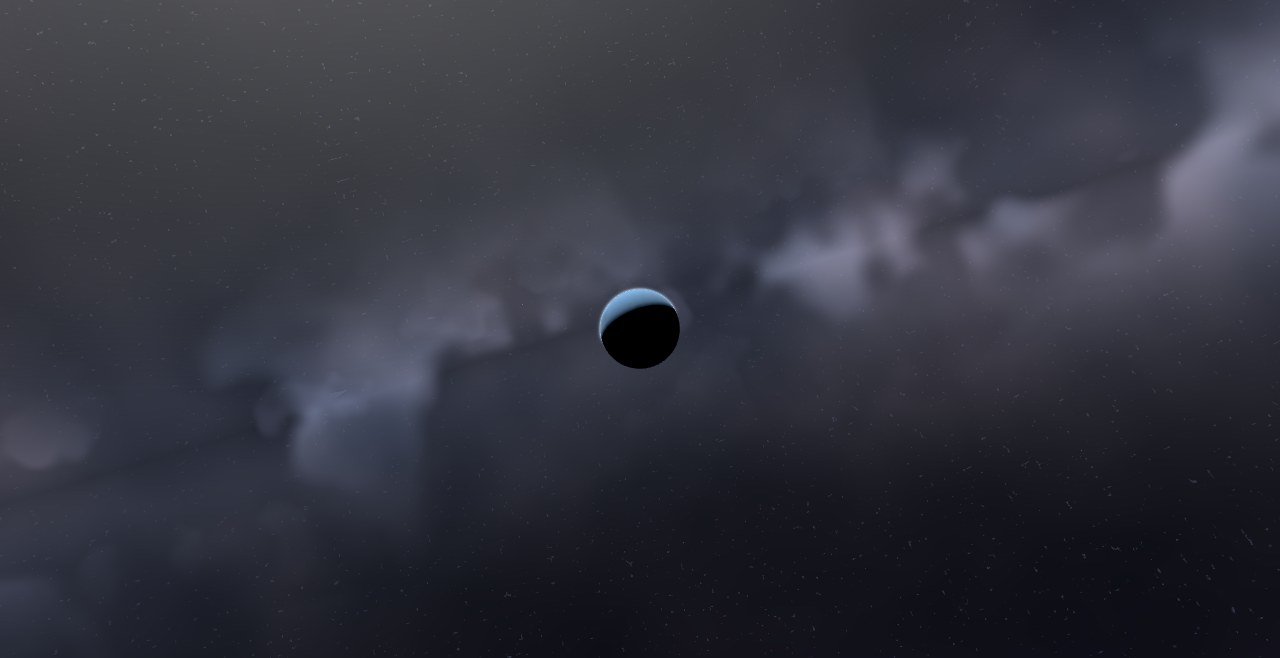
CoRoT-32, a Sun-like G-type star of 1.08 solar masses, and CoRoT-32 b, a 0.15-Jupiter-mass companion, with an orbital period of 6.7 days, at 0.071 AU from its star, and an equilibrium temperature near 938 K.
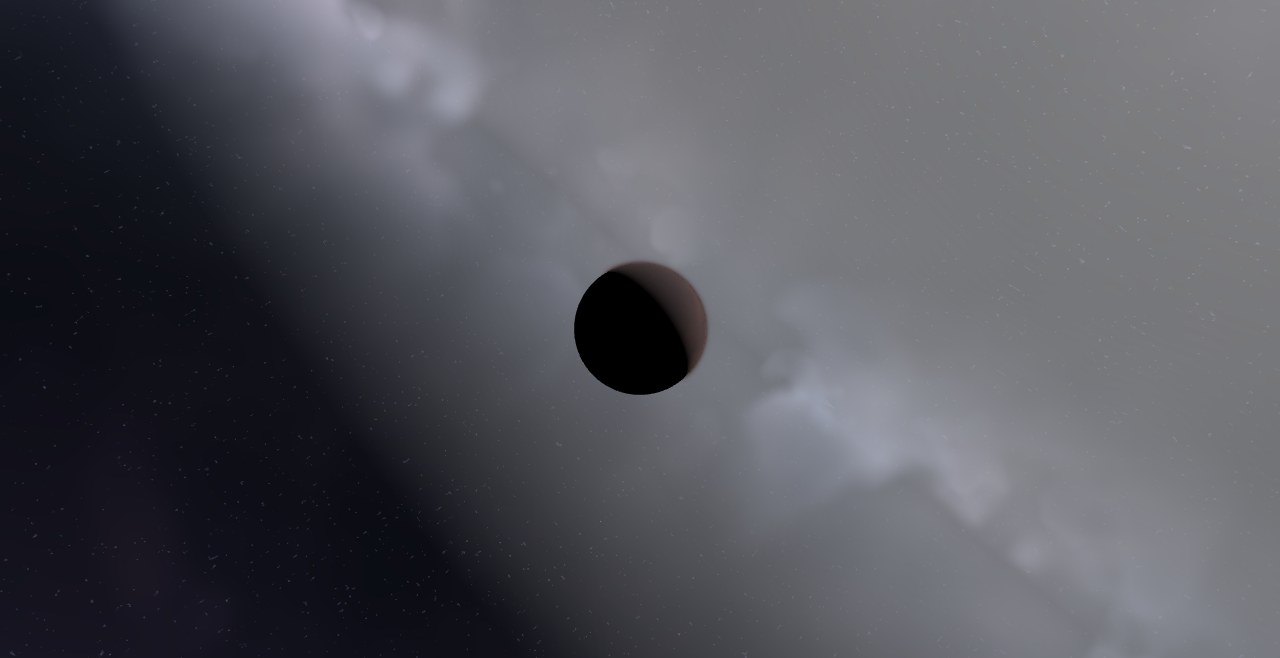
CoRoT-35, a Sun-like F-type star of 1.01 solar masses, and CoRoT-35 b, a 1.10-Jupiter-mass companion, with an orbital period of 3.2 days, at 0.043 AU from its star, and an equilibrium temperature near 1,747 K.
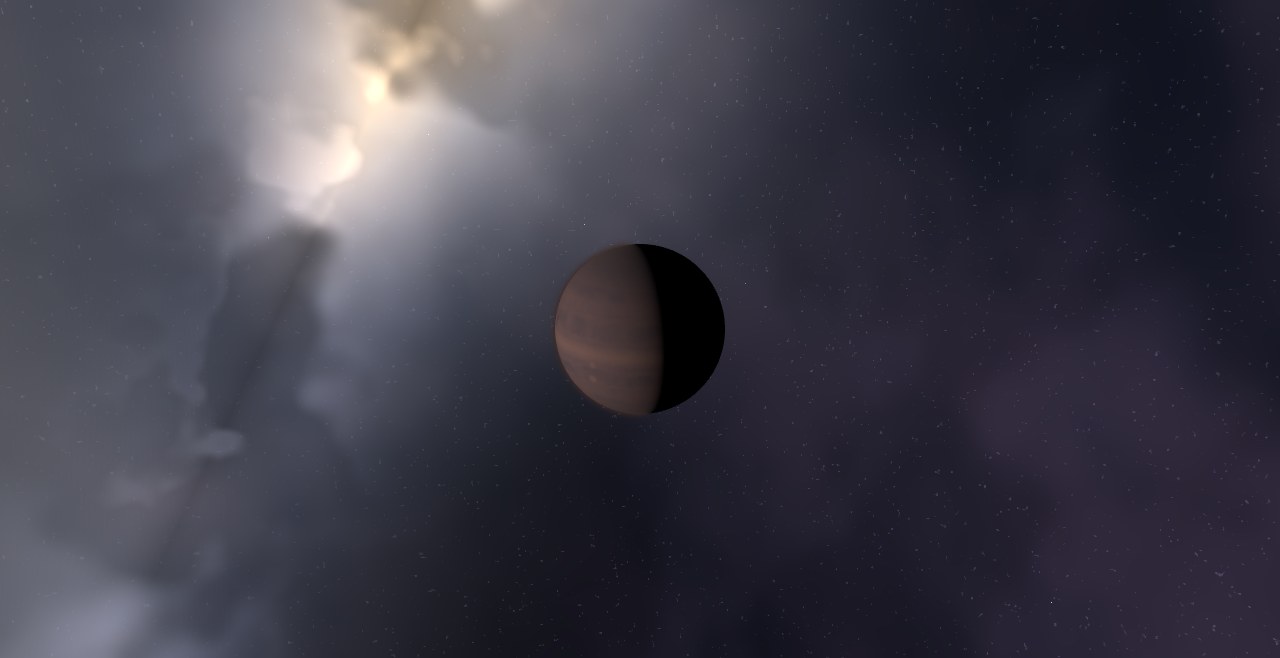
CoRoT-36, a Sun-like F-type star of 1.32 solar masses, and CoRoT-36 b, a 0.68-Jupiter-mass companion, with an orbital period of 5.6 days, at 0.066 AU from its star, and an equilibrium temperature near 1,567 K.
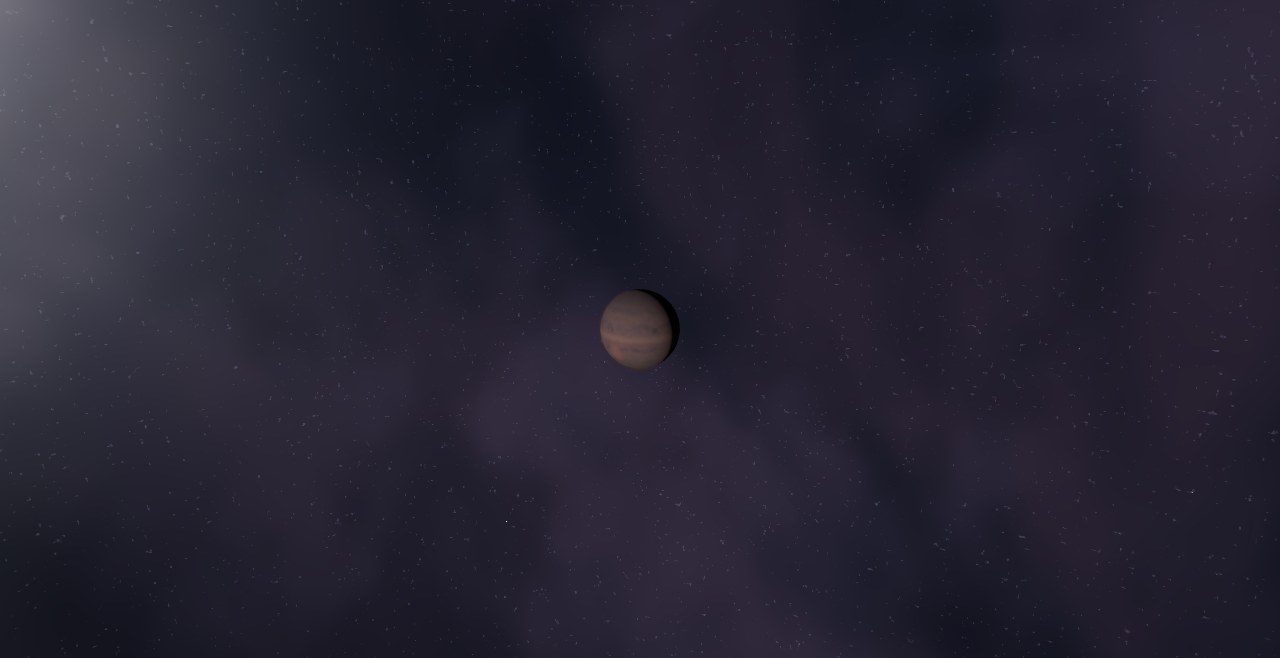
CoRoT-4, a Sun-like F-type star of 1.16 solar masses, and CoRoT-4 b, a 0.72-Jupiter-mass companion, with an orbital period of 9.2 days, at 0.090 AU from its star, and an equilibrium temperature near 1,074 K.
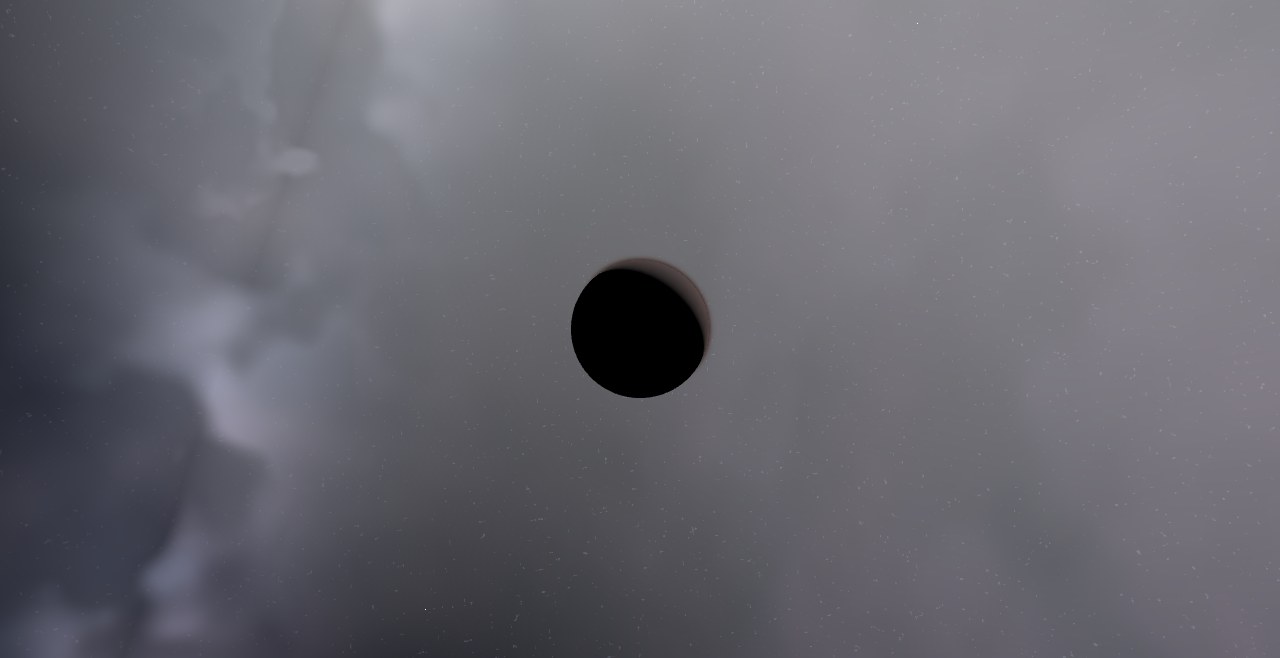
CoRoT-5, a Sun-like F-type star of 1.00 solar masses, and CoRoT-5 b, a 0.47-Jupiter-mass companion, with an orbital period of 4.0 days, at 0.049 AU from its star, and an equilibrium temperature near 1,438 K.
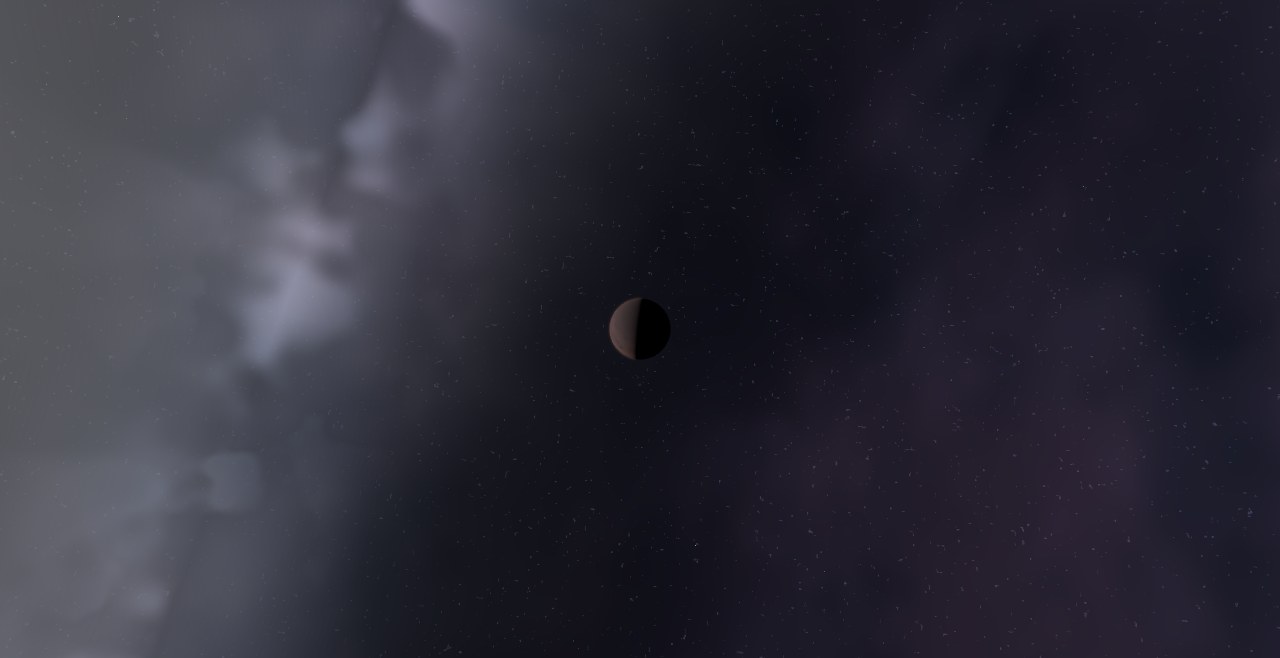
CoRoT-6, a Sun-like F-type star of 1.05 solar masses, and CoRoT-6 b, a 2.96-Jupiter-mass companion, with an orbital period of 8.9 days, at 0.086 AU from its star, and an equilibrium temperature near 1,017 K.
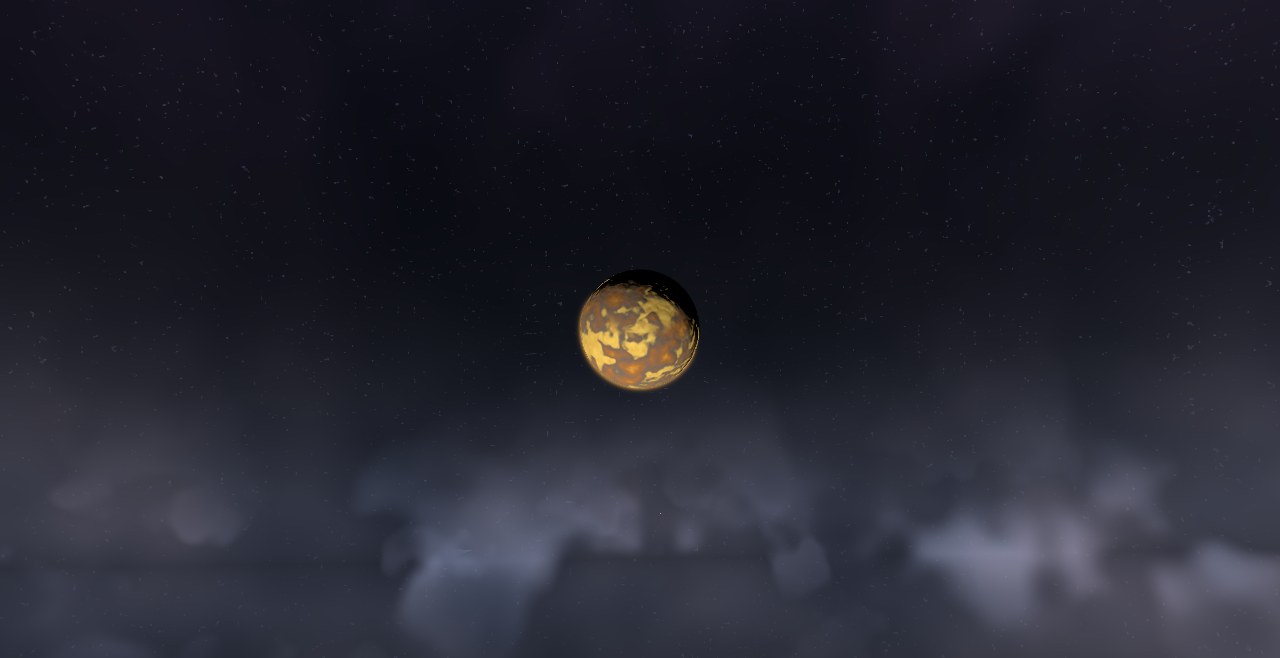
CoRoT-7 b, the first super-Earth found to transit and a leading candidate for the first rocky exoplanet, baked on an orbit of less than a day.
CoRoT-8, an orange K-type dwarf of 0.88 solar masses, and CoRoT-8 b, a 0.22-Jupiter-mass companion, with an orbital period of 6.2 days, at 0.063 AU from its star.
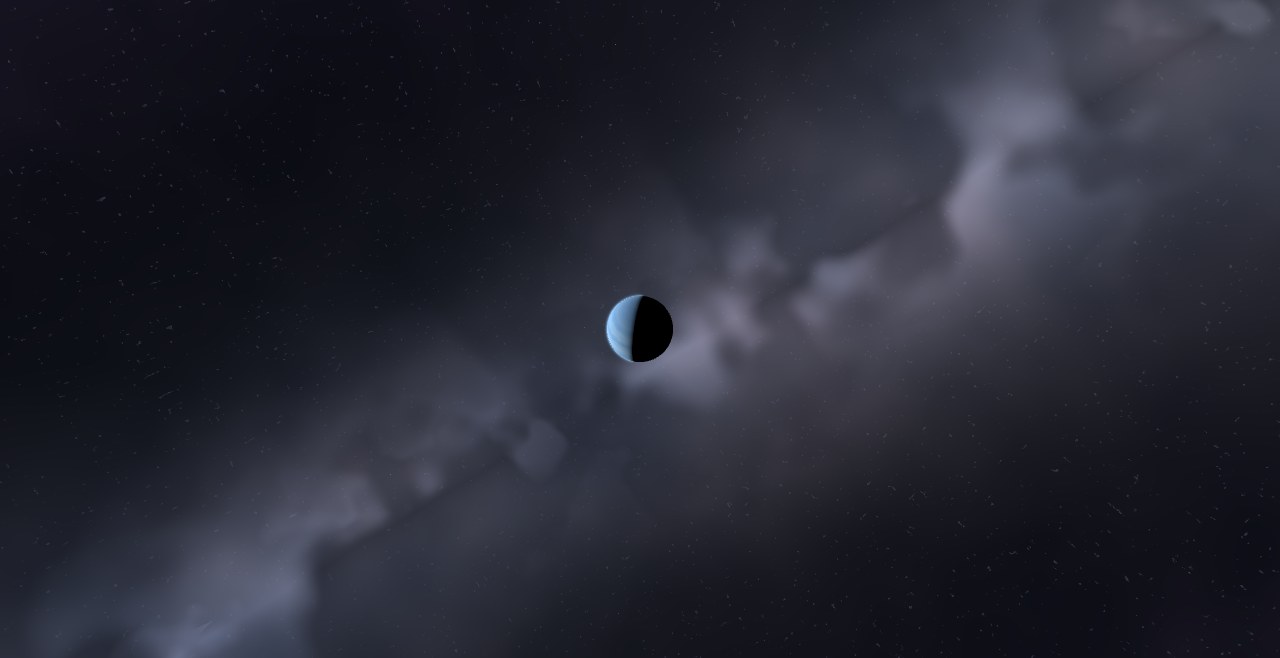
CoRoT-9, a Sun-like G-type star of 0.96 solar masses, and CoRoT-9 b, a 0.84-Jupiter-mass companion, with an orbital period of 95.3 days, at 0.402 AU from its star, and an equilibrium temperature near 420 K.
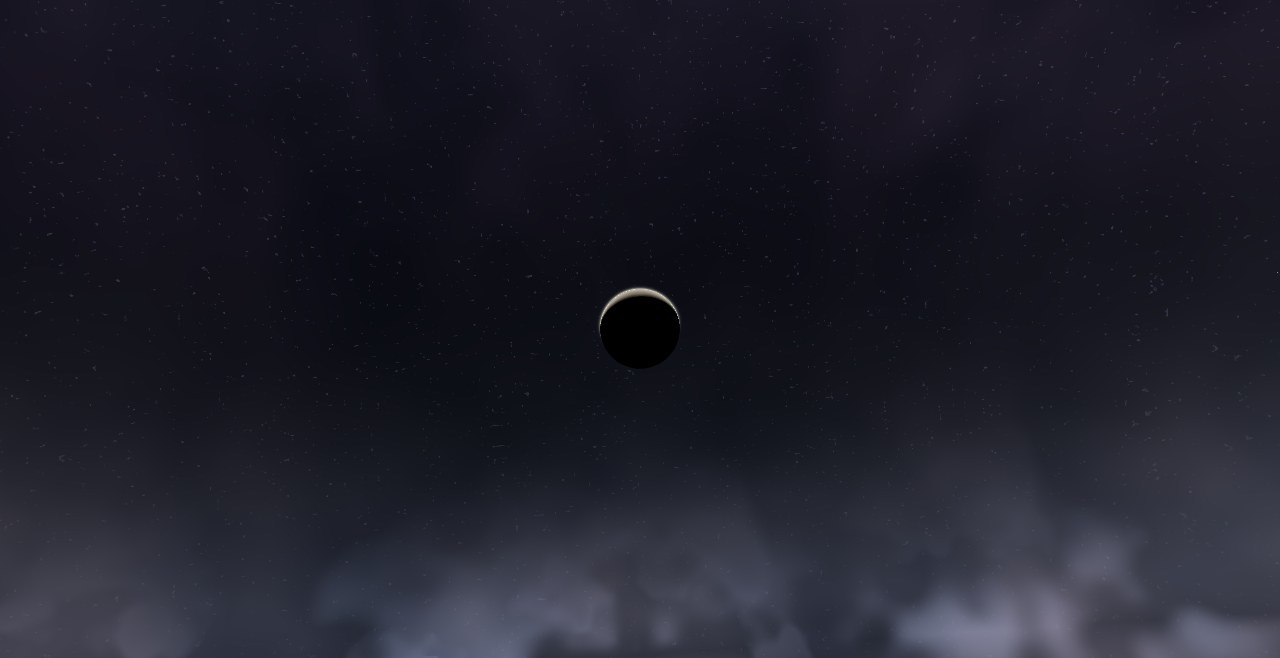
DE CVn, a cool M-dwarf of 0.51 solar masses, and DE CVn b, a 12.0-Jupiter-mass companion, with an orbital period of 11.2 years, at 5.750 AU from its star.
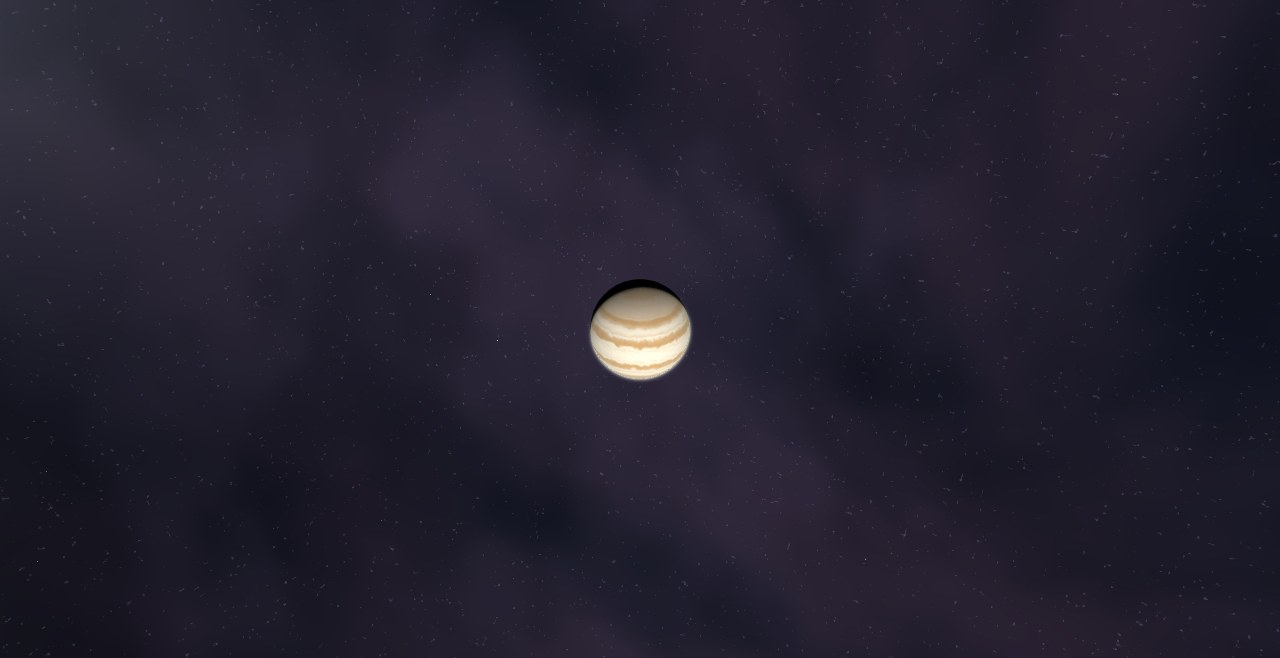
DENIS-P J082303.1-491201, a Sun-like G-type star of 0.07 solar masses, and DENIS-P J082303.1-491201 b, a 28.5-Jupiter-mass companion, with an orbital period of 246 days, at 0.360 AU from its star.