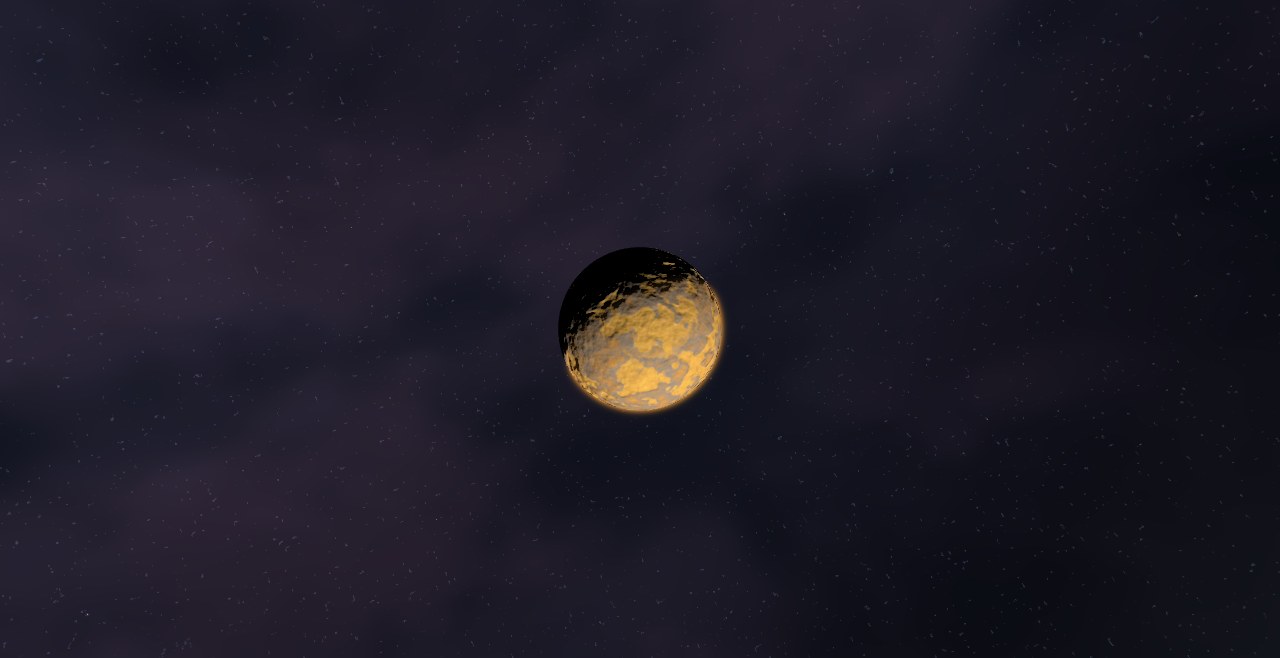
TOI-904 - System
TOI-904, an orange K-type dwarf of 0.56 solar masses, and TOI-904 b, a planet with 2.4 Earth radii, with an orbital period of 10.9 days, at 0.056 AU from its star, and an equilibrium temperature near 429 K.
3D Space and Gravity Simulator. Simulate the solar system, exoplanets and even colliding galaxies. Add, delete and modify planets, and change the laws of physics.
Share
TOI-904, an orange K-type dwarf of 0.56 solar masses, and TOI-904 b, a planet with 2.4 Earth radii, with an orbital period of 10.9 days, at 0.056 AU from its star, and an equilibrium temperature near 429 K.
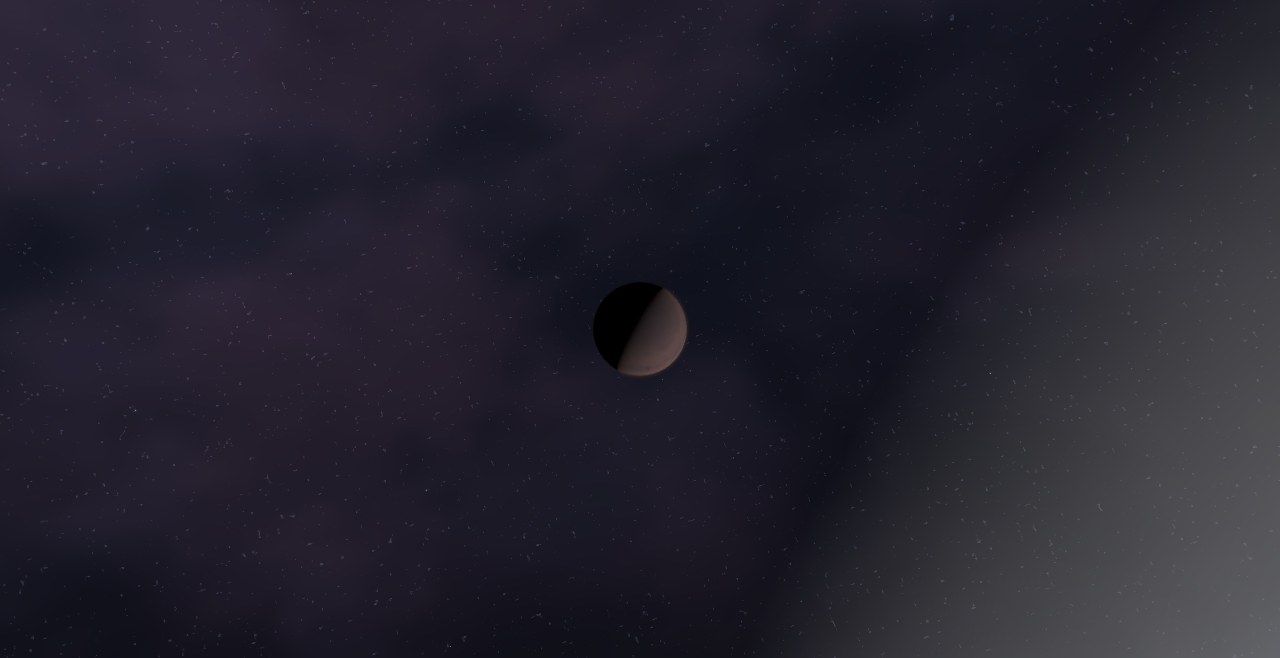
TOI-905, a Sun-like G-type star of 0.97 solar masses, and TOI-905 b, a 0.67-Jupiter-mass companion, with an orbital period of 3.7 days, at 0.047 AU from its star, and an equilibrium temperature near 1,192 K.
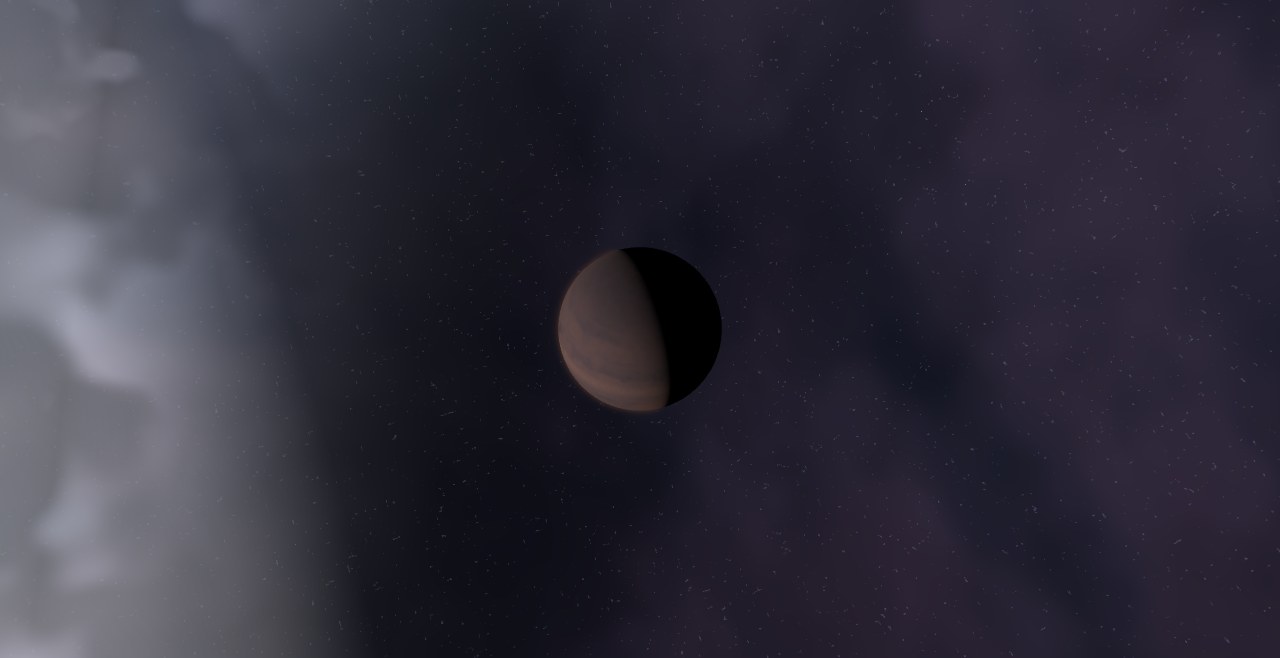
TOI-907, a Sun-like F-type star of 1.07 solar masses, and TOI-907.01, a planet with 9.6 Earth radii, with an orbital period of 4.6 days, at 0.055 AU from its star, and an equilibrium temperature near 1,847 K.
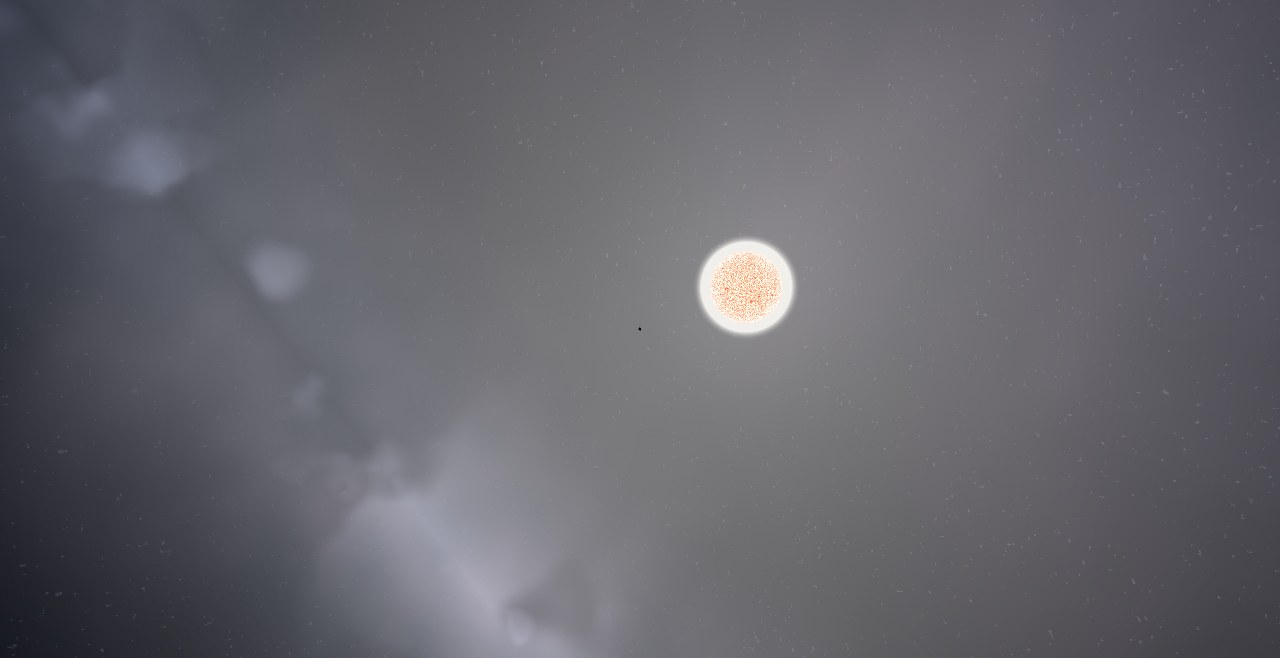
TOI-908, a Sun-like G-type star of 0.95 solar masses, and TOI-908 b, a 0.05-Jupiter-mass companion, with an orbital period of 3.2 days, at 0.042 AU from its star, and an equilibrium temperature near 1,317 K.
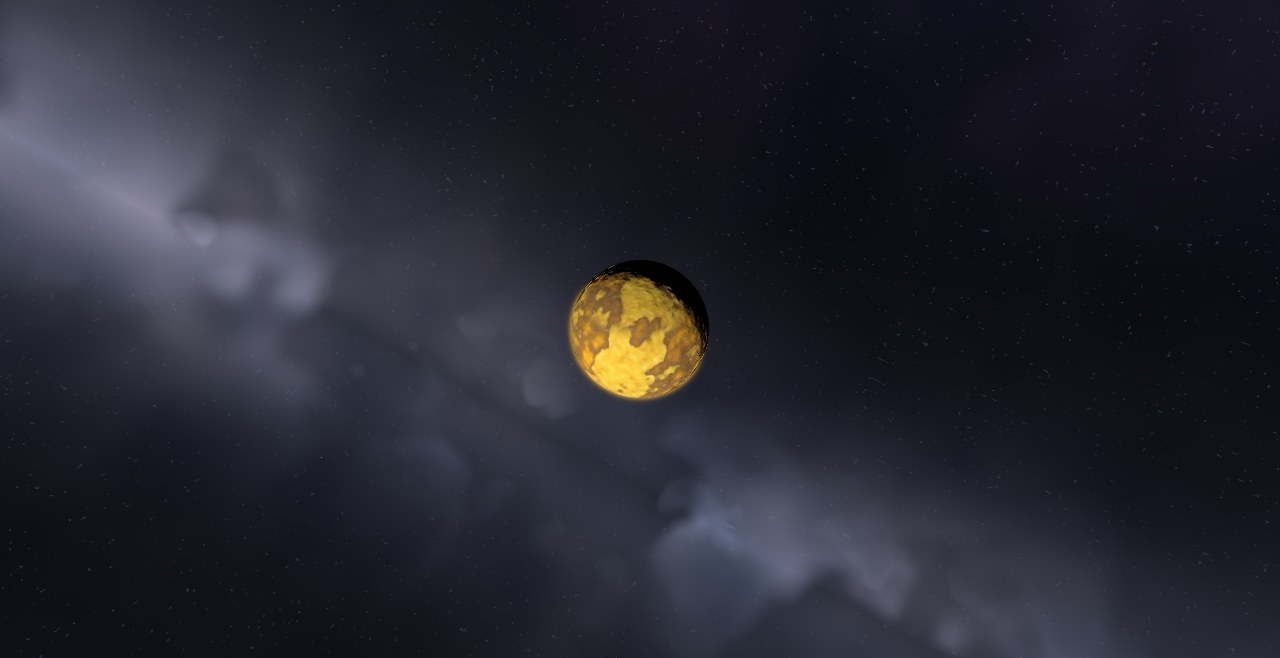
TOI-912, a cool M-dwarf of 0.42 solar masses, and TOI-912 b, a 5.1-Earth-mass planet, with an orbital period of 4.7 days, at 0.041 AU from its star, and an equilibrium temperature near 551 K, on an eccentric.
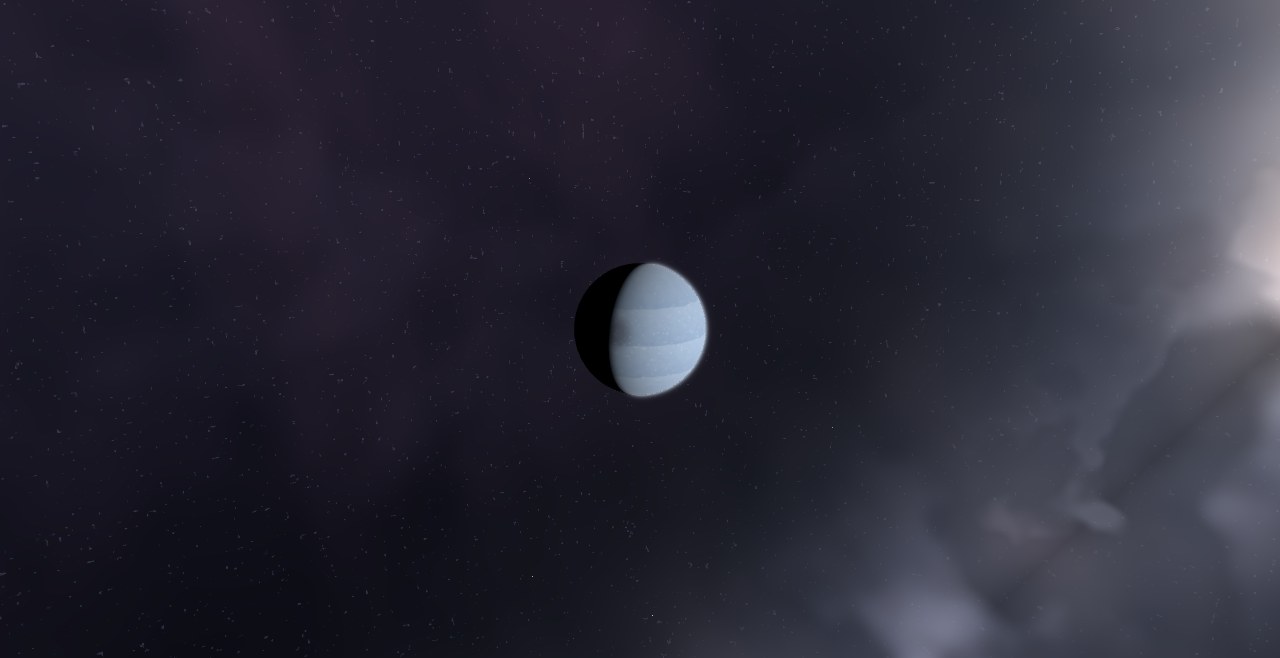
TOI-942, an orange K-type dwarf of 0.82 solar masses, and TOI-942 b, a planet with 3.9 Earth radii, with an orbital period of 4.3 days, at 0.049 AU from its star, on an eccentric orbit (e ≈ 0.34).
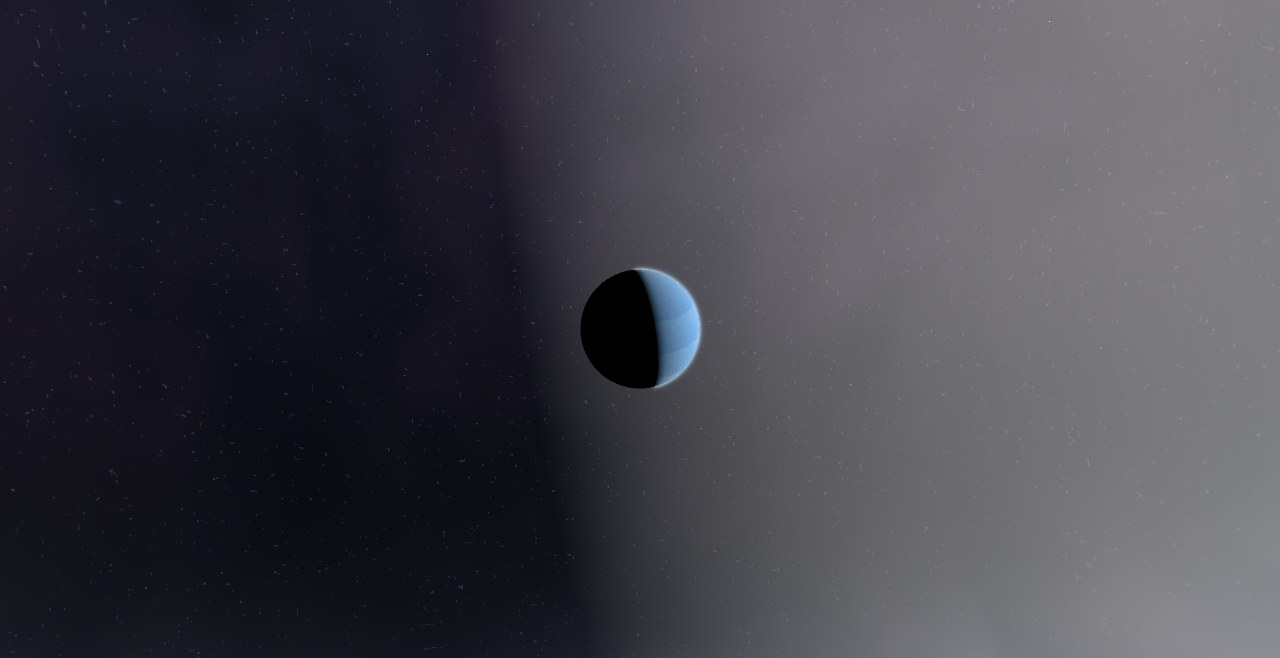
TOI-954, a Sun-like G-type star of 1.20 solar masses, and TOI-954 b, a 0.17-Jupiter-mass companion, with an orbital period of 3.7 days, at 0.050 AU from its star, and an equilibrium temperature near 1,526 K.
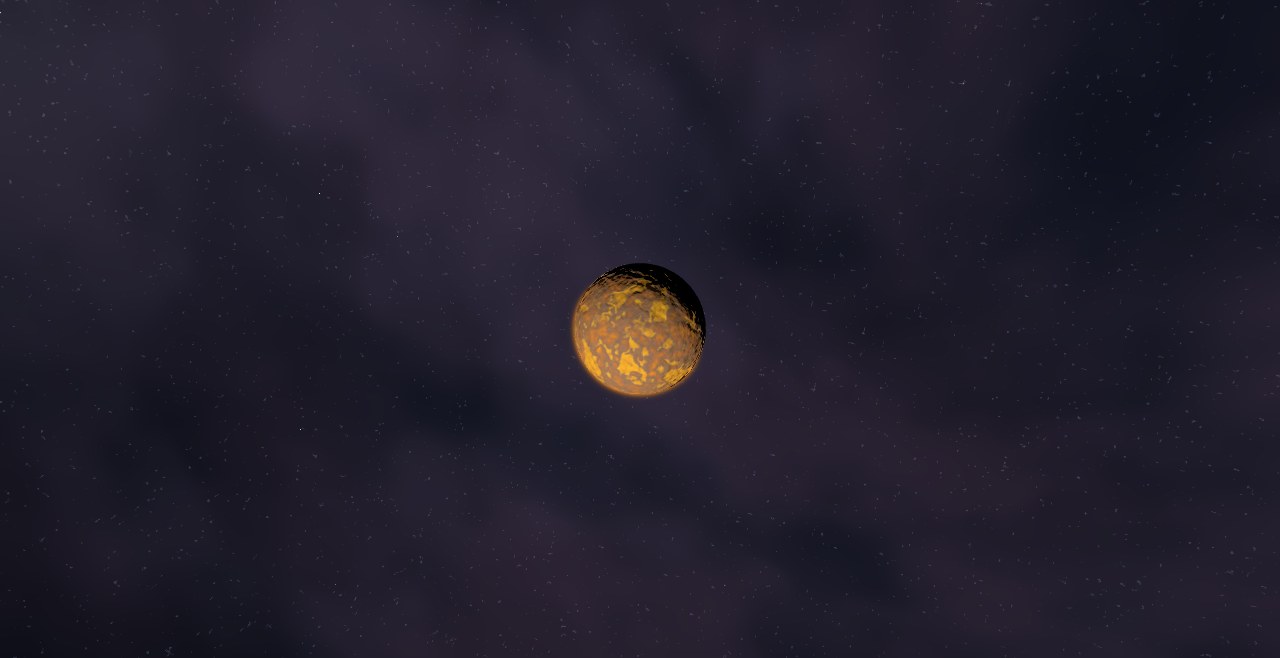
TOI-969, an orange K-type dwarf of 0.73 solar masses, and TOI-969 b, a 9.1-Earth-mass planet, with an orbital period of 1.8 days, at 0.026 AU from its star, and an equilibrium temperature near 941 K.
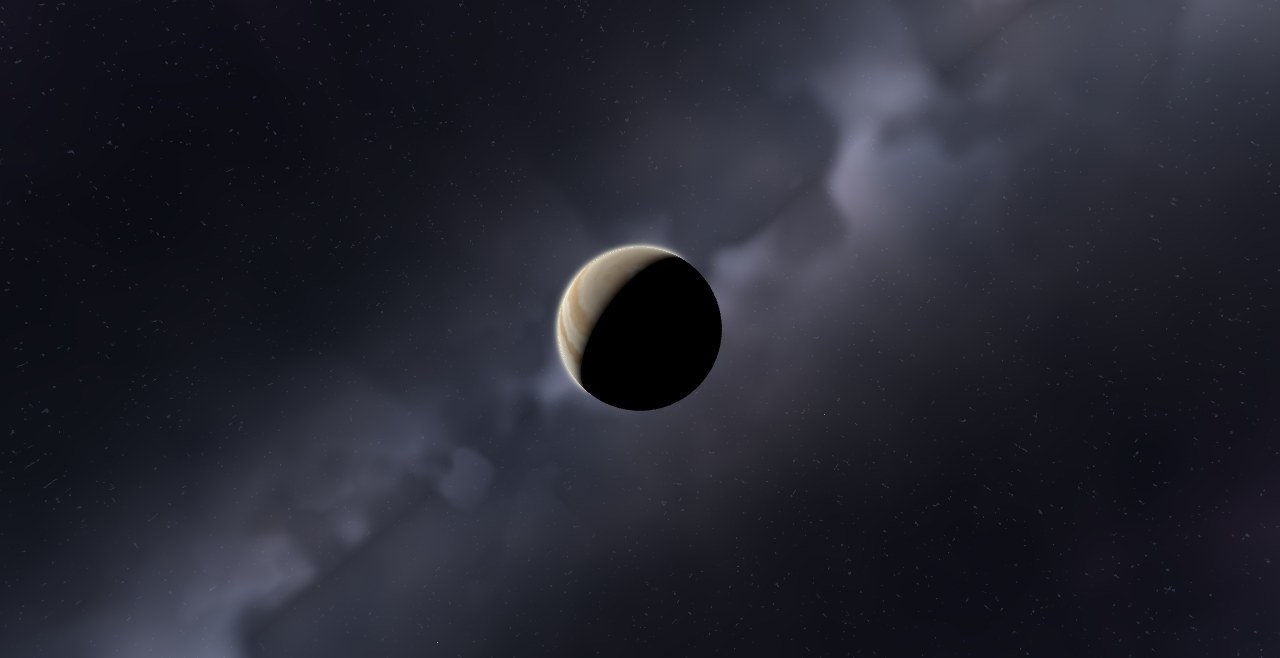
TWA 7, a cool M-dwarf of 0.46 solar masses, and TWA 7 b, a 0.34-Jupiter-mass companion, at 52.0 AU from its star, and an equilibrium temperature near 316 K.
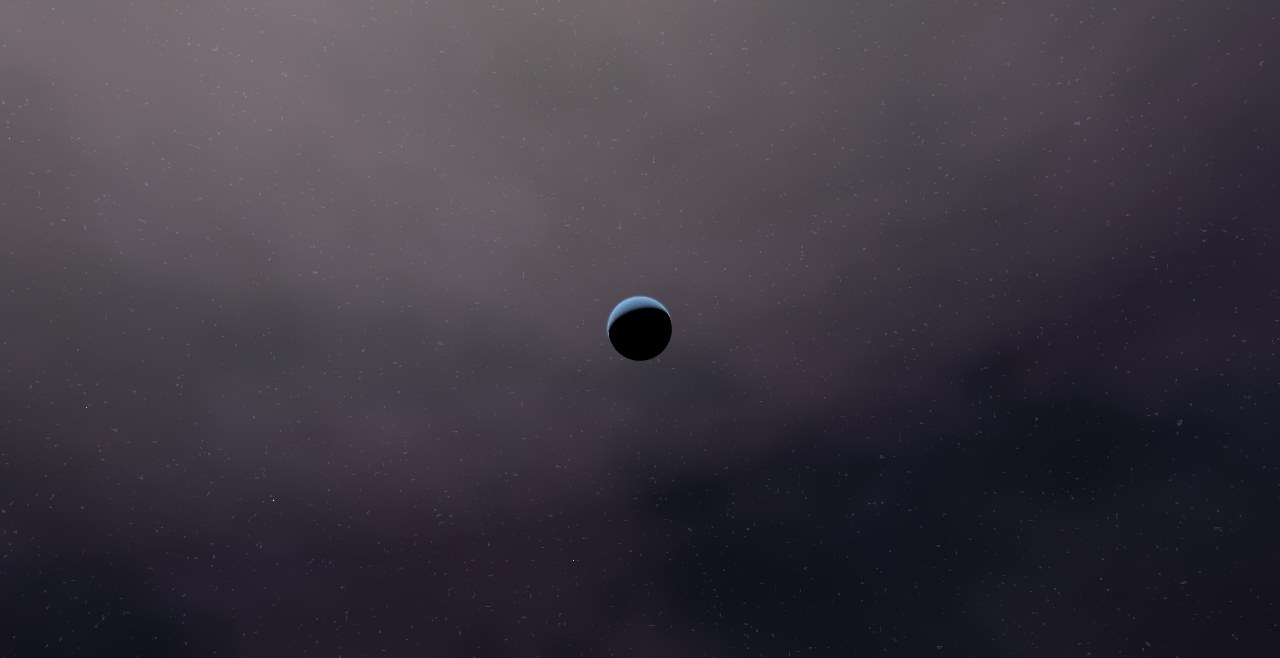
TYC 0434-04538-1, an orange K-type dwarf of 1.04 solar masses, and TYC 0434-04538-1 b, a 6.10-Jupiter-mass companion, with an orbital period of 193 days, at 0.660 AU from its star, on an eccentric orbit (e ≈.
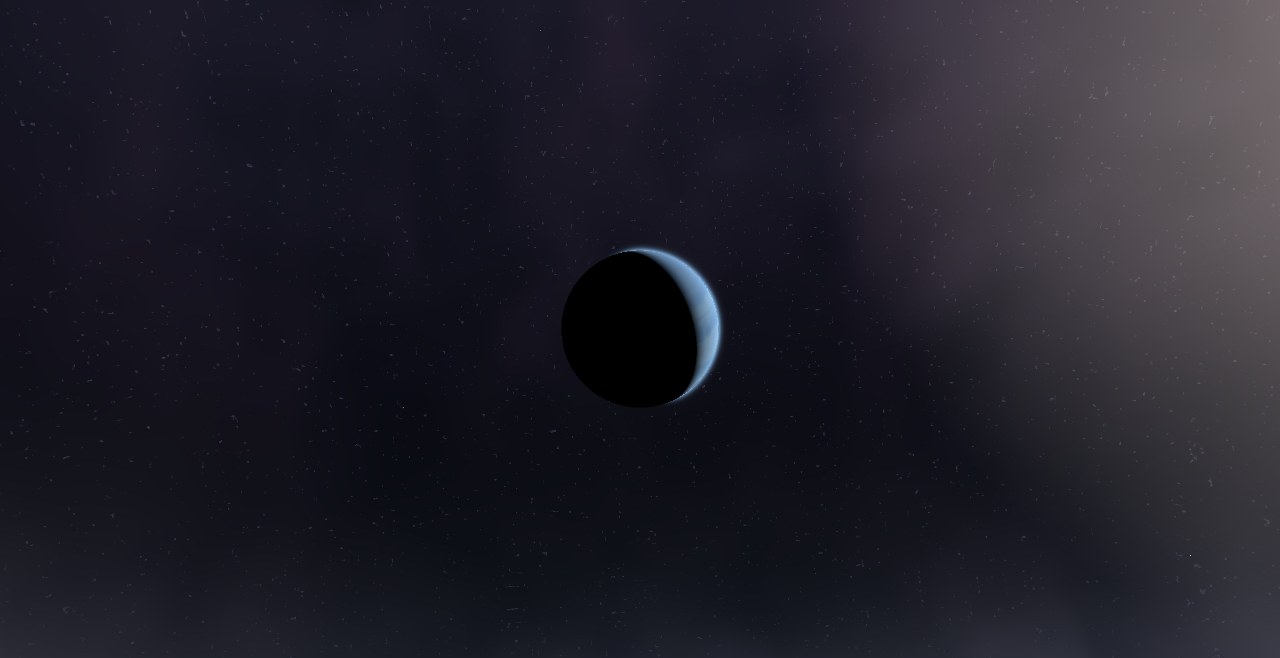
TYC 1422-614-1, an orange K-type dwarf of 1.15 solar masses, and TYC 1422-614-1 b, a 2.50-Jupiter-mass companion, with an orbital period of 198 days, at 0.690 AU from its star, on an eccentric orbit (e ≈ 0.06).
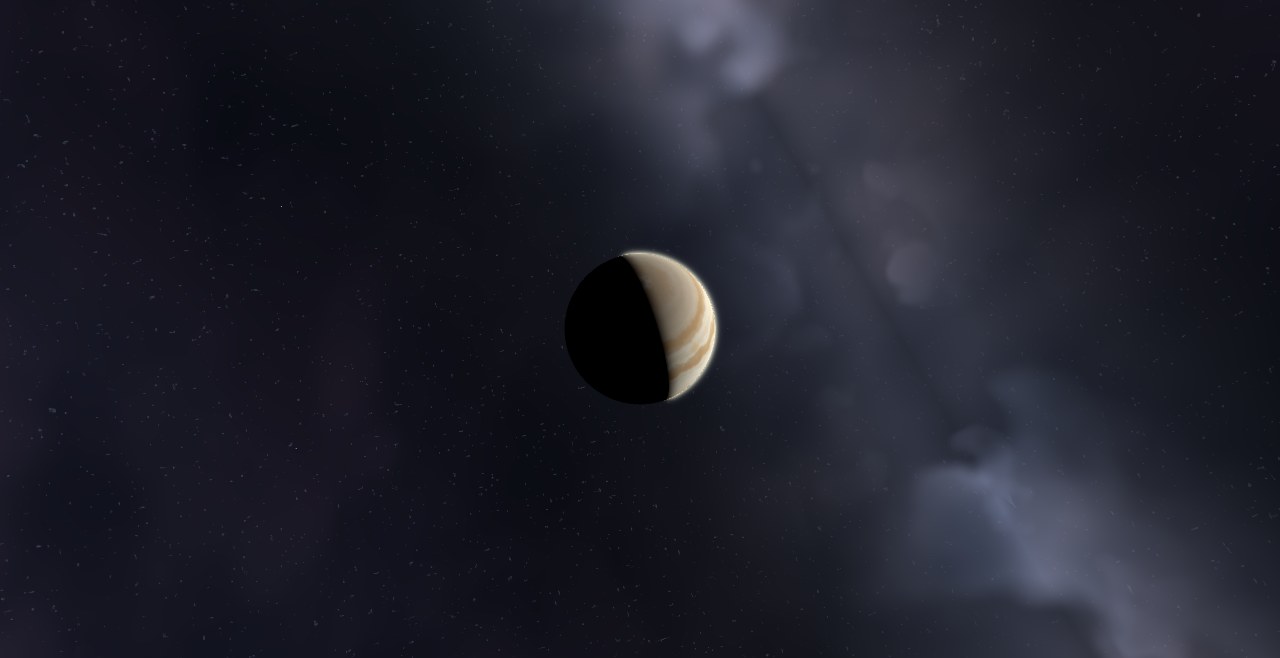
TYC 2187-512-1, a cool M-dwarf of 0.50 solar masses, and TYC 2187-512-1 b, a 0.33-Jupiter-mass companion, with an orbital period of 1.89 years, at 1.220 AU from its star.
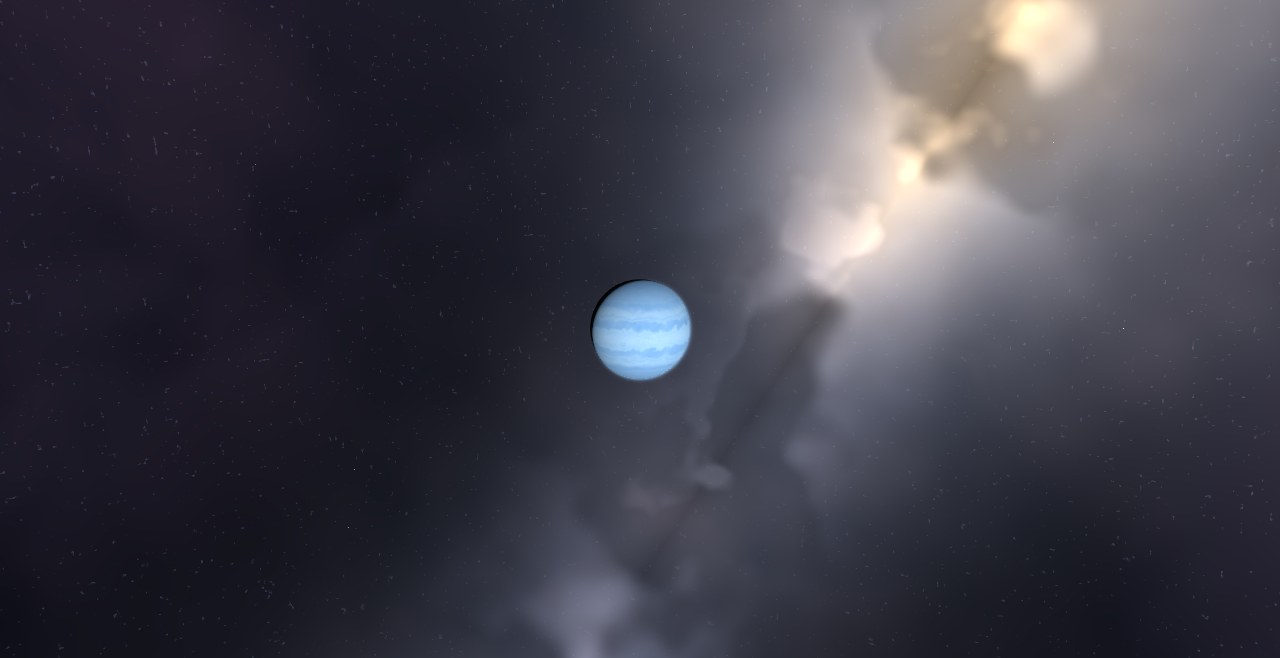
TYC 3318-01333-1, an orange K-type dwarf of 1.19 solar masses, and TYC 3318-01333-1 b, a 3.42-Jupiter-mass companion, with an orbital period of 1.54 years, at 1.414 AU from its star, on an eccentric orbit (e ≈.
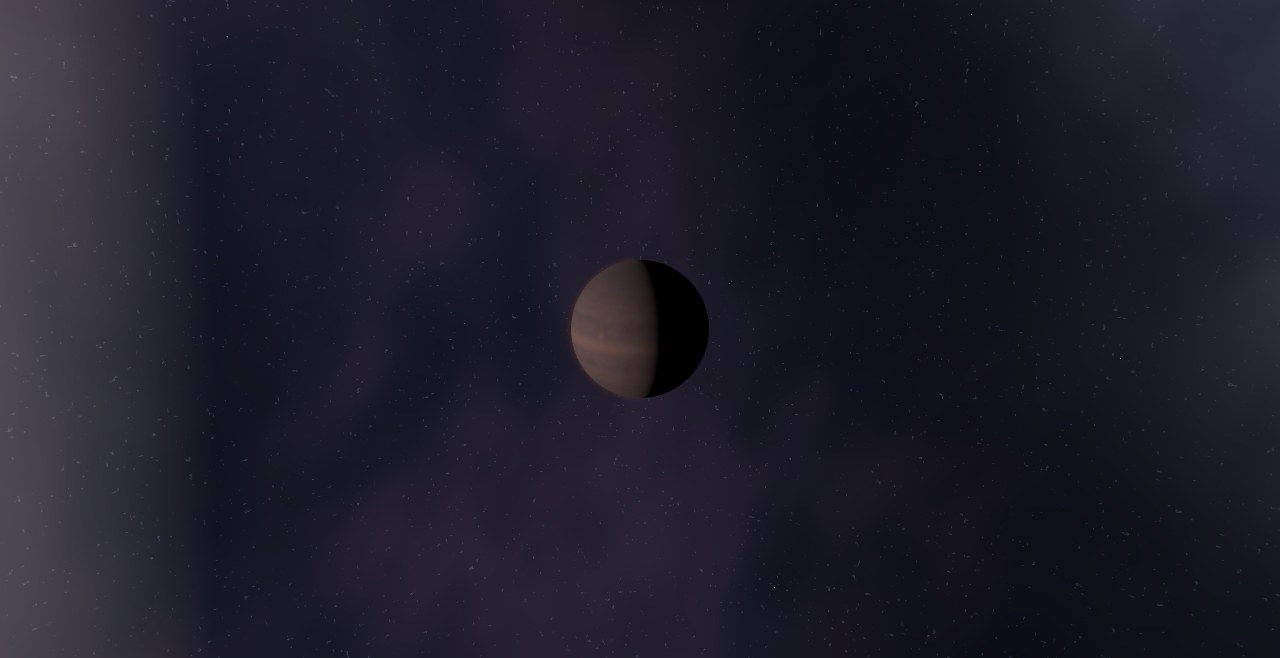
TYC 3667-1280-1, an orange K-type dwarf of 1.87 solar masses, and TYC 3667-1280-1 b, a 5.40-Jupiter-mass companion, with an orbital period of 26.5 days, at 0.210 AU from its star, and an equilibrium.
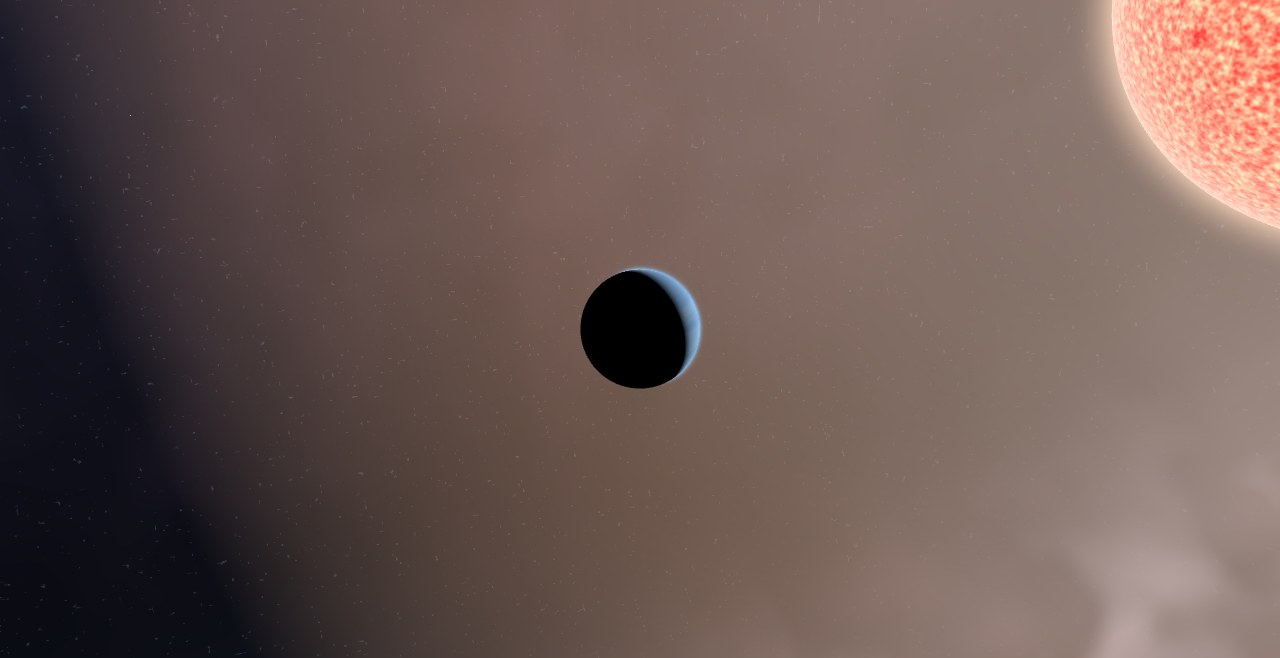
TYC 4282-00605-1, an orange K-type dwarf of 0.97 solar masses, and TYC 4282-00605-1 b, a 10.8-Jupiter-mass companion, with an orbital period of 102 days, at 0.422 AU from its star, on an eccentric orbit (e ≈.
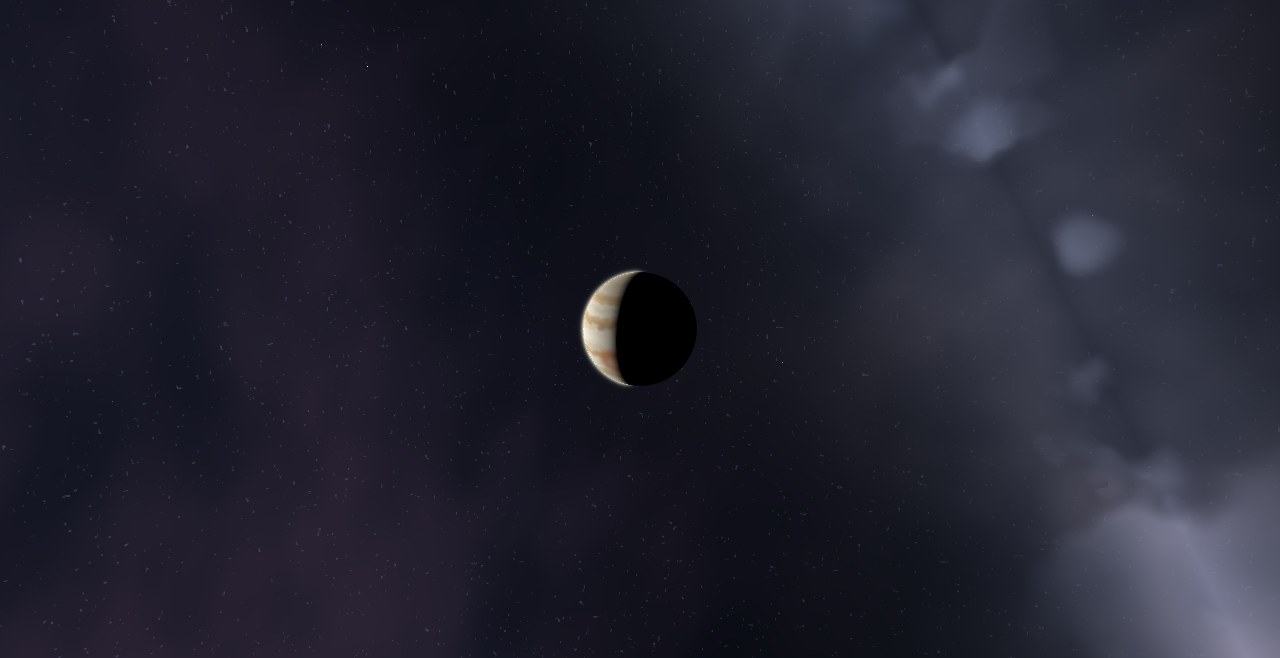
TYC 8998-760-1, a young star with two giant planets imaged on wide orbits. It is one of the few multi-planet systems seen directly. Both planets are still glowing from their formation heat.
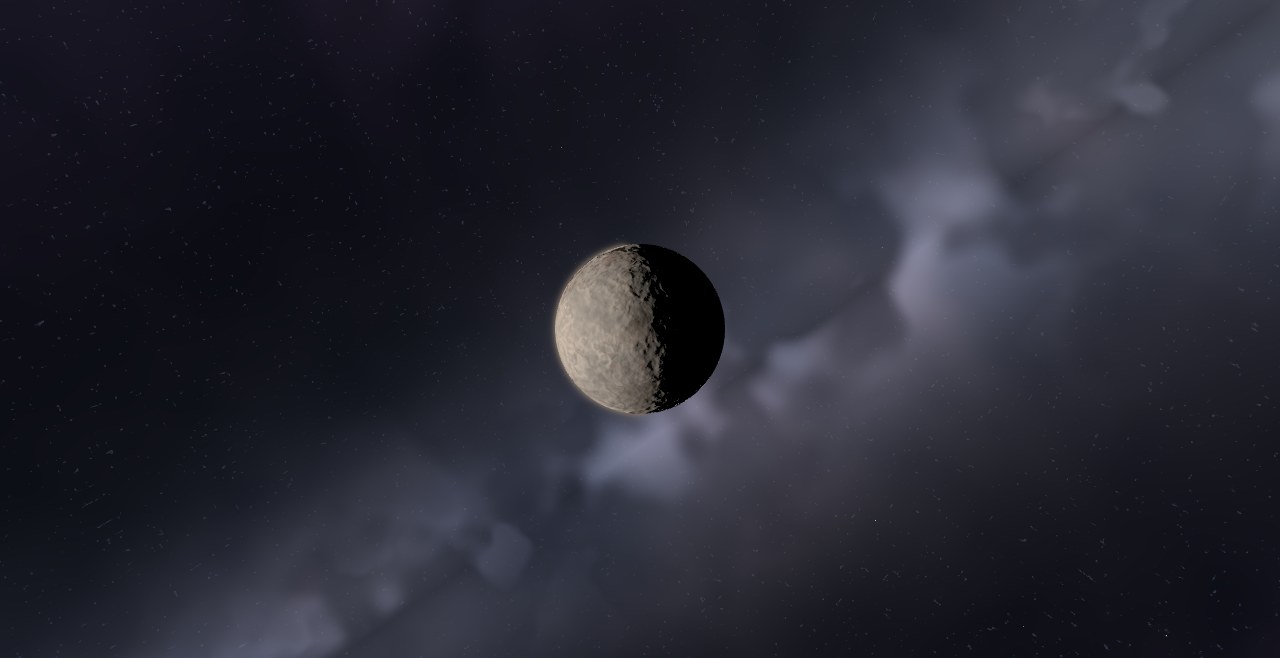
Teegarden's Star, a nearby ultracool dwarf with two Earth-mass planets in the habitable zone, among the closest potentially temperate worlds.
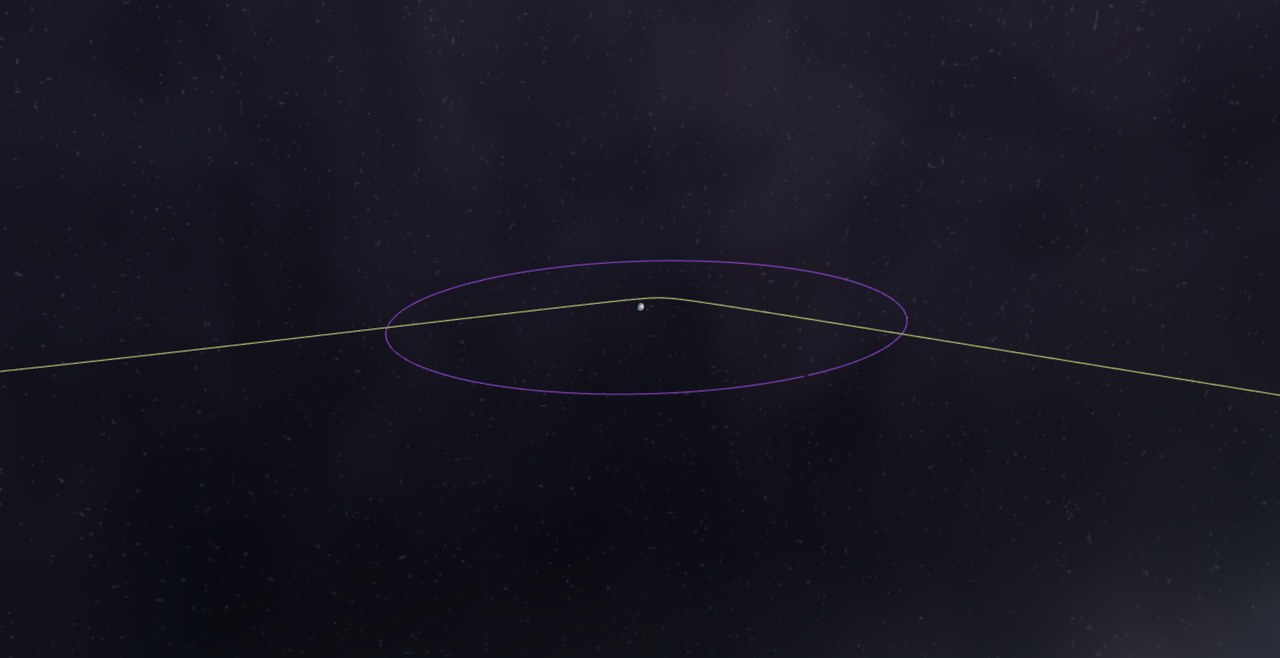
Simulate the historic 13 April 2029 close encounter of asteroid 99942 Apophis, passing just 31,600 km above Earth inside geostationary orbit using accurate JPL Horizons data.