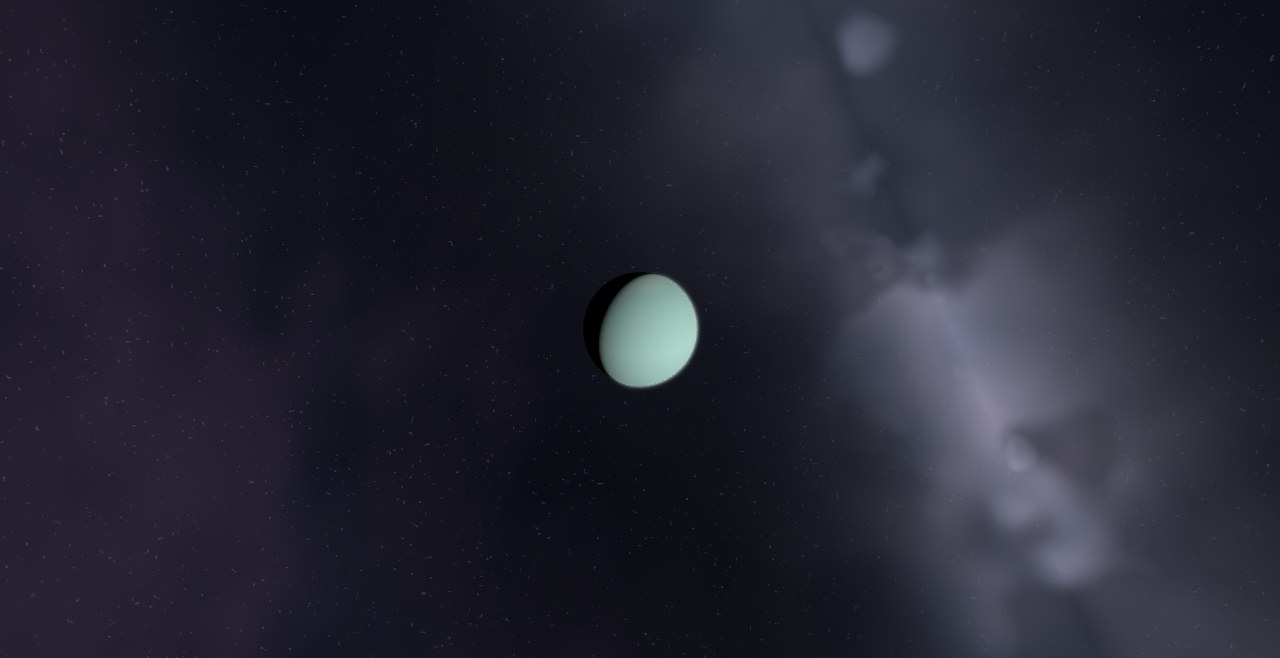
TOI-757 - System
TOI-757, an orange K-type dwarf of 0.80 solar masses, and TOI-757 b, a 10.5-Earth-mass planet, with an orbital period of 17.5 days, at 0.122 AU from its star, and an equilibrium temperature near 641 K.
3D Space and Gravity Simulator. Simulate the solar system, exoplanets and even colliding galaxies. Add, delete and modify planets, and change the laws of physics.
Share
TOI-757, an orange K-type dwarf of 0.80 solar masses, and TOI-757 b, a 10.5-Earth-mass planet, with an orbital period of 17.5 days, at 0.122 AU from its star, and an equilibrium temperature near 641 K.
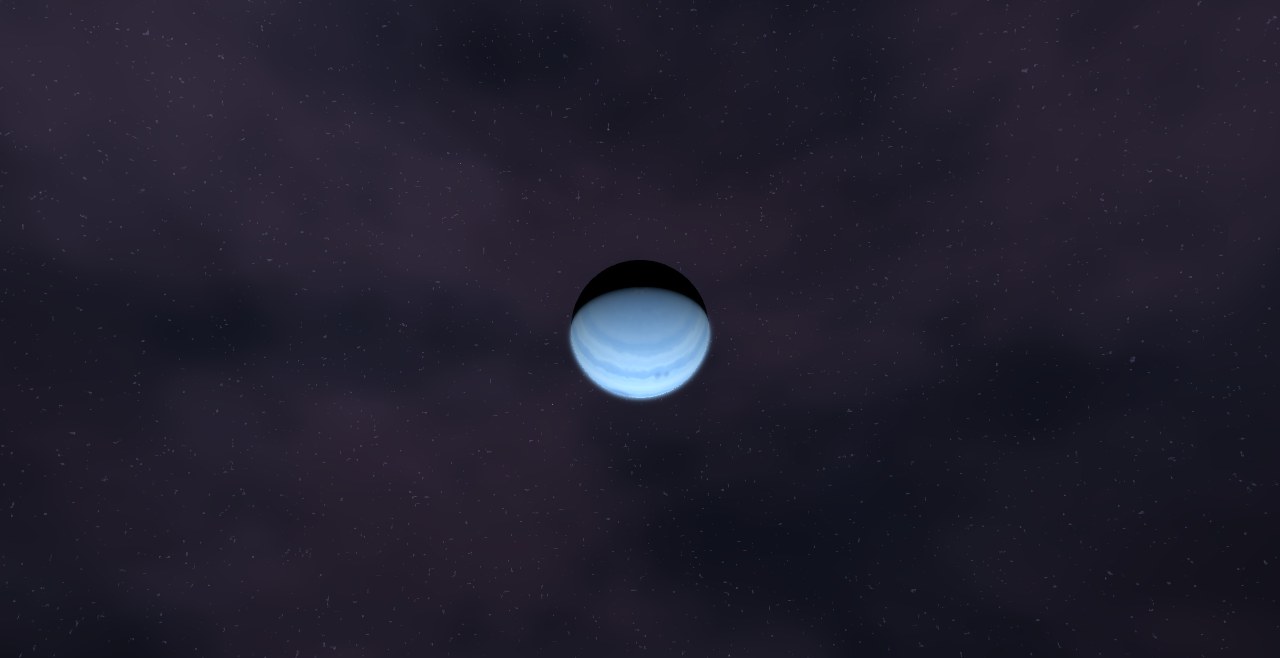
TOI-762 A, a cool M-dwarf of 0.44 solar masses, and TOI-762 A b, a 0.25-Jupiter-mass companion, with an orbital period of 3.5 days, at 0.034 AU from its star, and an equilibrium temperature near 555 K.
TOI-763, a Sun-like G-type star of 0.92 solar masses, and TOI-763 b, a 9.8-Earth-mass planet, with an orbital period of 5.6 days, at 0.060 AU from its star, and an equilibrium temperature near 1,038 K.
TOI-771, a cool M-dwarf of 0.22 solar masses, and TOI-771 b, a 2.5-Earth-mass planet, with an orbital period of 2.3 days, at 0.021 AU from its star, and an equilibrium temperature near 543 K, on an eccentric.
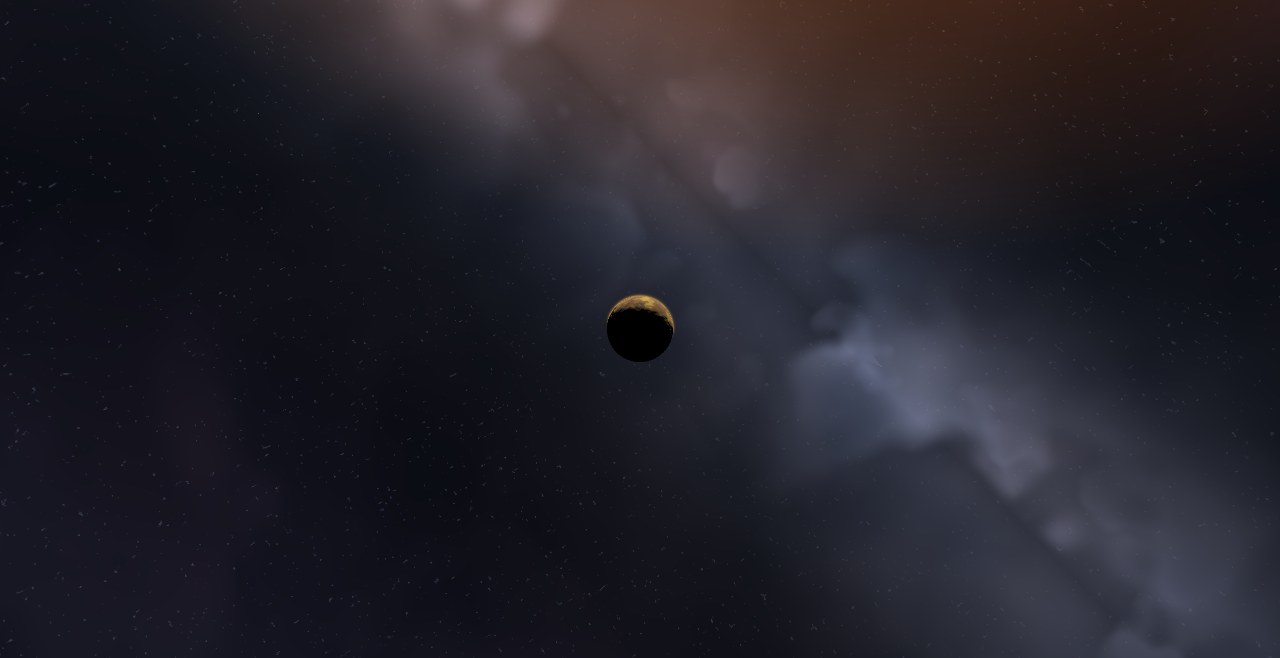
TOI-776, an orange K-type dwarf of 0.54 solar masses, and TOI-776 b, a 5.0-Earth-mass planet, with an orbital period of 8.2 days, at 0.065 AU from its star, and an equilibrium temperature near 520 K.
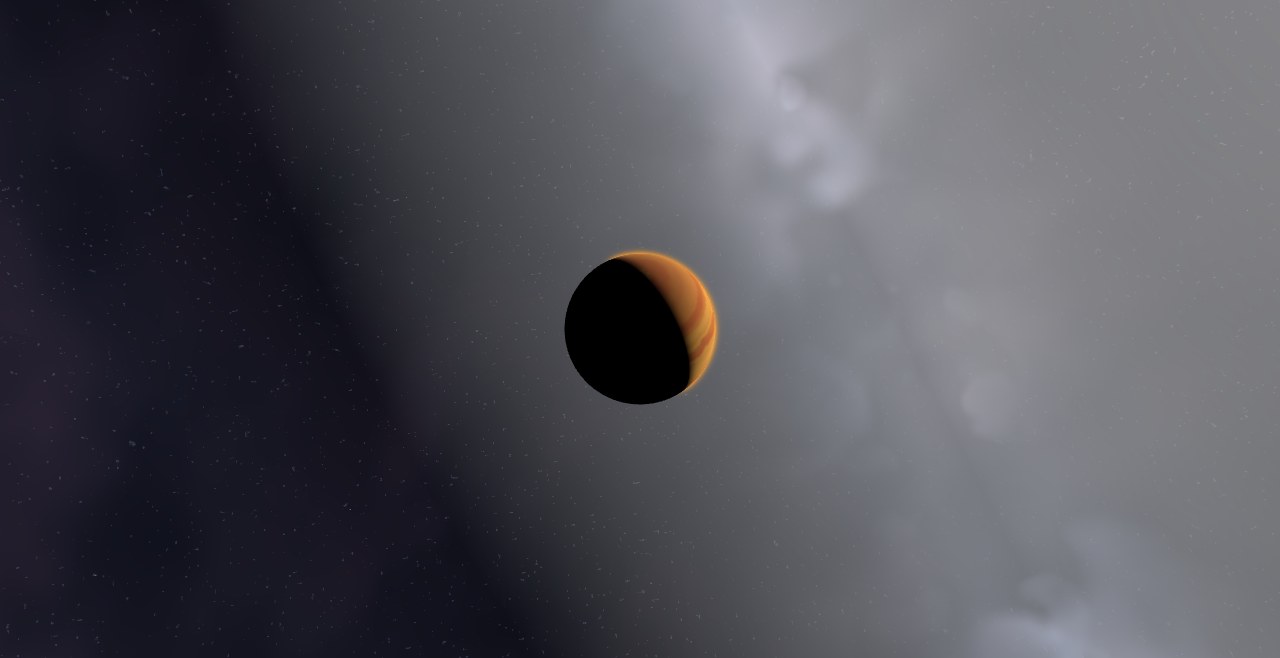
TOI-778, a Sun-like F-type star of 1.40 solar masses, and TOI-778 b, a 2.80-Jupiter-mass companion, with an orbital period of 4.6 days, at 0.060 AU from its star, and an equilibrium temperature near 1,561 K.
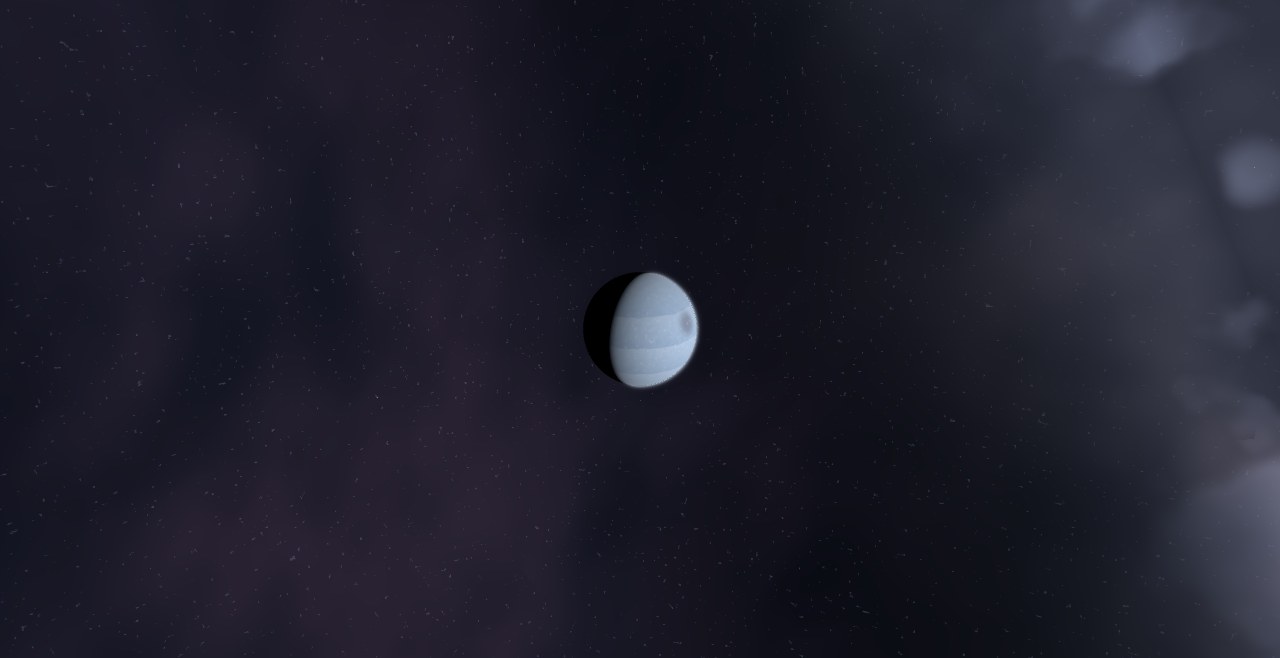
TOI-782, a cool M-dwarf of 0.40 solar masses, and TOI-782 b, a 0.06-Jupiter-mass companion, with an orbital period of 8.0 days, at 0.058 AU from its star, and an equilibrium temperature near 435 K.
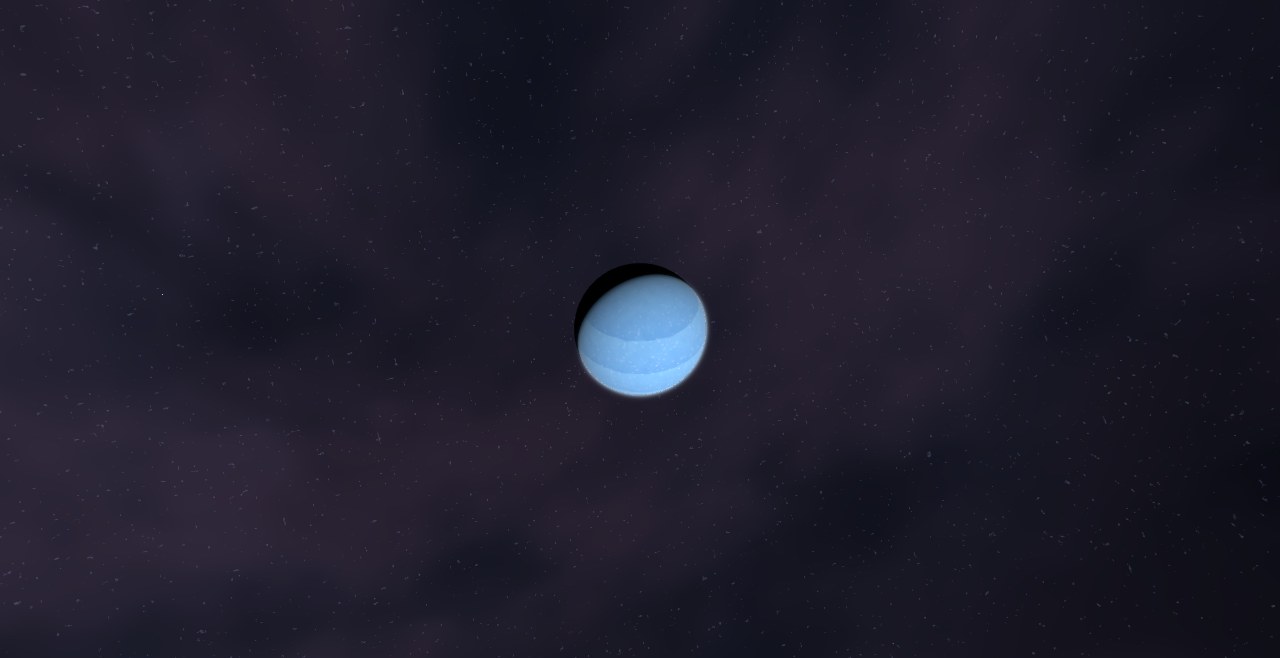
TOI-813, a Sun-like G-type star of 1.32 solar masses, and TOI-813 b, a planet with 6.7 Earth radii, with an orbital period of 83.9 days, at 0.423 AU from its star, and an equilibrium temperature near 610 K.
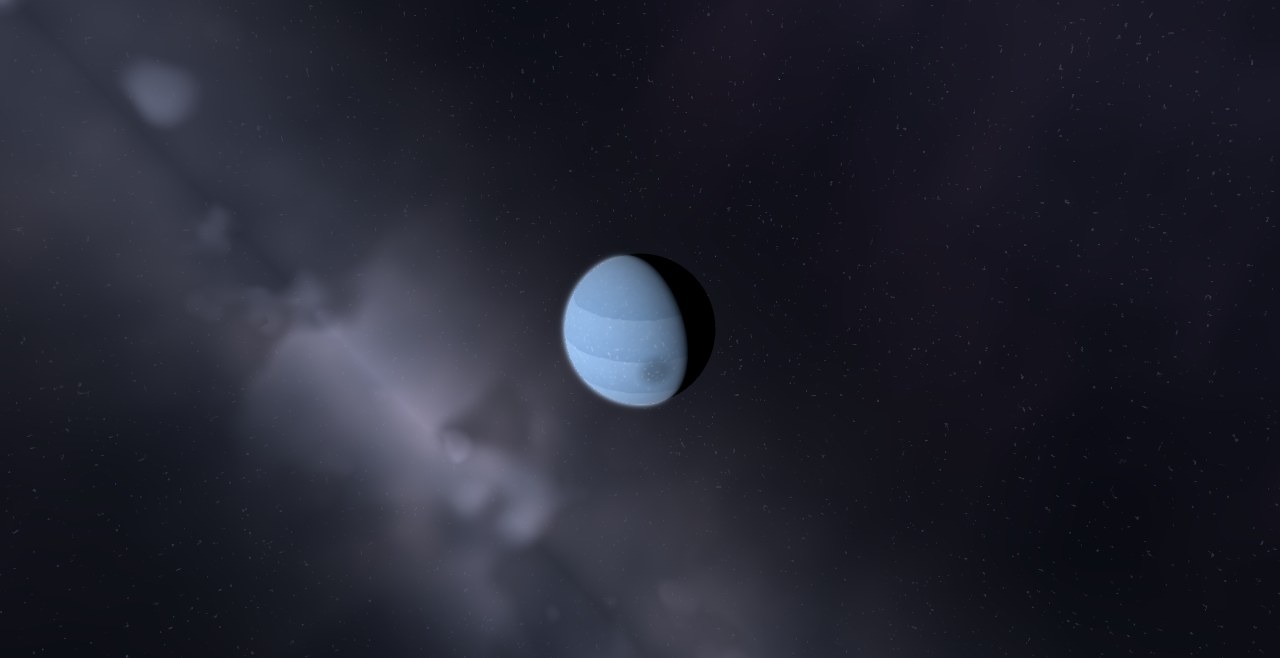
TOI-815, an orange K-type dwarf of 0.78 solar masses, and TOI-815 b, a 7.6-Earth-mass planet, with an orbital period of 11.2 days, at 0.090 AU from its star, and an equilibrium temperature near 686 K.
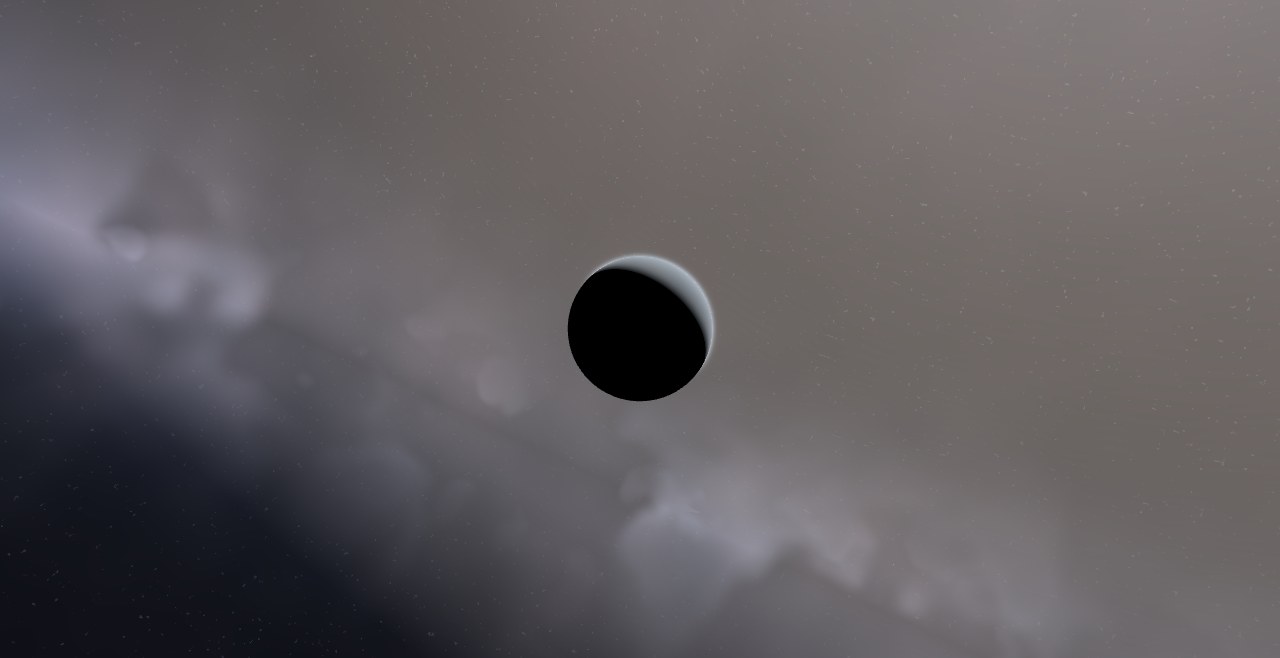
TOI-824, an orange K-type dwarf of 0.71 solar masses, and TOI-824 b, a 0.06-Jupiter-mass companion, with an orbital period of 1.4 days, at 0.022 AU from its star, and an equilibrium temperature near 1,253 K.
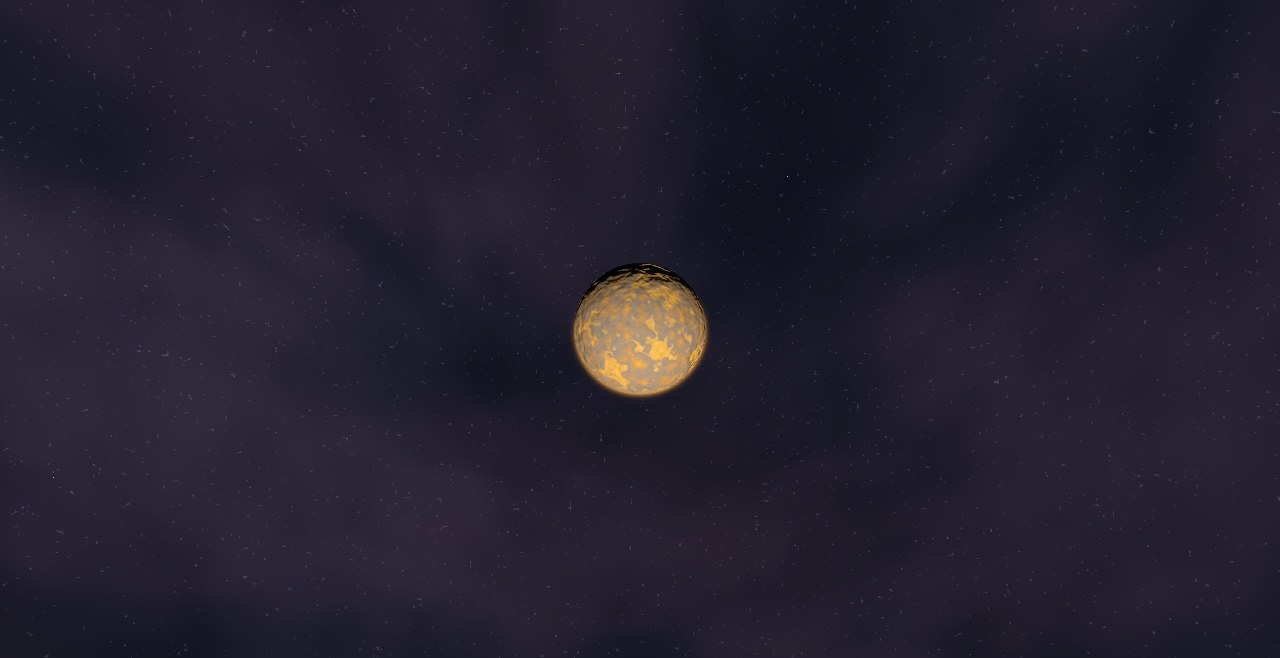
TOI-833, an orange K-type dwarf of 0.61 solar masses, and TOI-833 b, a planet with 1.3 Earth radii, with an orbital period of 1.0 days, at 0.017 AU from its star, and an equilibrium temperature near 1,118 K.
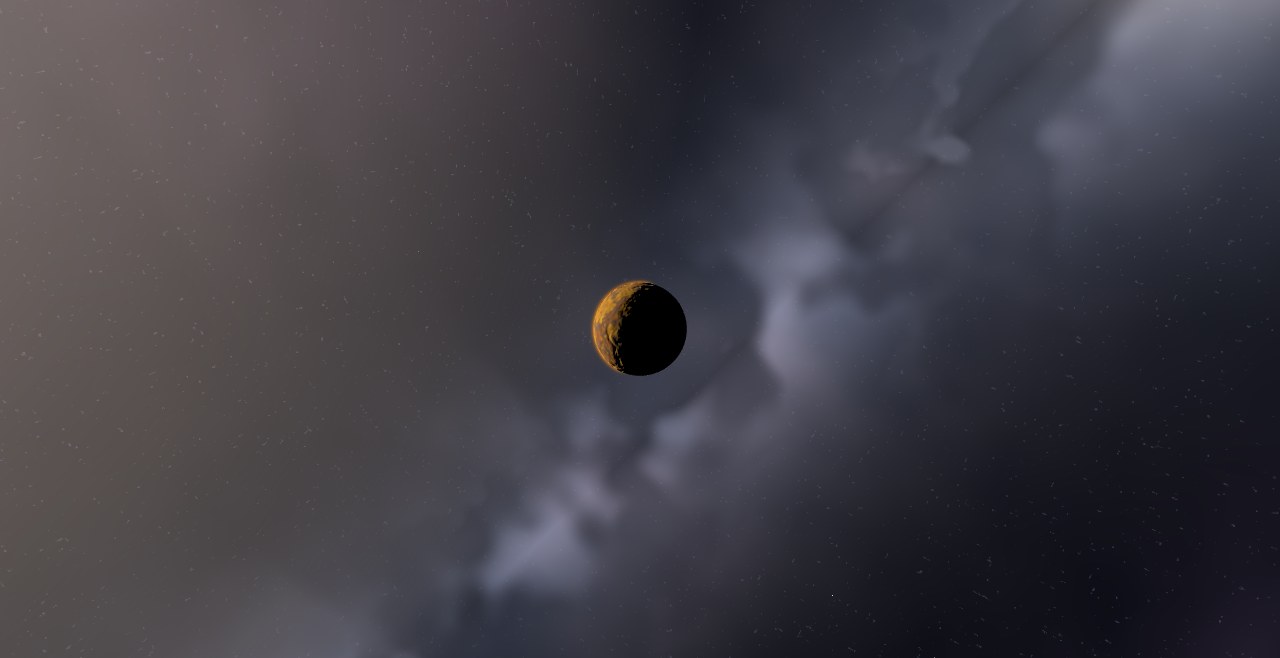
TOI-836, an orange K-type dwarf of 0.68 solar masses, and TOI-836 b, a 4.5-Earth-mass planet, with an orbital period of 3.8 days, at 0.042 AU from its star, and an equilibrium temperature near 871 K.
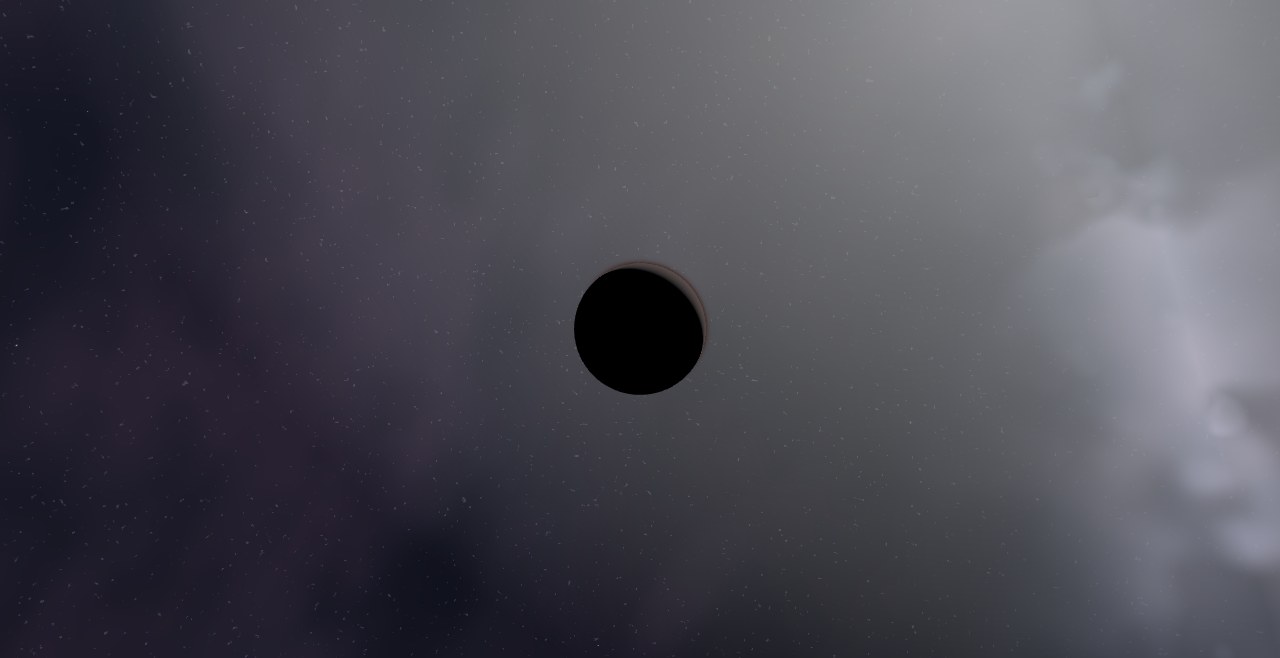
TOI-837, a Sun-like F-type star of 1.14 solar masses, and TOI-837 b, a 0.38-Jupiter-mass companion, with an orbital period of 8.3 days, at 0.089 AU from its star, and an equilibrium temperature near 995 K.
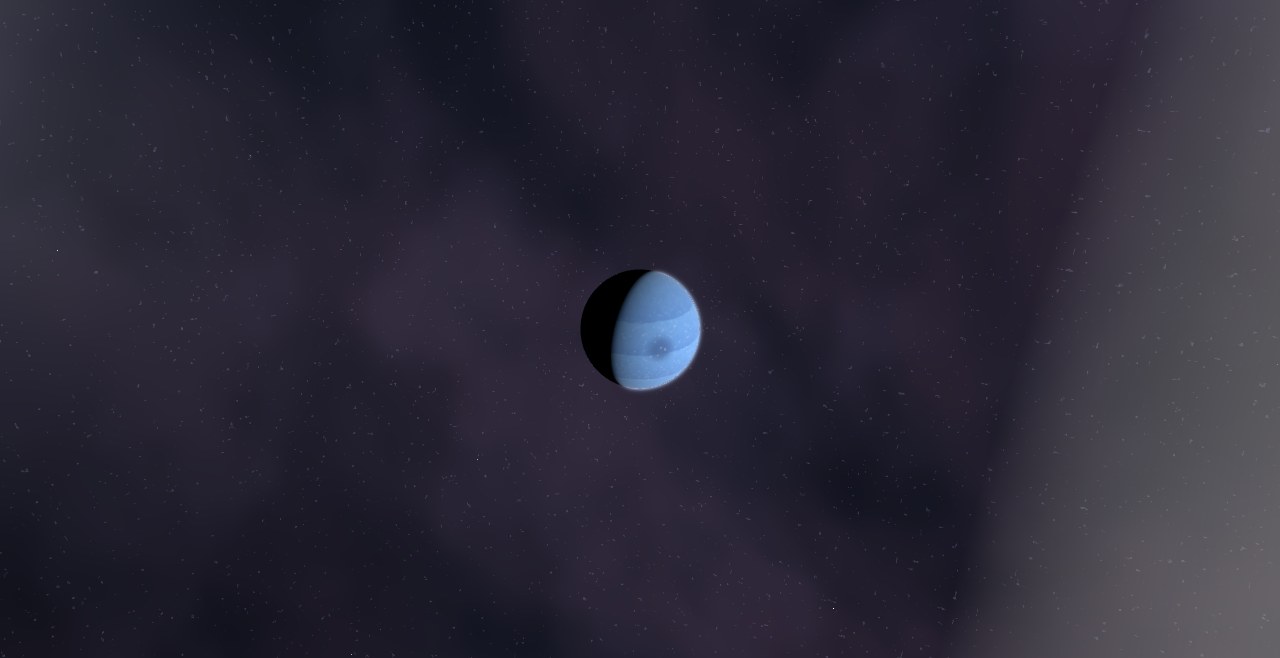
TOI-849 b, a dense Neptune sitting in the hot-Neptune desert. It may be the exposed core of a giant planet that lost its envelope. A year on this world lasts only about 19 hours.
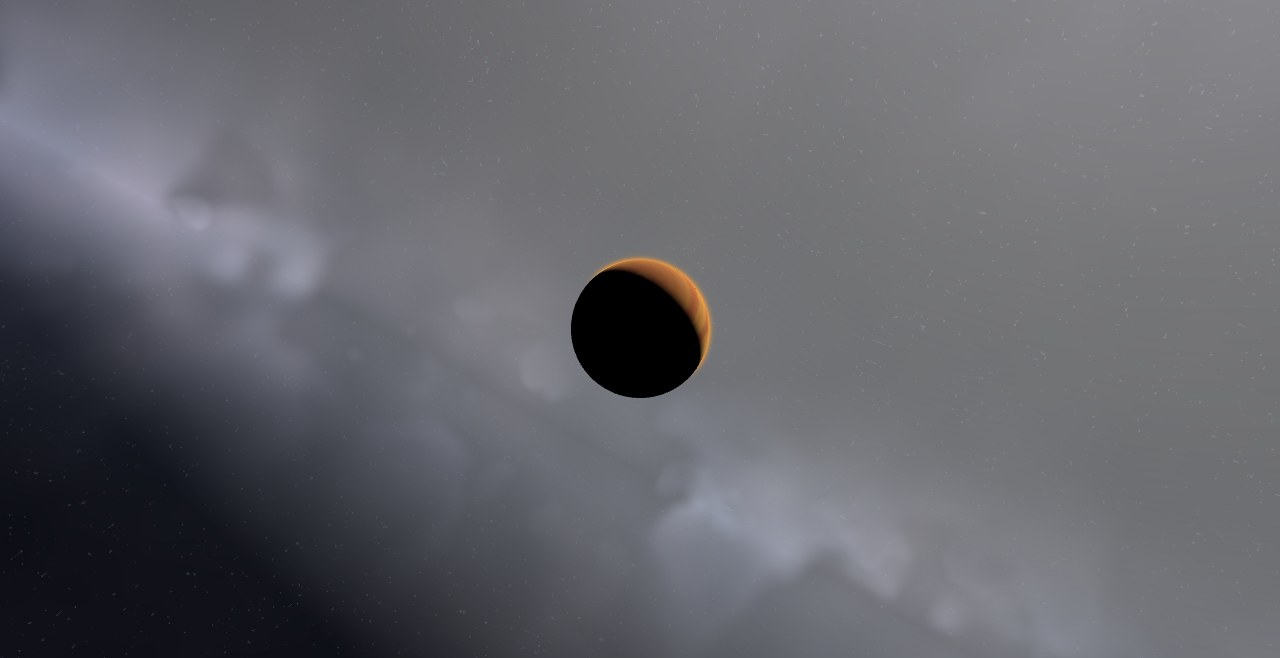
TOI-858 B, a Sun-like G-type star of 1.08 solar masses, and TOI-858 B b, a 1.10-Jupiter-mass companion, with an orbital period of 3.3 days, at 0.044 AU from its star, and an equilibrium temperature near 1,529.
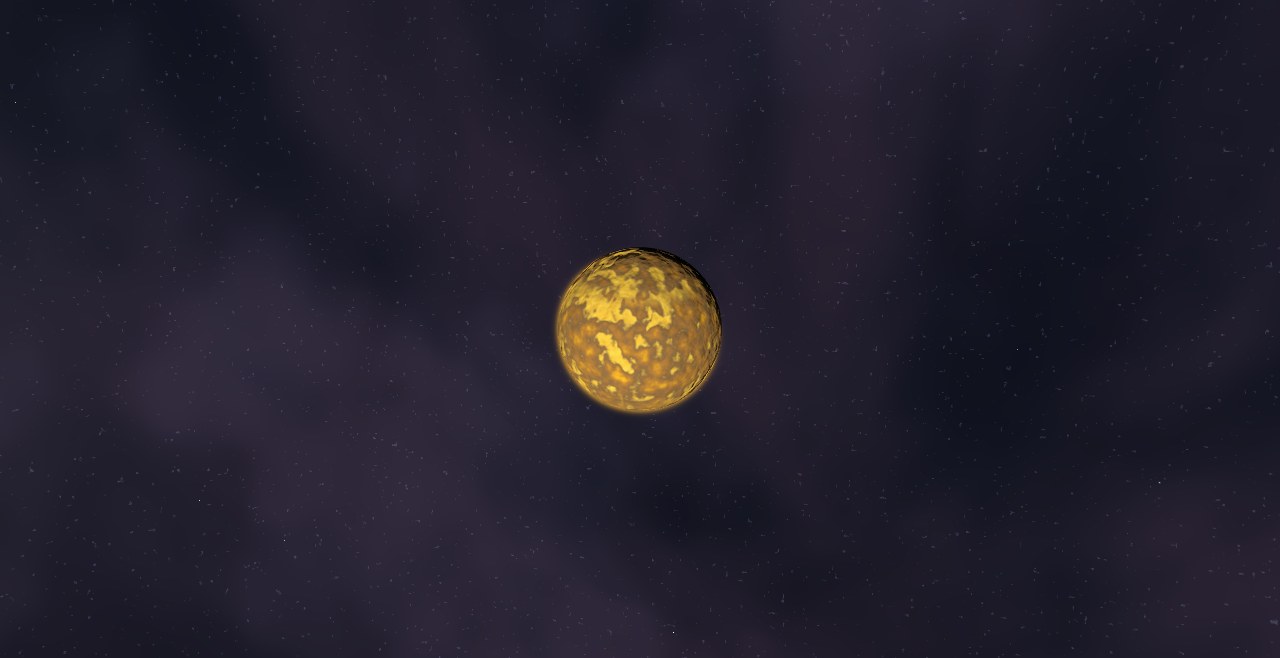
TOI-871, an orange K-type dwarf of 0.76 solar masses, and TOI-871 b, a planet with 1.7 Earth radii, with an orbital period of 14.4 days, at 0.105 AU from its star, and an equilibrium temperature near 621 K.
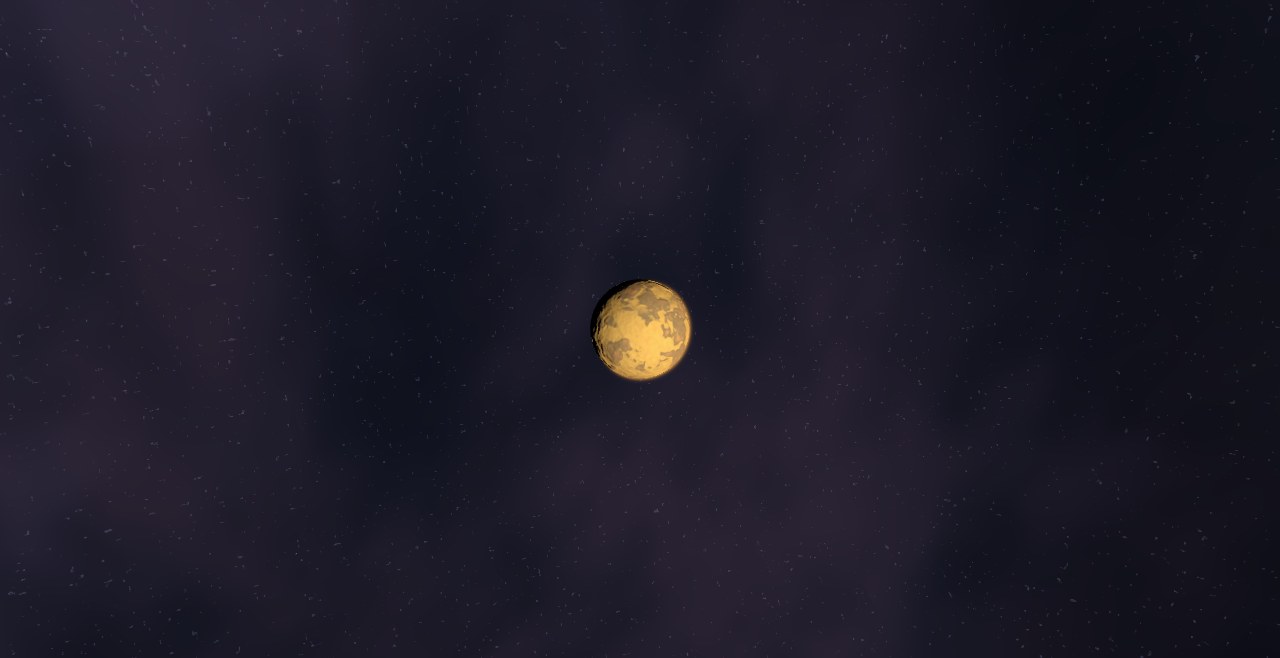
TOI-880, an orange K-type dwarf of 0.87 solar masses, and TOI-880.02, a planet with 2.2 Earth radii, with an orbital period of 2.6 days, at 0.035 AU from its star, and an equilibrium temperature near 1,085 K.
TOI-892, a Sun-like F-type star of 1.28 solar masses, and TOI-892 b, a 0.95-Jupiter-mass companion, with an orbital period of 10.6 days, at 0.092 AU from its star, and an equilibrium temperature near 1,397 K.