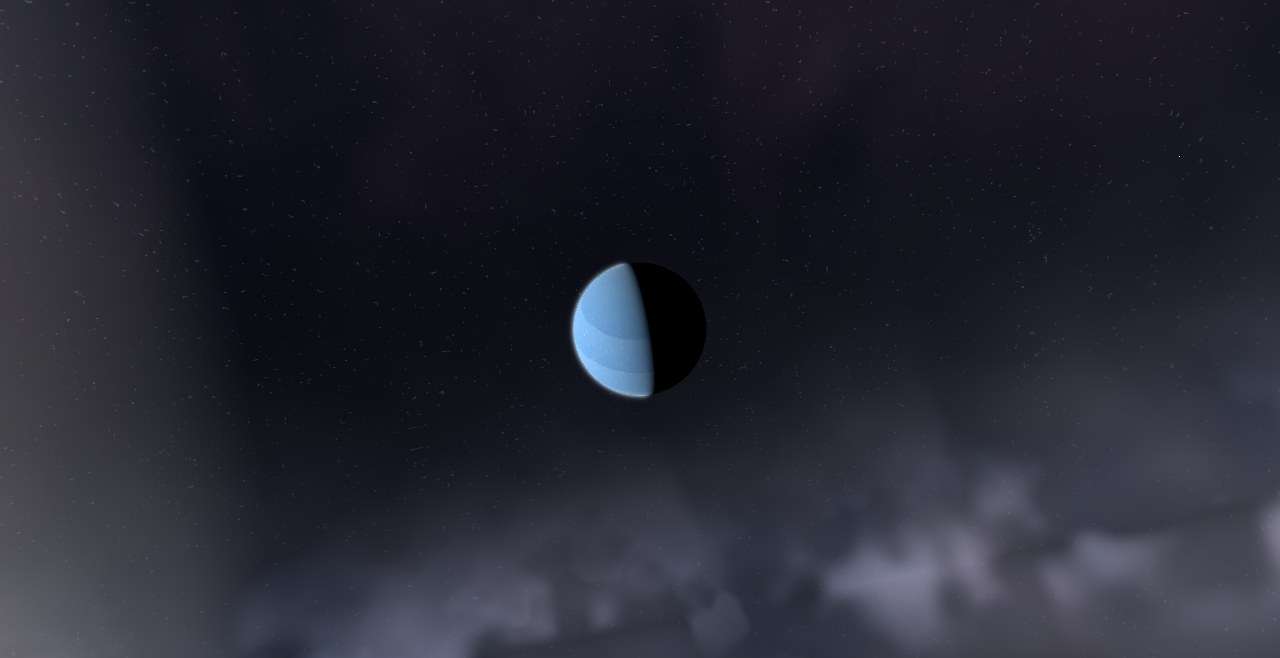
TOI-669 - System
TOI-669, a Sun-like G-type star of 0.92 solar masses, and TOI-669 b, a 10.0-Earth-mass planet, with an orbital period of 3.9 days, at 0.048 AU from its star, and an equilibrium temperature near 1,125 K.
3D Space and Gravity Simulator. Simulate the solar system, exoplanets and even colliding galaxies. Add, delete and modify planets, and change the laws of physics.
Share
TOI-669, a Sun-like G-type star of 0.92 solar masses, and TOI-669 b, a 10.0-Earth-mass planet, with an orbital period of 3.9 days, at 0.048 AU from its star, and an equilibrium temperature near 1,125 K.
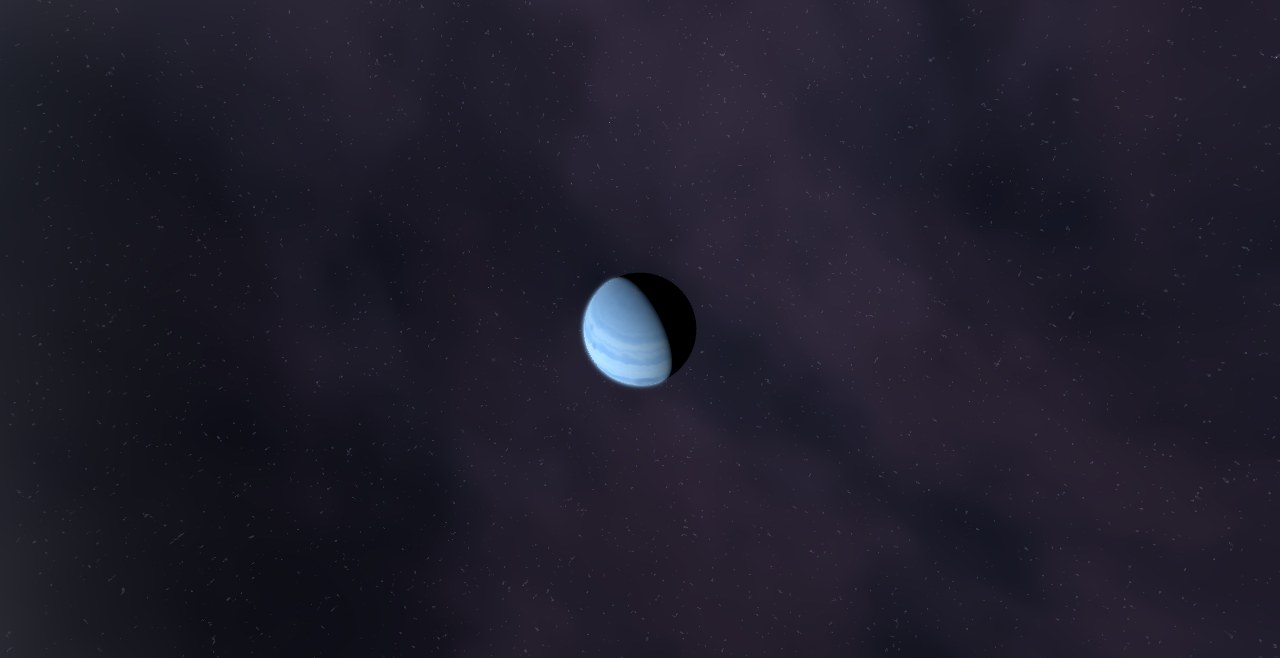
TOI-6692, a Sun-like G-type star of 1.05 solar masses, and TOI-6692 b, a 0.62-Jupiter-mass companion, with an orbital period of 131 days, at 0.512 AU from its star, and an equilibrium temperature near 467 K.
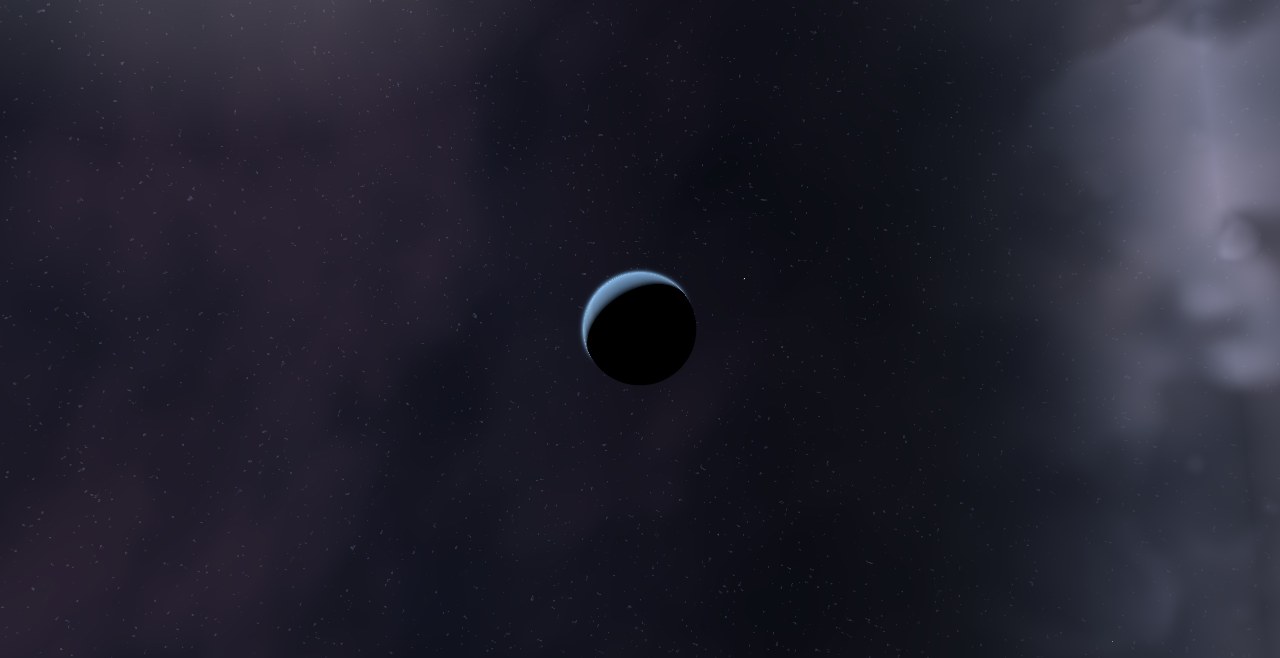
TOI-6695, a Sun-like F-type star of 1.34 solar masses, and TOI-6695 b, a 0.21-Jupiter-mass companion, with an orbital period of 80.4 days, at 0.402 AU from its star, and an equilibrium temperature near 599 K.
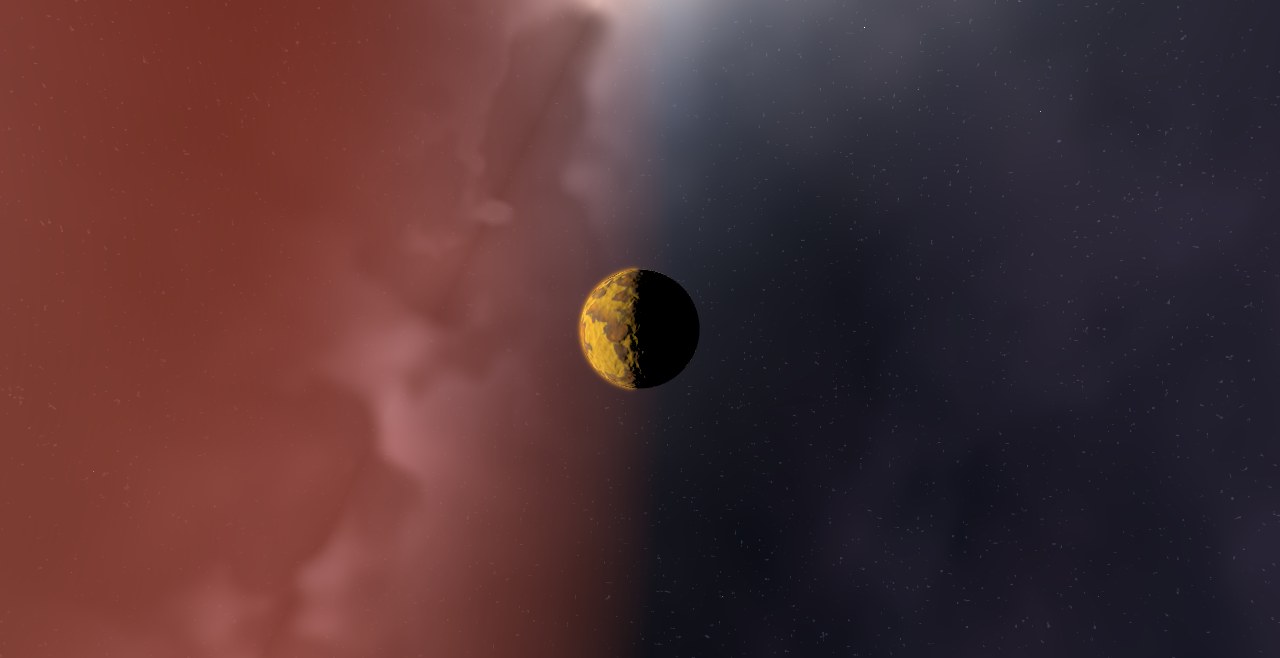
TOI-6716, a cool M-dwarf of 0.22 solar masses, and TOI-6716 b, a planet with 1.0 Earth radii, with an orbital period of 4.7 days, at 0.032 AU from its star, and an equilibrium temperature near 369 K.
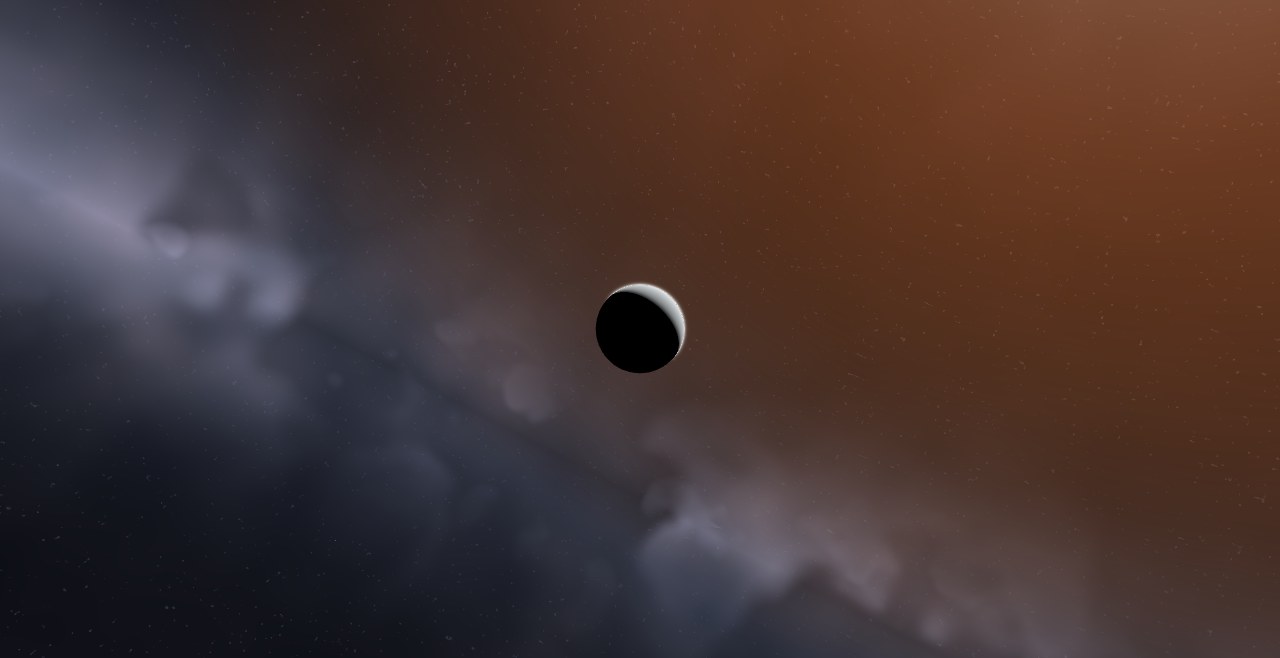
TOI-672, a cool M-dwarf of 0.54 solar masses, and TOI-672 b, a 0.16-Jupiter-mass companion, with an orbital period of 3.6 days, at 0.038 AU from its star, and an equilibrium temperature near 700 K.
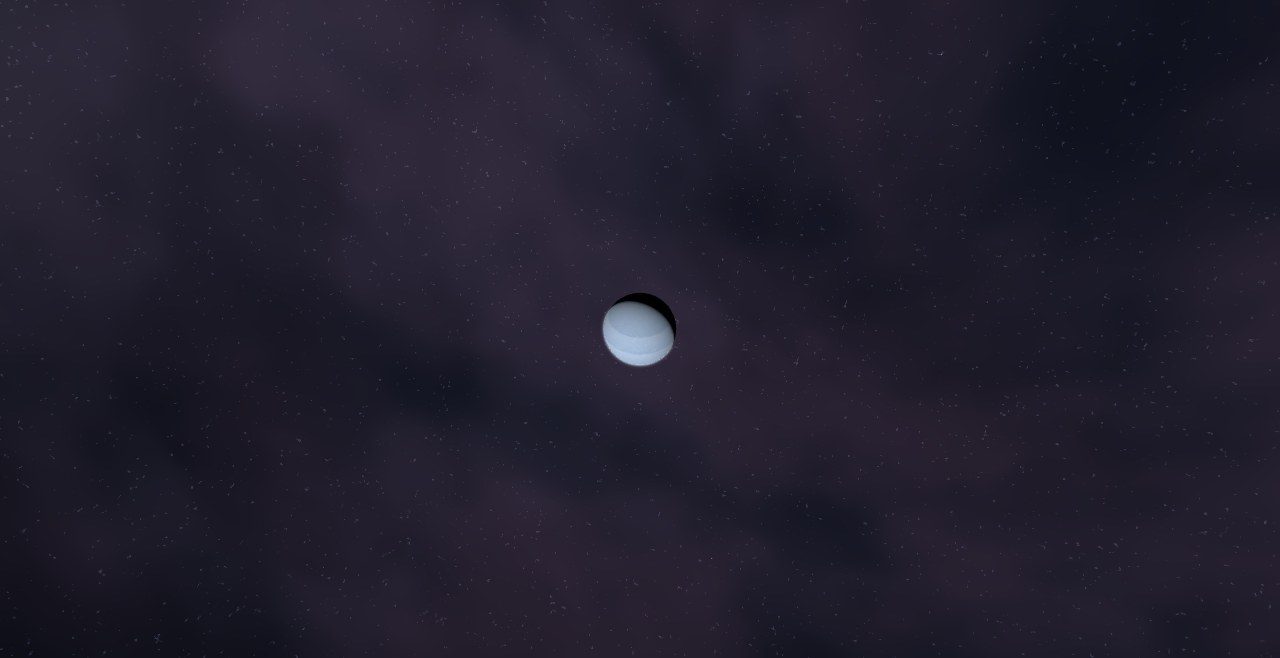
TOI-674, a cool M-dwarf of 0.42 solar masses, and TOI-674 b, a 0.07-Jupiter-mass companion, with an orbital period of 2.0 days, at 0.025 AU from its star, and an equilibrium temperature near 635 K.
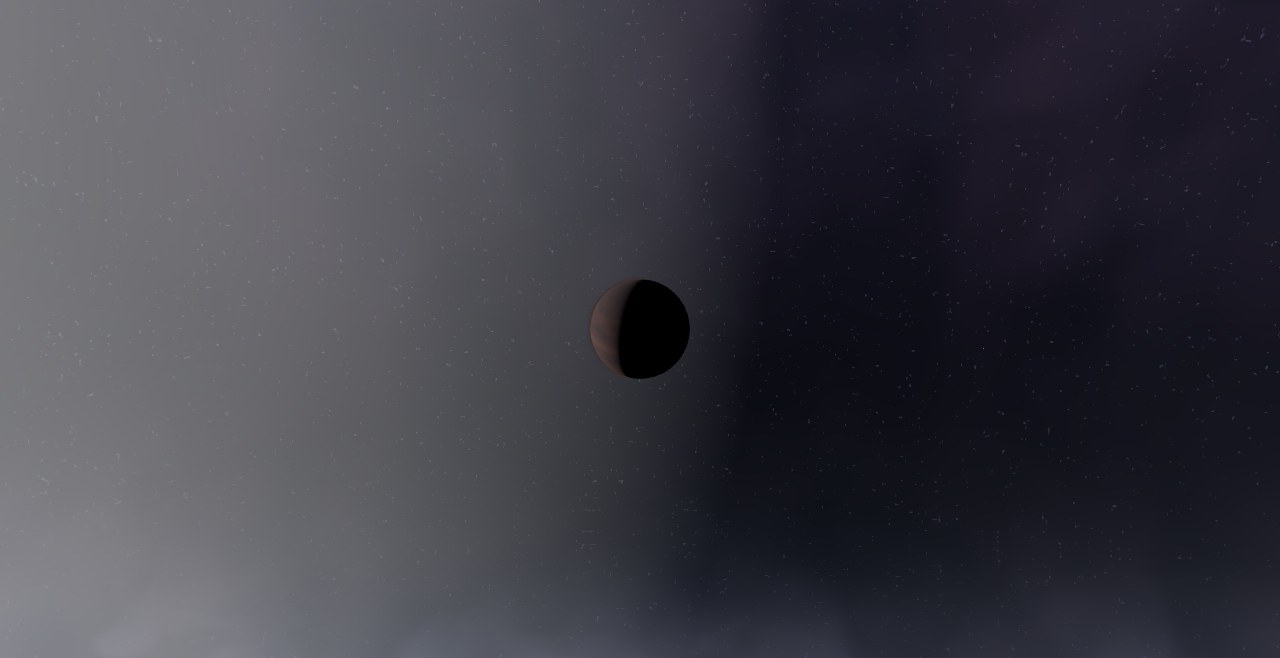
TOI-677, a Sun-like F-type star of 1.18 solar masses, and TOI-677 b, a 1.23-Jupiter-mass companion, with an orbital period of 11.2 days, at 0.104 AU from its star, on an eccentric orbit (e ≈ 0.46).
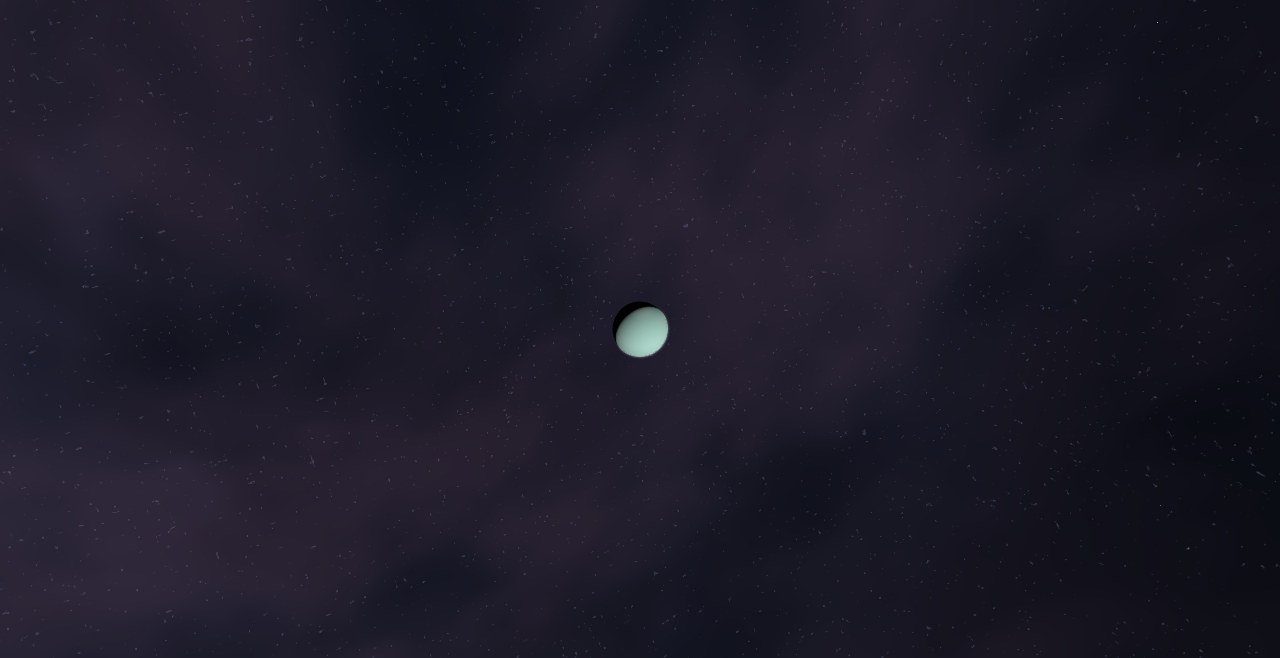
TOI-6894, a cool M-dwarf of 0.21 solar masses, and TOI-6894 b, a 0.17-Jupiter-mass companion, with an orbital period of 3.4 days, at 0.026 AU from its star, and an equilibrium temperature near 418 K.
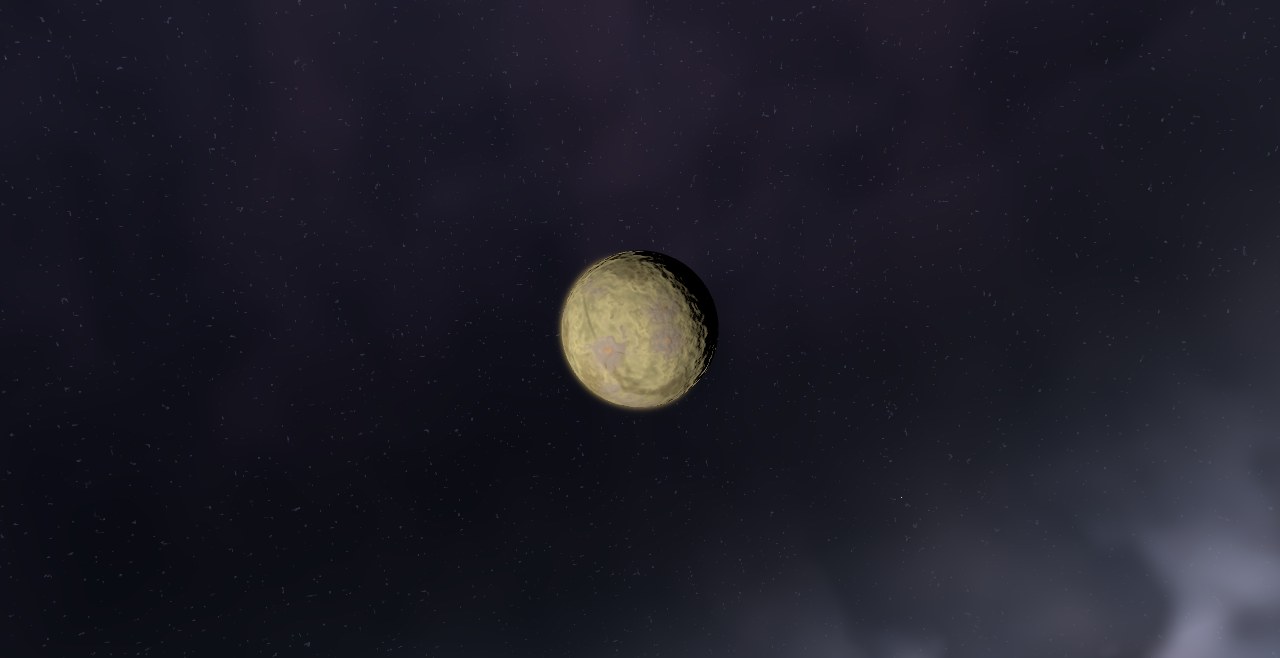
TOI-700, TESS's first Earth-sized habitable-zone planet. TOI-700 d orbits a quiet nearby red dwarf together with three inner worlds. TOI-700 e is a second world in the habitable zone.
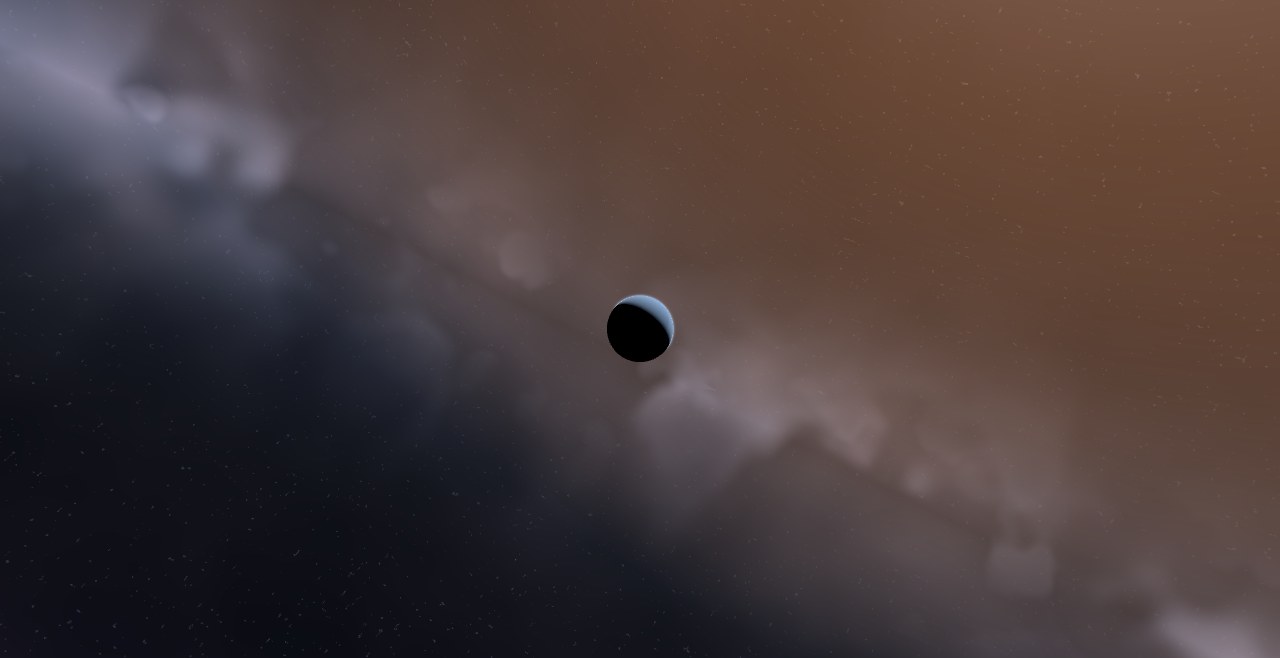
TOI-7009, an orange K-type dwarf of 0.58 solar masses, and TOI-7009 b, a planet with 3.7 Earth radii, with an orbital period of 2.3 days, at 0.029 AU from its star, and an equilibrium temperature near 872 K.
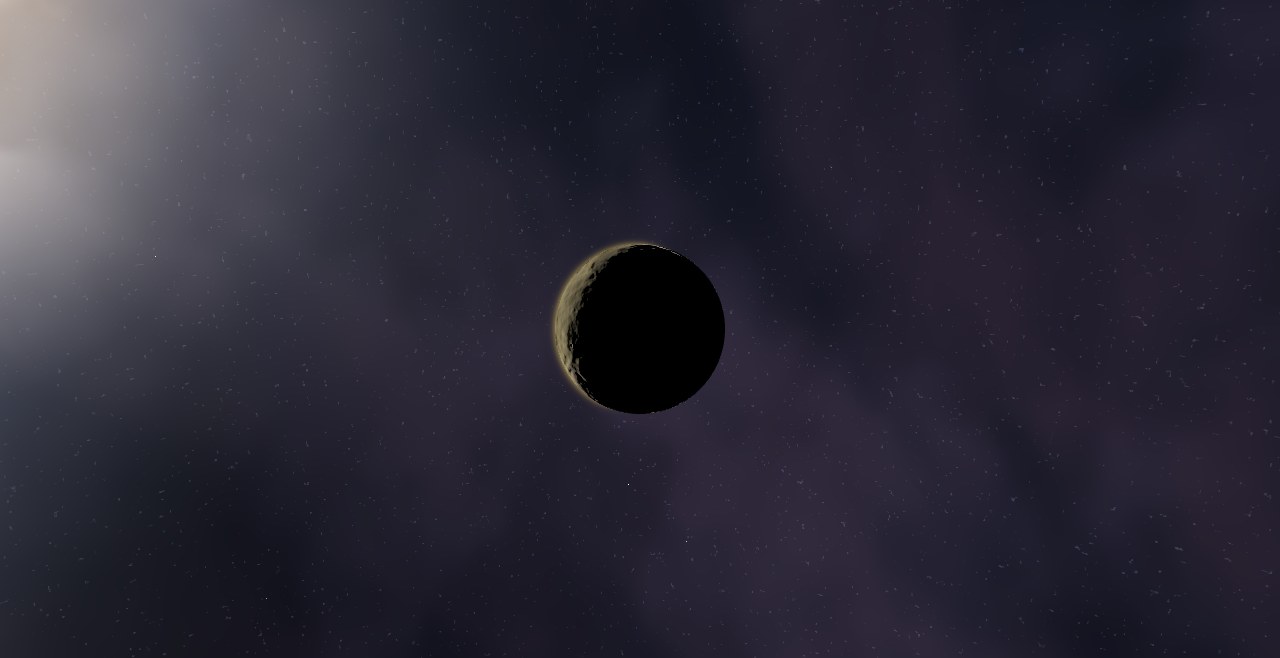
TOI-712, an orange K-type dwarf of 0.73 solar masses, and TOI-712 b, a planet with 2.0 Earth radii, with an orbital period of 9.5 days, at 0.079 AU from its star, and an equilibrium temperature near 650 K.
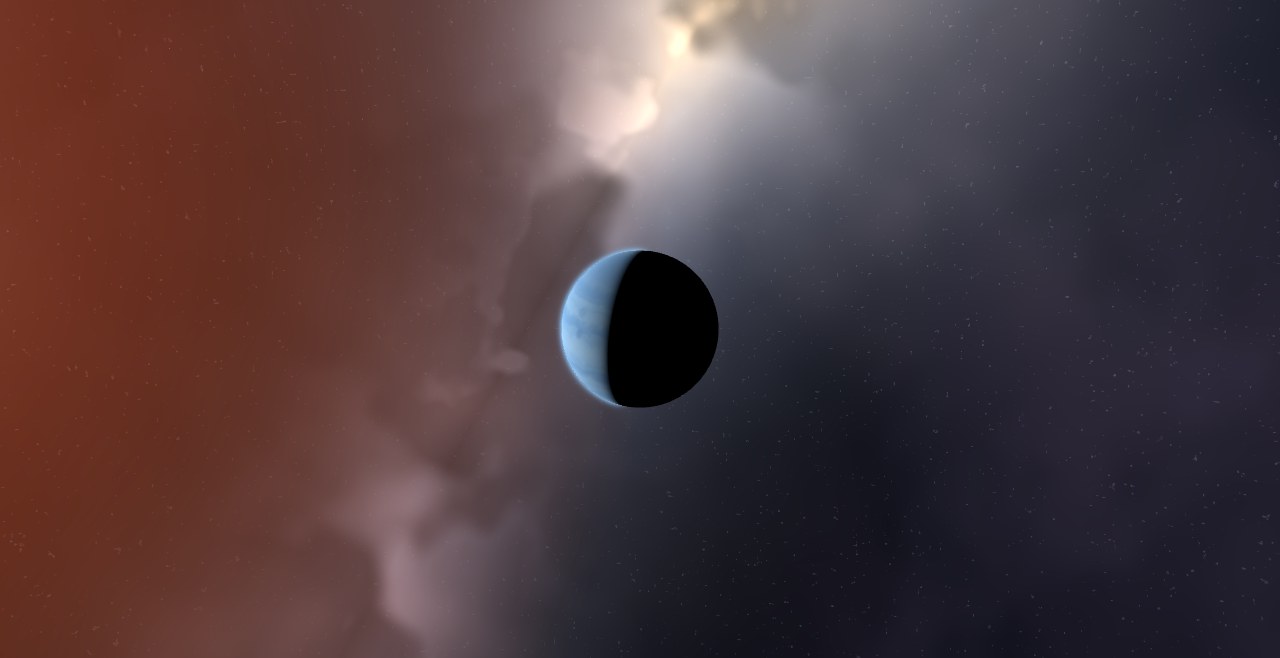
TOI-7149, a cool M-dwarf of 0.34 solar masses, and TOI-7149 b, a 0.70-Jupiter-mass companion, with an orbital period of 2.7 days, at 0.026 AU from its star, and an equilibrium temperature near 593 K.
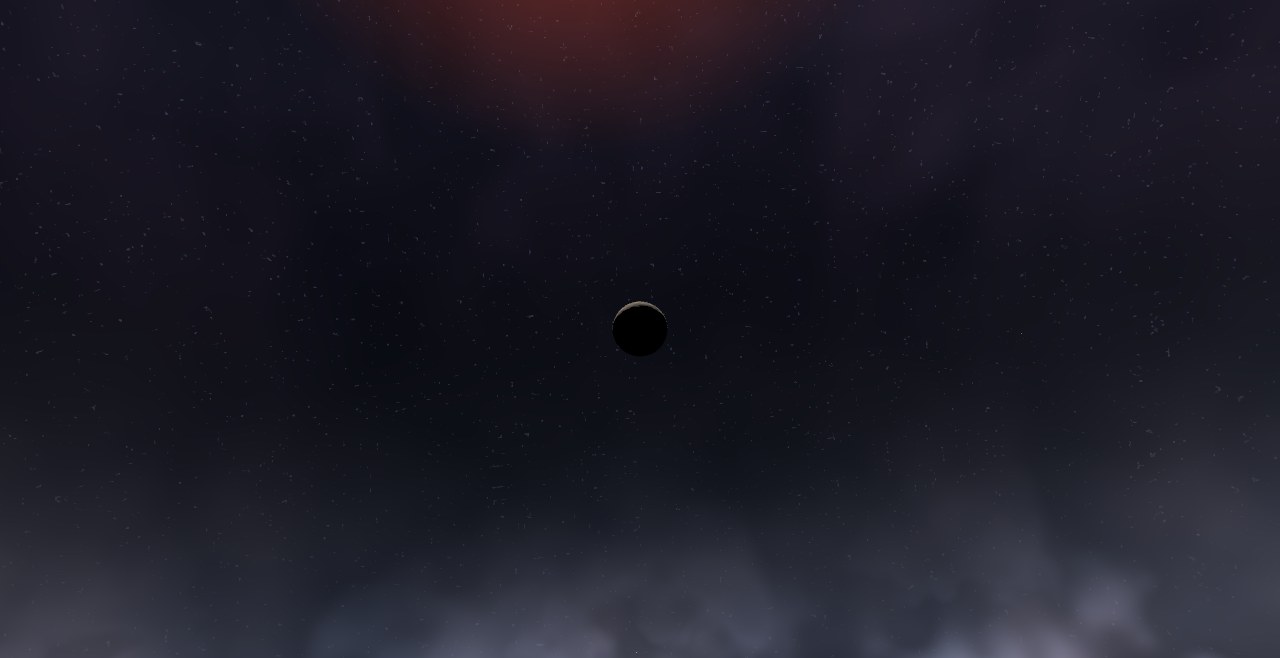
TOI-715, a cool M-dwarf of 0.23 solar masses, and TOI-715 b, a planet with 1.6 Earth radii, with an orbital period of 19.3 days, at 0.083 AU from its star, and an equilibrium temperature near 234 K.
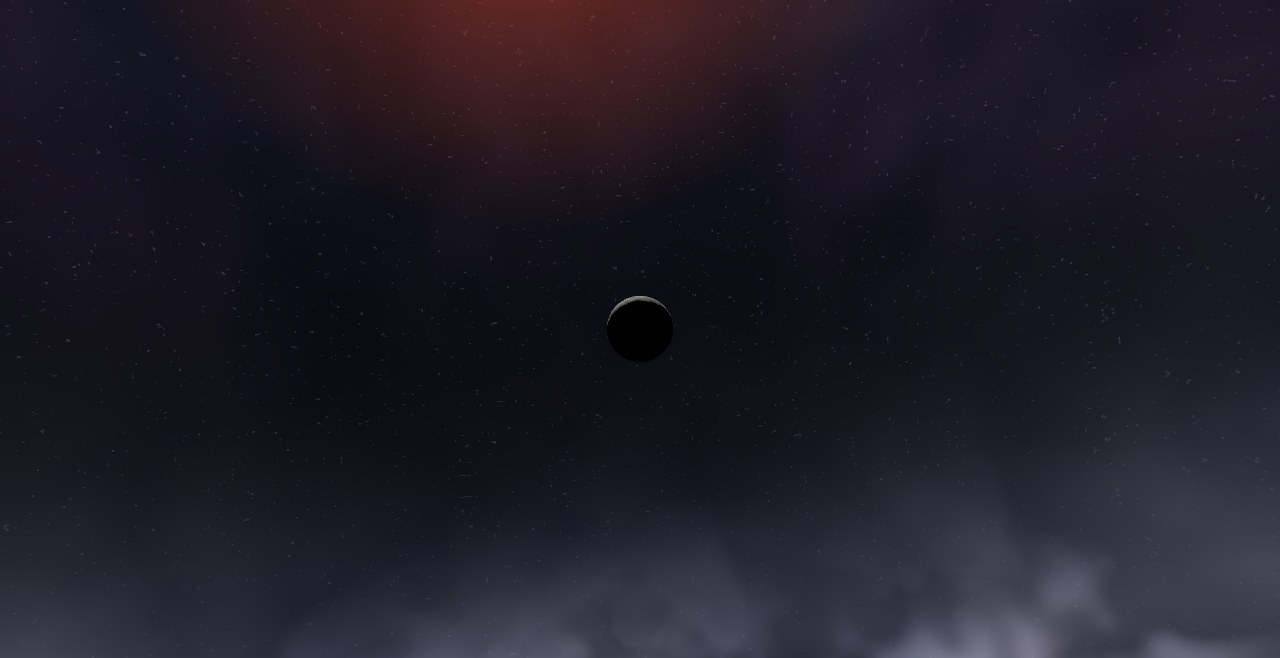
TOI-7166, a cool M-dwarf of 0.19 solar masses, and TOI-7166 b, a planet with 2.0 Earth radii, with an orbital period of 12.9 days, at 0.062 AU from its star, and an equilibrium temperature near 249 K.
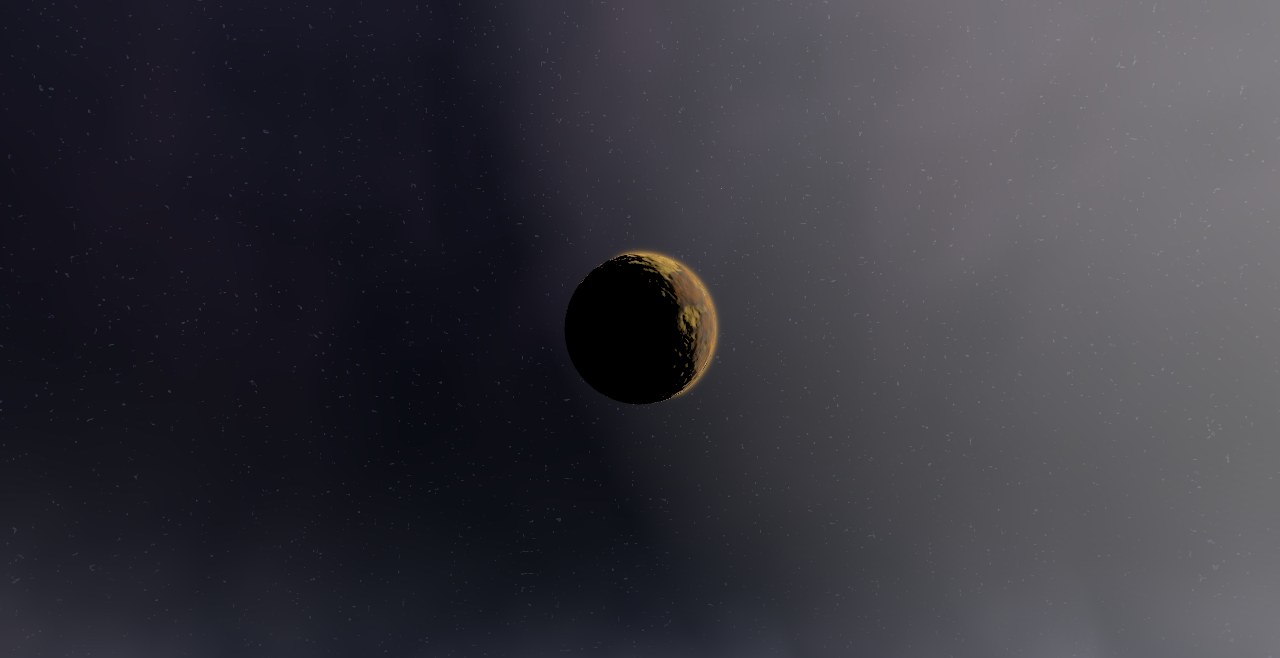
TOI-733, a Sun-like G-type star of 0.96 solar masses, and TOI-733 b, a 5.7-Earth-mass planet, with an orbital period of 4.9 days, at 0.062 AU from its star, and an equilibrium temperature near 1,056 K.
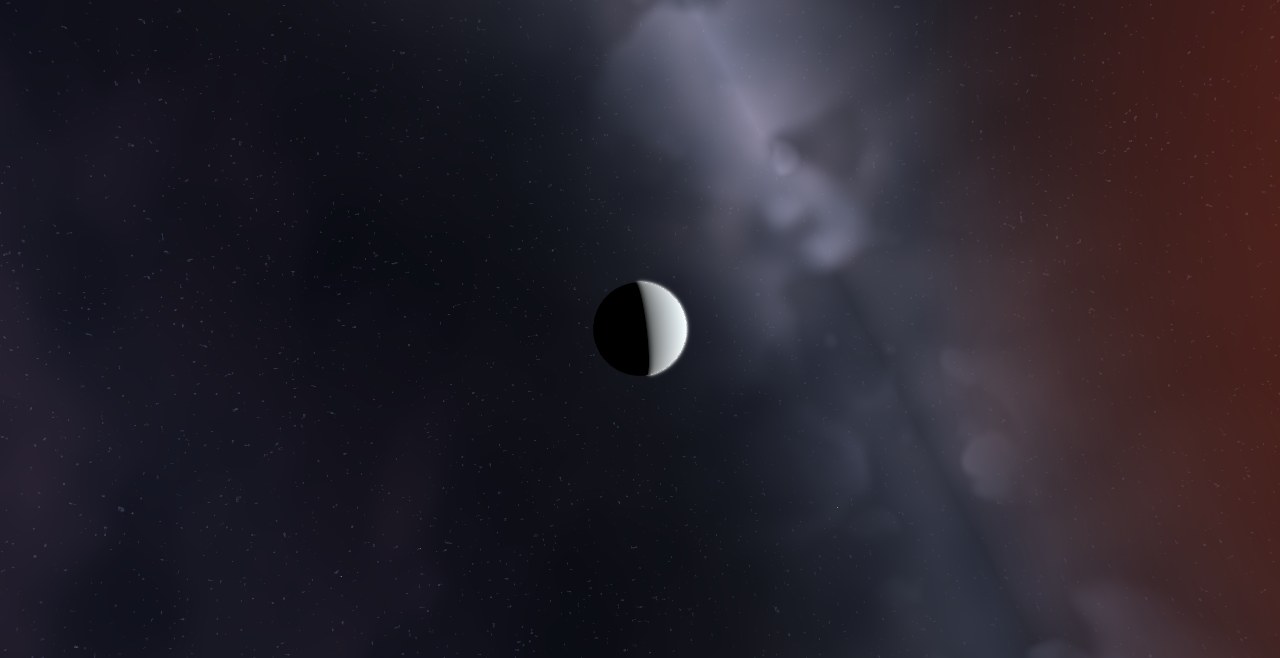
TOI-7384, a cool M-dwarf of 0.32 solar masses, and TOI-7384 b, a planet with 3.6 Earth radii, with an orbital period of 6.2 days, at 0.044 AU from its star, and an equilibrium temperature near 378 K.
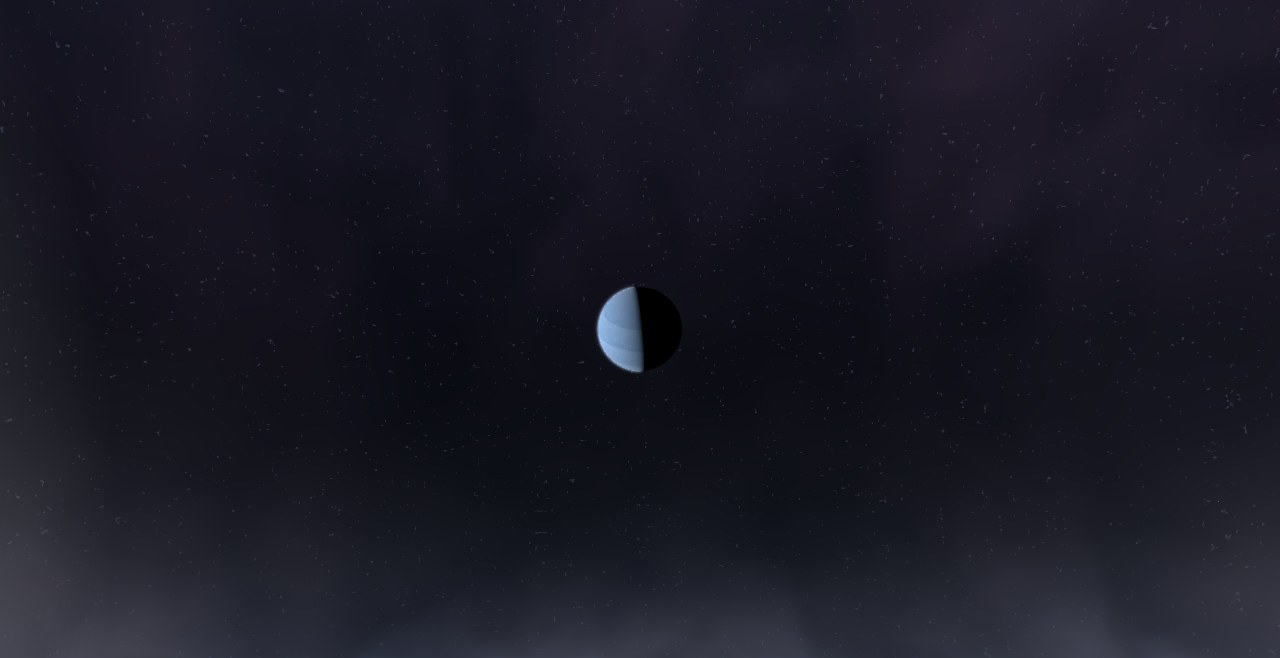
TOI-7510, a Sun-like G-type star of 1.06 solar masses, and TOI-7510 b, a 0.06-Jupiter-mass companion, with an orbital period of 11.5 days, at 0.102 AU from its star, and an equilibrium temperature near 878 K.
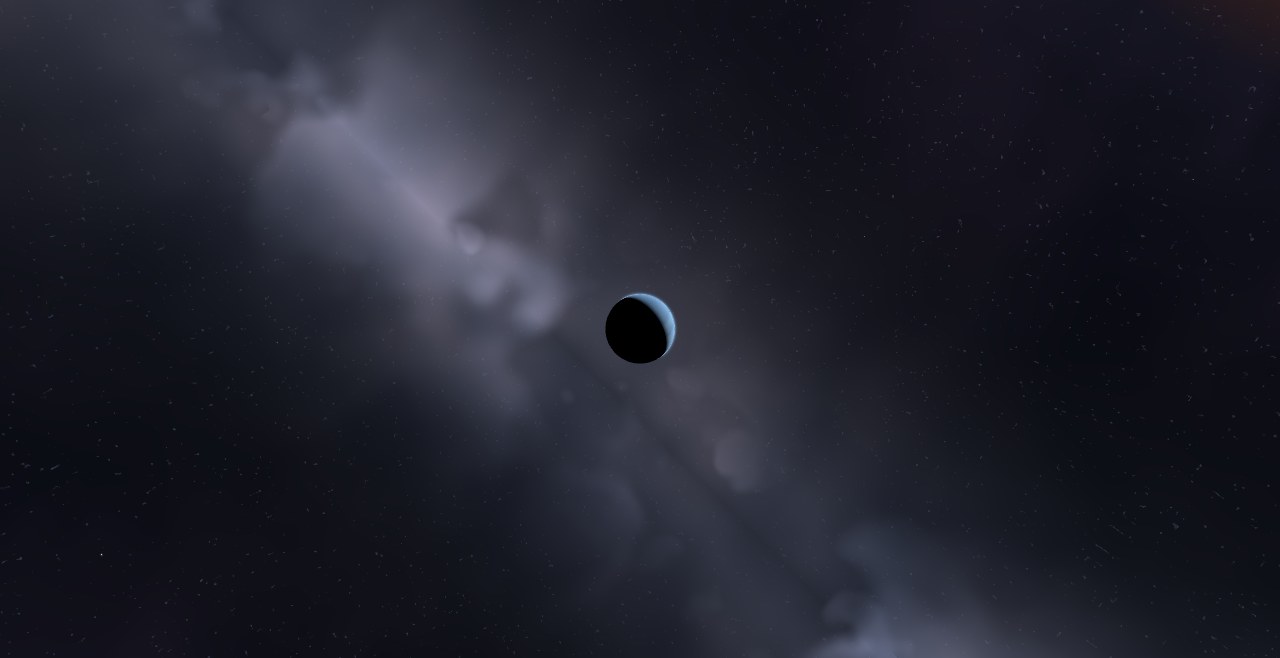
TOI-756, a cool M-dwarf of 0.51 solar masses, and TOI-756 b, a 9.8-Earth-mass planet, with an orbital period of 1.2 days, at 0.018 AU from its star, and an equilibrium temperature near 934 K.