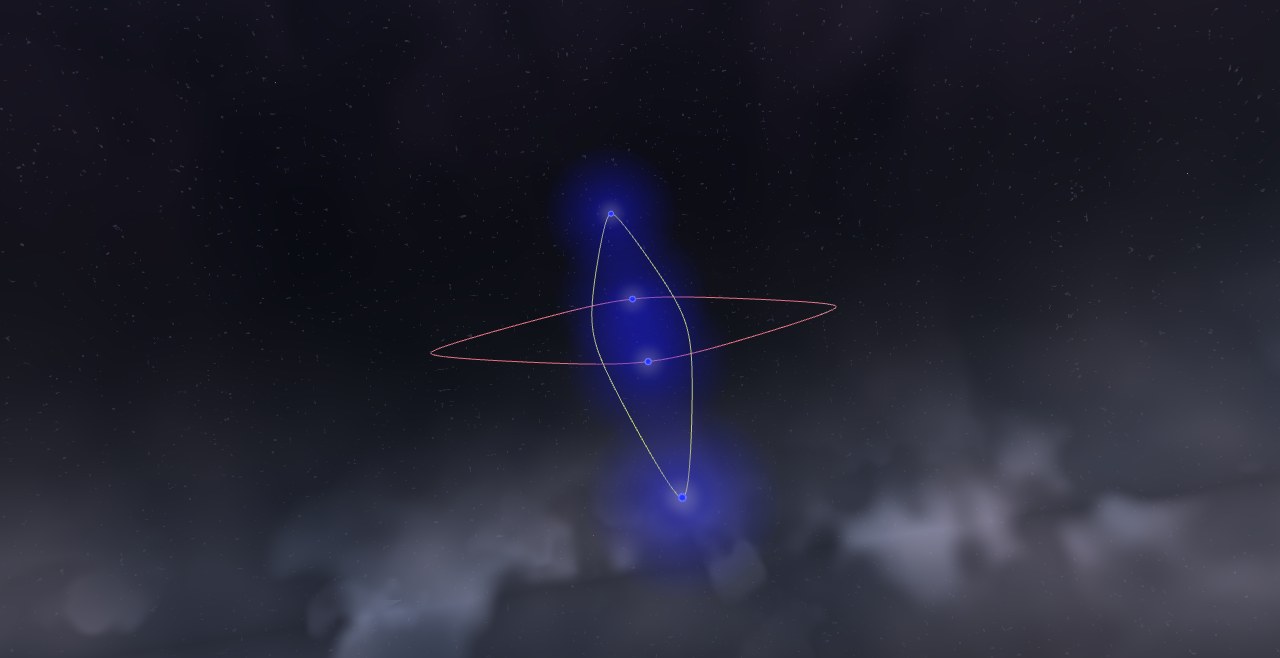
The All Seeing Eye
Explore the All Seeing Eye, an extraordinary four-body choreography whose overlapping trajectories carve an almond-shaped eye with a central focus without any central mass.
3D Space and Gravity Simulator. Simulate the solar system, exoplanets and even colliding galaxies. Add, delete and modify planets, and change the laws of physics.
Share
Explore the All Seeing Eye, an extraordinary four-body choreography whose overlapping trajectories carve an almond-shaped eye with a central focus without any central mass.
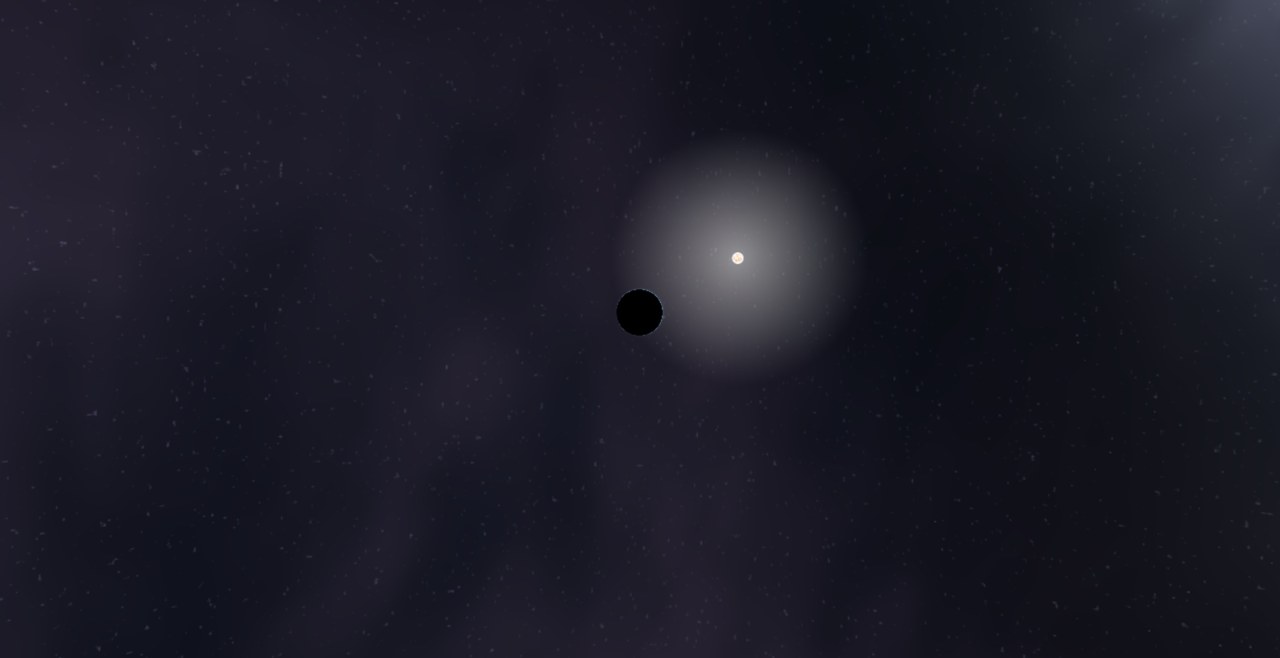
Track the final weeks of the Chelyabinsk impactor before its explosive 2013 atmospheric entry over Russia. Follow the 20-meter Apollo asteroid on its fateful solar trajectory.
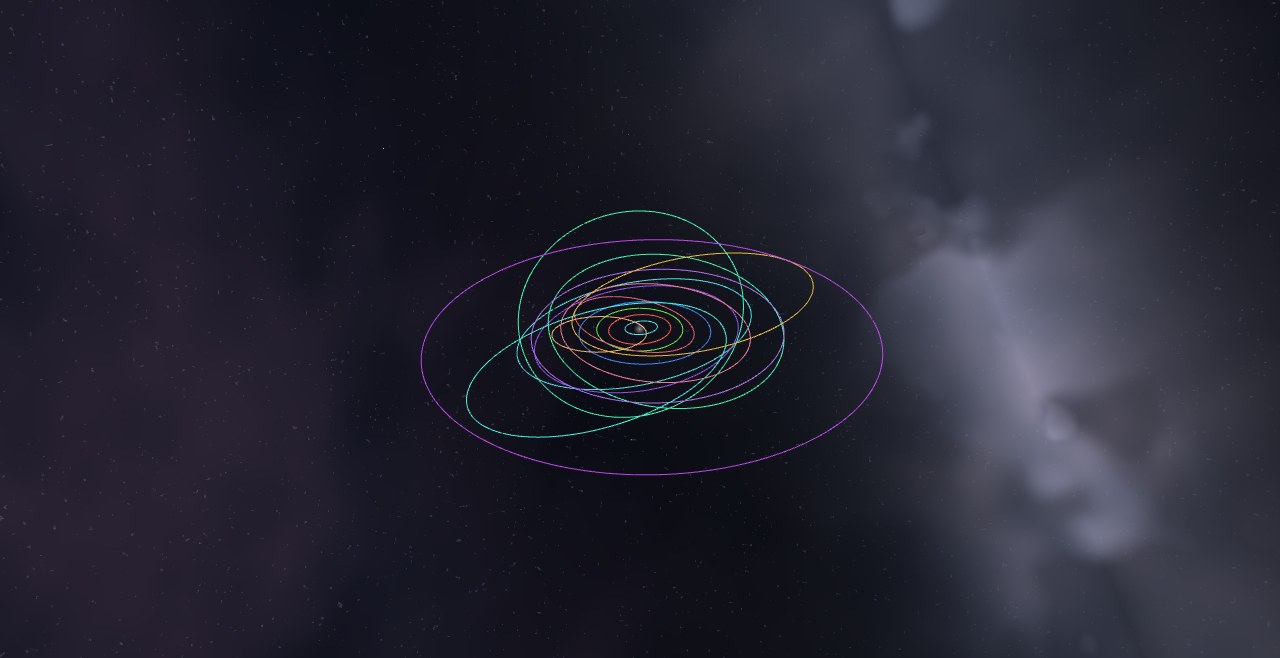
Simulate the inner Solar System in 3D. Watch Mercury, Venus, Earth, and Mars orbit the Sun on true JPL Horizons trajectories, highlighting planetary spacing and eccentricities.
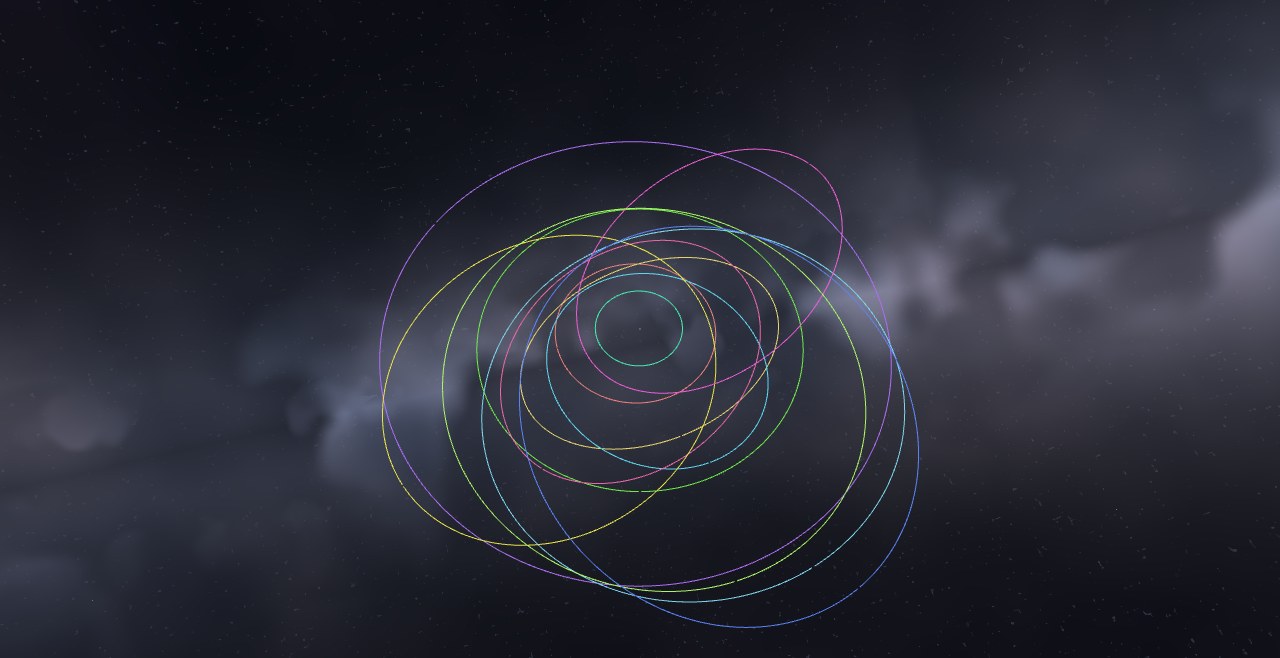
Track the eight largest Centaur asteroids, including ringed Chariklo and Chiron, as they navigate chaotic, planet-crossing orbits between Jupiter and Neptune in 3D.
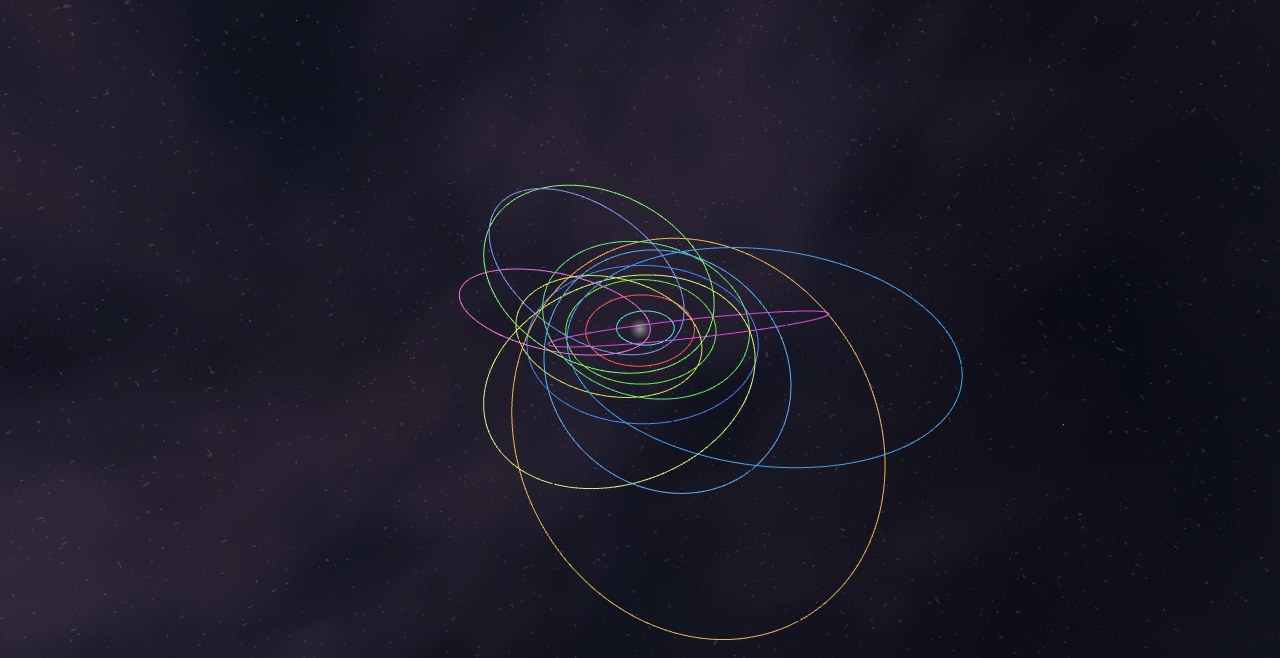
Explore the ten largest near-Earth asteroids, from massive 1036 Ganymed to Toutatis, as they traverse perilous planet-crossing paths through the inner Solar System.
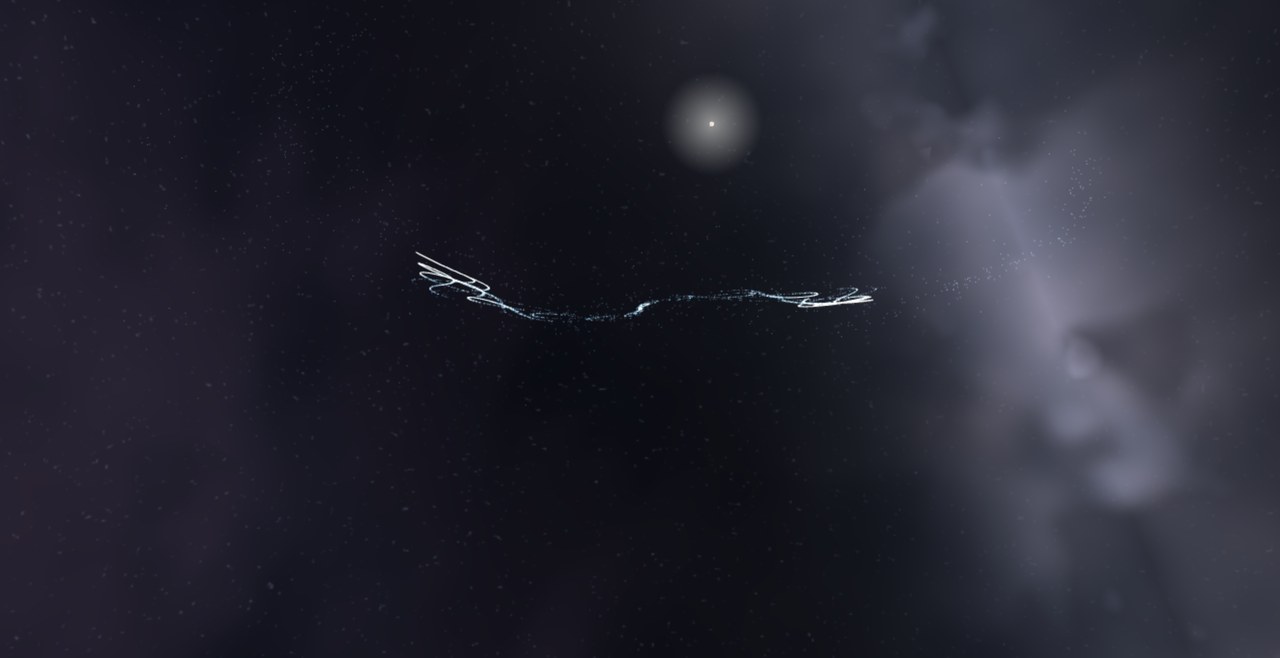
What if Earth were ringed like a mini-Saturn? Explore the outer limits of Earth's gravitational sphere of influence, testing where solar tides strip away orbiting ring particles.
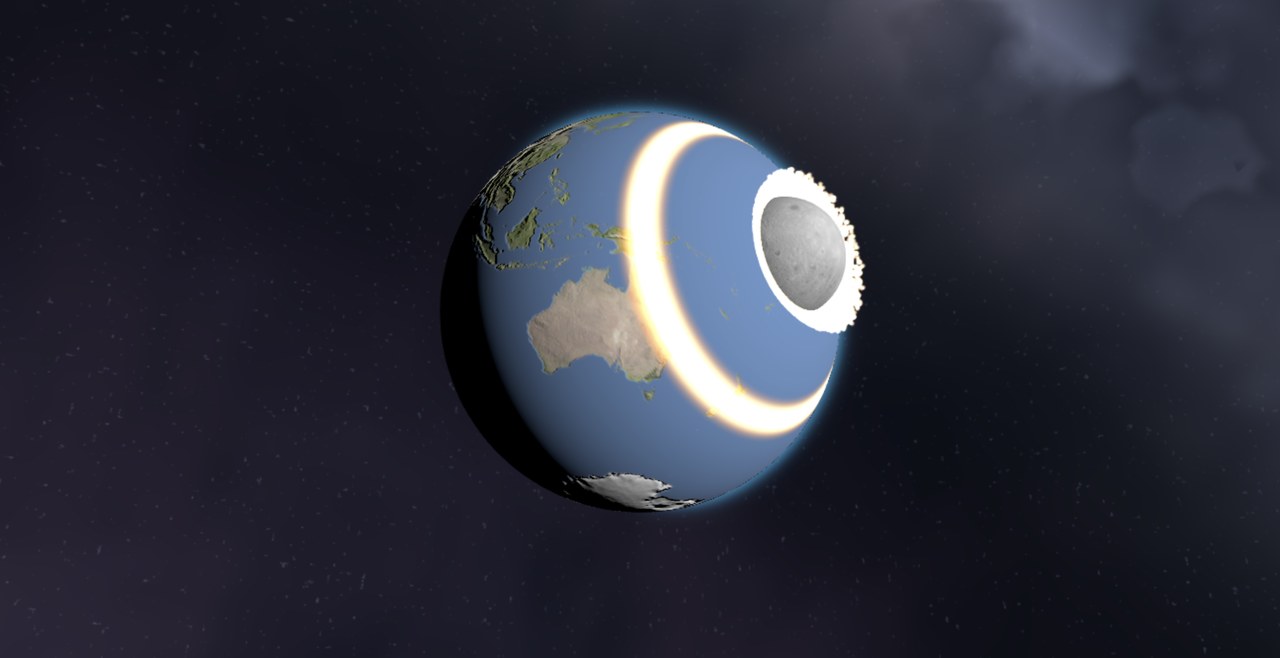
What if the Moon lost orbital velocity and plunged toward Earth? Simulate the catastrophic gravitational collision as the Moon spirals inward to collide with our home planet in 3D.
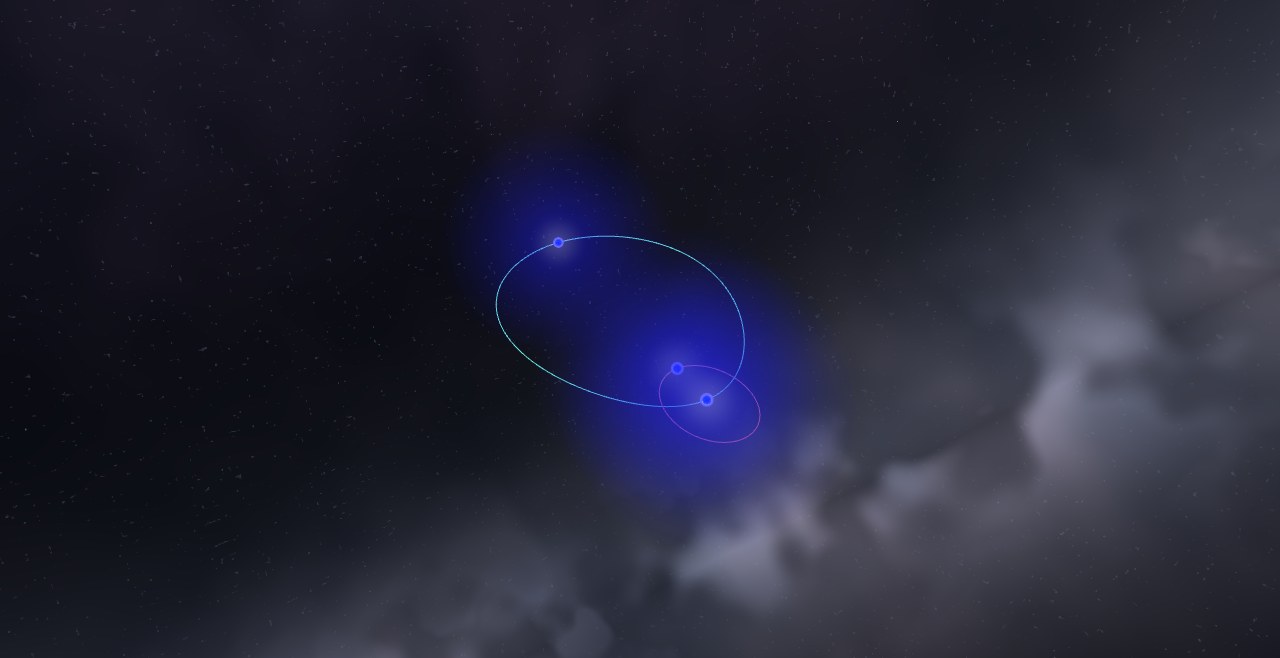
Trace the Sleeping Snowman choreography: three equal masses smoothly follow stacked loops that trace a reclining snowman figure in an eternal, periodic gravitational dance.
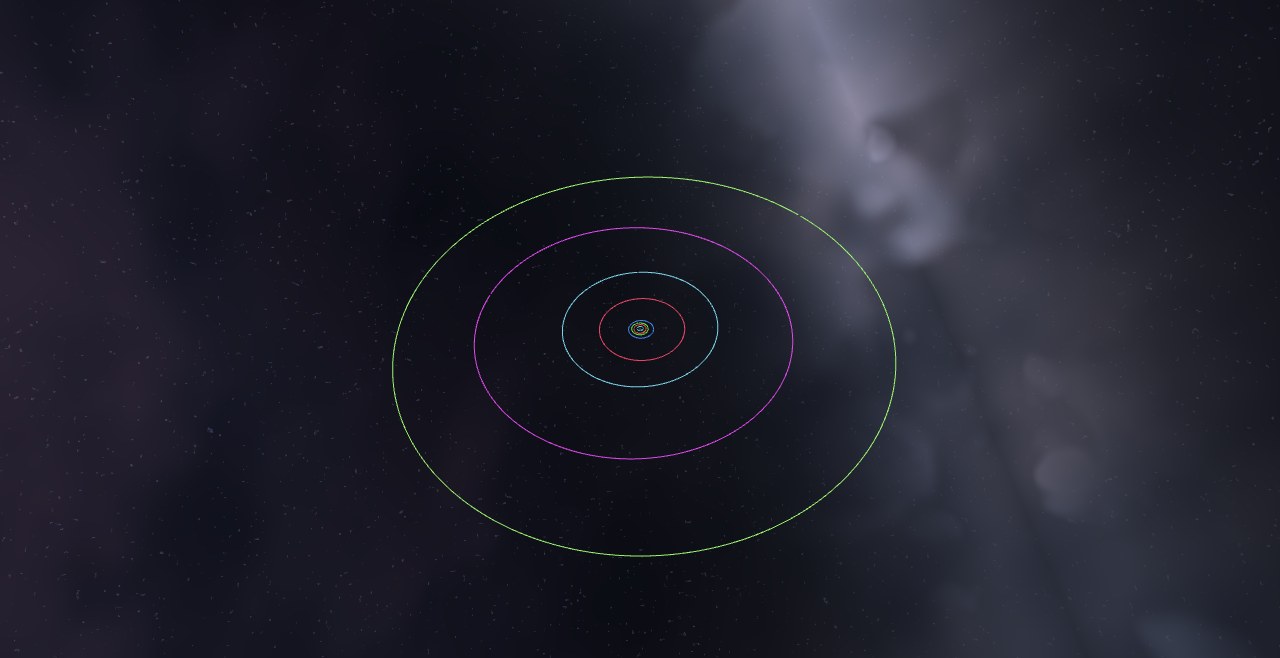
Explore the full Solar System in realistic 3D. Watch all eight major planets orbit the Sun based on high-precision NASA JPL Horizons ephemerides with interactive controls.
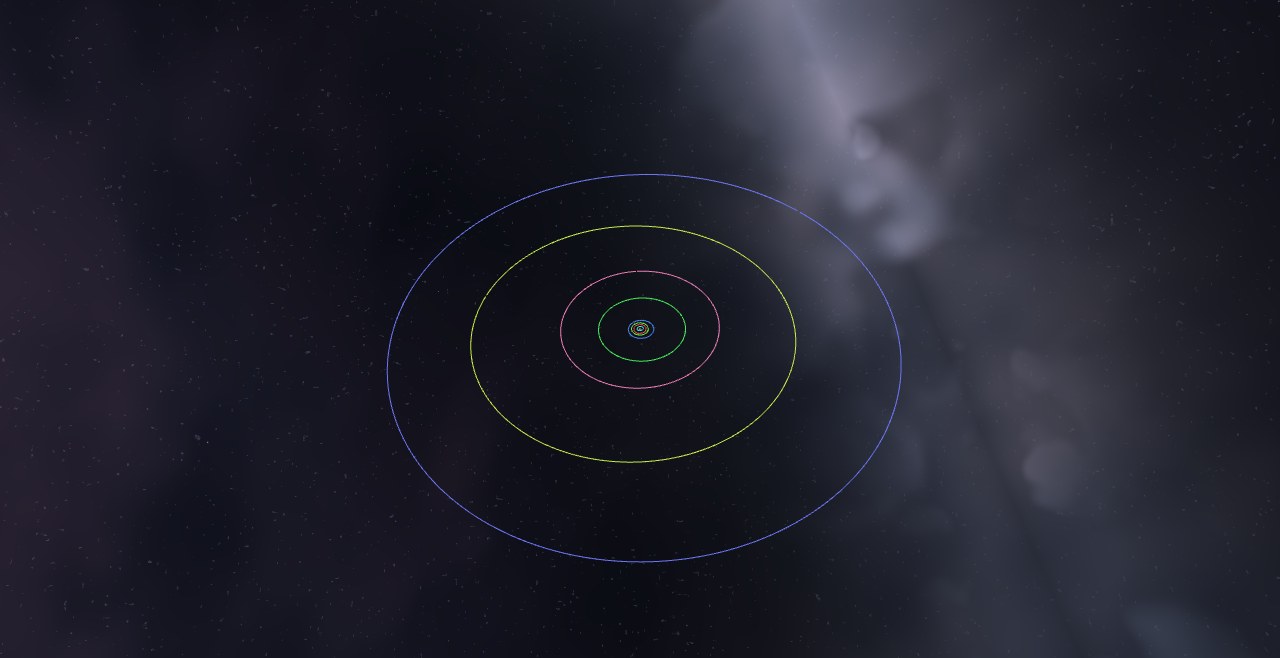
What if our Solar System formed a scorching Hot Jupiter inside Mercury's orbit? Explore how a four-day giant planet changes the gravitational balance of the inner planets in 3D.
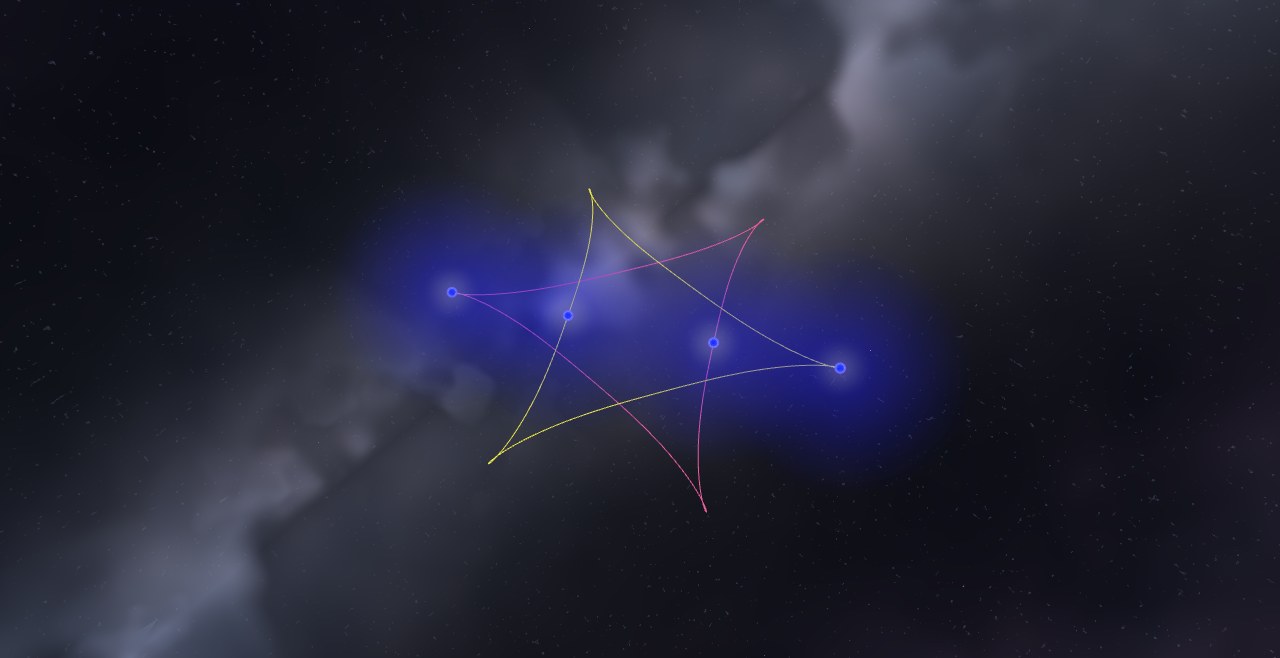
Simulate the Star of David n-body choreography: six equal masses follow interleaved triangular paths, forming a six-pointed stellar pattern in periodic gravitational balance.
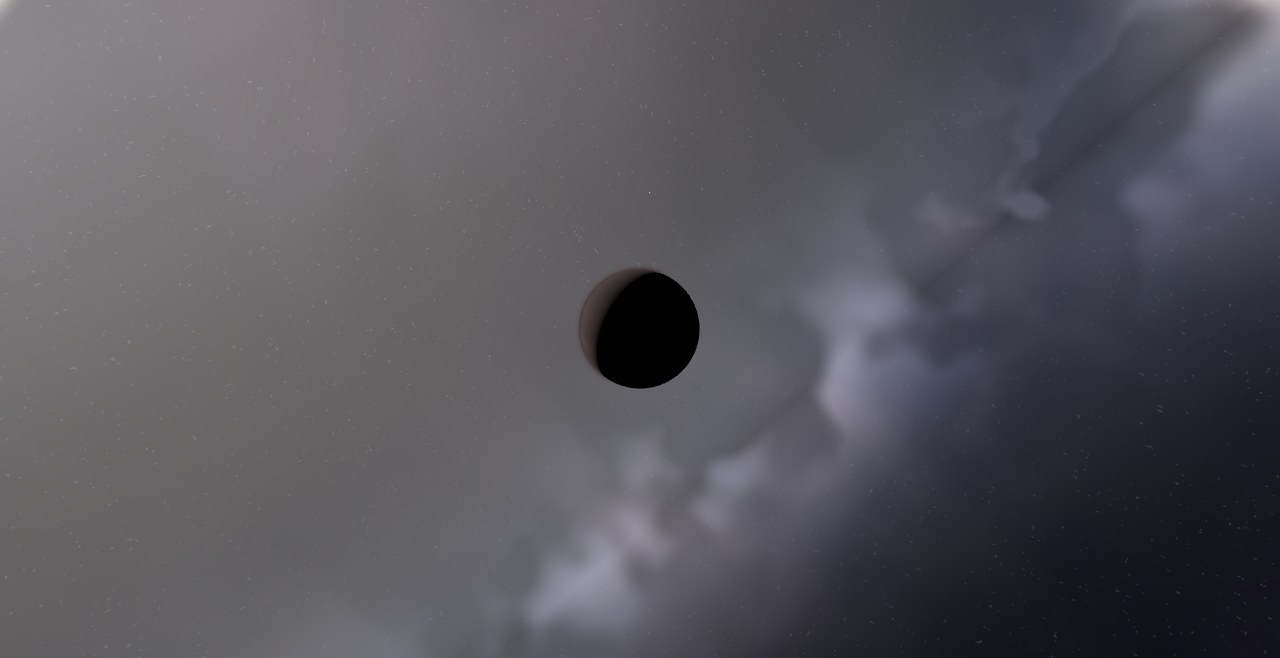
TrES-1, a Sun-like G-type star of 1.04 solar masses, and TrES-1 b, a 0.84-Jupiter-mass companion, with an orbital period of 3.0 days.
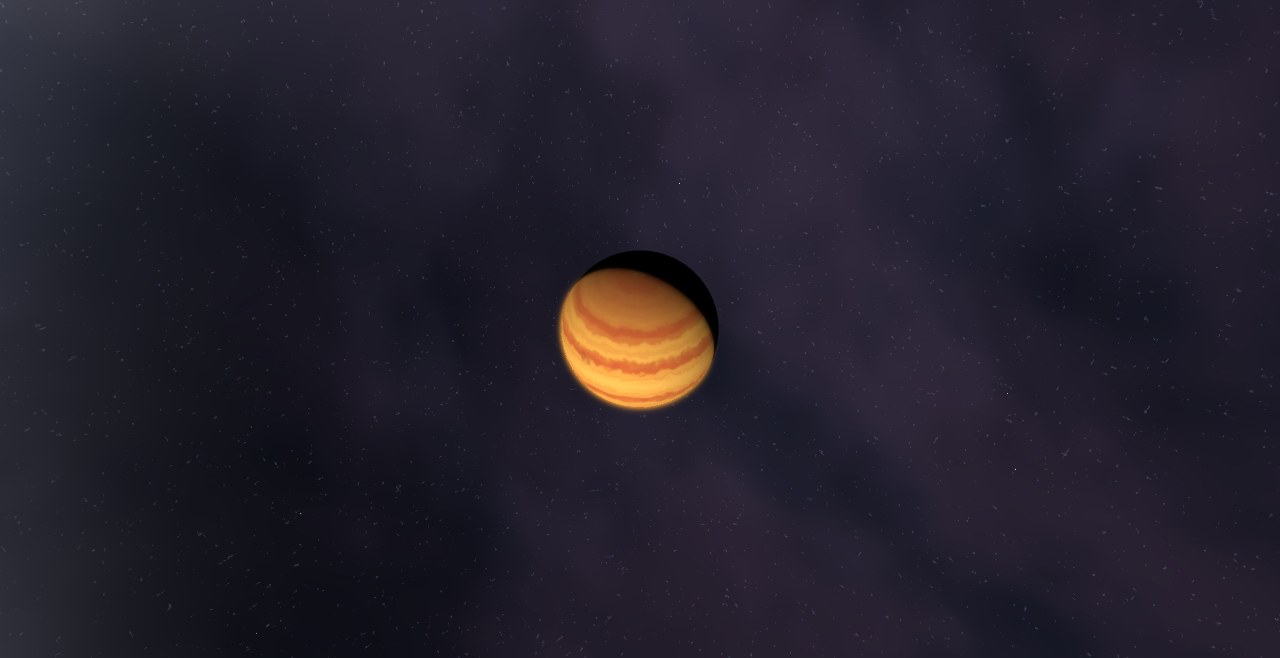
TrES-2 b, the darkest known exoplanet. It reflects less than one percent of incoming light, darker than coal, despite being a hot Jupiter. Kepler later refined that coal-dark albedo.
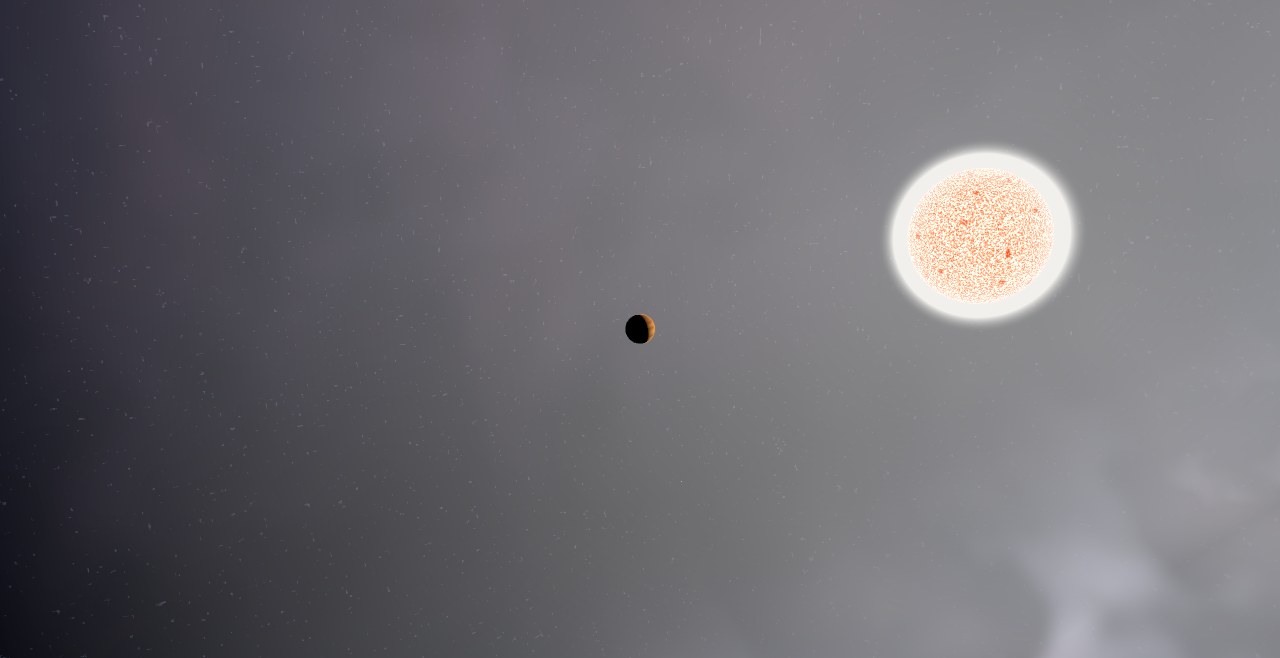
TrES-3, a Sun-like G-type star of 0.93 solar masses, and TrES-3 b, a 1.91-Jupiter-mass companion, with an orbital period of 1.3 days, at 0.023 AU from its star.
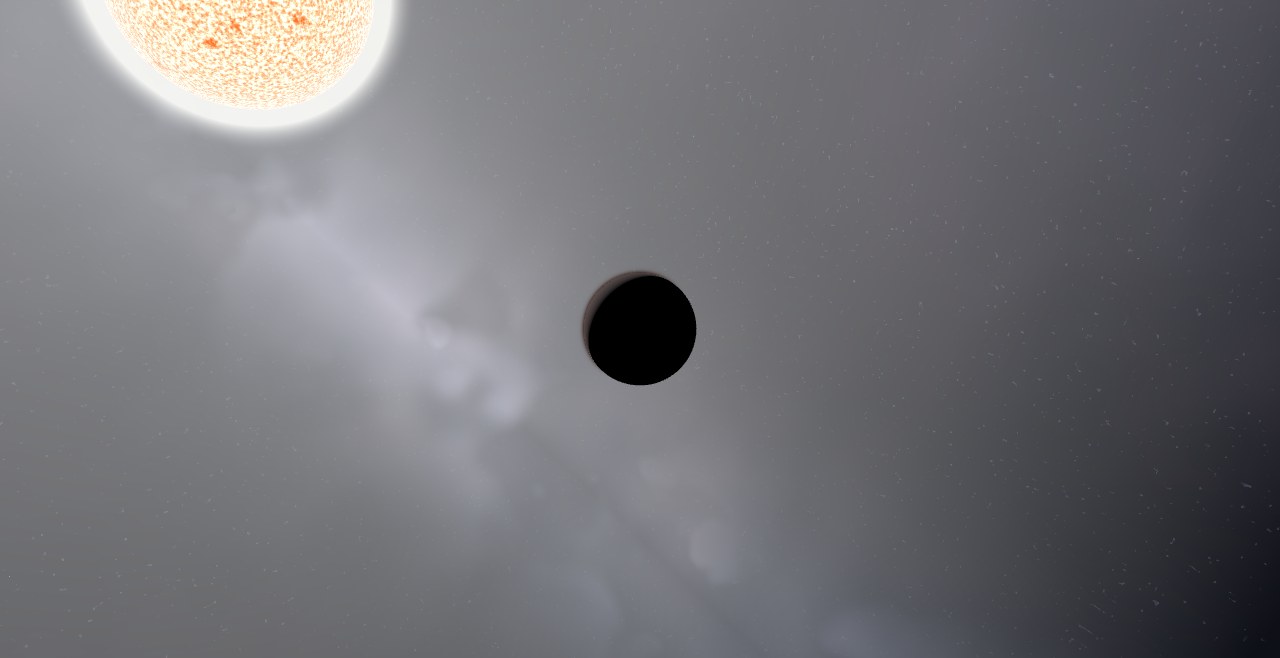
TrES-4, a Sun-like F-type star of 1.08 solar masses, and TrES-4 b, a 0.78-Jupiter-mass companion, with an orbital period of 3.6 days.
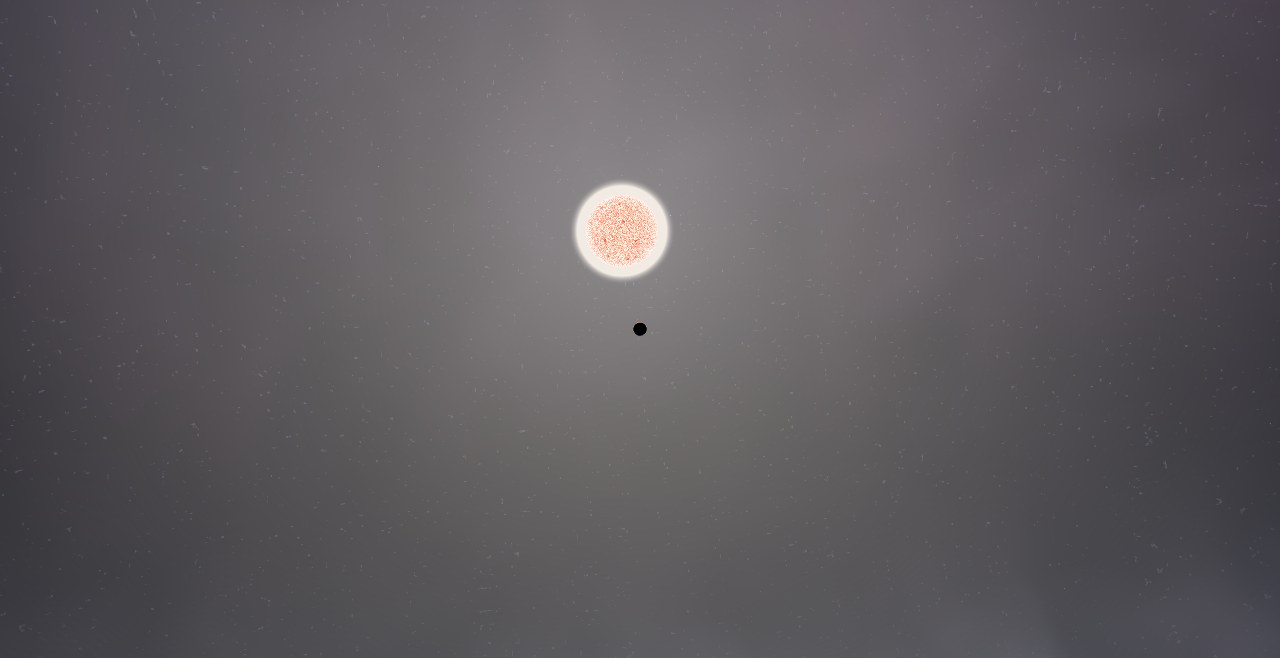
TrES-5, an orange K-type dwarf of 0.90 solar masses, and TrES-5 b, a 1.79-Jupiter-mass companion, with an orbital period of 1.5 days, at 0.025 AU from its star, and an equilibrium temperature near 1,480 K.
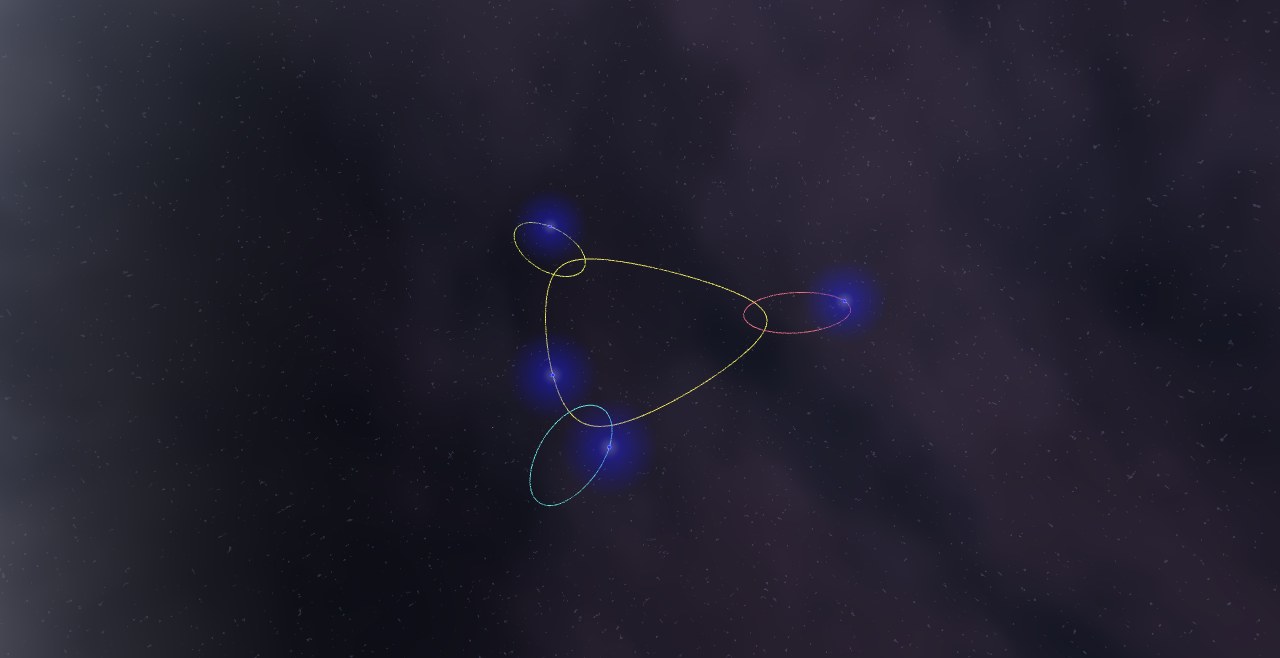
Watch a four-body choreography where three masses execute small synchronized loops at the corners of a triangle while a fourth mass orchestrates the periodic orbital balance.
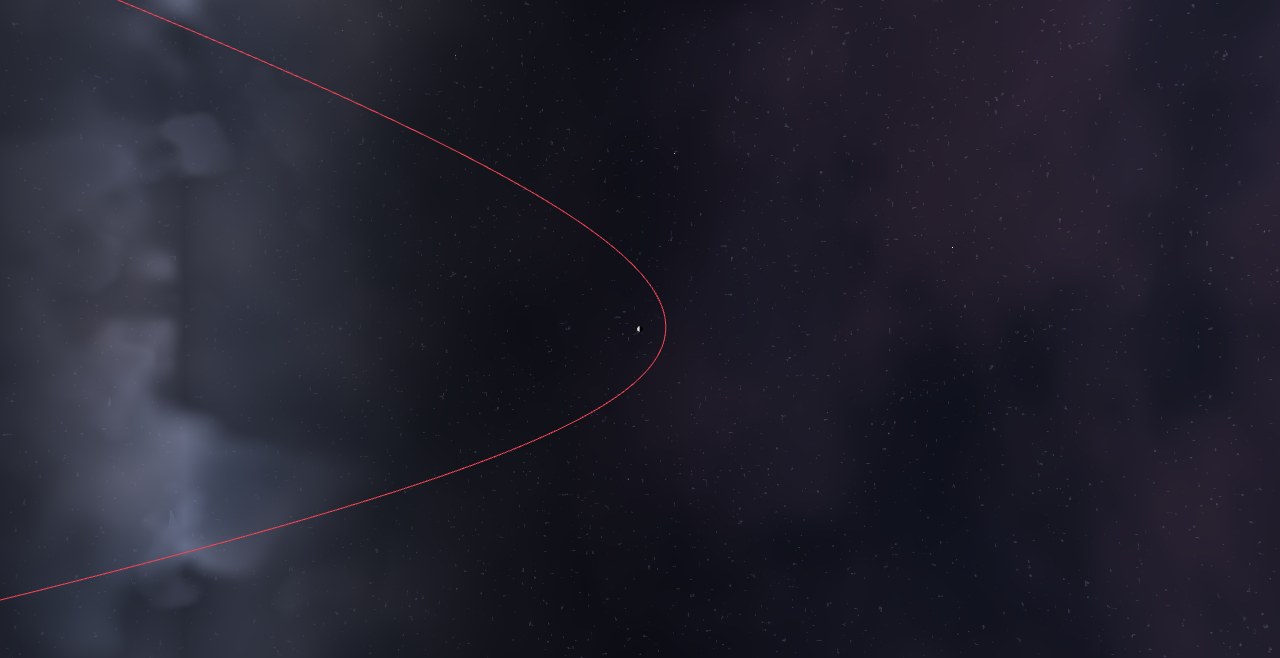
Simulate the binary-exchange capture of Triton by Neptune. Watch a primordial Kuiper Belt binary encounter Neptune, binding one icy world into a retrograde orbit while violently ejecting the other.