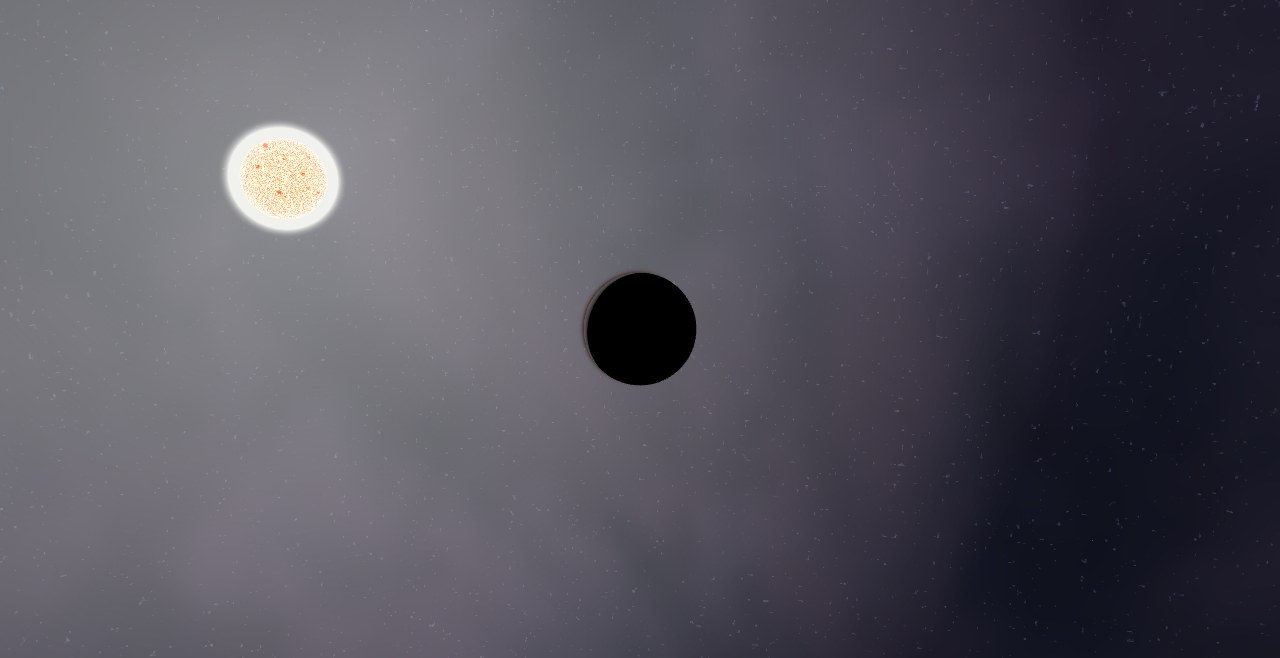
HD 159243 - System
HD 159243, a Sun-like G-type star of 1.13 solar masses, and HD 159243 b, a 1.13-Jupiter-mass companion, with an orbital period of 12.6 days, at 0.110 AU from its star.
Scenarios
Discover alien solar systems and explore worlds far beyond our own. Simulate extreme orbital environments, habitable zones, and tightly packed resonant chains discovered by modern astronomy, all mapped accurately from real exoplanetary discovery data.
Share
HD 159243, a Sun-like G-type star of 1.13 solar masses, and HD 159243 b, a 1.13-Jupiter-mass companion, with an orbital period of 12.6 days, at 0.110 AU from its star.
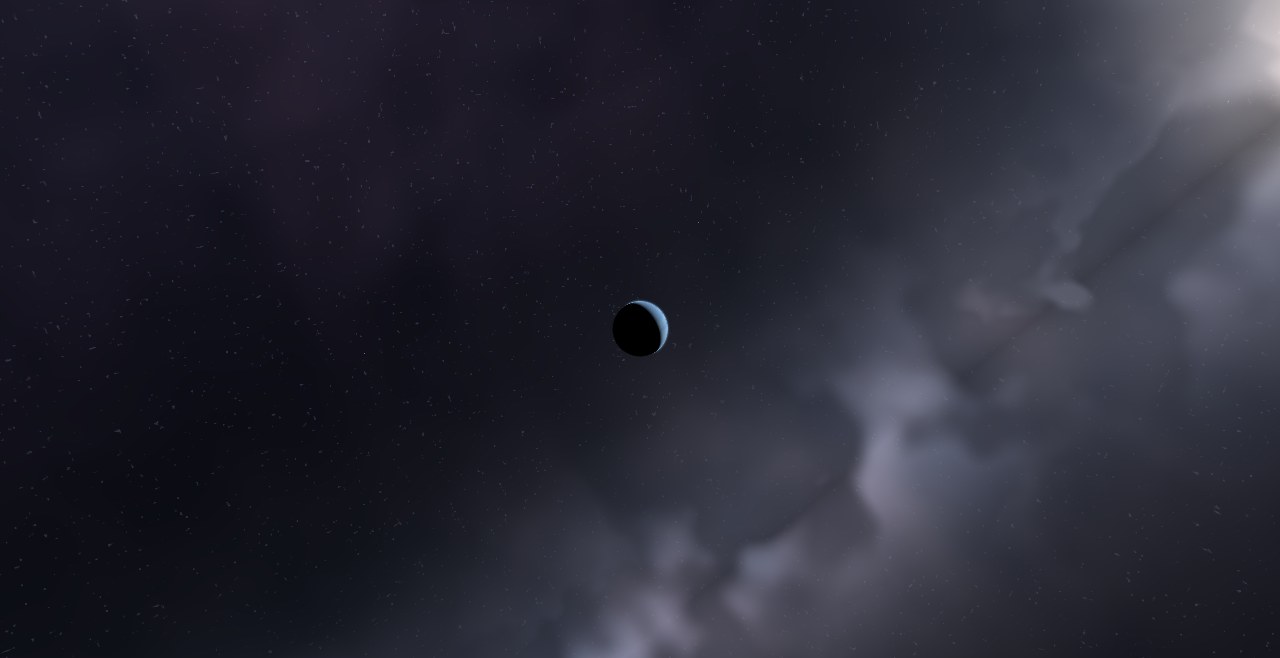
HD 159868, a Sun-like G-type star of 1.19 solar masses, and HD 159868 c, a 0.77-Jupiter-mass companion, with an orbital period of 351 days, at 1.032 AU from its star, on an eccentric orbit (e ≈ 0.18).
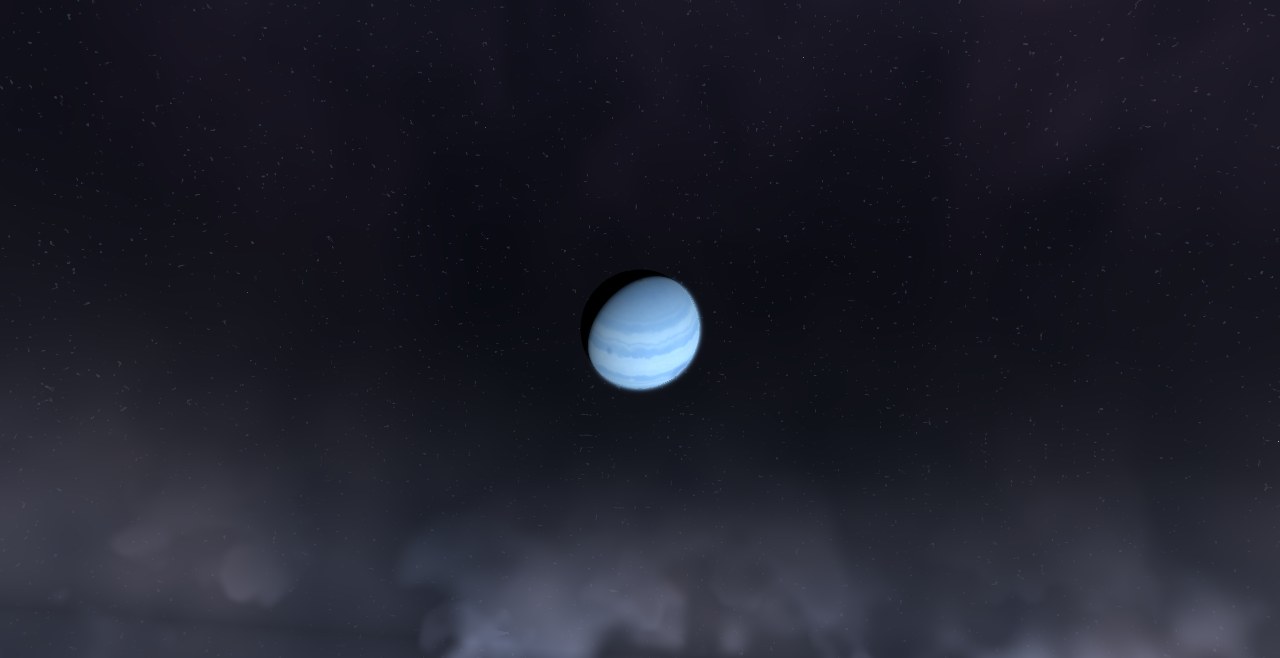
HD 1605, an orange K-type dwarf of 1.33 solar masses, and HD 1605 b, a 0.93-Jupiter-mass companion, with an orbital period of 1.58 years, at 1.492 AU from its star, on an eccentric orbit (e ≈ 0.10).
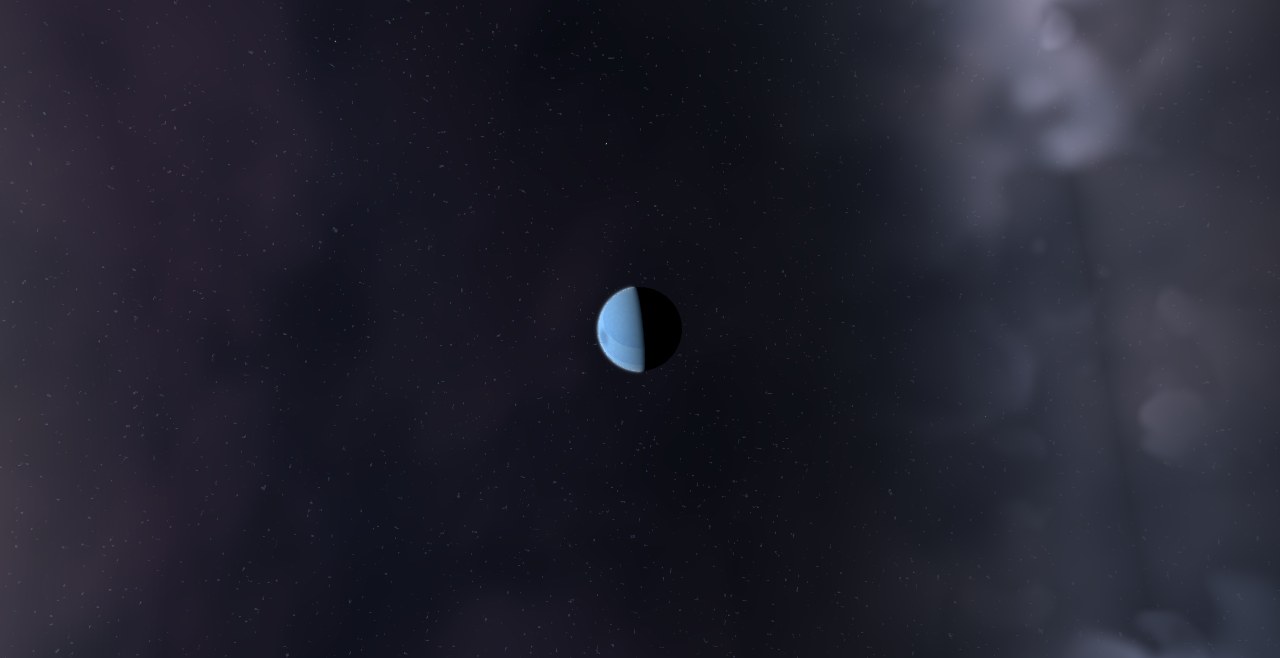
HD 160691, a Sun-like G-type star of 1.13 solar masses, and HD 160691 d, a confirmed exoplanet, with an orbital period of 9.6 days.
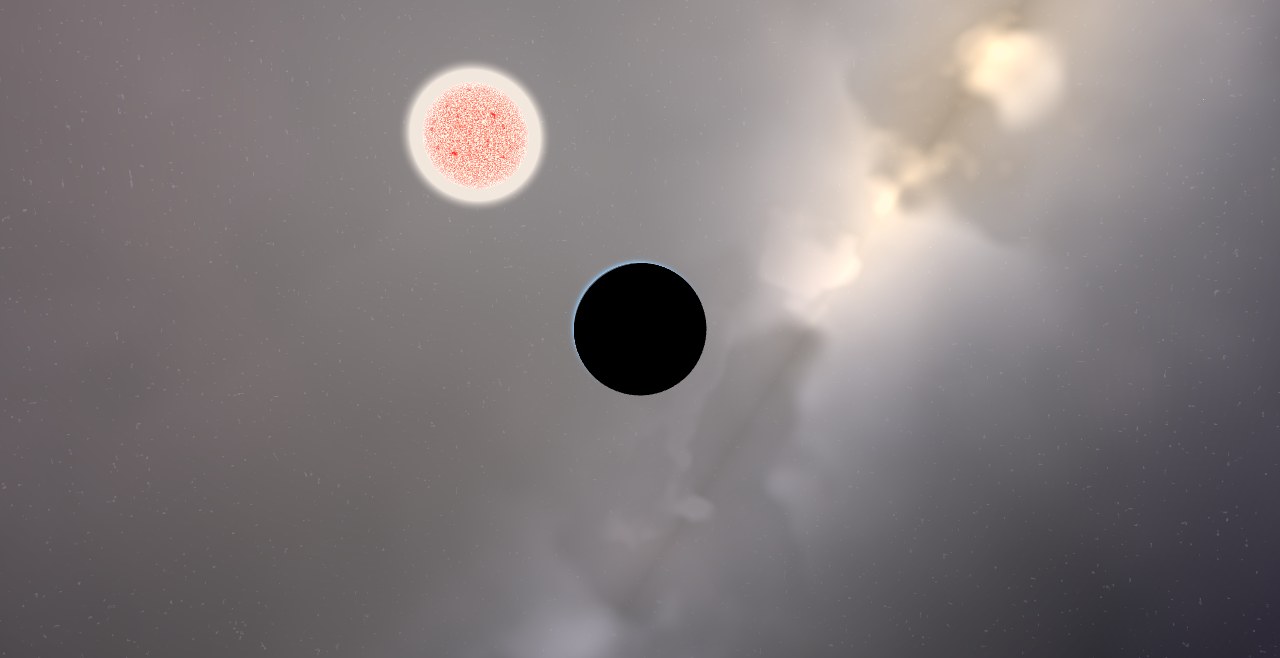
HD 161178, a Sun-like G-type star of 1.06 solar masses, and HD 161178 b, a 0.57-Jupiter-mass companion, with an orbital period of 279 days, at 0.850 AU from its star.
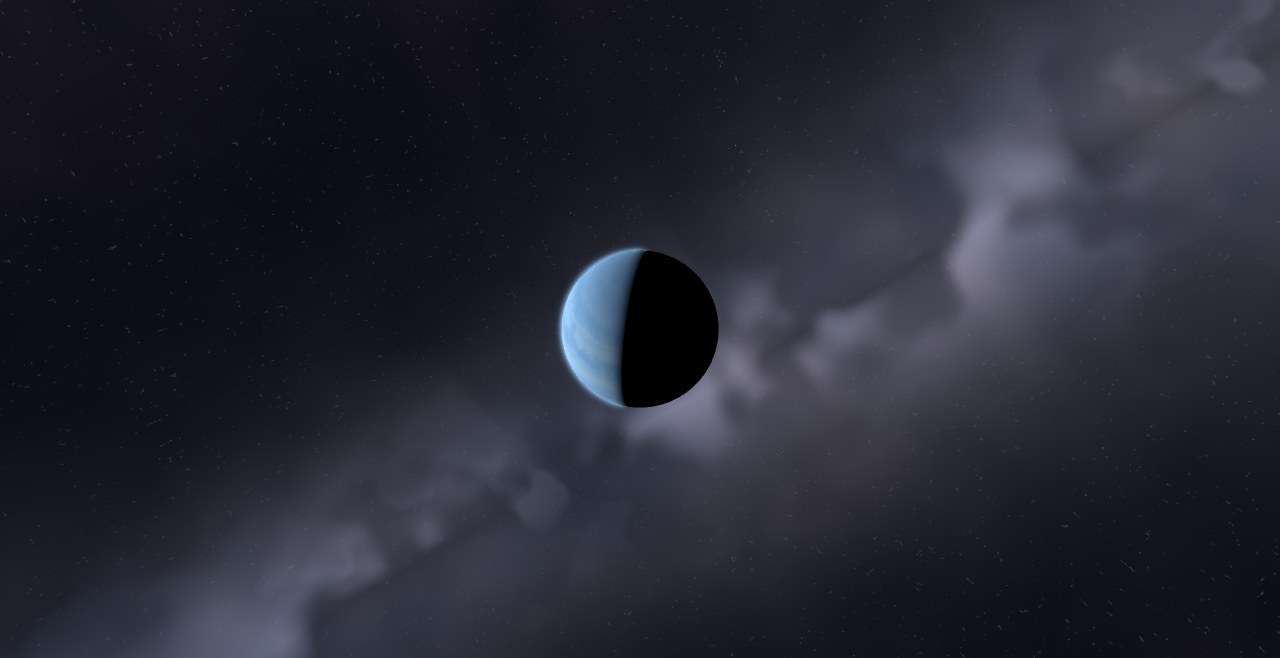
HD 16141, a Sun-like G-type star of 1.11 solar masses, and HD 16141 b, a 0.26-Jupiter-mass companion, with an orbital period of 75.5 days, at 0.360 AU from its star, on an eccentric orbit (e ≈ 0.25).
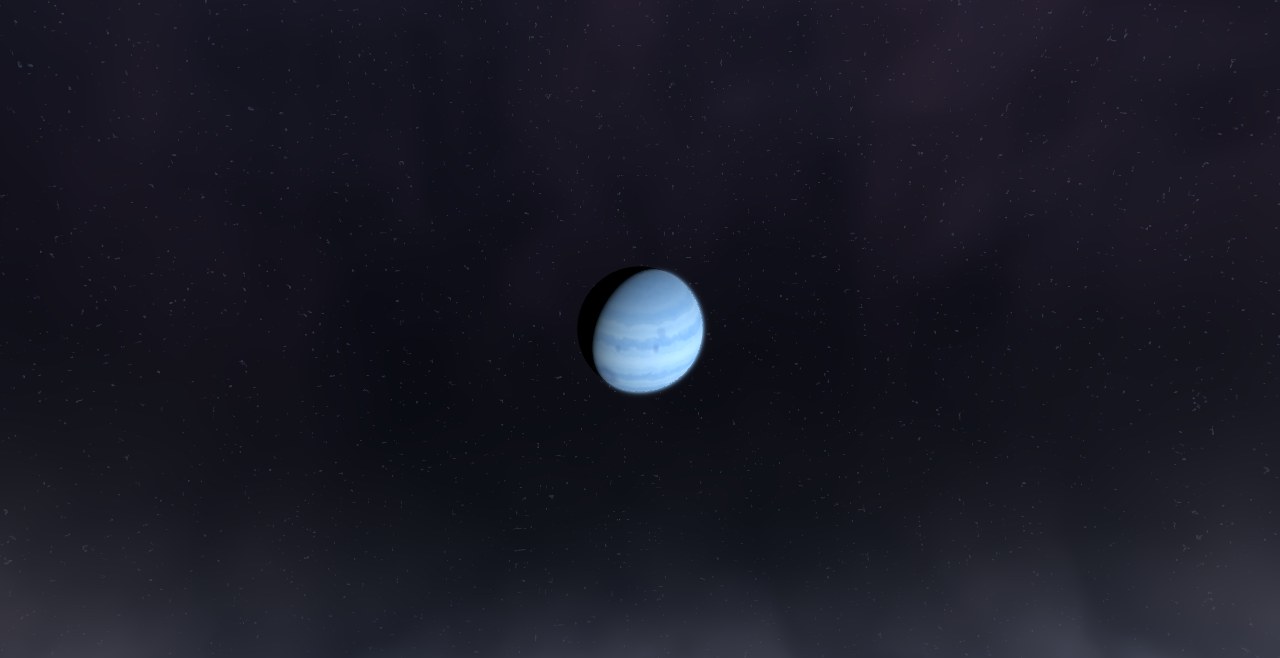
HD 16175, a Sun-like G-type star of 1.63 solar masses, and HD 16175 b, a 5.10-Jupiter-mass companion, with an orbital period of 2.71 years, at 2.120 AU from its star, on an eccentric orbit (e ≈ 0.60).
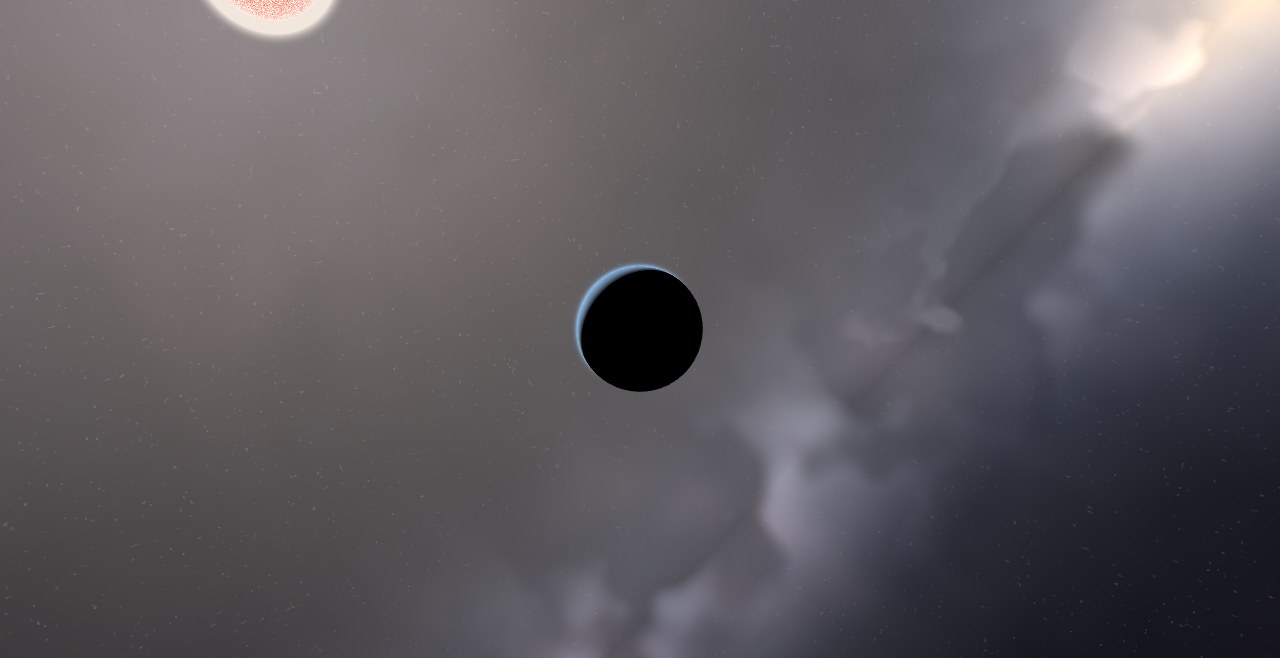
HD 162020, an orange K-type dwarf of 0.42 solar masses, and HD 162020 b, a 9.84-Jupiter-mass companion, with an orbital period of 8.4 days, at 0.080 AU from its star, on an eccentric orbit (e ≈ 0.28).
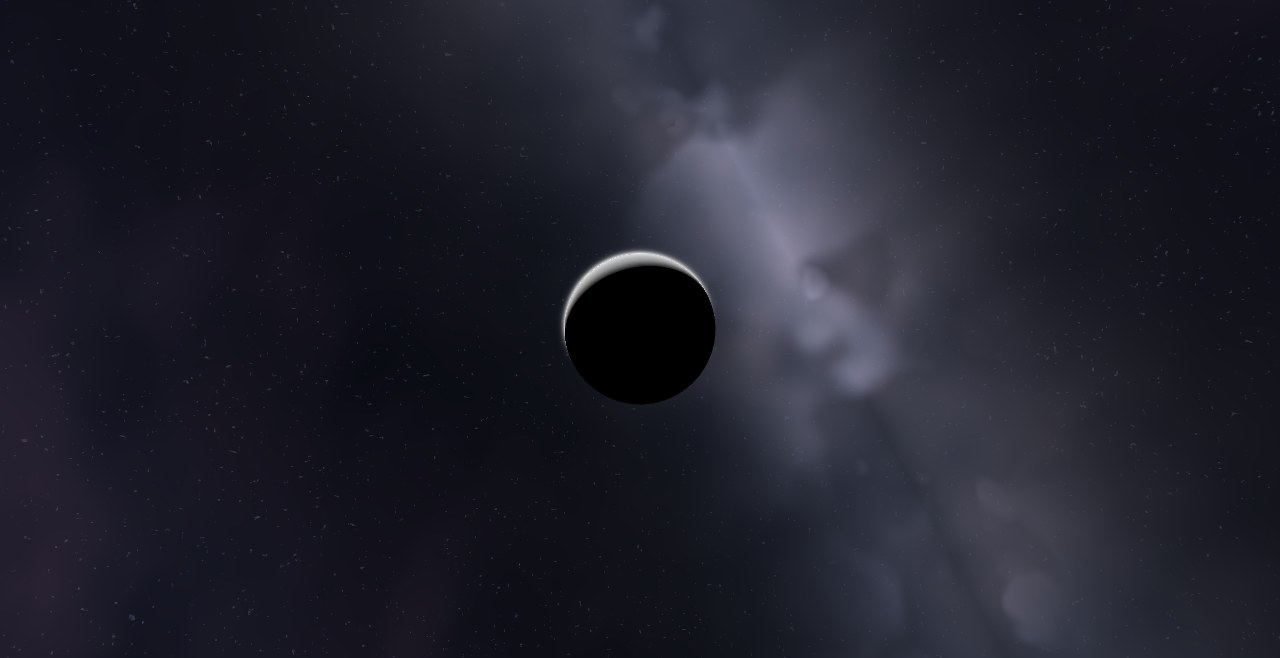
HD 163607, a Sun-like G-type star of 1.12 solar masses, and HD 163607 b, a 0.78-Jupiter-mass companion, with an orbital period of 75.2 days, at 0.362 AU from its star, on an eccentric orbit (e ≈ 0.74).
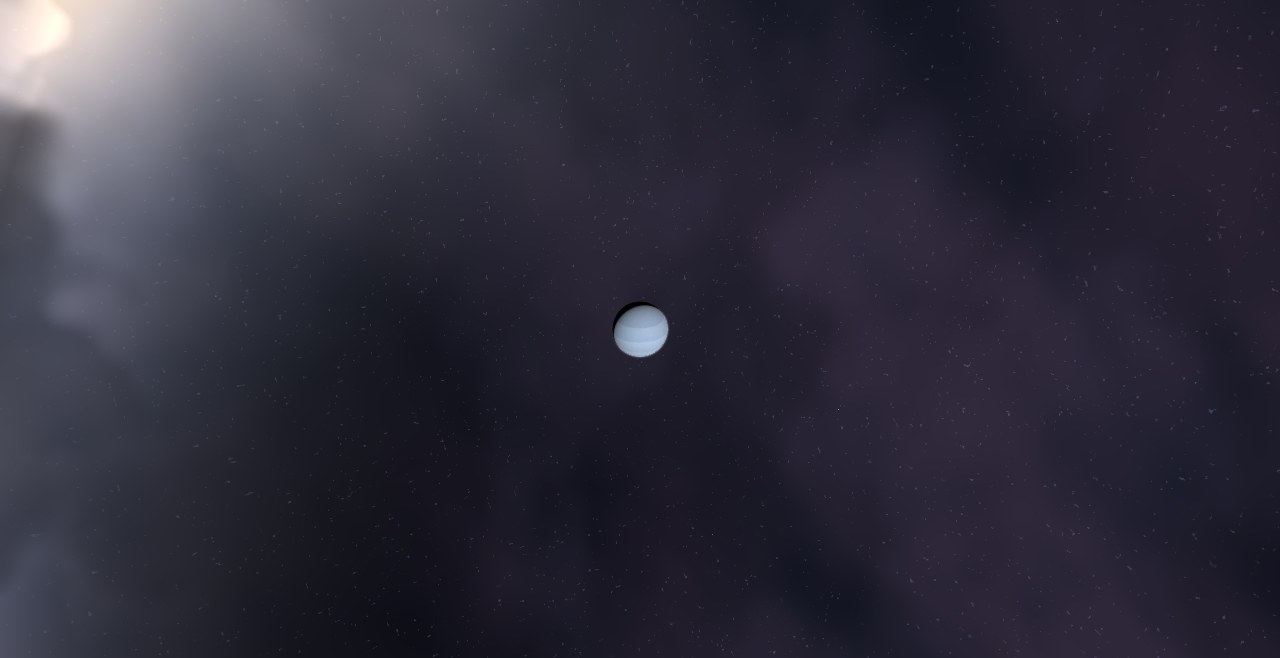
HD 16417, a Sun-like G-type star of 1.20 solar masses, and HD 16417 b, a 0.07-Jupiter-mass companion, with an orbital period of 17.2 days, at 0.140 AU from its star, on an eccentric orbit (e ≈ 0.20).
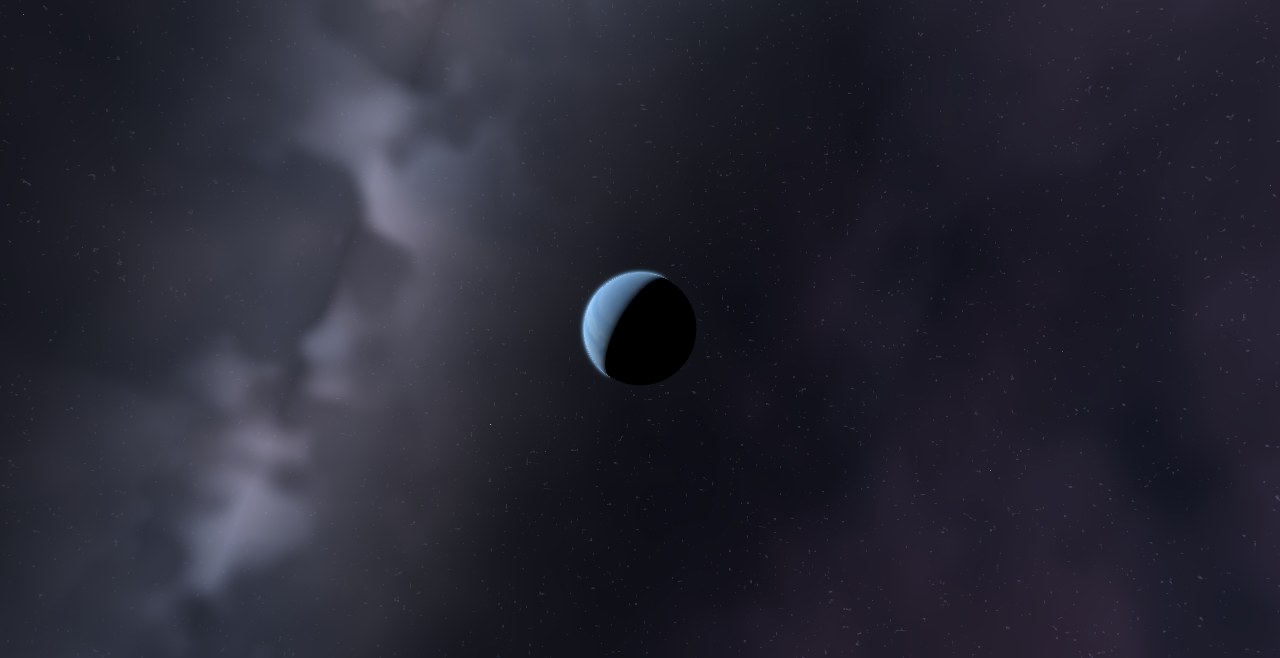
HD 164509, a Sun-like G-type star of 1.12 solar masses, and HD 164509 b, a 0.44-Jupiter-mass companion, with an orbital period of 280 days, at 0.870 AU from its star, on an eccentric orbit (e ≈ 0.24).
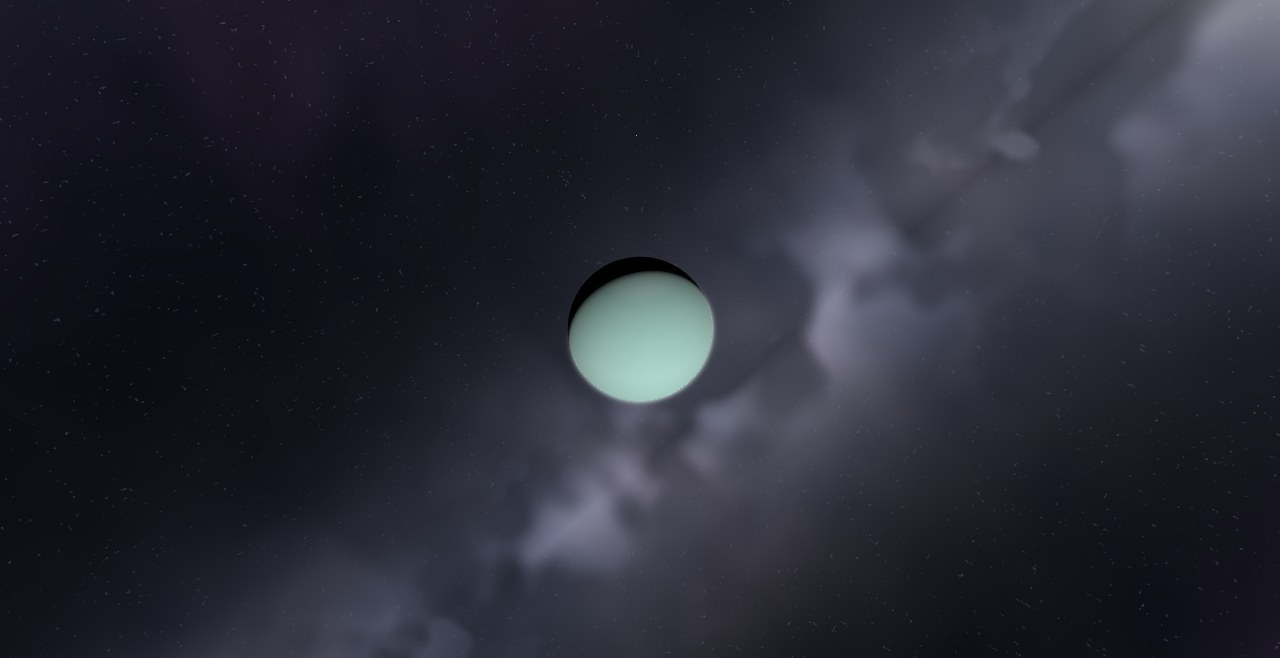
HD 164595, a Sun-like G-type star of 0.99 solar masses, and HD 164595 b, a 0.05-Jupiter-mass companion, with an orbital period of 40.0 days, at 0.230 AU from its star, on an eccentric orbit (e ≈ 0.09).
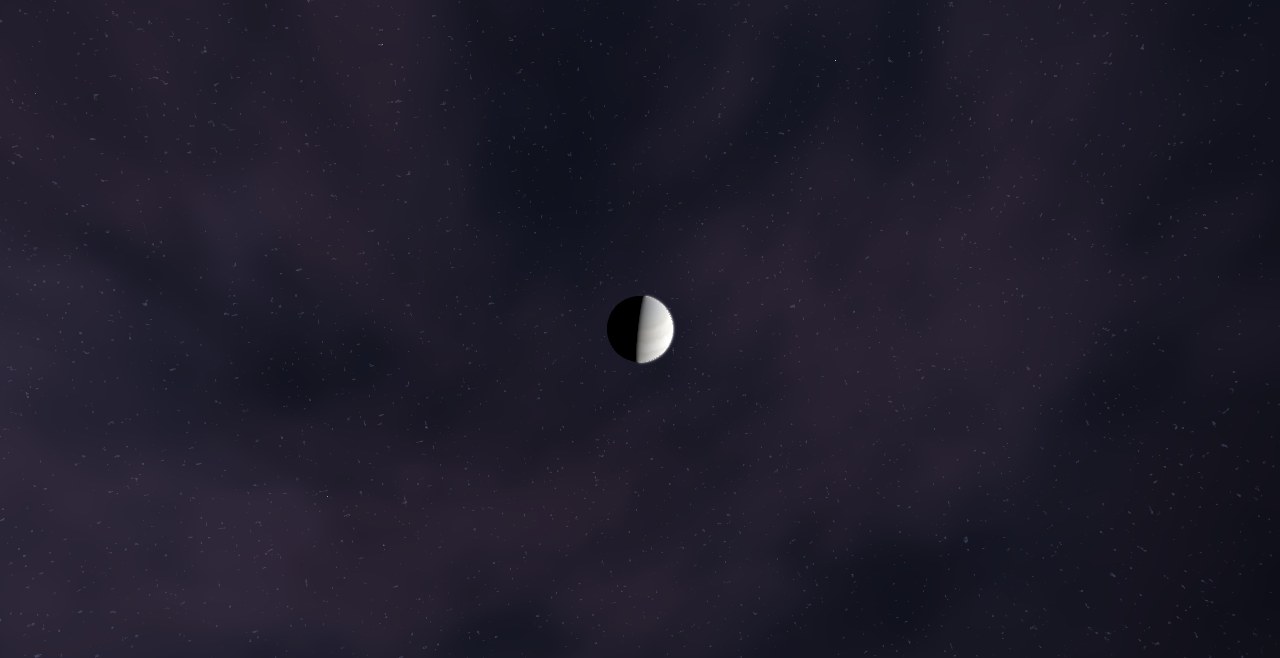
HD 164604, an orange K-type dwarf of 0.77 solar masses, and HD 164604 b, a 13.2-Jupiter-mass companion, with an orbital period of 1.79 years, at 1.362 AU from its star, on an eccentric orbit (e ≈ 0.48).
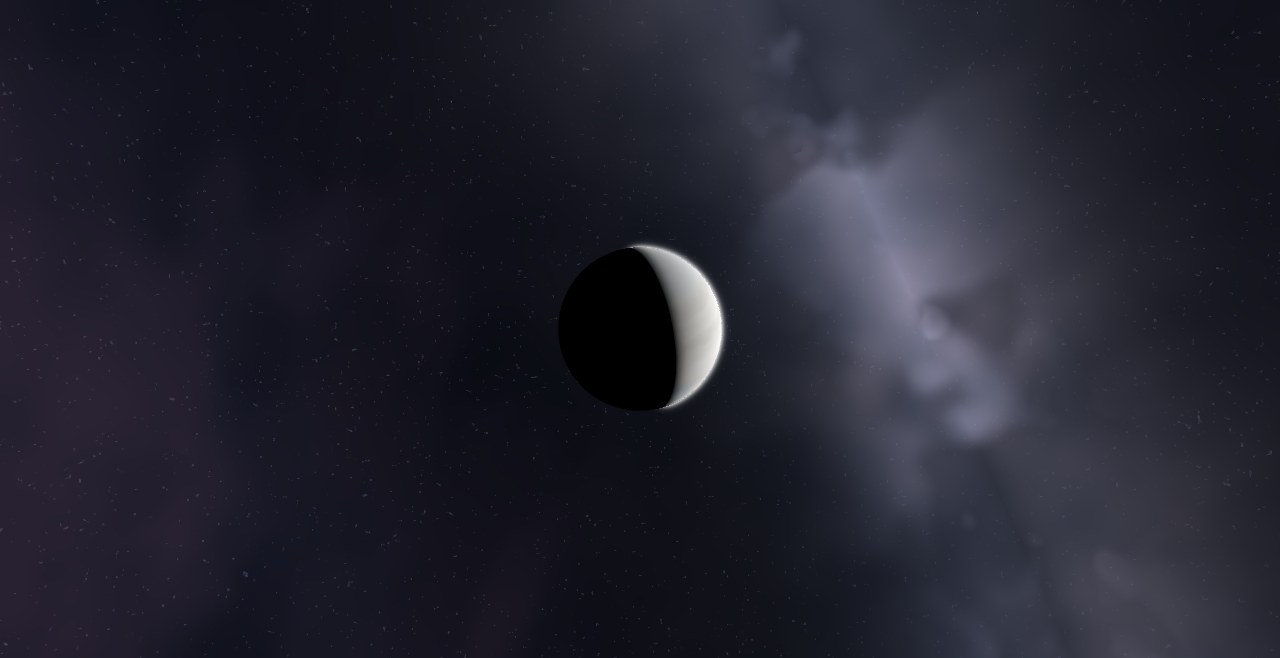
HD 164922, a Sun-like G-type star of 0.92 solar masses, and HD 164922 d, a 4.0-Earth-mass planet, with an orbital period of 12.5 days, at 0.103 AU from its star, on an eccentric orbit (e ≈ 0.12).
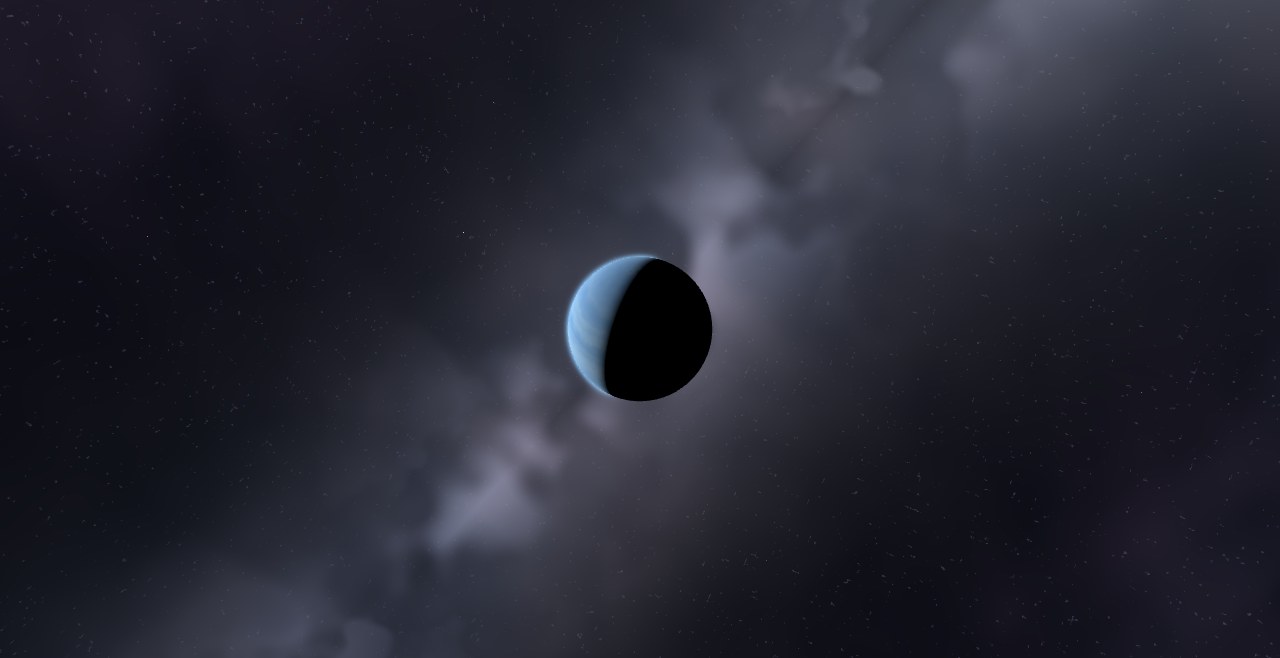
HD 165131, a Sun-like G-type star of 1.06 solar masses, and HD 165131 b, a 18.7-Jupiter-mass companion, with an orbital period of 6.41 years, at 3.540 AU from its star, on an eccentric orbit (e ≈ 0.67).
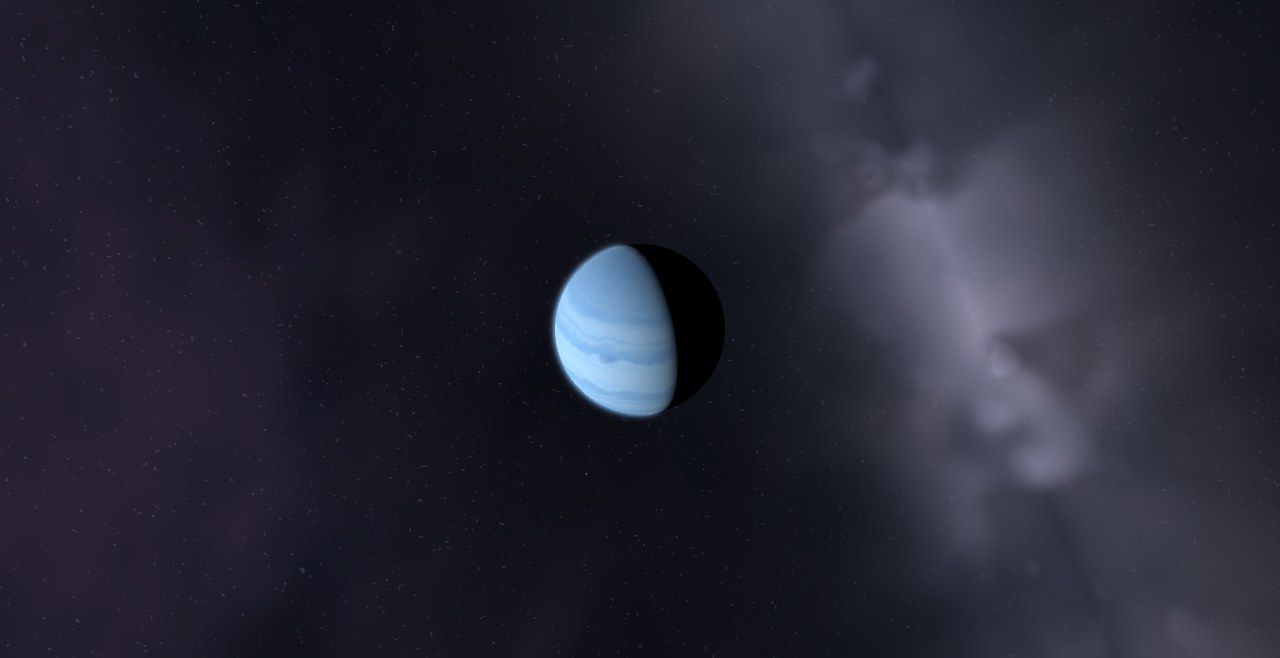
HD 165155, a Sun-like G-type star of 1.02 solar masses, and HD 165155 b, a 2.89-Jupiter-mass companion, with an orbital period of 1.19 years, at 1.130 AU from its star, on an eccentric orbit (e ≈ 0.20).
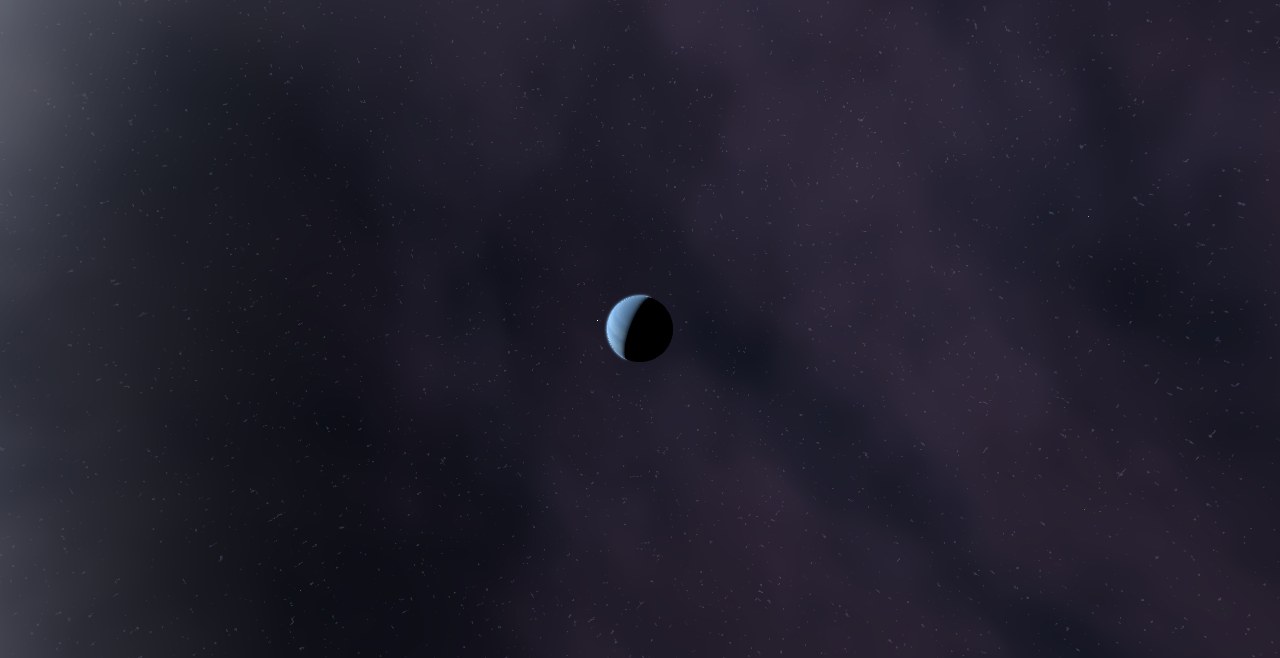
HD 1666, a Sun-like F-type star of 1.50 solar masses, and HD 1666 b, a 6.43-Jupiter-mass companion, with an orbital period of 270 days, at 0.940 AU from its star, on an eccentric orbit (e ≈ 0.63).
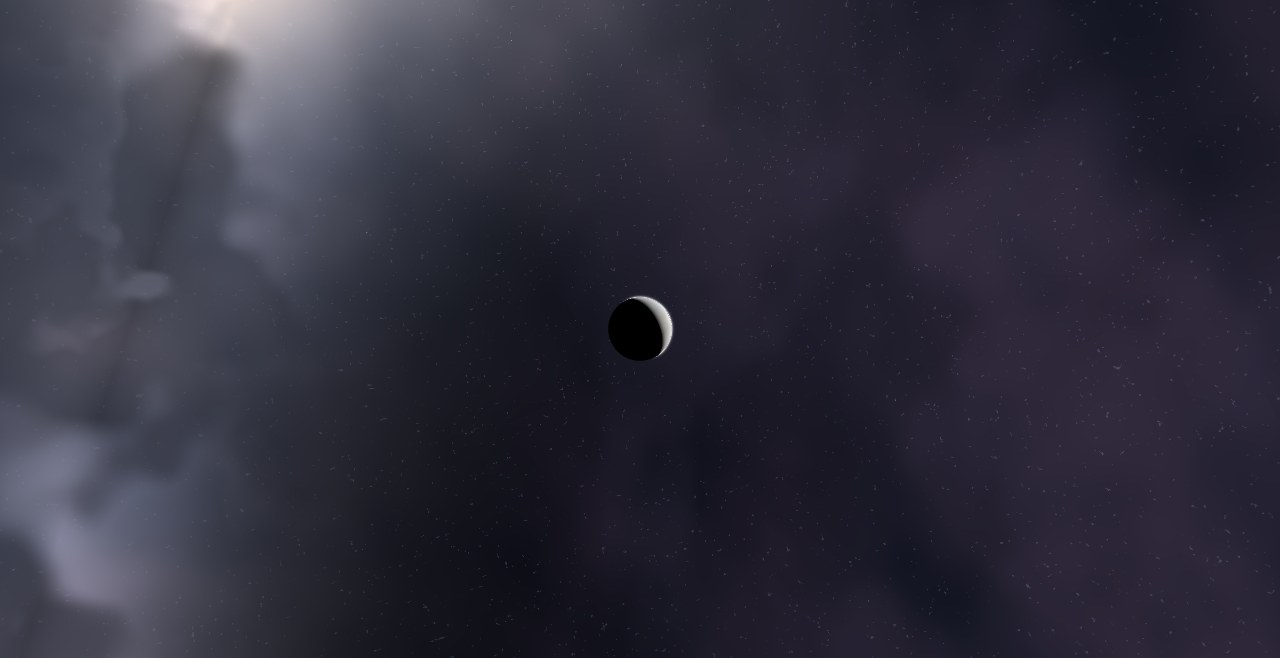
HD 166724, an orange K-type dwarf of 0.81 solar masses, and HD 166724 b, a 3.53-Jupiter-mass companion, with an orbital period of 14.1 years, at 5.420 AU from its star, on an eccentric orbit (e ≈ 0.73).