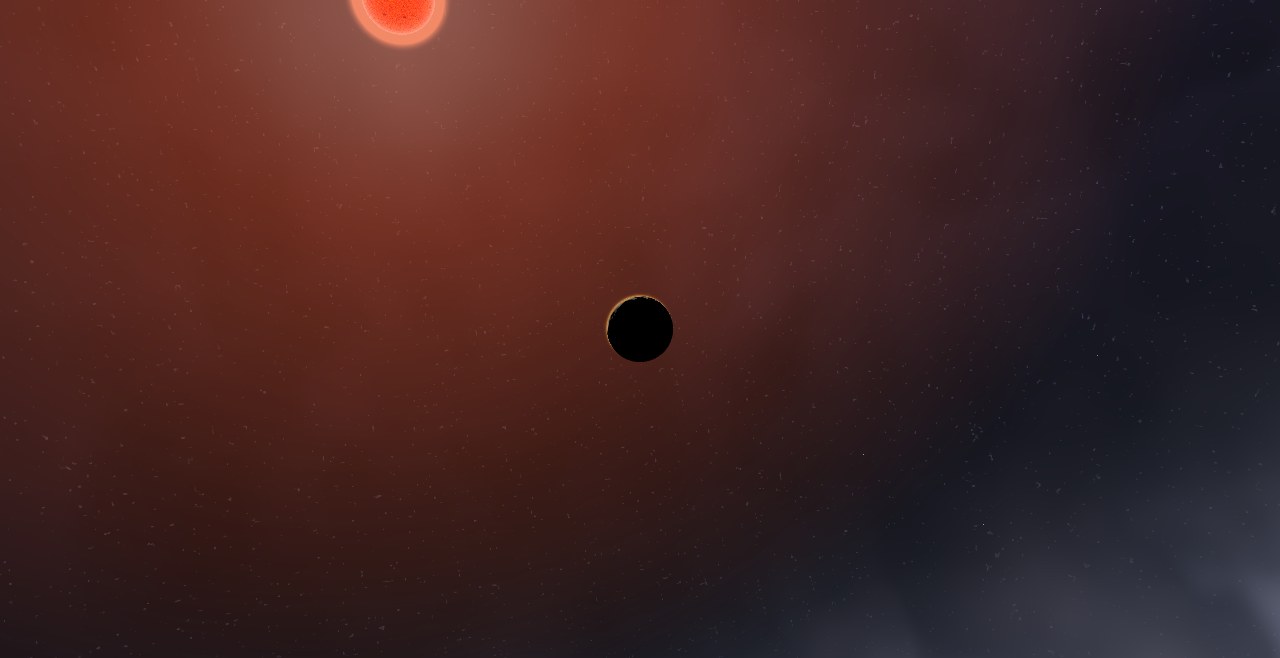
Kepler-1646 - System
Kepler-1646, a cool M-dwarf of 0.24 solar masses, and Kepler-1646 b, a planet with 1.2 Earth radii, with an orbital period of 4.5 days.
Scenarios
Discover alien solar systems and explore worlds far beyond our own. Simulate extreme orbital environments, habitable zones, and tightly packed resonant chains discovered by modern astronomy, all mapped accurately from real exoplanetary discovery data.
Share
Kepler-1646, a cool M-dwarf of 0.24 solar masses, and Kepler-1646 b, a planet with 1.2 Earth radii, with an orbital period of 4.5 days.
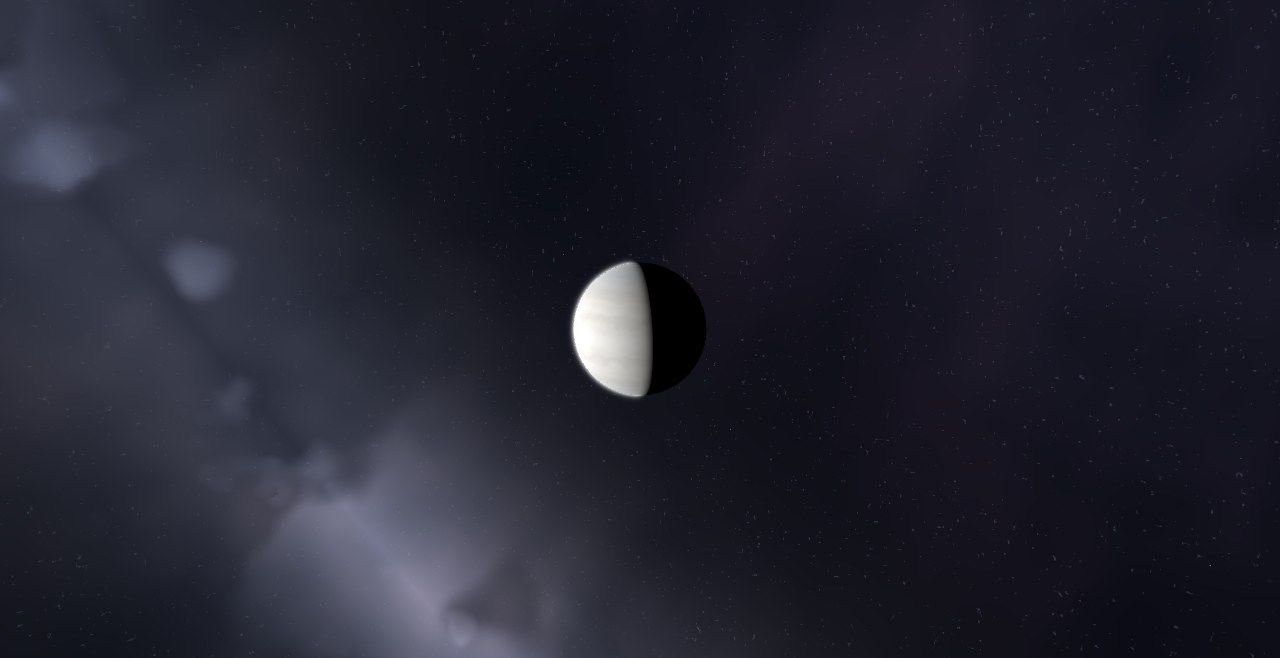
Kepler-1647 b, a gas giant on the longest circumbinary orbit Kepler found. It circles two stars near their shared habitable zone. Its year around the stellar pair lasts about three years.
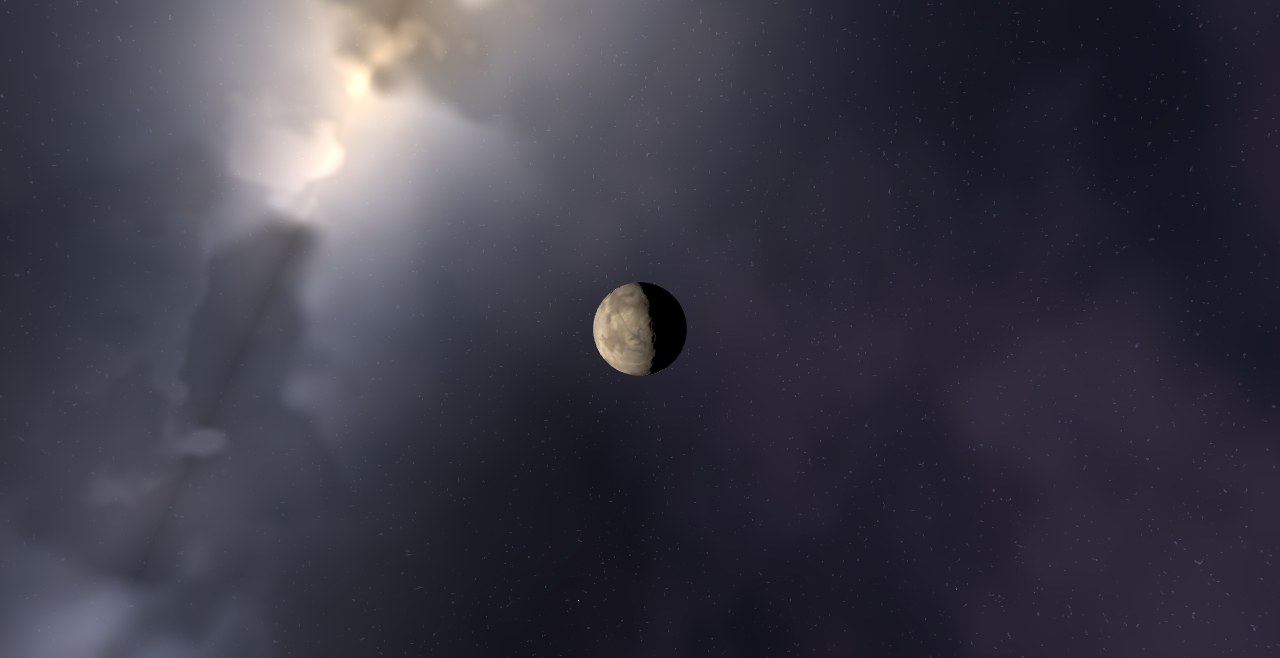
Kepler-1649 c, an Earth-sized habitable-zone planet missed by the pipeline and recovered by citizen scientists rechecking Kepler false positives.
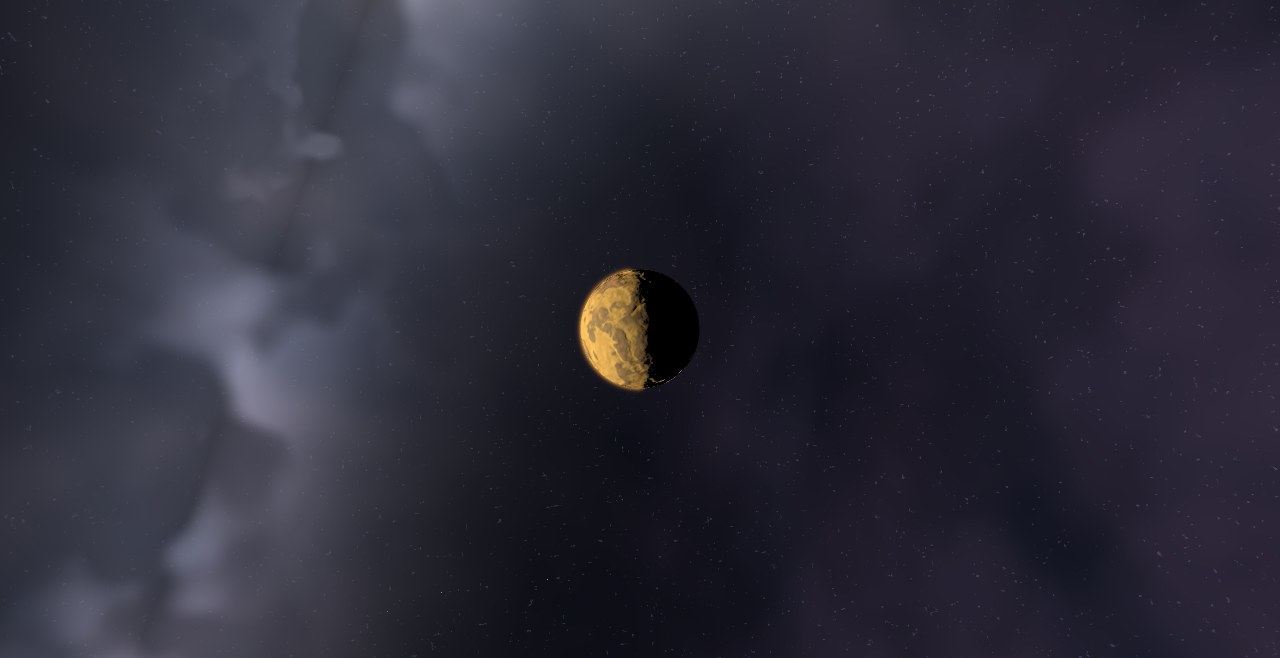
Kepler-165, a Sun-like G-type star of 0.75 solar masses, and Kepler-165 b, a planet with 2.3 Earth radii, with an orbital period of 8.2 days, at 0.072 AU from its star.
Kepler-1650, a cool M-dwarf of 0.33 solar masses, and Kepler-1650 b, a planet with 1.0 Earth radii, with an orbital period of 1.5 days.
Kepler-1651, an orange K-type dwarf of 0.52 solar masses, and Kepler-1651 b, a planet with 1.8 Earth radii, with an orbital period of 9.9 days, on an eccentric orbit (e ≈ 0.13).
Kepler-1652, a cool M-dwarf of 0.40 solar masses, and Kepler-1652 b, a planet with 1.6 Earth radii, with an orbital period of 38.1 days, at 0.165 AU from its star, and an equilibrium temperature near 268 K.
Kepler-1653, an orange K-type dwarf of 0.72 solar masses, and Kepler-1653 b, a planet with 2.2 Earth radii, with an orbital period of 140 days, at 0.471 AU from its star, and an equilibrium temperature near.
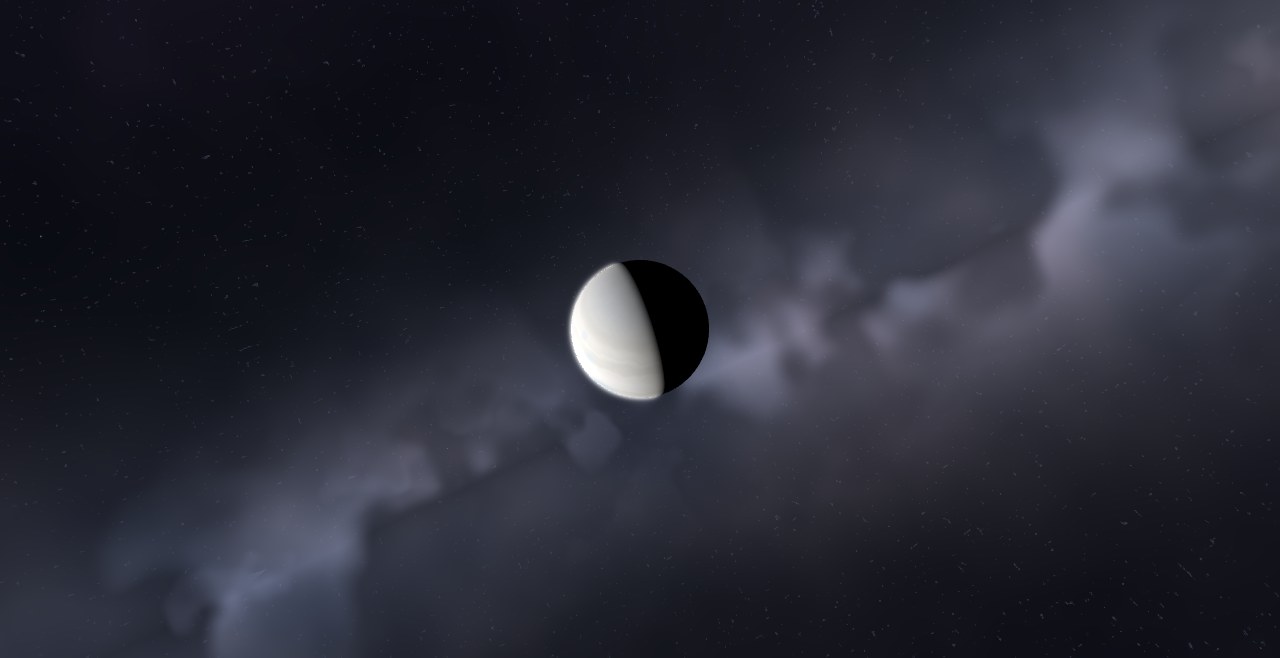
Kepler-1654, a Sun-like G-type star of 1.01 solar masses, and Kepler-1654 b, a 0.50-Jupiter-mass companion, with an orbital period of 2.87 years, at 2.026 AU from its star, and an equilibrium temperature near.
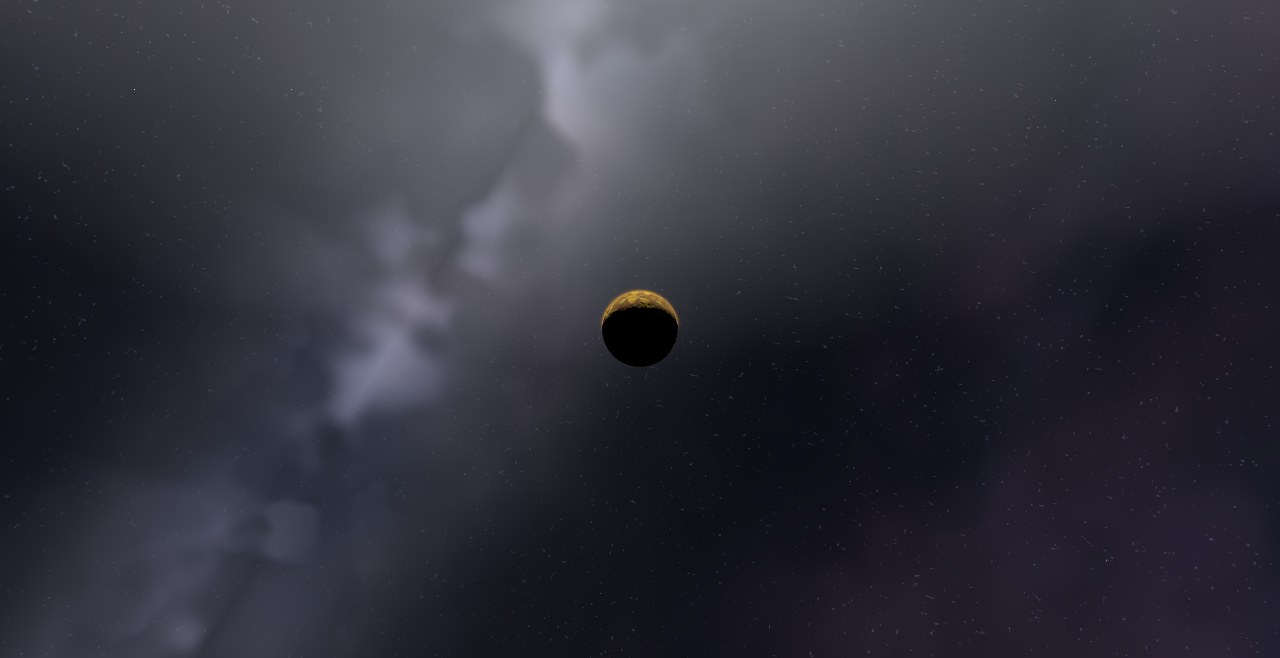
Kepler-1655, a Sun-like F-type star of 1.03 solar masses, and Kepler-1655 b, a 5.4-Earth-mass planet, with an orbital period of 11.9 days, at 0.103 AU from its star, and an equilibrium temperature near 938 K.
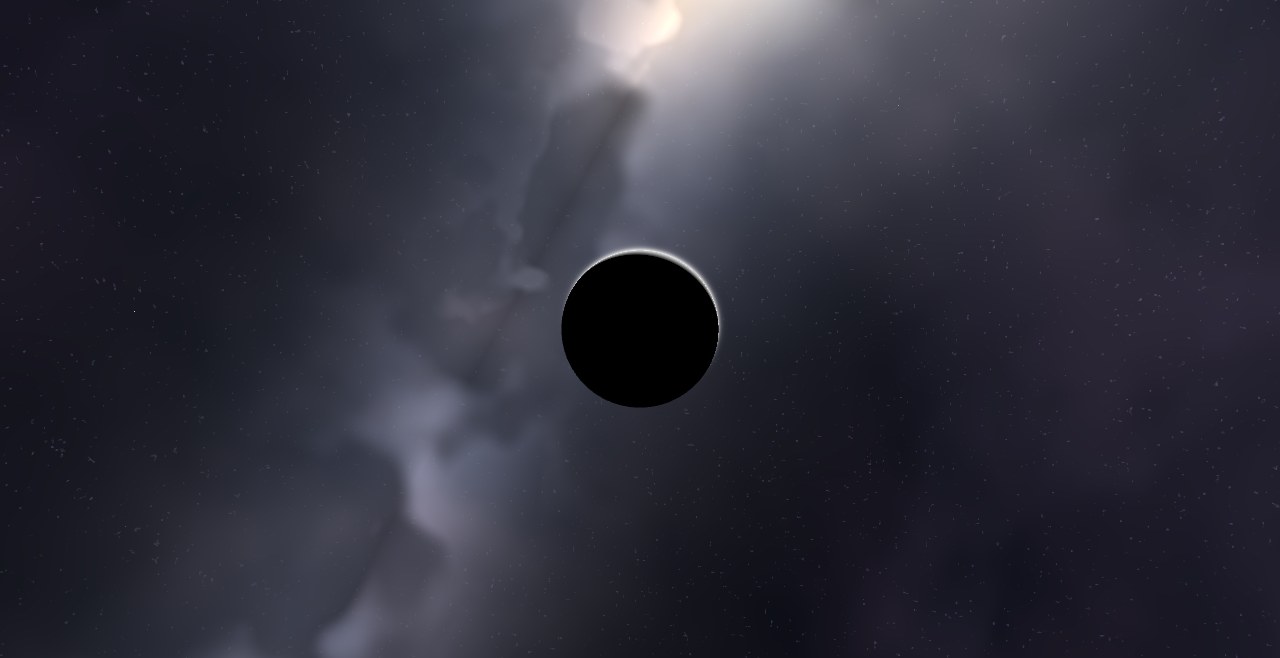
Kepler-1656, a Sun-like G-type star of 1.03 solar masses, and Kepler-1656 b, a 0.15-Jupiter-mass companion, with an orbital period of 31.6 days, at 0.197 AU from its star, on an eccentric orbit (e ≈ 0.84).
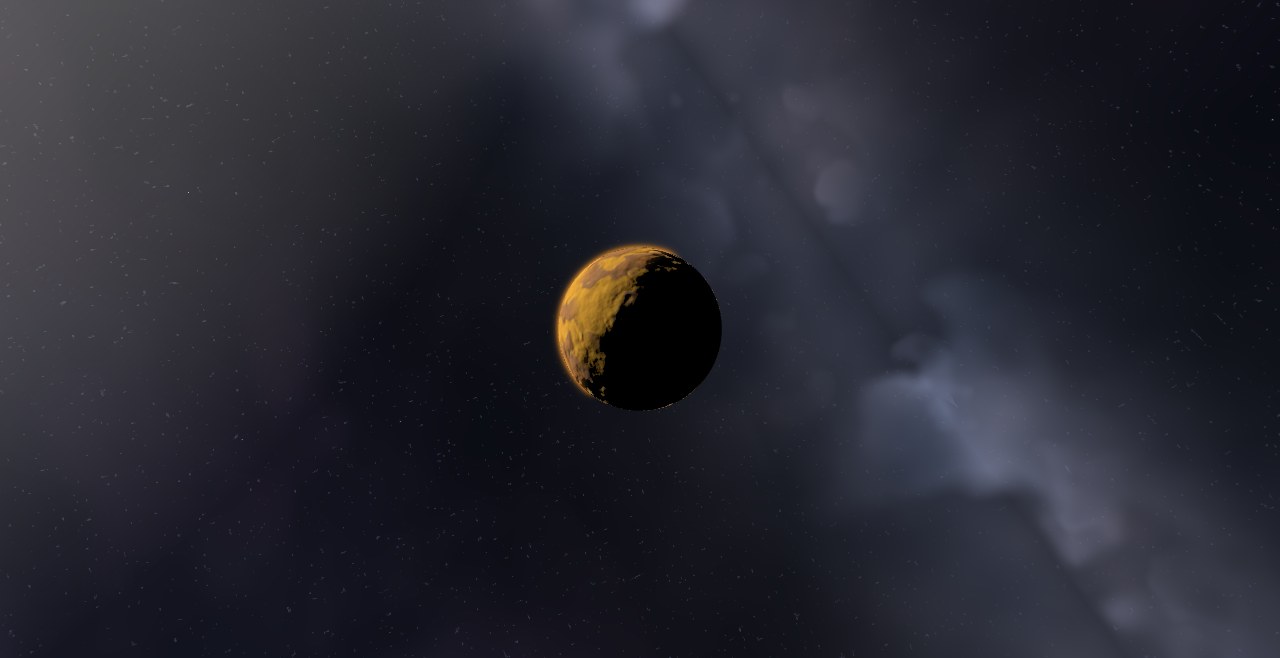
Kepler-166, a Sun-like G-type star of 0.88 solar masses, and Kepler-166 b, a planet with 2.3 Earth radii, with an orbital period of 7.7 days, at 0.072 AU from its star.
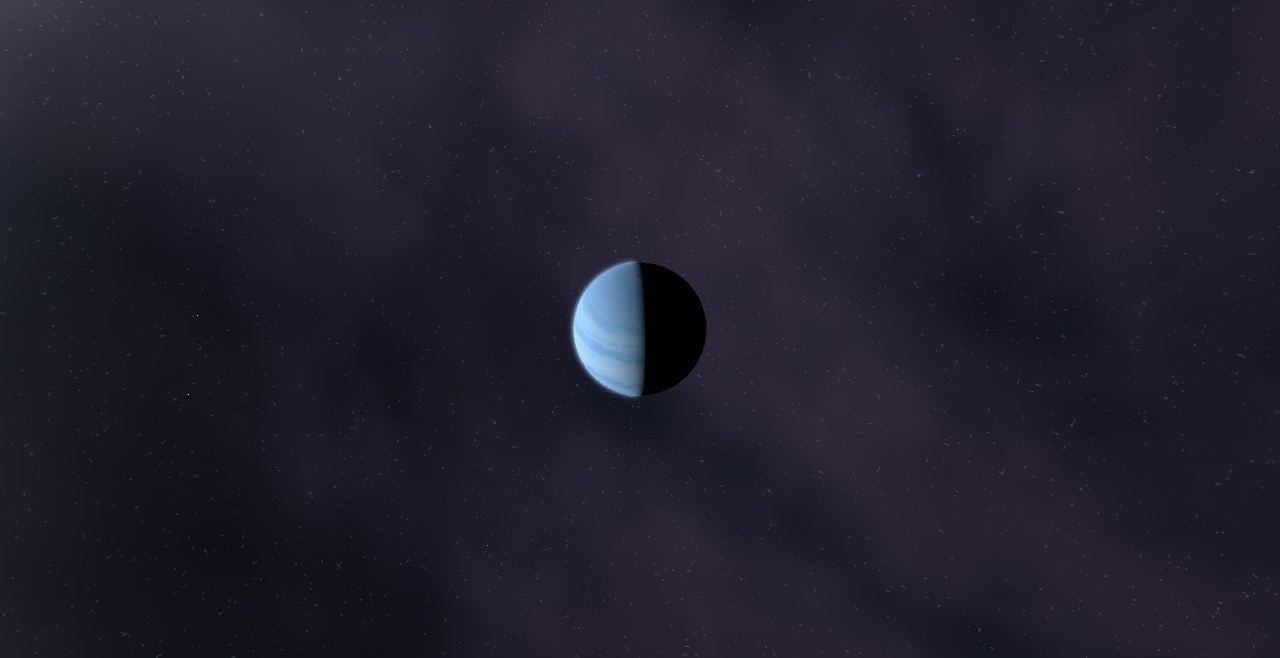
Kepler-1660 A, a Sun-like F-type star of 1.14 solar masses, and Kepler-1660 AB b, a 4.99-Jupiter-mass companion, with an orbital period of 240 days, on an eccentric orbit (e ≈ 0.06).
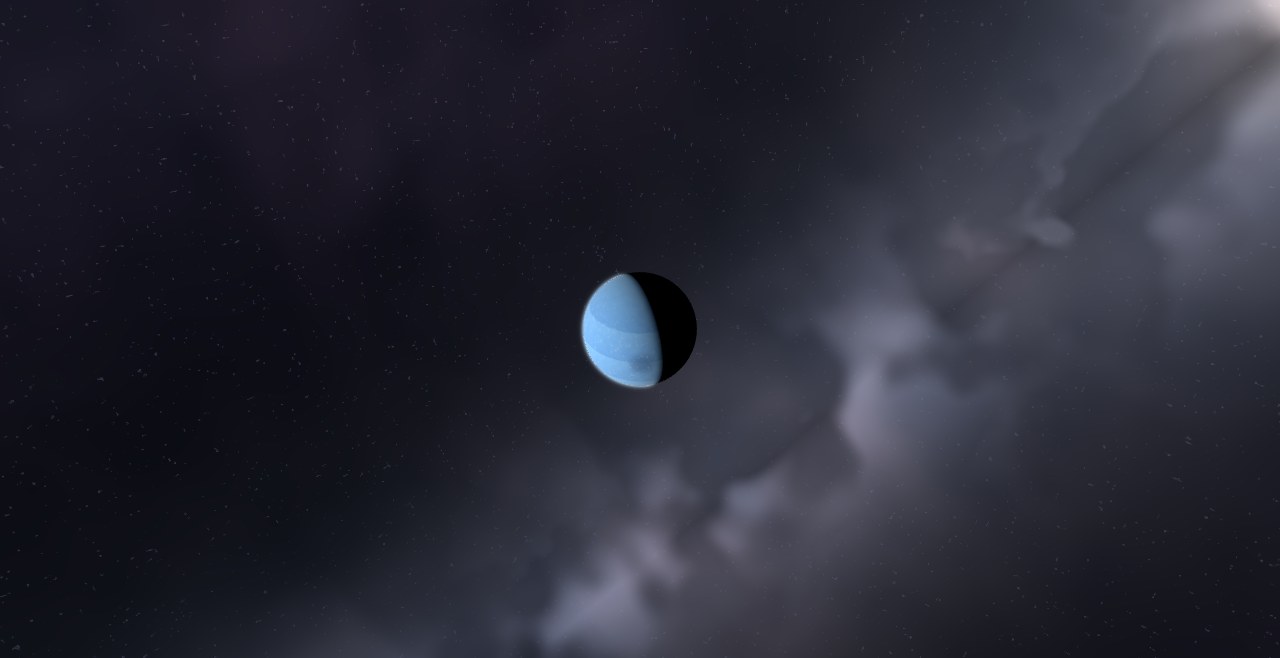
Kepler-1661, an orange K-type dwarf of 0.84 solar masses, and Kepler-1661 b, a 0.05-Jupiter-mass companion, with an orbital period of 175 days, at 0.633 AU from its star, and an equilibrium temperature near.
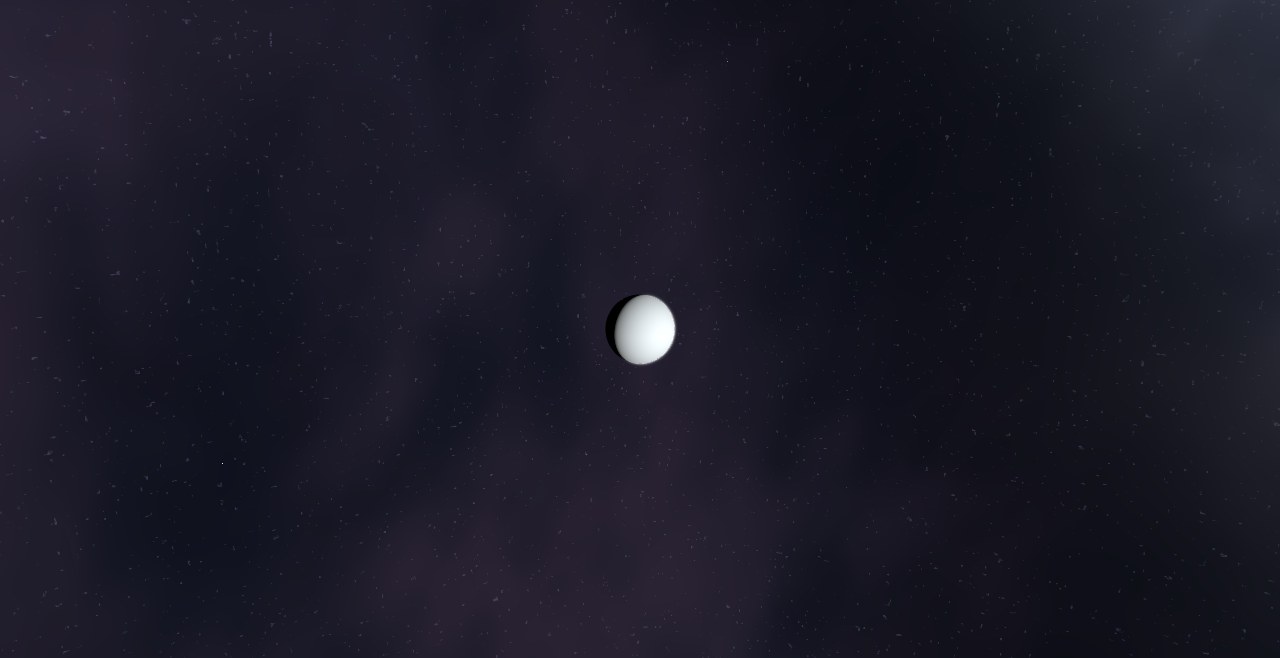
Kepler-1663, an orange K-type dwarf of 0.61 solar masses, and Kepler-1663 b, a planet with 3.3 Earth radii, with an orbital period of 17.6 days.
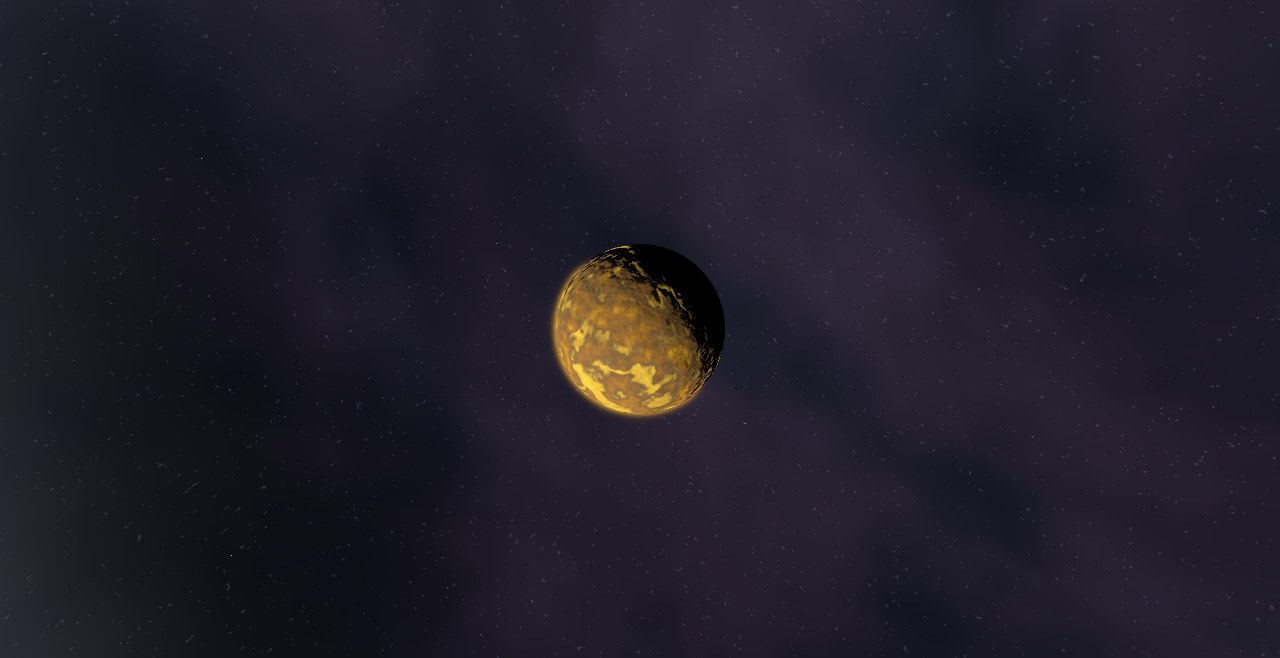
Kepler-1664, a Sun-like G-type star of 0.94 solar masses, and Kepler-1664 b, a planet with 3.0 Earth radii, with an orbital period of 14.4 days.
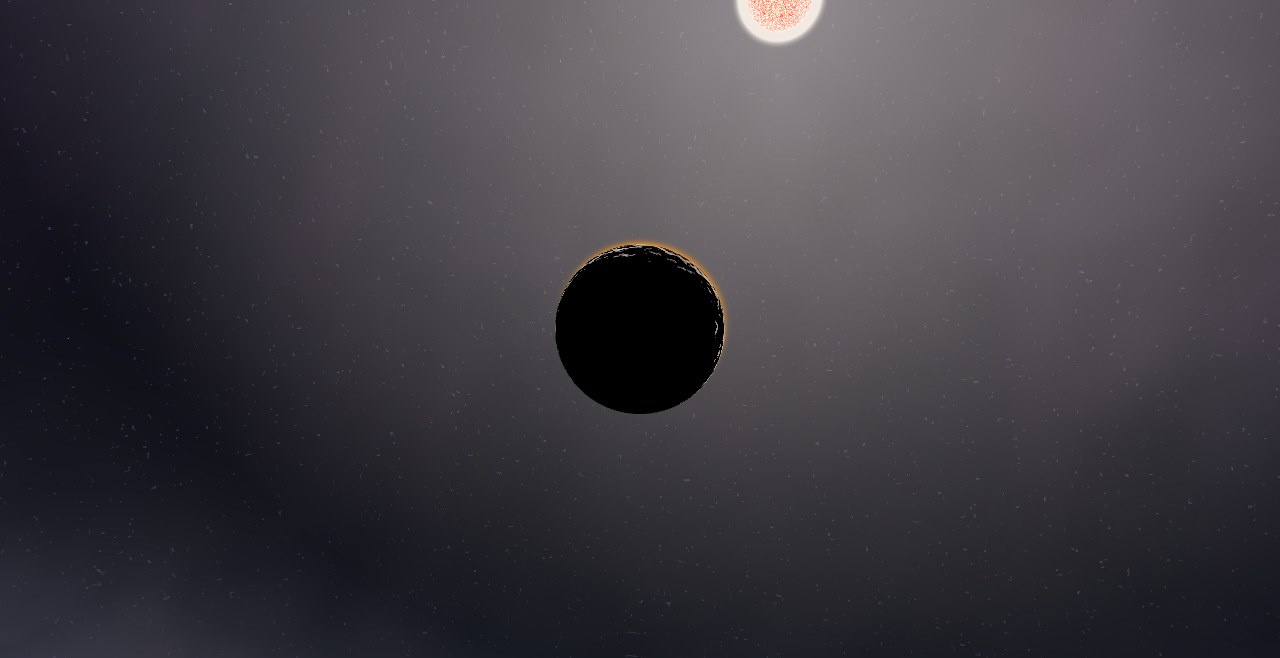
Kepler-1665, an orange K-type dwarf of 0.84 solar masses, and Kepler-1665 b, a planet with 2.8 Earth radii, with an orbital period of 12.0 days.
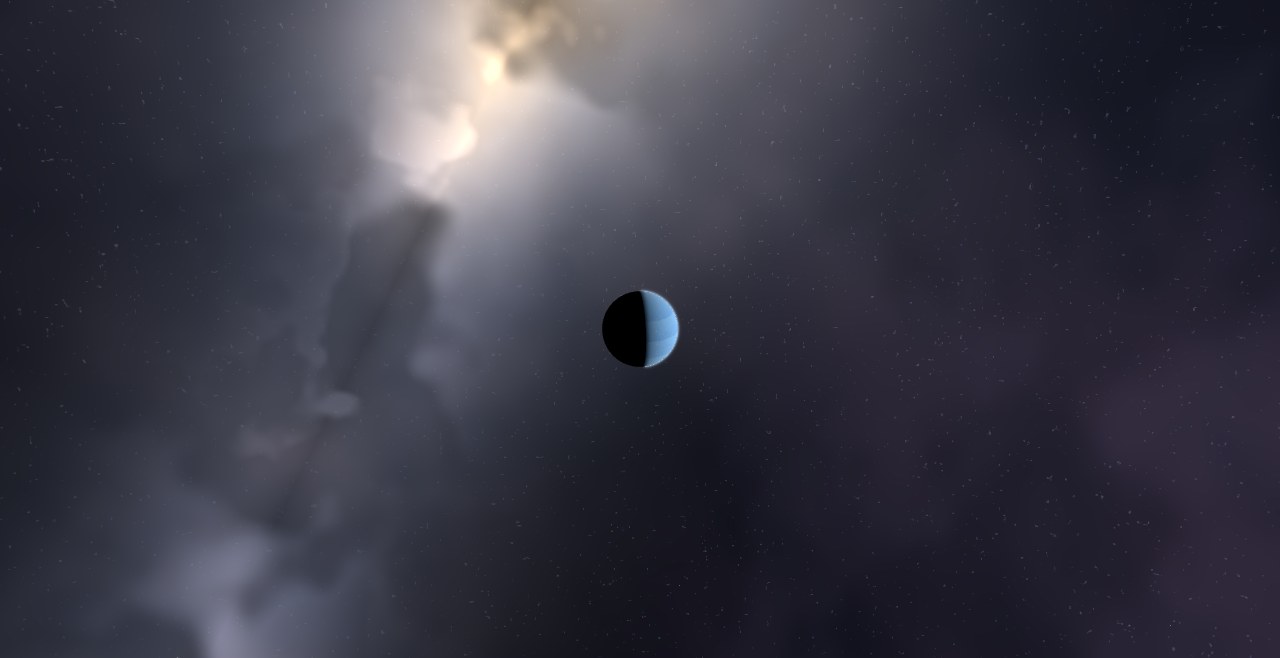
Kepler-1666, a Sun-like F-type star of 1.23 solar masses, and Kepler-1666 b, a planet with 2.9 Earth radii, with an orbital period of 25.8 days.