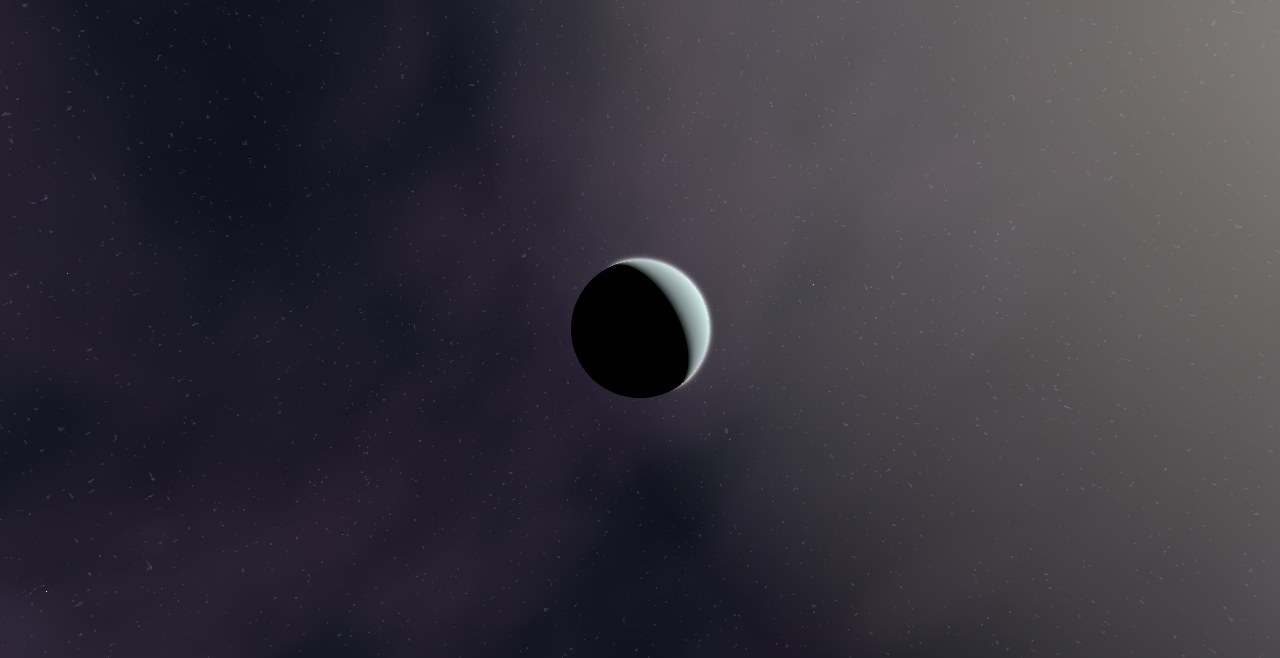
Kepler-305 - System
Kepler-305, an orange K-type dwarf of 0.83 solar masses, and Kepler-305 e, a planet with 1.8 Earth radii, with an orbital period of 3.2 days.
Exoplanets
Run dense, multi-planetary simulations showcasing stable configurations, close-proximity orbits, and planetary interactions.
Share
Kepler-305, an orange K-type dwarf of 0.83 solar masses, and Kepler-305 e, a planet with 1.8 Earth radii, with an orbital period of 3.2 days.
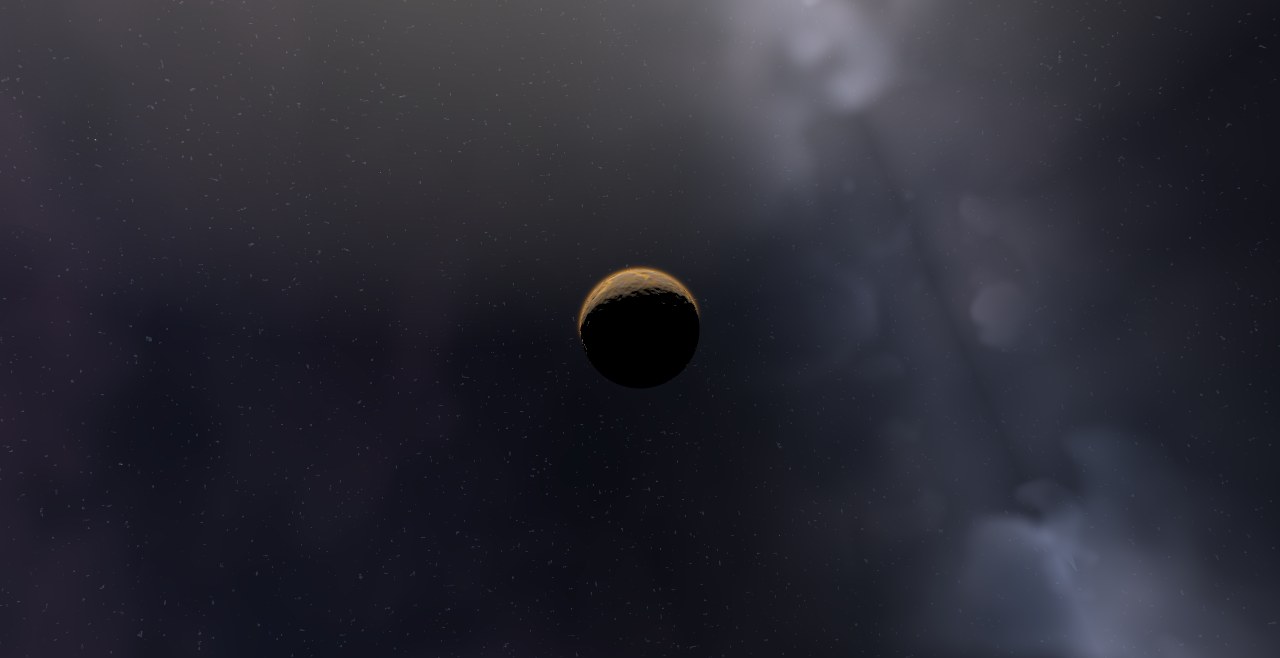
Kepler-306, an orange K-type dwarf of 0.75 solar masses, and Kepler-306 b, a planet with 1.5 Earth radii, with an orbital period of 4.6 days, at 0.050 AU from its star.
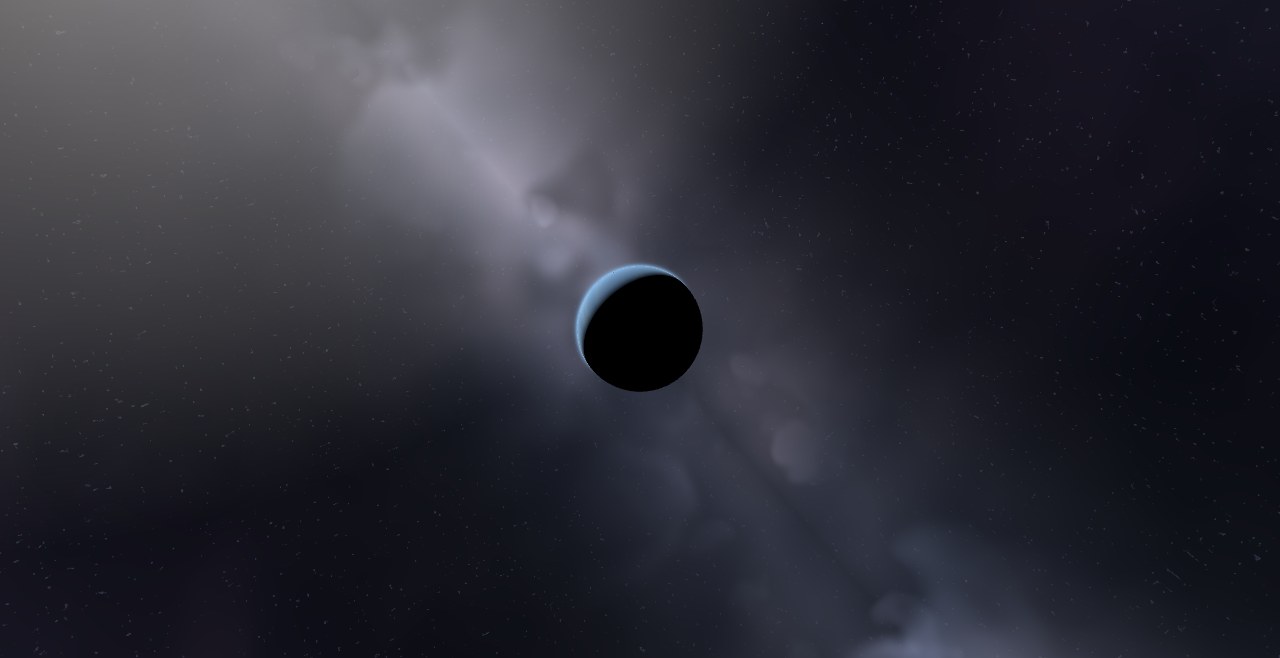
Kepler-324, a Sun-like G-type star of 0.90 solar masses, and Kepler-324 b, a planet with 1.1 Earth radii, with an orbital period of 4.4 days, at 0.050 AU from its star.
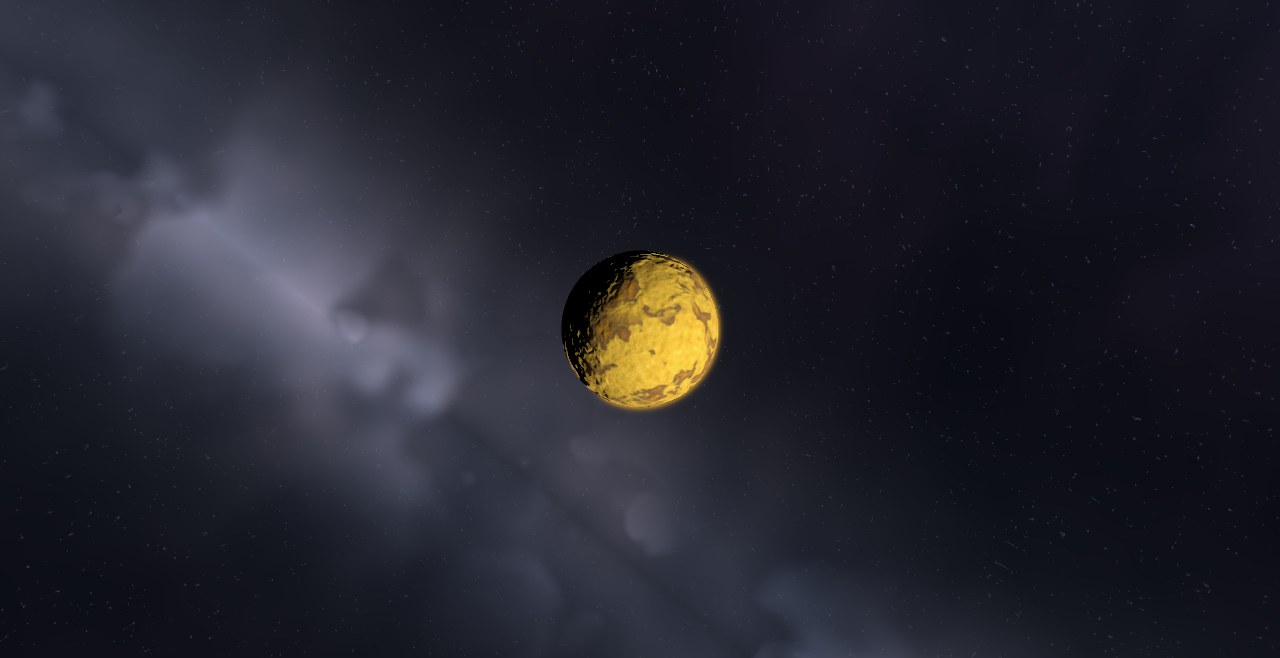
Kepler-338, a Sun-like G-type star of 1.14 solar masses, and Kepler-338 b, a planet with 2.4 Earth radii, with an orbital period of 13.7 days, at 0.117 AU from its star.
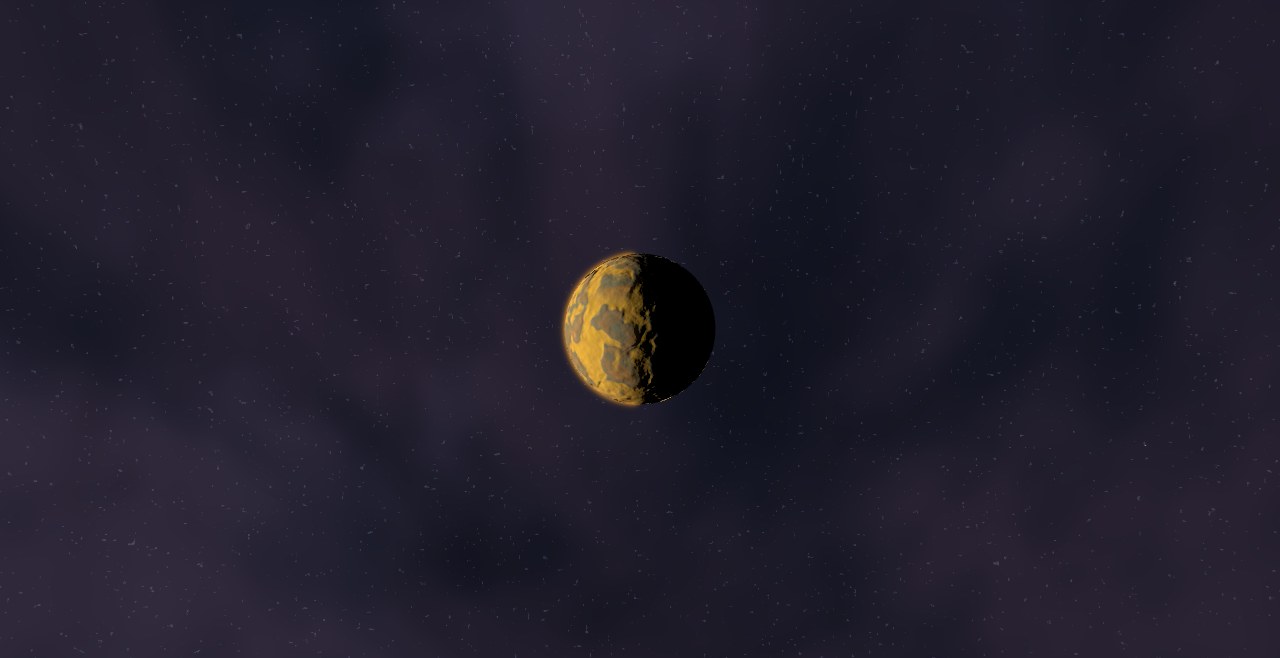
Kepler-341, a Sun-like F-type star of 0.98 solar masses, and Kepler-341 b, a planet with 1.2 Earth radii, with an orbital period of 5.2 days, at 0.060 AU from its star.
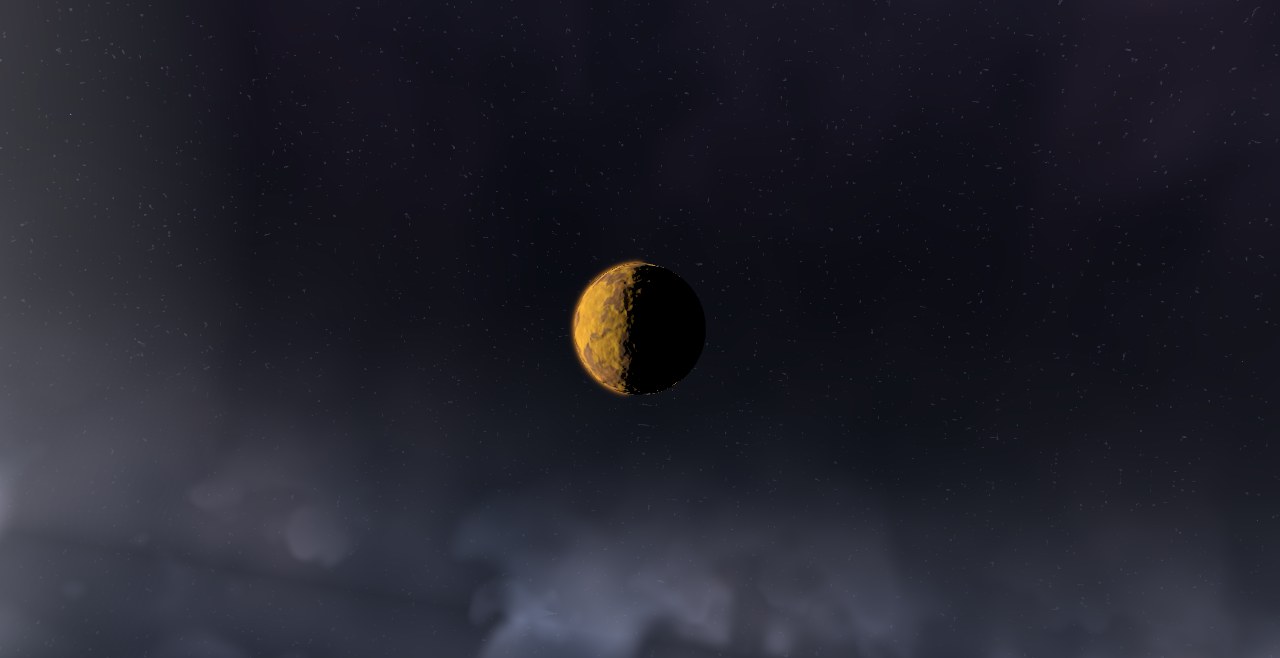
Kepler-342, a Sun-like F-type star of 1.26 solar masses, and Kepler-342 b, a planet with 2.3 Earth radii, with an orbital period of 15.2 days, at 0.128 AU from its star.
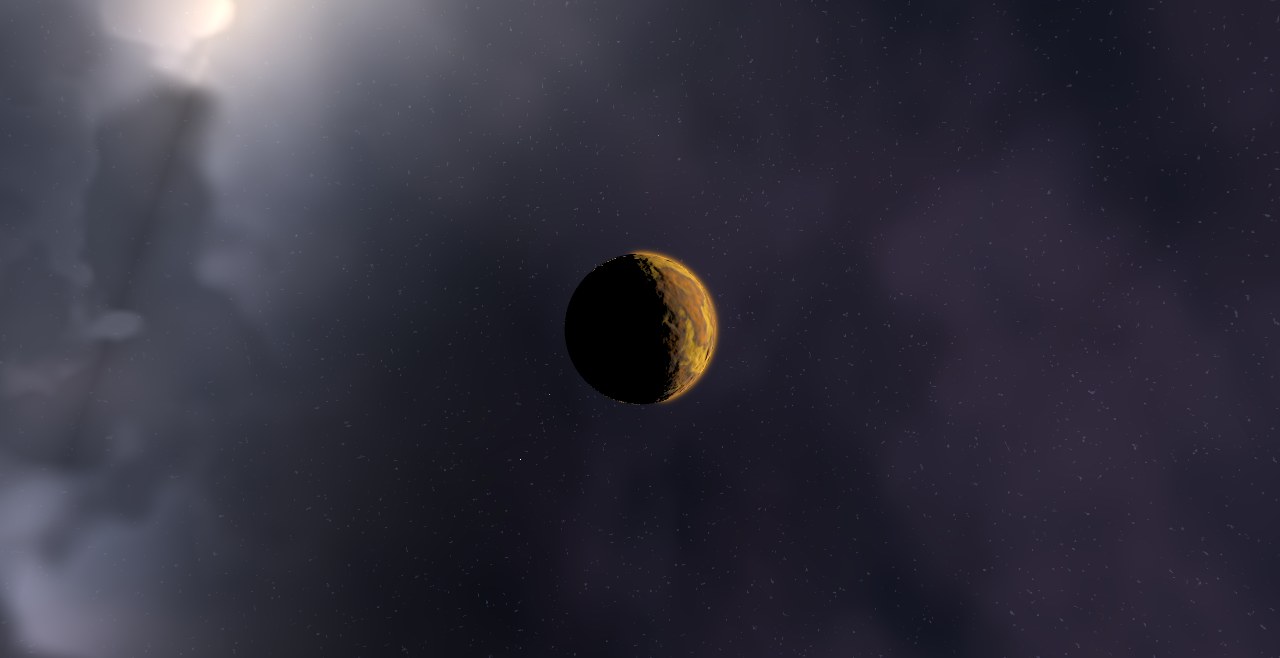
Kepler-37, famous for Kepler-37 b, announced as a planet smaller than Mercury. The inner world is one of the tiniest Kepler ever found. The host is a bright G dwarf, so the tiny dips were hard-won.
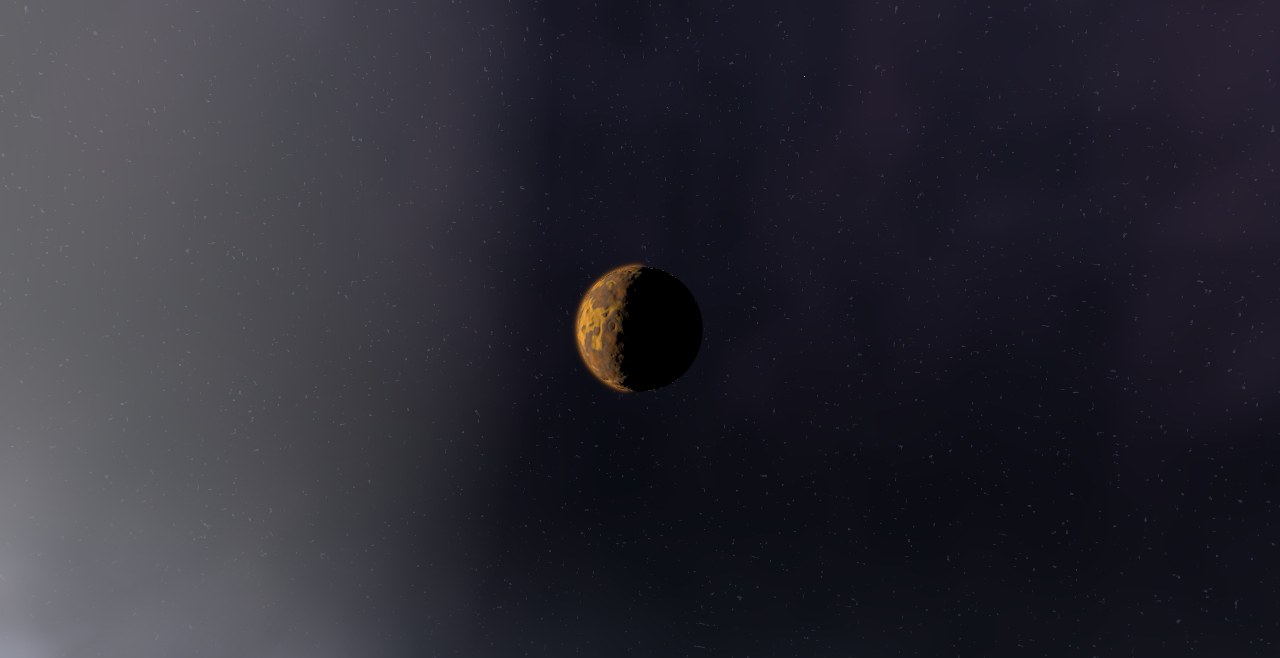
Kepler-402, a Sun-like F-type star of 1.07 solar masses, and Kepler-402 b, a planet with 1.2 Earth radii, with an orbital period of 4.0 days, at 0.051 AU from its star.
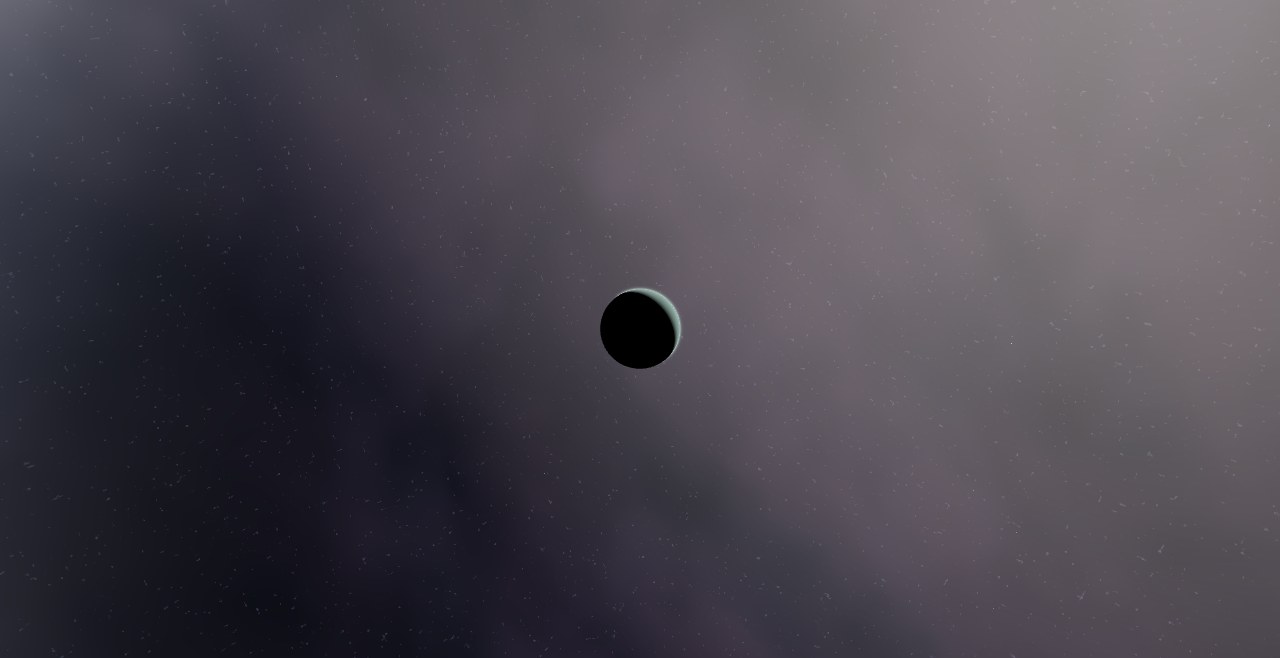
Kepler-411, an orange K-type dwarf of 0.87 solar masses, and Kepler-411 b, a 0.08-Jupiter-mass companion, with an orbital period of 3.0 days, at 0.037 AU from its star, and an equilibrium temperature near.
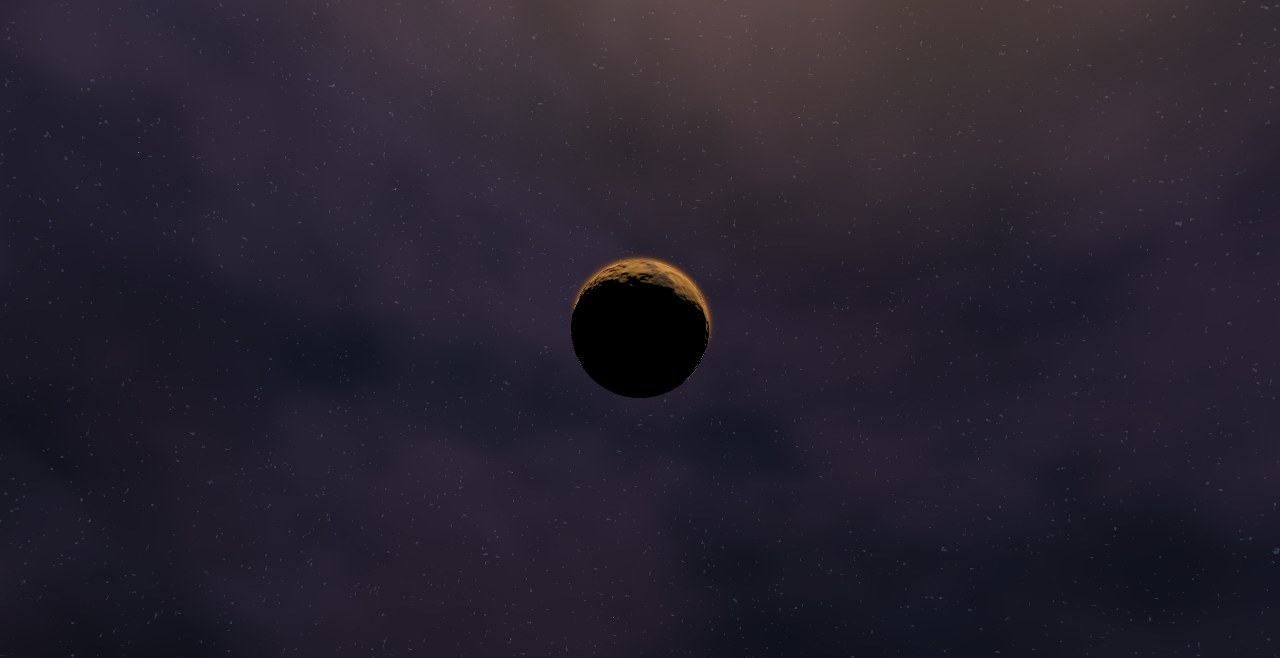
Kepler-49, an orange K-type dwarf of 0.61 solar masses, and Kepler-49 d, a planet with 1.6 Earth radii, with an orbital period of 2.6 days, at 0.031 AU from its star.
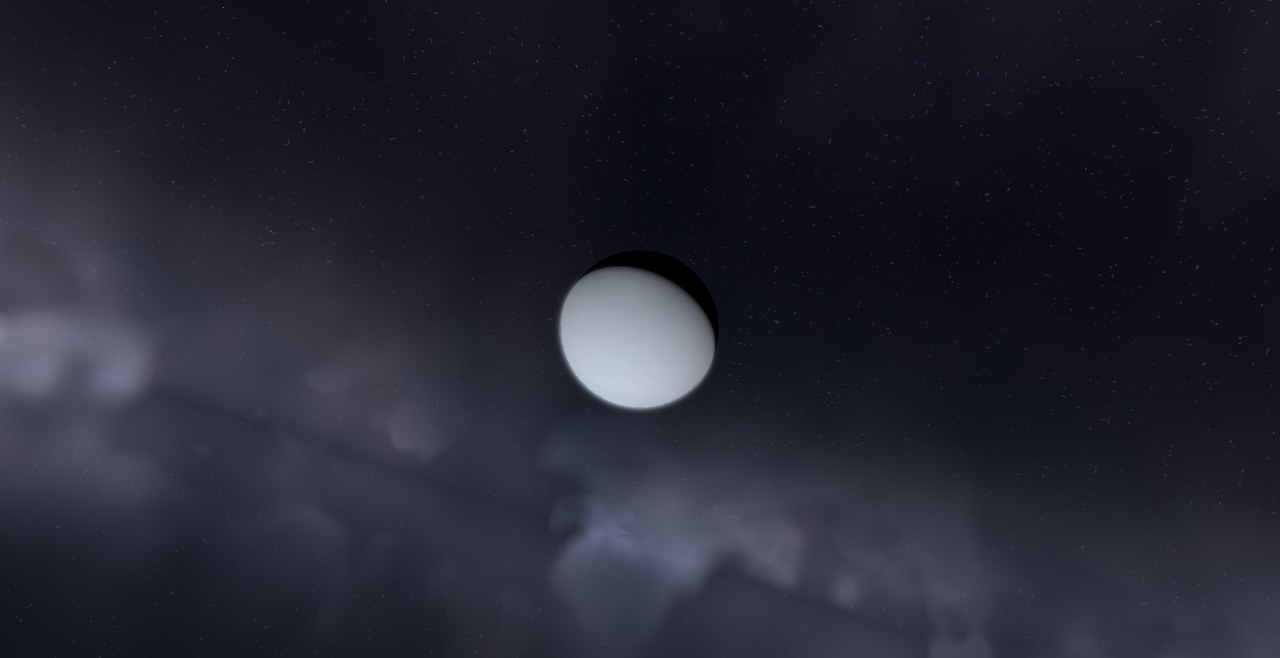
Kepler-58, a Sun-like G-type star of 0.95 solar masses, and Kepler-58 e, a planet with 1.6 Earth radii, with an orbital period of 4.5 days, at 0.053 AU from its star, and an equilibrium temperature near 1,212 K.
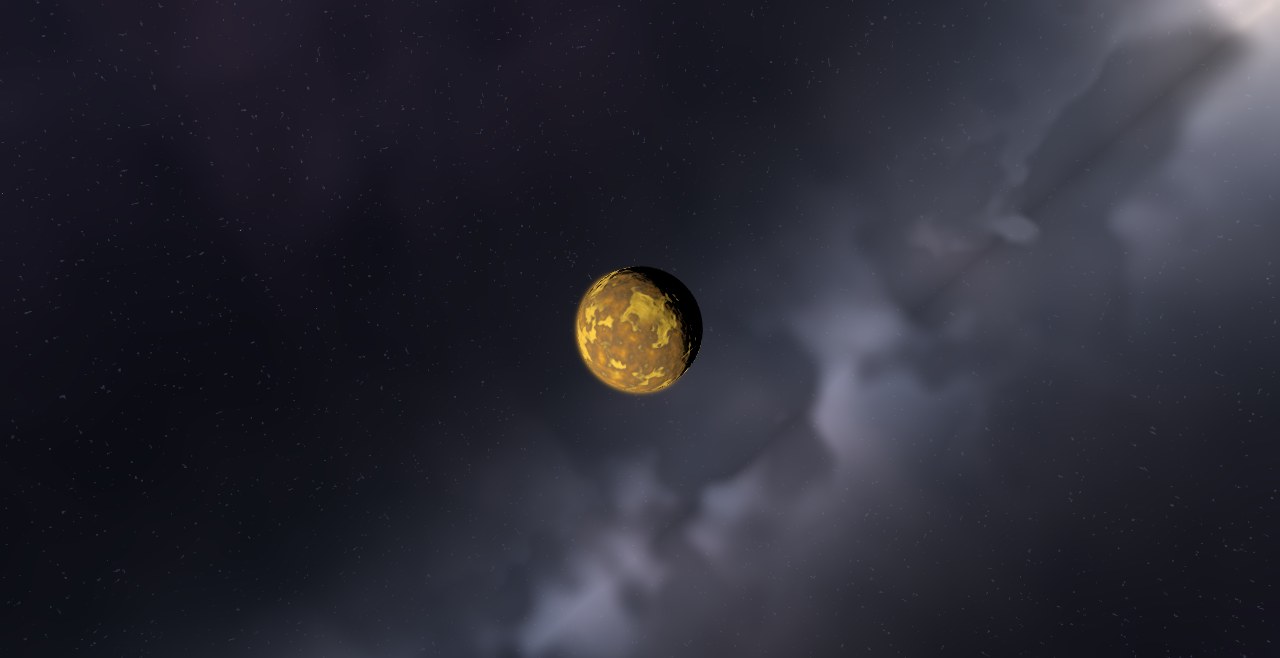
Kepler-65, a Sun-like F-type star of 1.25 solar masses, and Kepler-65 b, a planet with 1.4 Earth radii, with an orbital period of 2.2 days, at 0.035 AU from its star.
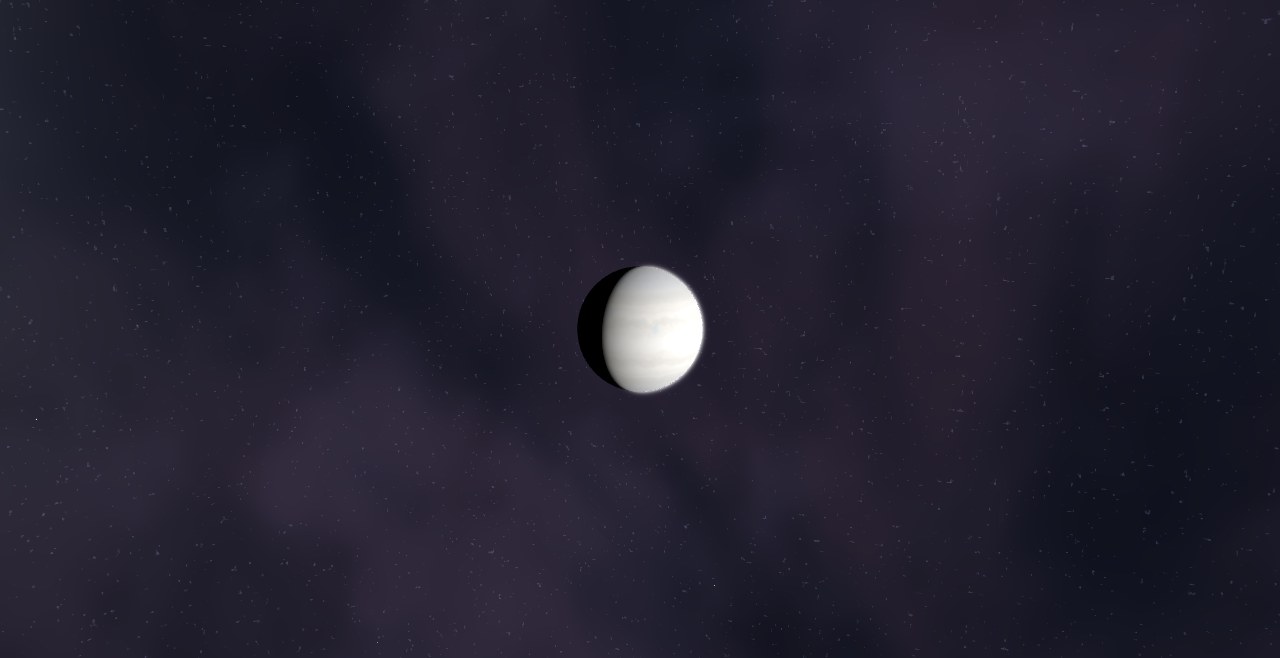
Kepler-68, a Sun-like G-type star of 1.06 solar masses, and Kepler-68 b, a 8.0-Earth-mass planet, with an orbital period of 5.4 days, at 0.061 AU from its star, and an equilibrium temperature near 1,275 K.
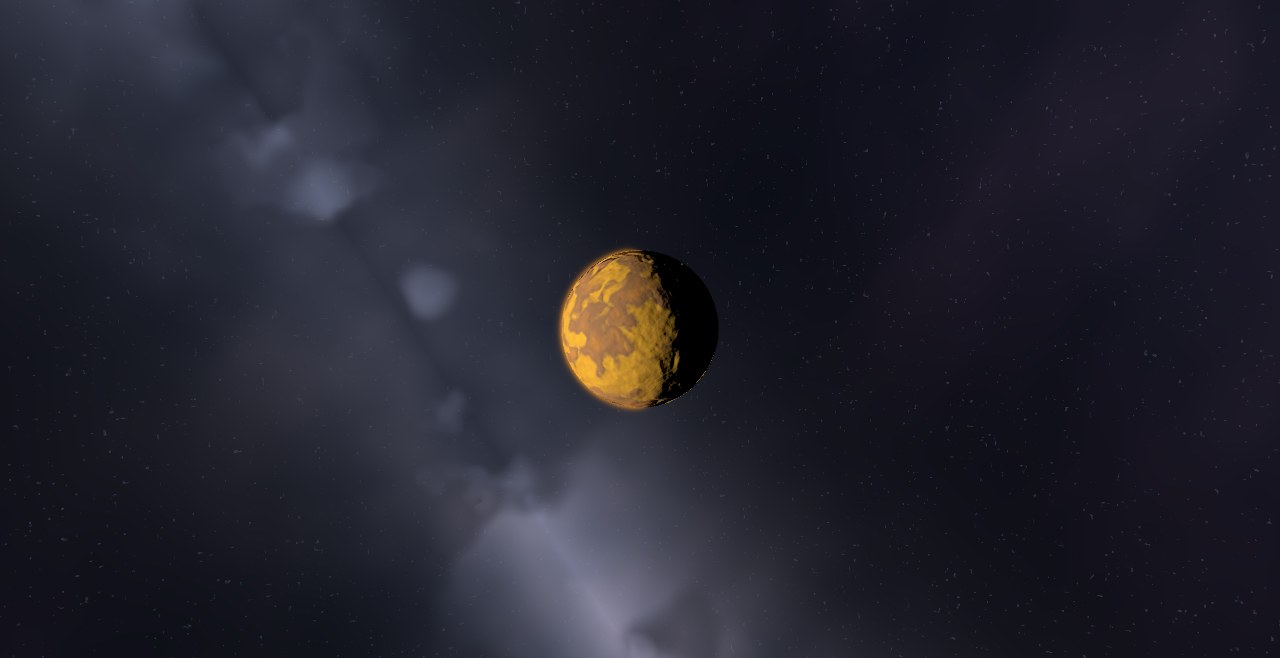
Kepler-758, a Sun-like F-type star of 1.16 solar masses, and Kepler-758 c, a planet with 1.7 Earth radii, with an orbital period of 4.8 days.
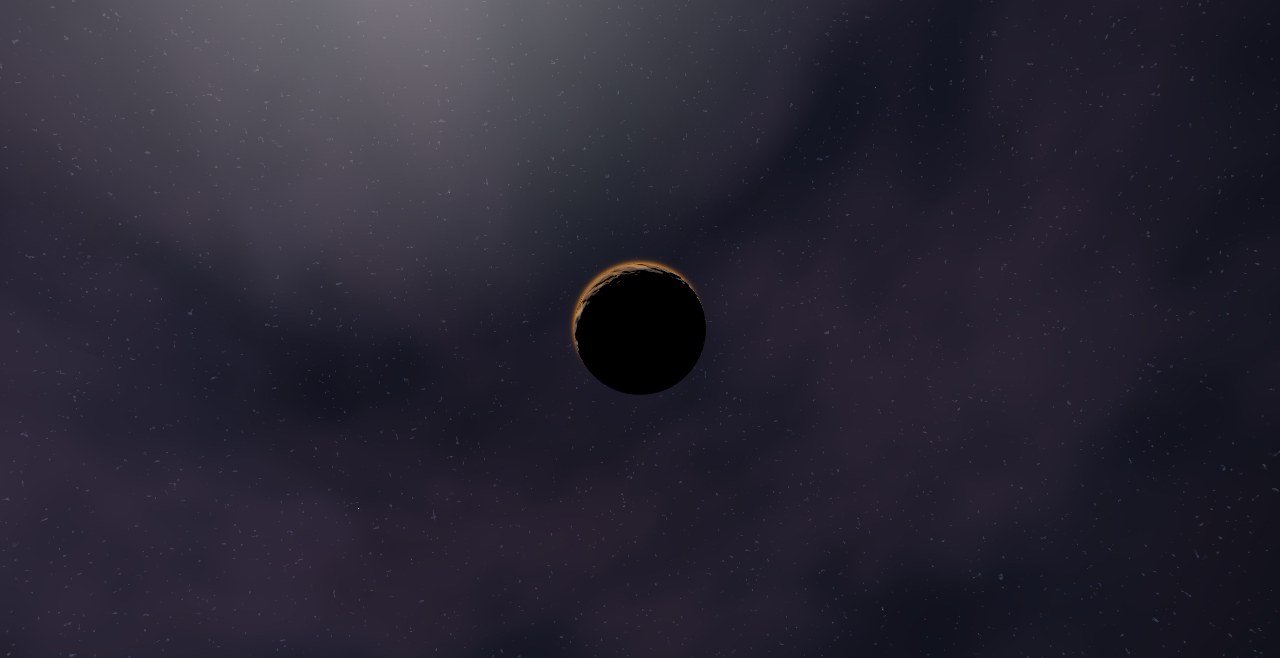
Kepler-79, four low-density planets near resonance. Like Kepler-51, they are puffier than their masses suggest, a clue to thick atmospheres.
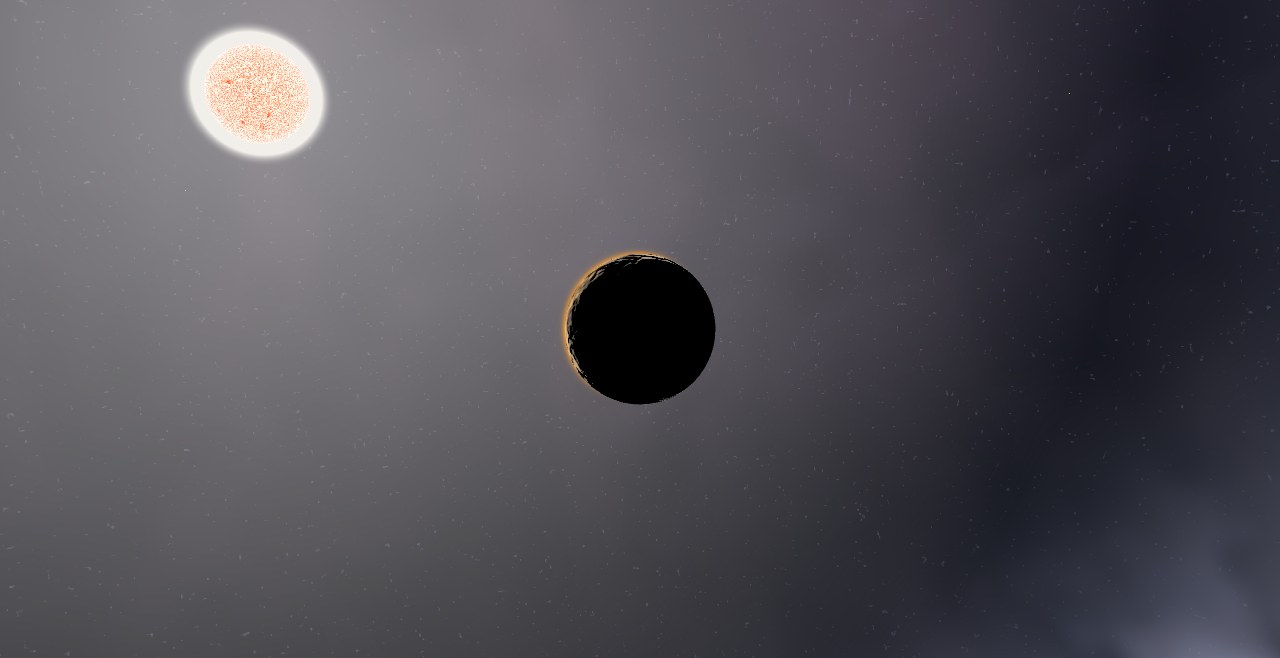
Kepler-85, a Sun-like G-type star of 0.93 solar masses, and Kepler-85 d, a planet with 1.2 Earth radii, with an orbital period of 17.9 days, at 0.130 AU from its star.
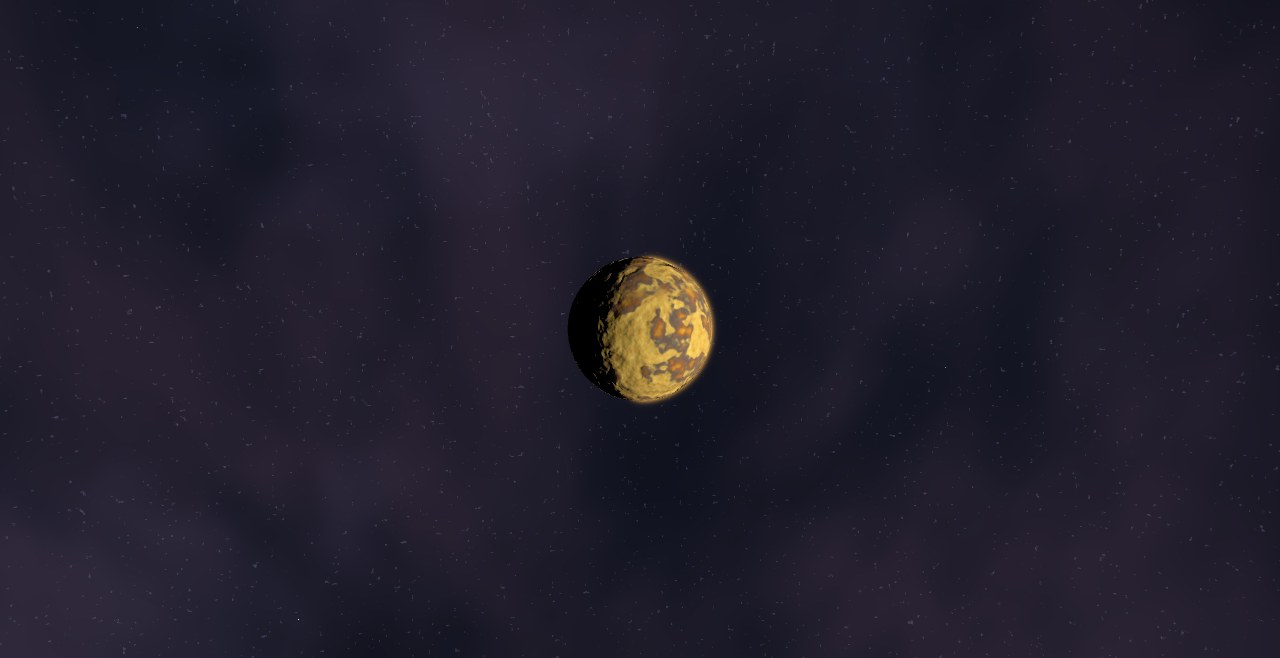
LHS 1903, a cool M-dwarf of 0.54 solar masses, and LHS 1903 b, a 3.3-Earth-mass planet, with an orbital period of 2.2 days, at 0.027 AU from its star, and an equilibrium temperature near 796 K.
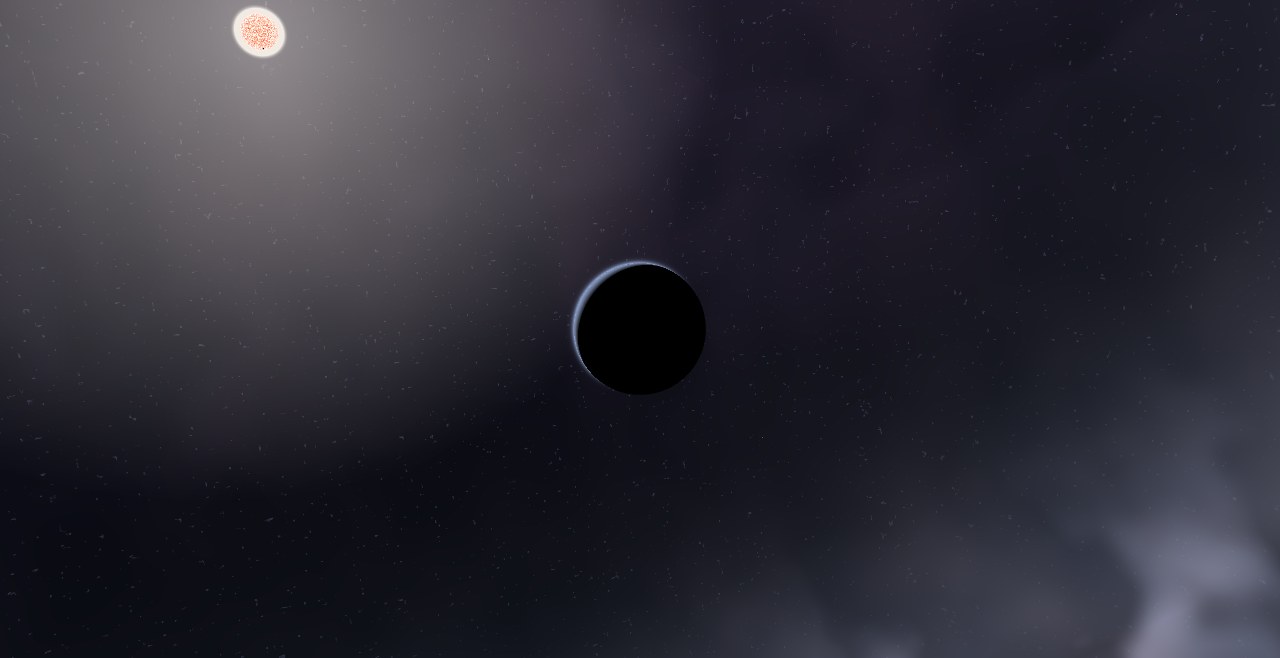
TOI-1246, an orange K-type dwarf of 0.87 solar masses, and TOI-1246 b, a 8.1-Earth-mass planet, with an orbital period of 4.3 days, at 0.049 AU from its star, and an equilibrium temperature near 955 K.