Kepler-215 - System
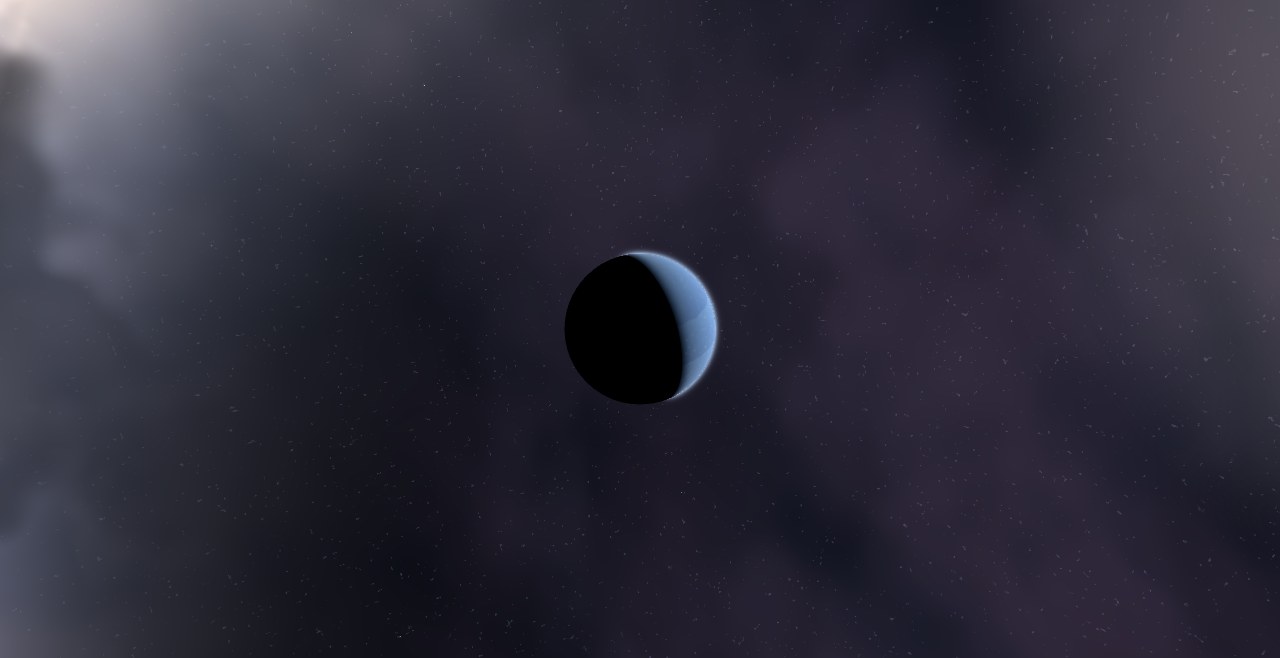
Kepler-215, a Sun-like G-type star of 0.79 solar masses, and Kepler-215 b, a planet with 1.6 Earth radii, with an orbital period of 9.4 days, at 0.084 AU from its star.
Exoplanets
Run dense, multi-planetary simulations showcasing stable configurations, close-proximity orbits, and planetary interactions.
Share
Kepler-215, a Sun-like G-type star of 0.79 solar masses, and Kepler-215 b, a planet with 1.6 Earth radii, with an orbital period of 9.4 days, at 0.084 AU from its star.
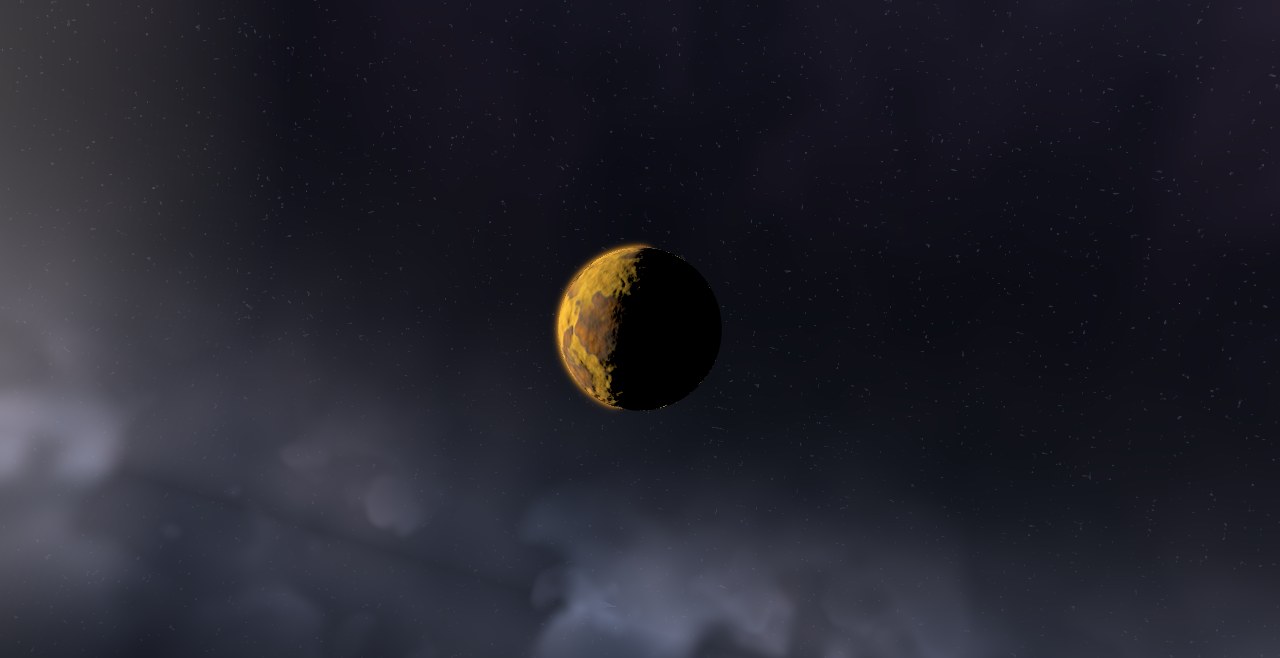
Kepler-220, an orange K-type dwarf of 0.73 solar masses, and Kepler-220 b, a planet with 0.8 Earth radii, with an orbital period of 4.2 days, at 0.046 AU from its star.
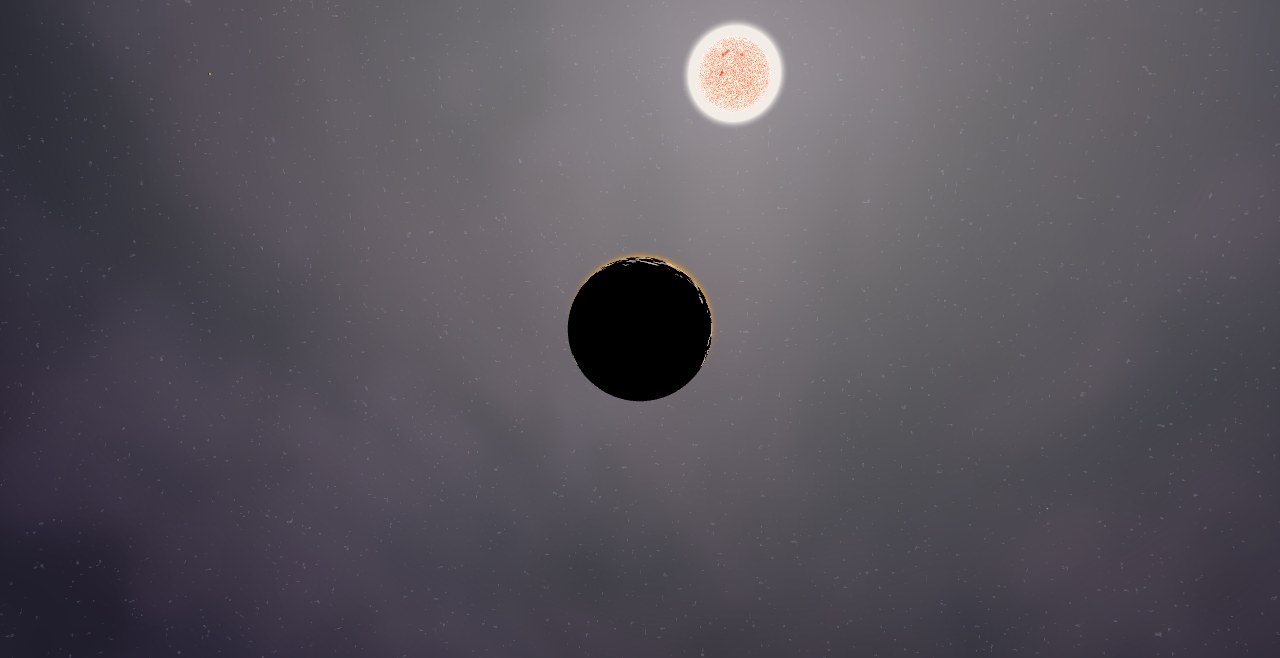
Kepler-221, a Sun-like G-type star of 0.85 solar masses, and Kepler-221 b, a planet with 1.7 Earth radii, with an orbital period of 2.8 days, at 0.037 AU from its star.
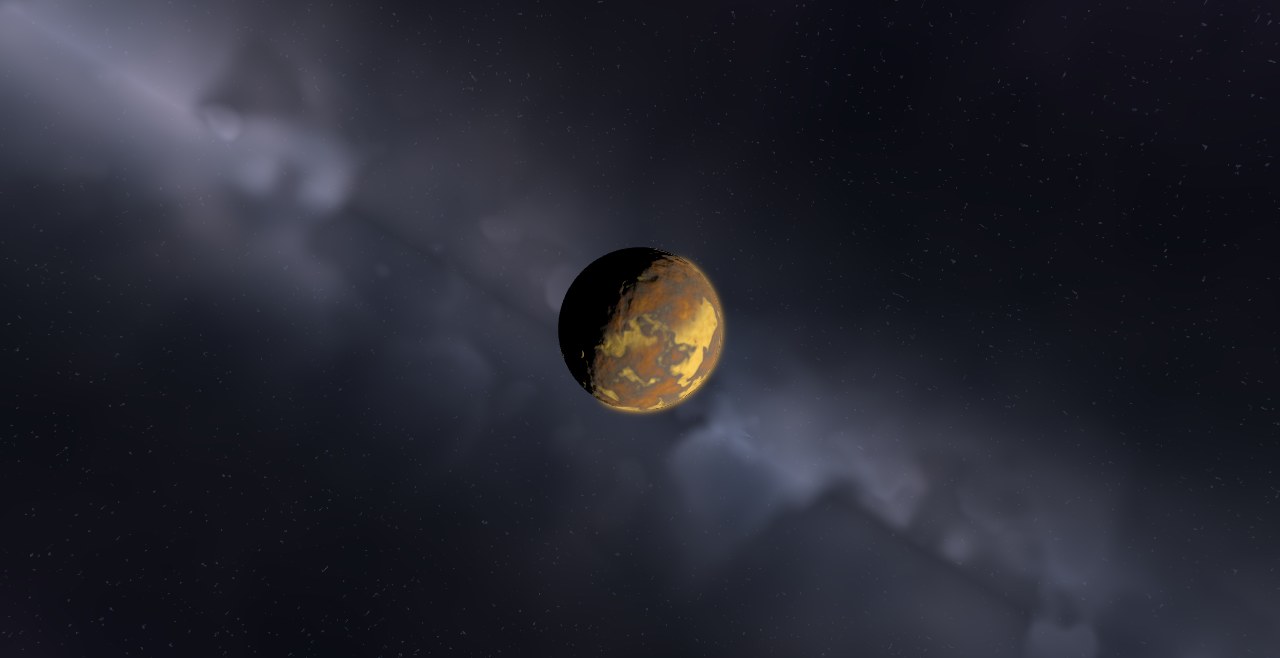
Kepler-223, four planets locked in a chain of mean-motion resonances. Their orbits repeat like a gravitational clockwork. Neighboring pairs sit in 4:3, 3:2, and 4:3 resonances.
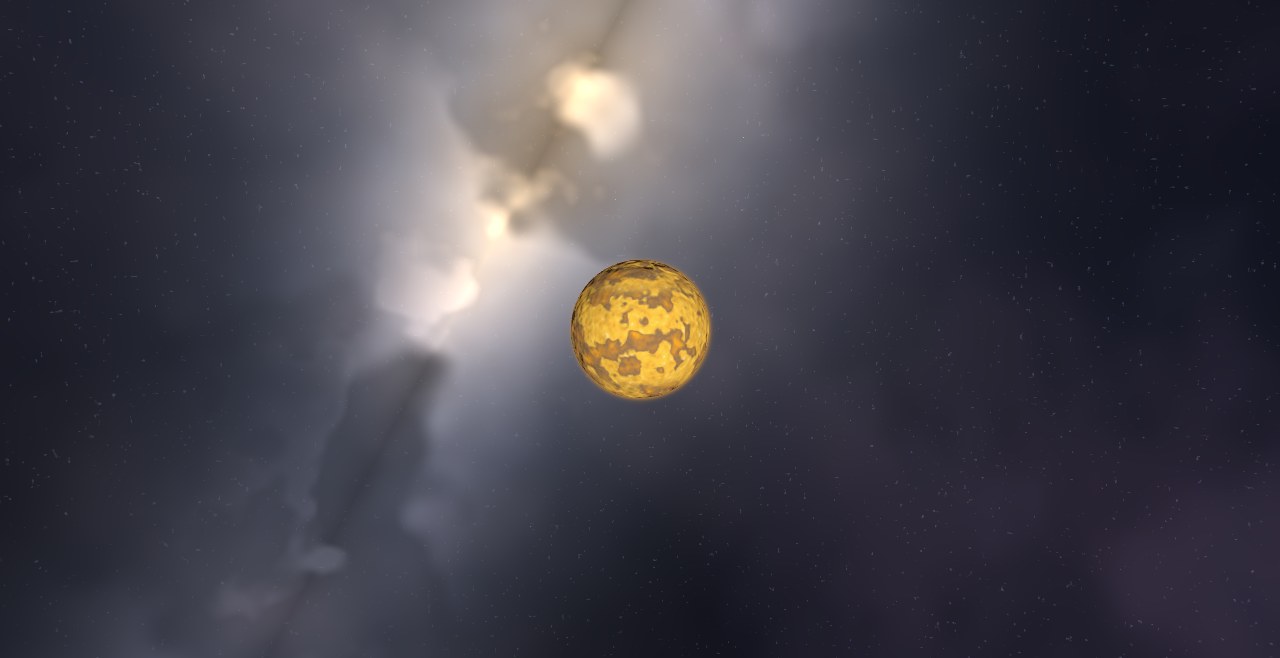
Kepler-224, an orange K-type dwarf of 0.78 solar masses, and Kepler-224 b, a planet with 1.4 Earth radii, with an orbital period of 3.1 days, at 0.038 AU from its star.
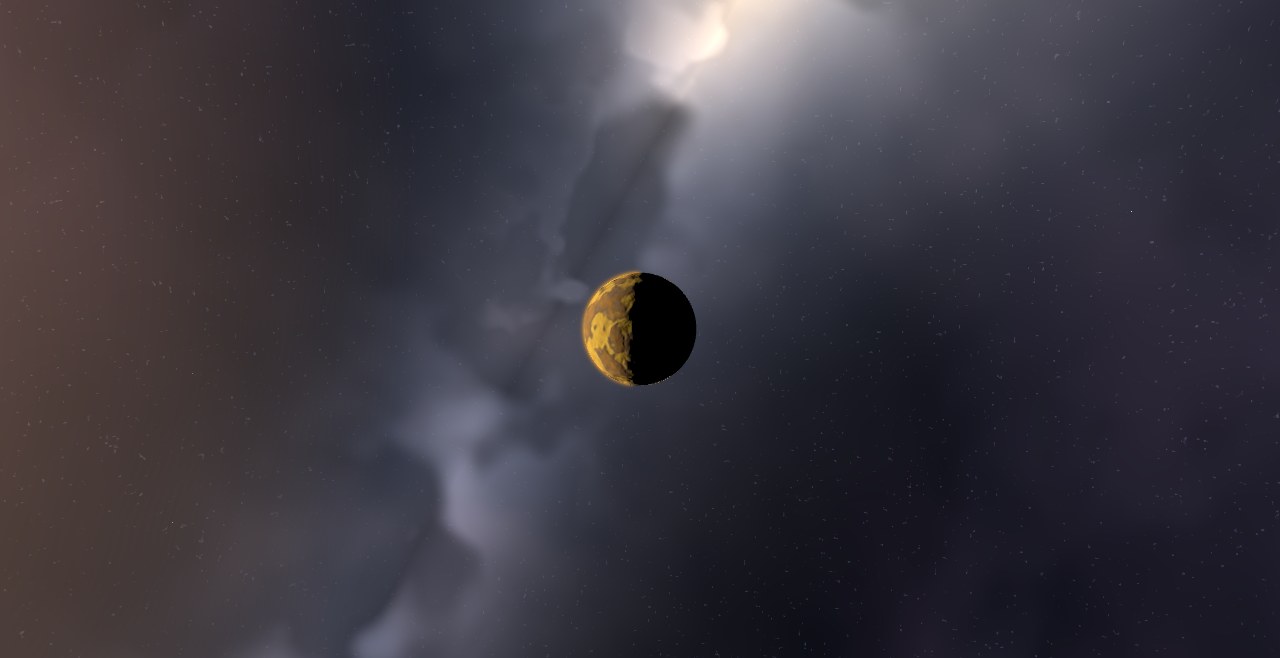
Kepler-235, an orange K-type dwarf of 0.58 solar masses, and Kepler-235 b, a planet with 2.2 Earth radii, with an orbital period of 3.3 days, at 0.037 AU from its star.
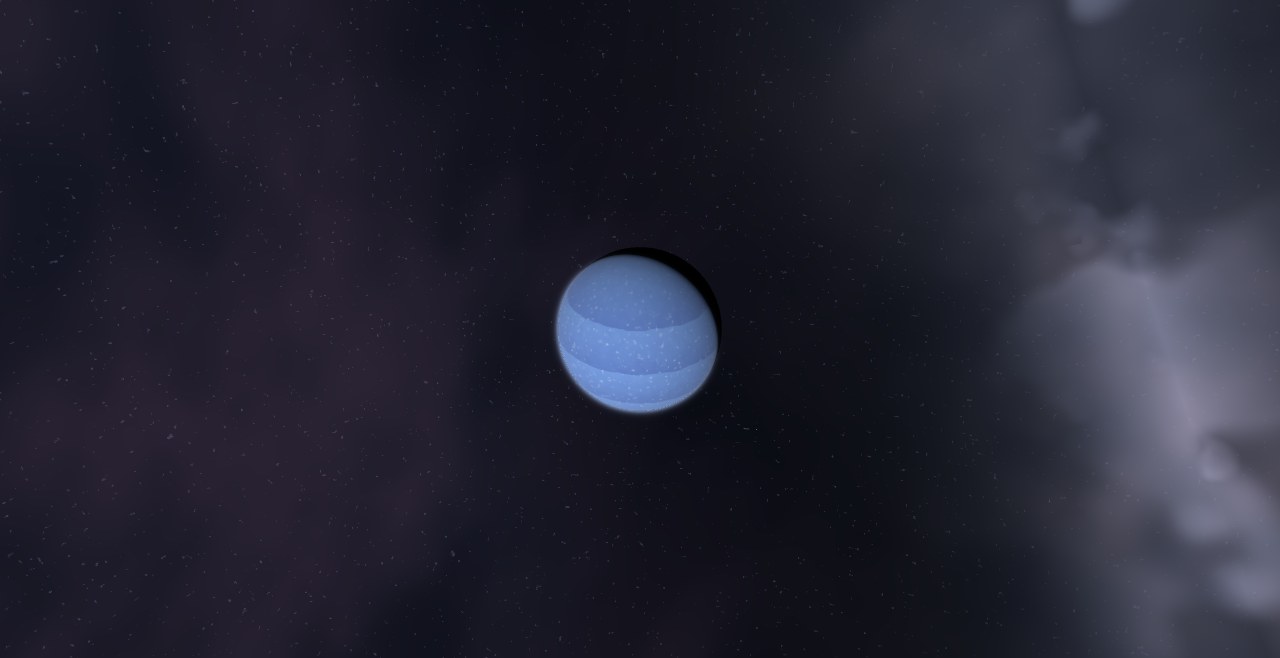
Kepler-24, a Sun-like F-type star of 1.06 solar masses, and Kepler-24 d, a planet with 1.7 Earth radii, with an orbital period of 4.2 days, at 0.051 AU from its star.
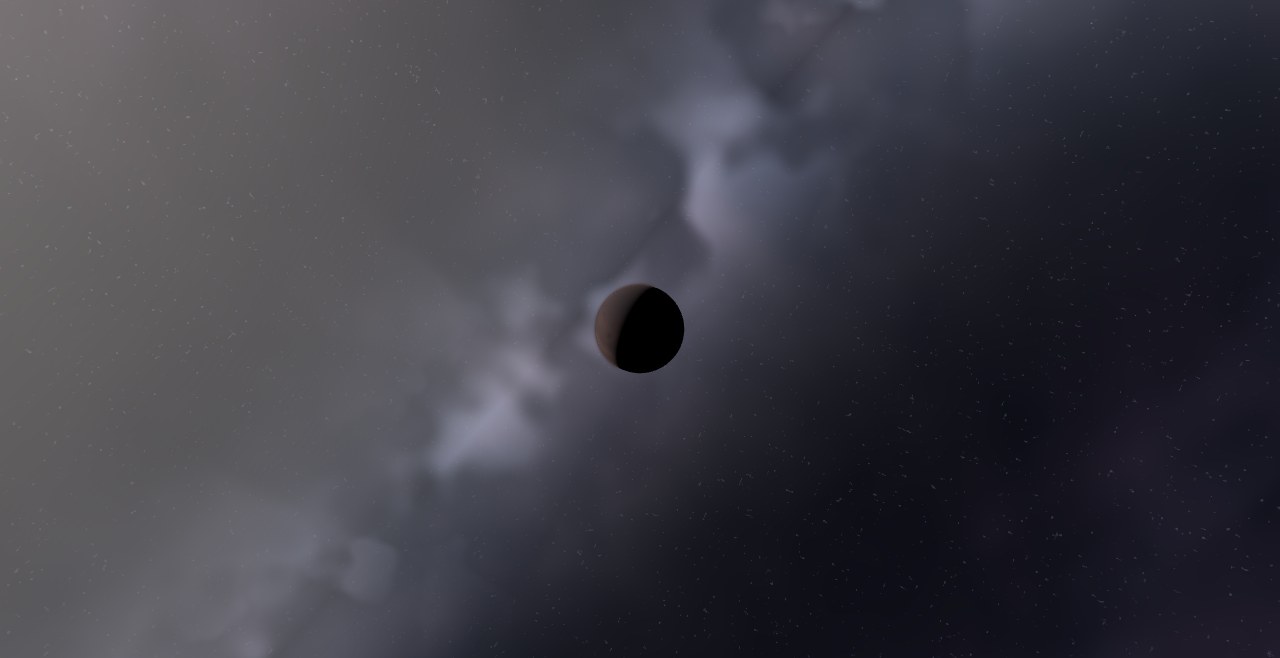
Kepler-245, an orange K-type dwarf of 0.86 solar masses, and Kepler-245 b, a planet with 2.6 Earth radii, with an orbital period of 7.5 days, at 0.071 AU from its star.
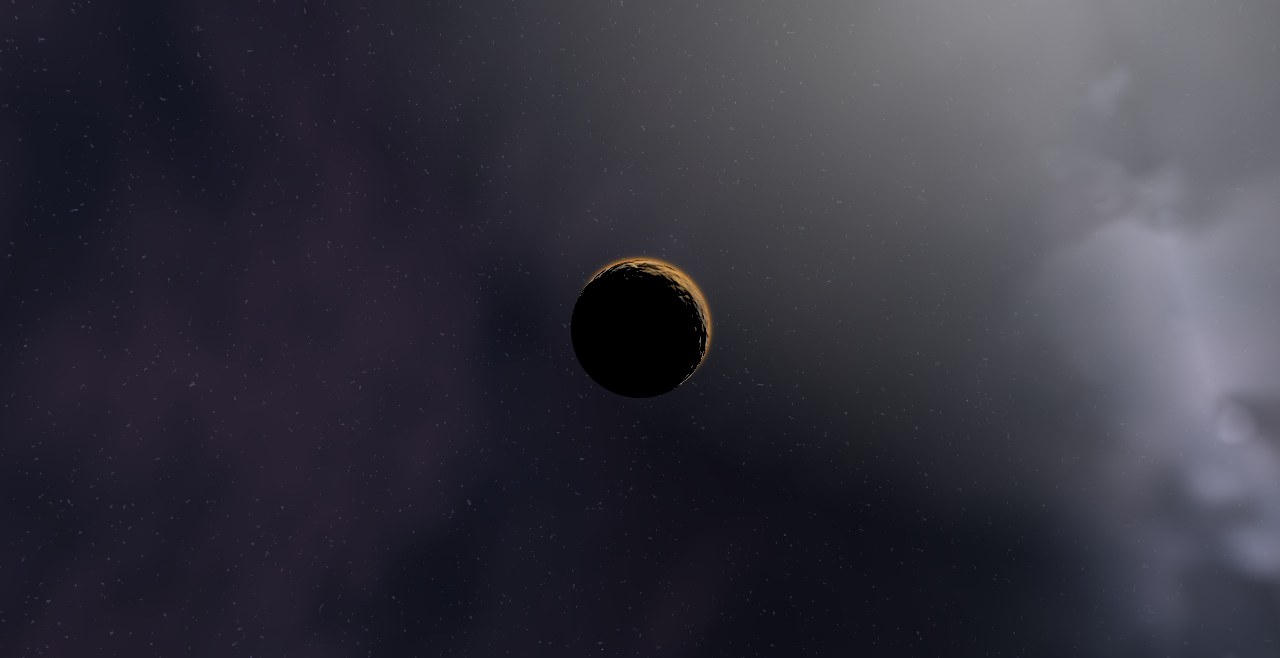
Kepler-251, a Sun-like G-type star of 0.89 solar masses, and Kepler-251 b, a planet with 1.3 Earth radii, with an orbital period of 4.8 days, at 0.053 AU from its star.
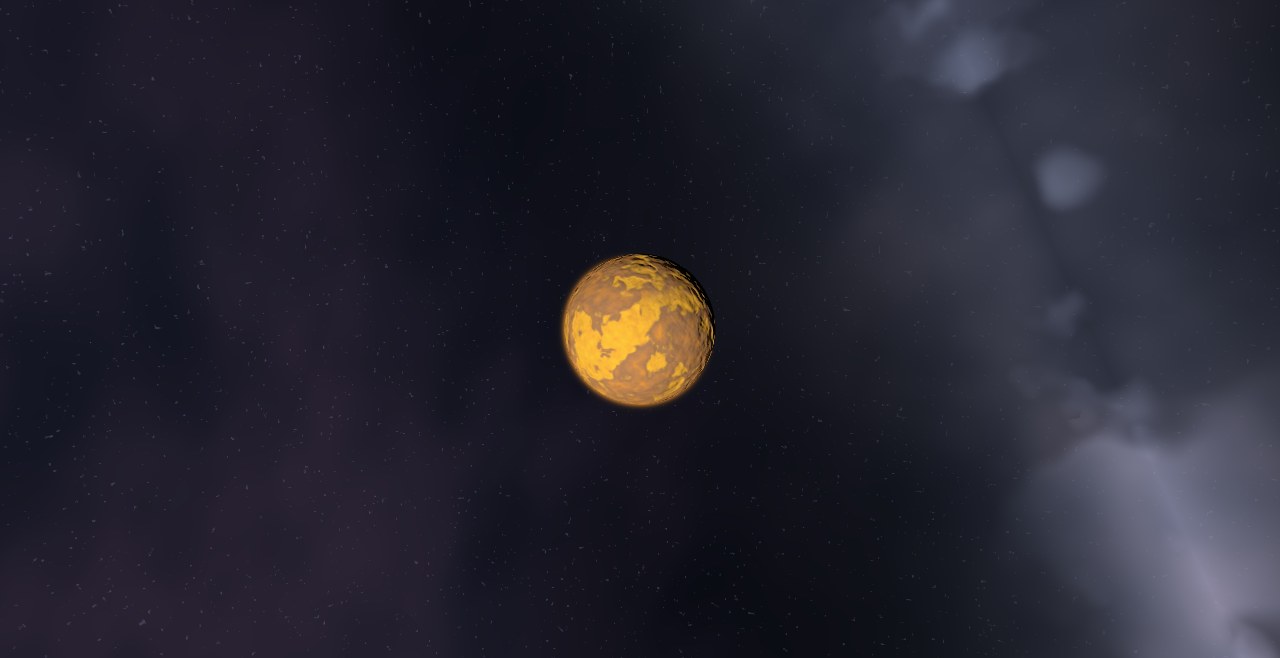
Kepler-256, a Sun-like G-type star of 1.04 solar masses, and Kepler-256 b, a planet with 1.6 Earth radii, with an orbital period of 1.6 days, at 0.027 AU from its star.
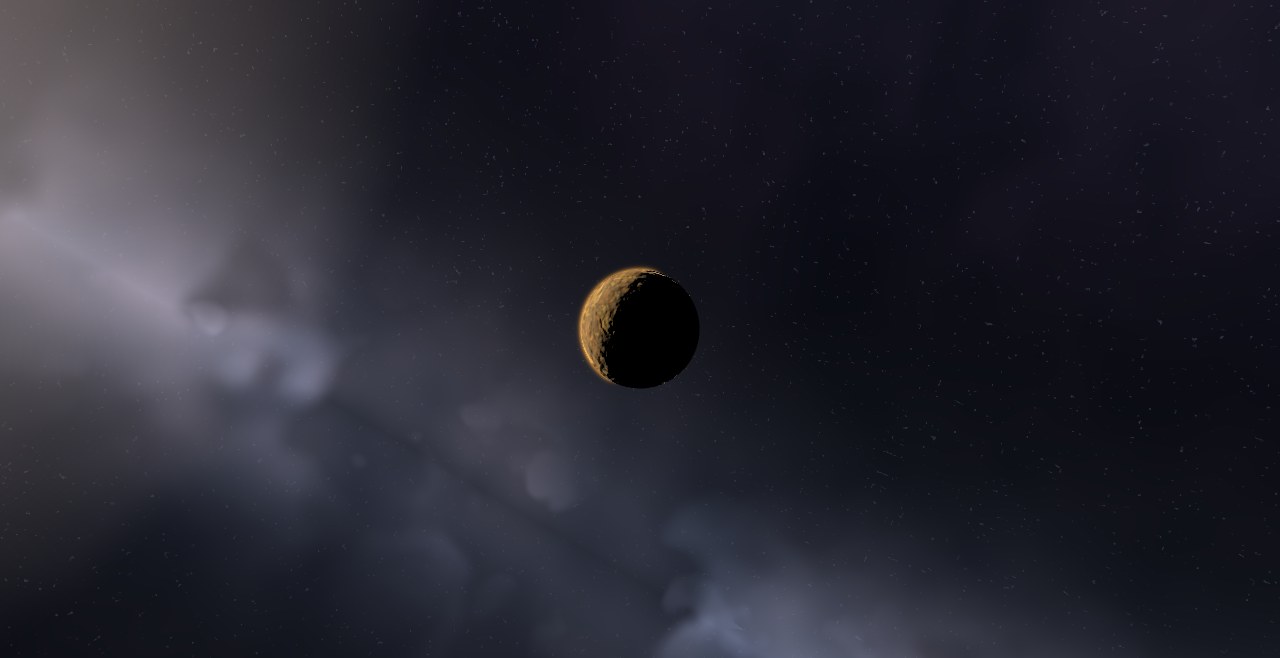
Kepler-26, an orange K-type dwarf of 0.54 solar masses, and Kepler-26 d, a planet with 1.1 Earth radii, with an orbital period of 3.5 days, at 0.039 AU from its star.
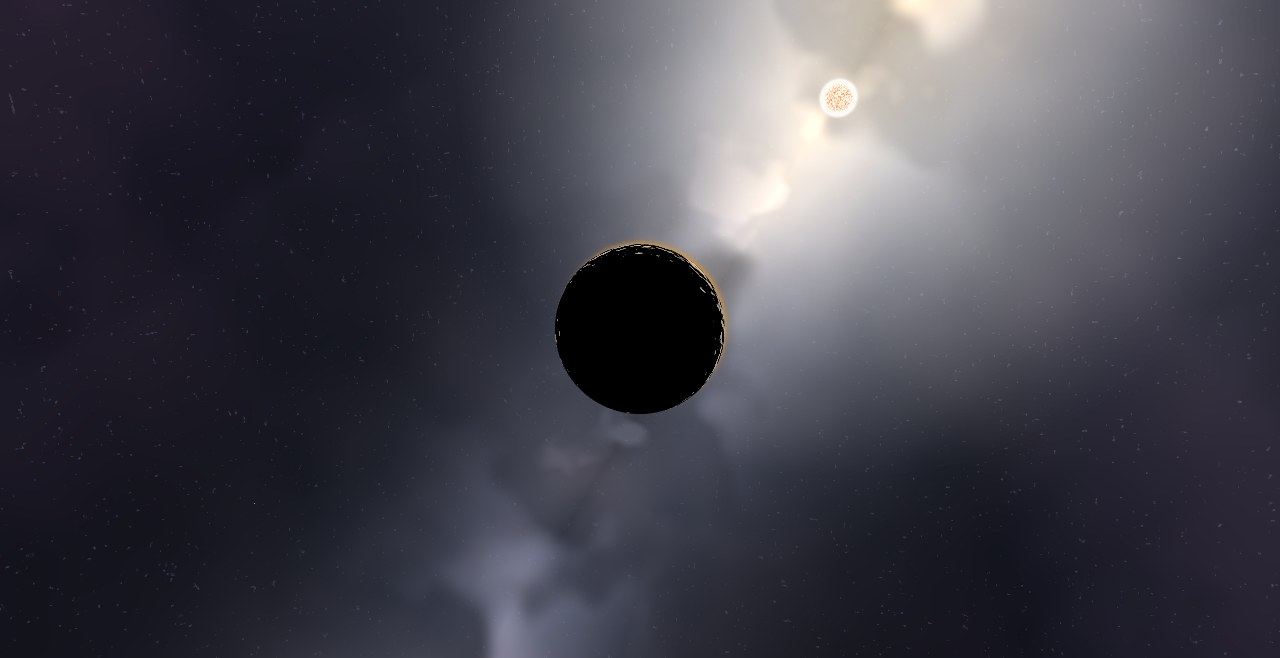
Kepler-265, a Sun-like G-type star of 0.97 solar masses, and Kepler-265 b, a planet with 1.9 Earth radii, with an orbital period of 6.8 days, at 0.069 AU from its star.
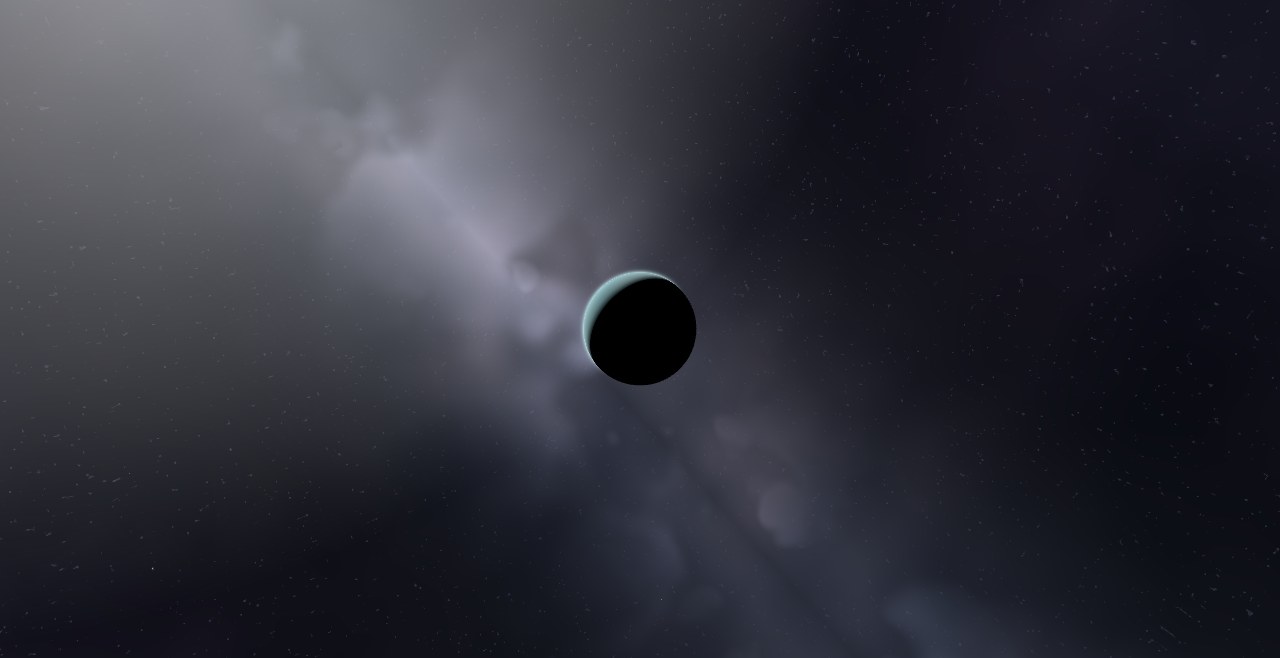
Kepler-279, a Sun-like F-type star of 1.20 solar masses, and Kepler-279 b, a planet with 3.6 Earth radii, with an orbital period of 12.3 days, at 0.112 AU from its star.
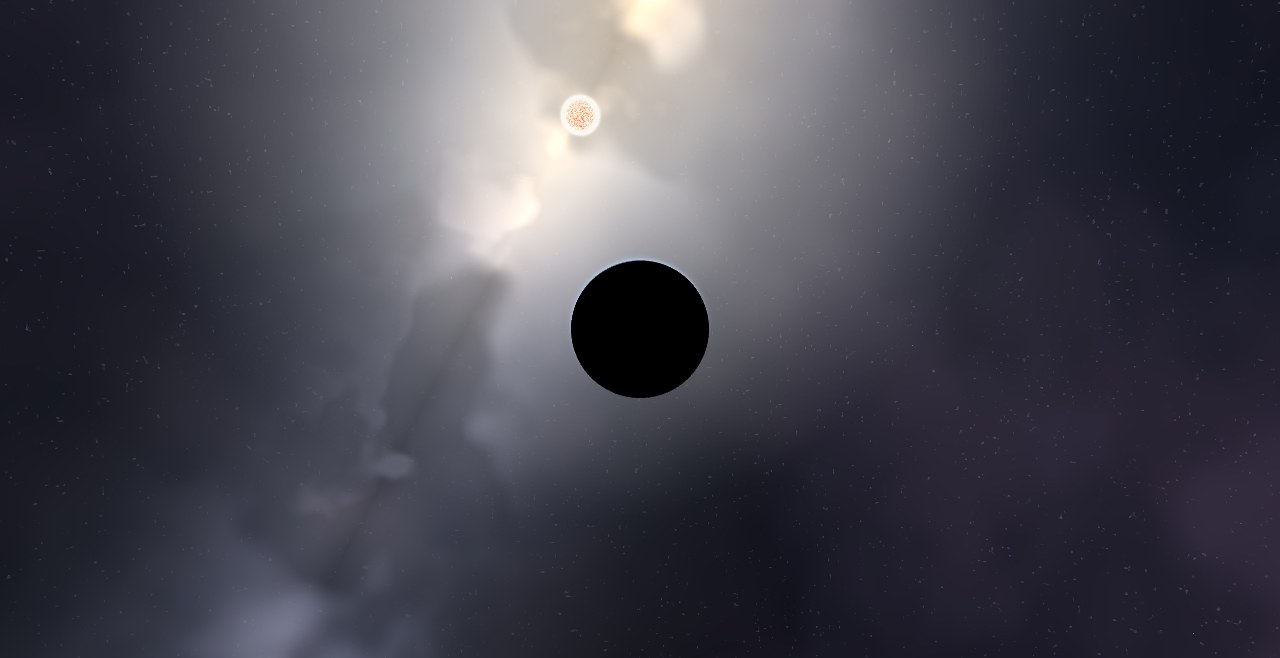
Kepler-282, a Sun-like G-type star of 0.86 solar masses, and Kepler-282 b, a planet with 1.0 Earth radii, with an orbital period of 9.2 days, at 0.082 AU from its star.
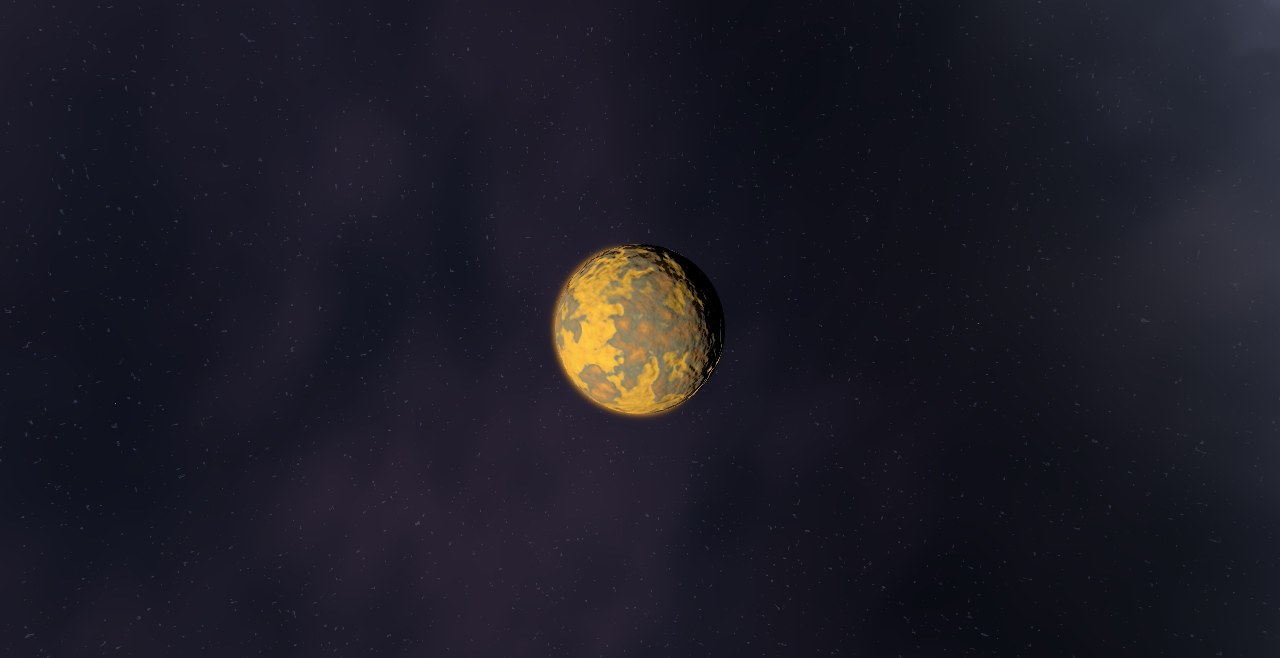
Kepler-286, a Sun-like G-type star of 0.83 solar masses, and Kepler-286 b, a planet with 1.2 Earth radii, with an orbital period of 1.8 days, at 0.027 AU from its star.
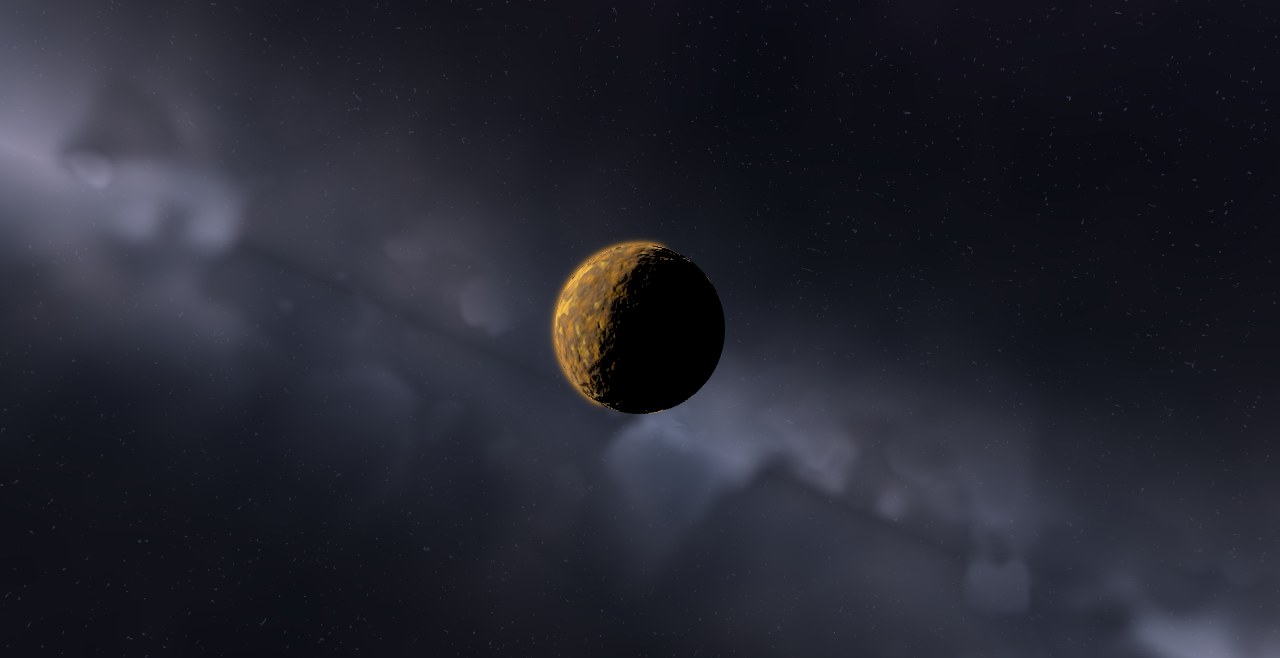
Kepler-289, a Sun-like G-type star of 1.08 solar masses, and Kepler-289 b, a 3.7-Earth-mass planet, with an orbital period of 34.5 days.
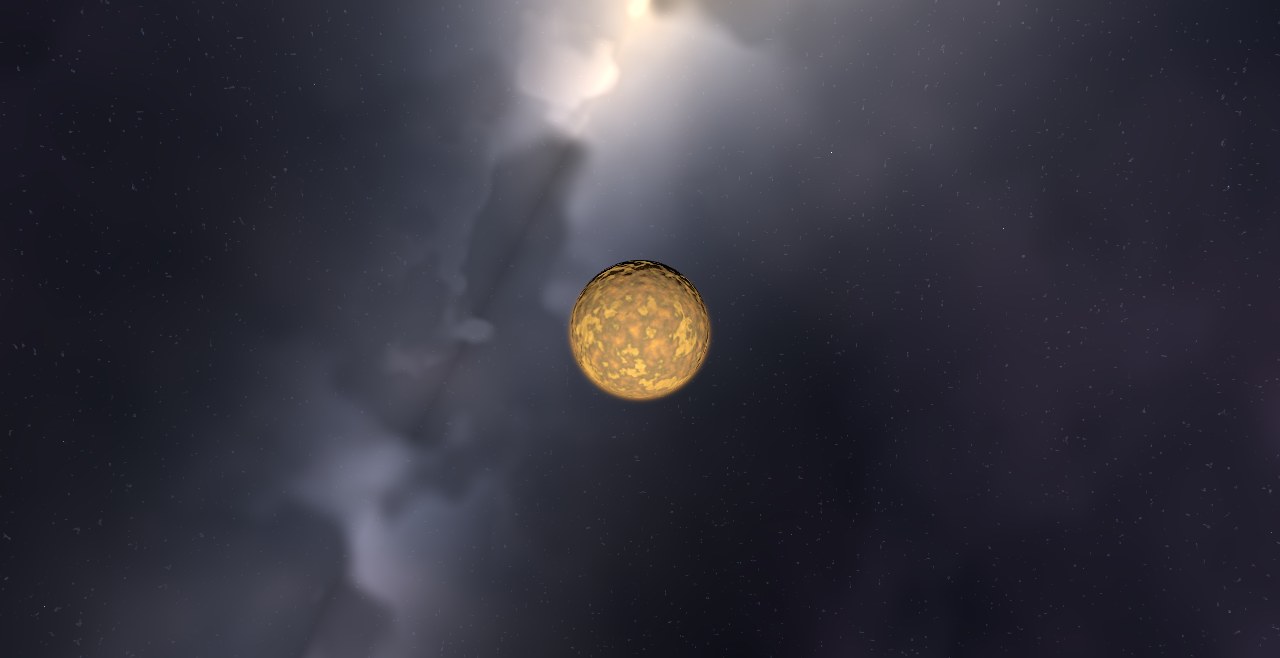
Kepler-299, a Sun-like G-type star of 1.00 solar masses, and Kepler-299 b, a planet with 1.3 Earth radii, with an orbital period of 2.9 days, at 0.040 AU from its star.
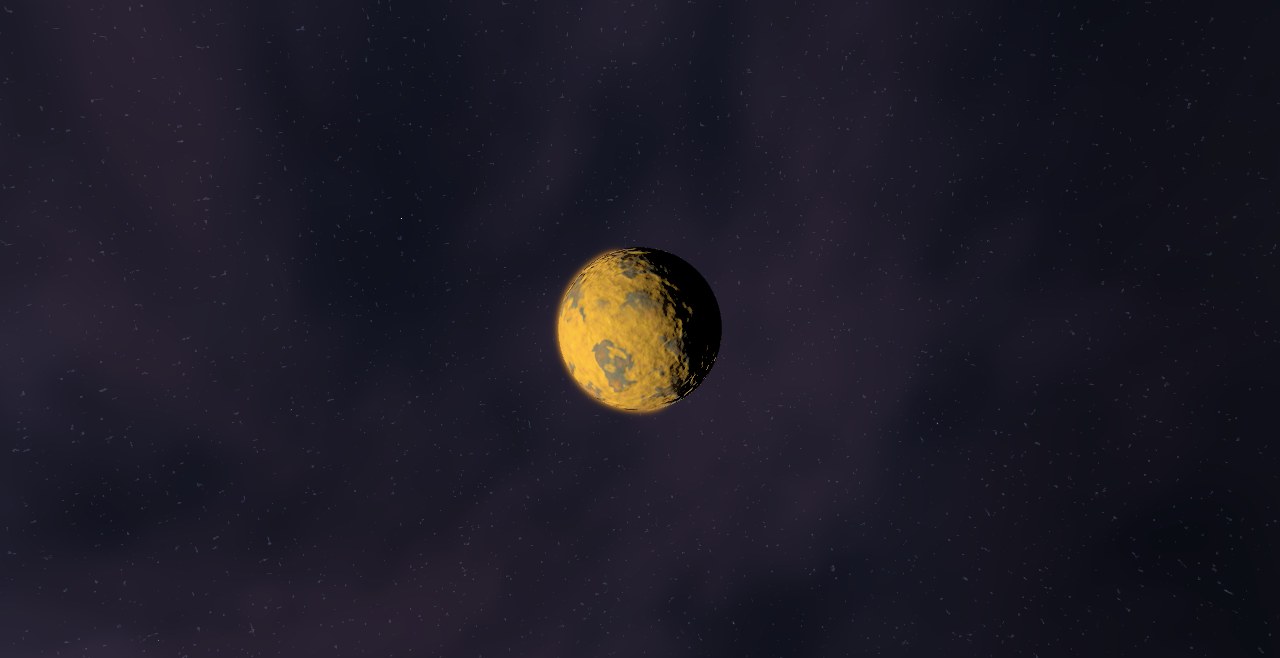
Kepler-304, an orange K-type dwarf of 0.80 solar masses, and Kepler-304 b, a planet with 2.9 Earth radii, with an orbital period of 3.3 days, at 0.039 AU from its star.