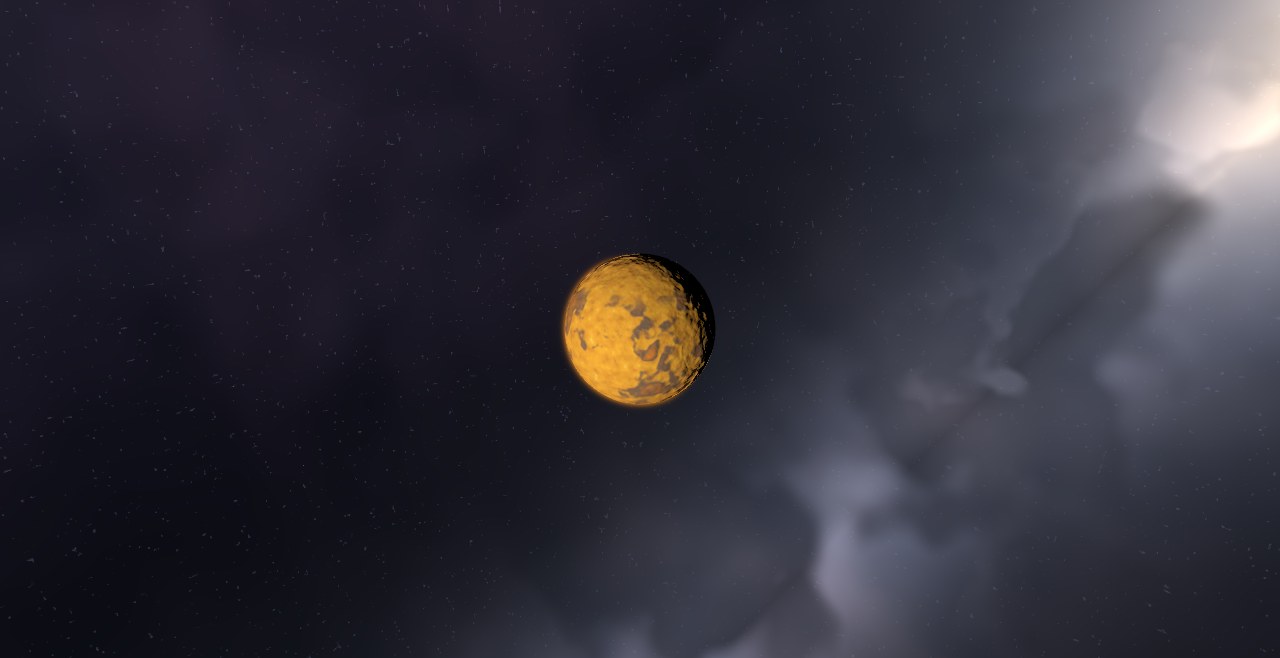
K2-32 - System
K2-32, a Sun-like G-type star of 0.83 solar masses, and K2-32 e, a 2.1-Earth-mass planet, with an orbital period of 4.3 days, at 0.049 AU from its star, and an equilibrium temperature near 1,066 K.
Exoplanets
Run dense, multi-planetary simulations showcasing stable configurations, close-proximity orbits, and planetary interactions.
Share
K2-32, a Sun-like G-type star of 0.83 solar masses, and K2-32 e, a 2.1-Earth-mass planet, with an orbital period of 4.3 days, at 0.049 AU from its star, and an equilibrium temperature near 1,066 K.
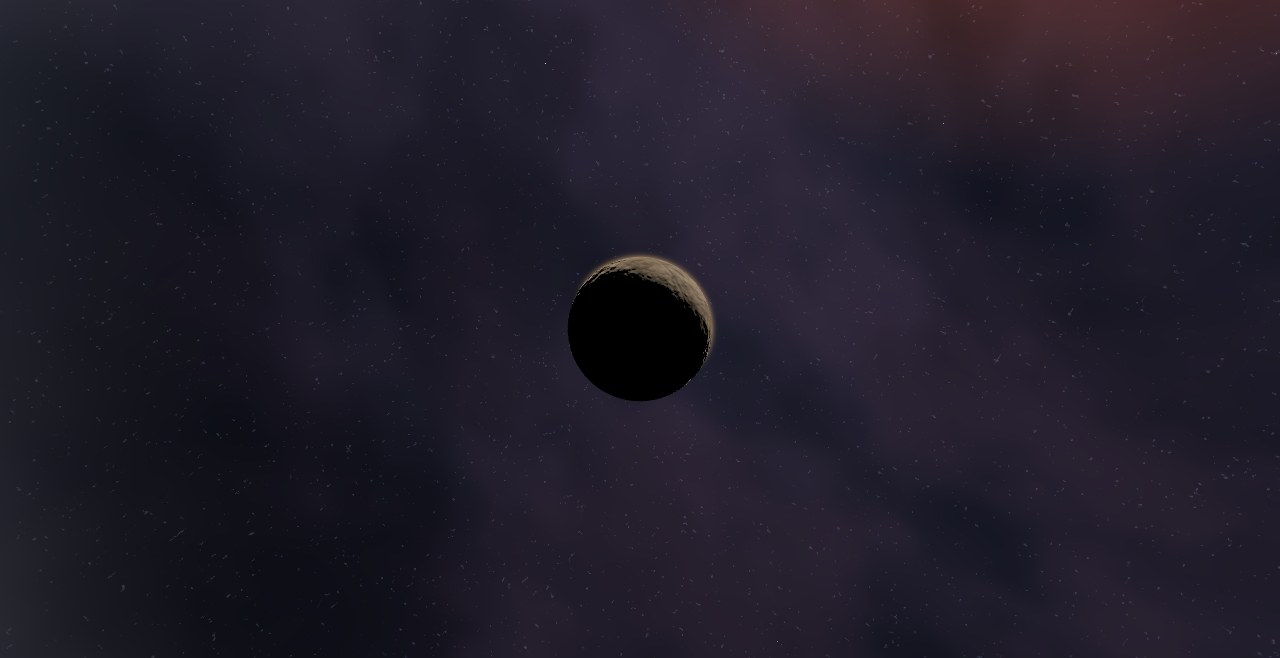
K2-72, a cool M-dwarf of 0.27 solar masses, and K2-72 b, a planet with 1.1 Earth radii, with an orbital period of 5.6 days, at 0.040 AU from its star, on an eccentric orbit (e ≈ 0.11).
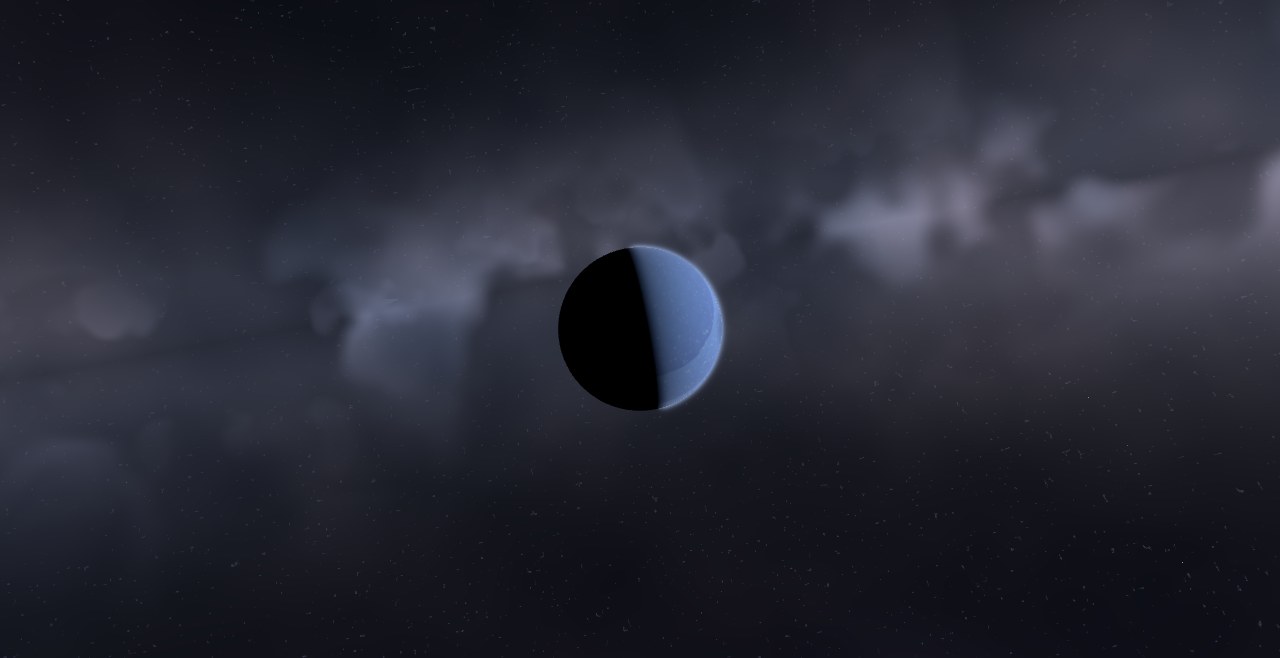
Kepler-89, also KOI-94, site of the first seen planet-planet eclipse. One planet was caught partly blocking another as both transited. The overlap was caught in the Kepler light curve.
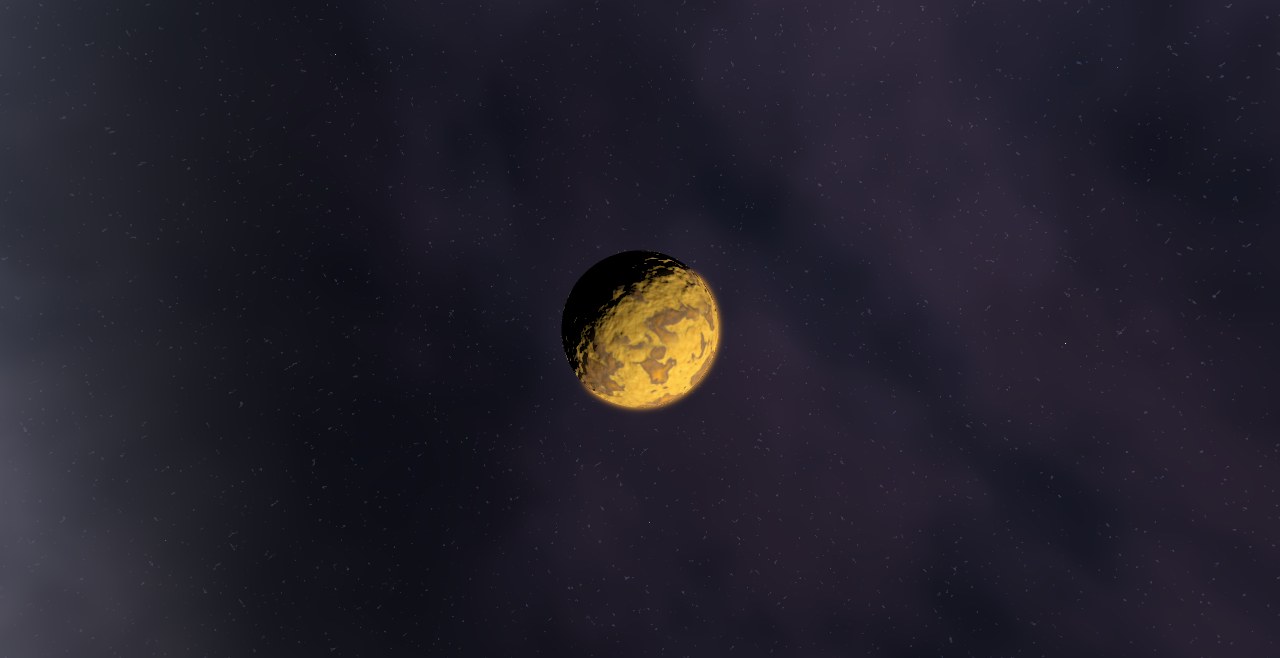
Kepler-100, a Sun-like G-type star of 1.08 solar masses, and Kepler-100 e, a 0.08-Jupiter-mass companion, with an orbital period of 60.9 days, at 0.312 AU from its star.
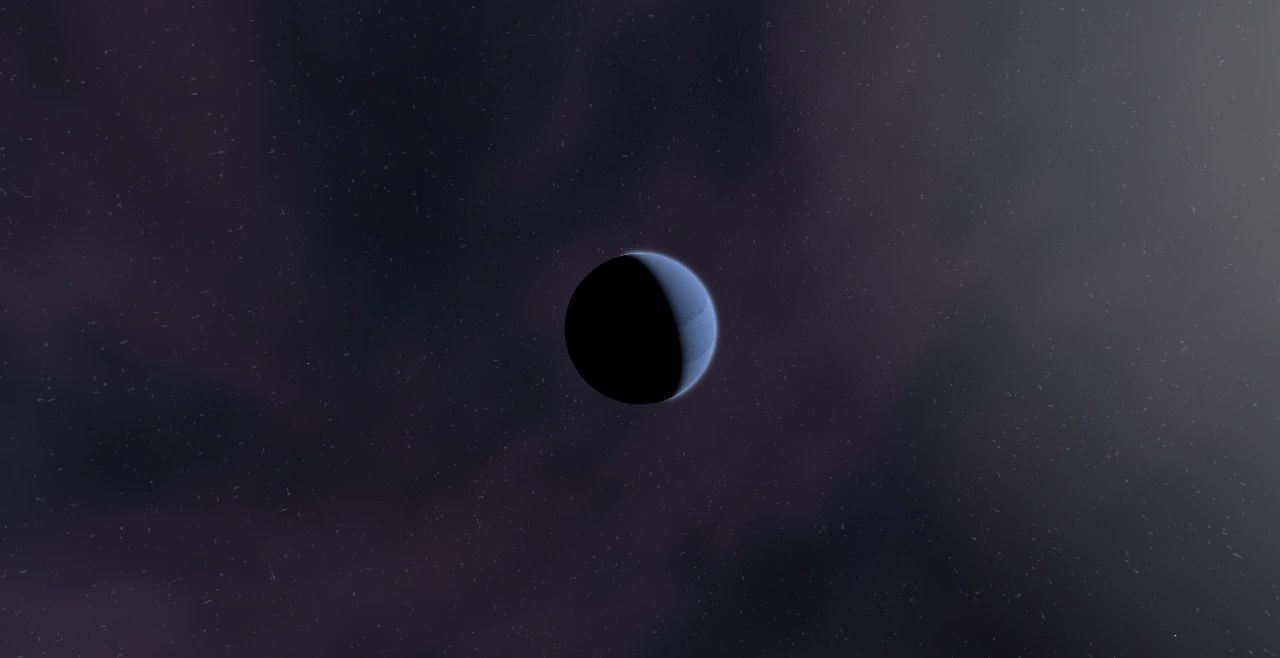
Kepler-106, a Sun-like G-type star of 1.00 solar masses, and Kepler-106 b, a 5.3-Earth-mass planet, with an orbital period of 6.2 days.
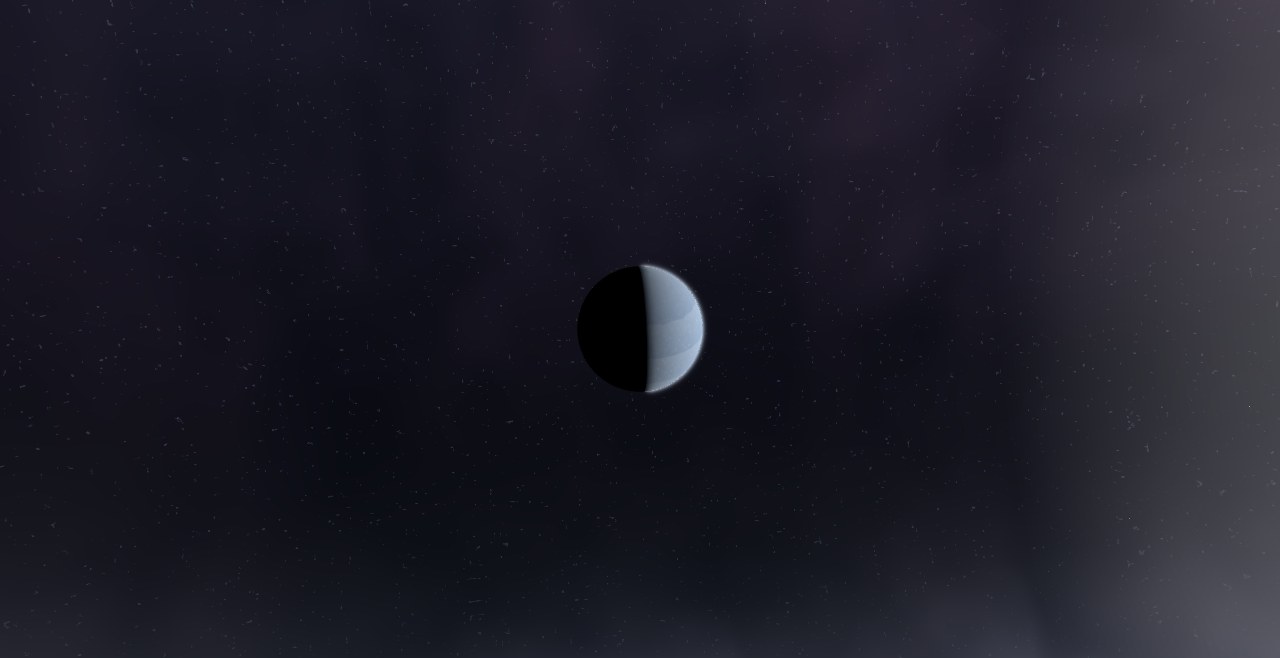
Kepler-107, a Sun-like G-type star of 1.24 solar masses, and Kepler-107 b, a 3.8-Earth-mass planet, with an orbital period of 3.2 days, at 0.045 AU from its star, and an equilibrium temperature near 1,592 K.
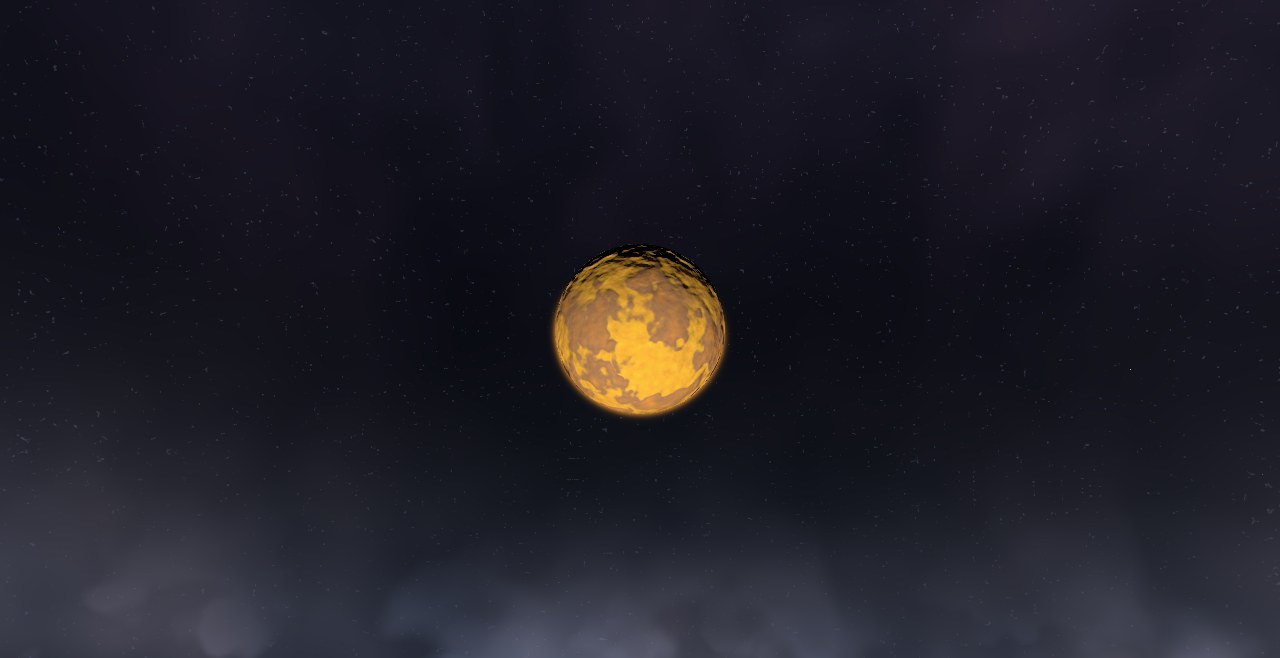
Kepler-132, a Sun-like F-type star of 1.03 solar masses, and Kepler-132 b, a planet with 1.2 Earth radii, with an orbital period of 6.2 days, at 0.067 AU from its star.
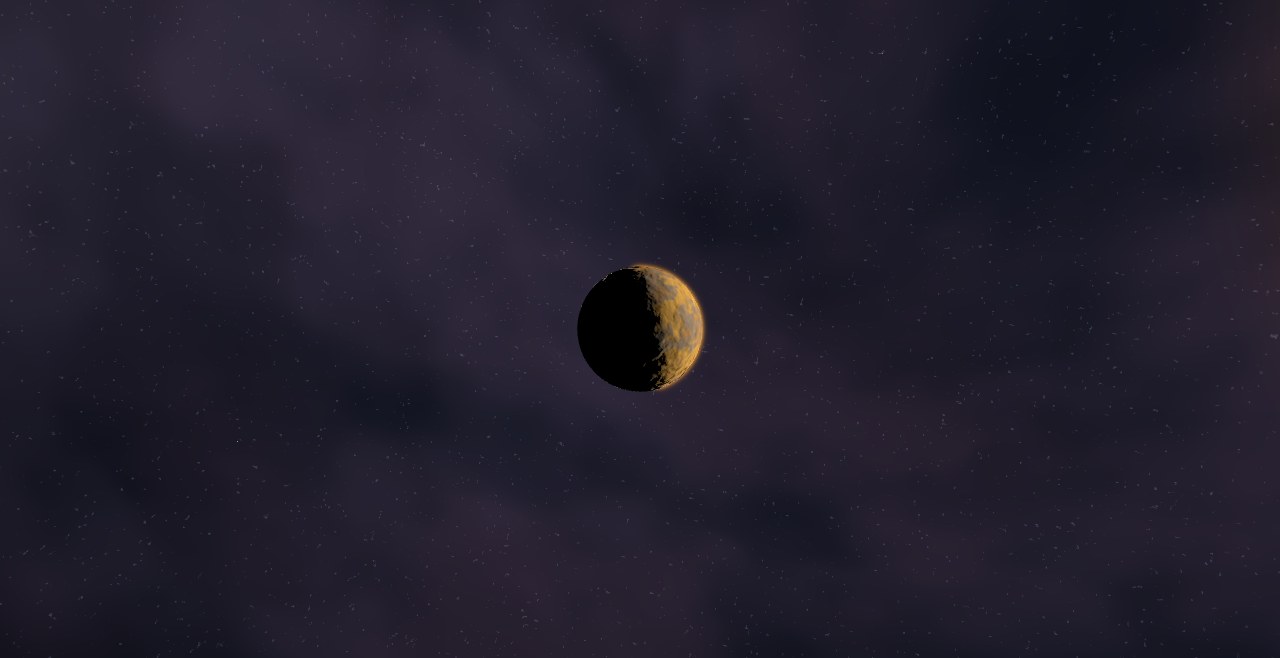
Kepler-138, a low-density system whose outer planets are candidate water worlds. Their masses and radii imply oceans under thick atmospheres.
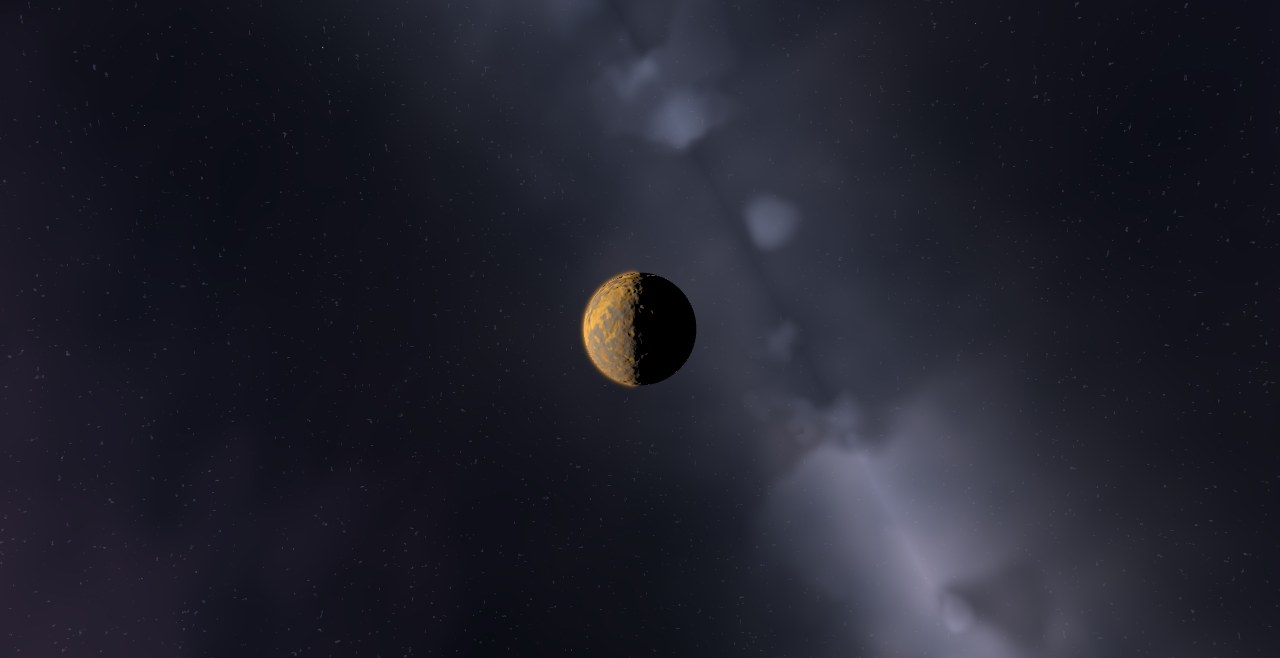
Kepler-1388, an orange K-type dwarf of 0.63 solar masses, and Kepler-1388 c, a planet with 2.3 Earth radii, with an orbital period of 5.5 days.
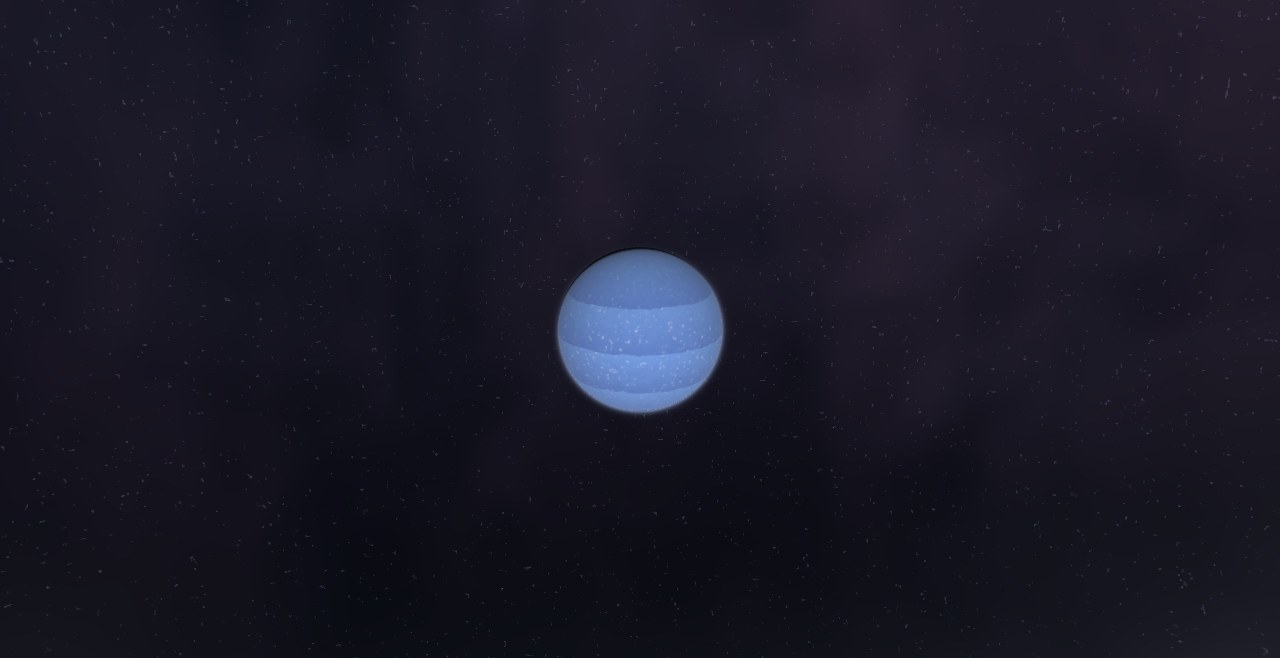
Kepler-139, a Sun-like G-type star of 1.08 solar masses, with its 4 planets on orbits from 7.3 days to 355 days.
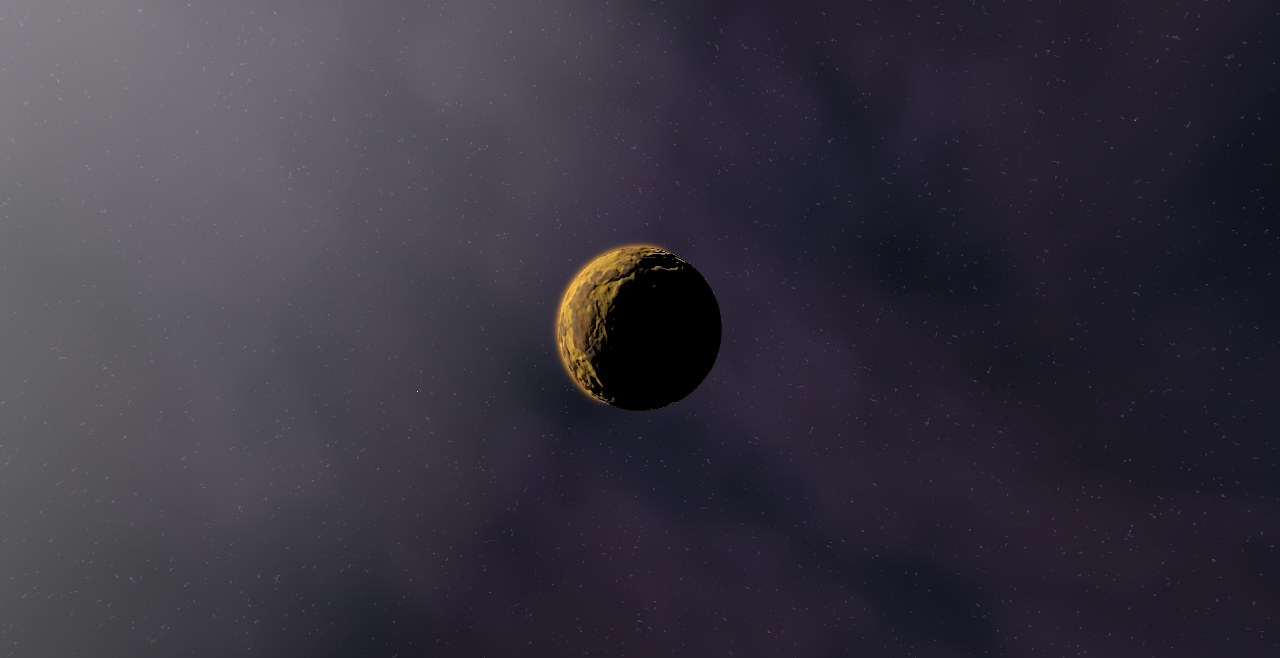
Kepler-1542, a Sun-like G-type star of 0.94 solar masses, and Kepler-1542 c, a planet with 0.7 Earth radii, with an orbital period of 2.9 days.
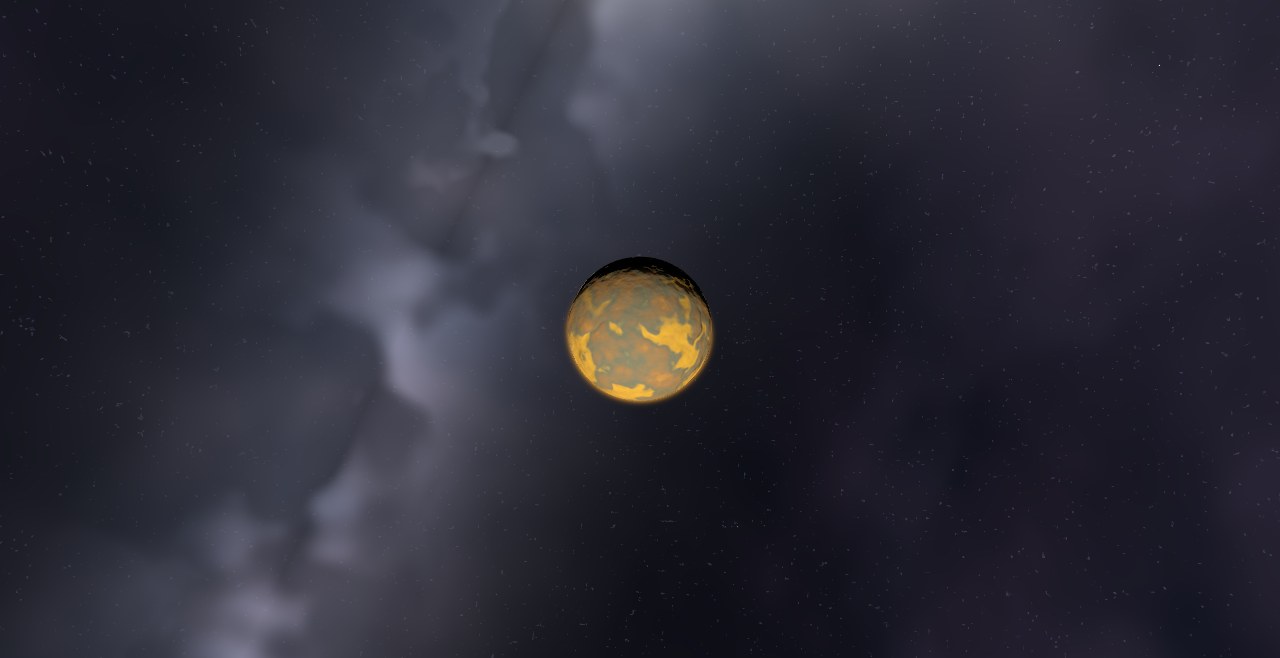
Kepler-164, a Sun-like G-type star of 0.97 solar masses, and Kepler-164 b, a planet with 1.4 Earth radii, with an orbital period of 5.0 days, at 0.058 AU from its star.
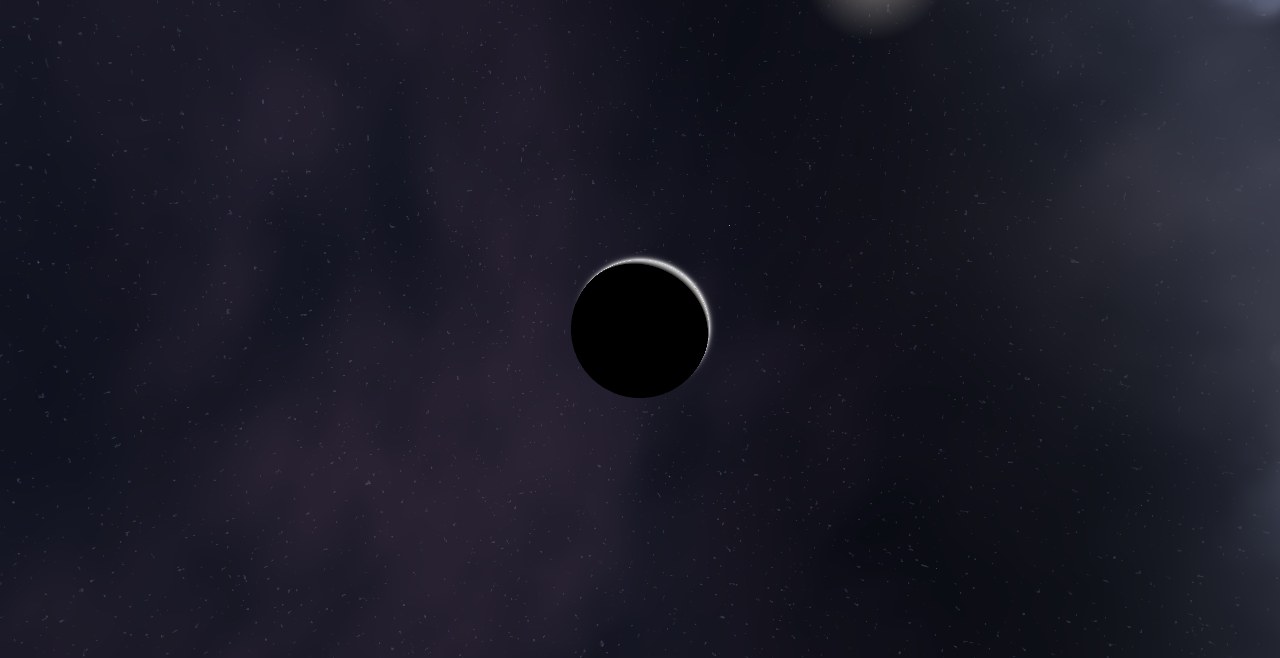
Kepler-167, an orange K-type dwarf of 0.78 solar masses, and Kepler-167 b, a planet with 1.7 Earth radii, with an orbital period of 4.4 days, at 0.048 AU from its star, and an equilibrium temperature near 918 K.
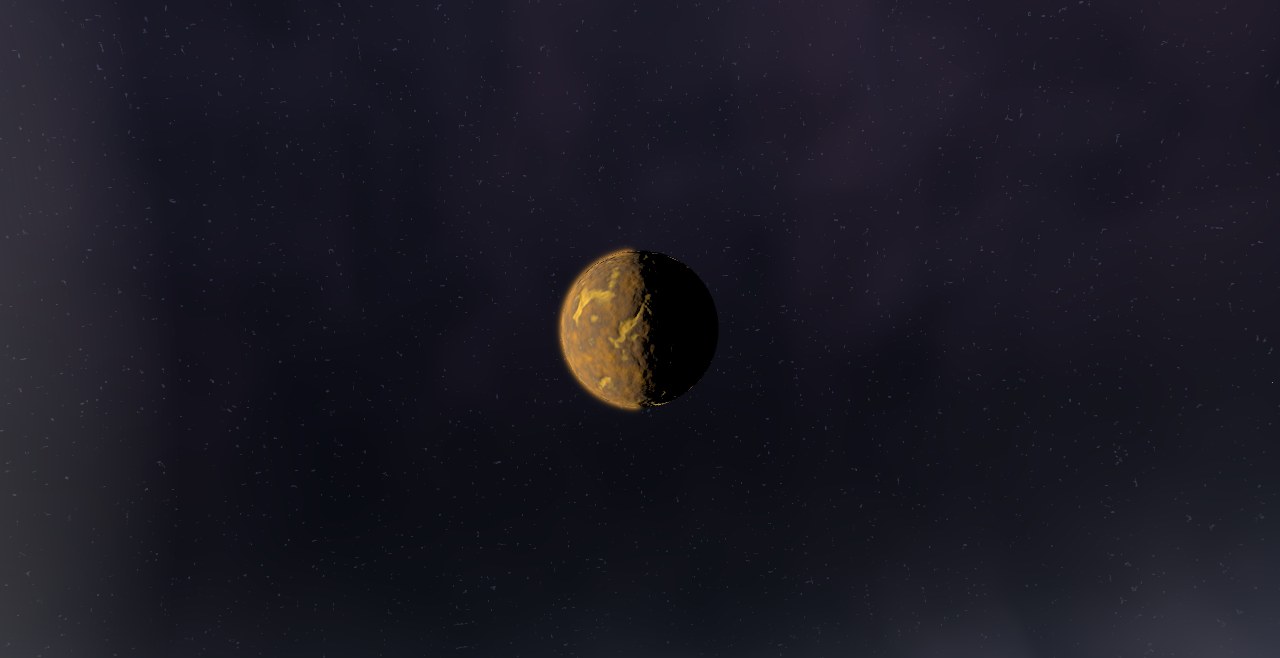
Kepler-172, a Sun-like G-type star of 1.08 solar masses, and Kepler-172 b, a planet with 2.4 Earth radii, with an orbital period of 2.9 days, at 0.040 AU from its star.
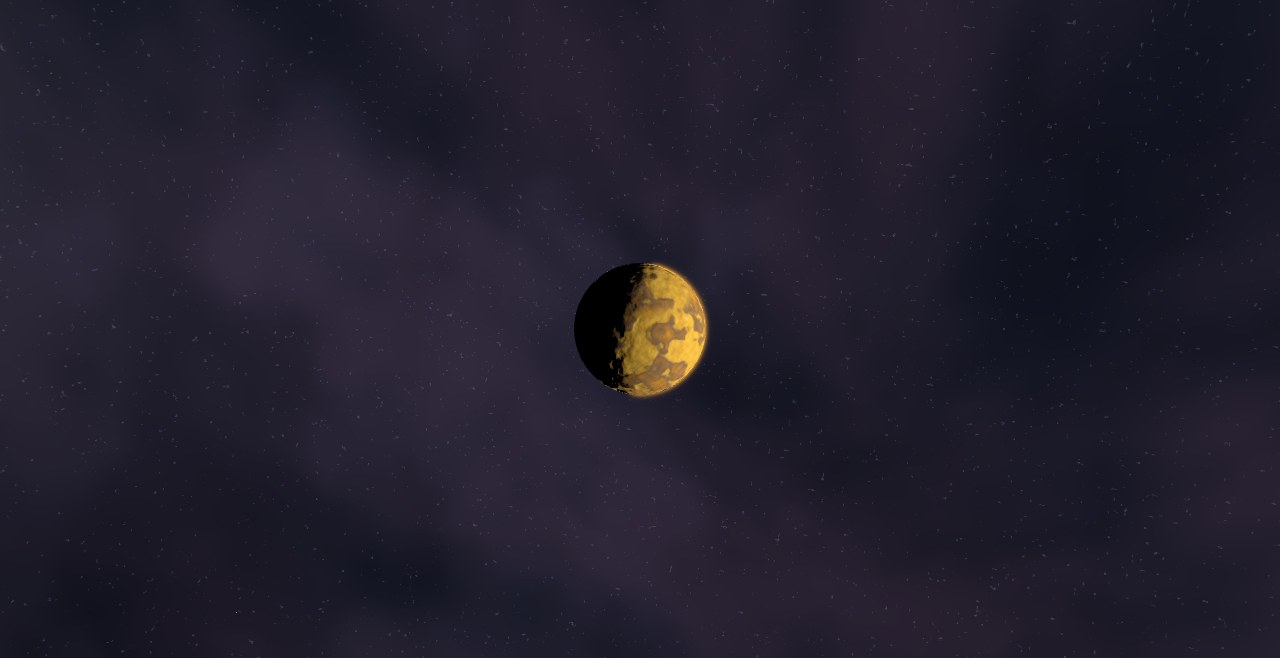
Kepler-176, a Sun-like G-type star of 0.87 solar masses, and Kepler-176 b, a planet with 1.4 Earth radii, with an orbital period of 5.4 days, at 0.058 AU from its star.
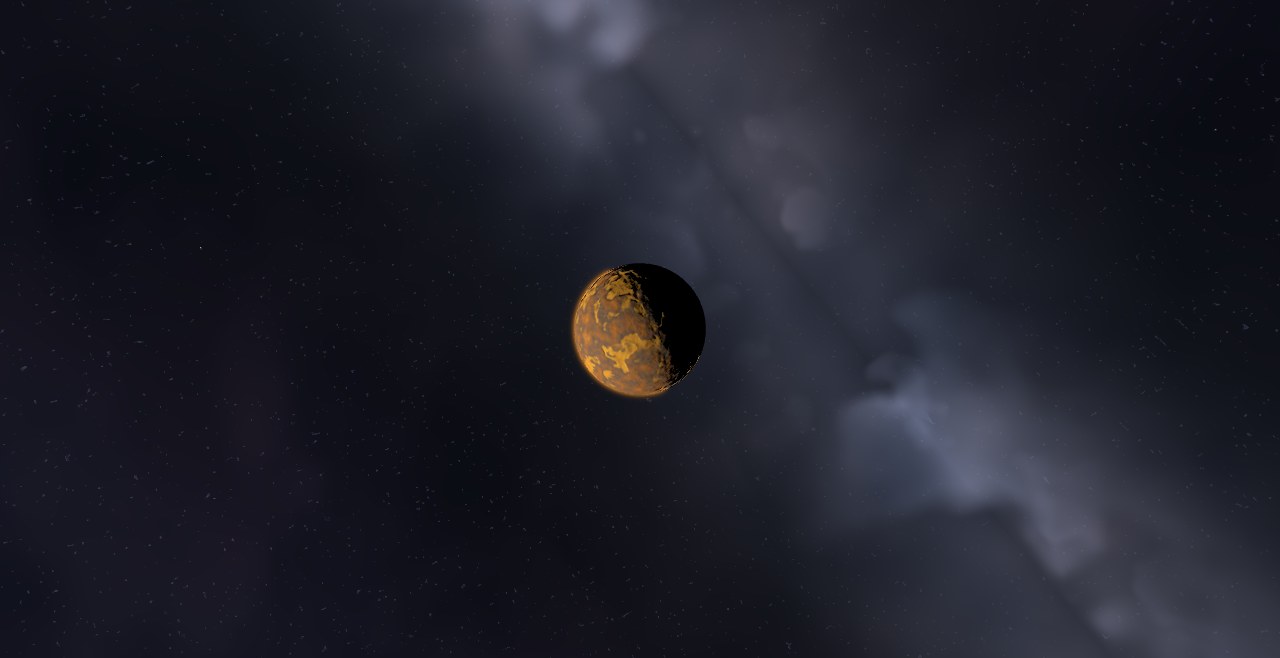
Kepler-197, a Sun-like F-type star of 0.86 solar masses, and Kepler-197 b, a planet with 1.0 Earth radii, with an orbital period of 5.6 days, at 0.060 AU from its star.
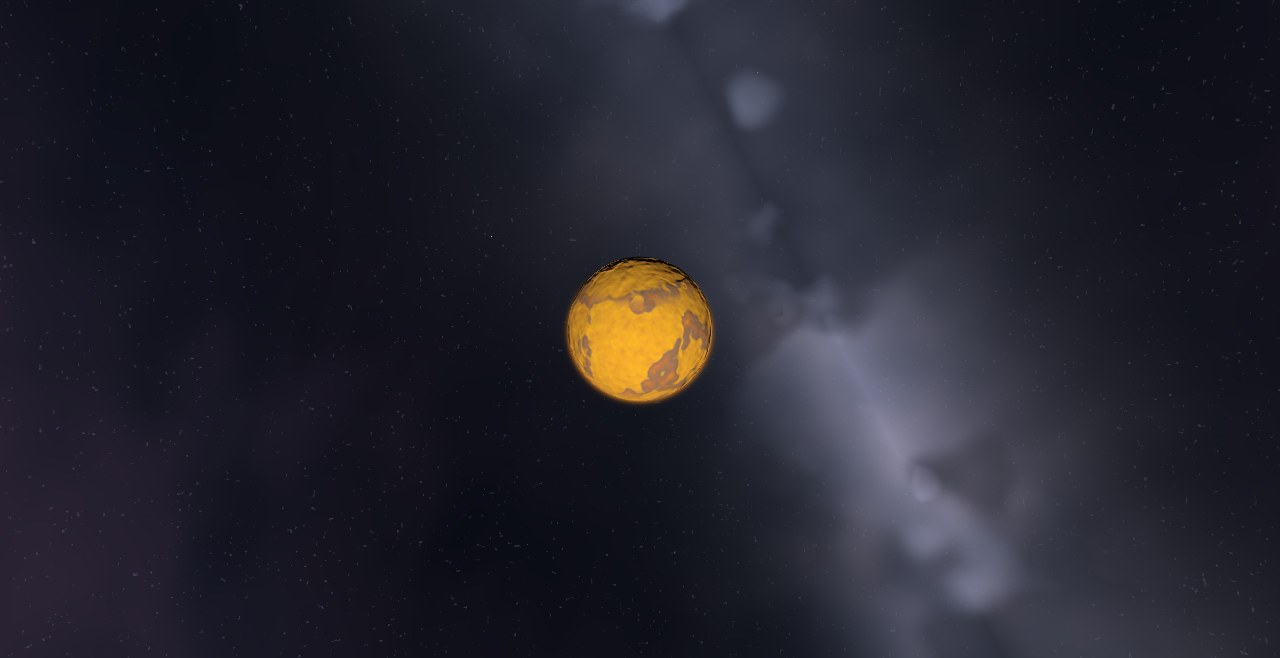
Kepler-1987, an orange K-type dwarf of 0.80 solar masses, and Kepler-1987 b, a planet with 1.2 Earth radii, with an orbital period of 2.3 days, at 0.032 AU from its star, and an equilibrium temperature near.
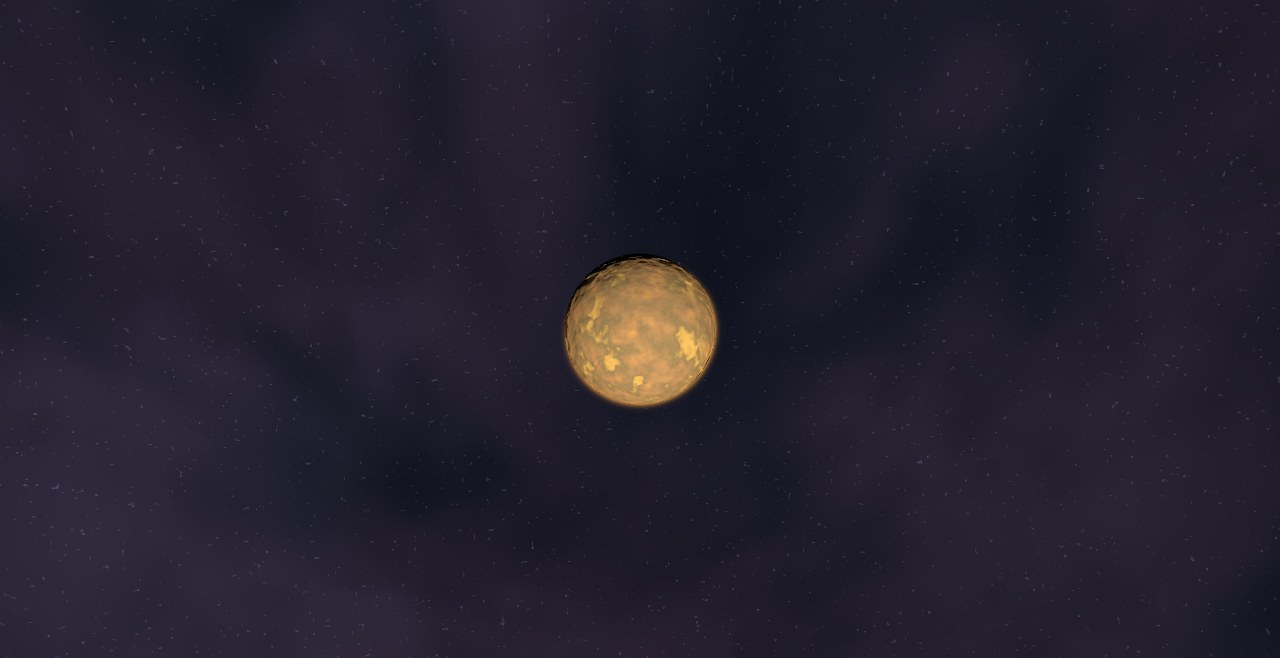
Kepler-208, a Sun-like F-type star of 1.08 solar masses, and Kepler-208 b, a planet with 1.6 Earth radii, with an orbital period of 4.2 days, at 0.054 AU from its star.