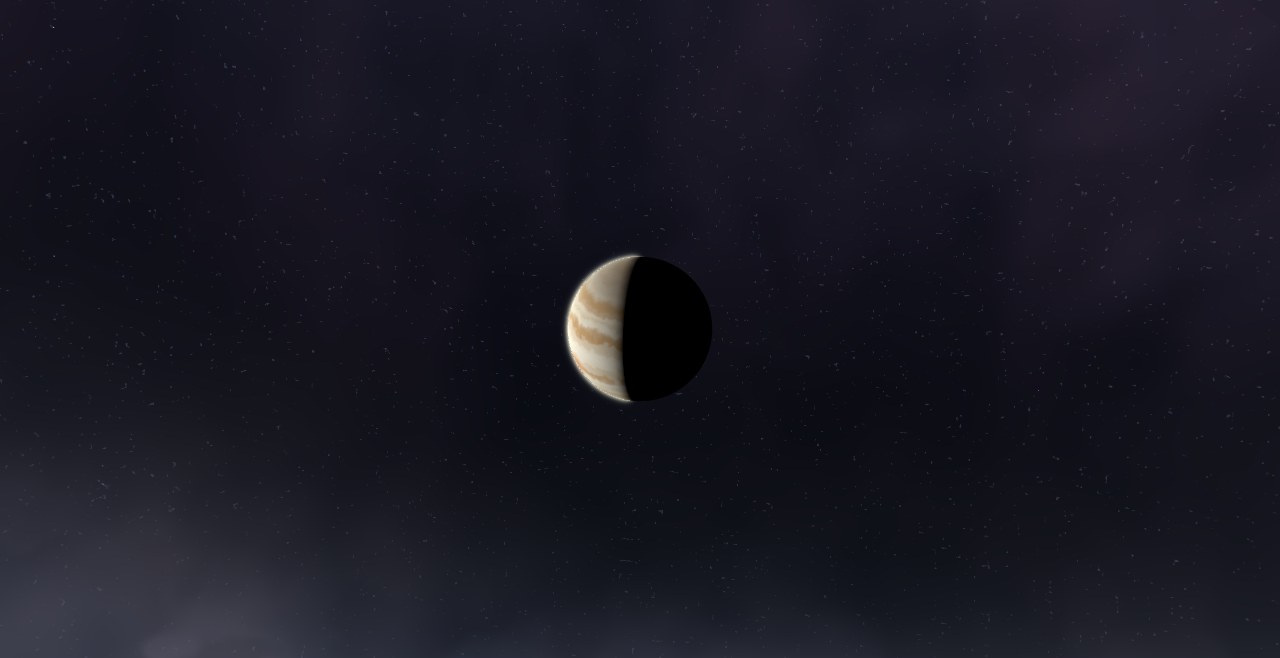
NN Ser - System
NN Ser, and NN Ser d, a 2.19-Jupiter-mass companion, with an orbital period of 7.89 years, on an eccentric orbit (e ≈ 0.24).
Exoplanets
Track gravitational perturbations, transit timing variations, and orbital stability between binary planet arrangements around distant stars.
Share
NN Ser, and NN Ser d, a 2.19-Jupiter-mass companion, with an orbital period of 7.89 years, on an eccentric orbit (e ≈ 0.24).
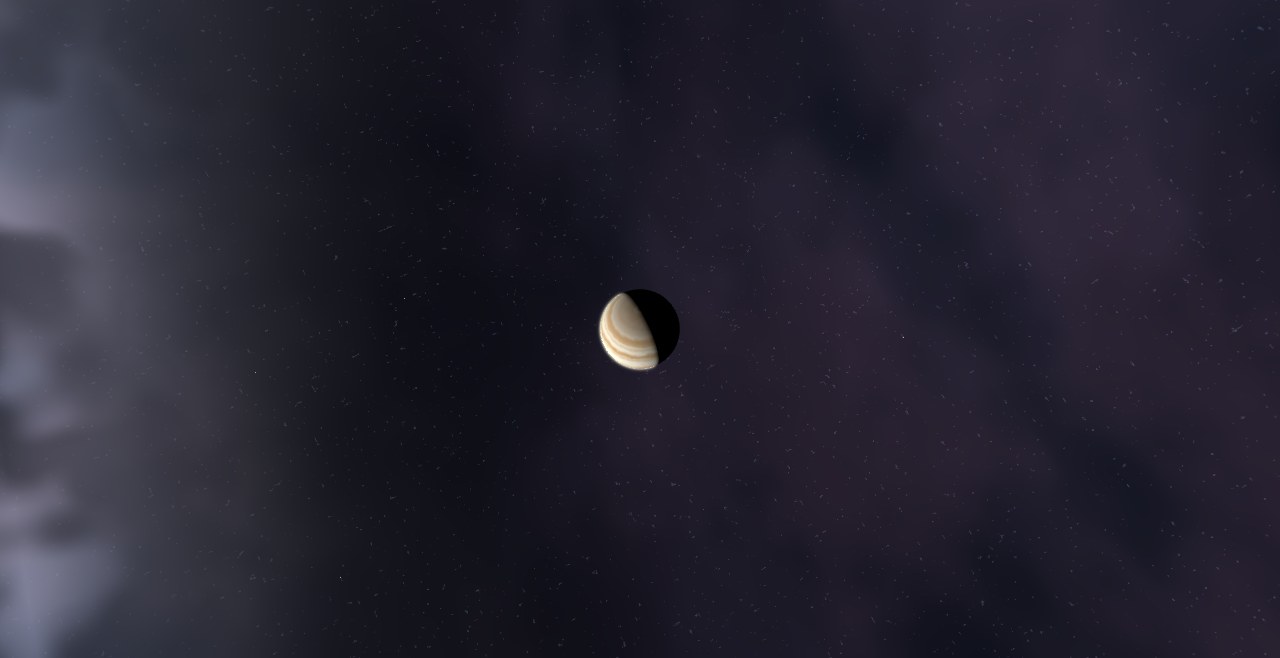
OGLE-2006-BLG-109L, a Sun-like G-type star of 0.51 solar masses, and OGLE-2006-BLG-109L b, a 0.73-Jupiter-mass companion, with an orbital period of 4.90 years, at 2.300 AU from its star.
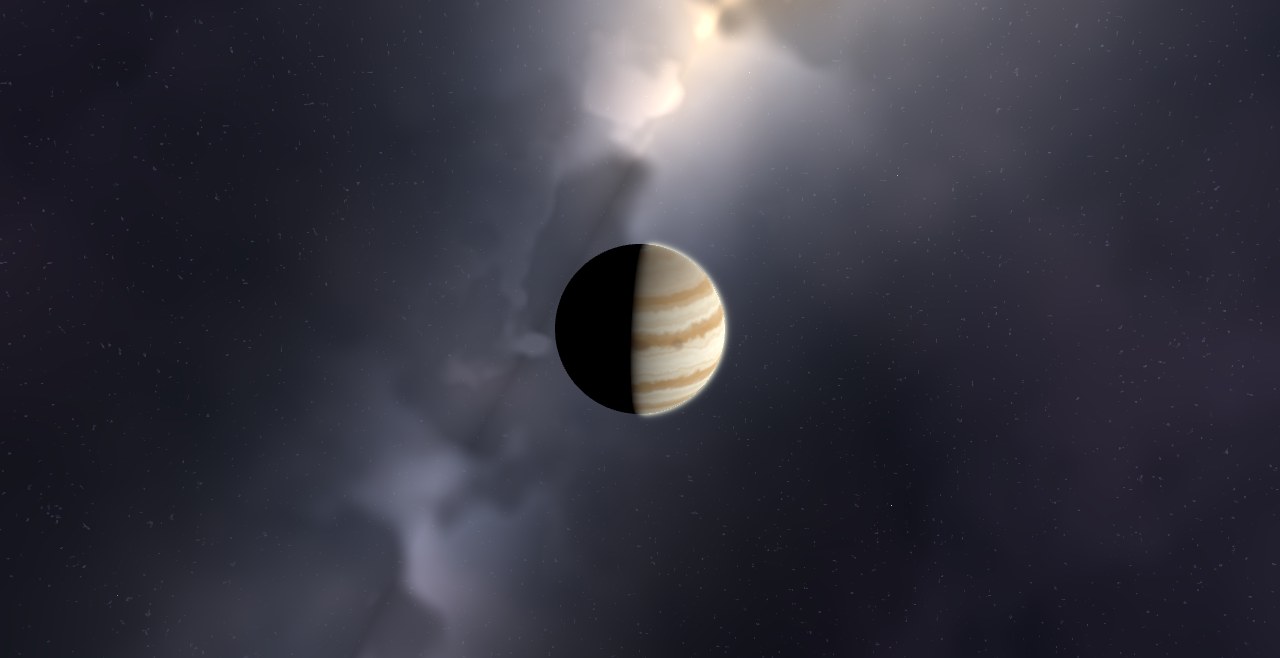
OGLE-2012-BLG-0026L, a Sun-like G-type star of 1.06 solar masses, and OGLE-2012-BLG-0026L b, a 0.14-Jupiter-mass companion, at 4.000 AU from its star.
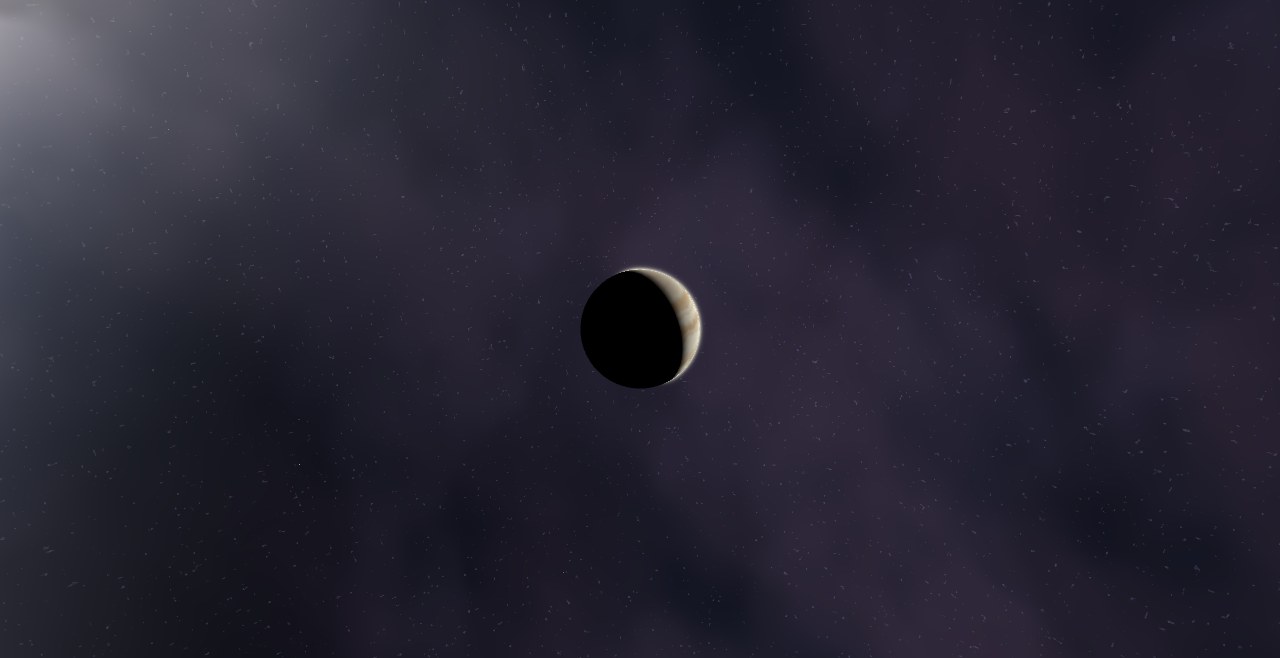
OGLE-2014-BLG-1722L, a Sun-like G-type star of 0.40 solar masses, and OGLE-2014-BLG-1722L b, a 0.17-Jupiter-mass companion, at 1.500 AU from its star.
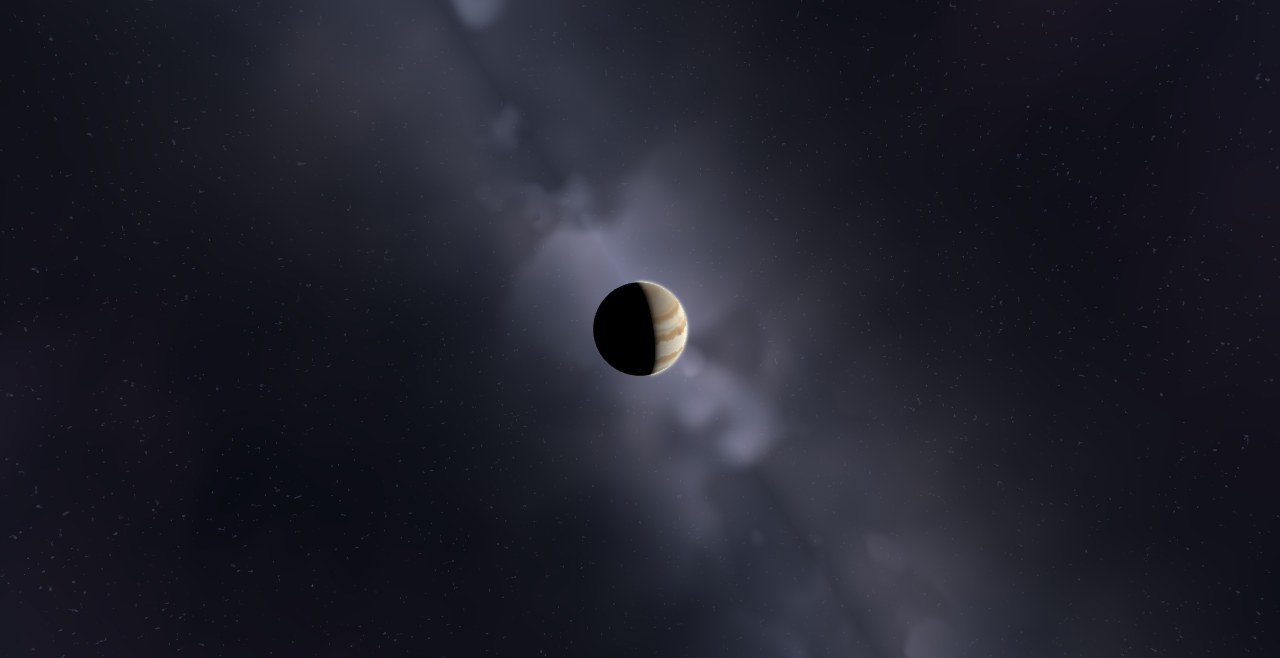
OGLE-2018-BLG-1011L, a Sun-like G-type star of 0.18 solar masses, and OGLE-2018-BLG-1011L c, a 2.80-Jupiter-mass companion, at 0.800 AU from its star.
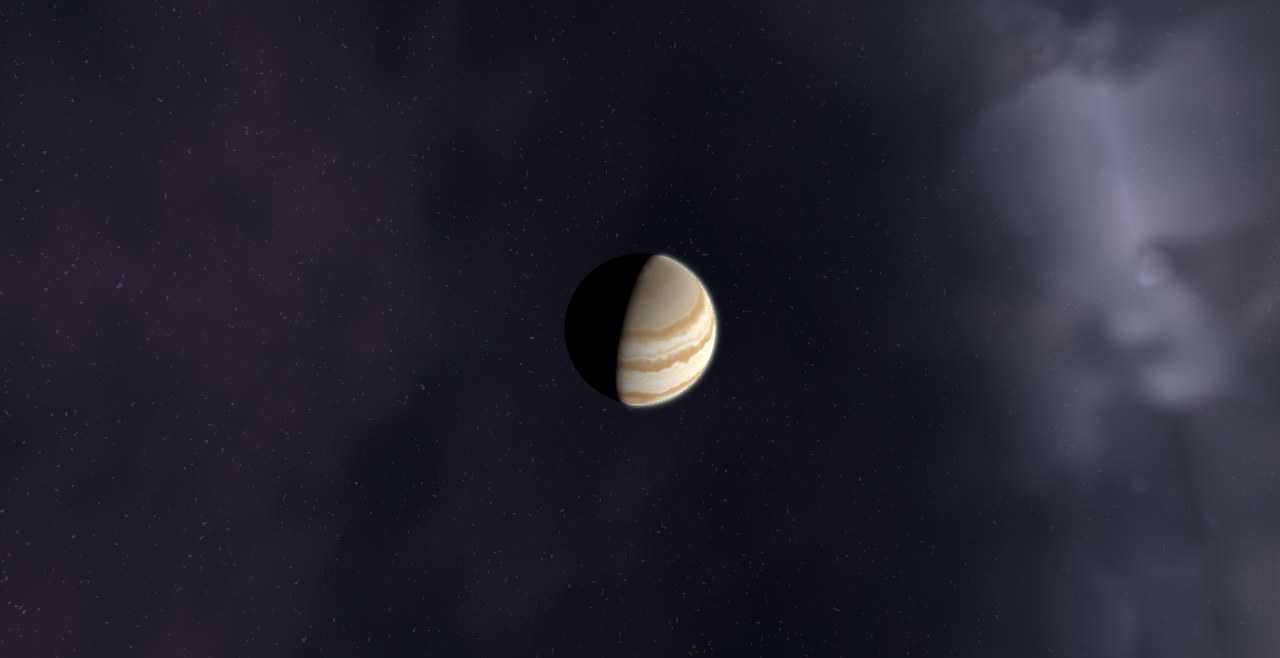
OGLE-2019-BLG-0468L, a Sun-like G-type star of 0.92 solar masses, and OGLE-2019-BLG-0468L c, a 10.2-Jupiter-mass companion, at 2.770 AU from its star.
PDS 70, the first system where planets were seen still forming. Two giants sit inside a gap they have cleared in the protoplanetary disk. Both PDS 70 b and c are still accreting gas.
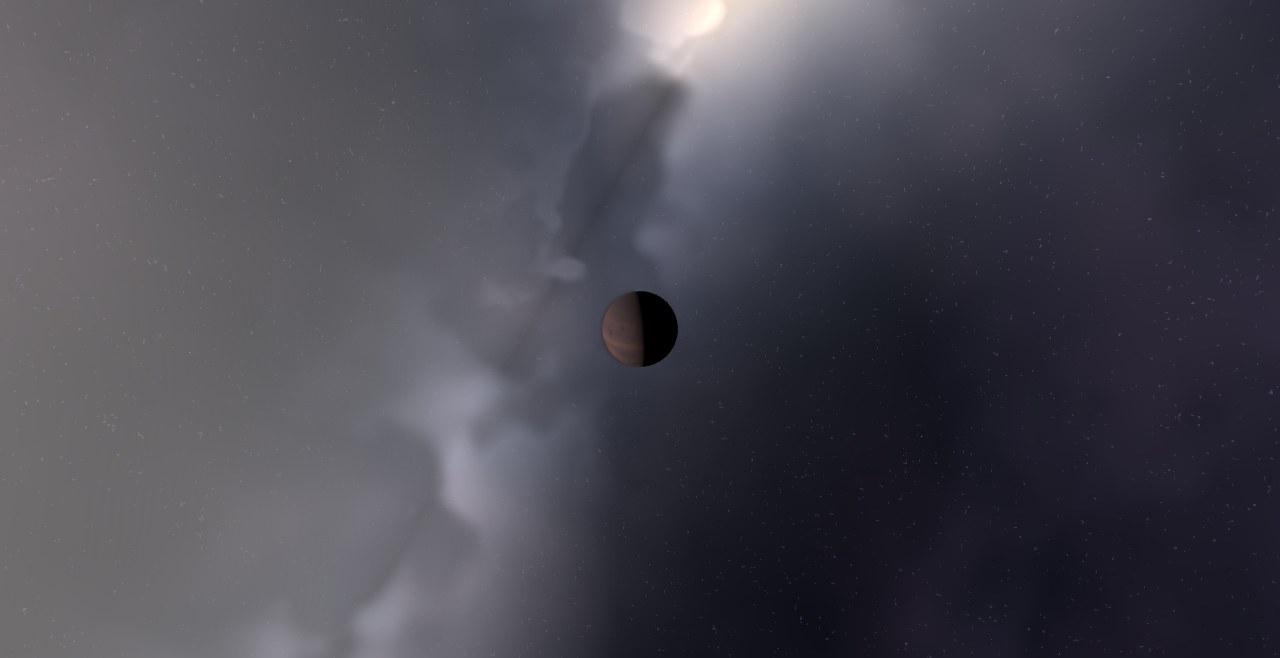
Pr0211, a Sun-like G-type star of 0.94 solar masses, and Pr0211 b, a 1.88-Jupiter-mass companion, with an orbital period of 2.1 days, at 0.032 AU from its star.
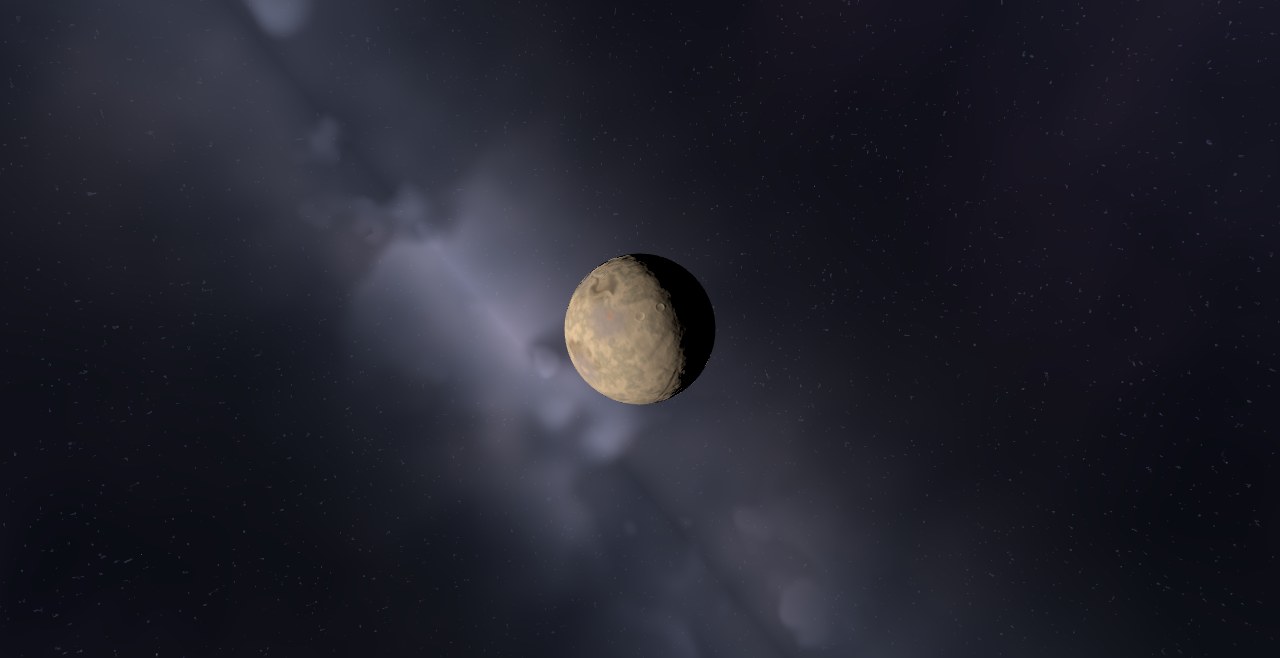
Proxima Centauri, the nearest star to the Sun. Proxima b is an Earth-mass world in the habitable zone, only 4.2 light-years away. The host is a flare-active red dwarf in Alpha Centauri.
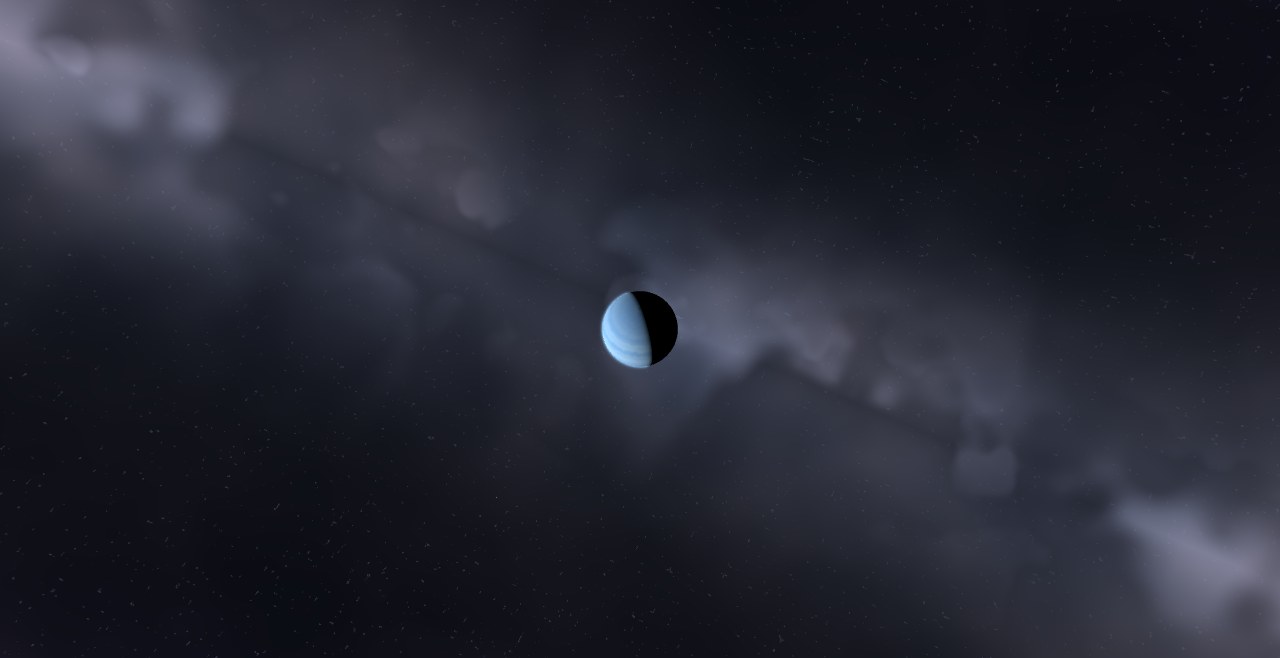
TIC 139270665, a Sun-like G-type star of 1.03 solar masses, and TIC 139270665 b, a 0.46-Jupiter-mass companion, with an orbital period of 23.6 days, at 0.163 AU from its star, and an equilibrium temperature.
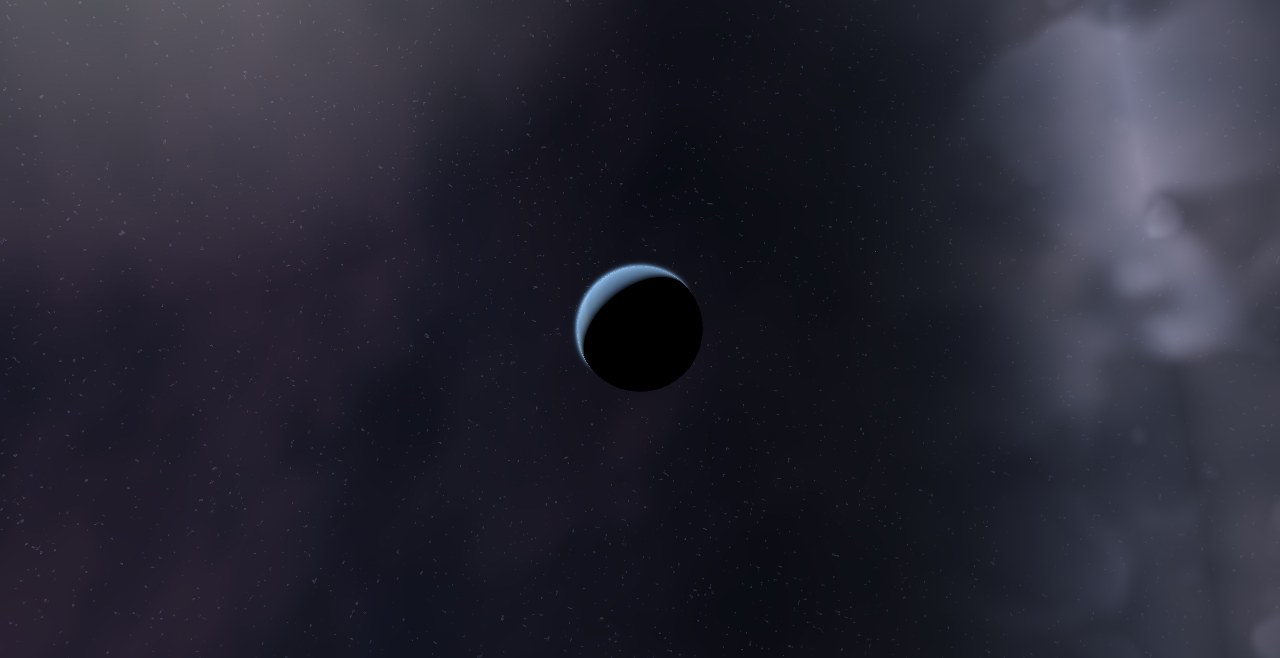
TIC 279401253, a Sun-like G-type star of 1.13 solar masses, and TIC 279401253 b, a 6.14-Jupiter-mass companion, with an orbital period of 76.8 days, at 0.369 AU from its star, on an eccentric orbit (e ≈ 0.45).
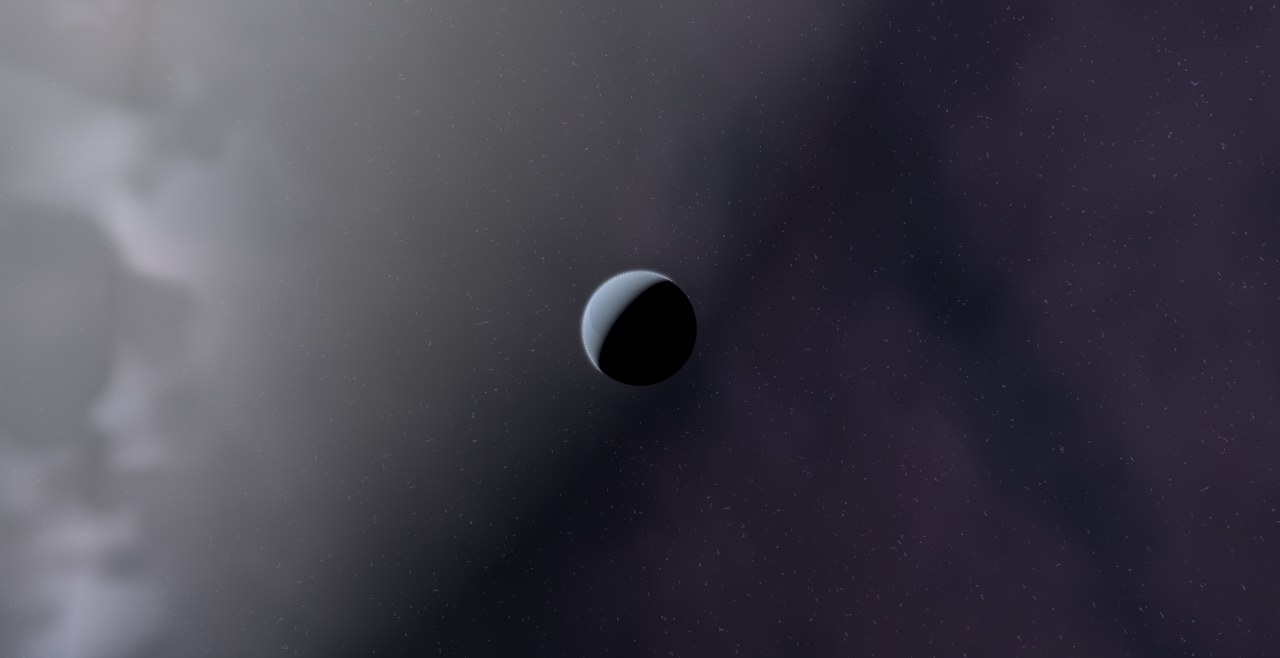
TIC 434398831, a Sun-like G-type star of 0.99 solar masses, and TIC 434398831 b, a planet with 3.5 Earth radii, with an orbital period of 3.7 days, at 0.046 AU from its star, and an equilibrium temperature.
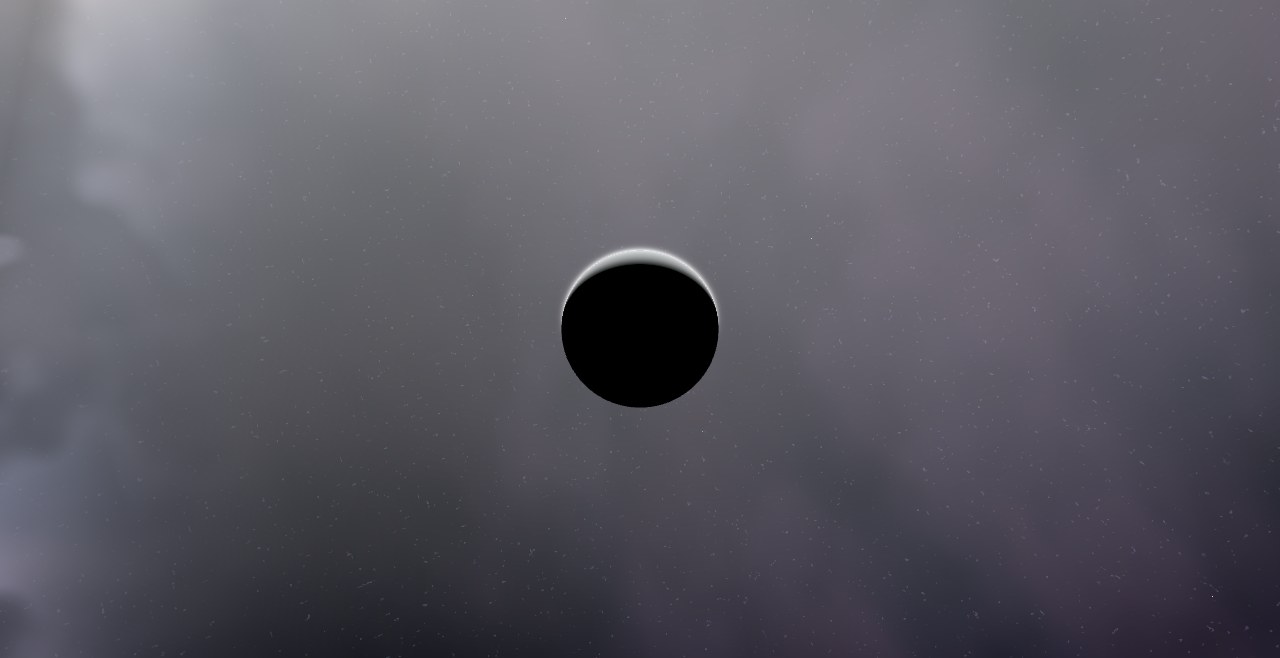
TOI-1052, a Sun-like F-type star of 1.20 solar masses, and TOI-1052 b, a 0.05-Jupiter-mass companion, with an orbital period of 9.1 days, at 0.091 AU from its star, and an equilibrium temperature near 1,135 K.
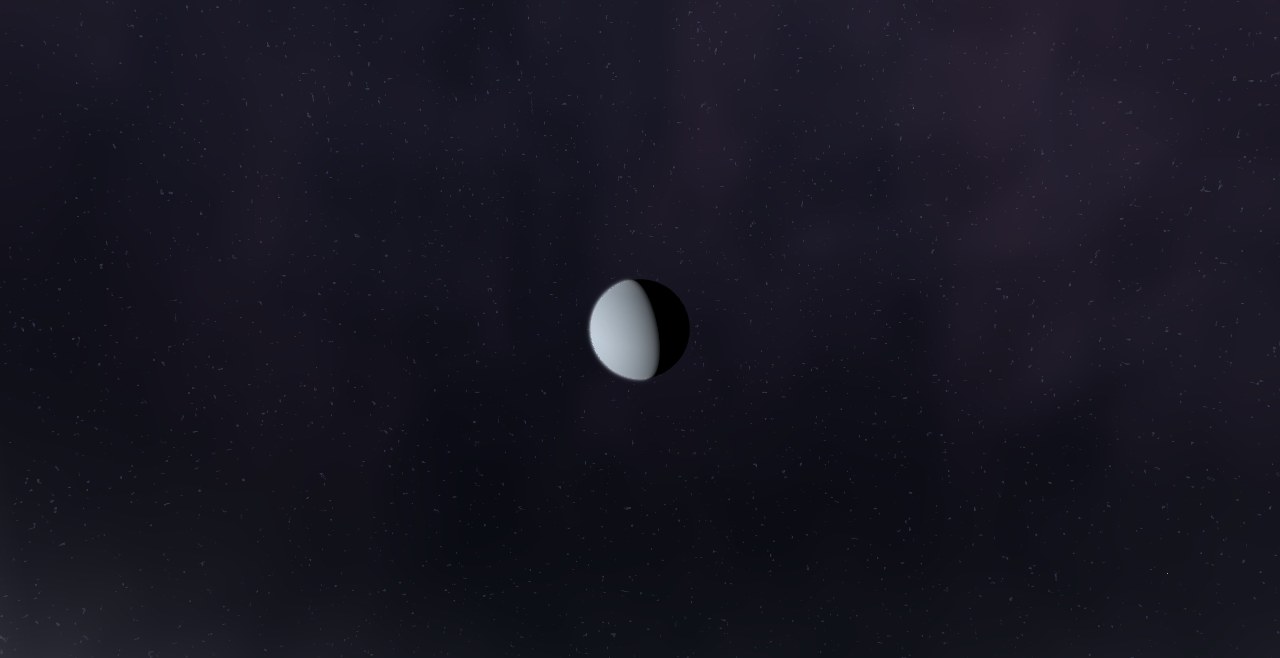
TOI-1062, a Sun-like G-type star of 0.94 solar masses, and TOI-1062 b, a 10.2-Earth-mass planet, with an orbital period of 4.1 days, at 0.052 AU from its star, and an equilibrium temperature near 1,077 K.
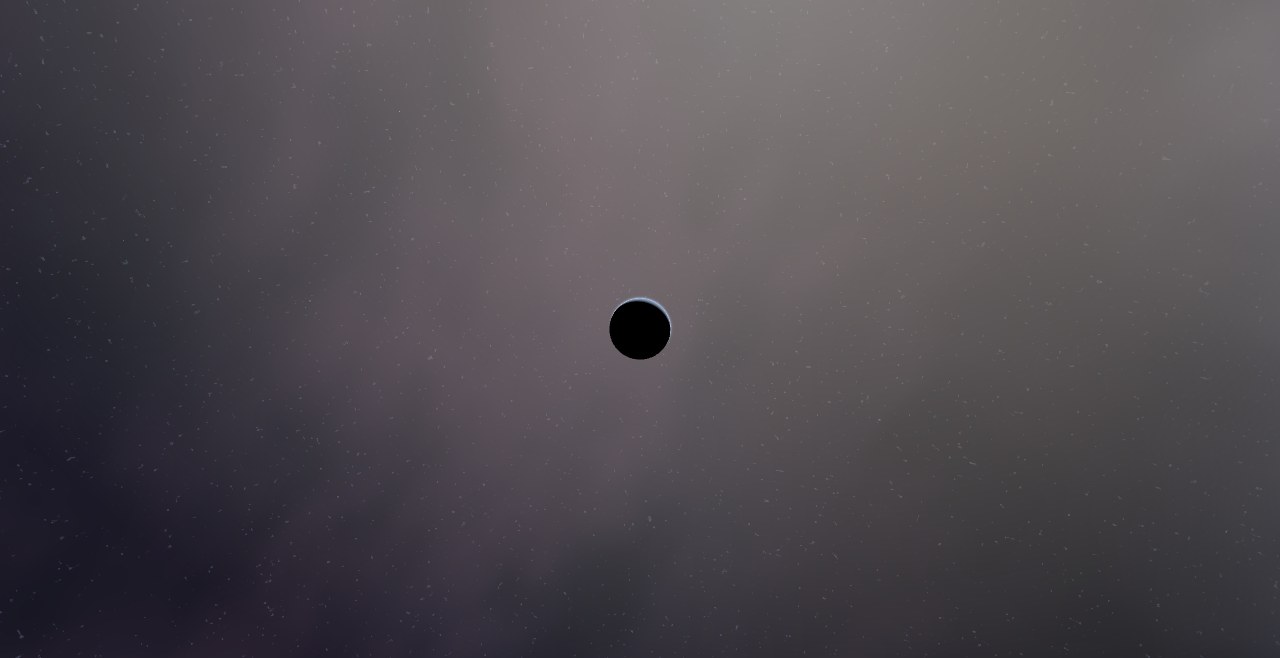
TOI-1064, an orange K-type dwarf of 0.75 solar masses, and TOI-1064 b, a 13.5-Earth-mass planet, with an orbital period of 6.4 days, at 0.062 AU from its star, and an equilibrium temperature near 784 K.
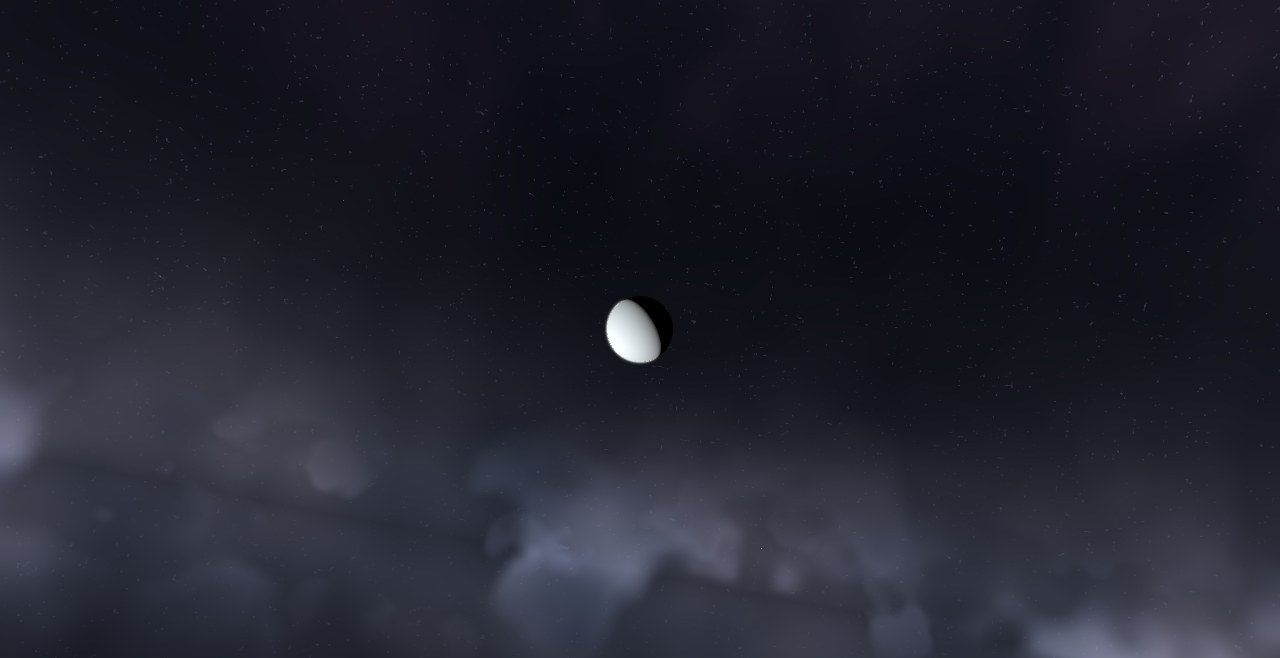
TOI-1130, an orange K-type dwarf of 0.74 solar masses, and TOI-1130 b, a 0.06-Jupiter-mass companion, with an orbital period of 4.1 days, at 0.045 AU from its star, and an equilibrium temperature near 825 K.
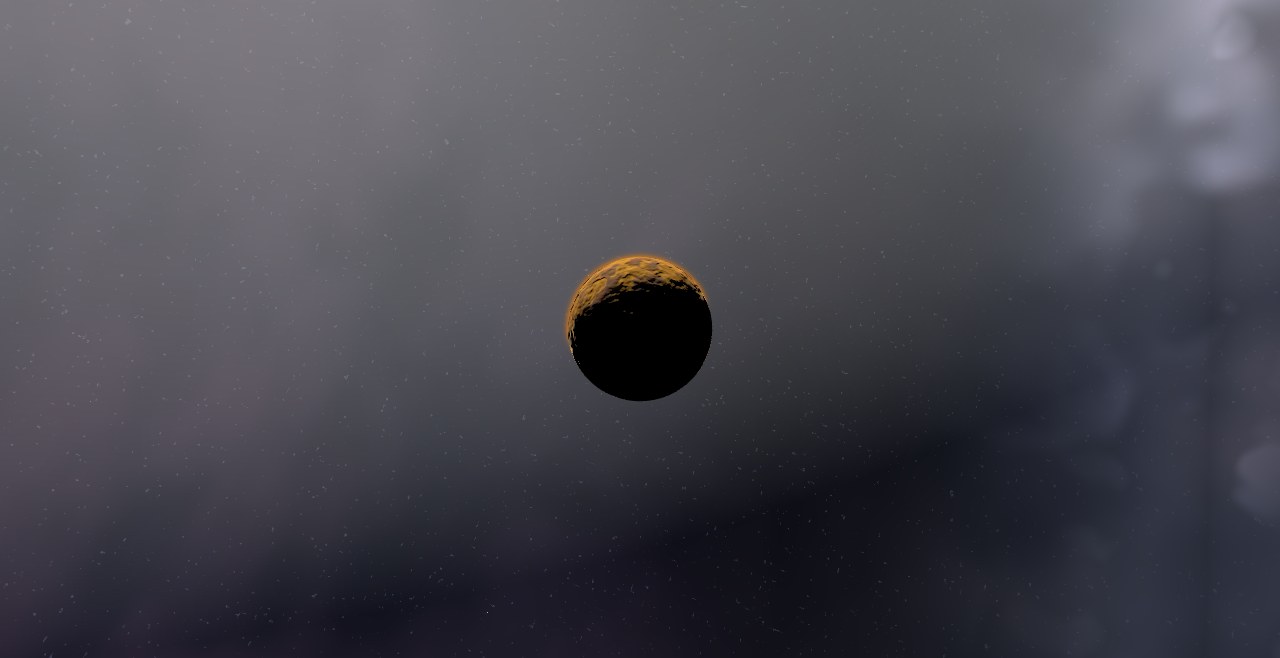
TOI-1203, a Sun-like G-type star of 0.89 solar masses, and TOI-1203 b, a 3.5-Earth-mass planet, with an orbital period of 4.2 days, at 0.049 AU from its star, and an equilibrium temperature near 1,361 K.
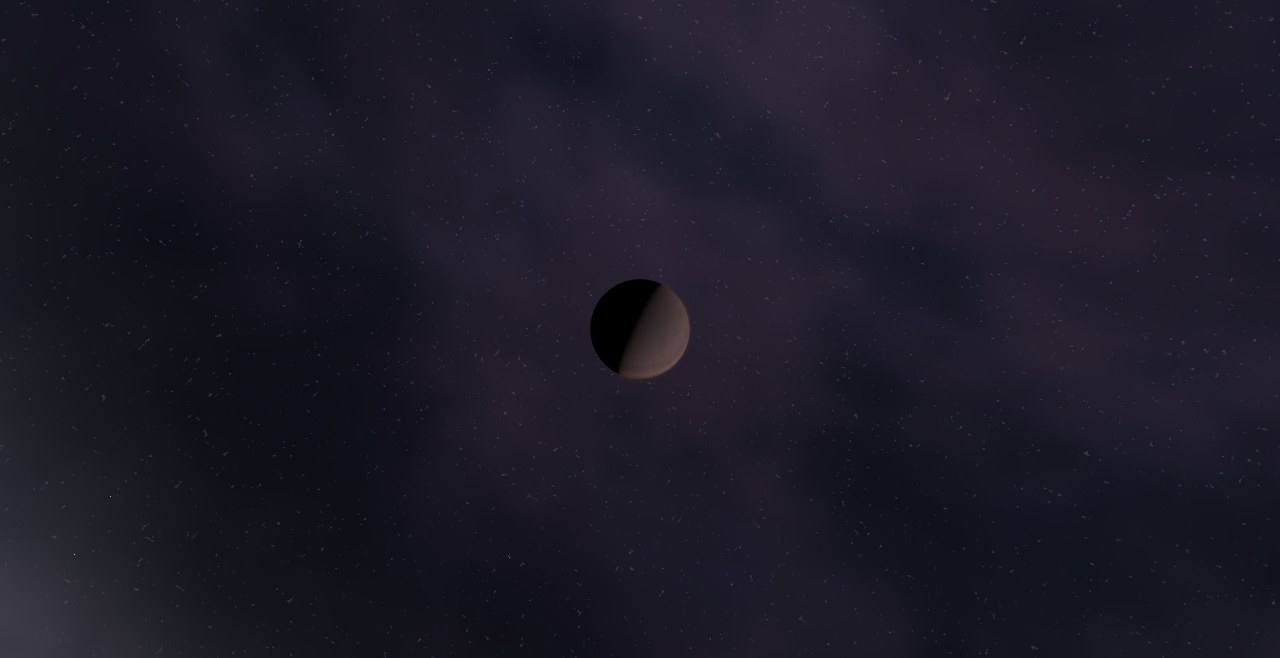
TOI-1232, a Sun-like G-type star of 1.06 solar masses, and TOI-1232 b, a 0.69-Jupiter-mass companion, with an orbital period of 14.3 days, at 0.117 AU from its star, on an eccentric orbit (e ≈ 0.07).