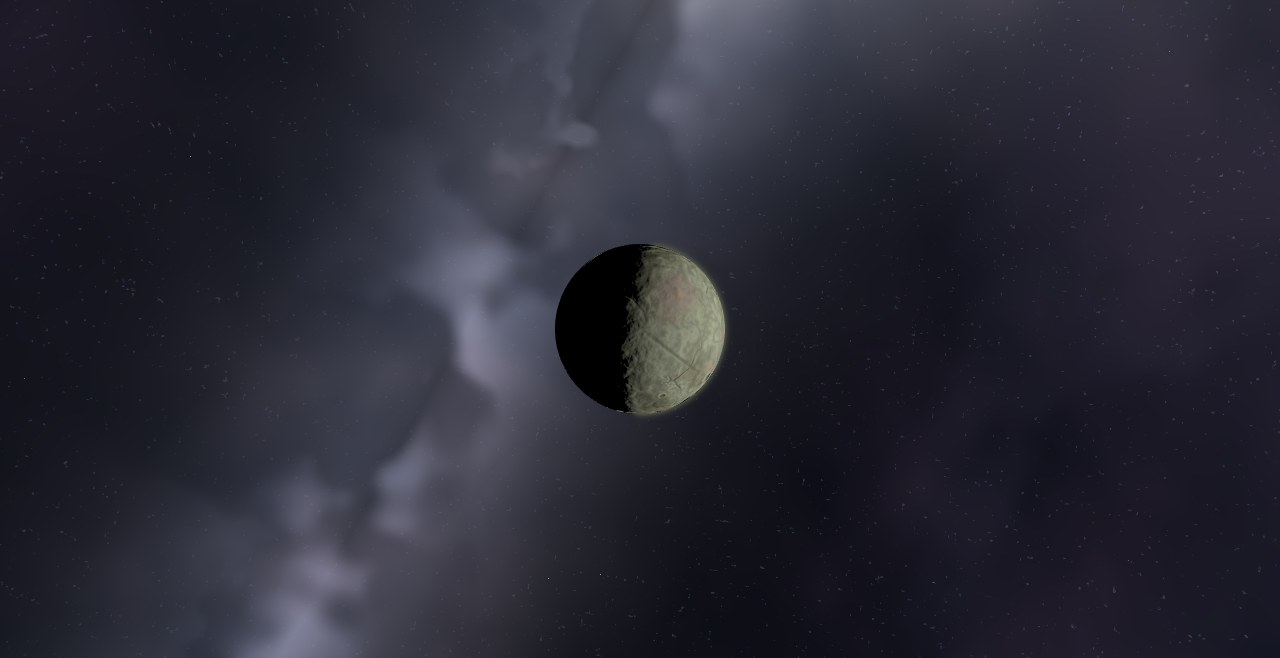
Kepler-896 - System
Kepler-896, a Sun-like G-type star of 0.84 solar masses, and Kepler-896 c, a planet with 3.1 Earth radii, with an orbital period of 29.5 days, at 0.179 AU from its star, and an equilibrium temperature near 515.
Exoplanets
Track gravitational perturbations, transit timing variations, and orbital stability between binary planet arrangements around distant stars.
Share
Kepler-896, a Sun-like G-type star of 0.84 solar masses, and Kepler-896 c, a planet with 3.1 Earth radii, with an orbital period of 29.5 days, at 0.179 AU from its star, and an equilibrium temperature near 515.
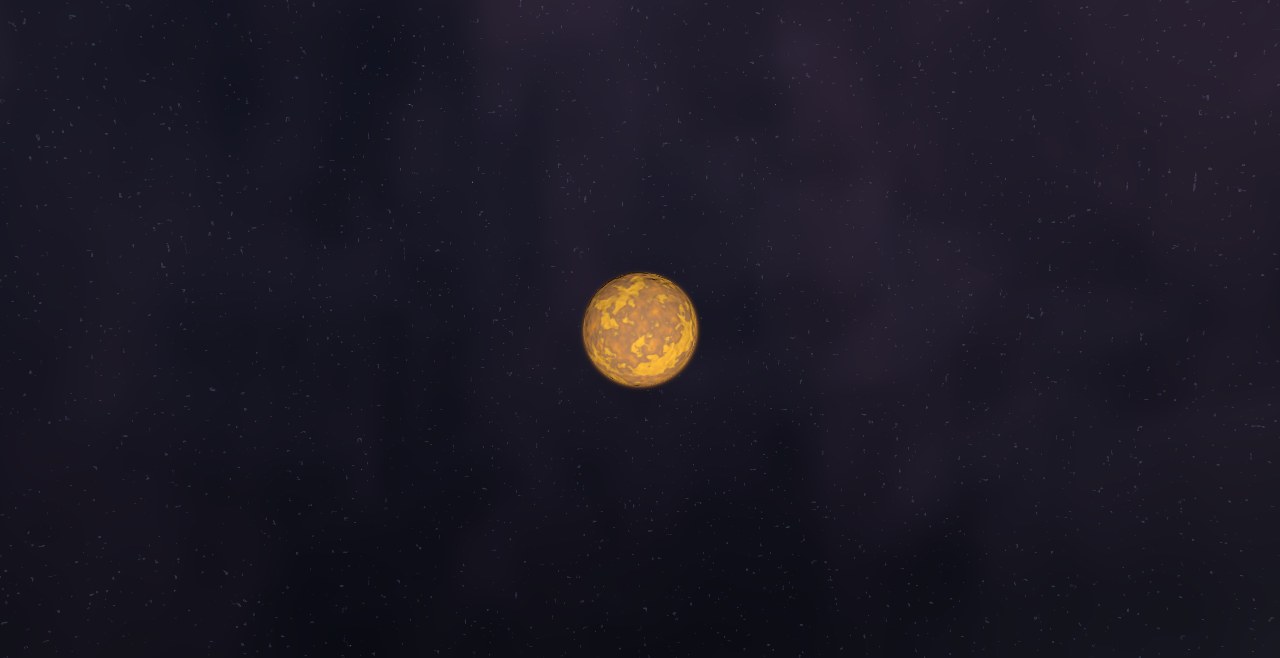
Kepler-903, a Sun-like G-type star of 0.98 solar masses, and Kepler-903 b, a planet with 2.0 Earth radii, with an orbital period of 10.4 days.
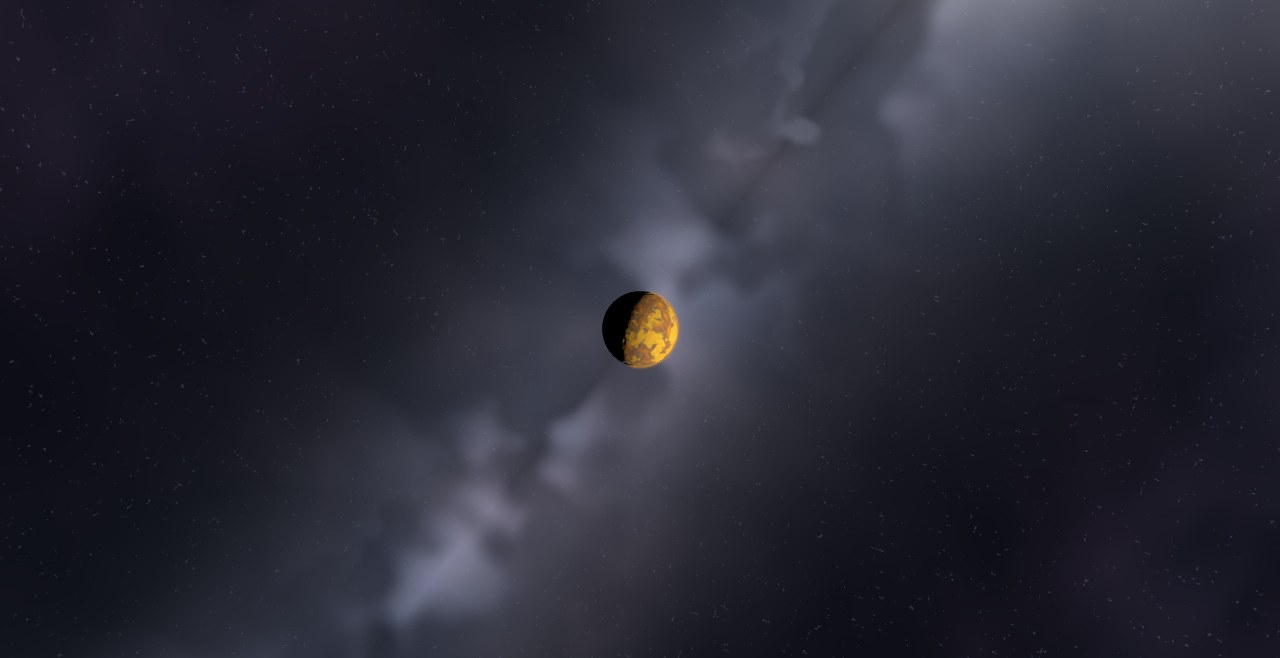
Kepler-913, a Sun-like F-type star of 1.29 solar masses, and Kepler-913 c, a planet with 3.9 Earth radii, with an orbital period of 5.9 days.
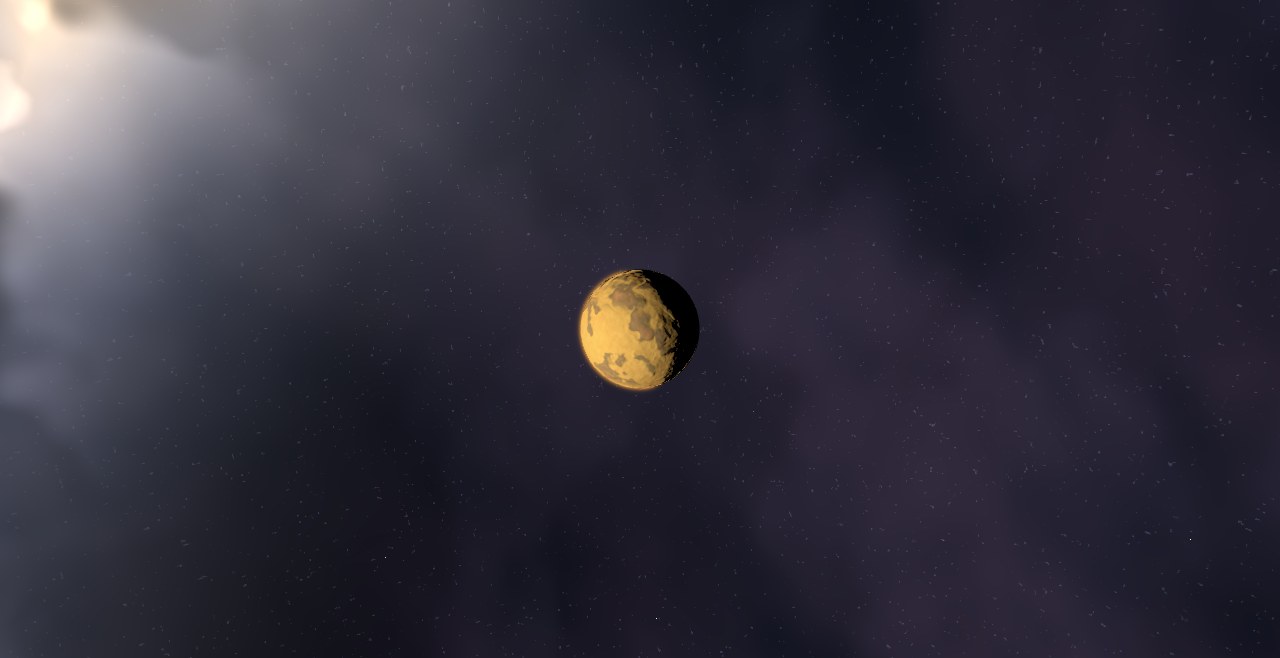
Kepler-920, a Sun-like G-type star of 0.89 solar masses, and Kepler-920 b, a planet with 2.4 Earth radii, with an orbital period of 6.5 days.
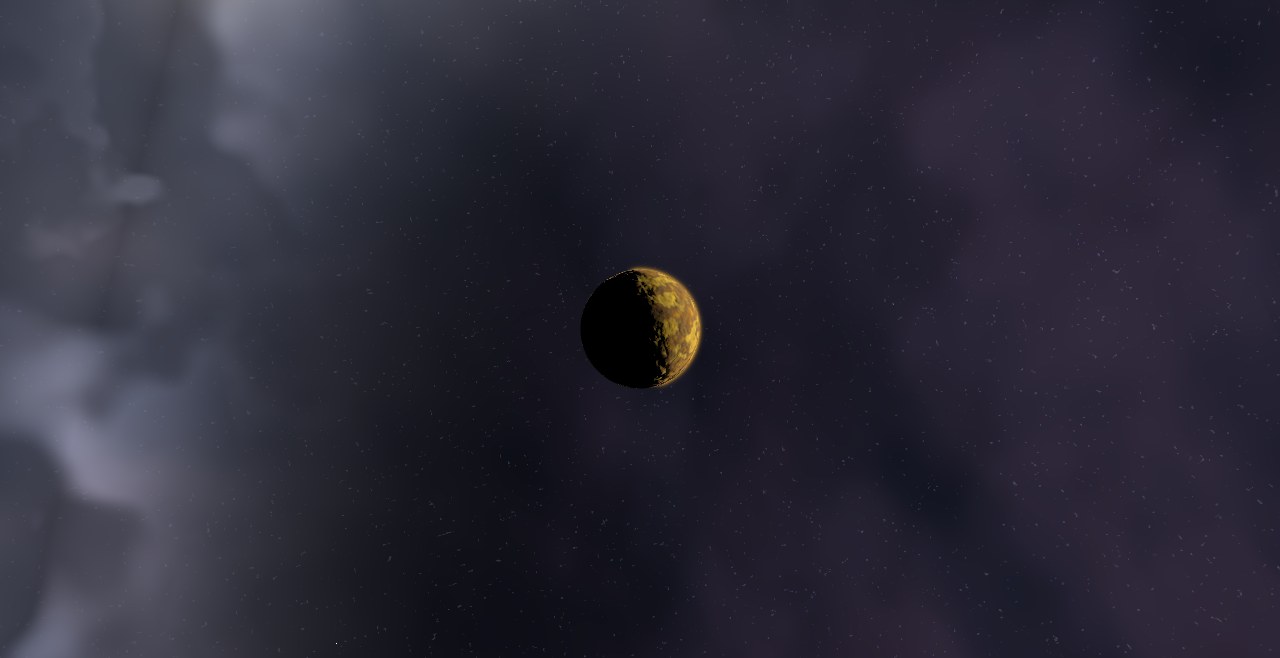
Kepler-937, a Sun-like F-type star of 1.15 solar masses, and Kepler-937 b, a planet with 3.7 Earth radii, with an orbital period of 67.7 days.
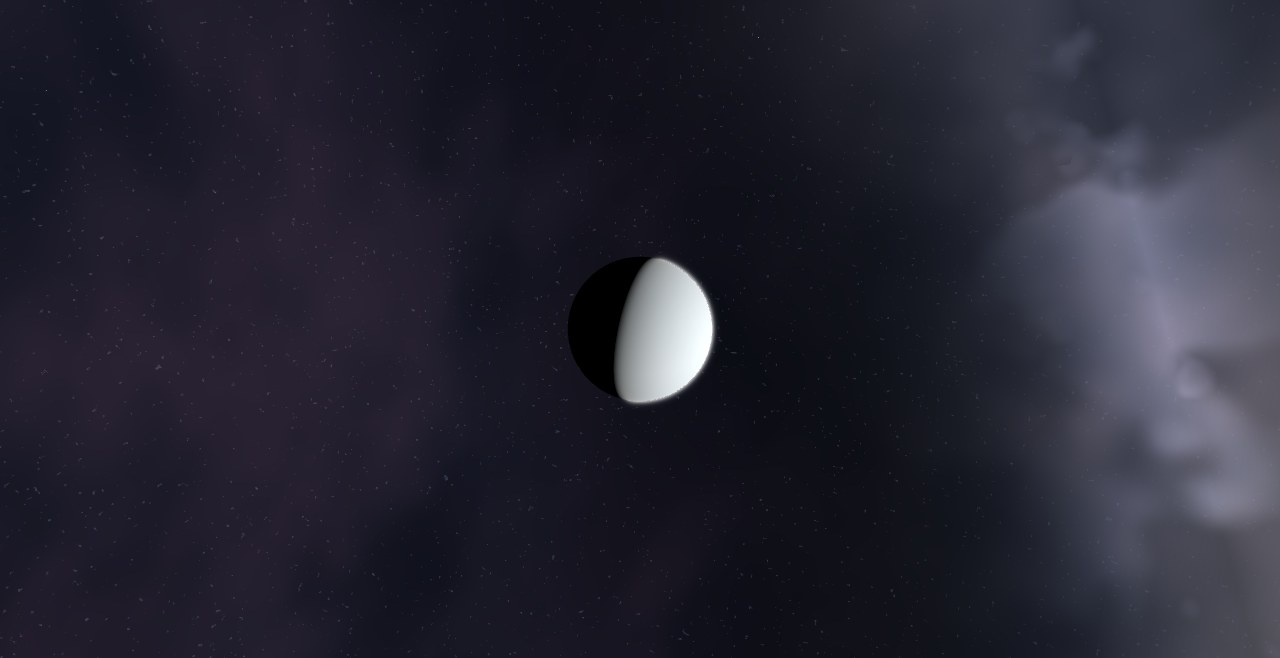
Kepler-94, an orange K-type dwarf of 0.81 solar masses, and Kepler-94 b, a 10.8-Earth-mass planet, with an orbital period of 2.5 days.
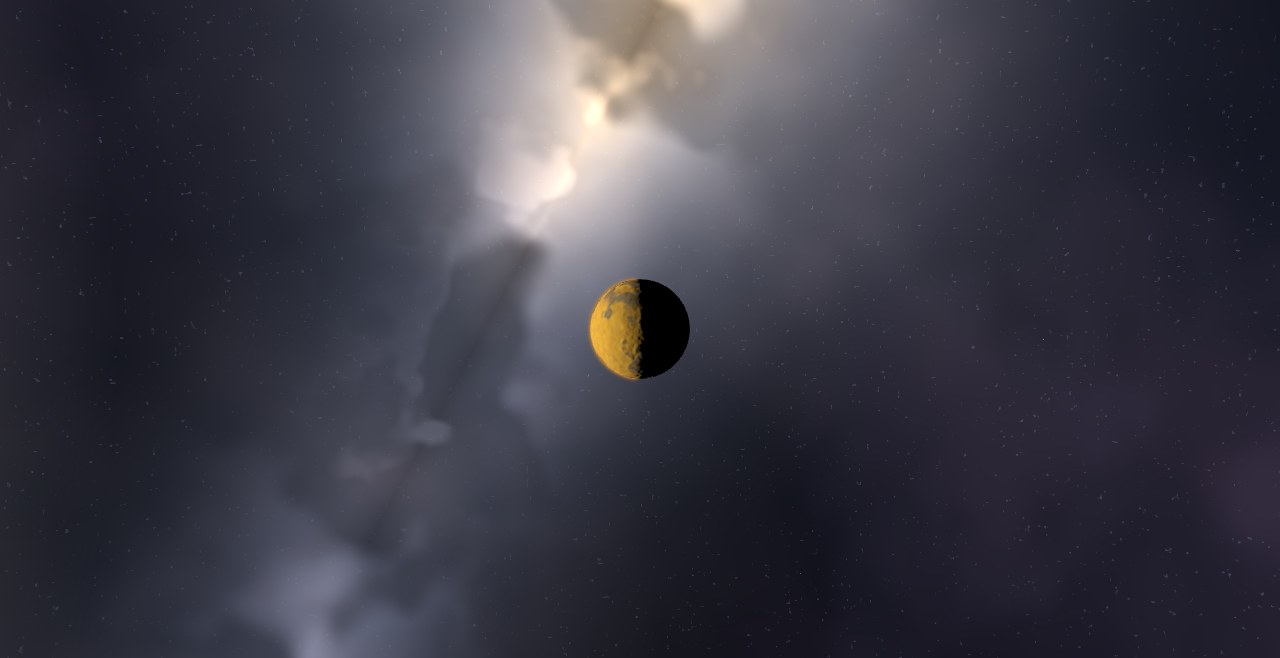
Kepler-949, a Sun-like G-type star of 0.82 solar masses, and Kepler-949 c, a planet with 3.0 Earth radii, with an orbital period of 21.0 days, at 0.139 AU from its star, and an equilibrium temperature near 582.
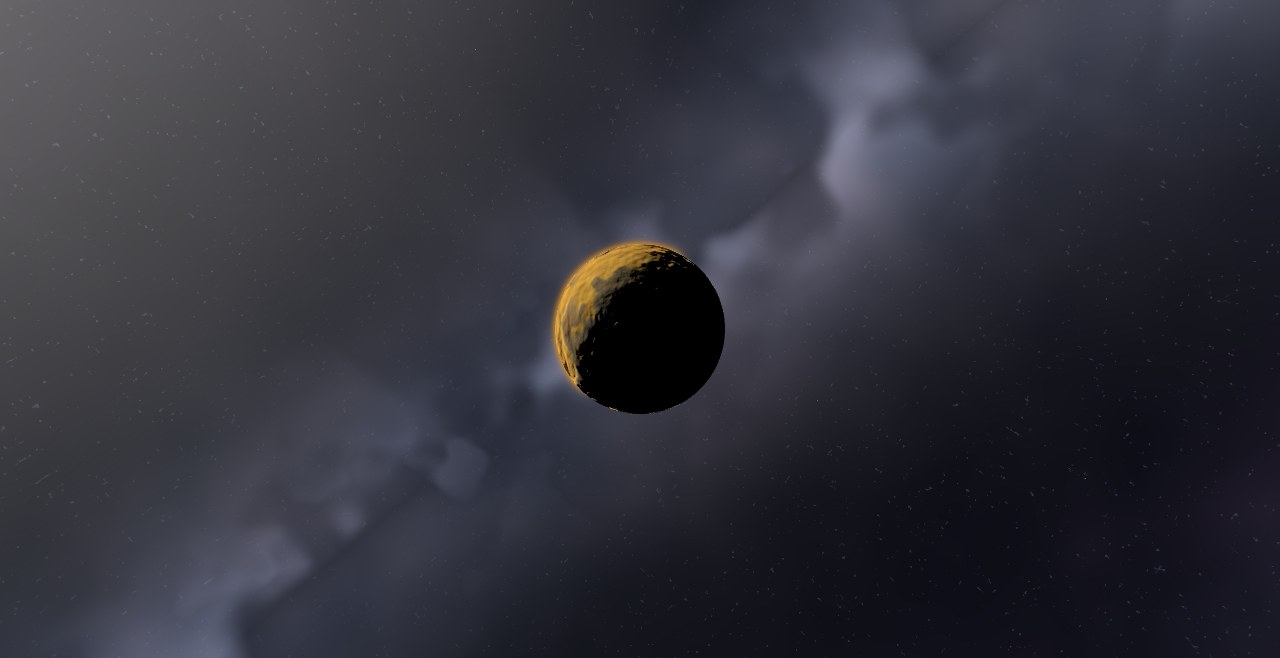
Kepler-953, a Sun-like G-type star of 0.95 solar masses, and Kepler-953 c, a planet with 1.2 Earth radii, with an orbital period of 9.1 days.
Kepler-967, an orange K-type dwarf of 0.84 solar masses, and Kepler-967 b, a planet with 2.4 Earth radii, with an orbital period of 13.2 days.
Kepler-969, a Sun-like G-type star of 0.92 solar masses, and Kepler-969 c, a planet with 1.0 Earth radii, with an orbital period of 1.7 days.
Kepler-974, a cool M-dwarf of 0.52 solar masses, and KOI-1843.03, a 8.0-Earth-mass planet, with an orbital period of 4.2 hours.
Kepler-975, an orange K-type dwarf of 0.95 solar masses, and Kepler-975 c, a planet with 10.7 Earth radii, with an orbital period of 5.1 days, at 0.057 AU from its star, and an equilibrium temperature near.
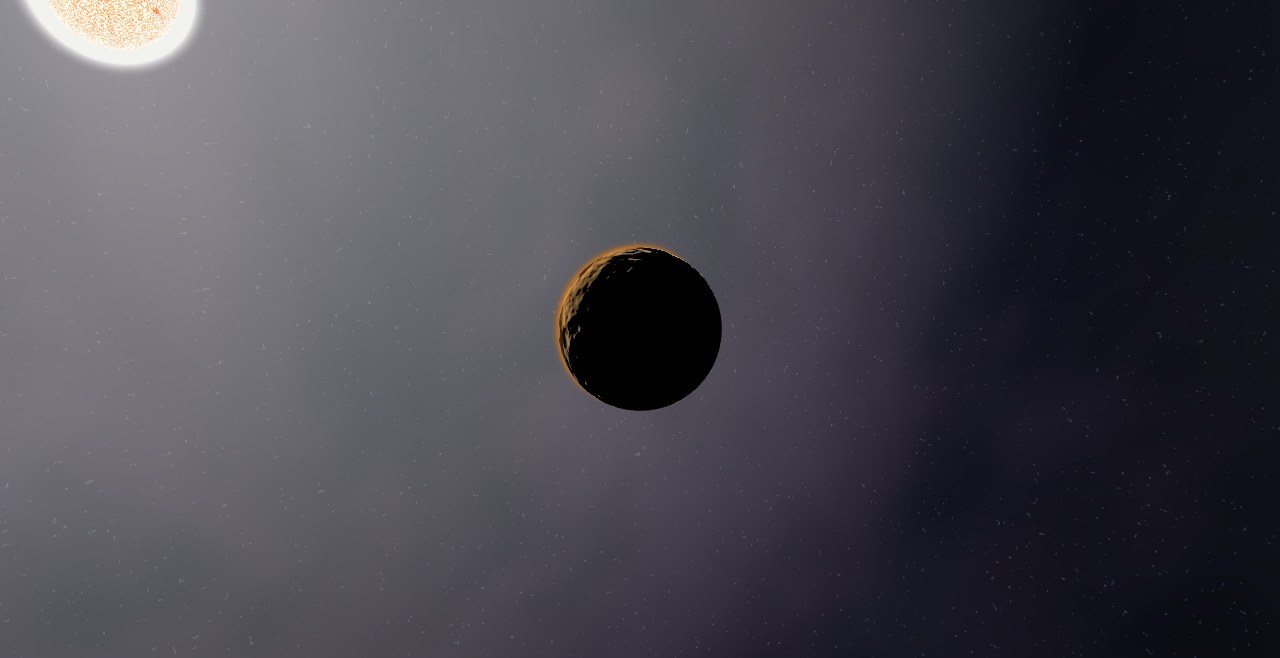
Kepler-990, a Sun-like G-type star of 1.05 solar masses, and Kepler-990 c, a planet with 1.5 Earth radii, with an orbital period of 12.9 hours.
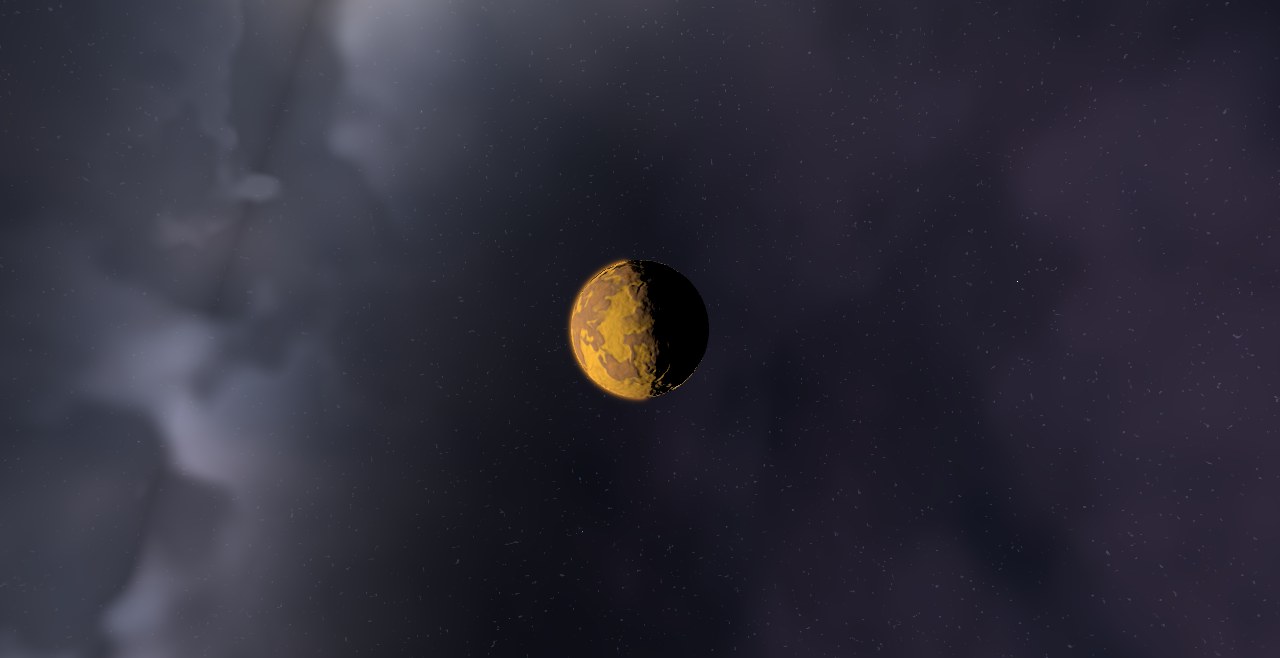
LHS 1140, a nearby red dwarf with a rocky habitable-zone super-Earth. LHS 1140 b is a leading target for atmospheric study with JWST. An inner planet, LHS 1140 c, transits the star as well.
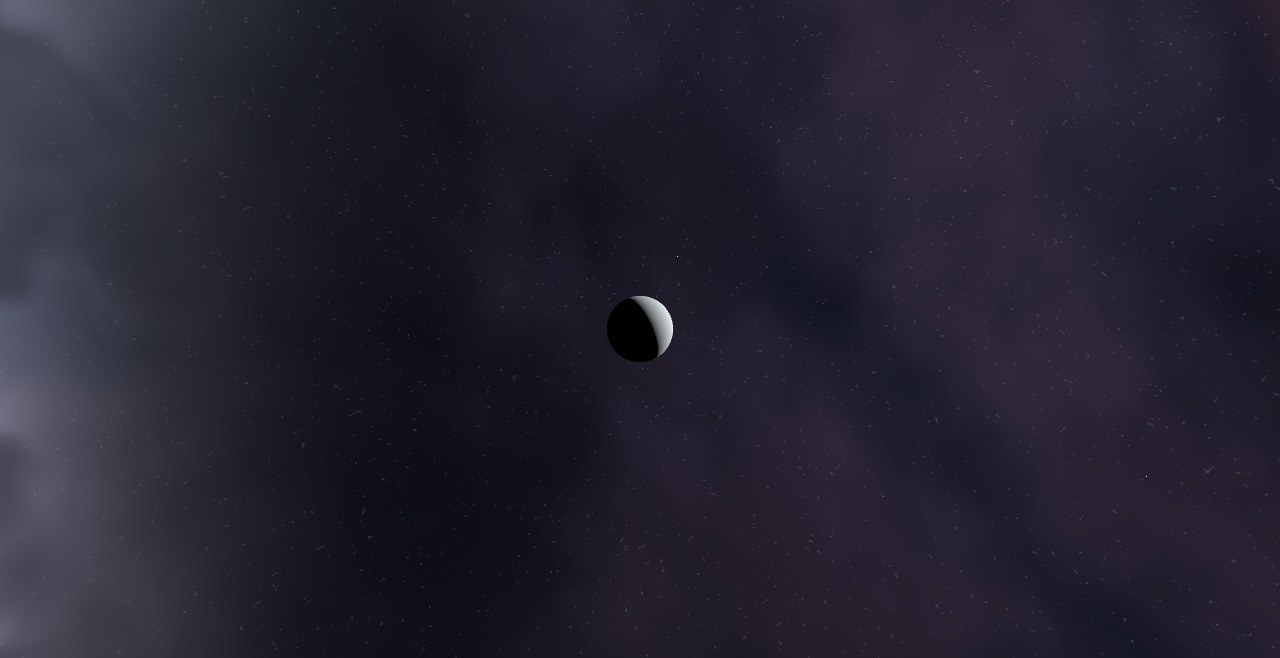
LP 890-9, also SPECULOOS-2, an ultracool dwarf with two Earth-sized planets. The outer one transits in the habitable zone. The host is one of the coolest stars known to have planets.
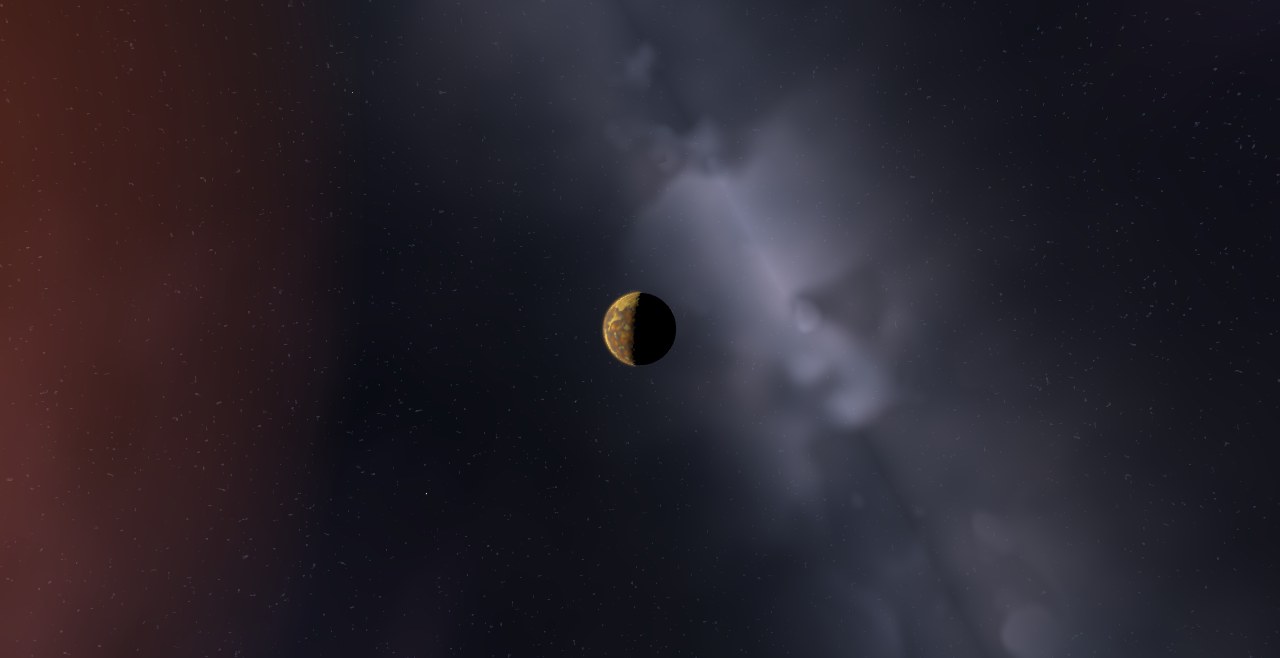
LTT 1445 A, a cool M-dwarf of 0.26 solar masses, and LTT 1445 A c, a 1.5-Earth-mass planet, with an orbital period of 3.1 days, at 0.027 AU from its star, and an equilibrium temperature near 508 K.
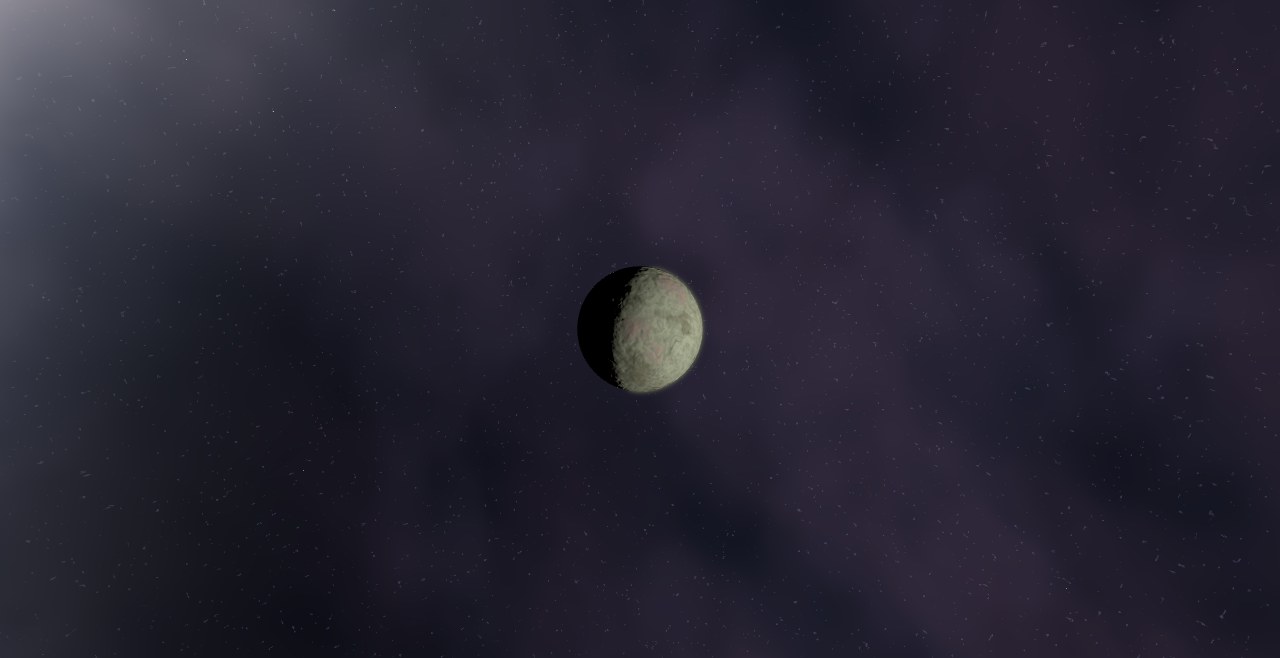
LTT 3780, a cool M-dwarf of 0.38 solar masses, and LTT 3780 b, a 2.5-Earth-mass planet, with an orbital period of 18.4 hours, at 0.012 AU from its star, and an equilibrium temperature near 903 K.
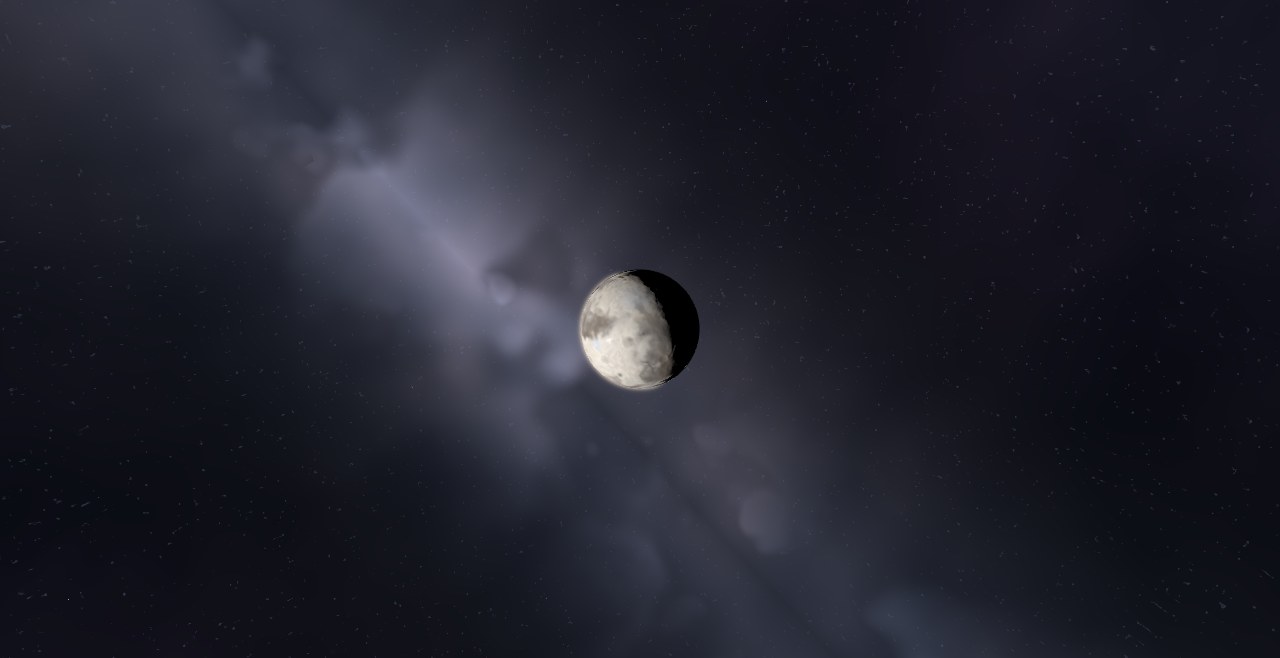
LkCa 15, an orange K-type dwarf of 1.00 solar masses, and LkCa 15 b, a confirmed exoplanet, at 14.7 AU from its star.