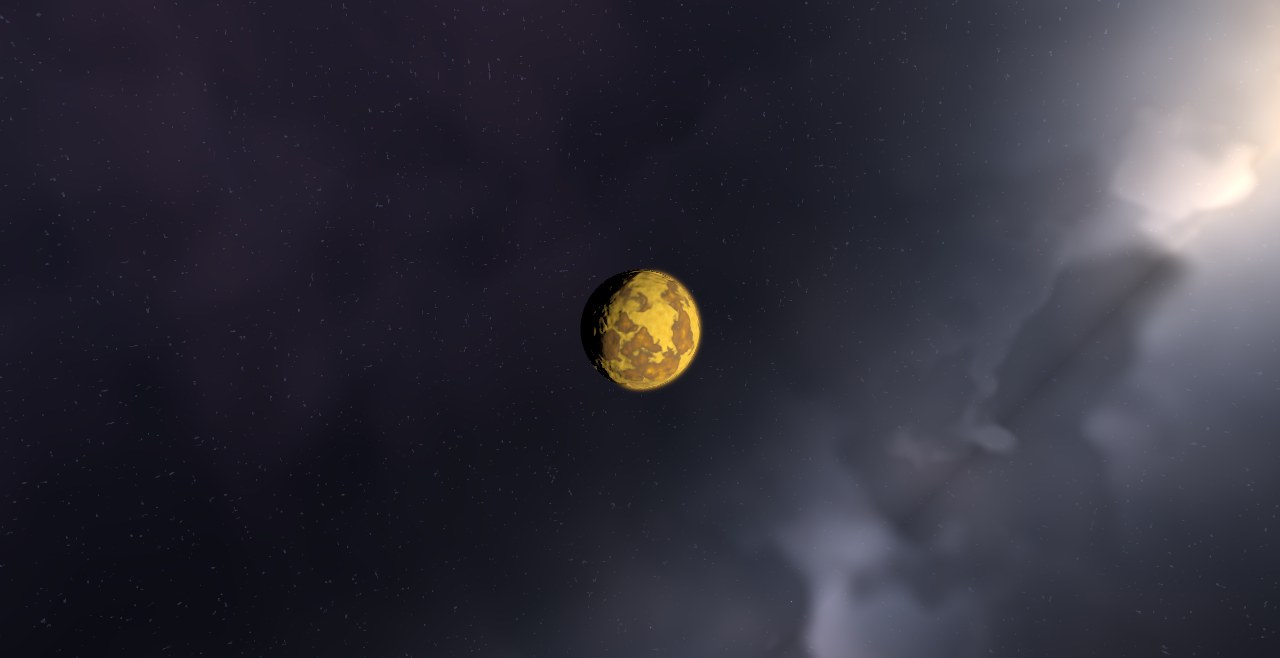
Kepler-415 - System
Kepler-415, an orange K-type dwarf of 0.67 solar masses, and Kepler-415 b, a 0.38-Jupiter-mass companion, with an orbital period of 4.2 days.
Exoplanets
Track gravitational perturbations, transit timing variations, and orbital stability between binary planet arrangements around distant stars.
Share
Kepler-415, an orange K-type dwarf of 0.67 solar masses, and Kepler-415 b, a 0.38-Jupiter-mass companion, with an orbital period of 4.2 days.
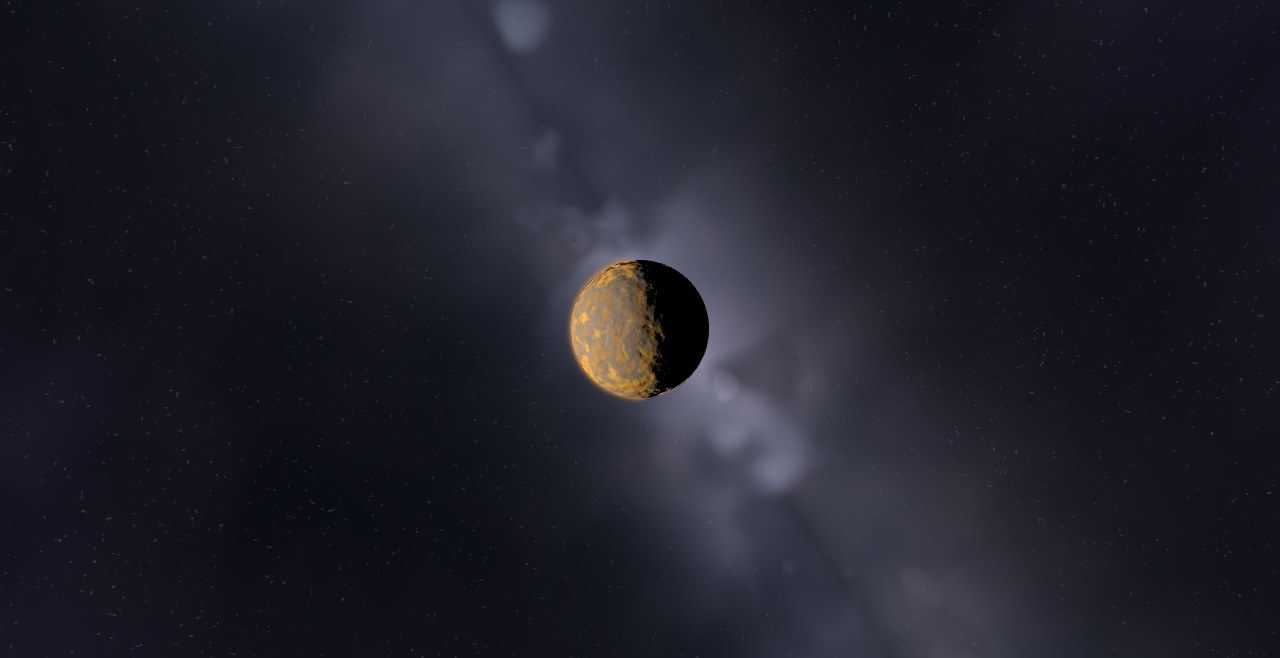
Kepler-417, an orange K-type dwarf of 0.90 solar masses, and Kepler-417 b, a 11.0-Earth-mass planet, with an orbital period of 12.3 days.
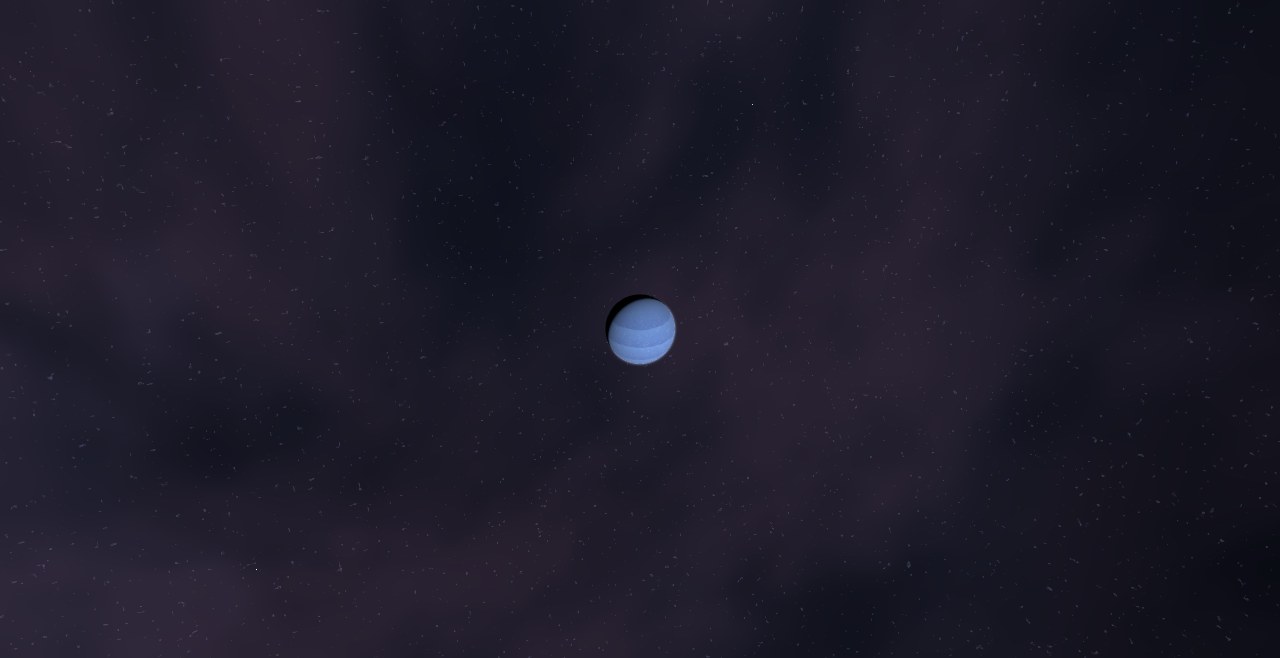
Kepler-418, a Sun-like G-type star of 0.98 solar masses, and Kepler-418 c, a planet with 5.2 Earth radii, with an orbital period of 12.2 days.
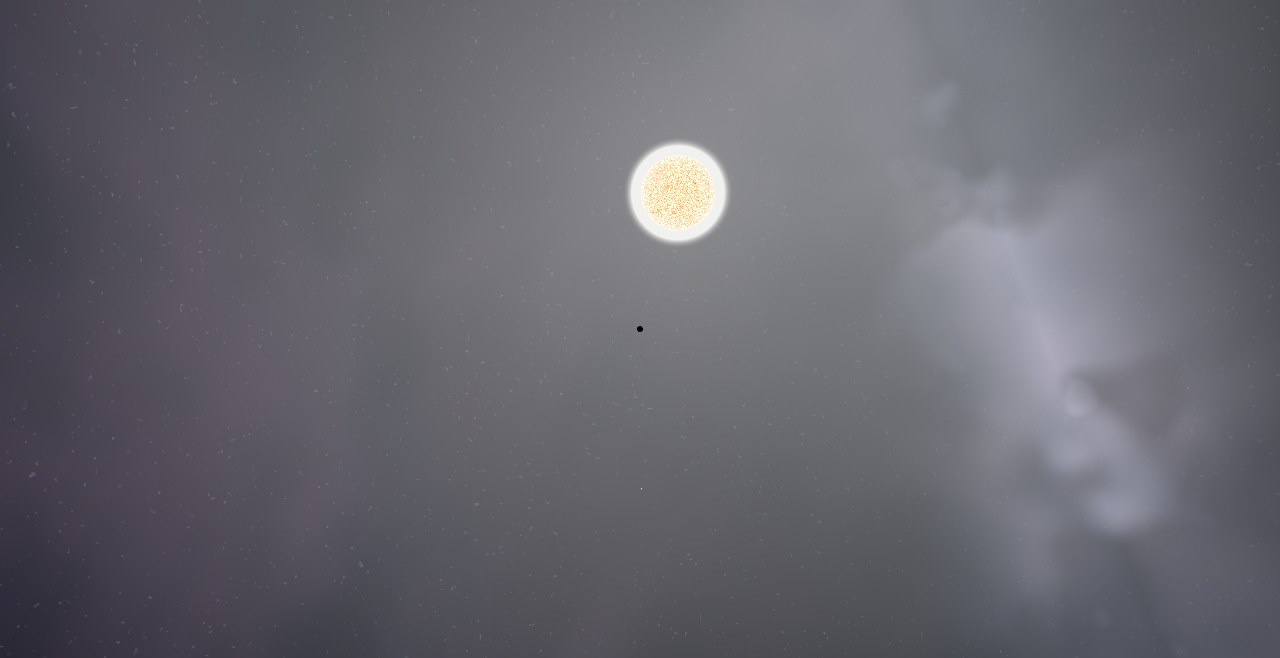
Kepler-419, a Sun-like F-type star of 1.39 solar masses, and Kepler-419 b, a 2.50-Jupiter-mass companion, with an orbital period of 69.8 days, at 0.370 AU from its star, on an eccentric orbit (e ≈ 0.83).
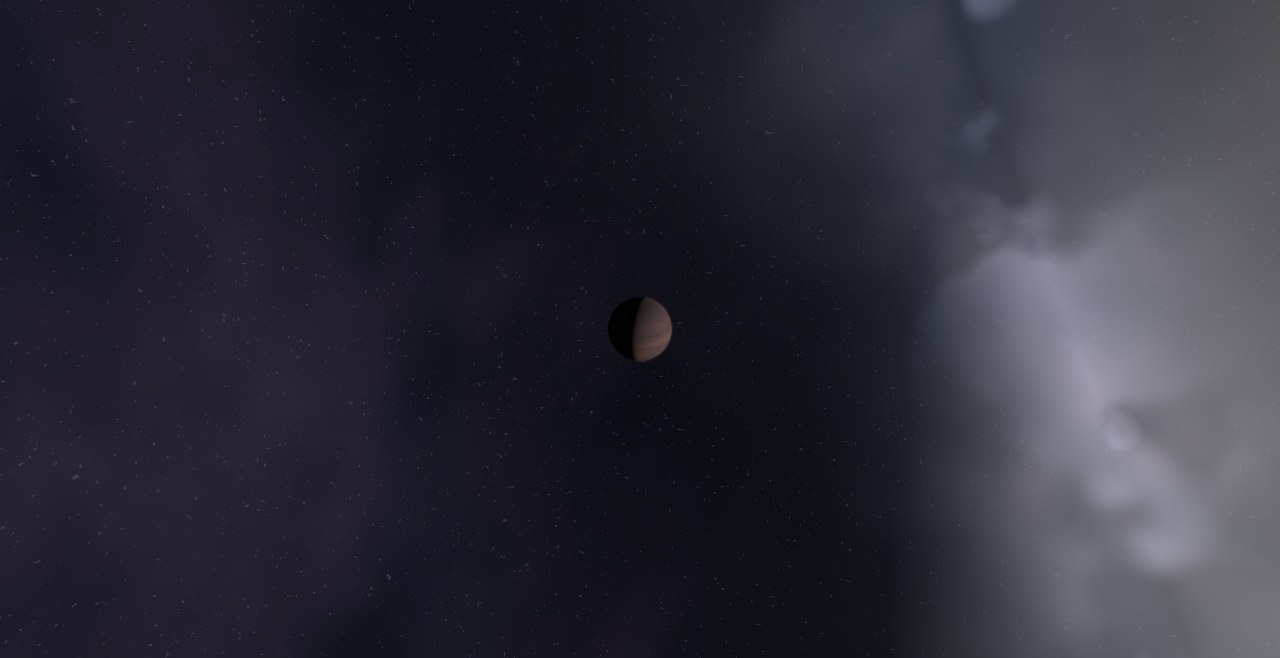
Kepler-424, a Sun-like G-type star of 1.01 solar masses, and Kepler-424 b, a 1.03-Jupiter-mass companion, with an orbital period of 3.3 days, at 0.044 AU from its star.
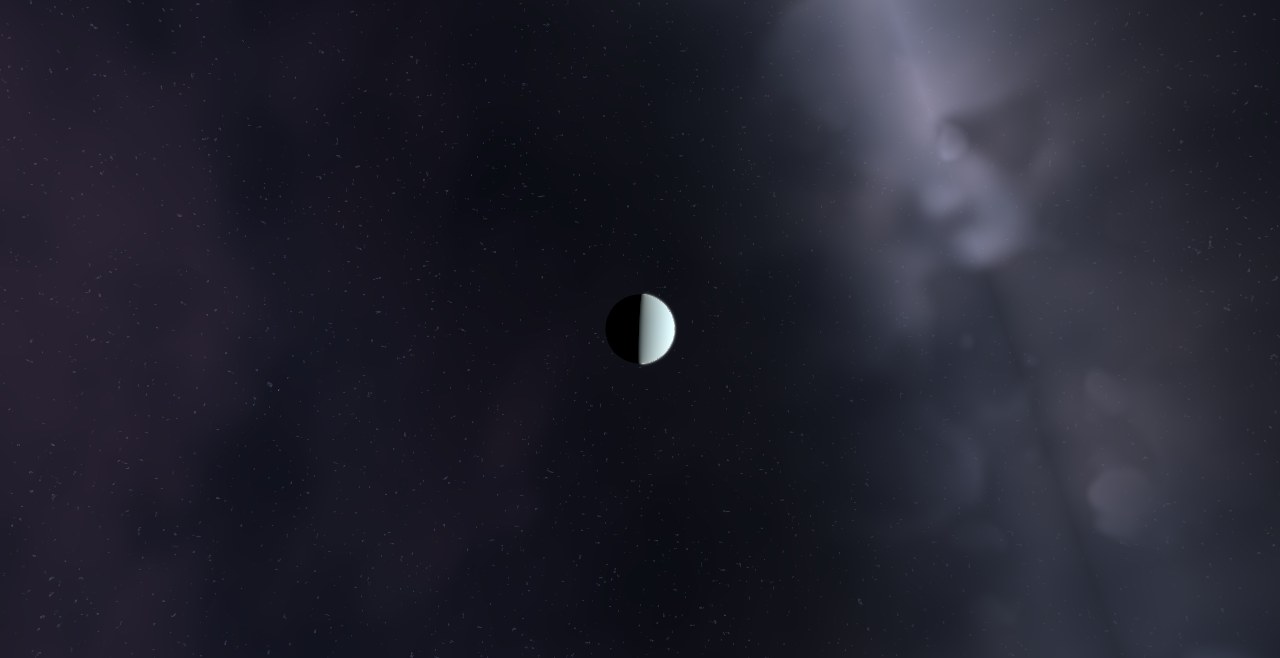
Kepler-430, a Sun-like G-type star of 1.17 solar masses, and Kepler-430 b, a planet with 3.3 Earth radii, with an orbital period of 36.0 days, at 0.224 AU from its star, and an equilibrium temperature near 667.
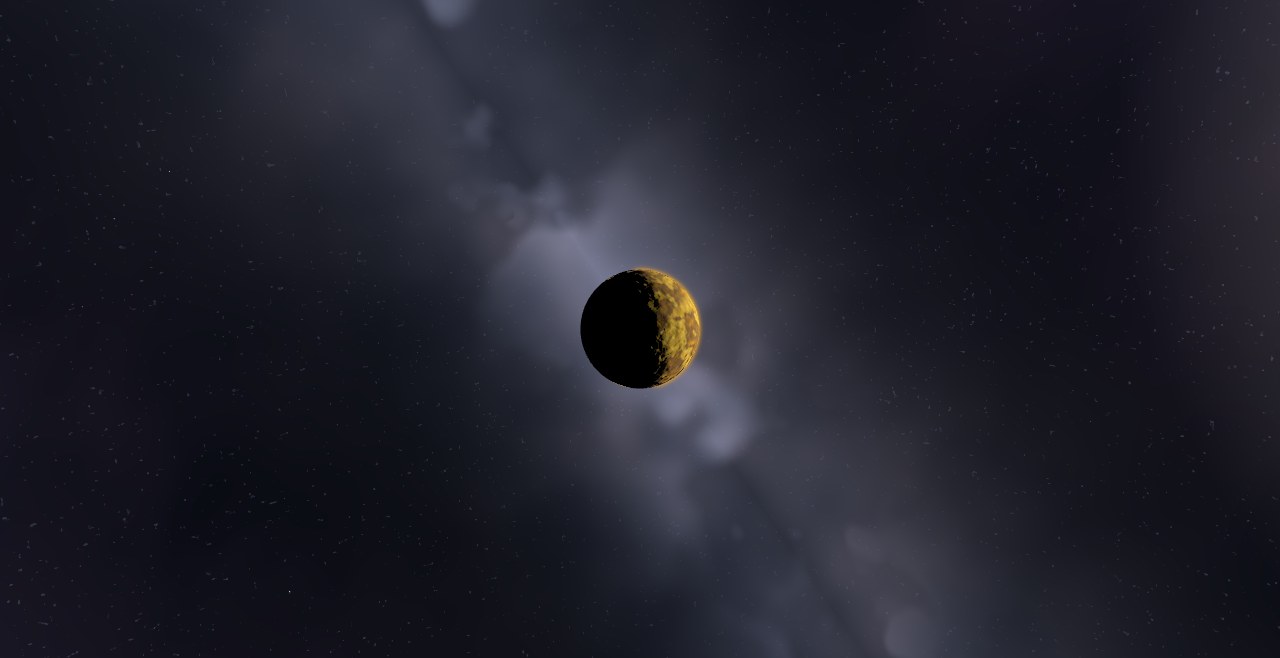
Kepler-436, an orange K-type dwarf of 0.73 solar masses, and Kepler-436 b, a planet with 2.7 Earth radii, with an orbital period of 64.0 days, at 0.339 AU from its star, on an eccentric orbit (e ≈ 0.19).
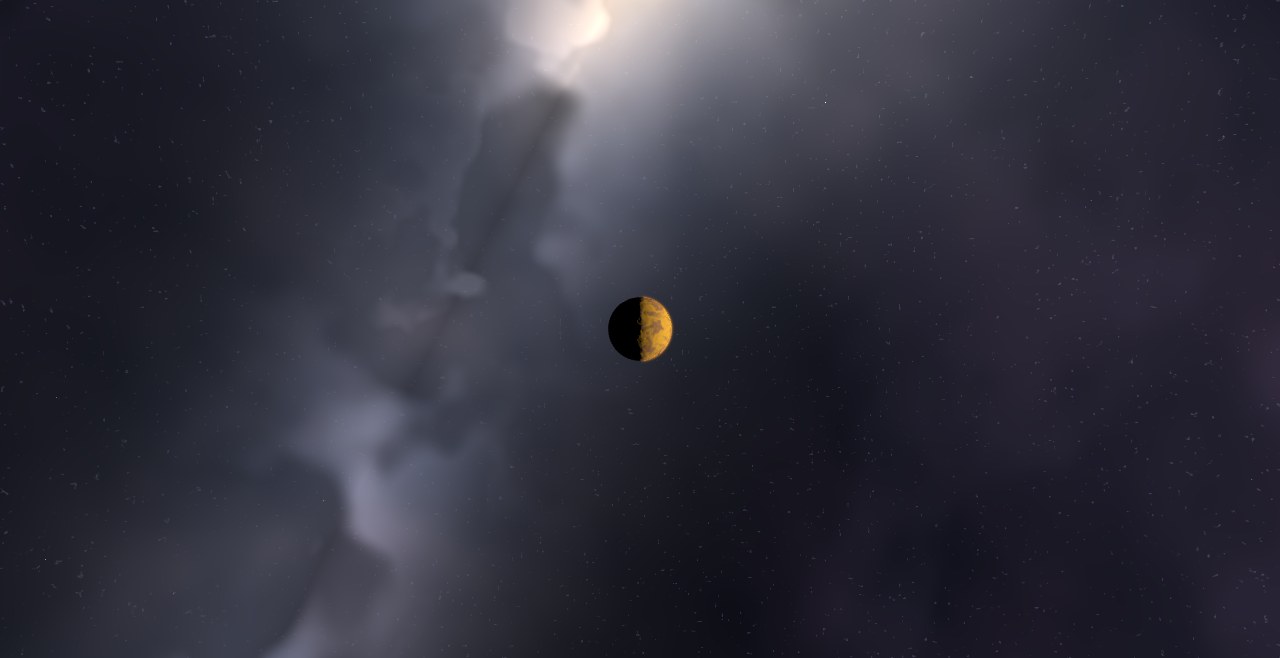
Kepler-449, a Sun-like G-type star of 1.02 solar masses, and Kepler-449 b, a planet with 2.1 Earth radii, with an orbital period of 12.6 days.
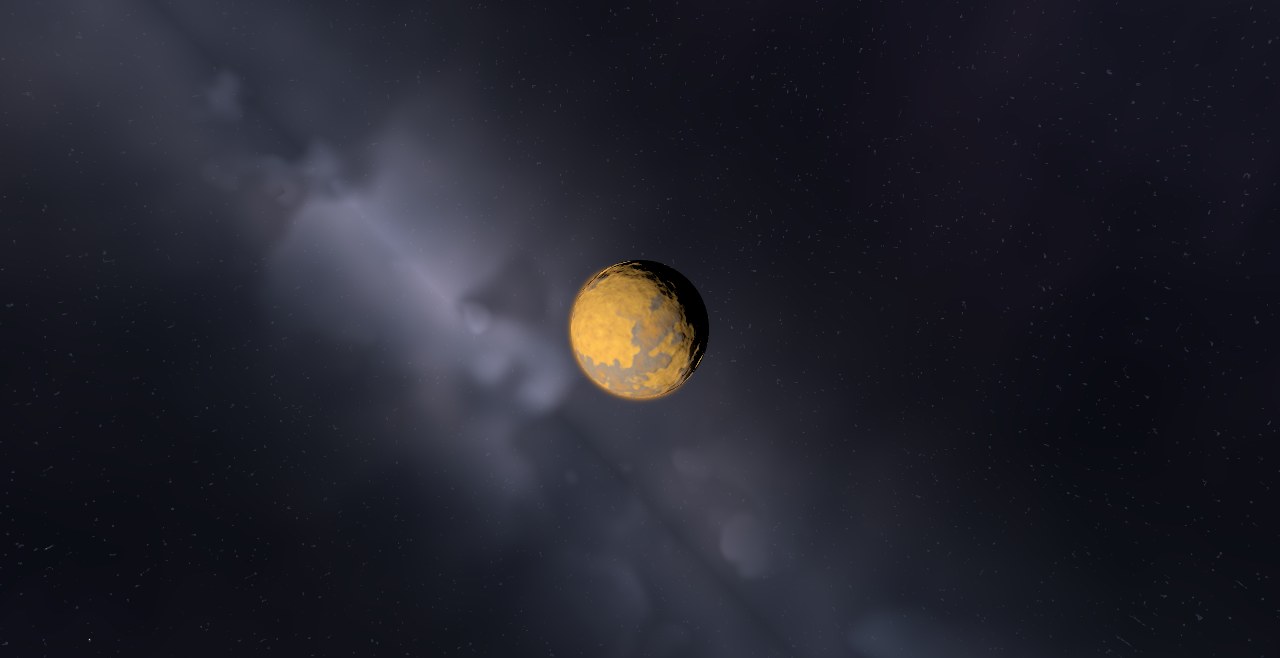
Kepler-462, and Kepler-462 b, a 0.17-Jupiter-mass companion, with an orbital period of 84.7 days.
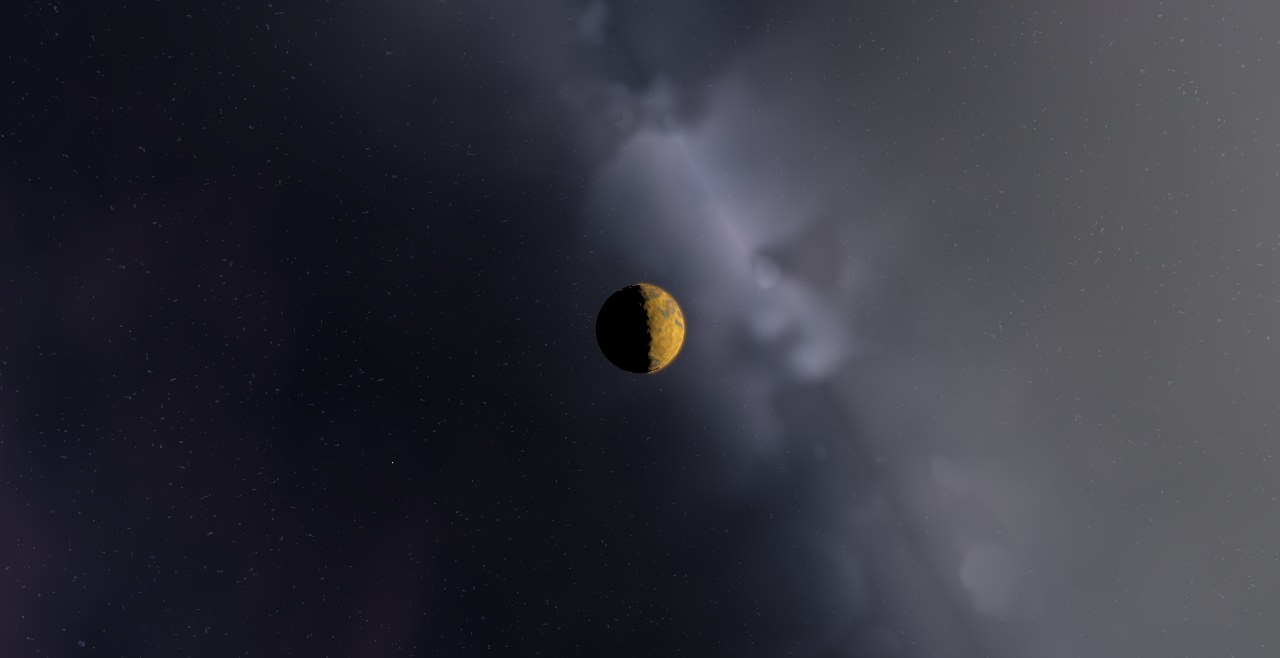
Kepler-466, a Sun-like G-type star of 1.04 solar masses, and Kepler-466 c, a planet with 1.3 Earth radii, with an orbital period of 3.7 days.
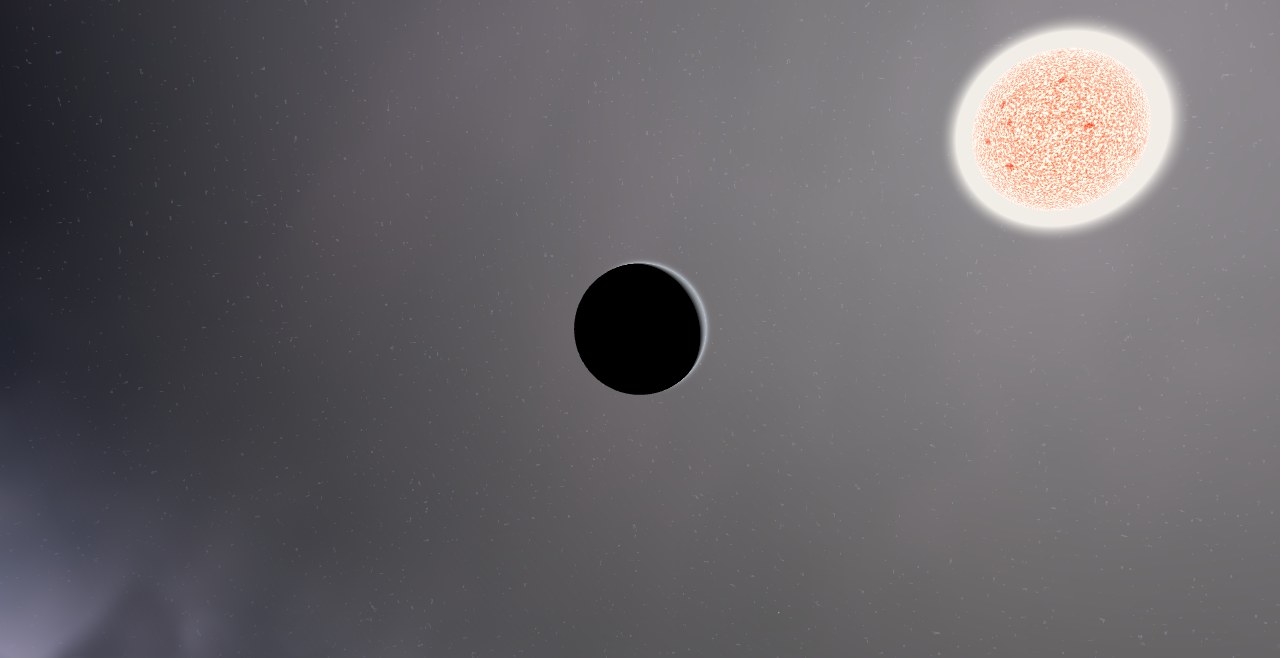
Kepler-495, a Sun-like G-type star of 0.86 solar masses, and Kepler-495 b, a planet with 5.2 Earth radii, with an orbital period of 3.4 days.
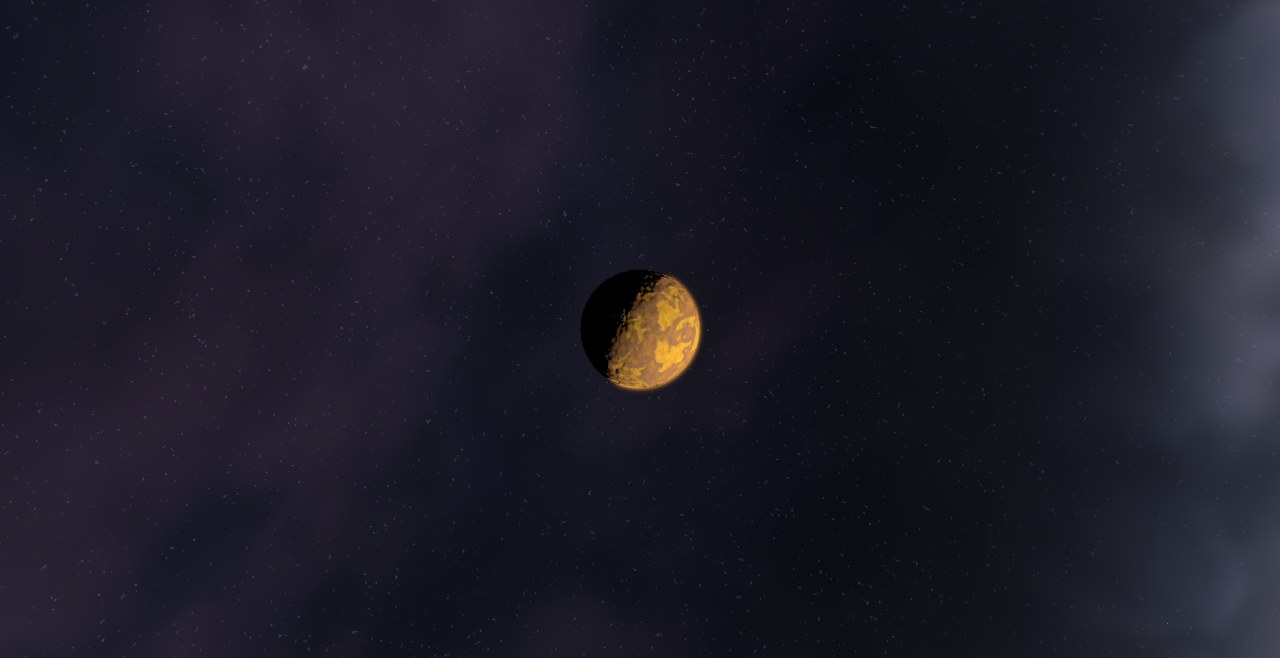
Kepler-50, a Sun-like F-type star of 1.24 solar masses, and Kepler-50 b, a planet with 1.7 Earth radii, with an orbital period of 7.8 days, at 0.077 AU from its star.
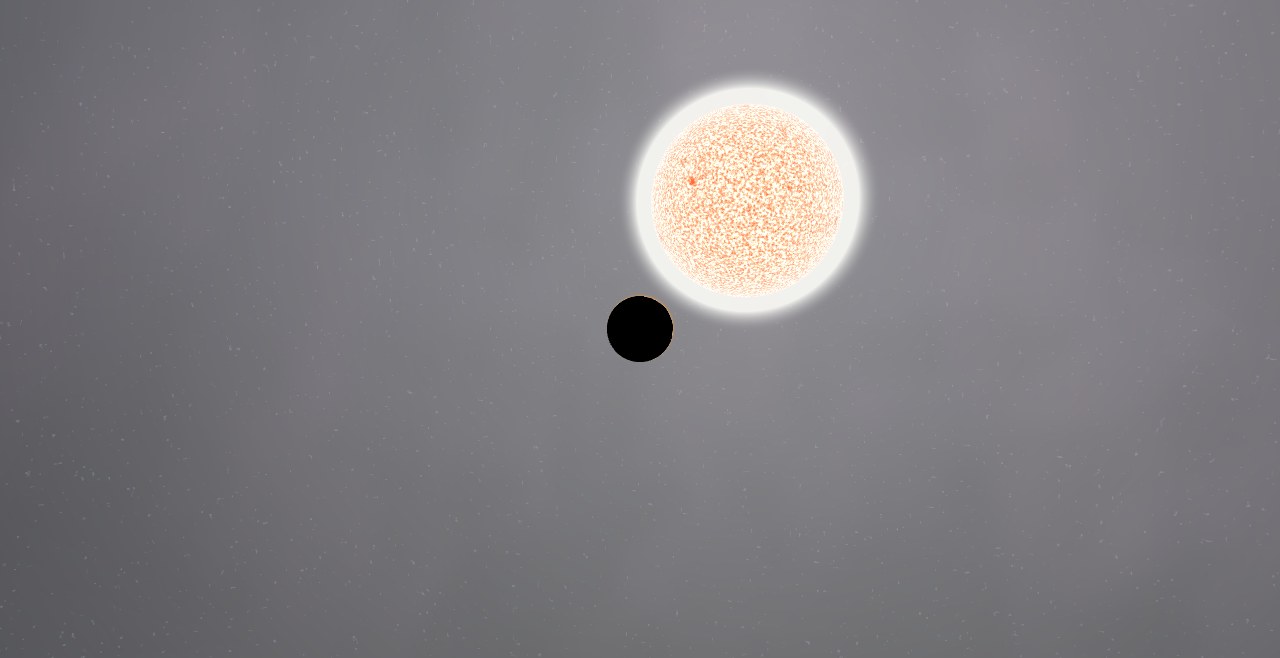
Kepler-501, a Sun-like G-type star of 1.03 solar masses, and Kepler-501 c, a planet with 1.7 Earth radii, with an orbital period of 3.6 days.
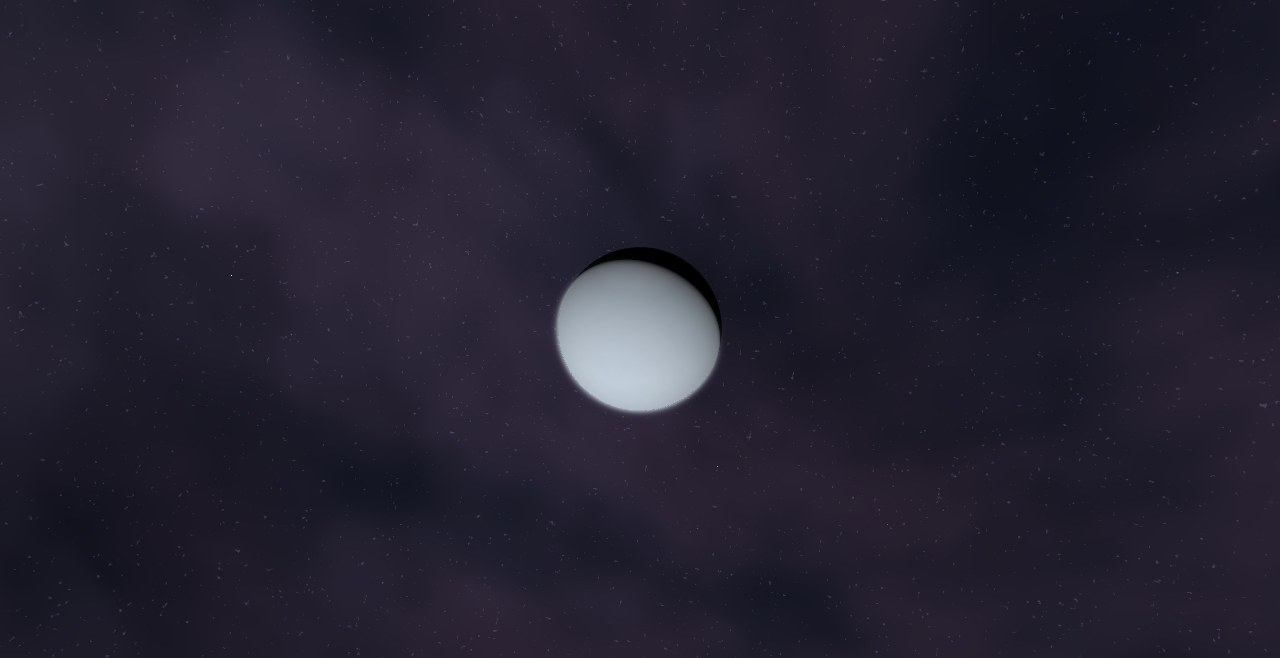
Kepler-511, a Sun-like G-type star of 1.00 solar masses, and Kepler-511 c, a planet with 4.2 Earth radii, with an orbital period of 26.6 days.
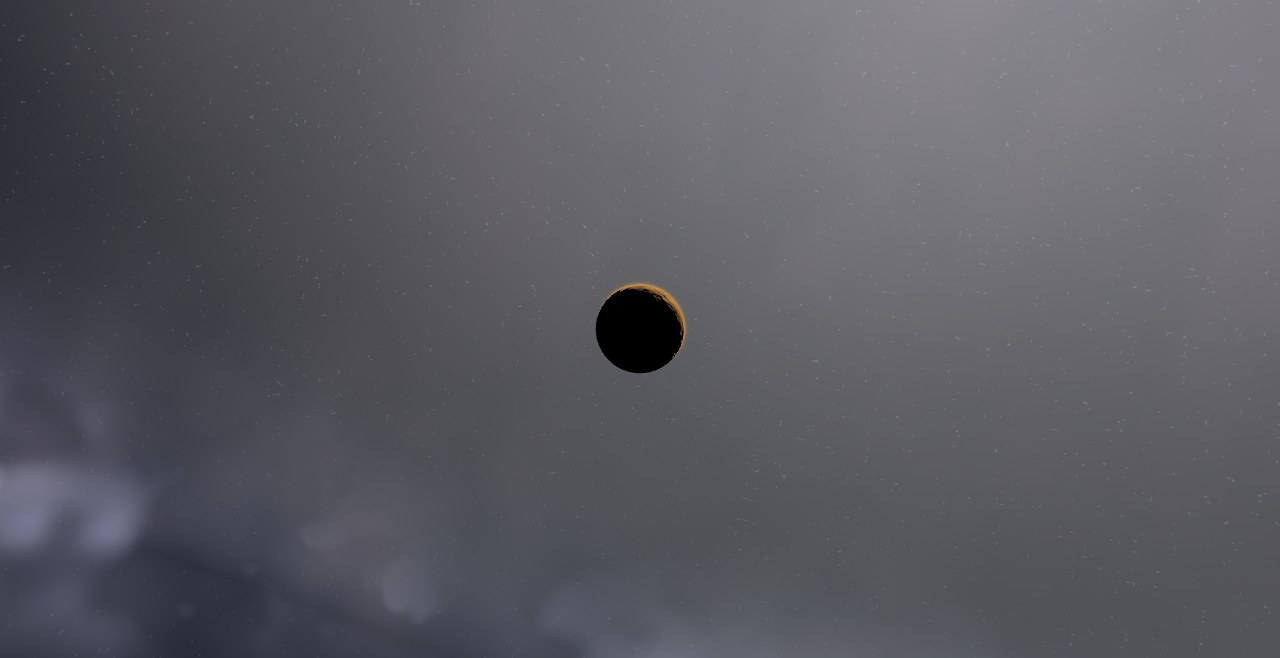
Kepler-520, a Sun-like F-type star of 1.10 solar masses, and Kepler-520 c, a planet with 1.1 Earth radii, with an orbital period of 5.2 days.
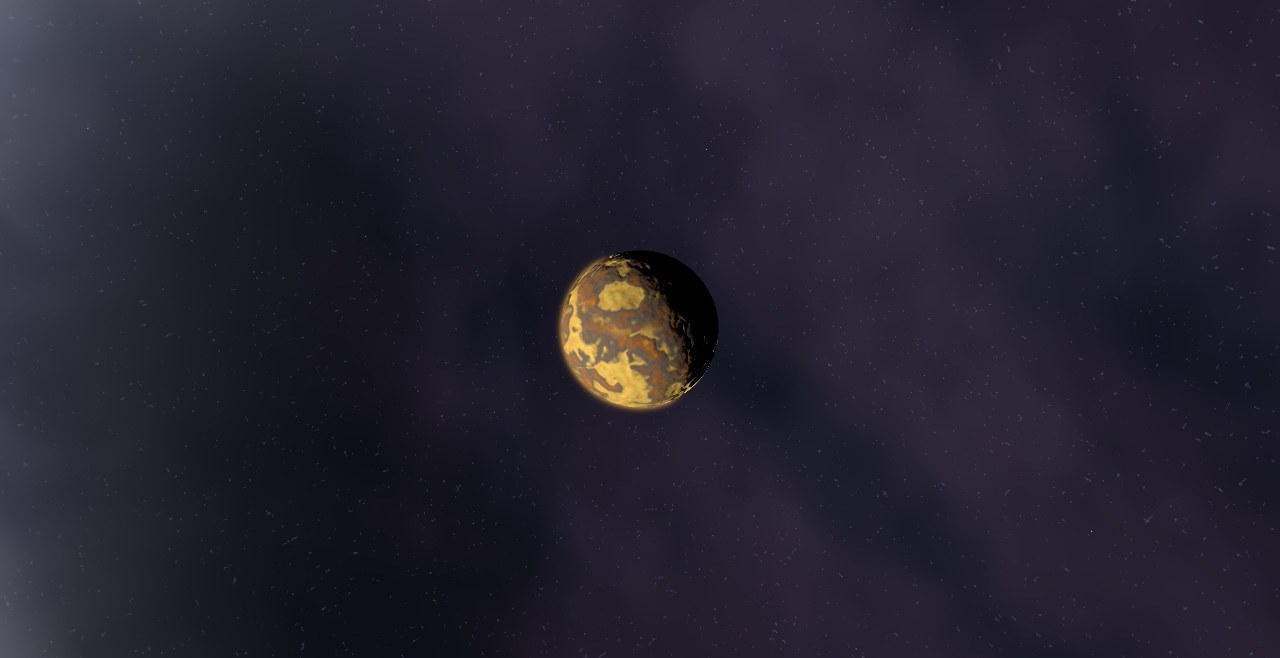
Kepler-524, a Sun-like F-type star of 1.09 solar masses, and Kepler-524 c, a planet with 1.0 Earth radii, with an orbital period of 1.9 days.
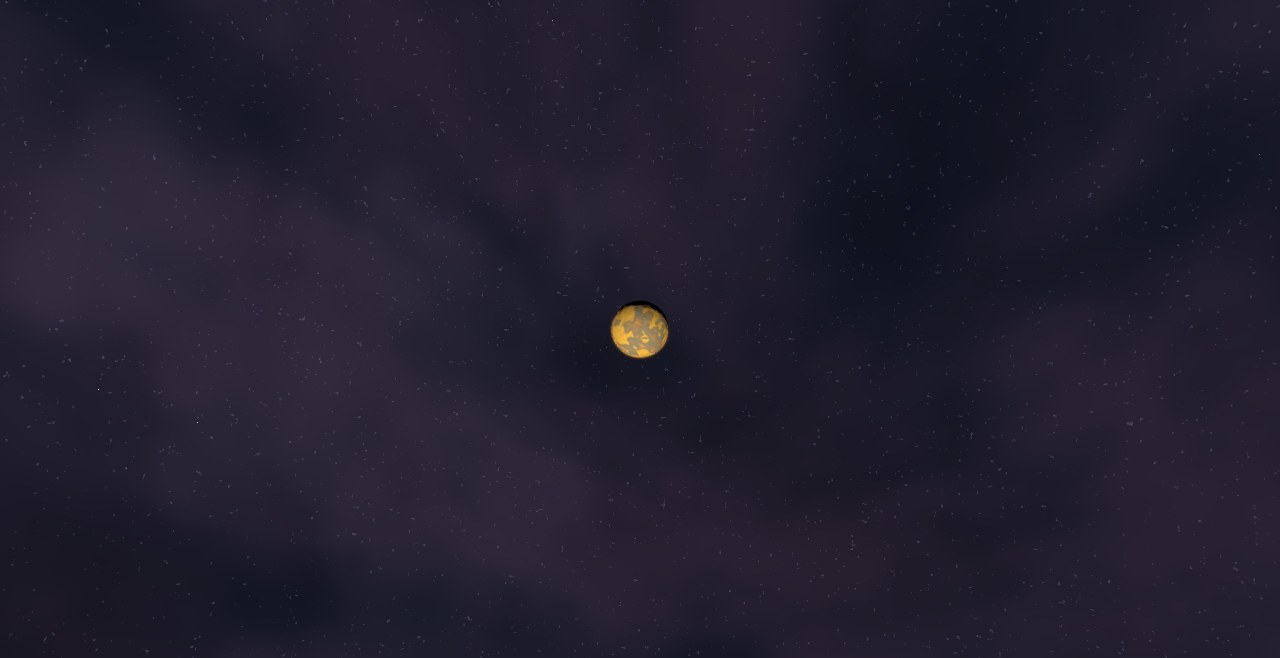
Kepler-534, a Sun-like G-type star of 1.07 solar masses, and Kepler-534 c, a planet with 1.2 Earth radii, with an orbital period of 7.4 days.
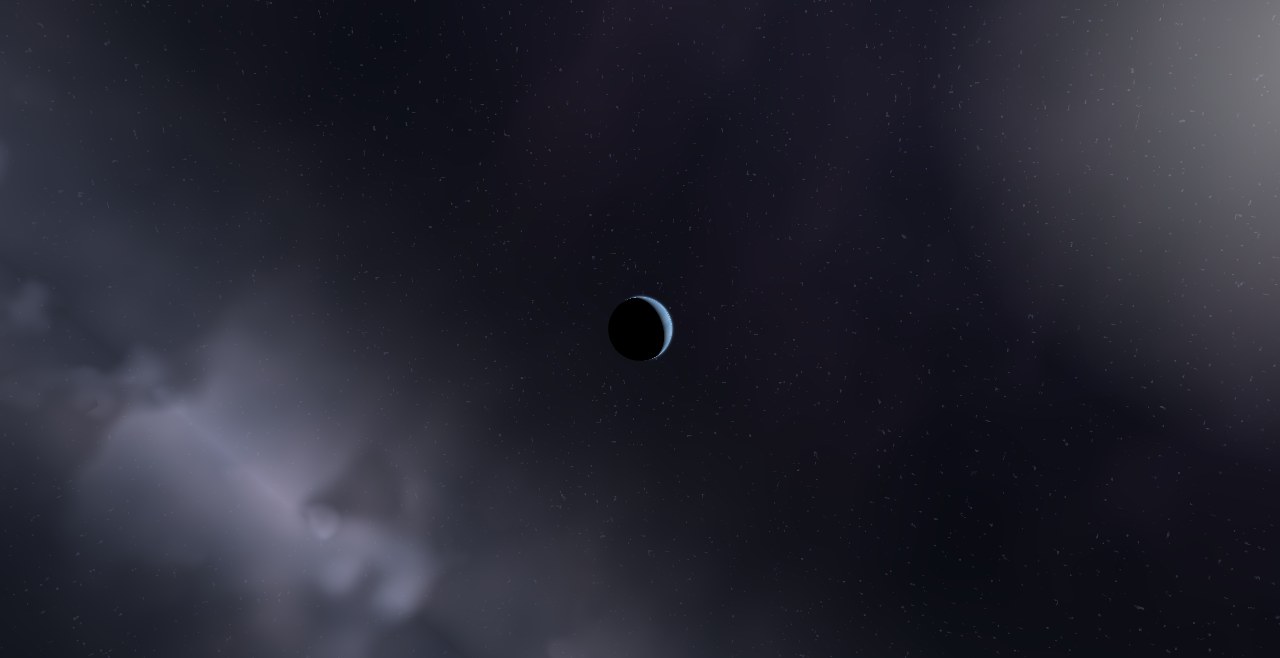
Kepler-539, a Sun-like G-type star of 1.05 solar masses, and Kepler-539 b, a 0.97-Jupiter-mass companion, with an orbital period of 126 days, at 0.499 AU from its star, and an equilibrium temperature near 388.