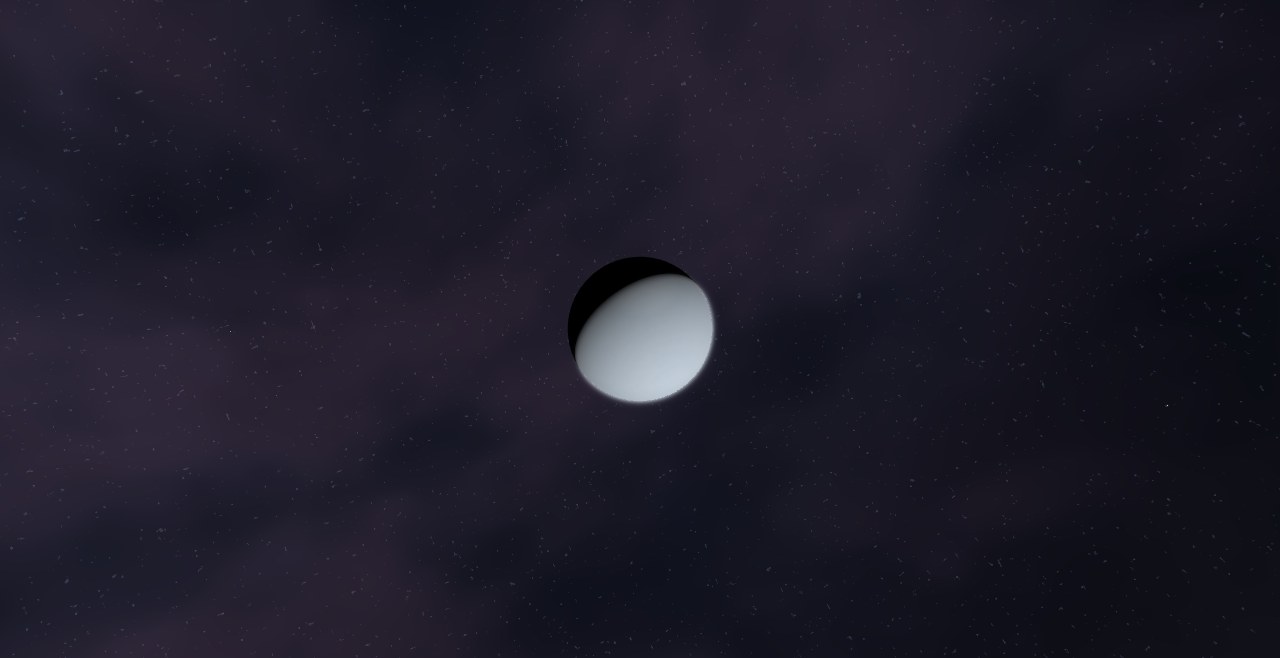
Kepler-302 - System
Kepler-302, a Sun-like G-type star of 1.02 solar masses, and Kepler-302 b, a planet with 4.1 Earth radii, with an orbital period of 30.2 days, at 0.193 AU from its star.
Exoplanets
Track gravitational perturbations, transit timing variations, and orbital stability between binary planet arrangements around distant stars.
Share
Kepler-302, a Sun-like G-type star of 1.02 solar masses, and Kepler-302 b, a planet with 4.1 Earth radii, with an orbital period of 30.2 days, at 0.193 AU from its star.
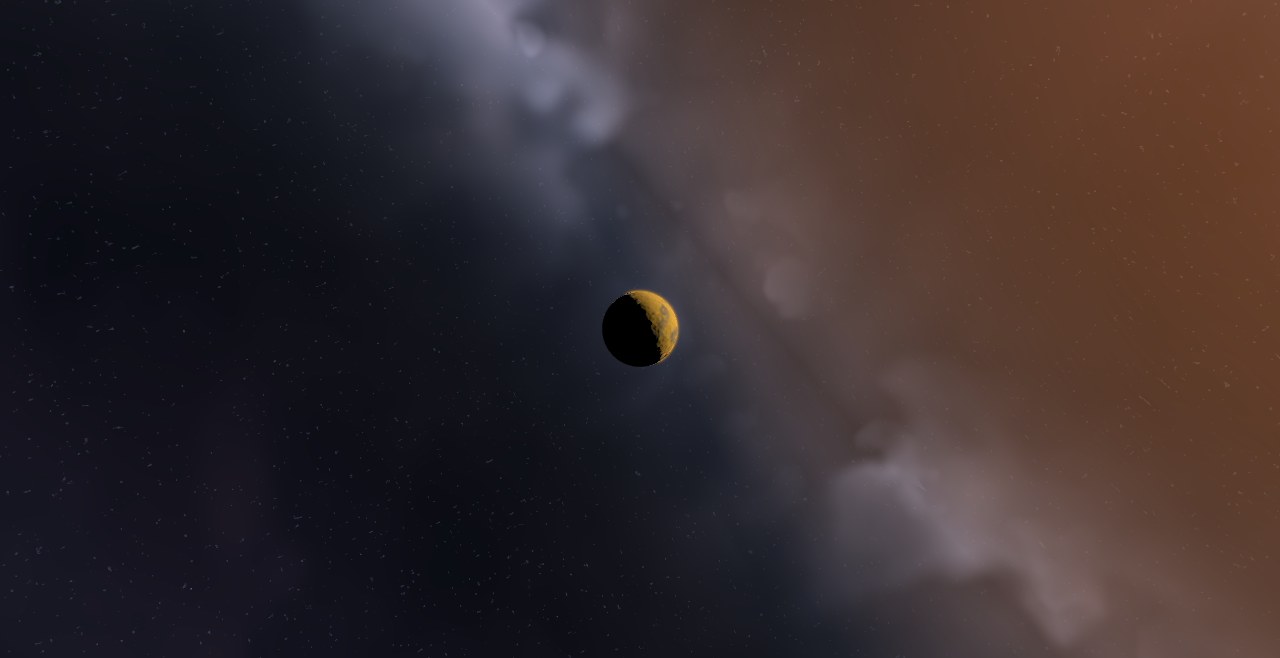
Kepler-303, an orange K-type dwarf of 0.57 solar masses, and Kepler-303 b, a planet with 0.9 Earth radii, with an orbital period of 1.9 days, at 0.024 AU from its star.
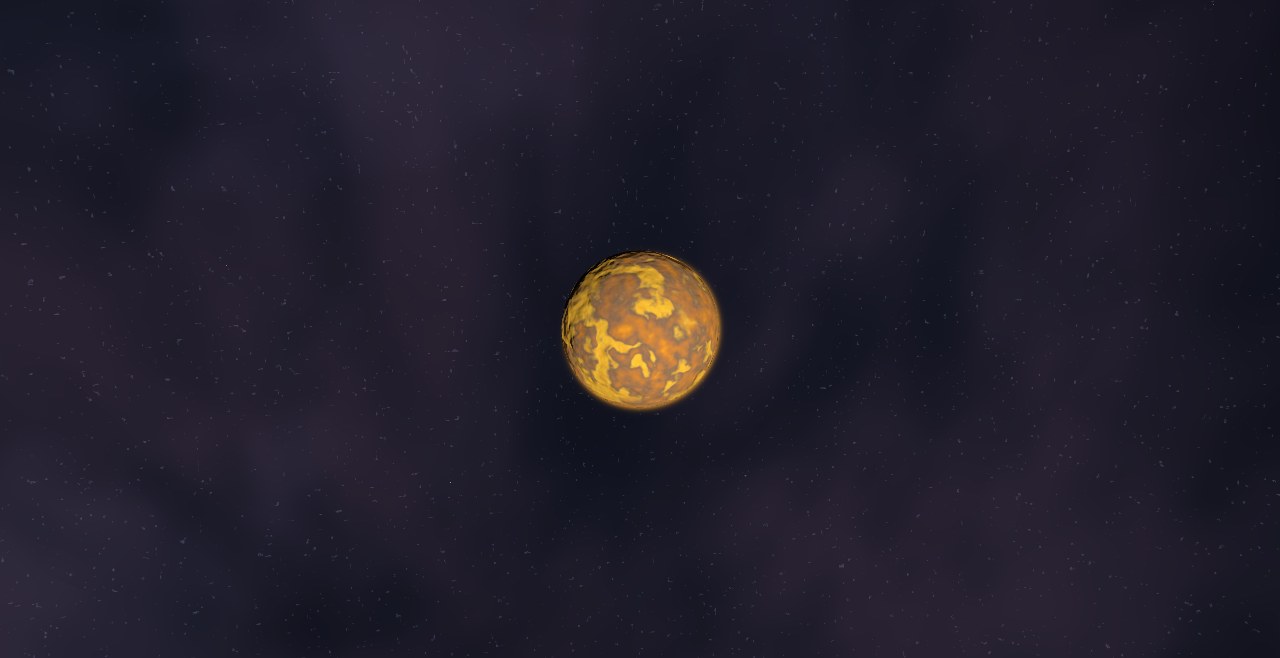
Kepler-307, a Sun-like G-type star of 0.91 solar masses, and Kepler-307 b, a 7.4-Earth-mass planet, with an orbital period of 10.4 days.
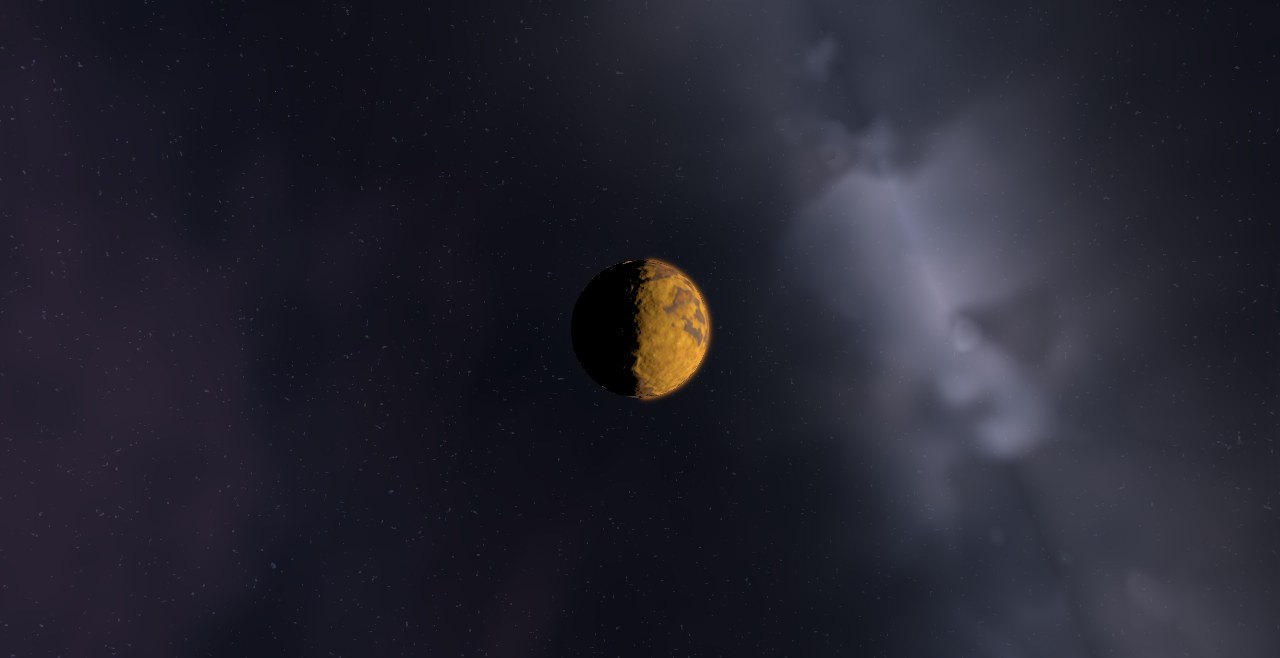
Kepler-308, a Sun-like G-type star of 0.92 solar masses, and Kepler-308 b, a planet with 2.1 Earth radii, with an orbital period of 9.7 days, at 0.090 AU from its star.
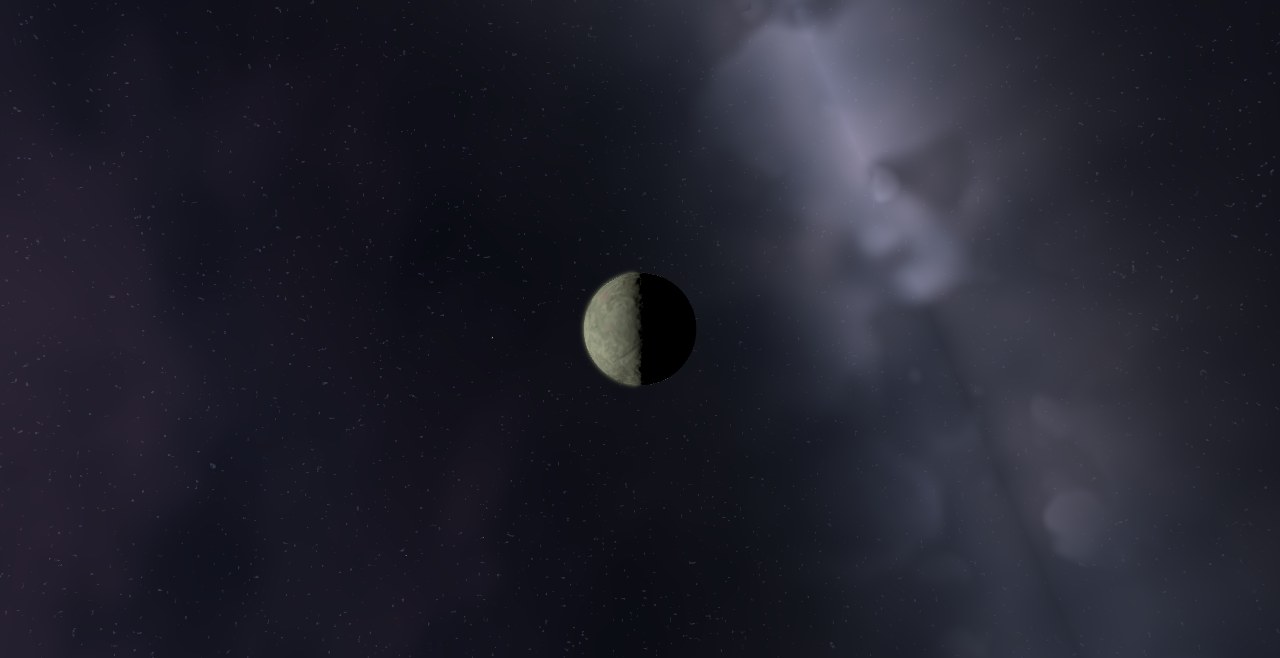
Kepler-309, an orange K-type dwarf of 0.82 solar masses, and Kepler-309 b, a planet with 1.6 Earth radii, with an orbital period of 5.9 days, at 0.059 AU from its star.
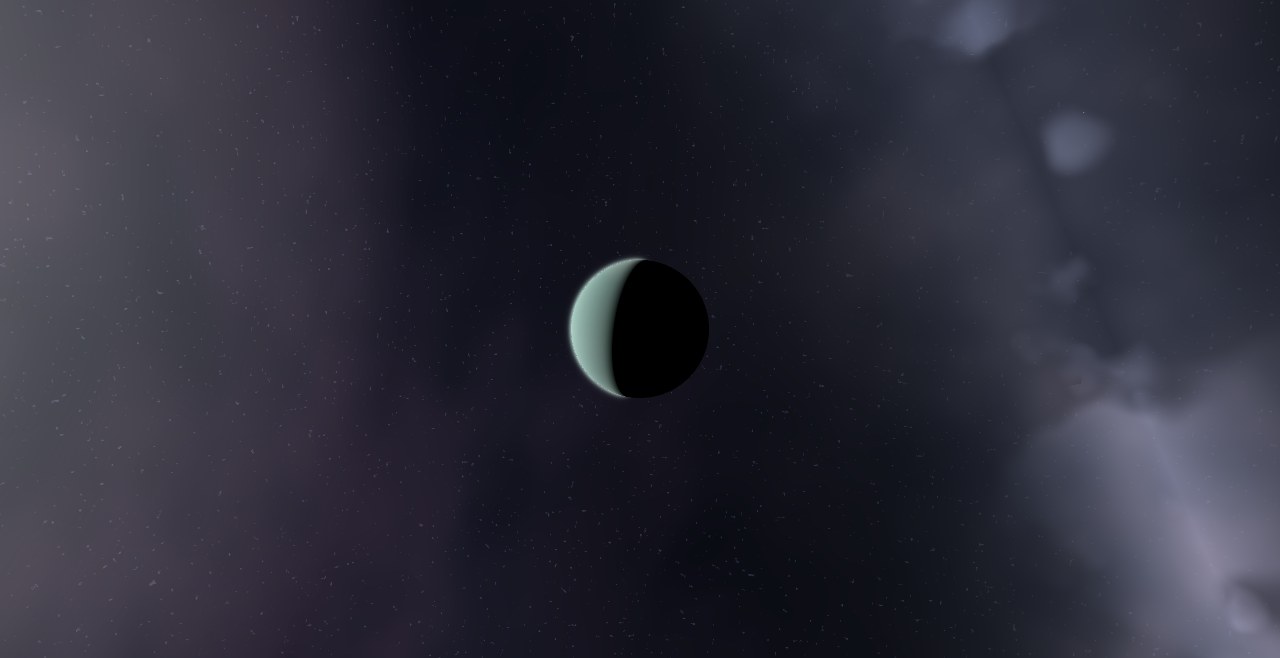
Kepler-312, a Sun-like F-type star of 1.31 solar masses, and Kepler-312 b, a planet with 1.3 Earth radii, with an orbital period of 1.8 days, at 0.031 AU from its star.
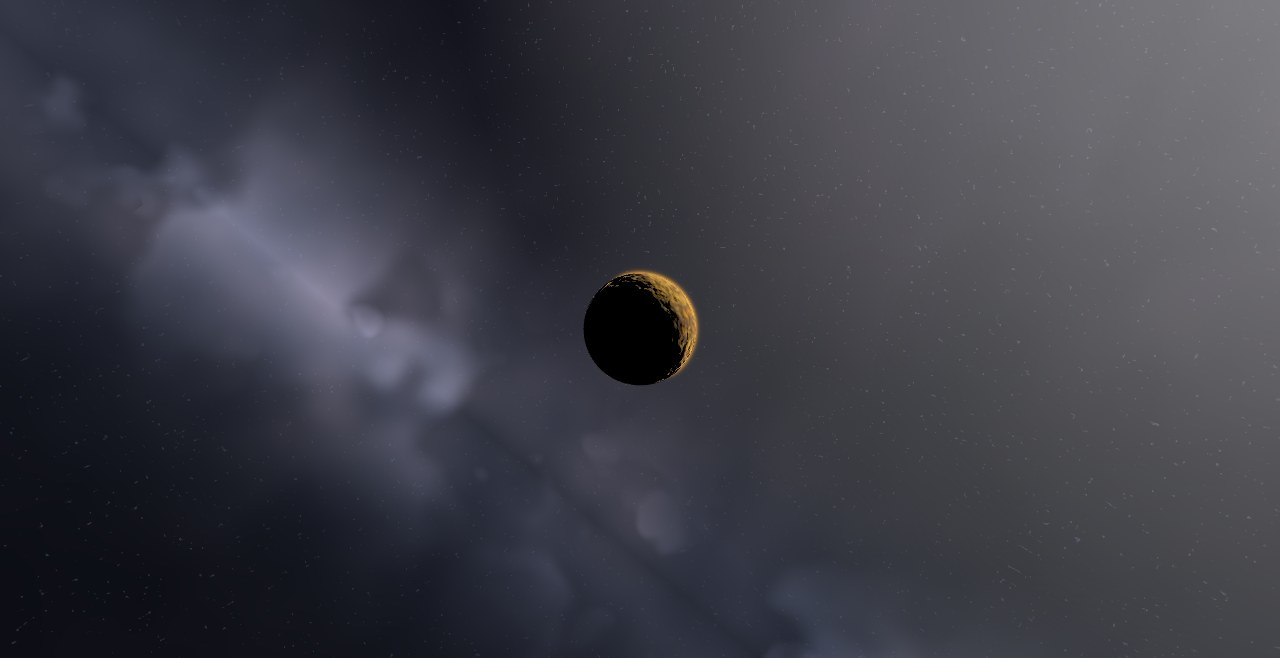
Kepler-313, a Sun-like G-type star of 1.11 solar masses, and Kepler-313 b, a planet with 2.5 Earth radii, with an orbital period of 15.0 days, at 0.125 AU from its star.
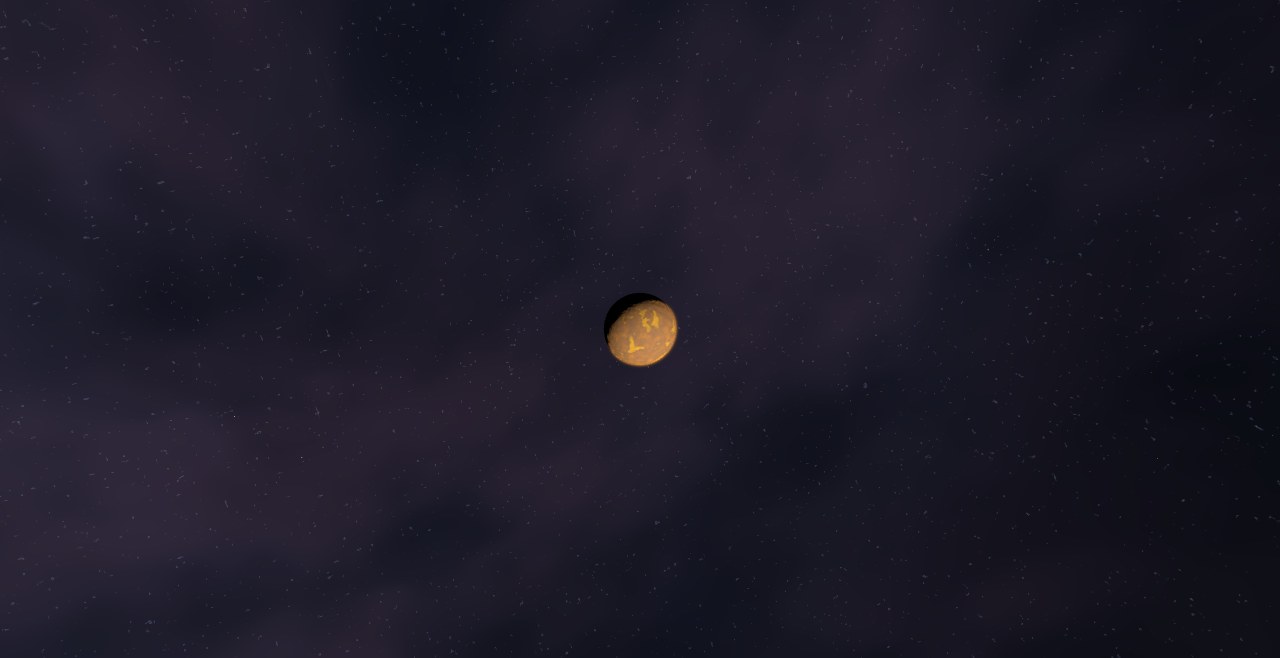
Kepler-314, a Sun-like G-type star of 0.99 solar masses, and Kepler-314 b, a planet with 0.8 Earth radii, with an orbital period of 2.5 days, at 0.035 AU from its star.
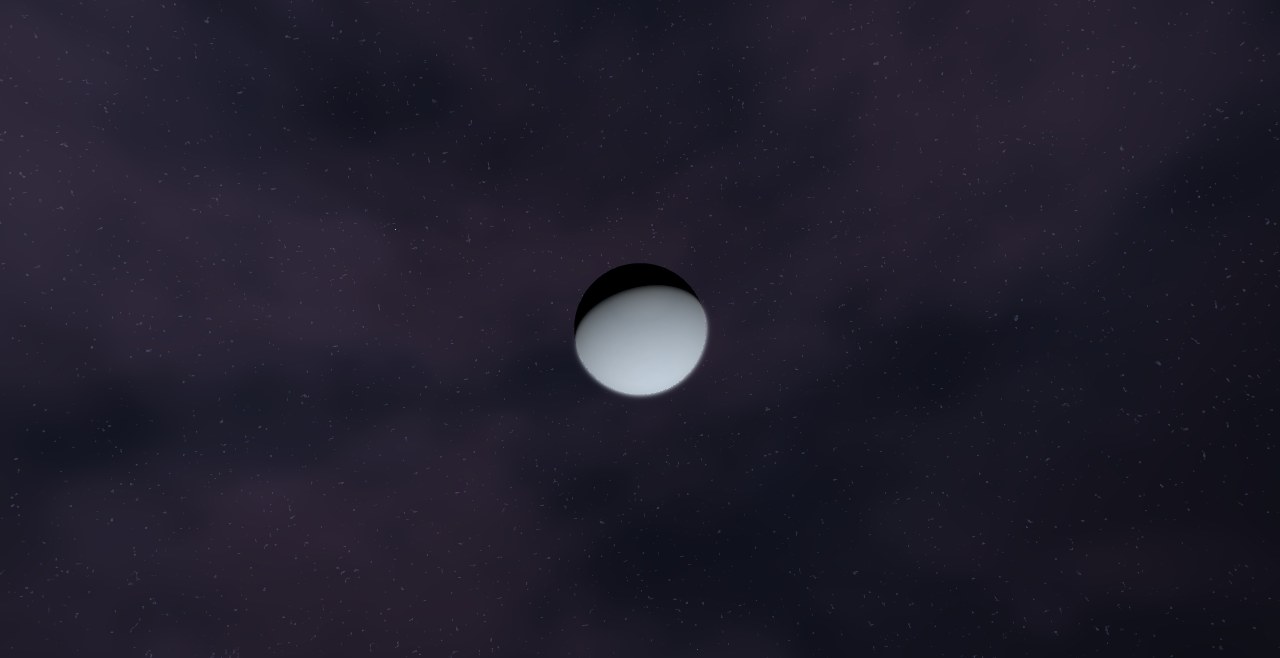
Kepler-315, a Sun-like G-type star of 0.83 solar masses, and Kepler-315 b, a planet with 3.8 Earth radii, with an orbital period of 96.1 days, at 0.402 AU from its star.
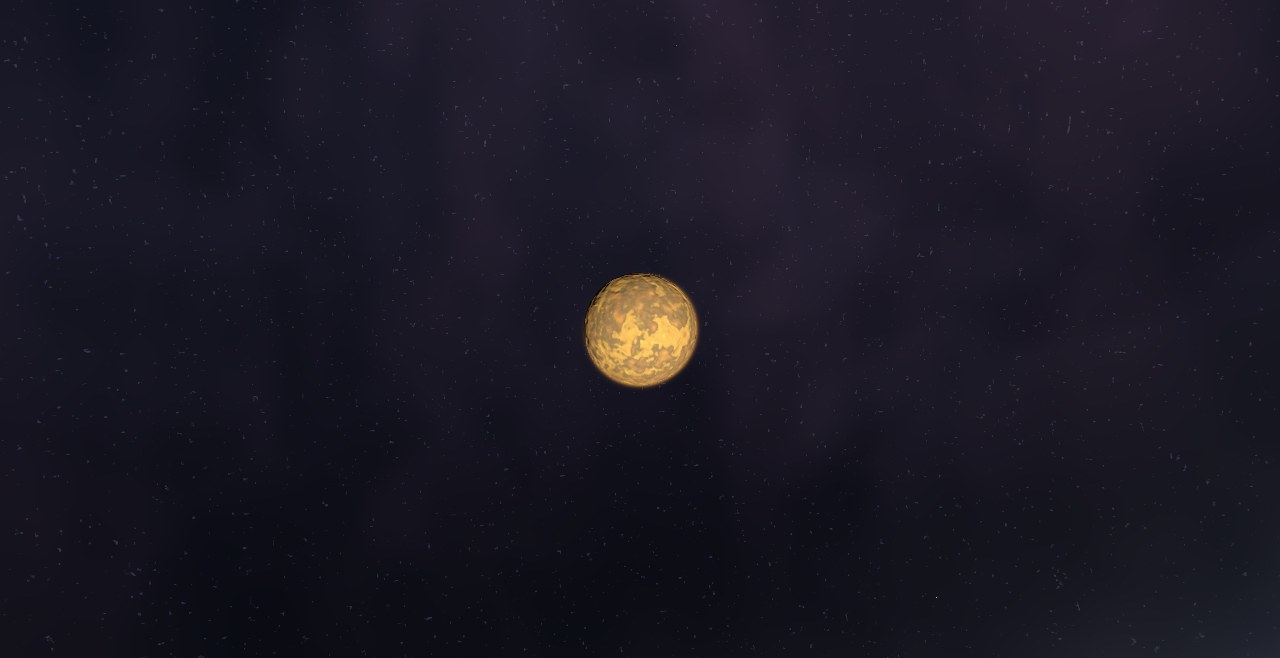
Kepler-316, an orange K-type dwarf of 0.59 solar masses, and Kepler-316 b, a planet with 1.1 Earth radii, with an orbital period of 2.2 days, at 0.027 AU from its star.
Kepler-317, a Sun-like G-type star of 0.86 solar masses, and Kepler-317 b, a planet with 2.1 Earth radii, with an orbital period of 5.5 days, at 0.061 AU from its star.
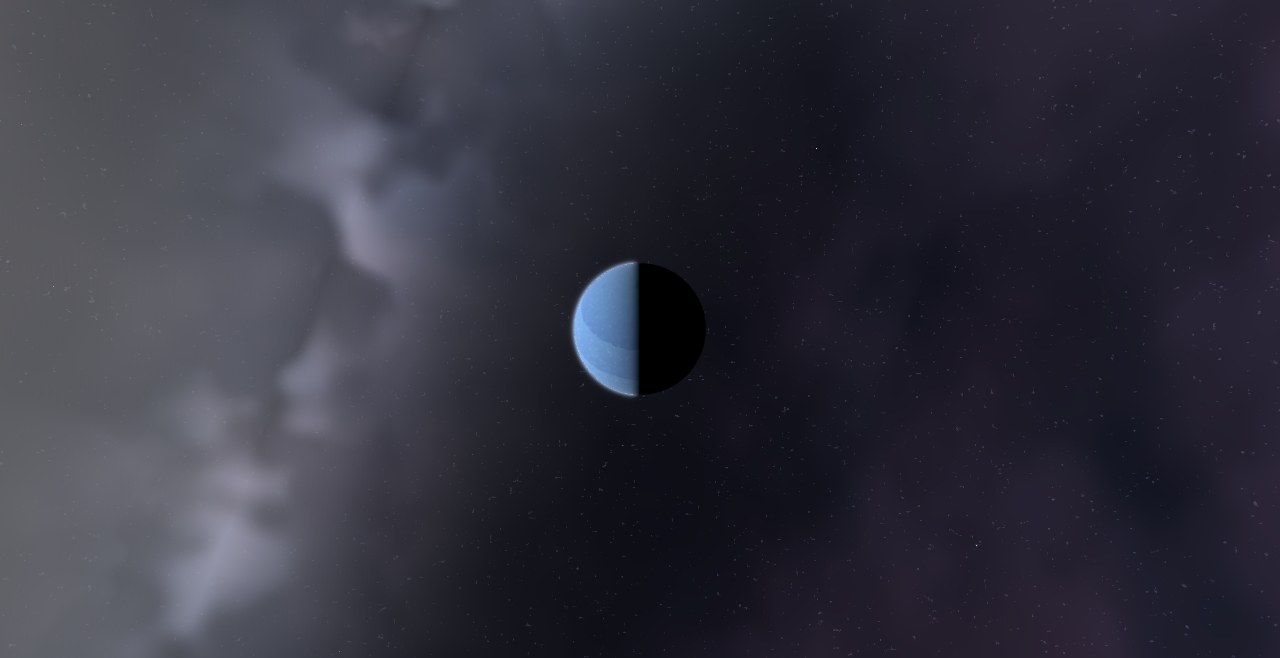
Kepler-318, a Sun-like G-type star of 1.07 solar masses, and Kepler-318 b, a planet with 4.7 Earth radii, with an orbital period of 4.7 days, at 0.056 AU from its star.
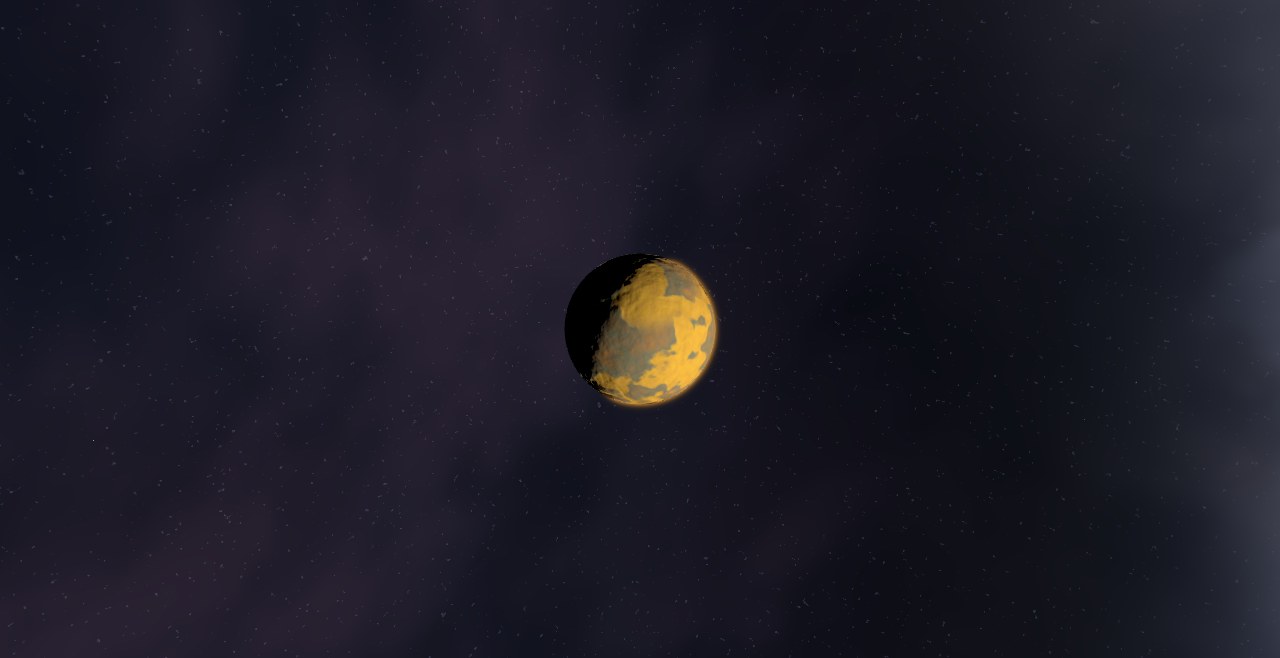
Kepler-320, a Sun-like F-type star of 1.07 solar masses, and Kepler-320 b, a planet with 1.1 Earth radii, with an orbital period of 8.4 days, at 0.085 AU from its star.
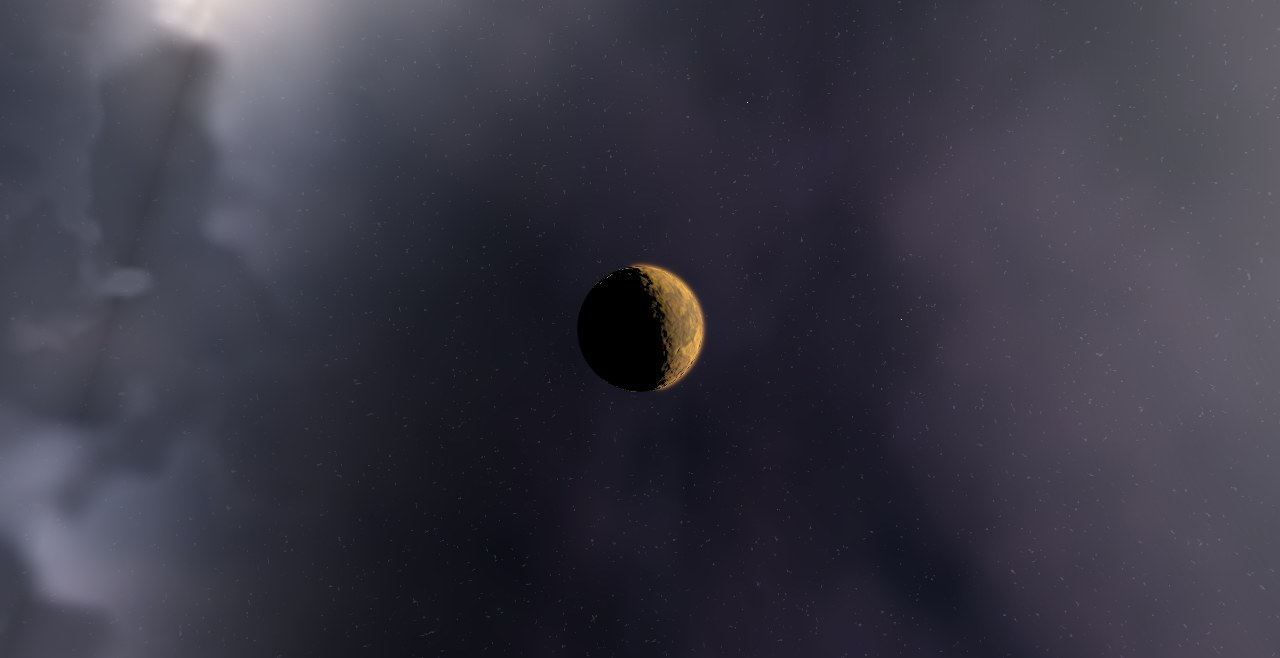
Kepler-321, a Sun-like G-type star of 1.02 solar masses, and Kepler-321 b, a planet with 1.8 Earth radii, with an orbital period of 4.9 days, at 0.057 AU from its star.
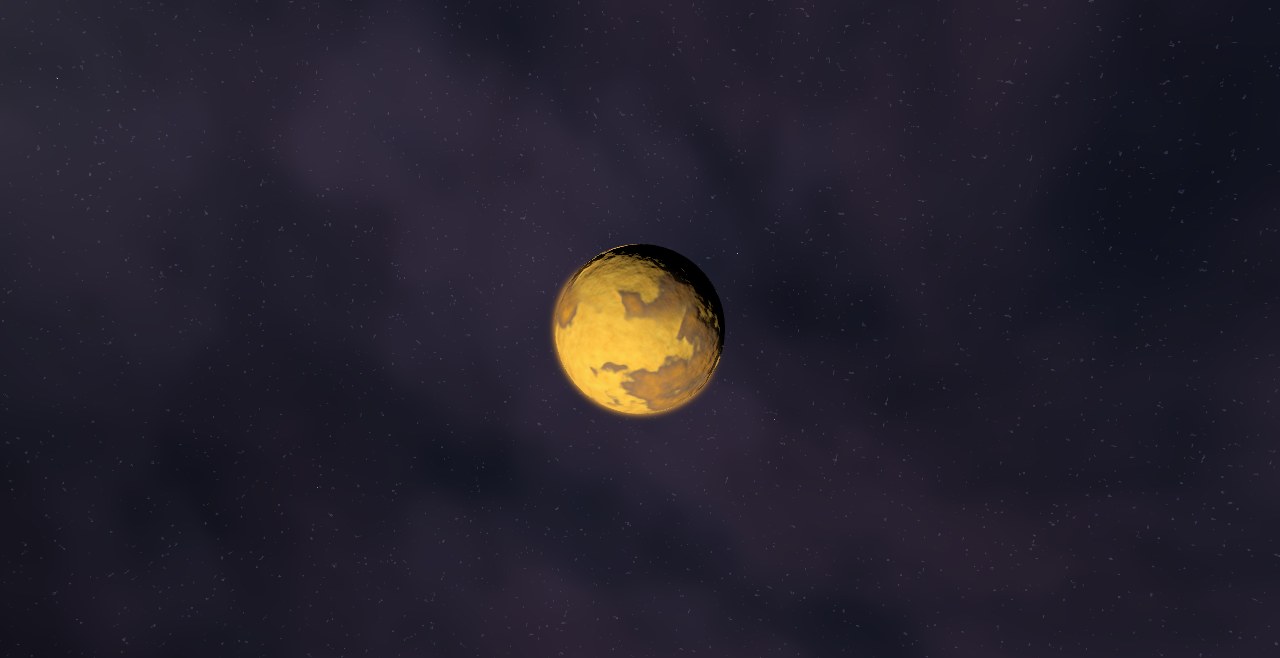
Kepler-322, a Sun-like G-type star of 0.91 solar masses, and Kepler-322 b, a planet with 1.0 Earth radii, with an orbital period of 1.7 days, at 0.027 AU from its star.
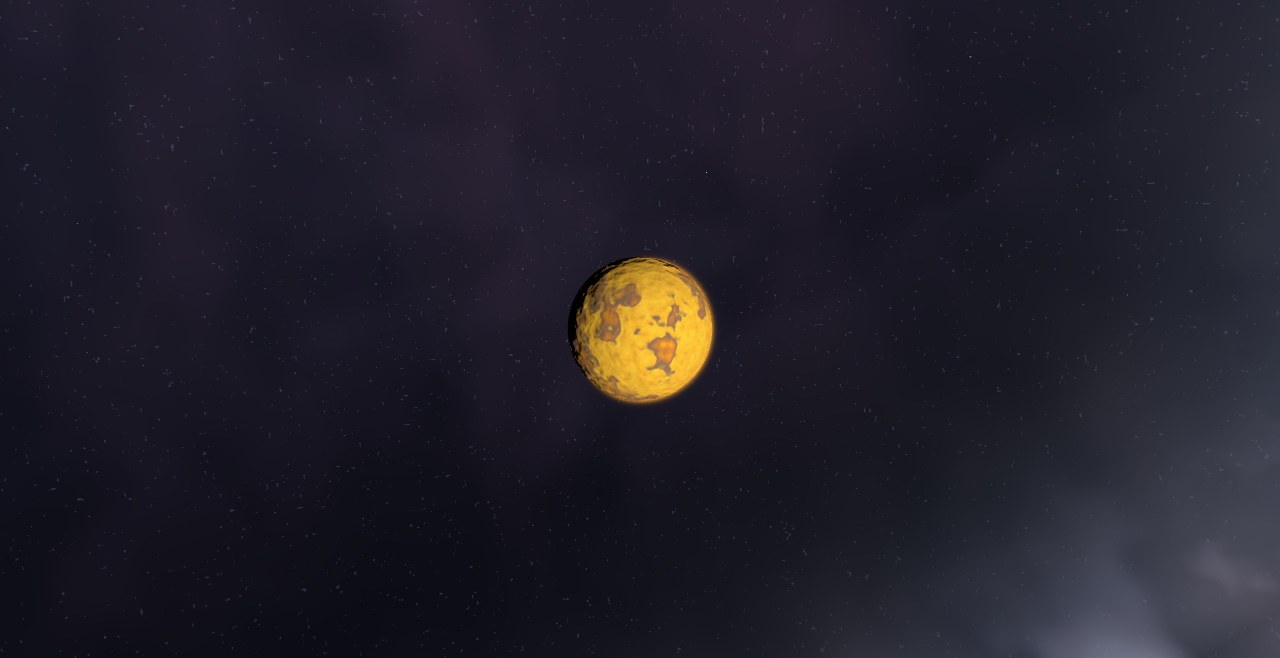
Kepler-323, a Sun-like F-type star of 1.01 solar masses, and Kepler-323 b, a 3.9-Earth-mass planet, with an orbital period of 1.7 days, at 0.028 AU from its star, and an equilibrium temperature near 1,838 K.
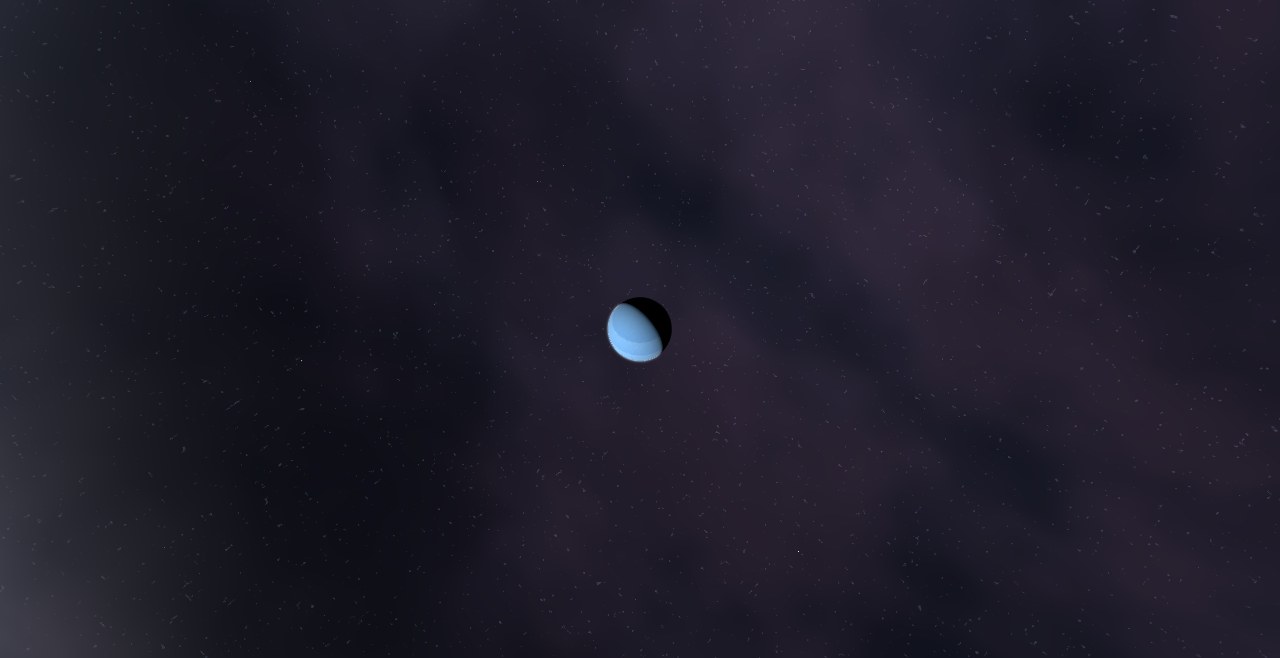
Kepler-328, a Sun-like F-type star of 1.15 solar masses, and Kepler-328 b, a 0.09-Jupiter-mass companion, with an orbital period of 34.9 days.
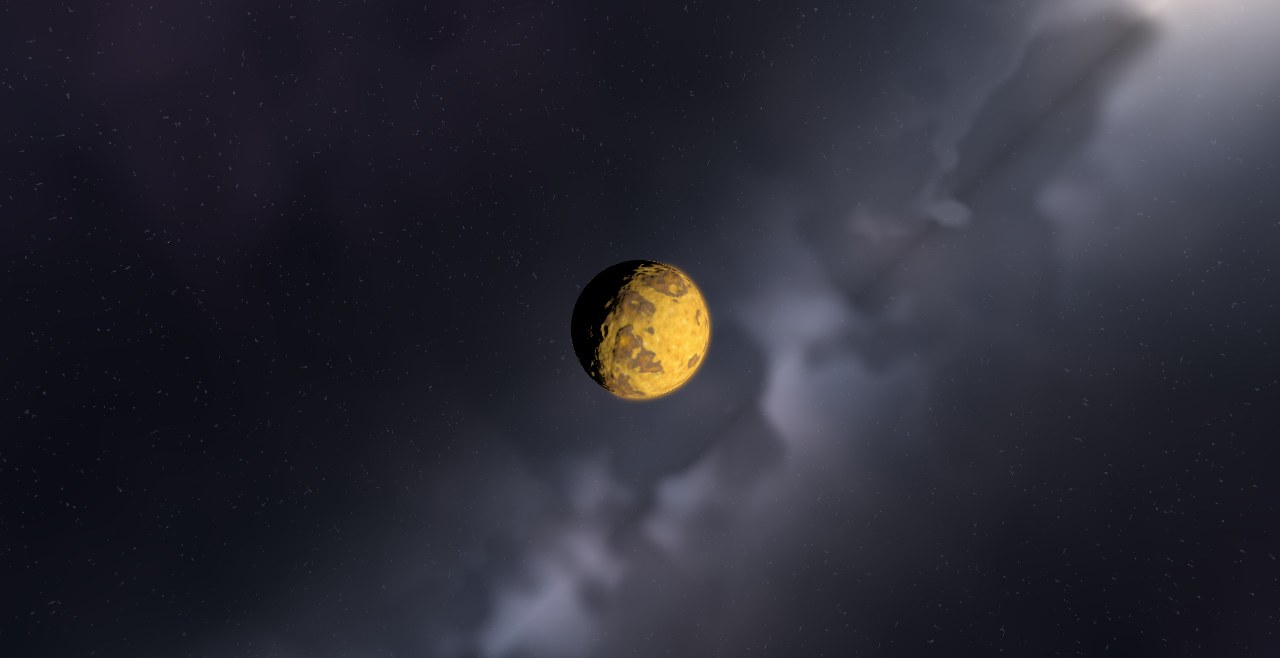
Kepler-329, an orange K-type dwarf of 0.60 solar masses, and Kepler-329 b, a planet with 1.4 Earth radii, with an orbital period of 7.4 days, at 0.061 AU from its star.