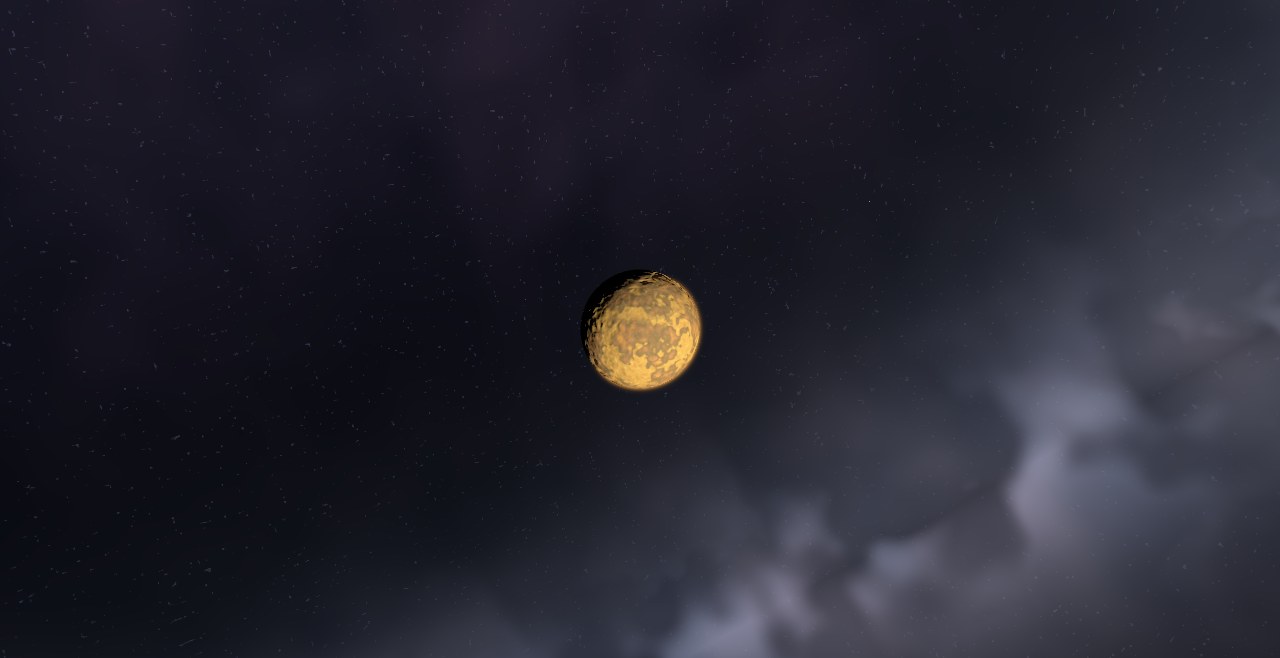
Kepler-330 - System
Kepler-330, an orange K-type dwarf of 0.85 solar masses, and Kepler-330 b, a planet with 1.4 Earth radii, with an orbital period of 8.3 days, at 0.075 AU from its star.
Exoplanets
Track gravitational perturbations, transit timing variations, and orbital stability between binary planet arrangements around distant stars.
Share
Kepler-330, an orange K-type dwarf of 0.85 solar masses, and Kepler-330 b, a planet with 1.4 Earth radii, with an orbital period of 8.3 days, at 0.075 AU from its star.
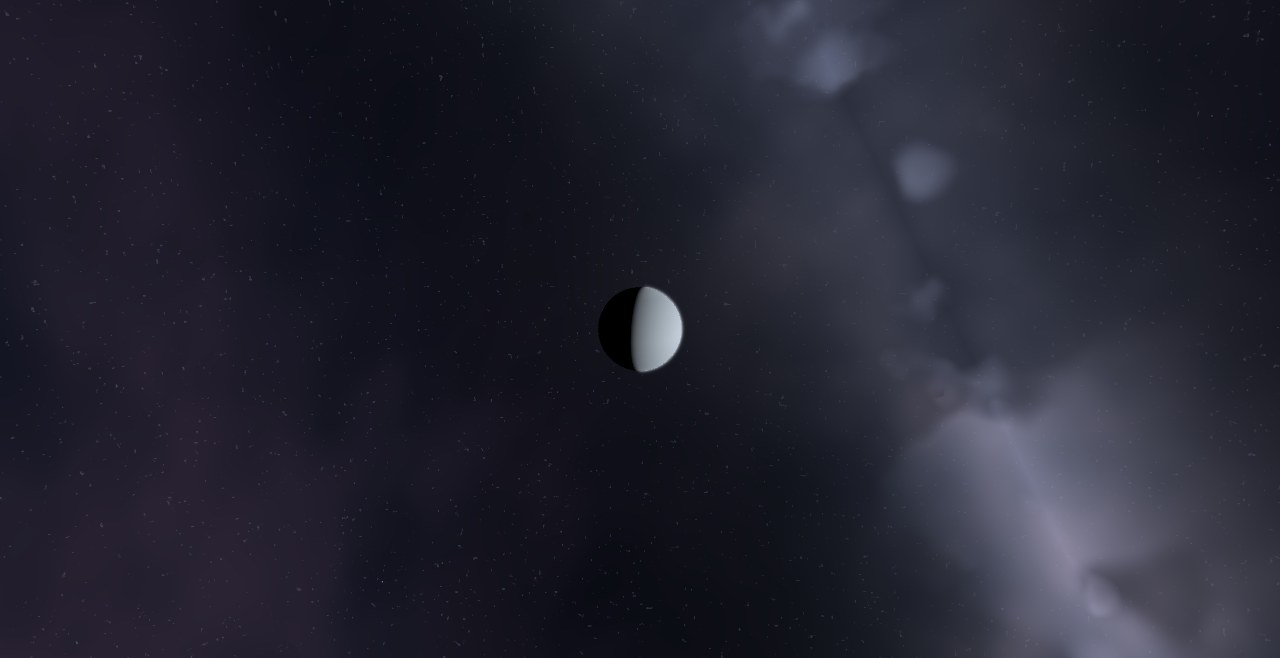
Kepler-333, an orange K-type dwarf of 0.60 solar masses, and Kepler-333 b, a planet with 1.3 Earth radii, with an orbital period of 12.6 days, at 0.087 AU from its star.
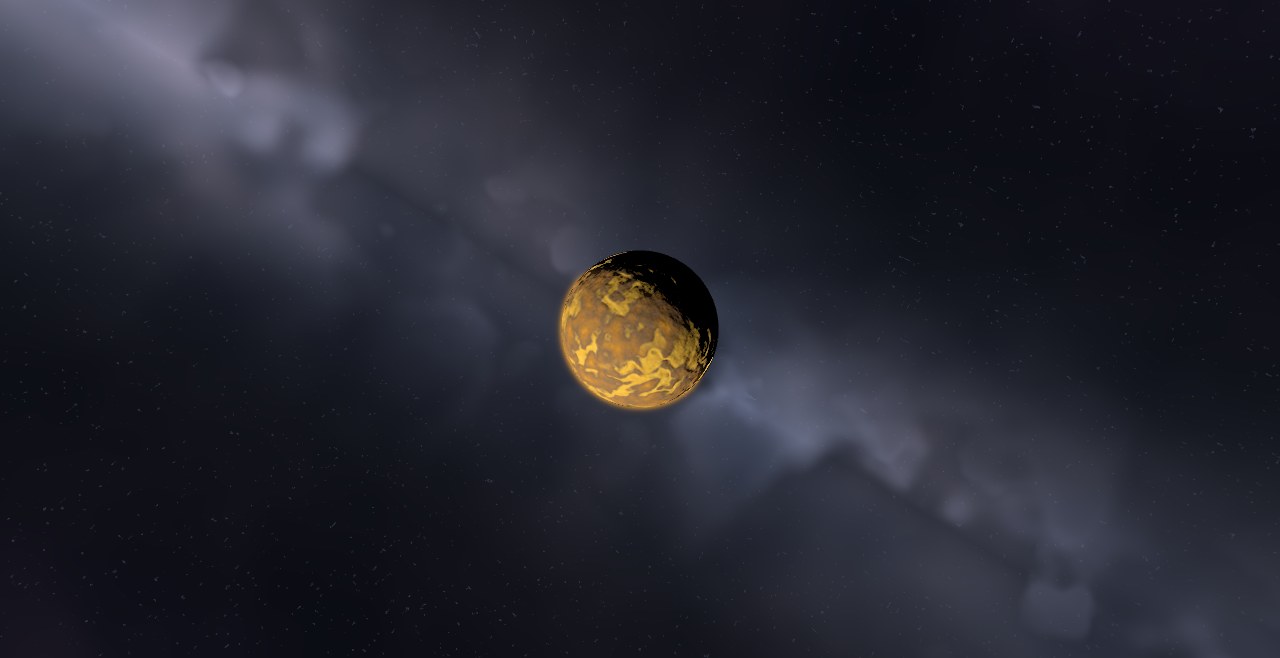
Kepler-335, a Sun-like G-type star of 1.37 solar masses, and Kepler-335 b, a planet with 3.4 Earth radii, with an orbital period of 6.6 days, at 0.075 AU from its star.
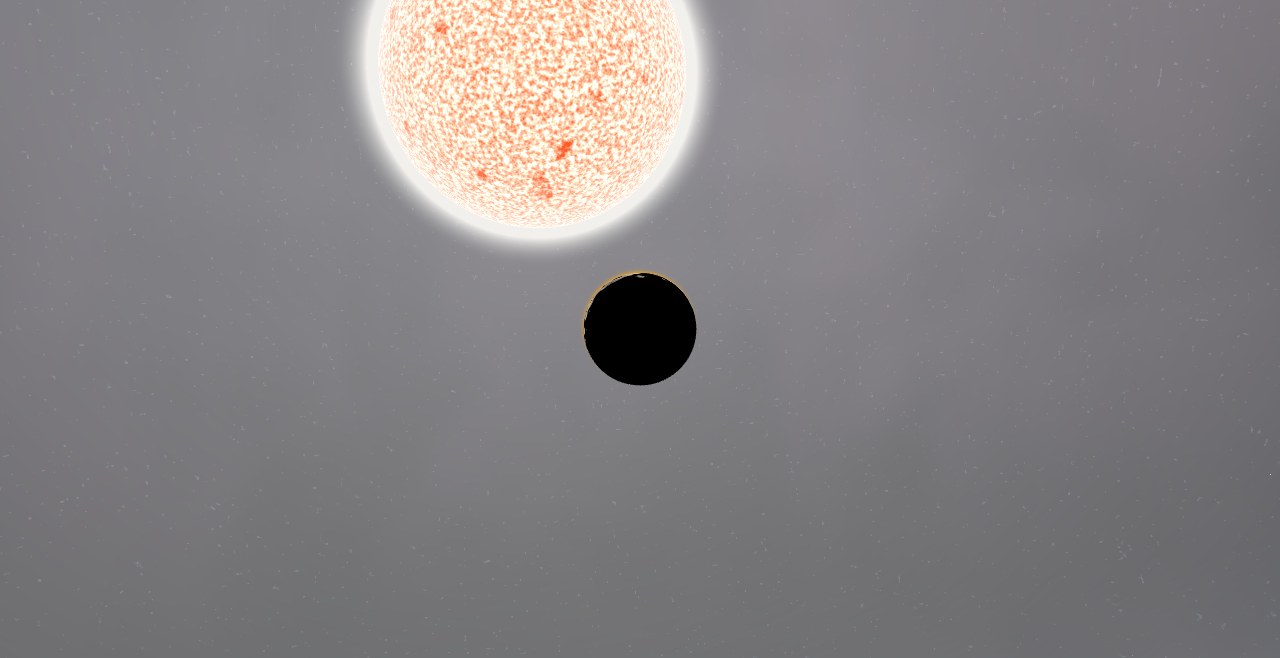
Kepler-337, a Sun-like G-type star of 1.08 solar masses, and Kepler-337 b, a planet with 1.5 Earth radii, with an orbital period of 3.3 days, at 0.045 AU from its star.
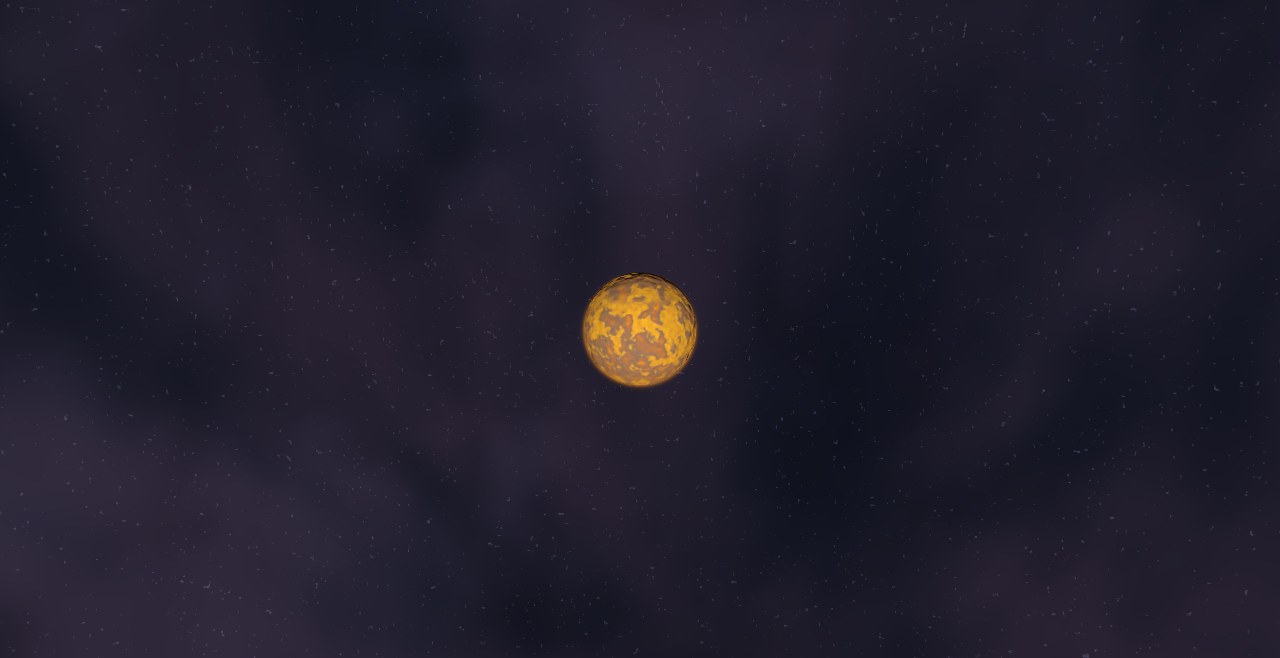
Kepler-340, a Sun-like F-type star of 1.65 solar masses, and Kepler-340 b, a planet with 2.5 Earth radii, with an orbital period of 14.8 days, at 0.134 AU from its star.
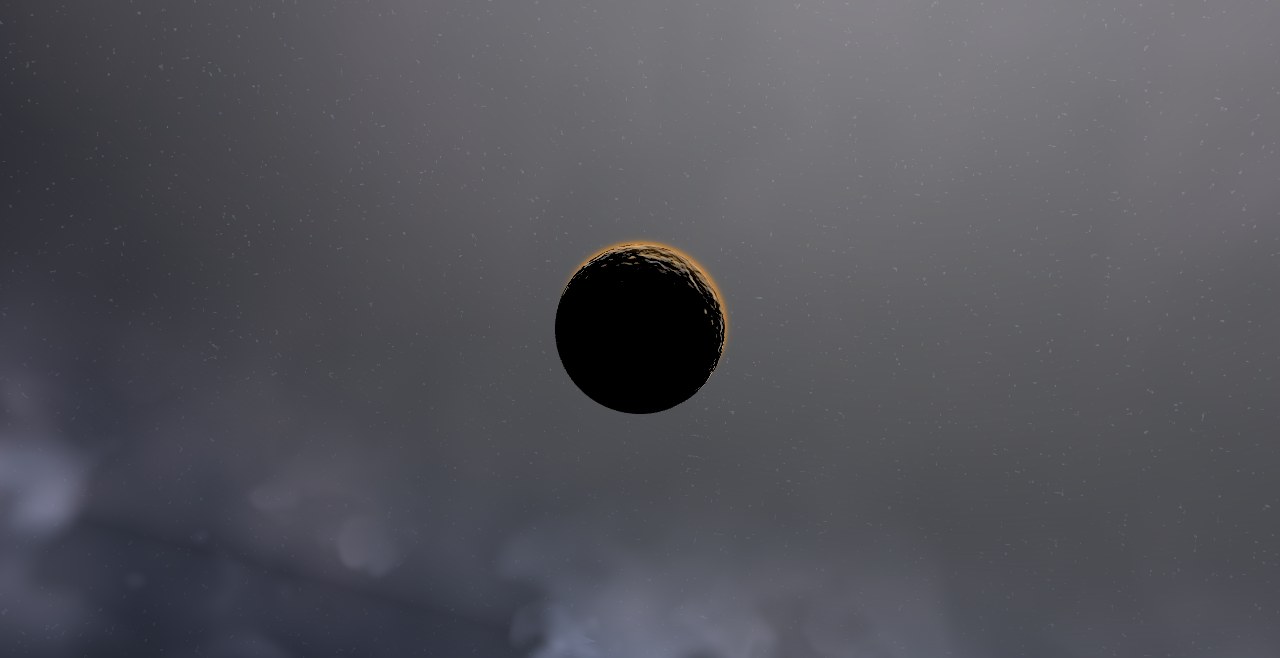
Kepler-343, a Sun-like G-type star of 1.05 solar masses, and Kepler-343 b, a planet with 2.4 Earth radii, with an orbital period of 9.0 days, at 0.088 AU from its star.
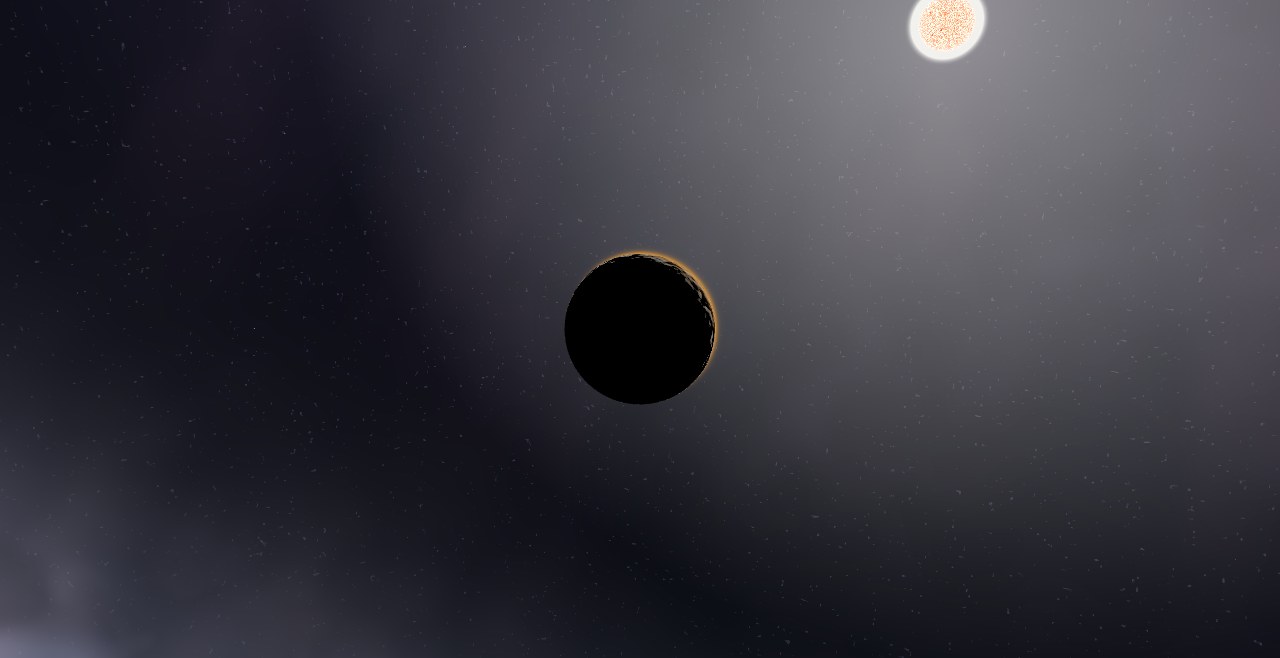
Kepler-344, a Sun-like G-type star of 0.93 solar masses, and Kepler-344 b, a planet with 2.6 Earth radii, with an orbital period of 22.0 days, at 0.153 AU from its star.
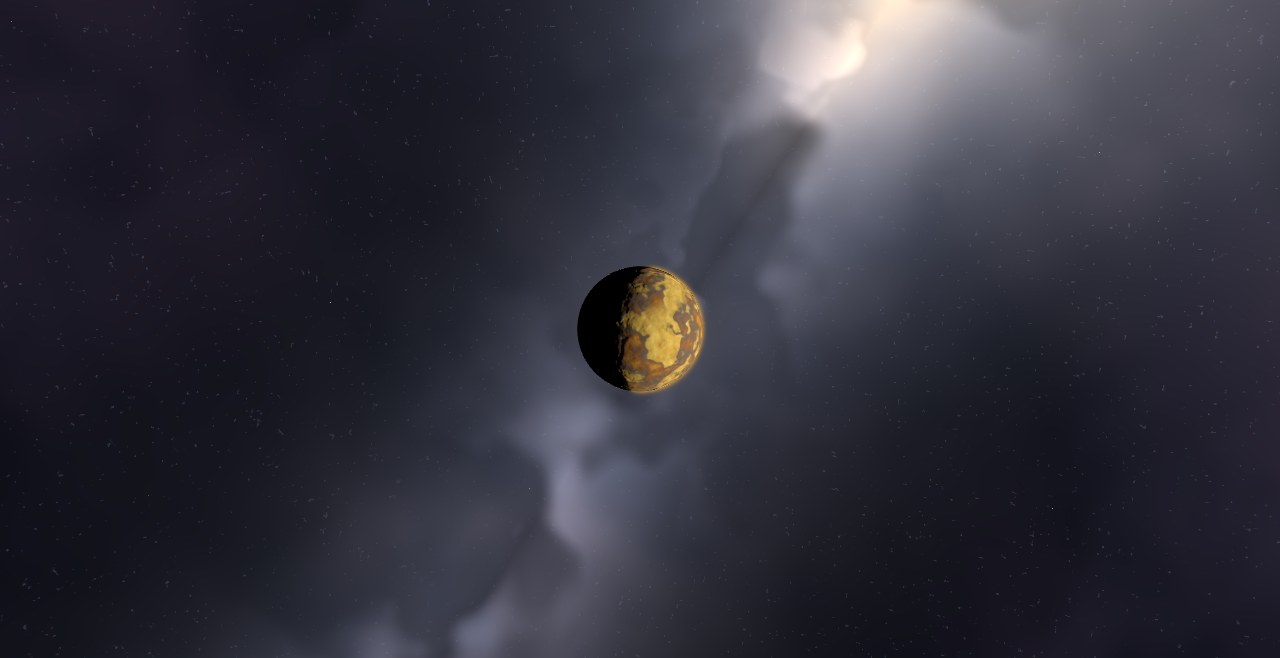
Kepler-345, an orange K-type dwarf of 0.61 solar masses, and Kepler-345 b, a planet with 0.7 Earth radii, with an orbital period of 7.4 days, at 0.066 AU from its star.
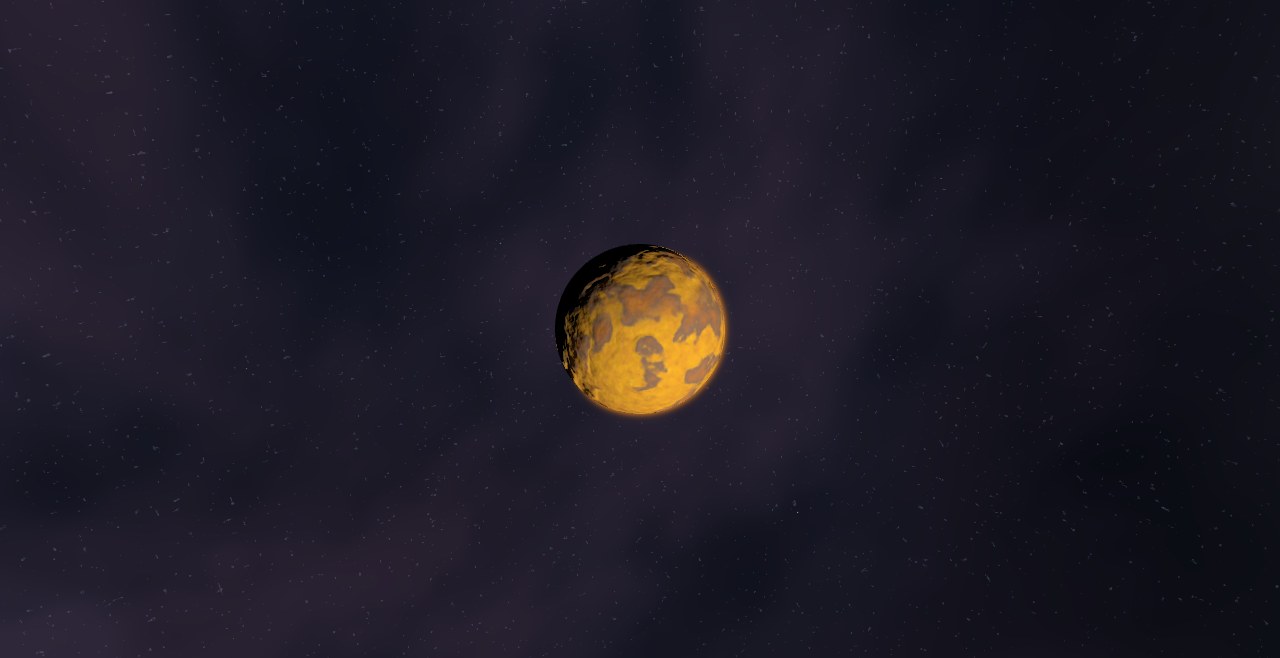
Kepler-346, a Sun-like F-type star of 0.94 solar masses, and Kepler-346 b, a planet with 2.7 Earth radii, with an orbital period of 6.5 days, at 0.071 AU from its star.
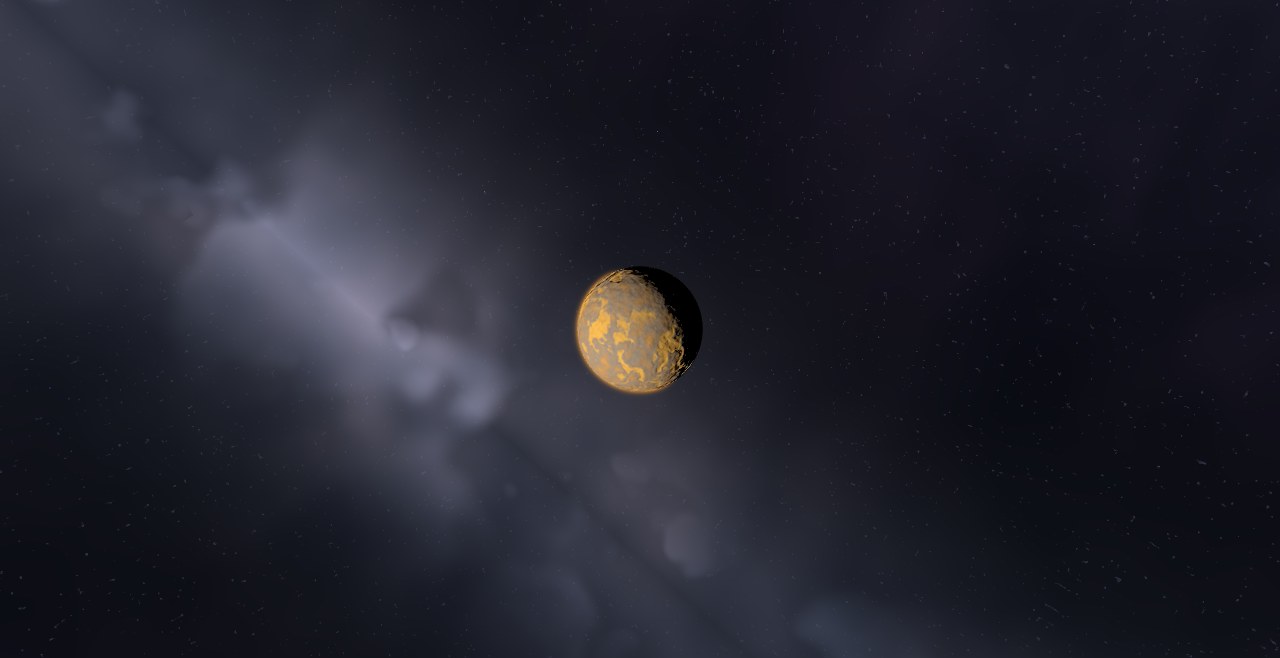
Kepler-348, a Sun-like F-type star of 1.19 solar masses, and Kepler-348 b, a planet with 1.5 Earth radii, with an orbital period of 7.1 days, at 0.076 AU from its star.
Kepler-349, a Sun-like G-type star of 1.08 solar masses, and Kepler-349 b, a planet with 1.9 Earth radii, with an orbital period of 5.9 days, at 0.065 AU from its star.
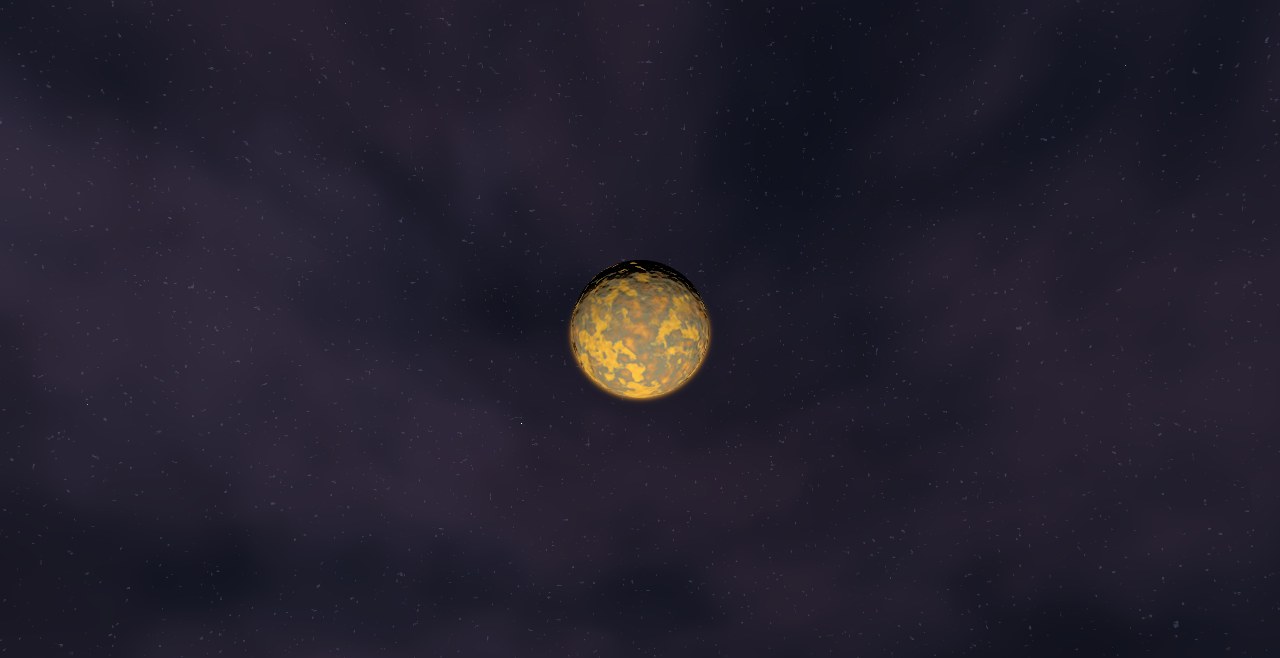
Kepler-353, an orange K-type dwarf of 0.55 solar masses, and Kepler-353 b, a planet with 0.9 Earth radii, with an orbital period of 5.8 days, at 0.051 AU from its star.
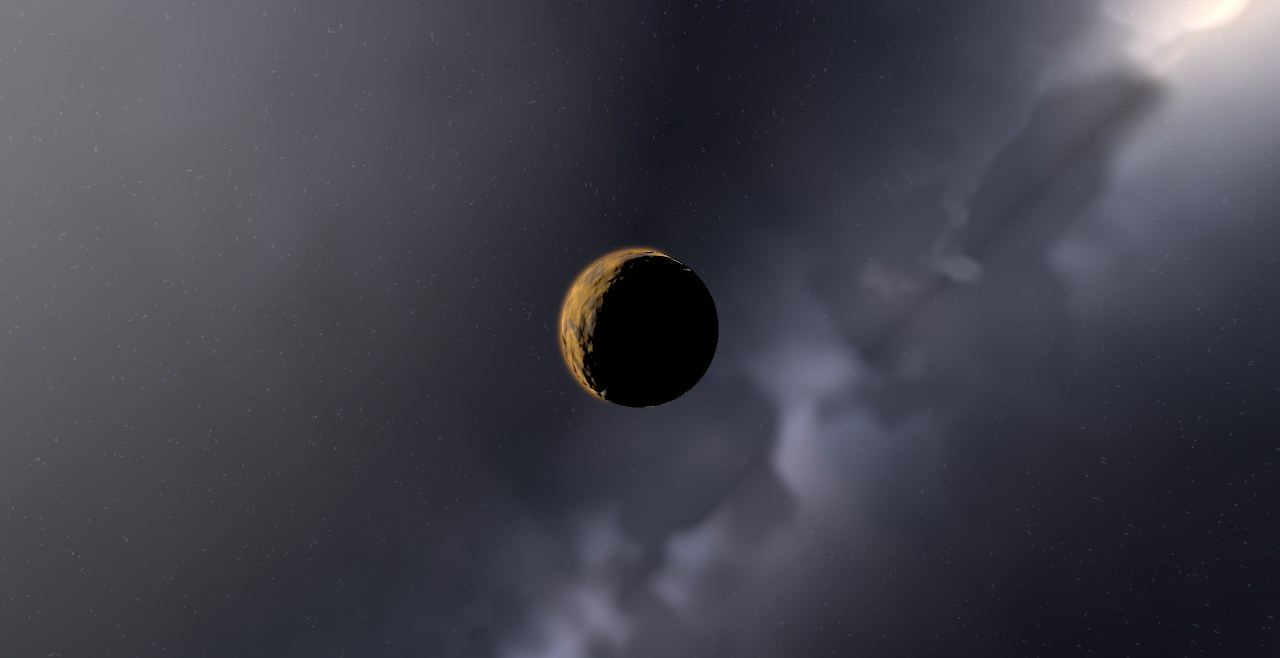
Kepler-355, a Sun-like F-type star of 0.93 solar masses, and Kepler-355 b, a planet with 1.5 Earth radii, with an orbital period of 11.0 days, at 0.102 AU from its star.
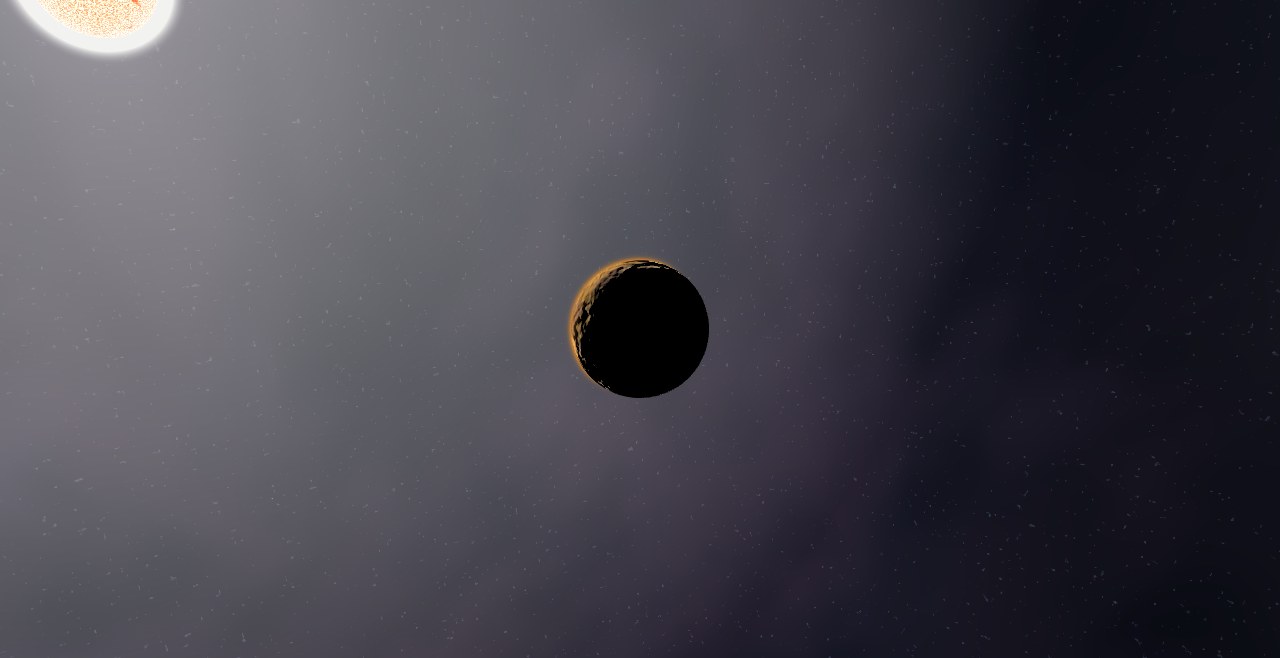
Kepler-356, a Sun-like F-type star of 1.16 solar masses, and Kepler-356 b, a planet with 1.6 Earth radii, with an orbital period of 4.6 days, at 0.057 AU from its star.
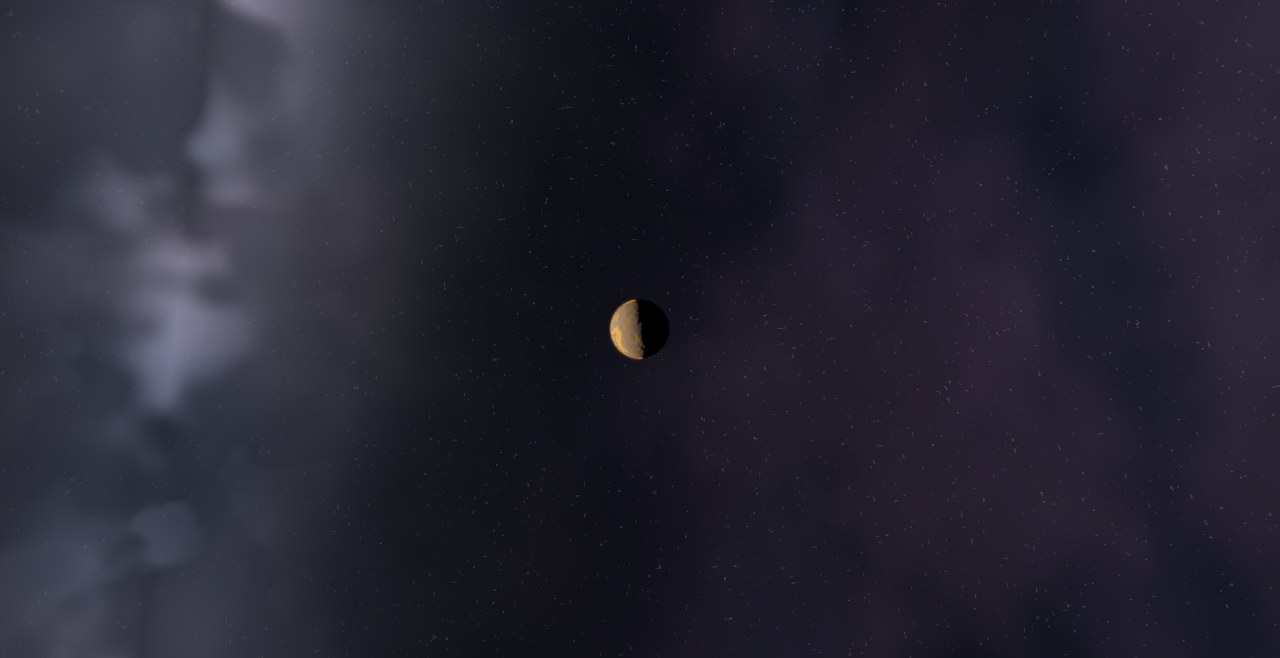
Kepler-358, a Sun-like G-type star of 0.94 solar masses, and Kepler-358 b, a planet with 2.7 Earth radii, with an orbital period of 34.1 days, at 0.210 AU from its star.
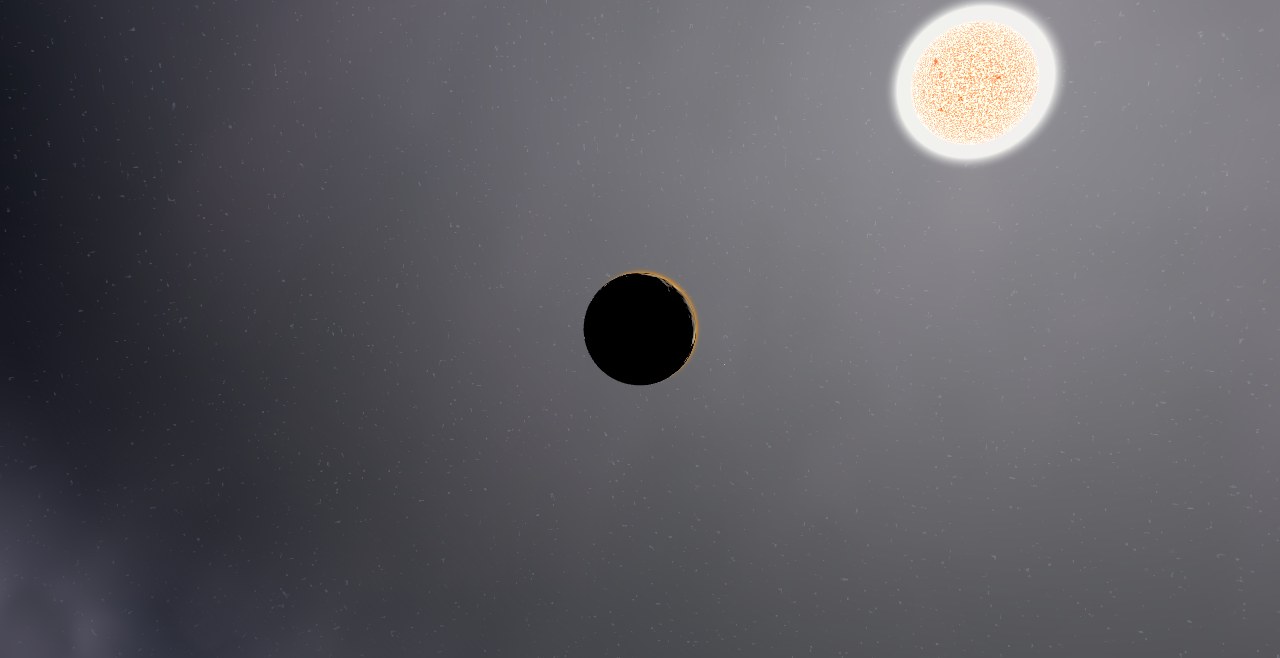
Kepler-36, where a rocky world and a puffy mini-Neptune orbit only 0.01 AU apart. Their transit times swing wildly from the mutual tugs. Their bulk densities differ by nearly a factor of eight.
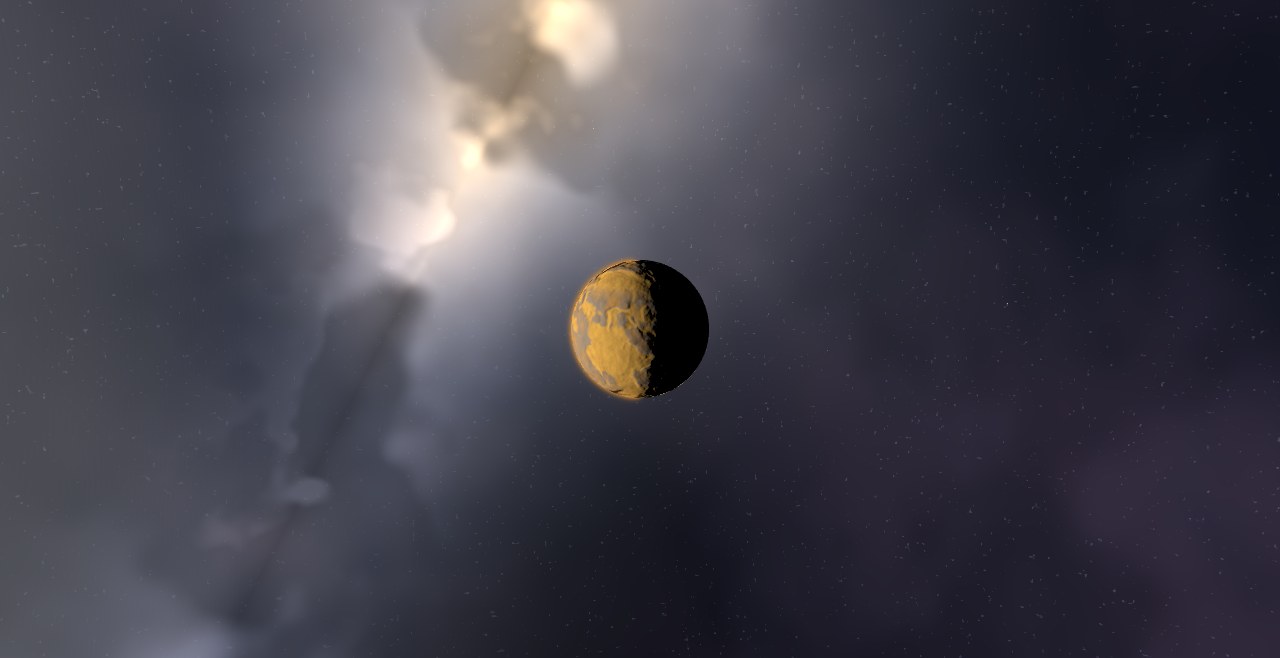
Kepler-360, a Sun-like F-type star of 0.99 solar masses, and Kepler-360 b, a planet with 1.6 Earth radii, with an orbital period of 3.3 days, at 0.044 AU from its star.
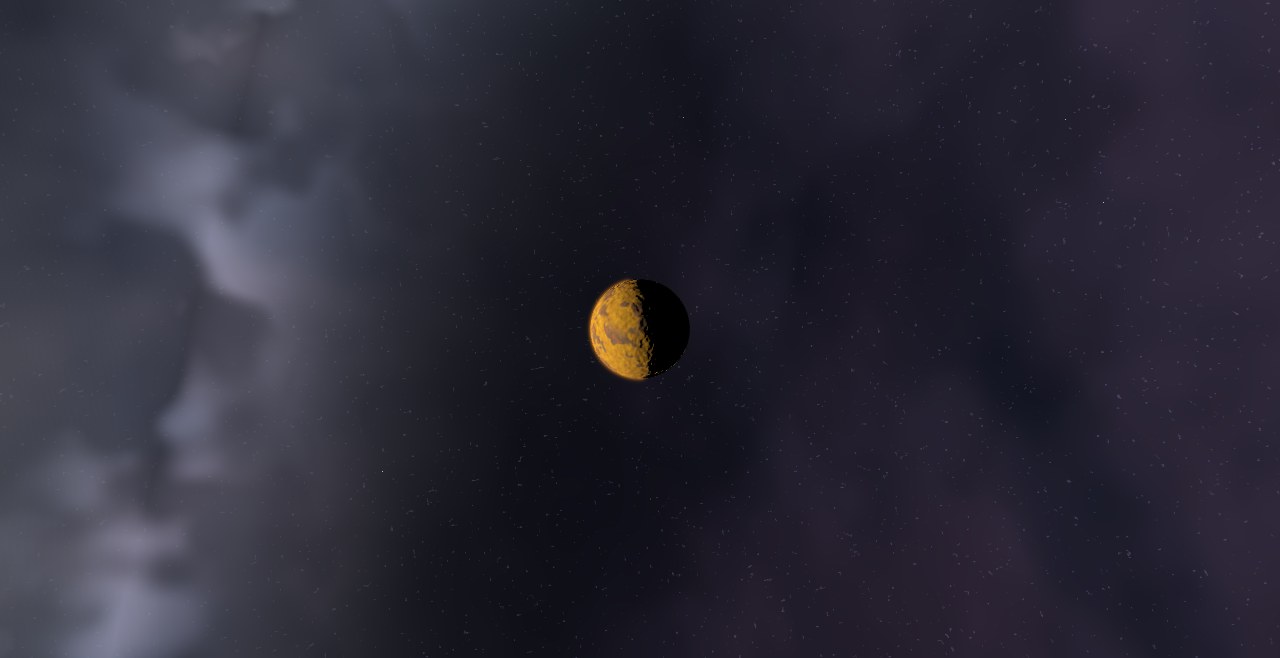
Kepler-361, a Sun-like F-type star of 1.19 solar masses, and Kepler-361 b, a planet with 1.4 Earth radii, with an orbital period of 8.5 days, at 0.086 AU from its star.