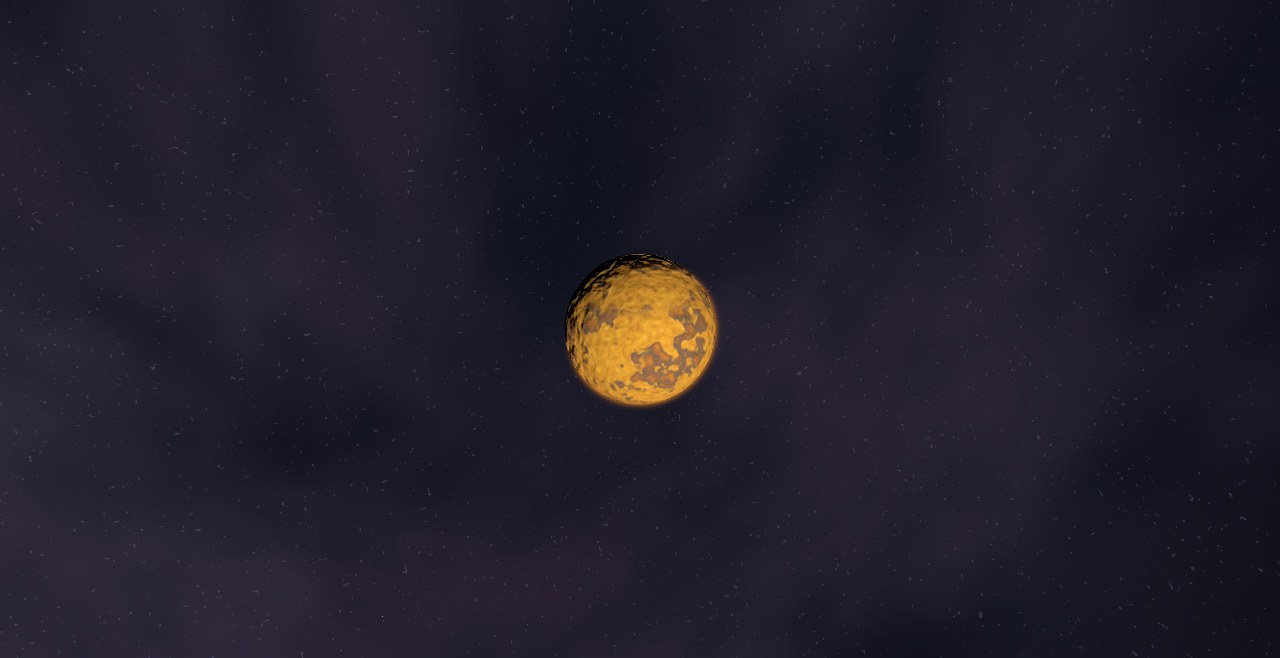
Kepler-236 - System
Kepler-236, an orange K-type dwarf of 0.60 solar masses, and Kepler-236 b, a planet with 1.6 Earth radii, with an orbital period of 8.3 days, at 0.065 AU from its star.
Exoplanets
Track gravitational perturbations, transit timing variations, and orbital stability between binary planet arrangements around distant stars.
Share
Kepler-236, an orange K-type dwarf of 0.60 solar masses, and Kepler-236 b, a planet with 1.6 Earth radii, with an orbital period of 8.3 days, at 0.065 AU from its star.
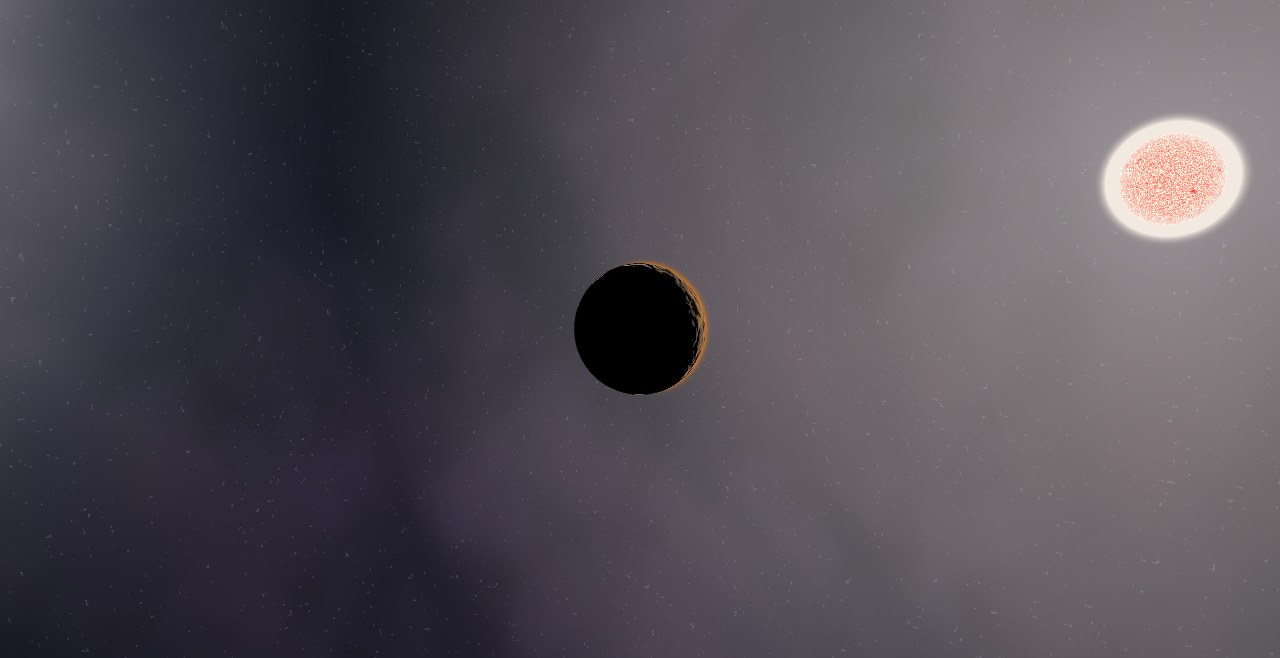
Kepler-237, an orange K-type dwarf of 0.70 solar masses, and Kepler-237 b, a planet with 1.4 Earth radii, with an orbital period of 4.7 days, at 0.050 AU from its star.
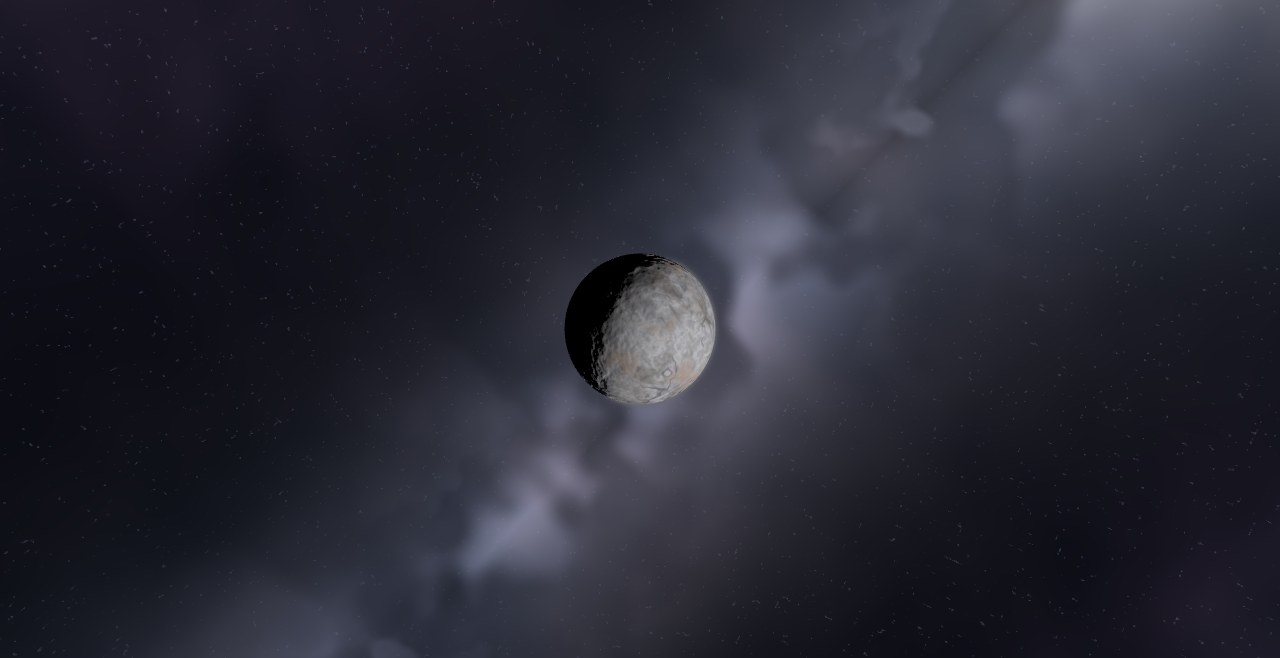
Kepler-239, an orange K-type dwarf of 0.76 solar masses, and Kepler-239 b, a planet with 2.3 Earth radii, with an orbital period of 11.8 days, at 0.095 AU from its star.
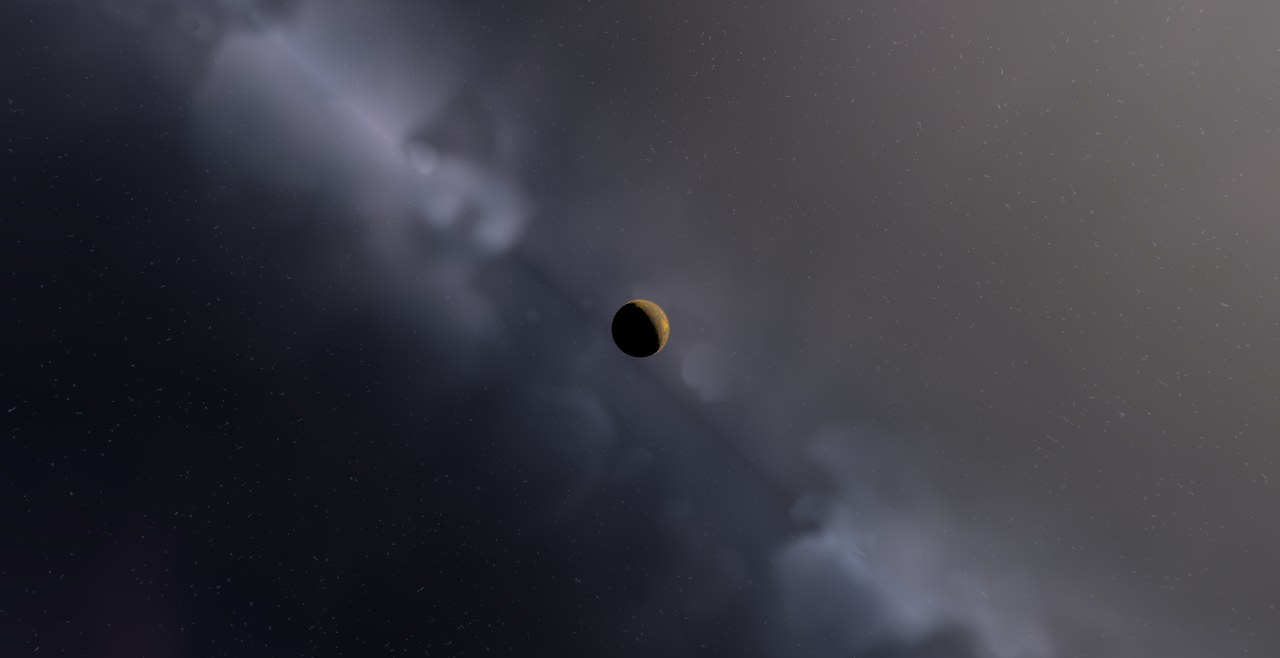
Kepler-240, an orange K-type dwarf of 0.87 solar masses, and Kepler-240 b, a planet with 1.4 Earth radii, with an orbital period of 4.1 days, at 0.048 AU from its star.
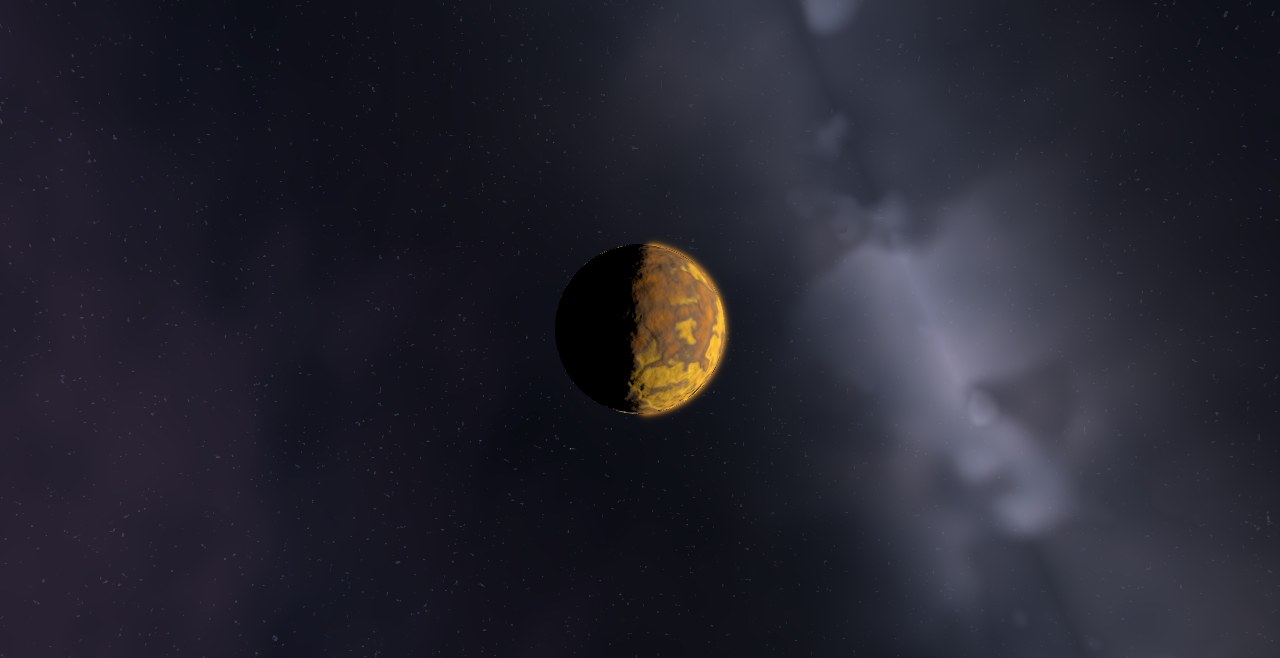
Kepler-241, an orange K-type dwarf of 0.67 solar masses, and Kepler-241 b, a planet with 2.3 Earth radii, with an orbital period of 12.7 days, at 0.094 AU from its star.
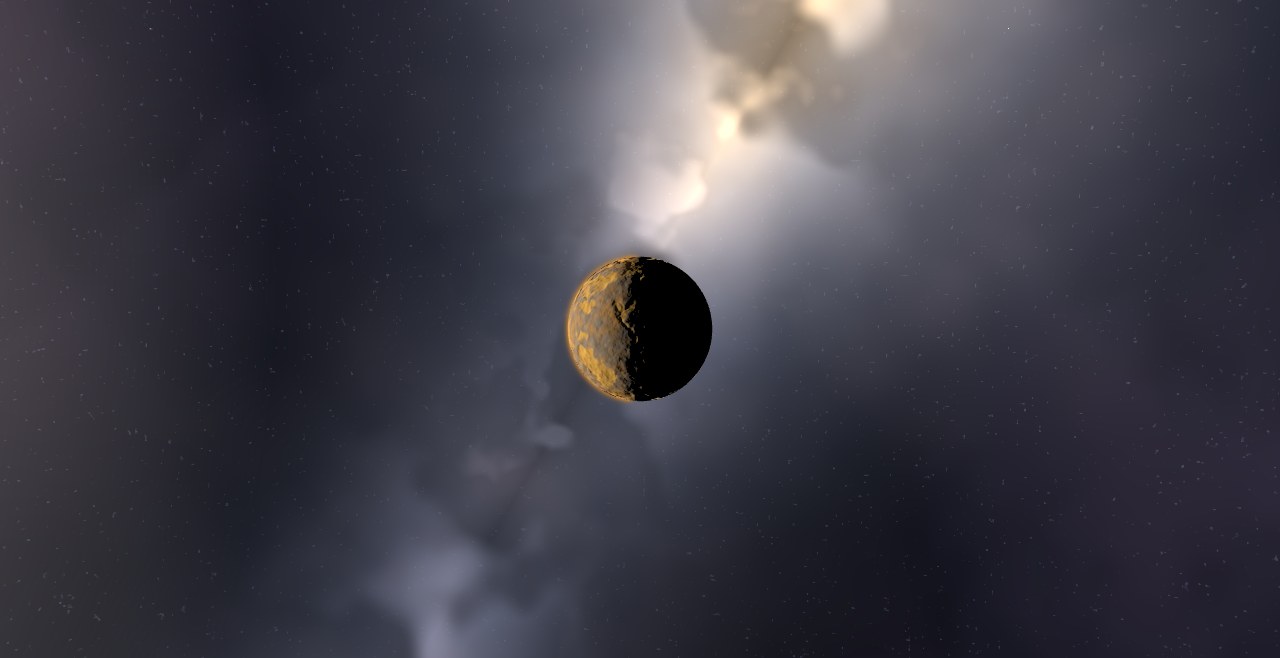
Kepler-242, an orange K-type dwarf of 0.75 solar masses, and Kepler-242 b, a planet with 2.6 Earth radii, with an orbital period of 8.2 days, at 0.075 AU from its star.
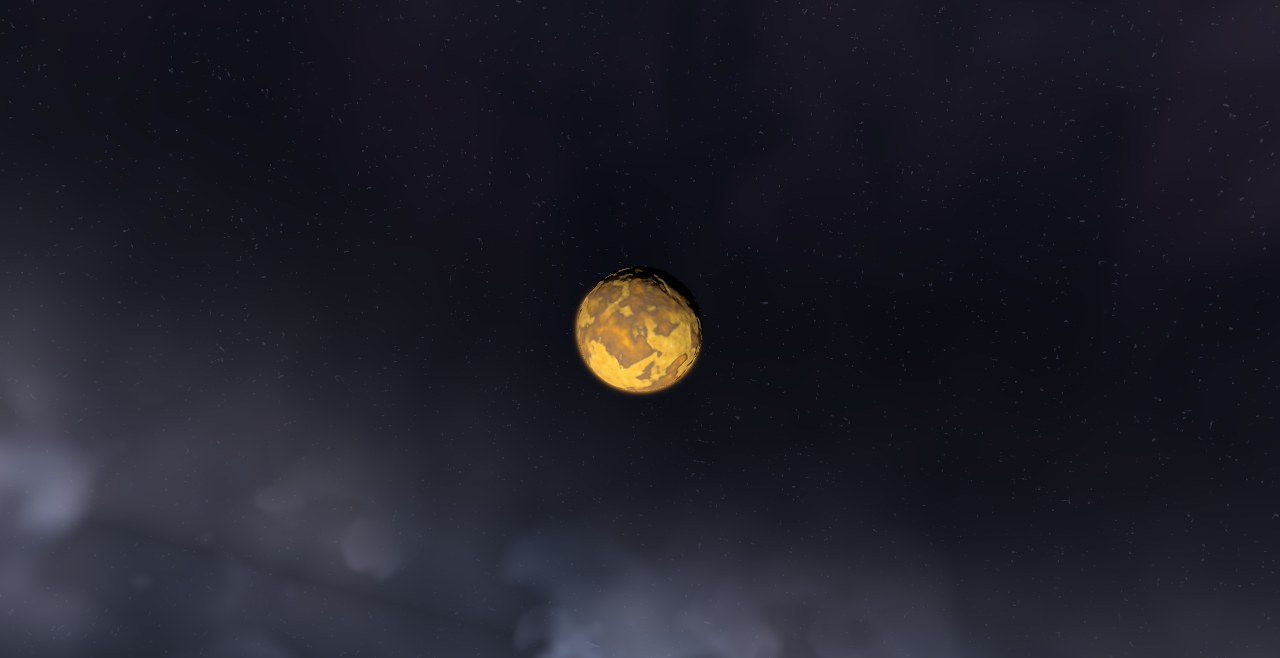
Kepler-243, a Sun-like G-type star of 0.90 solar masses, and Kepler-243 b, a planet with 2.5 Earth radii, with an orbital period of 5.7 days, at 0.062 AU from its star.
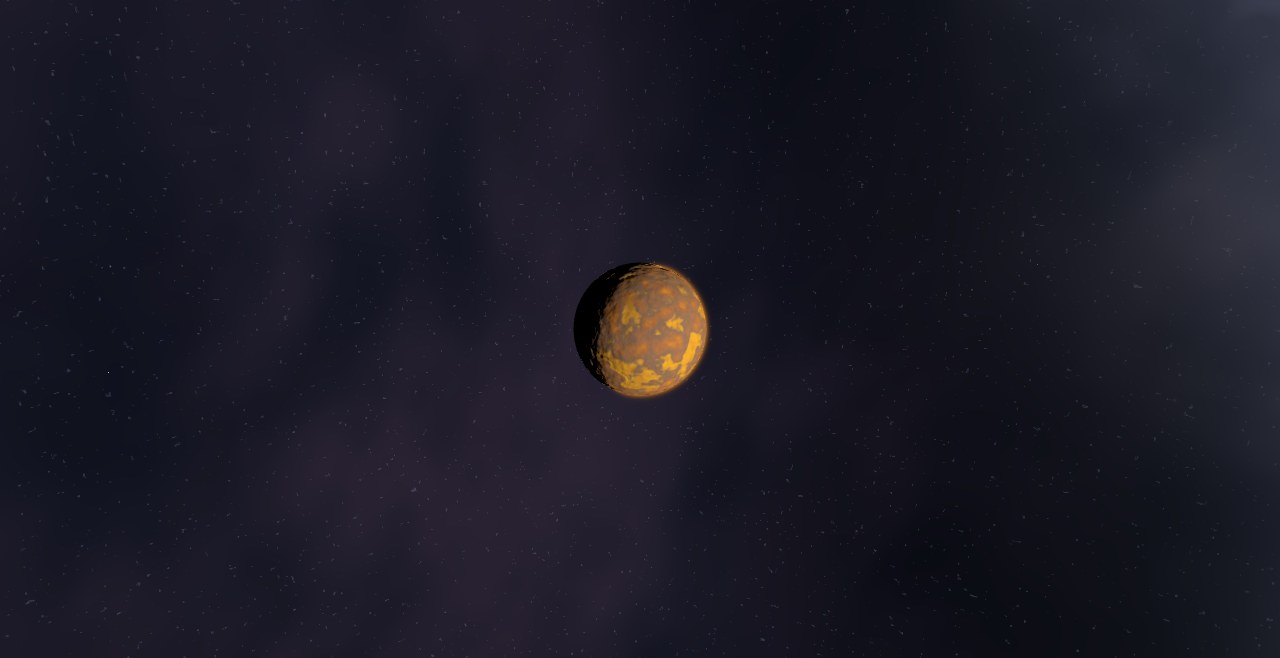
Kepler-246, a Sun-like G-type star of 0.85 solar masses, and Kepler-246 b, a planet with 2.3 Earth radii, with an orbital period of 4.6 days, at 0.052 AU from its star.
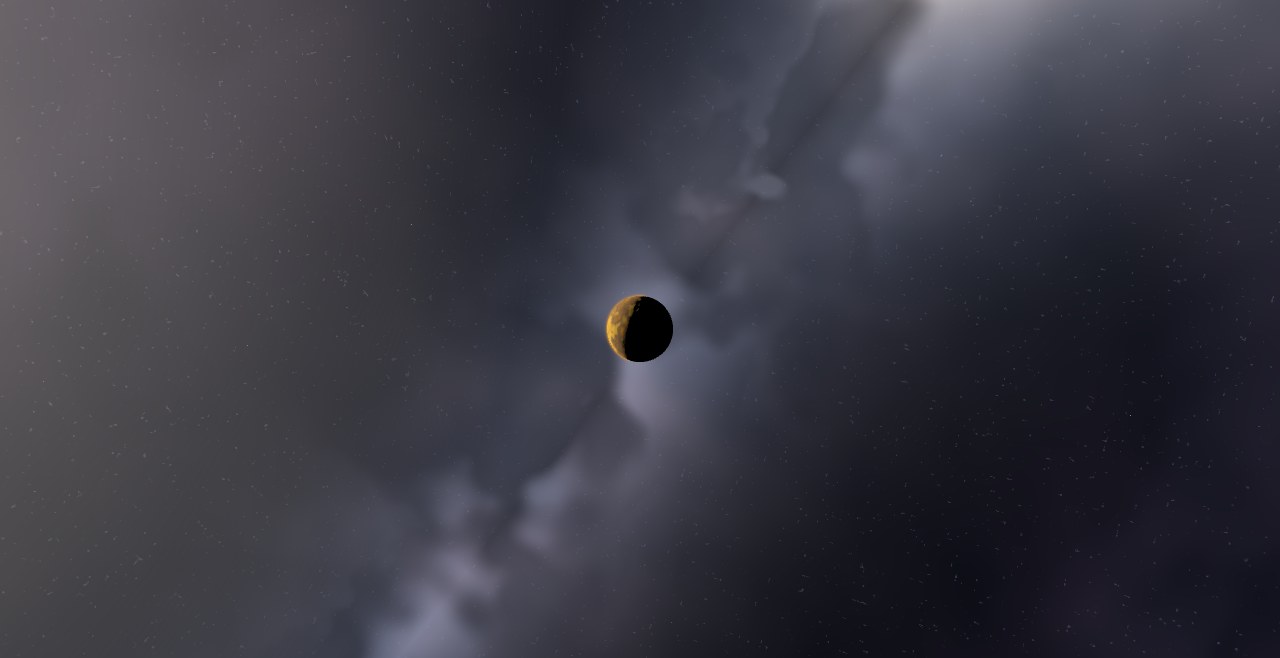
Kepler-248, an orange K-type dwarf of 0.84 solar masses, and Kepler-248 b, a planet with 3.0 Earth radii, with an orbital period of 6.3 days, at 0.066 AU from its star.
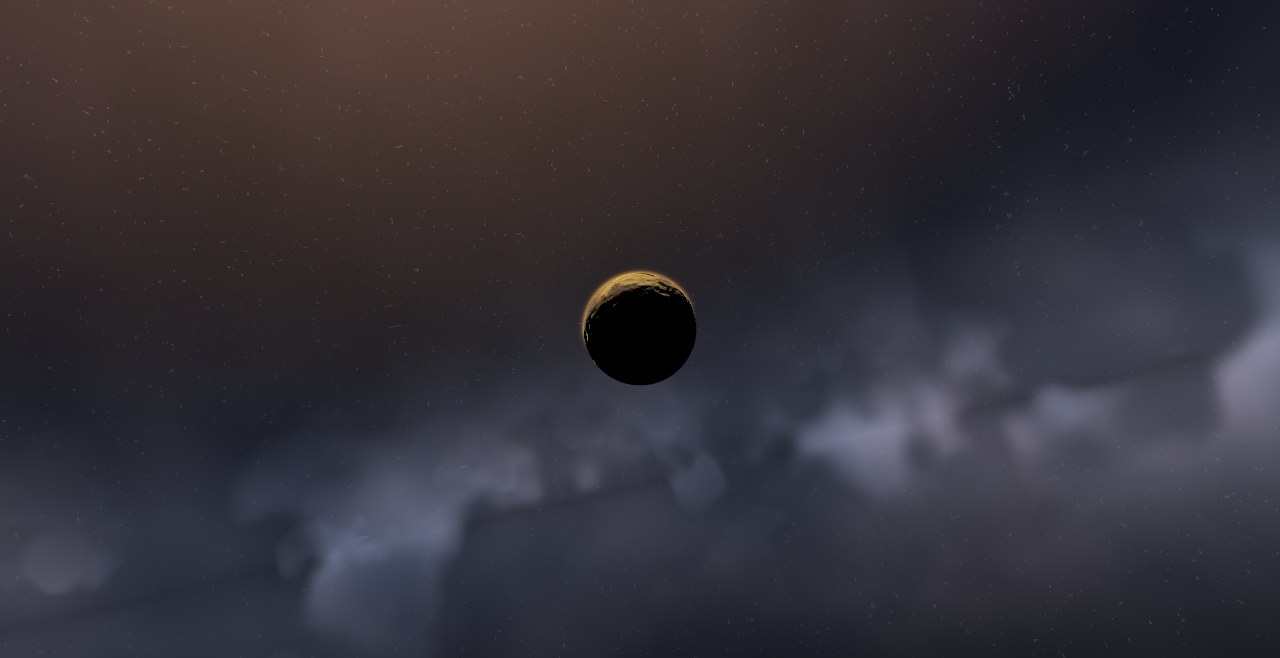
Kepler-252, an orange K-type dwarf of 0.61 solar masses, and Kepler-252 b, a planet with 1.2 Earth radii, with an orbital period of 6.7 days, at 0.058 AU from its star.
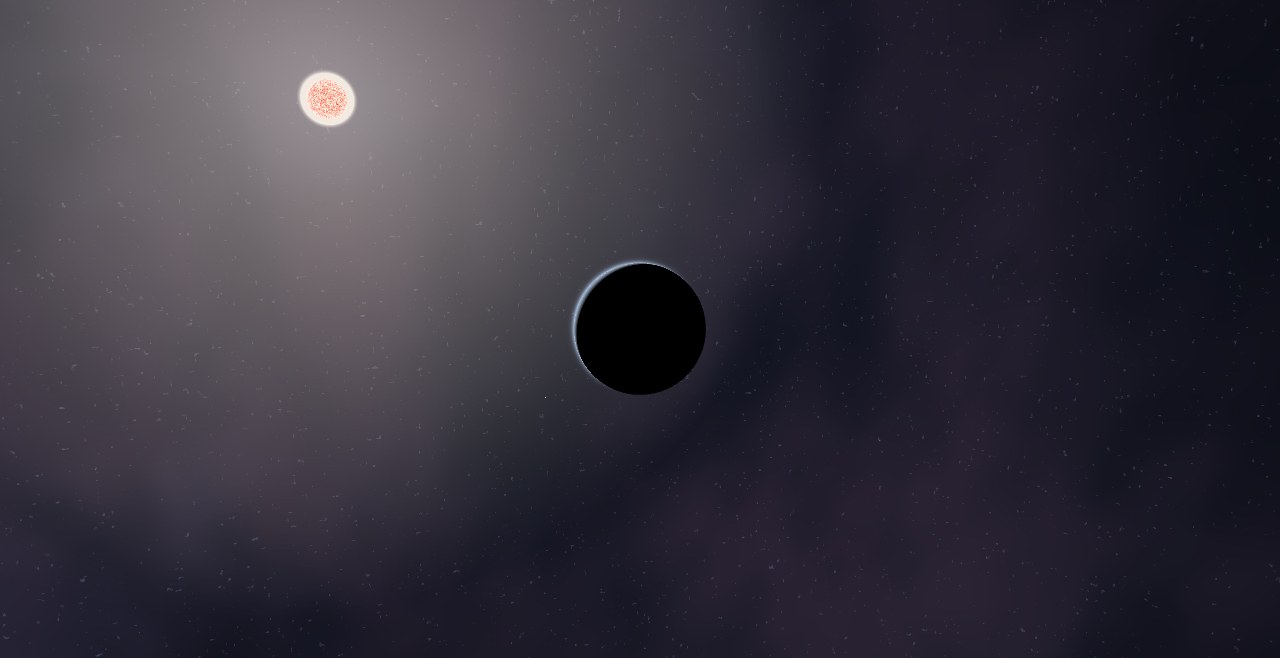
Kepler-258, an orange K-type dwarf of 0.82 solar masses, and Kepler-258 b, a planet with 4.1 Earth radii, with an orbital period of 13.2 days, at 0.103 AU from its star.
Kepler-259, a Sun-like G-type star of 0.87 solar masses, and Kepler-259 b, a planet with 2.8 Earth radii, with an orbital period of 8.1 days, at 0.079 AU from its star.
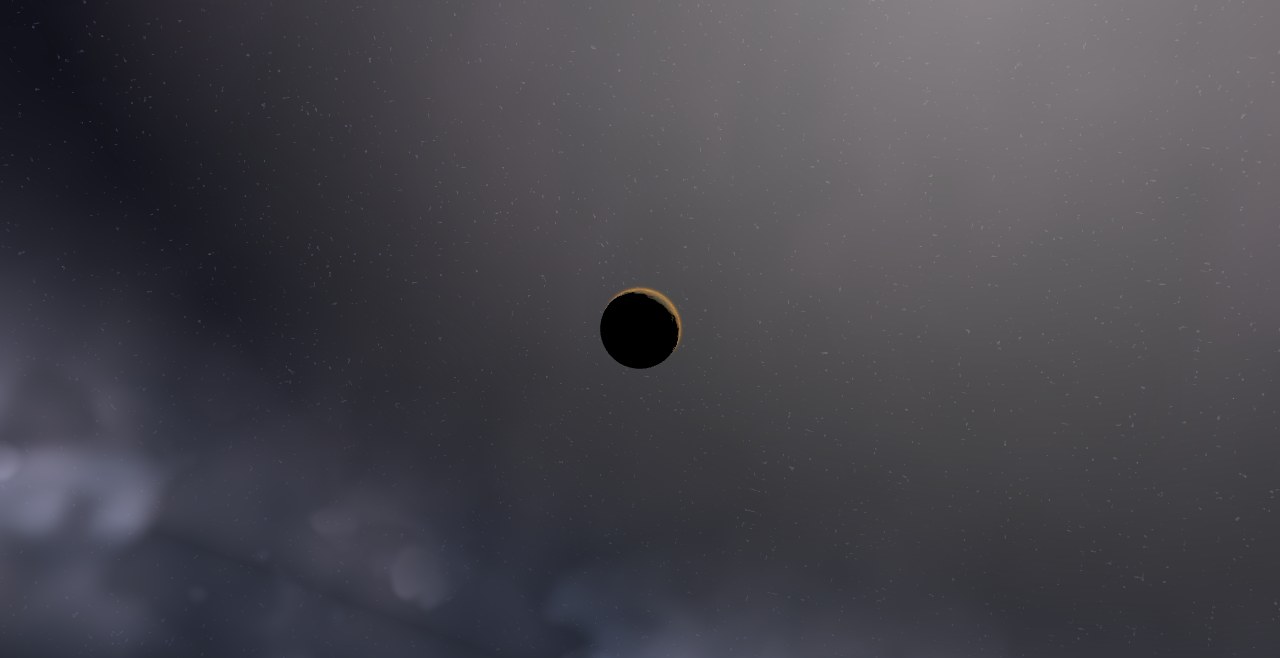
Kepler-260, a Sun-like G-type star of 1.01 solar masses, and Kepler-260 b, a planet with 2.0 Earth radii, with an orbital period of 8.2 days, at 0.075 AU from its star.
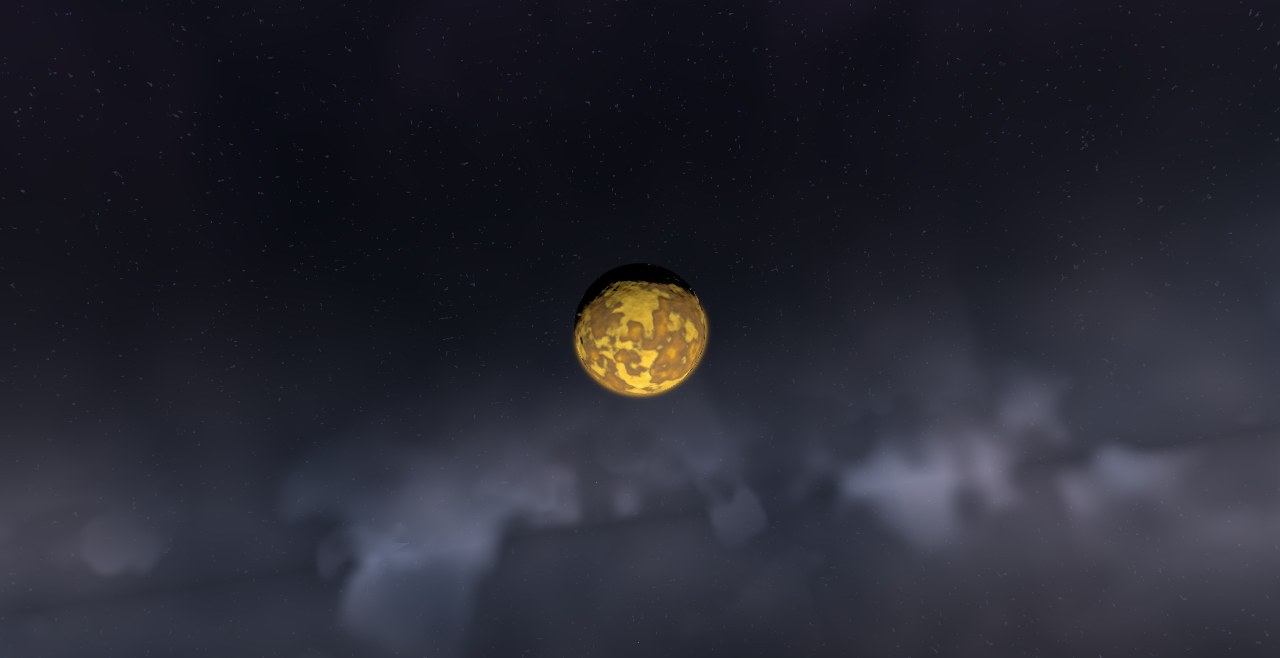
Kepler-261, an orange K-type dwarf of 0.83 solar masses, and Kepler-261 b, a planet with 2.2 Earth radii, with an orbital period of 10.4 days, at 0.088 AU from its star.
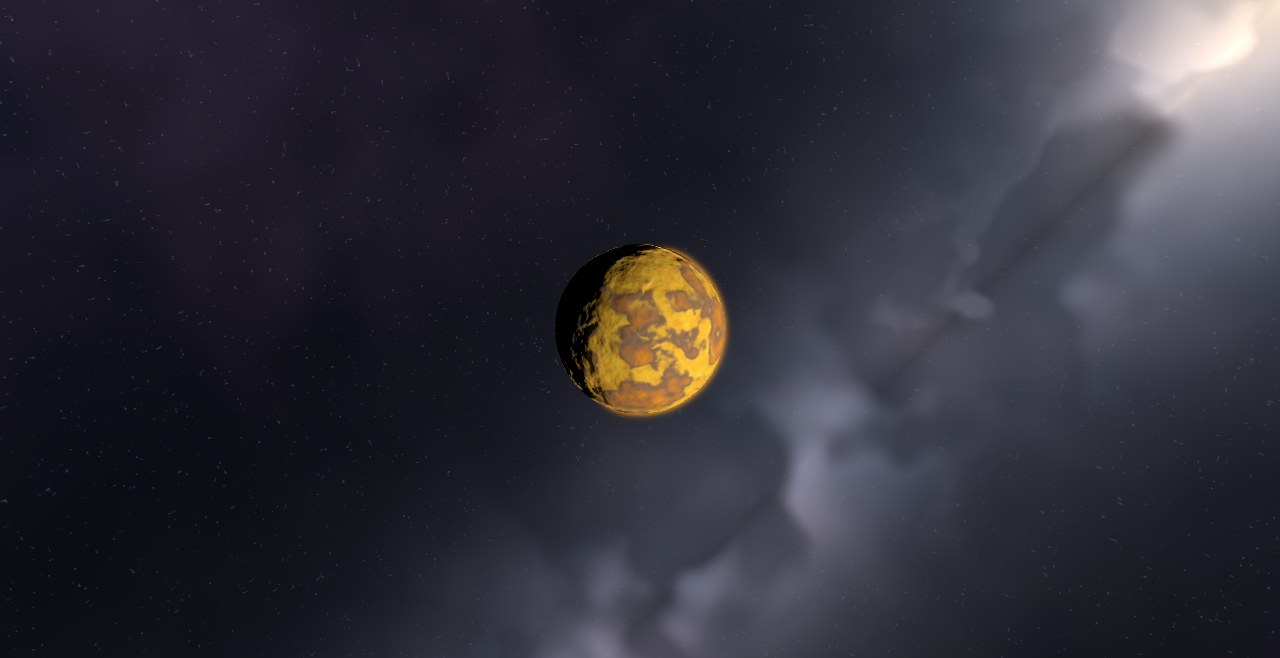
Kepler-262, a Sun-like G-type star of 0.82 solar masses, and Kepler-262 b, a planet with 1.4 Earth radii, with an orbital period of 13.1 days, at 0.108 AU from its star.
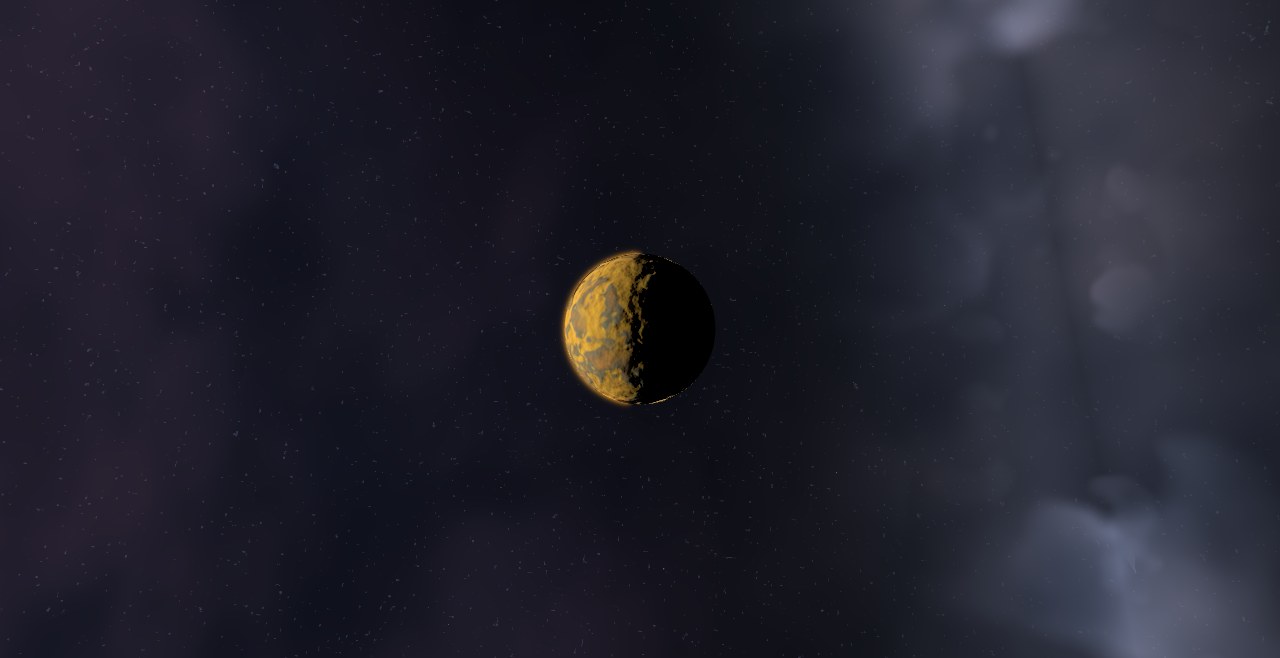
Kepler-263, a Sun-like G-type star of 0.79 solar masses, and Kepler-263 b, a planet with 2.7 Earth radii, with an orbital period of 16.6 days, at 0.120 AU from its star.
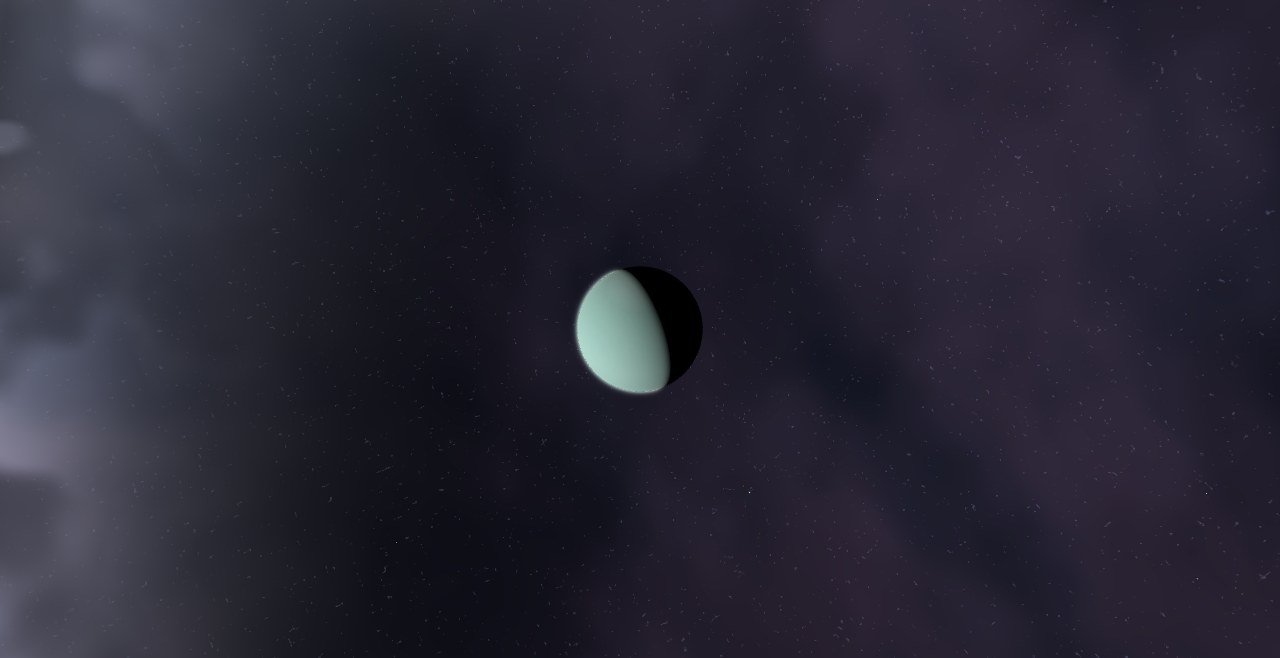
Kepler-264, a Sun-like F-type star of 1.43 solar masses, and Kepler-264 b, a planet with 3.3 Earth radii, with an orbital period of 40.8 days, at 0.249 AU from its star.
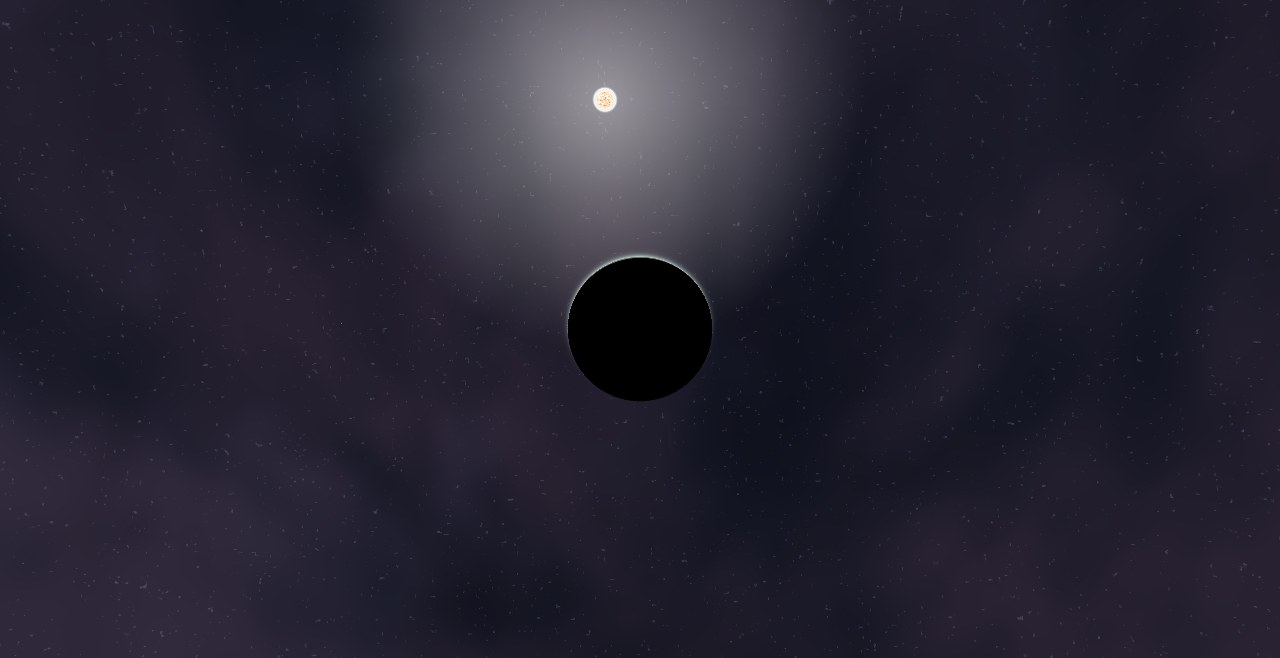
Kepler-266, a Sun-like G-type star of 0.95 solar masses, and Kepler-266 b, a planet with 2.5 Earth radii, with an orbital period of 6.6 days, at 0.071 AU from its star.