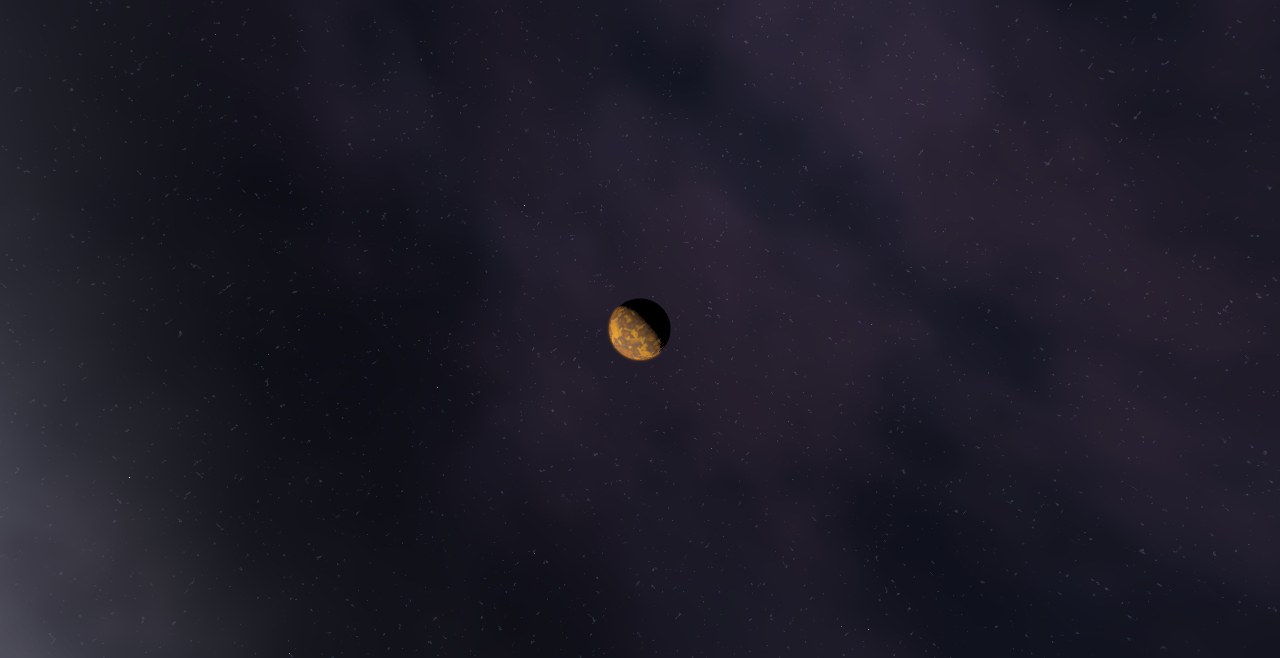
Kepler-168 - System
Kepler-168, a Sun-like F-type star of 1.11 solar masses, and Kepler-168 b, a planet with 1.5 Earth radii, with an orbital period of 4.4 days, at 0.056 AU from its star.
Exoplanets
Track gravitational perturbations, transit timing variations, and orbital stability between binary planet arrangements around distant stars.
Share
Kepler-168, a Sun-like F-type star of 1.11 solar masses, and Kepler-168 b, a planet with 1.5 Earth radii, with an orbital period of 4.4 days, at 0.056 AU from its star.
Kepler-1693, a Sun-like G-type star of 0.95 solar masses, and Kepler-1693 c, a planet with 1.0 Earth radii, with an orbital period of 5.4 days.
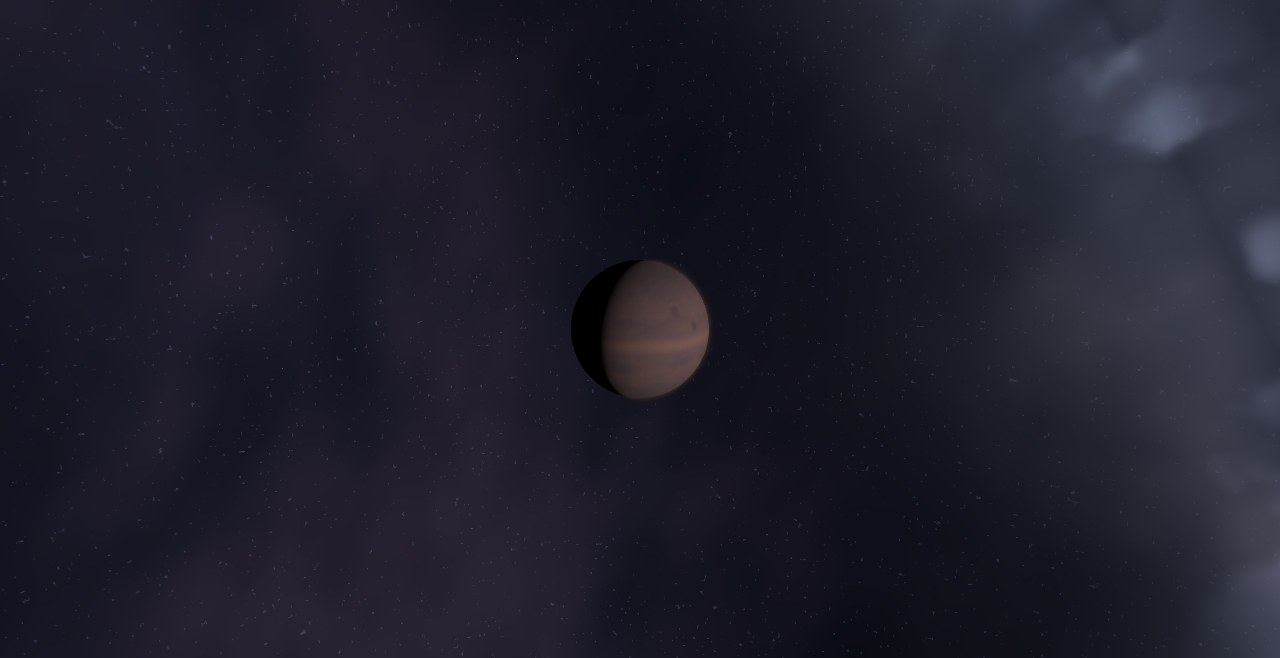
Kepler-170, a Sun-like G-type star of 1.07 solar masses, and Kepler-170 b, a planet with 3.2 Earth radii, with an orbital period of 7.9 days, at 0.080 AU from its star.
Kepler-173, a Sun-like F-type star of 1.07 solar masses, and Kepler-173 b, a planet with 1.3 Earth radii, with an orbital period of 4.3 days, at 0.048 AU from its star.
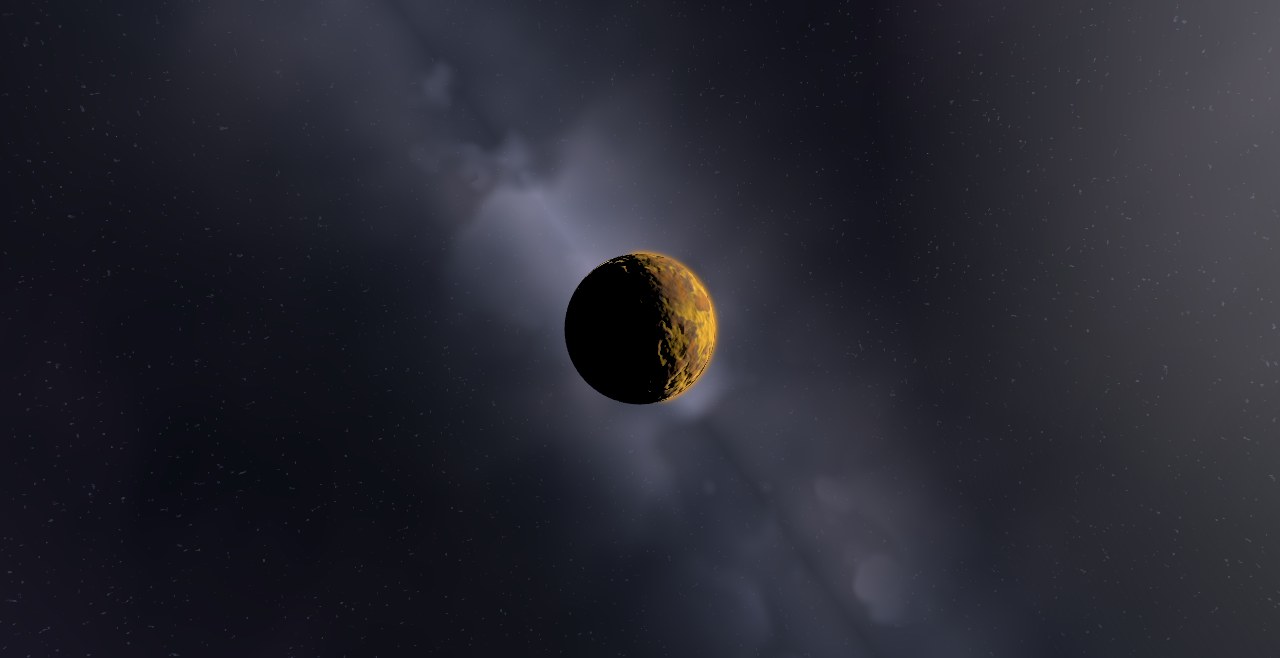
Kepler-175, a Sun-like F-type star of 0.97 solar masses, and Kepler-175 b, a planet with 2.6 Earth radii, with an orbital period of 11.9 days, at 0.105 AU from its star.
Kepler-177, a Sun-like G-type star of 0.92 solar masses, and Kepler-177 b, a 5.8-Earth-mass planet, with an orbital period of 36.9 days.
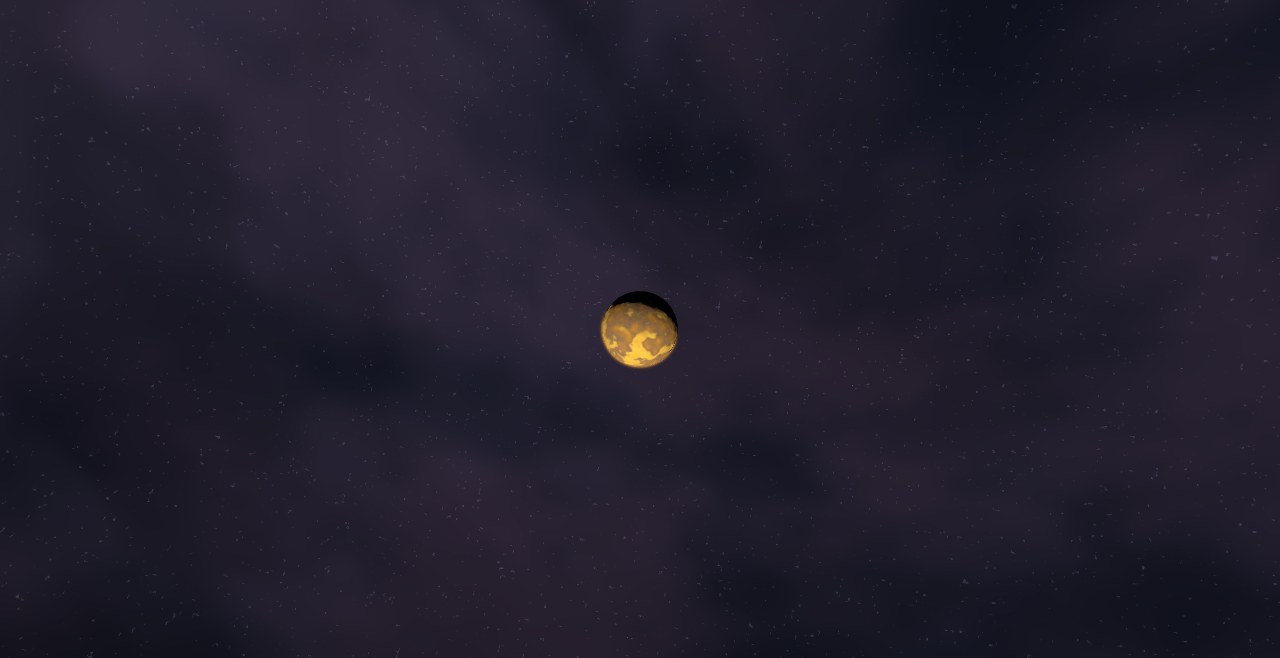
Kepler-179, a Sun-like G-type star of 0.89 solar masses, and Kepler-179 b, a planet with 1.6 Earth radii, with an orbital period of 2.7 days, at 0.036 AU from its star.
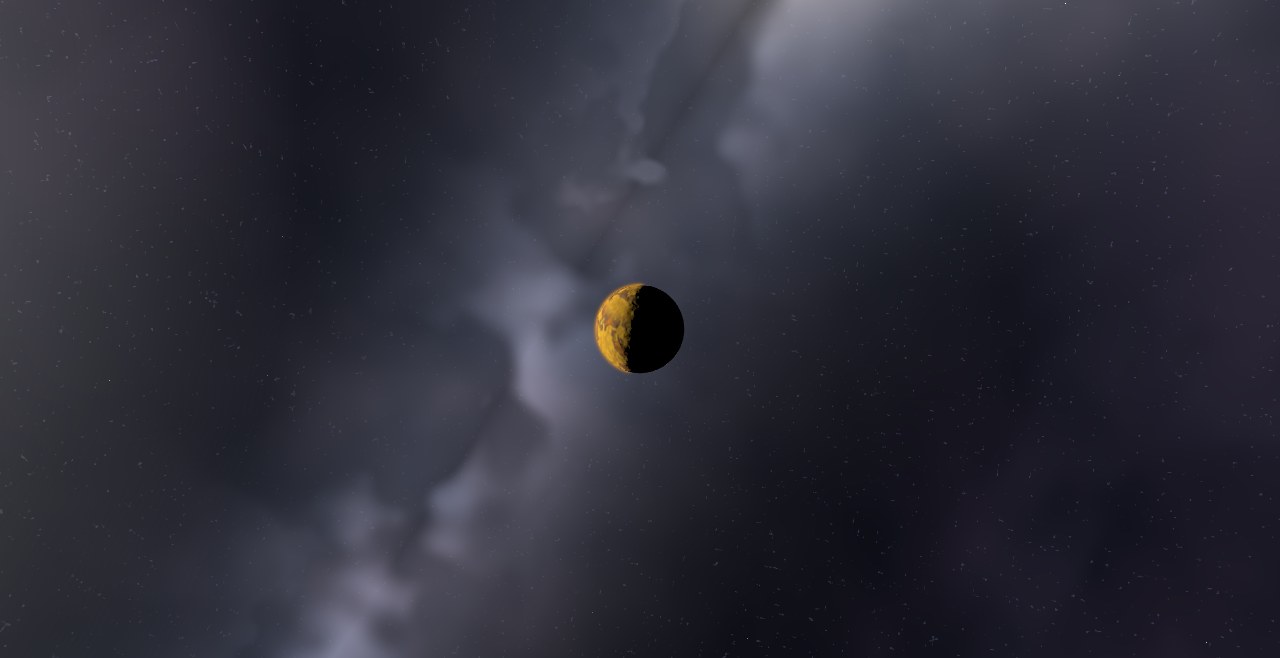
Kepler-180, a Sun-like G-type star of 0.95 solar masses, and Kepler-180 b, a planet with 1.5 Earth radii, with an orbital period of 13.8 days, at 0.109 AU from its star.
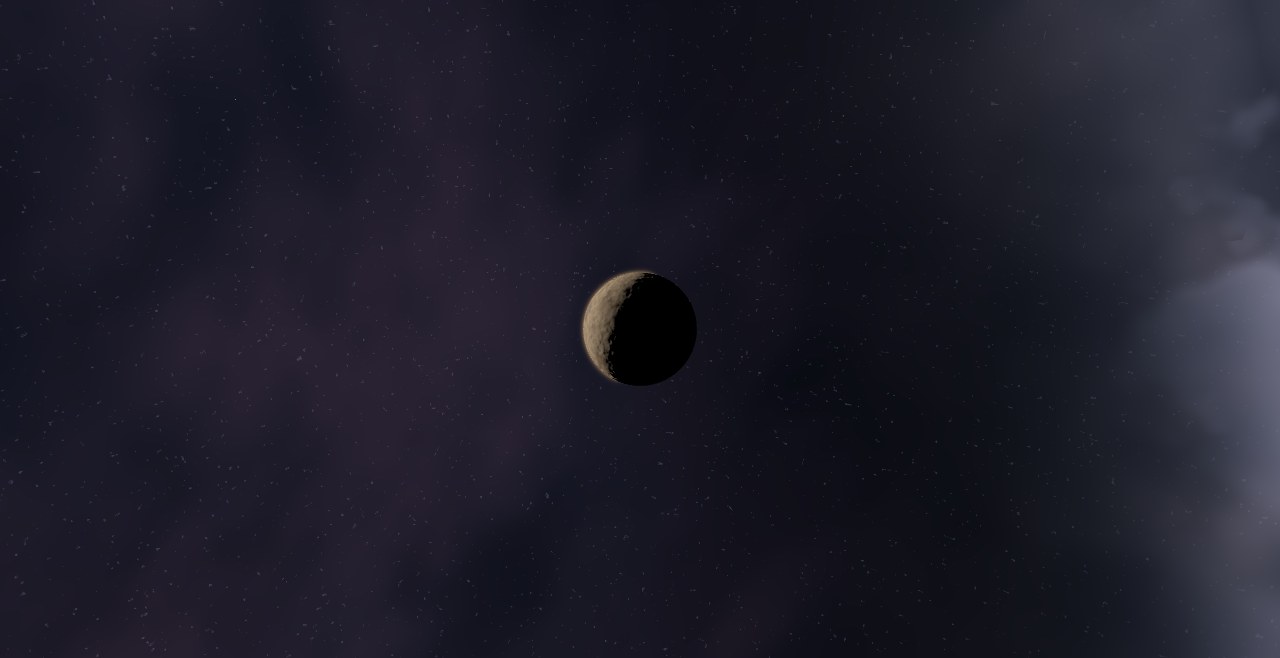
Kepler-1801, a Sun-like G-type star of 0.94 solar masses, and Kepler-1801 c, a planet with 2.9 Earth radii, with an orbital period of 117 days, at 0.457 AU from its star, and an equilibrium temperature near.
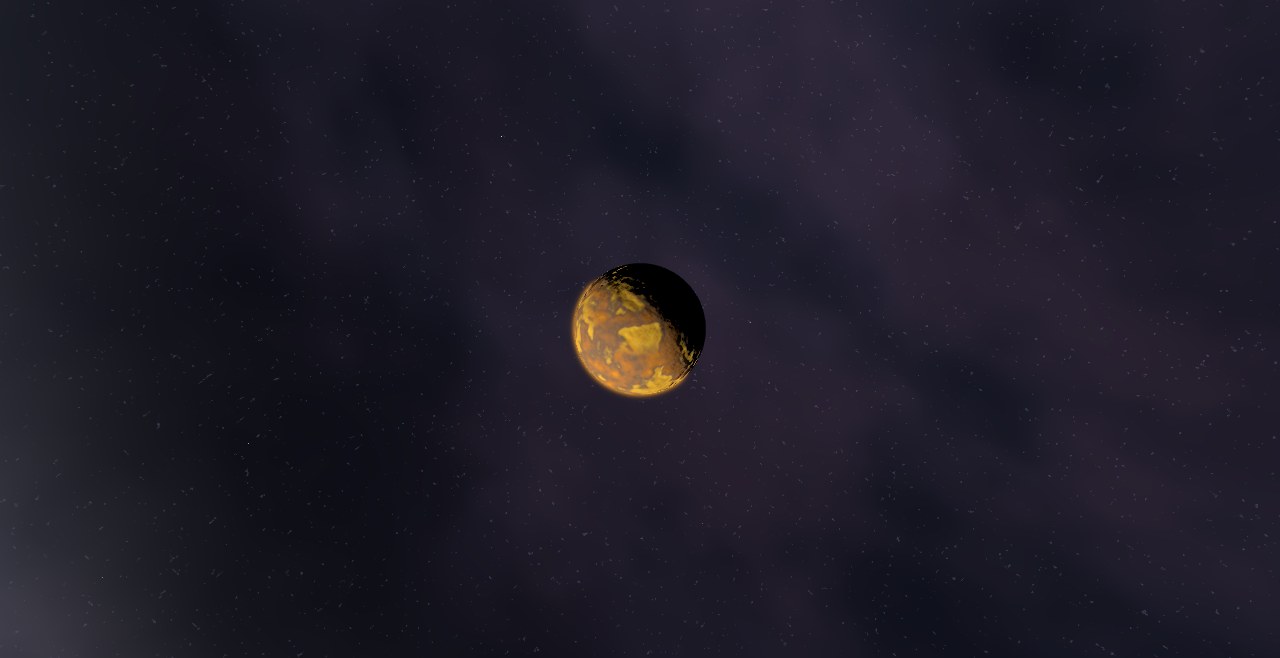
Kepler-1802, an orange K-type dwarf of 0.65 solar masses, and Kepler-1802 b, a planet with 1.7 Earth radii, with an orbital period of 15.5 days.
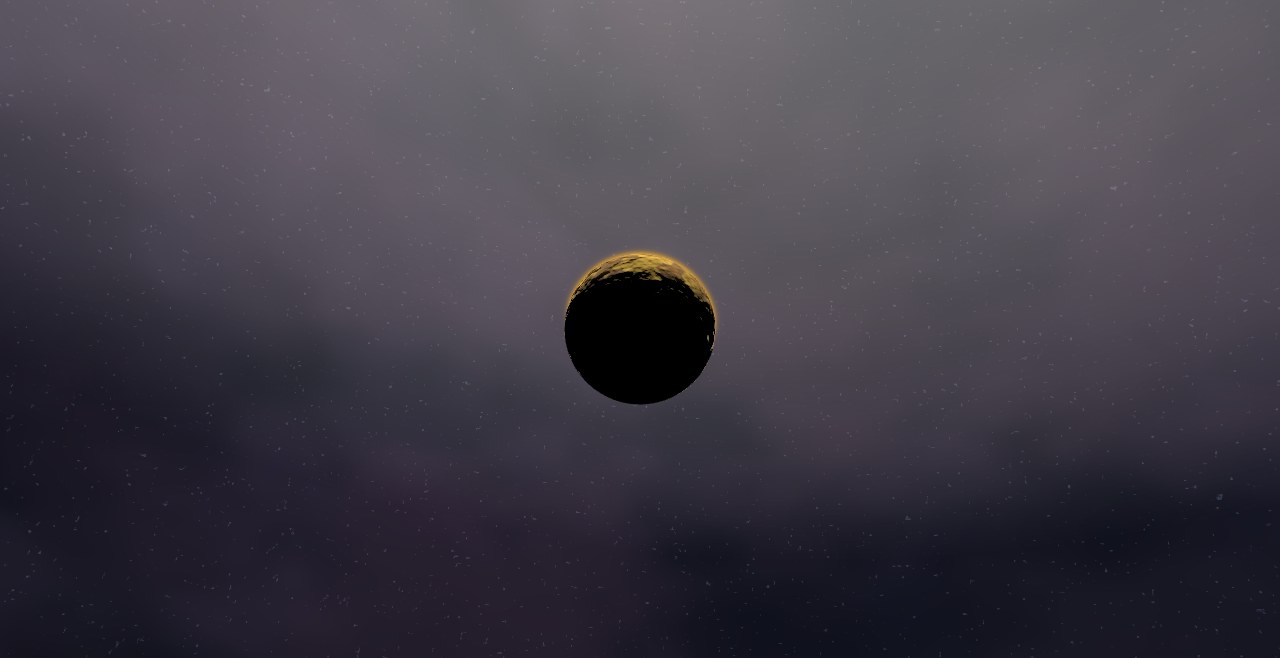
Kepler-181, a Sun-like G-type star of 0.81 solar masses, and Kepler-181 b, a planet with 1.3 Earth radii, with an orbital period of 3.1 days, at 0.040 AU from its star.
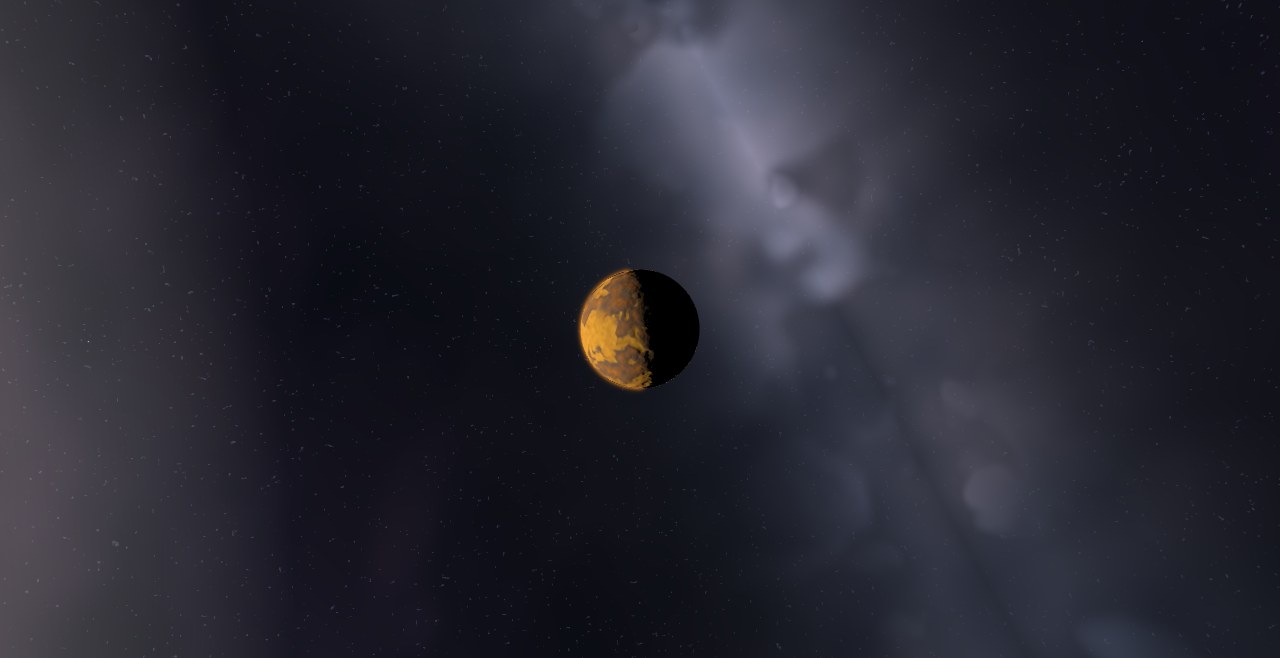
Kepler-1814, an orange K-type dwarf of 0.79 solar masses, and Kepler-1814 c, a planet with 1.8 Earth radii, with an orbital period of 15.0 hours, at 0.013 AU from its star, and an equilibrium temperature near.
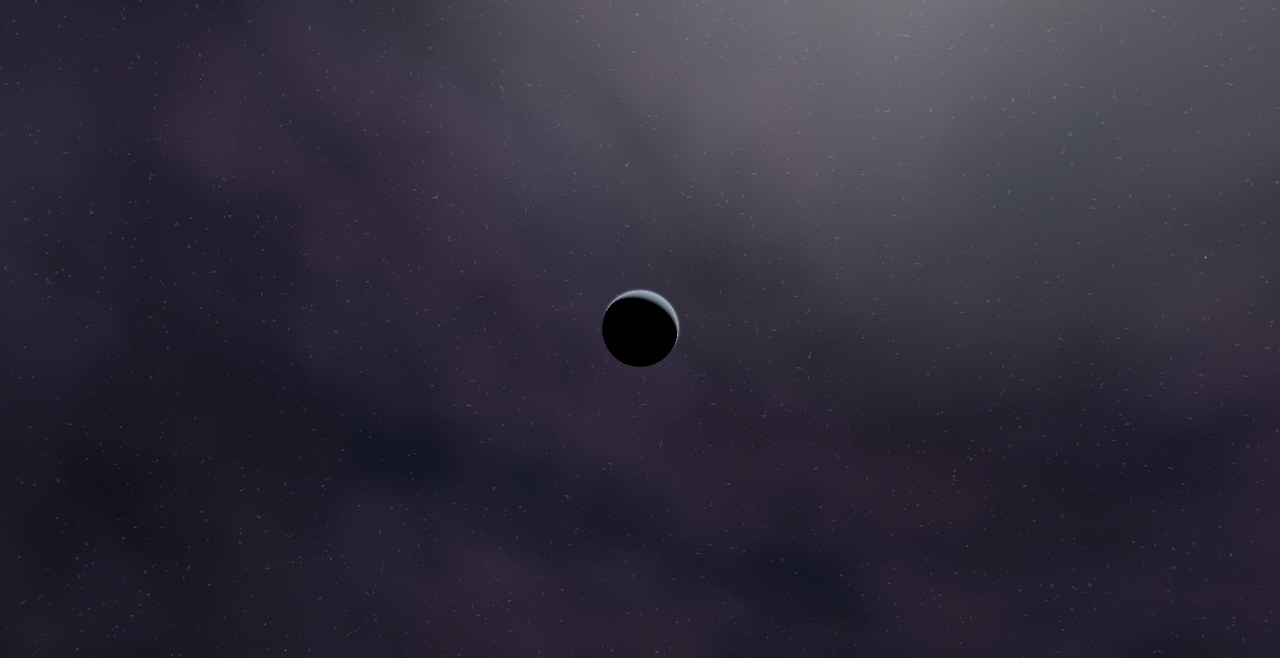
Kepler-182, a Sun-like F-type star of 1.11 solar masses, and Kepler-182 b, a planet with 2.6 Earth radii, with an orbital period of 9.8 days, at 0.096 AU from its star.
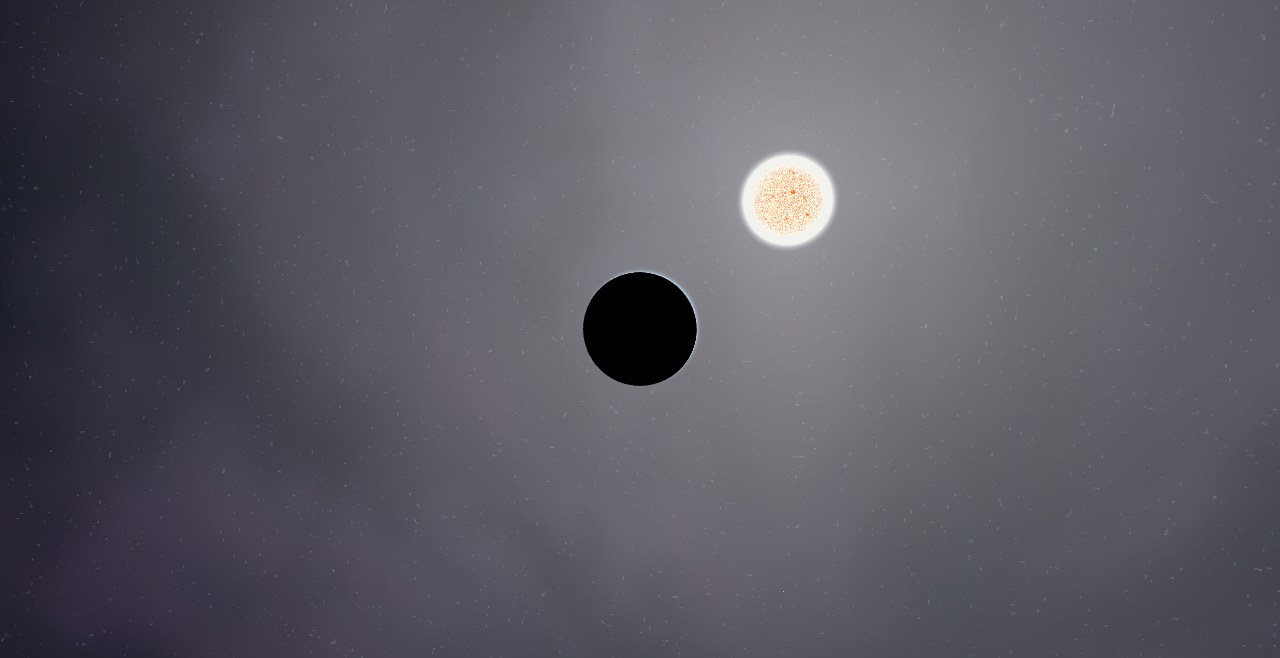
Kepler-183, a Sun-like G-type star of 0.99 solar masses, and Kepler-183 b, a planet with 2.1 Earth radii, with an orbital period of 5.7 days, at 0.064 AU from its star.
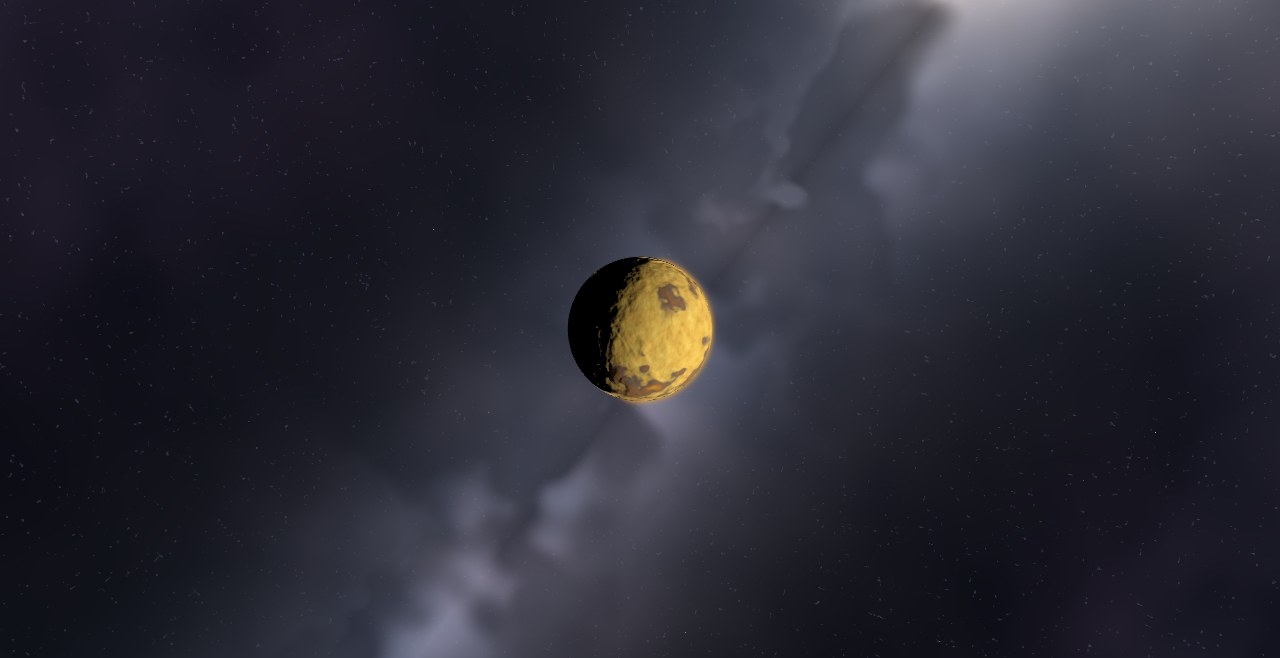
Kepler-1834, an orange K-type dwarf of 0.77 solar masses, and Kepler-1834 c, a planet with 1.2 Earth radii, with an orbital period of 18.4 hours, at 0.015 AU from its star, and an equilibrium temperature near.
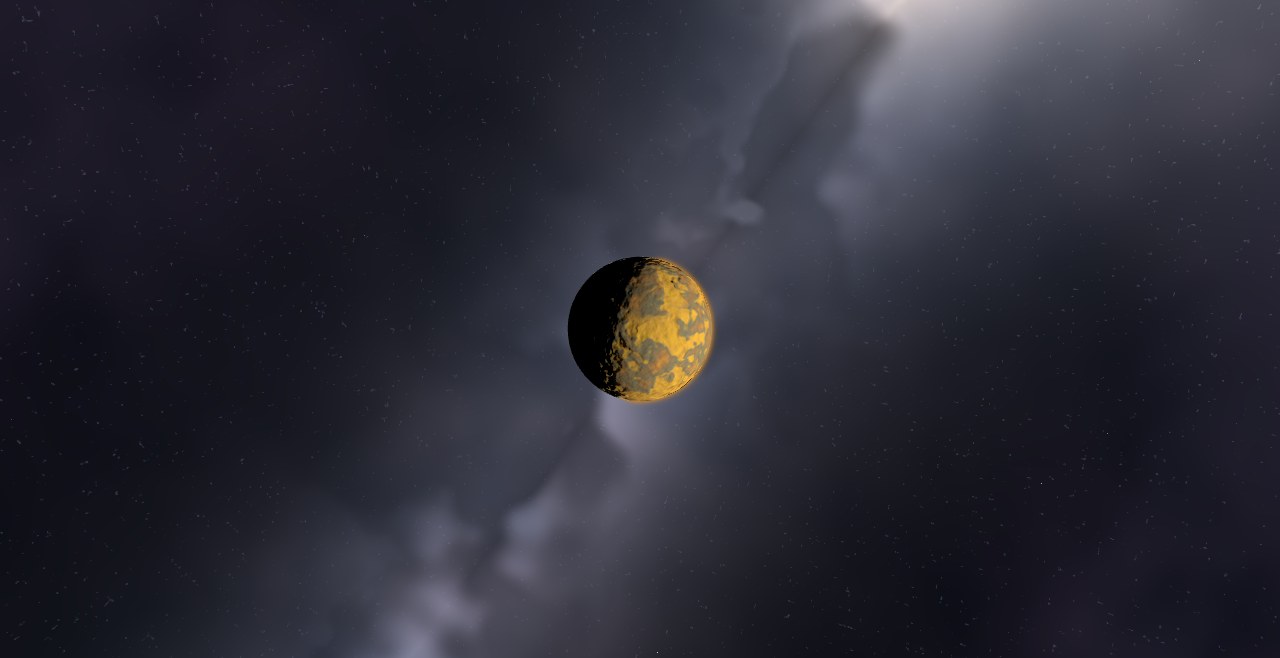
Kepler-185, a Sun-like G-type star of 0.76 solar masses, and Kepler-185 b, a planet with 1.2 Earth radii, with an orbital period of 1.6 days, at 0.026 AU from its star.
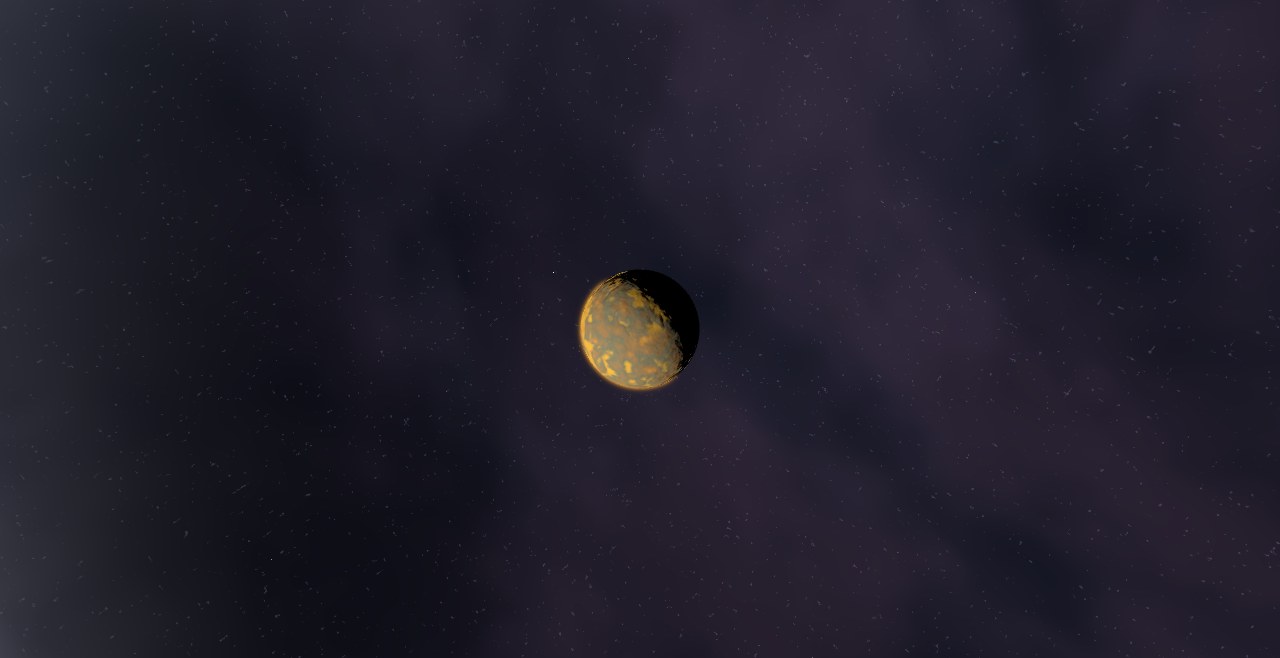
Kepler-1859, a Sun-like G-type star of 1.09 solar masses, and Kepler-1859 c, a planet with 1.7 Earth radii, with an orbital period of 3.6 days, at 0.047 AU from its star, and an equilibrium temperature near.
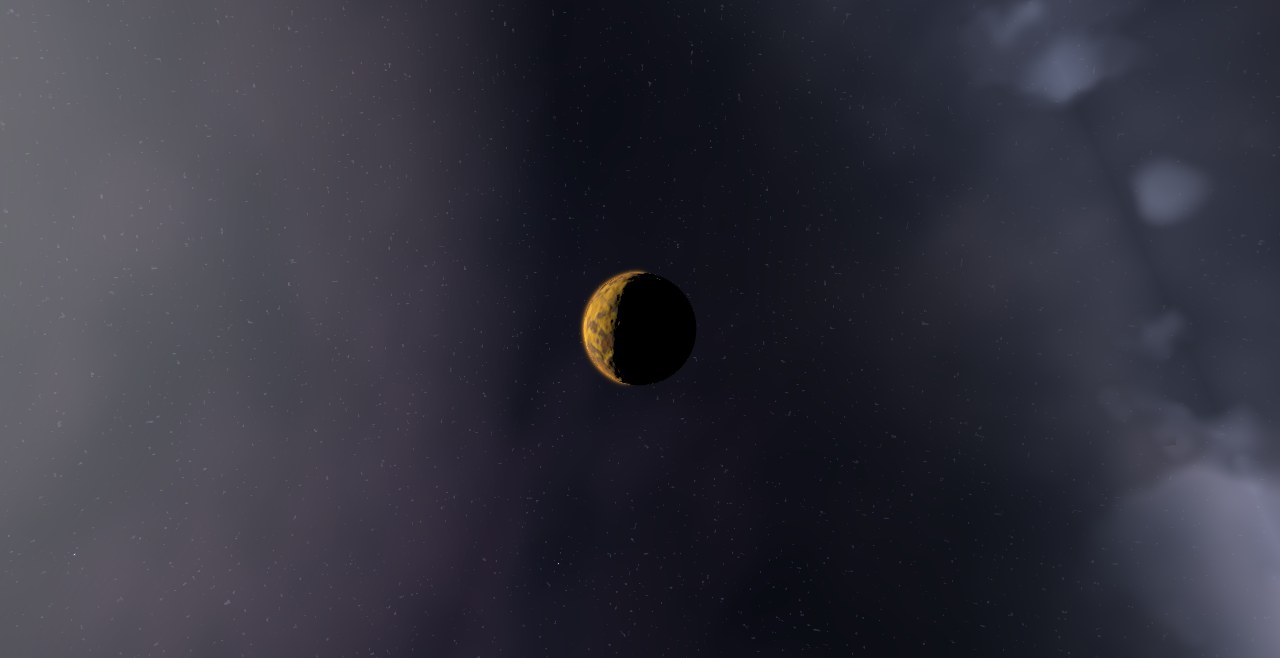
Kepler-1869, a Sun-like G-type star of 0.99 solar masses, and Kepler-1869 c, a planet with 0.7 Earth radii, with an orbital period of 1.7 days, at 0.028 AU from its star, and an equilibrium temperature near.